
Pattern recognition Matching Worksheets for 6-Year-Olds
5 filtered results
Difficulty Level
Grade
Age
-
From - To
Subject
Activity
Standards
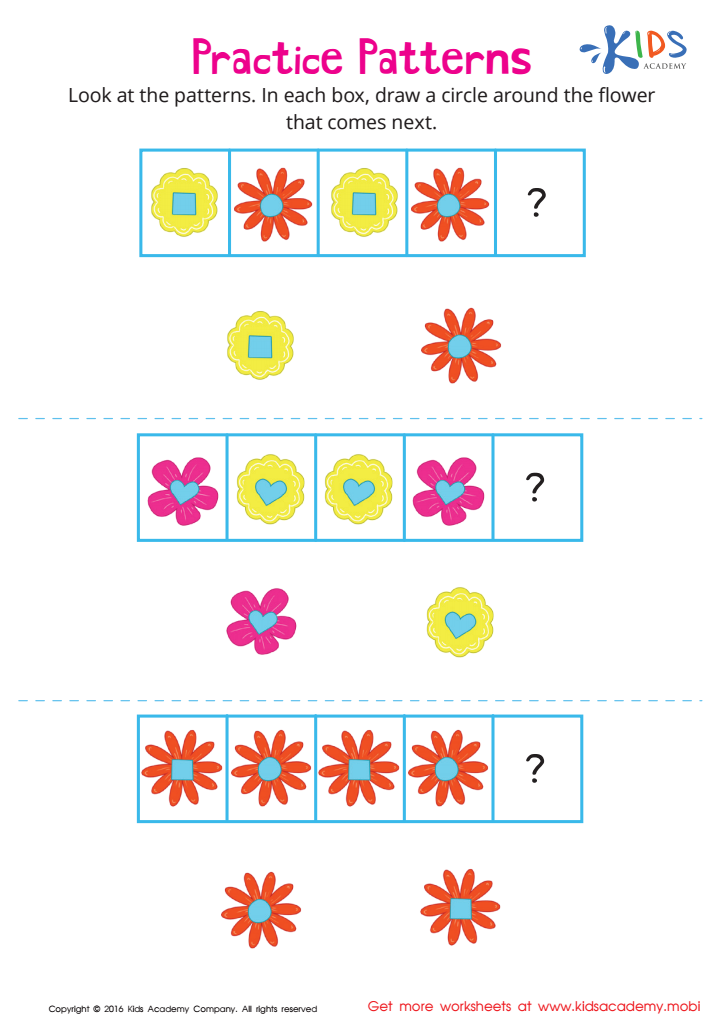
Explore our engaging Pattern Recognition Matching Worksheets for 6-year-olds, designed to enhance early math skills through fun activities. These worksheets help young learners identify, analyze, and match various patterns, fostering critical thinking and observation abilities. Each worksheet features colorful images and interactive exercises tailored for children, making learning enjoyable and effective. Ideal for home or classroom use, our resources support early childhood education by building foundational skills necessary for math proficiency. Perfect for reinforcing what kids learn, our worksheets create a playful environment to develop essential pattern recognition skills. Download today and watch your child thrive in their learning journey!
Favorites
With answer key
Interactive
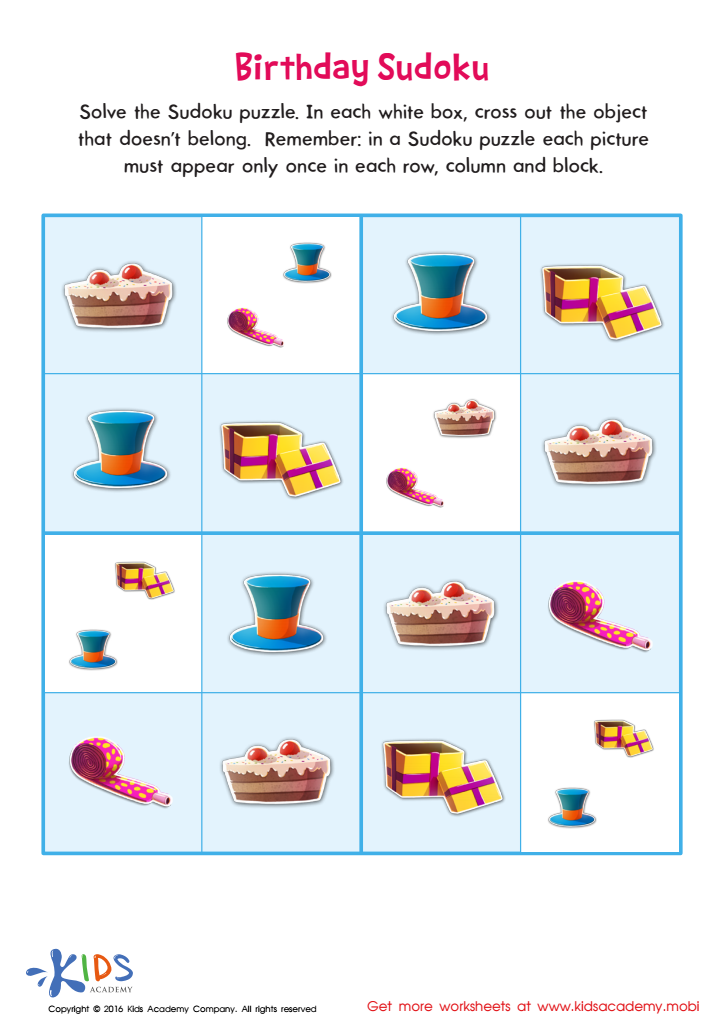
Birthday Sudoku Sorting Worksheet
With this Sudoku printable, your child will have fun and strengthen their problem-solving skills.
 Assign to My Students
Birthday Sudoku Sorting Worksheet
Worksheet
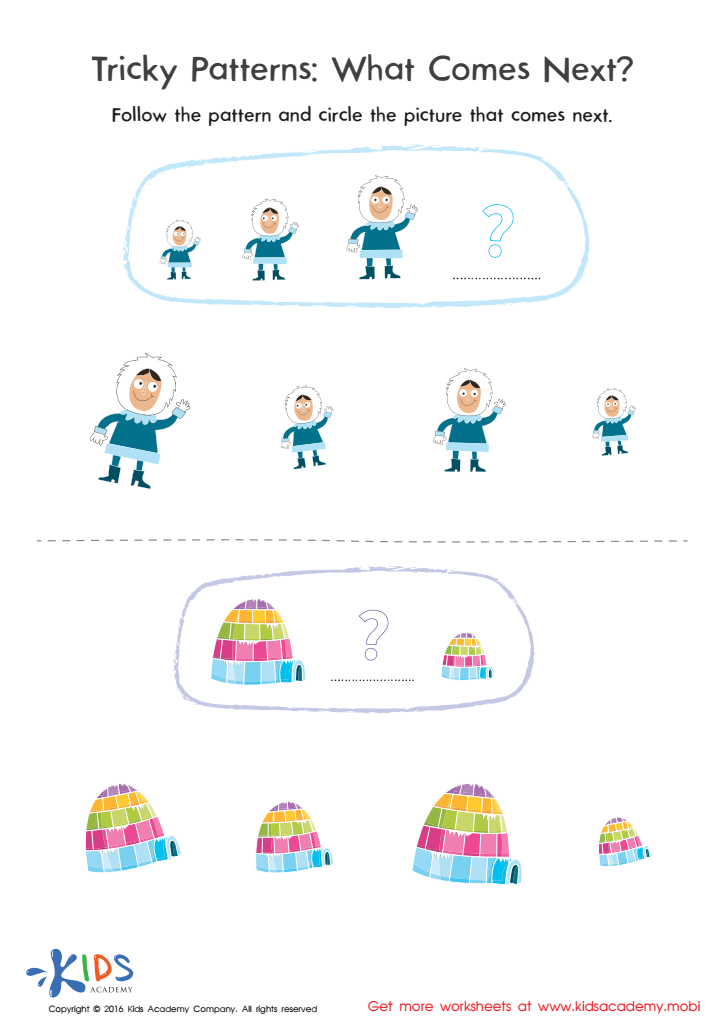
Tricky Patterns Size Worksheet
Give your child a head start on critical thinking with this picture pattern worksheet! It's an intriguingly fun way to help them master important skills like spatial reasoning, critical thinking, and logical reasoning. They'll differentiate between shapes, complete the pattern with a logical answer, and look for and understand patterns. It's the perfect foundation for future math skills, setting them up for future success!
Tricky Patterns Size Worksheet
Worksheet
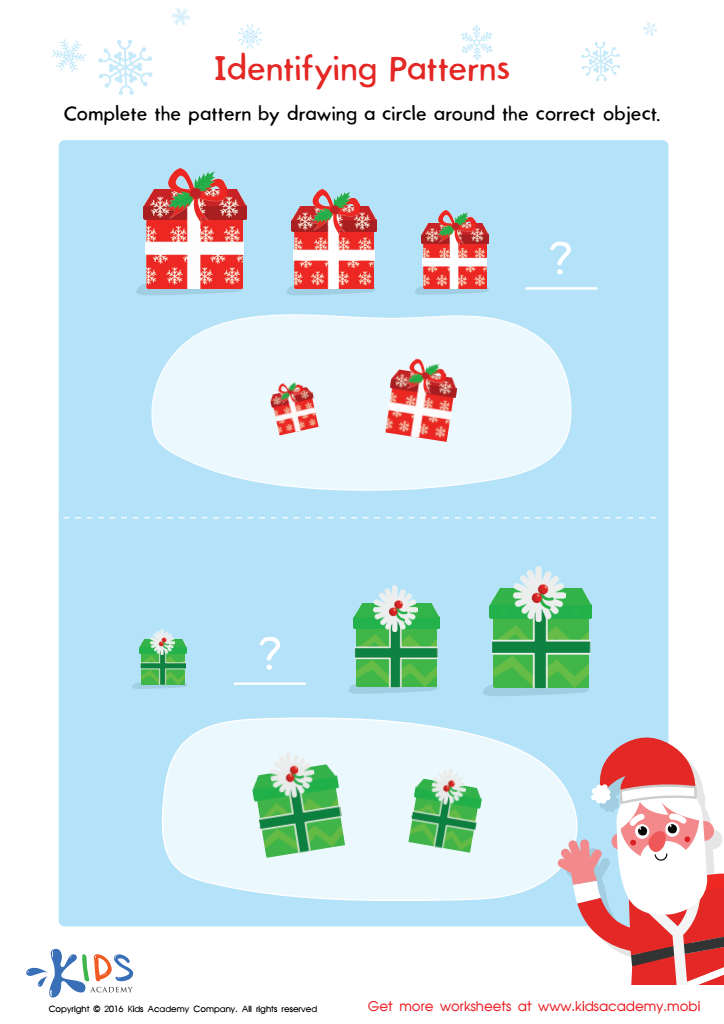
Identifying Patterns Worksheet
Kids can have fun as they learn with this festive worksheet! They'll practice early math skills while identifying patterns with colorful Christmas presents. Have your child get ready for the holidays by finding out which box comes next in the pattern!
Identifying Patterns Worksheet
Worksheet
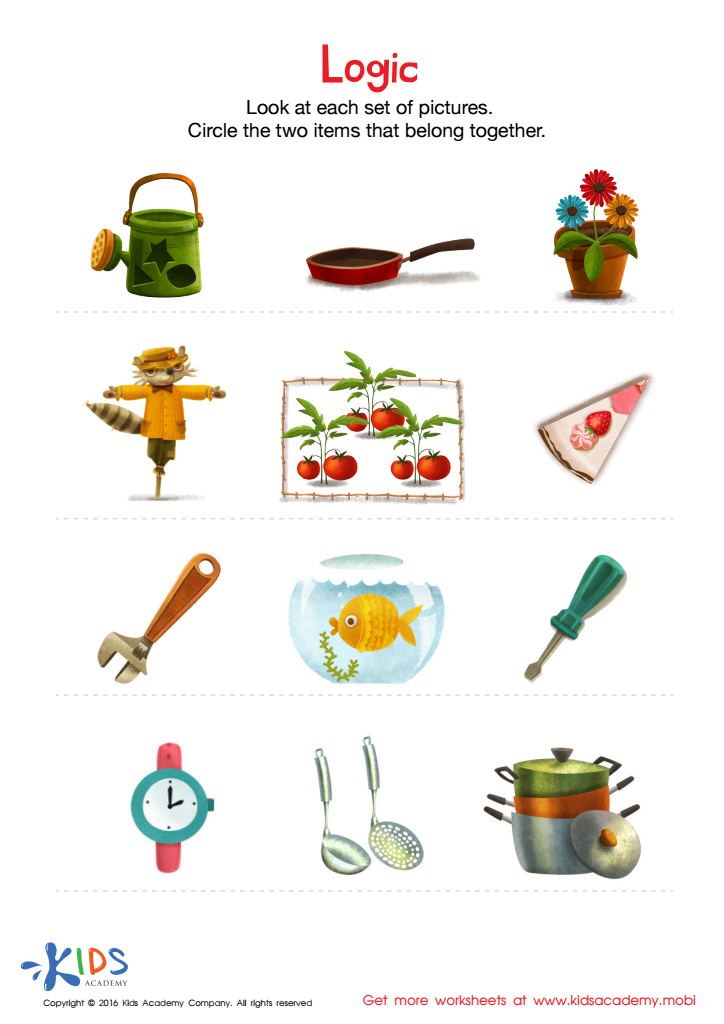
Logic Game Sorting Worksheet
Start your child's logic and reasoning development early with this fun matching worksheet! Through cute images and simple conversations, your little one can learn problem-solving, categorization, and matching skills. Plus, it's a great way for children to explore how items are used in real life. Try it and watch them boost skills with ease and fun!
Logic Game Sorting Worksheet
Worksheet
Join Kids Academy for Free
Who is primarily going to use this learning content?








Pattern recognition is a fundamental cognitive skill that plays an essential role in the development of young children, particularly for 6-year-olds. Parents and teachers should care about this skill because it serves as a building block for various areas of learning, including math, reading, and problem-solving.
At this age, children are naturally curious and adept at recognizing patterns, whether in shapes, colors, numbers, or sounds. Engaging them in activities that promote pattern recognition enhances their critical thinking and analytical skills. For instance, recognizing patterns helps children understand sequences, which is crucial for counting and basic arithmetic. Similarly, in reading, noticing recurring characters or story structures aids in comprehension and retention.
Furthermore, pattern recognition fosters creativity and imagination, as children learn to make connections and see relationships between different concepts. This skill also cultivates perseverance and resilience, as they learn to identify, predict, and solve problems systematically.
By encouraging pattern recognition through games, puzzles, and discussions, parents and teachers not only support academic success but also bolster social and emotional development. As children become more competent in recognizing patterns, they gain confidence and become more engaged learners, laying the groundwork for future educational endeavors.








