Phonics Skills Phonics Worksheets for Ages 7-8 - Page 2
40 filtered results
-
From - To
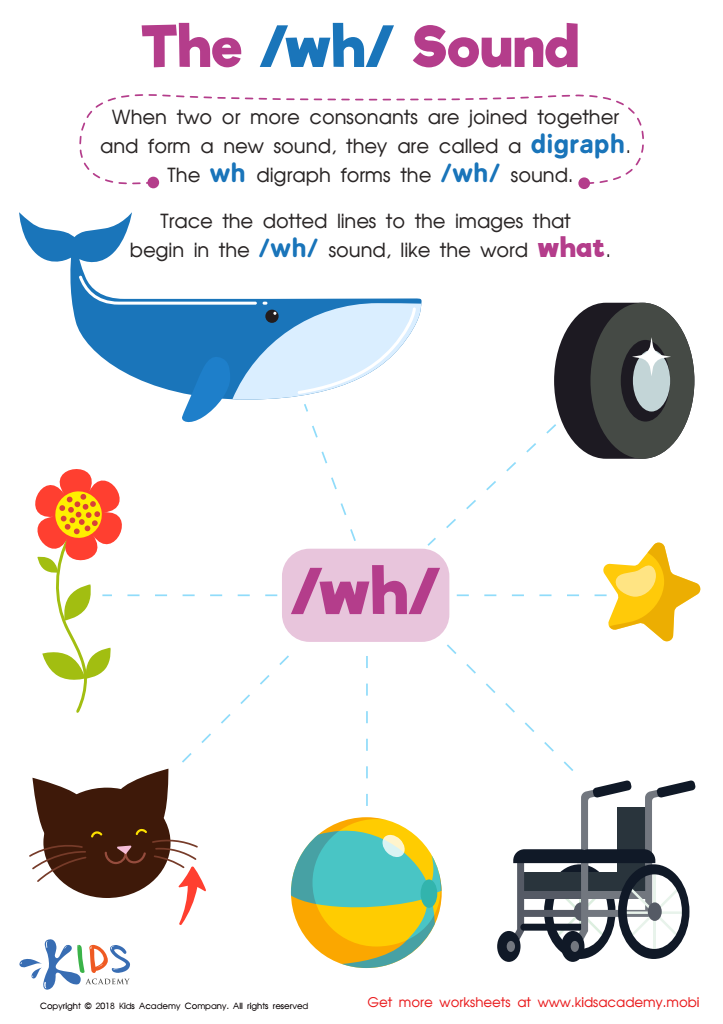
The /wh/ Sound Worksheet
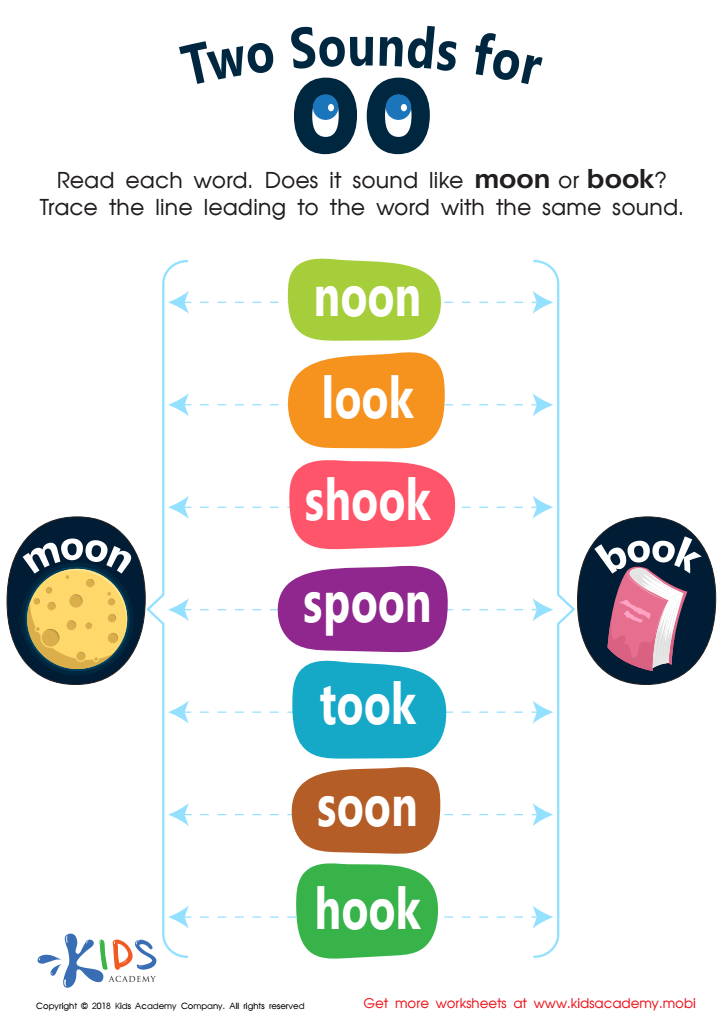
Two Sounds for OO Worksheet
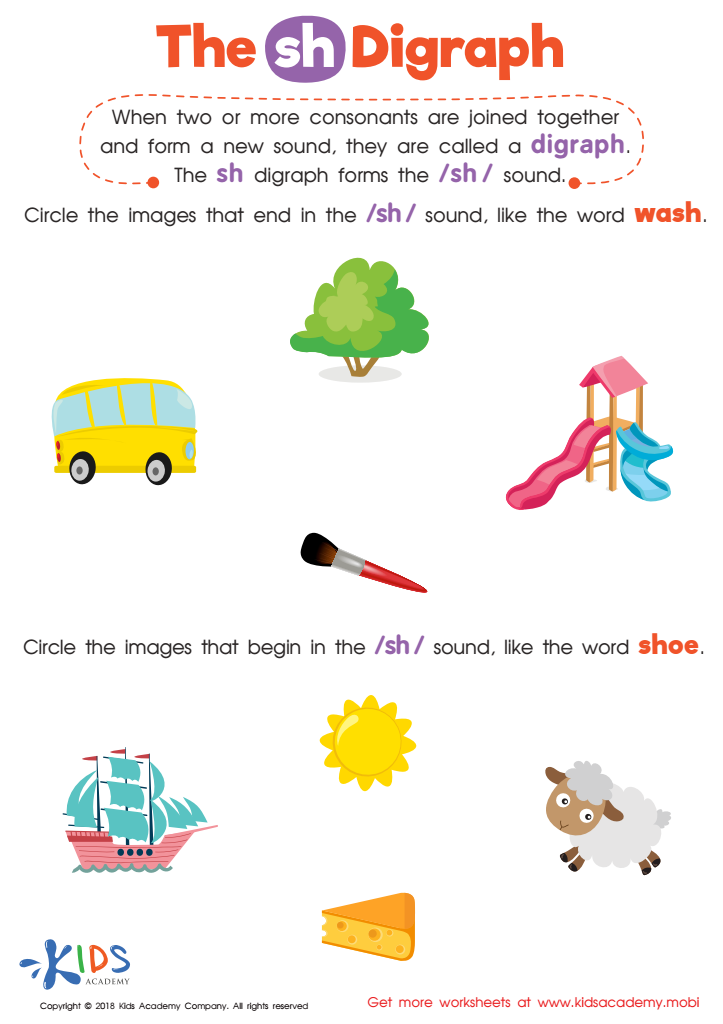
The SH Digraph Worksheet
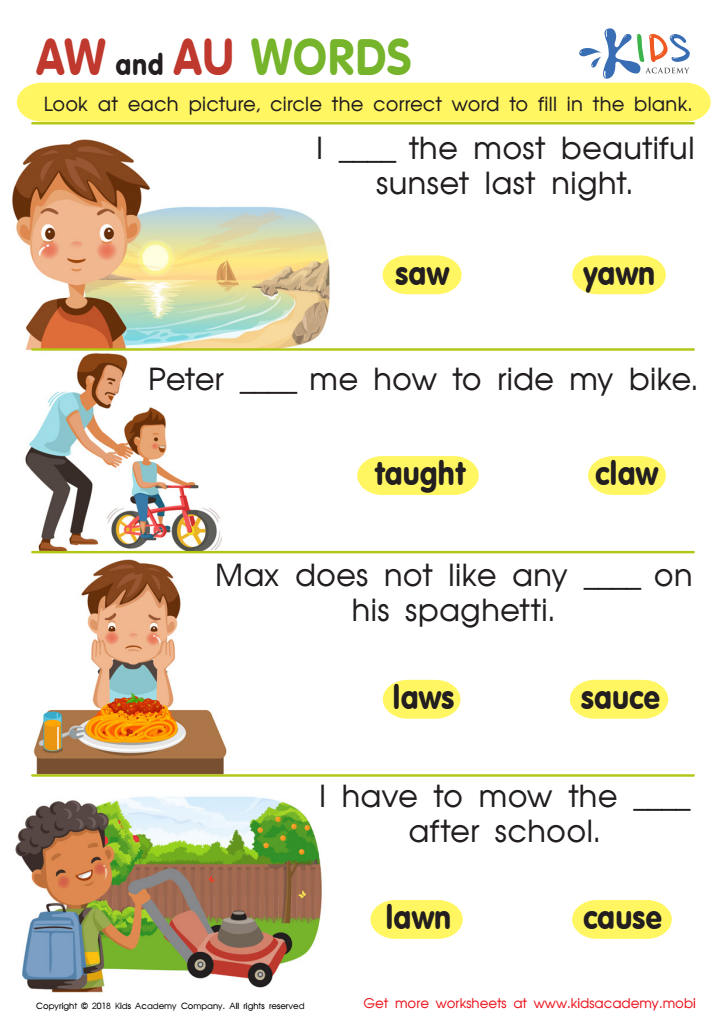
Reading: AW and AU Words Worksheet
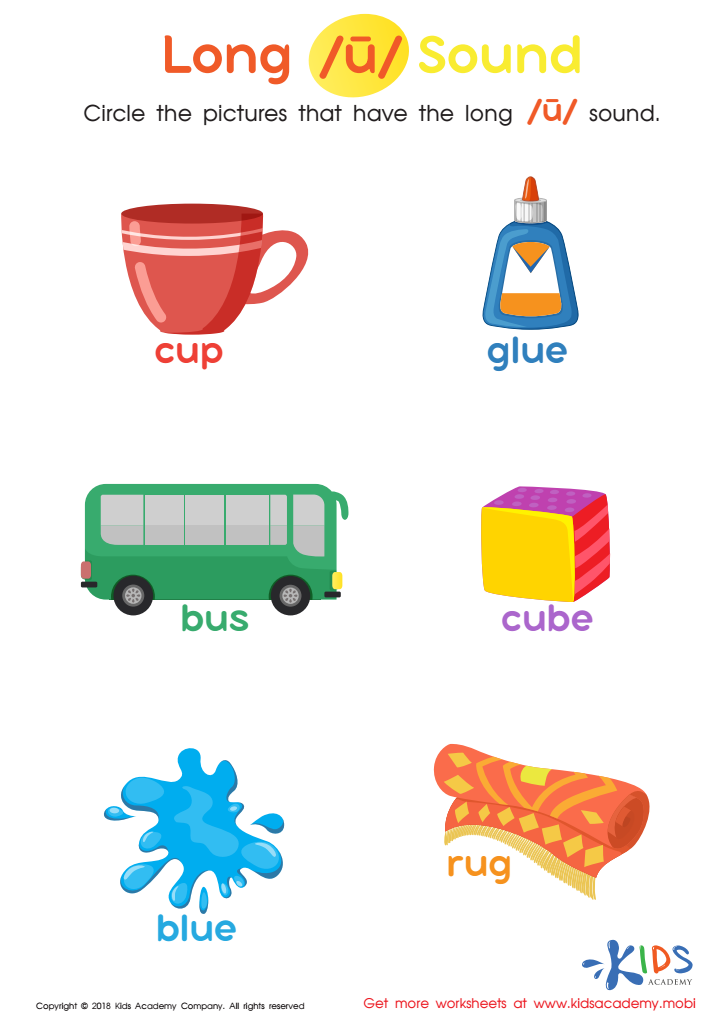
Long «u» Sound Worksheet
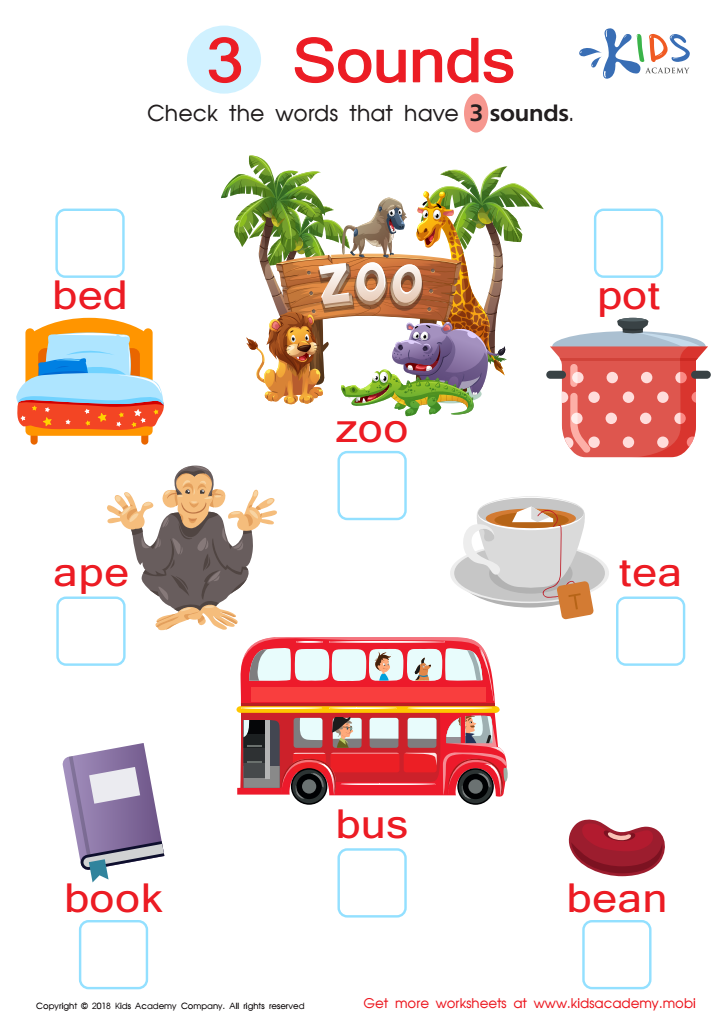
3 Sounds Worksheet
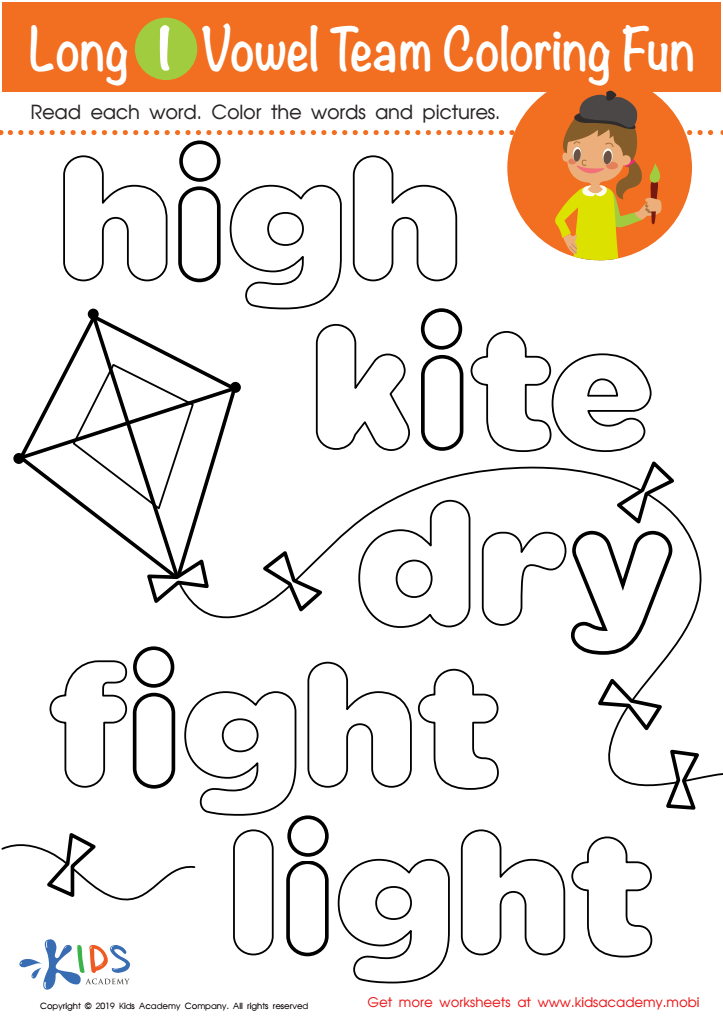
Long I Vowel Team Coloring Worksheet
 Assign to My Students
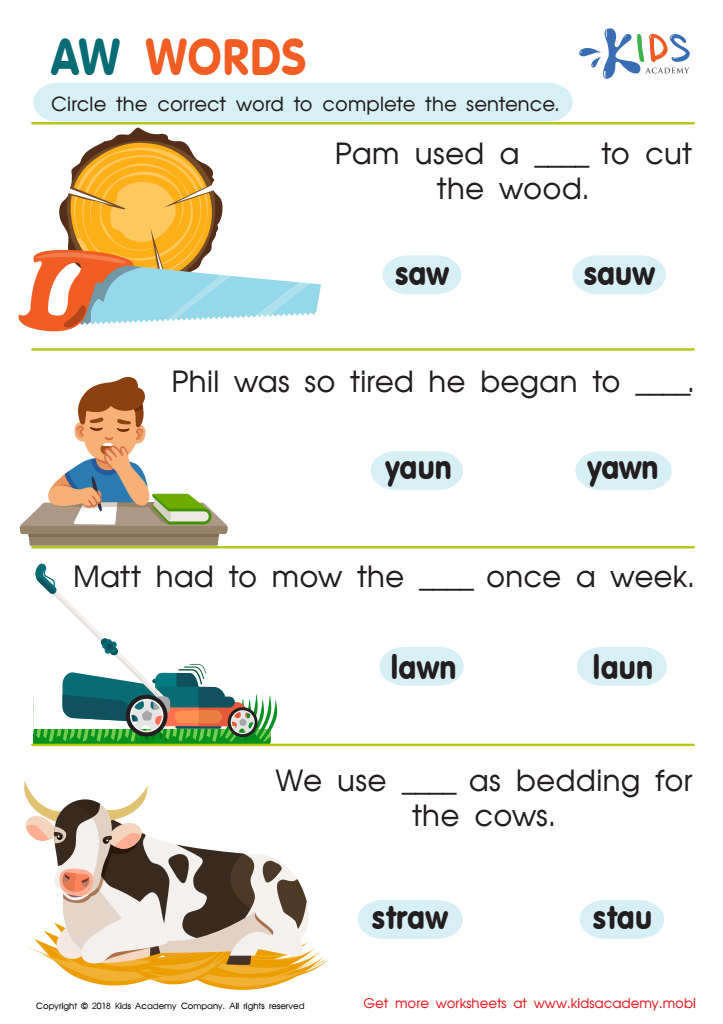
Reading: AW Words Worksheet
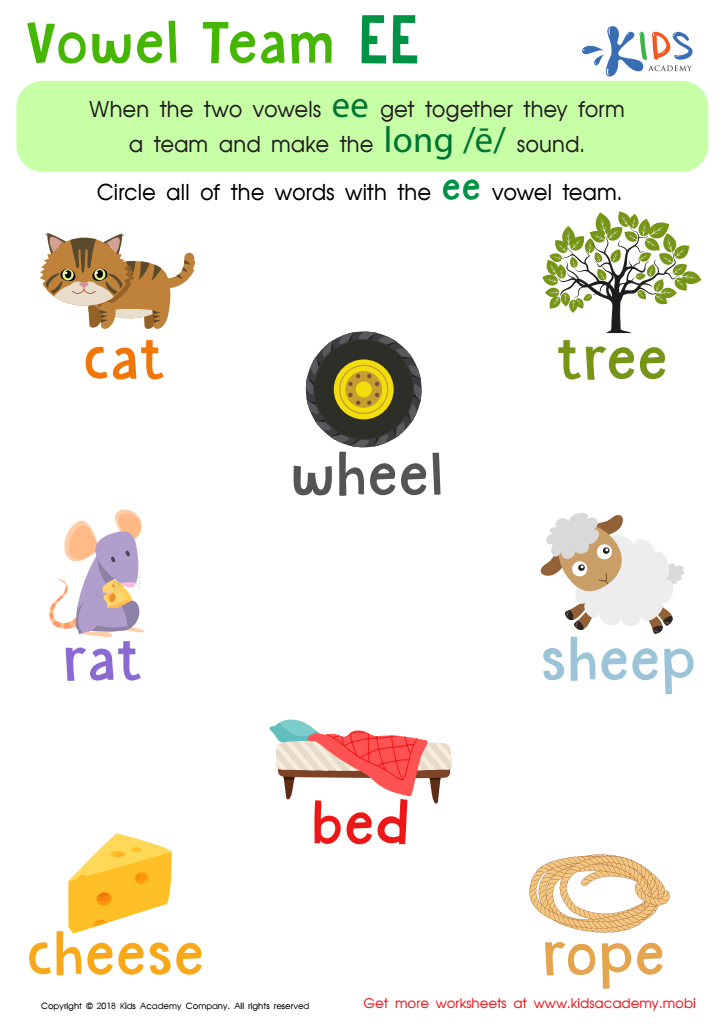
Reading: Vowel Team EE Worksheet
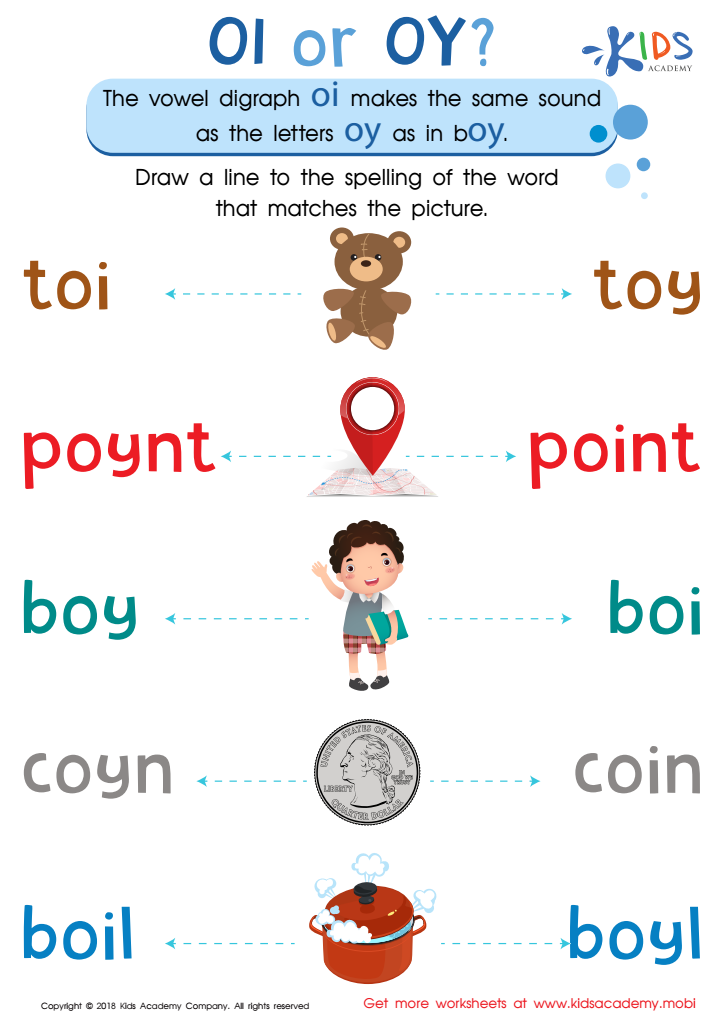
Reading: OI and OY Worksheet
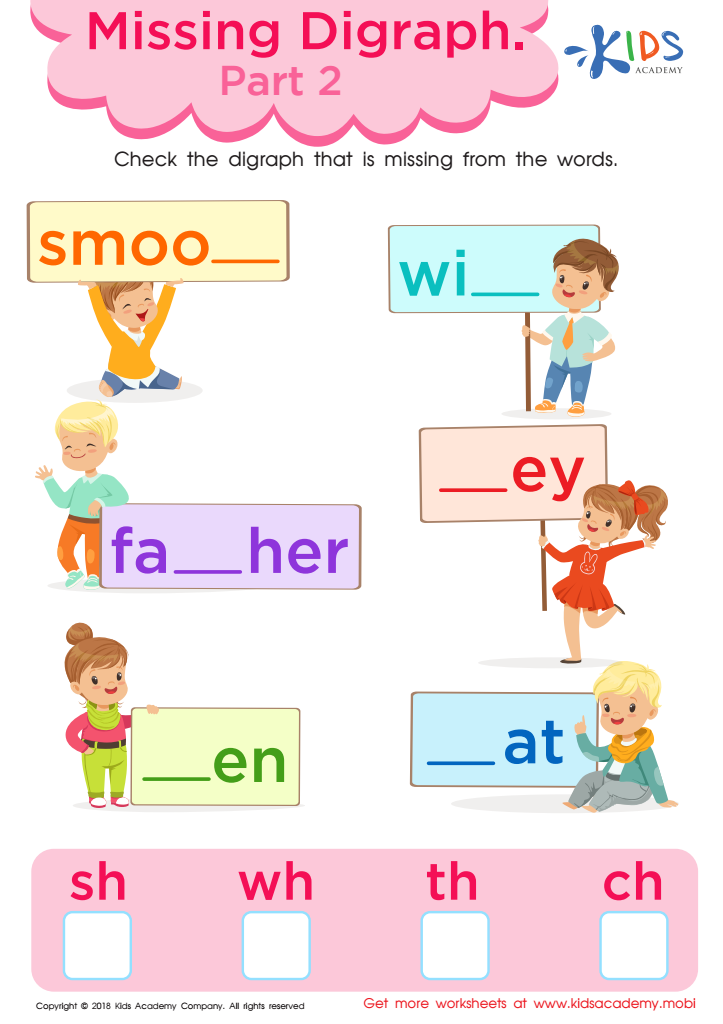
Missing Digraph: Part 2 Worksheet
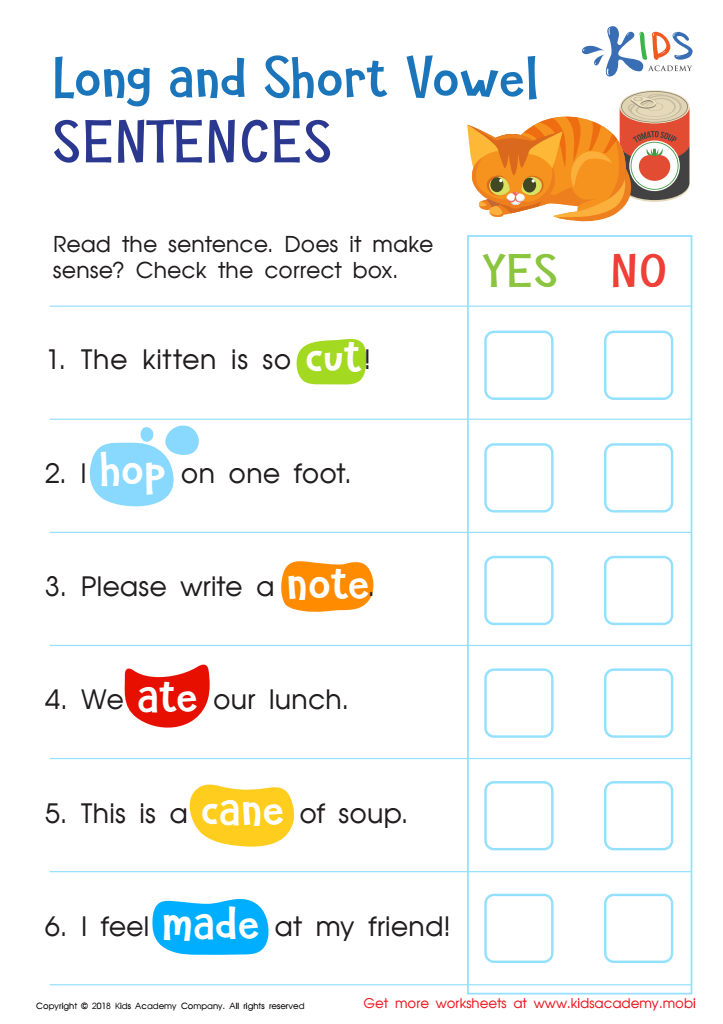
Long and Short Vowel Sentences: Assessment Worksheet
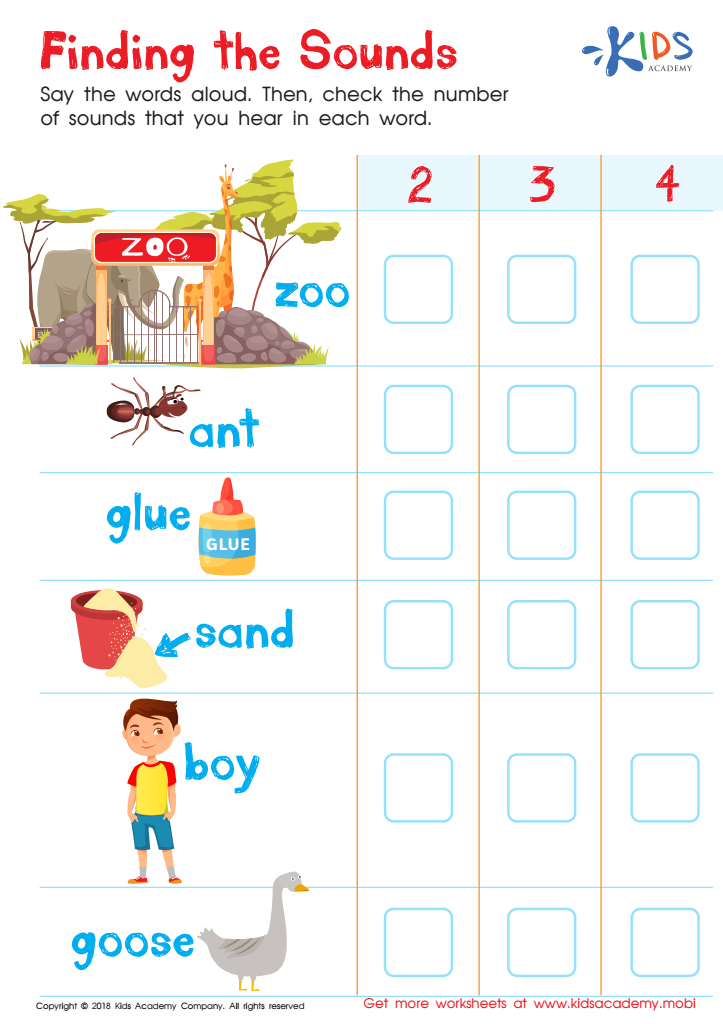
Finding the Sounds Worksheet
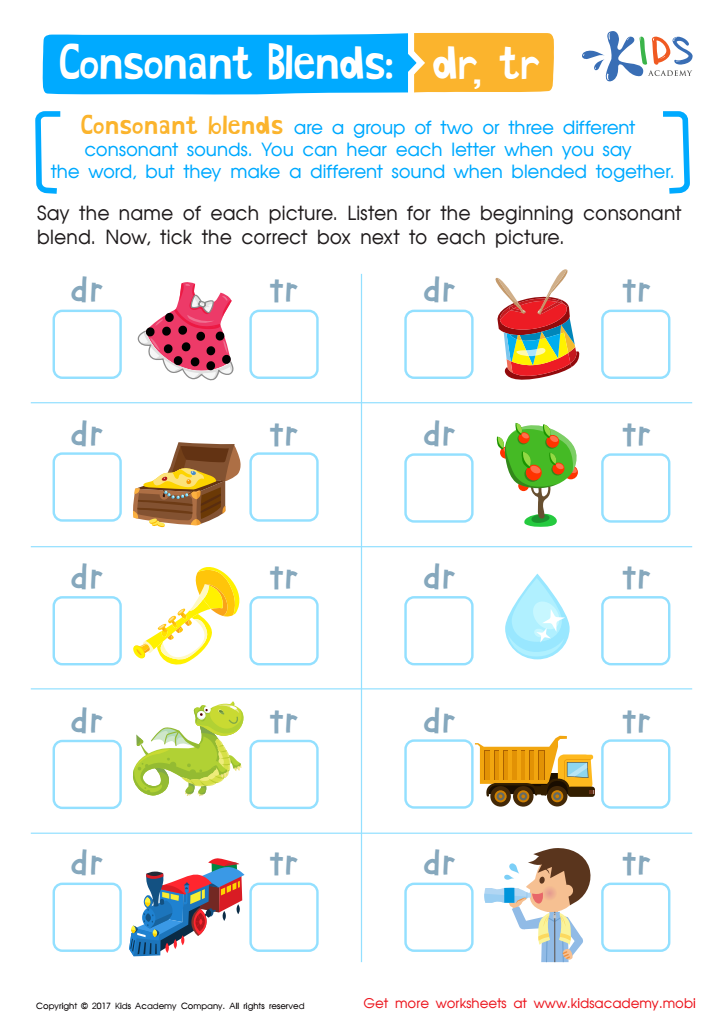
Consonant Blends: "Dr" and "Tr" Printable

Long and Short E Worksheet
Assign to My Students
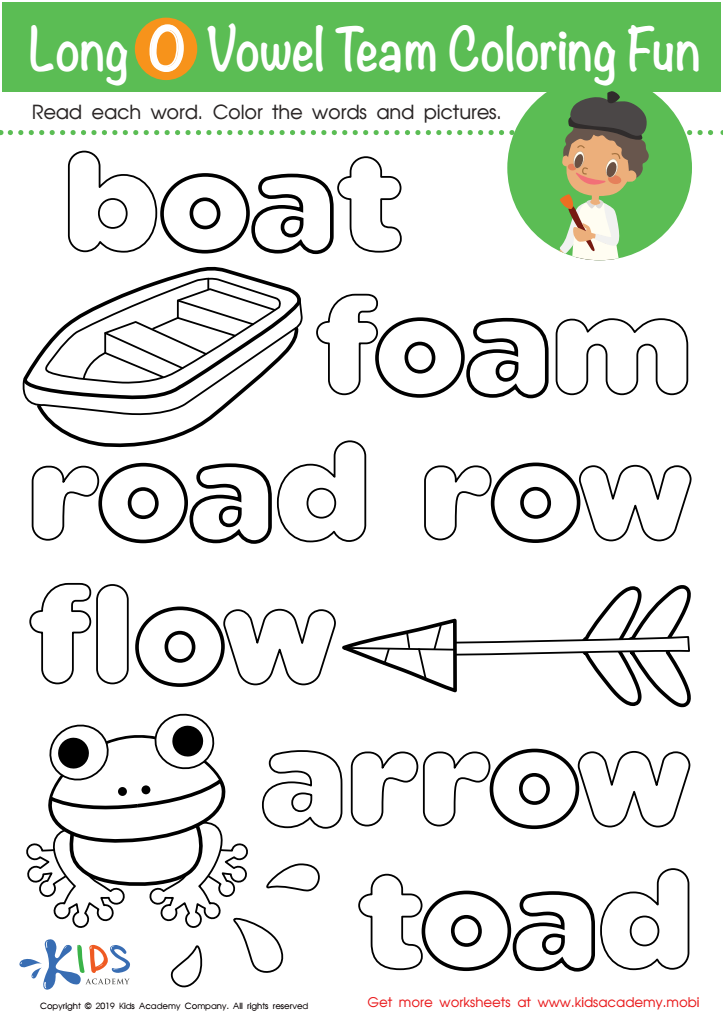
Long O Vowel Team Coloring Worksheet
Assign to My Students








Parents and teachers should place significant emphasis on developing phonics skills in children aged 7-8 because these skills form the foundational block for reading and writing proficiency. Phonics involves the relationship between sounds and their corresponding letters or groups of letters. At this age, students transition from learning to read to reading to learn. Thus, strong phonics skills enhance their ability to decode words quickly and accurately, contributing to better fluency in reading.
Phonics awareness can drastically reduce reading difficulties as students encounter more complex vocabulary. It also aids in improving spelling and enhances comprehension because children are less likely to be bogged down by recognizing words, allowing them to focus on understanding the text. Additionally, phonics boosts confidence in young readers, making reading a more enjoyable and less frustrating experience.
Teachers and parents play a critical role in reinforcing these skills through interactive and engaging activities such as reading aloud, word games, and phonics-based resources. Consistent practice at this stage equips children with the abilities necessary for academic success and a lifelong love of reading, providing them with better educational outcomes as literacy skills are fundamental to all learning areas.







