Critical Thinking Science Worksheets for Ages 7-8
21 filtered results
-
From - To
Discover our engaging Critical Thinking Science Worksheets tailored for ages 7-8! Designed to stimulate young minds, these worksheets encourage students to explore scientific concepts through critical analysis and problem-solving techniques. Each activity fosters curiosity and creativity, helping children connect ideas and make informed decisions in various scientific contexts. Covering essential topics such as ecosystems, physical properties, and the scientific method, our worksheets provide a stimulating resource for classroom or home learning. With vibrant visuals and interactive exercises, every worksheet aims to foster independent thinking. Start empowering your child’s analytical skills and watch their confidence grow in the fascinating world of science!
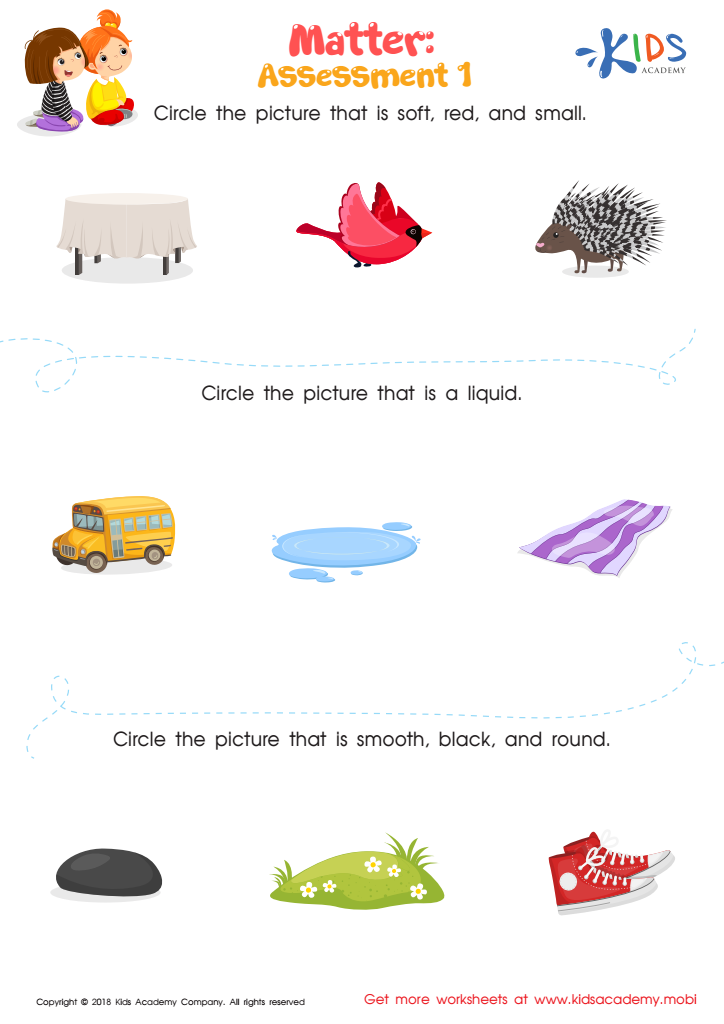
Matter: Assessment 1 Worksheet
 Assign to My Students
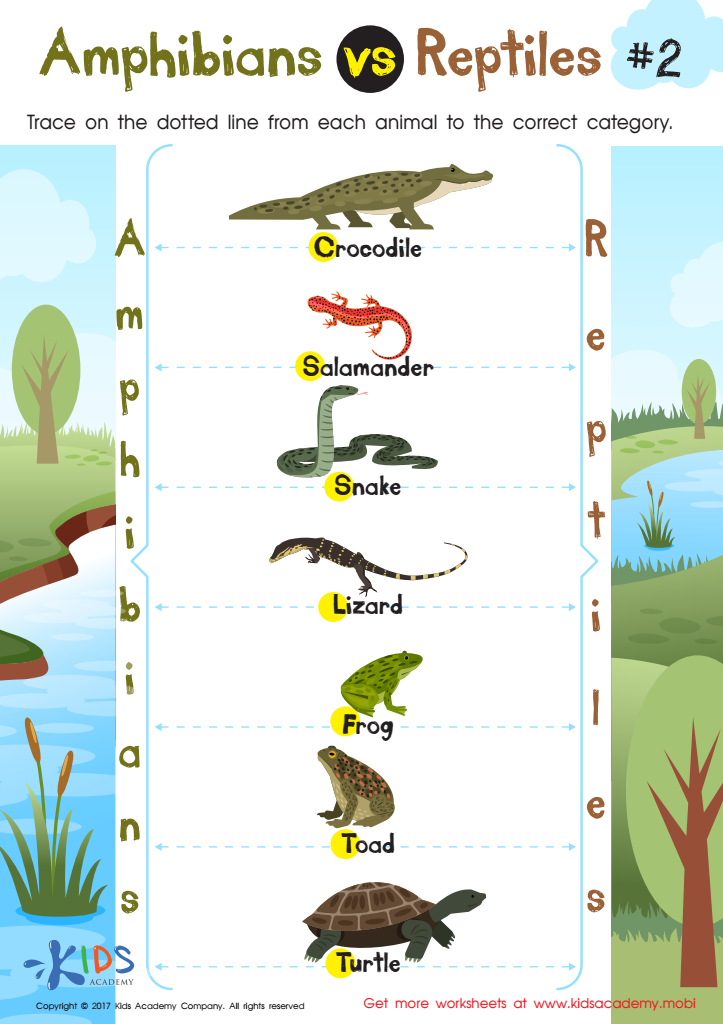
Amphibians vs Reptiles Worksheet for 3rd Grade
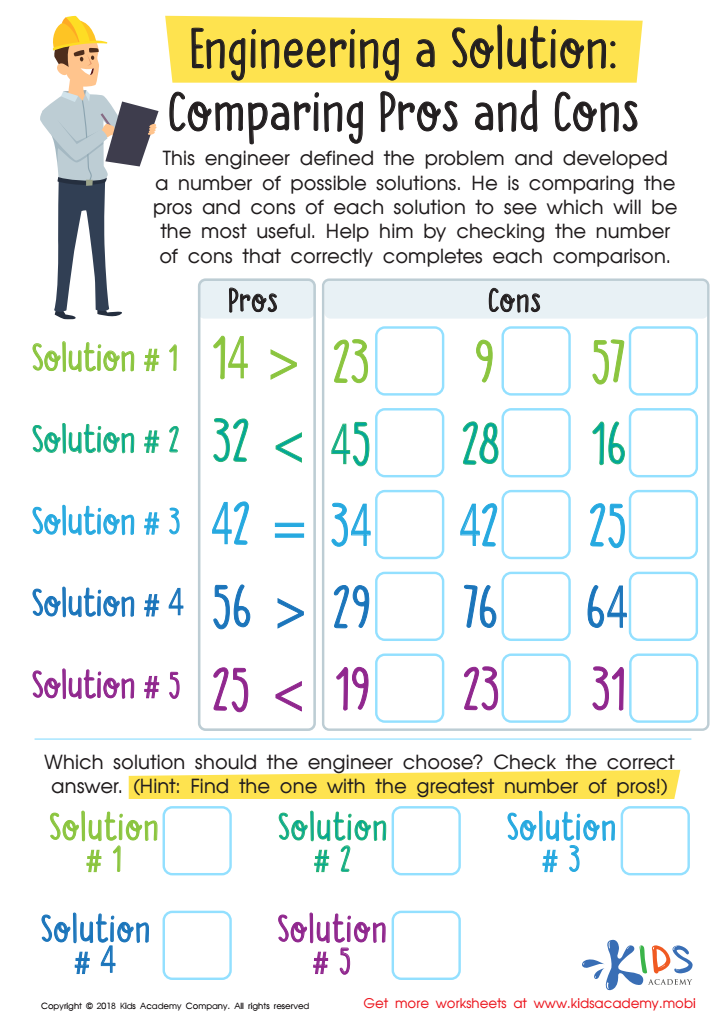
Engineering a Solution: Comparing Pros and Cons Worksheet
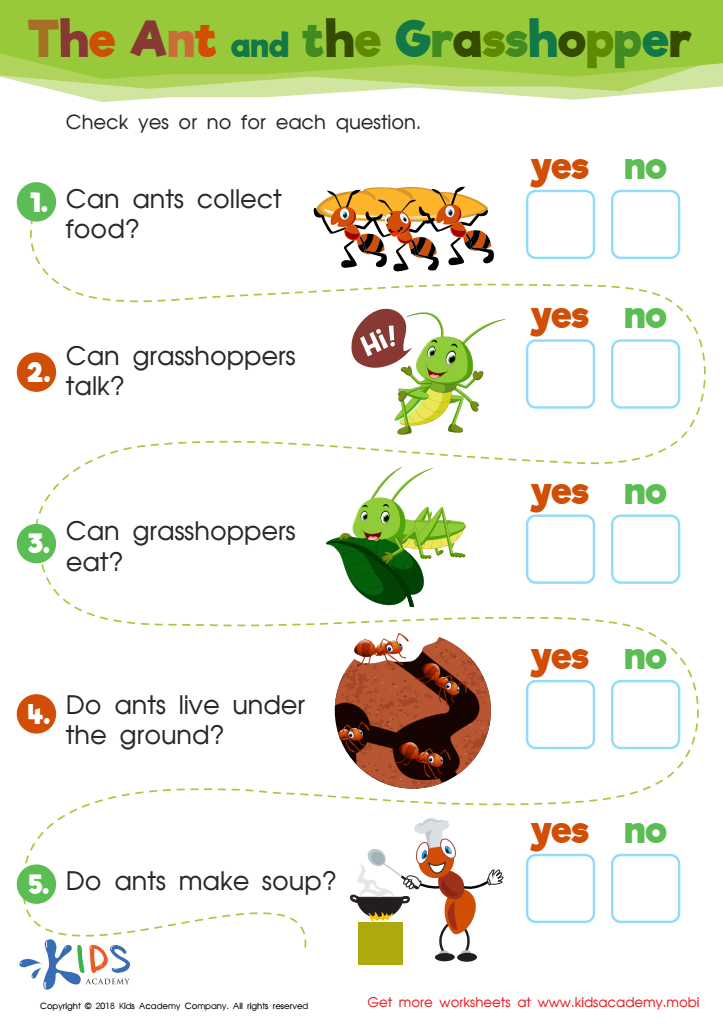
The Ant and The Grasshopper Worksheet
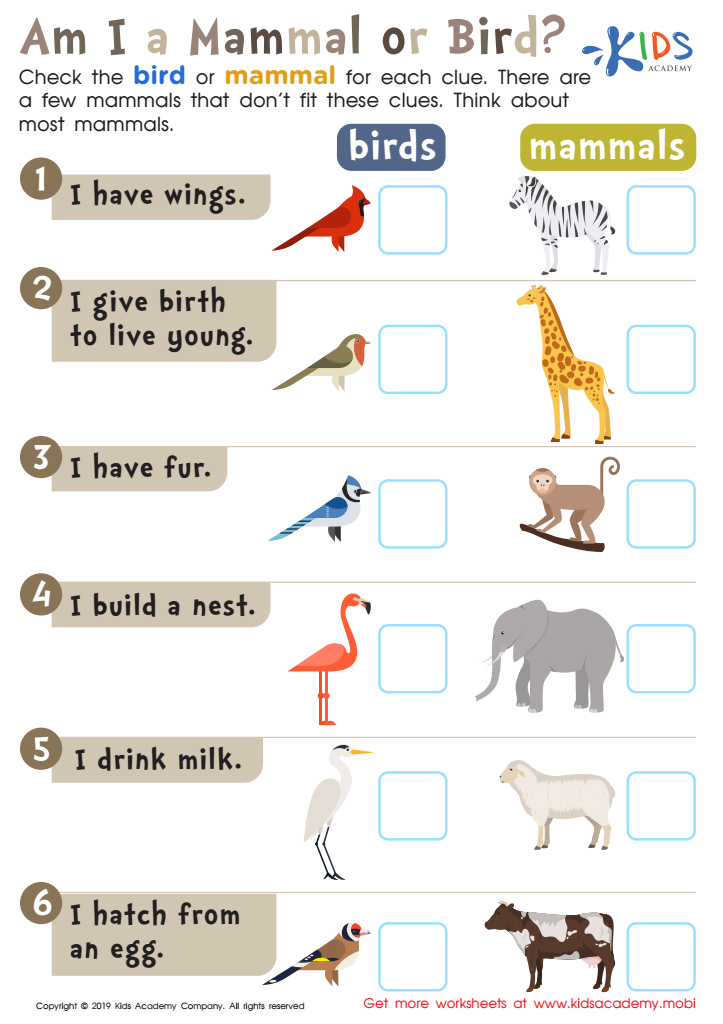
Am I a Mammal or Bird? Worksheet
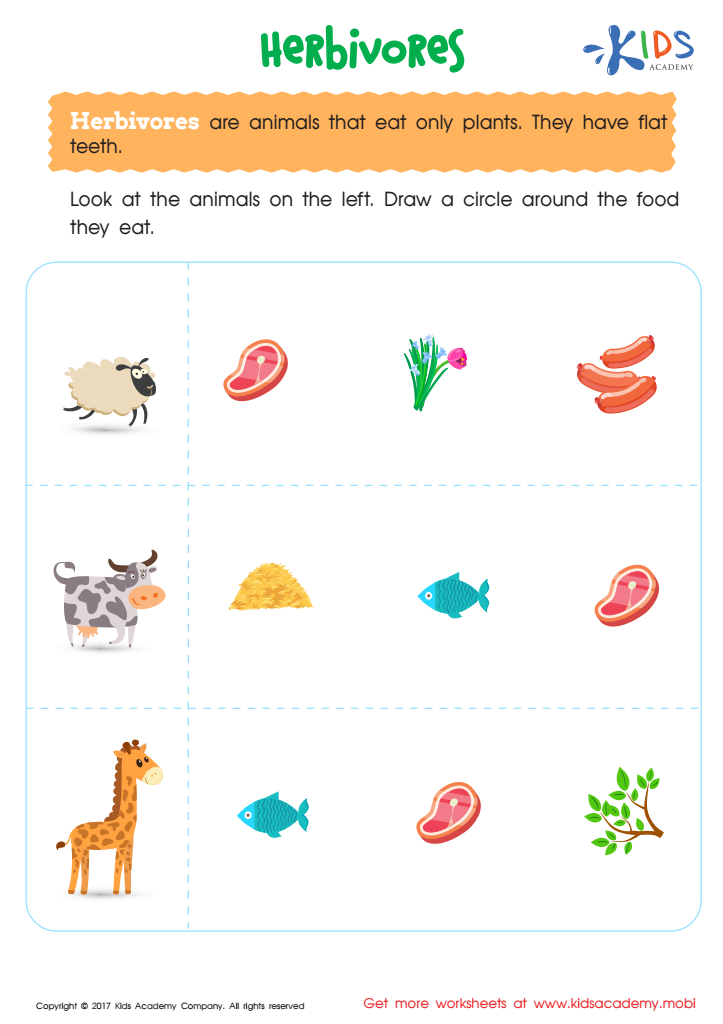
Herbivores Printable
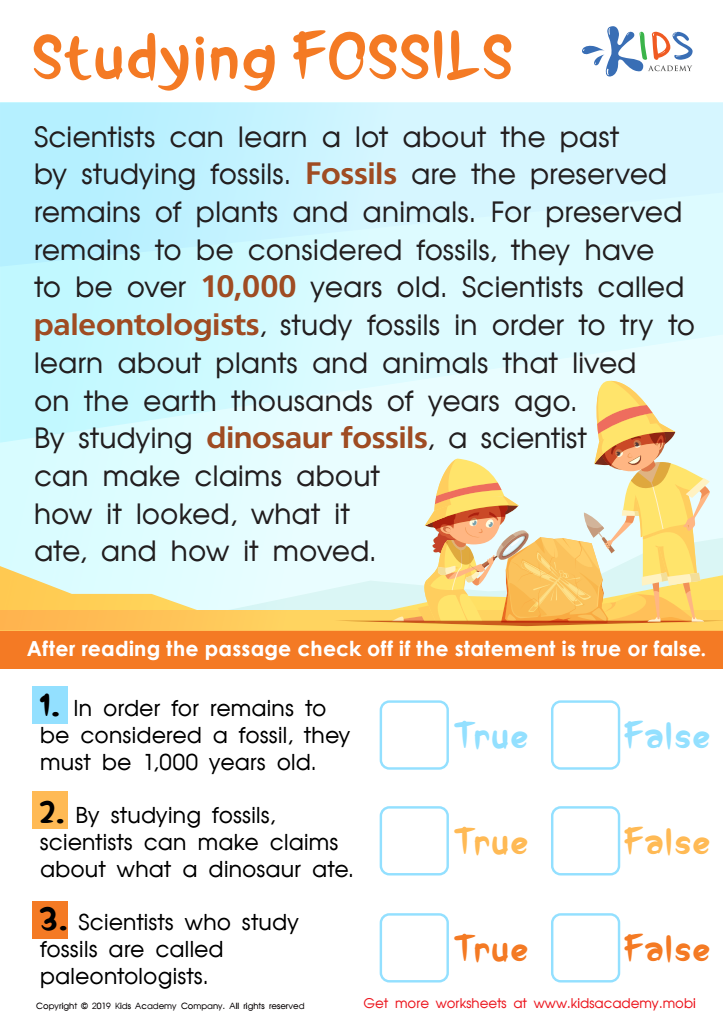
Studying Fossils Worksheet
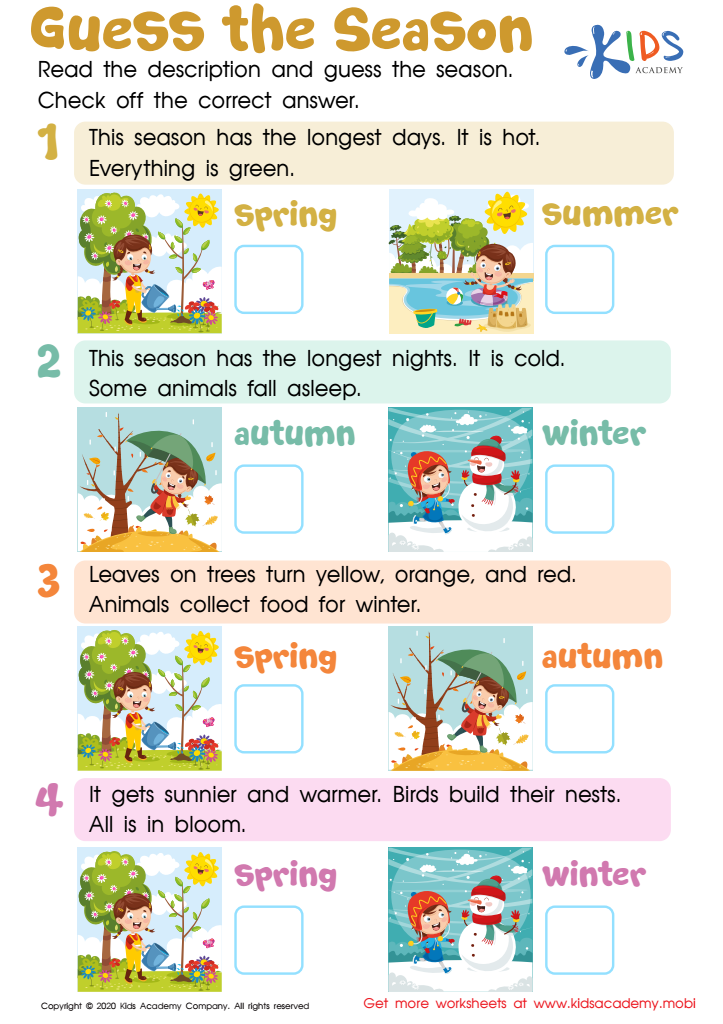
Guess the Season Worksheet
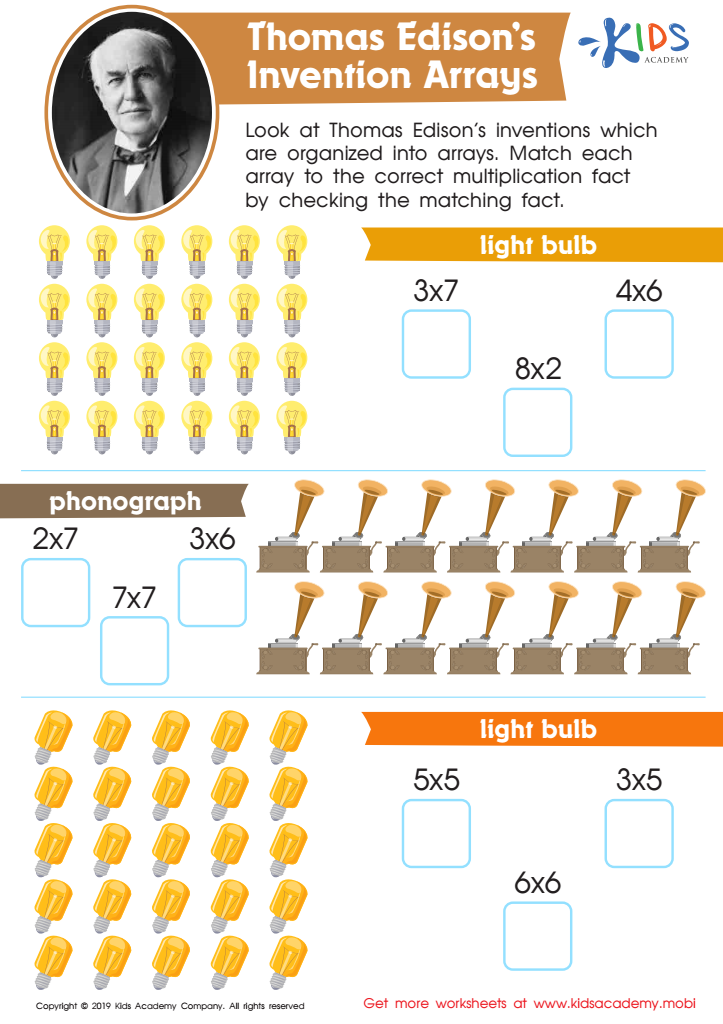
Thomas Edison’s Invention Arrays Worksheet
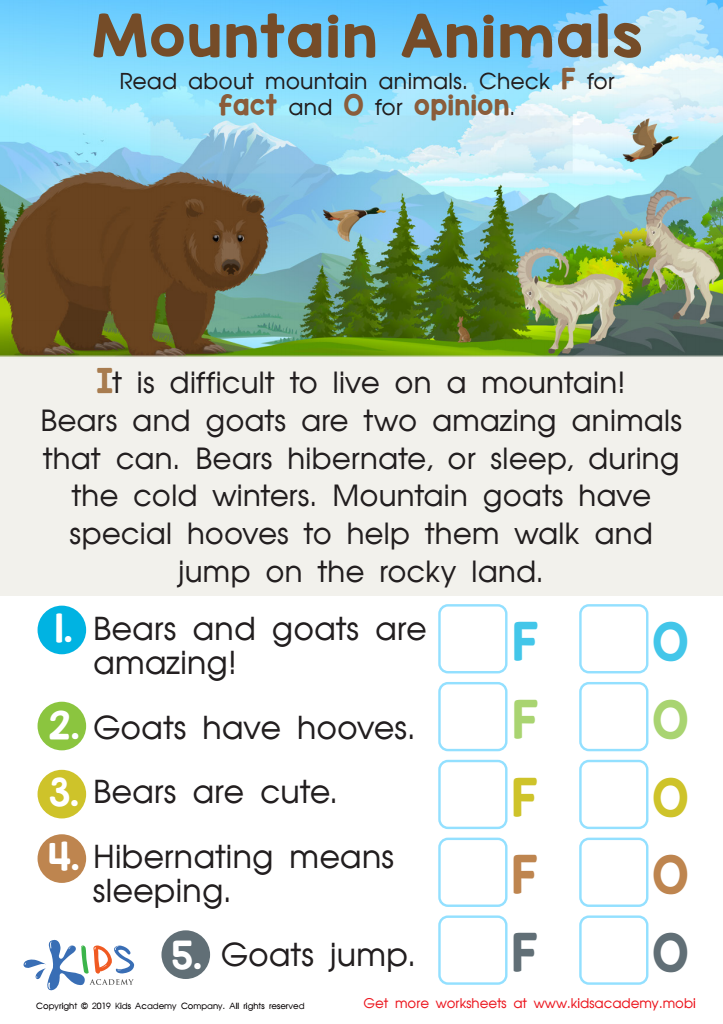
Mountain Animals Worksheet
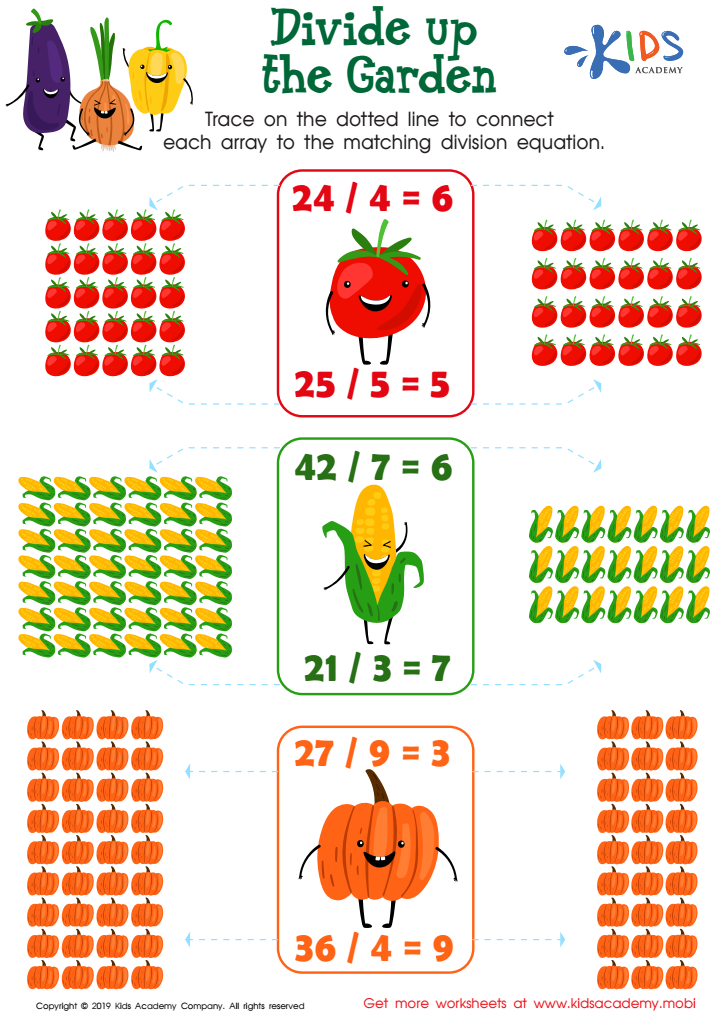
Divide up the Garden Worksheet
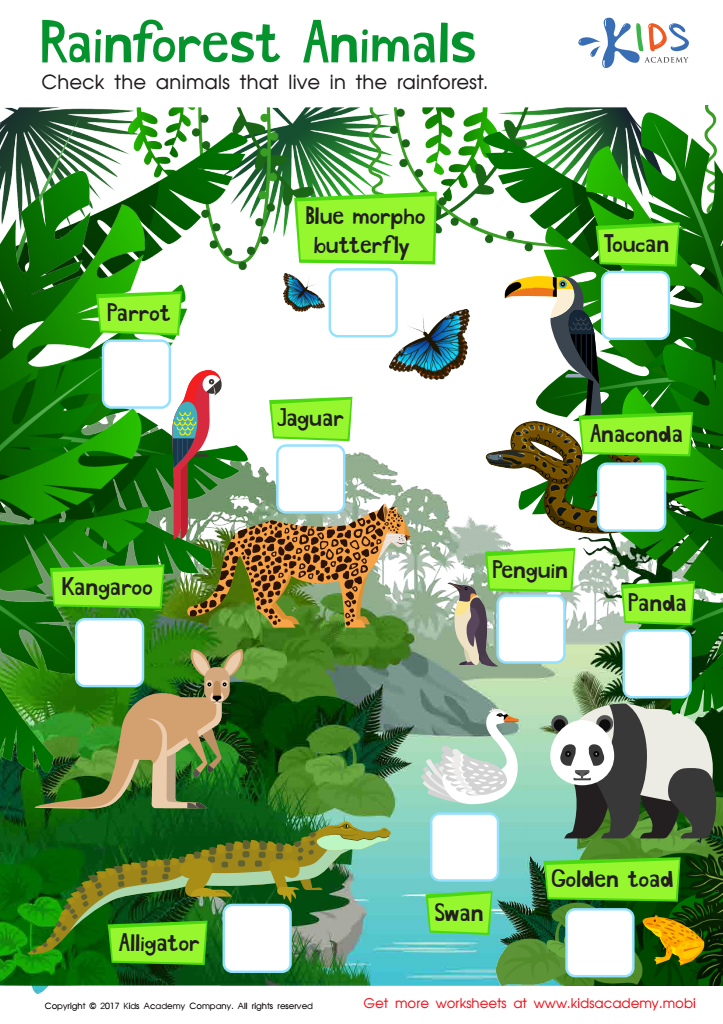
Rainforest Animals Worksheet
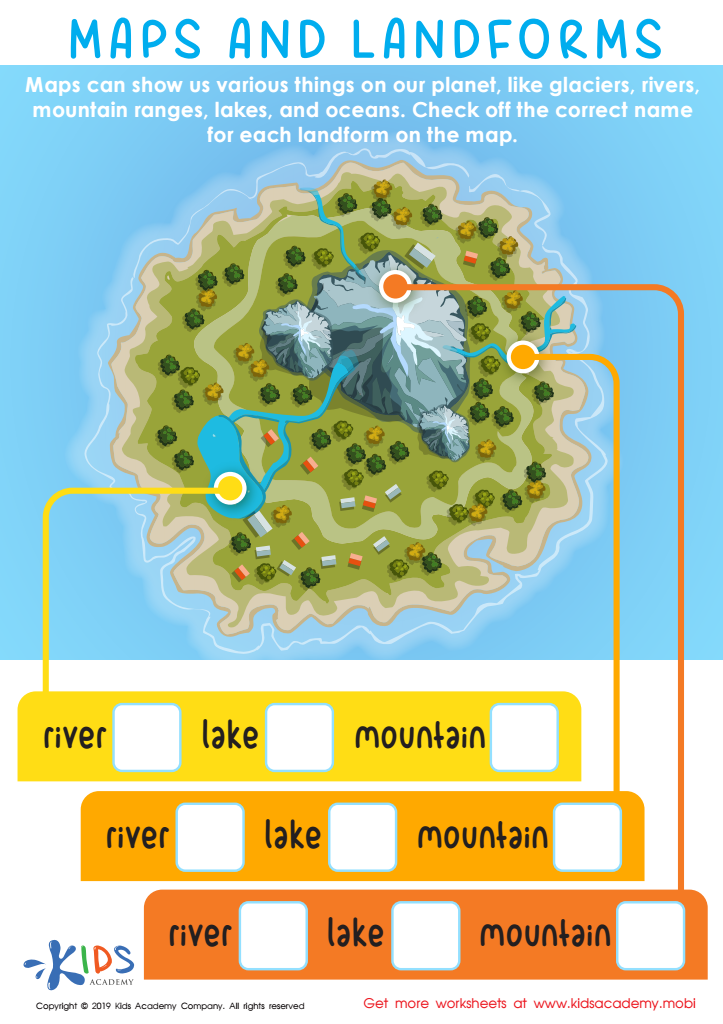
Maps and Landforms Worksheet
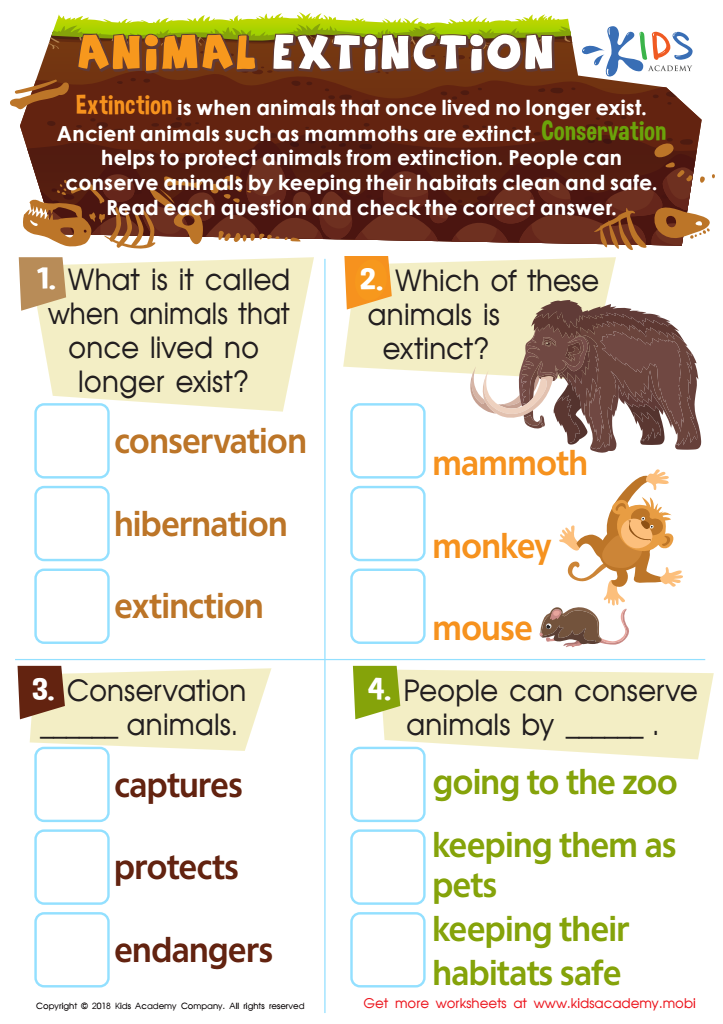
Animal Extinction Worksheet
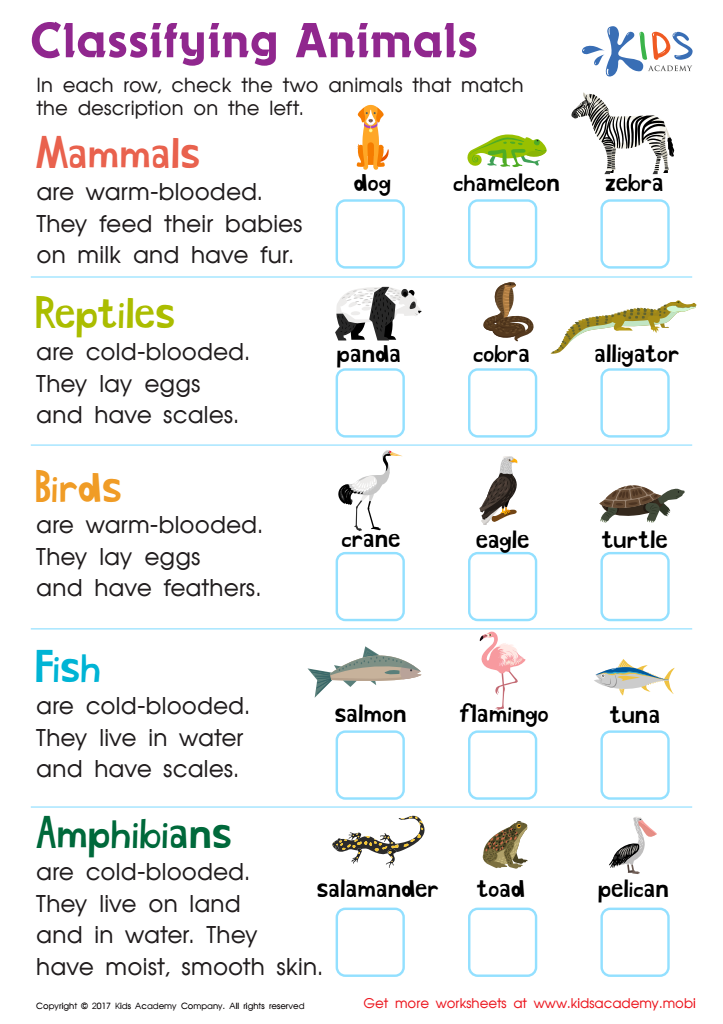
Classifying Animals Worksheet
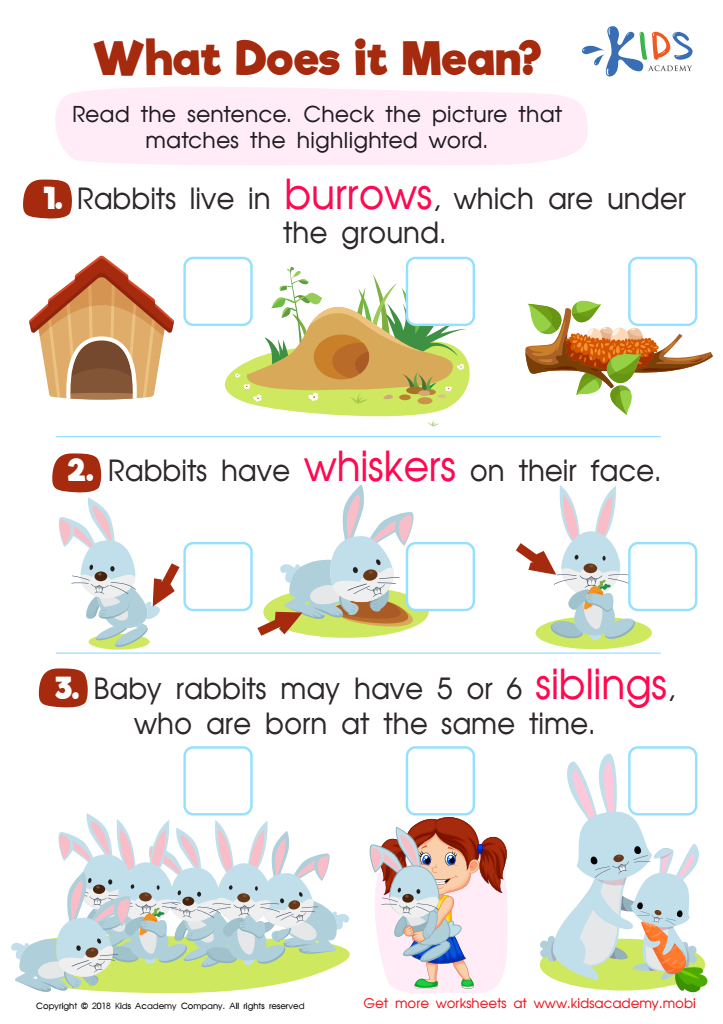
What Does It Mean? Worksheet
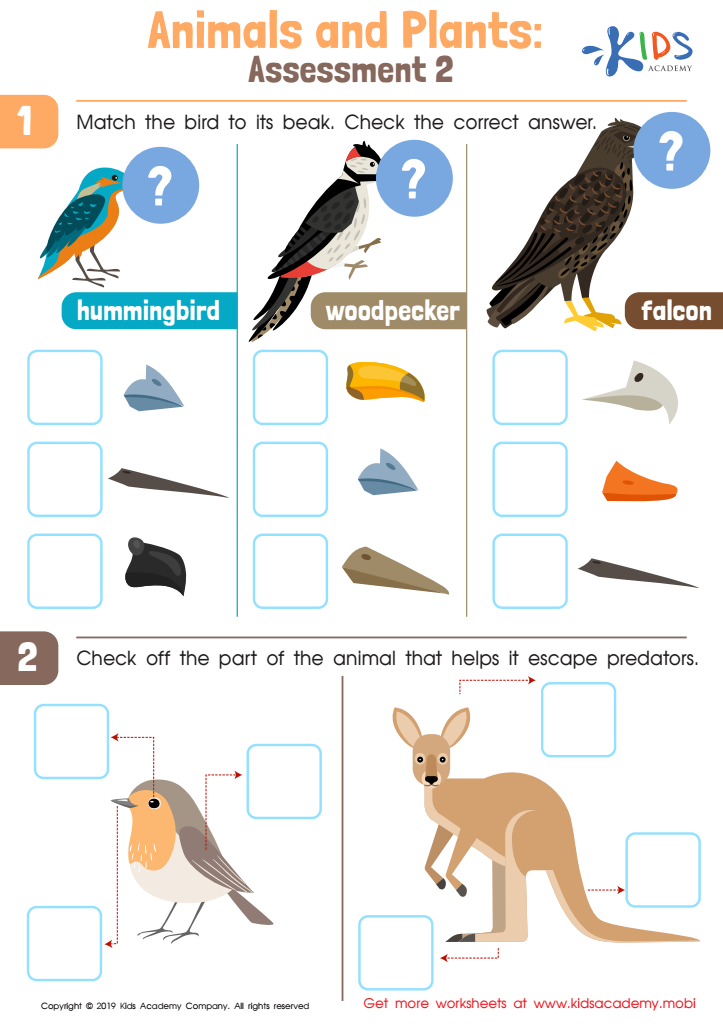
Animals and Plants: Assessment 2 Worksheet
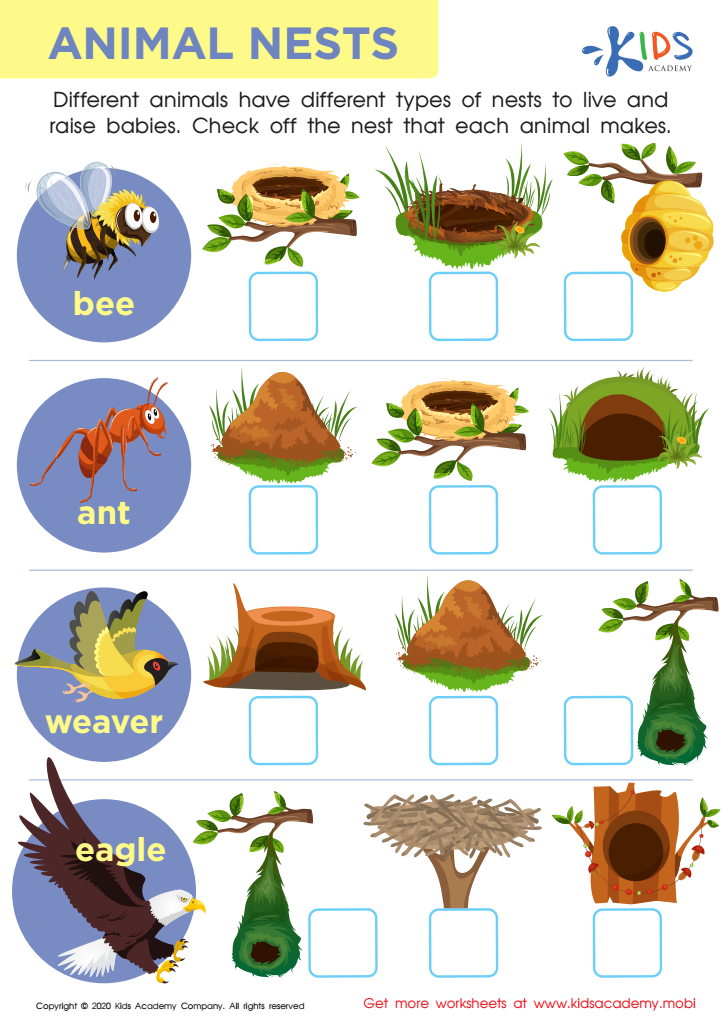
Animal Nests Worksheet
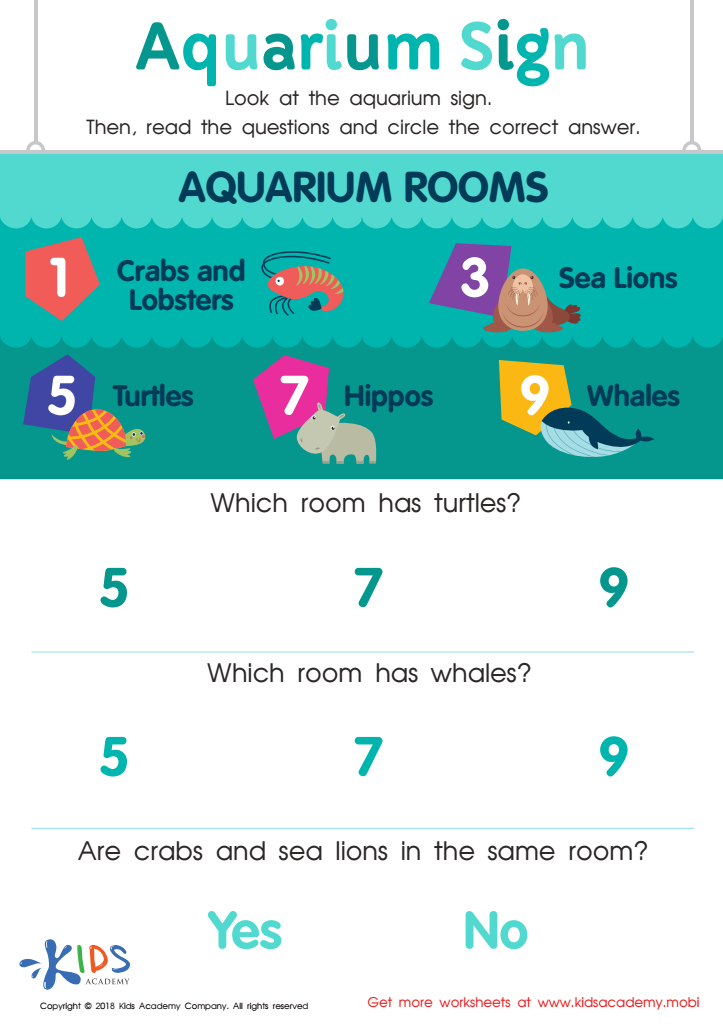
Assessment: Aquarium Sign Worksheet
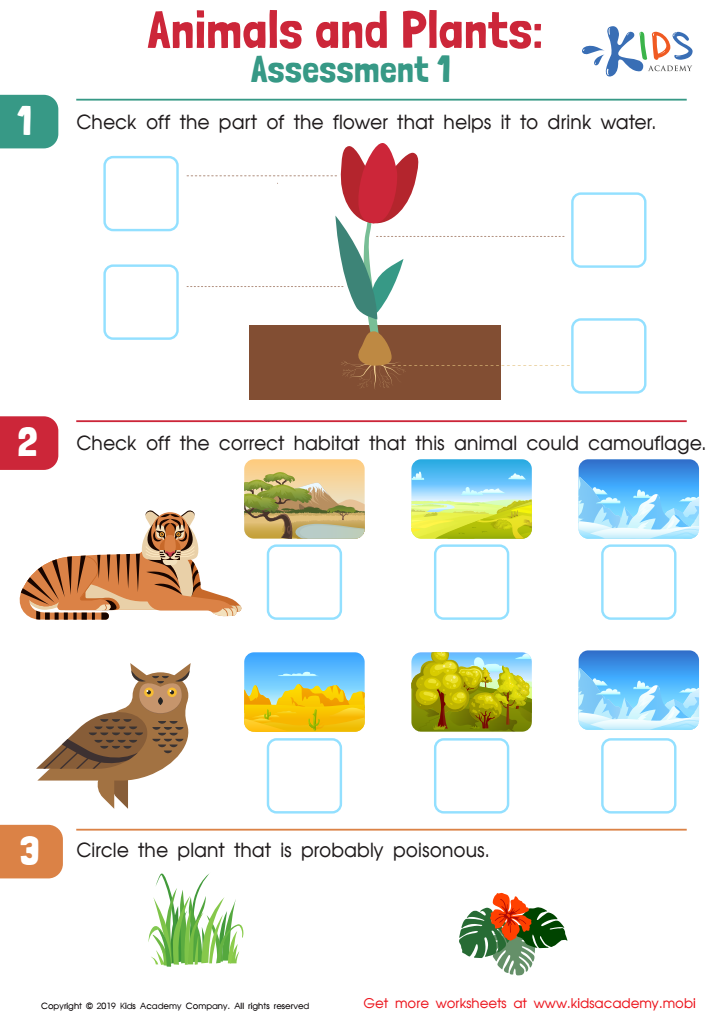
Animals and Plants: Assessment 1 Worksheet








Critical Thinking Science for Ages 7-8 is essential for nurturing a generation capable of navigating an increasingly complex world. At this age, children are naturally curious; they ask questions, seek explanations, and explore their surroundings. Introducing critical thinking within the context of science helps refine these innate skills, teaching children to analyze, reason, and evaluate information effectively.
Through hands-on experiments and inquiry-based learning, children learn the scientific method, promoting not just knowledge acquisition but also problem-solving abilities. These skills empower children to address real-world issues and make informed decisions, becoming active rather than passive learners. Furthermore, critical thinking fosters creativity, as students learn to approach challenges from multiple perspectives and generate innovative solutions.
For parents and teachers, emphasizing critical thinking in science lessons creates engaged and motivated learners. It lays a foundation for academic success across disciplines and promotes lifelong learning, essential traits in today's rapidly evolving job market. Ultimately, instilling strong critical thinking skills in children today ensures they grow into responsible, informed citizens who can contribute positively to society. Investing in this educational approach now is crucial for shaping future leaders capable of tackling the challenges that lie ahead.







