Comparing Numbers Worksheets for Ages 7-9 - Page 2
42 filtered results
-
From - To
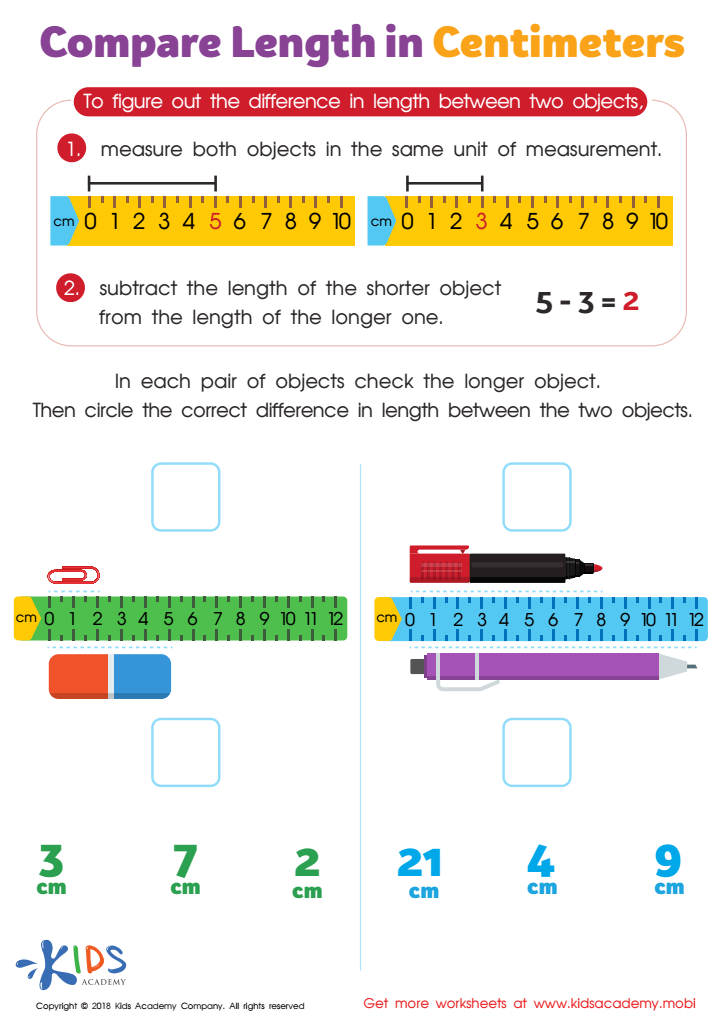
Compare Length in Centimeters Worksheet
 Assign to My Students
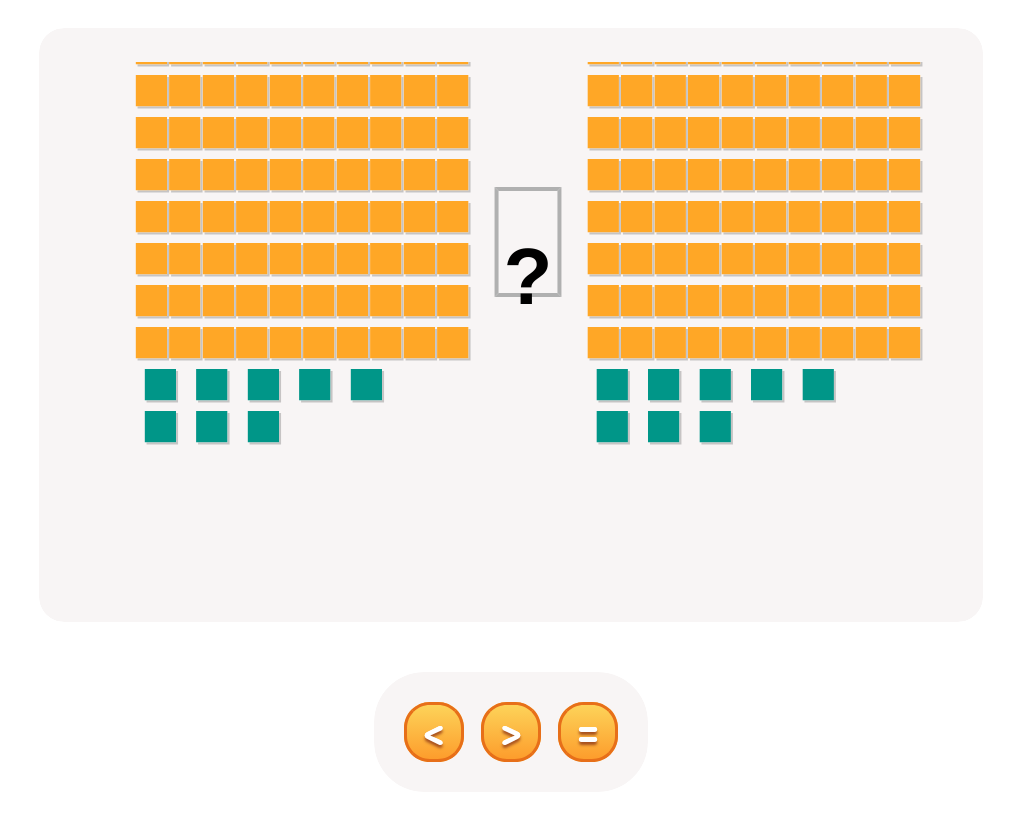

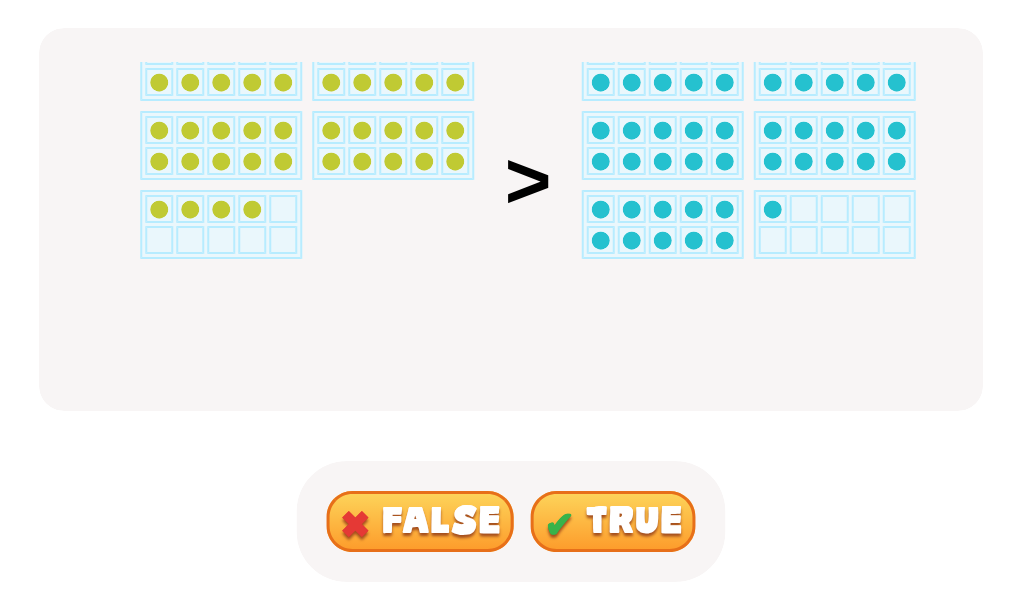
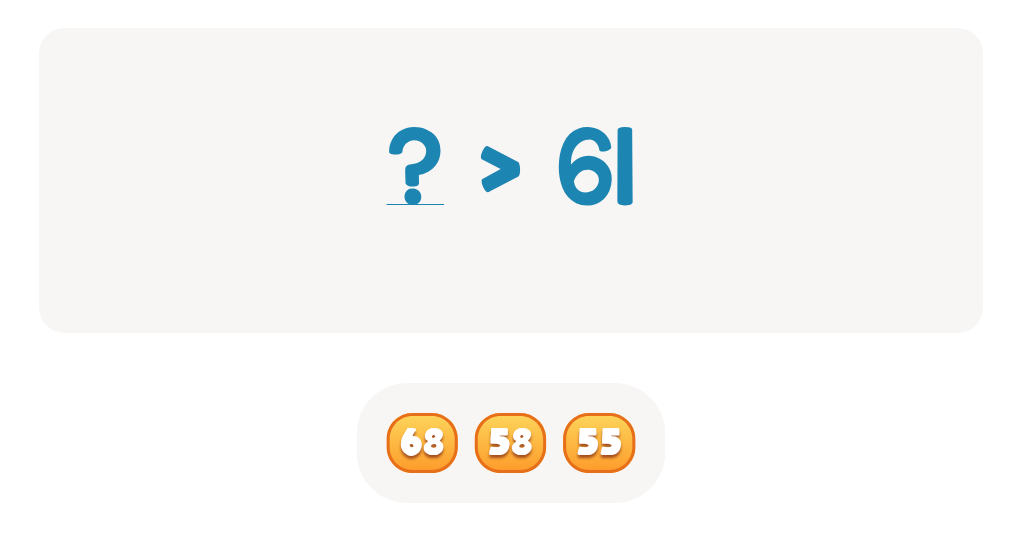
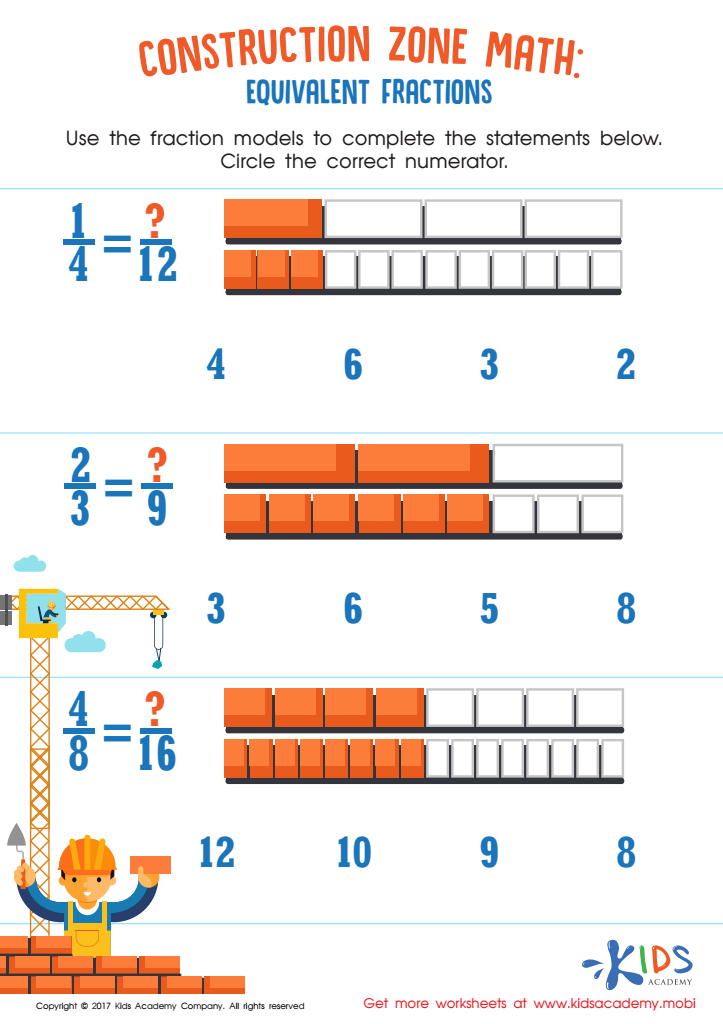
Equivalent Fractions Worksheet
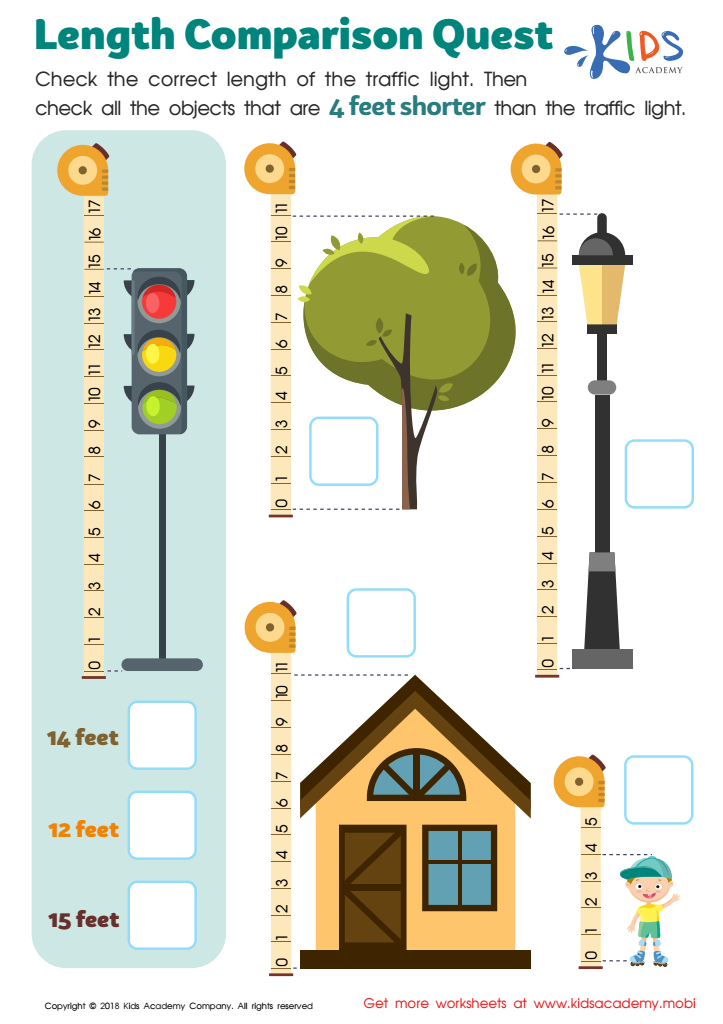
Length Comparison Quest Worksheet
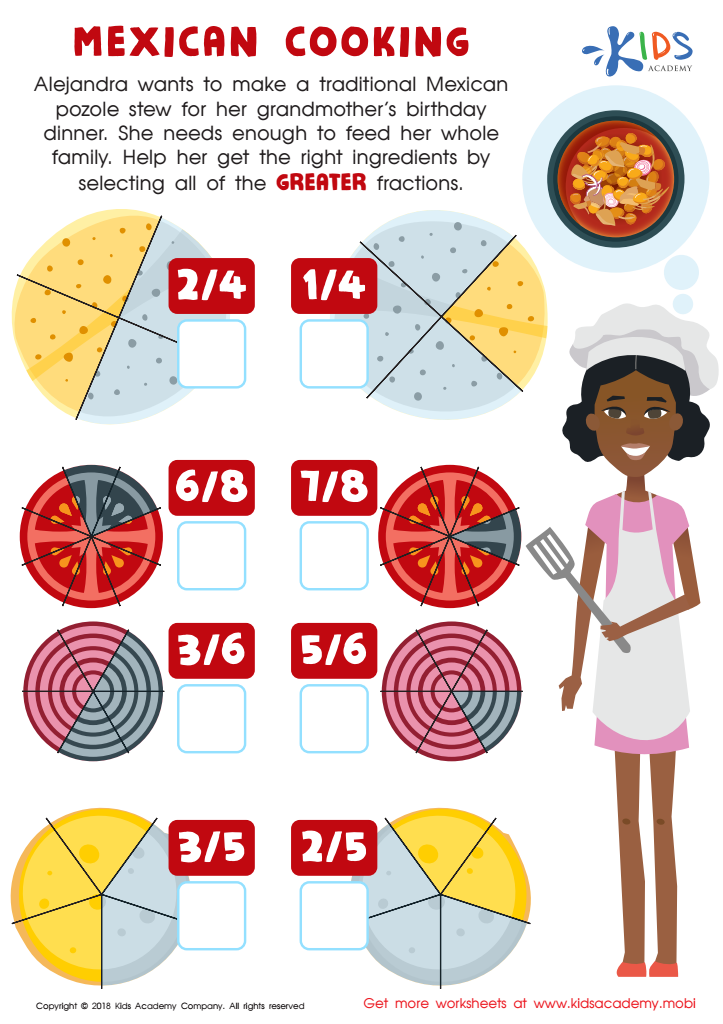
Mexican Cooking Worksheet
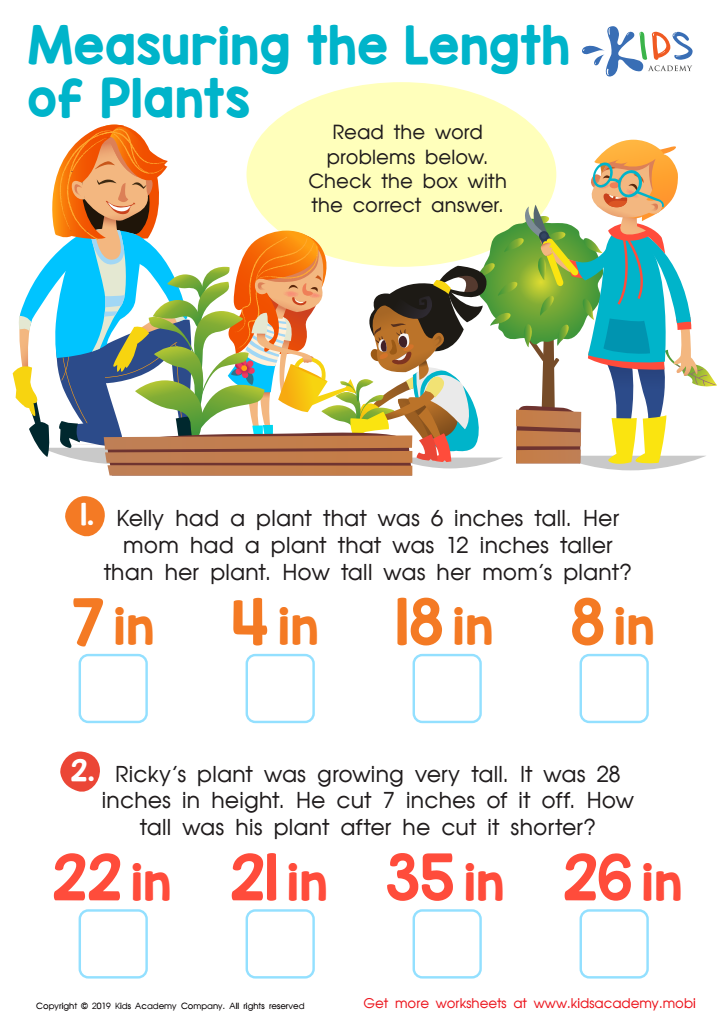
Measuring the Length of Plants Worksheet
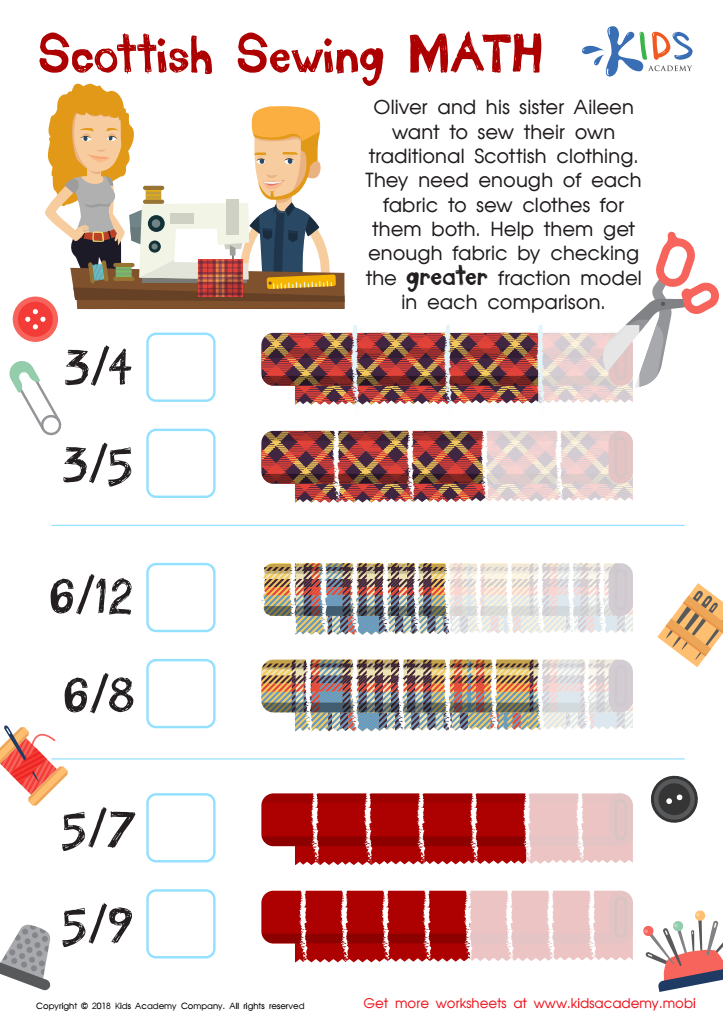
Scottish Sewing Math Worksheet
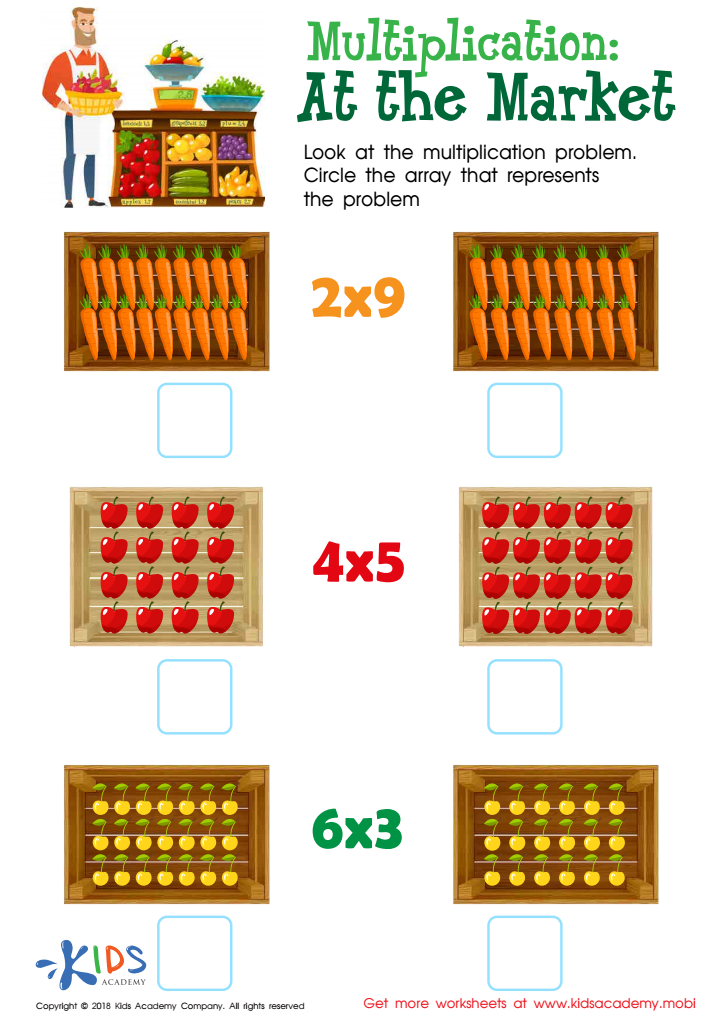
At the Market Worksheet
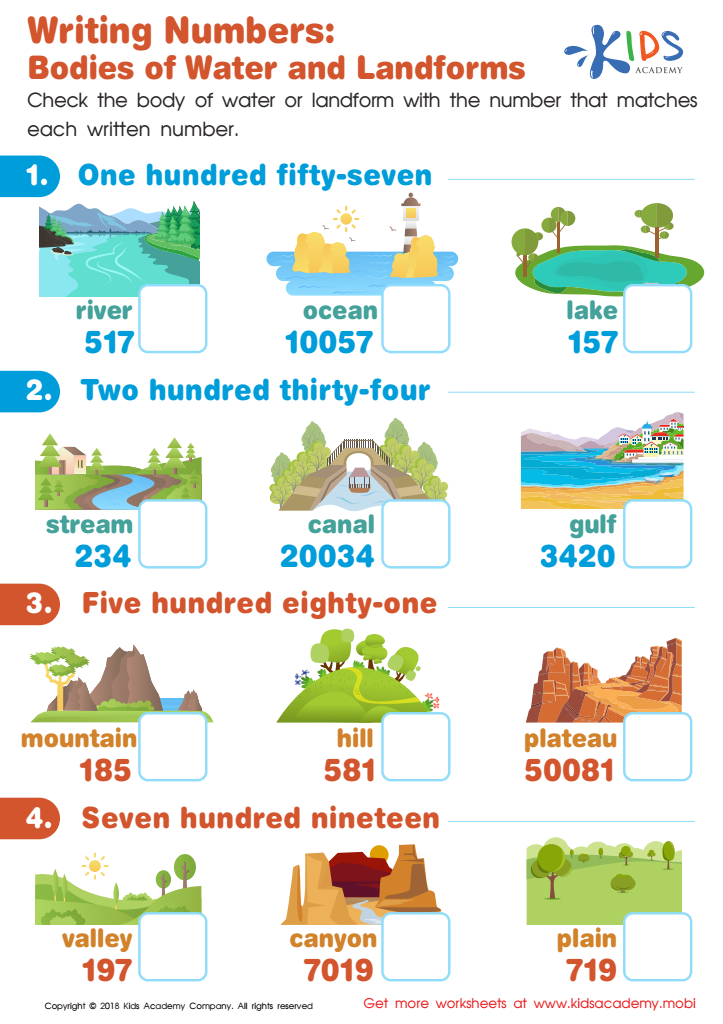
Bodies of Water and Landforms Writing Numbers Worksheet
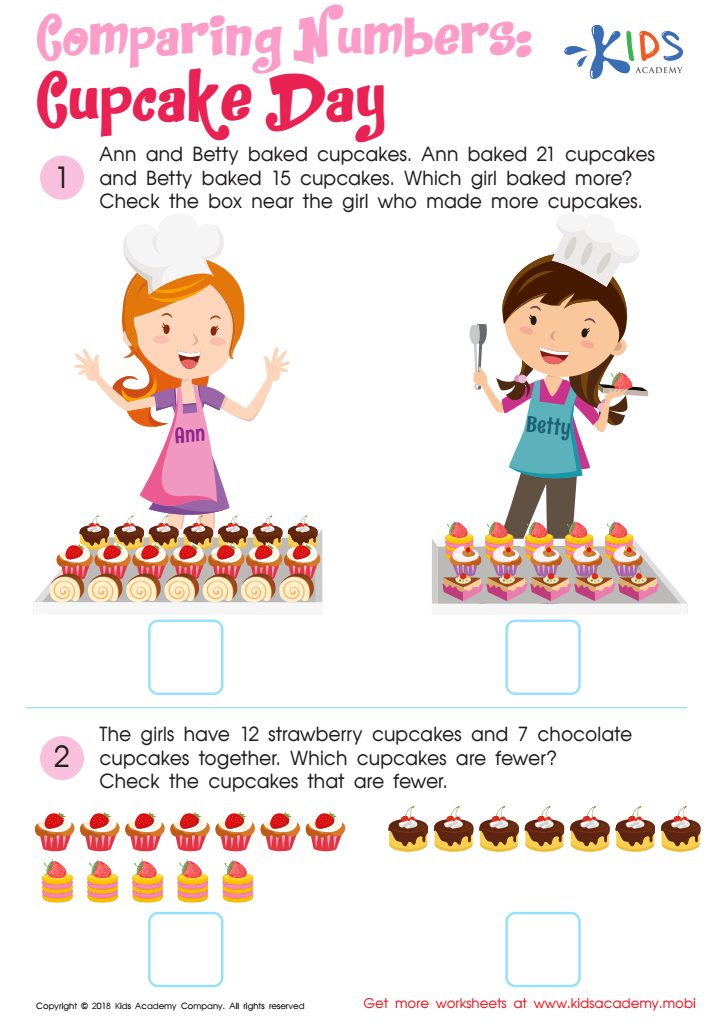
Cupcake Day Worksheet
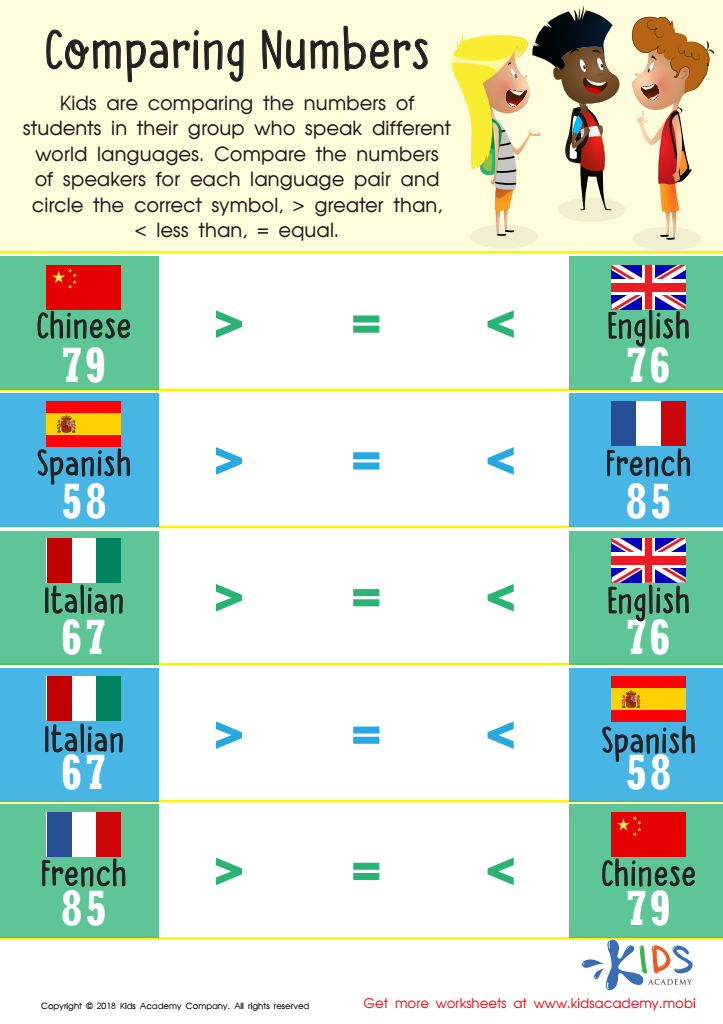
Comparing Numbers Worksheet for 1st Grade
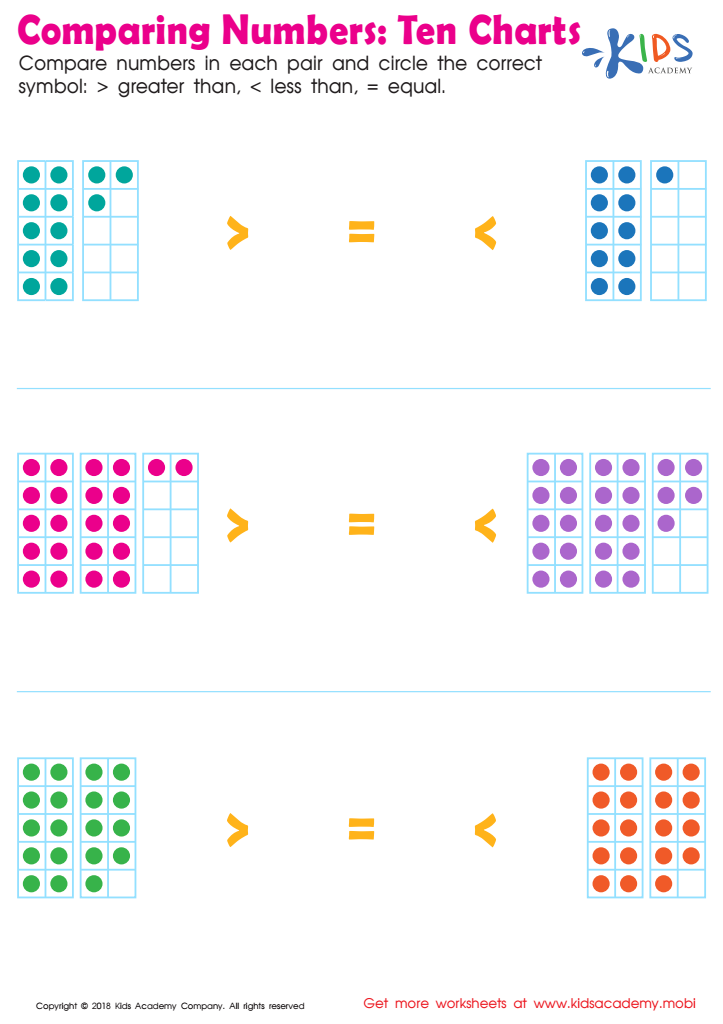
Ten Charts Worksheet
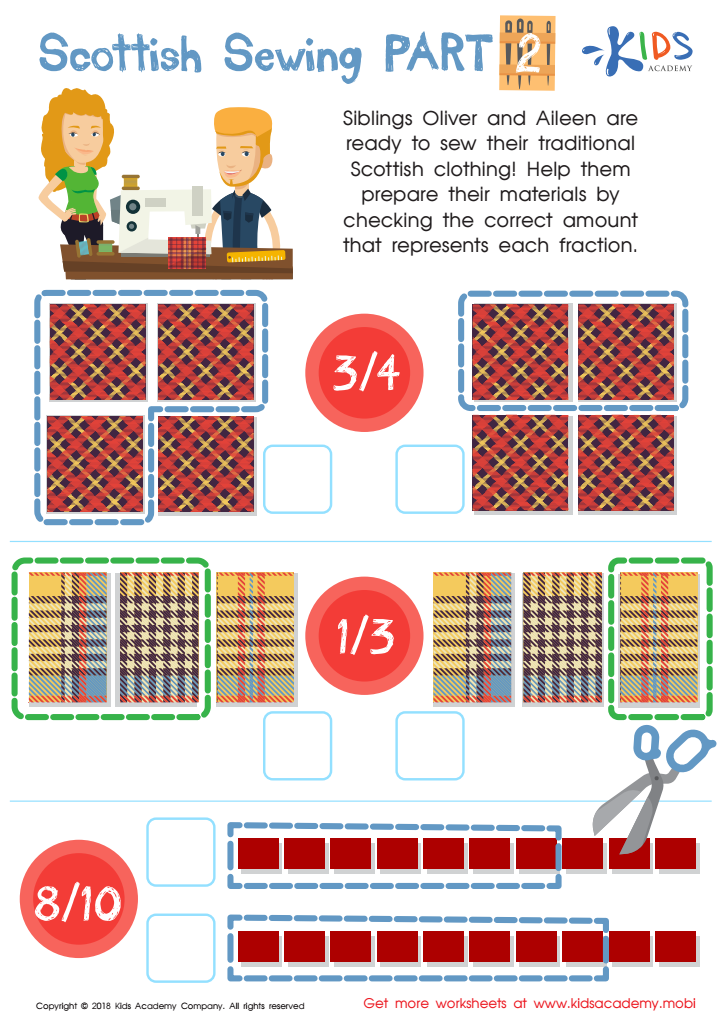
Scottish Sewing Part 2 Worksheet
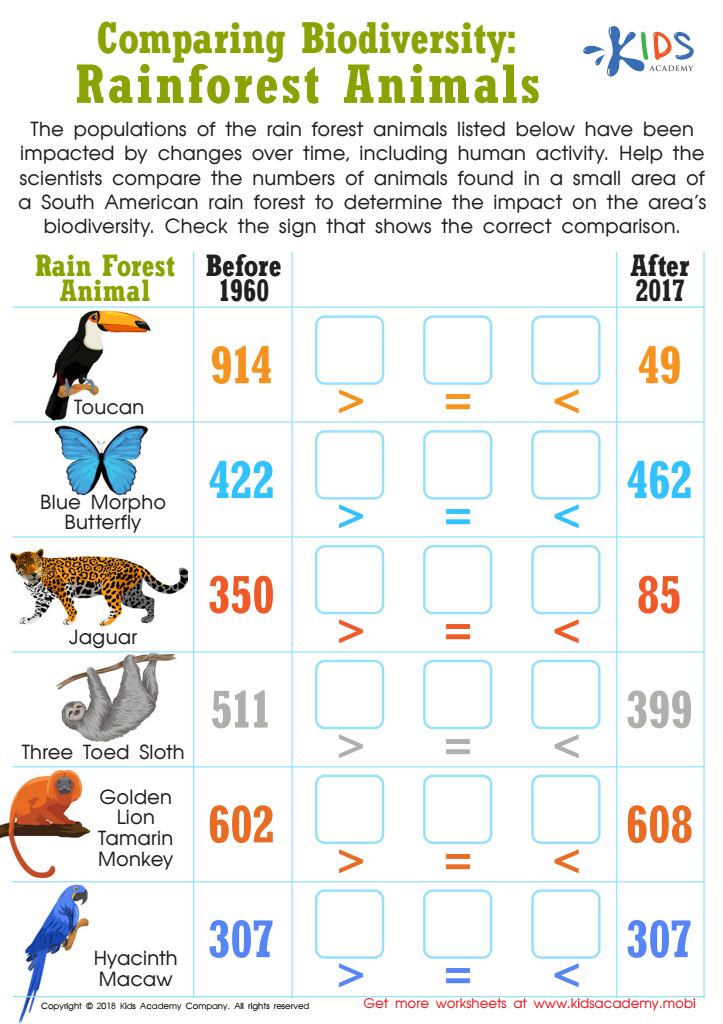
Comparing Biodiversity: Rainforest Animals Worksheet
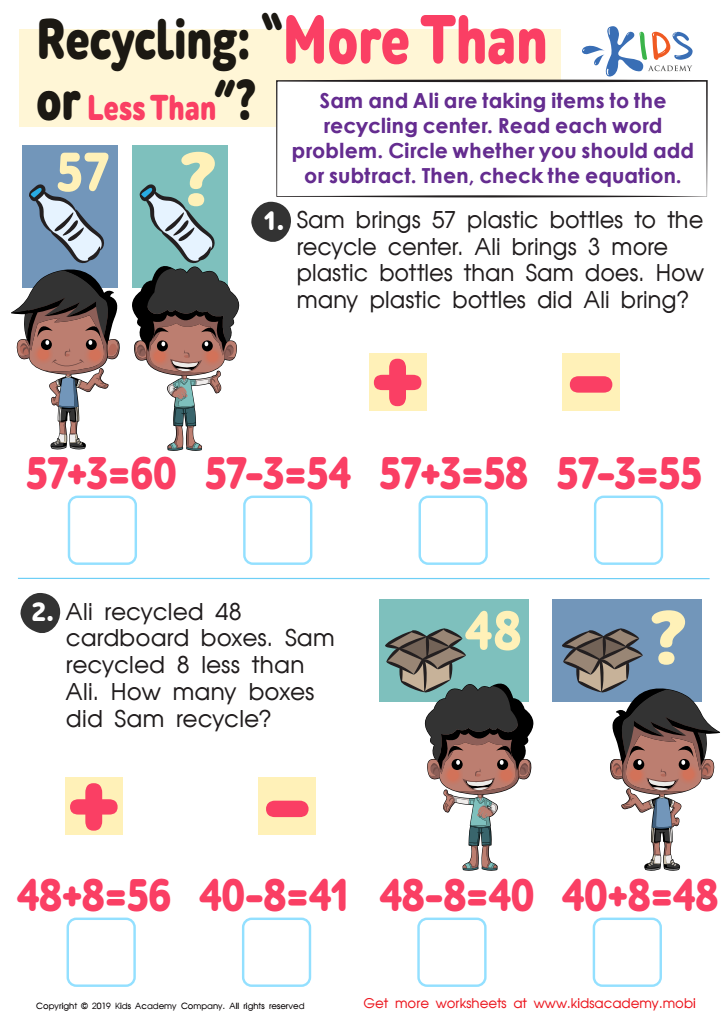
Recycling - More or Less Worksheet
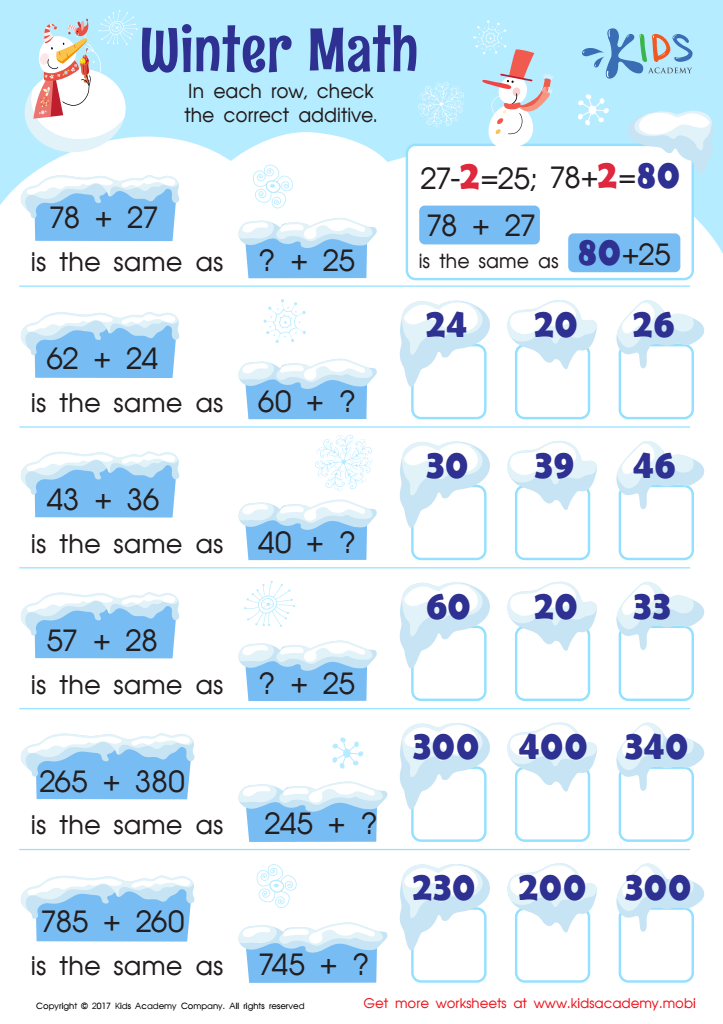
Free Addition Worksheet
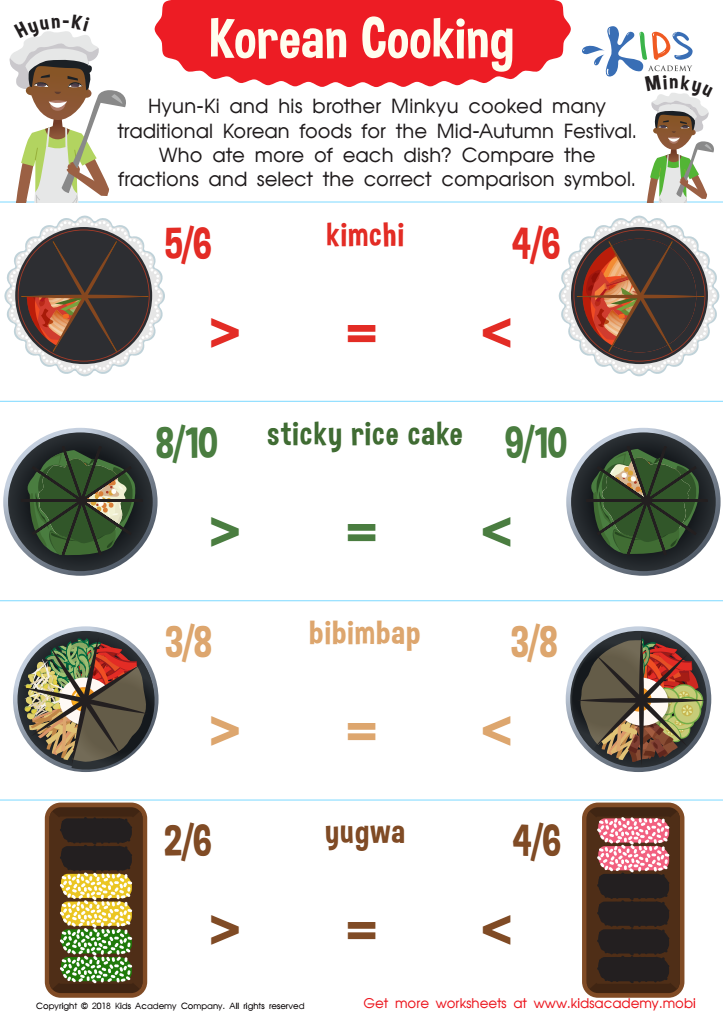
Korean Cooking Worksheet
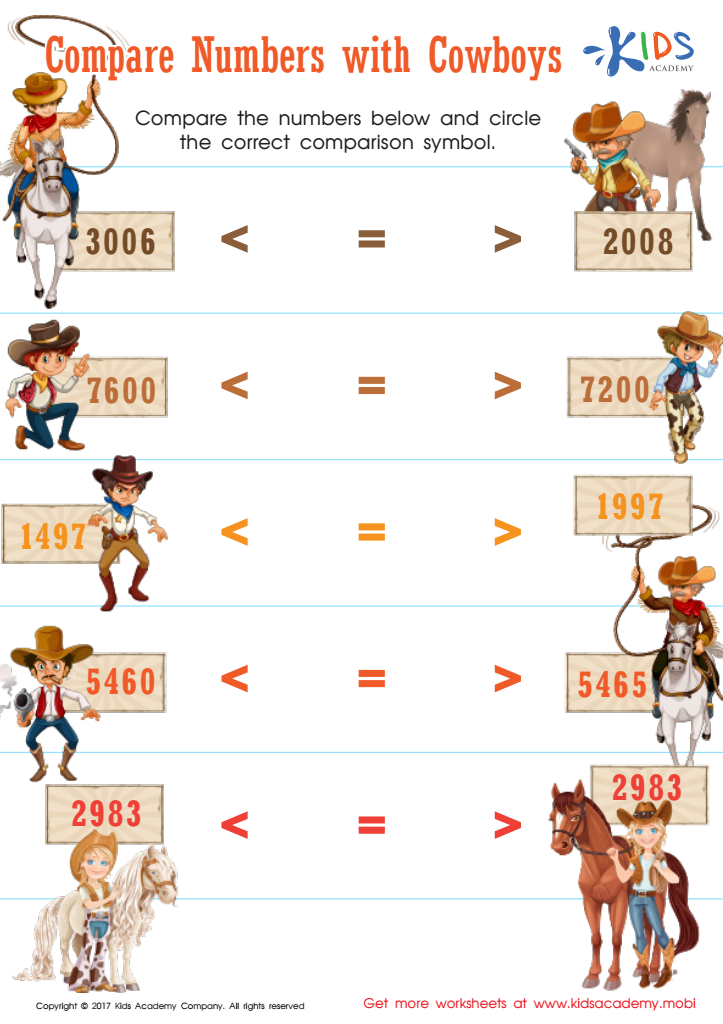
Compare Numbers Worksheet for 3rd Grade
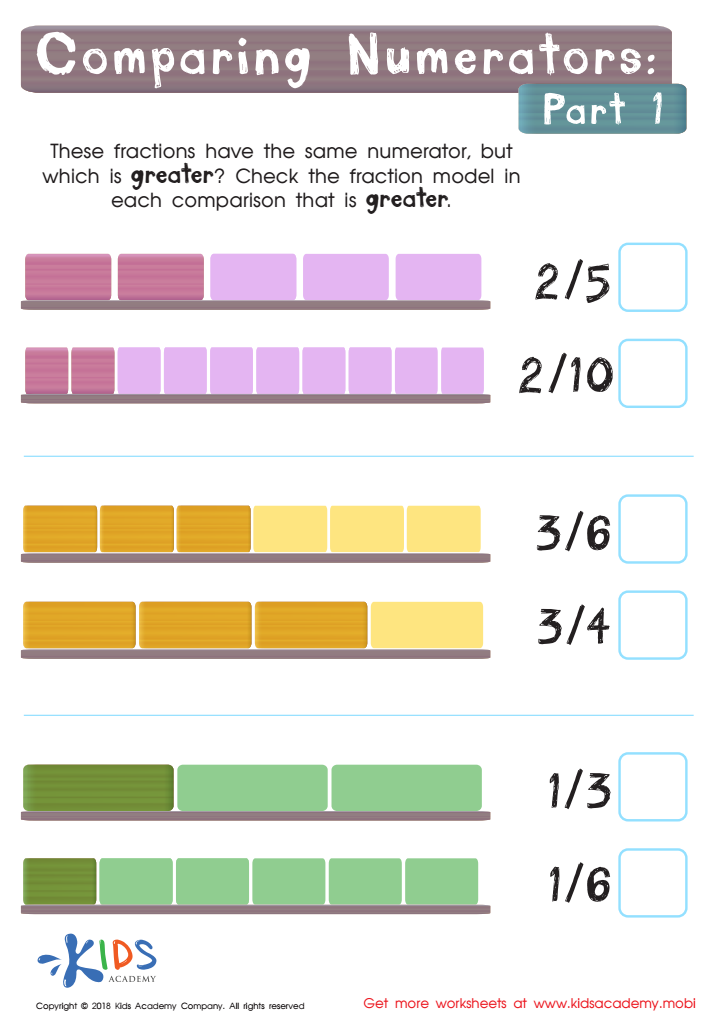
Comparing Numerators Part 1 Worksheet







Comparing numbers is a fundamental mathematical skill that significantly impacts children's overall mathematical understanding and everyday decision-making. For children aged 7 to 9, developing a strong foundation in this skill enhances their ability to grasp more complex concepts in later years, such as addition, subtraction, and place value. Parents and teachers should care about this area of learning because it cultivates critical thinking and problem-solving abilities.
By comparing numbers, children learn to analyze relationships between quantities, promoting logical reasoning. For instance, understanding greater than, less than, and equal to concepts bolsters their numeracy skills, enabling them to tackle more advanced problems confidently. This skill also plays a vital role in real-life scenarios, such as budgeting, shopping, and making informed decisions, all of which require an understanding of numerical comparisons.
Moreover, focusing on comparing numbers supports language development as children describe their reasoning verbally and in writing. Engaging children in activities that involve this skill, whether through games, visual aids, or everyday situations, fosters a positive attitude towards math. Thus, nurturing this ability early builds not only mathematical competence but also a sense of accomplishment and confidence that can resonate throughout their educational journey.








