Cognitive Development Geometry Worksheets for Ages 7-9
11 filtered results
-
From - To
Discover our engaging Cognitive Development Geometry Worksheets designed specifically for children ages 7-9! These worksheets enhance critical thinking skills while introducing essential geometric concepts. Each activity challenges young learners to explore shapes, angles, and spatial reasoning through fun puzzles and interactive exercises. Our carefully crafted materials align with educational standards, making learning both enjoyable and effective. Perfect for classroom use or at-home reinforcement, these worksheets foster cognitive growth and problem-solving abilities in early learners. Help your child build a strong foundation in geometry while nurturing their love for learning. Explore our collection today and watch their skills soar!
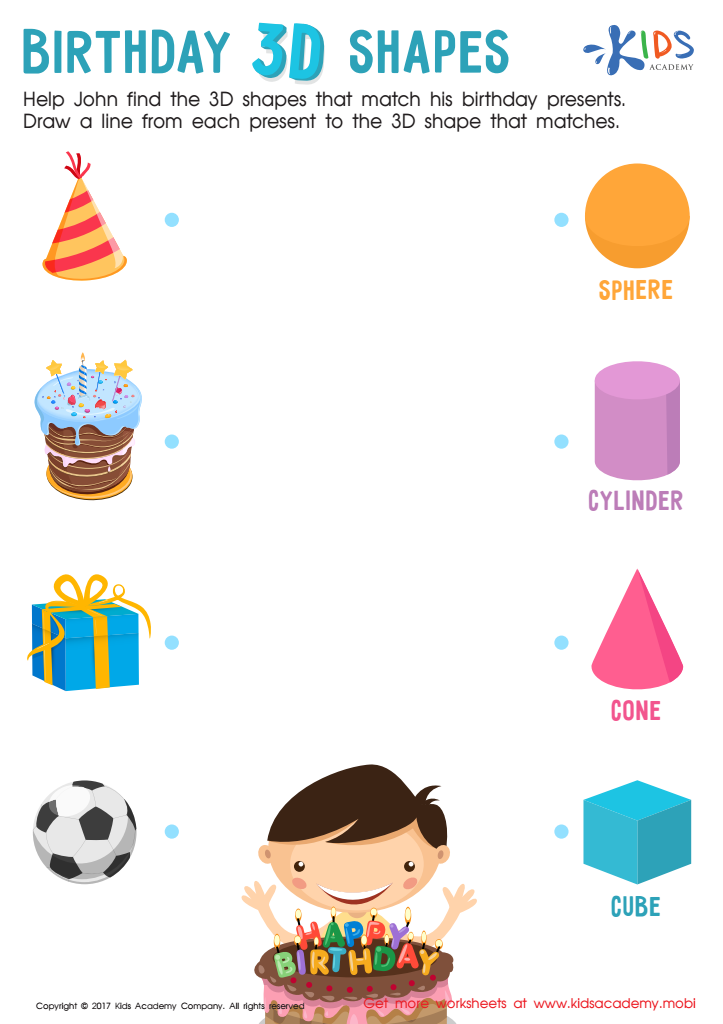
Birthday 3D Shapes Worksheet
 Assign to My Students











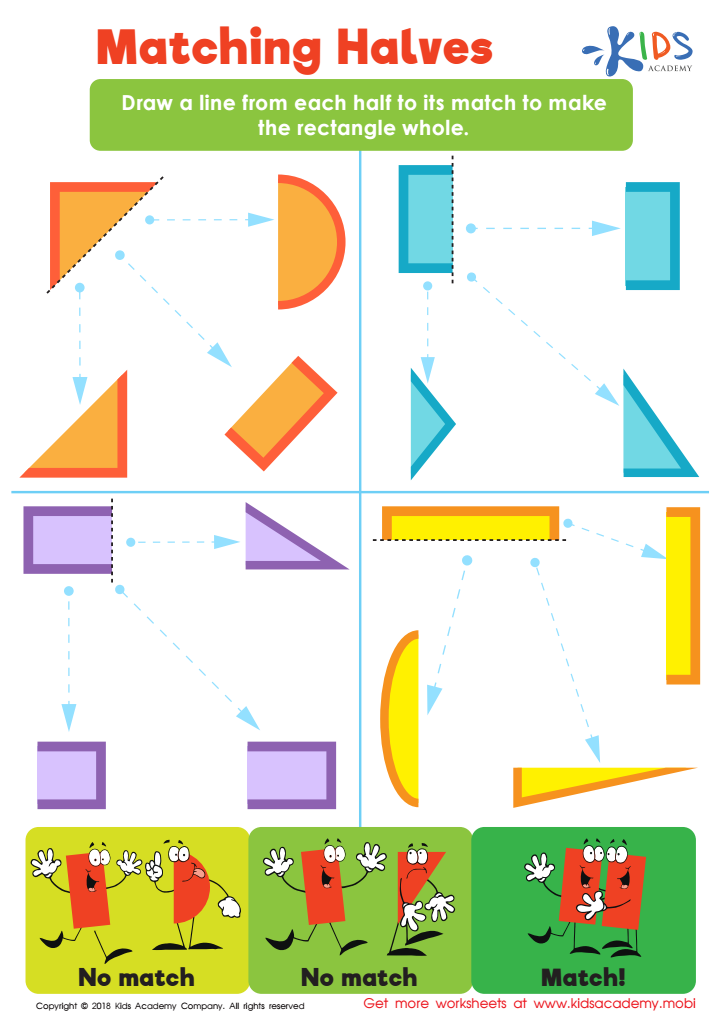
Matching Halves Worksheet
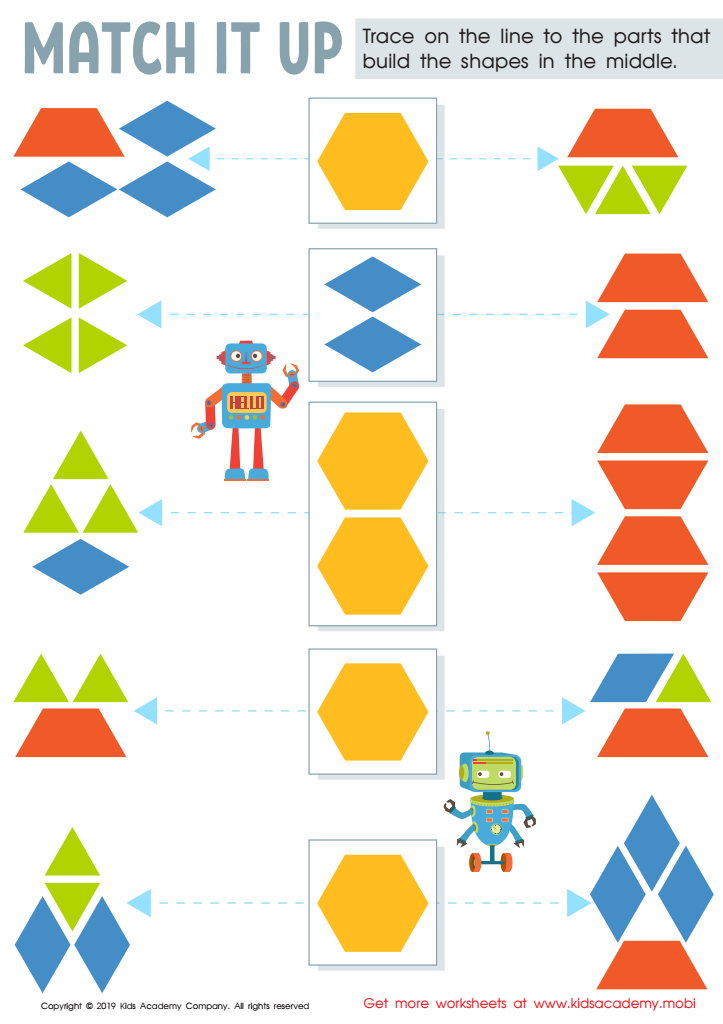
Match It up Worksheet
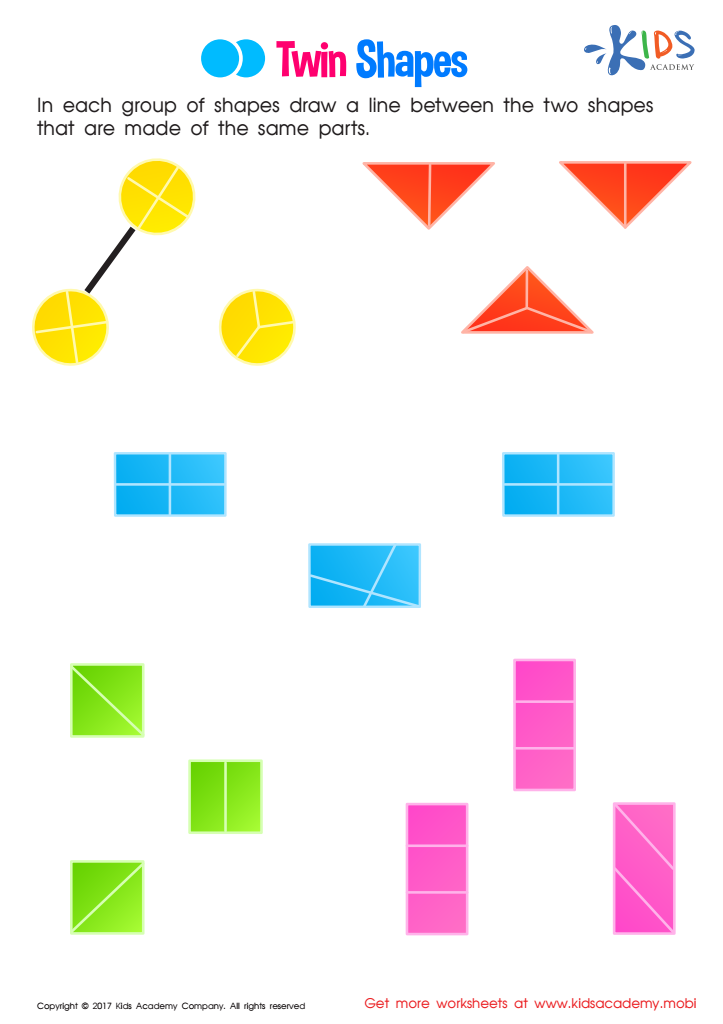
Twin Shapes Worksheet
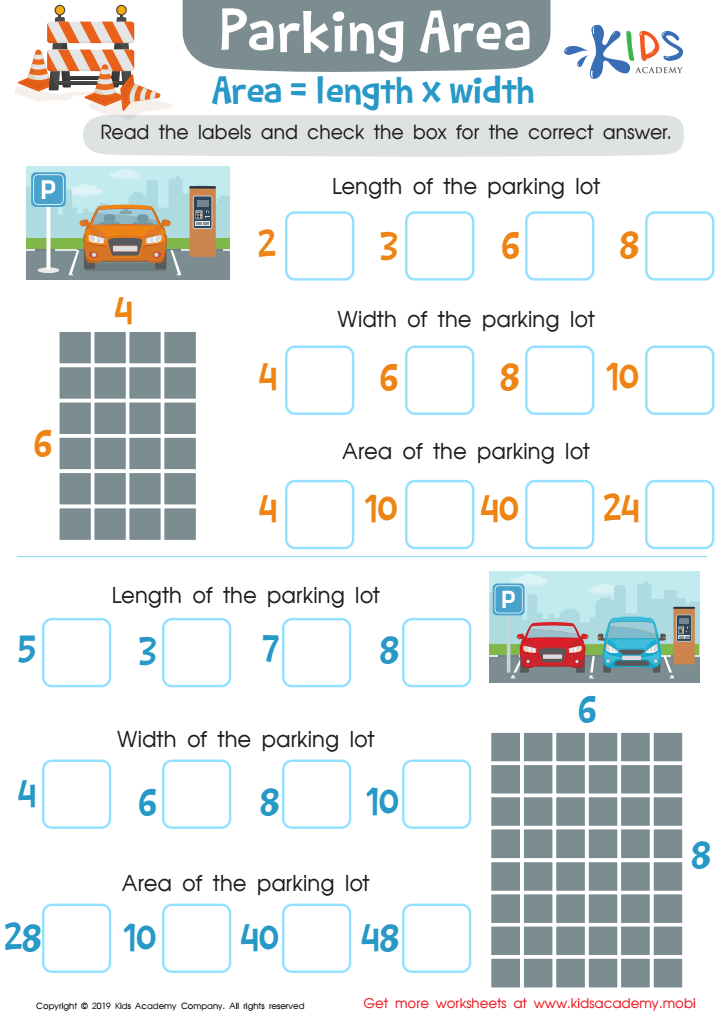
Parking Area Worksheet
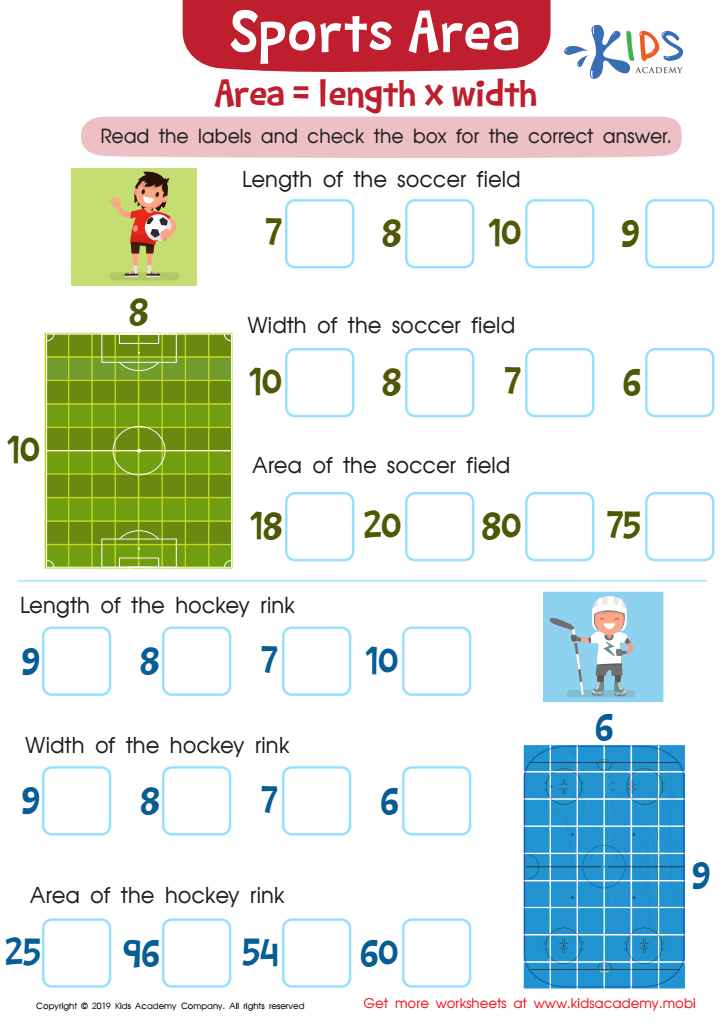
Sports Area Worksheet
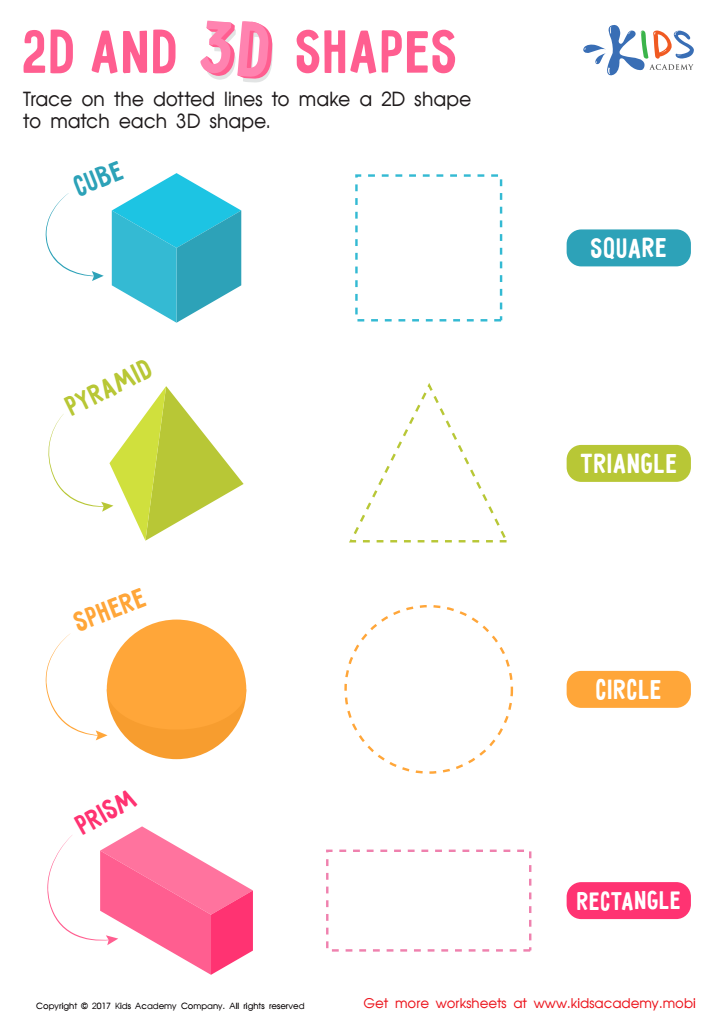
2D and 3D Shapes Worksheet
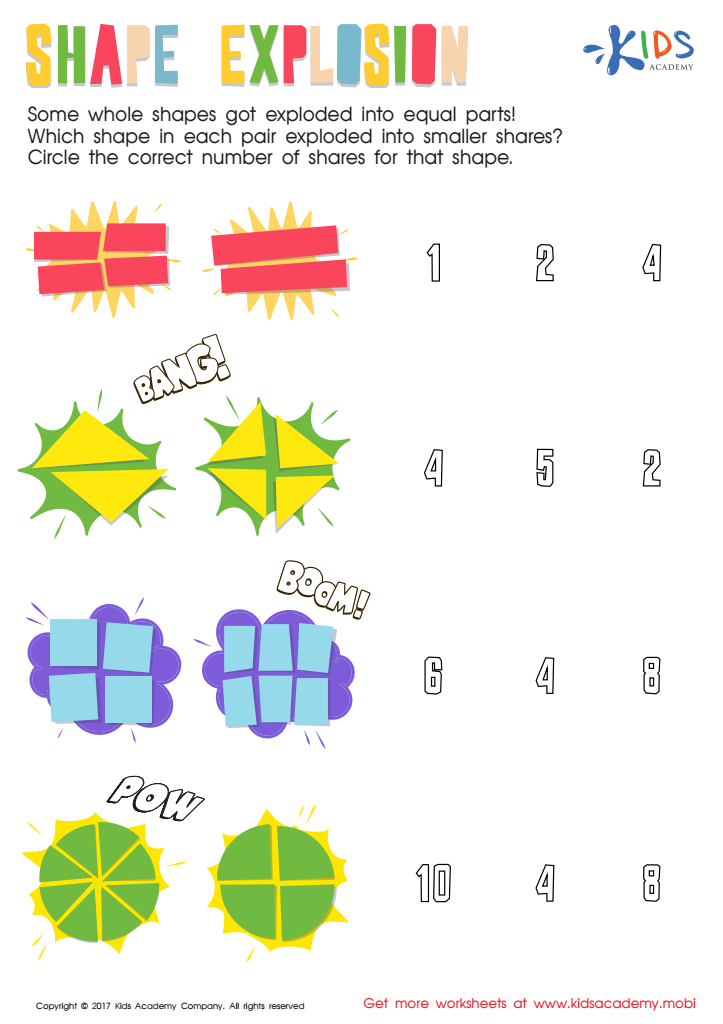
Shape Explosion Worksheet
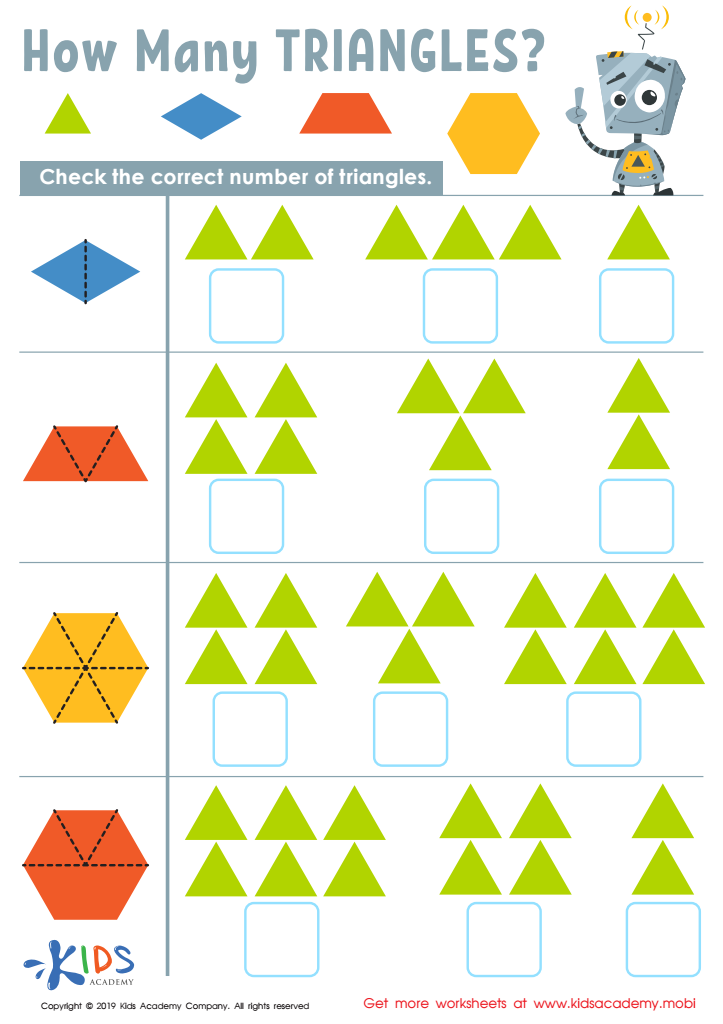
How Many Triangles Worksheet
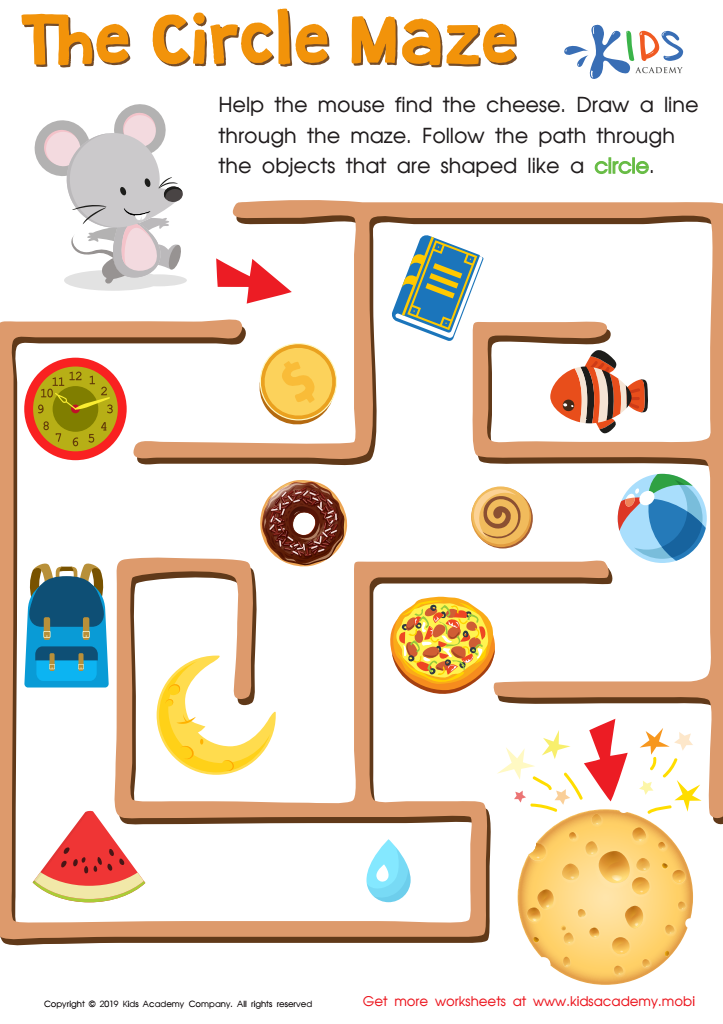
The Circle Maze Worksheet
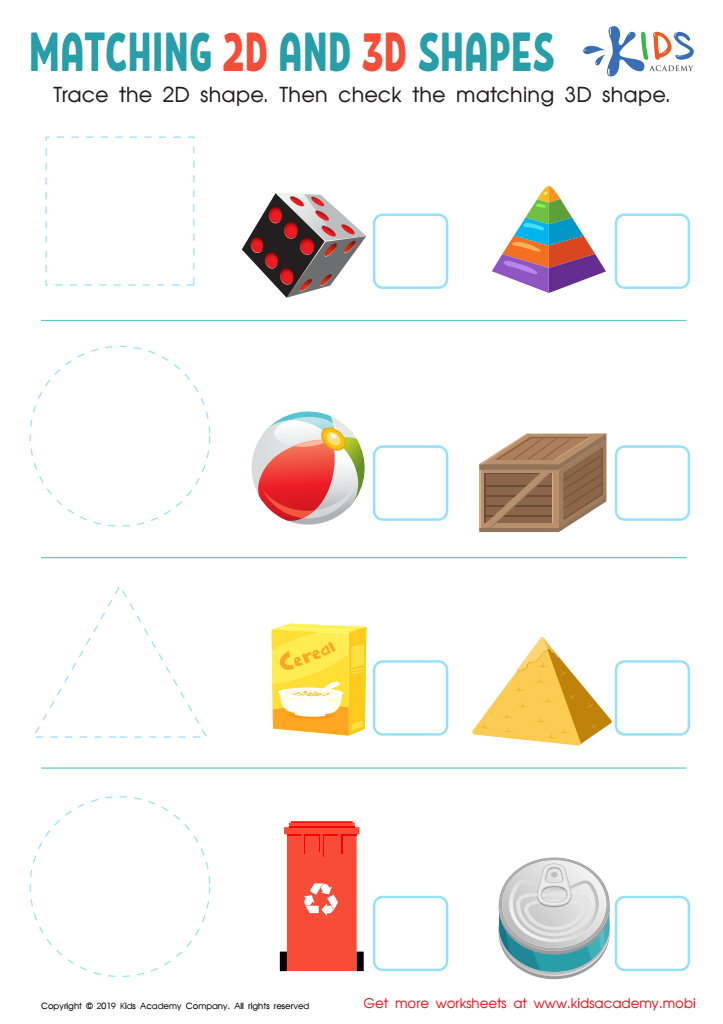
Matching 2D and 3D Shapes Worksheet








Cognitive development in geometry for children aged 7-9 is a critical aspect of their overall learning process. At this age, children are not only honing their basic mathematical skills but also beginning to understand spatial relationships and visualizing shapes. Engaging with geometry builds their cognitive abilities by enhancing their problem-solving and critical-thinking skills.
Parents and teachers should prioritize this area of learning because it lays the groundwork for complex mathematical concepts in the future, such as algebra and calculus. Understanding geometry helps children develop essential skills such as measuring, identifying shapes, and analyzing patterns, which are transferable to real-world scenarios, including art, architecture, and even everyday tasks.
Moreover, a strong foundation in geometry boosts confidence. When children successfully navigate geometric concepts, they are more likely to enjoy math and see it as a valuable and applicable discipline. Encouraging explorations of geometry through hands-on activities, games, and discussions can make mathematics engaging and fun, fostering a love for learning that transcends the classroom. In summary, prioritizing cognitive development in geometry for young learners is crucial for their intellectual growth, problem-solving skills, and readiness for future academic challenges.








