World Around Us Worksheets for Ages 7-9 - Page 2
72 filtered results
-
From - To
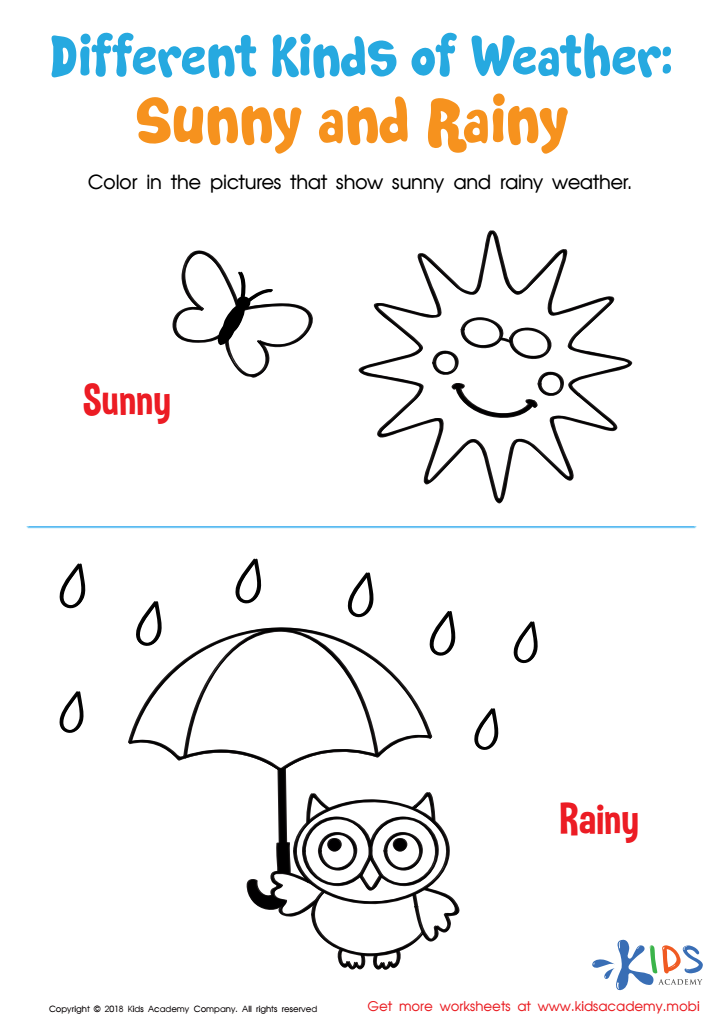
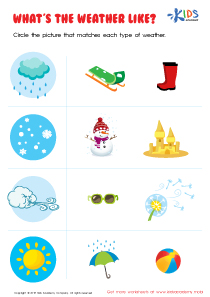
Different Kinds of Weather: Sunny and Rainy Worksheet
 Assign to My Students
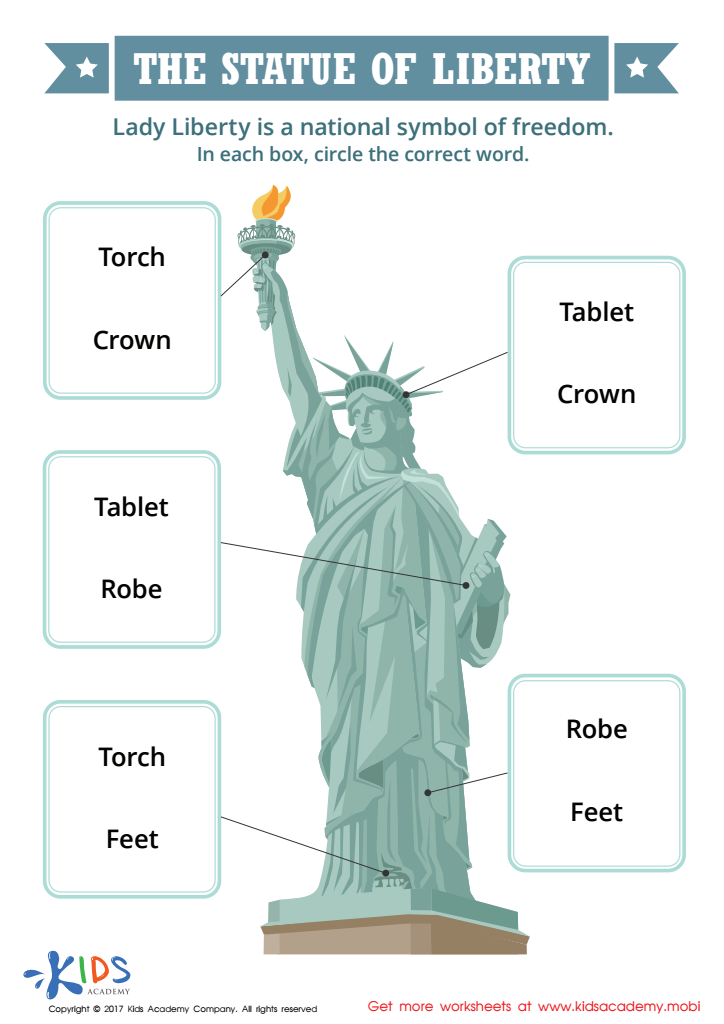
The Statue of Liberty Printable
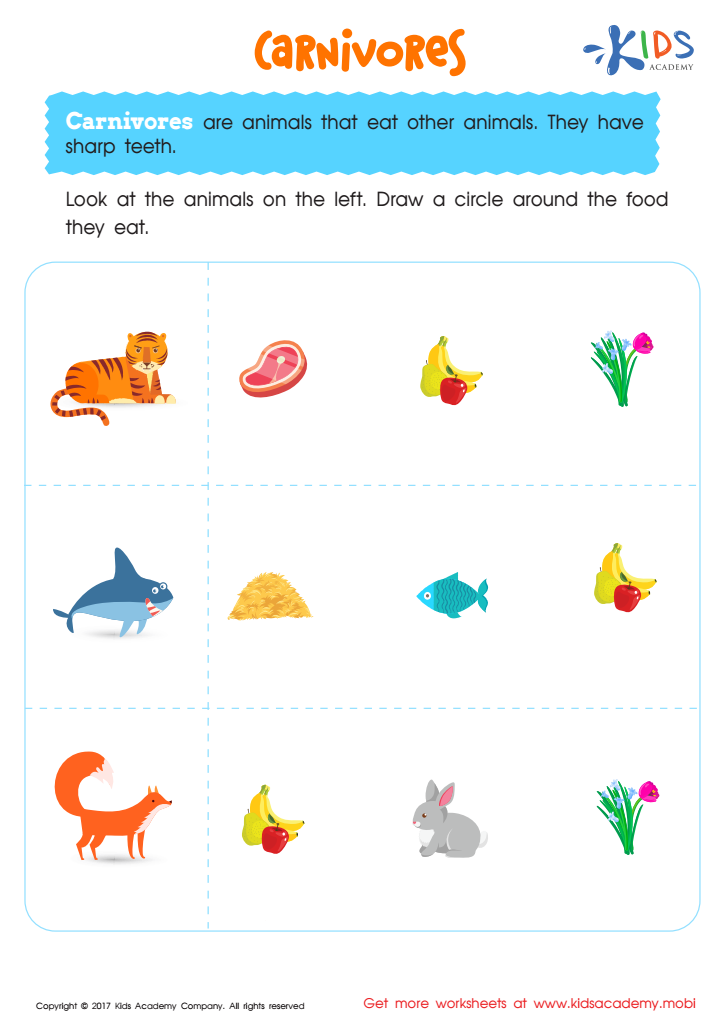
Carnivores Worksheet
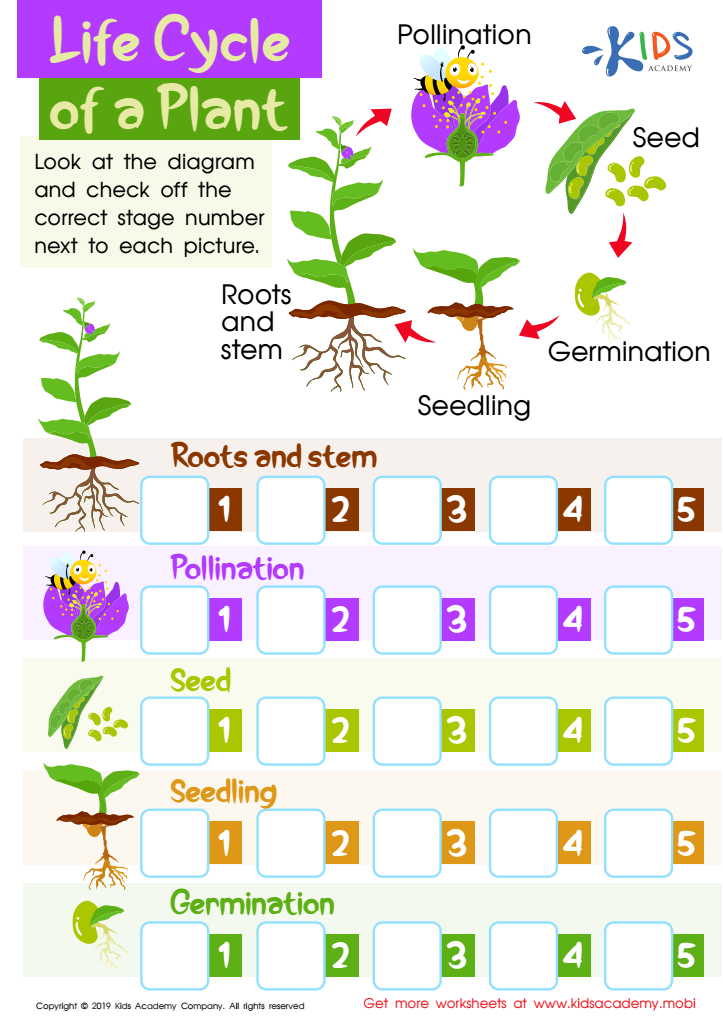
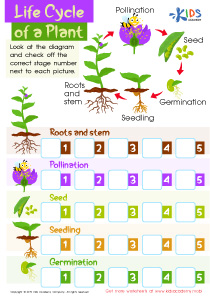
Life Cycle of a Plant Worksheet
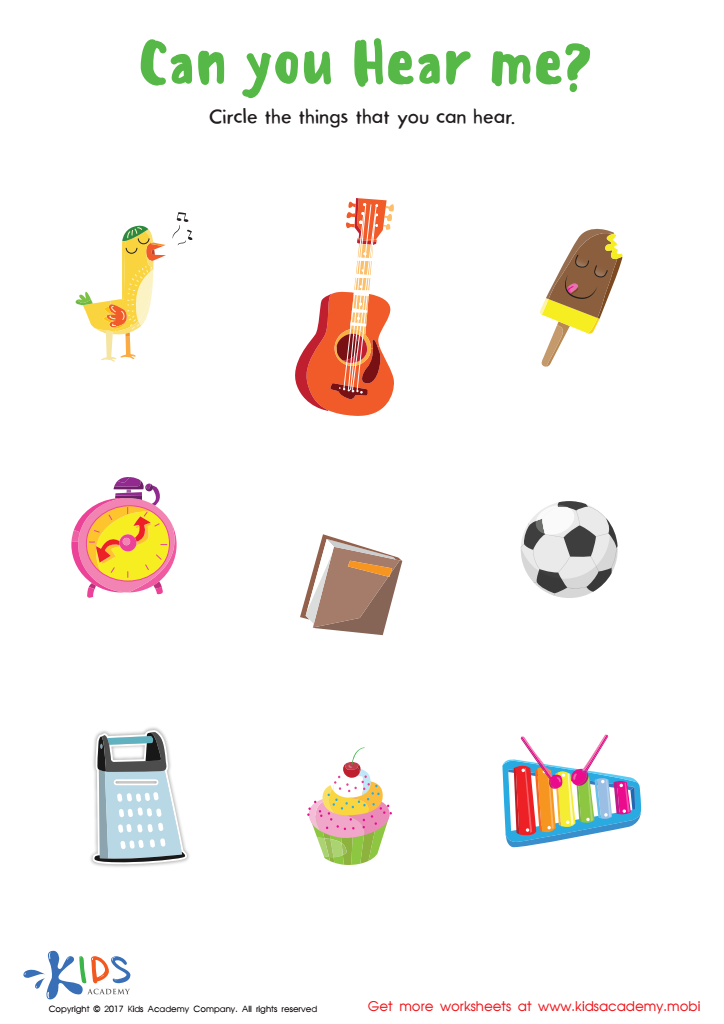
Can You Hear Me Worksheet
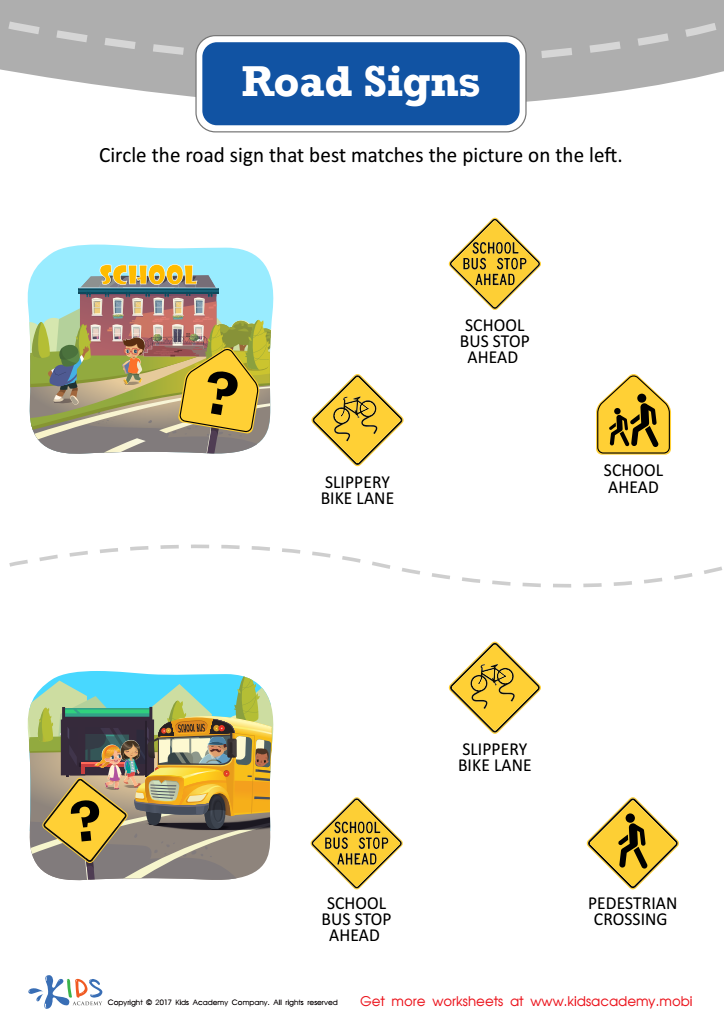
Road Signs (Part 1) Worksheet
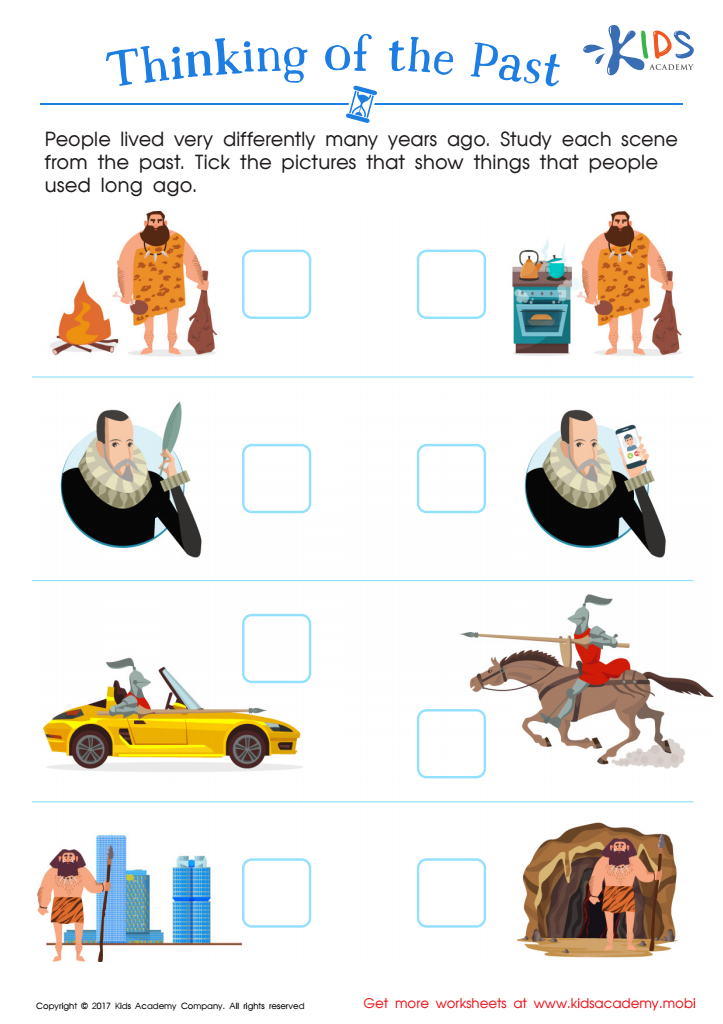
Thinking Past Printable
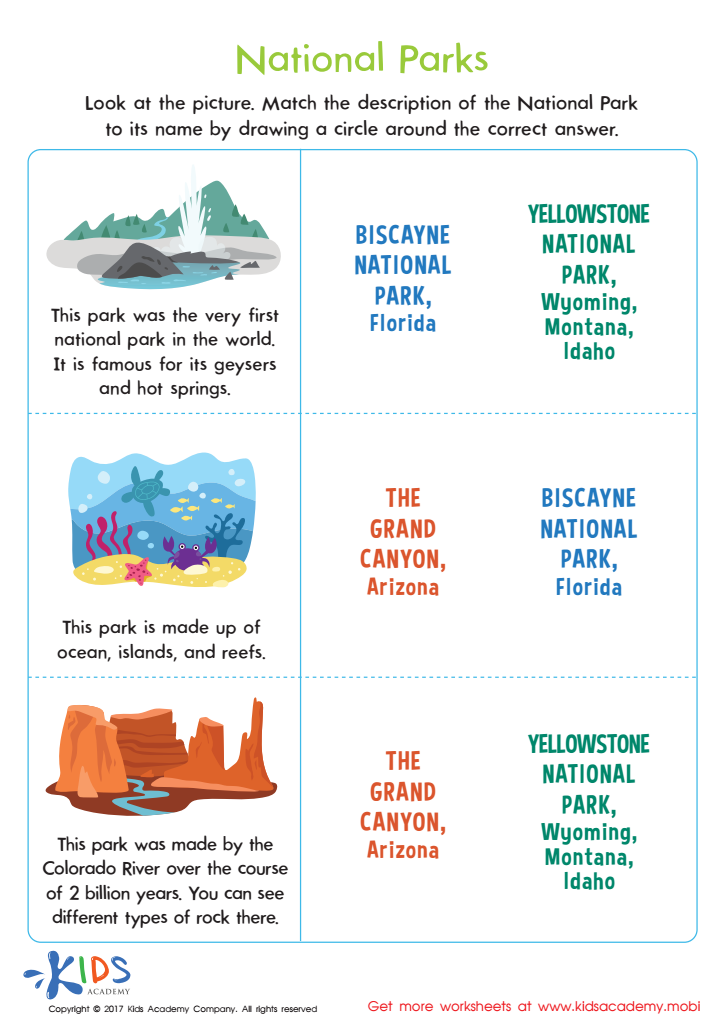
National Parks Printable
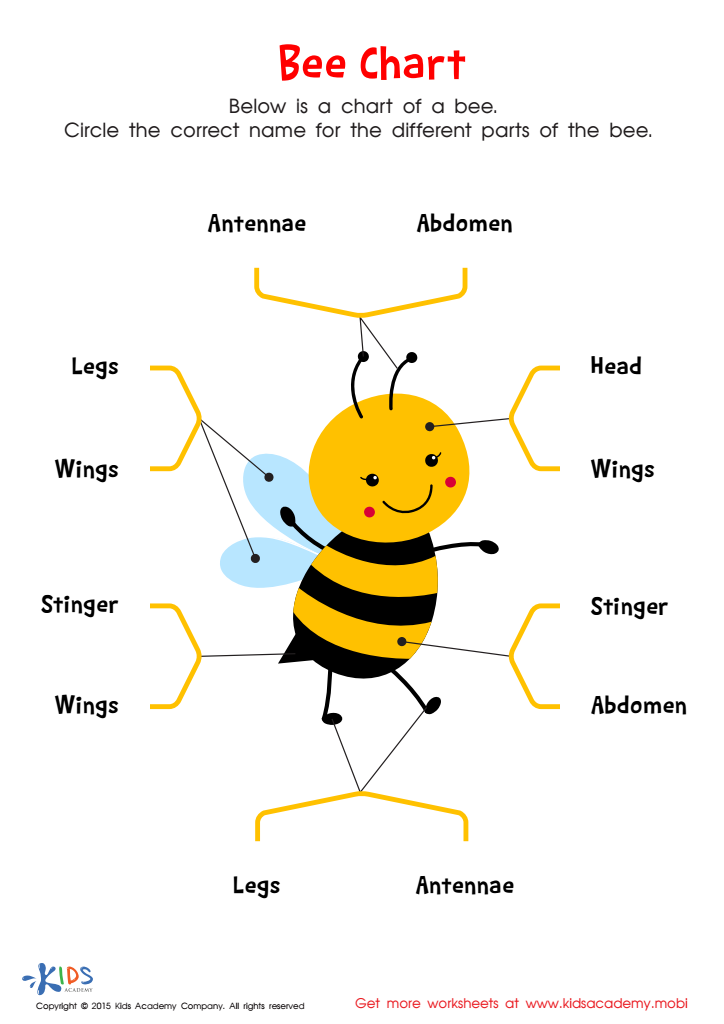
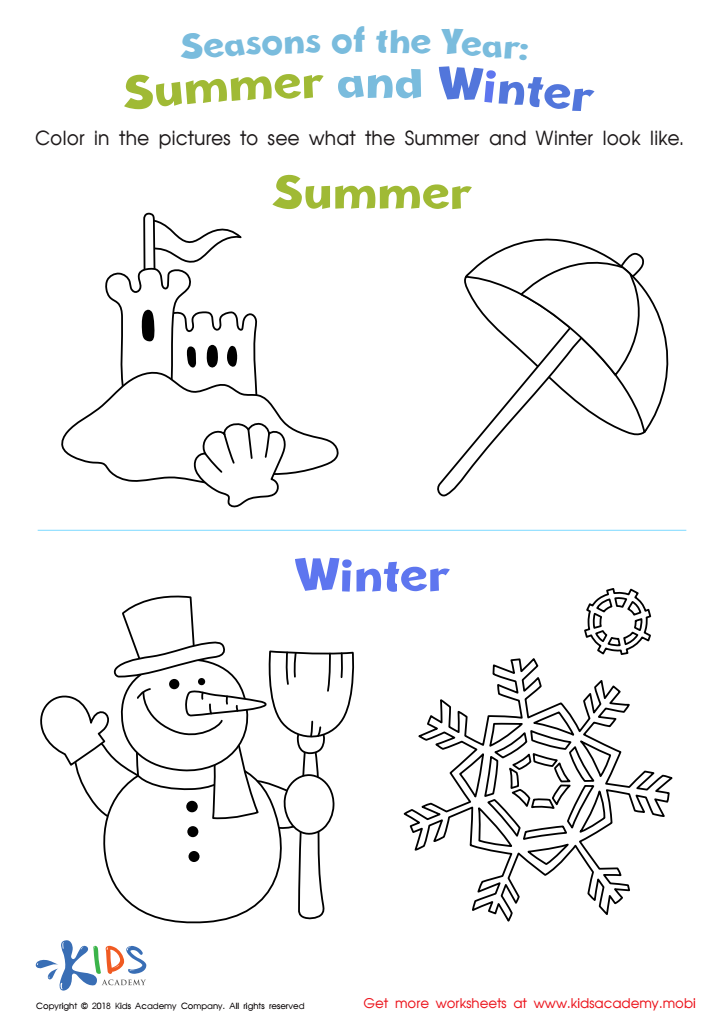
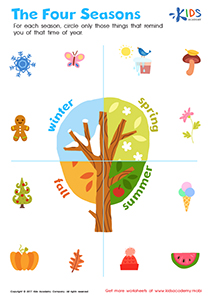
Summer and Winter Worksheet
Assign to My Students
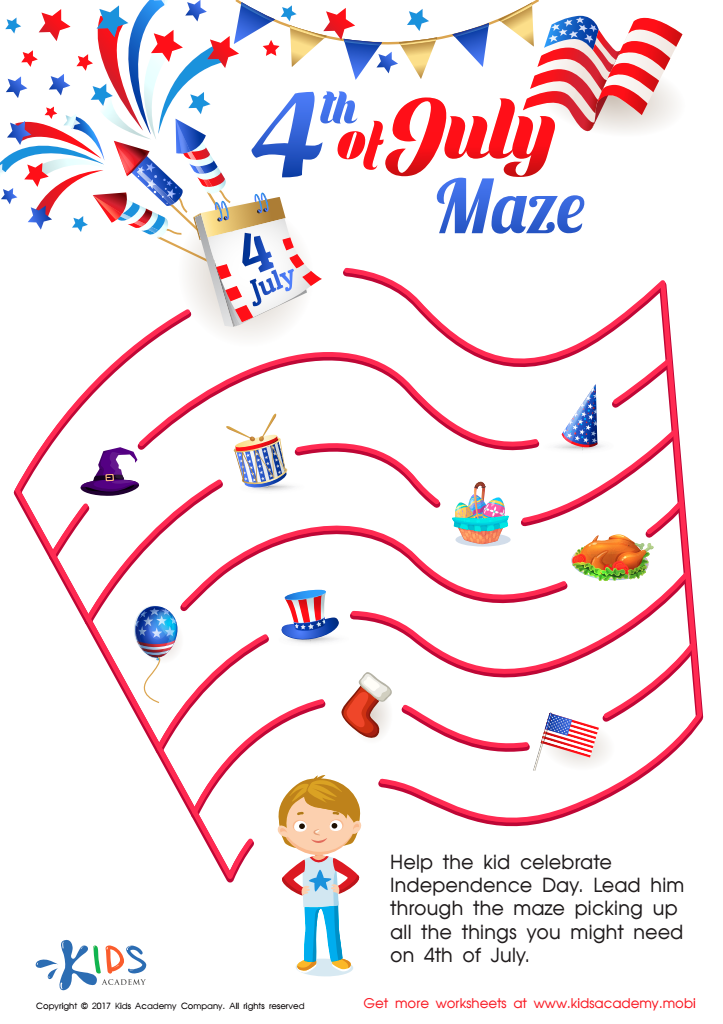
Fourth of July Maze Printable
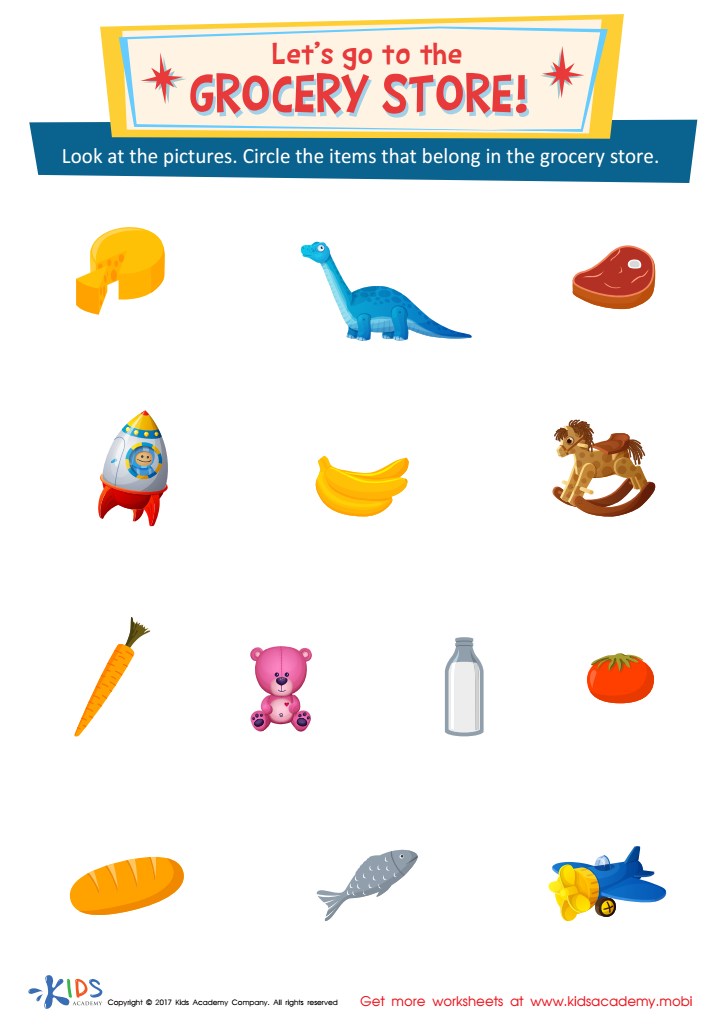
Grocery Store Worksheet
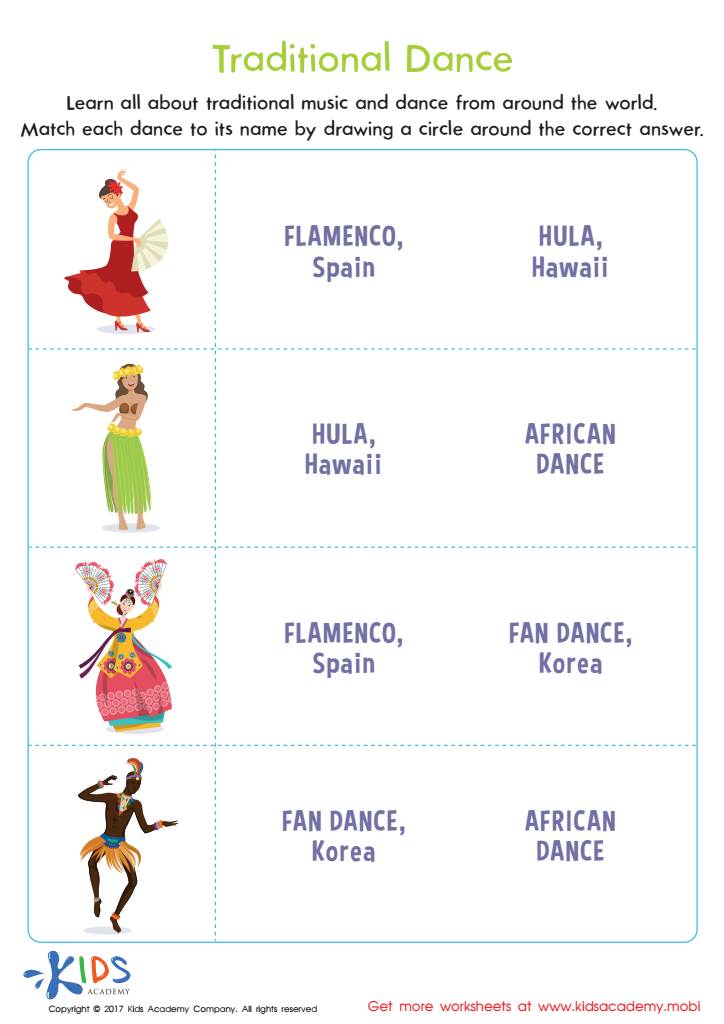
Traditional Dance Printable
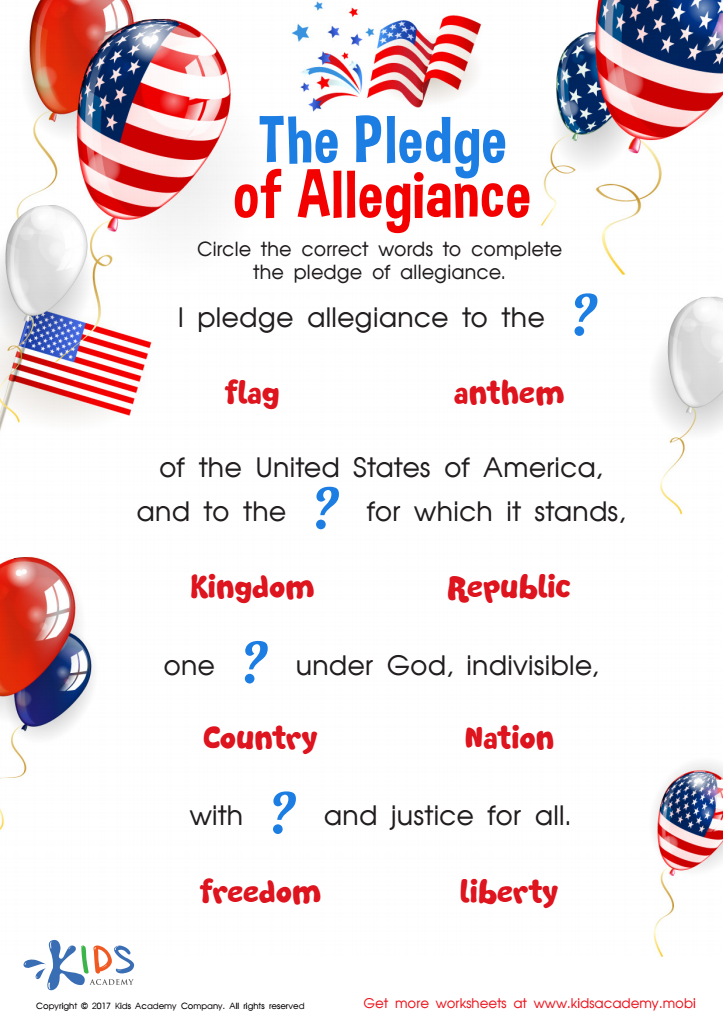
The Pledge of Allegiance Worksheet
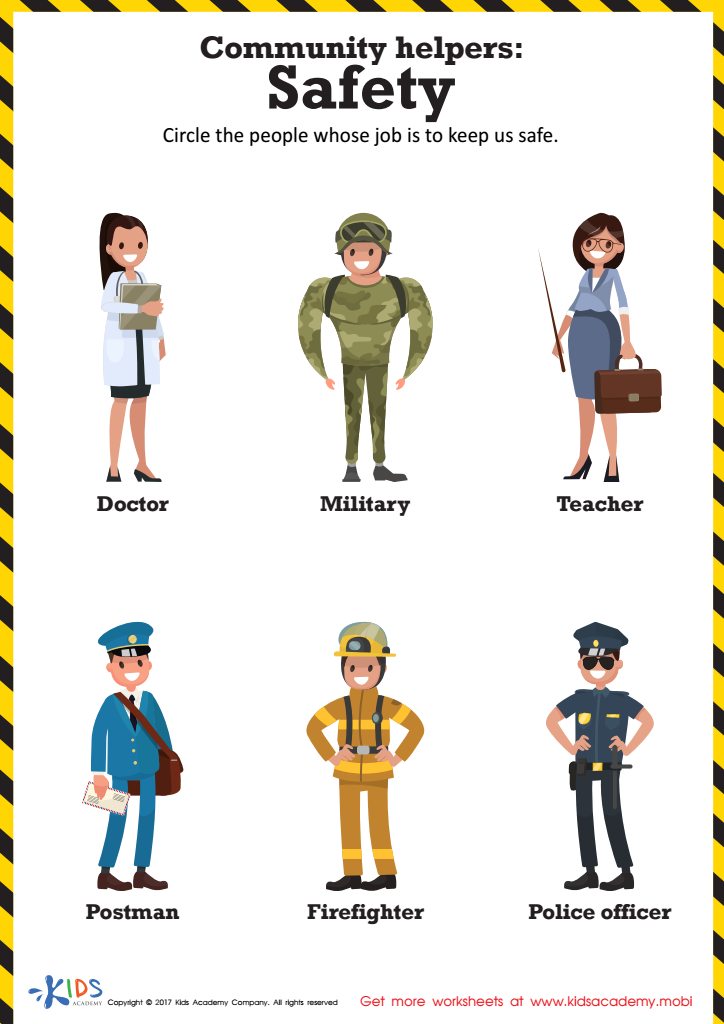
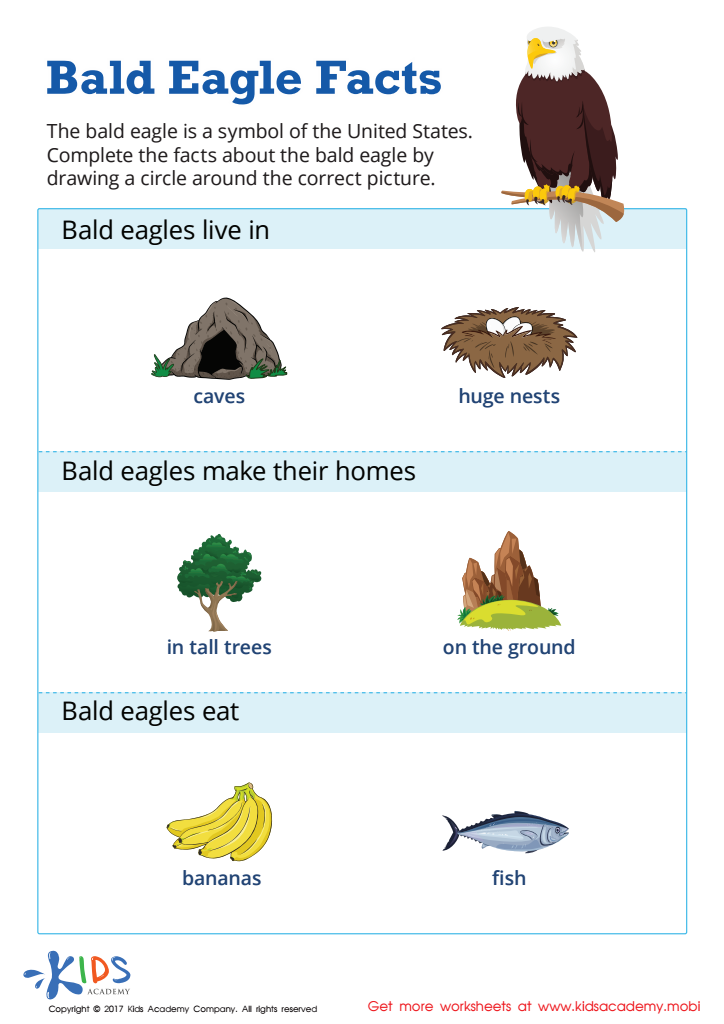
Bald Eagle Facts Worksheet
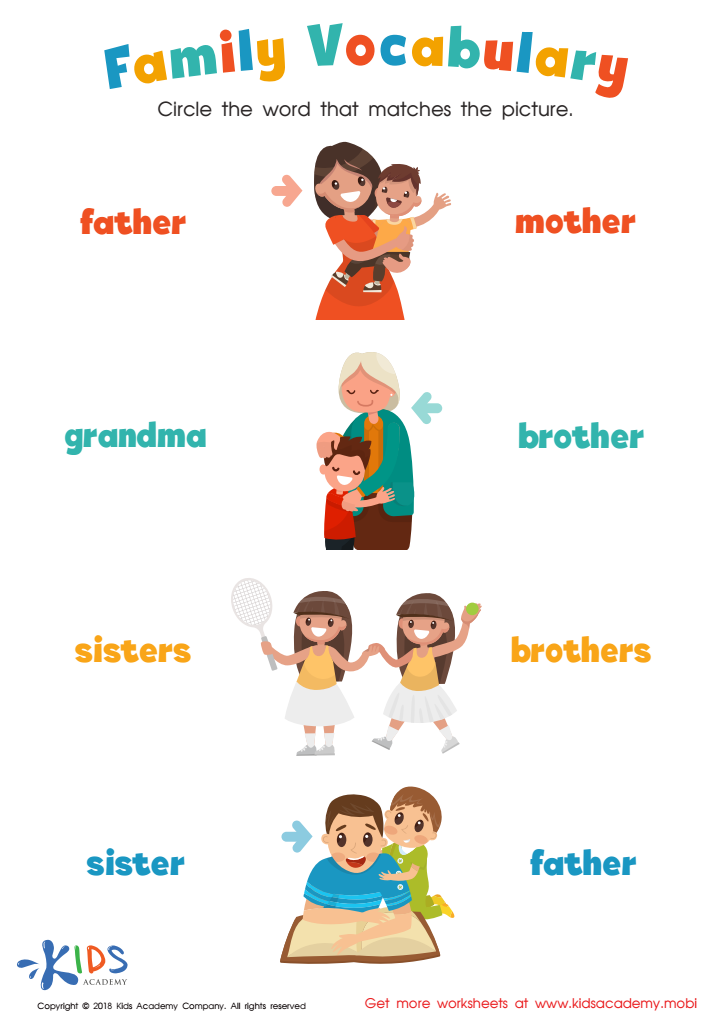
Family Vocabulary Worksheet
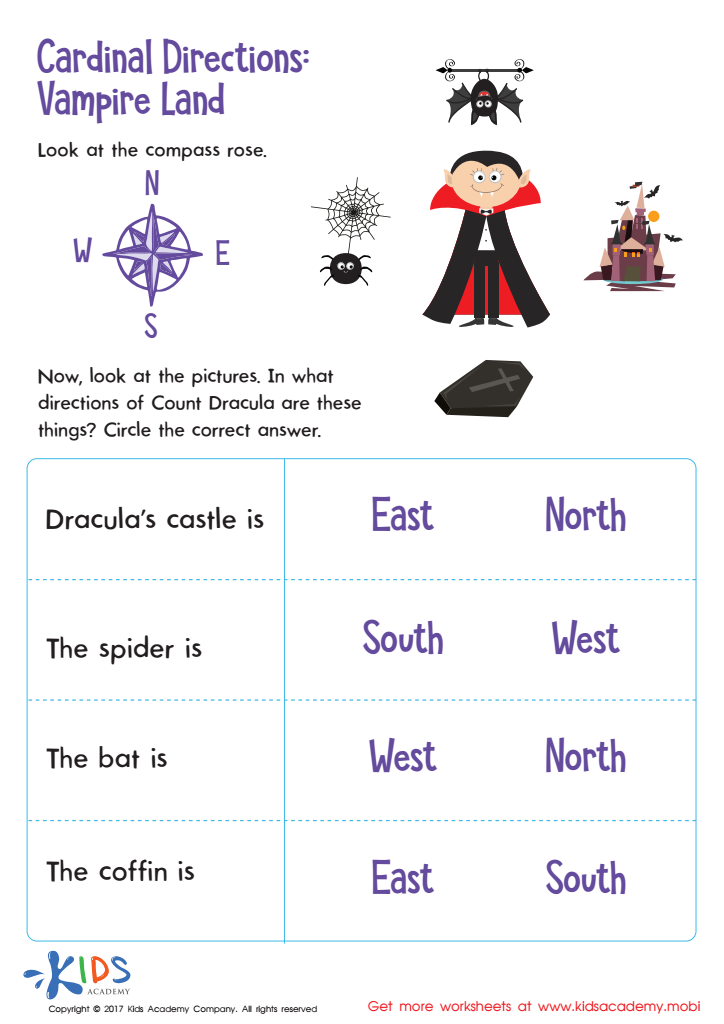
Cardinal Directions Printable
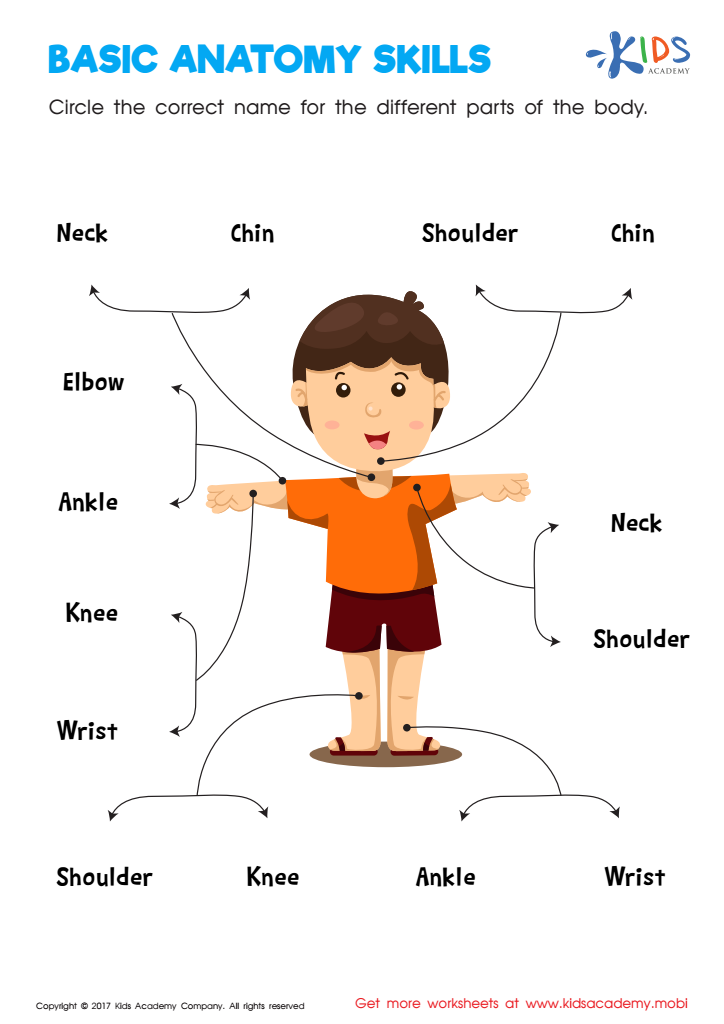
Basic Anatomy Skills Printable
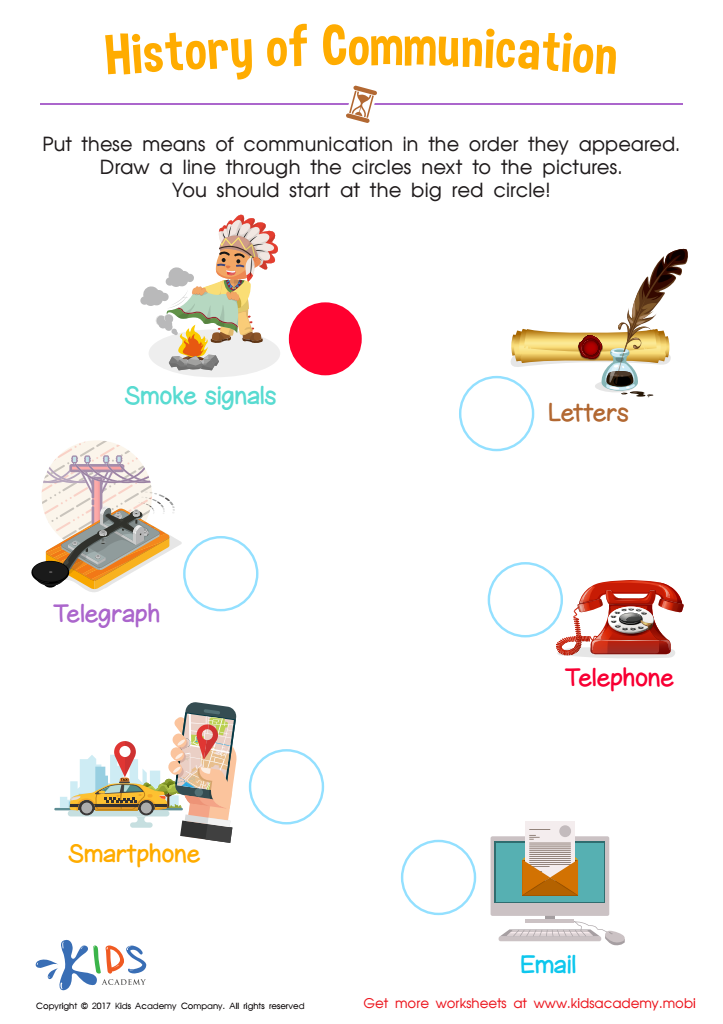
History of Communication Worksheet
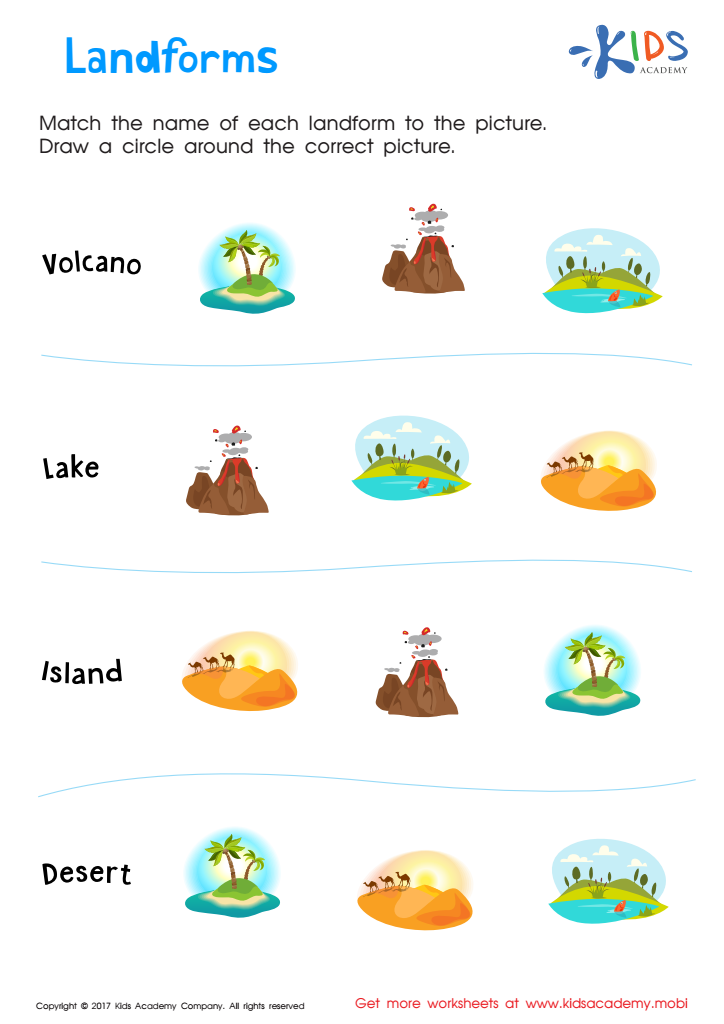
Landforms Printable
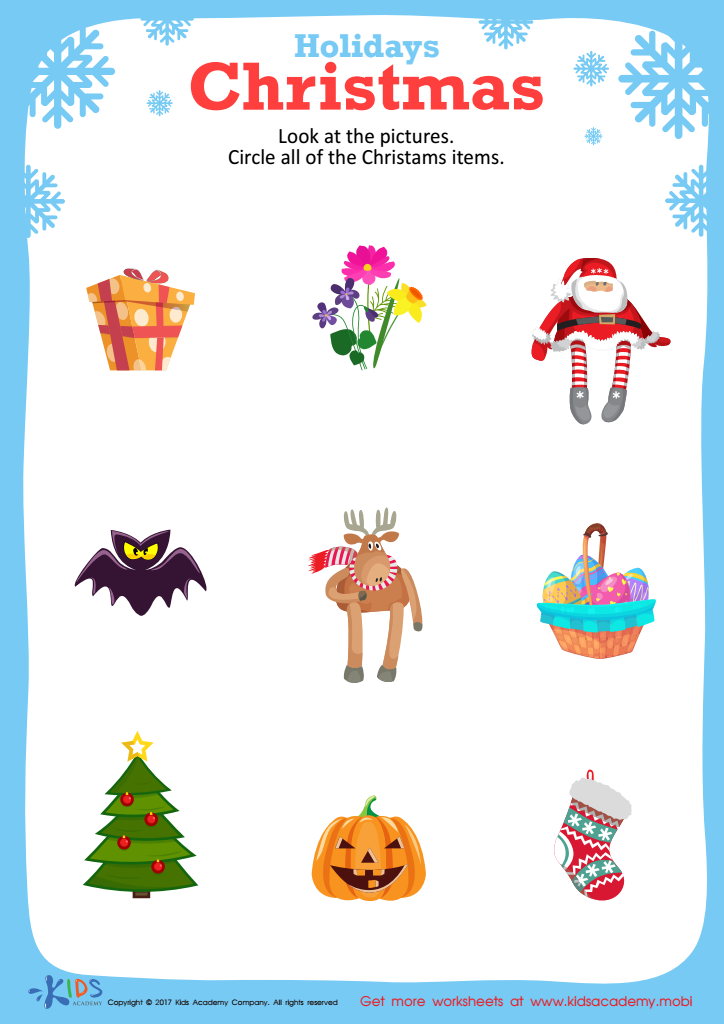
Christmas Holiday Worksheet



.jpg)




Understanding the "World Around Us" is crucial for children aged 7-9, as it lays the essential foundation for their knowledge, critical thinking, and empathy towards their environment and communities. For teachers and parents, fostering curiosity about the world encourages engagement with natural and social sciences, promoting hands-on learning through exploration and observation. This subject helps children make connections between their individual experiences and the wider world, nurturing informed and responsible future citizens.
At this age, children are eager to learn about biological, geographical, and cultural concepts. They begin to question their surroundings, making it the perfect opportunity for parents and teachers to guide them in exploring issues like sustainability, cultural diversity, and human impact on the earth. By engaging with topics such as weather patterns, ecosystems, and community dynamics, children learn to appreciate and respect the complexity of their environment.
Moreover, integrating real-world discussions fosters strong communication and problem-solving skills. When teachers and parents emphasize the significance of the "World Around Us," they empower children to become active contributors to their communities, encouraging a sense of responsibility and stewardship. Ultimately, this knowledge shapes their identity and encourages lifelong learning and exploration.