Problem-Solving Skills Geometry Worksheets for Ages 8-9
19 filtered results
-
From - To
Introduce your child to the fascinating world of geometry with our Problem-Solving Skills Geometry Worksheets for ages 8-9. These engaging resources from Kids Academy are designed to enhance their critical thinking and spatial reasoning. Each worksheet provides a variety of challenges to solve geometric problems, encouraging children to analyze shapes, angles, and patterns. This targeted practice helps in mastering key concepts while making learning fun and interactive. Perfect for both classroom activities and additional home practice, our worksheets empower your child to develop their problem-solving abilities in a structured and supportive environment. Start today and watch their confidence grow!
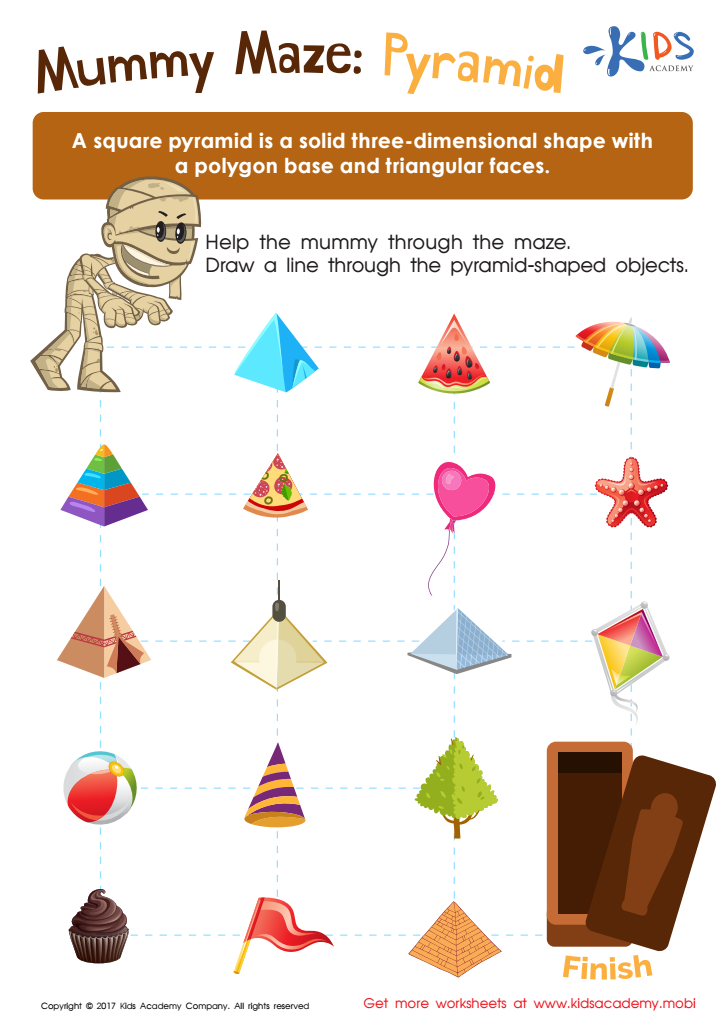
Mummy Maze: Pyramid Printable
 Assign to My Students











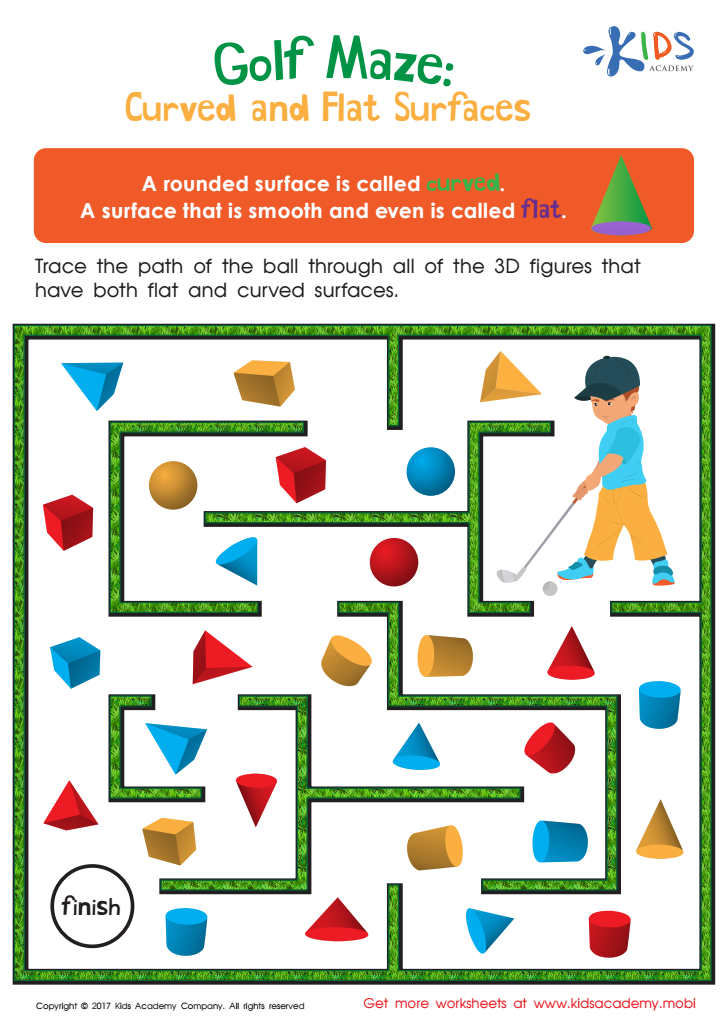
Golf Maze: Curved and Flat Surfaces Worksheet
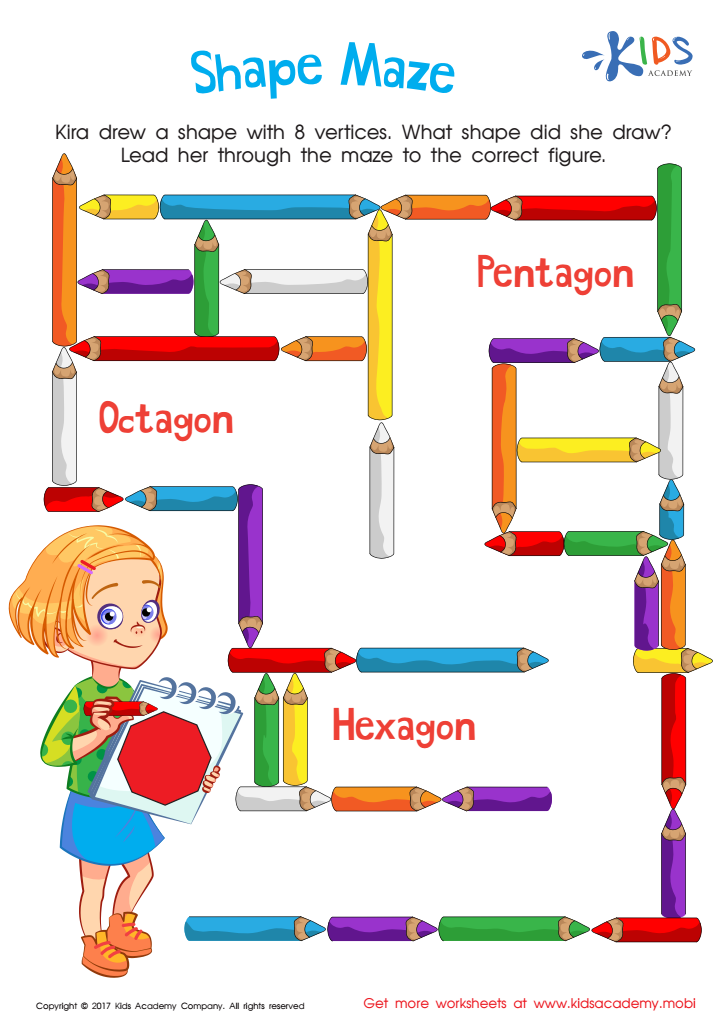
Shape Maze Worksheet
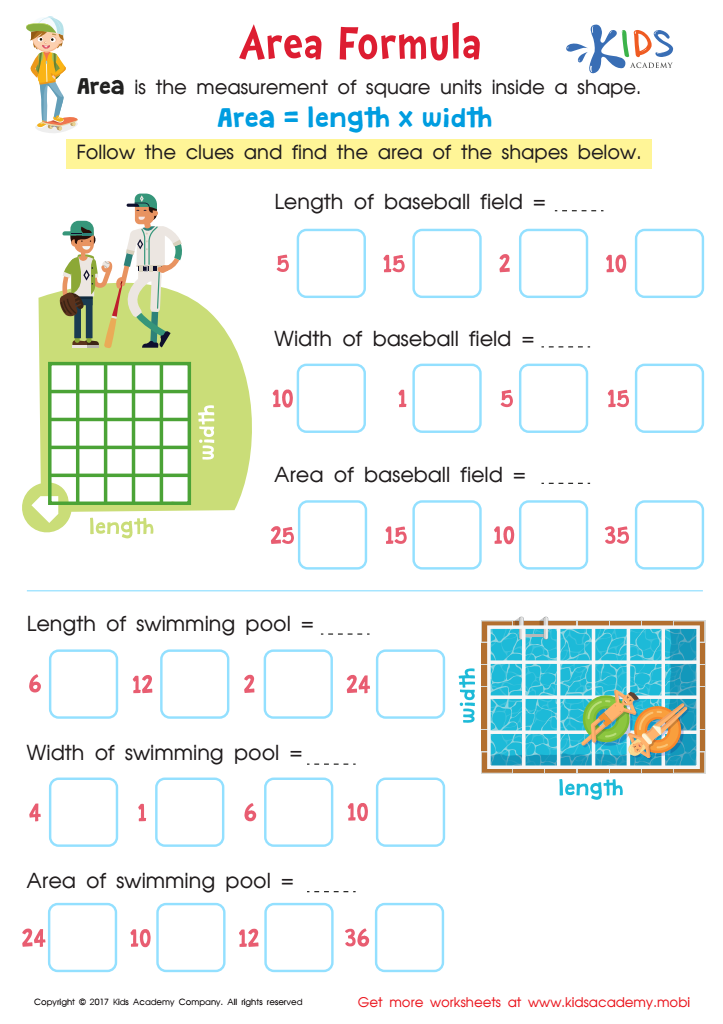
Area Formula Worksheet
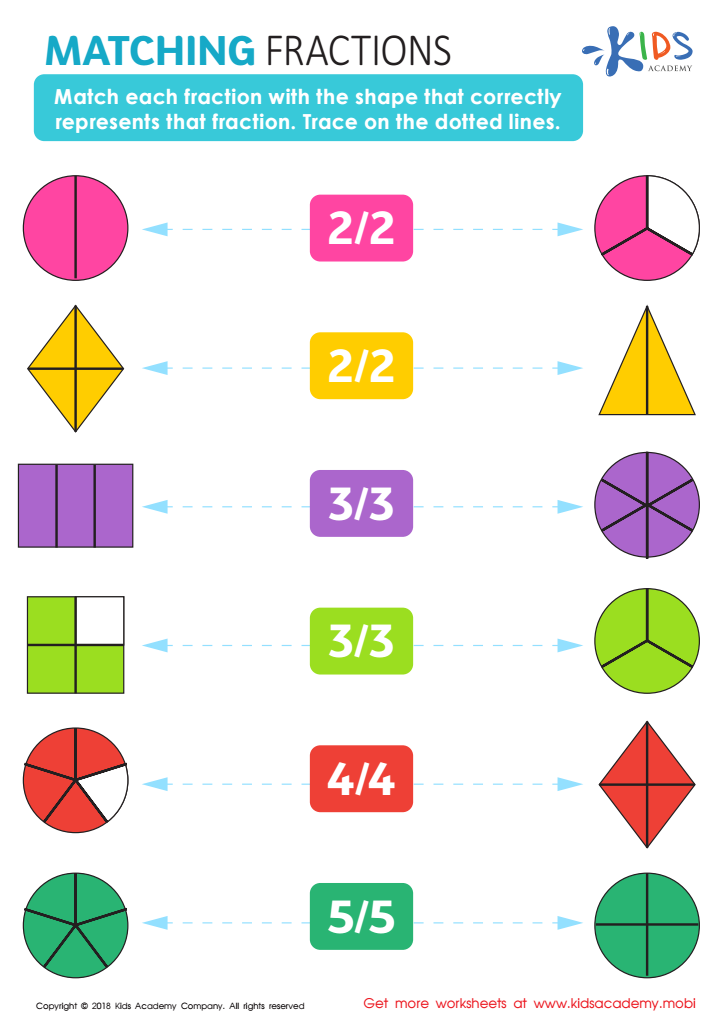
Matching Fractions Worksheet
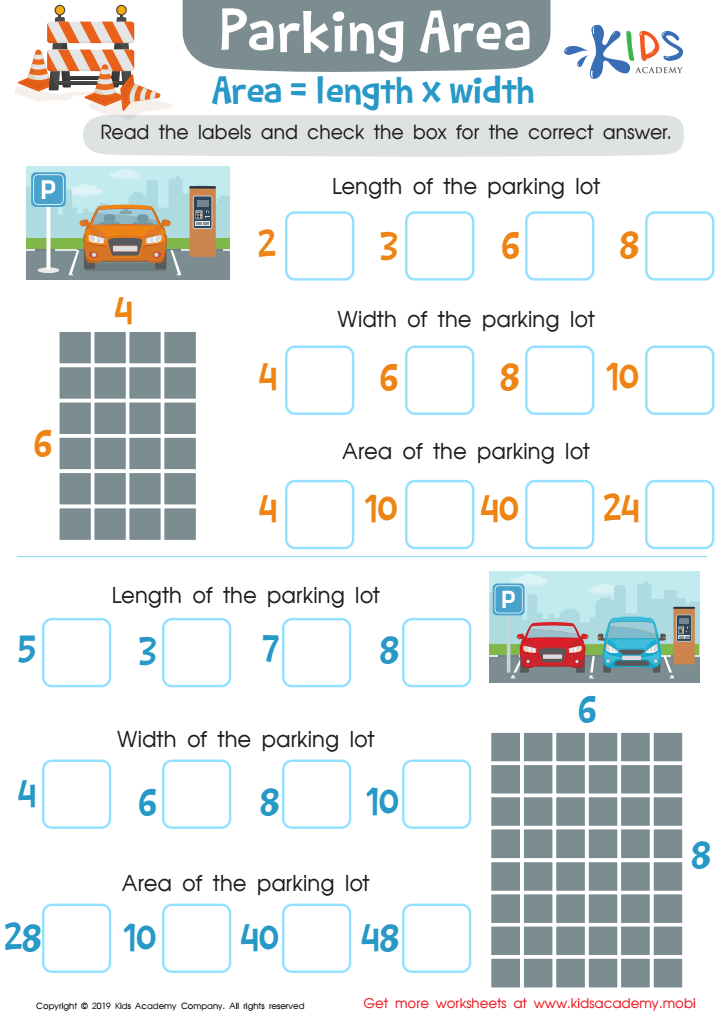
Parking Area Worksheet
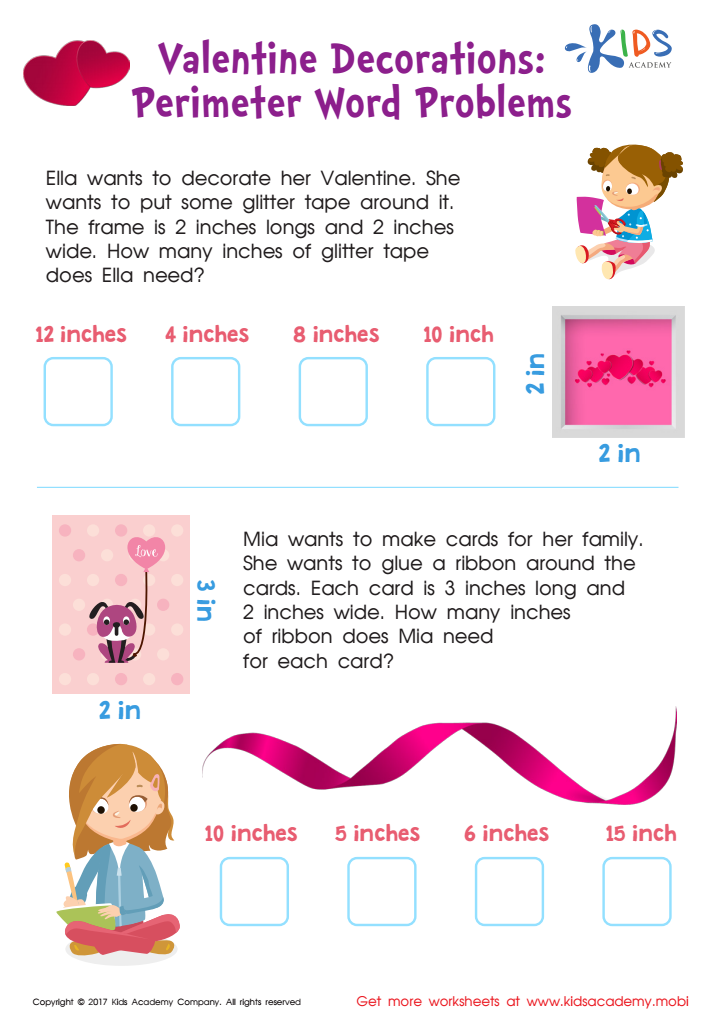
Perimeter Word Problems Worksheet
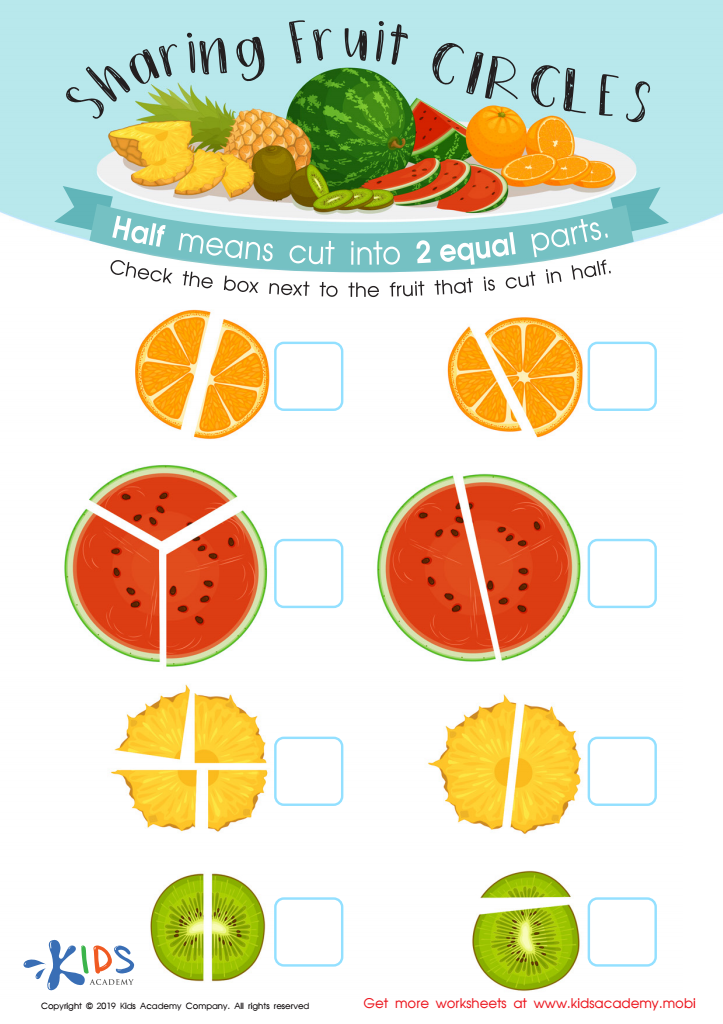
Sharing Fruit Circles Worksheet
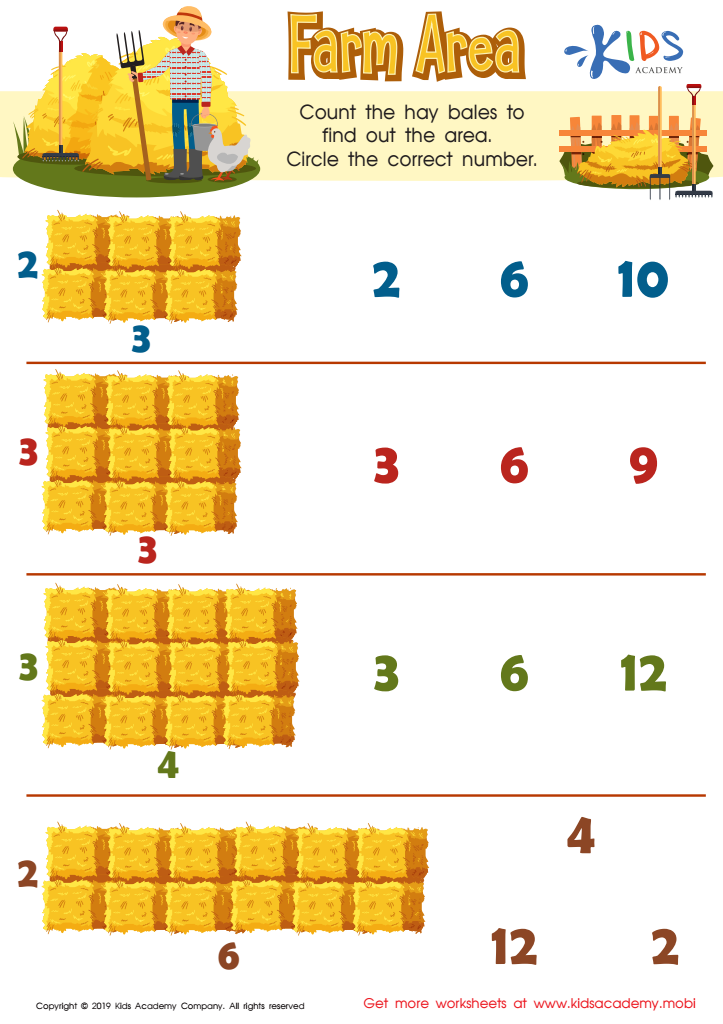
Farm Area Worksheet
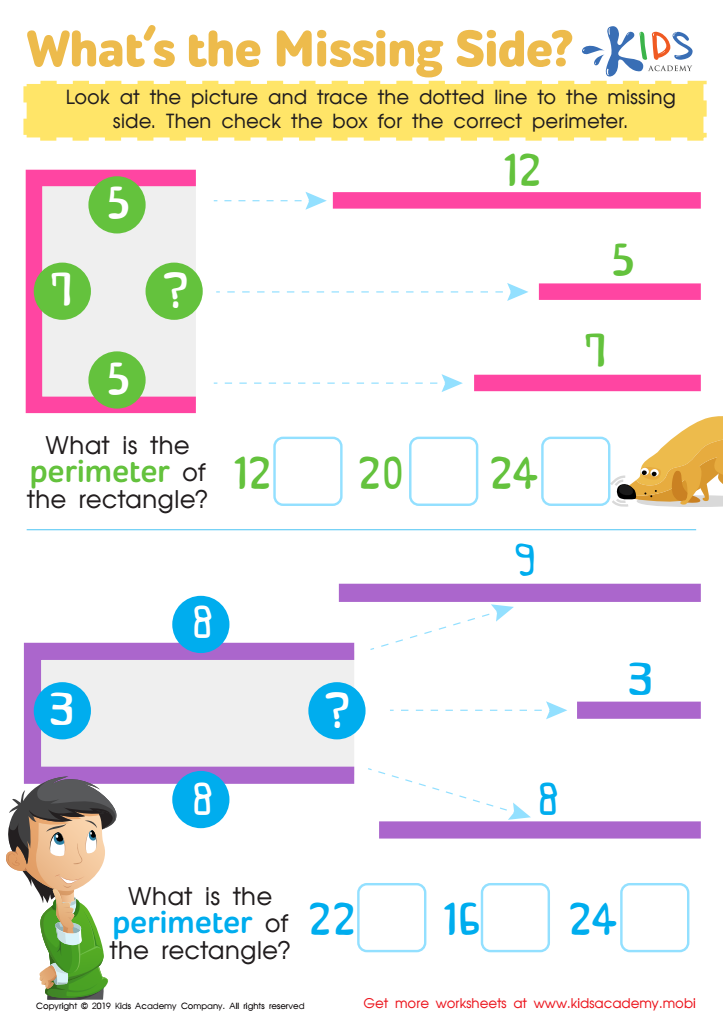
What's the Missing Side Worksheet
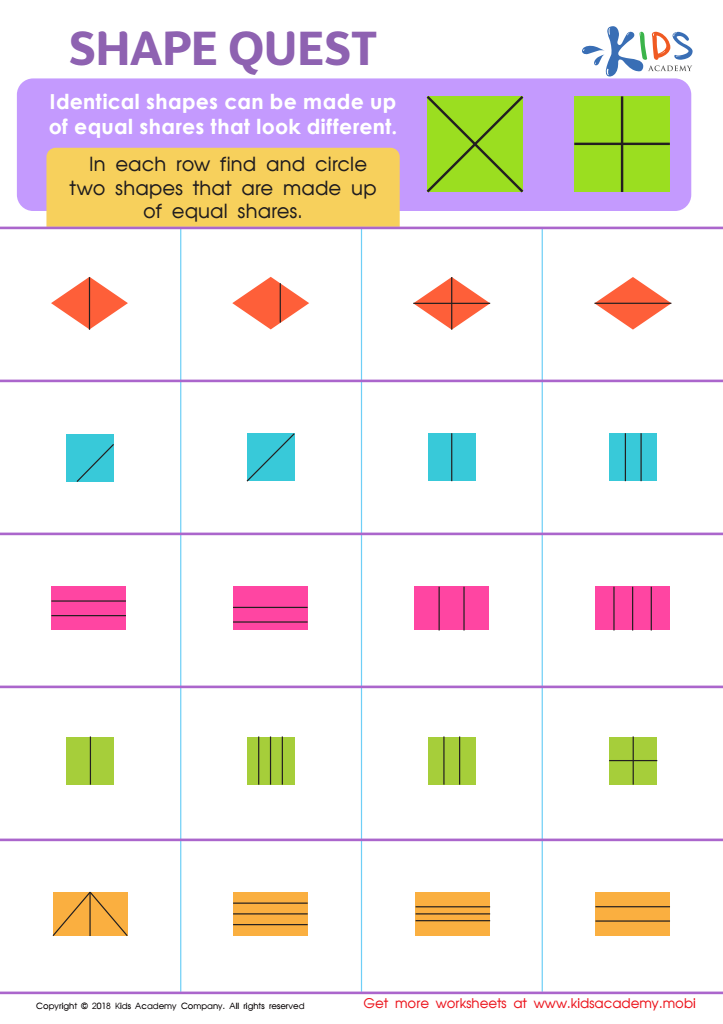
Shape Quest Worksheet
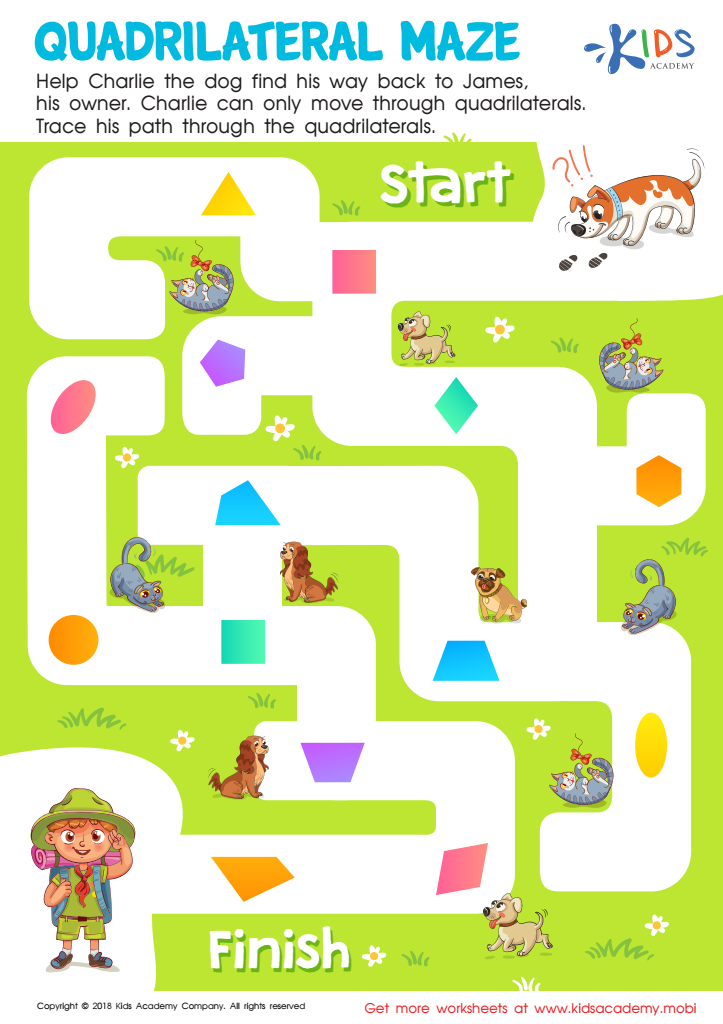
Quadrilateral Maze Worksheet
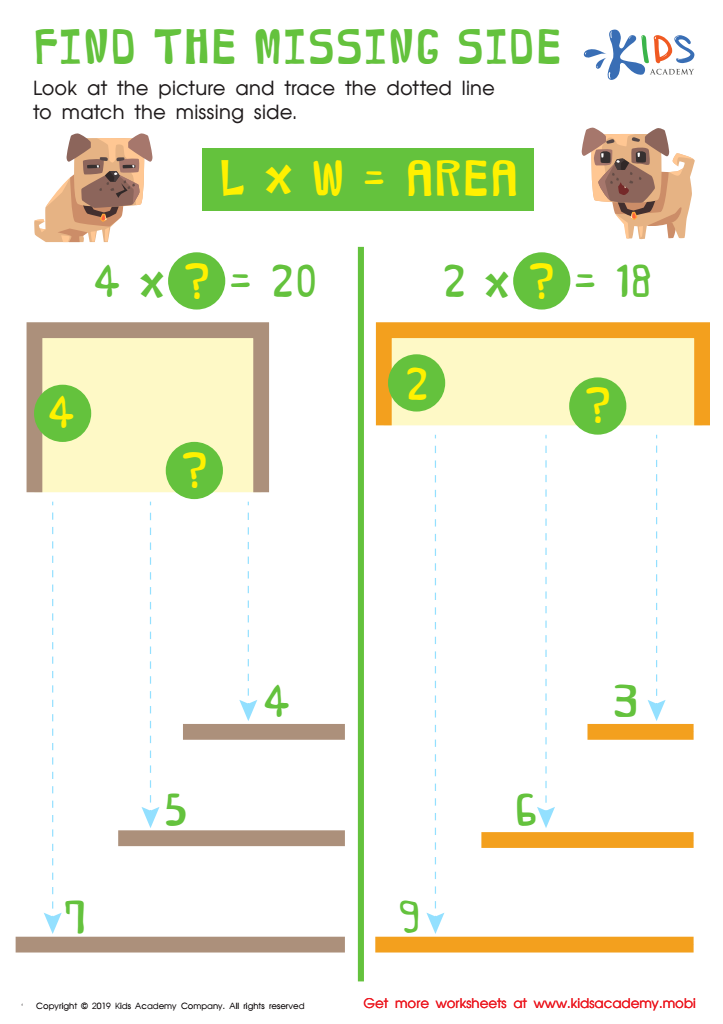
Find the Missing Side Worksheet
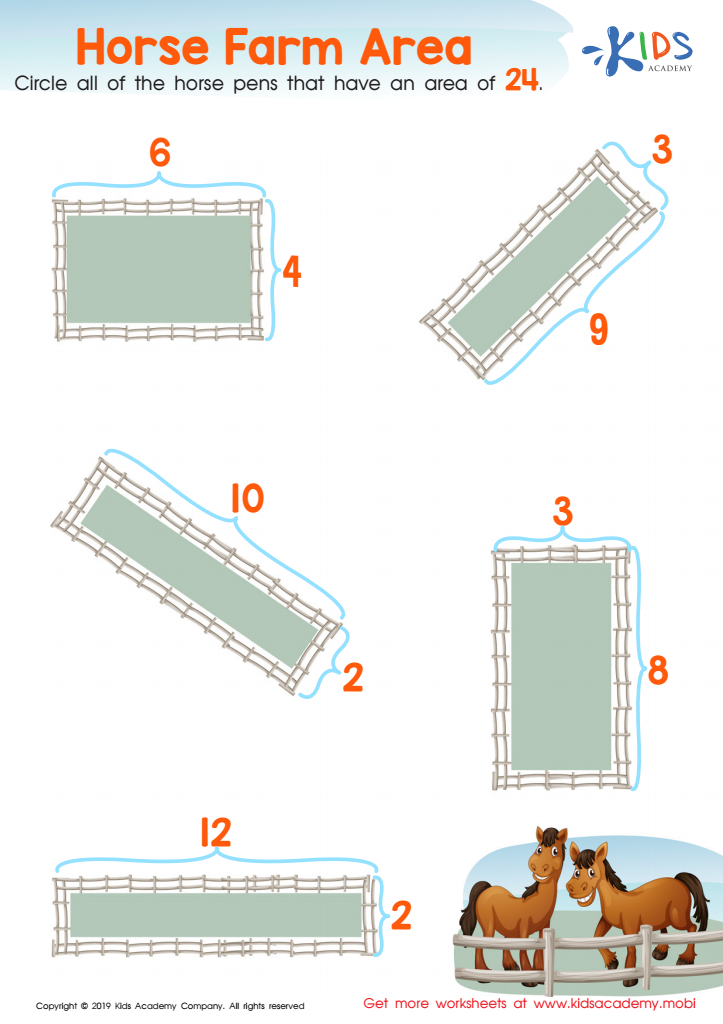
Horse Farm Area Worksheet
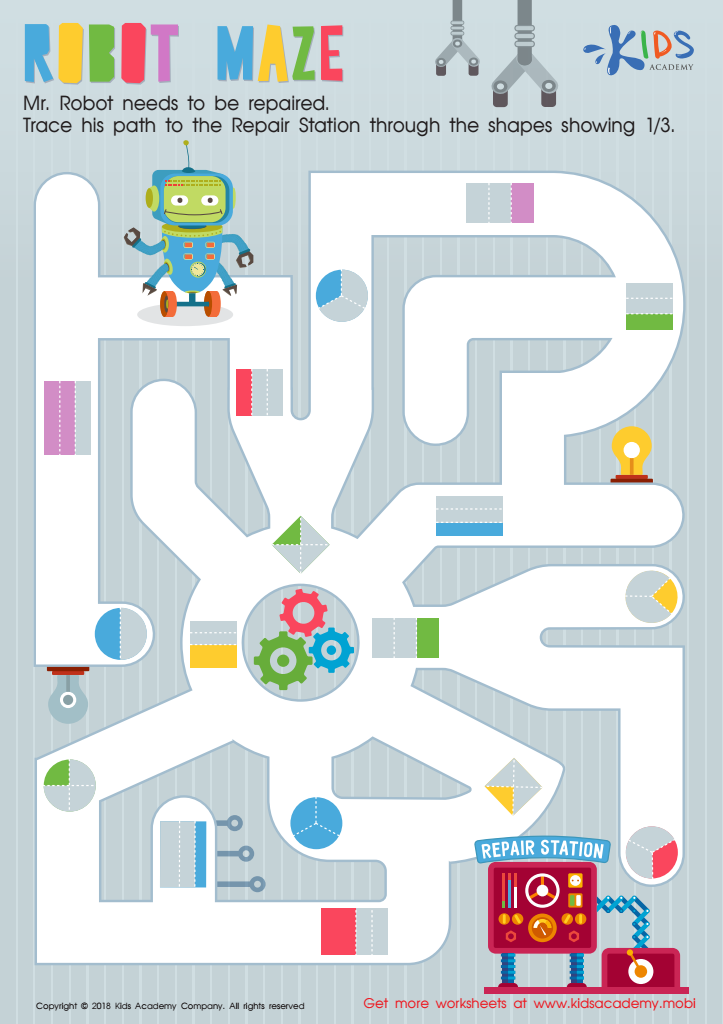
Robot Maze Worksheet
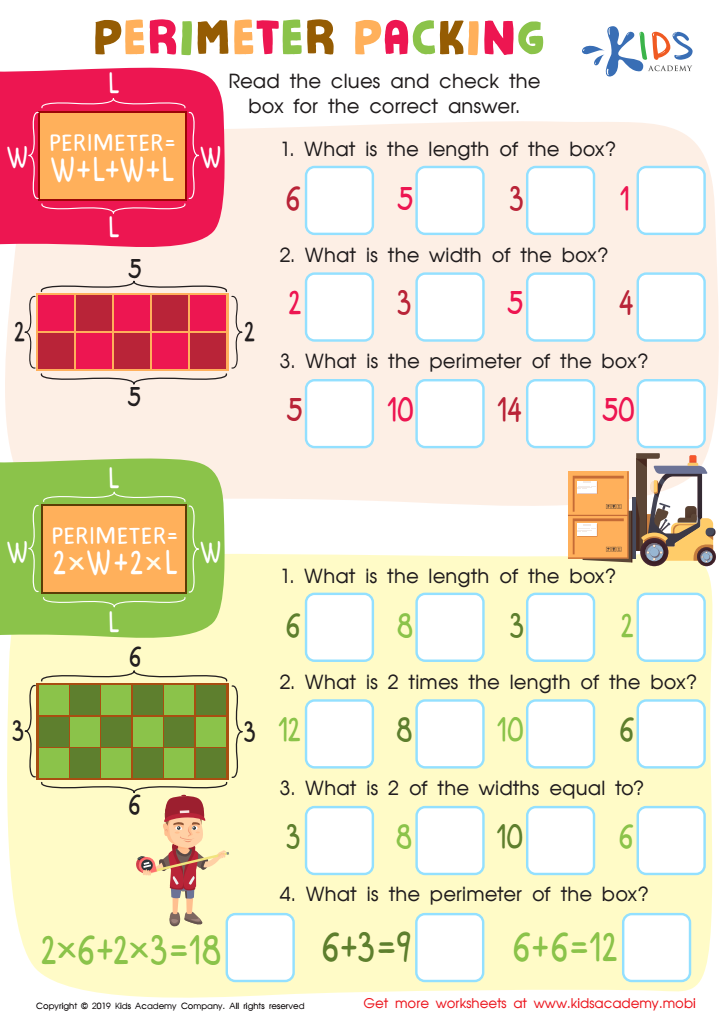
Perimeter Parking Worksheet
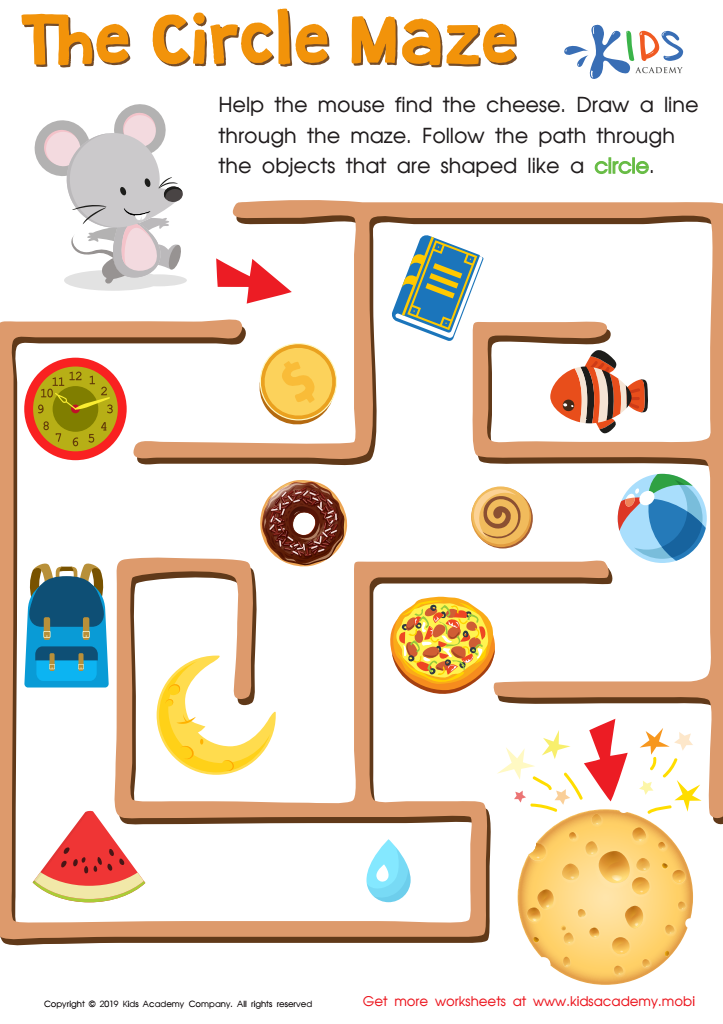
The Circle Maze Worksheet
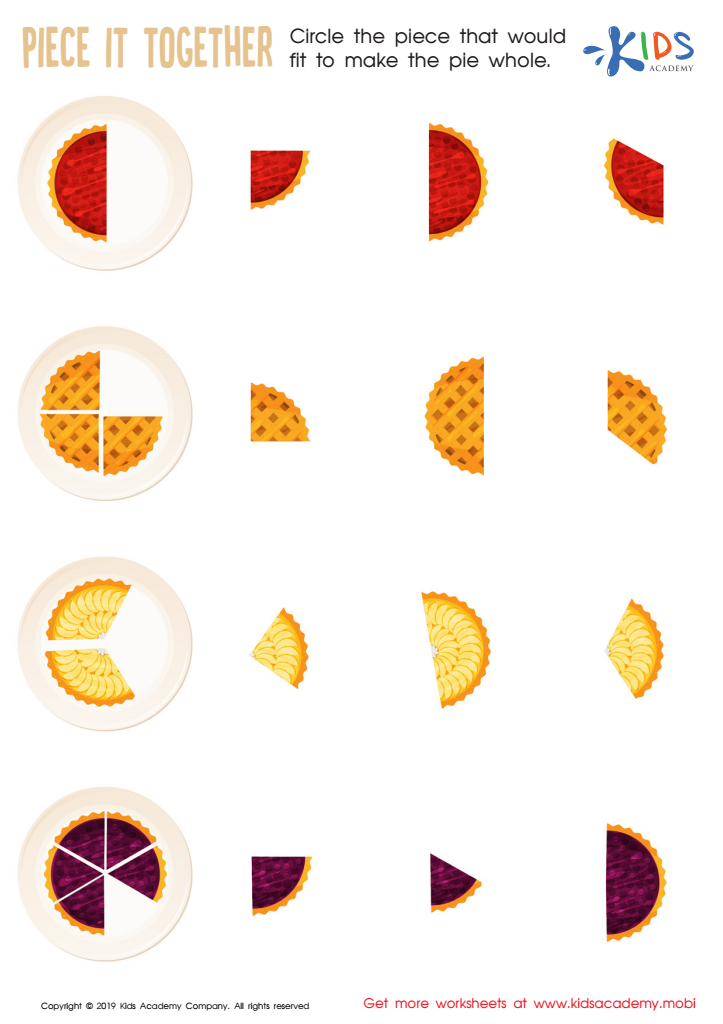
Piece it together Worksheet
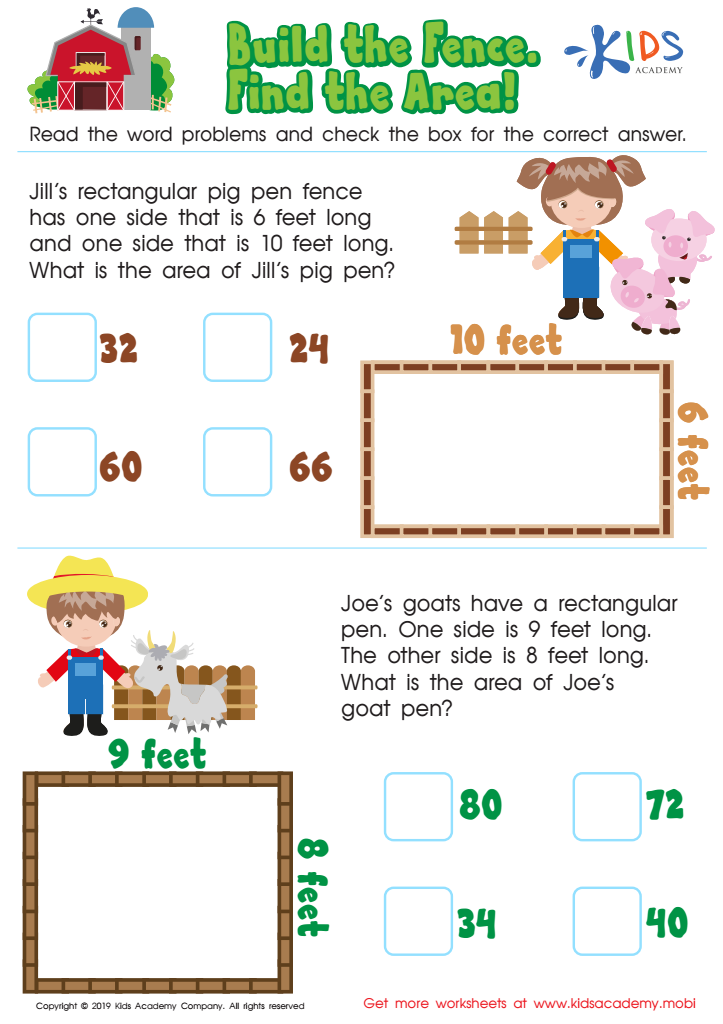
Build the Fence, Find the Area Worksheet








Problem-solving skills in geometry for ages 8-9 are crucial for a child's overall cognitive development and academic success. At this impressionable age, children are developing foundational skills that will support their future learning. Geometry helps enhance spatial awareness, which is essential for understanding the physical world around them. These skills include recognizing shapes, understanding spatial relationships, and grasping the concepts of symmetry and measurement.
Engaging with geometry improves logical thinking and reasoning abilities. When children solve geometric problems, they learn to make decisions, reason systematically, and think critically. These are not just math skills, but life skills. For instance, identifying patterns, analyzing properties, and visualizing spatial transformations are cognitive processes that apply to real-world scenarios beyond the classroom.
Moreover, problem-solving in geometry fosters perseverance and resilience. Geometry problems often require multiple steps and a trial-and-error approach. Encouraging children to tackle these challenges helps build a growth mindset, teaching them that effort and persistence lead to success.
Additionally, the collaborative aspect of solving geometry problems can enhance social skills. Group work and discussions about geometric concepts encourage communication and teamwork, important skills for personal development.
Thus, parents and teachers should value geometry problem-solving at this age for its substantial benefits in promoting intellectual growth, resilience, and social competence.








