Math Worksheets Activities With Answers for Ages 3-6 - Page 2
47 filtered results
-
From - To
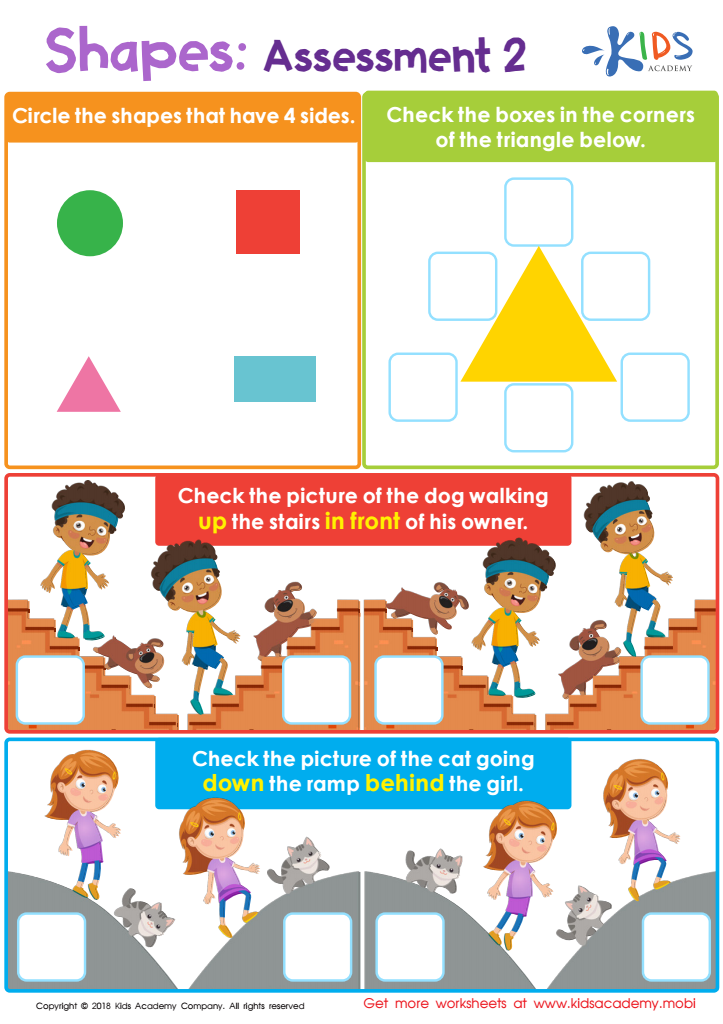
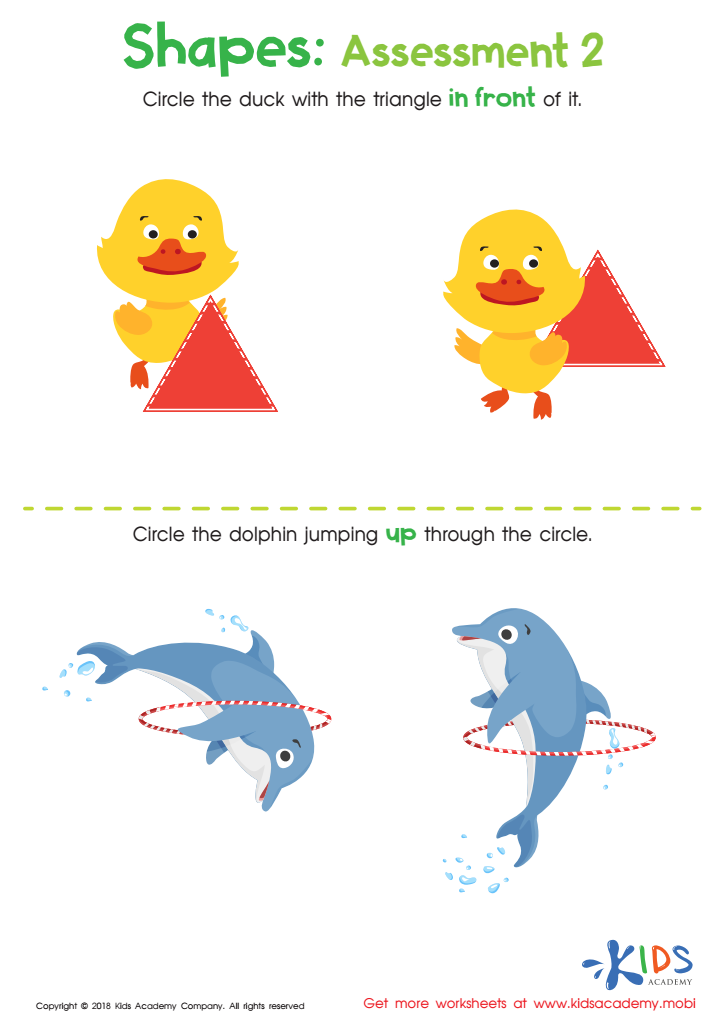
Shapes: Assessment 2 Worksheet
 Assign to My Students
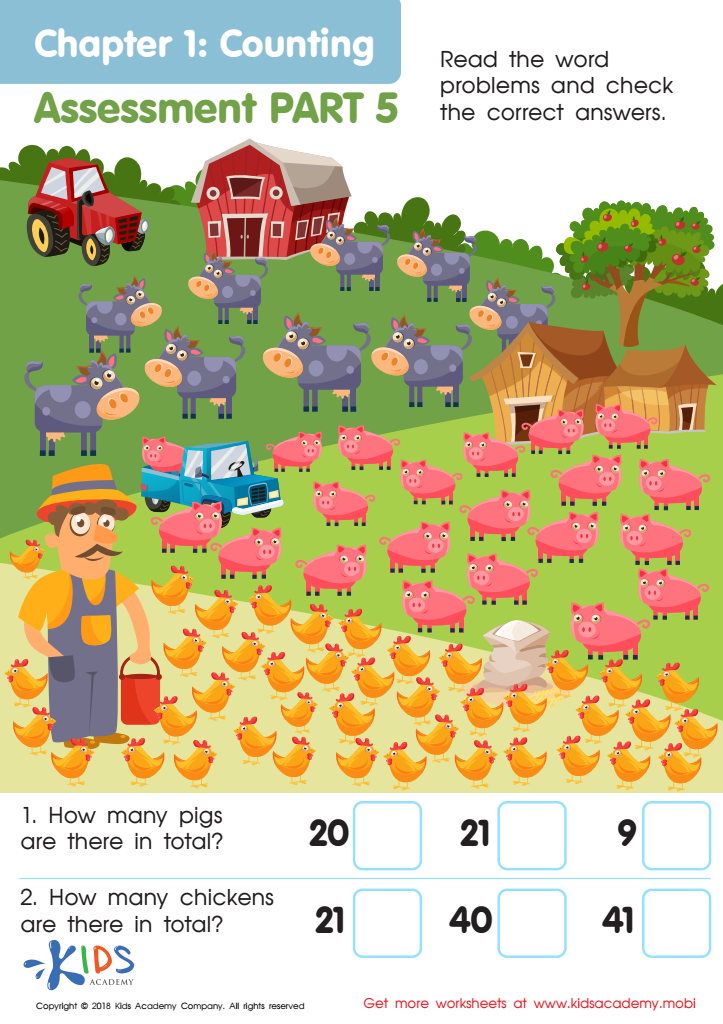
Counting: Assessment 5 Worksheet
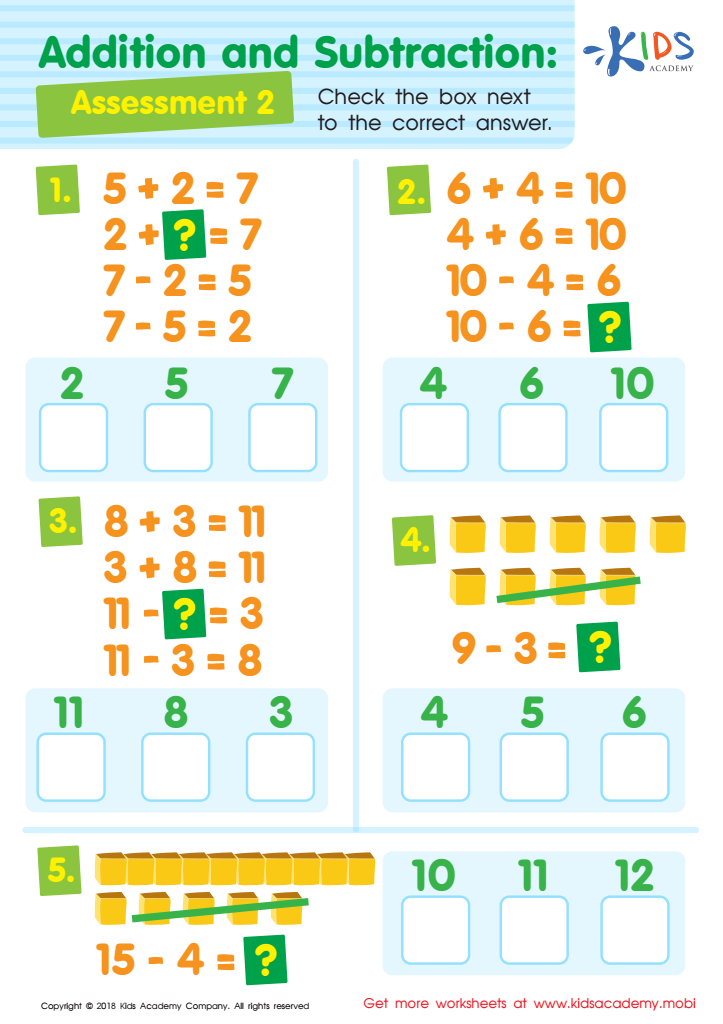
Addition and Subtraction Assessment 2 Worksheet
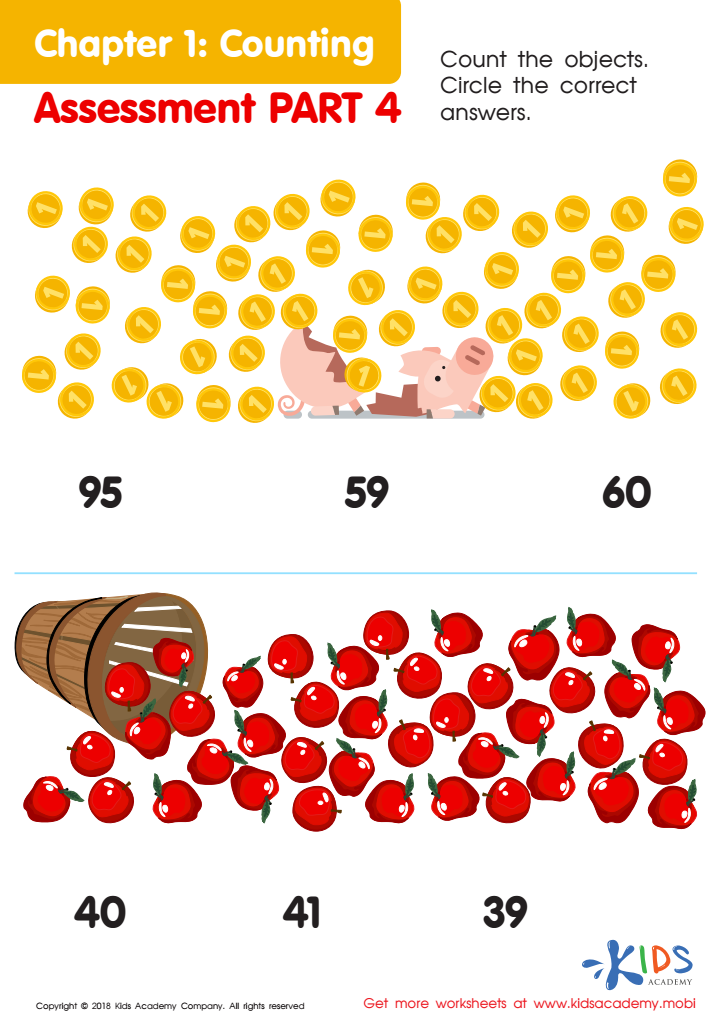
Counting: Assessment 4 Worksheet
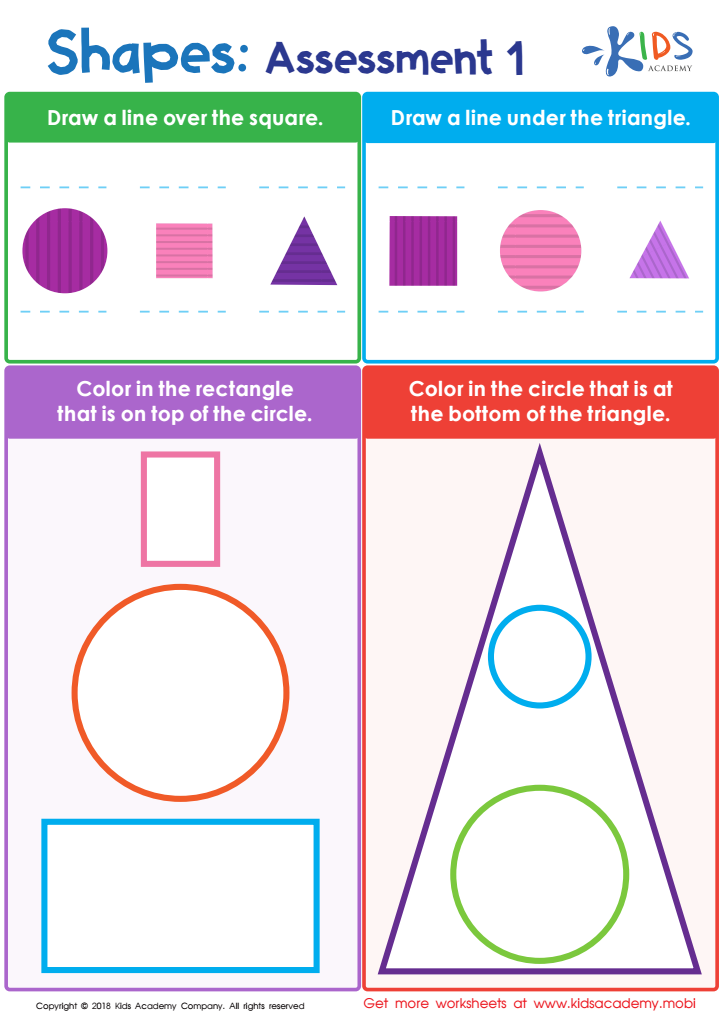
Shapes: Assessment 1 Worksheet
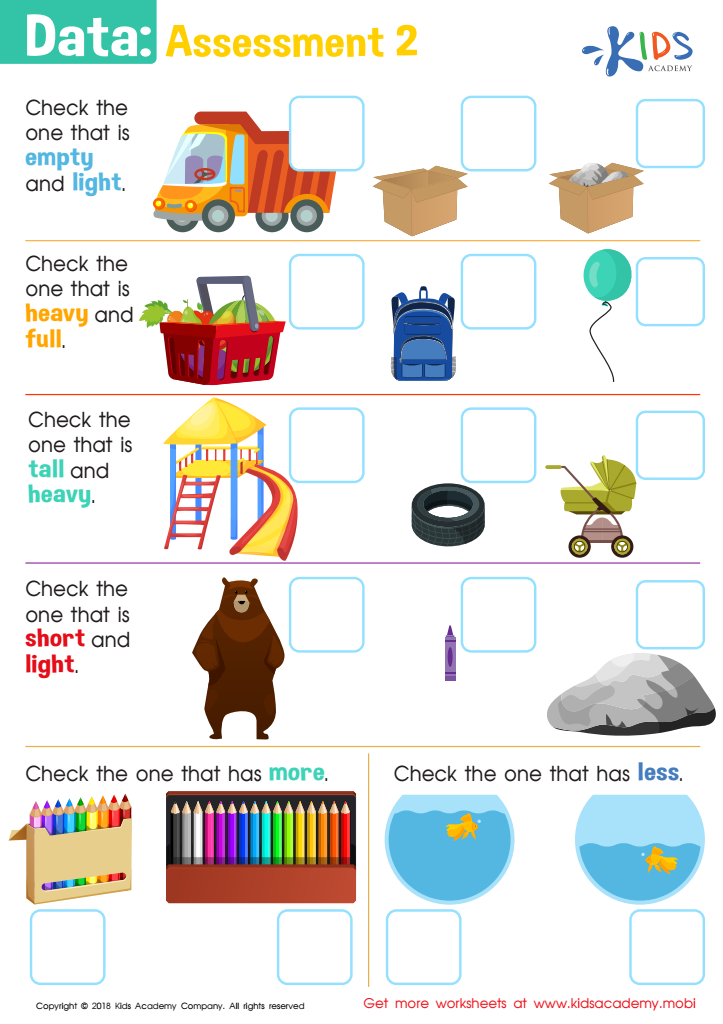
Data: Assessment 2 Worksheet
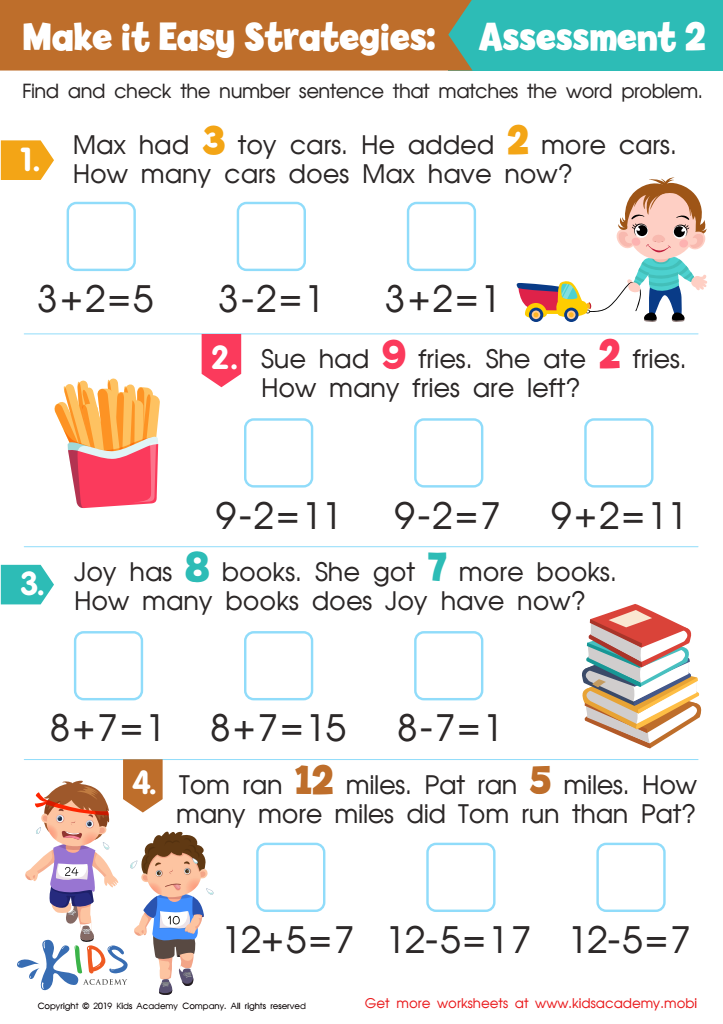
Make it Easy Strategies: Assessment 2 Worksheet
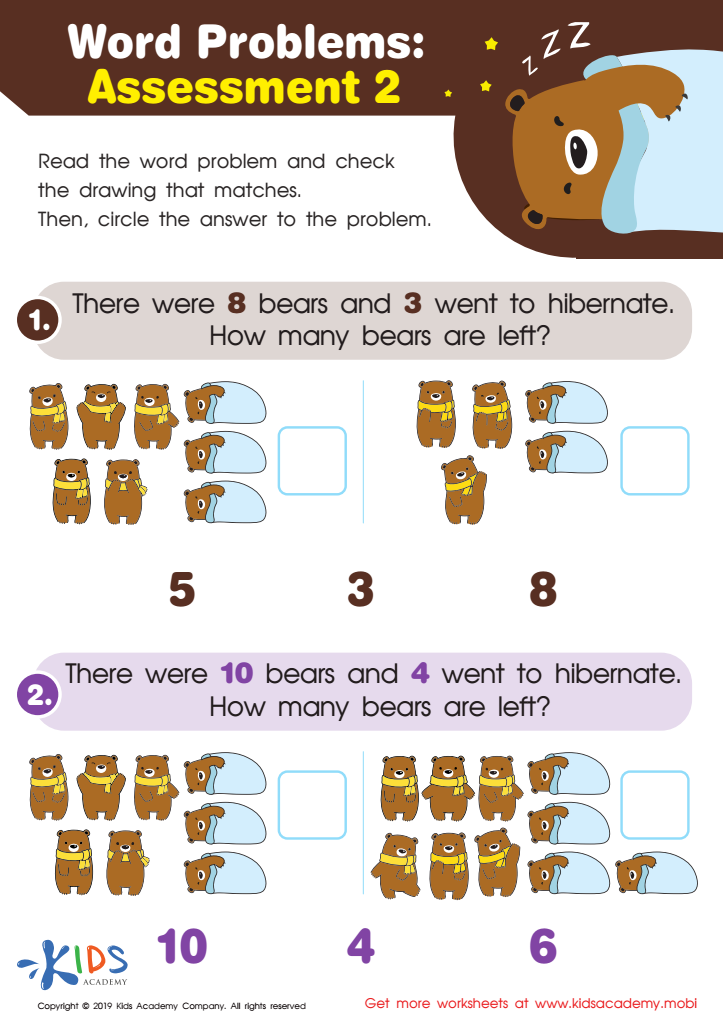
Word Problems: Assessment 2 Worksheet
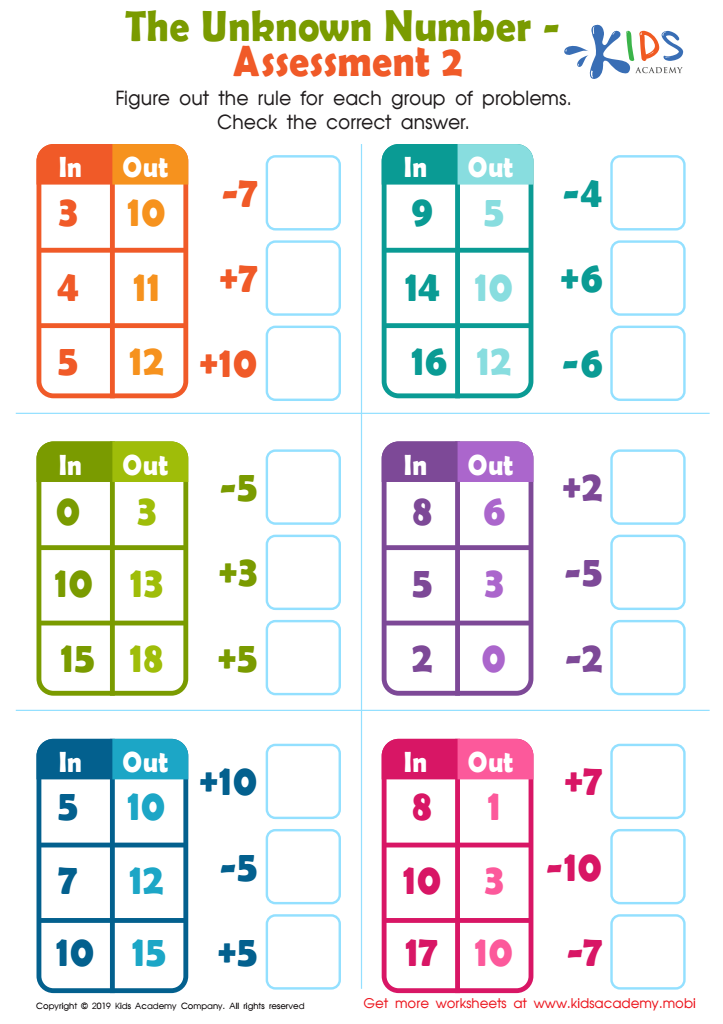
The Unknown Number - Assessment 2 Worksheet
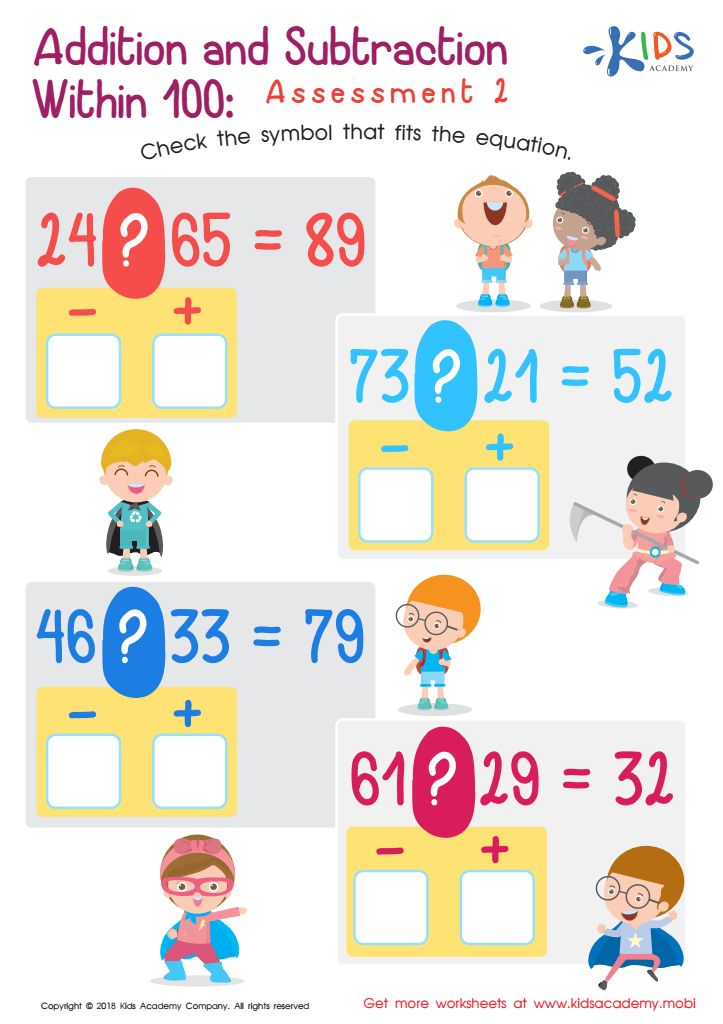
Addition and Subtraction Within 1: Assessment 2 Worksheet
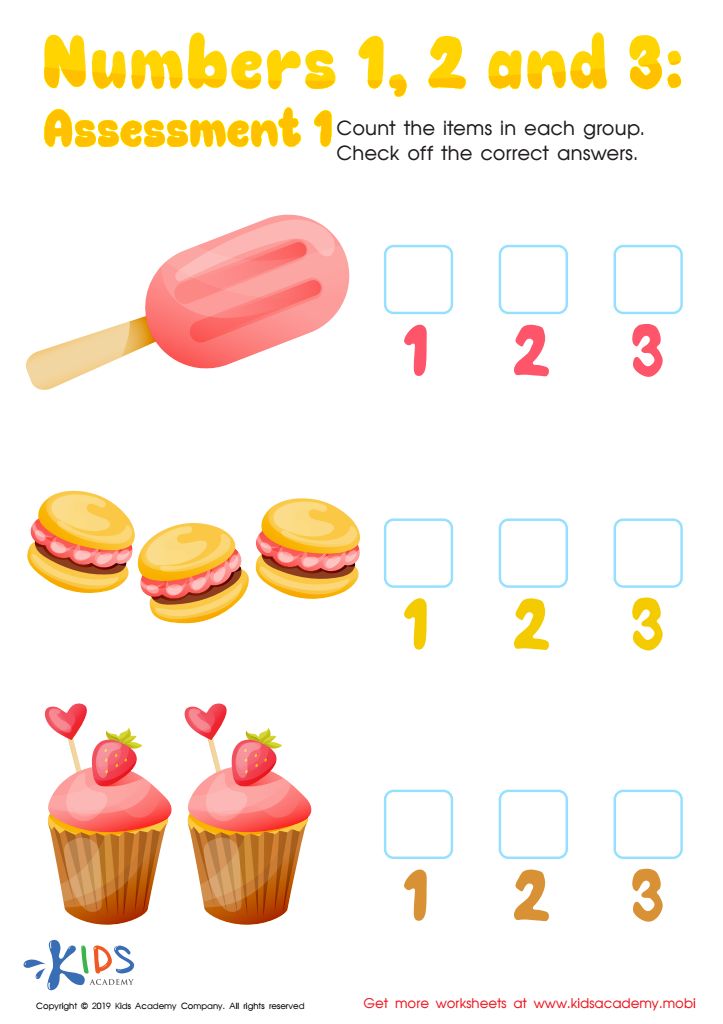
Numbers 1, 2 and 3: Assessment 1 Worksheet
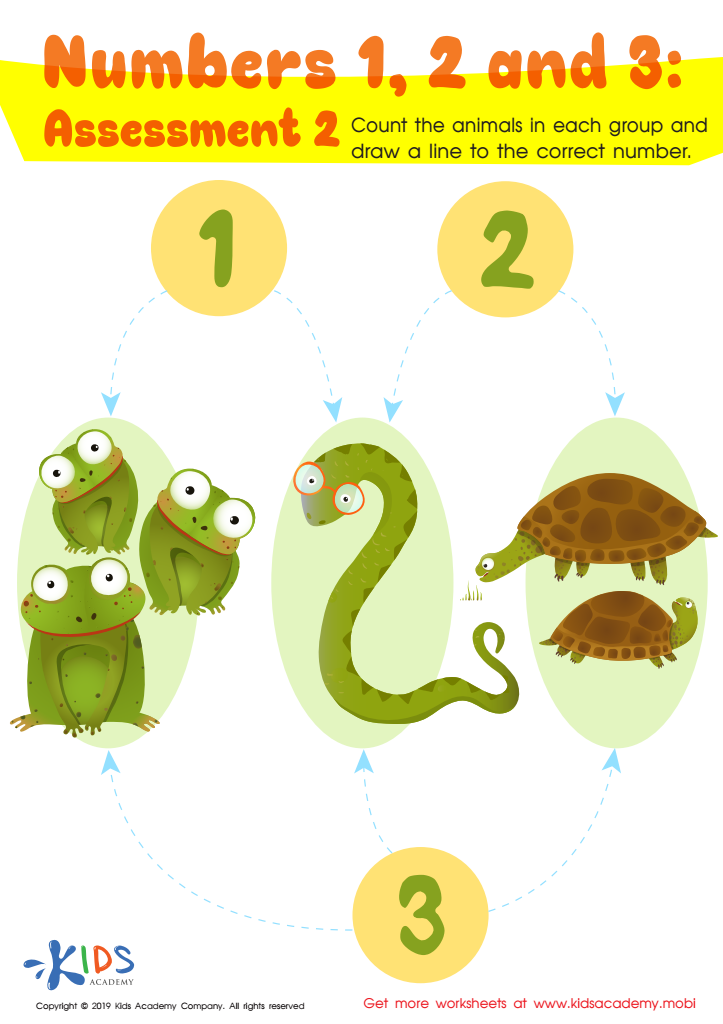
Numbers 1, 2 and 3: Assessment 2 Worksheet
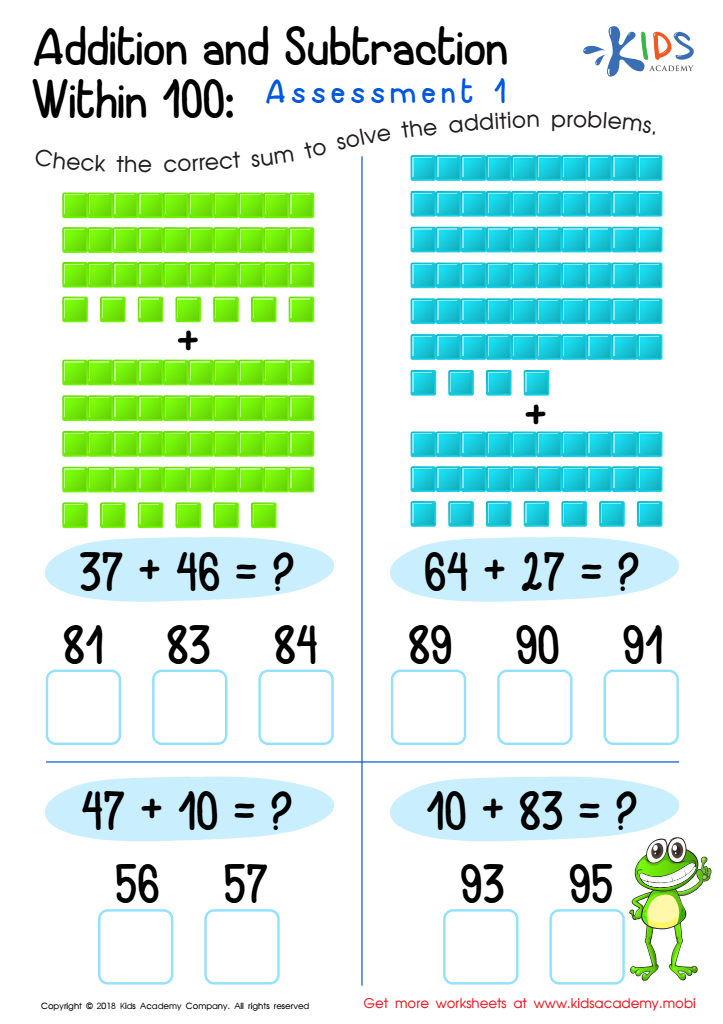
Addition and Subtraction Within 1: Assessment 1 Worksheet
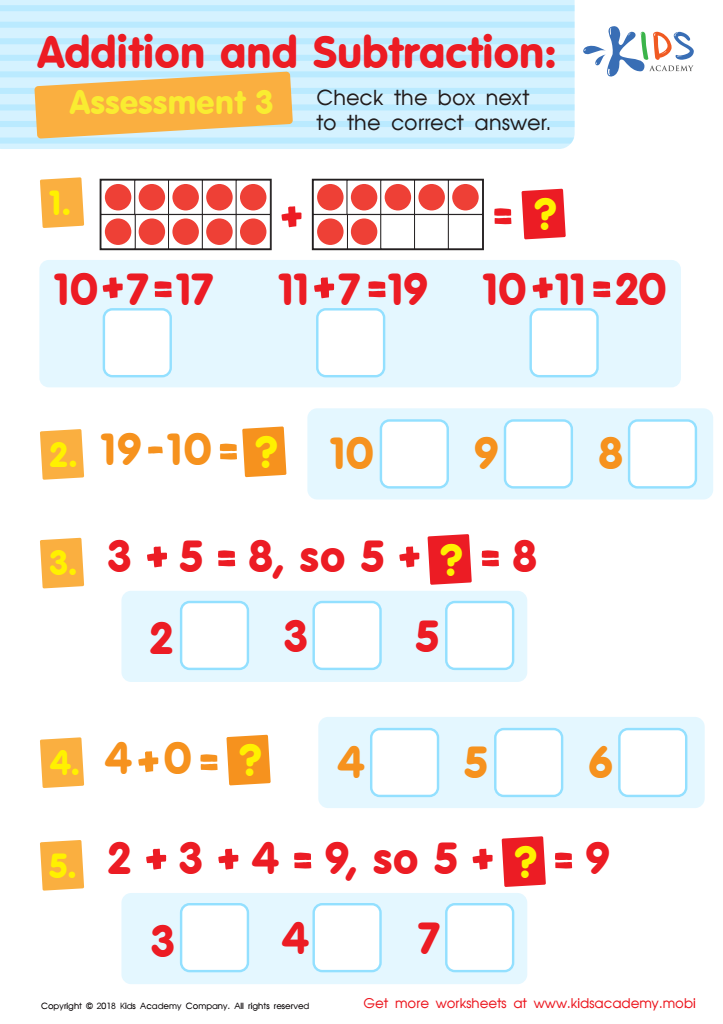
Addition and Subtraction Assessment 3 Worksheet
Geometry – Assessment 2 Worksheet
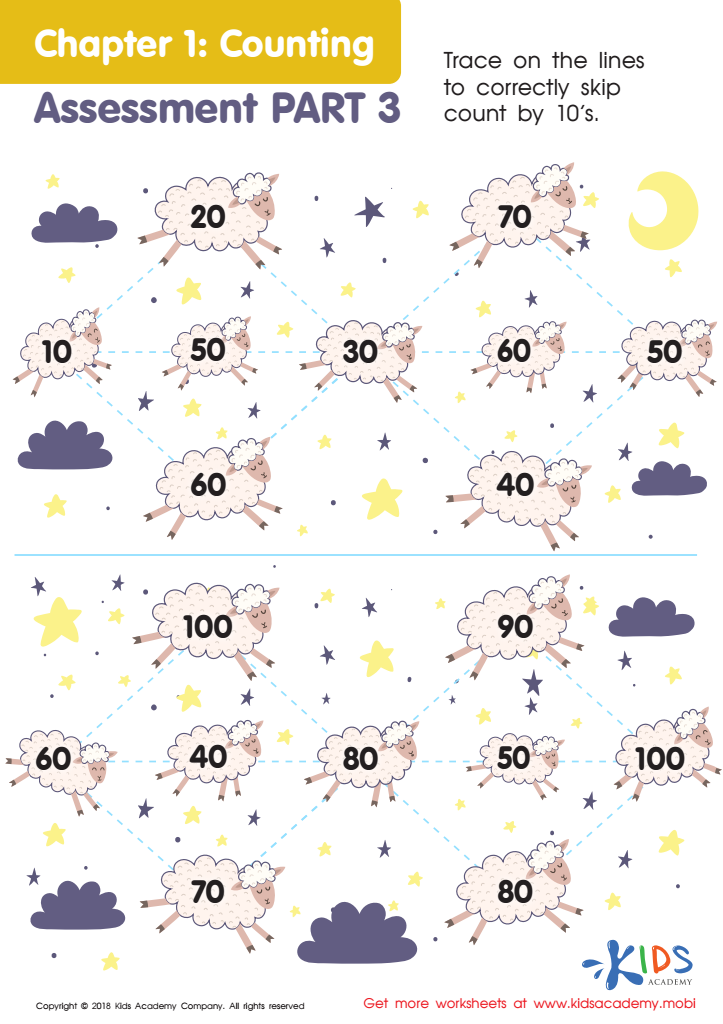
Counting: Assessment 3 Worksheet
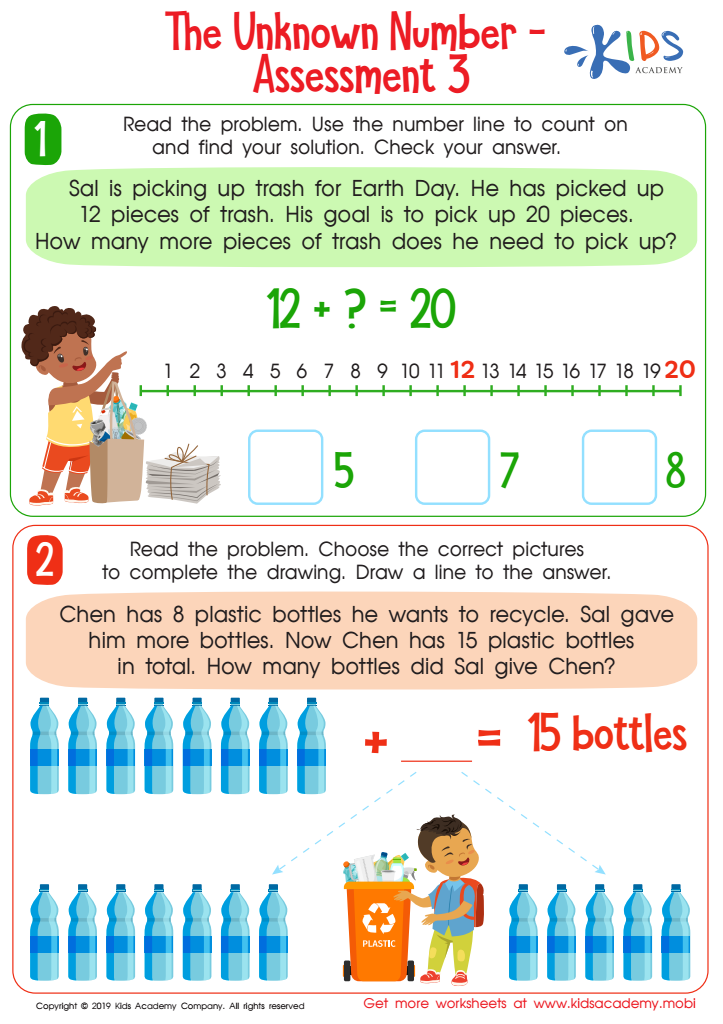
The Unknown Number - Assessment 3 Worksheet
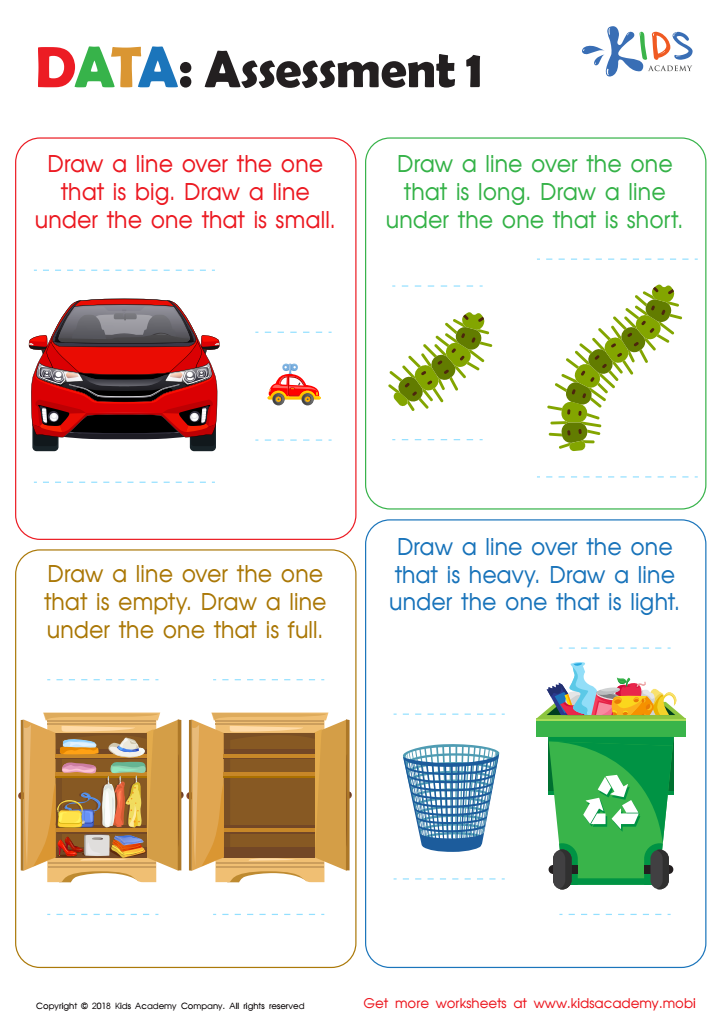
Data: Assessment 1 Worksheet
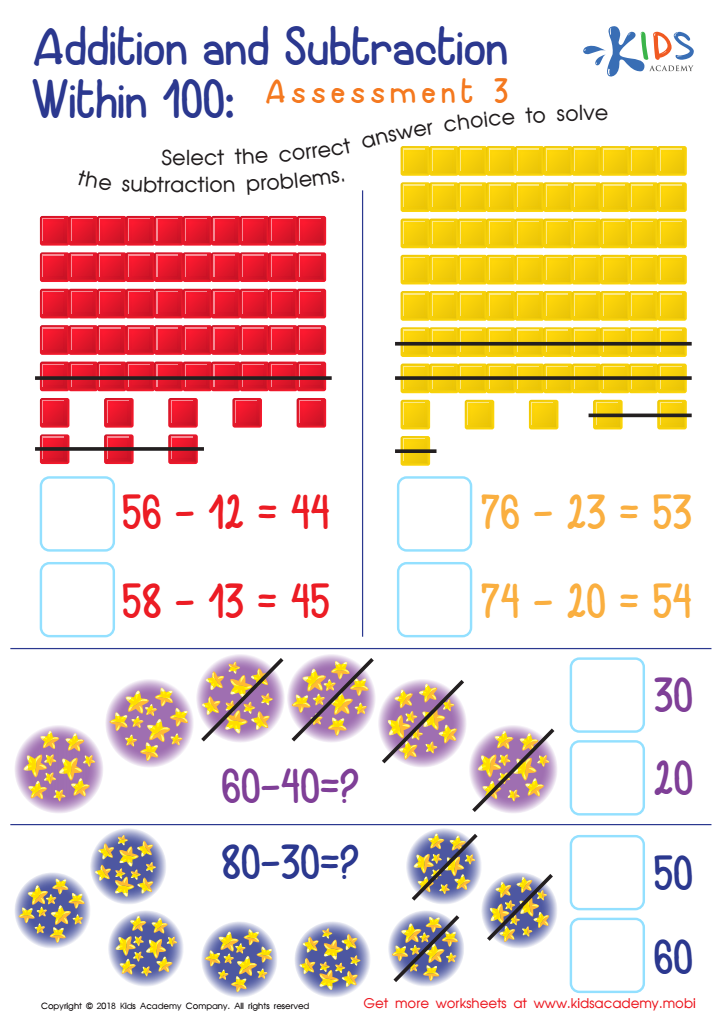
Addition and Subtraction Within 1: Assessment 3 Worksheet
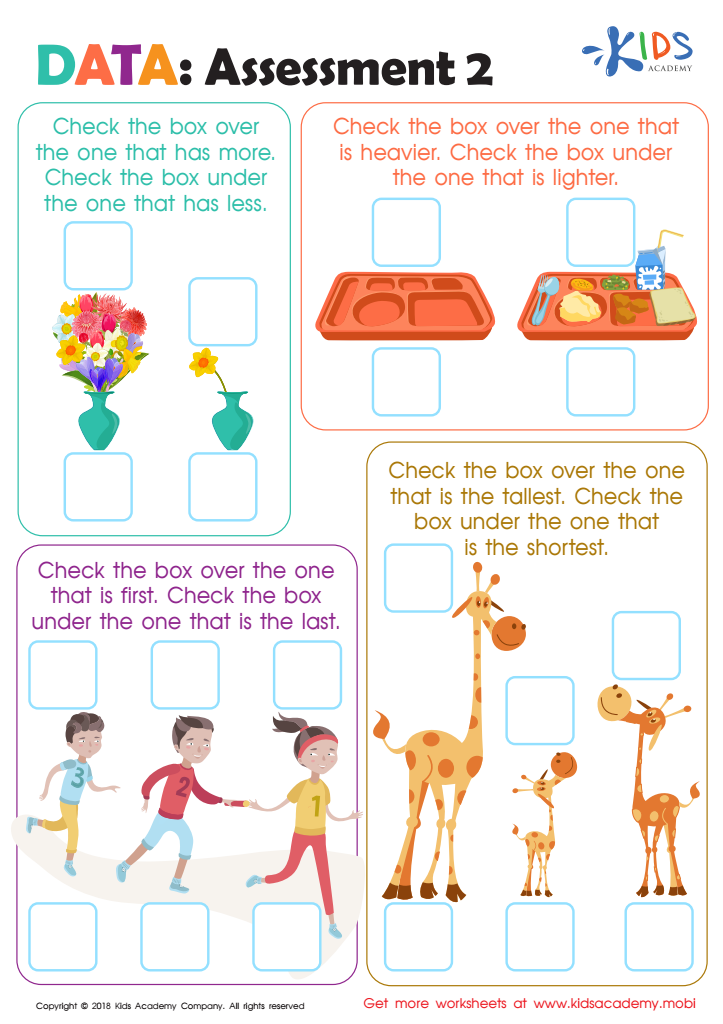
Data: Assessment 2 Worksheet
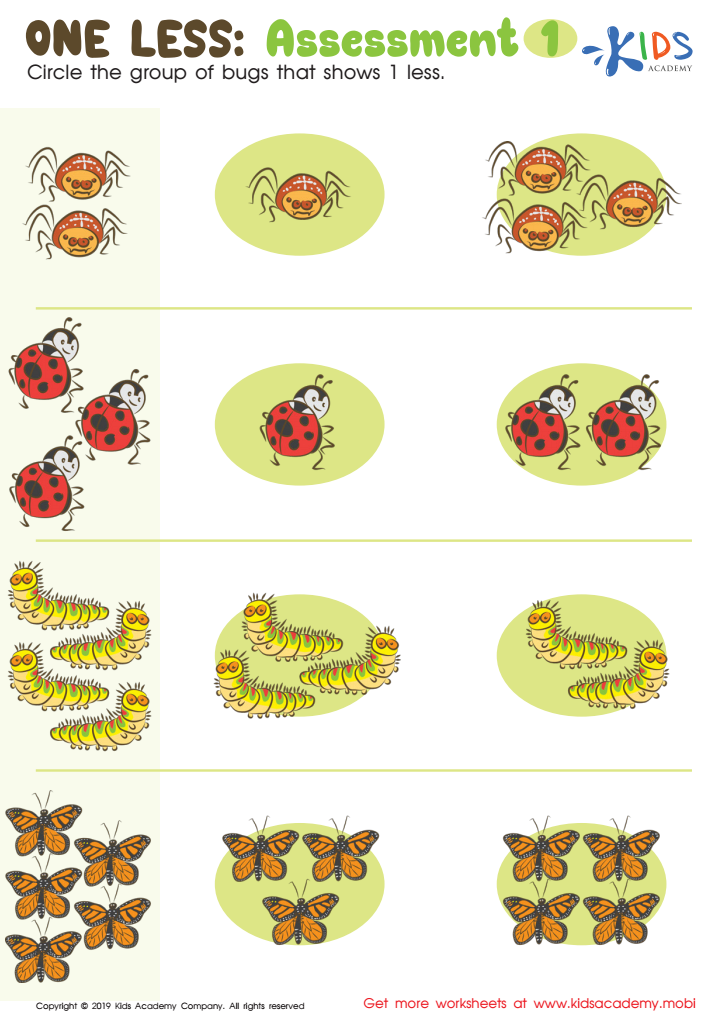
One Less: Assessment 1 Worksheet
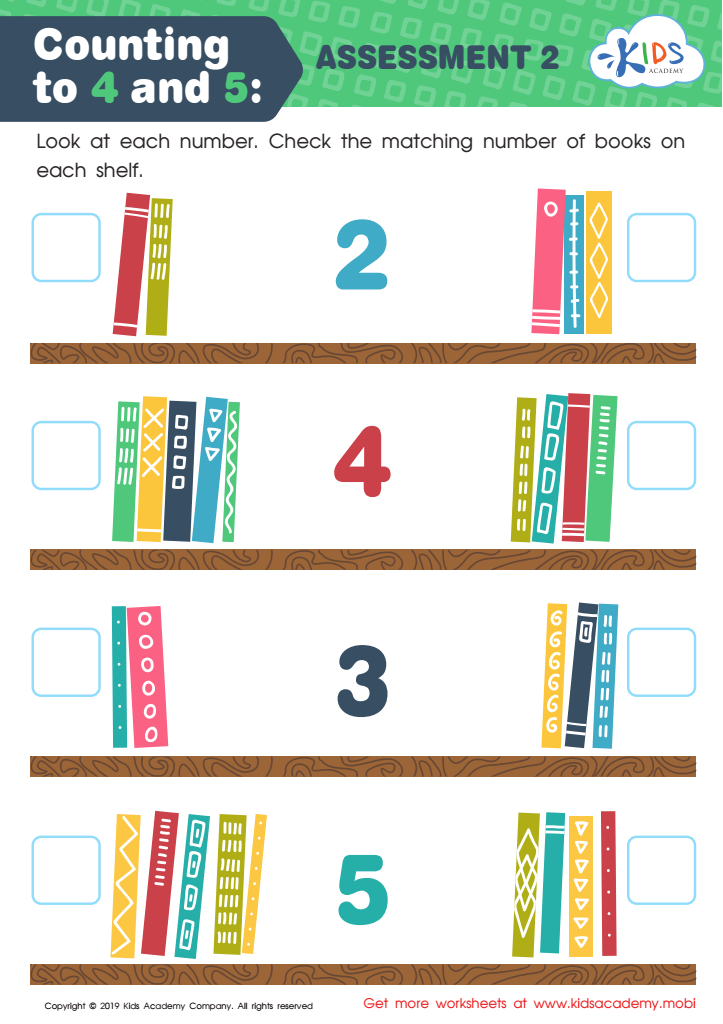
Counting to 4 and 5: Assessment 2 Worksheet
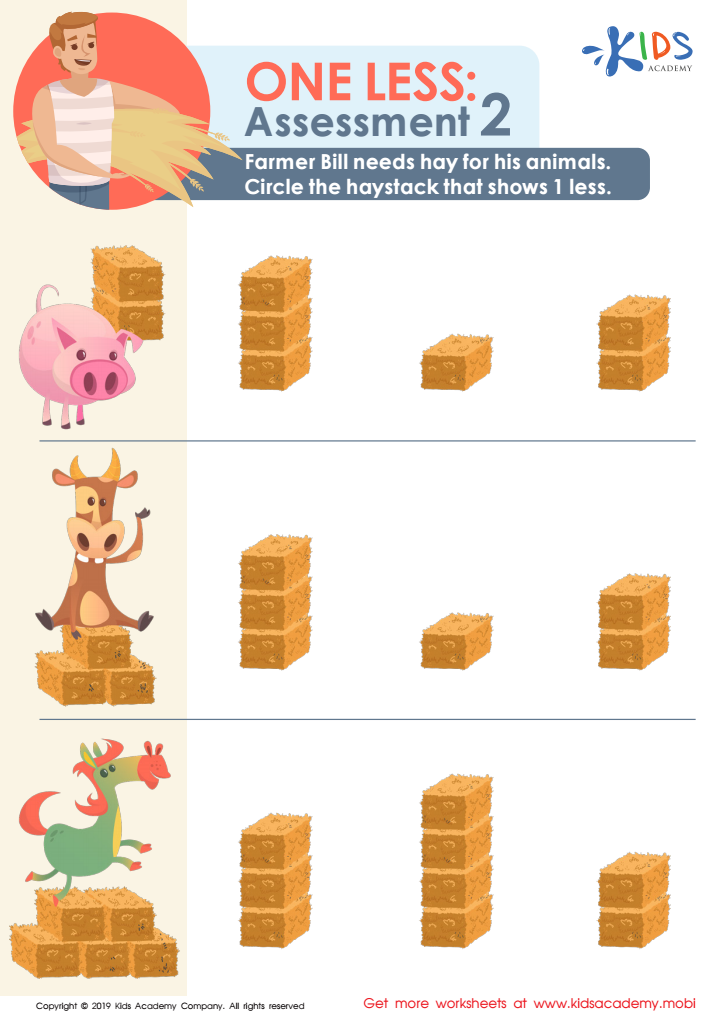
One Less: Assessment 2 Worksheet








Parents and teachers should care about math activities for children aged 3-6 because these foundational years are crucial for cognitive development. Engaging young learners in mathematics during this period helps to foster not only essential math skills but also critical thinking and problem-solving abilities. Math at this age includes basic concepts such as counting, shapes, patterns, and comparison, which form the building blocks for more advanced mathematical understanding later on.
Interactive activities that come with answers provide children with an opportunity to make visible connections between numbers and real-world experiences. These activities enhance engagement, making learning fun and enjoyable, while allowing for hands-on practice. Parents and teachers can use these activities to identify a child’s strengths and areas that may require more support, fostering personalized learning experiences.
Additionally, math activities promote social skills as children often work in groups or pairs, sharing ideas and learning collaboratively. By introducing structured math activities, parents and teachers cultivate a positive attitude toward math, reducing anxiety and encouraging curiosity. Ultimately, the skills and confidence acquired through early math learning set the stage for academic success and a lifelong appreciation for learning.








