Tracing Worksheets Activities With Answers for Ages 3-6 - Page 7
157 filtered results
-
From - To

Count the Cherries and Trace the Number 10 Printable
 Assign to My Students
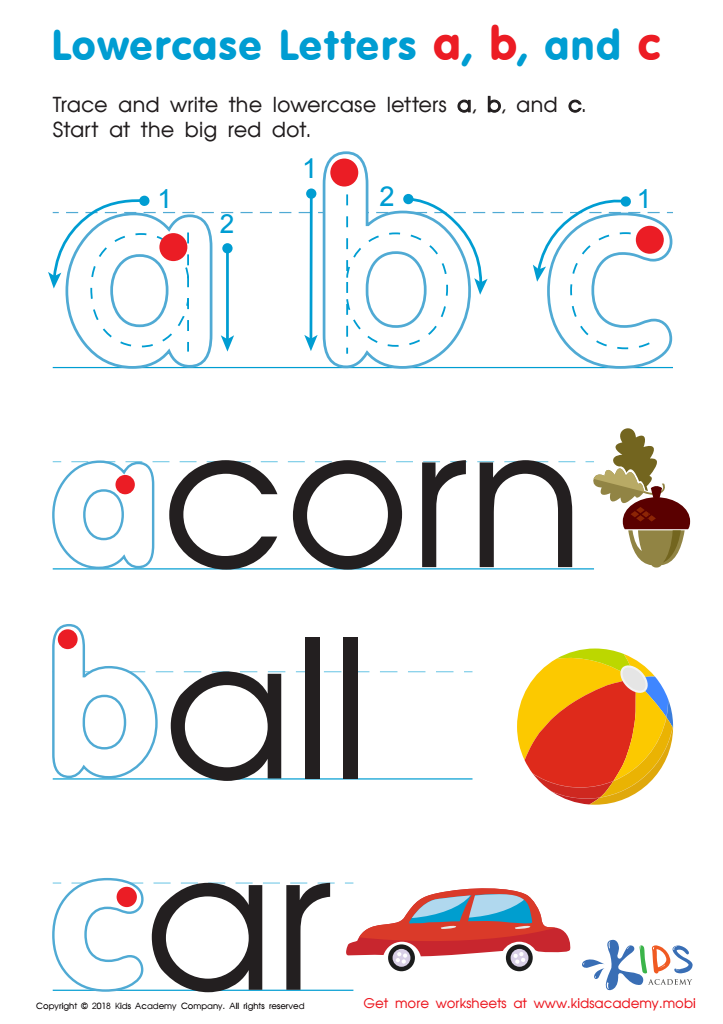
Lowercase Letters a b c Worksheet
Tracing Lines Worksheet
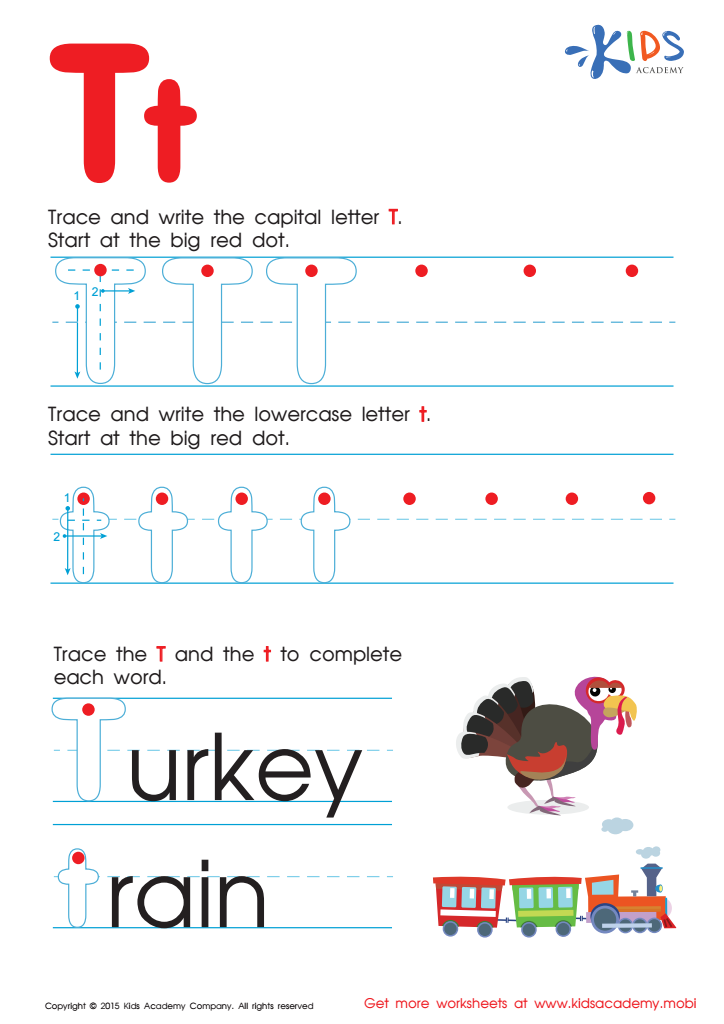
Letter T Tracing Page
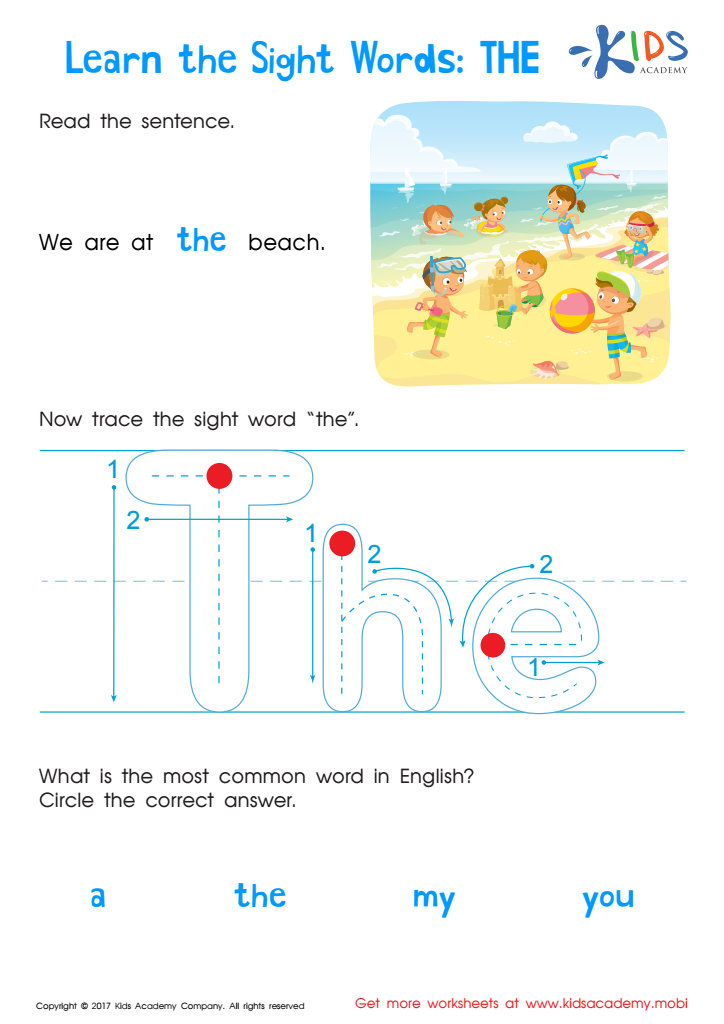
Sight Words: The Worksheet
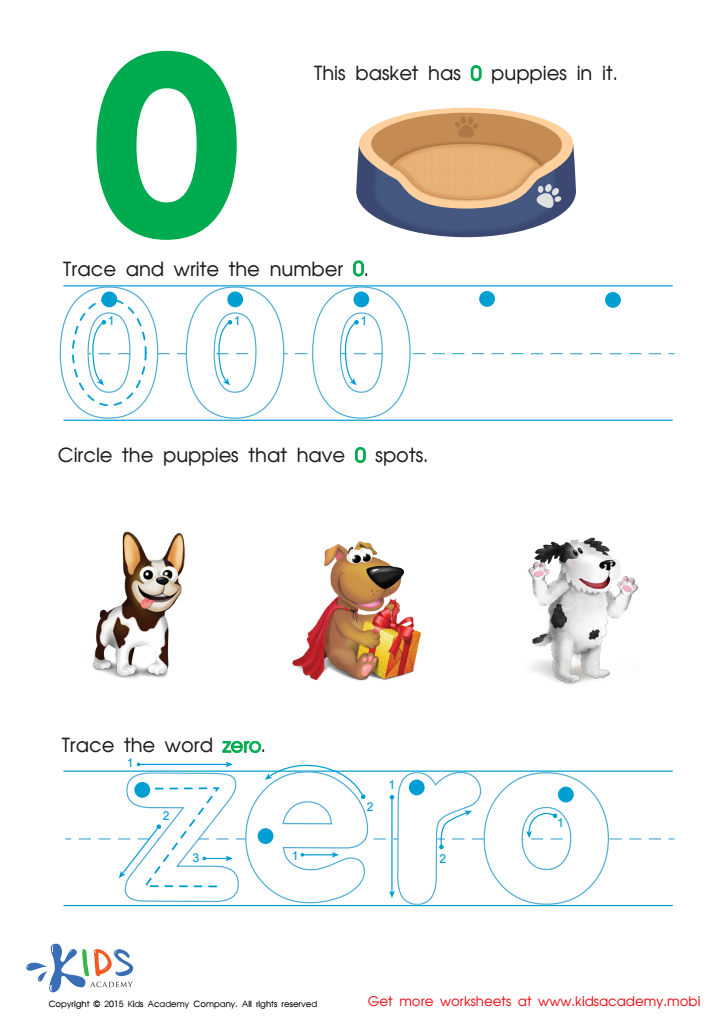
Trace And Write Number 0 Worksheet

Letter D Tracing Page
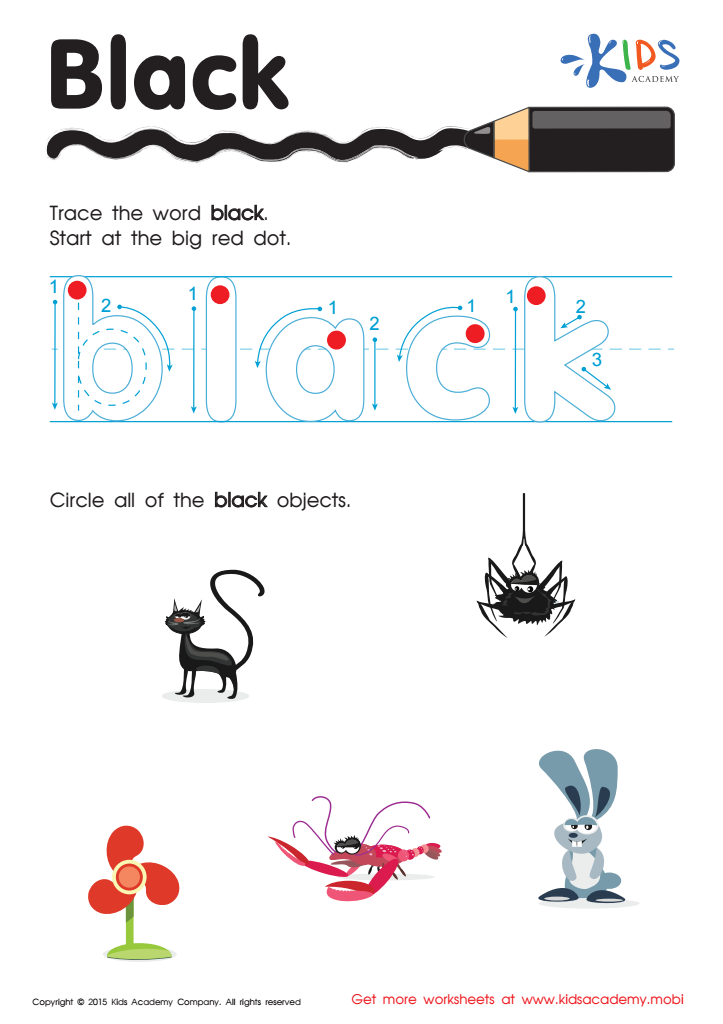
Black Tracing Color Words Printable
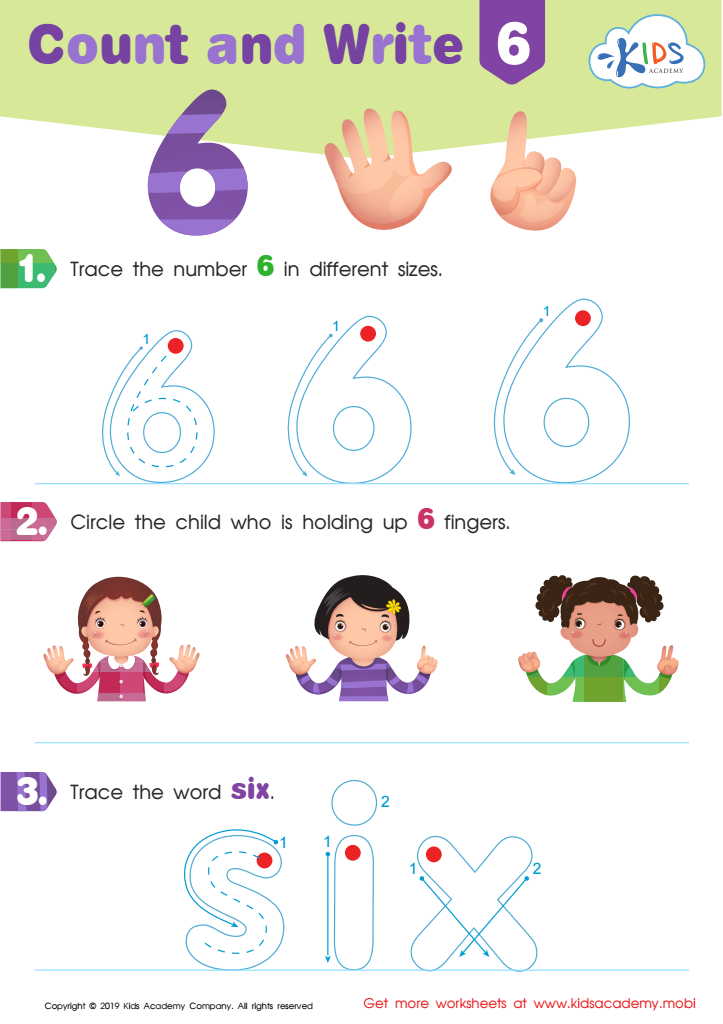
Count and Write 6 Worksheet
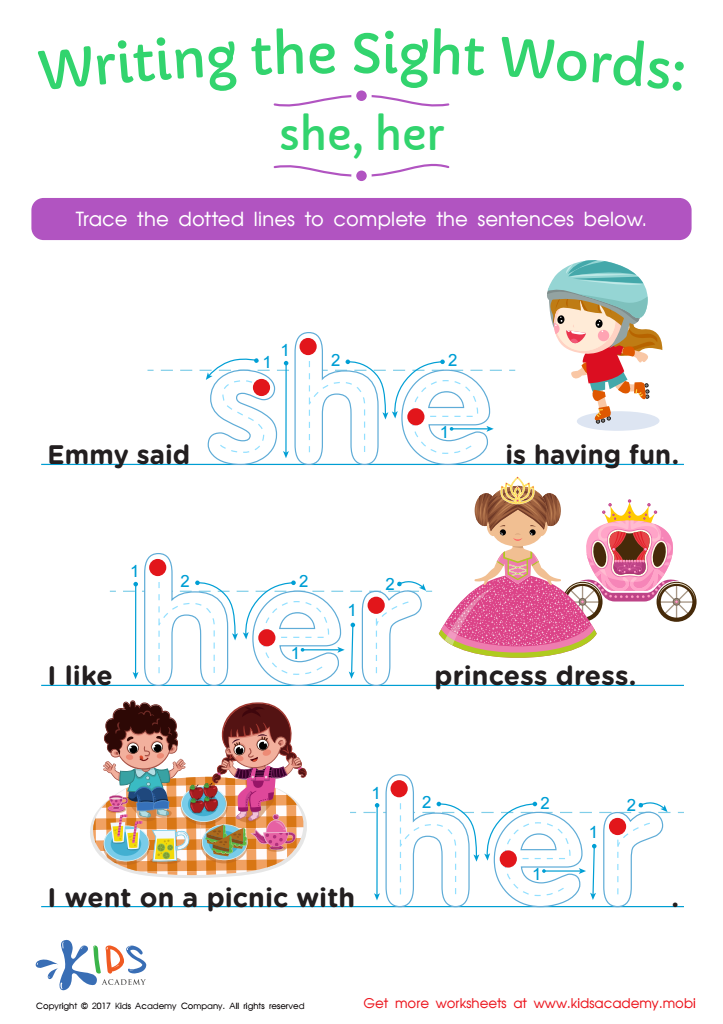
She, Her Printable Sight Words Worksheet
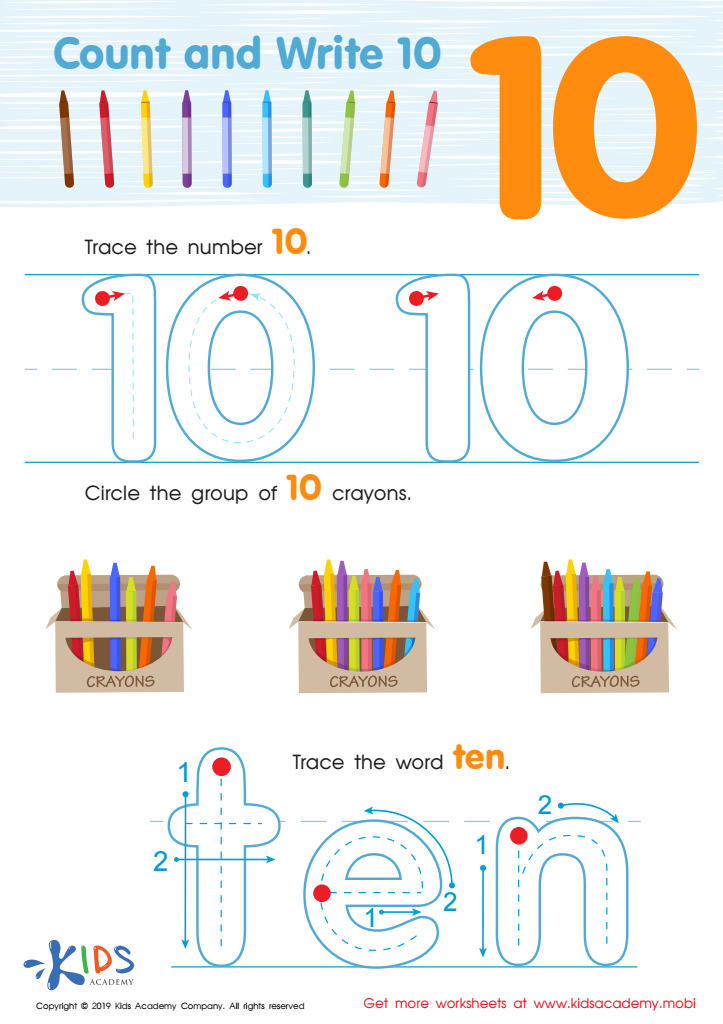
Count and Write 10 Worksheet
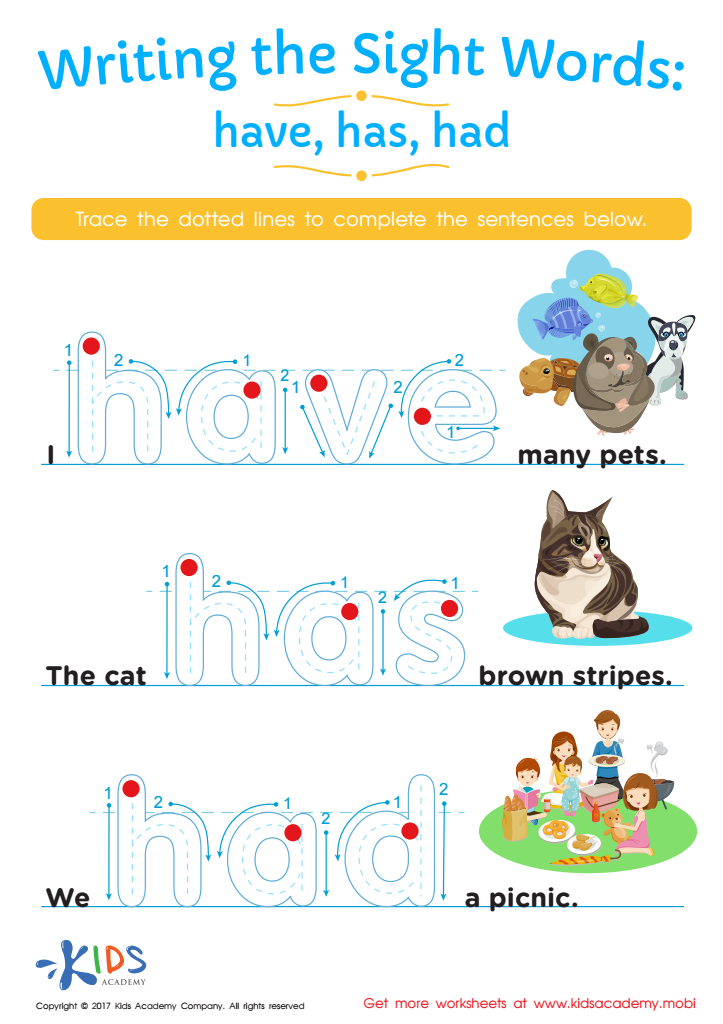
Have, Has, Had Worksheet Sight Words Worksheet
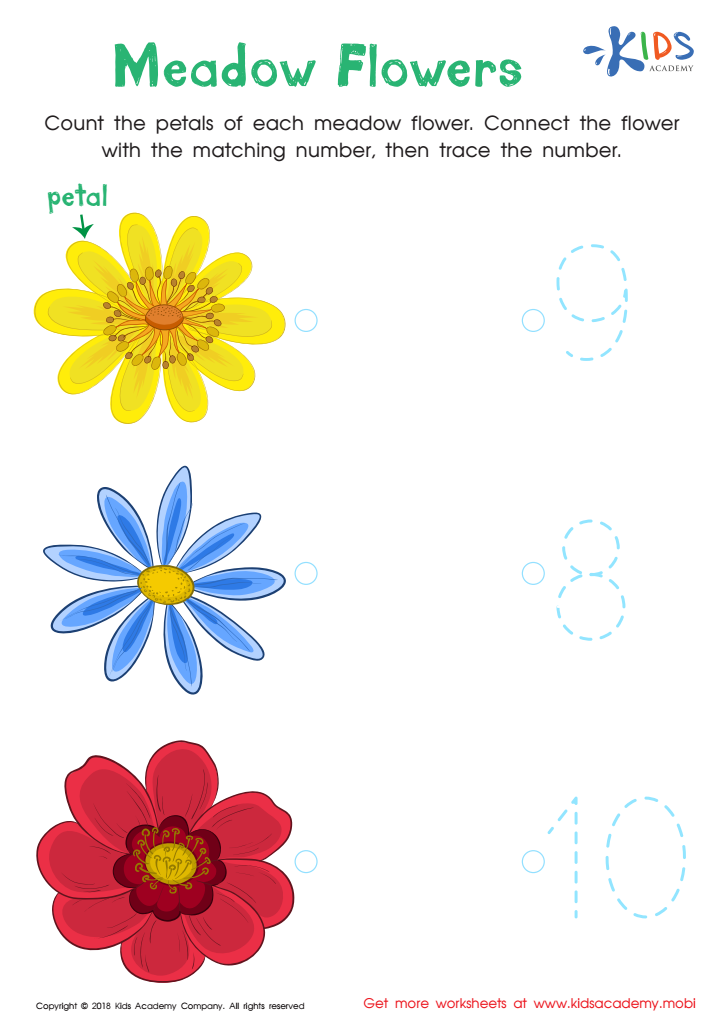
Kindergarten Number Tracing: Medow Flowers Worksheet








Tracing activities play a vital role in early childhood development, particularly for children ages 3-6, making them essential for both parents and teachers to prioritize. These activities enhance fine motor skills, which are crucial for tasks such as writing, drawing, and using tools. By engaging in tracing, children learn to control their hand movements, developing the dexterity needed for more complex tasks later on.
Moreover, tracing activities boost cognitive skills and aid in letter and shape recognition. They provide a hands-on learning experience, allowing young learners to understand basic concepts visually and kinesthetically. As children trace letters or shapes, they also reinforce their knowledge through repetition, which aids memory retention.
Additionally, tracing can be a fun and engaging way to promote literacy and number skills, making introduce early off activities early on more enticing. For parents and teachers, including tracing activities in a child’s learning routine can foster a positive attitude toward education. They create a supportive learning environment where children feel accomplished as they progress. Ultimately, investing time in tracing activities contributes to building a strong foundation for lifelong learning, equipping children with essential skills necessary for their educational journey.








