Physical Science Worksheets Activities With Answers for Ages 3-7
6 filtered results
-
From - To
Discover engaging Physical Science worksheets tailored for children aged 3 to 7! Our collection combines fun and learning through interactive activities designed to ignite curiosity about the world. Each worksheet includes thought-provoking questions and vibrant visuals that captivate young minds. To aid your teaching, answer keys are provided for easy assessment. Whether exploring concepts like gravity, states of matter, or basic physics, our resources encourage hands-on learning and scientific thinking. Foster a love for science in your little ones with our carefully crafted worksheets that are perfect for home or classroom use. Start your scientific journey today!
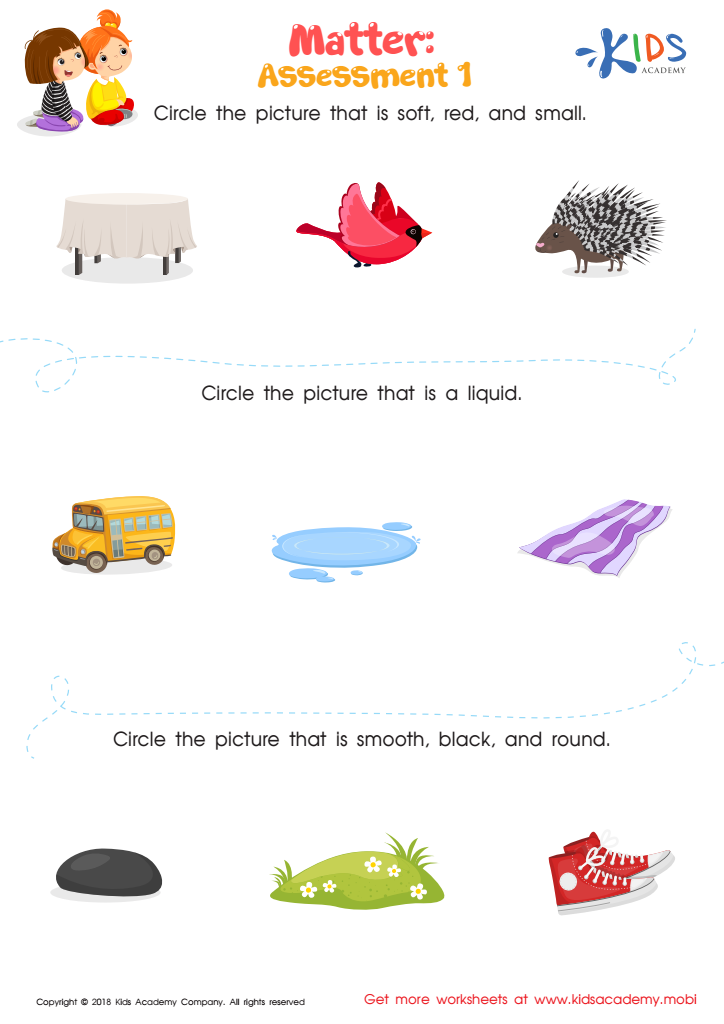
Matter: Assessment 1 Worksheet
 Assign to My Students
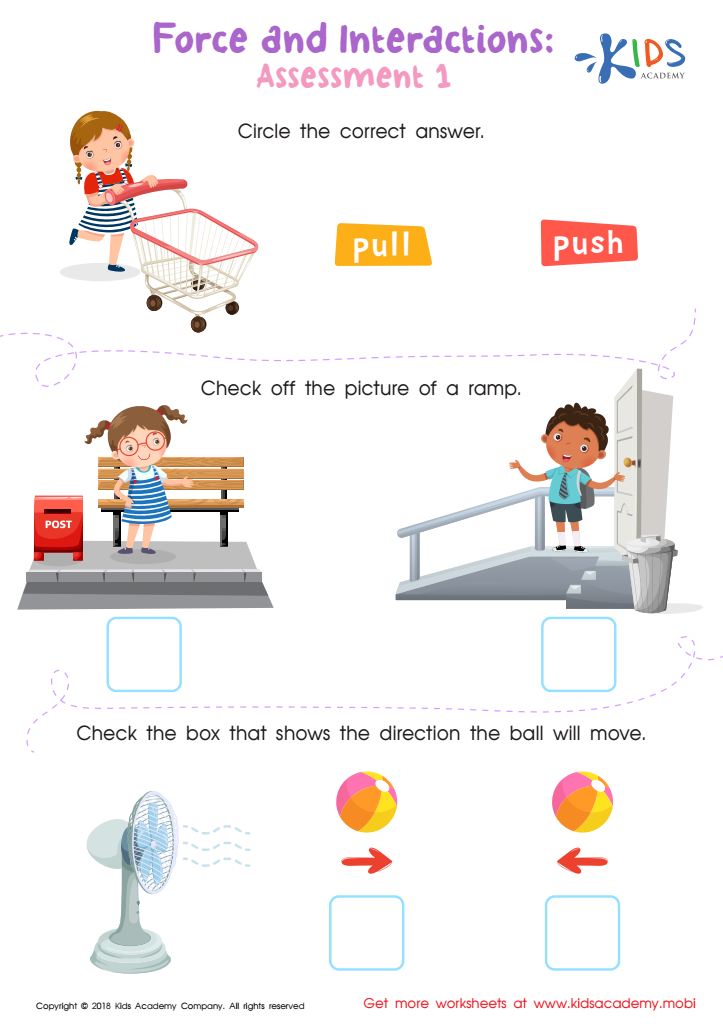
Force and Interactions: Assessment 1 Worksheet
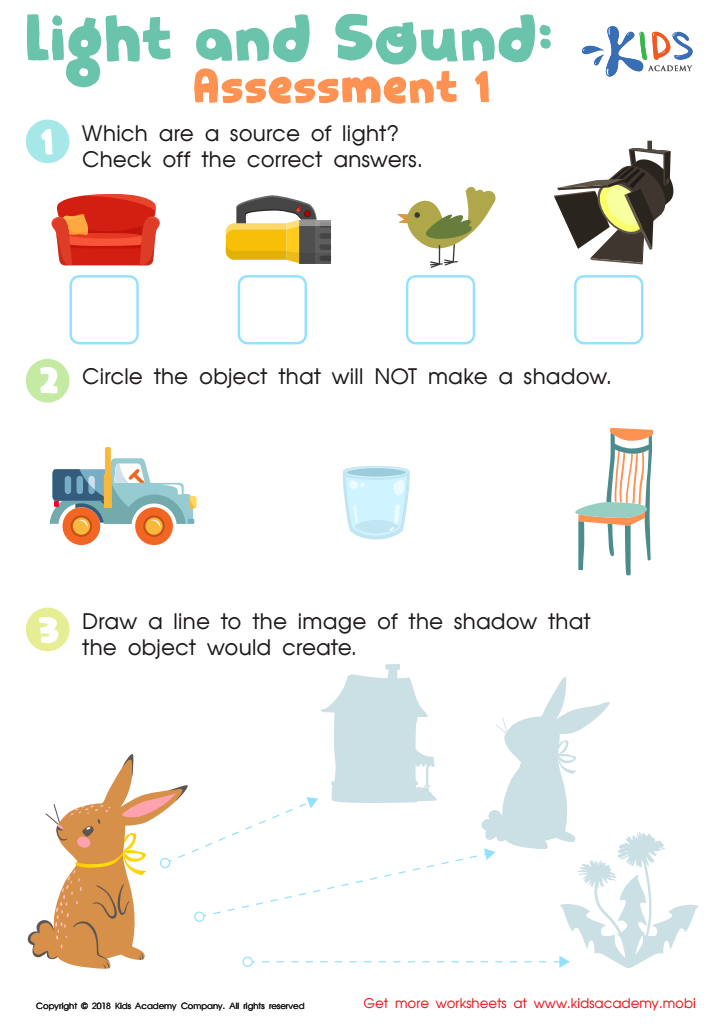
Light and Sound: Assessment 1 Worksheet
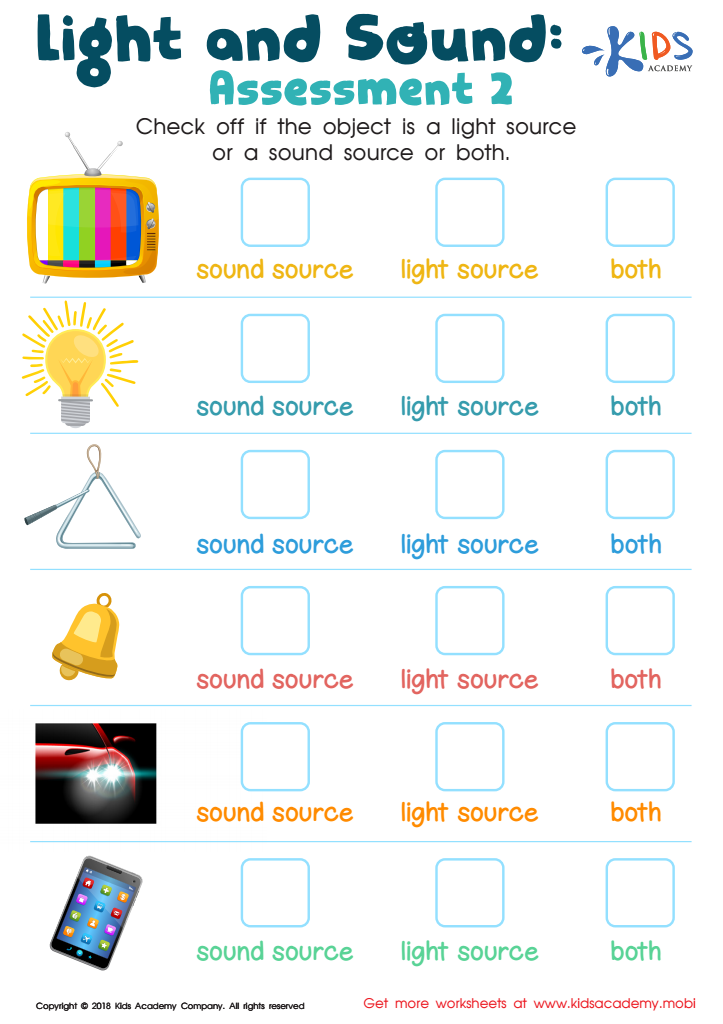
Light and Sound: Assessment 2 Worksheet
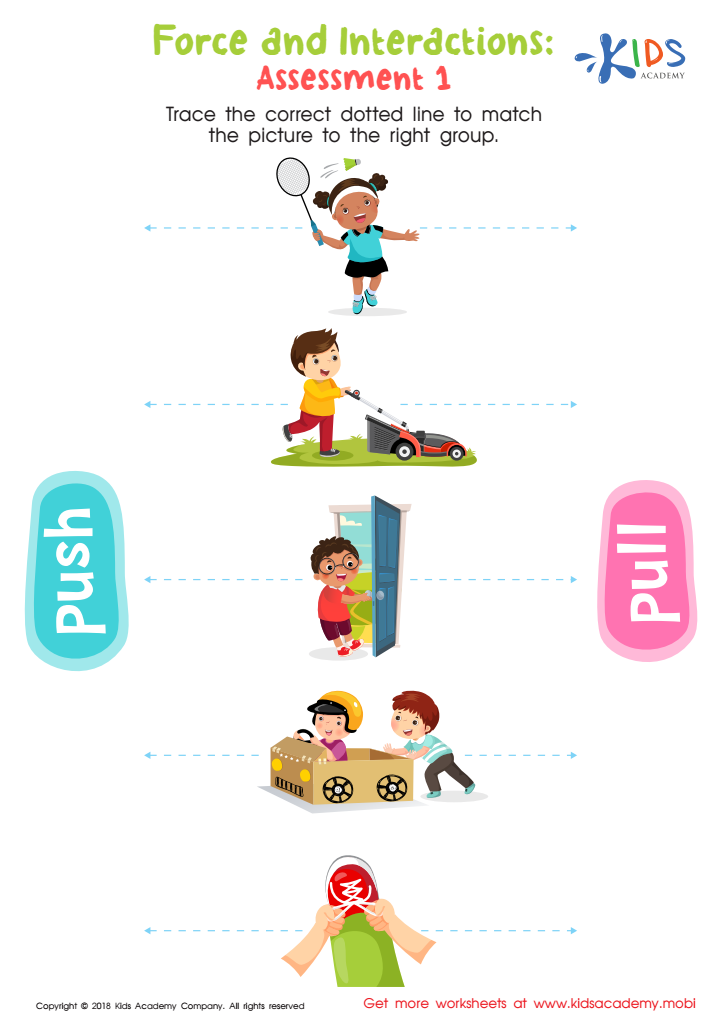
Force and Interactions: Assessment 2 Worksheet
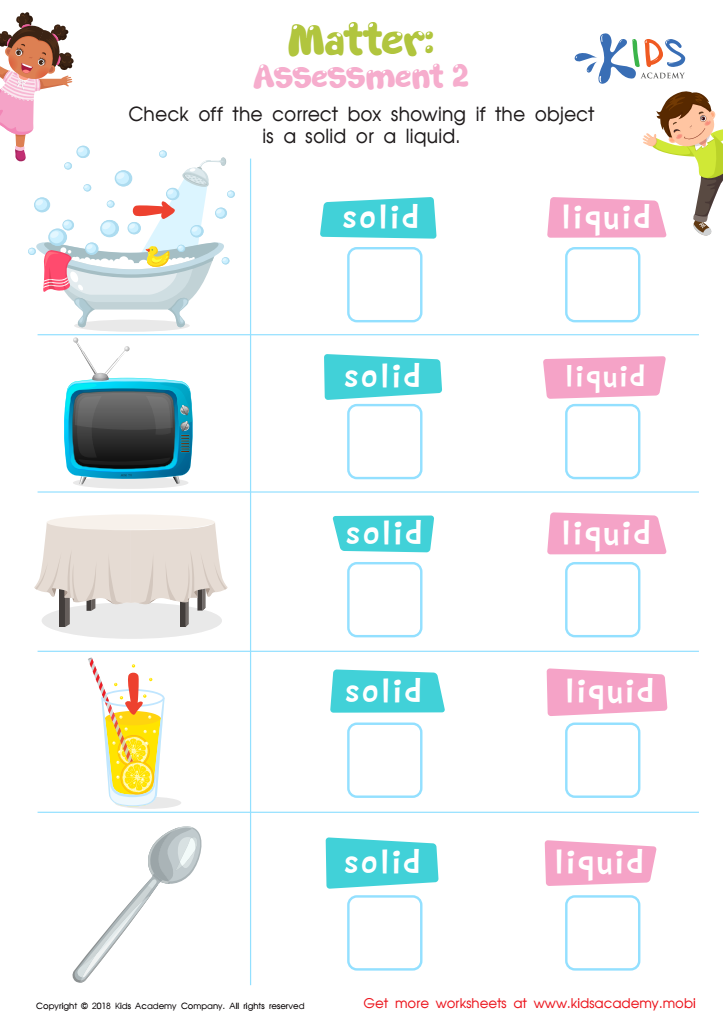
Matter: Assessment 2 Worksheet





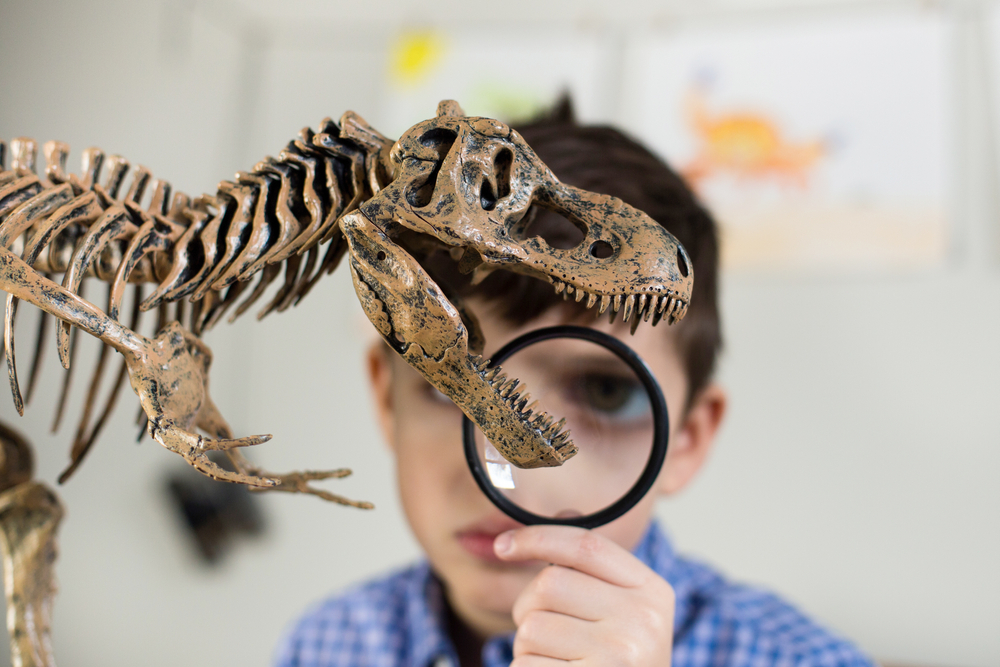

Parents and teachers should prioritize Physical Science activities for children aged 3-7 because these foundational experiences significantly impact cognitive and social development. Engaging in hands-on science activities introduces young learners to fundamental concepts such as motion, force, gravity, and basic properties of materials. These early experiences foster curiosity and enhance critical thinking and problem-solving skills as children explore the world around them.
Moreover, physical science activities promote collaborative skills and communication as children often work in groups, sharing observations and findings. This social interaction is vital for developing teamwork and language abilities. Additionally, physical science encourages observational skills, as children learn to ask questions and seek answers through exploration and experimentation.
Integrating science into the daily learning environment also aligns with educational standards, ensuring that children acquire essential skills while staying engaged. Using activities with clear answers helps parents and teachers assess understanding and provides a guided framework for exploring complex concepts in a fun, age-appropriate manner.
Ultimately, investing time in physical science activities nurtures a love for inquiry and science, laying the groundwork for lifelong learning and awareness of the scientific principles that govern everyday life.








