Math Worksheets for Ages 3-7 - Page 2
1107 filtered results
-
From - To
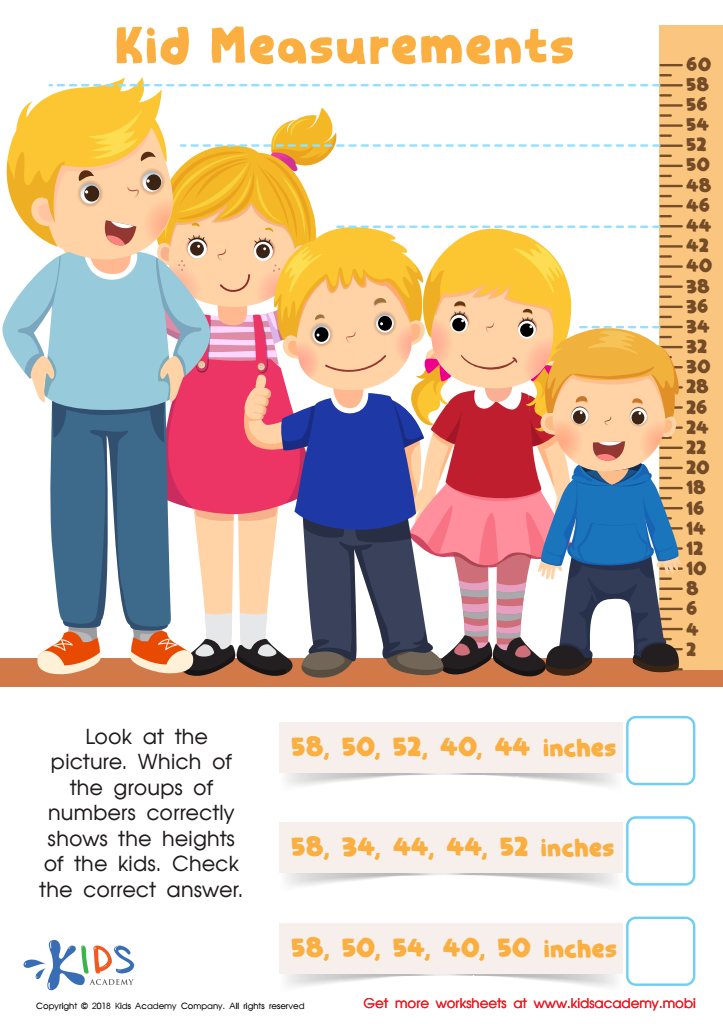
Kids Measurements Worksheet
 Assign to My Students
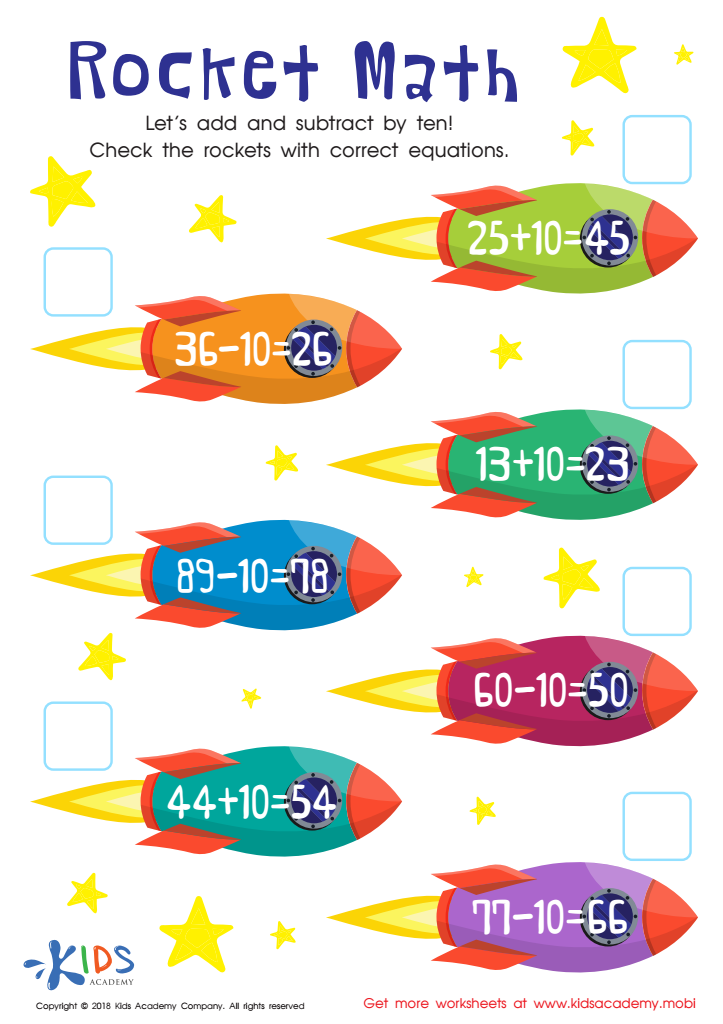
Rocket Math Worksheet
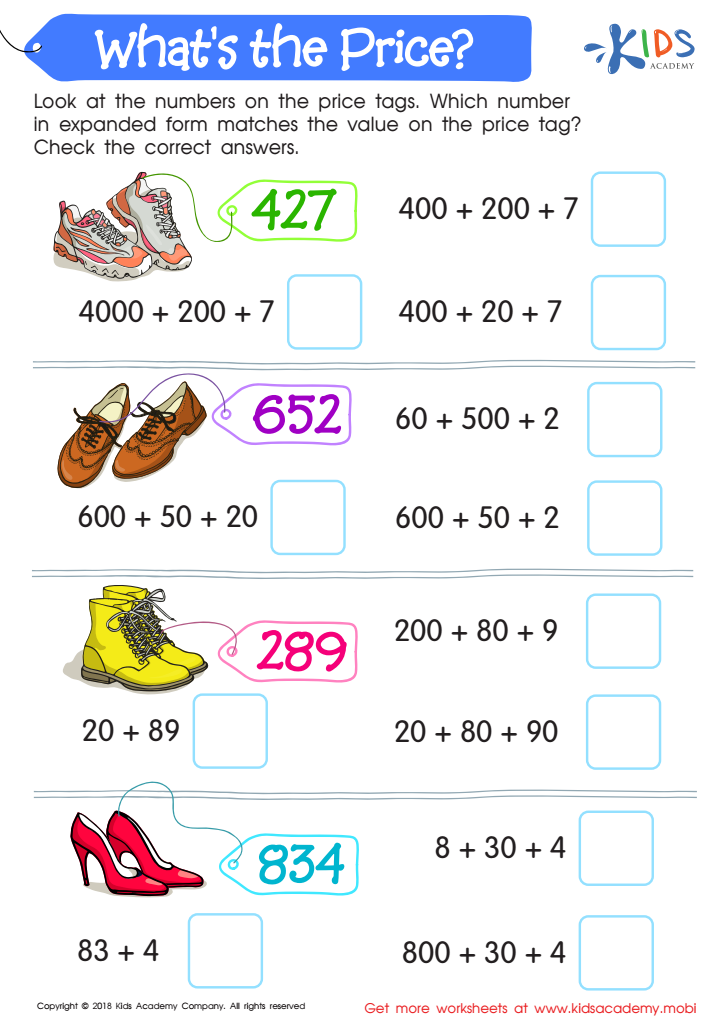
What's the Price? Worksheet
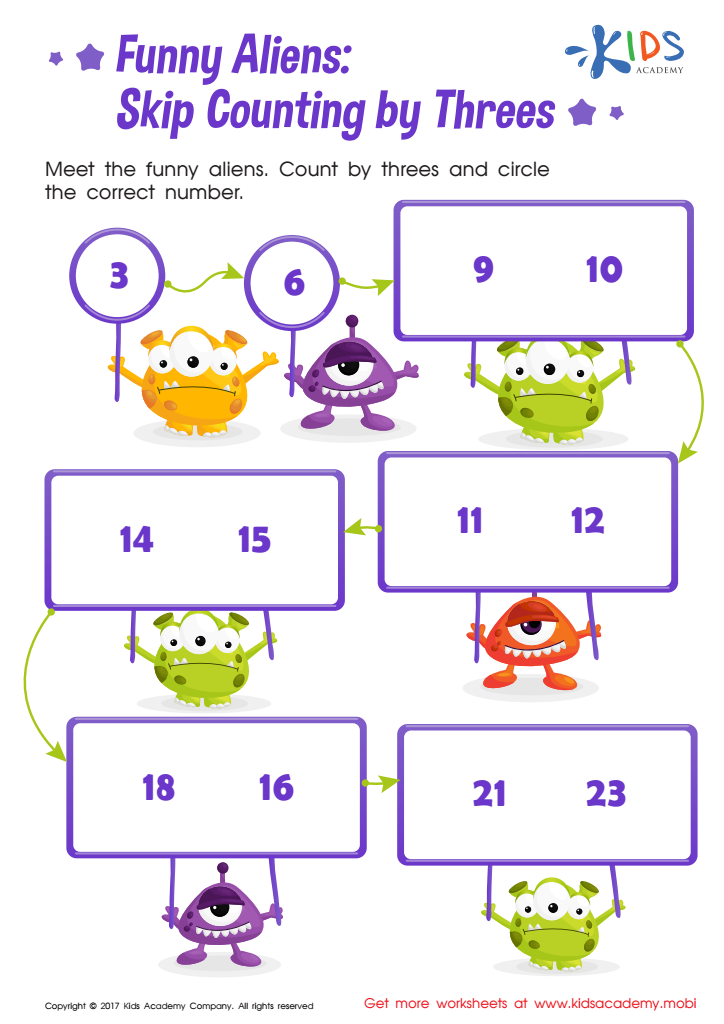
Skip Counting by 3s: Funny Aliens Printable
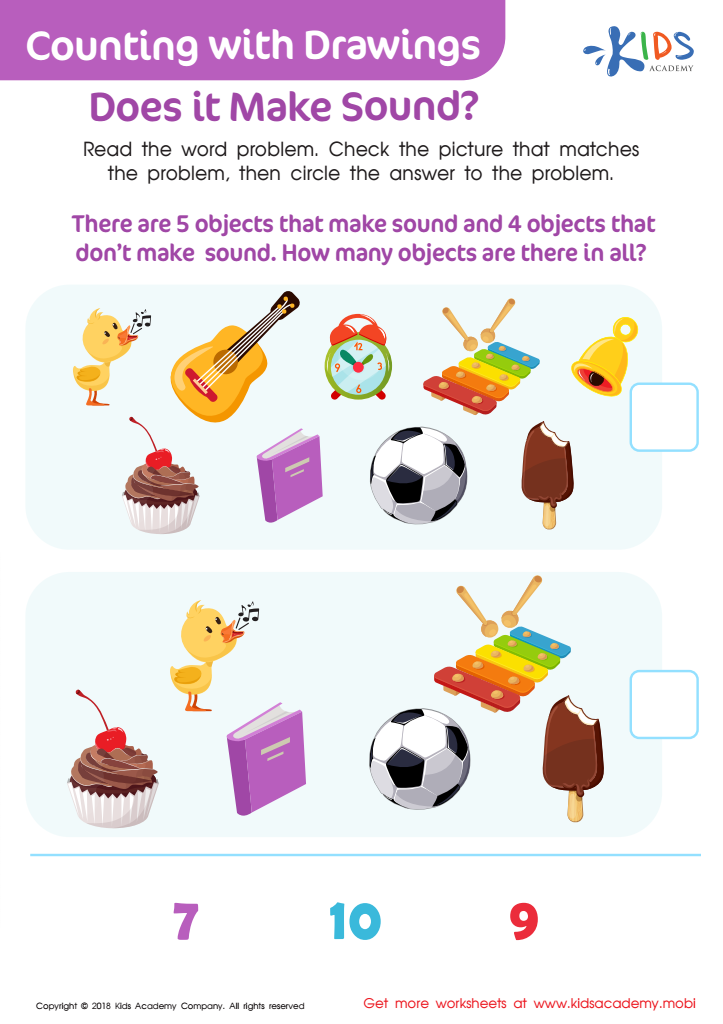
Counting With Drawings. Does It Make Sound? Worksheet
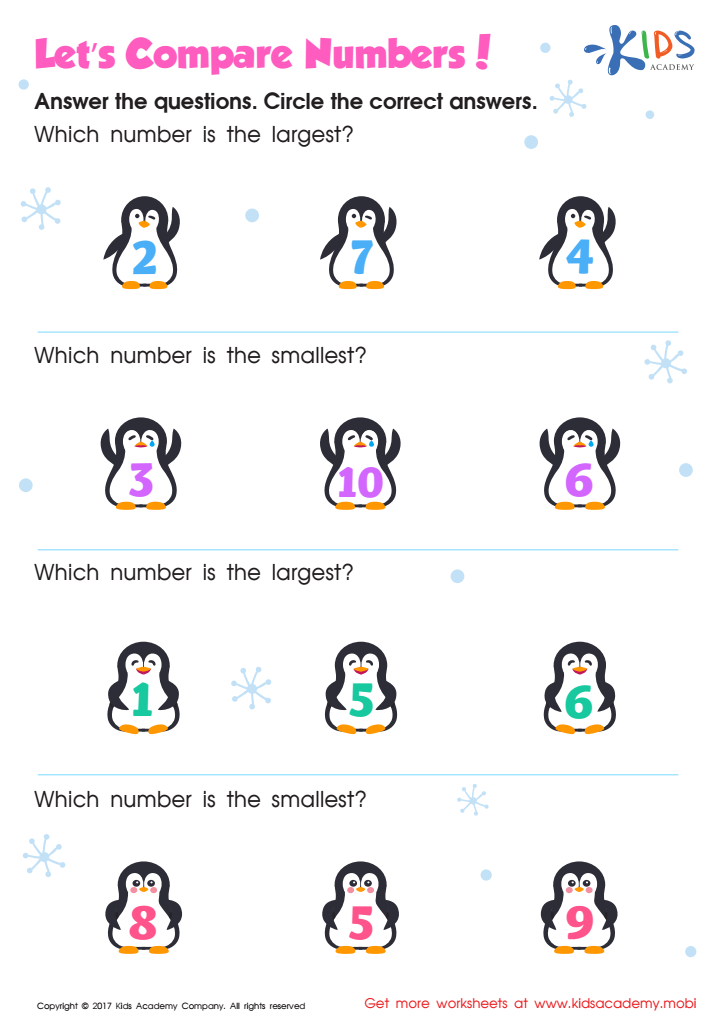
Comparing Numbers 1–10 Worksheet Kindergarten
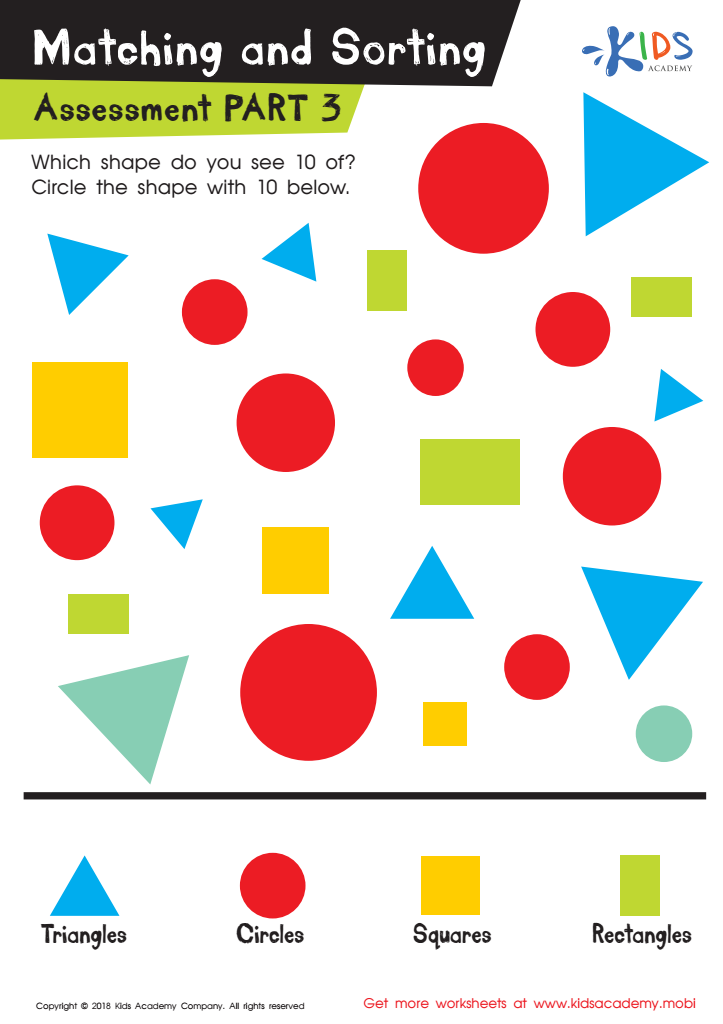
Matching and Sorting for Kindergarten: Assessment 3 Worksheet
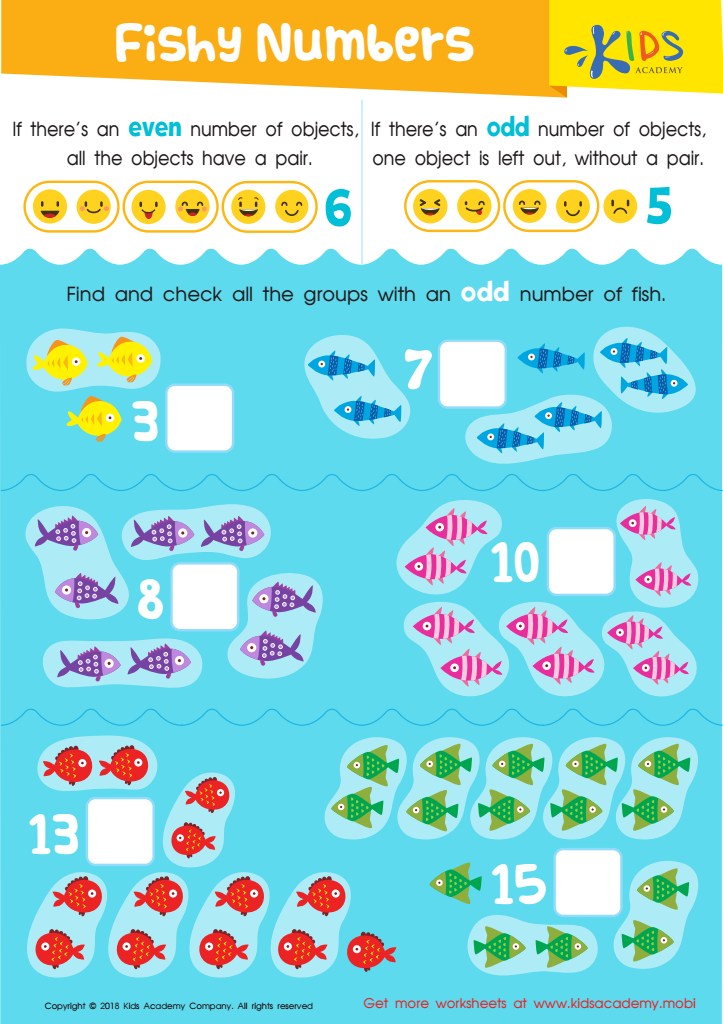
Fishy Numbers Worksheet
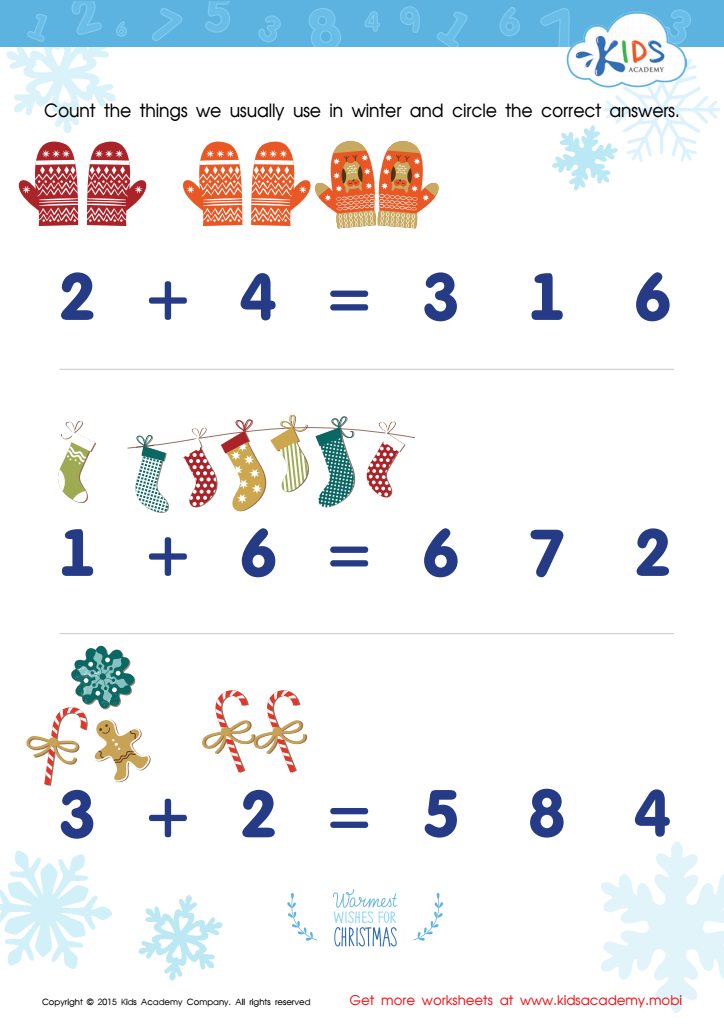
Count Winter Things Worksheet
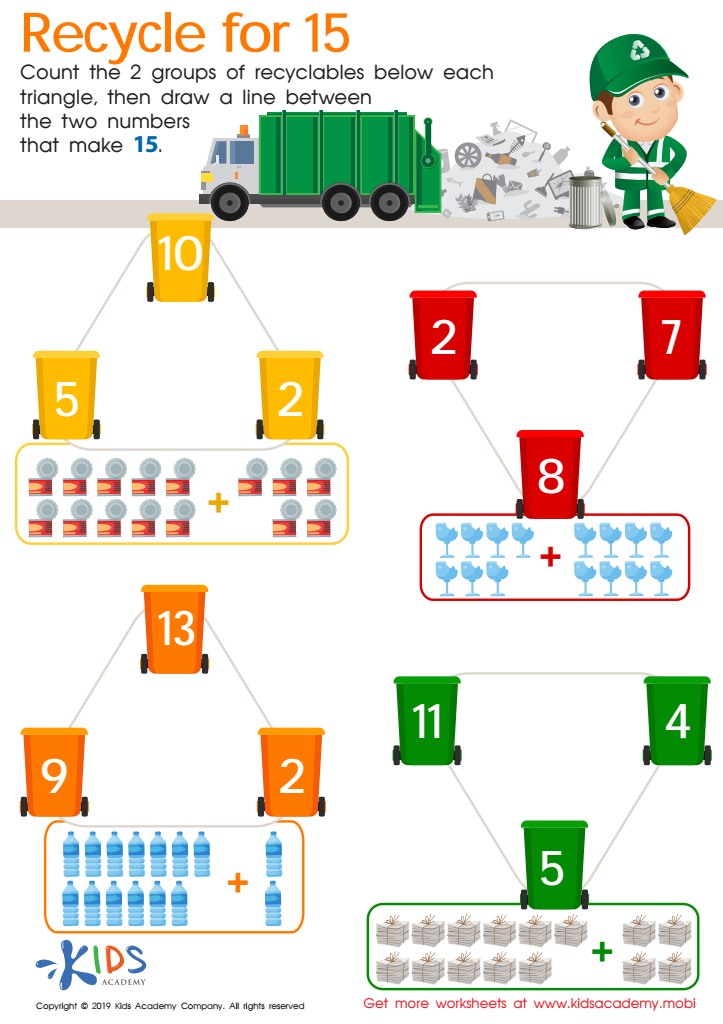
Recycle for 15 Worksheet
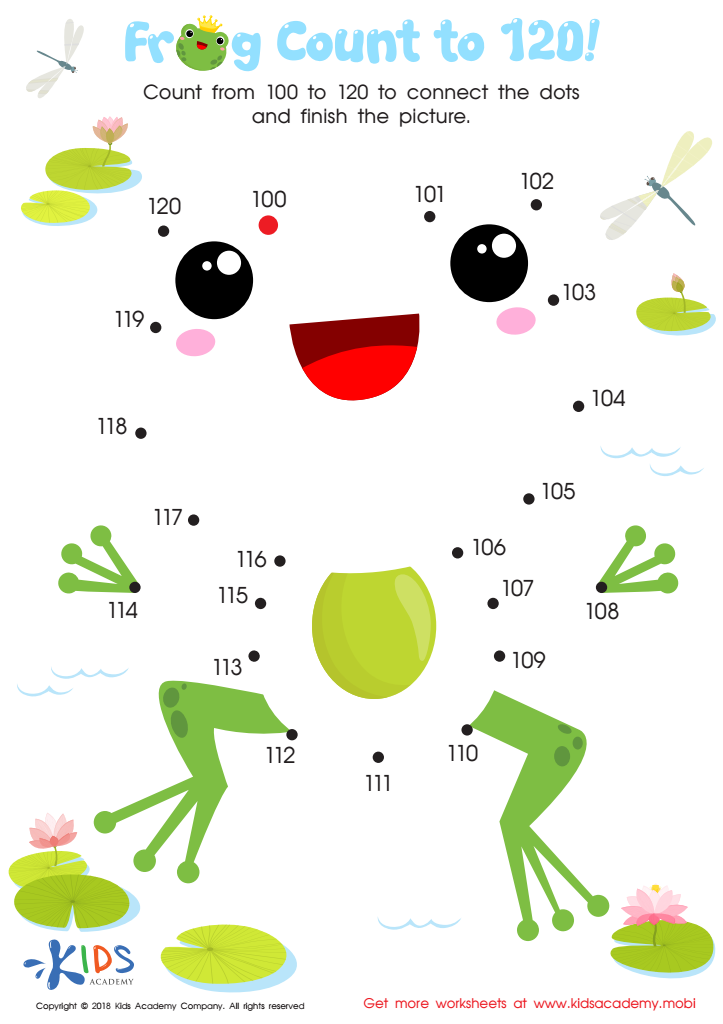
Frog Count to 120 Worksheet
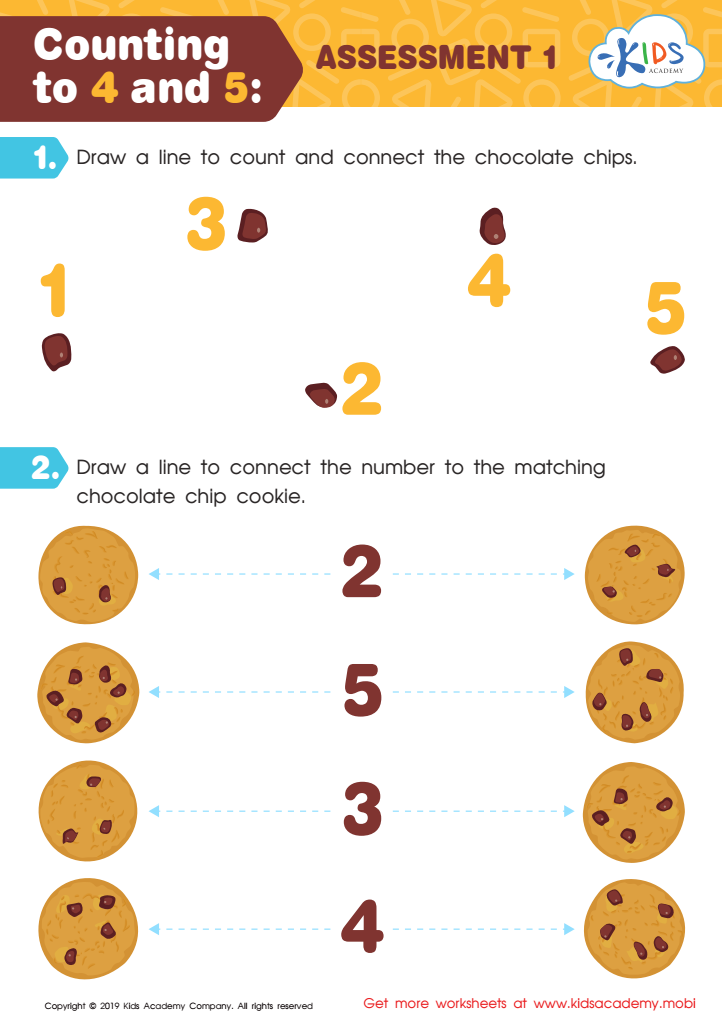
Counting to 4 and 5: Assessment 1 Worksheet
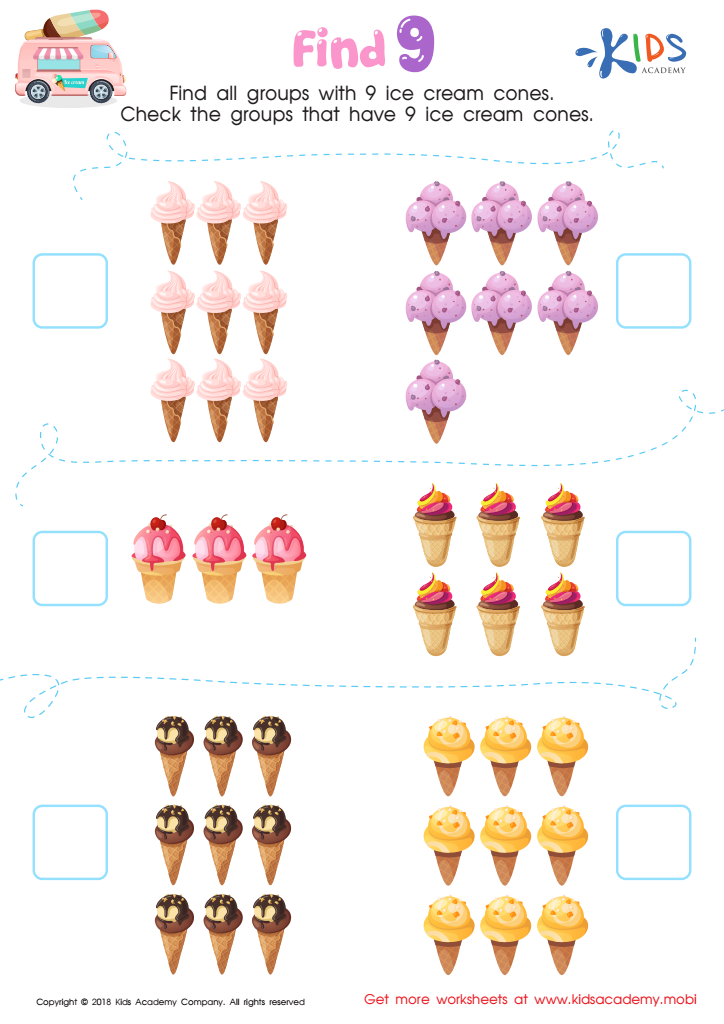
Find 9 Worksheet
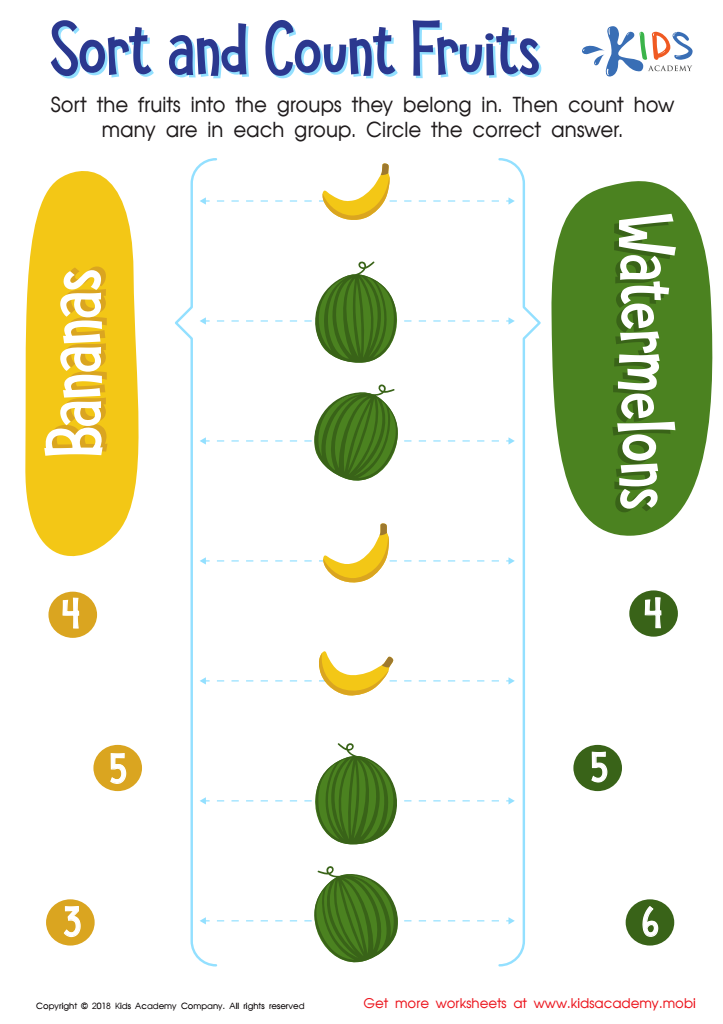
Sort and Count Fruits Worksheet
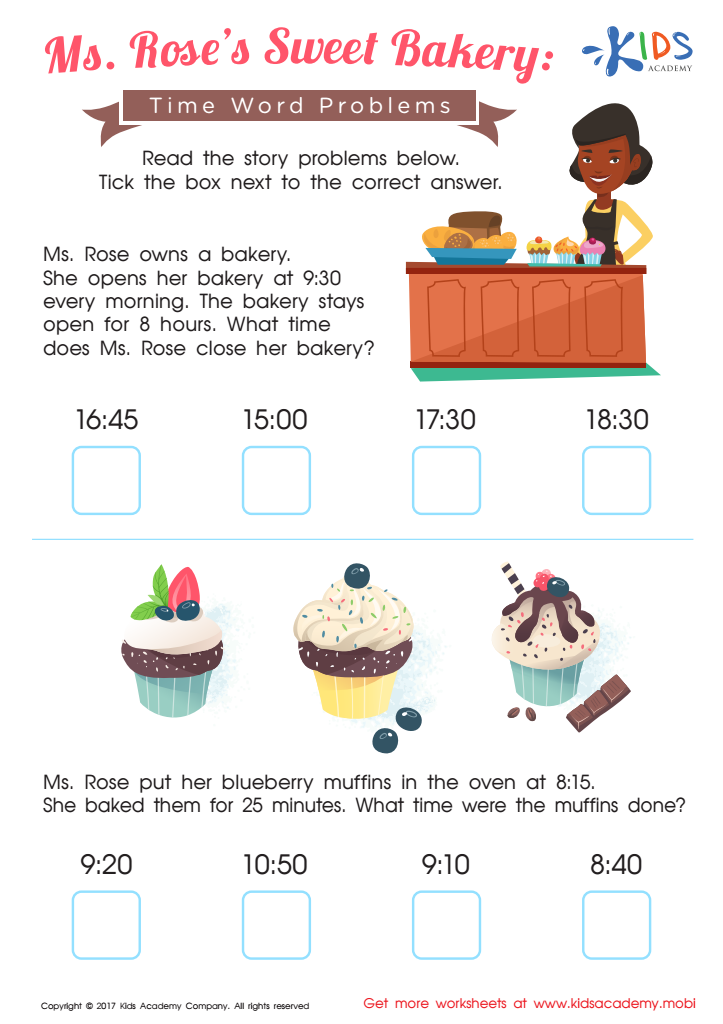
Ms. Roseв's Sweet Bakery Time Worksheet
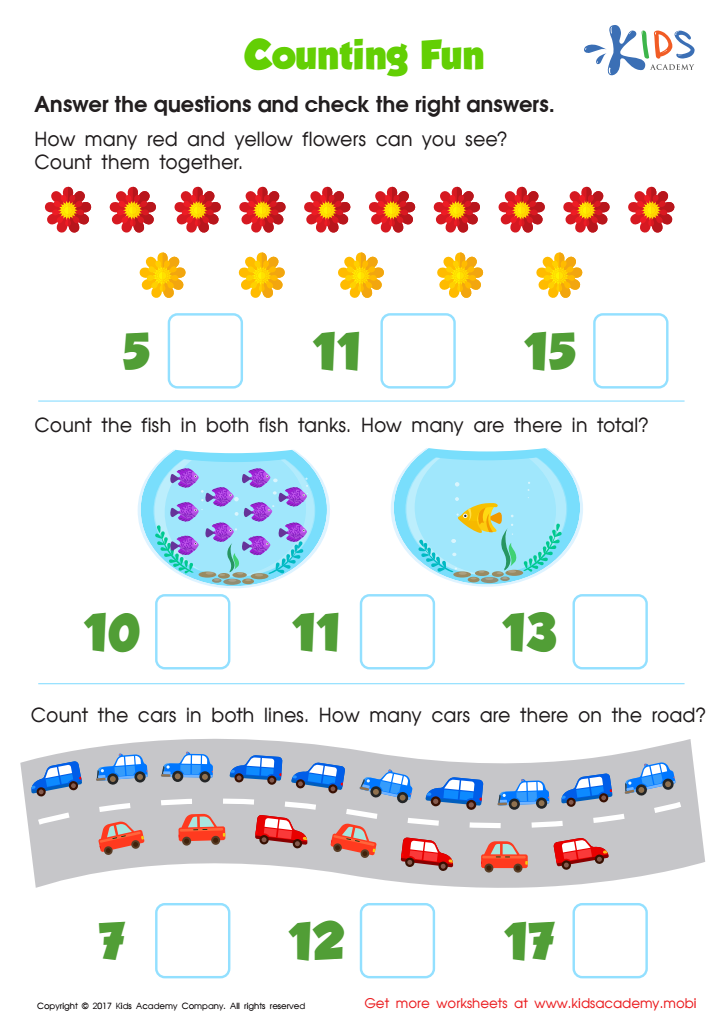
Counting Fun Worksheet
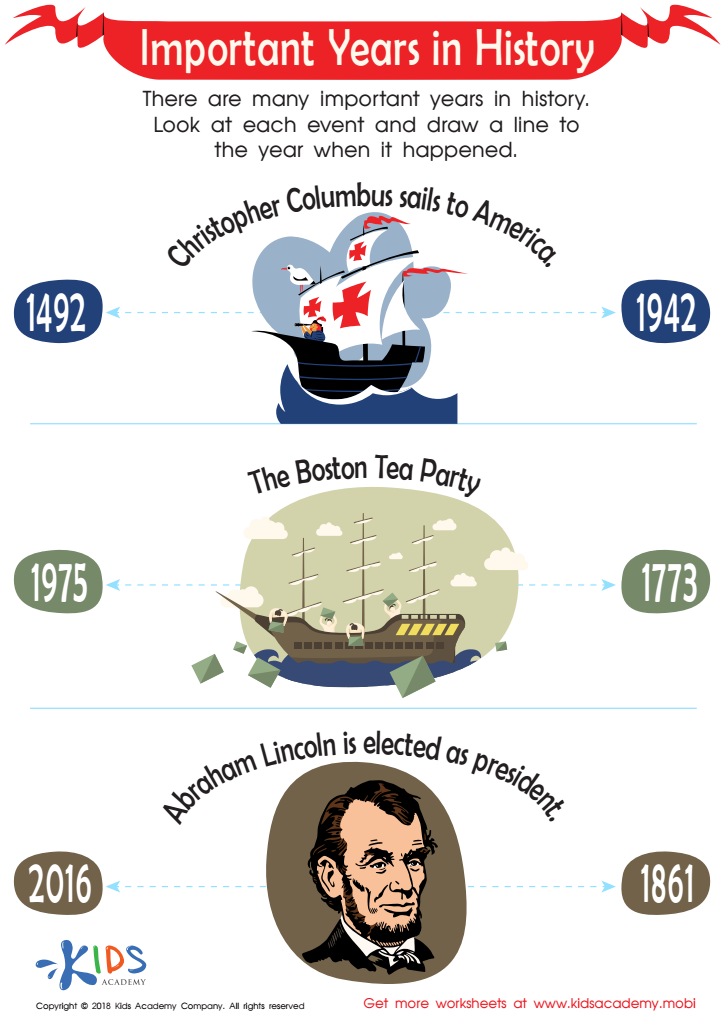
Important Years in History Worksheet
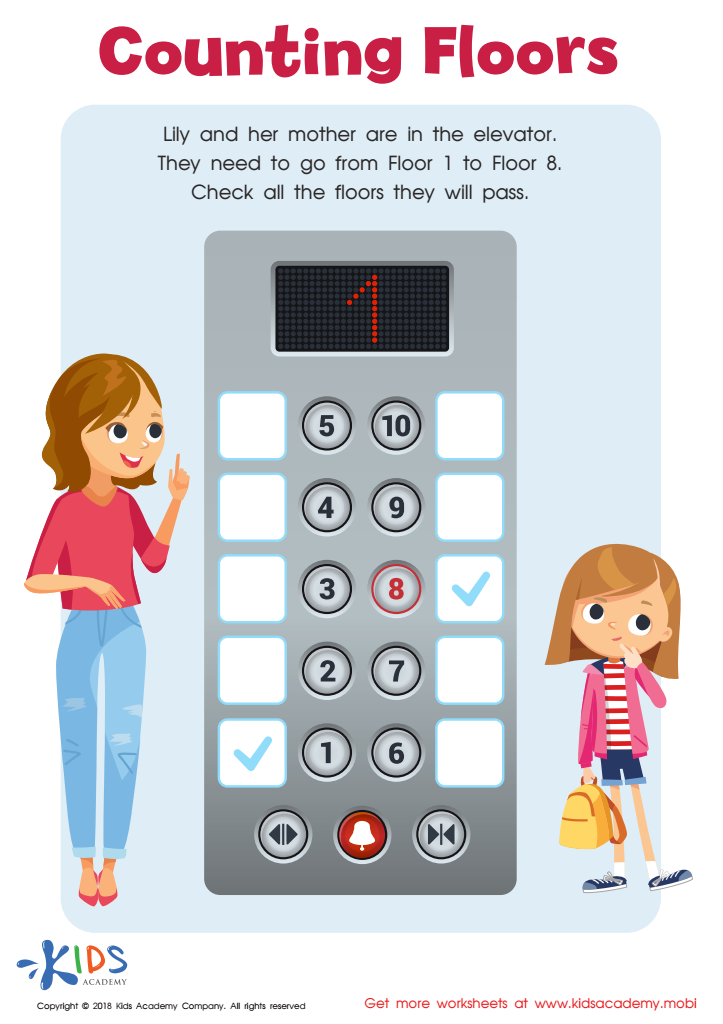
Counting Floors Worksheet
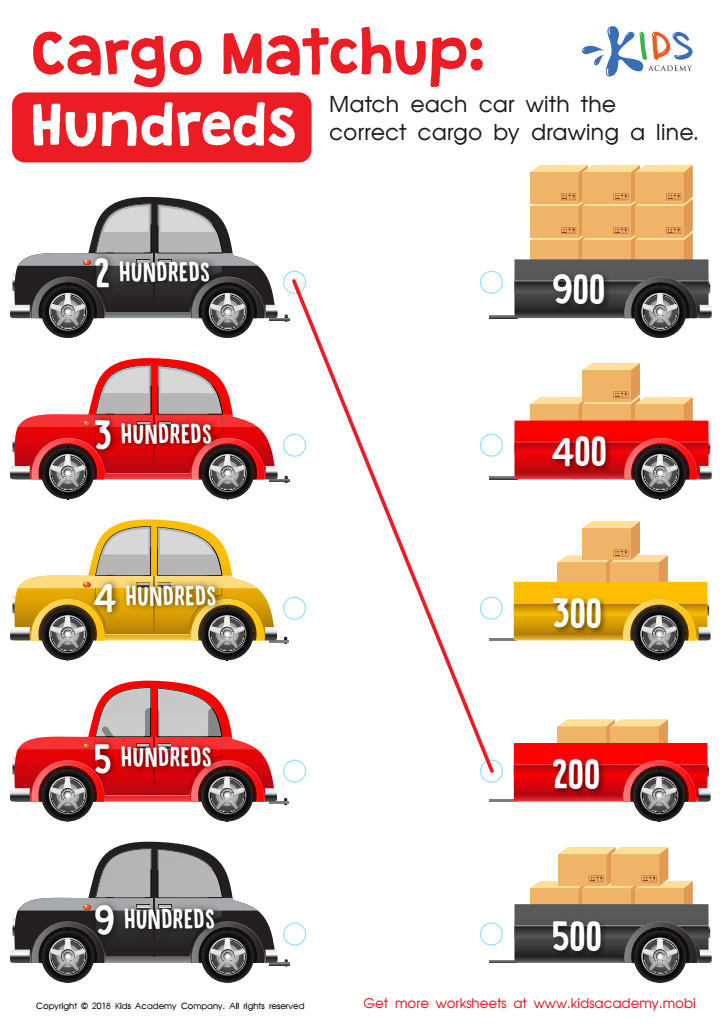
Cargo Matchup: Hundreds Worksheet
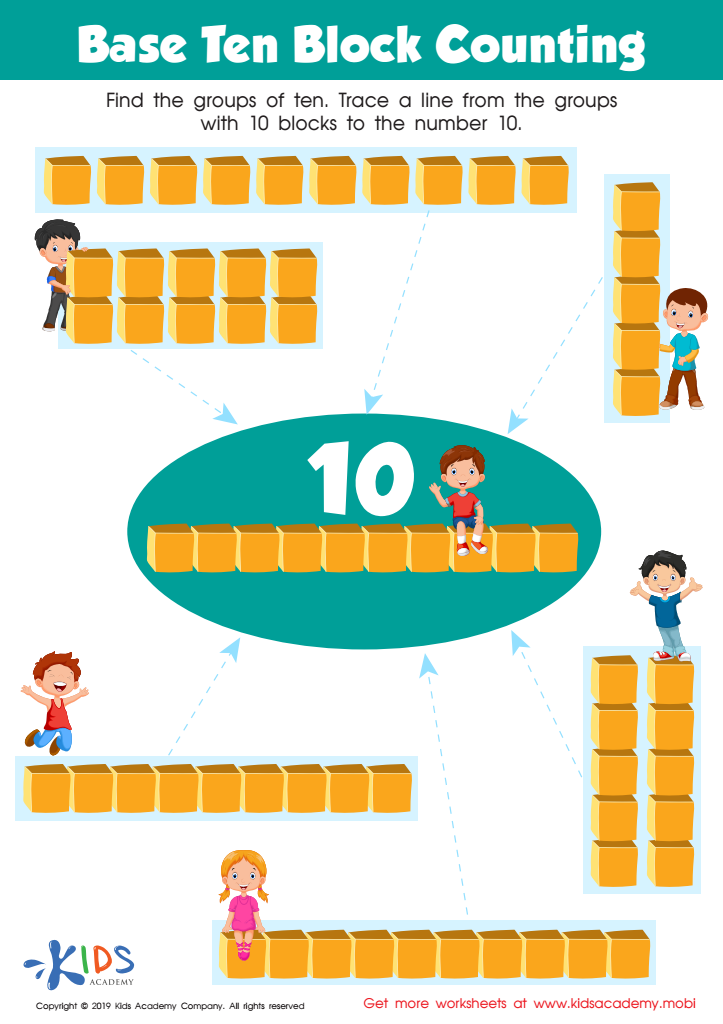
Base Ten Block Counting Worksheet
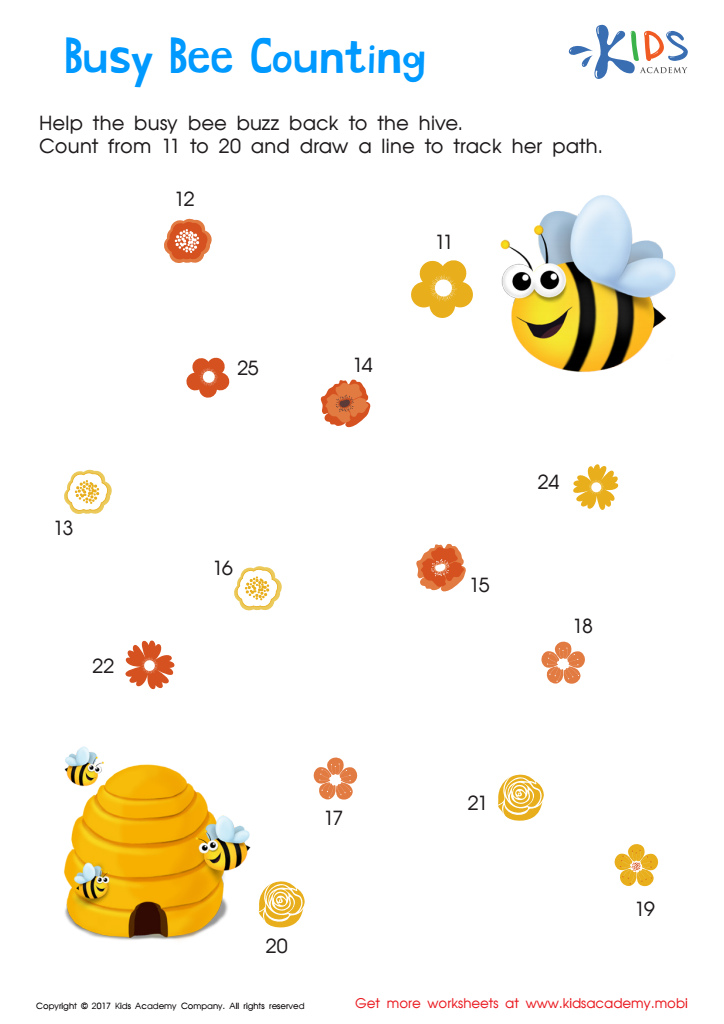
Ordering 11–20: Busy Bee Counting Worksheet
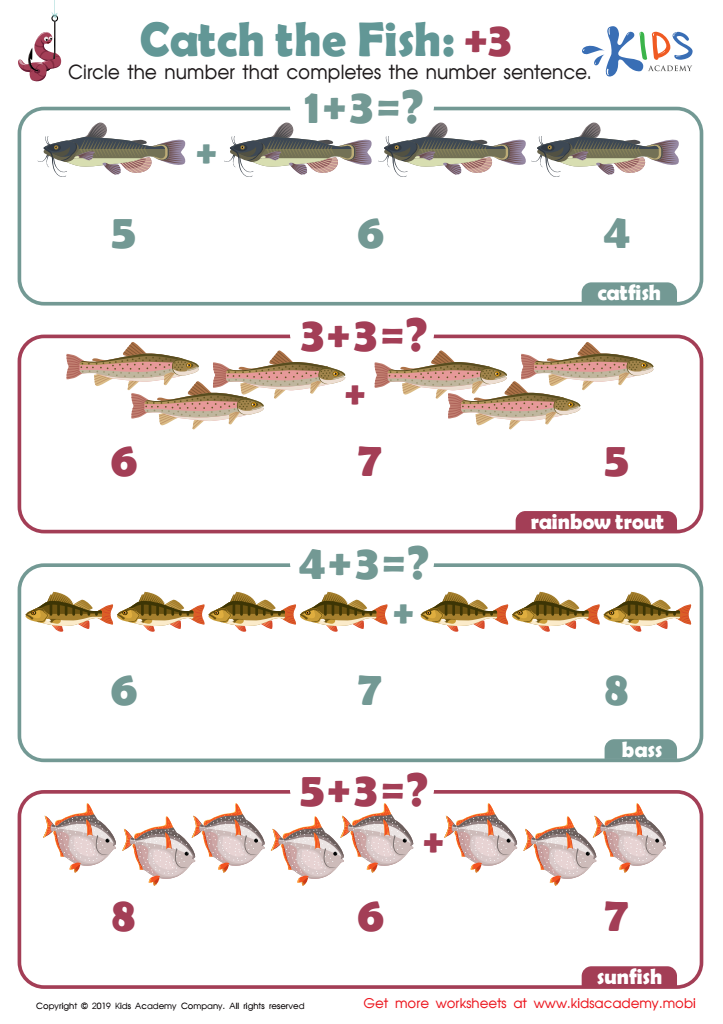
Catch the Fish: +3 Worksheet
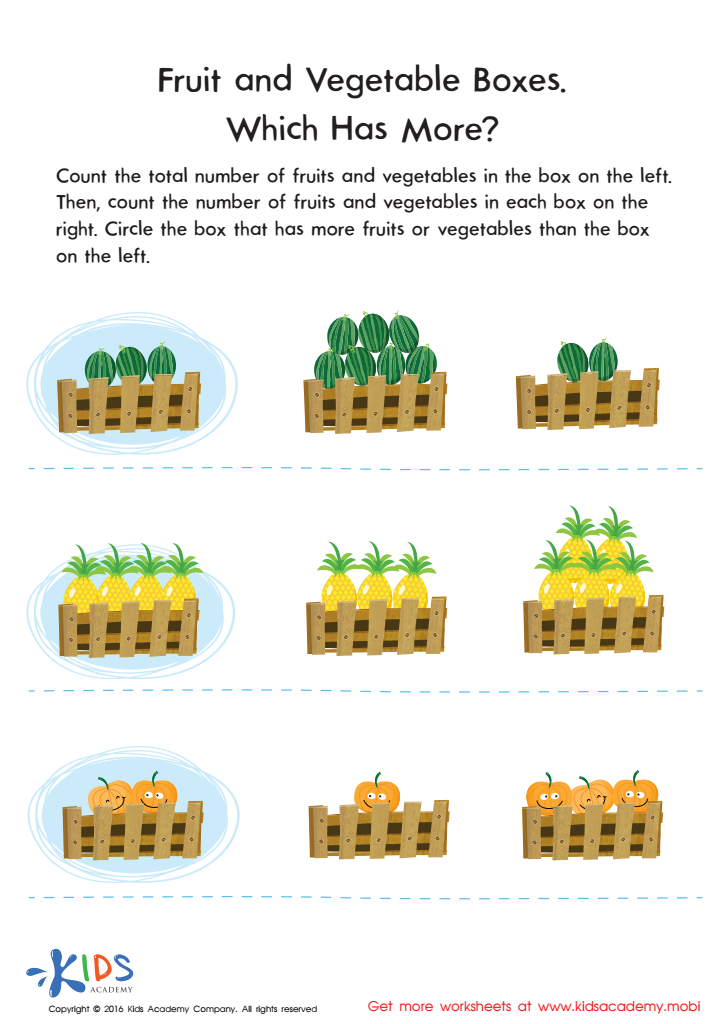
Which Has More? Size Worksheet
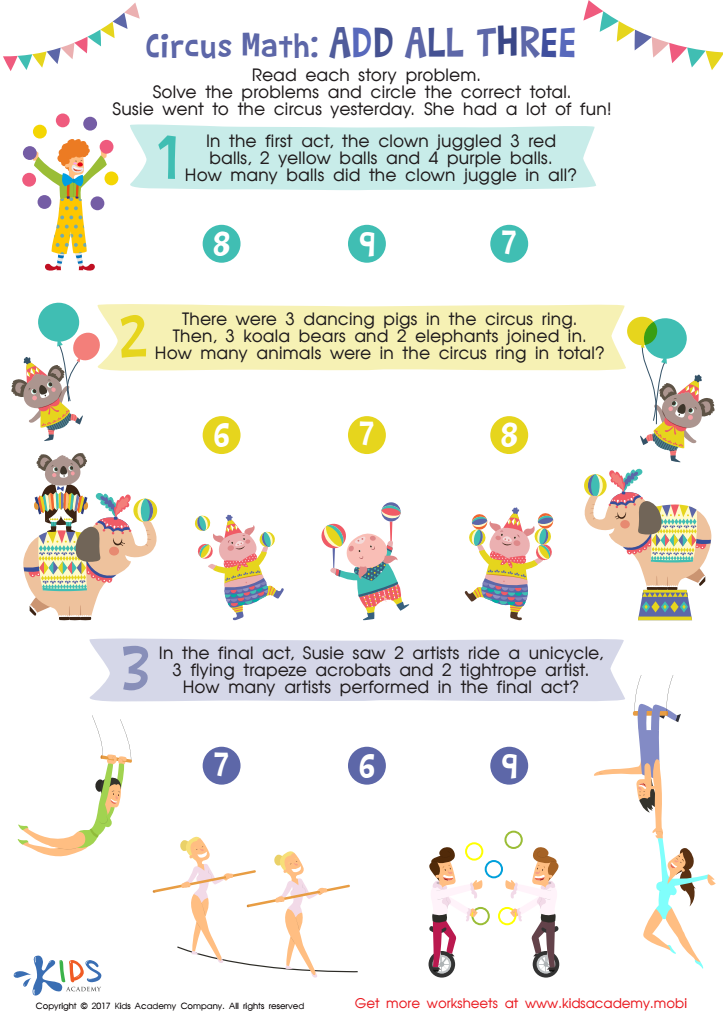
Circus Math Printable








Parents and teachers should care about math education for children ages 3-7 because early mathematical knowledge lays the foundation for future learning and success. At this developmental stage, children are naturally curious and eager to explore their environments, making it an ideal time to introduce mathematical concepts in engaging ways.
Research shows that early exposure to math significantly enhances children's cognitive development, problem-solving skills, and critical thinking abilities. Fundamental skills such as counting, recognizing patterns, and understanding basic shapes are essential, as they not only prepare children for formal math learning in school but also foster logical reasoning and analytical thinking.
Additionally, math proficiency is often linked to academic achievement later in life, contributing to higher school performance and better job prospects. By integrating math into everyday activities—like cooking, shopping, or playing games—parents and teachers can help children develop a positive attitude towards mathematics, reducing anxiety and reluctance that may arise as they progress in their education.
Ultimately, nurturing math skills in early childhood cultivates a love for learning, empowers children with essential life skills, and encourages a lifelong appreciation for the beauty and utility of mathematics.








