Comparing Numbers Worksheets for Ages 3-7 - Page 2
40 filtered results
-
From - To
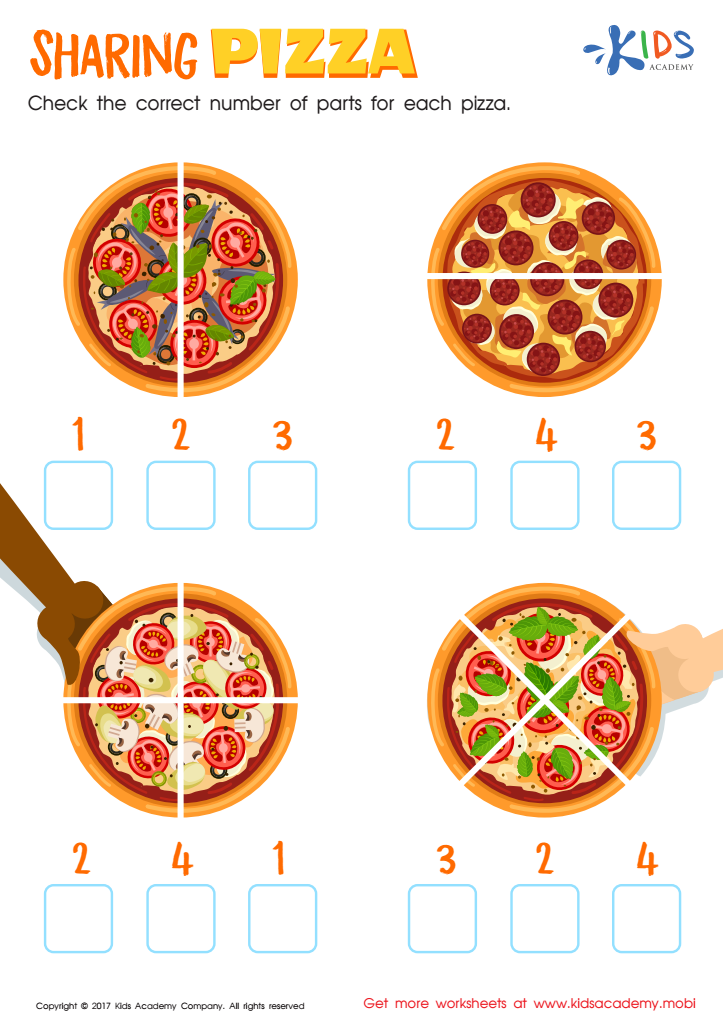
Sharing Pizza Worksheet
 Assign to My Students
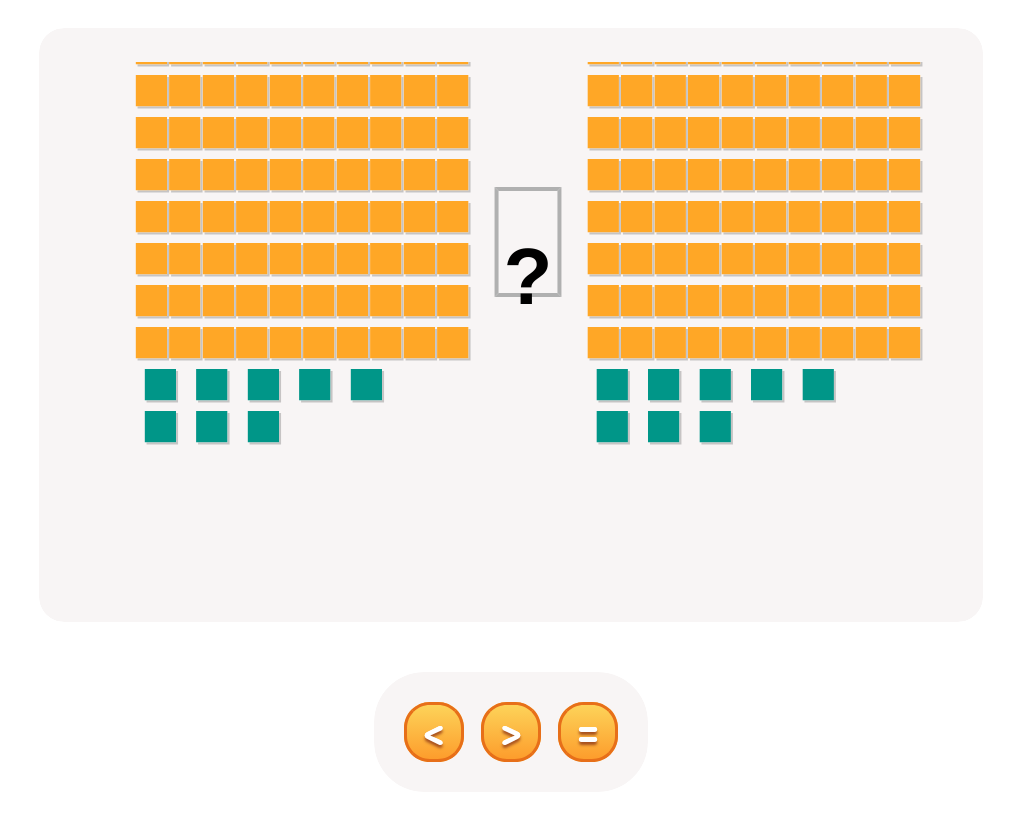

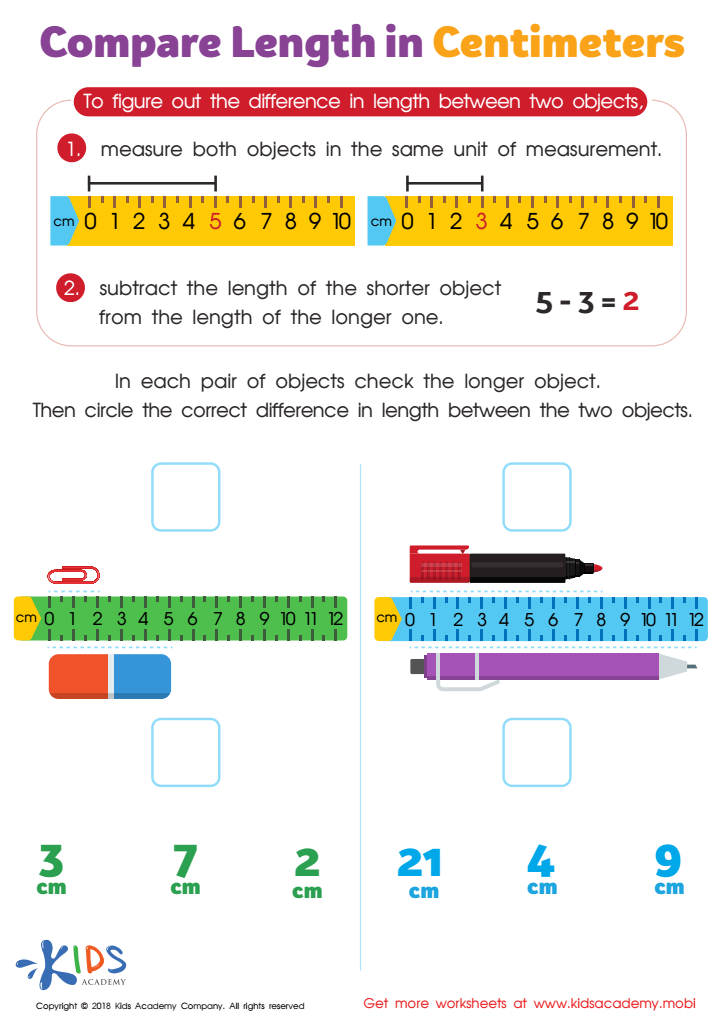
Compare Length in Centimeters Worksheet
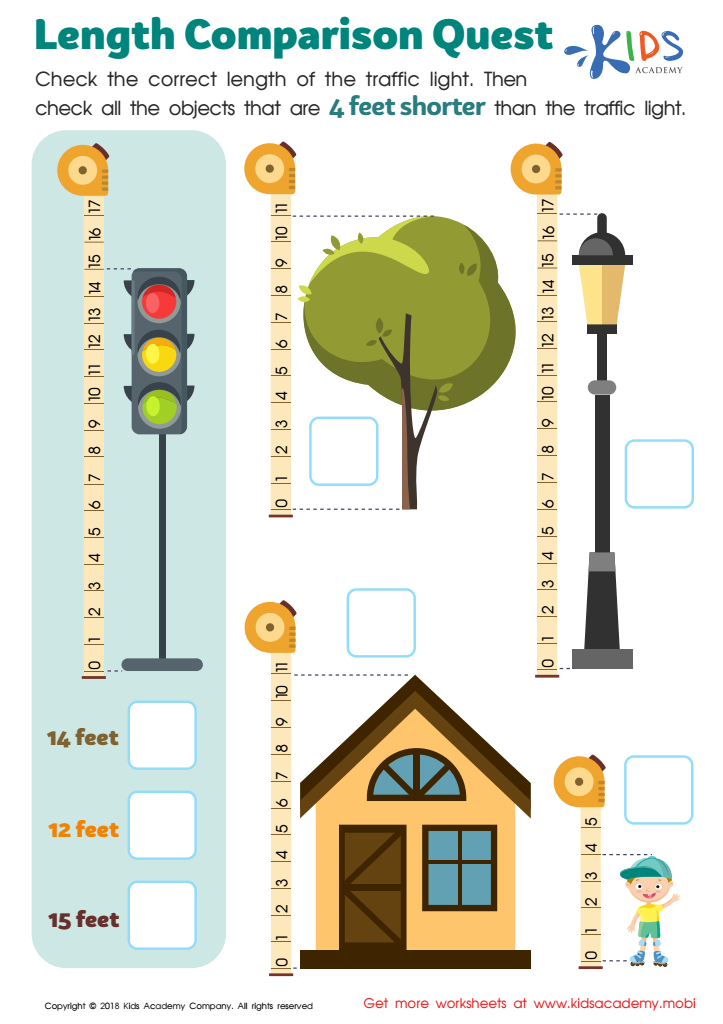
Length Comparison Quest Worksheet
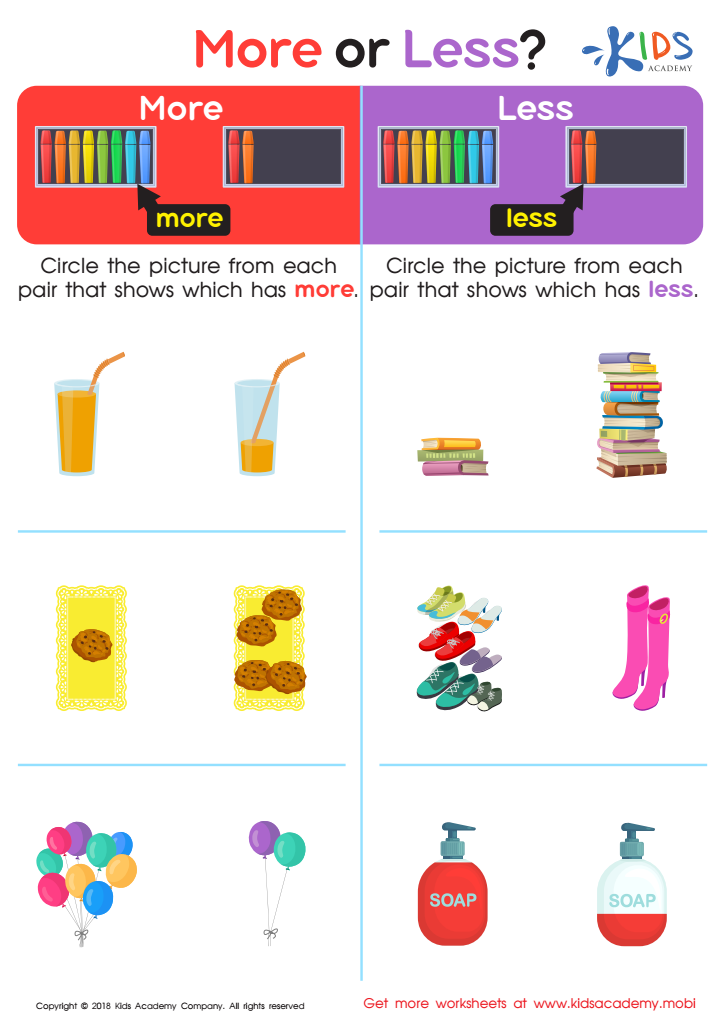
More or Less? Worksheet
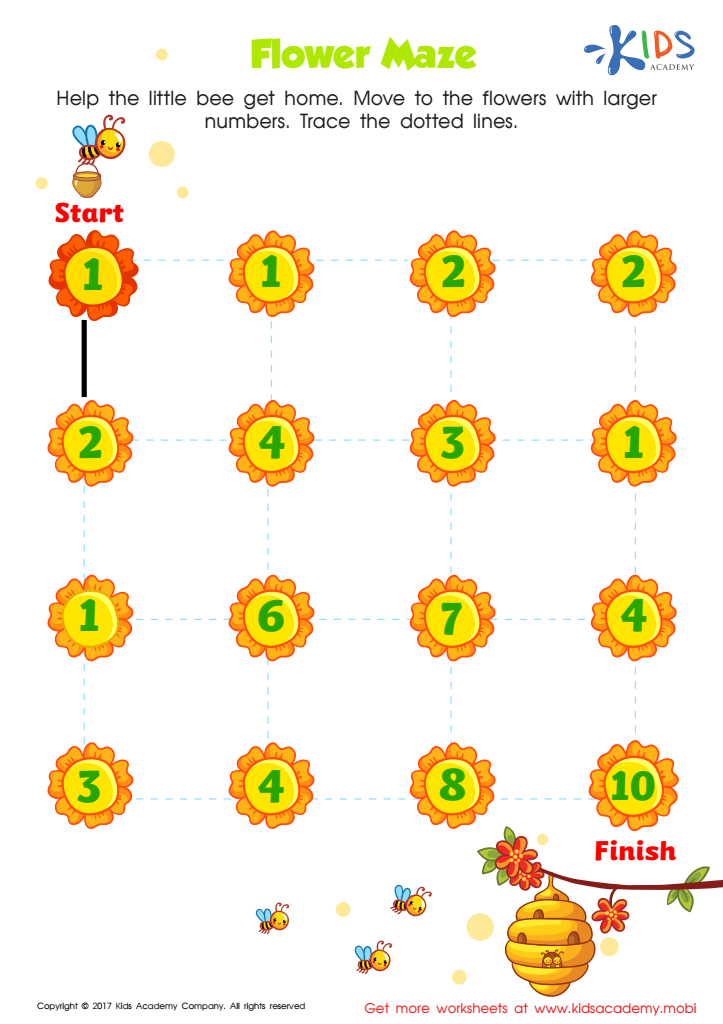
Number Maze For Kindergarten Printable
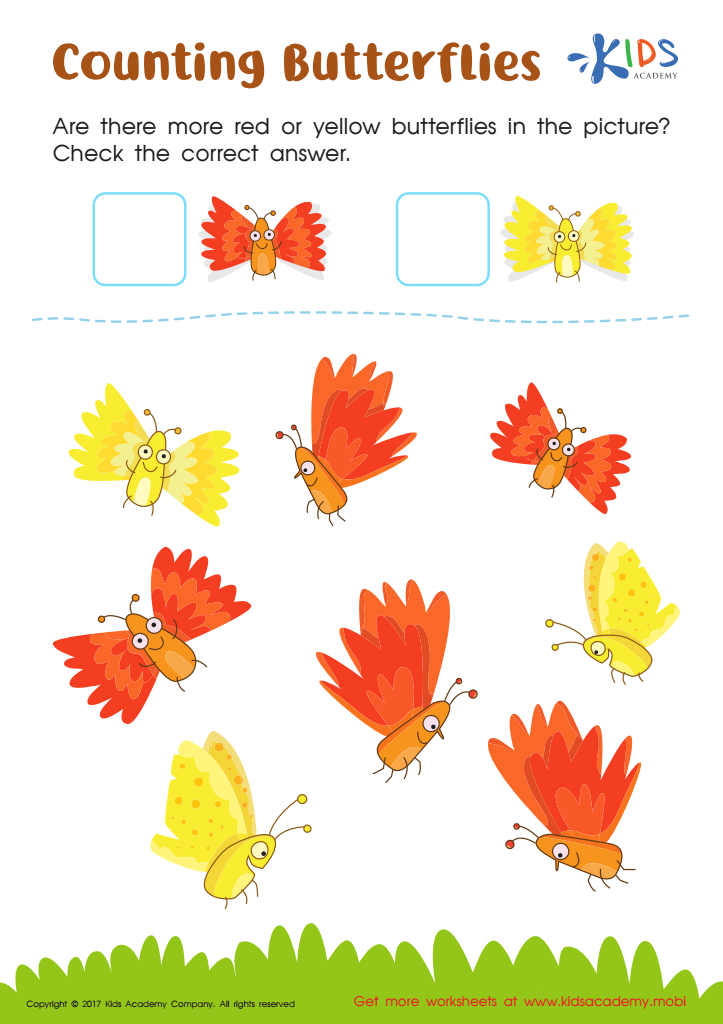
Counting Butterflies Worksheet
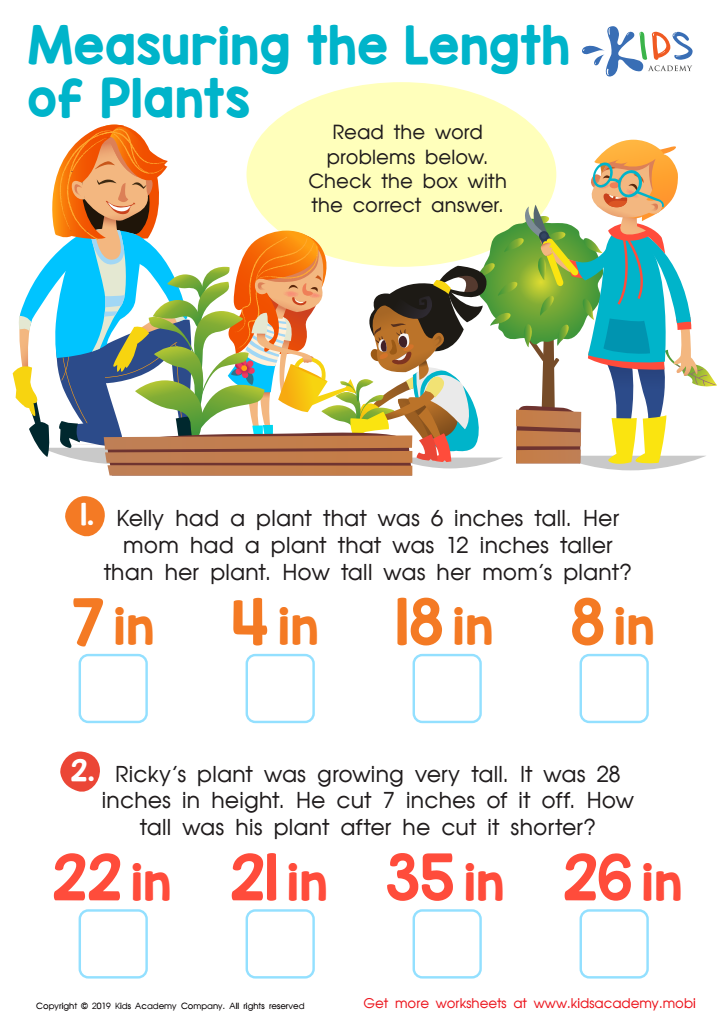
Measuring the Length of Plants Worksheet
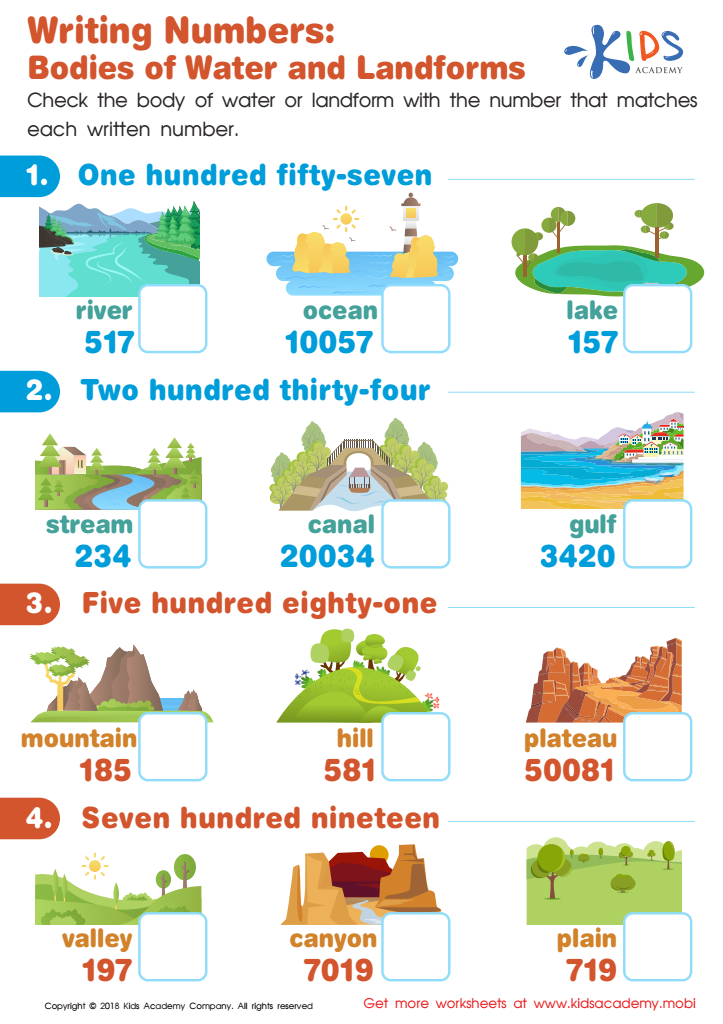
Bodies of Water and Landforms Writing Numbers Worksheet
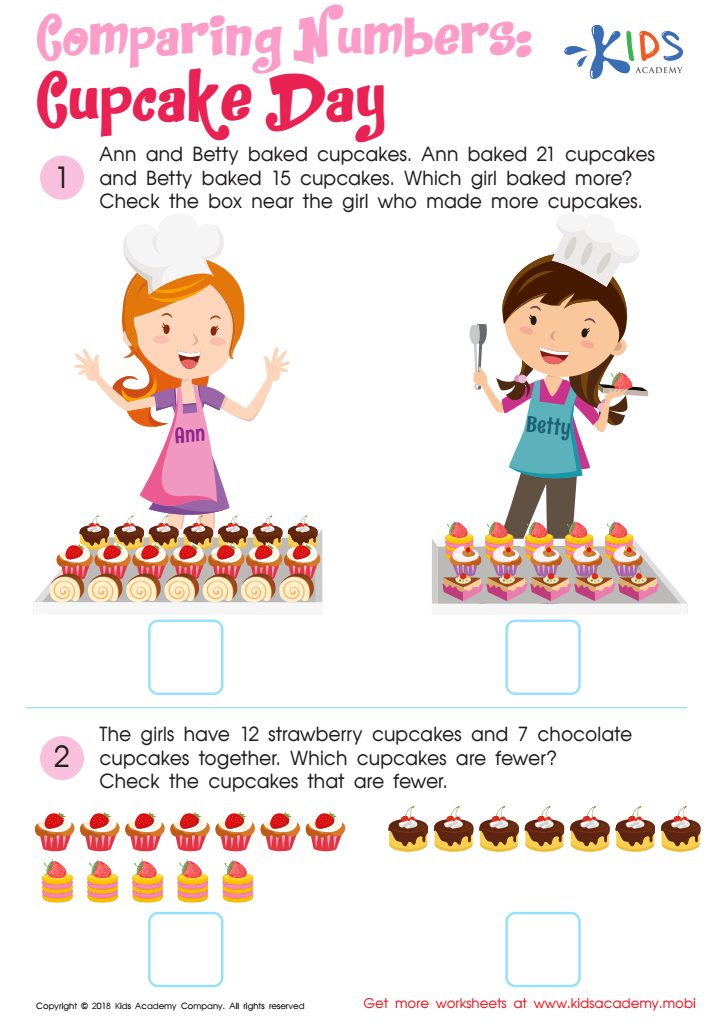
Cupcake Day Worksheet
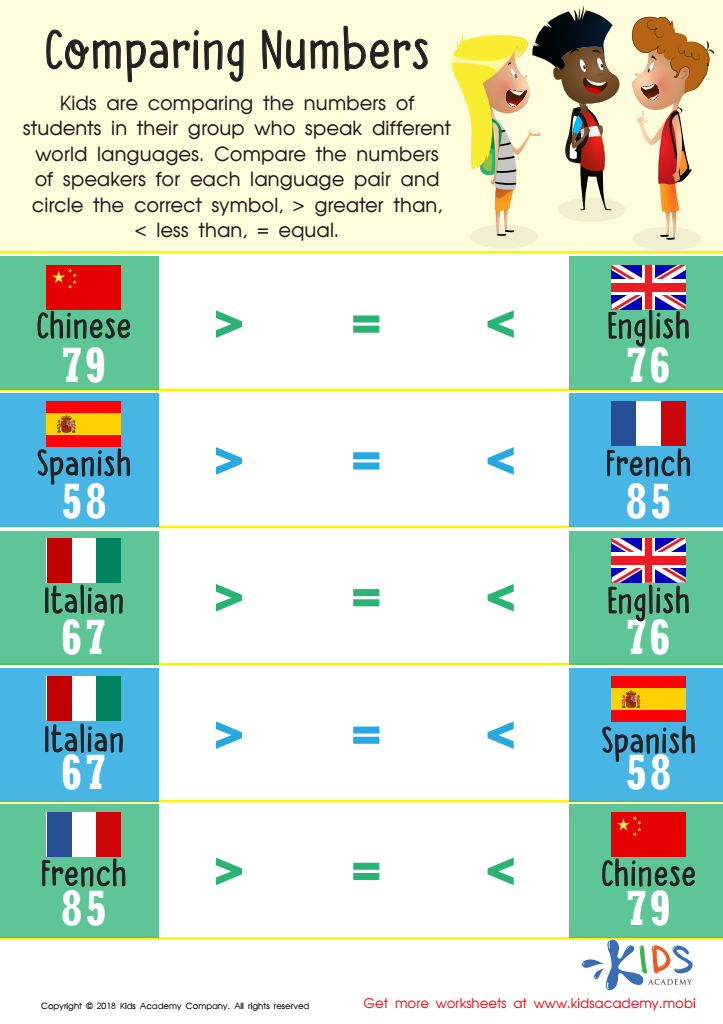
Comparing Numbers Worksheet for 1st Grade
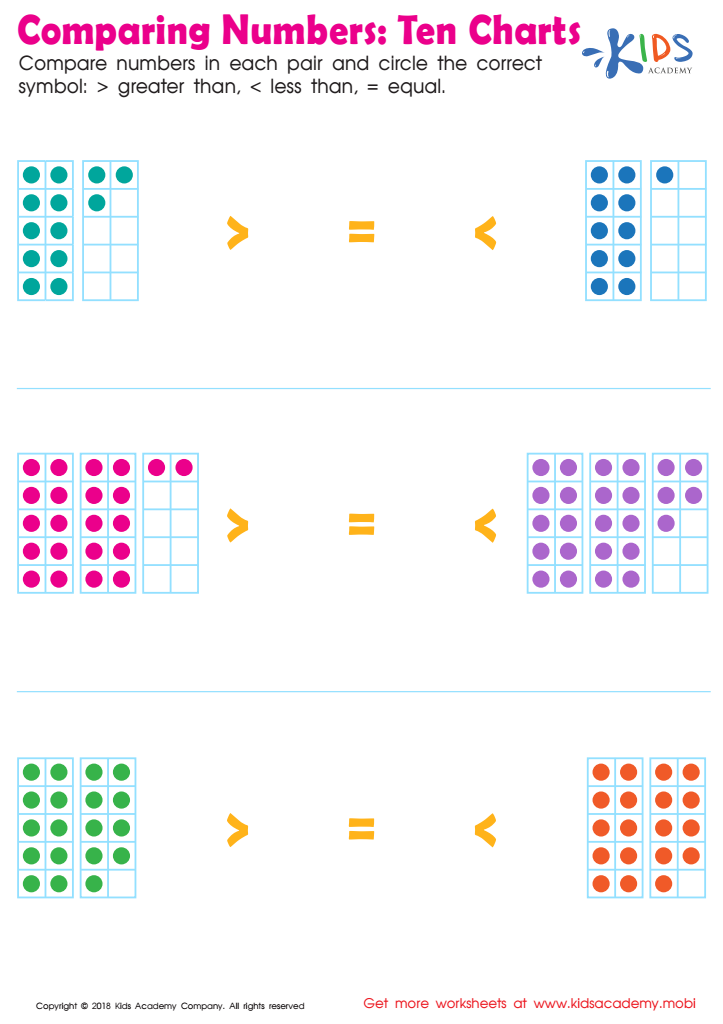
Ten Charts Worksheet
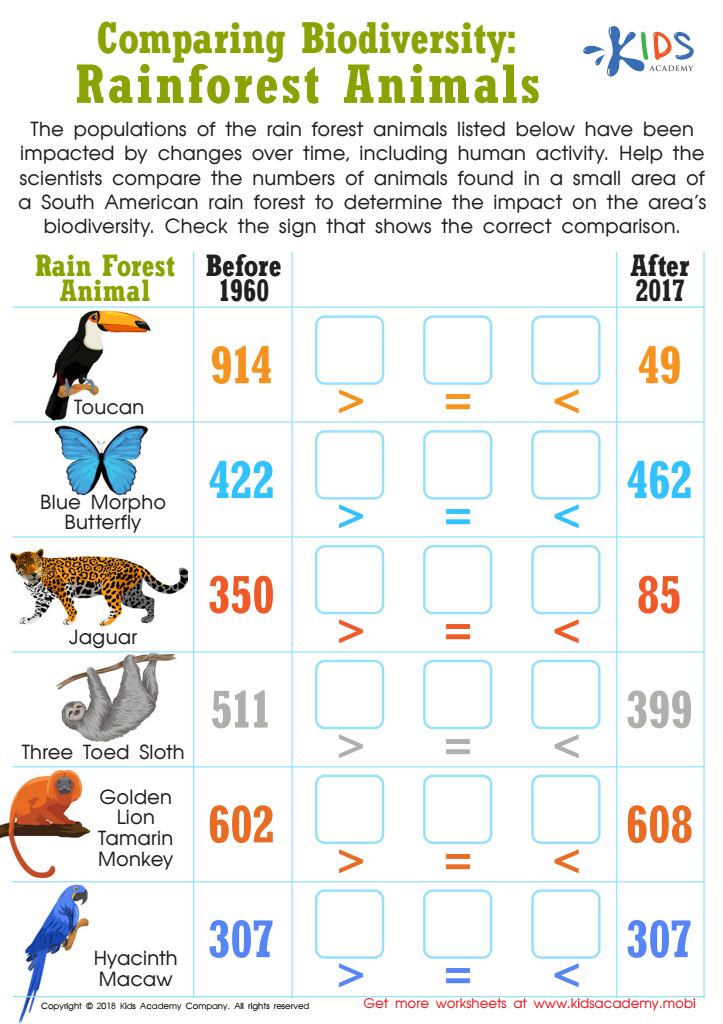
Comparing Biodiversity: Rainforest Animals Worksheet
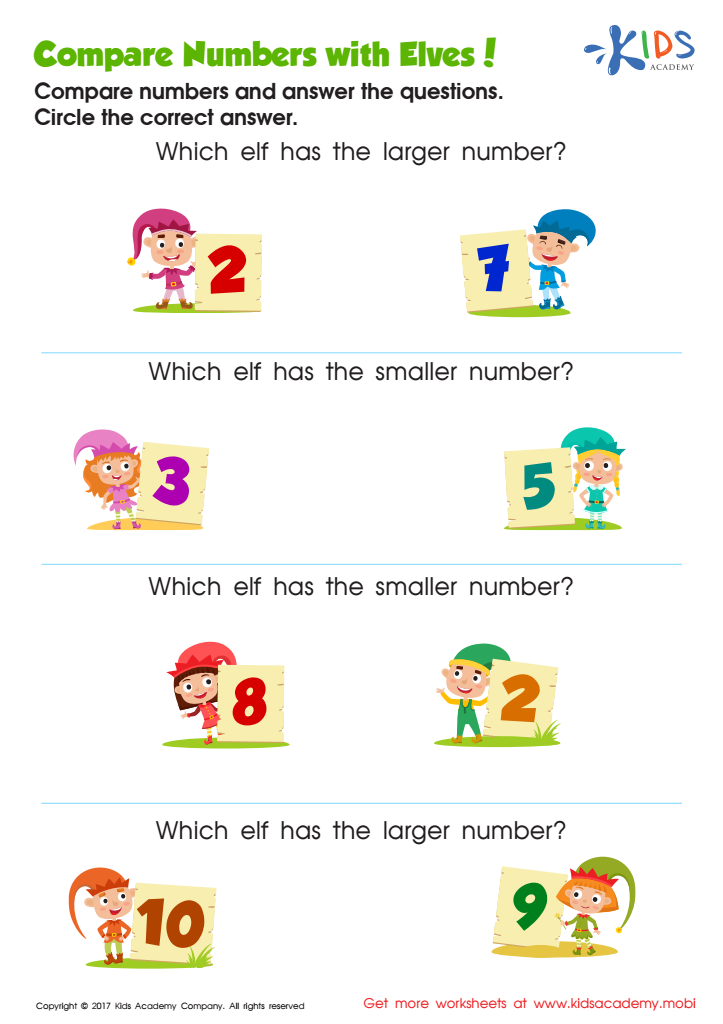
Comparing Numbers Worksheet for Kindergarten
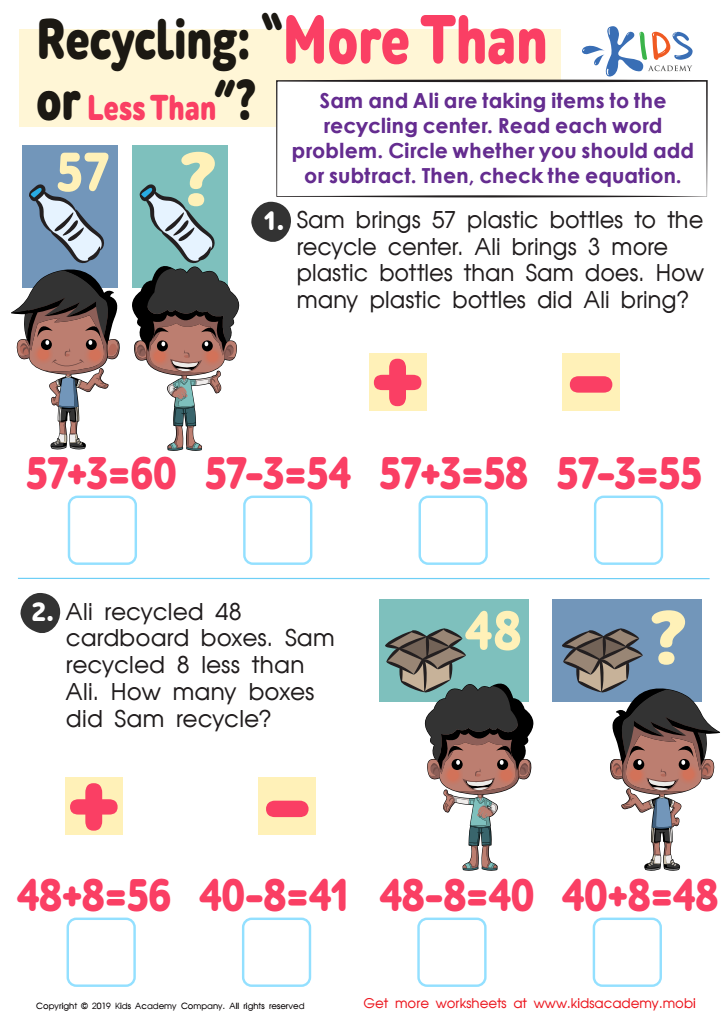
Recycling - More or Less Worksheet
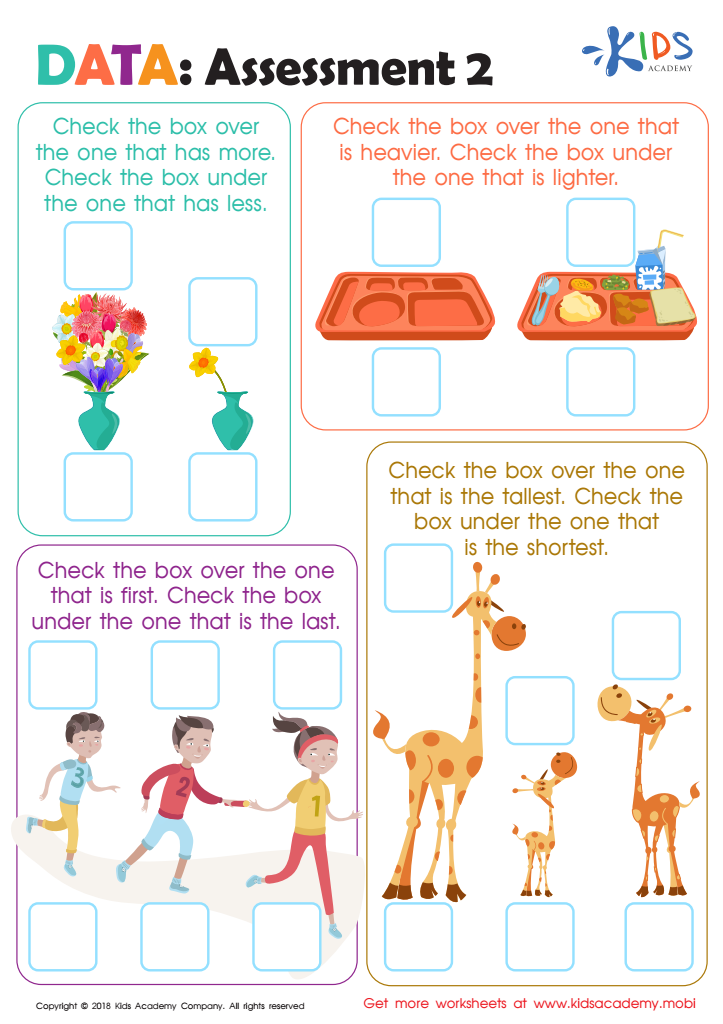
Data: Assessment 2 Worksheet
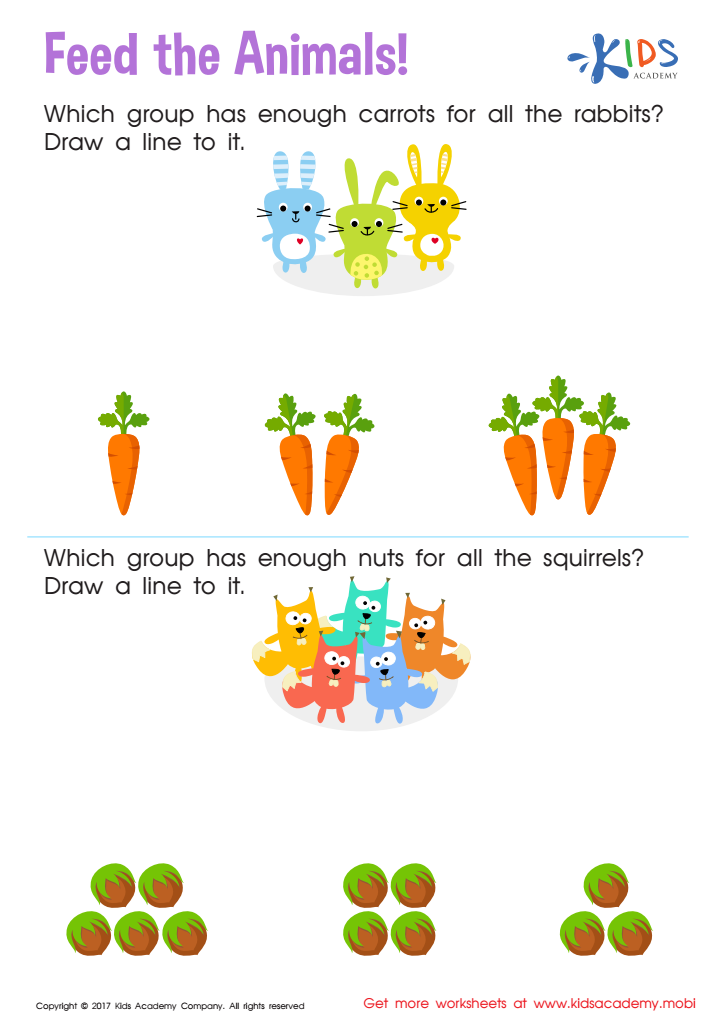
Count and Match: Feed the Animals Worksheet








Comparing numbers is a foundational skill that plays a crucial role in early mathematics education for children aged 3-7. Parents and teachers should care about this concept because it fosters critical thinking and cognitive development. When children learn to compare numbers, they begin to understand the fundamental principles of quantity, size, and order.
At this age, children are naturally curious, and comparing numbers can be an engaging way to promote their understanding of mathematics. It supports their ability to count, recognize patterns, and develop number sense, which is essential for future math skills. Through activities like counting objects and identifying which group has more or less, children also enhance their problem-solving abilities.
Furthermore, comparing numbers helps build confidence and foundational skills necessary for more advanced math concepts later. By mastering these early comparisons, children are better prepared for addition and subtraction as they grow. Moreover, fostering an interest in math at this early stage encourages a positive attitude towards learning. By incorporating playful and meaningful comparisons in everyday activities, parents and teachers can create a supportive learning environment that nurtures young learners and lays the groundwork for lifelong mathematical skills.