Reading Worksheets for Ages 3-7 - Page 18
411 filtered results
-
From - To
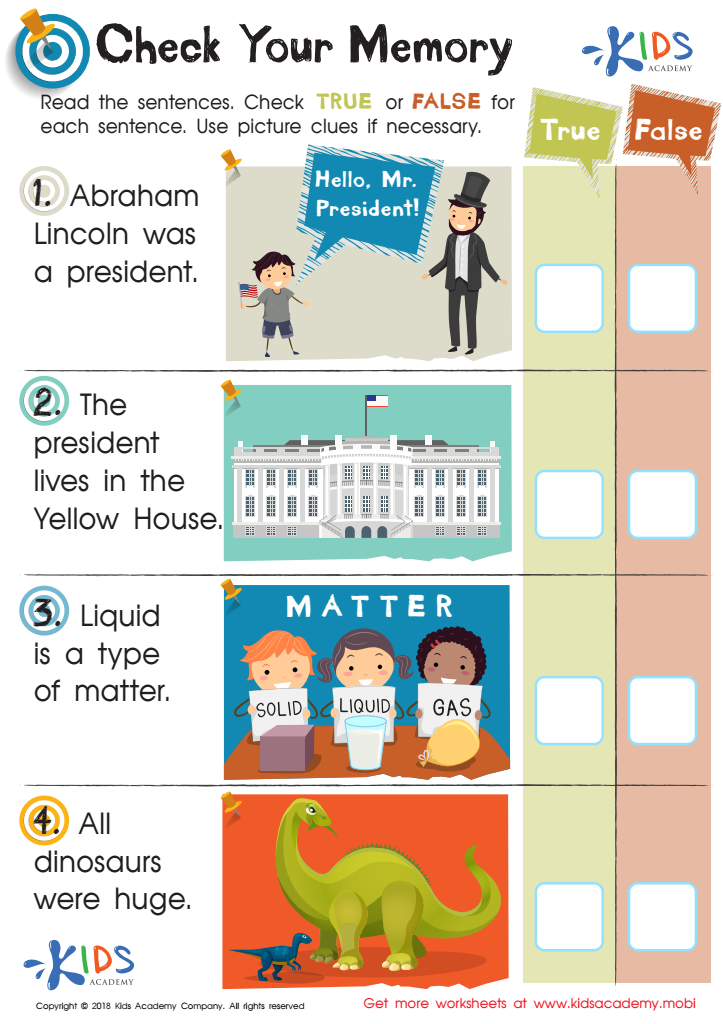
Check Memory Worksheet
 Assign to My Students
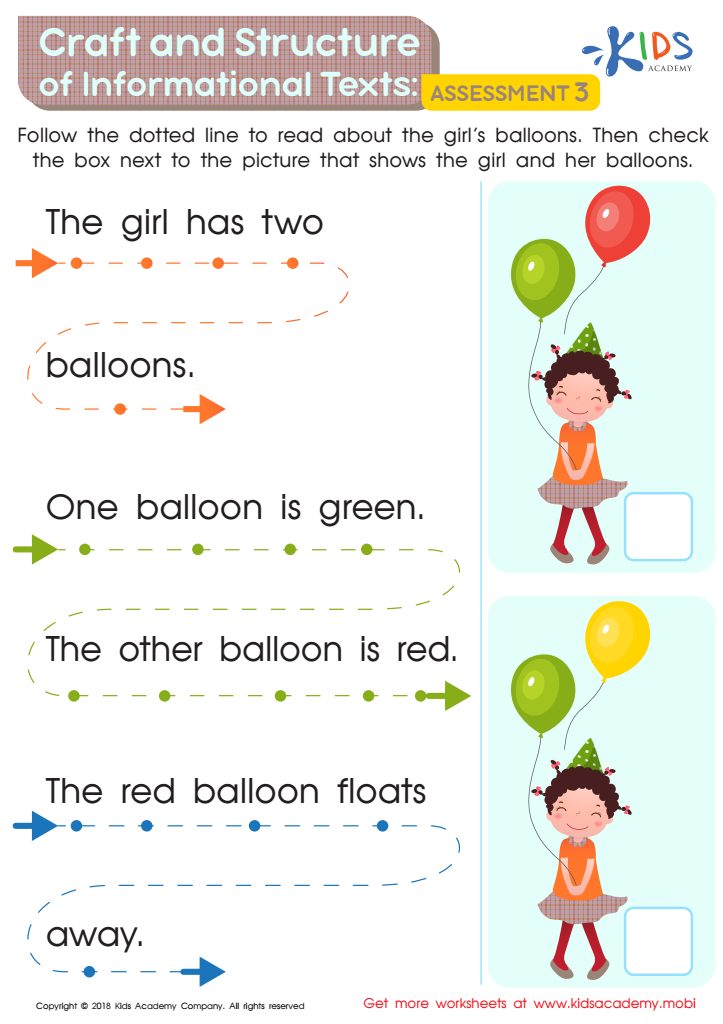
Craft and Structure of Informational Texts: Assessment 3 Worksheet
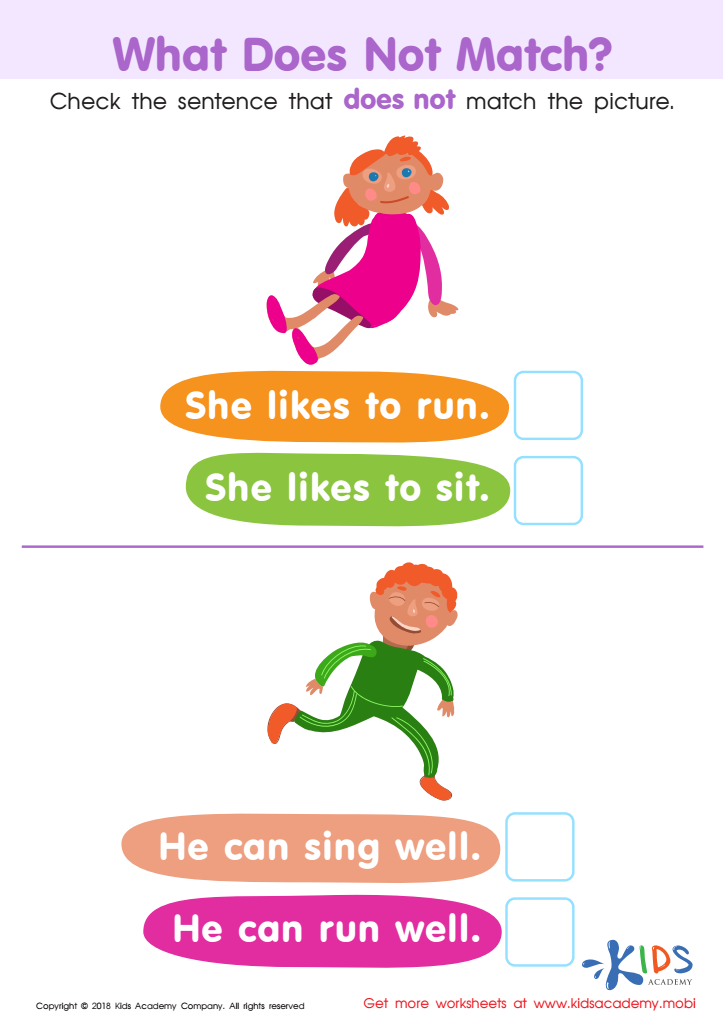
What Does Not Match? Worksheet





.jpg)


Reading for children ages 3-7 is crucial for numerous reasons, impacting their overall development and future success. Firstly, reading at an early age accelerates language acquisition. It exposes children to a varied vocabulary they might not encounter in daily conversations, facilitating better language skills and communication. Secondly, early reading fosters cognitive development. Through stories, children learn to understand concepts, follow plots, and think critically. This enhances their comprehension skills and lays the foundation for future academic success.
Furthermore, reading nurtures emotional intelligence. Children empathize with characters, understand diversity, and learn problem-solving skills. These stories can also help them deal with real-life situations, offering comfort and insights. Socially, shared reading time strengthens bonds between parents and children, or teachers and students. It's a warm, interactive way to connect, making children feel valued and secure.
Additionally, fostering a love for reading early on encourages a lifelong habit. Engaging stories captivate young minds, making them see reading as an enjoyable activity, not a chore. Finally, early exposure to books can help identify any learning difficulties or developmental delays, allowing for timely intervention. Altogether, reading is a holistic developmental tool, proving indispensable for young children's growth.








