Space Worksheets for Ages 3-7 - Page 2
32 filtered results
-
From - To
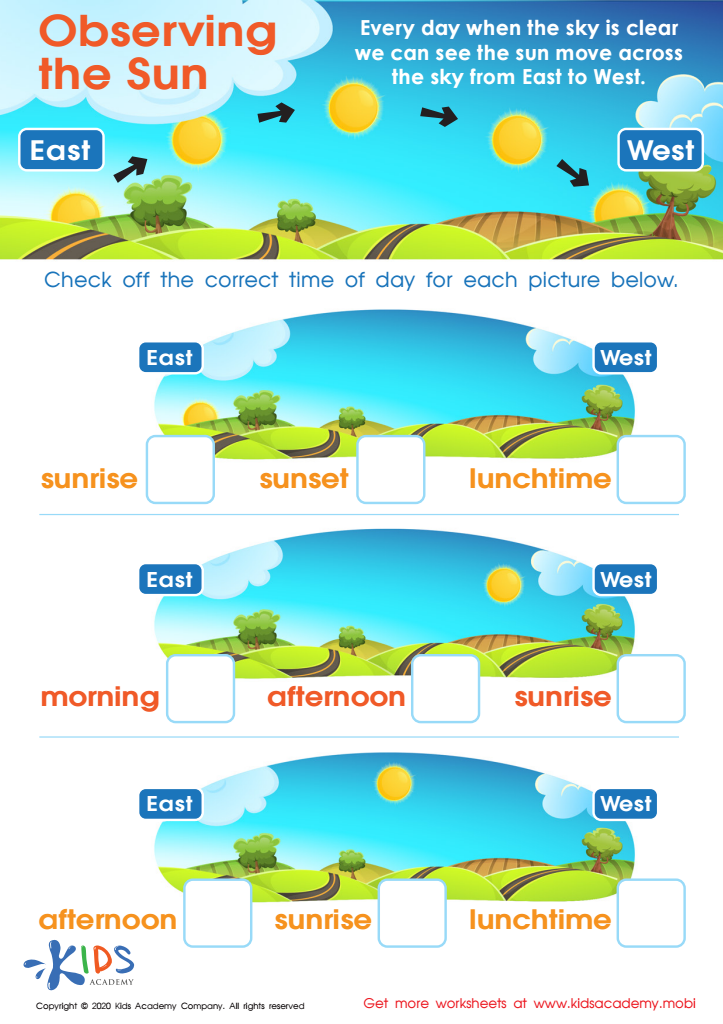
Observing the Sun Worksheet
 Assign to My Students
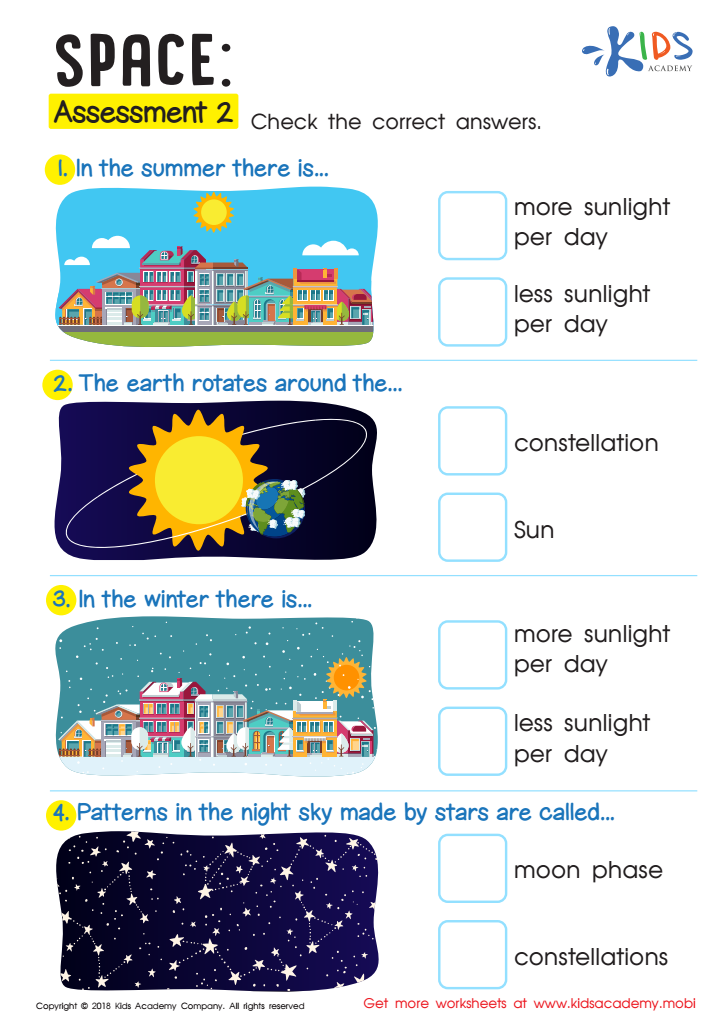
Space: Assessment 2 Worksheet
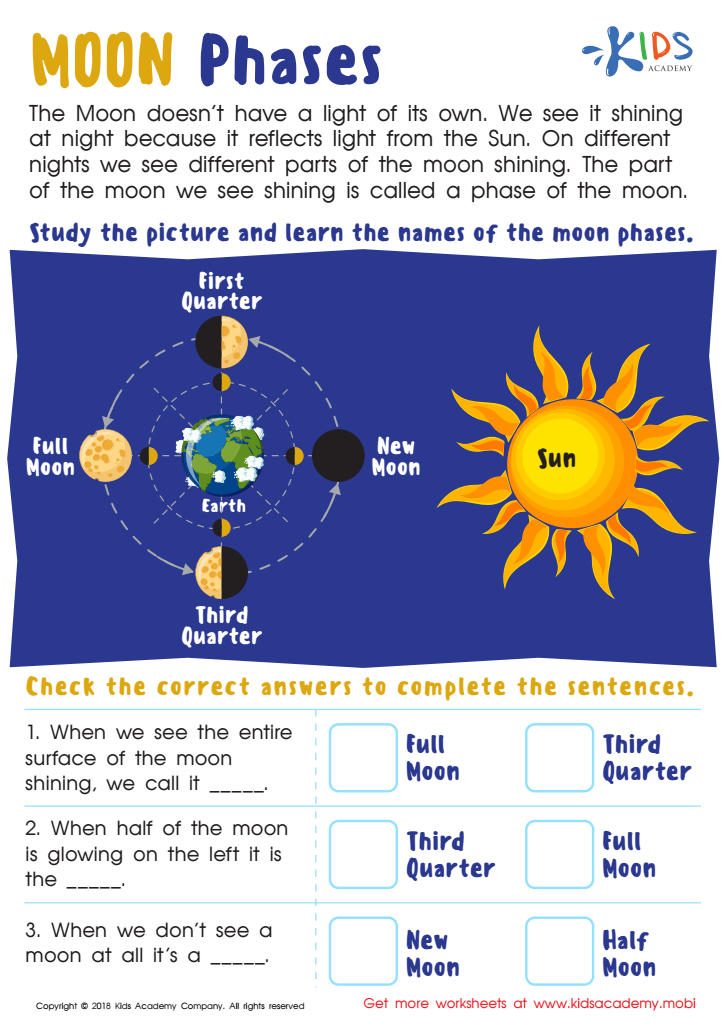
Moon Phases Worksheet
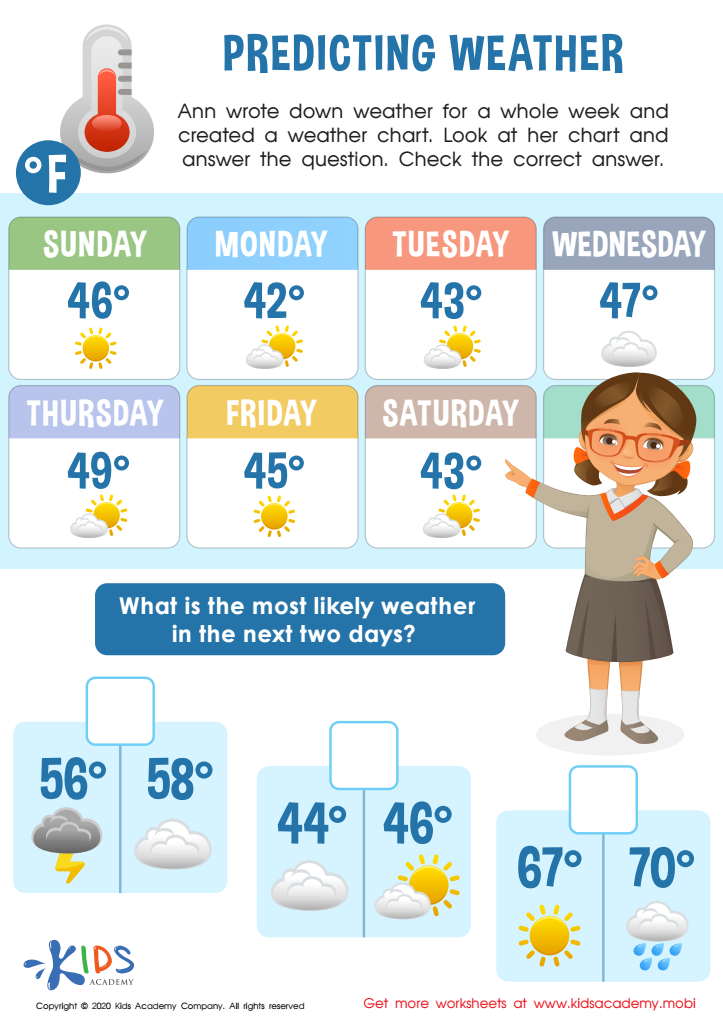
Predicting Weather Worksheet
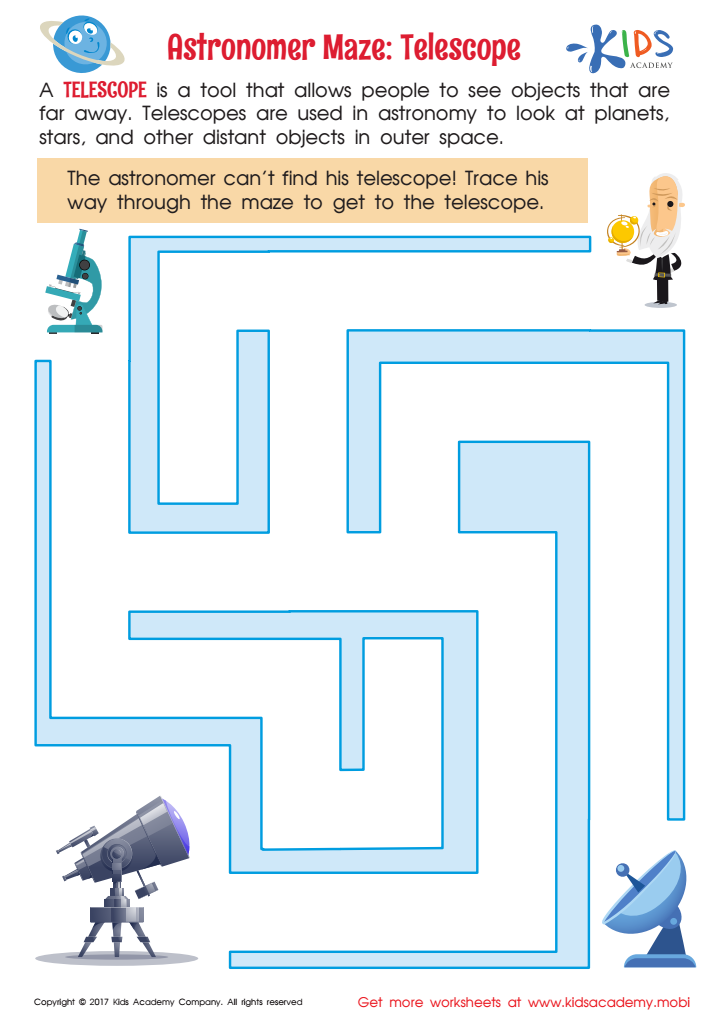
Astronomer Maze: Telescope Worksheet
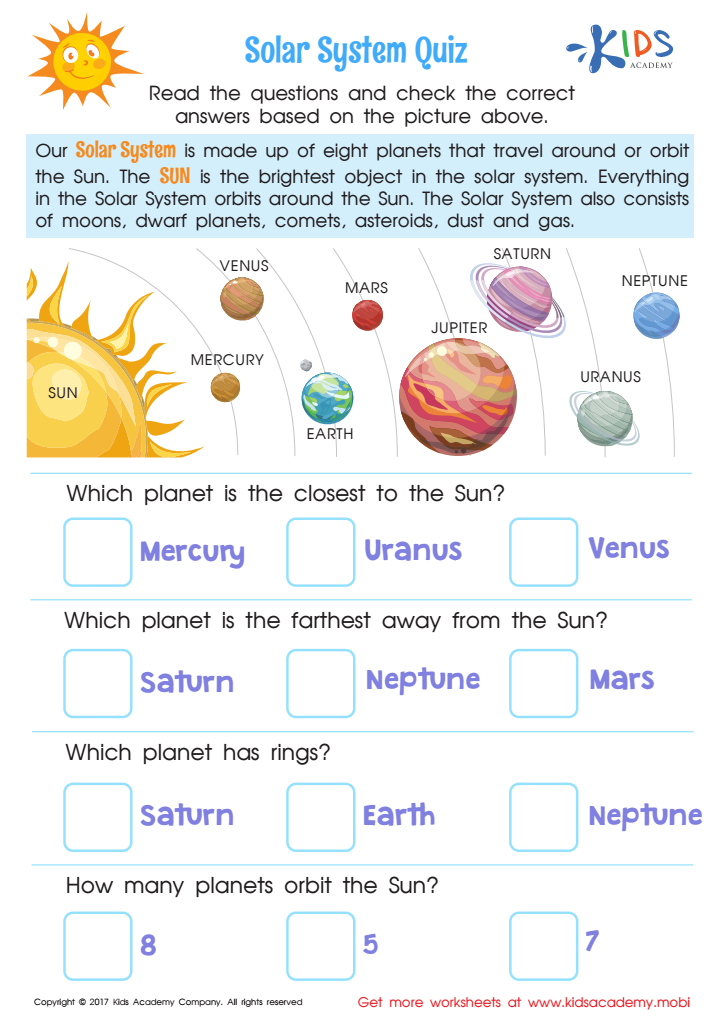
Solar System Quiz Printable
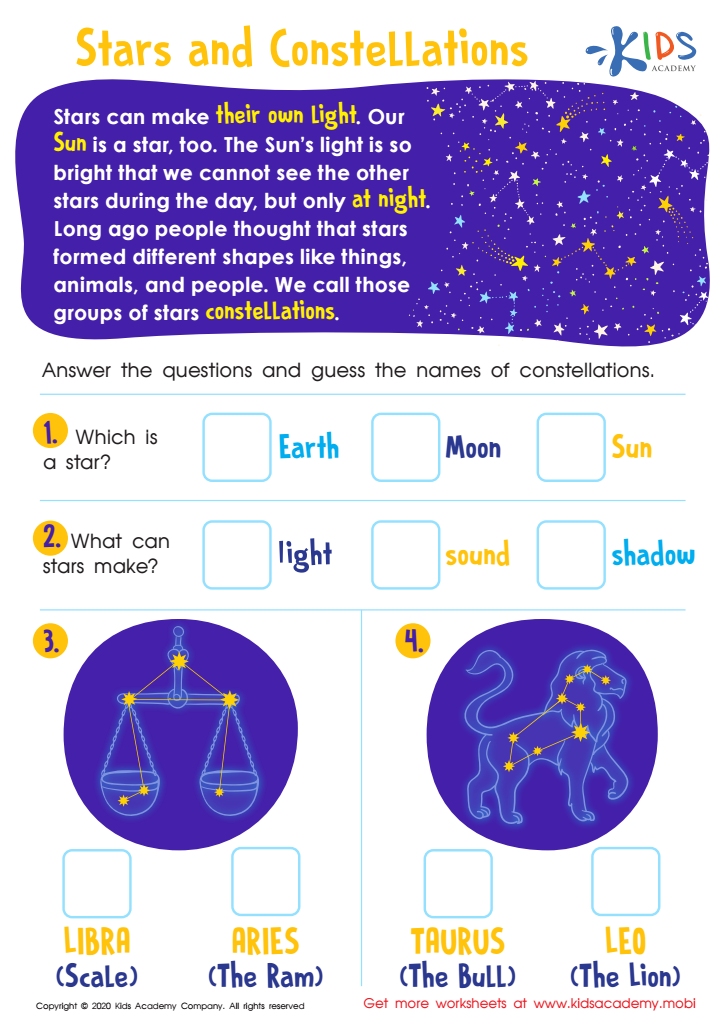
Stars and Constellations Worksheet
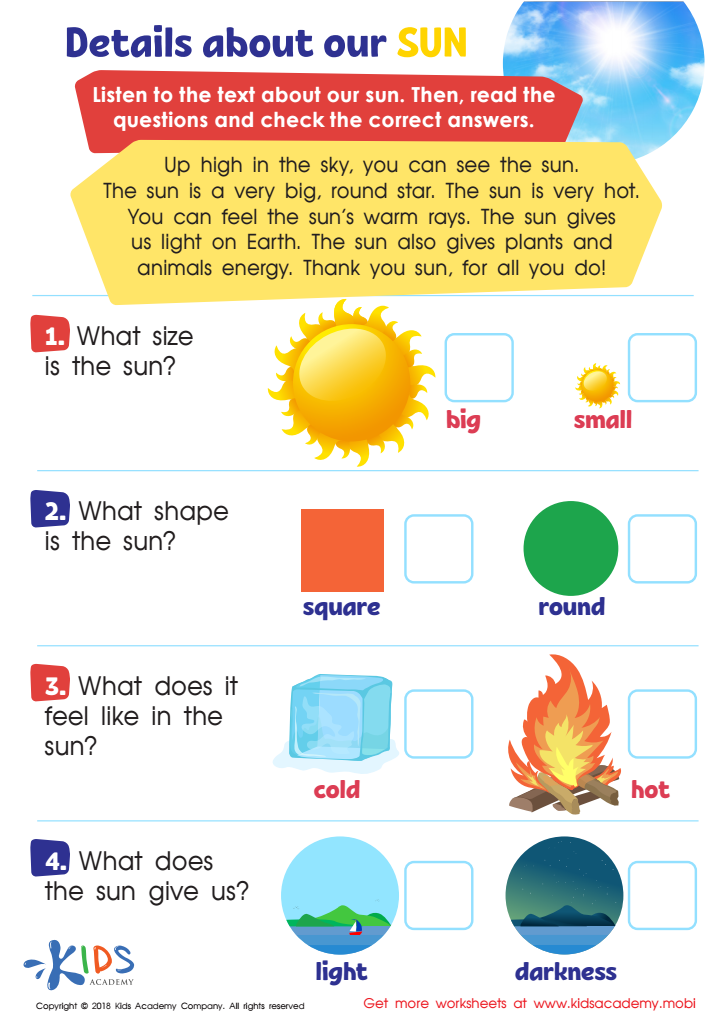
Details About Our Sun Worksheet



%20(1).jpg)
Parents and teachers should foster interest in space for children aged 3-7 because of its vast educational benefits. Exploring space topics can ignite curiosity, which is crucial for cognitive development at this formative age. When children learn about planets, stars, and astronauts, they're not just gaining knowledge about the universe, but also developing critical thinking skills by asking questions and seeking answers.
Understanding space helps children grasp fundamental scientific concepts, such as gravity and orbit, in a simplified yet engaging manner. Storybooks, colorful posters, and fun activities about space make complex ideas accessible and exciting, encouraging a love of learning. Additionally, incorporating space in early education enhances literacy, math, and imagination. For example, counting stars can improve numeracy skills, while storytelling aids language development.
Moreover, learning about space cultivates a sense of wonder and curiosity about the world beyond our Earth, encouraging children to dream big and consider future possibilities in science and exploration. It can also foster a sense of global citizenship, as they understand that space research requires collaboration across countries.
Overall, introducing space themes at an early age supports holistic development, laying a strong foundation for future education while keeping the natural curiosity and enthusiasm of young learners alive.







