Alphabet Worksheets for Ages 3-9 - Page 6
356 filtered results
-
From - To
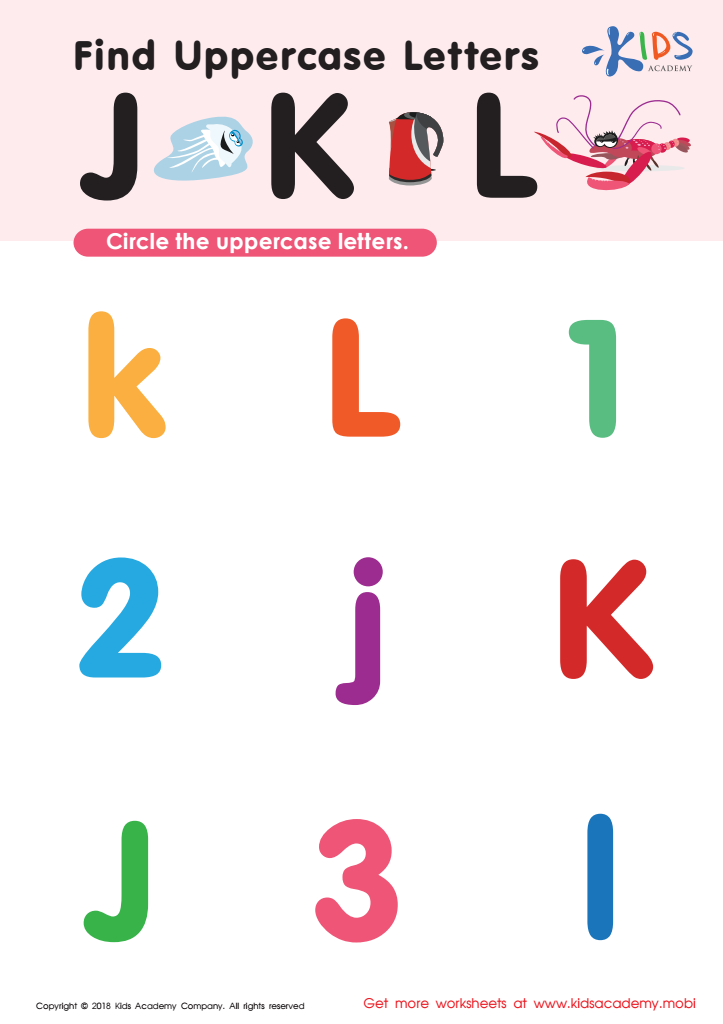
Find Uppercase Letters J, K, and L Worksheet
 Assign to My Students
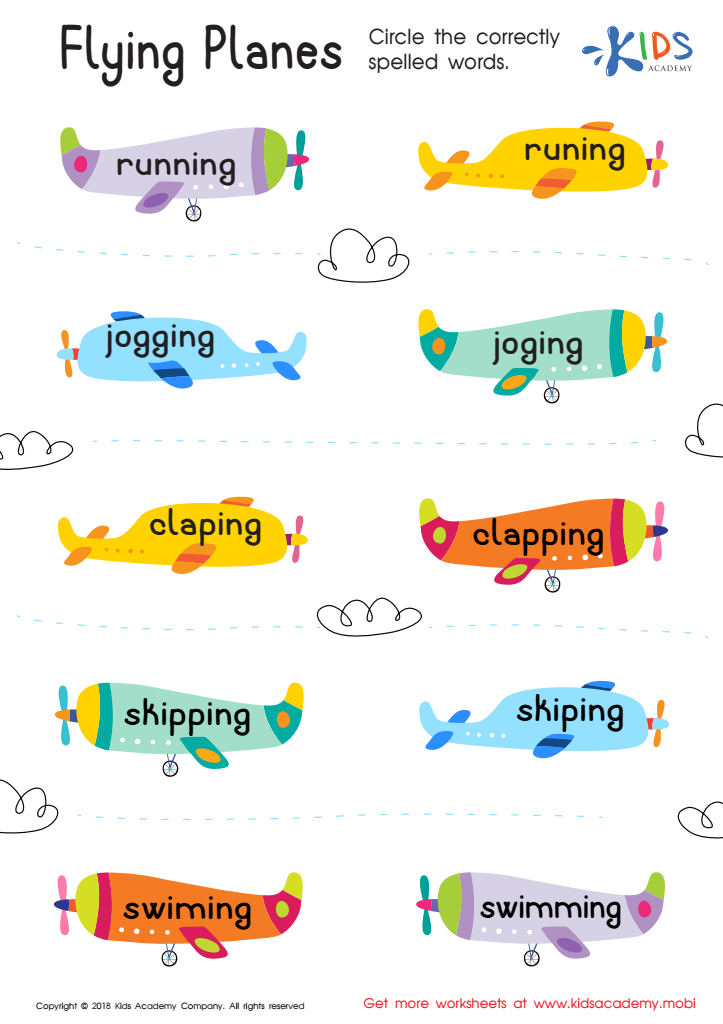
Flying Planes Worksheet
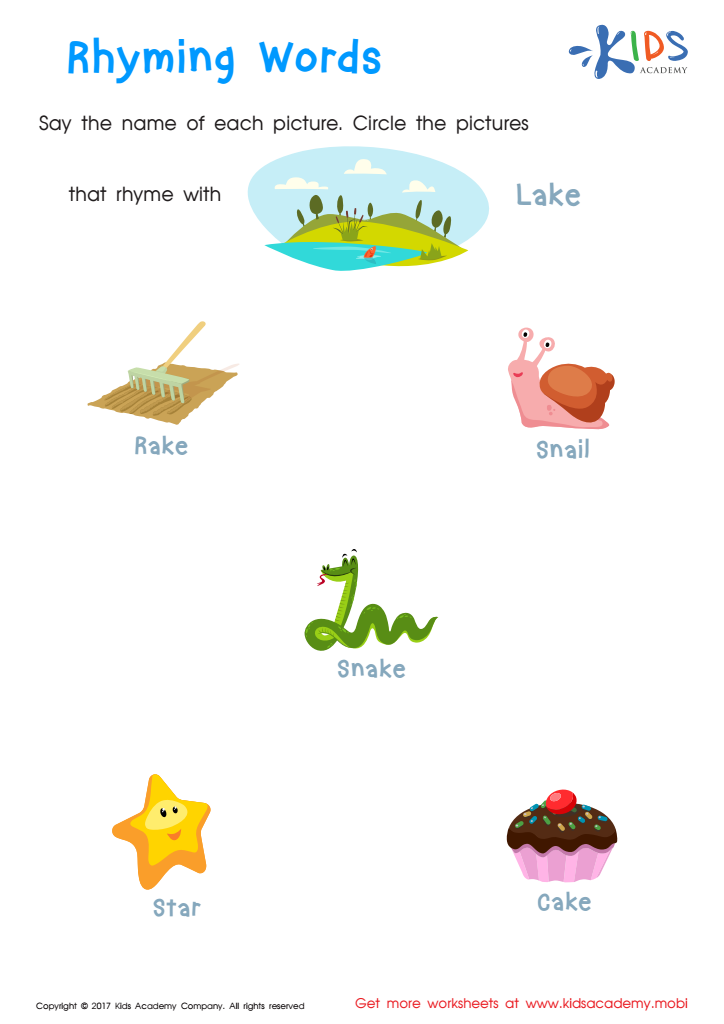
Rhyming Words Rhyming Worksheet
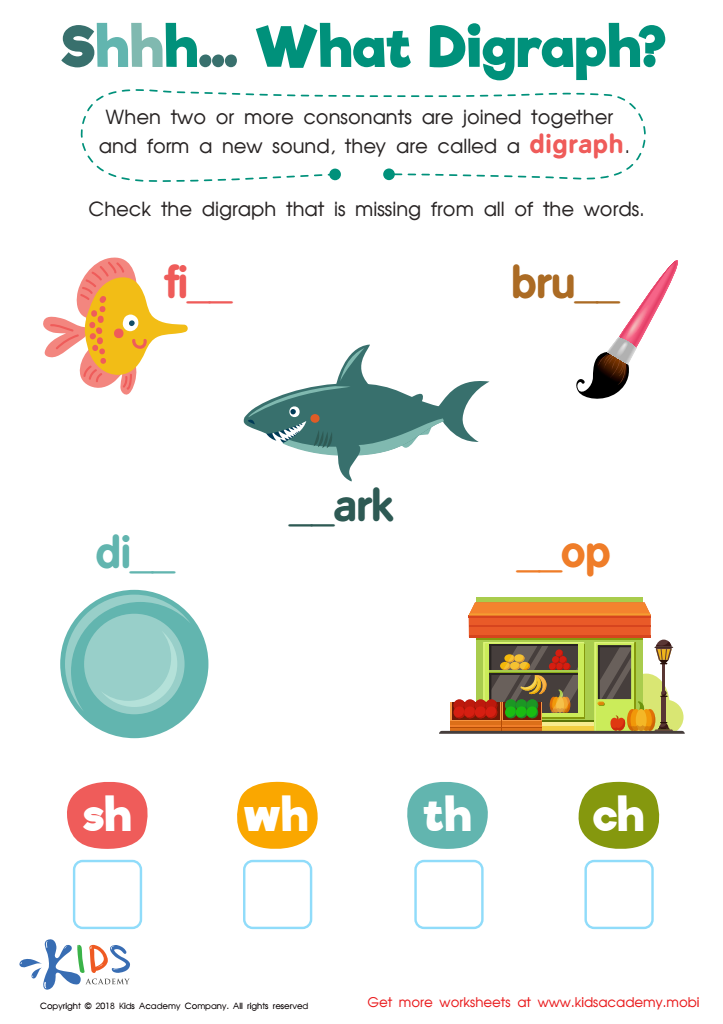
Shhh... What Digraph? Worksheet
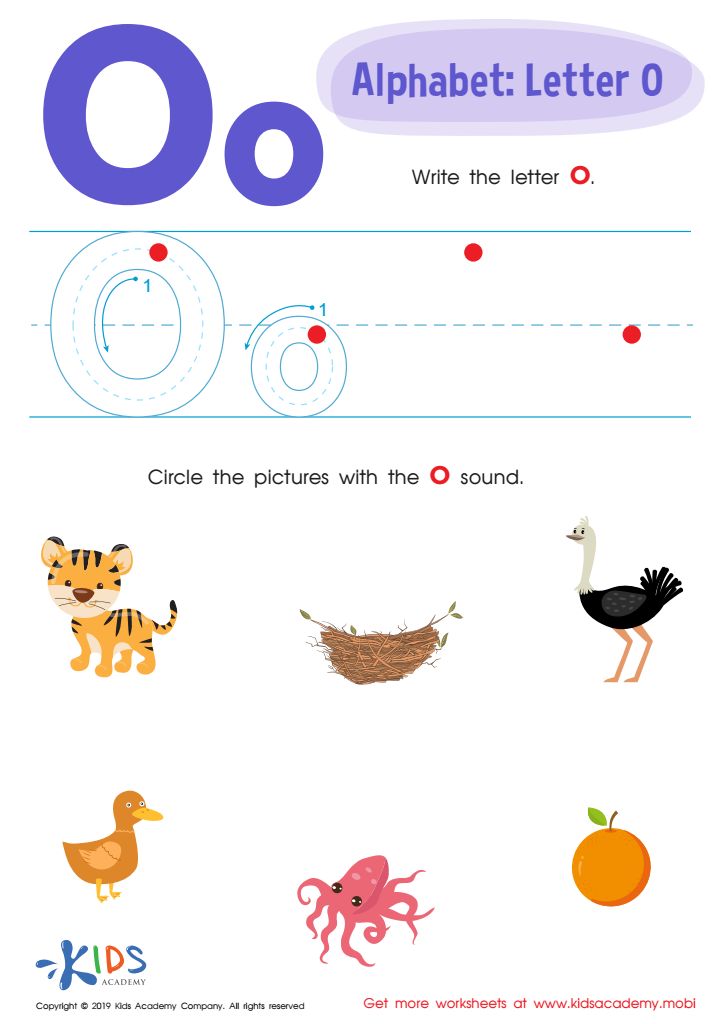
Letter O Tracing Worksheet
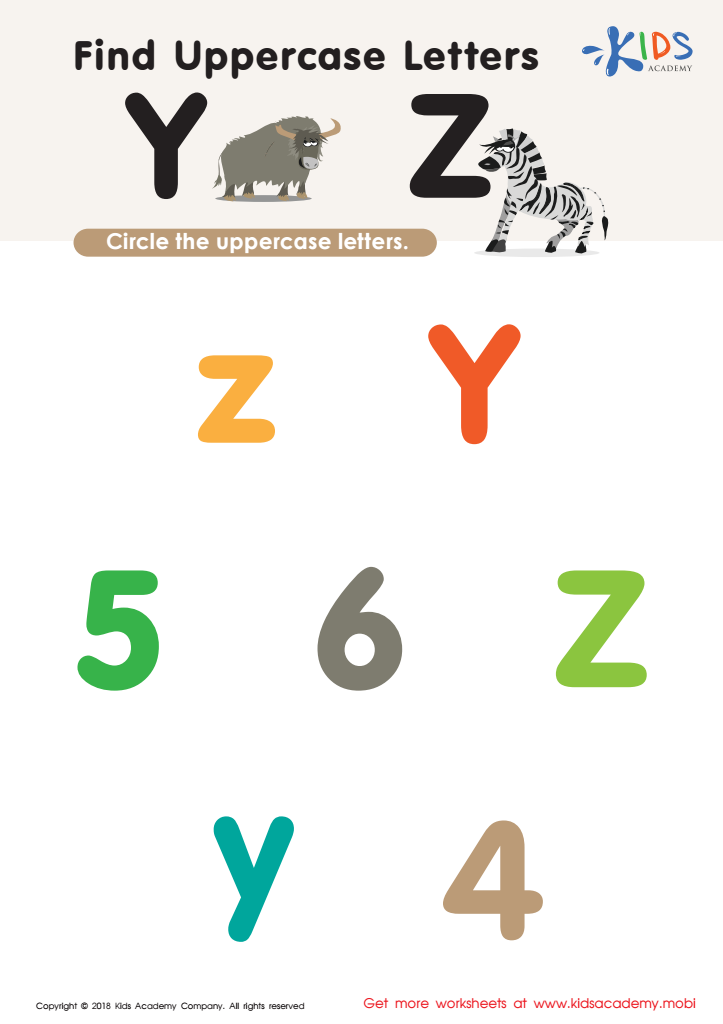
Find Uppercase Letters Y Z Worksheet
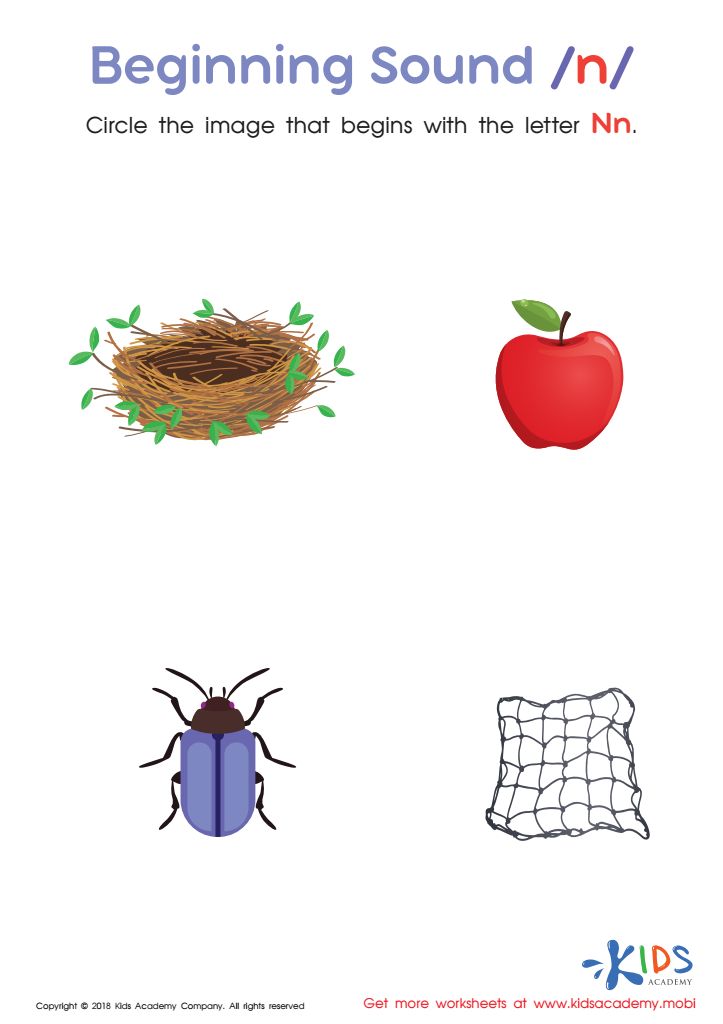
Beginning Sound «n» Worksheet
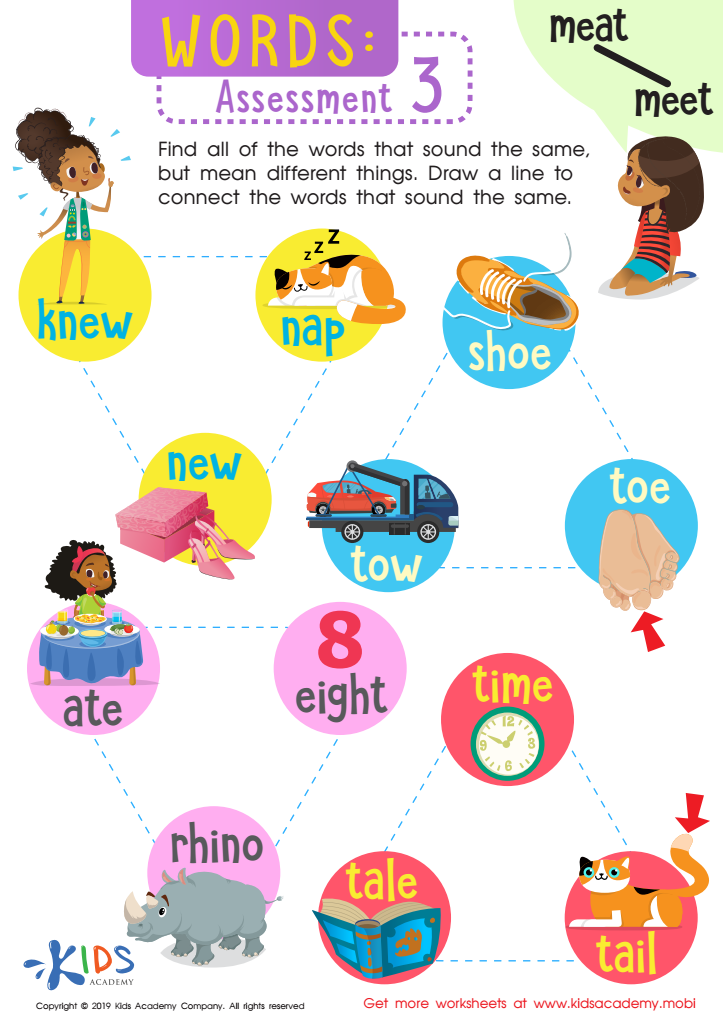
Words: Asessment 3 Worksheet
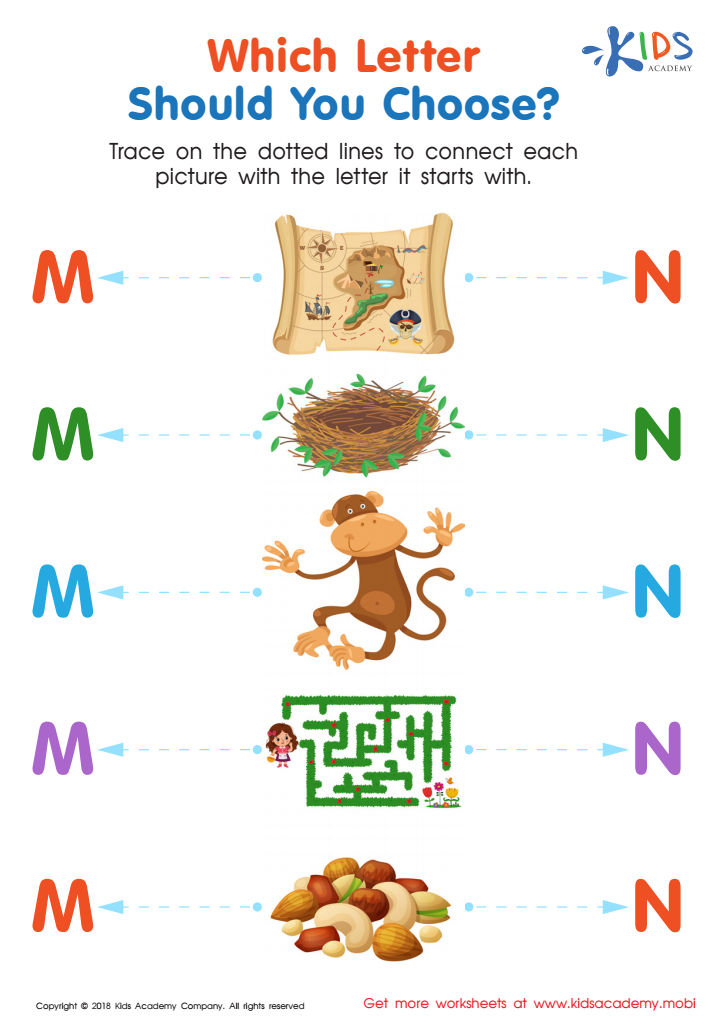
Which Letter Should you Choose? Worksheet
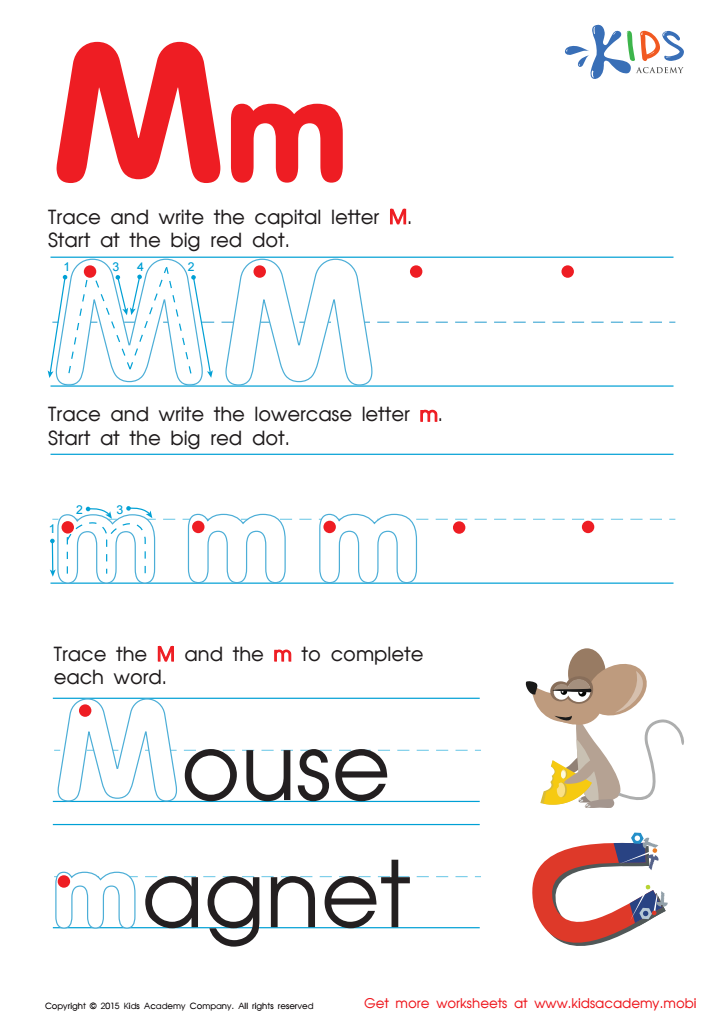
Letter M Tracing Page
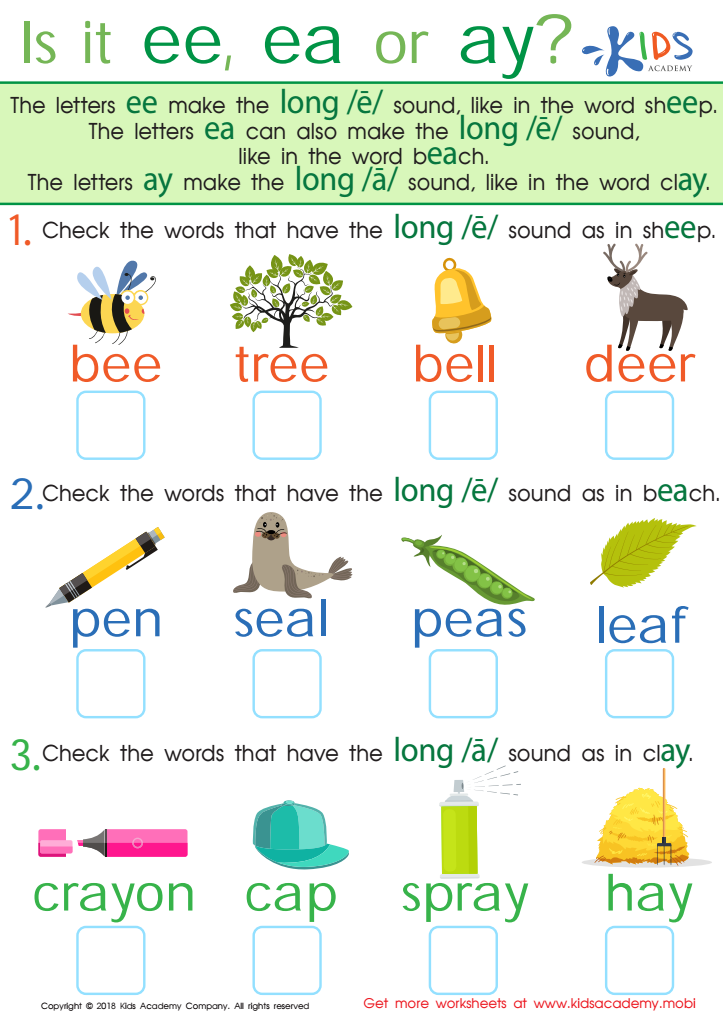
Is It EE, EA, or AY? Worksheet
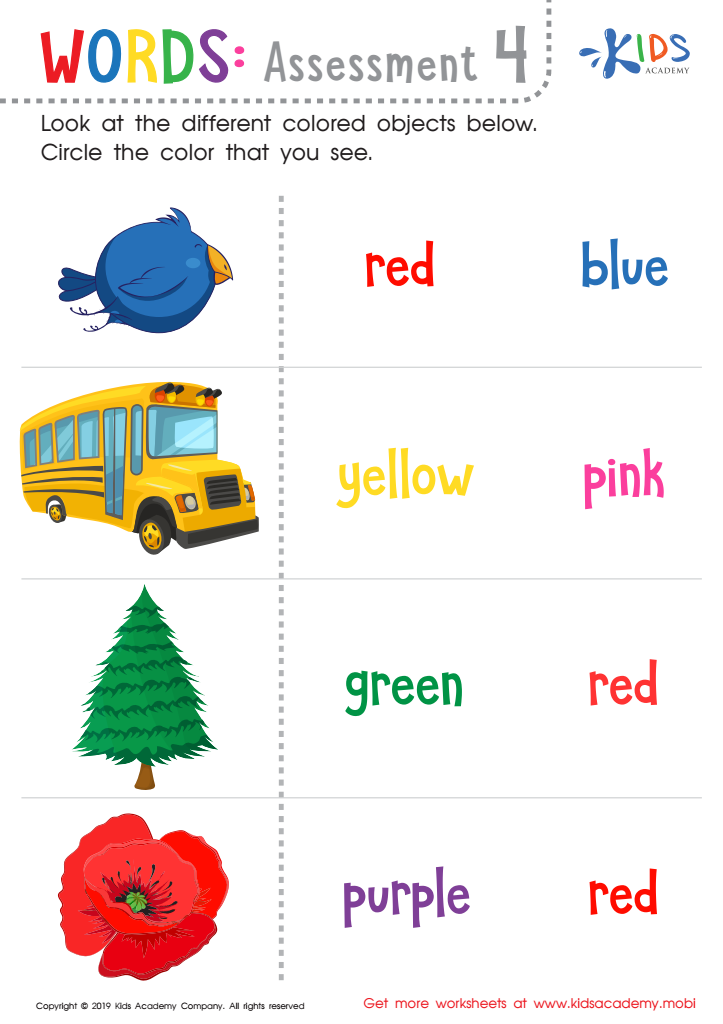
Words: Assessment 4 Worksheet
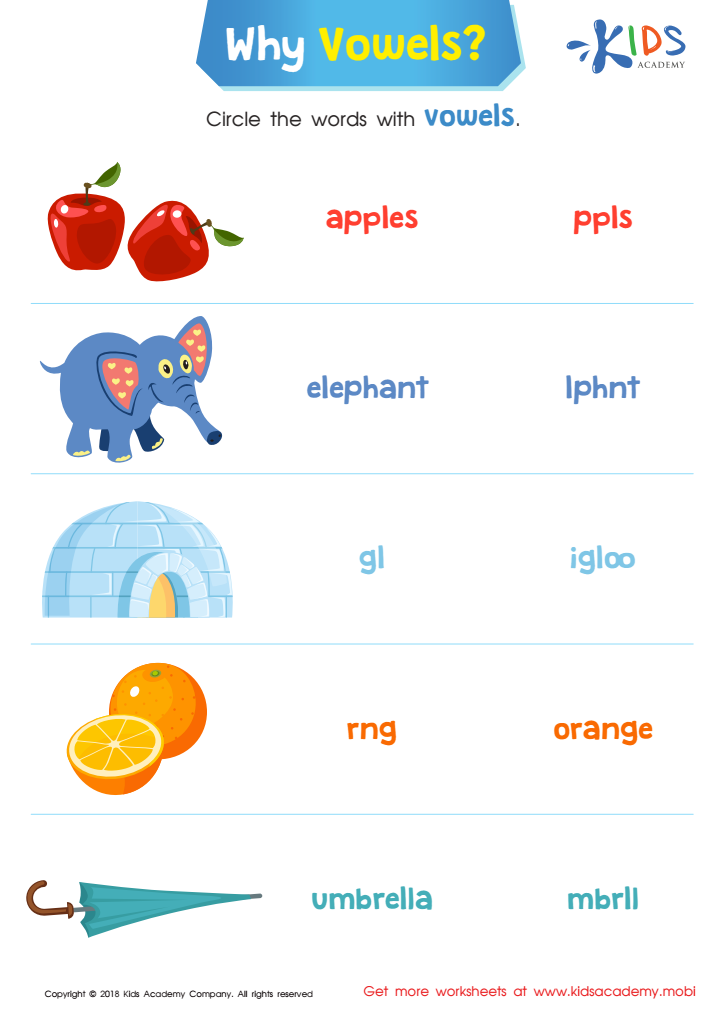
Why Vowels? Reading Worksheet
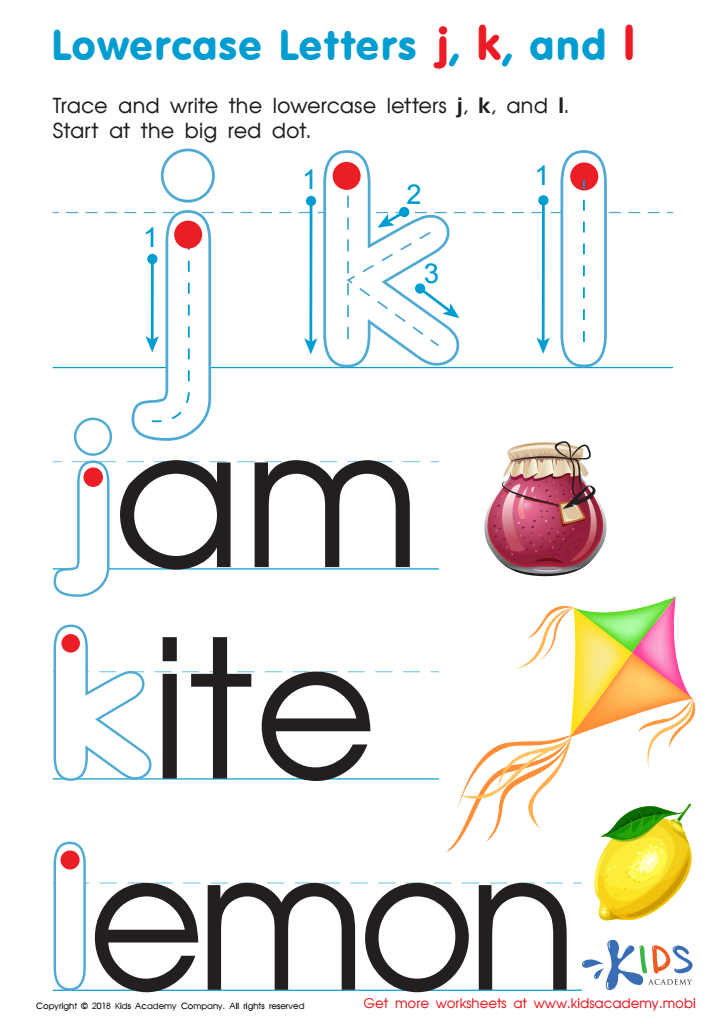
Lowercase Letters j k l Worksheet
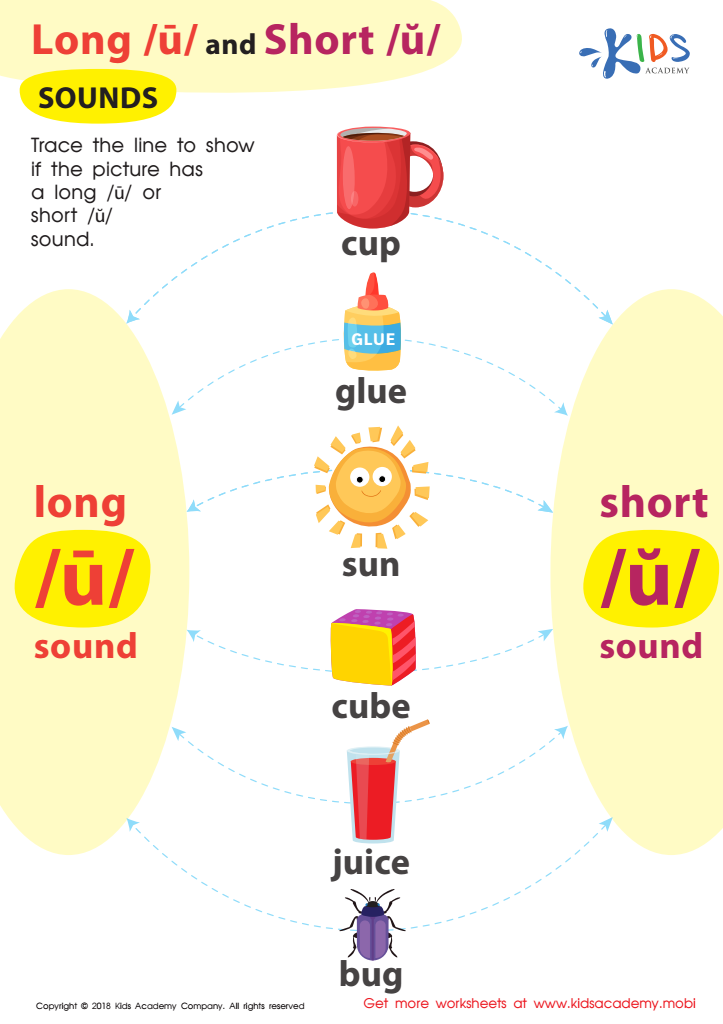
Reading: Long U and Short U Sounds Worksheet
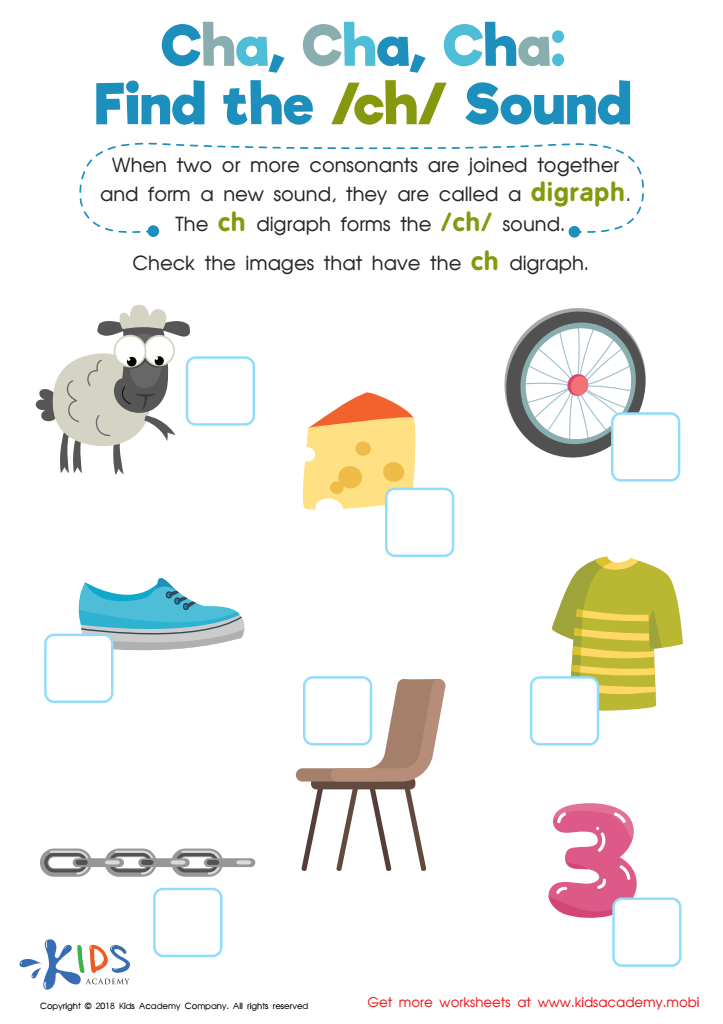
Cha, Cha, Cha: Find the /Ch/ Sound Worksheet
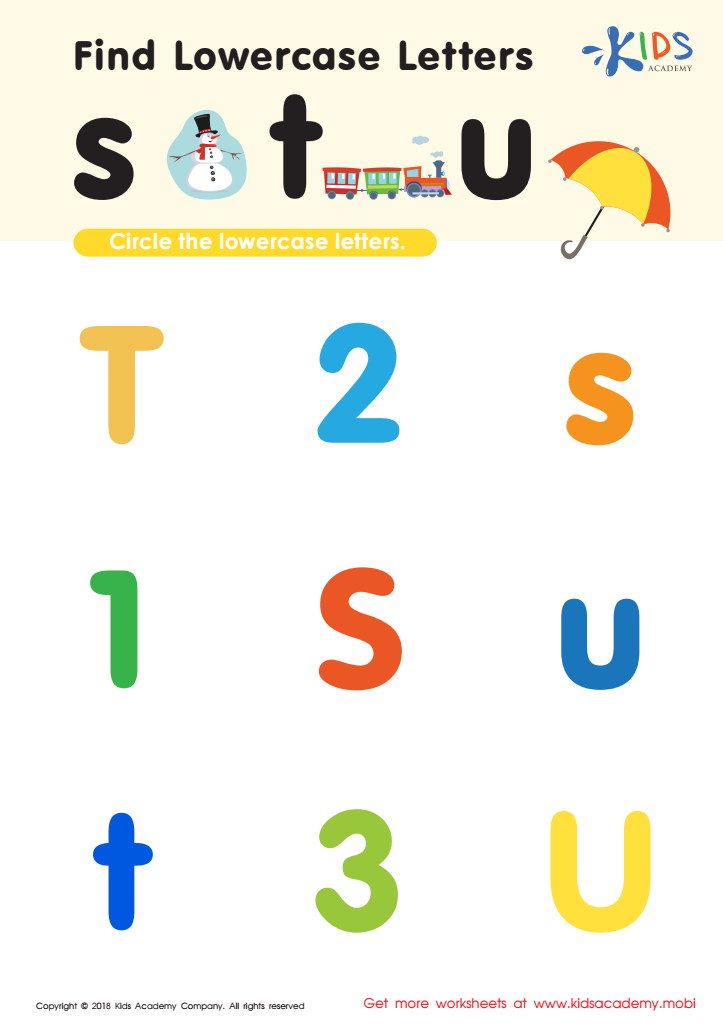
Find lowercase Letters s t u Worksheet
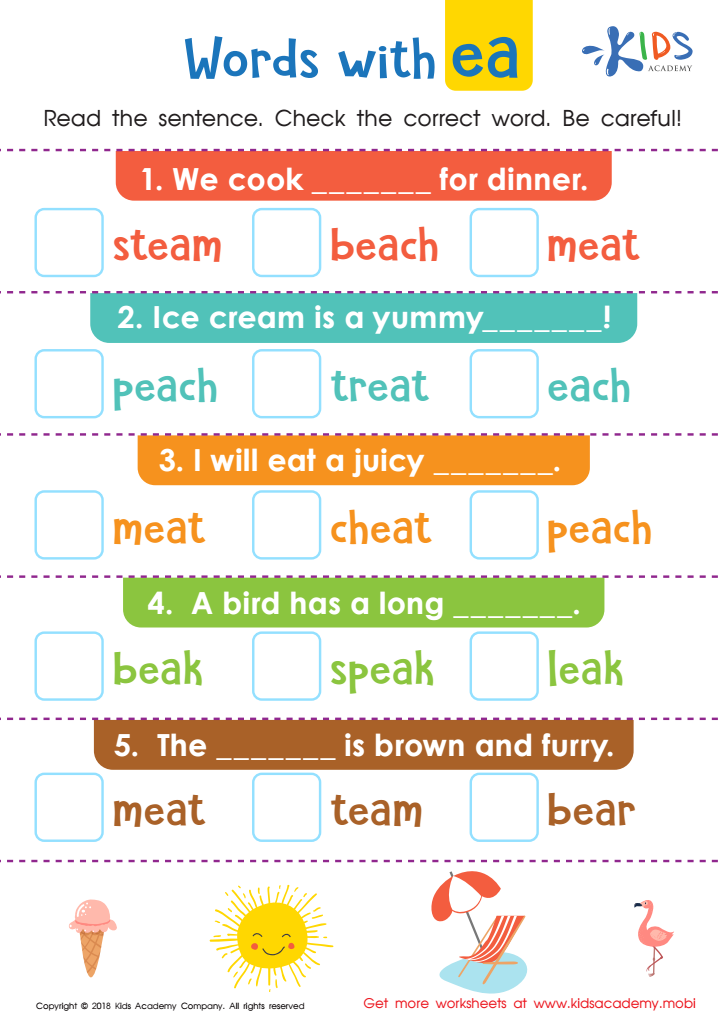
Words with ea Worksheet
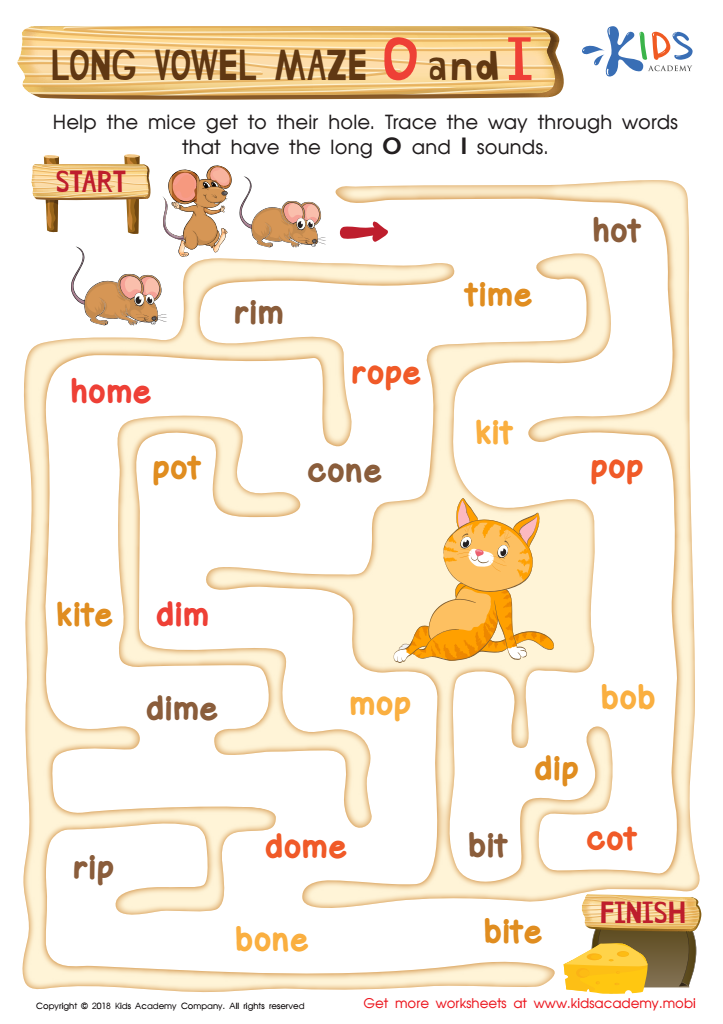
Long Vowel Maze /o/ and /i/ Worksheet
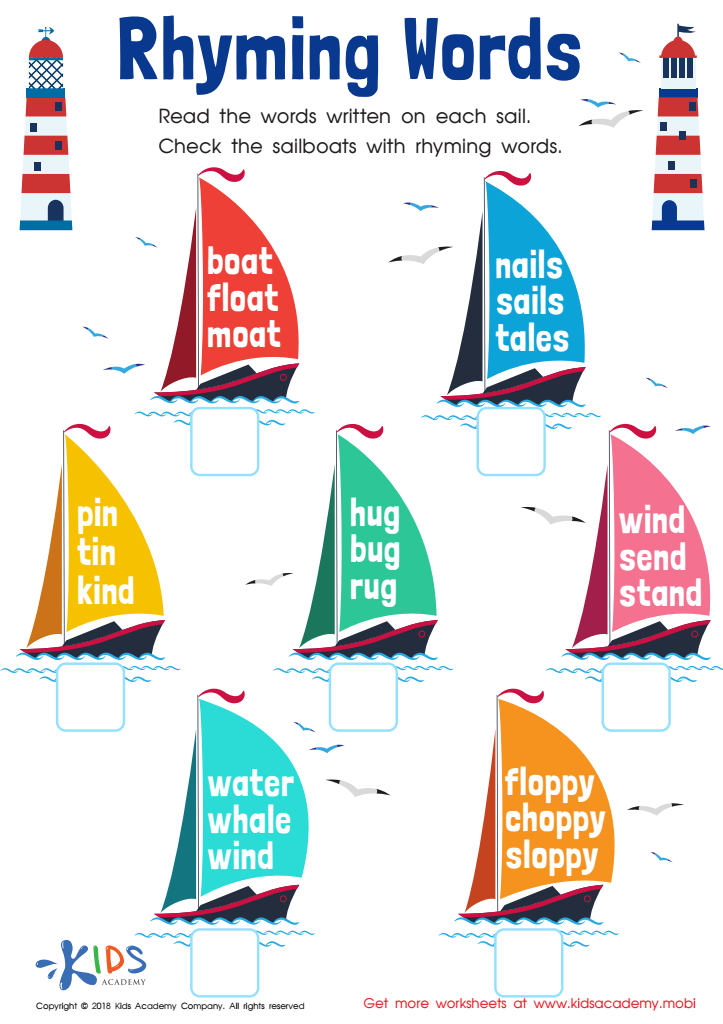
Rhyming Words Worksheet
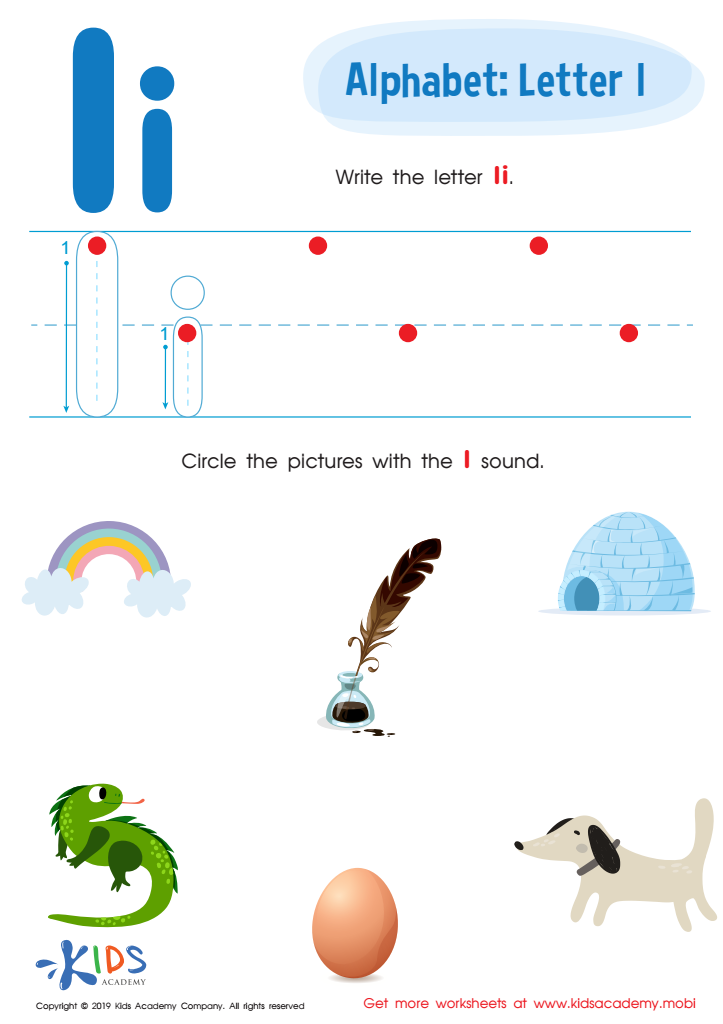
Letter I Tracing Worksheet
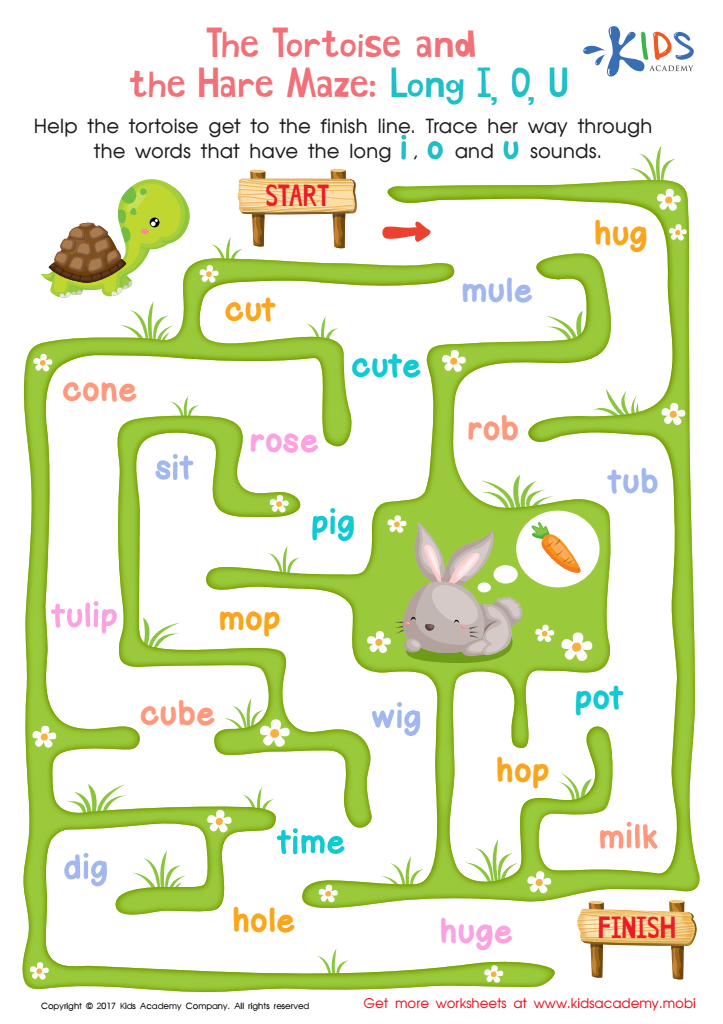
Long I, O, U Words Worksheet
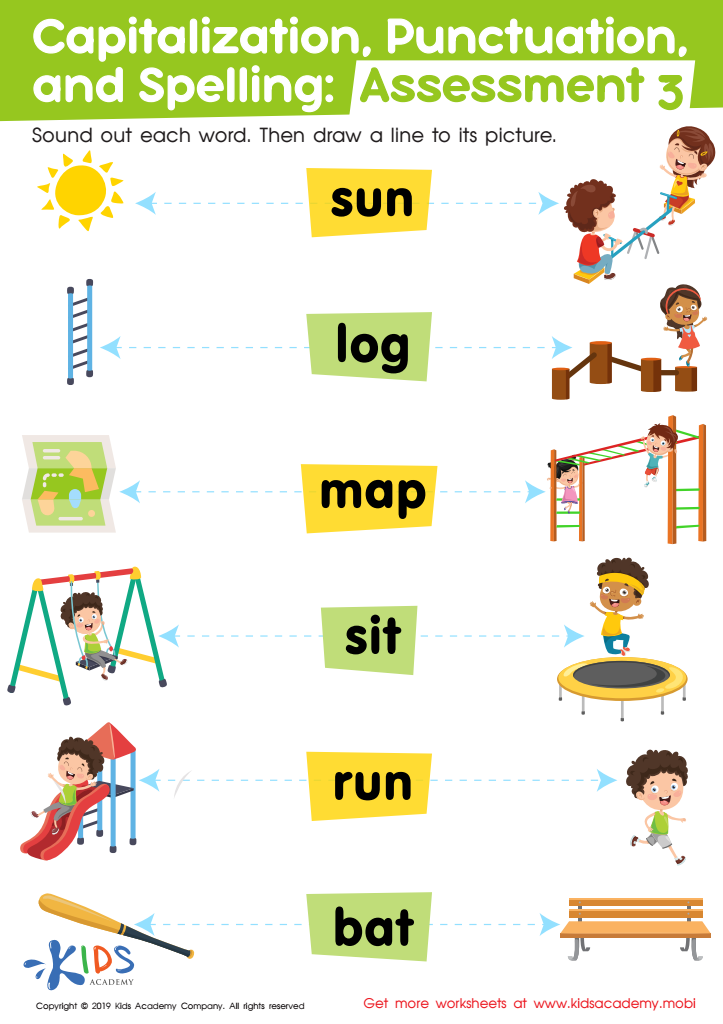
Capitalization. Punctuation. Spelling. Assessment 3 Worksheet
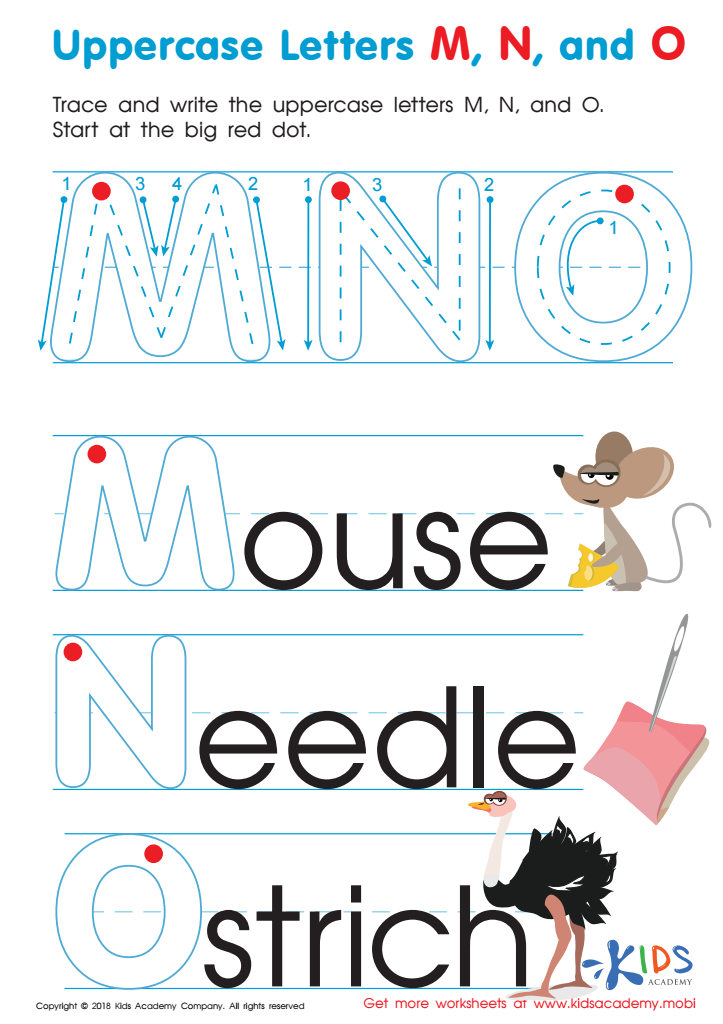
Uppercase Letters M, N, and O Worksheet





Parents and teachers should prioritize the Alphabet for children aged 3-9 because foundational literacy skills begin with an understanding of letters. The alphabet serves as the building blocks for reading and writing, which are essential for a child's academic success and overall development.
At ages 3 to 5, children are naturally curious and develop early language skills through exploration. Introducing them to the alphabet fosters phonemic awareness, promotes vocabulary expansion, and encourages language development. It also enhances their cognitive skills and boosts confidence as they learn to recognize letters and sounds.
As children transition into ages 6-9, strong alphabet knowledge becomes critical. It directly supports their ability to decode words, making reading more accessible and engaging. Reading proficiency at this stage affects all areas of study, influencing their future educational experiences and opportunities.
Moreover, understanding the alphabet cultivates a love for books and storytelling, enriching kids' imagination. Engaging in creative activities around the alphabet—like songs, games, and arts and crafts—makes learning enjoyable and reinforces memory.
In summary, early attention to the alphabet lays a crucial groundwork for educational success, emotional growth, and the lifelong joy of learning.







