Science Worksheets for Ages 3-9 - Page 2
393 filtered results
-
From - To
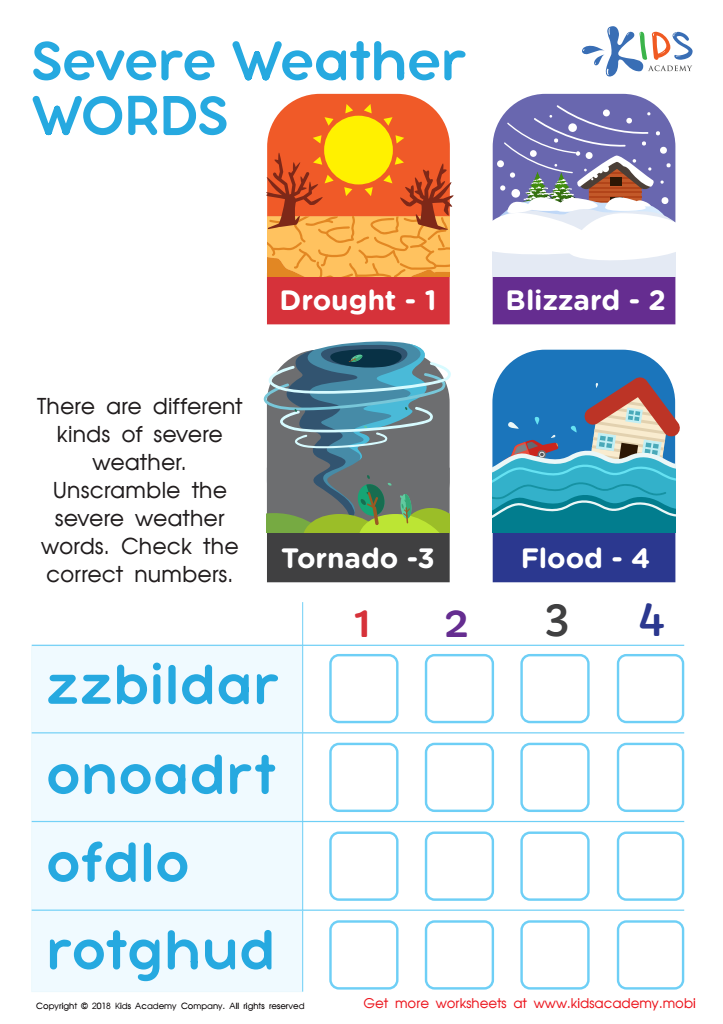
Severe Weather Words Worksheet
 Assign to My Students
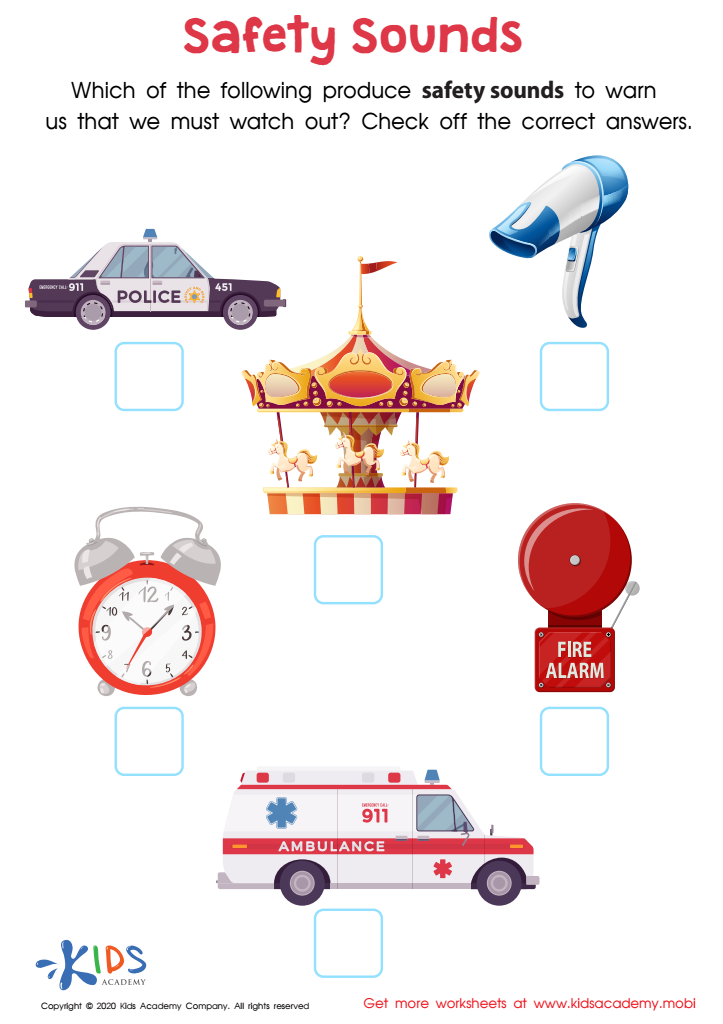
Safety Sounds Worksheet
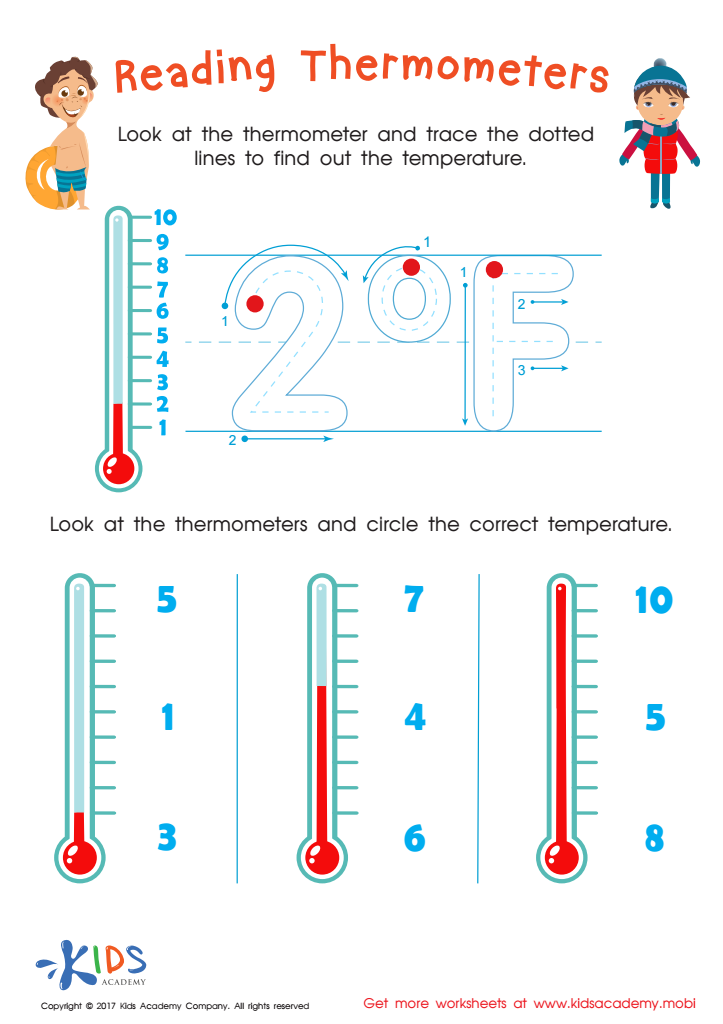
Reading Thermometers Printable
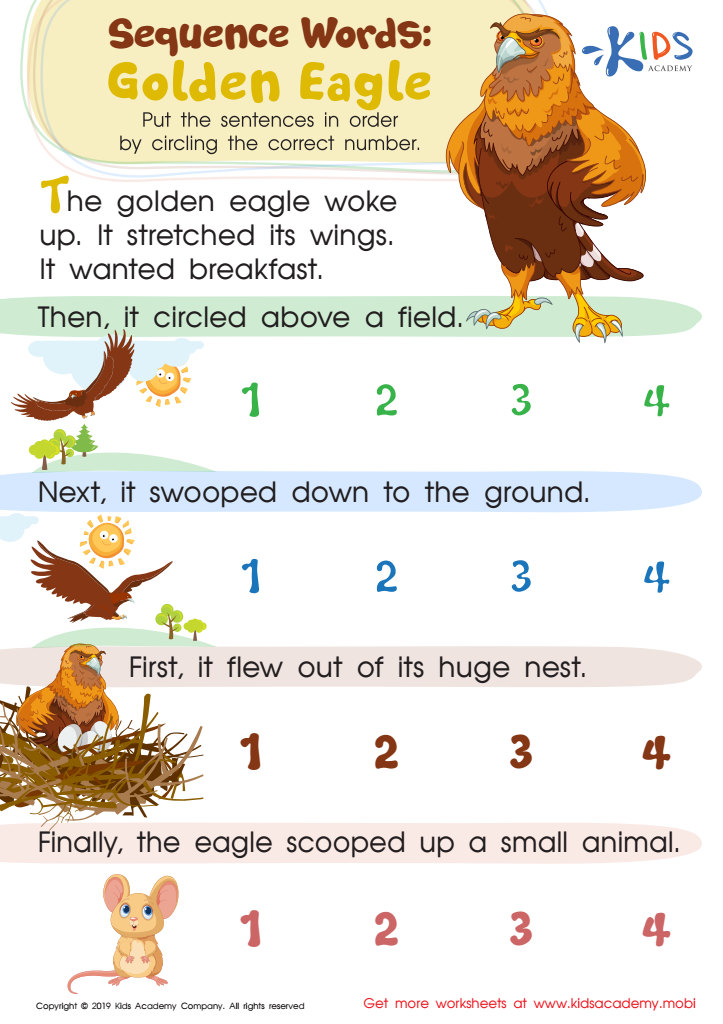
Sequence Word Eagle Worksheet
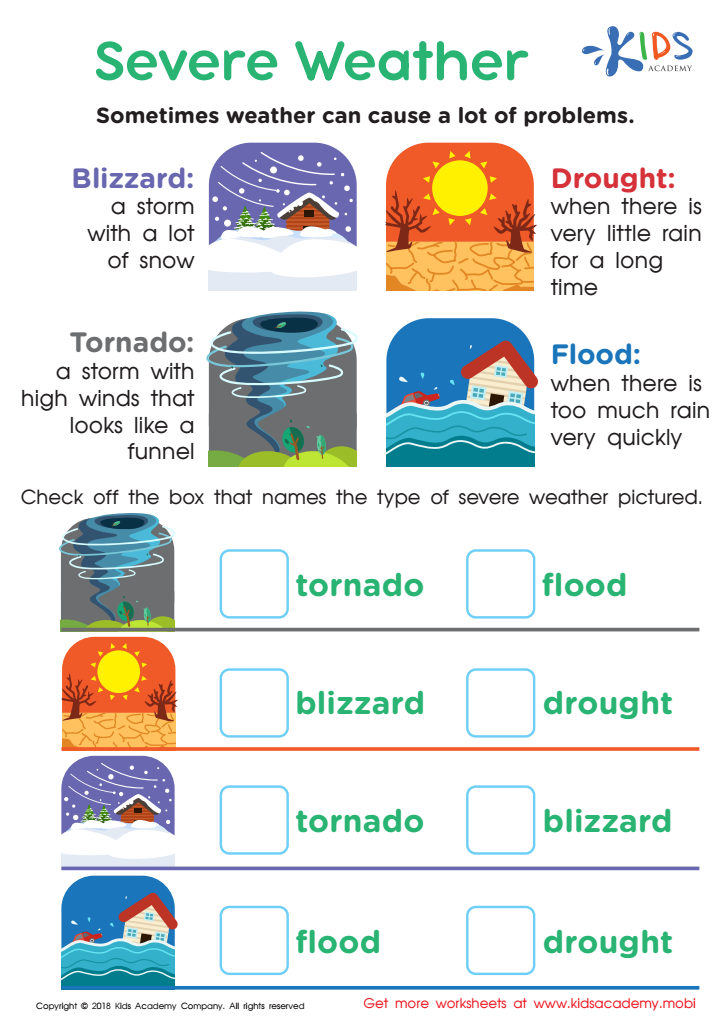
Severe Weather Worksheet
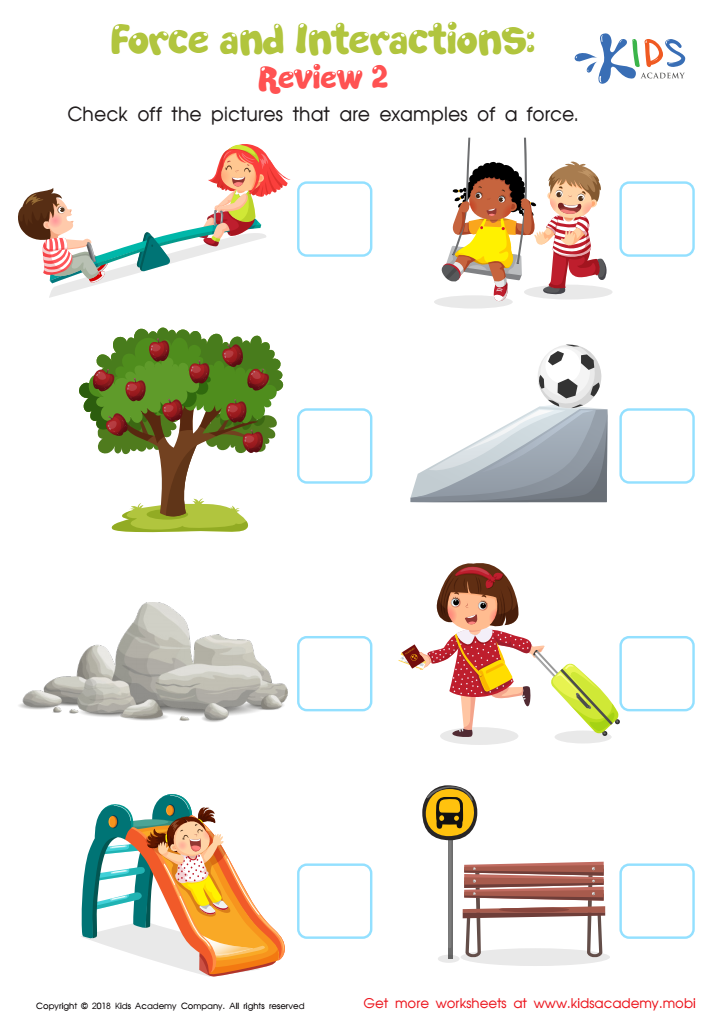
Force and Interactions: Review 2 Worksheet
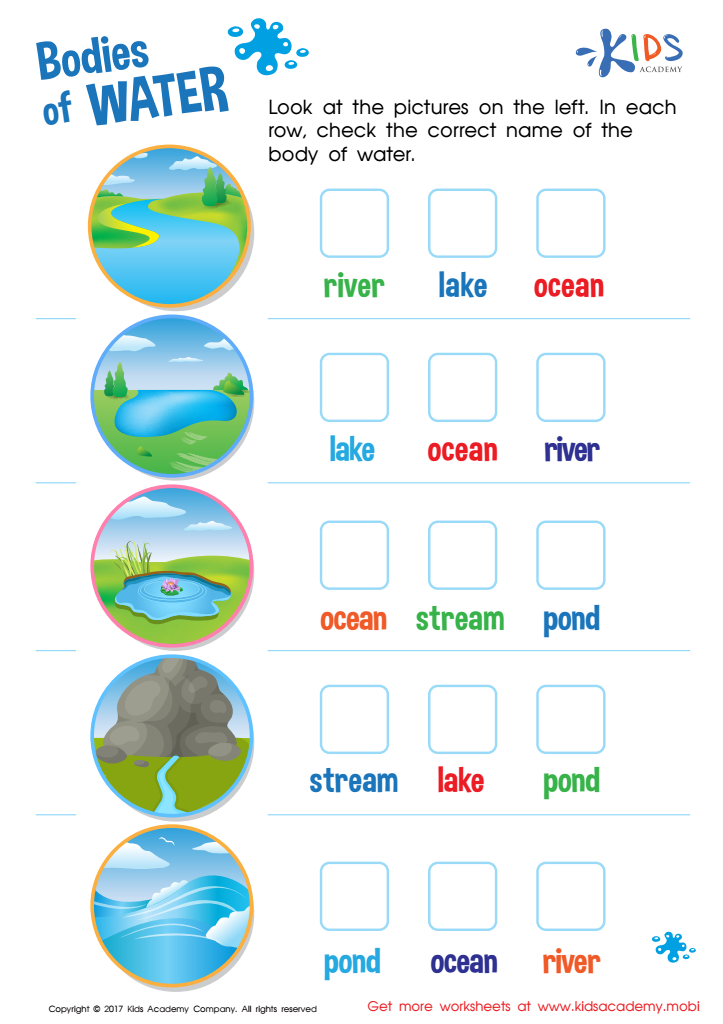
Bodies of Water Worksheet
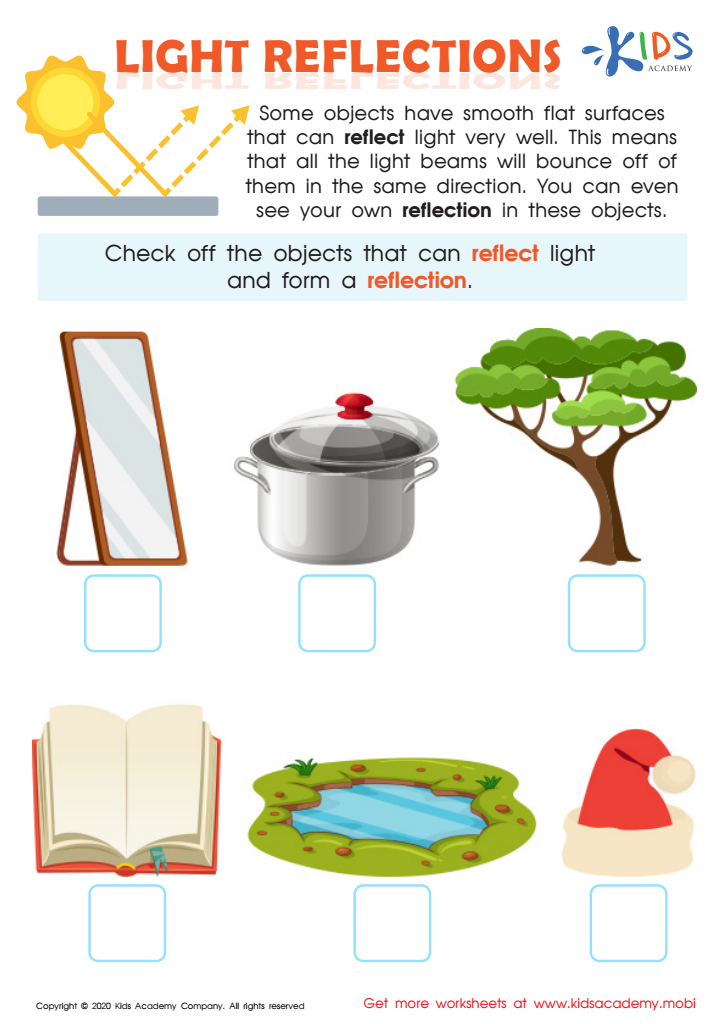
Light Reflections Worksheet
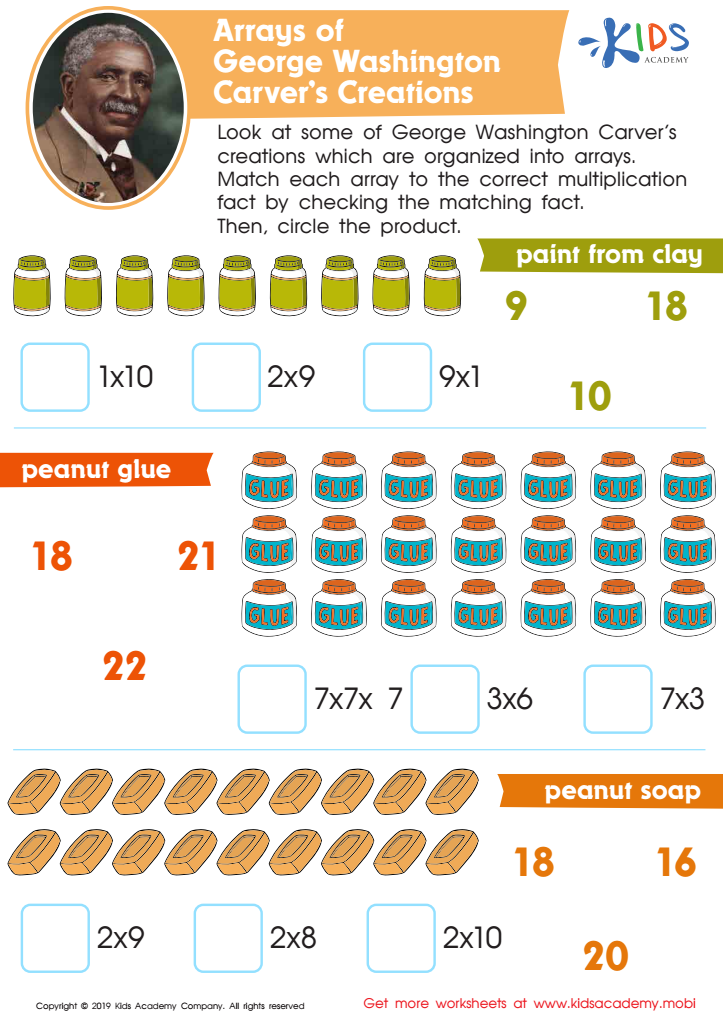
Arrays of George Washington Carver’s Creations Worksheet
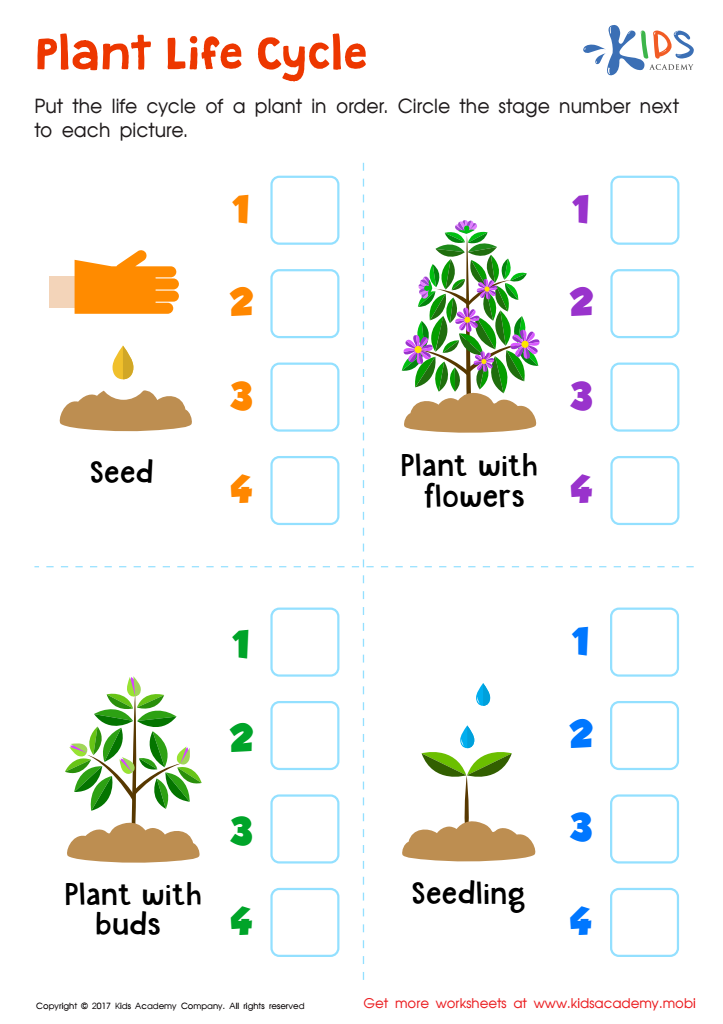
Plant Life Cycle Printable
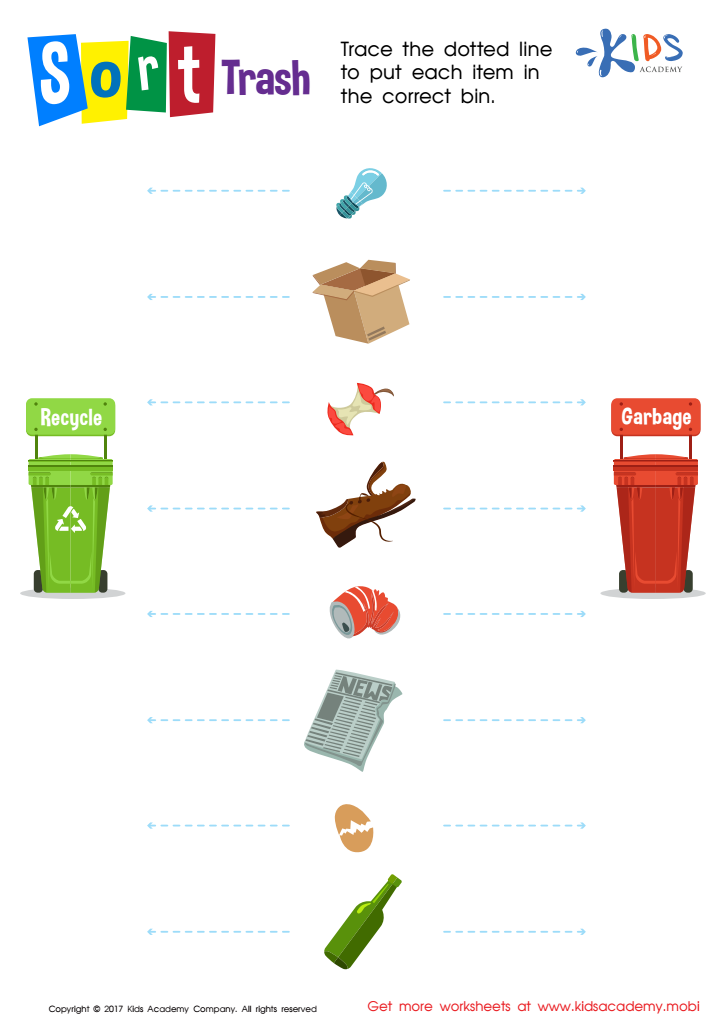
Trash Sorting Worksheet
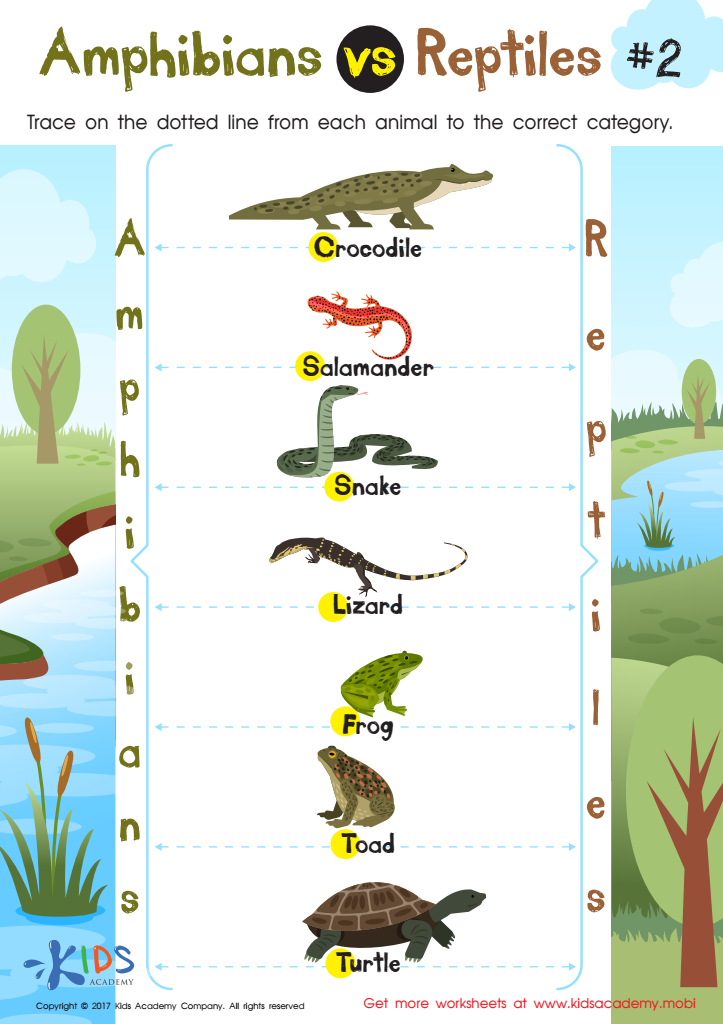
Amphibians vs Reptiles Worksheet for 3rd Grade
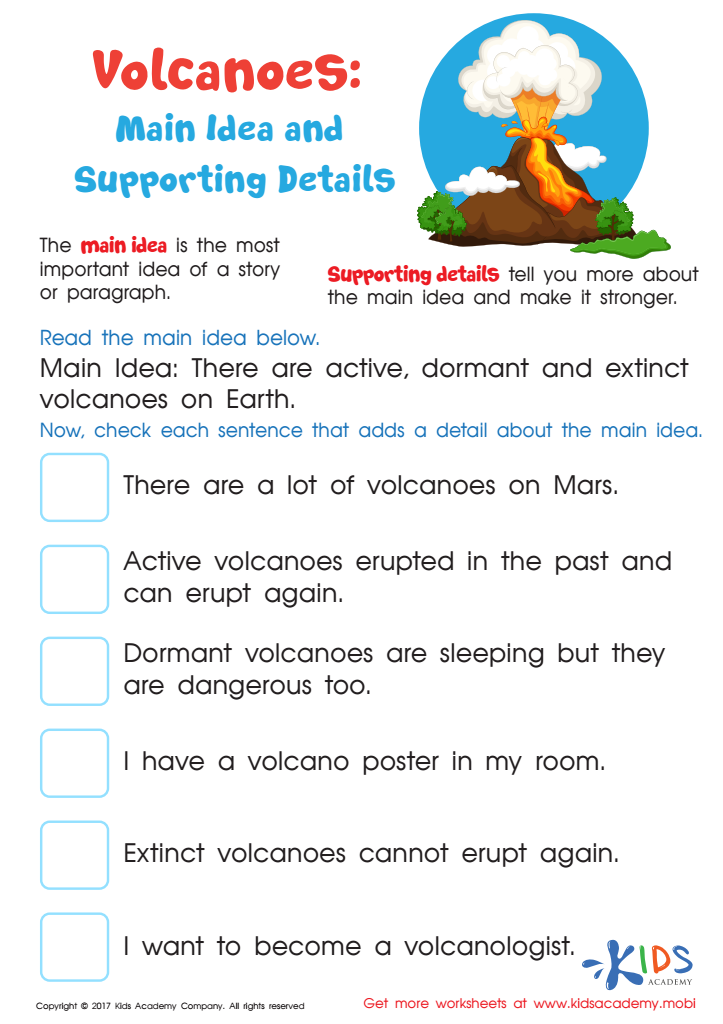
Volcano Facts Worksheet
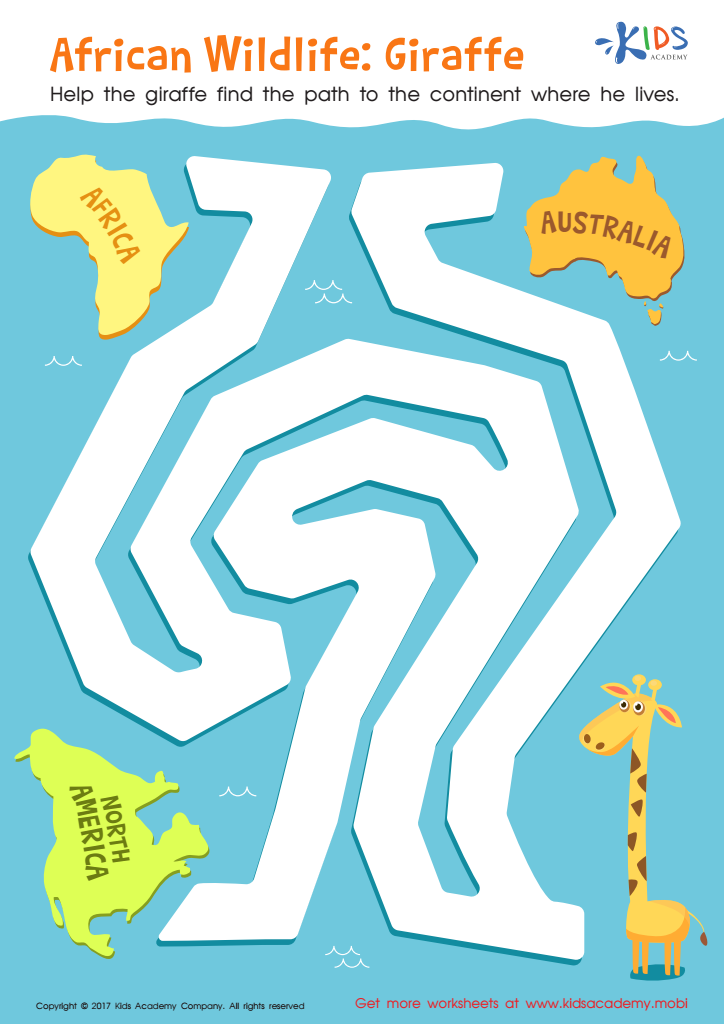
African Wildlife: Giraffe Worksheet
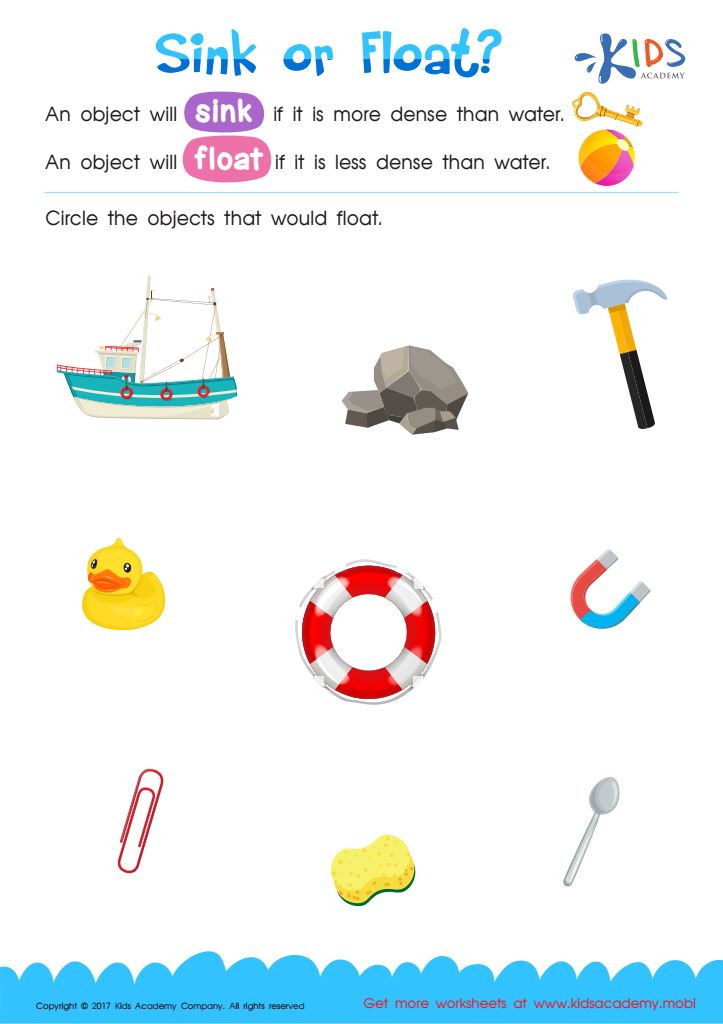
Sink or Float Printable
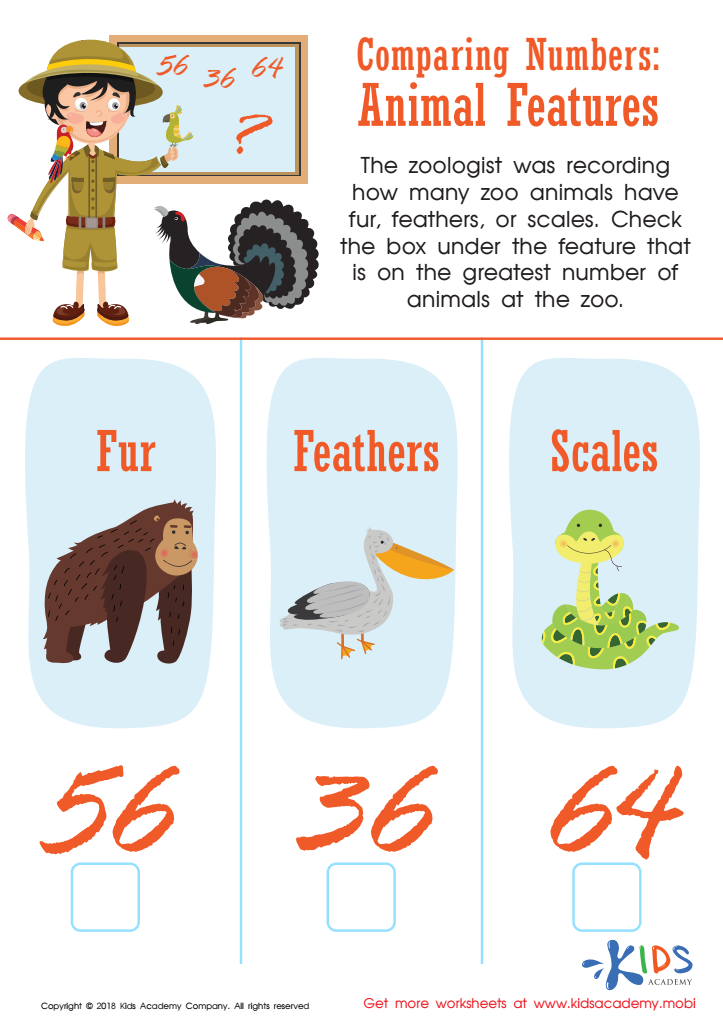
Animal Features Worksheet
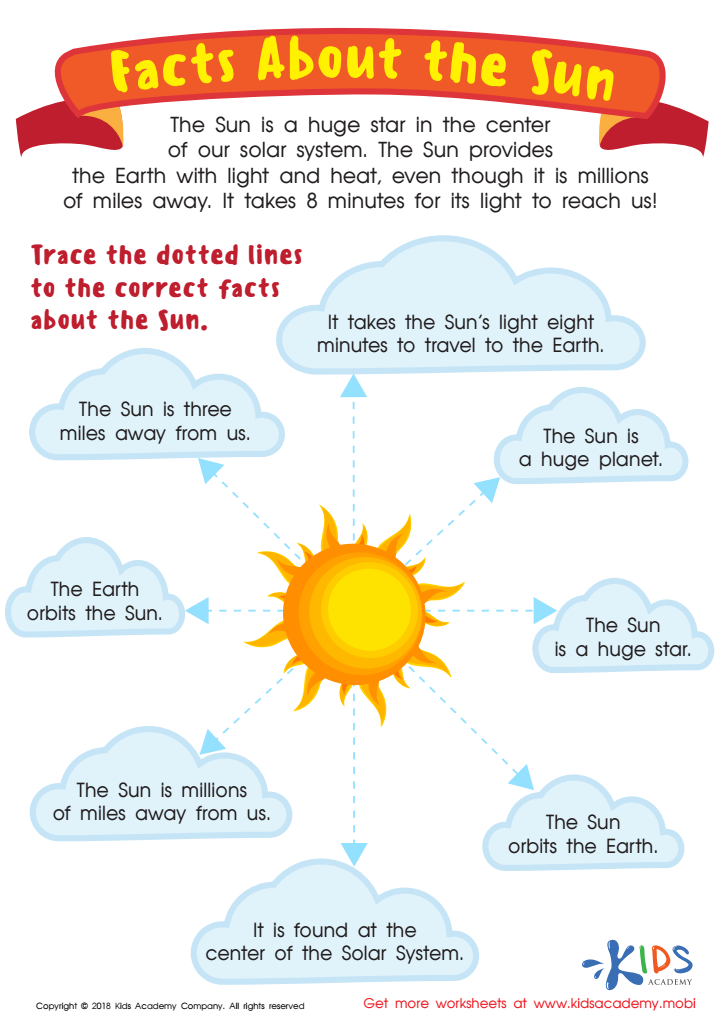
Facts About the Sun Worksheet
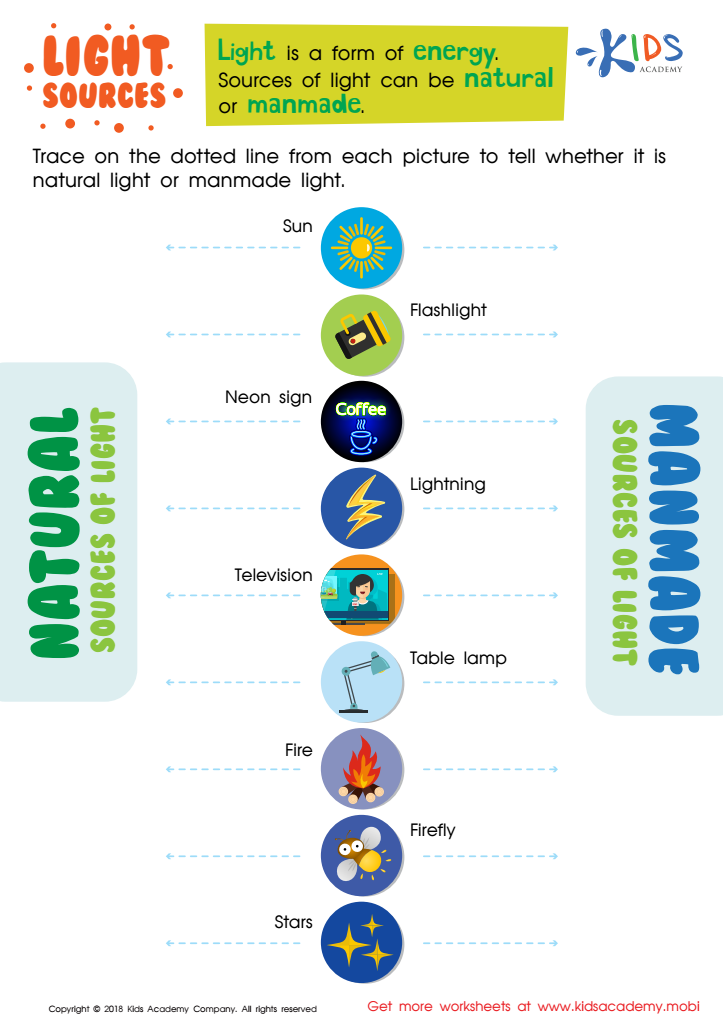
Natural and Manmade Light Sources Worksheet
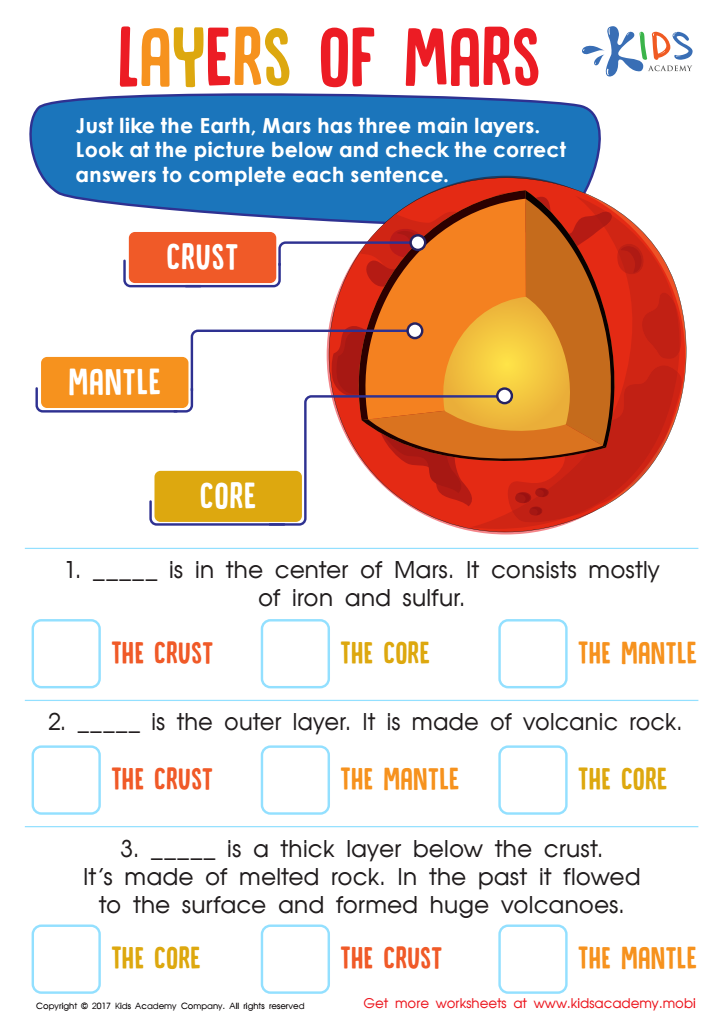
Layers of Mars Printable Worksheet
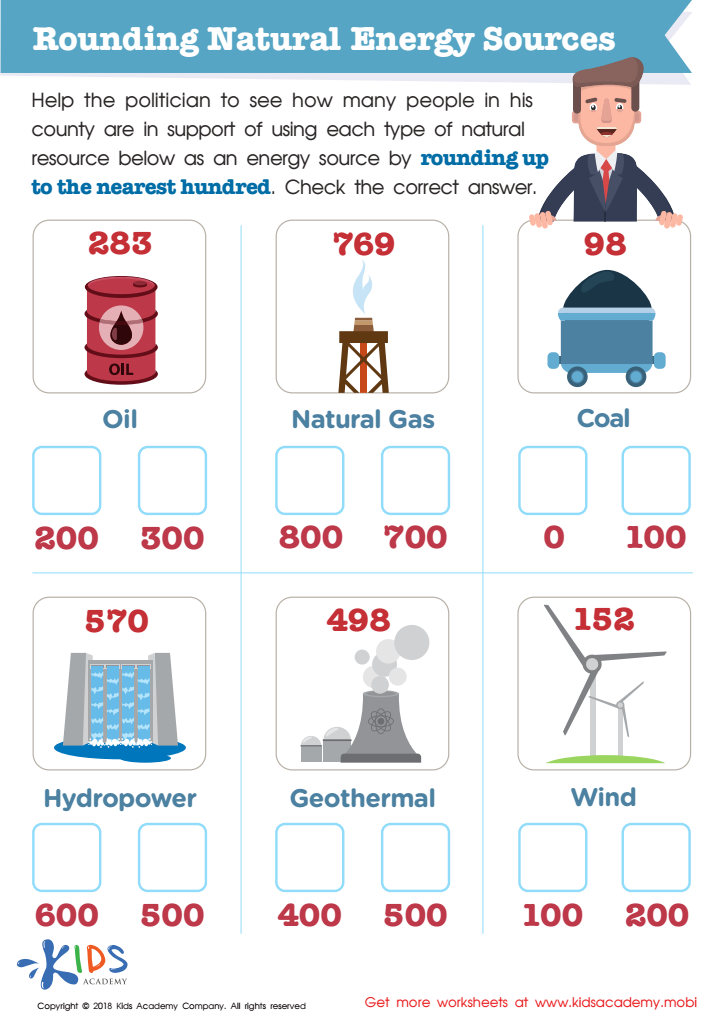
Rounding Natural Energy Sources Worksheet
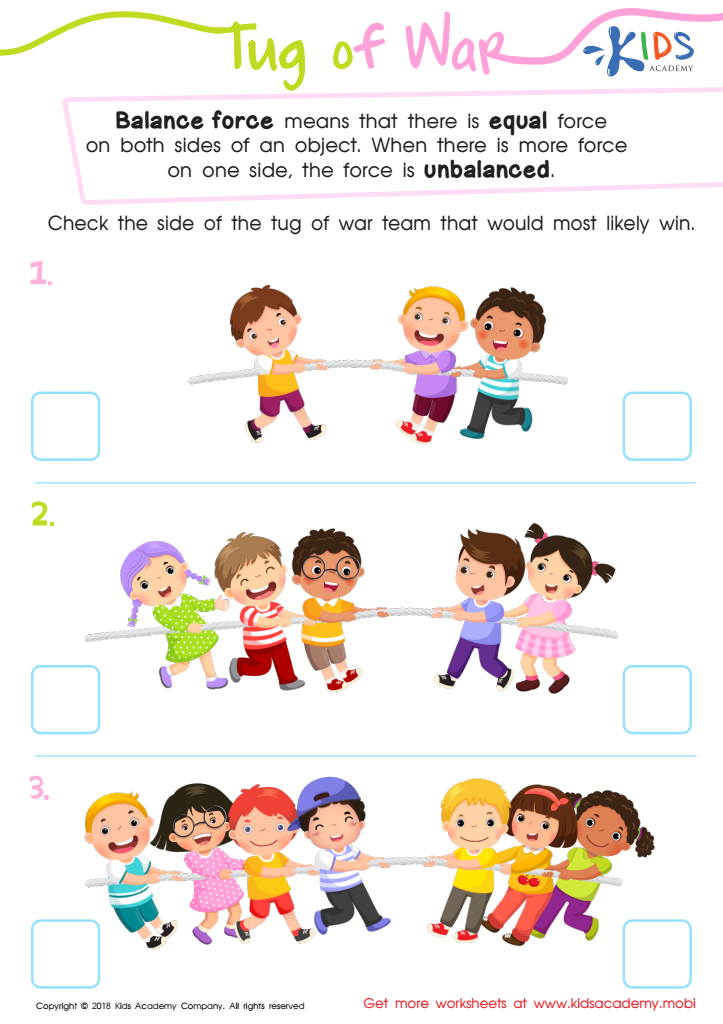
Balanced Forces Worksheet
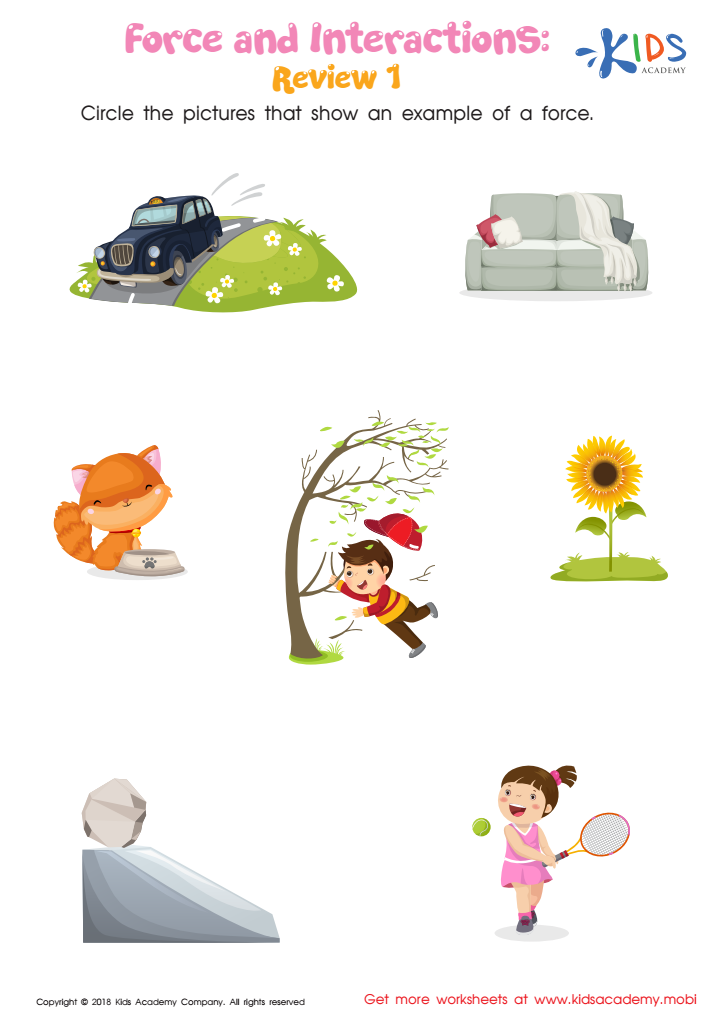
Force and Interactions: Review 1 Worksheet
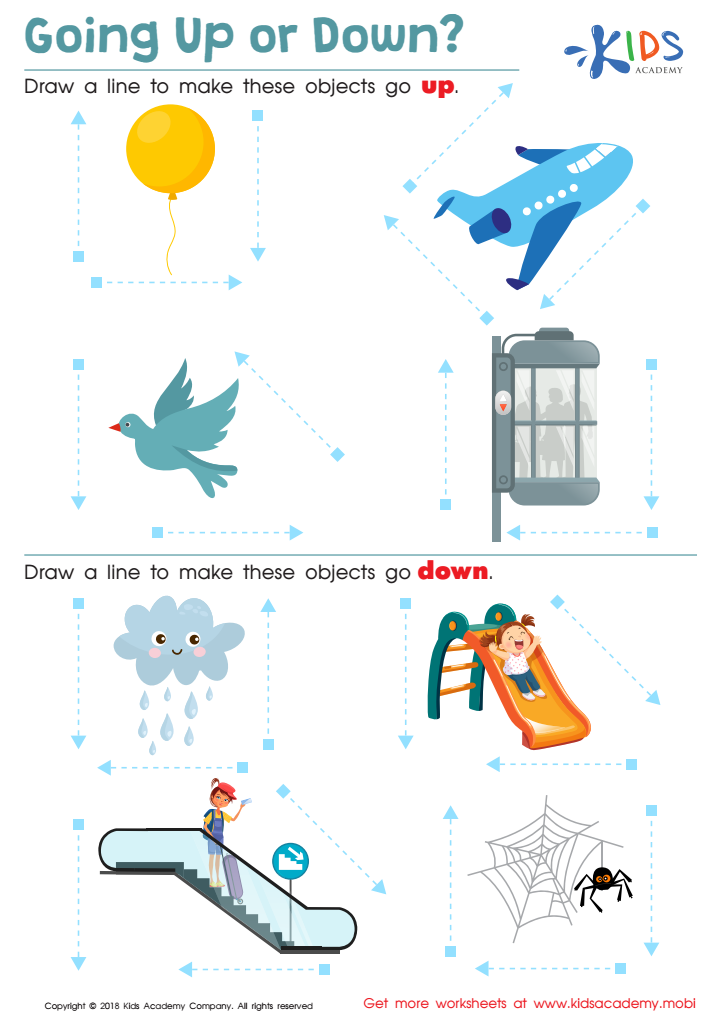
Going up or Down? Worksheet
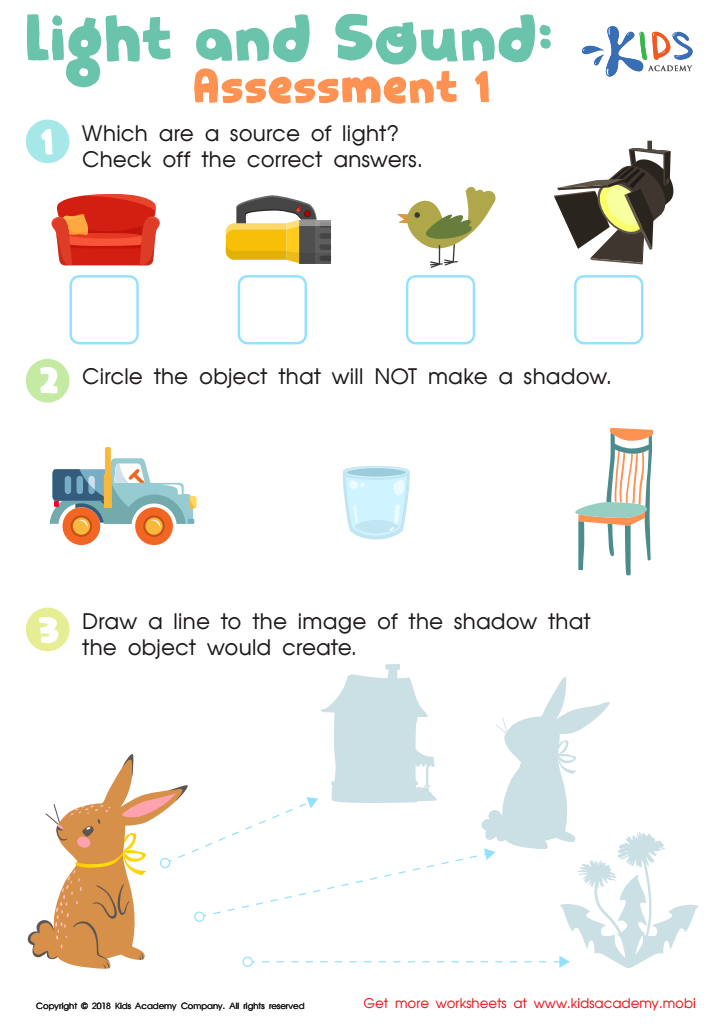
Light and Sound: Assessment 1 Worksheet




.jpg)
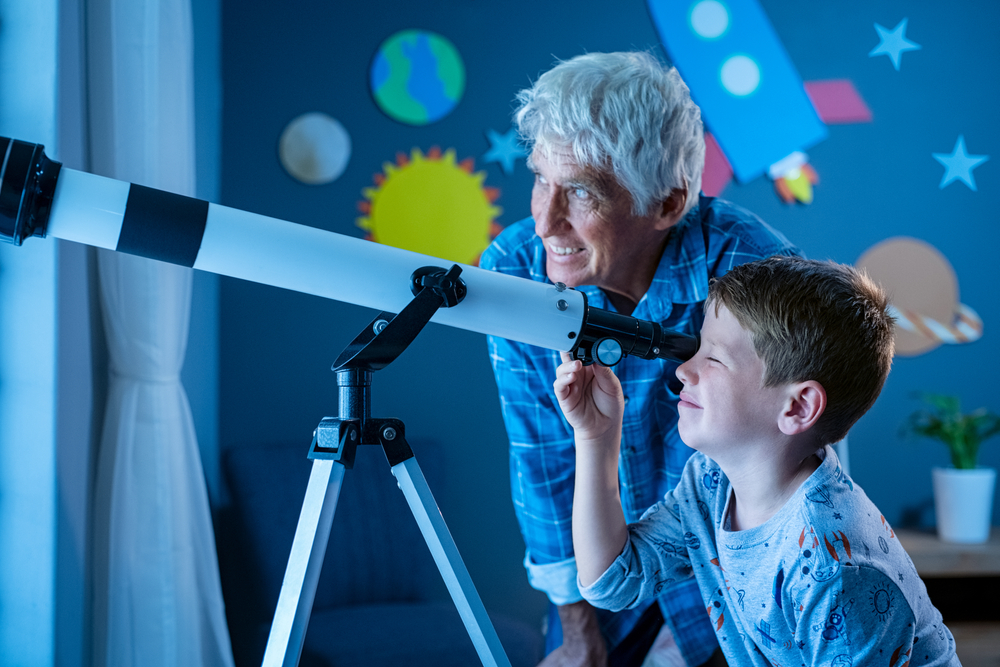

Introducing science to children between the ages of 3-9 is essential for their cognitive and social development. At this stage, young minds are highly curious and eager to explore the world around them. Engaging with science nurtures their natural wonder and helps them develop critical thinking and problem-solving skills.
When parents and teachers introduce scientific concepts early on, children begin to understand how things work, fostering a sense of discovery and curiosity. Activities like simple experiments, nature walks, and observing plants and animals provide hands-on experiences that make learning fun and meaningful. This early exposure not only builds a foundation in scientific knowledge but also encourages children to ask questions and seek answers, promoting a lifelong love for learning.
Moreover, science education in early childhood supports various cognitive skills such as observation, classification, and predicting outcomes. It also enhances language and math skills as children describe what they see and measure substances or objects. Socially, group science activities teach cooperation, communication, and perseverance when experimenting and making discoveries.
In summary, integrating science into early education enriches children’s developmental stages, fostering essential life skills and setting a foundation for future academic success and informed citizenship. Supporting science learning at a young age is a pivotal investment in fostering well-rounded, curious, and innovative individuals.







