History Worksheets for Ages 3-9 - Page 4
88 filtered results
-
From - To
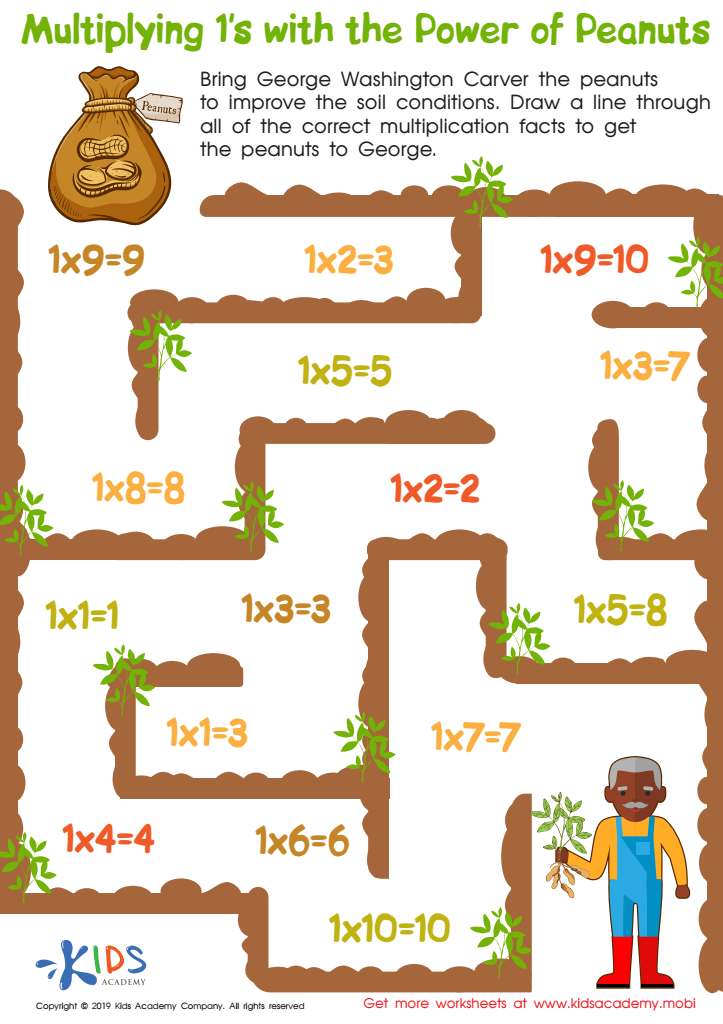
Multiplying 1’s With the Power of Peanuts Worksheet
 Assign to My Students
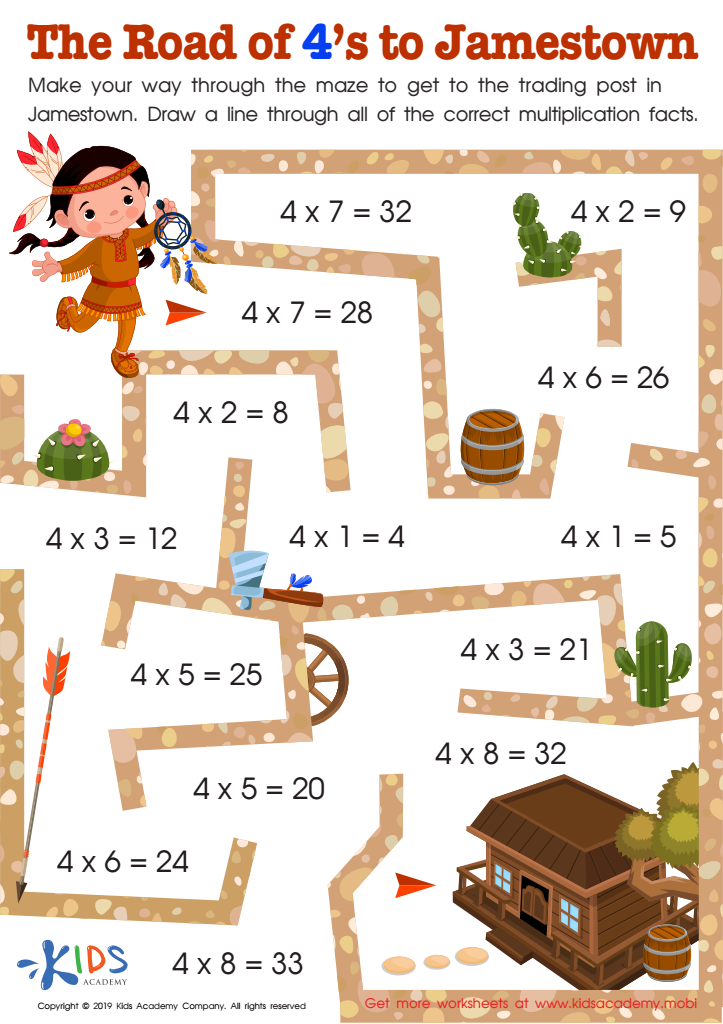
The Road of 4’s to Jamestown Worksheet
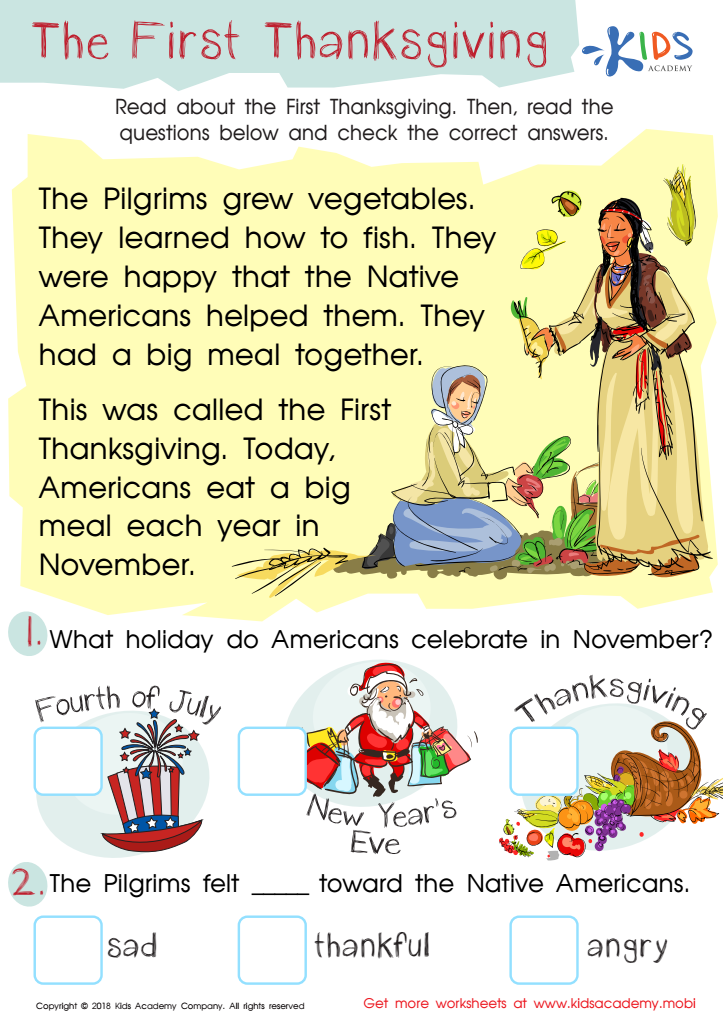
Assessment: First Thanksgiving Worksheet
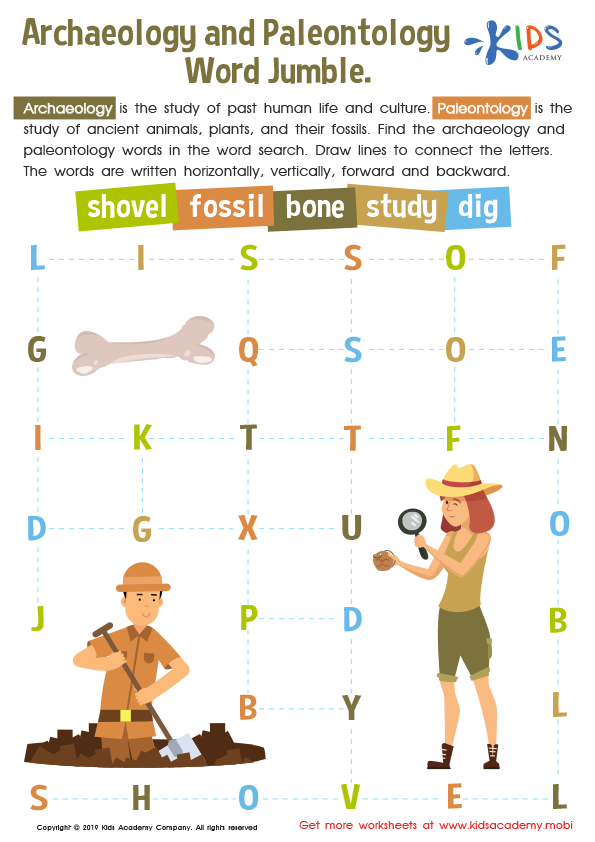
Archaeology and Paleontology Word Jumble Worksheet
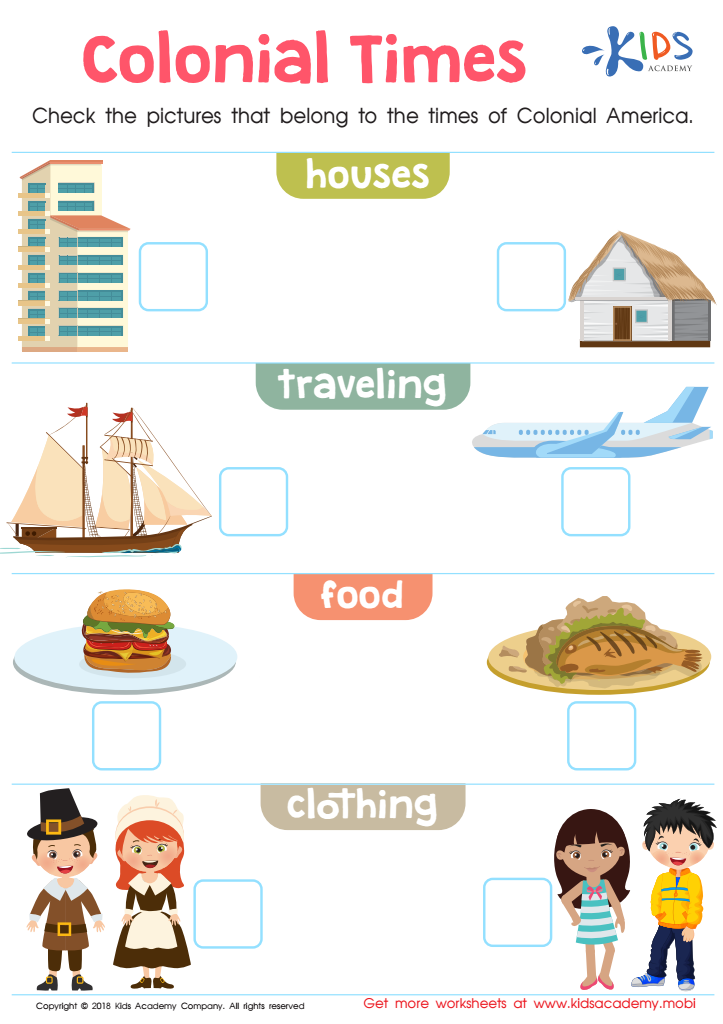
Colonial Times Worksheet
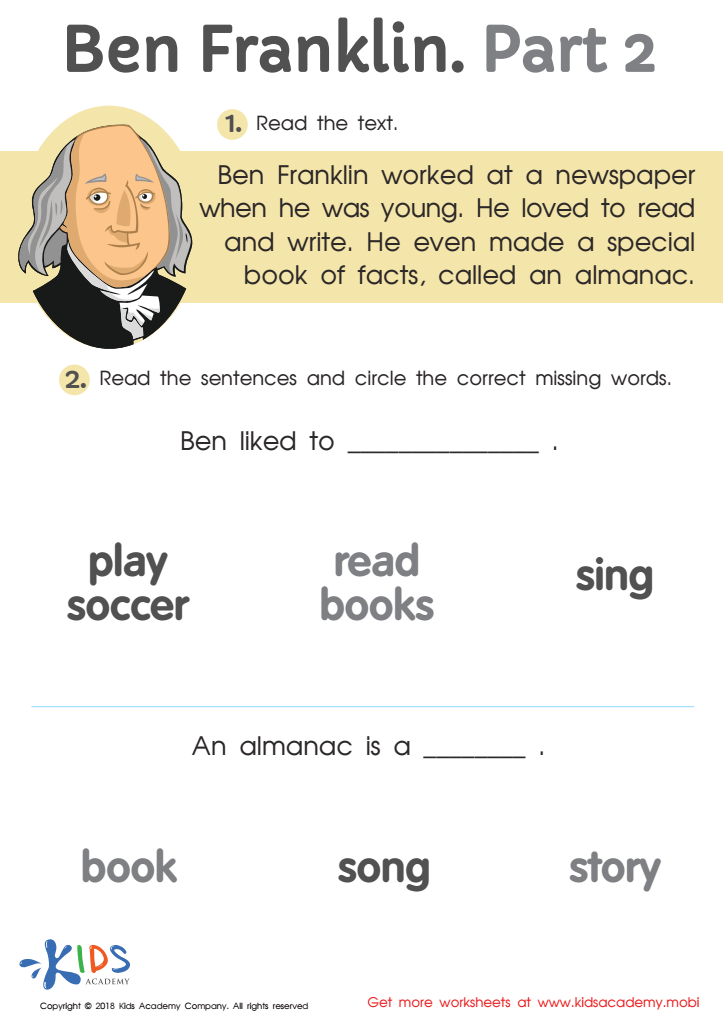
Ben Franklin Part 2 Worksheet
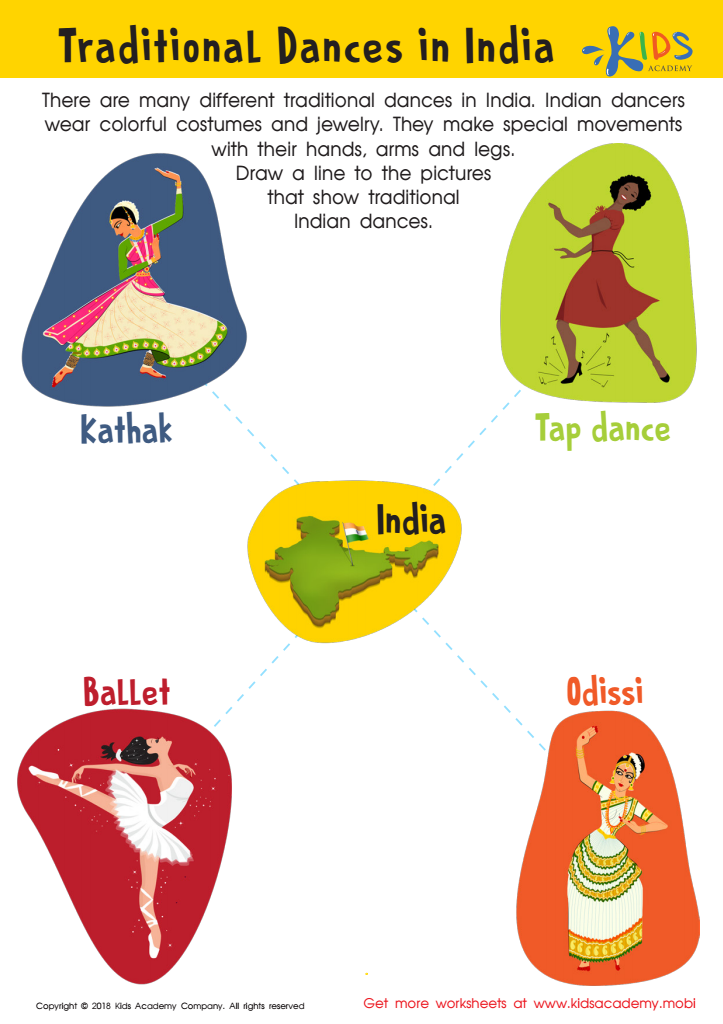
Traditional Dances in India Worksheet
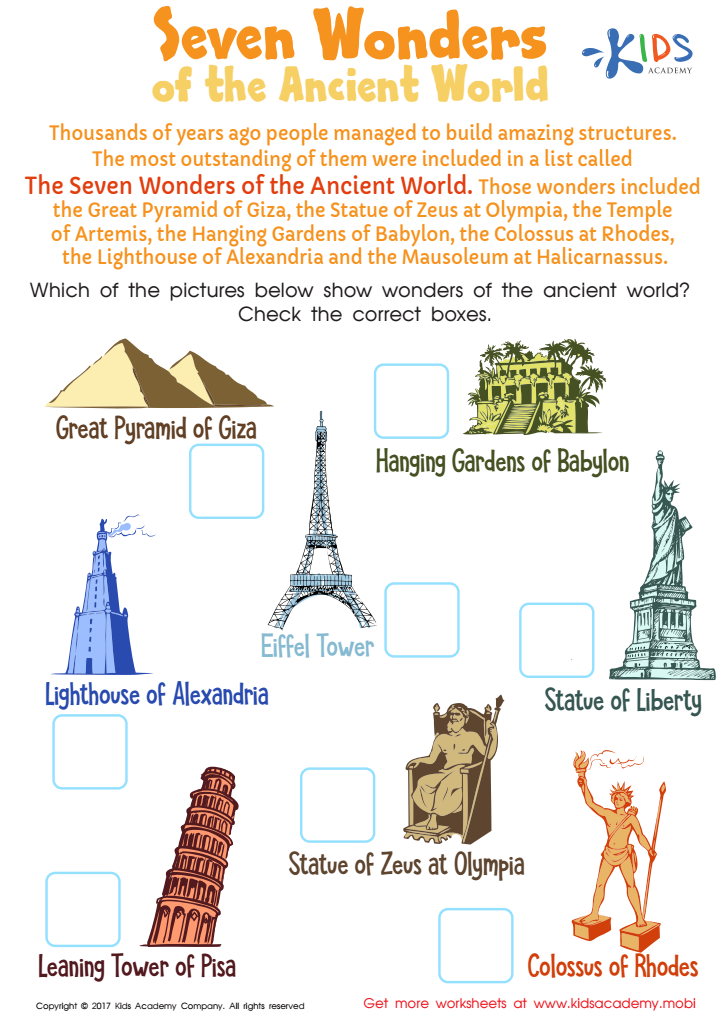
Seven Wonders of the Ancient World Worksheet
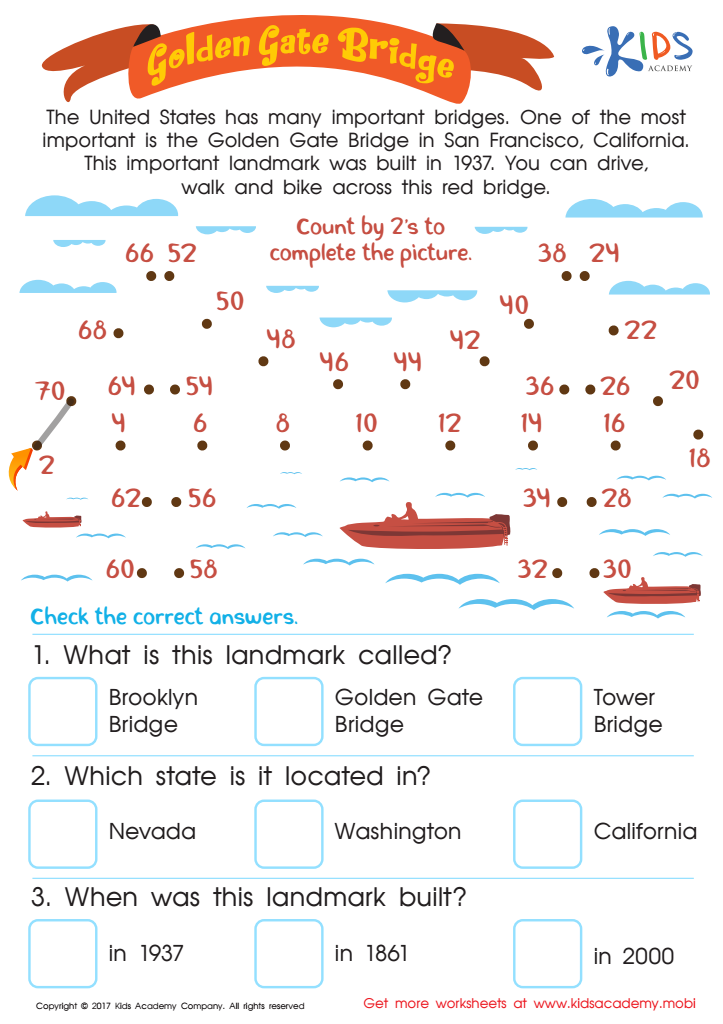
Golden Gate Bridge Worksheet
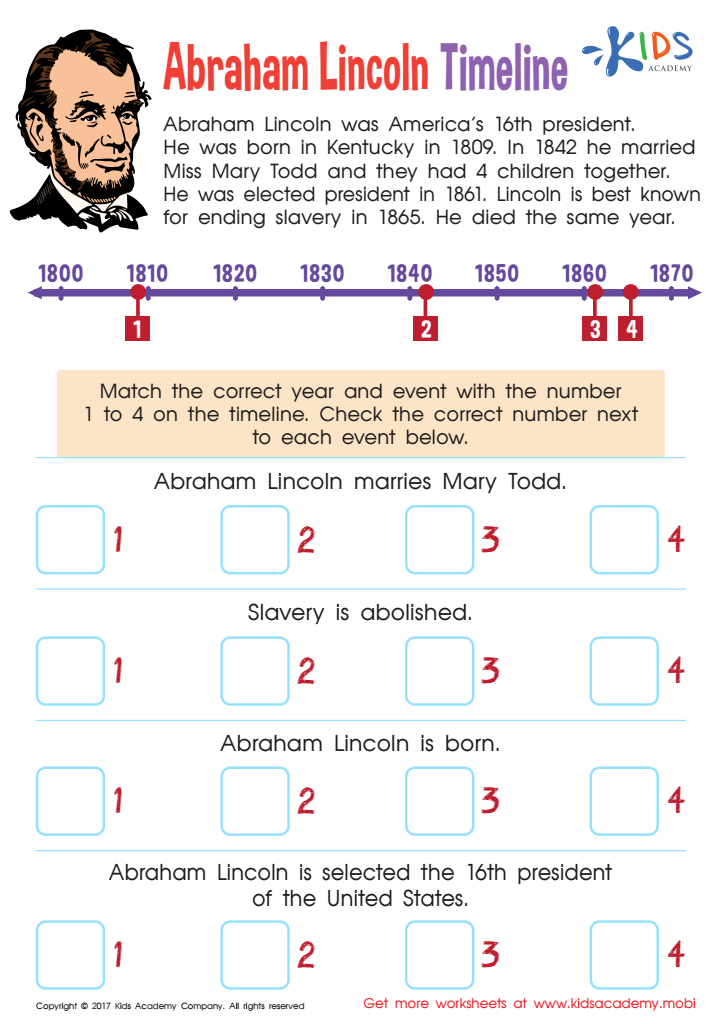
Abraham Lincoln Timeline Worksheet
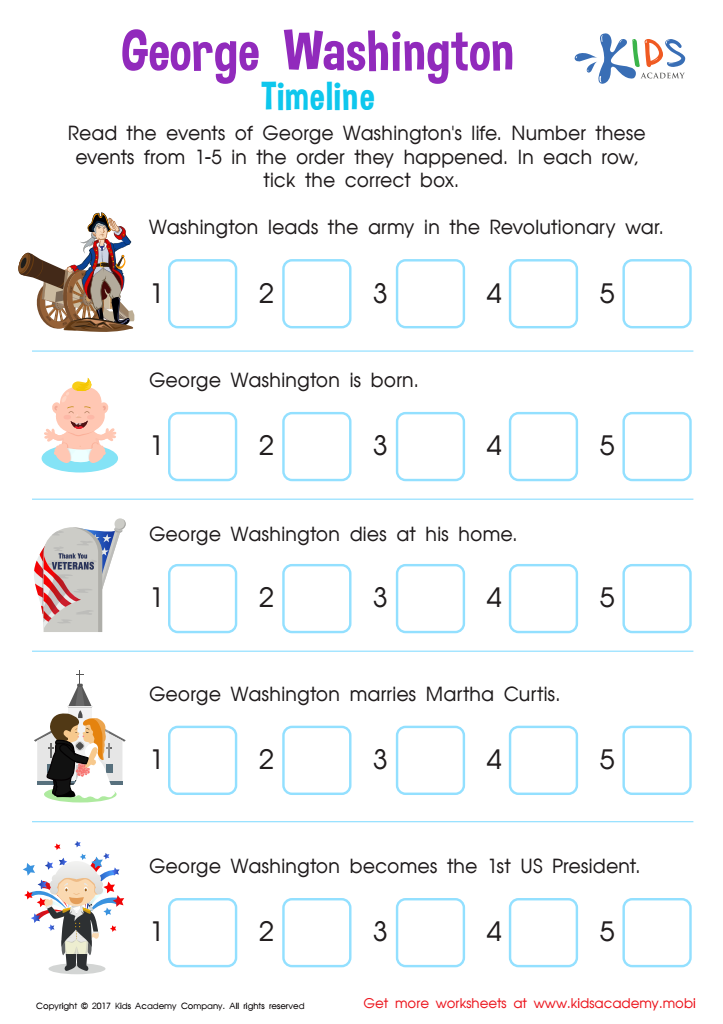
George Washington Timeline Worksheet
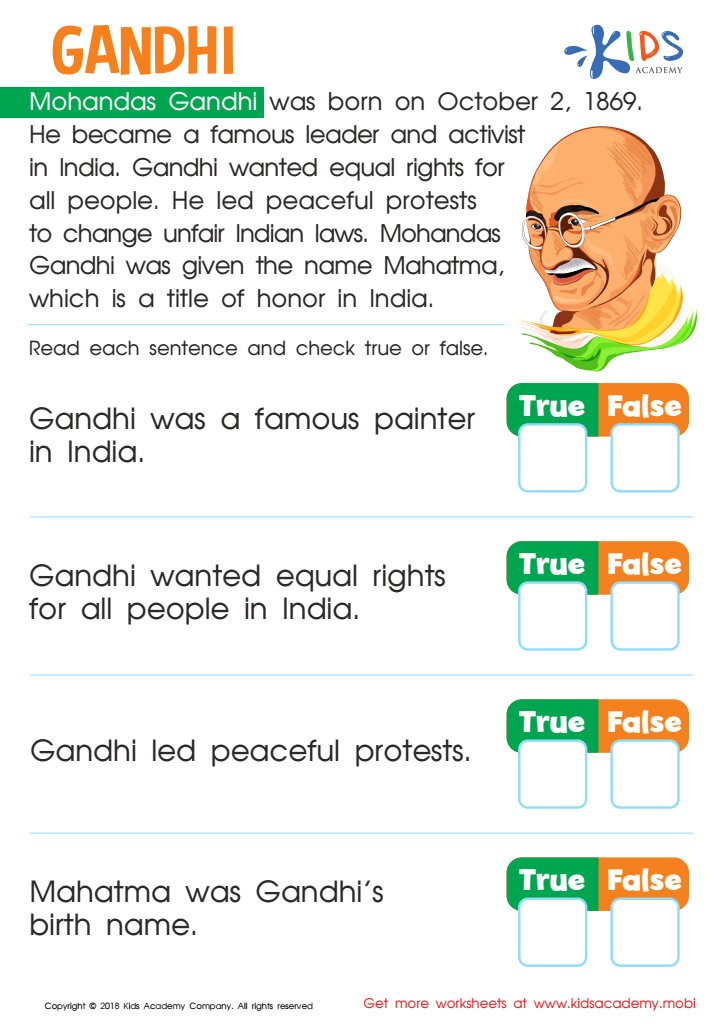
Gandhi Worksheet
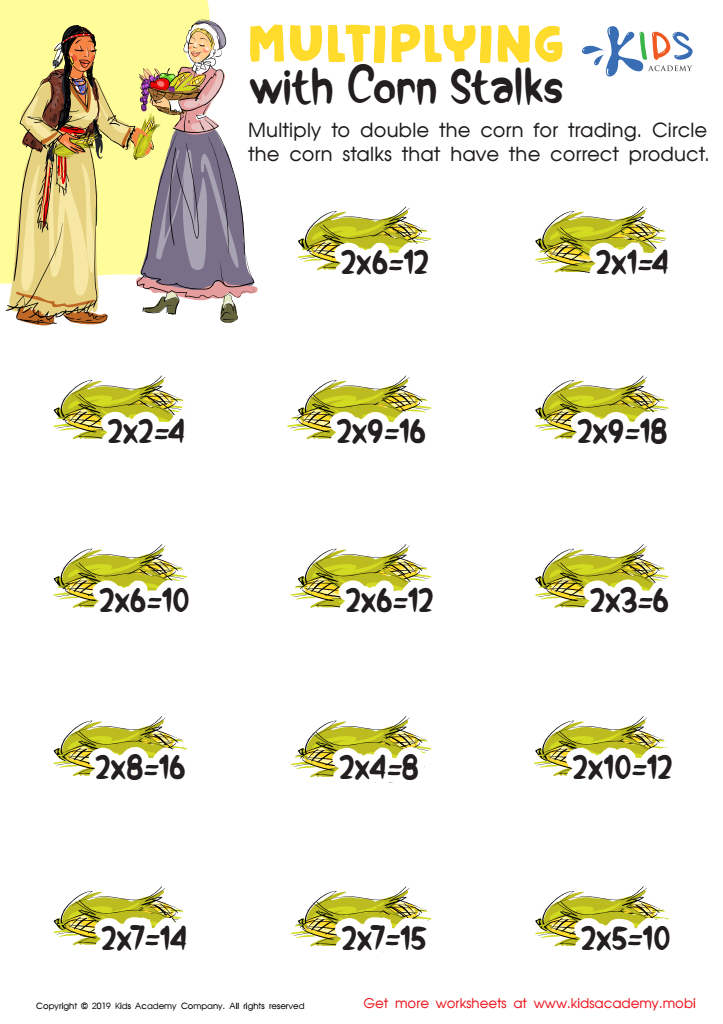
Multiplying With Corn Stalks Worksheet
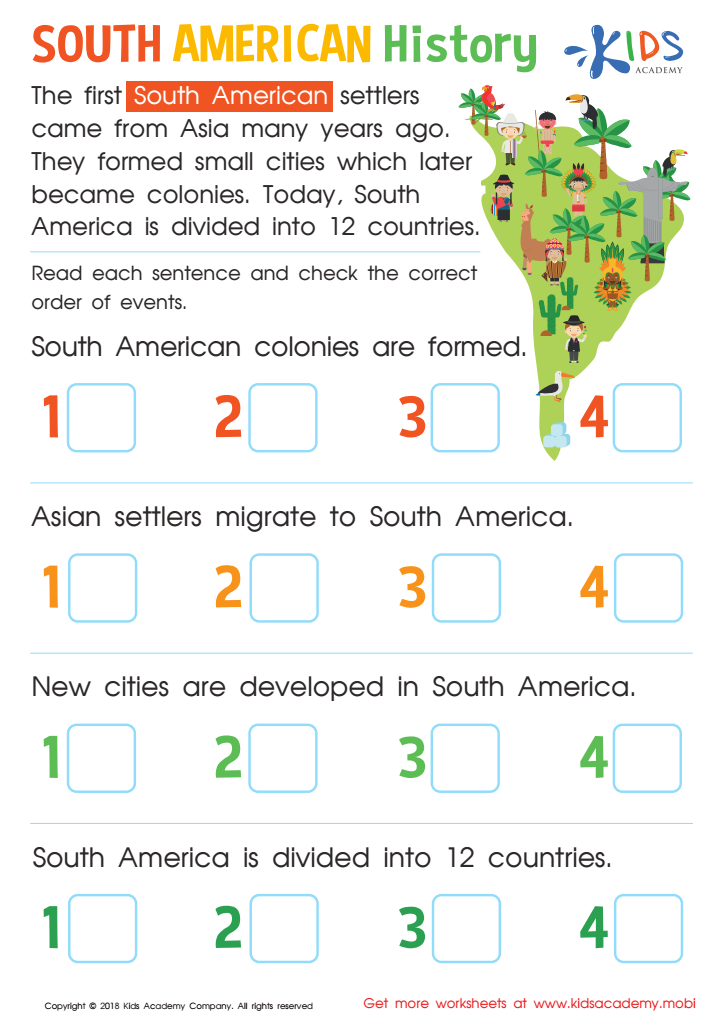
South American History Worksheet
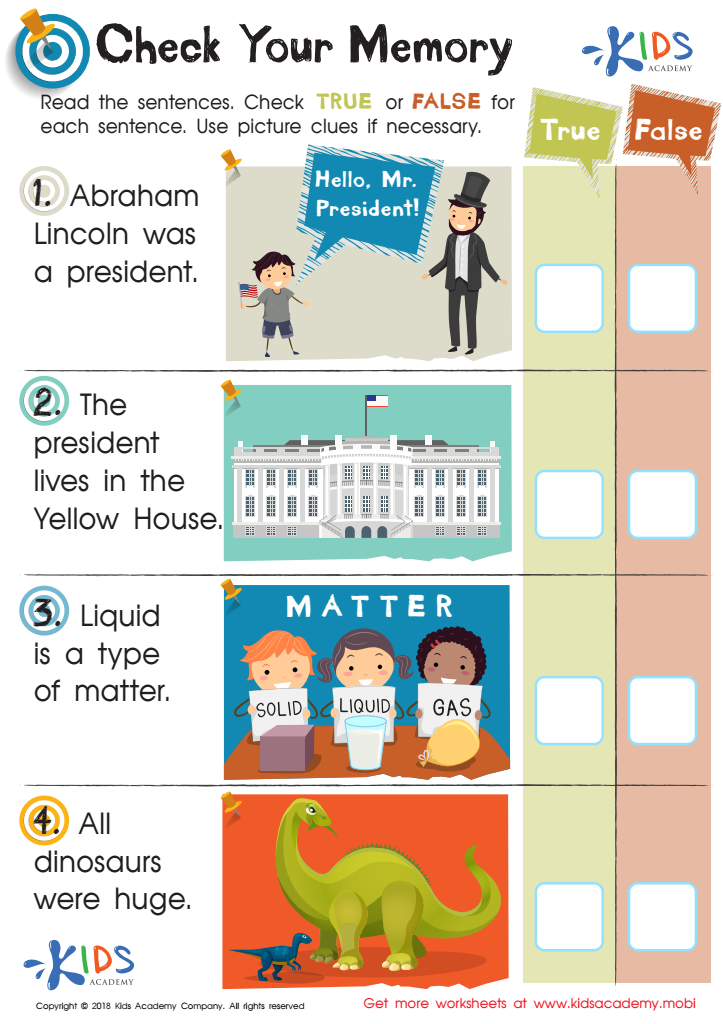
Check Memory Worksheet
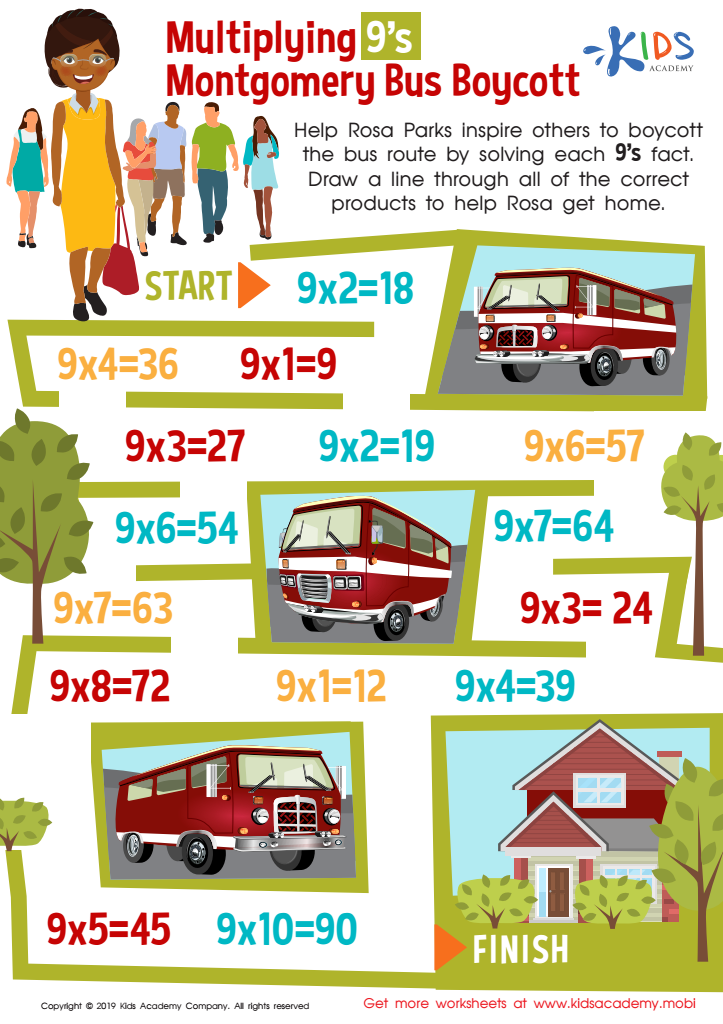
Multiplying 9’s Montgomery Bus Boycott Worksheet








Teaching history to children aged 3-9 is crucial for several reasons. First, understanding history helps children develop a sense of identity and belonging. By learning about their own family's past and the broader history of their culture and community, children cultivate self-awareness and pride. Knowledge of history also fosters empathy; children learn about diverse cultures, important figures, and significant events, which enhances their understanding of different perspectives and experiences.
Moreover, history promotes critical thinking skills. As children learn to analyze past events and the decisions that shaped them, they develop the ability to think independently, make informed choices, and understand the consequences of actions. It also encourages curiosity and questioning, prompting them to explore "why" and "how" events occurred.
In today's interconnected world, awareness of history becomes even more important. It allows young learners to appreciate global traditions and values, preparing them for future social interactions. Ultimately, teaching history at a young age sows the seeds of informed, engaged citizens who will contribute positively to their communities, fostering a society that values diversity, understanding, and cooperation. For parents and teachers, investing in history education is investing in their children's holistic development and future successes.