Writing Worksheets for Ages 3-9 - Page 2
286 filtered results
-
From - To
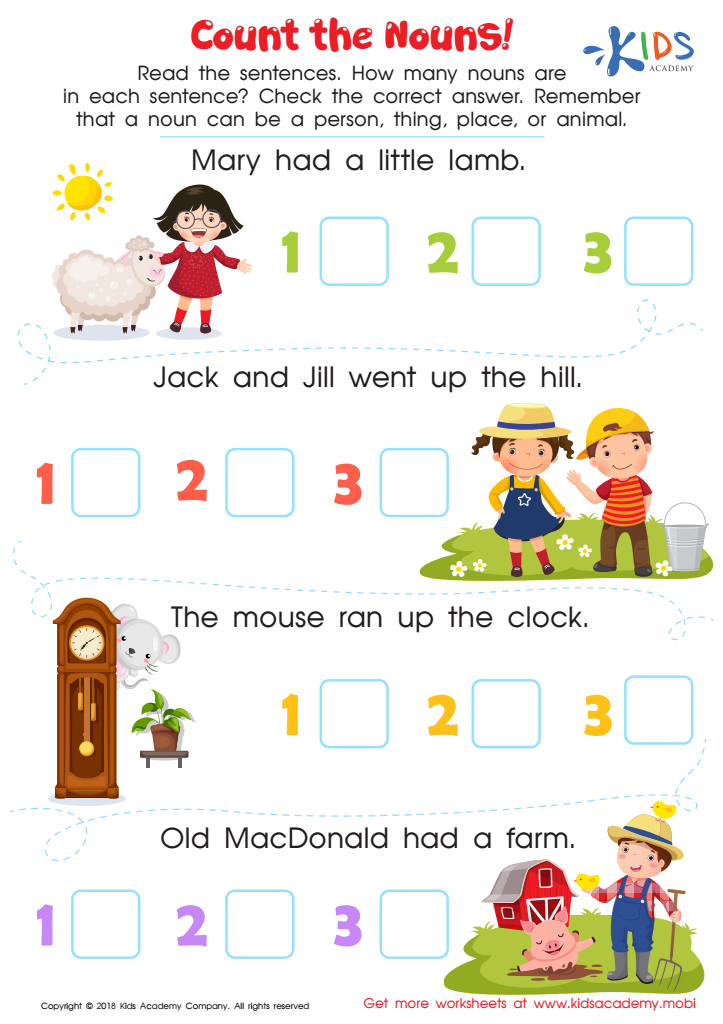
Count the Nouns Worksheet
 Assign to My Students
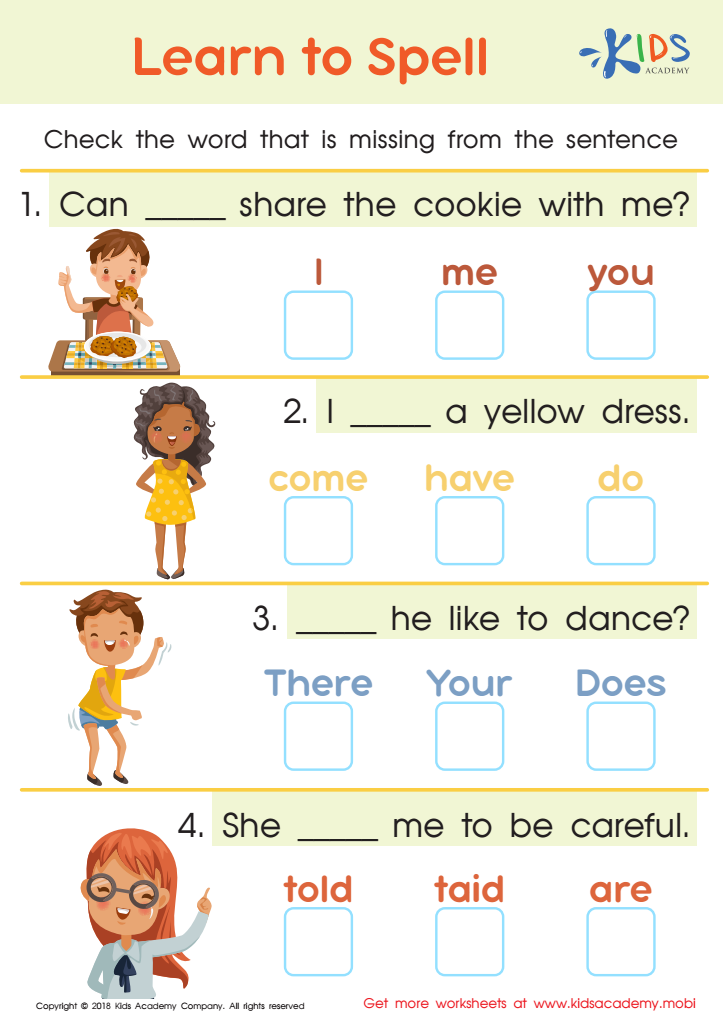
Learn to Spell Worksheet
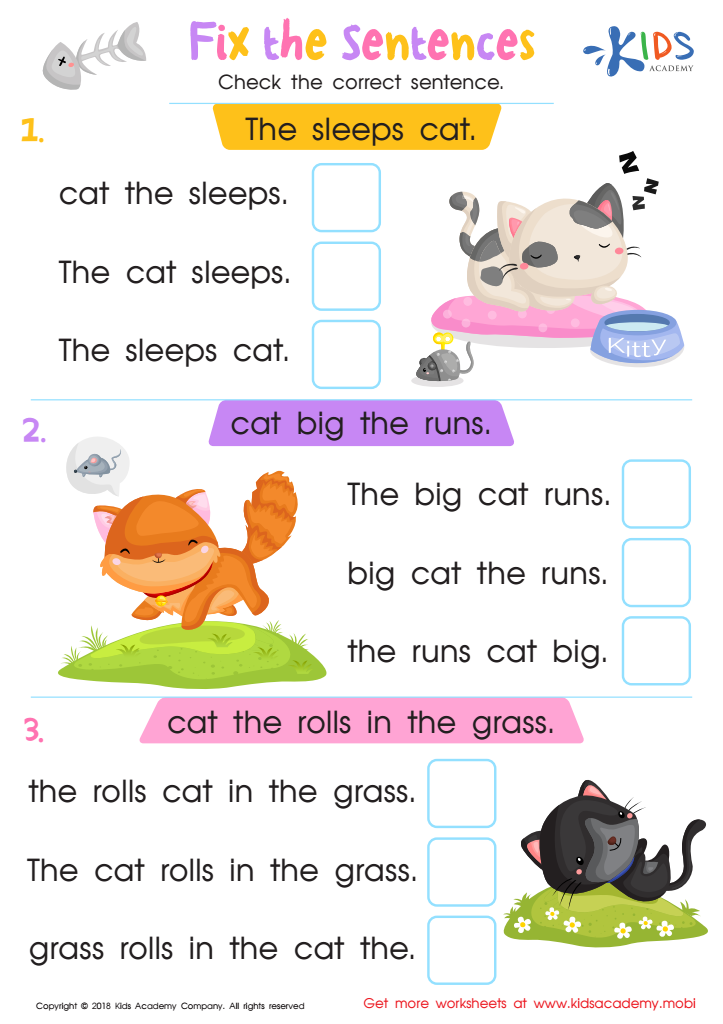
Fix the Sentences Worksheet
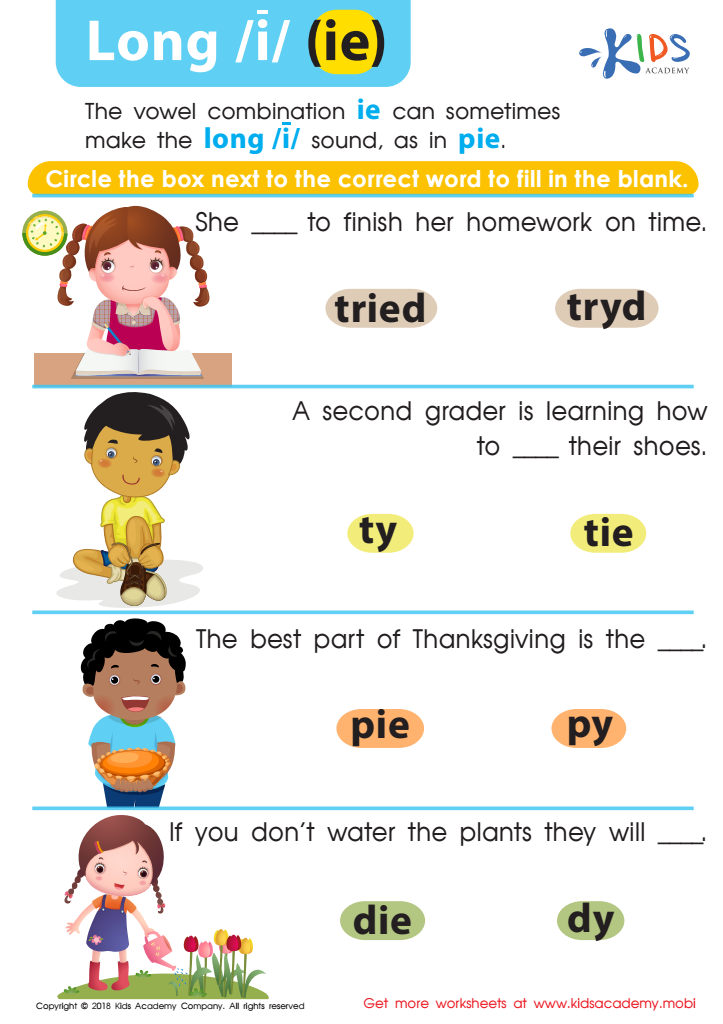
Reading: Long I and IE Worksheet
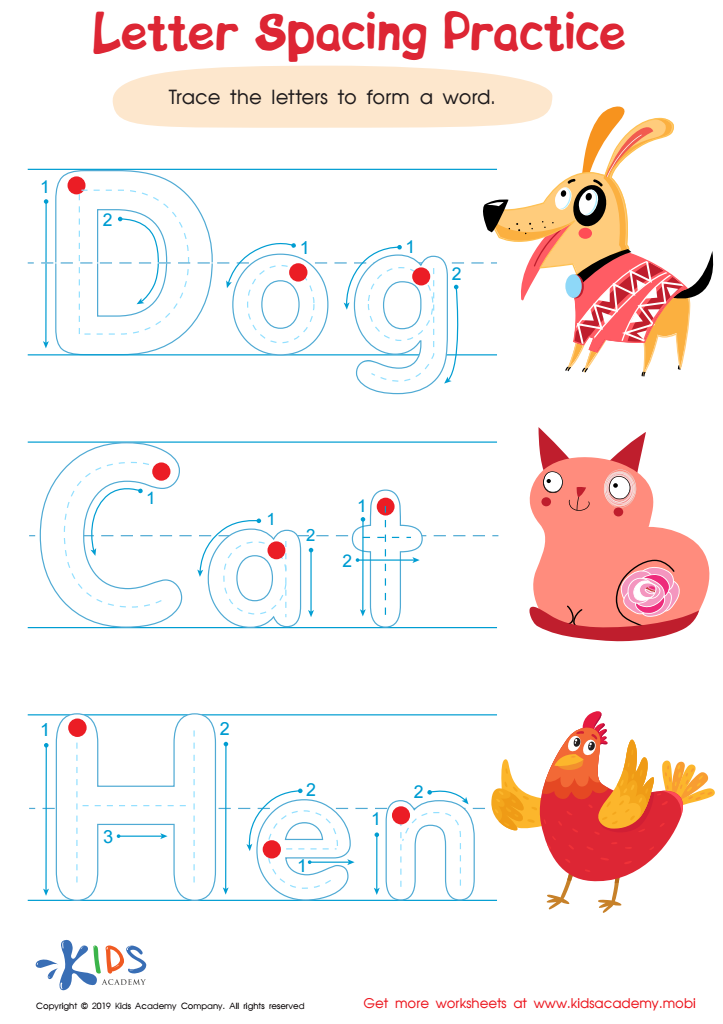
Letter Spacing Practice Worksheet
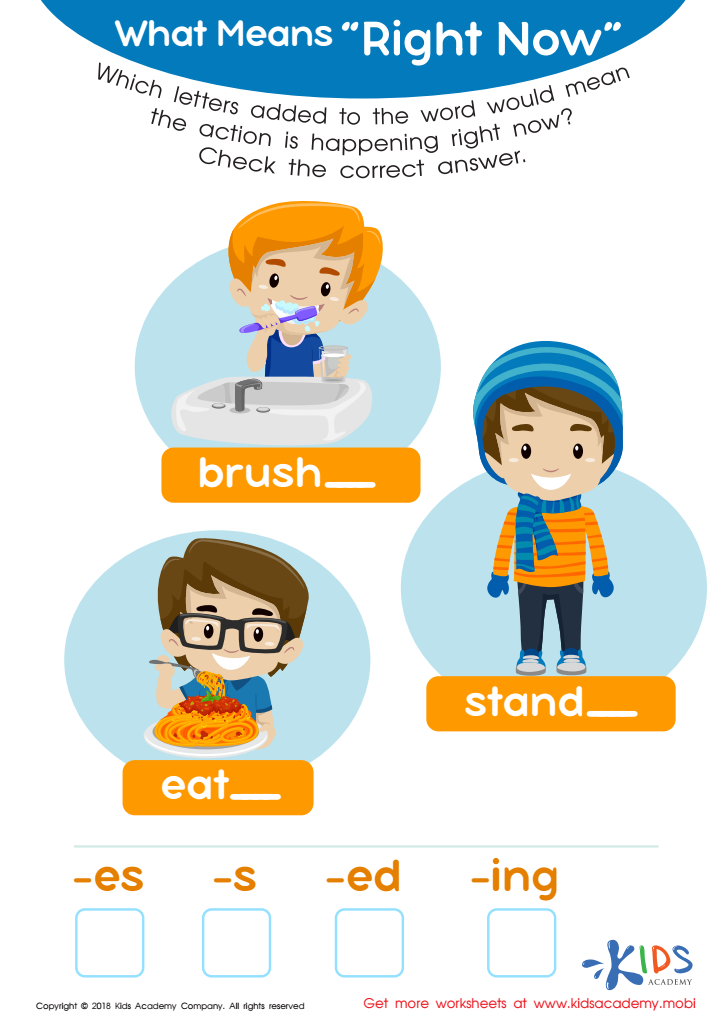
What Means "Right Now" Worksheet
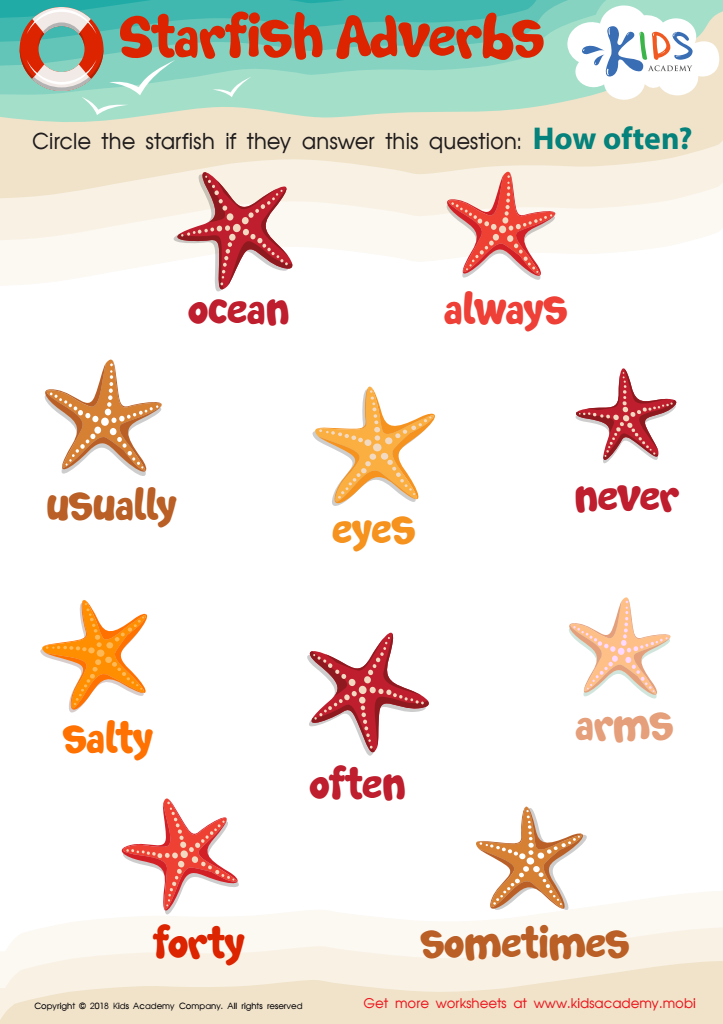
Starfish Adverbs Worksheet
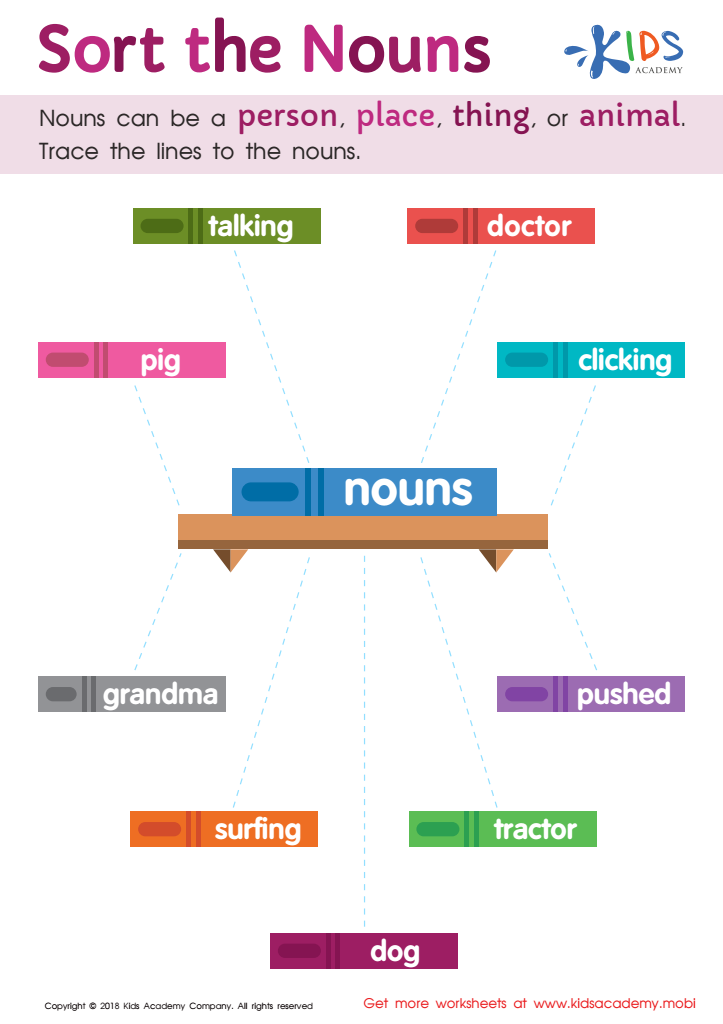
Sort the Nouns Worksheet
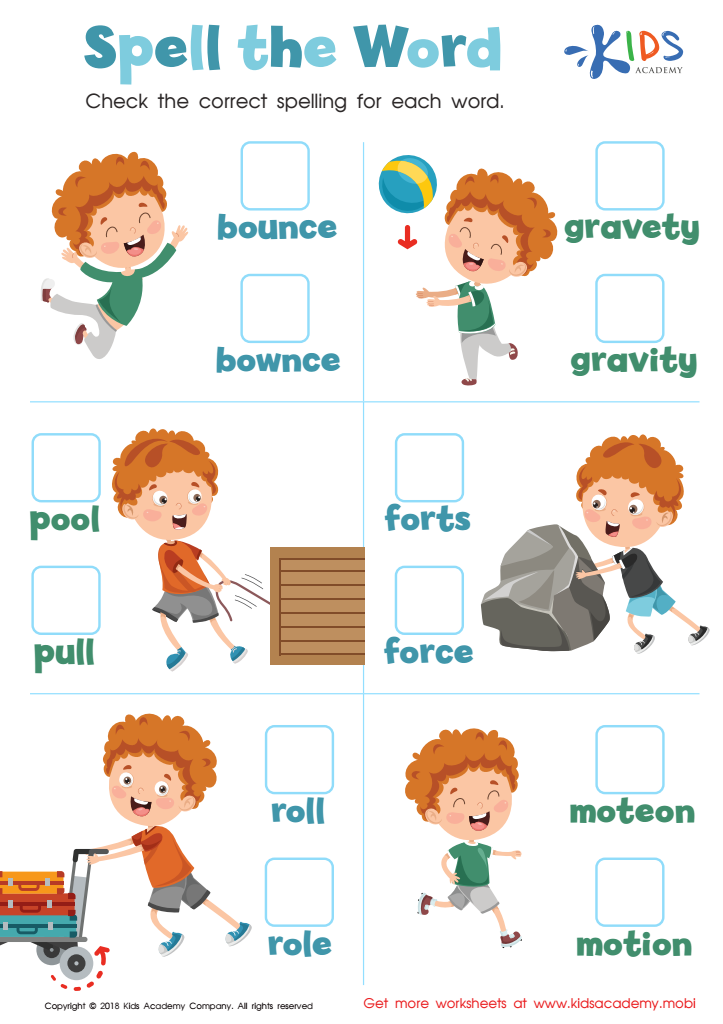
Spell the Word Worksheet
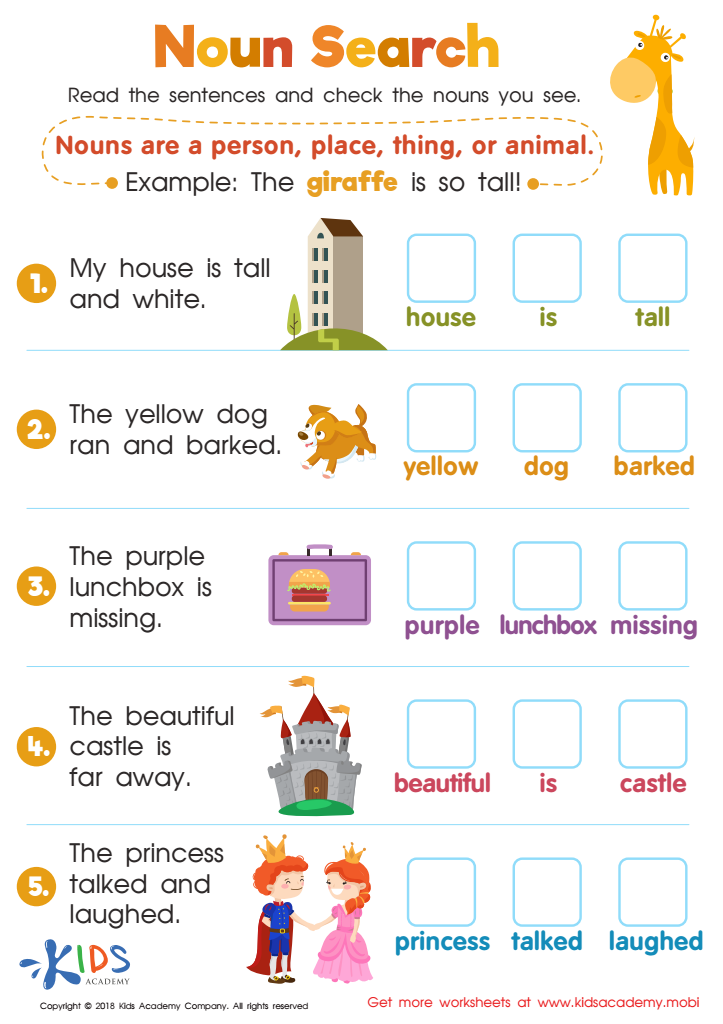
Noun Search Worksheet
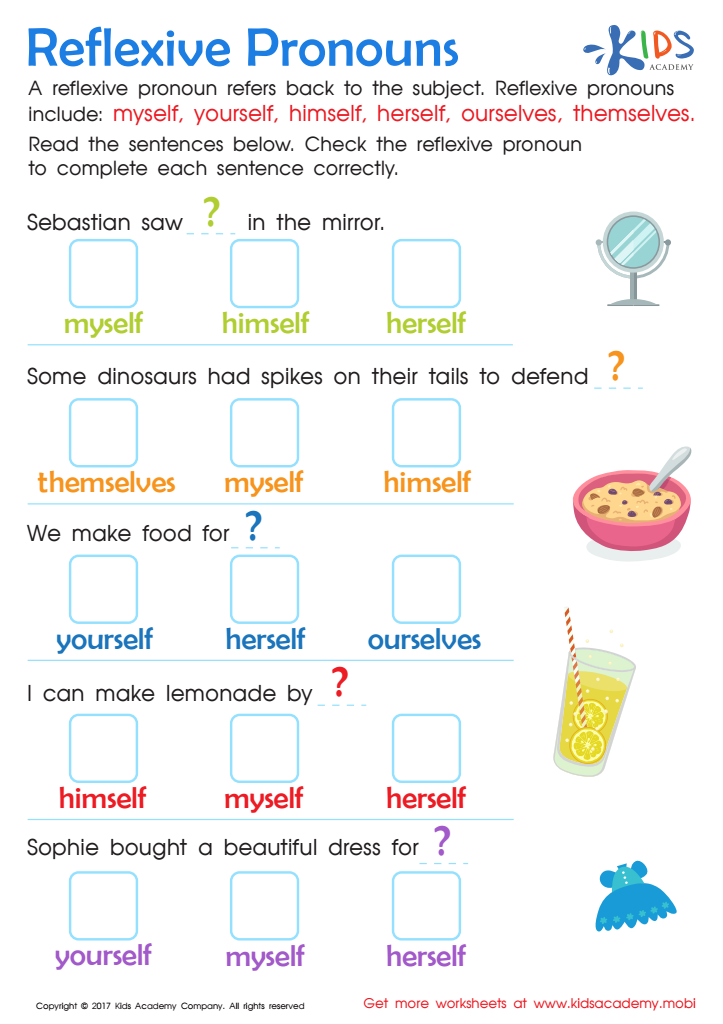
Reflexive Pronouns Worksheet
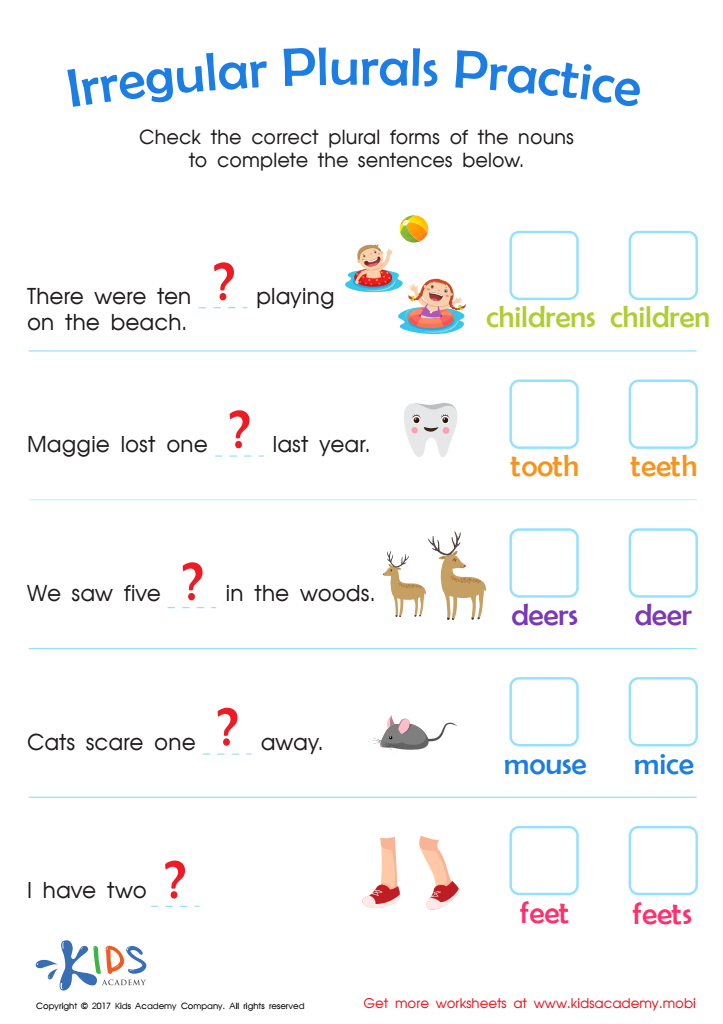
Irregular Plural Nouns Worksheet
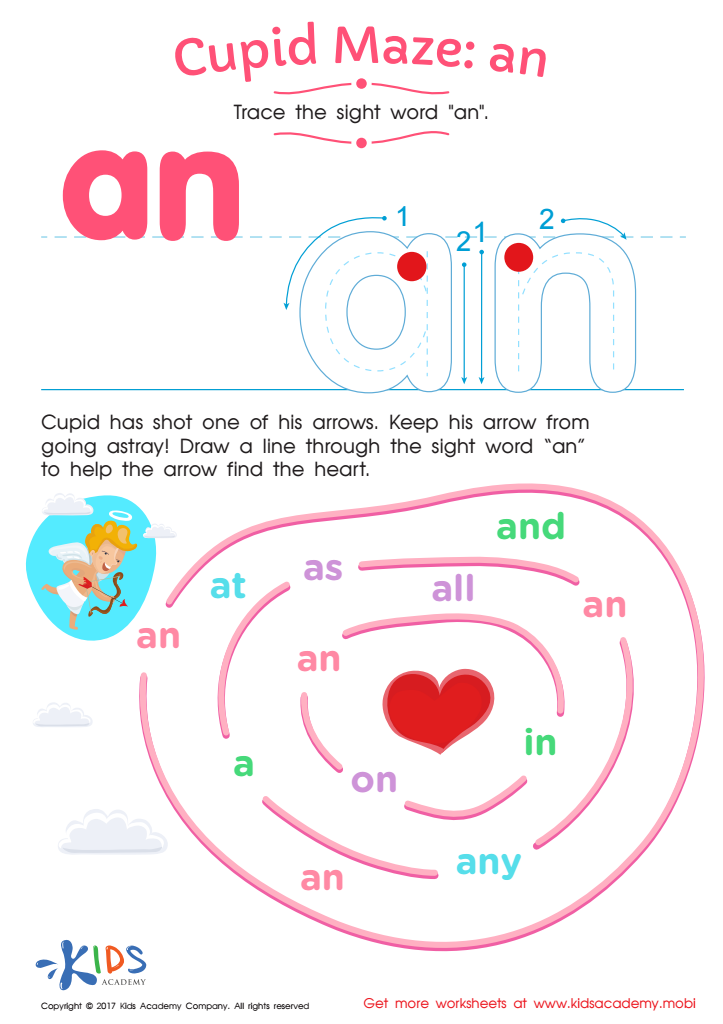
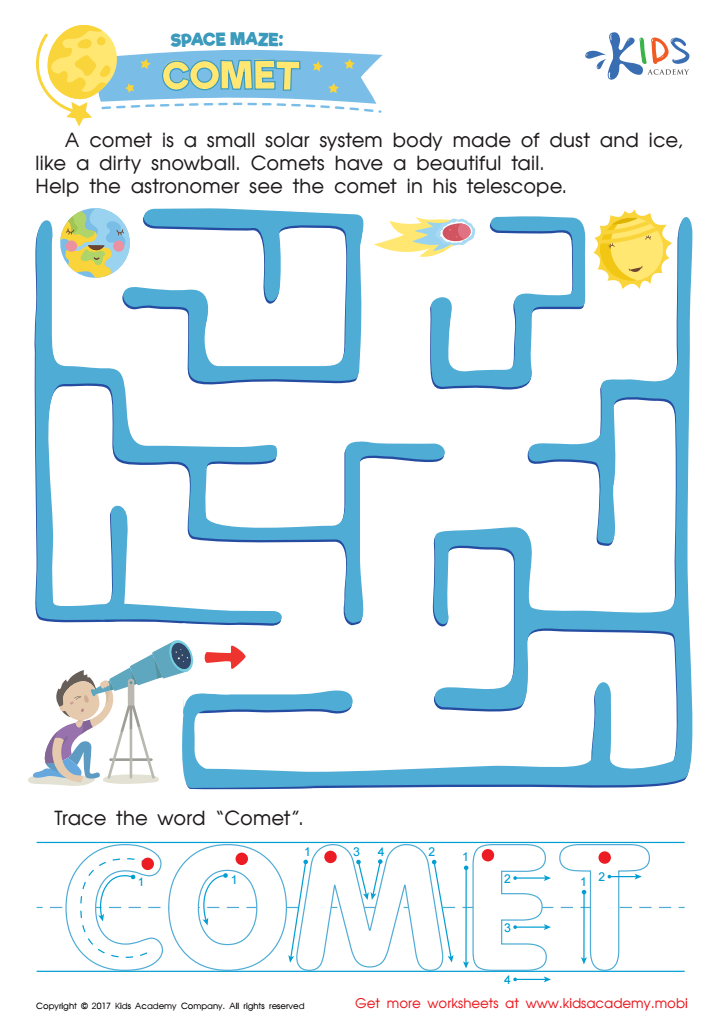
Cupid Maze: An Printable
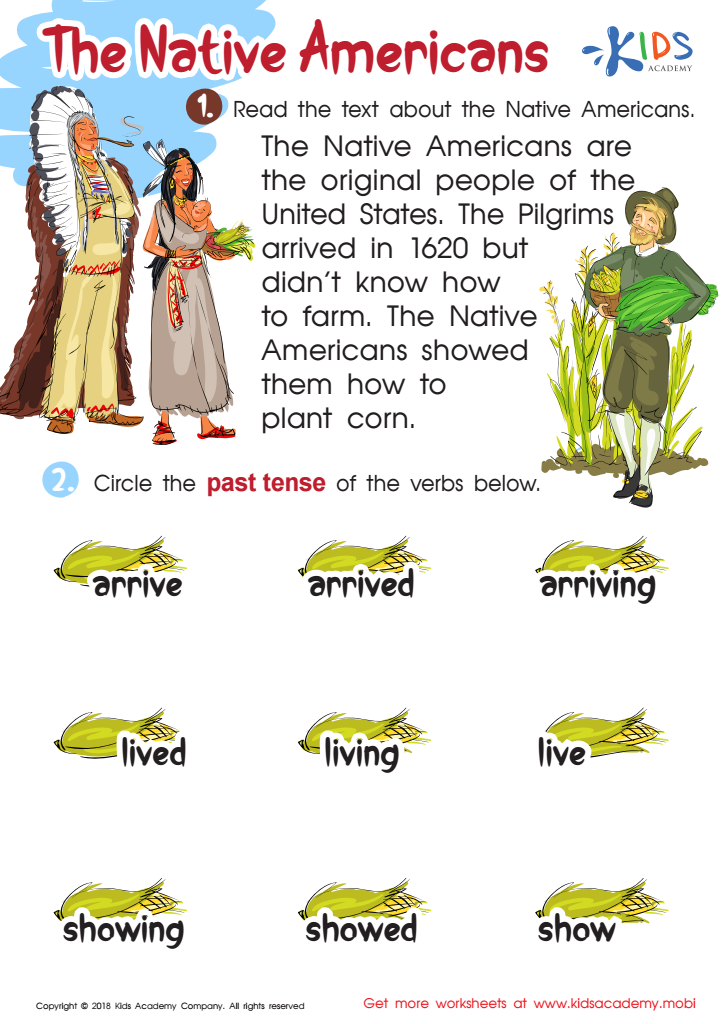
The Native Americans Worksheet
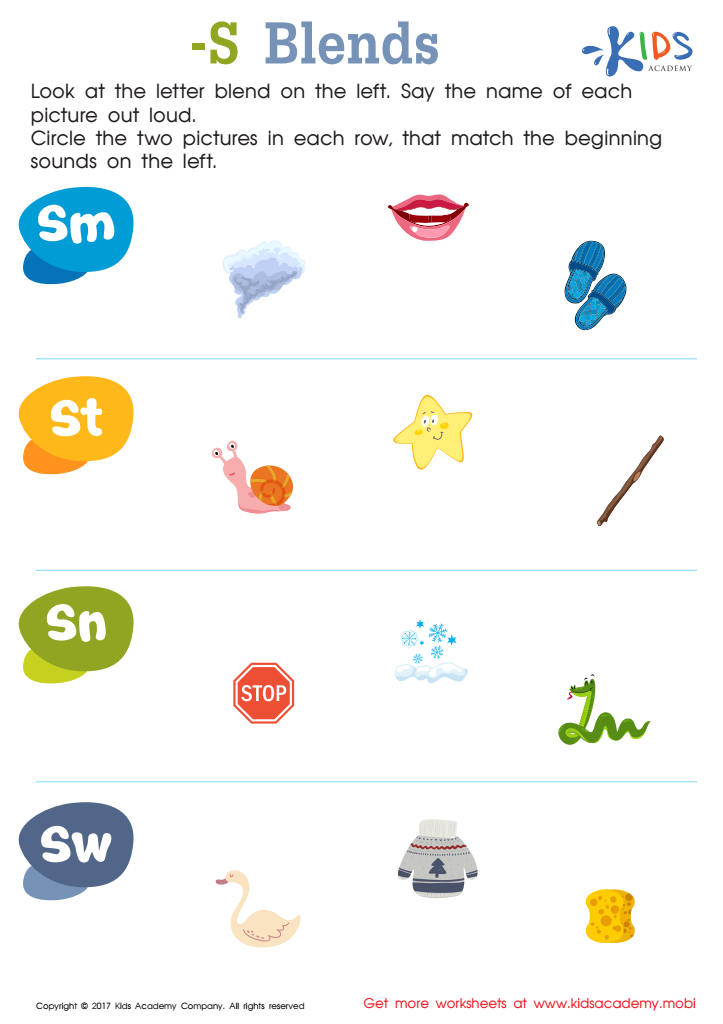
"s" Blends Spelling Printable
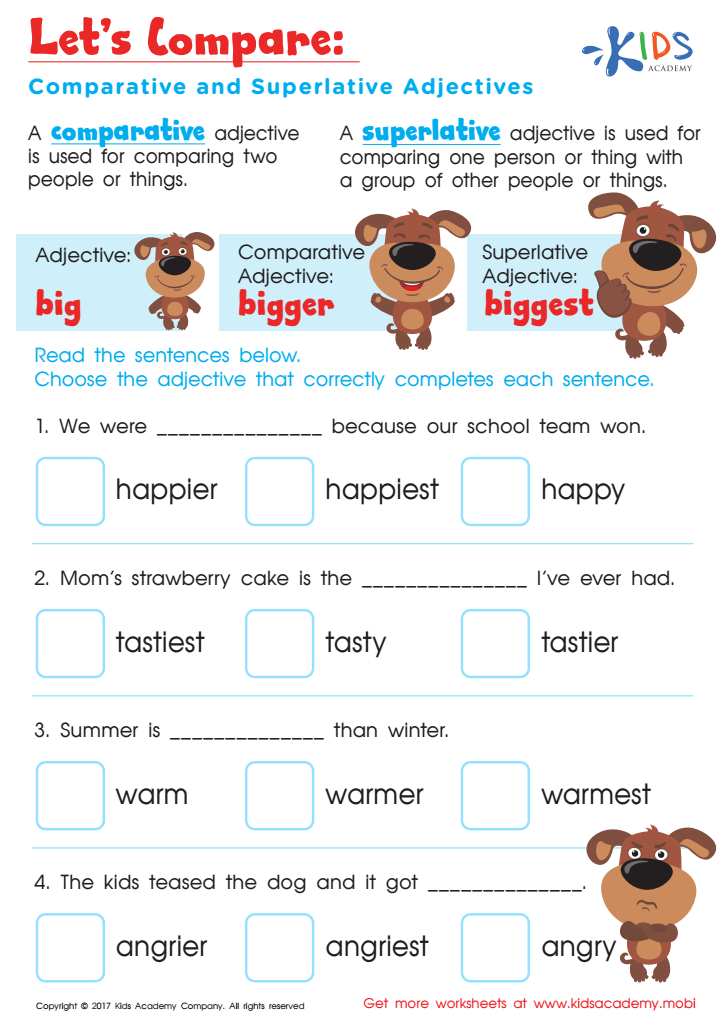
Comparative and Superlative Worksheet
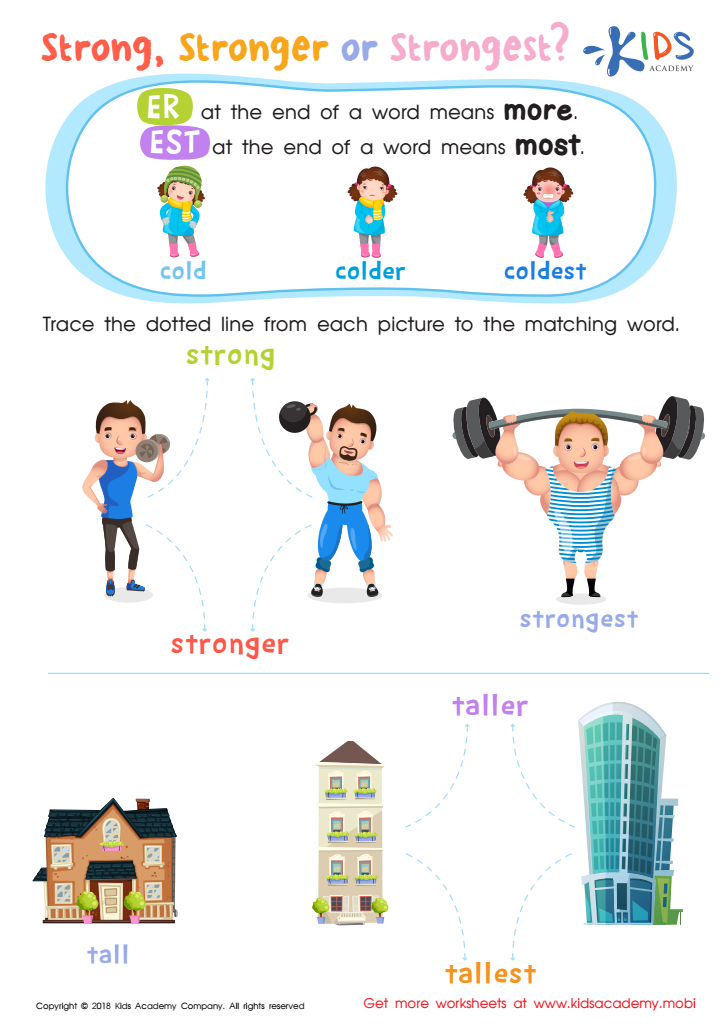
Strong or Stronger? Worksheet
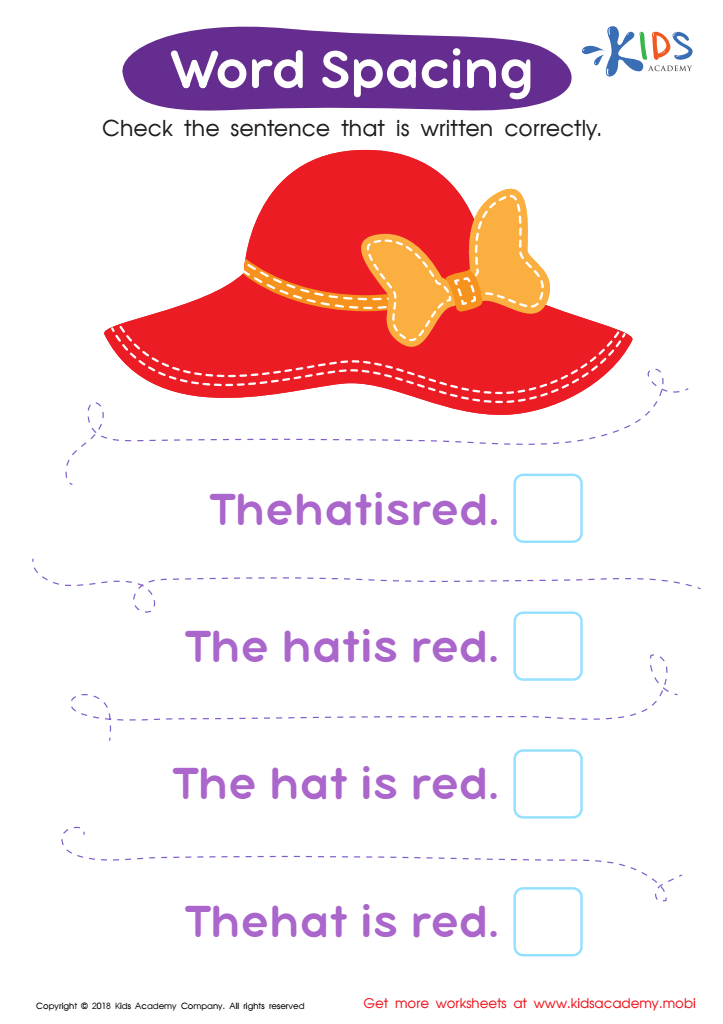
Word Spacing Worksheet
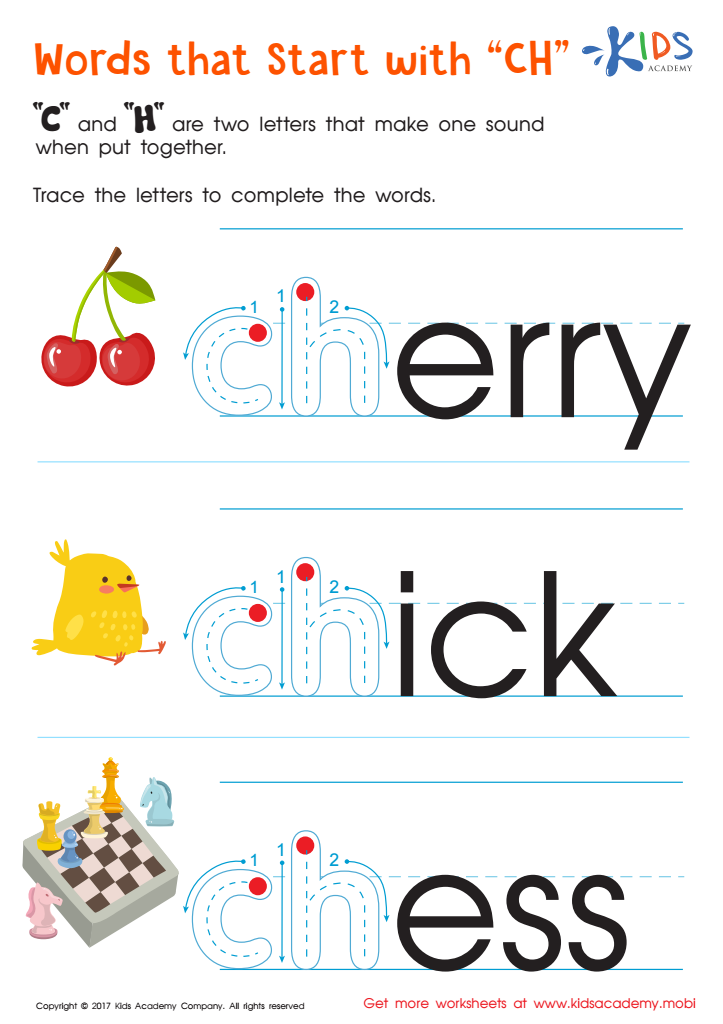
Words That Start with "ch" Spelling Worksheet
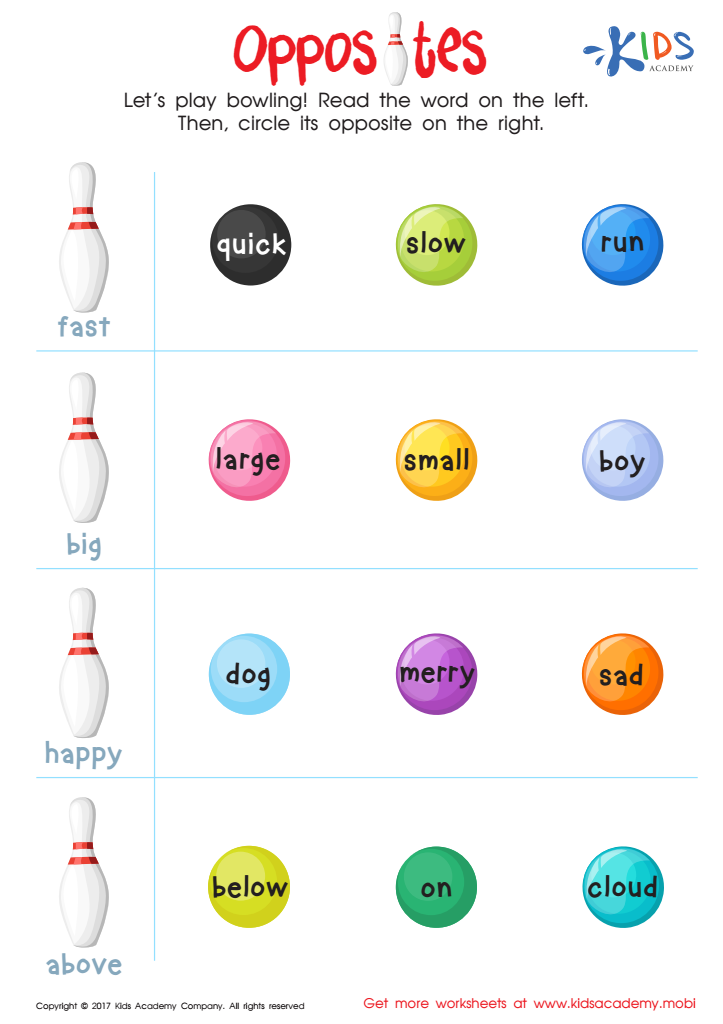
Opposites Worksheet
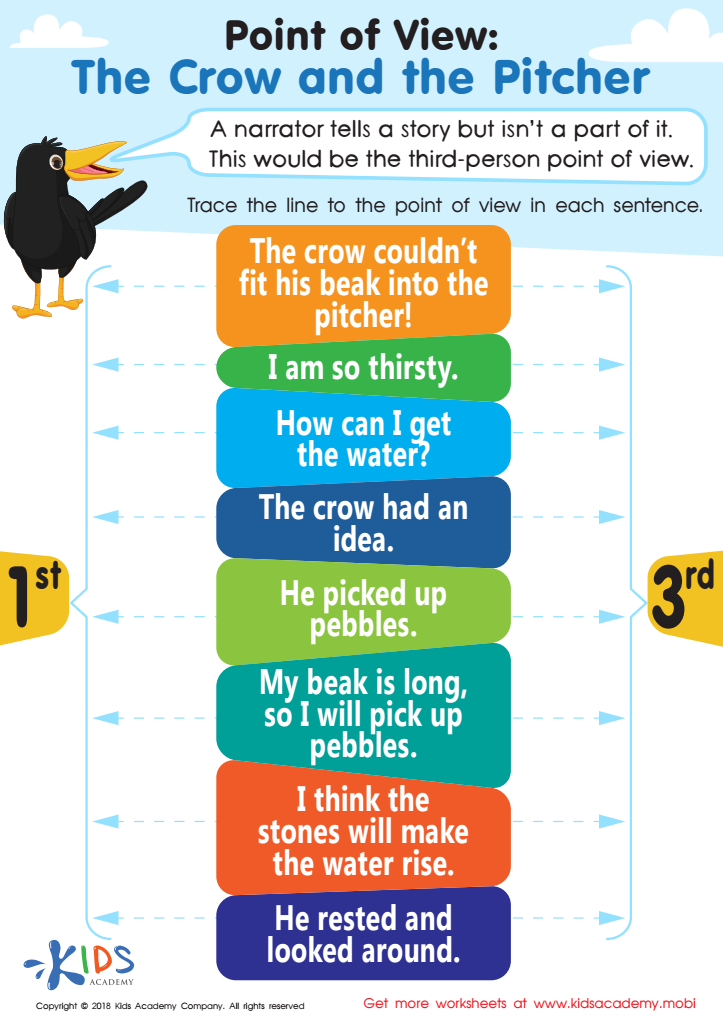
Point of View: The Crow and the Pitcher Worksheet
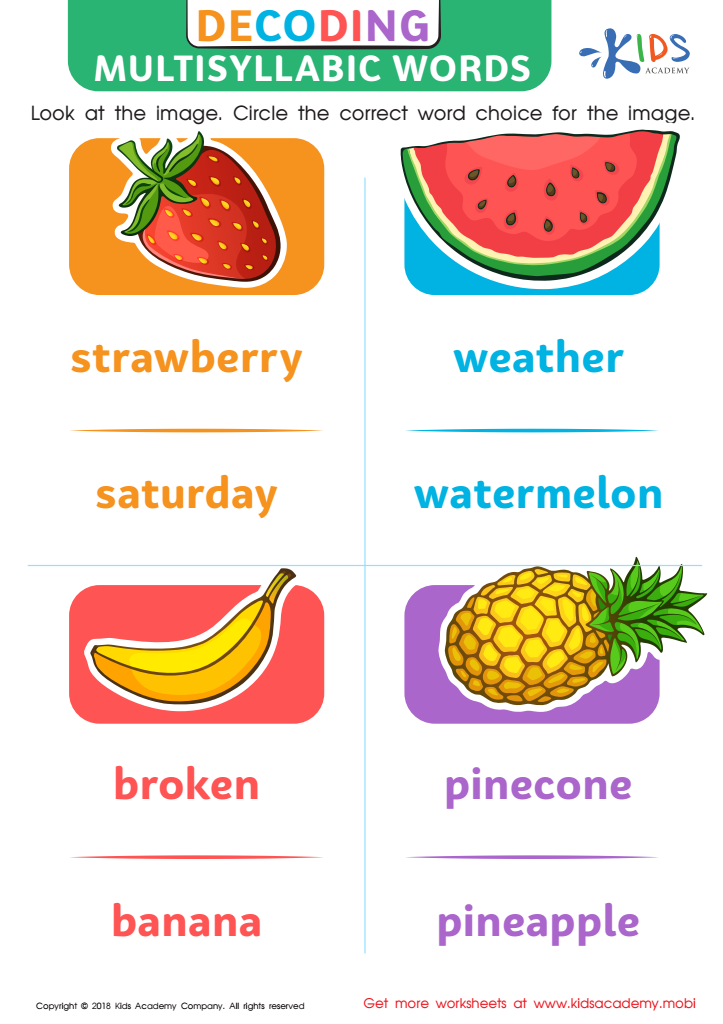
Decoding Multisyllabic Words Worksheet
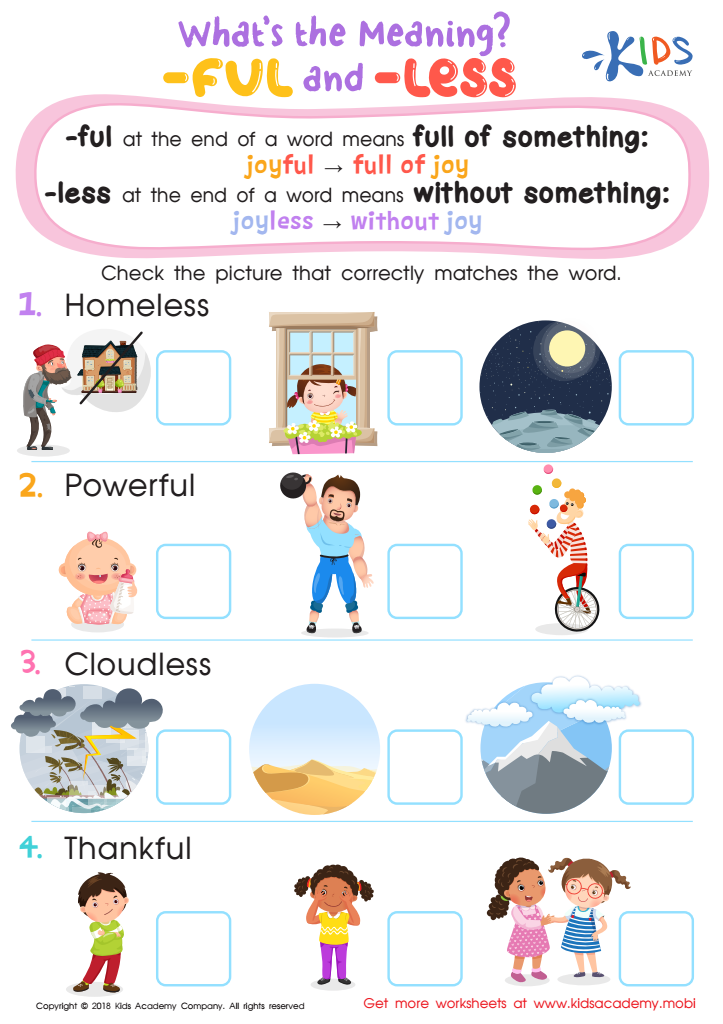
What's the Meaning? Worksheet







Parents and teachers play a crucial role in a child's development, and encouraging writing in children aged 3-9 is essential for several reasons. First, writing helps build fine motor skills. Activities such as holding a pencil, forming letters, and crafting words enhance hand-eye coordination and dexterity. Early writing activities lay the foundation for effective handwriting skills as children grow.
Second, writing fosters cognitive development. It stimulates the brain, encouraging critical thinking, problem-solving, and creativity. Through writing, children learn to express their thoughts and ideas coherently, a skill that benefits their academic progression.
Moreover, writing supports language development. It enriches vocabulary and improves grammar and syntax. As children narrate their stories or describe their drawings, they develop better communication skills, which are pivotal for their overall developmental milestones.
Writing also nurtures emotional expression. For young children, articulating feelings through words can be more challenging than showing them. Providing them with various writing activities helps them to voice their emotions effectively and reduces frustration or behavioral issues.
Lastly, positive early writing experiences instill a love for learning and literacy that lasts a lifetime. It opens doors to academic success, fosters a sense of accomplishment, and builds a solid foundation for lifelong learning and communication skills. Thus, parents and teachers should actively encourage and engage in writing activities for young children.