Plants and Animals Worksheets for Ages 4-7 - Page 2
105 filtered results
-
From - To
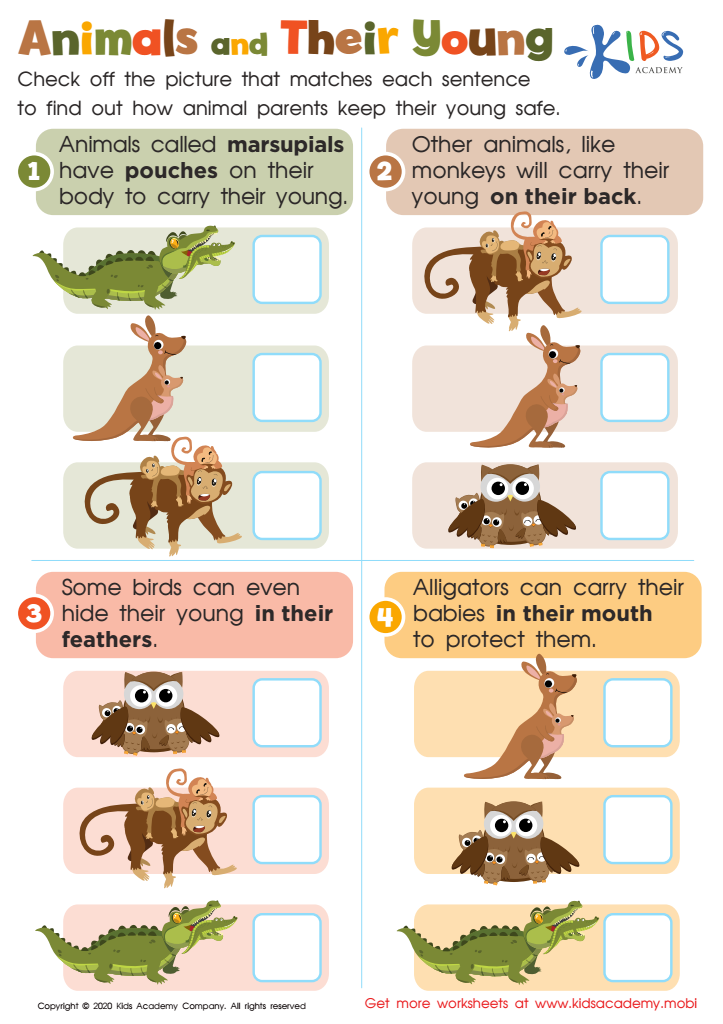
Animals and Their Young Worksheet
 Assign to My Students











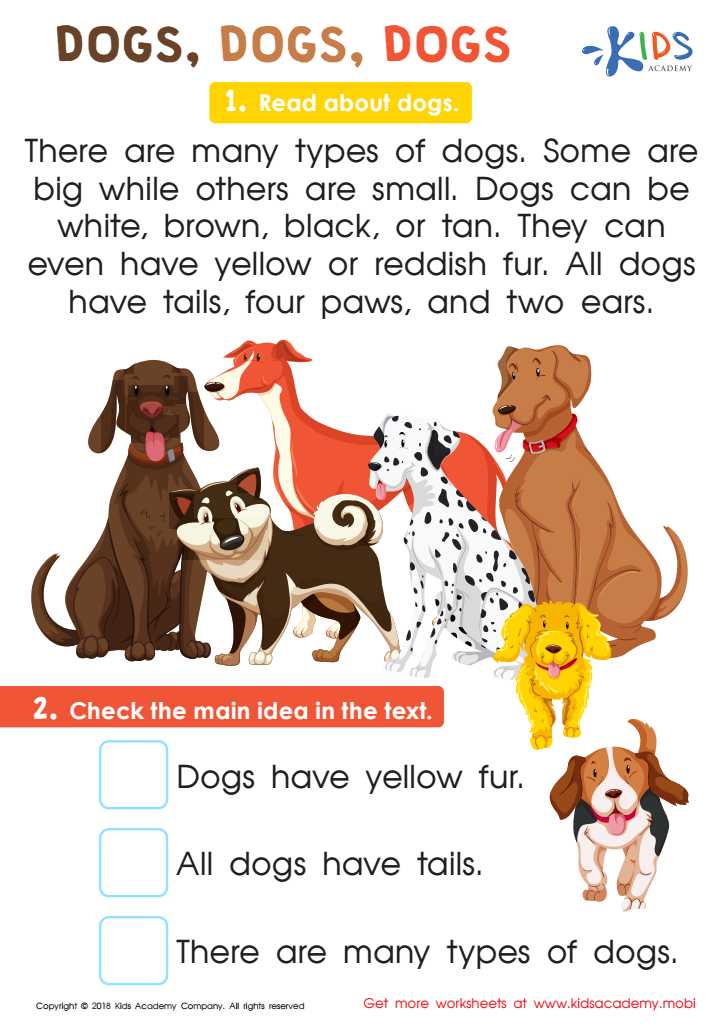
Dogs, Dogs Worksheet
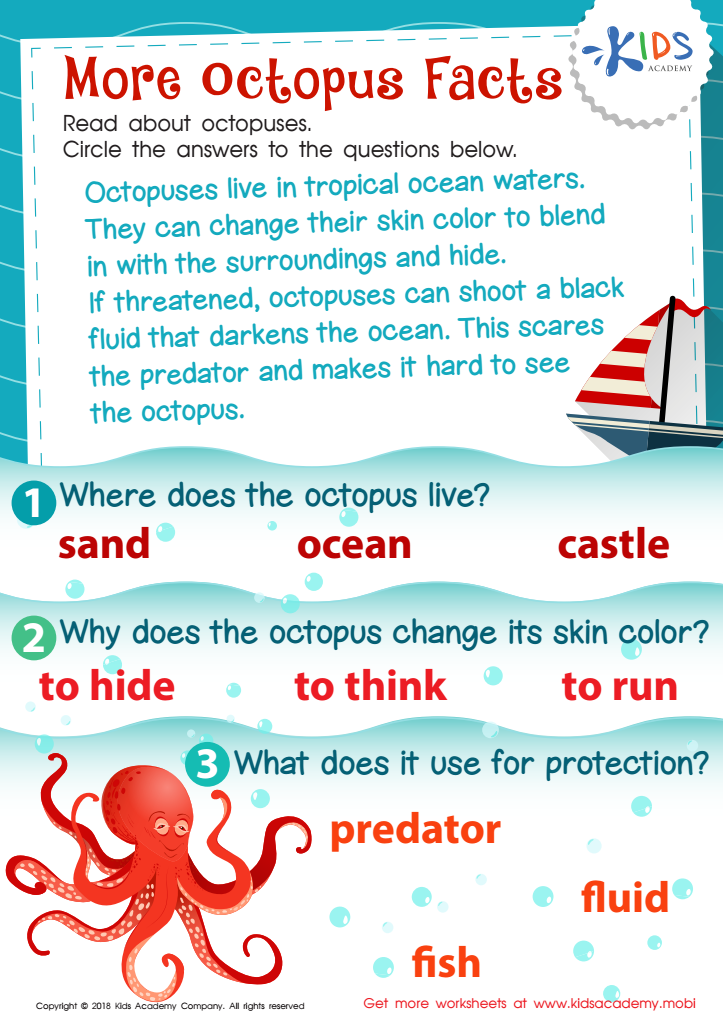
More Octopus Facts Worksheet
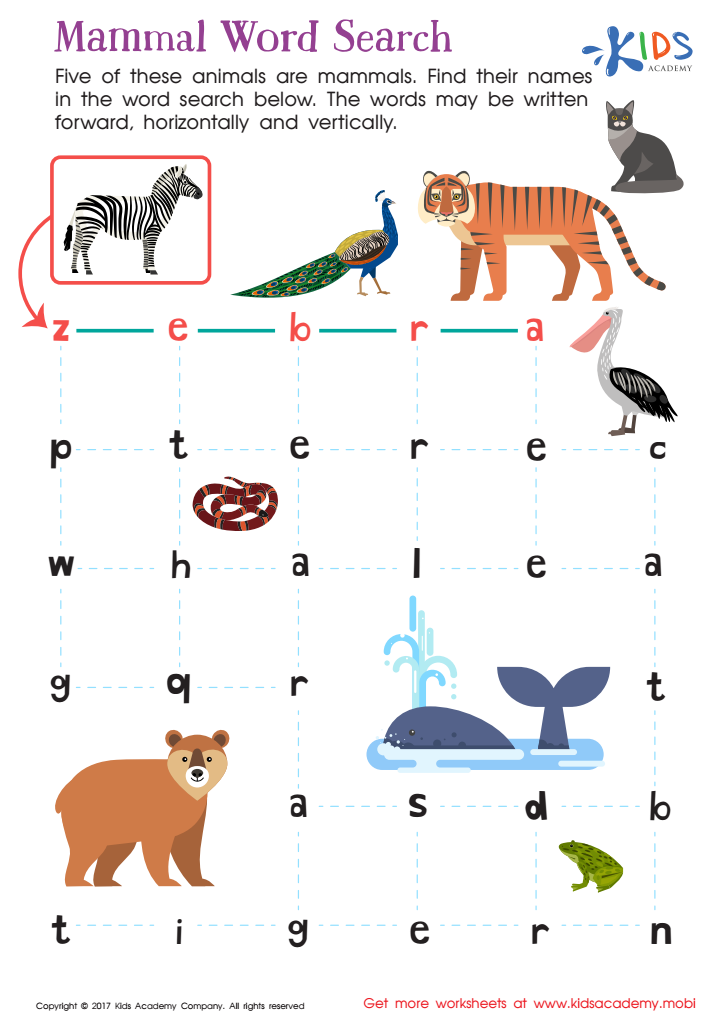
Printable Mammal Word Search
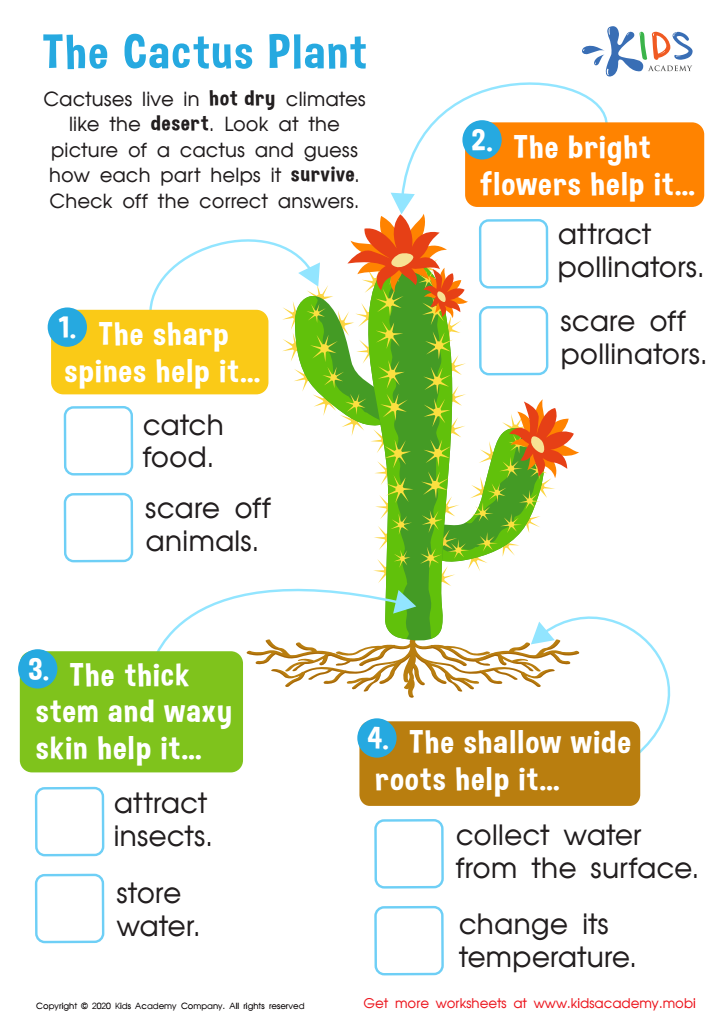
The Cactus Plant Worksheet
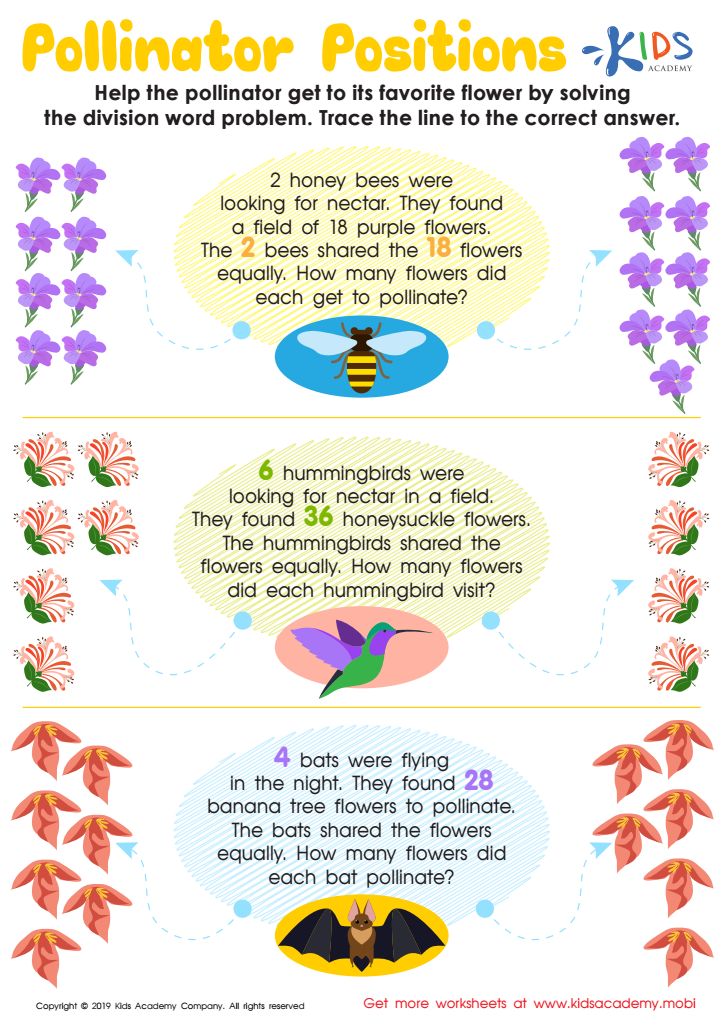
Pollinator Positions Worksheet
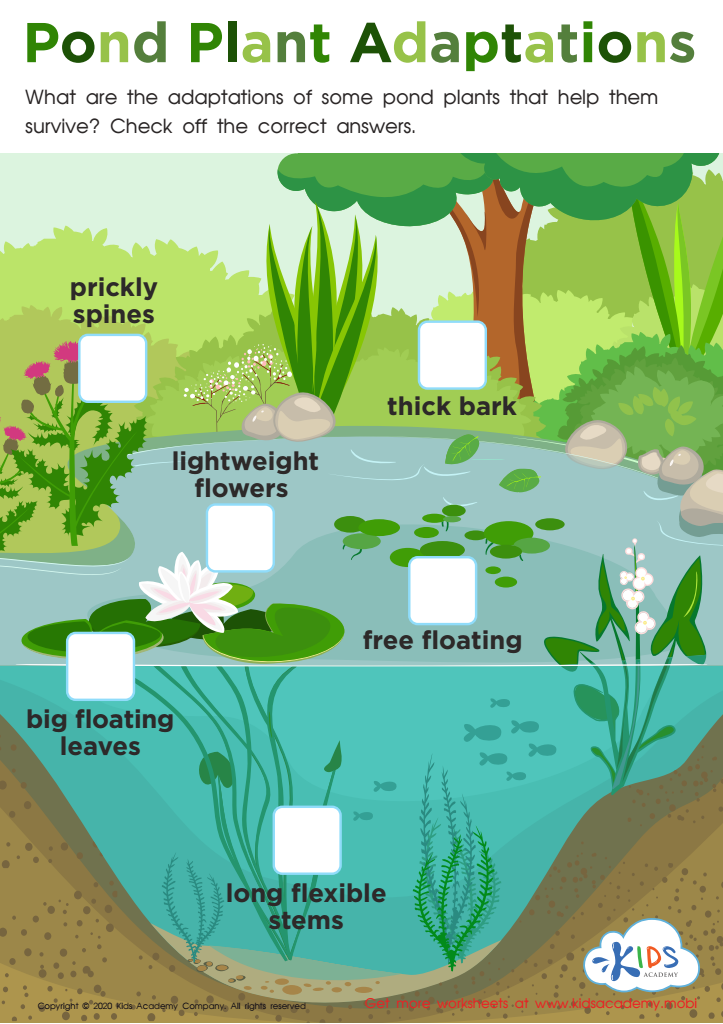
Pond Plant Adaptations
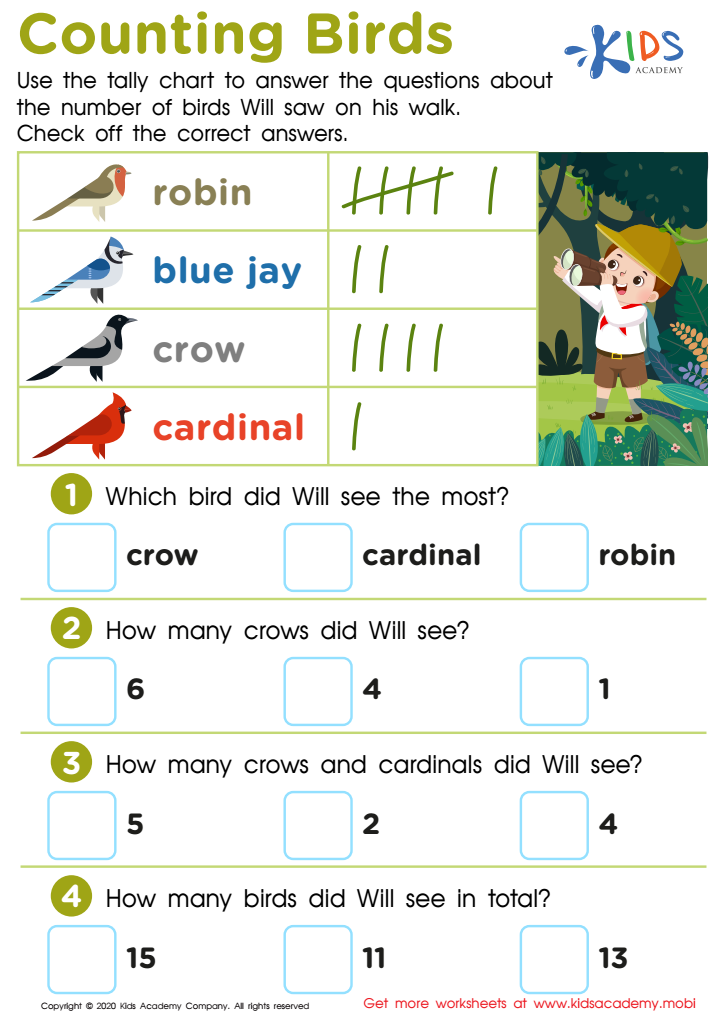
Counting Birds Worksheet
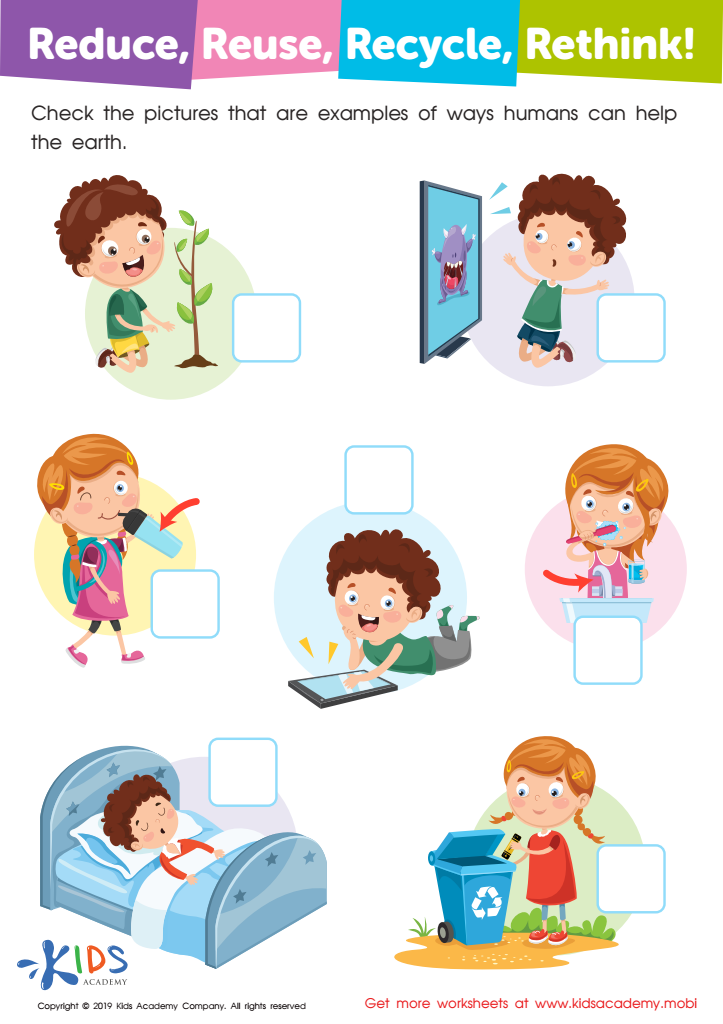
Reduce, Reuse, Recycle, Rethink Worksheet
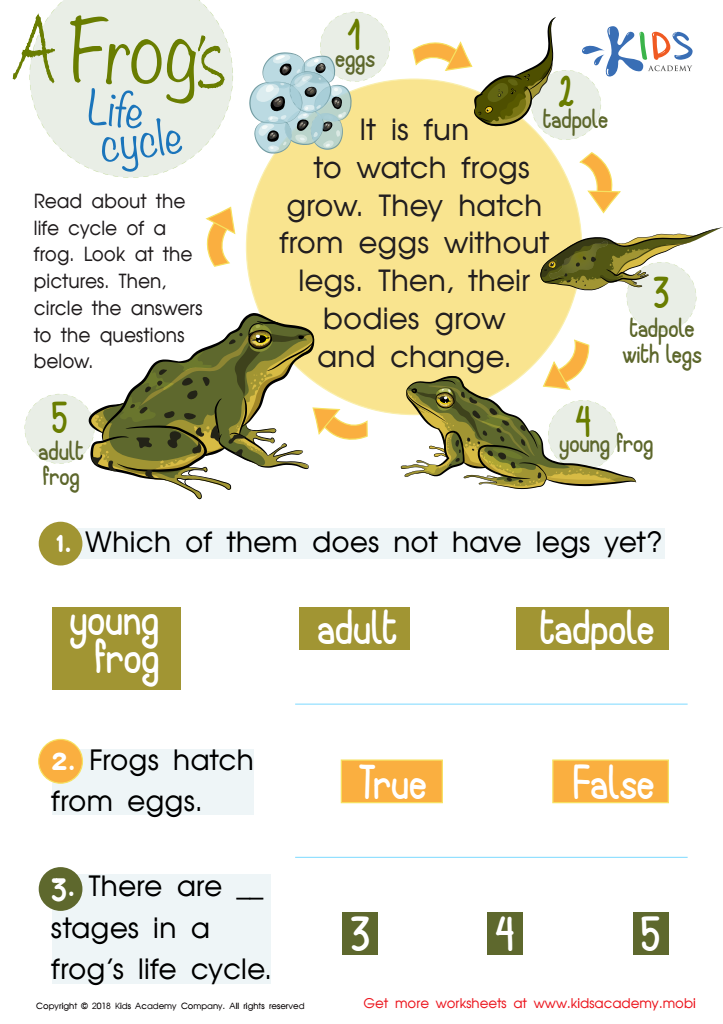
A Frog’s Life Cycle Worksheet
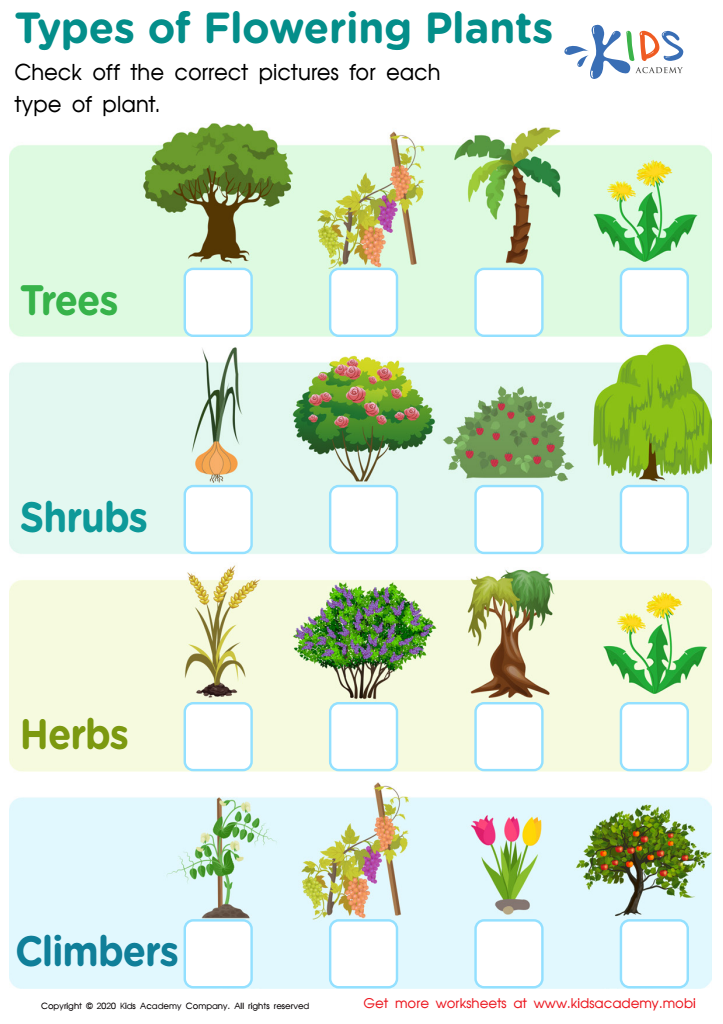
Types of Flowering Plants Worksheet
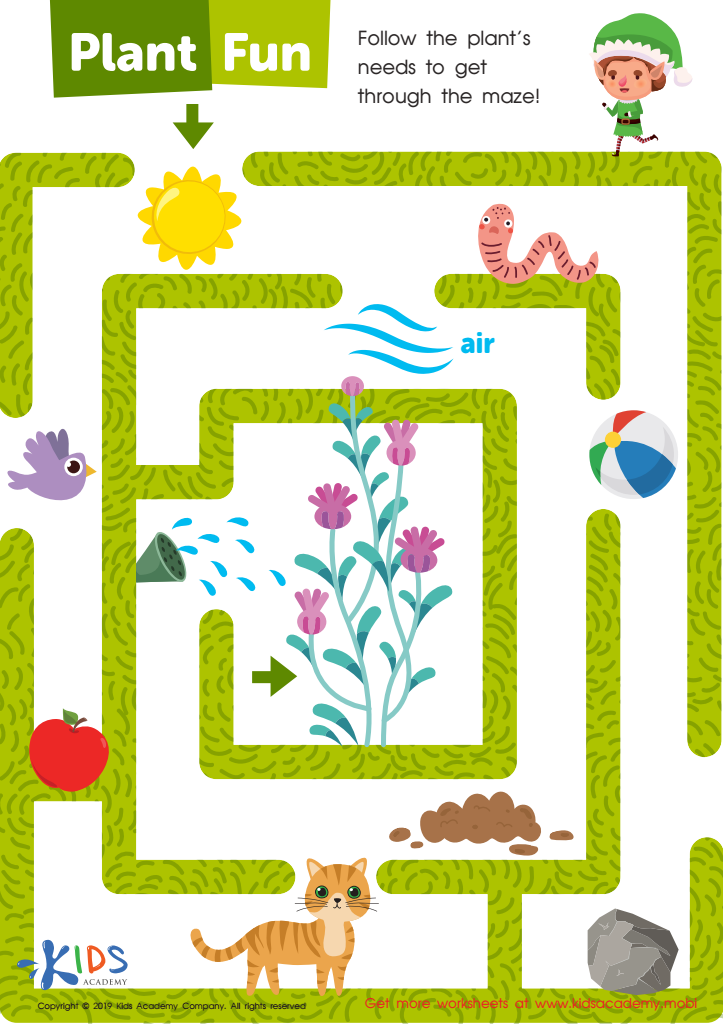
Plant Fun Worksheet
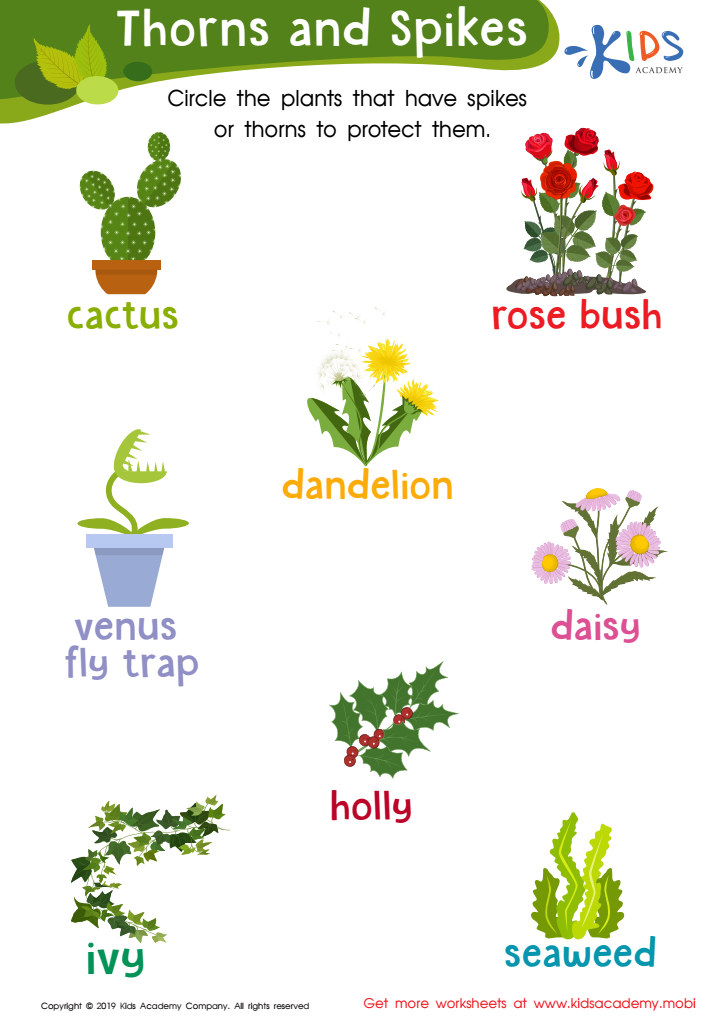
Thorns and Spikes Worksheet
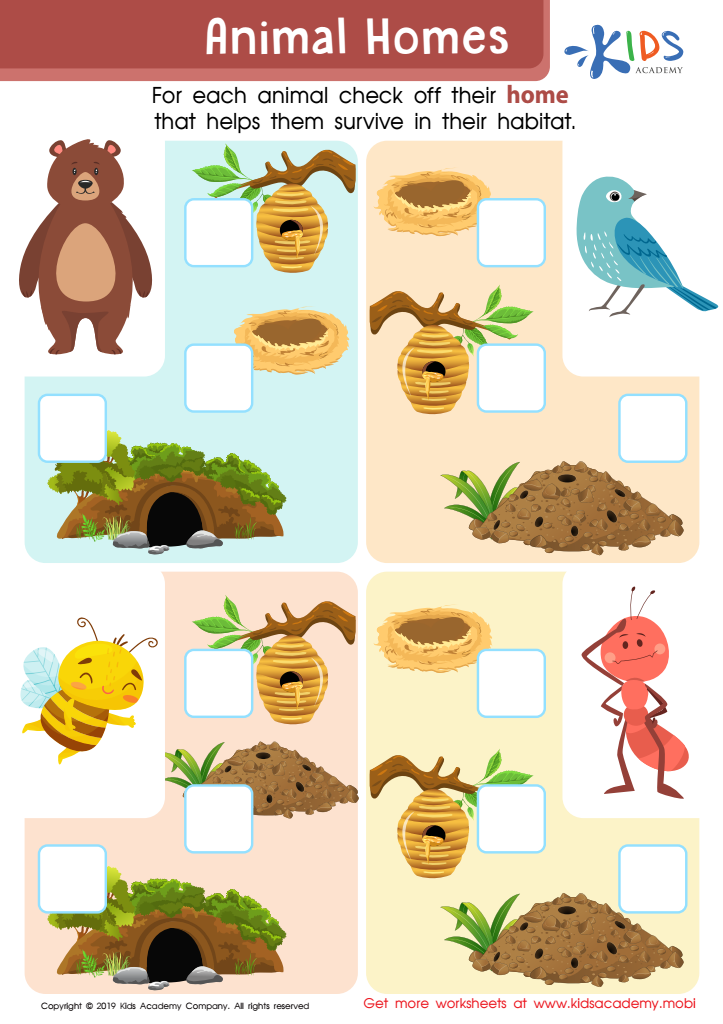
Animal Homes Worksheet
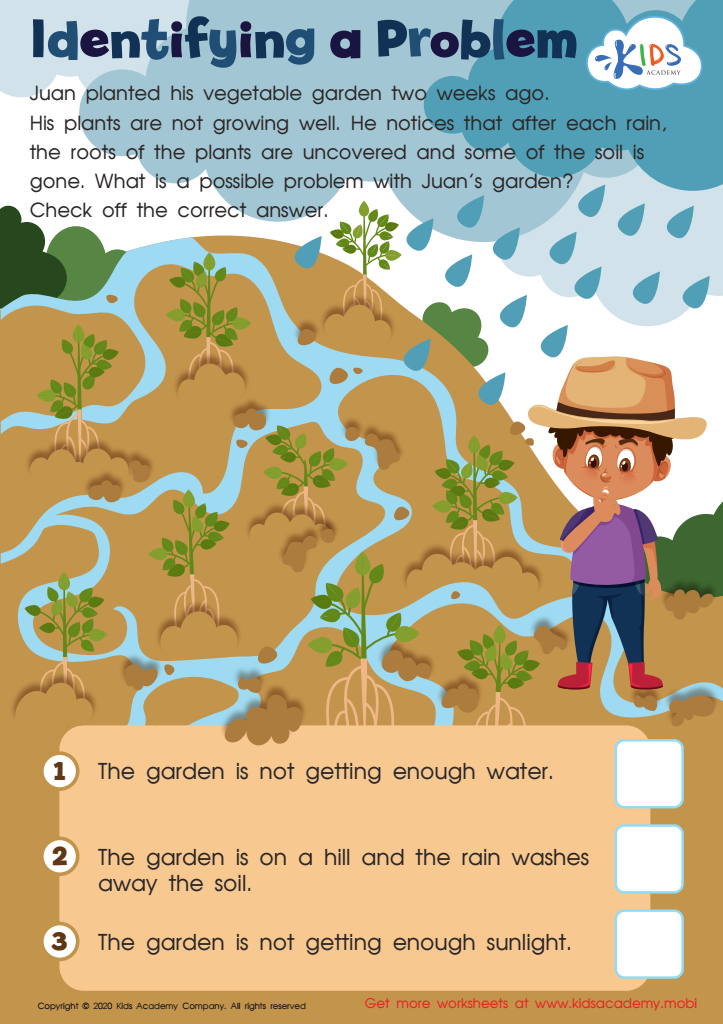
Identifying a Problem Worksheet
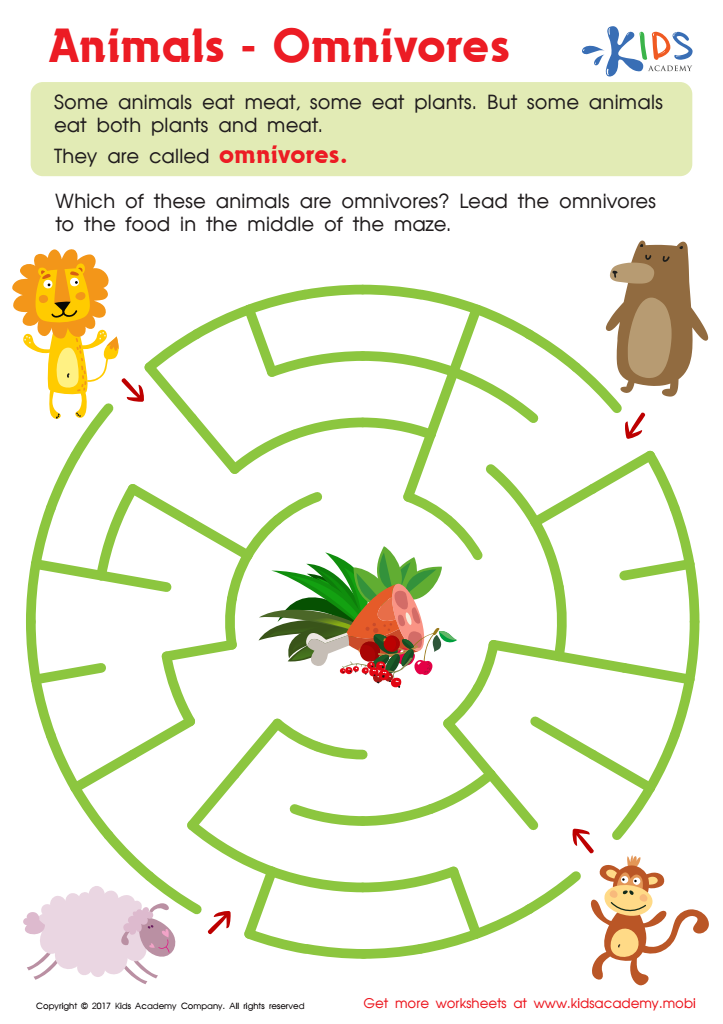
Omnivores Animals Worksheet
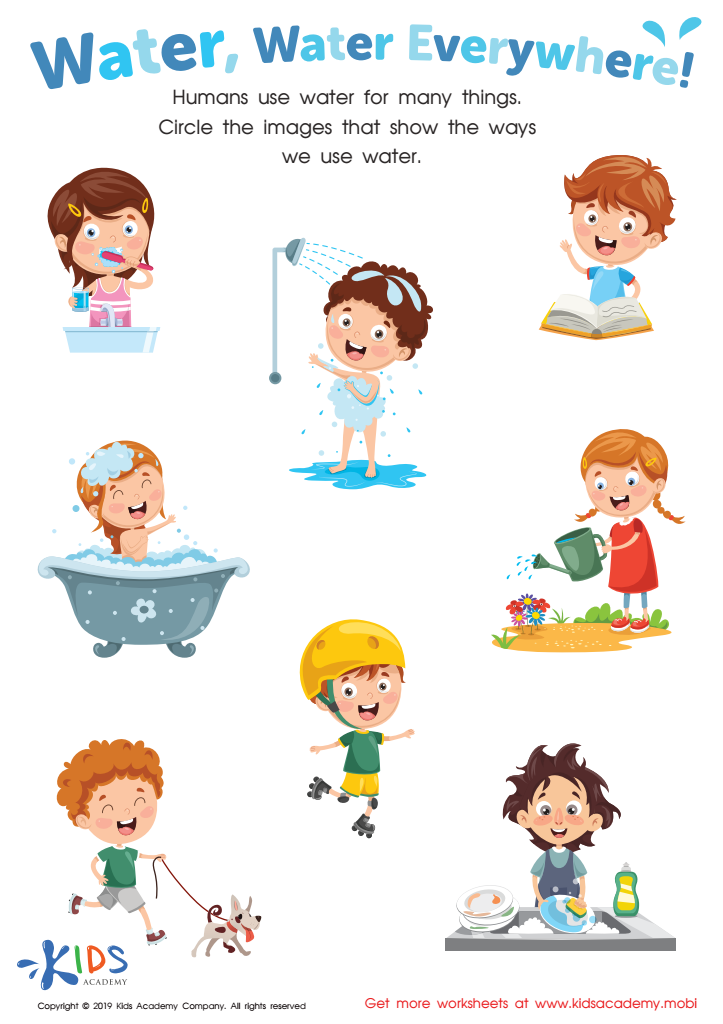
Water, Water Everywhere! Worksheet
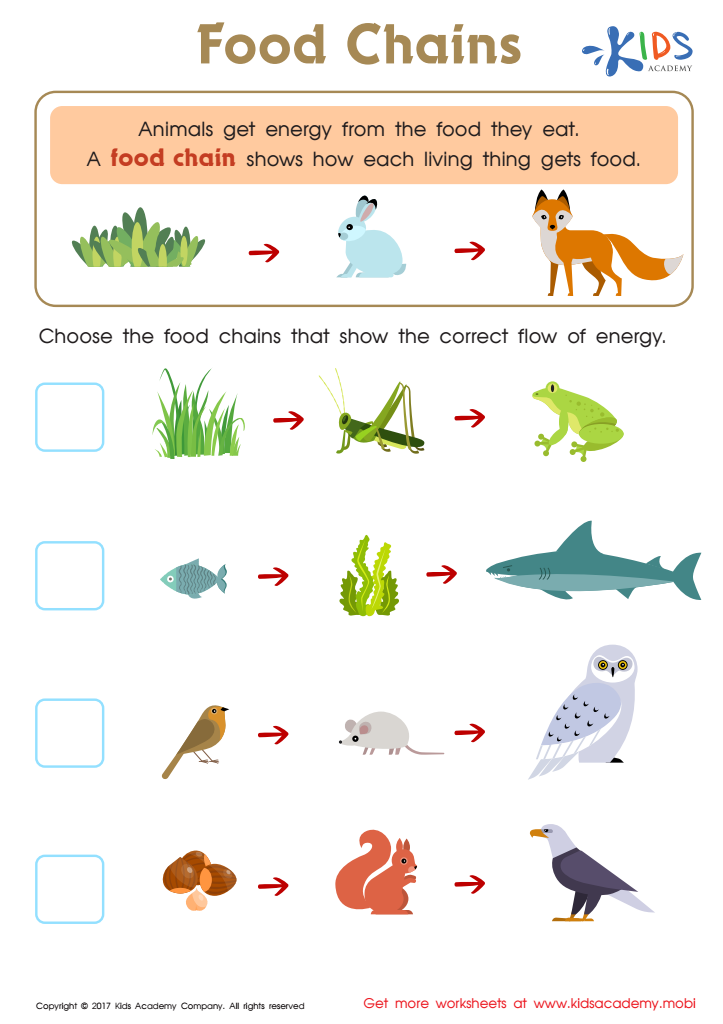
Food Webs and Food Chains Worksheet
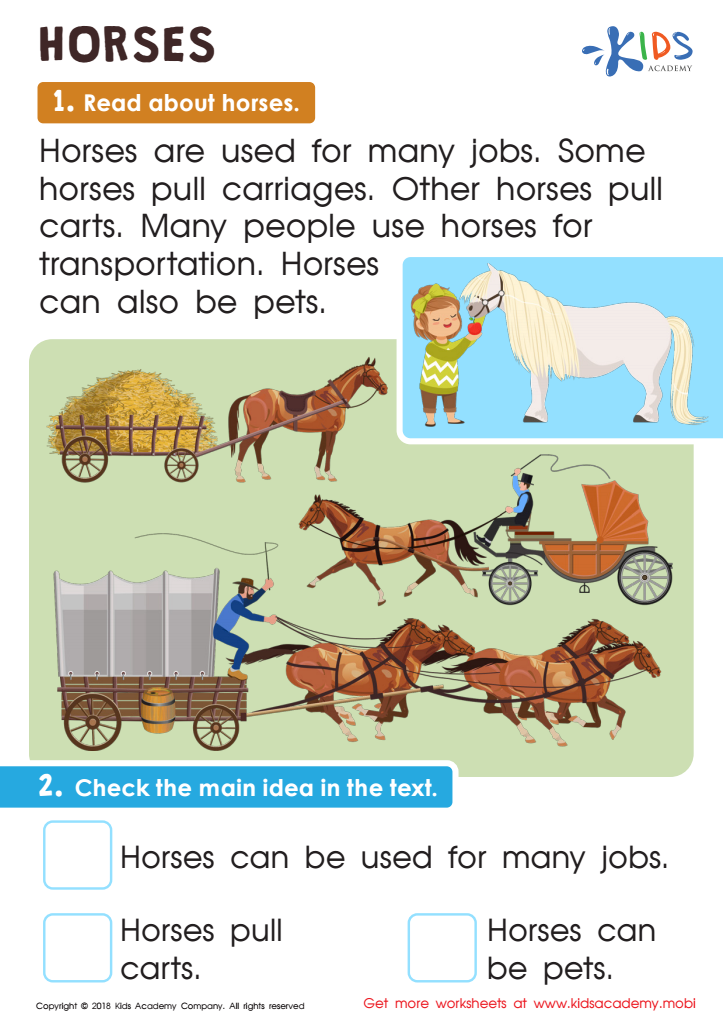
Horses Worksheet
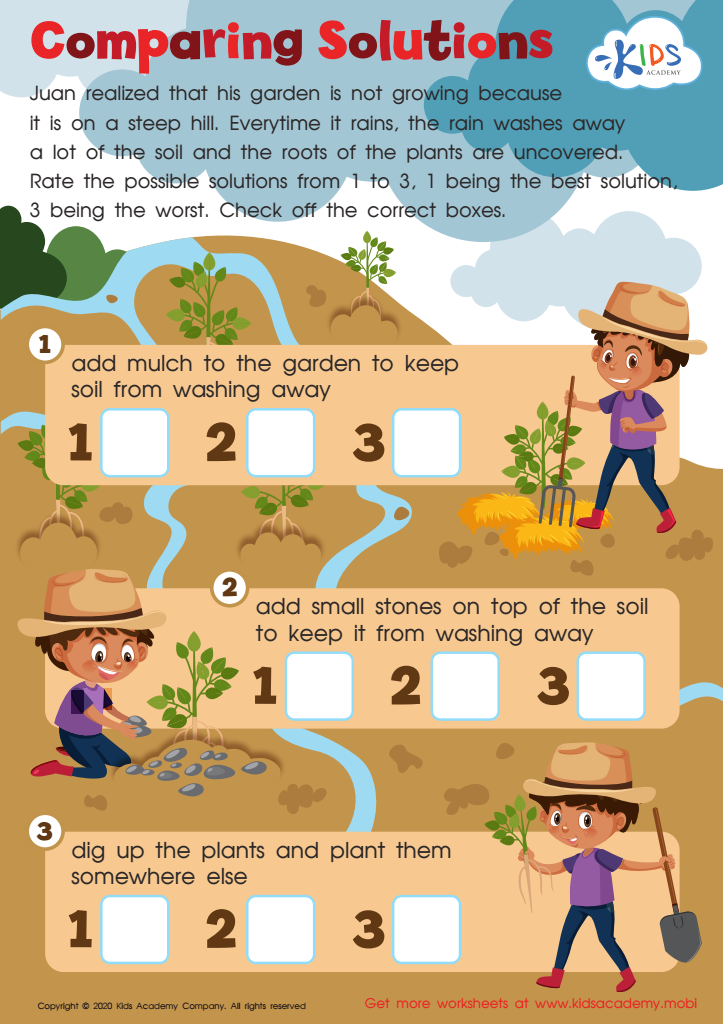
Comparing Solutions Worksheet
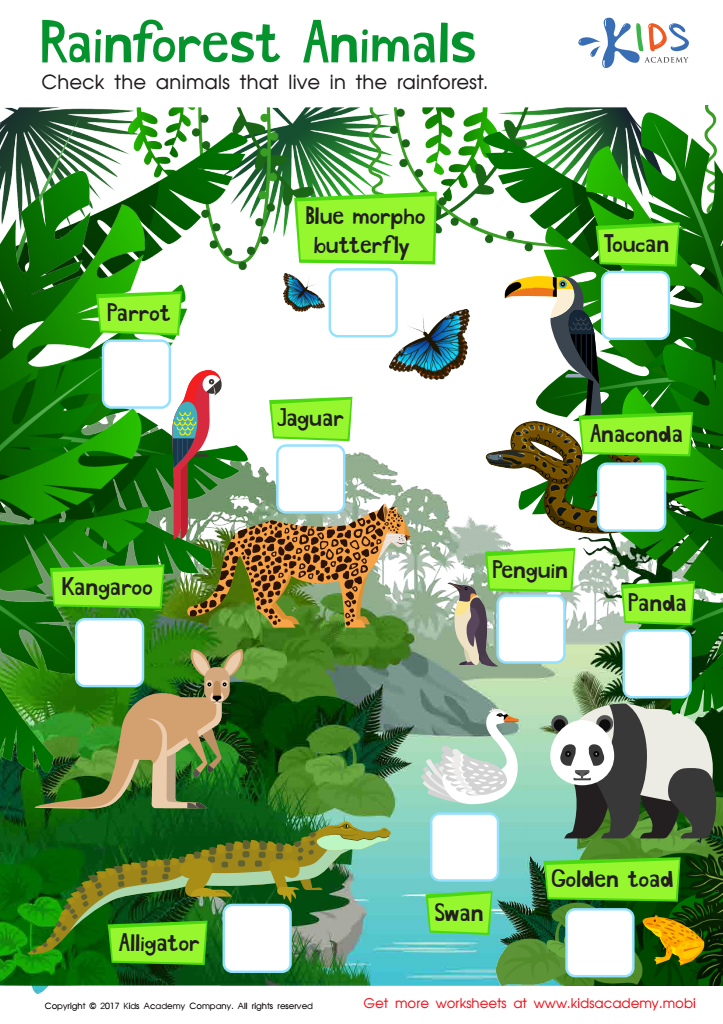
Rainforest Animals Worksheet
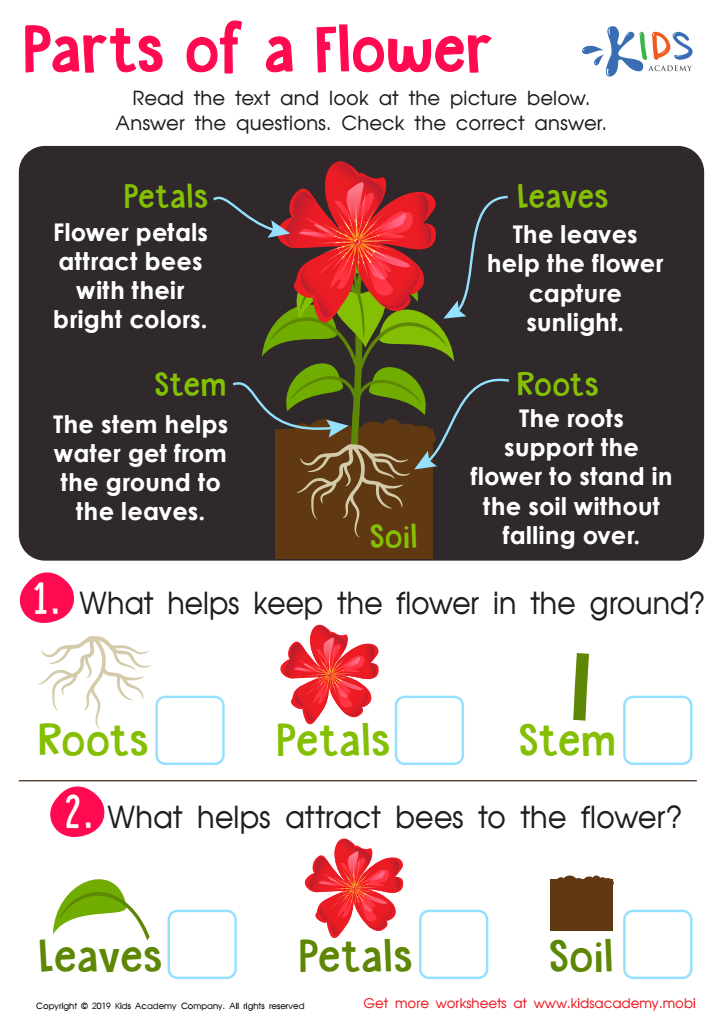
Parts of Flower Worksheet
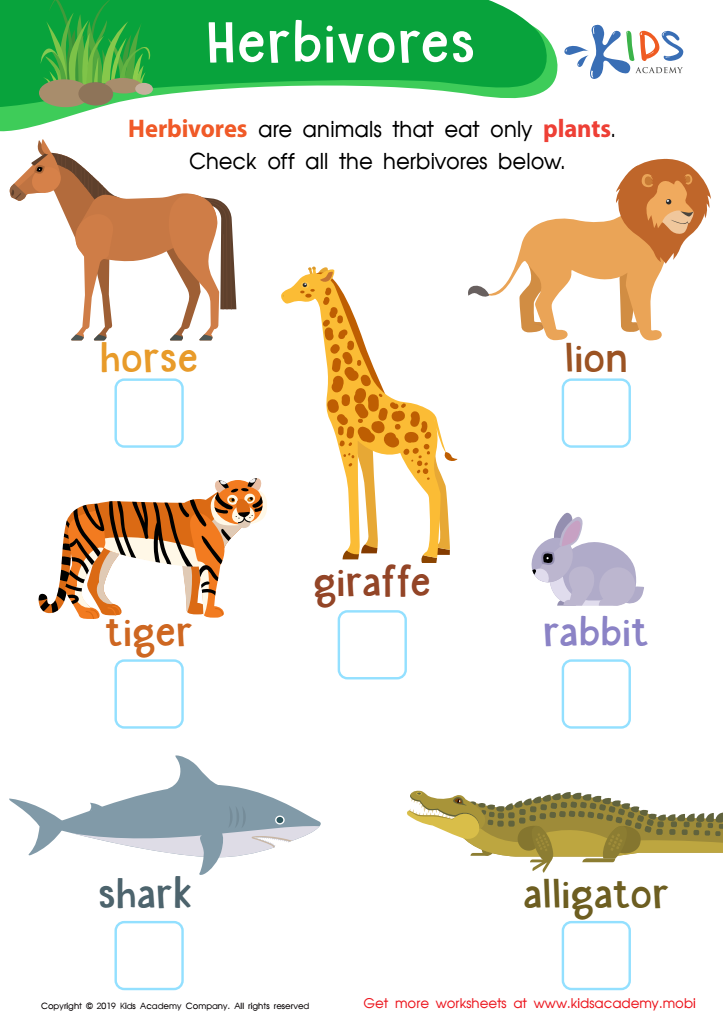
Herbivores Worksheet
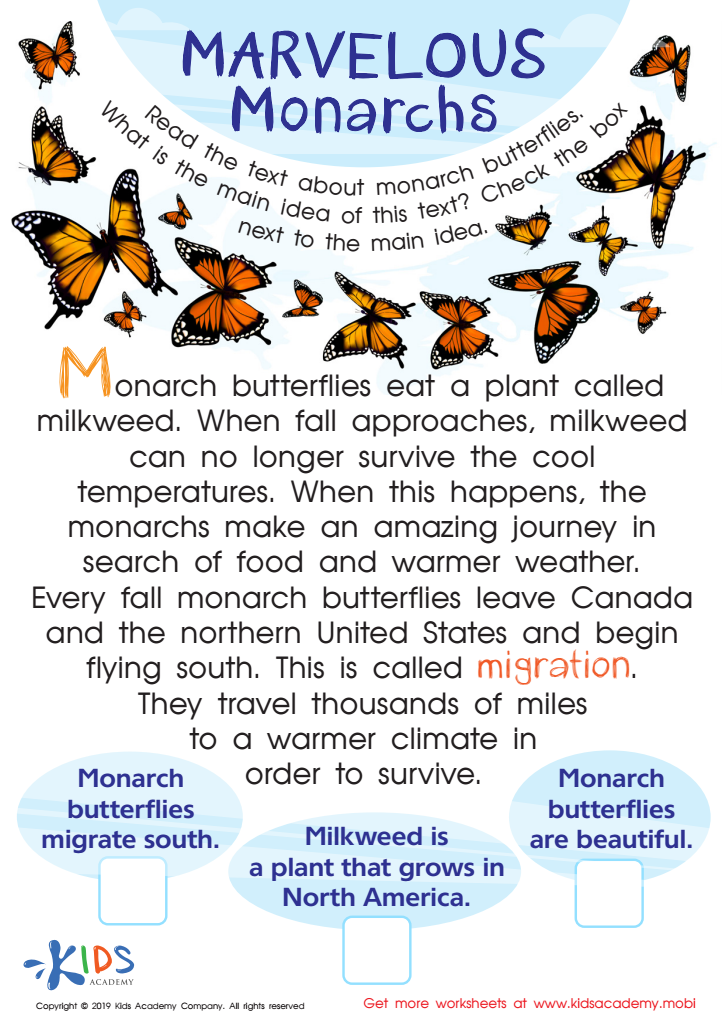
Marvelous Monarchs Worksheet








Understanding plants and animals is crucial for children aged 4-7, as it fosters essential cognitive and emotional development. At this age, children are naturally curious about the world around them. Introducing them to plants and animals cultivates that curiosity, helping them form connections to nature. This interaction can spark a love for science and the environment, encouraging inquiry and discovery.
Learning about plants and animals also teaches kids responsibility and empathy. Caring for a small garden or a pet helps them understand the needs of living things, such as food, water, and shelter. These experiences promote social skills when children work in teams or share tasks, reinforcing cooperative play and communication.
Moreover, knowledge of plants and animals enhances critical thinking and problem-solving skills. Children can learn to observe, compare, and analyze behaviors in nature—valuable skills that apply in diverse academic areas.
Finally, fostering an appreciation for the natural world can promote a sense of environmental stewardship. As future caretakers of the planet, instilling respect for all living things at a young age encourages responsible behaviors that contribute to a healthier world. For these reasons, both parents and teachers should prioritize education about plants and animals.








