Building Vocabulary Worksheets for Ages 4-8 - Page 3
254 filtered results
-
From - To
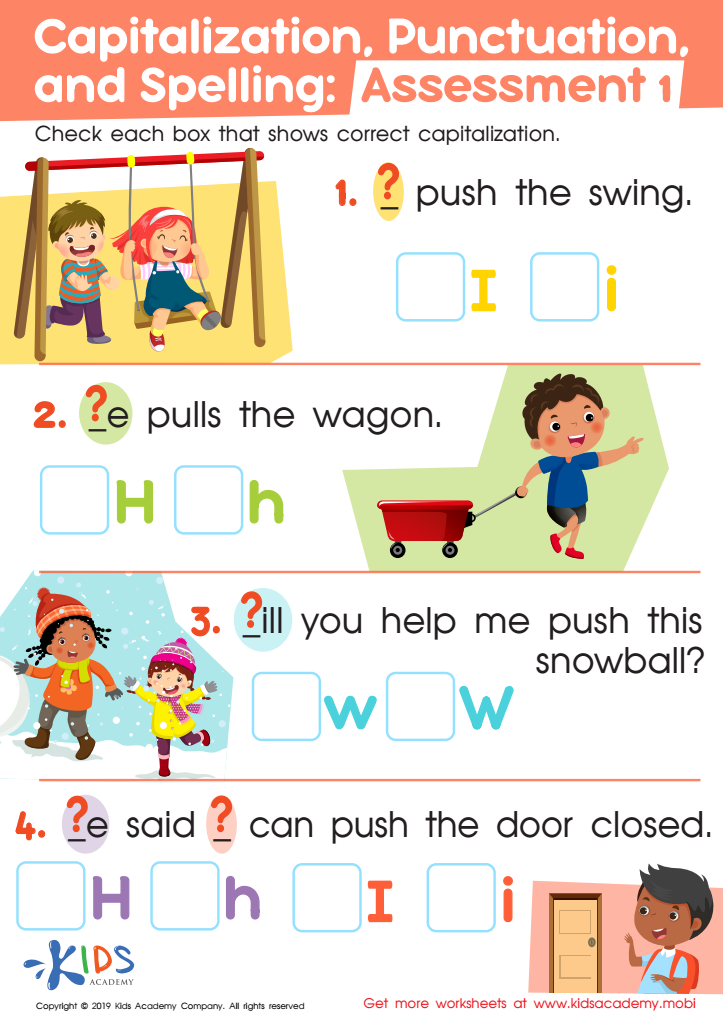
Capitalization. Punctuation. Spelling: Assessment 1 Worksheet
 Assign to My Students












The Dog and His Bone Worksheet
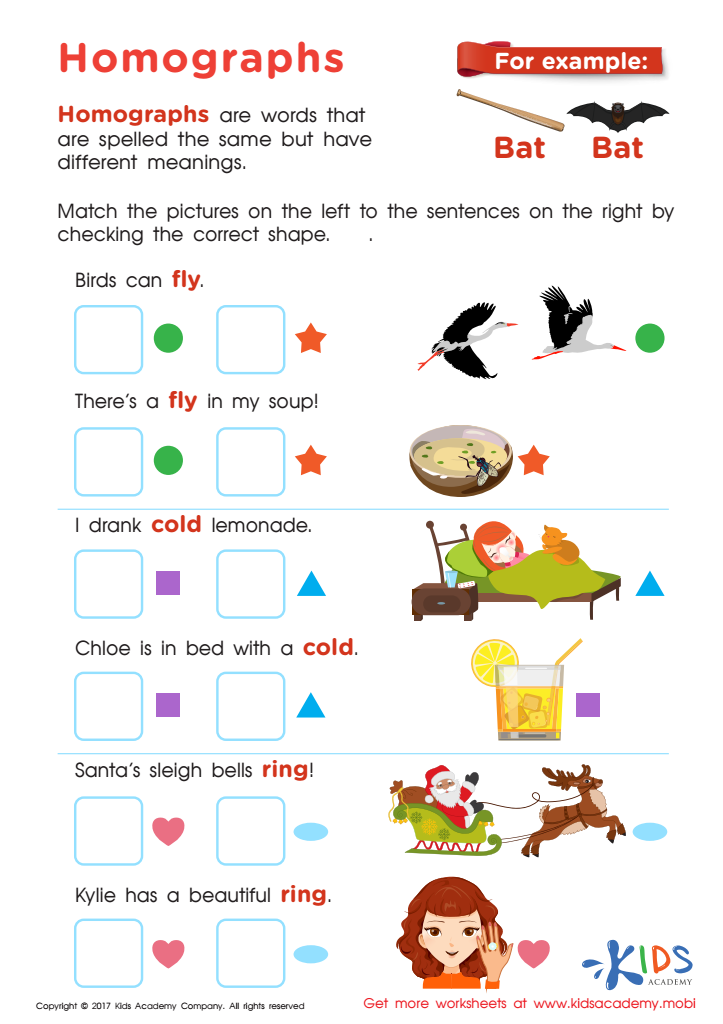
Homographs Free Printable Worksheet
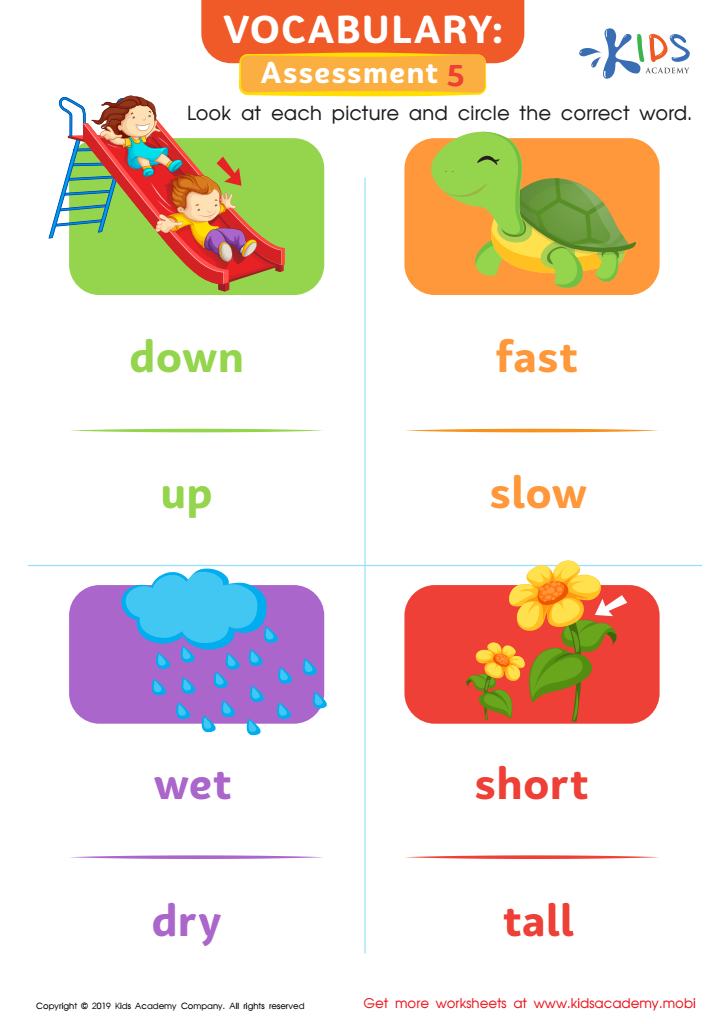
Vocabulary: Assessment 5 Worksheet
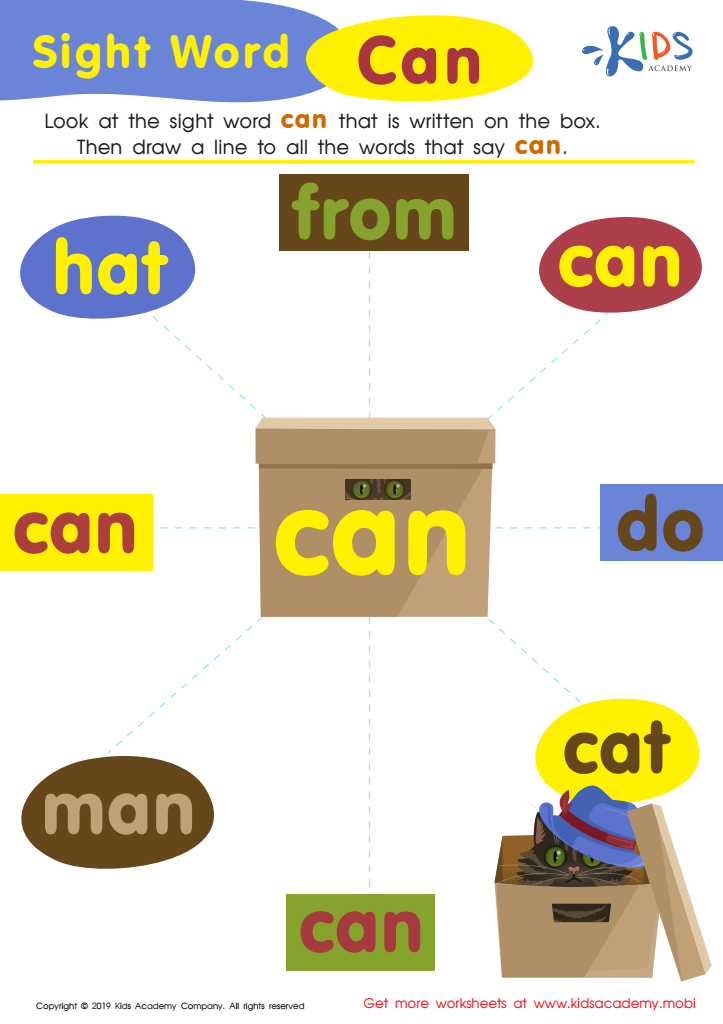
Sight Word Can Worksheet
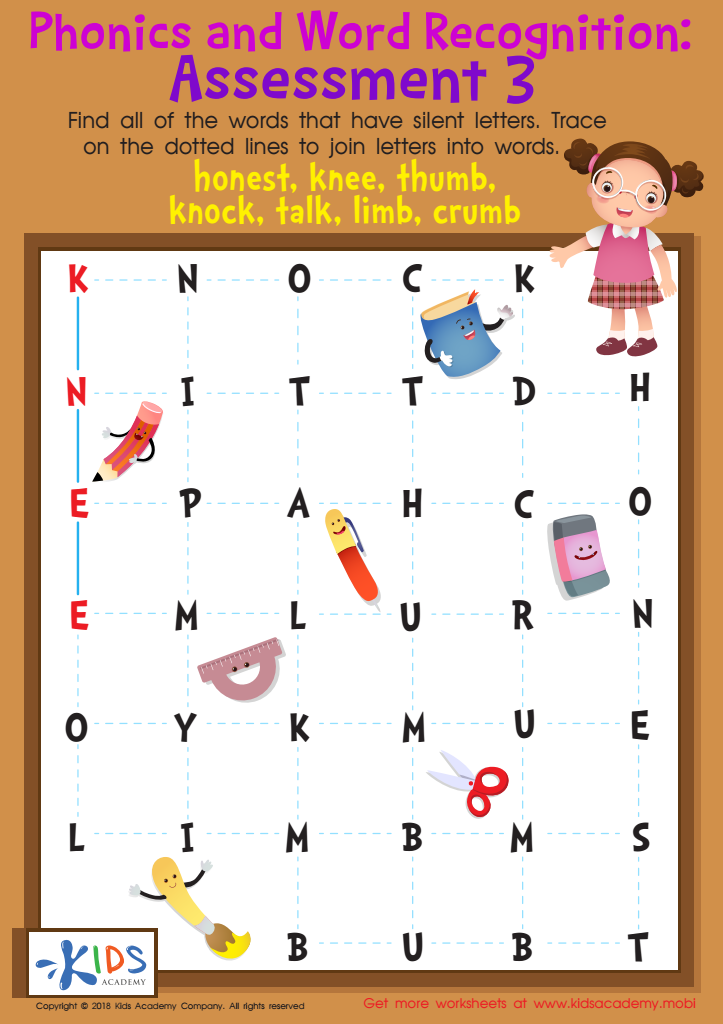
Phonics and Word Recognition: Assessment 3 Worksheet
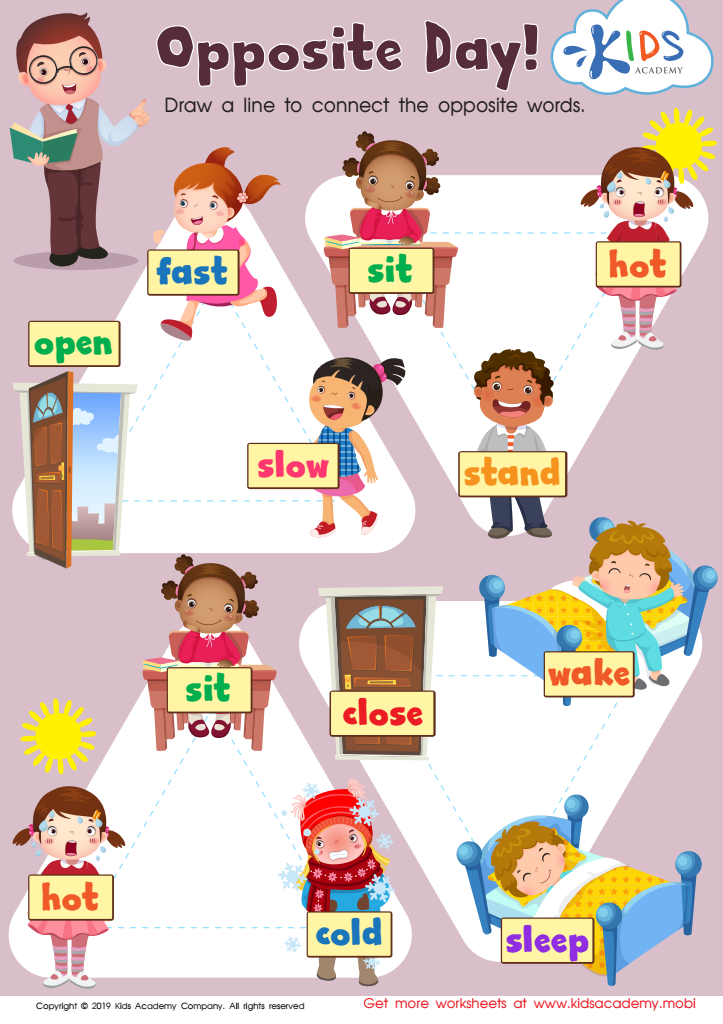
Opposite Day Worksheet
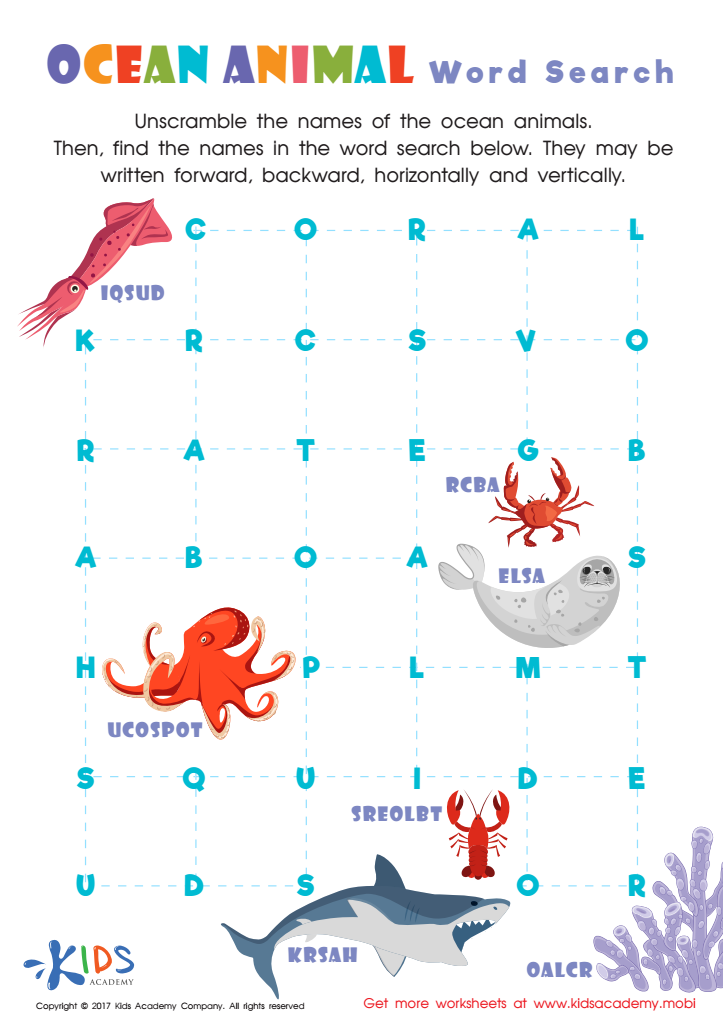
Ocean Animals Word Search Printable
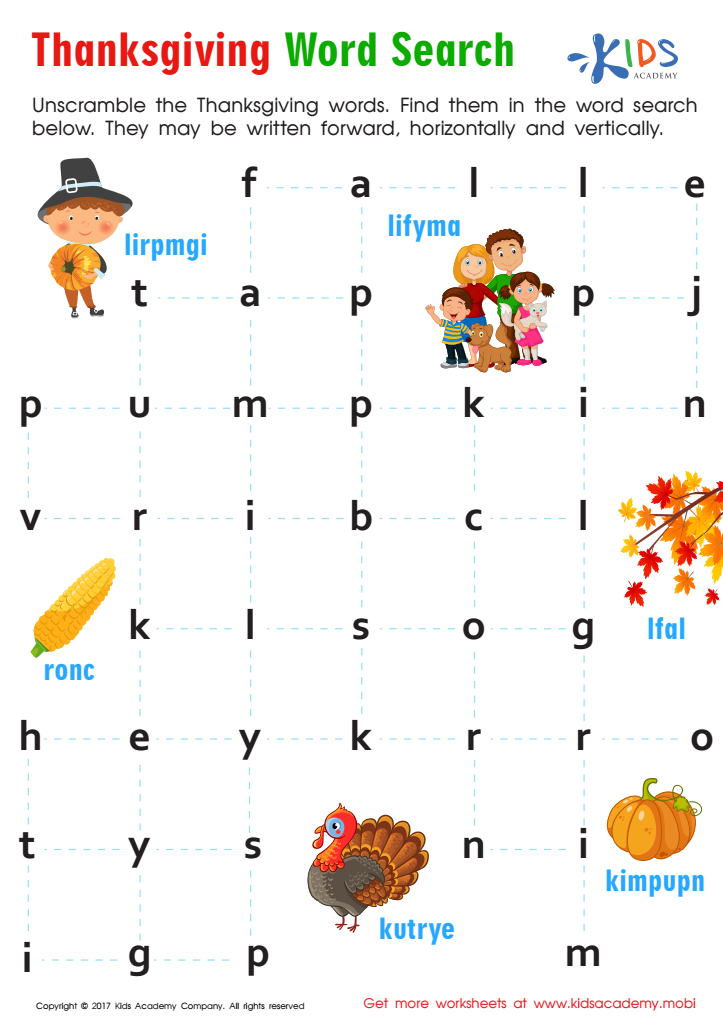
Thanksgiving Word Search Sight Words Worksheet
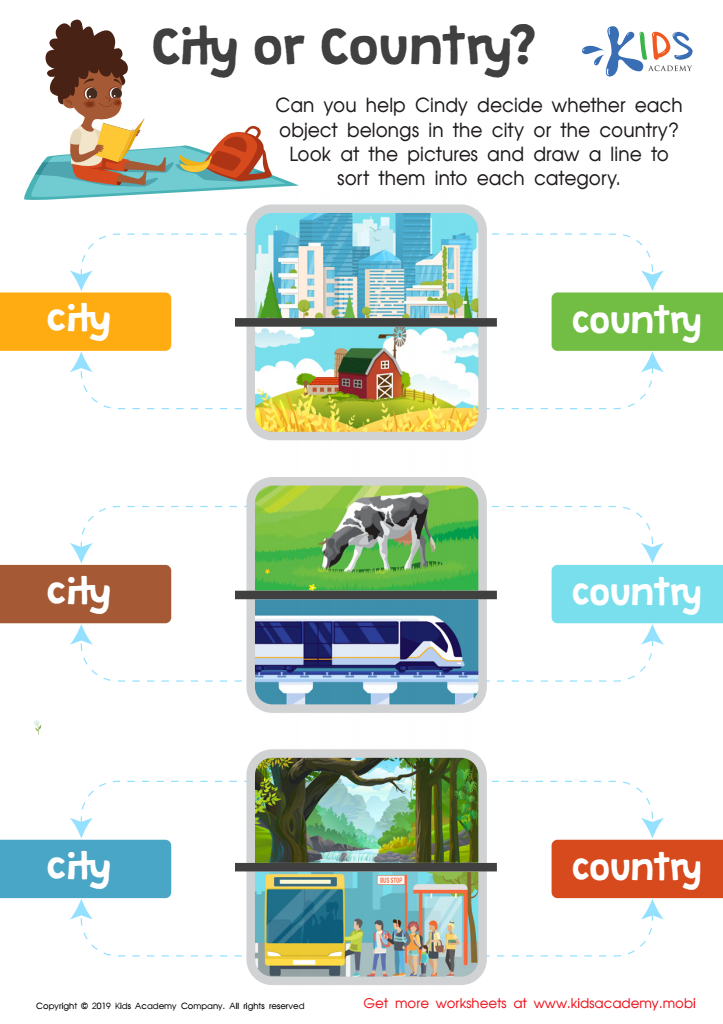
City or Country? Worksheet
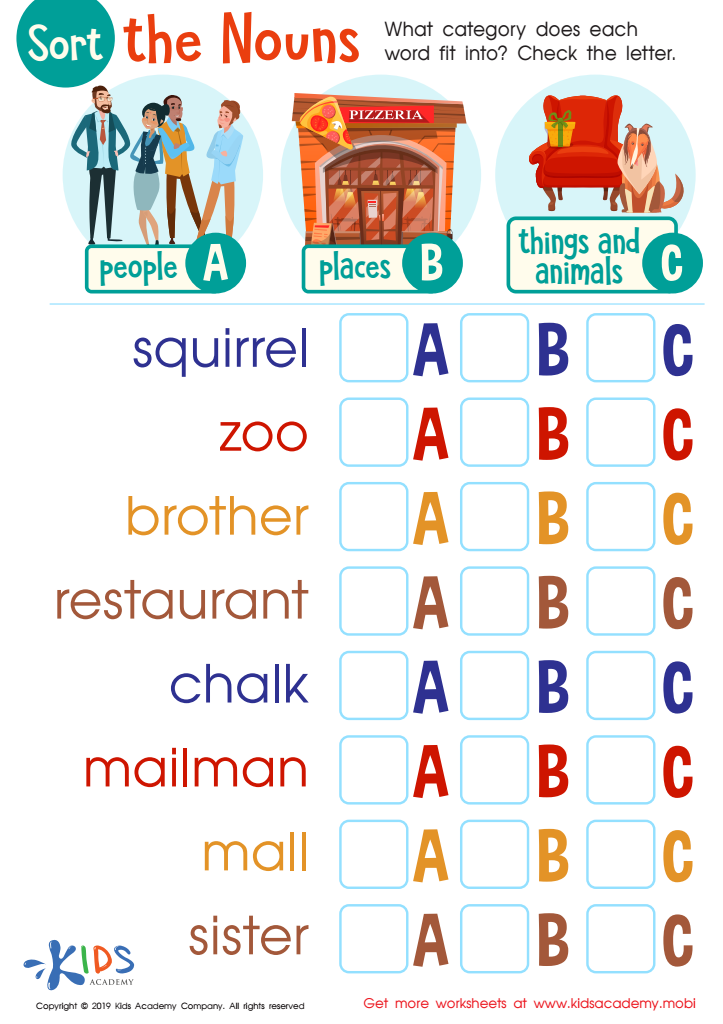
Sort the Nouns Worksheet
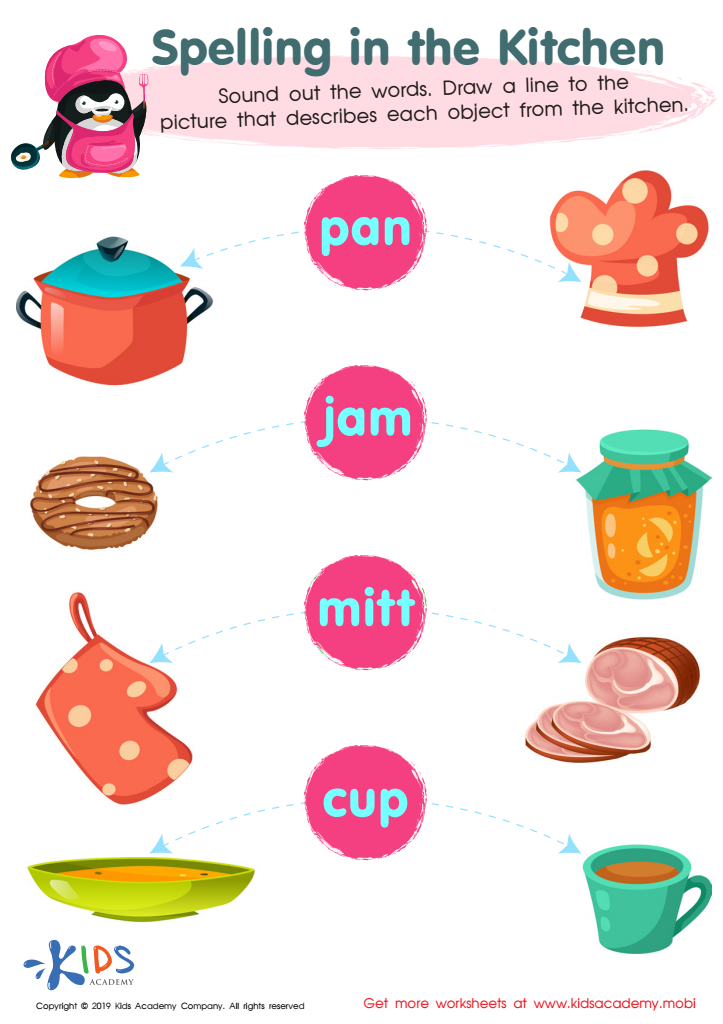
Spelling in the Kitchen Worksheet
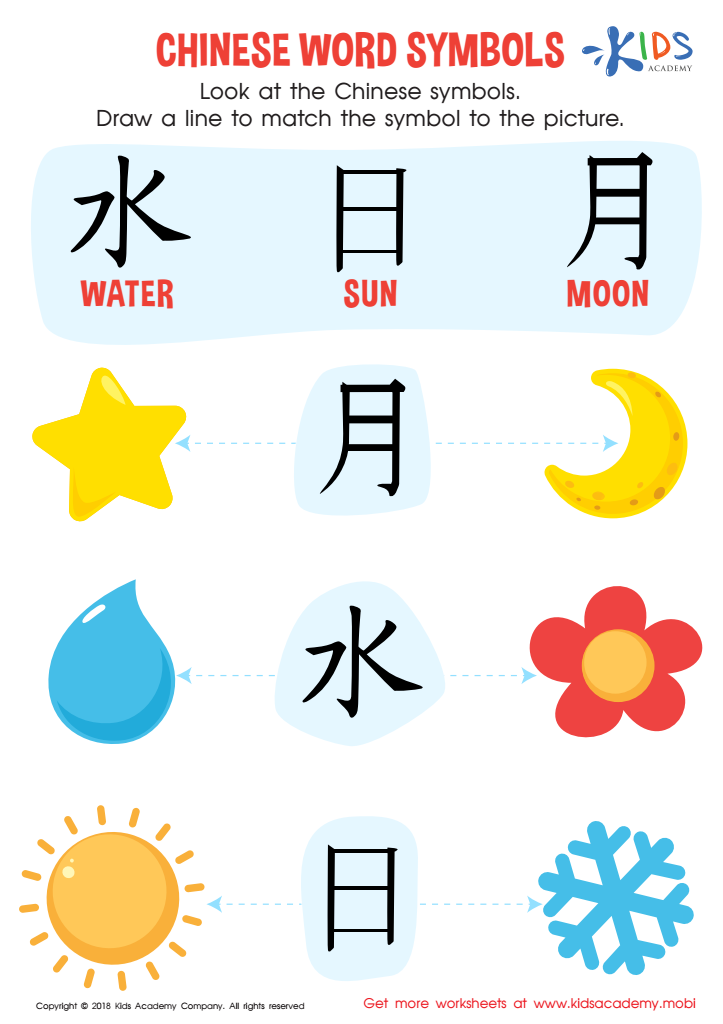
Chinese Word Symbols Worksheet
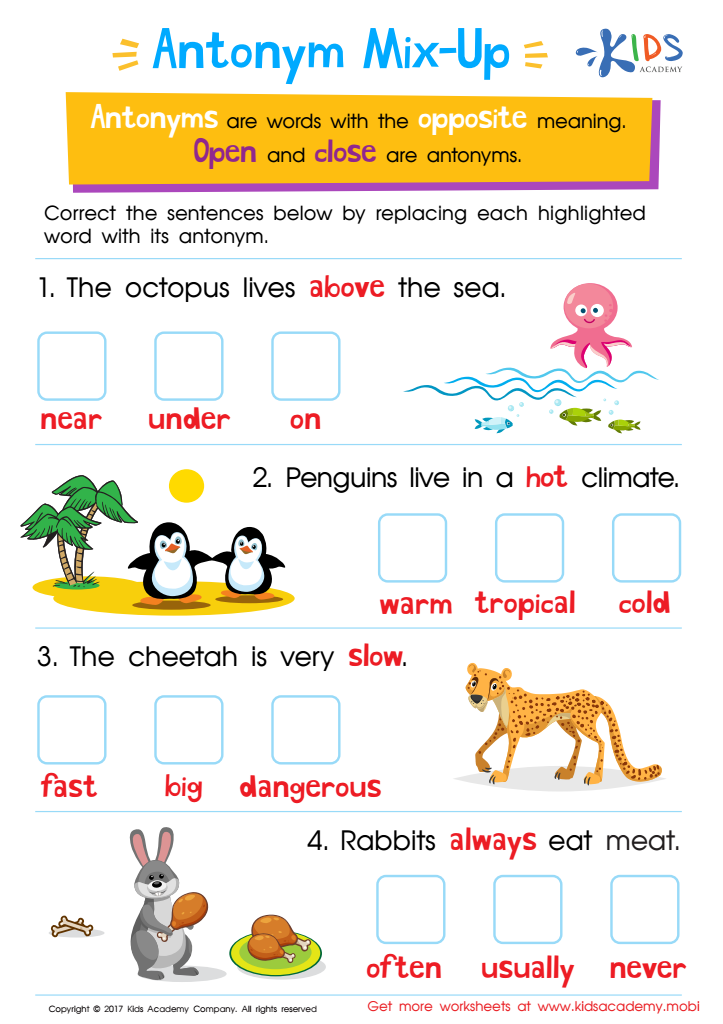
Vocabulary Antonyms Worksheet
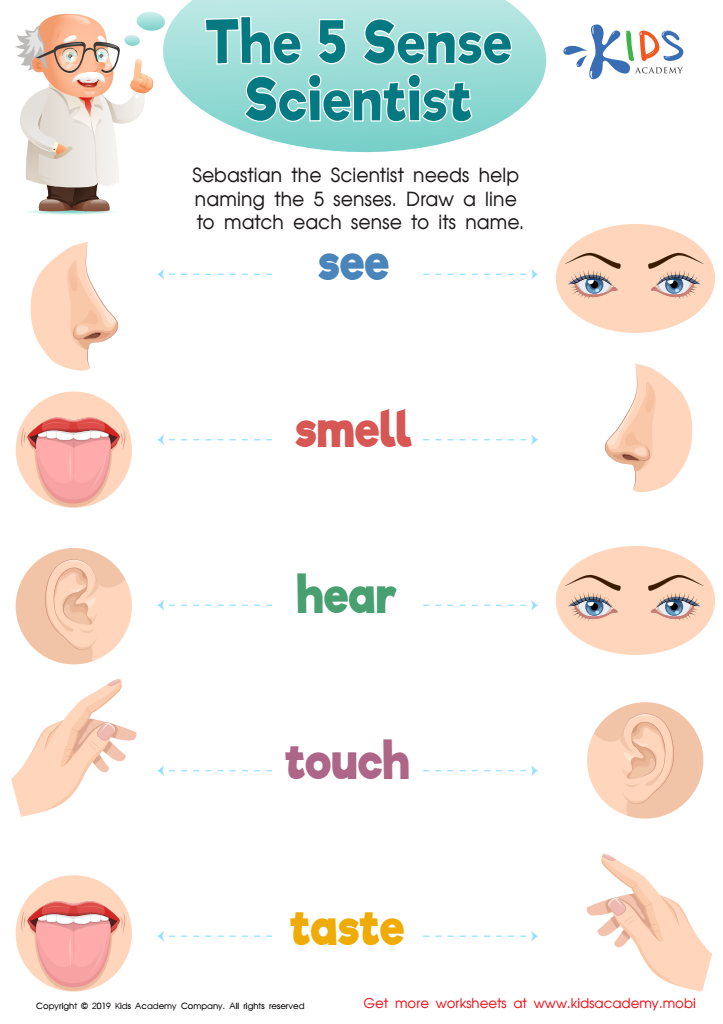
The 5 Sense Scientist Worksheet
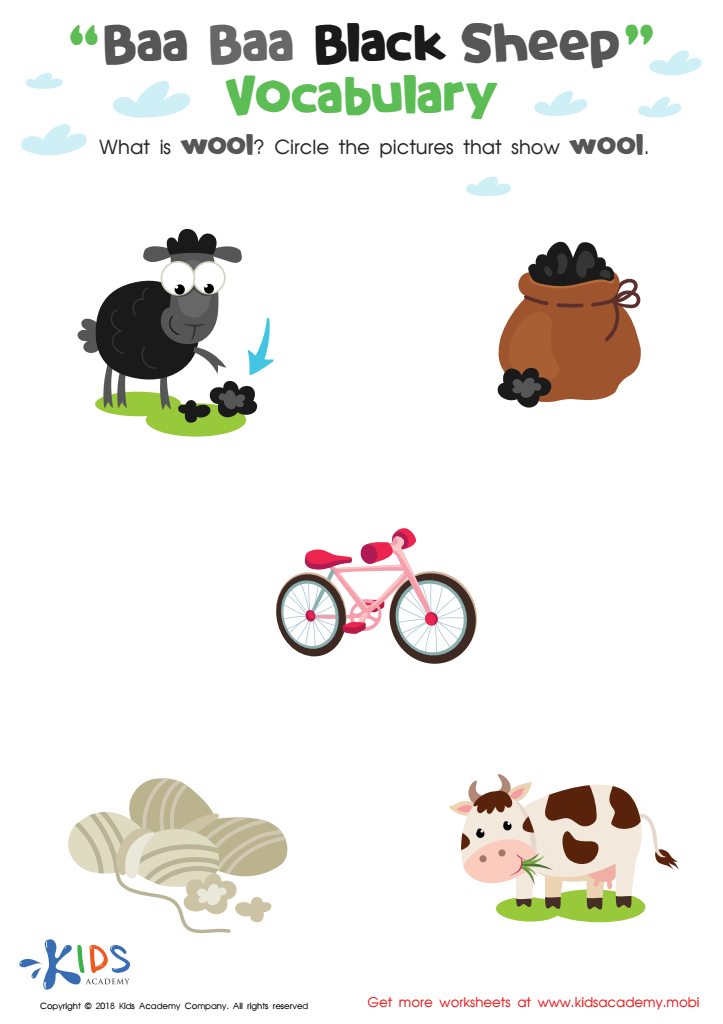
Baa Baa Black Sheep: Vocabulary Worksheet
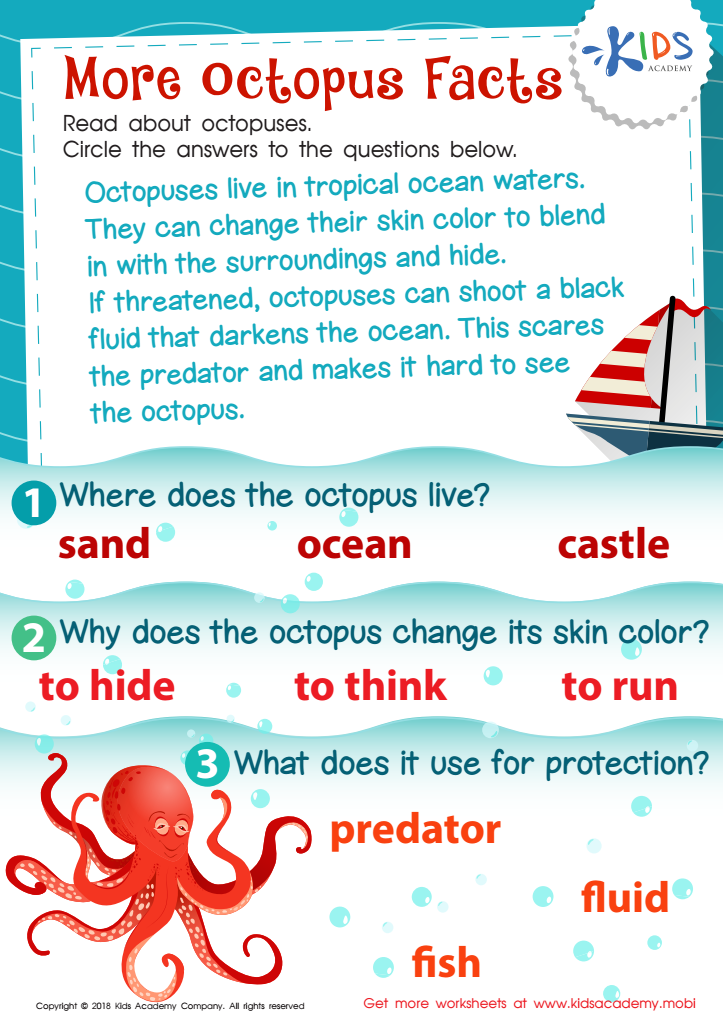
More Octopus Facts Worksheet
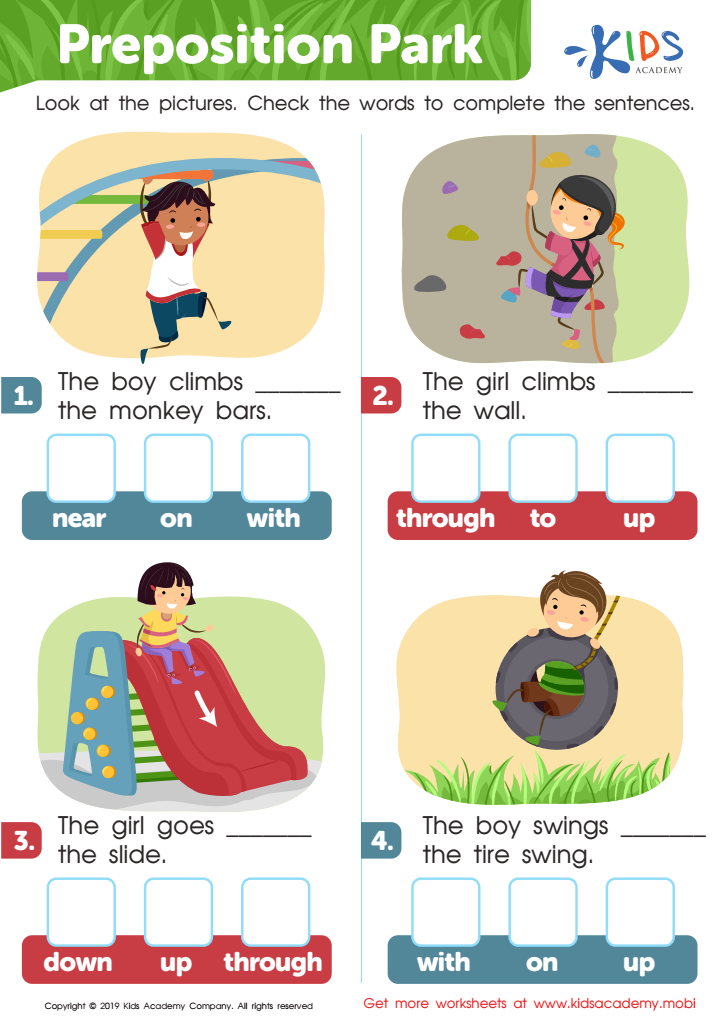
Preposition Park Worksheet
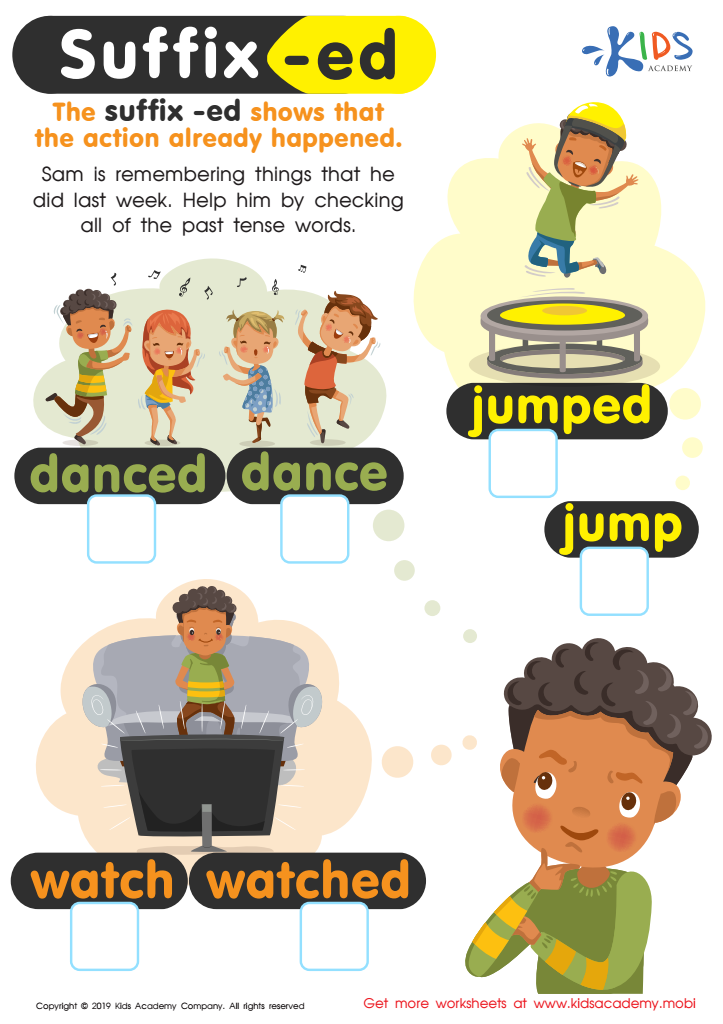
Suffix-ed Worksheet
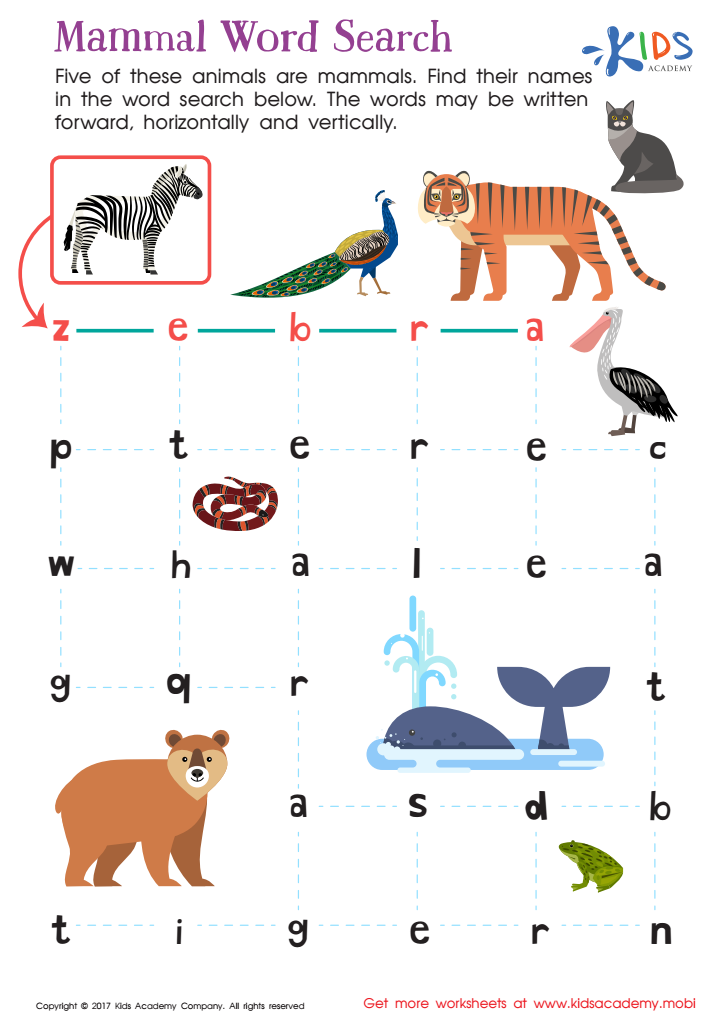
Printable Mammal Word Search
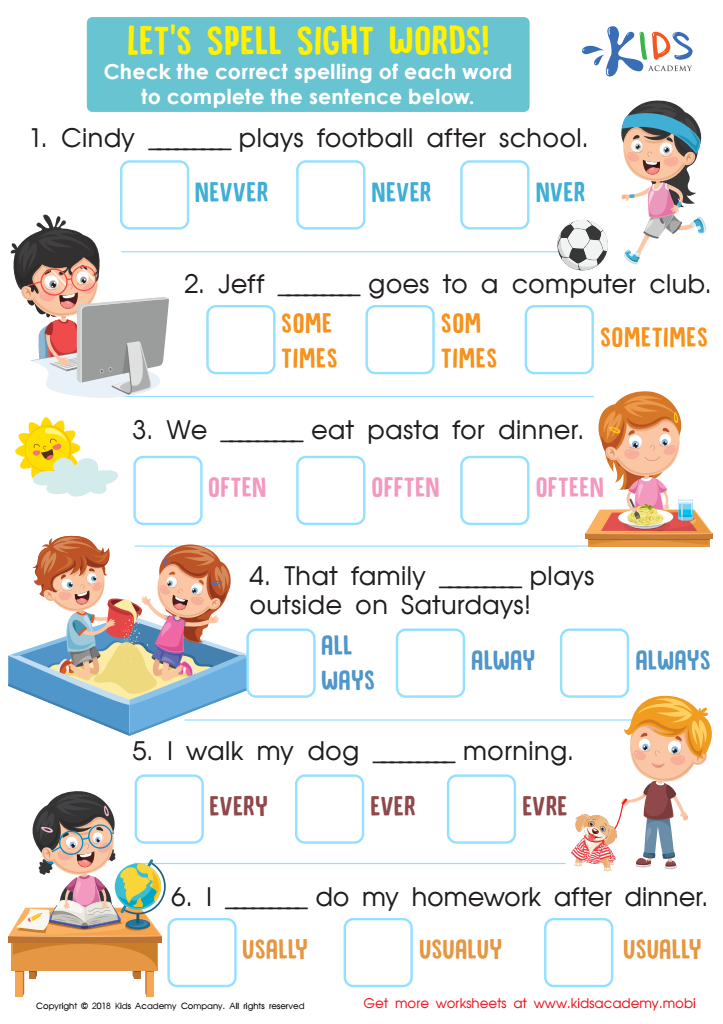
Let's Spell Sight Words Worksheet
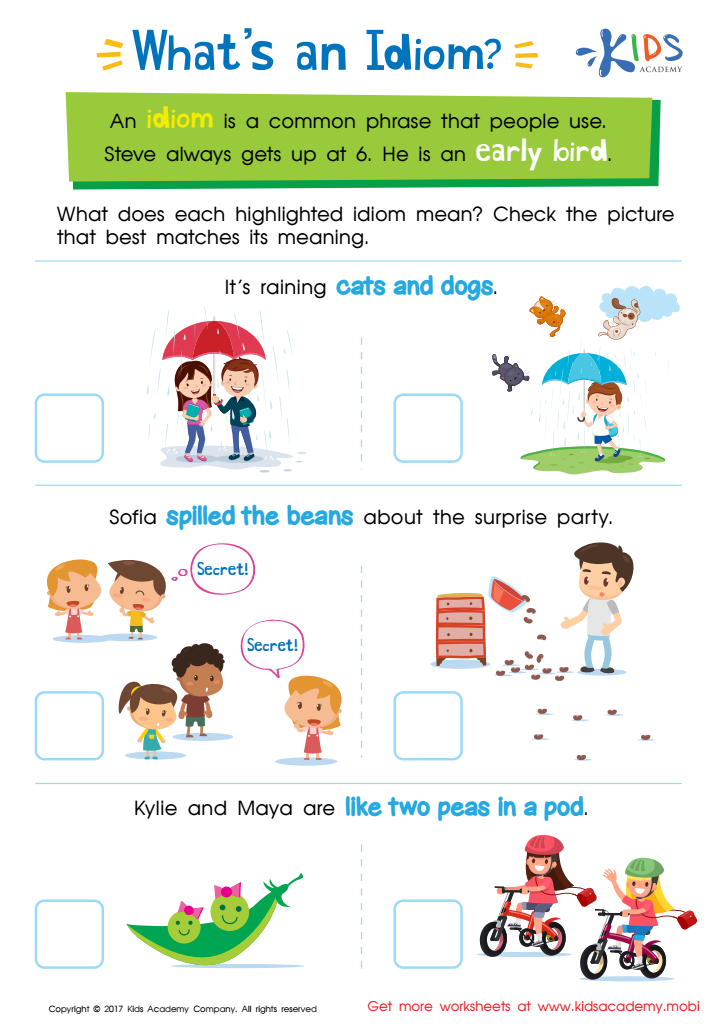
Idiom Worksheet
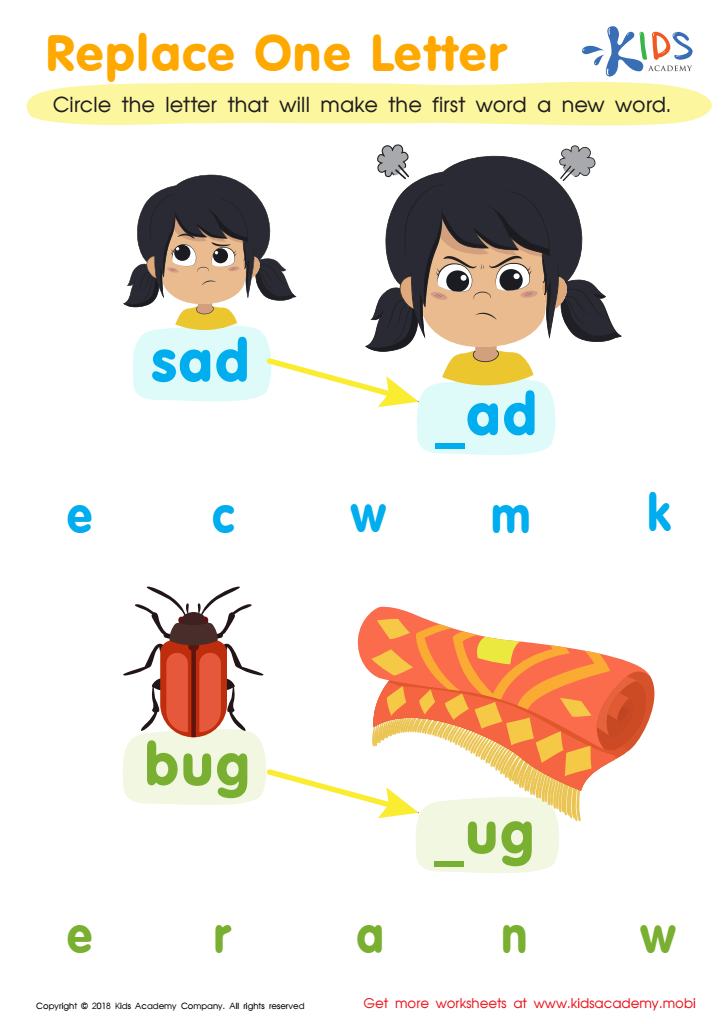
Replace One Letter Worksheet
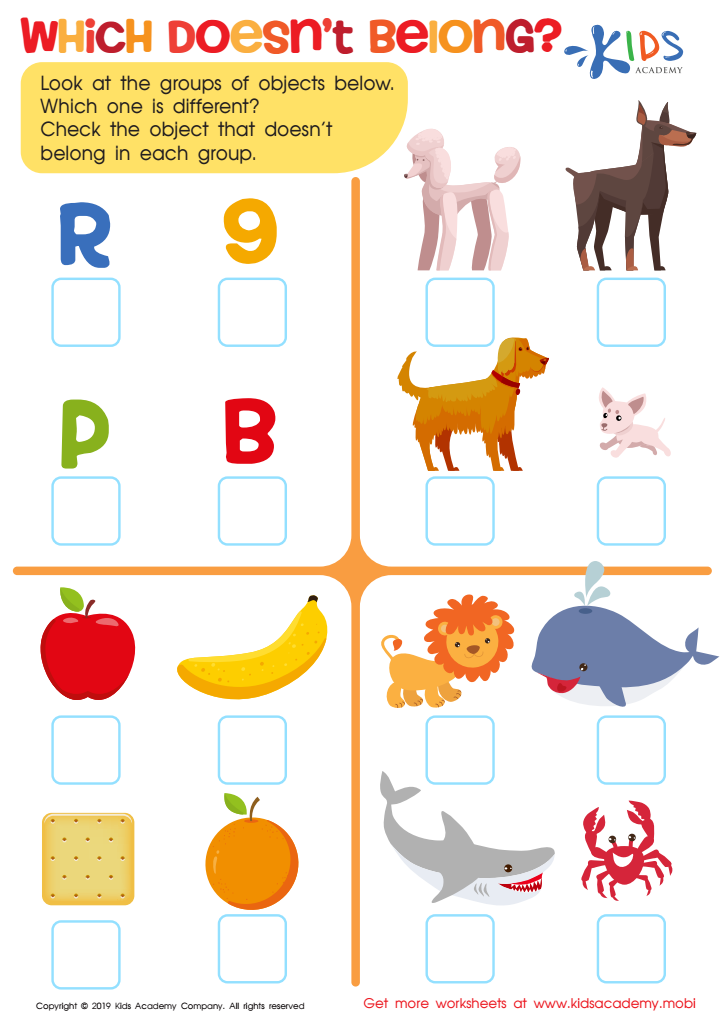
Which Doesn't Belong? Worksheet





.jpg)


Building vocabulary in children aged 4 to 8 is crucial for their overall development and success in both academics and social interactions. During these formative years, children are like sponges, absorbing language and information at a remarkable rate. A robust vocabulary enhances a child's ability to express thoughts, feelings, and ideas clearly, boosting their confidence in communication.
For teachers and parents, actively fostering vocabulary development leads to improved literacy skills, including reading comprehension and writing ability. A rich vocabulary allows children to understand and enjoy a wider range of books, laying the foundation for a lifelong love of reading. Moreover, children with a strong vocabulary are better equipped to participate in discussions, ask questions, and engage in critical thinking, essential skills for future educational success.
Furthermore, vocabulary development goes beyond academics; it supports emotional intelligence. Children learn to articulate their emotions, leading to better social interactions and relationships with peers and adults.
In conclusion, investing time and effort into building vocabulary during these critical years is vital. It not only prepares children for academic success but also nurtures their ability to communicate effectively and form healthy relationships in their daily lives.








