History Worksheets for Ages 4-8 - Page 3
88 filtered results
-
From - To
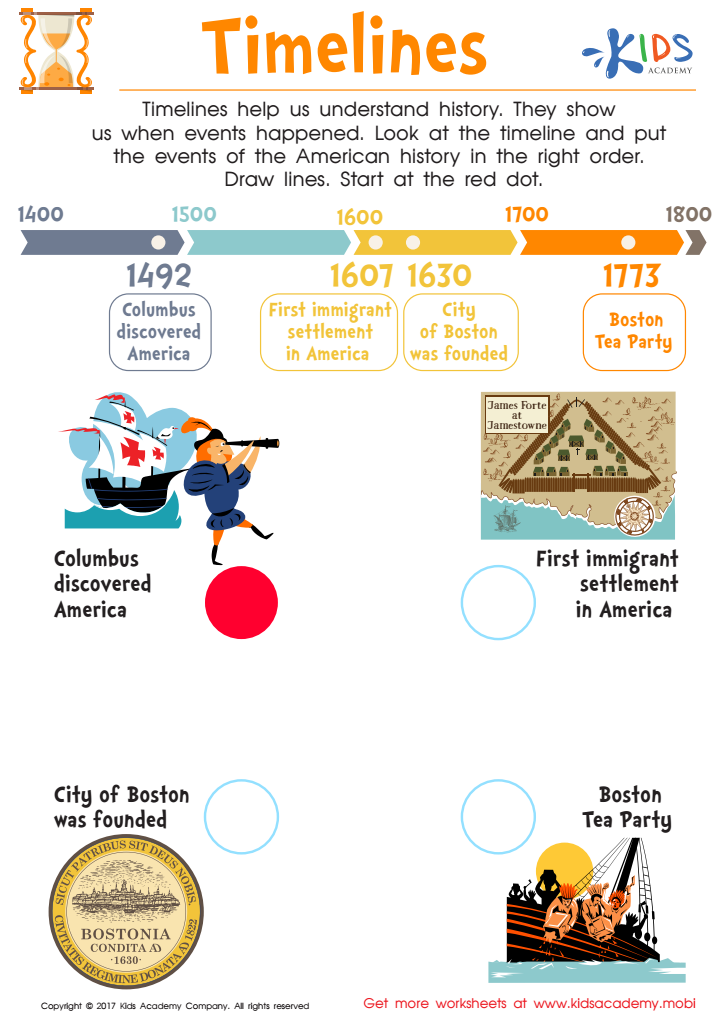
American History Timeline Worksheet
 Assign to My Students
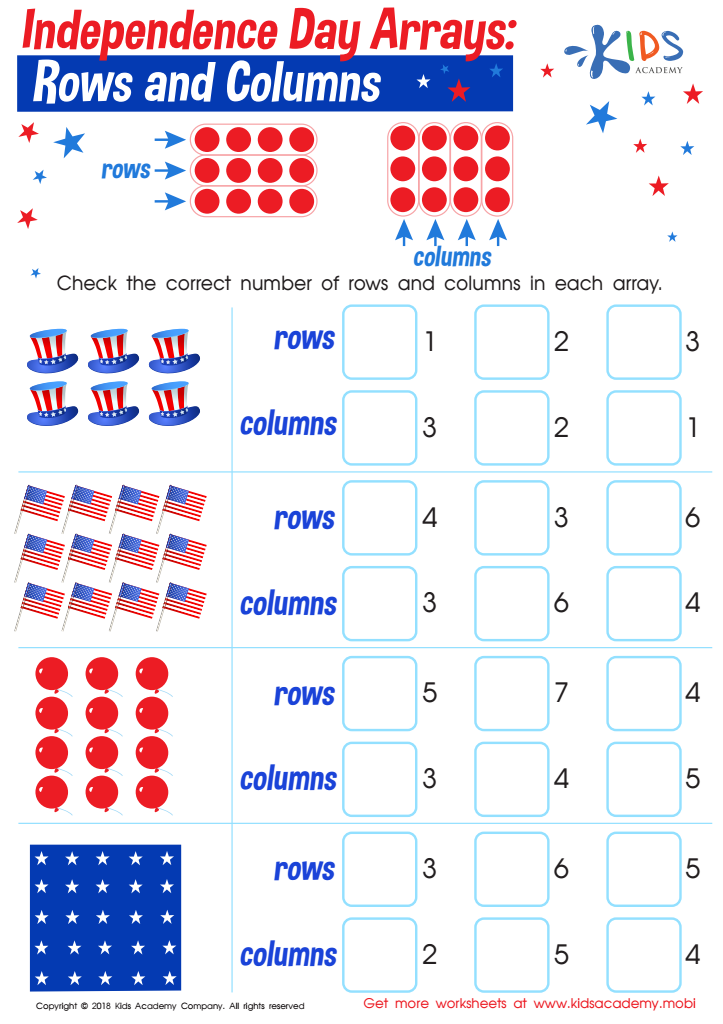
Independence Day Arrays: Rows and Columns Worksheet
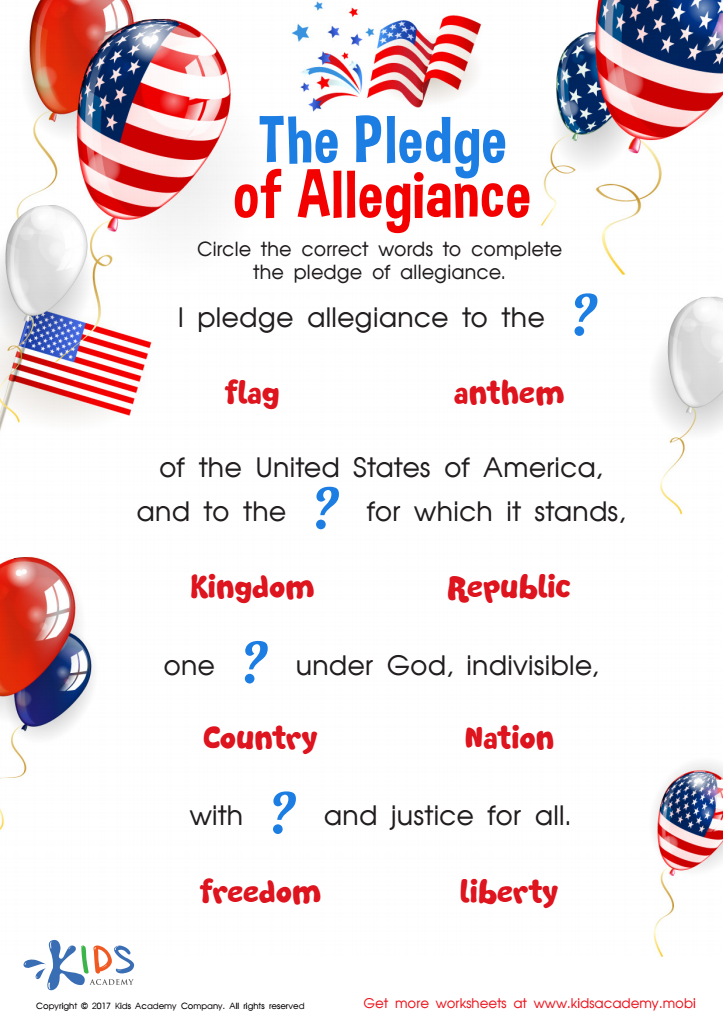
The Pledge of Allegiance Worksheet
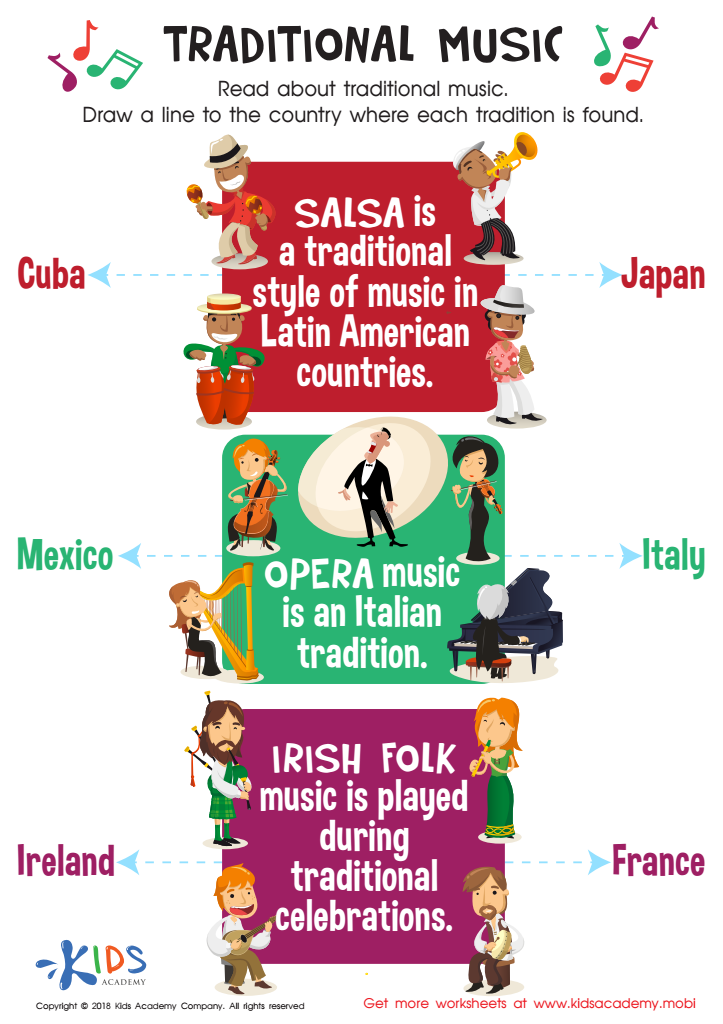
Traditional Music Worksheet
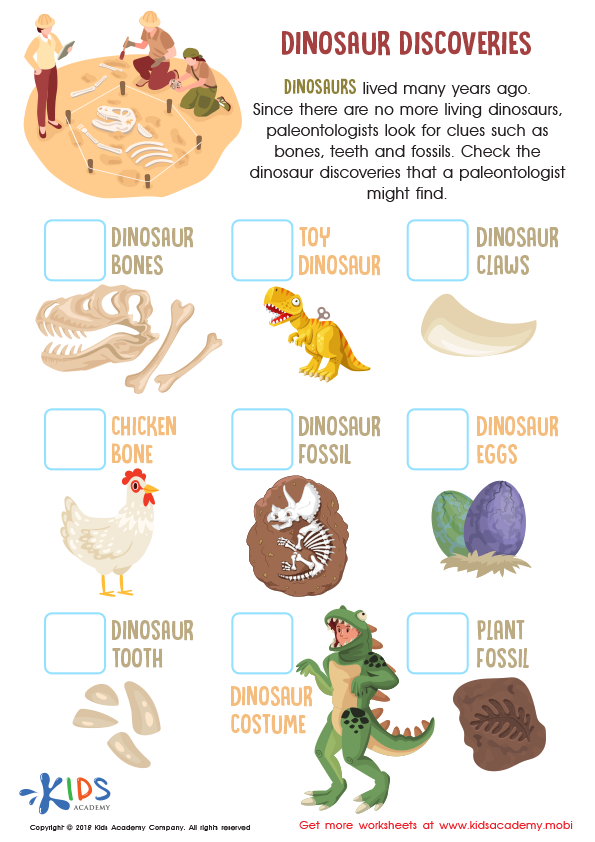
Dinosaur Discoveries Worksheet
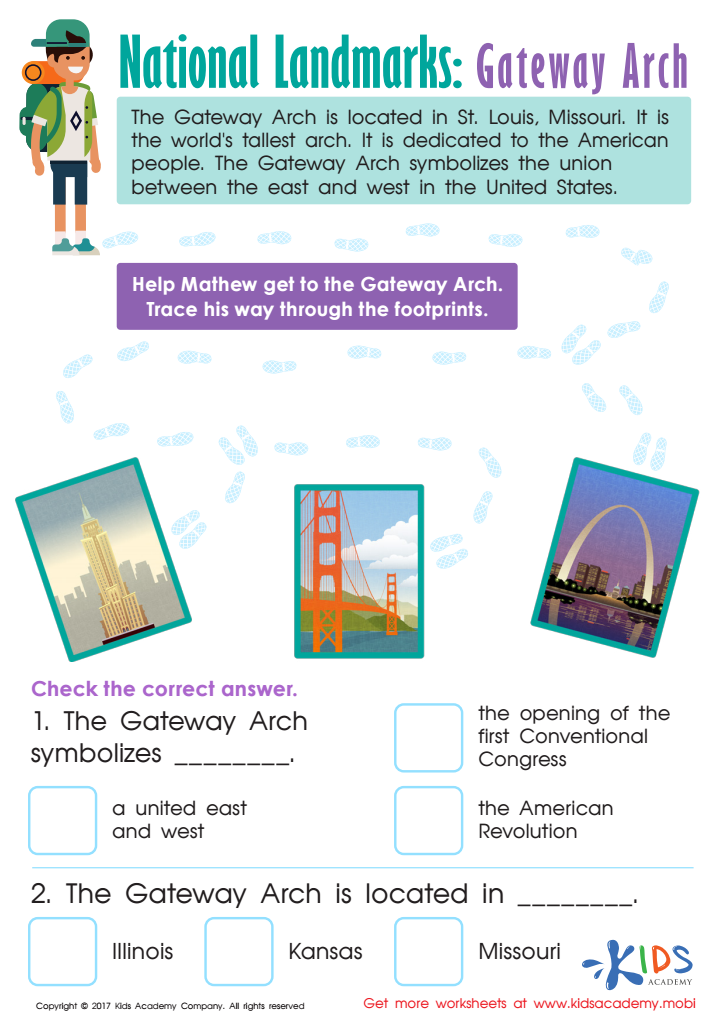
Gateway Arch Printable Worksheet
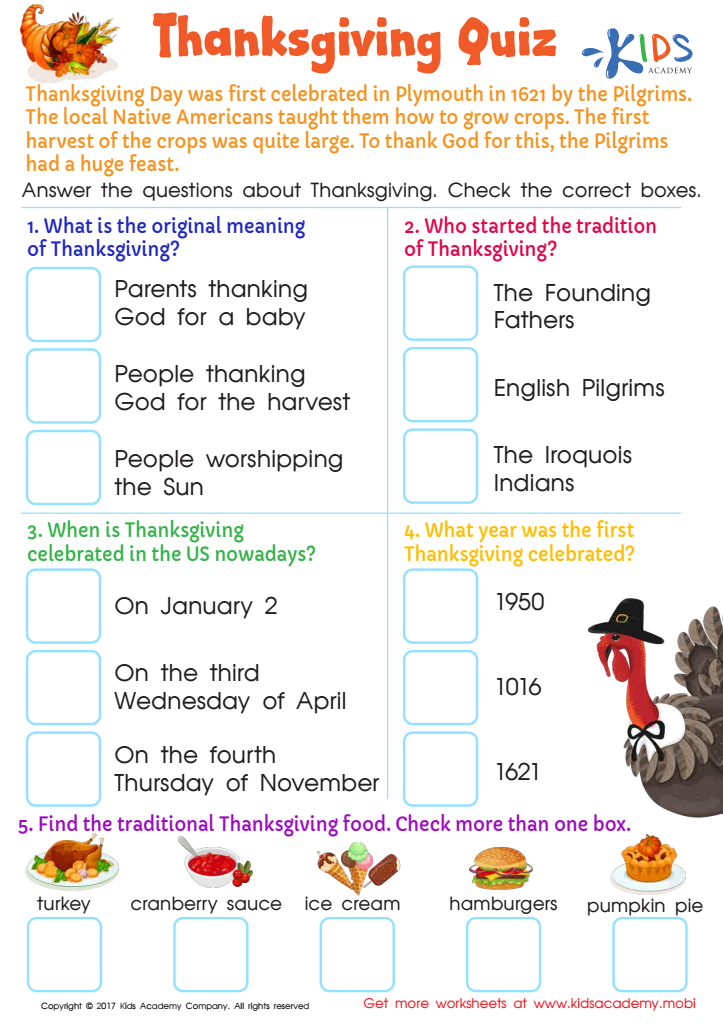
Thanksgiving Quiz Worksheet
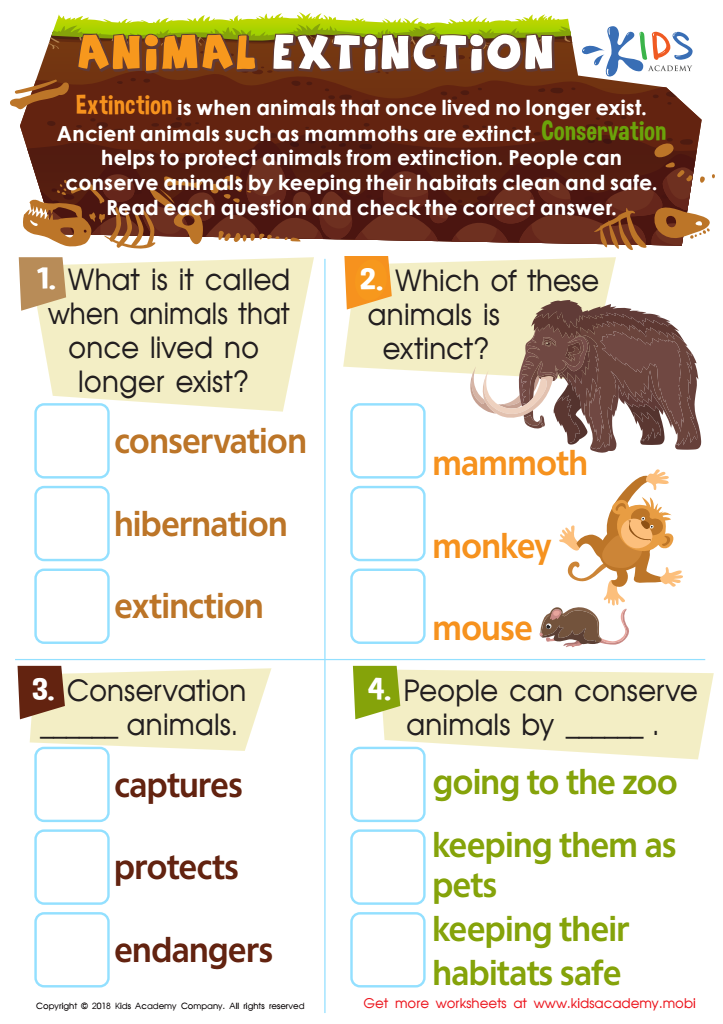
Animal Extinction Worksheet
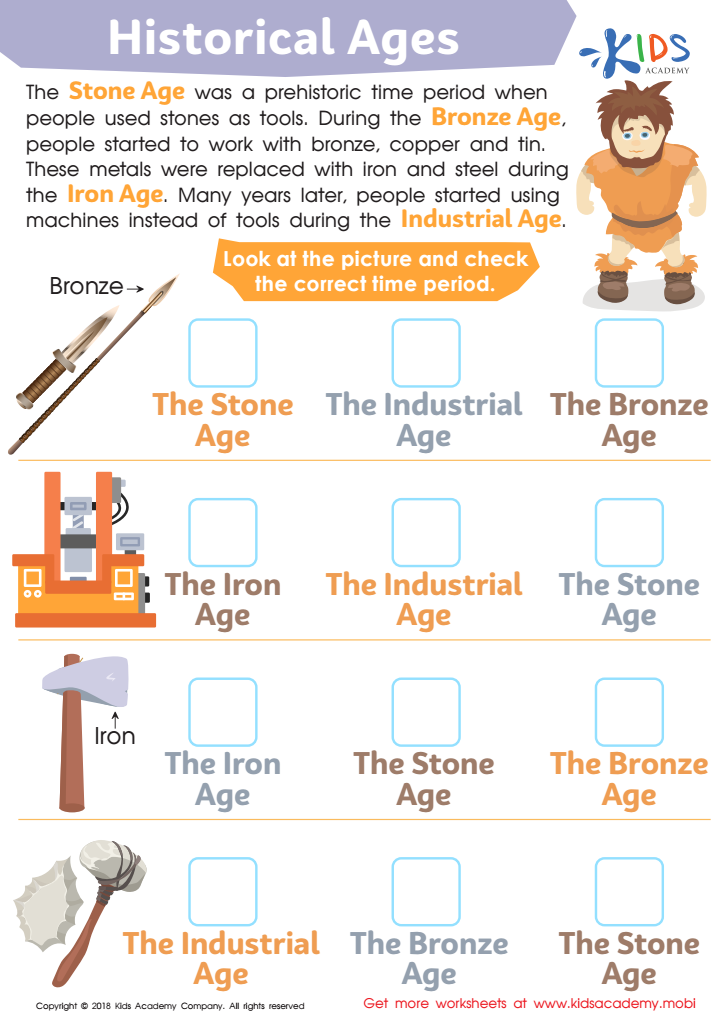
Historical Ages Worksheet
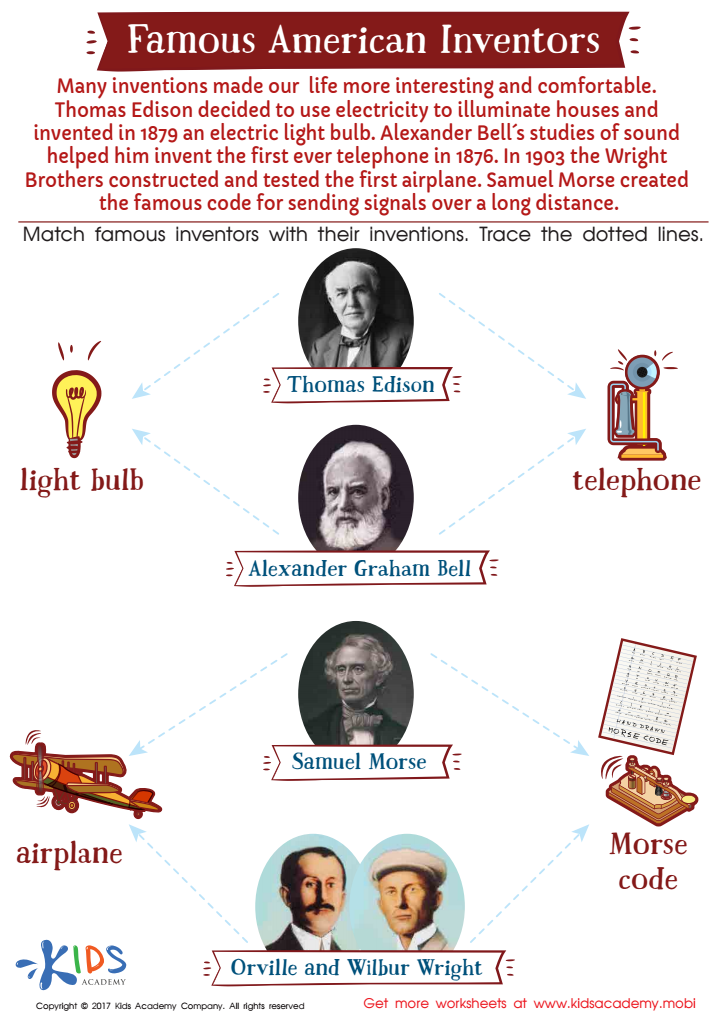
Famous American Inventors Worksheet
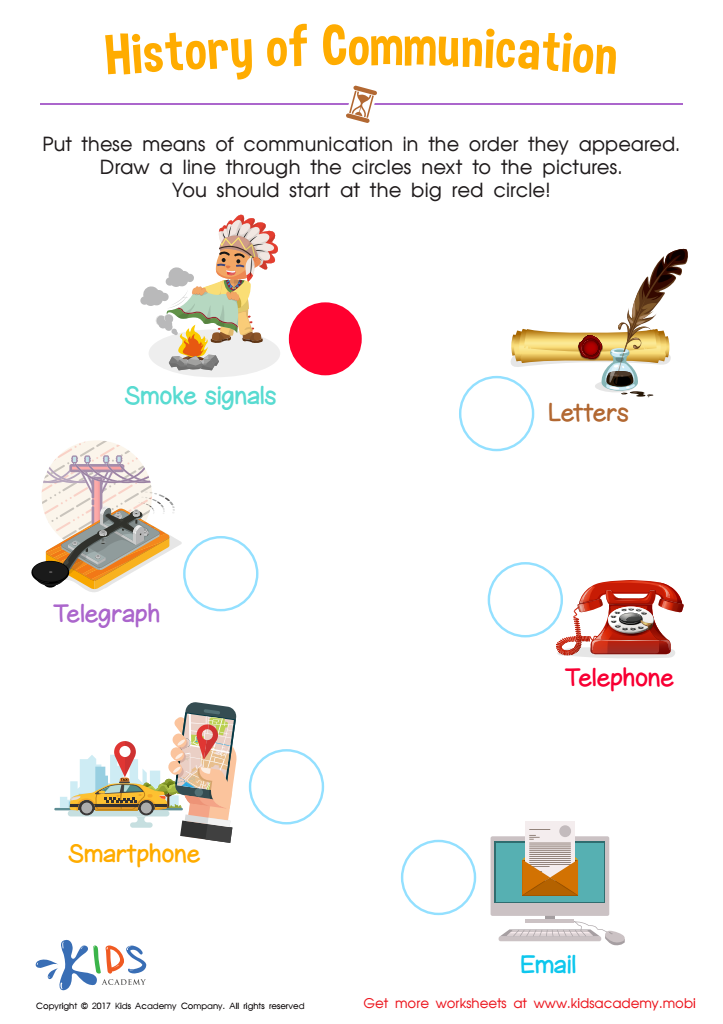
History of Communication Worksheet
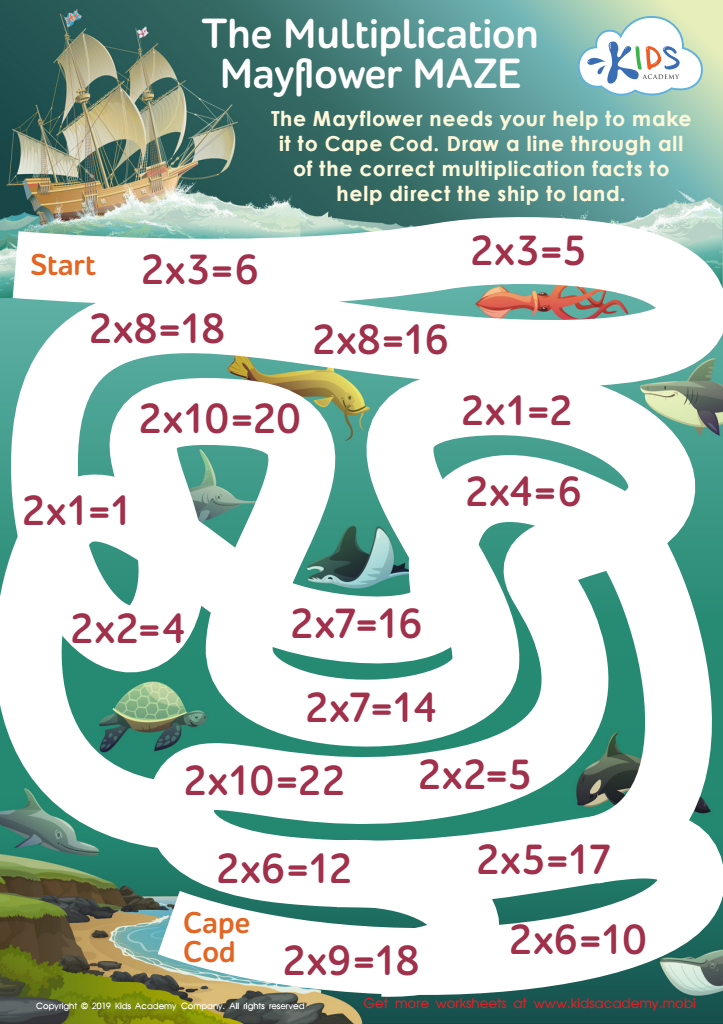
The Multiplication Mayflower Maze Worksheet
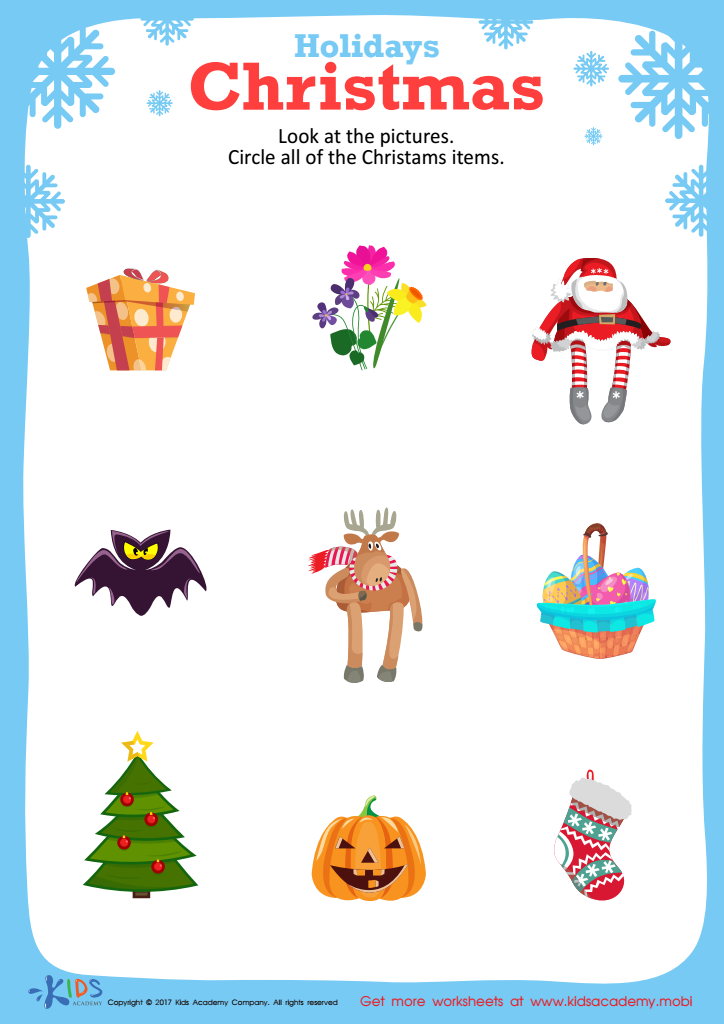
Christmas Holiday Worksheet
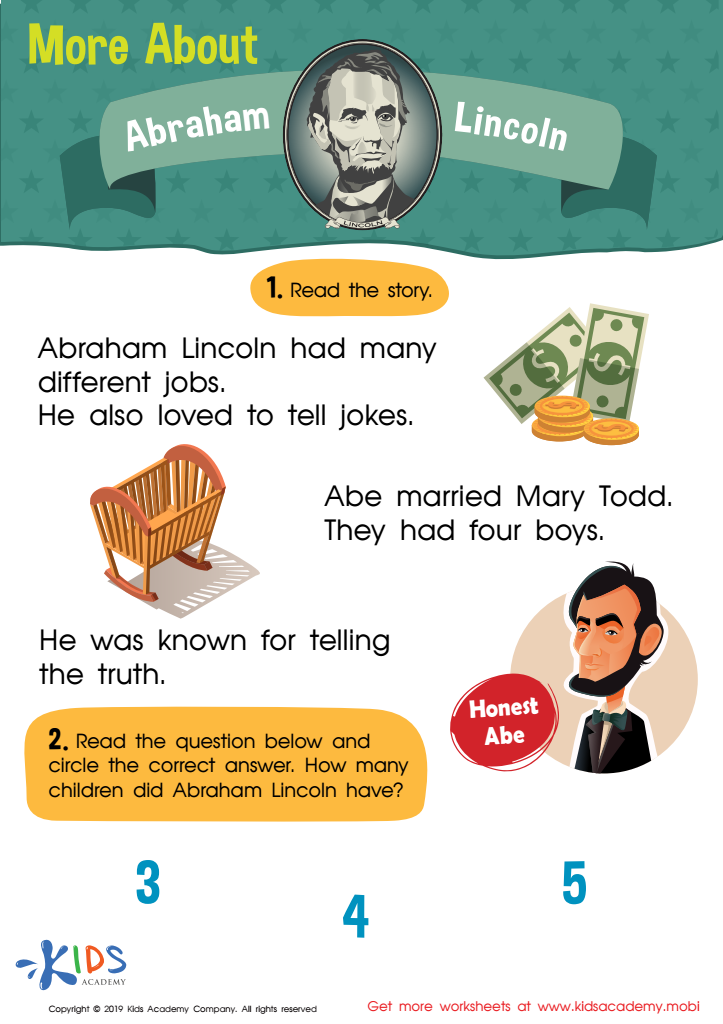
More About Abraham Lincoln Worksheet
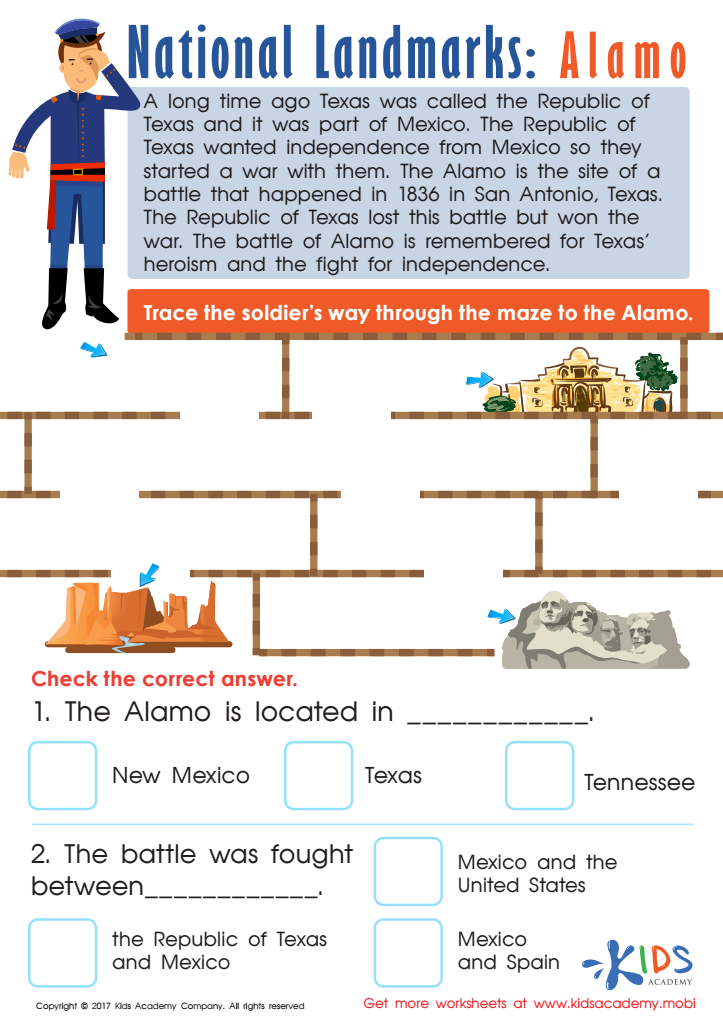
Alamo Printable Worksheet
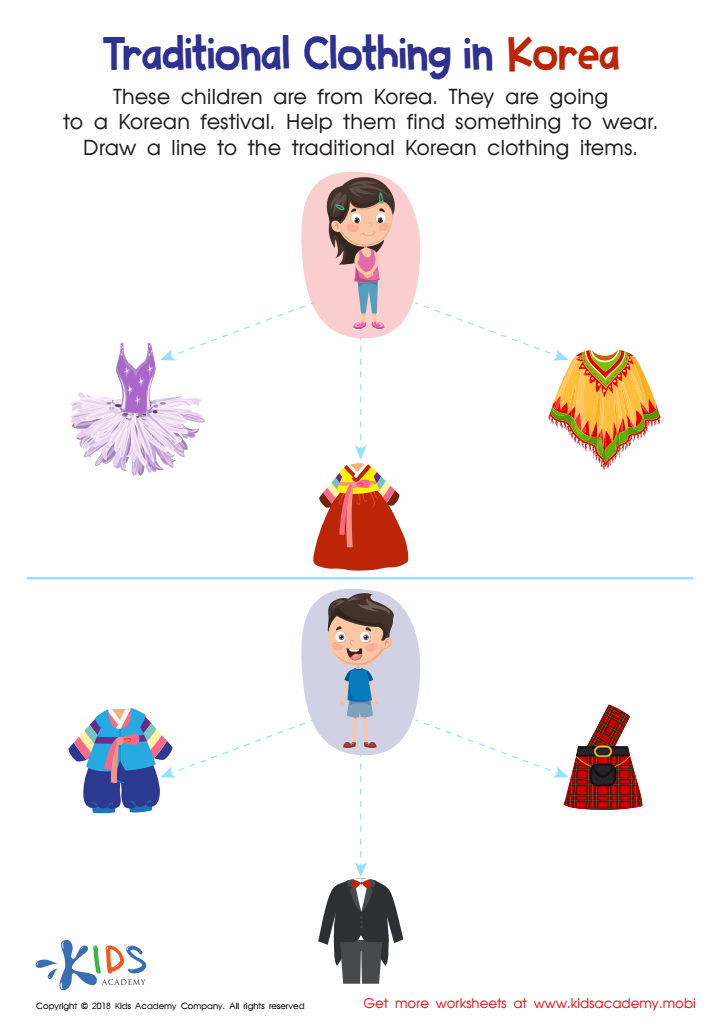
Traditional Clothing in Korea Worksheet
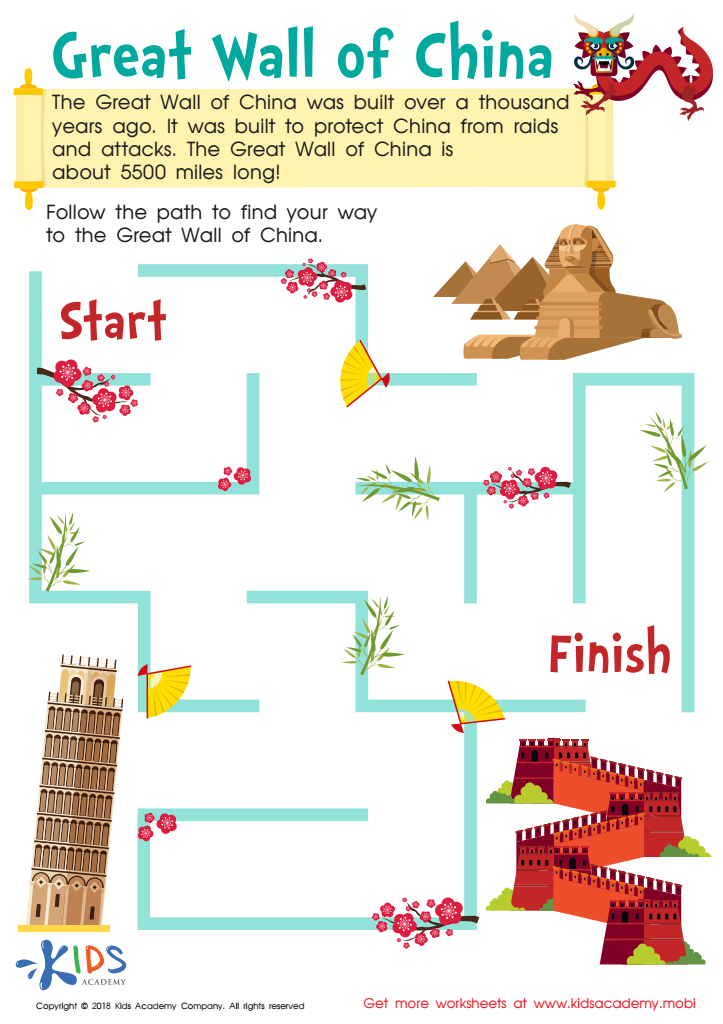
Great Wall of China Worksheet
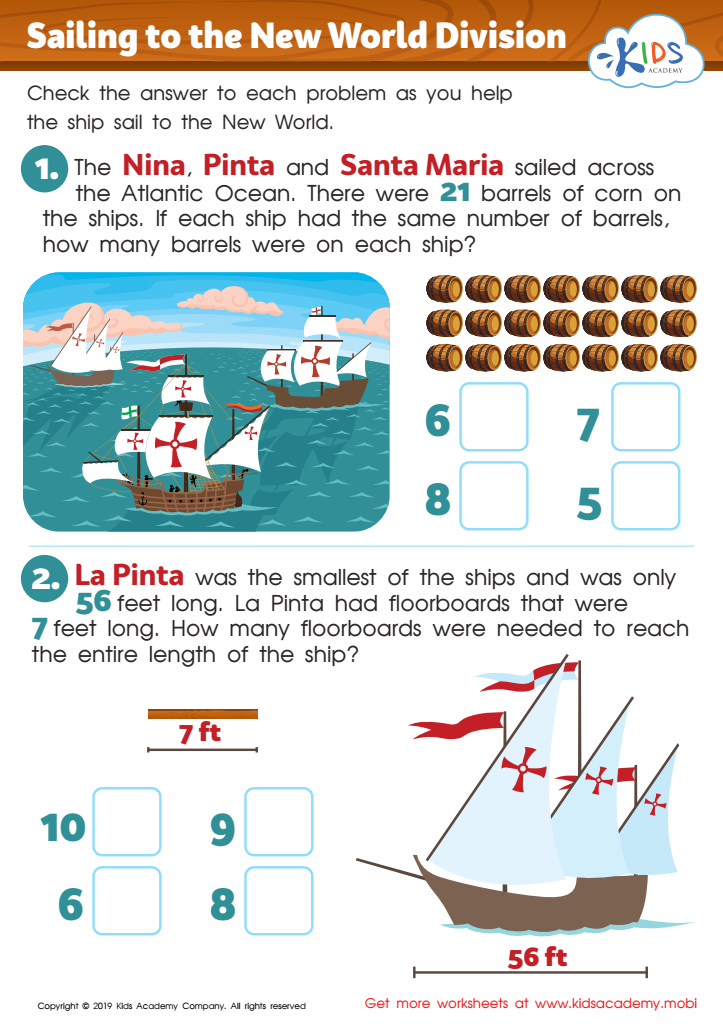
Sailing to the New World Division Worksheet
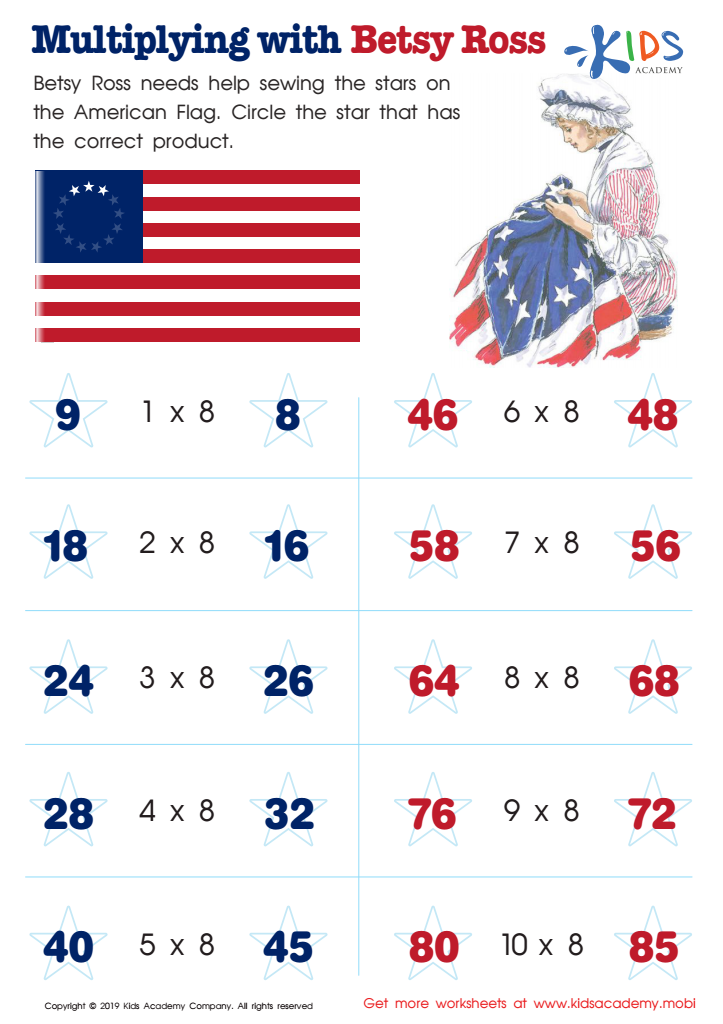
Multiplying with Betsy Ross Worksheet
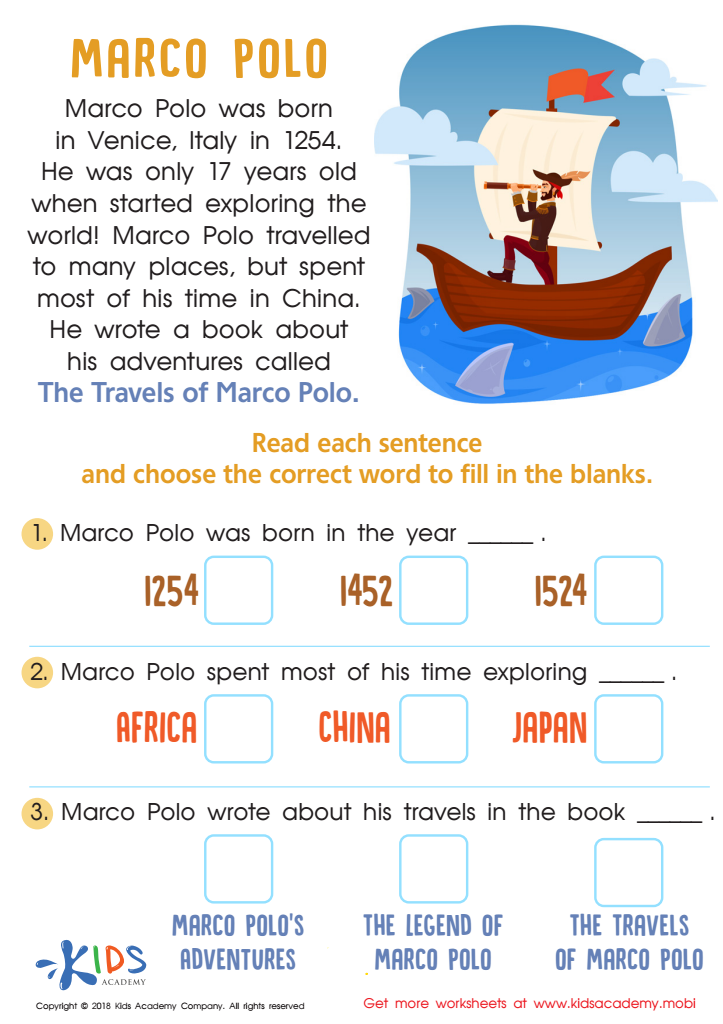
Marco Polo Worksheet
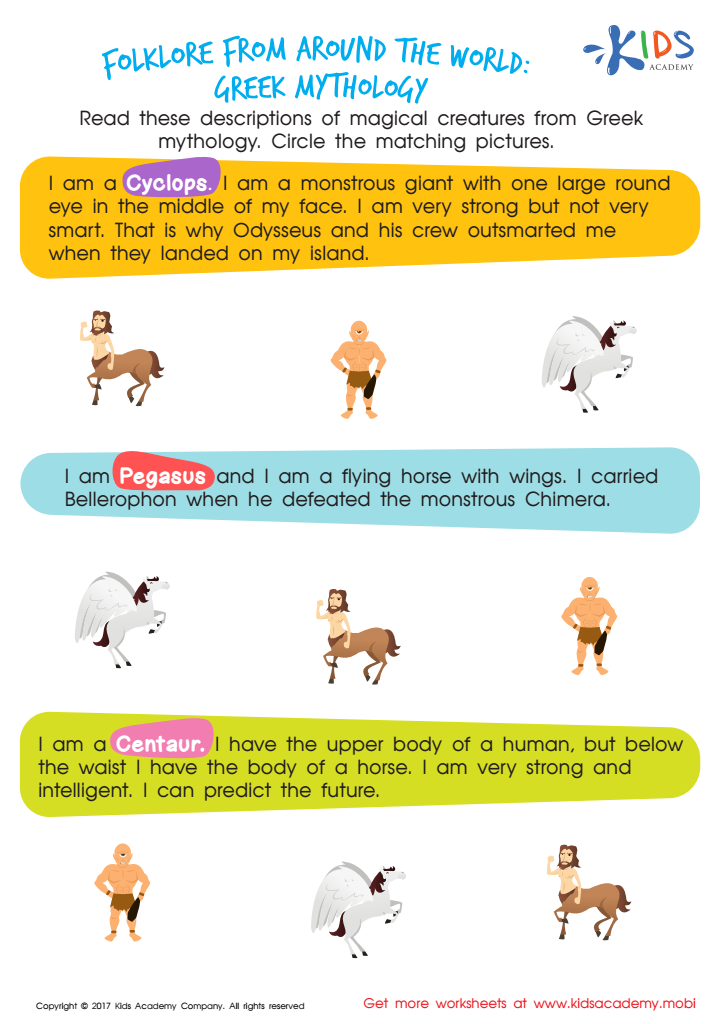
Greek Mythology Worksheet
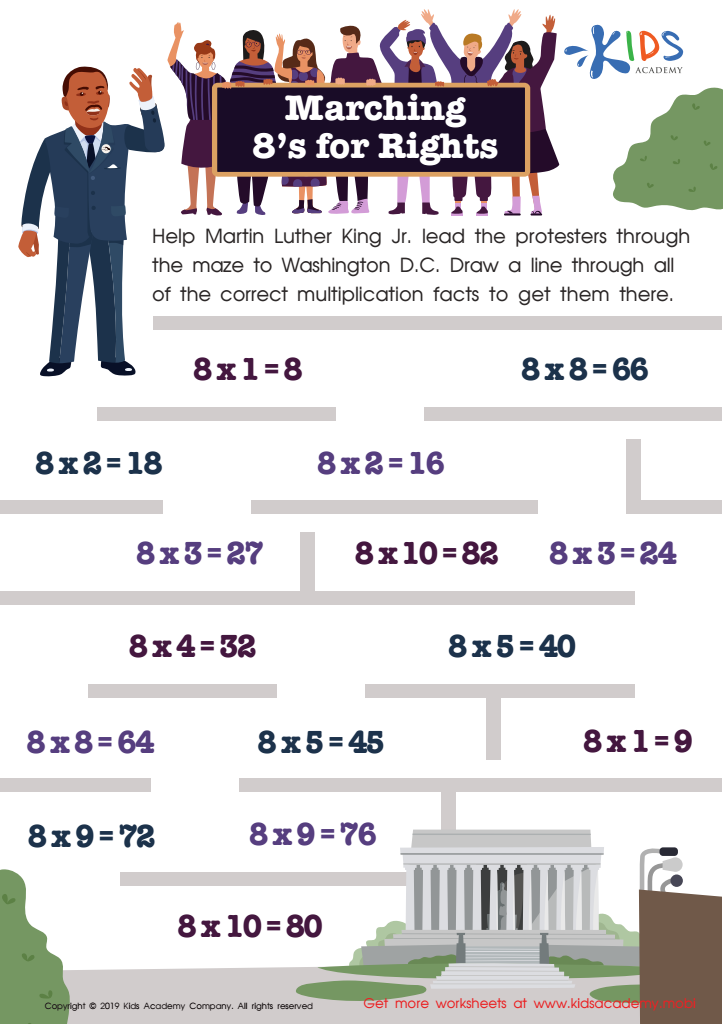
Marching 8’s for Rights Worksheet
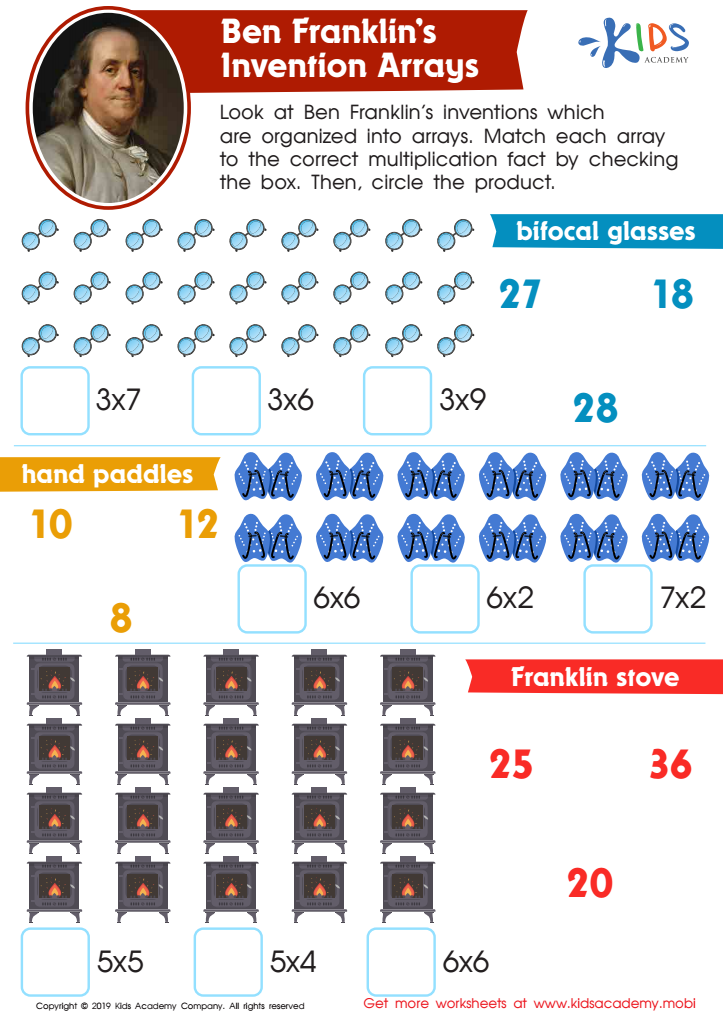
Ben Franklin’s Invention Arrays Worksheet
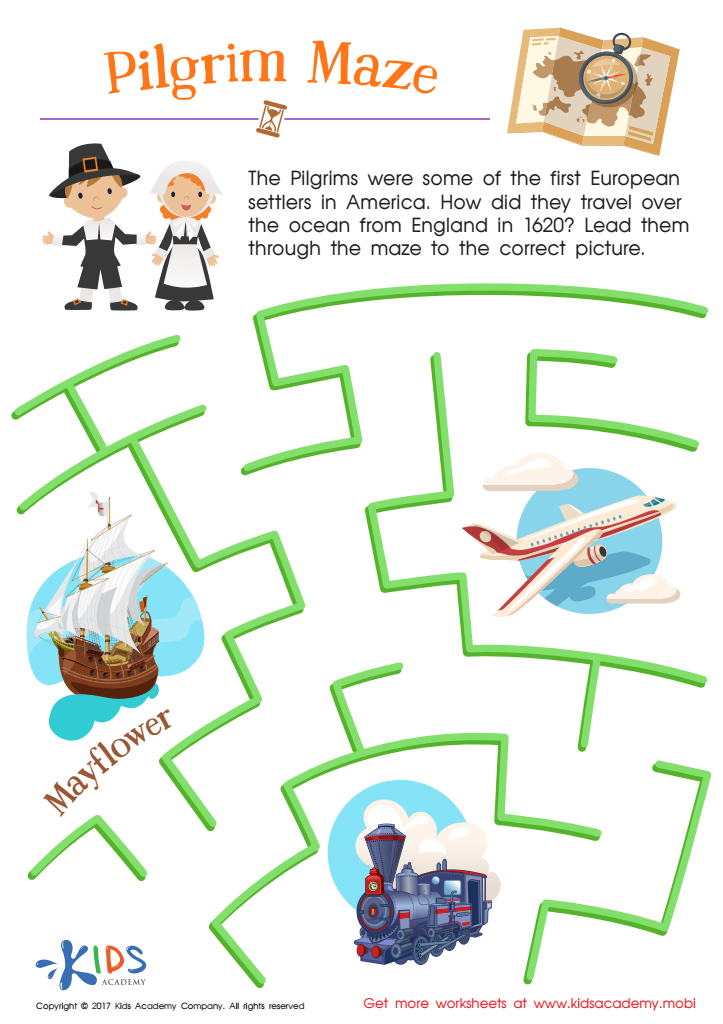
Pilgrim Maze Worksheet






.jpg)
Parents and teachers should care about introducing history to children aged 4-8 because it plays a critical role in shaping their understanding of the world. Learning history at an early age cultivates a sense of identity and belonging, helping children connect with their cultural heritage and family traditions. This early exposure encourages curiosity and teaches kids to appreciate diversity by understanding different cultures and perspectives.
History also helps children develop crucial cognitive skills, such as critical thinking and chronological reasoning. By learning about past events and the sequence in which they happened, kids begin to grasp the concept of cause and effect, which can apply to various aspects of their lives. Furthermore, historical stories and figures often illustrate values like courage, perseverance, and fairness, which can profoundly influence young minds and help establish a moral foundation.
Additionally, history lessons can be engaging and fun, often presented through stories, games, and activities that make learning enjoyable. By understanding the triumphs and mistakes of the past, children learn valuable lessons that can help guide their future decisions. Overall, introducing history to young children enriches their educational experience, broadens their worldview, and lays the groundwork for becoming well-rounded, informed individuals.