History Worksheets for Ages 4-9 - Page 3
88 filtered results
-
From - To
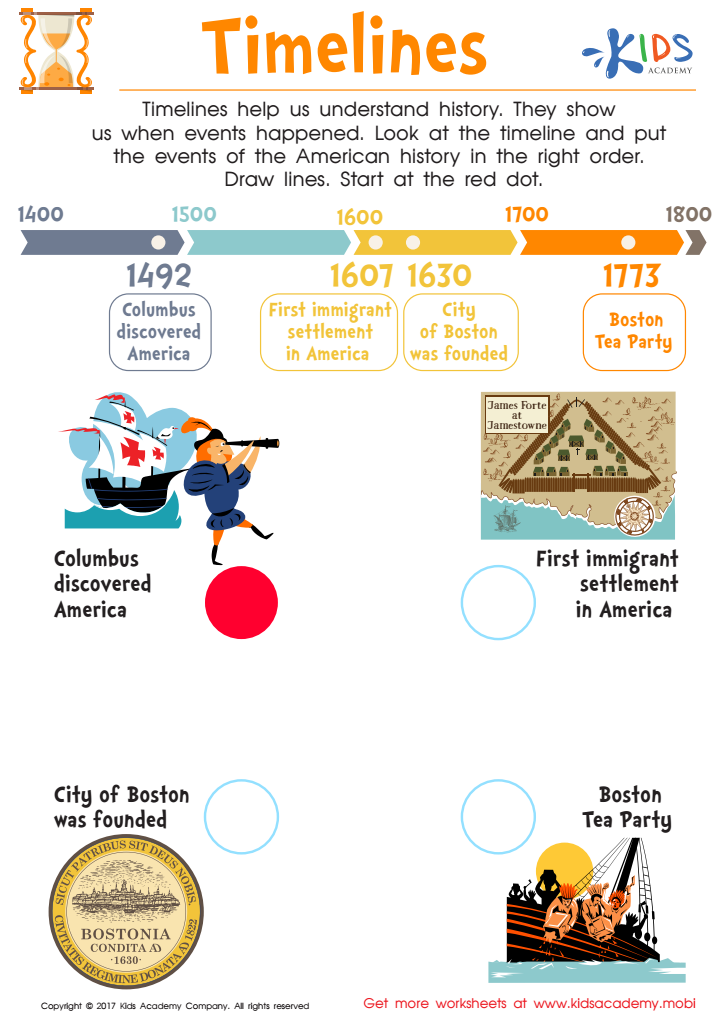
American History Timeline Worksheet
 Assign to My Students
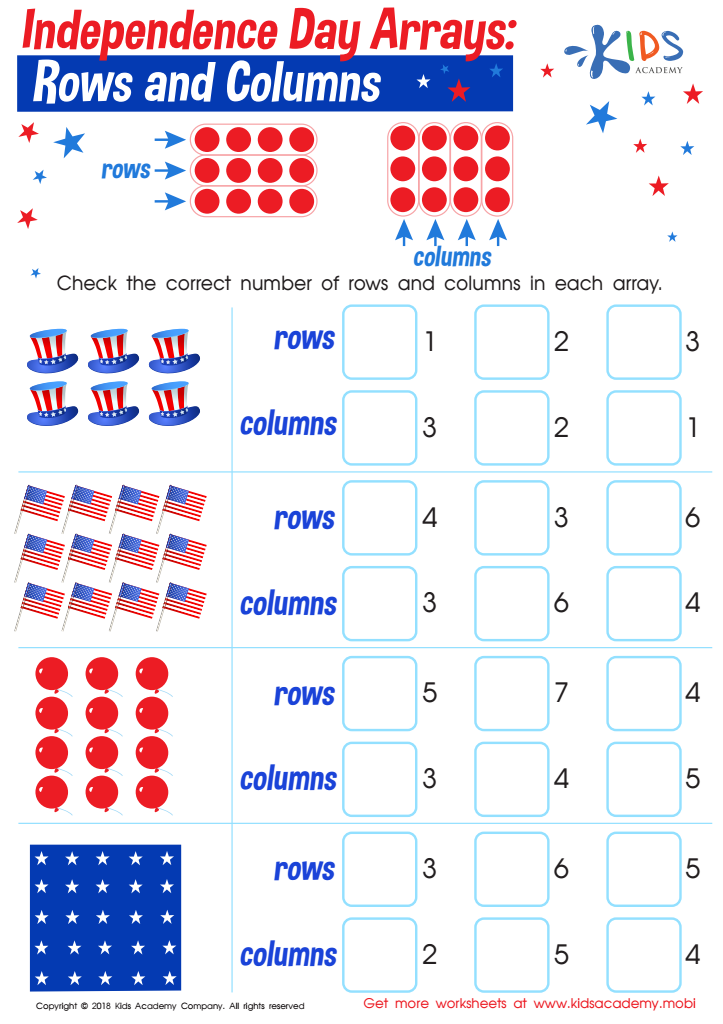
Independence Day Arrays: Rows and Columns Worksheet
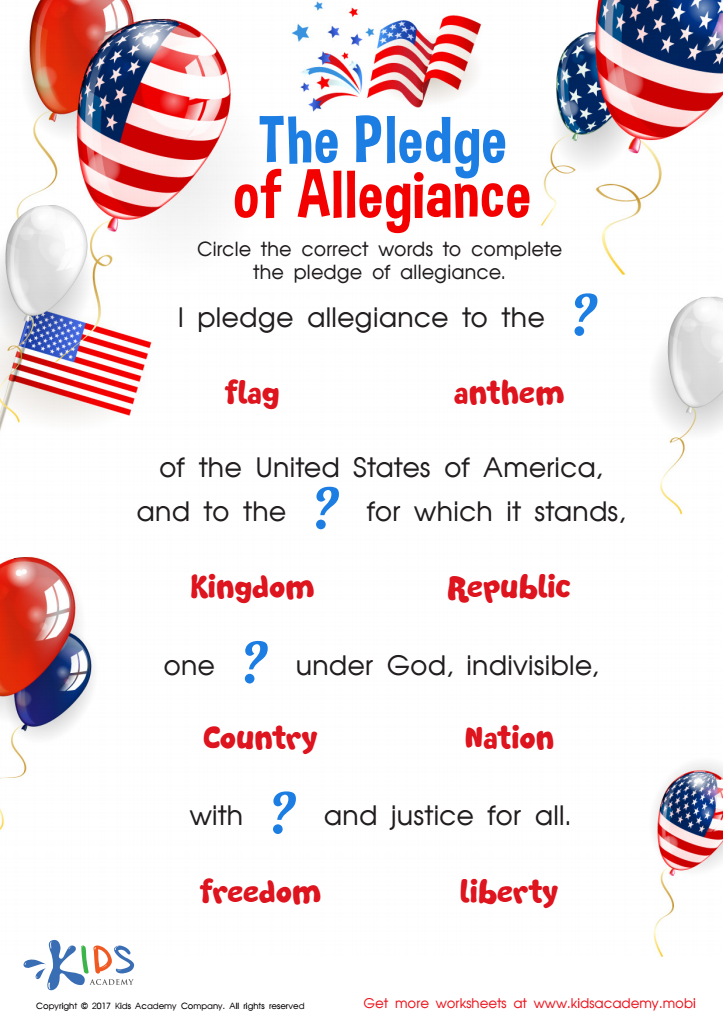
The Pledge of Allegiance Worksheet
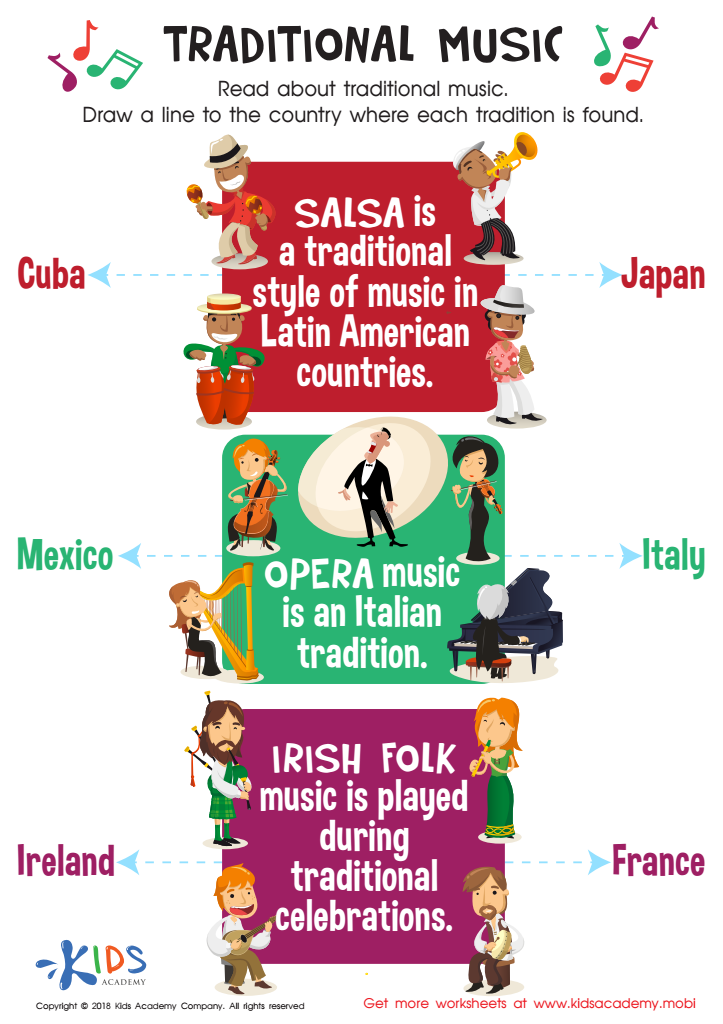
Traditional Music Worksheet
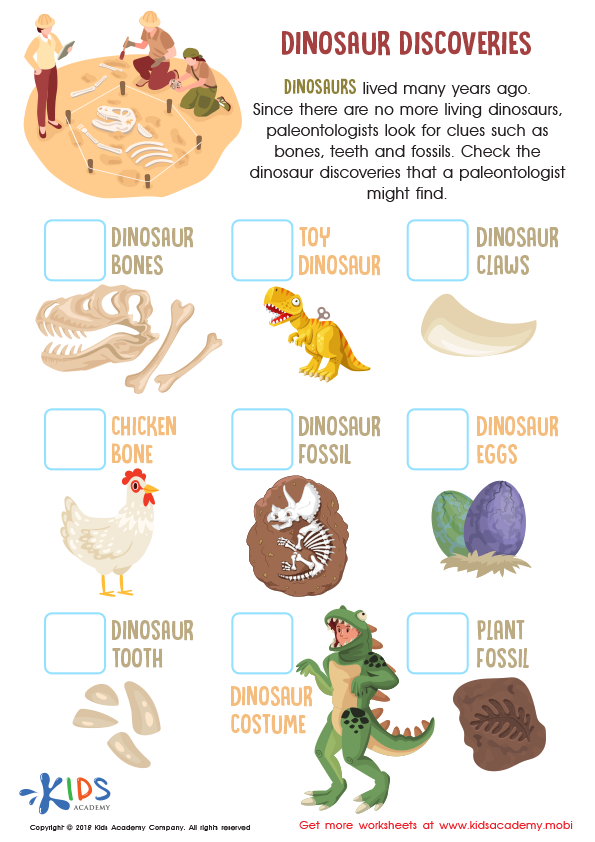
Dinosaur Discoveries Worksheet
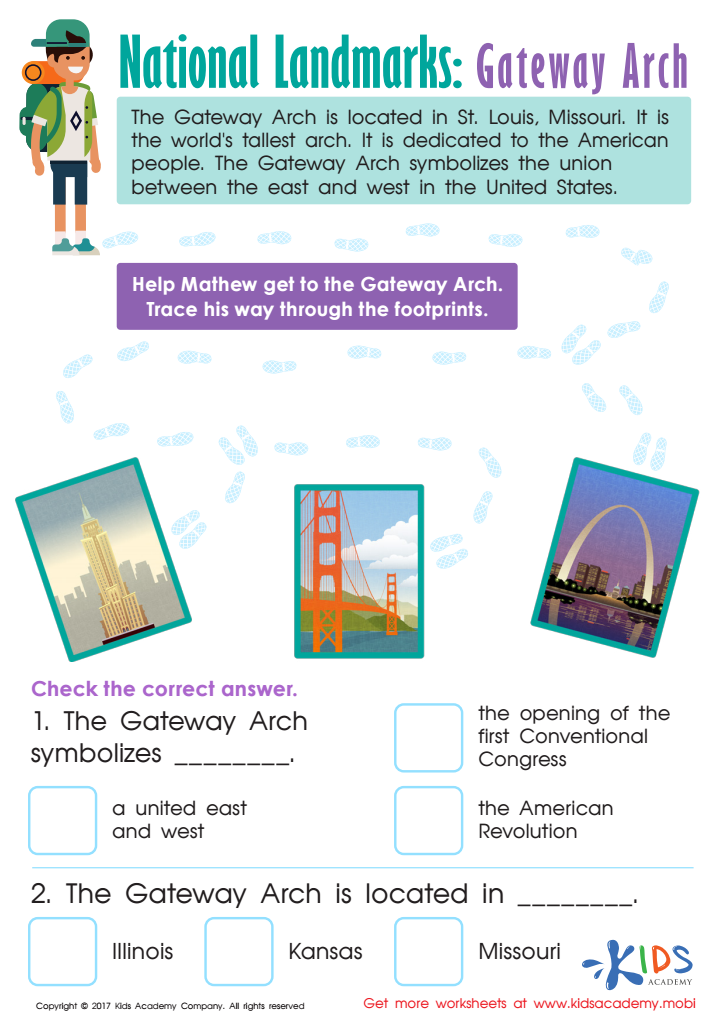
Gateway Arch Printable Worksheet
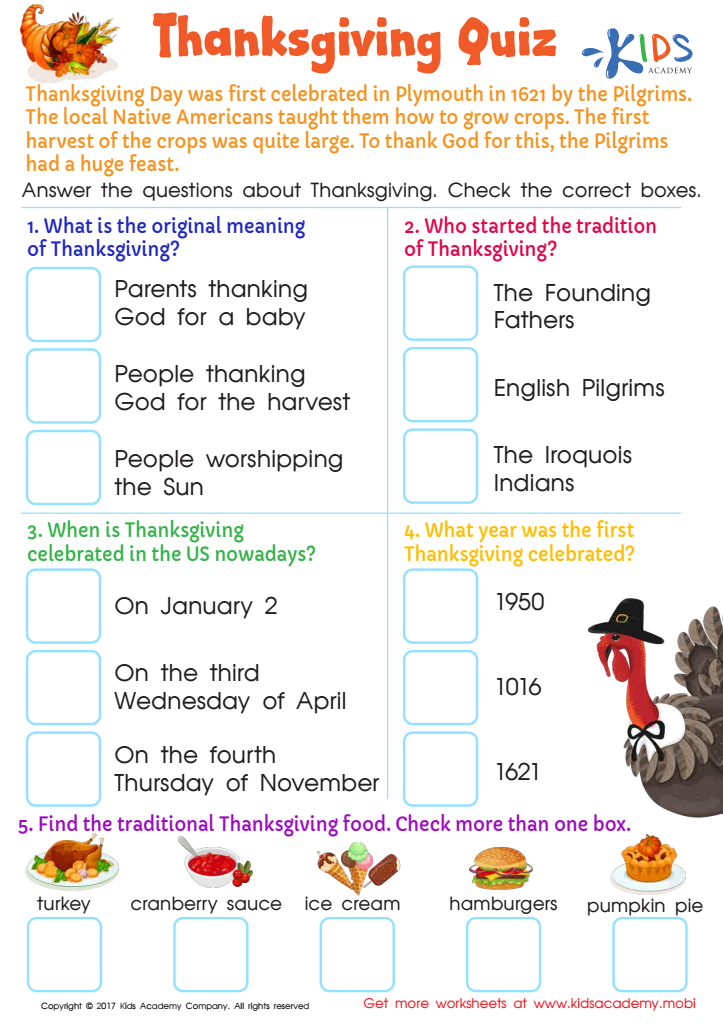
Thanksgiving Quiz Worksheet
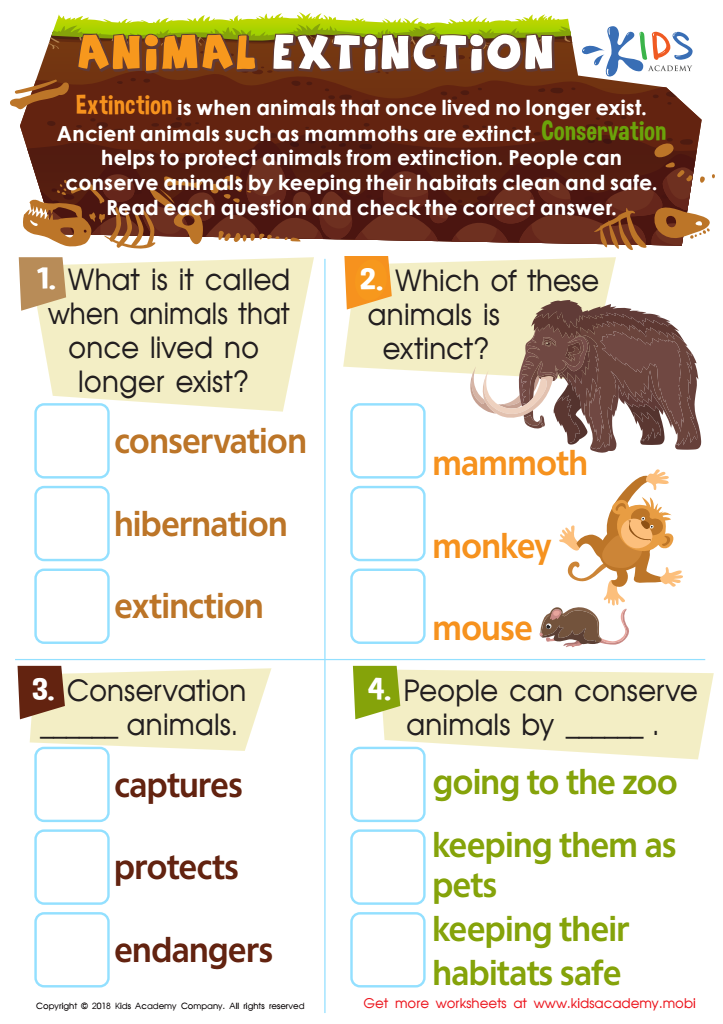
Animal Extinction Worksheet
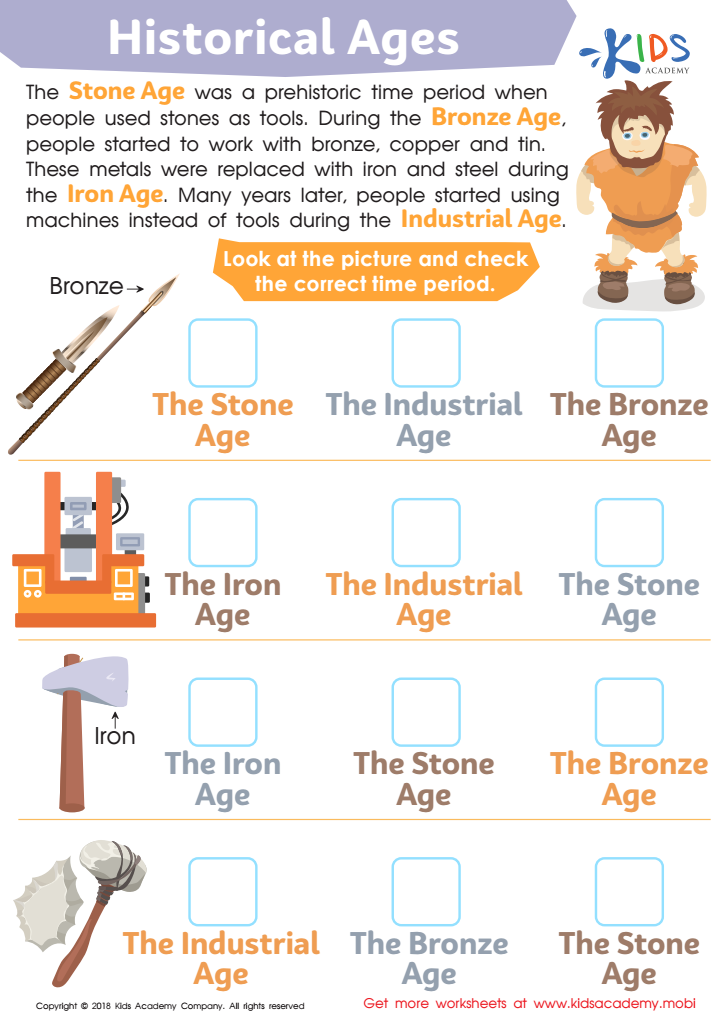
Historical Ages Worksheet
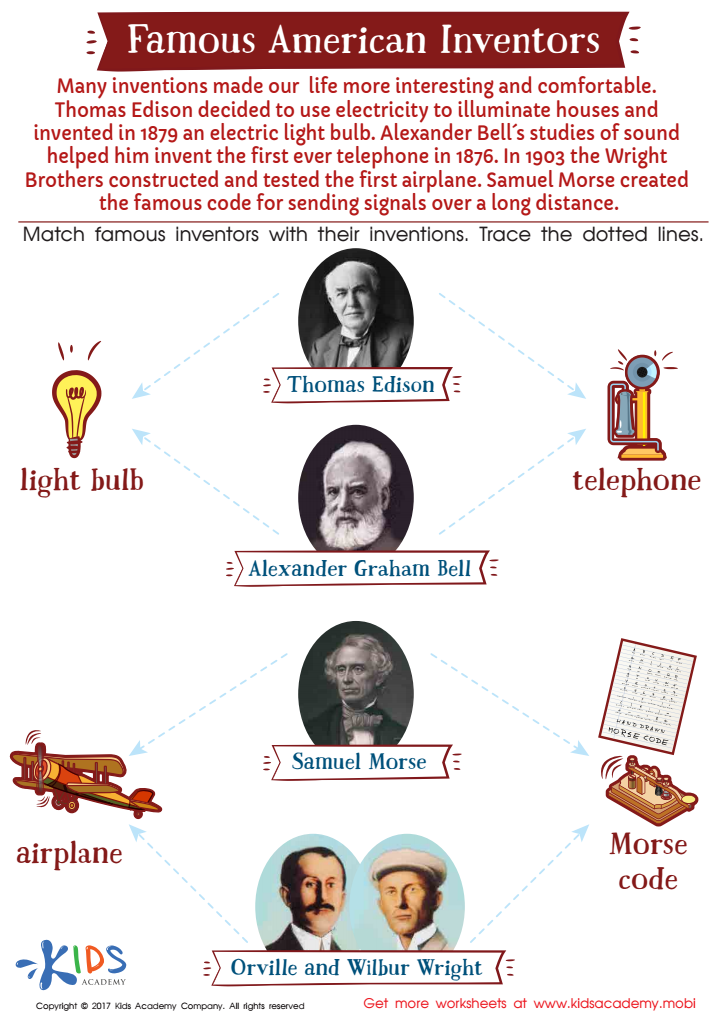
Famous American Inventors Worksheet
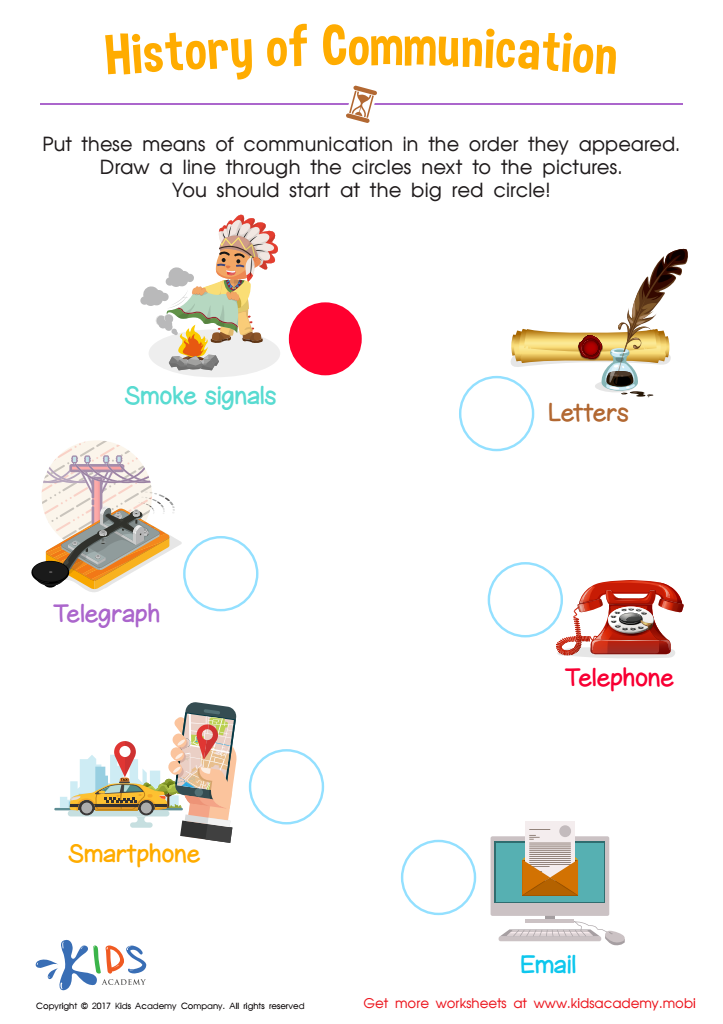
History of Communication Worksheet
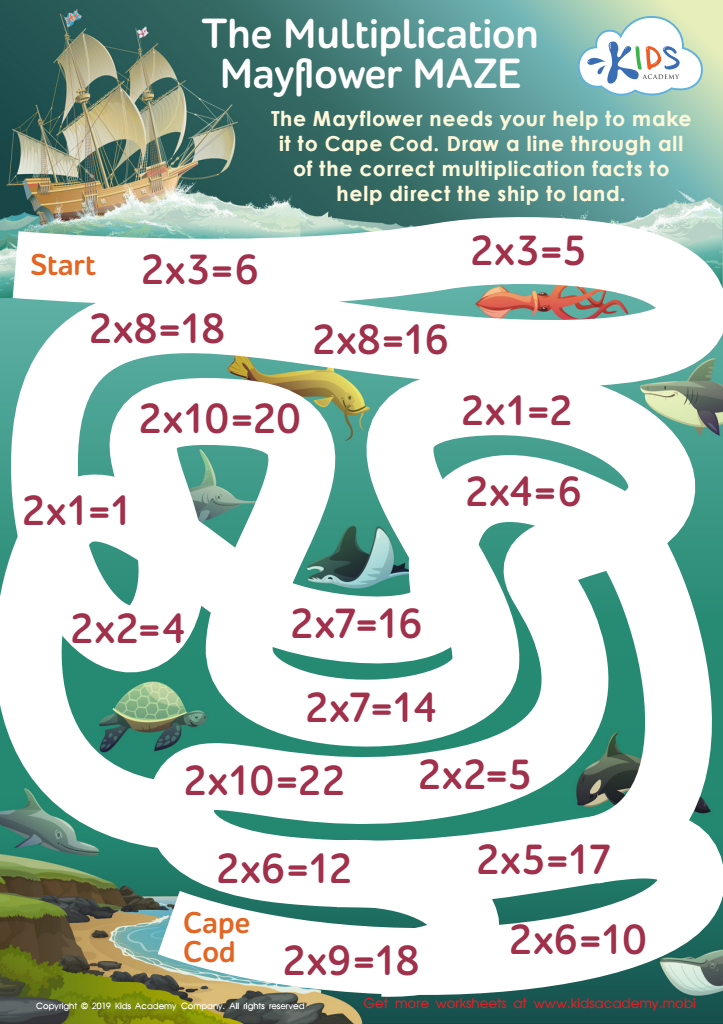
The Multiplication Mayflower Maze Worksheet
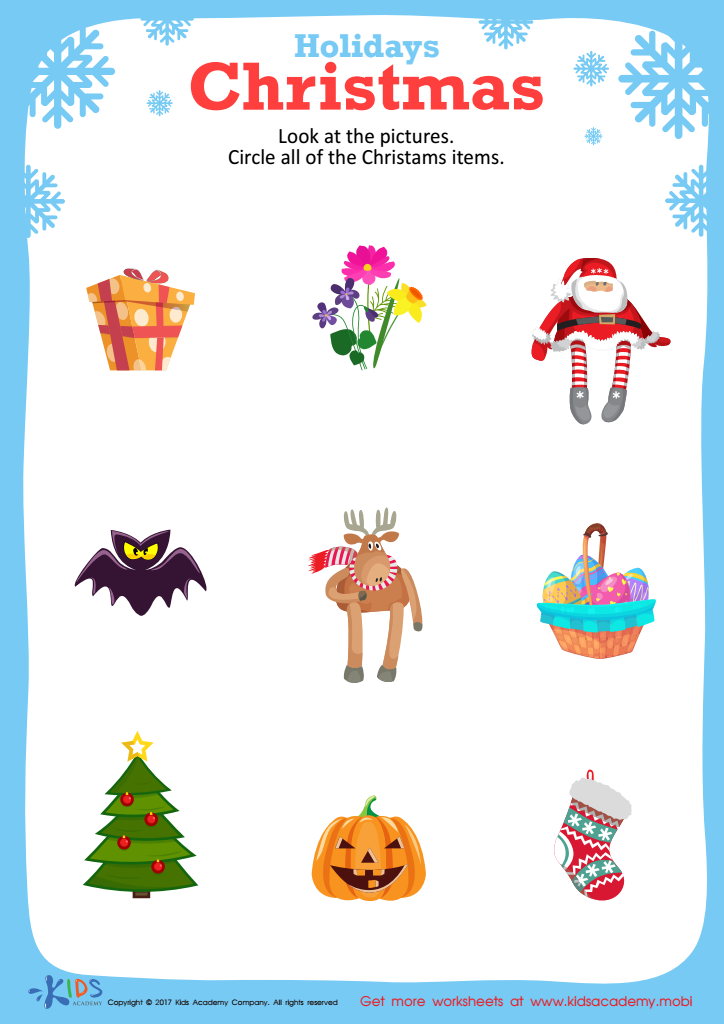
Christmas Holiday Worksheet
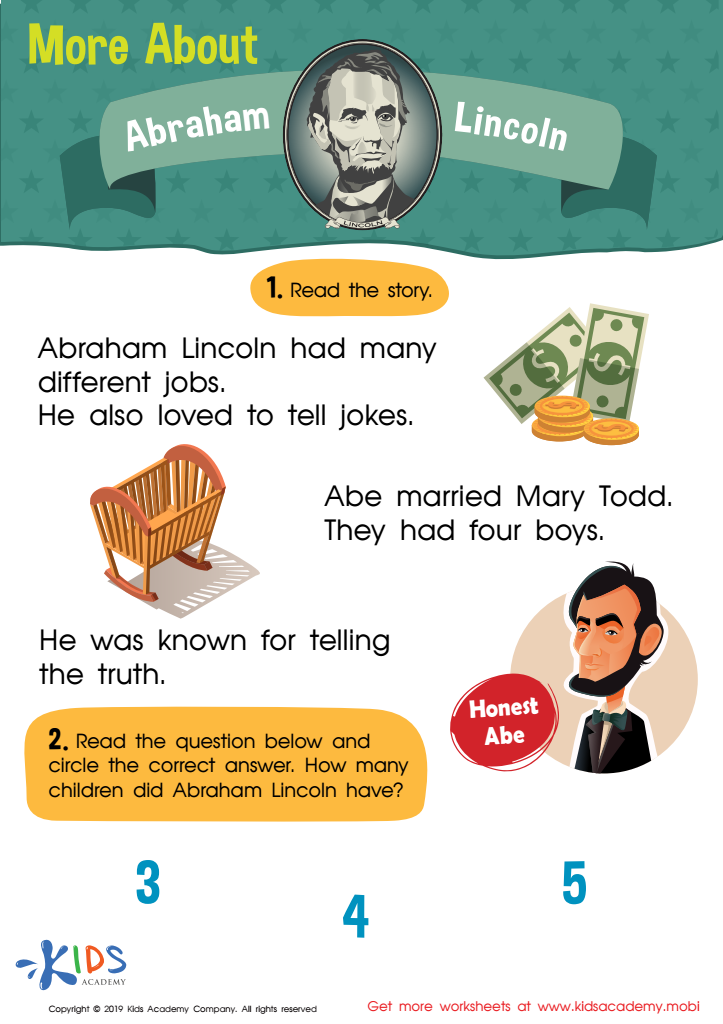
More About Abraham Lincoln Worksheet
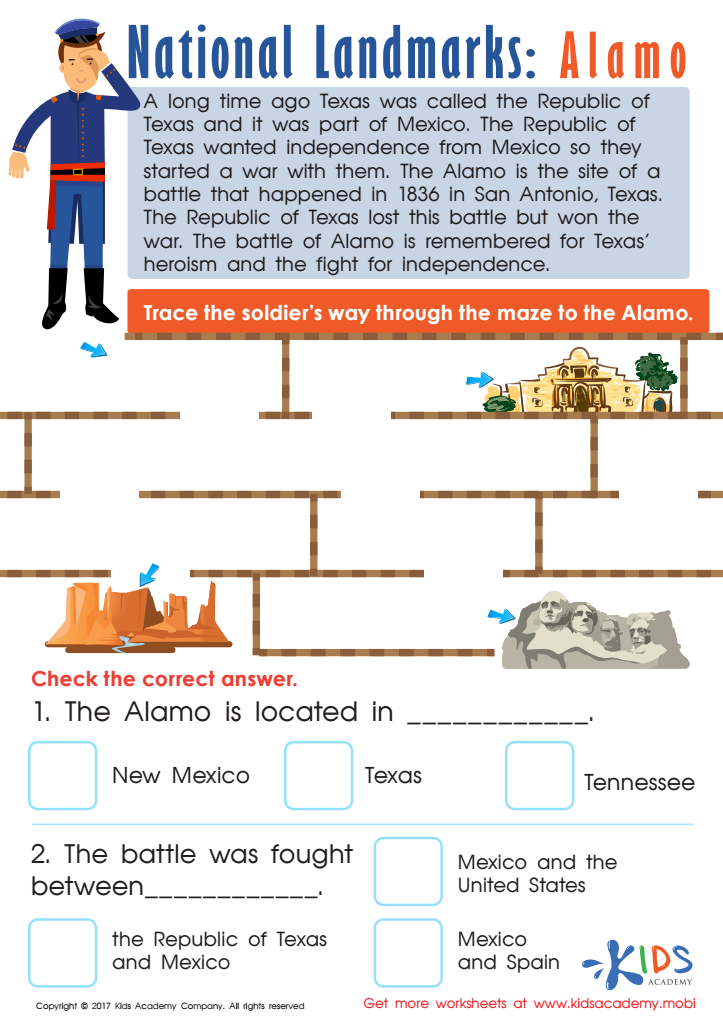
Alamo Printable Worksheet
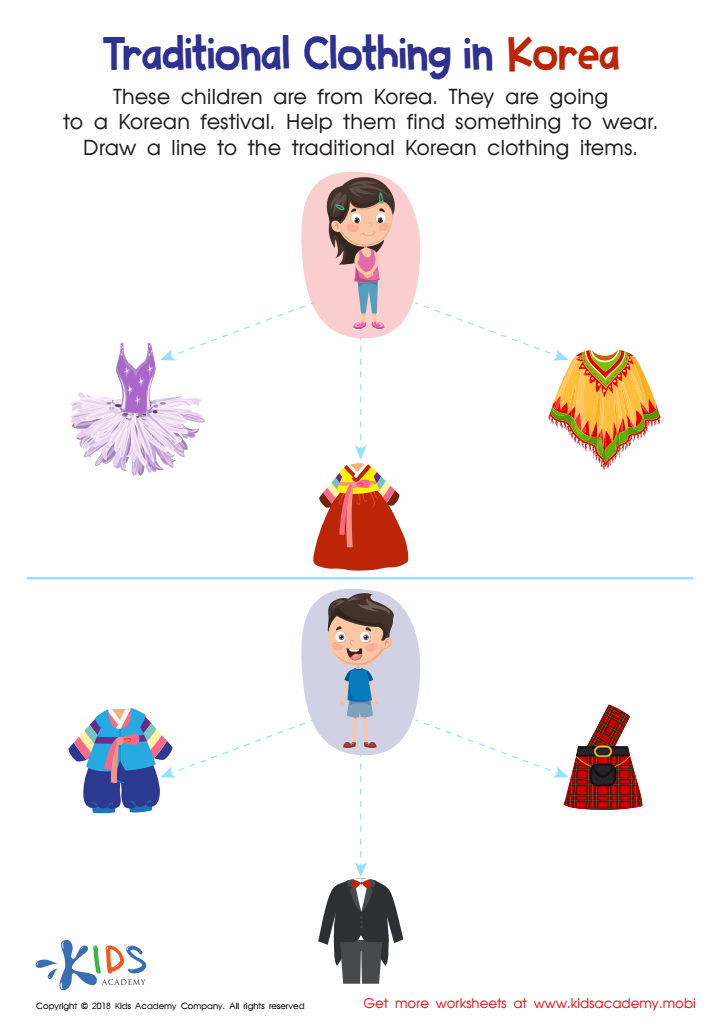
Traditional Clothing in Korea Worksheet
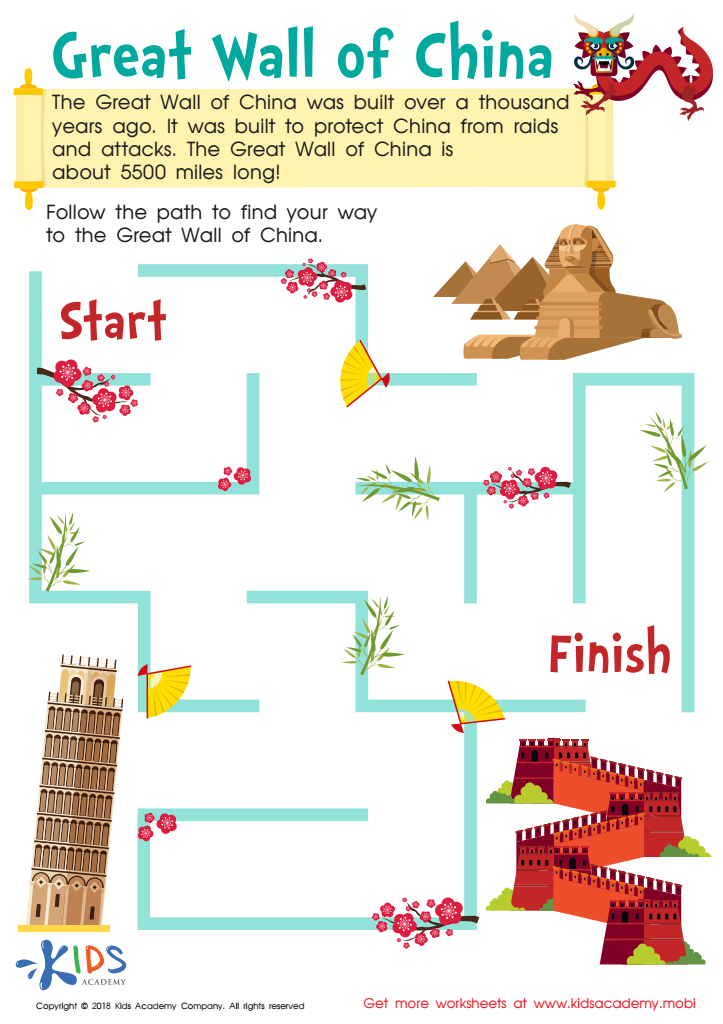
Great Wall of China Worksheet
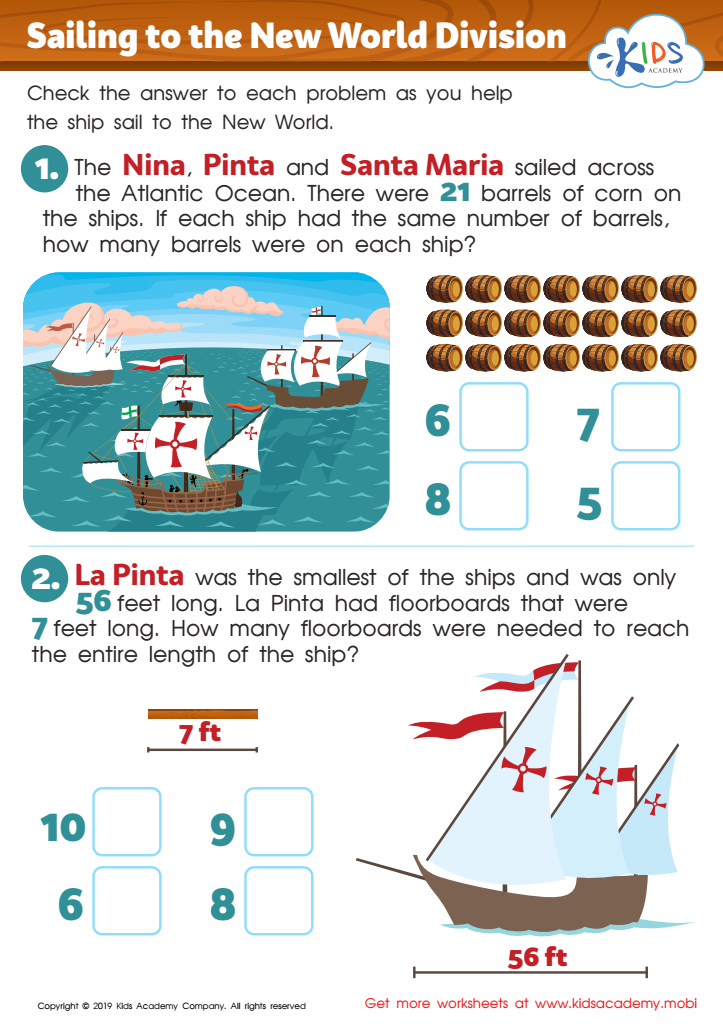
Sailing to the New World Division Worksheet
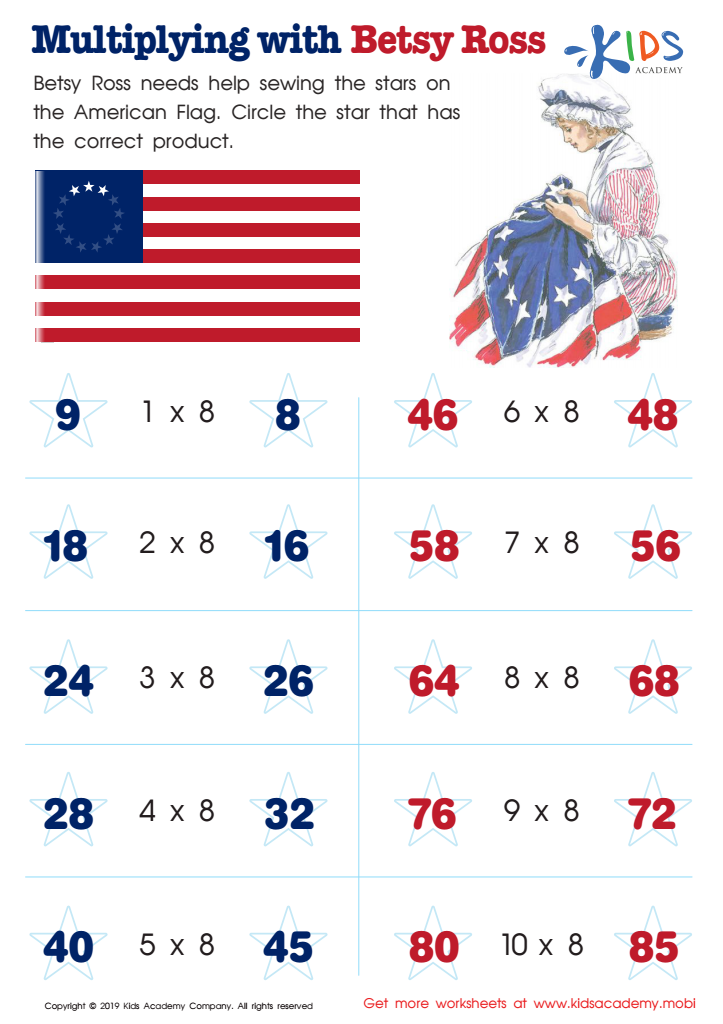
Multiplying with Betsy Ross Worksheet
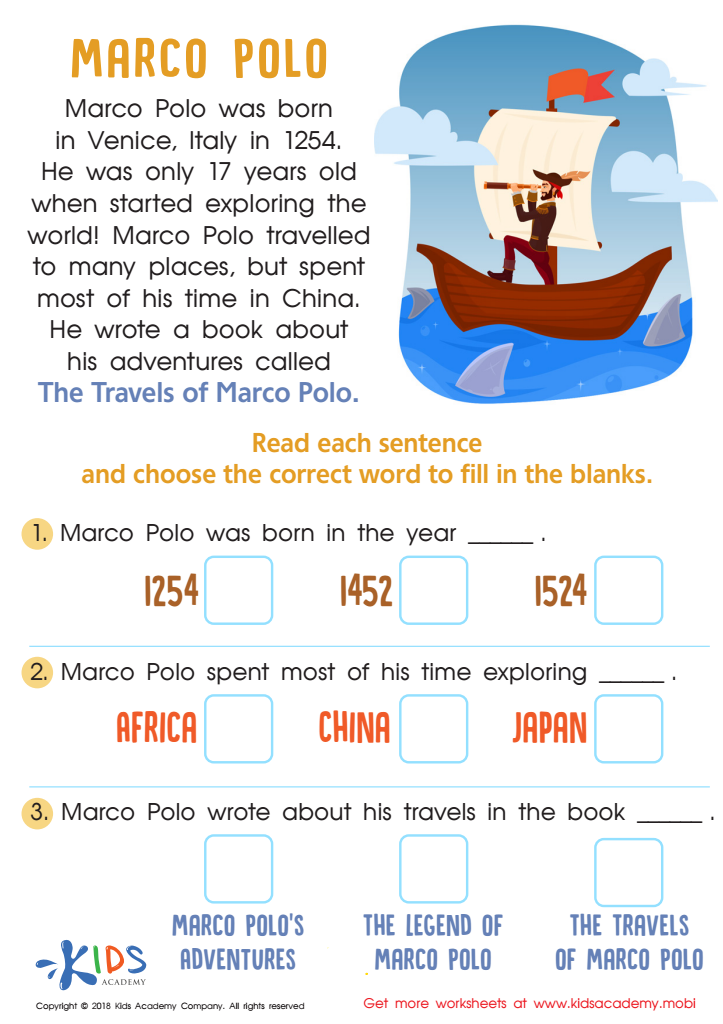
Marco Polo Worksheet
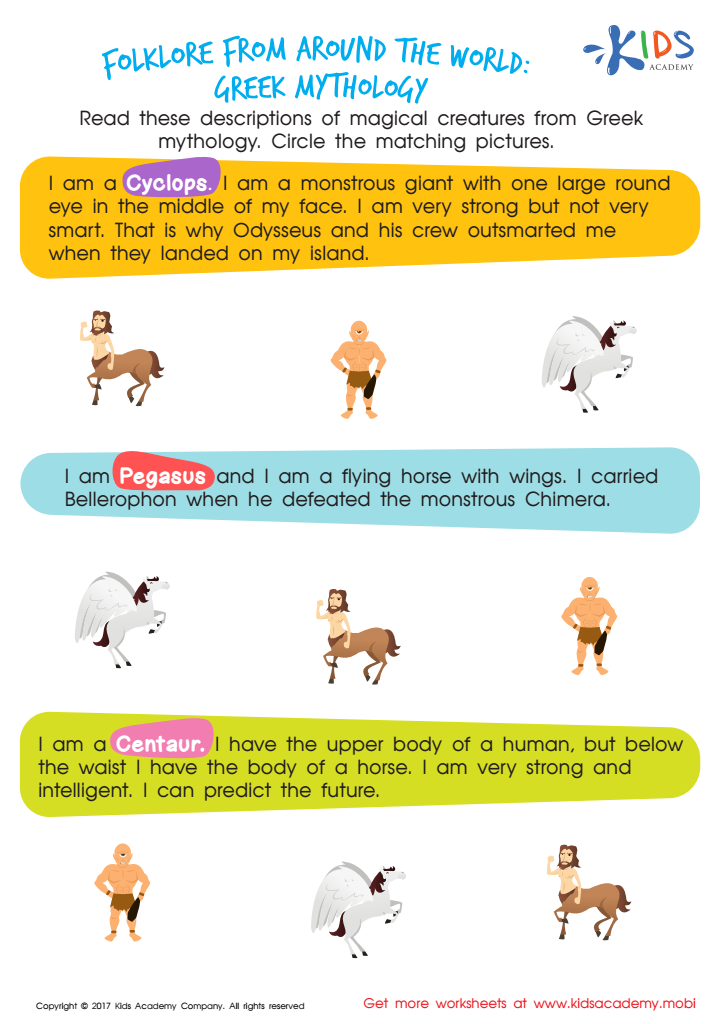
Greek Mythology Worksheet
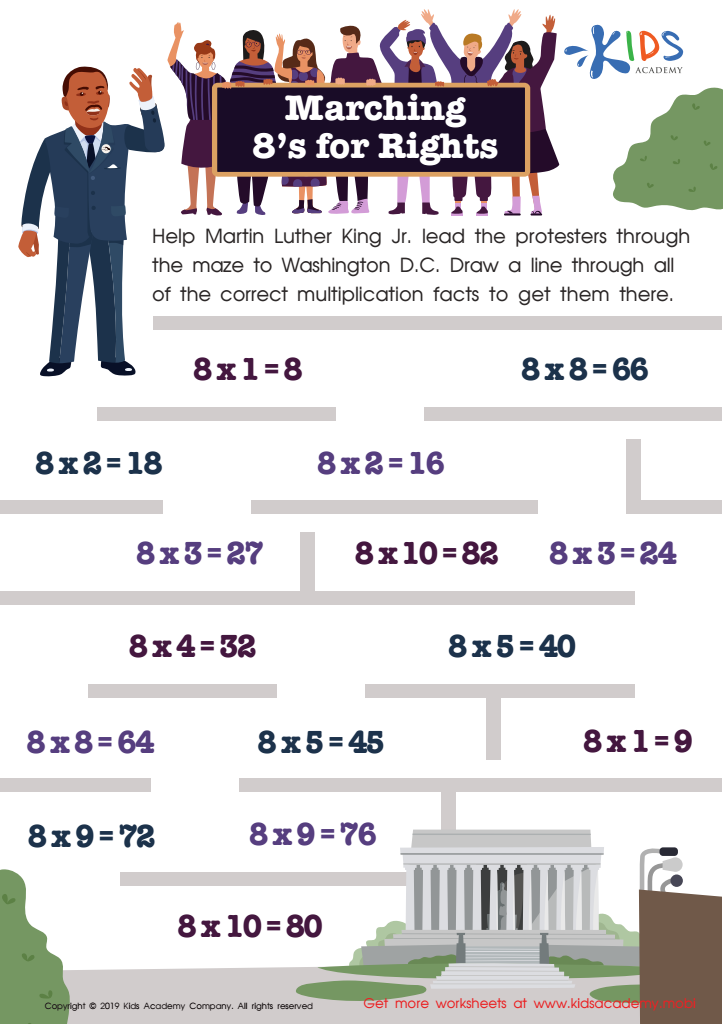
Marching 8’s for Rights Worksheet
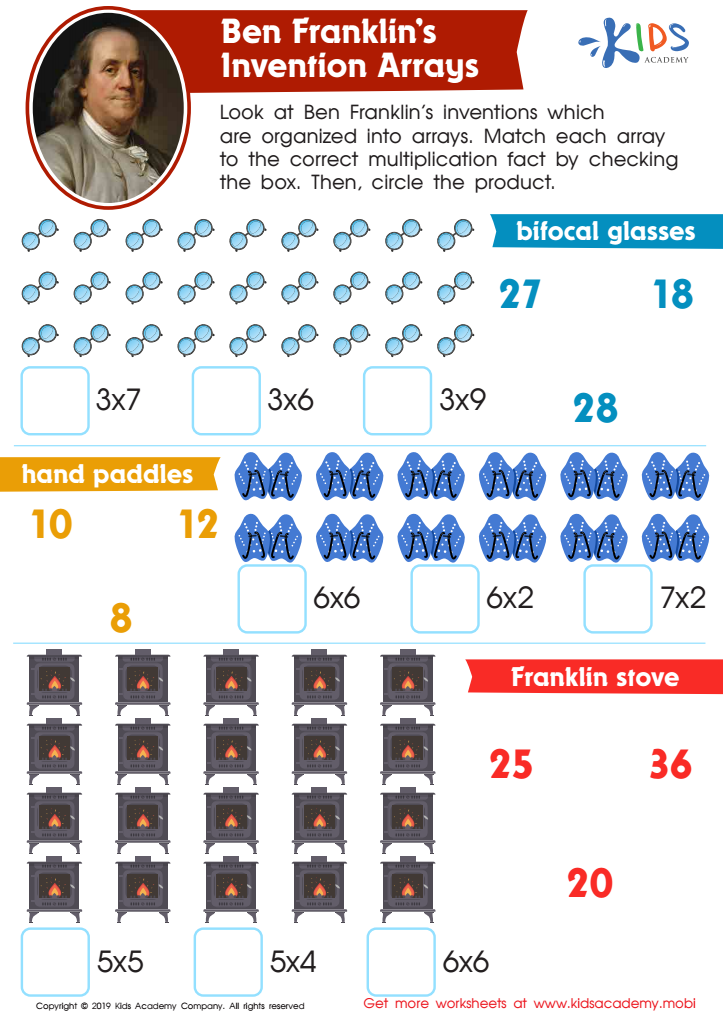
Ben Franklin’s Invention Arrays Worksheet
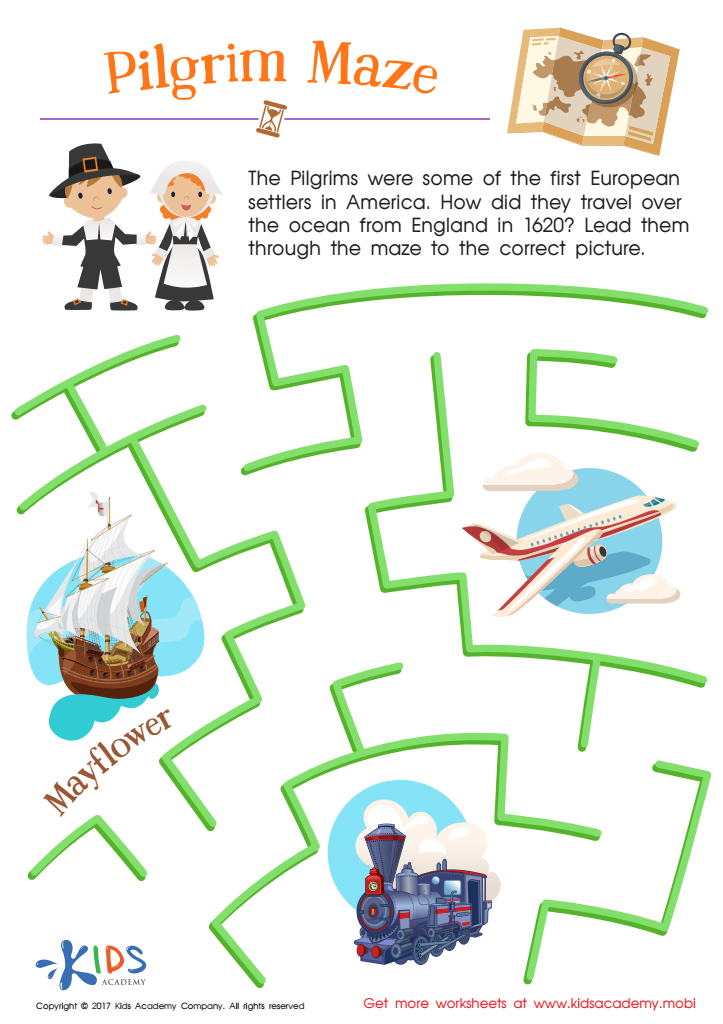
Pilgrim Maze Worksheet



.jpg)



History is essential for children aged 4-9 as it lays the foundation for understanding the world around them. Teaching history at this young age cultivates curiosity, helps develop critical thinking skills, and provides context for contemporary events. Children's imaginations are particularly vibrant at this stage, and engaging them with narratives about the past can spark interest in diverse cultures, traditions, and significant historical figures.
Furthermore, learning about history encourages empathy. By exploring different perspectives and experiences, children can better understand the feelings and thoughts of others, fostering a sense of connection with the world. This social-emotional aspect of learning is crucial, as it nurtures kindness and cooperation in young learners.
History is also instrumental in promoting essential skills like sequencing events, recognizing cause-and-effect relationships, and making comparisons. These cognitive abilities contribute to literacy and numeracy development, preparing children for more complex concepts in later grades.
For parents and teachers, embracing history means supporting the holistic growth of children, equipping them with the knowledge and values needed in an interconnected world. By instilling a love for learning about the past, we empower the next generation to make informed decisions about the future.