Tracing Letters Worksheets for Ages 5-9 - Page 3
58 filtered results
-
From - To
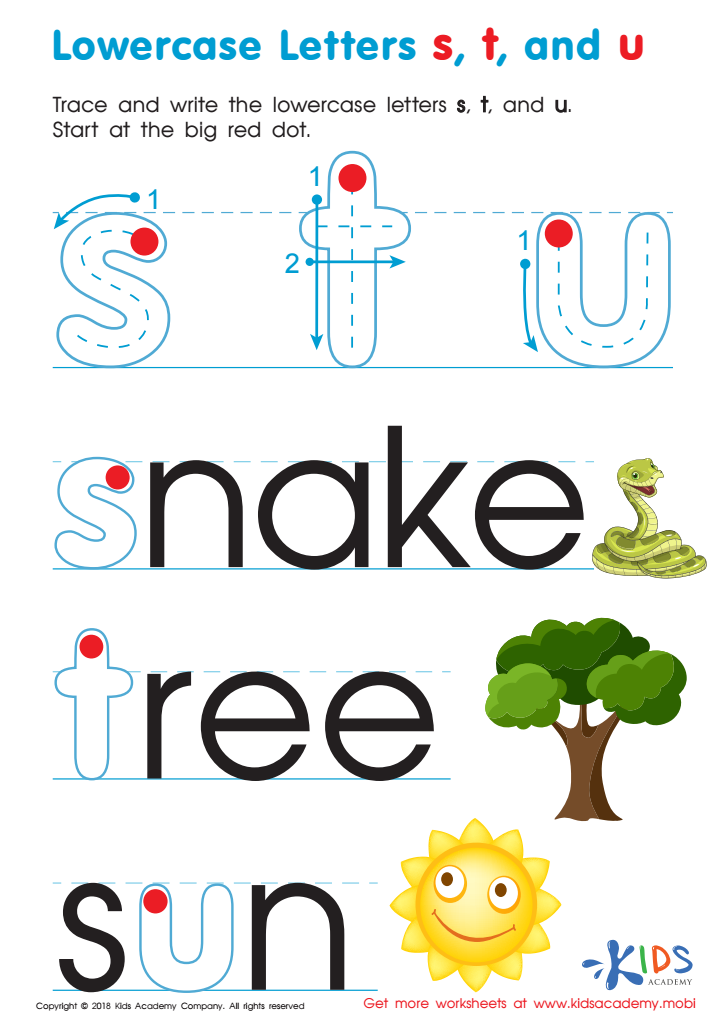
Lowercase Letters s t u Worksheet
 Assign to My Students
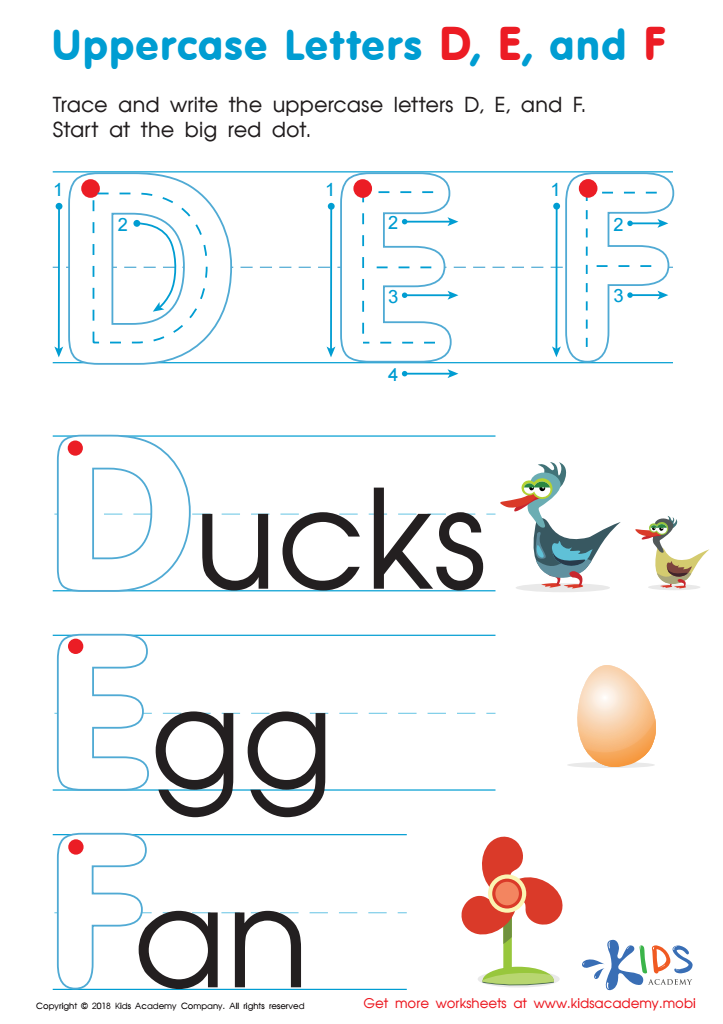
Uppercase Letters D, E, and F Worksheet
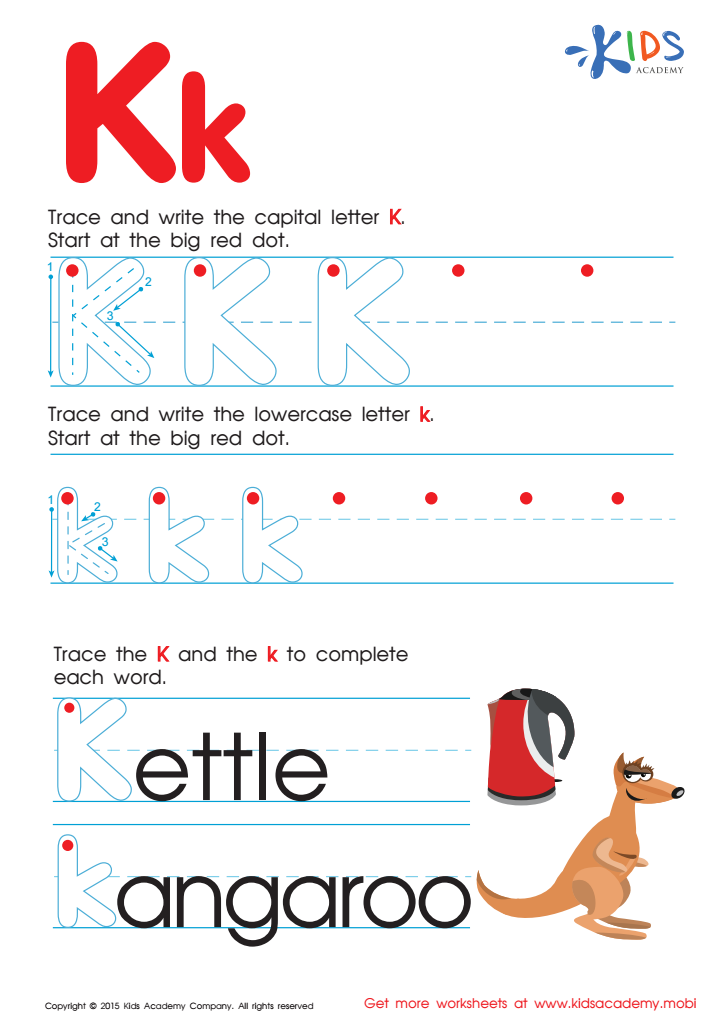
Letter K Tracing Page
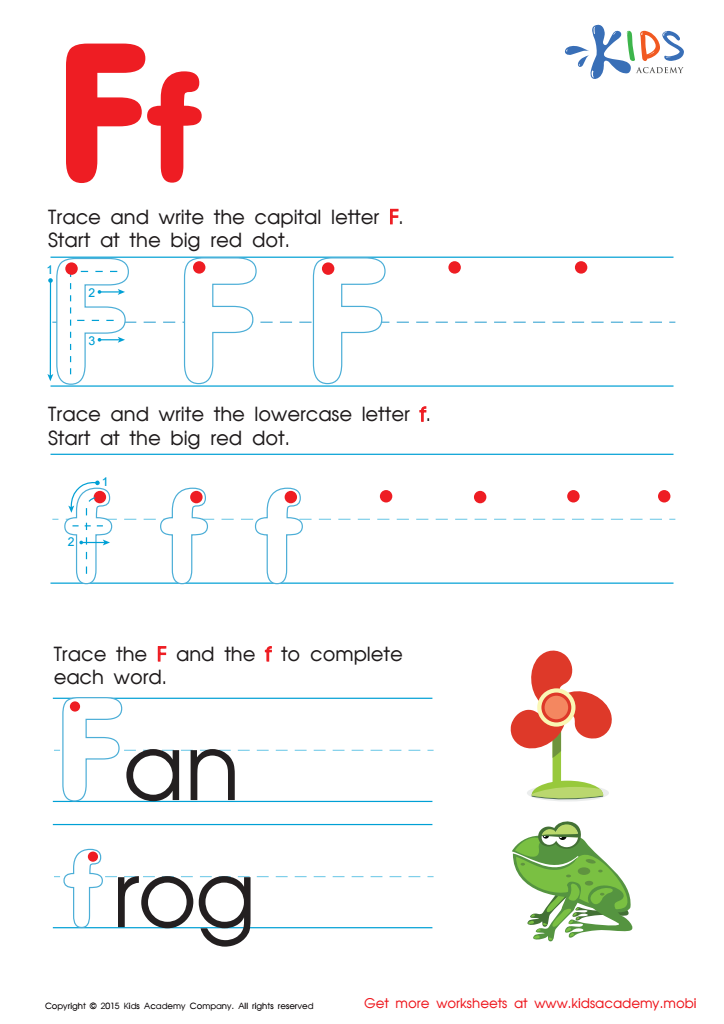
Letter F Tracing Page
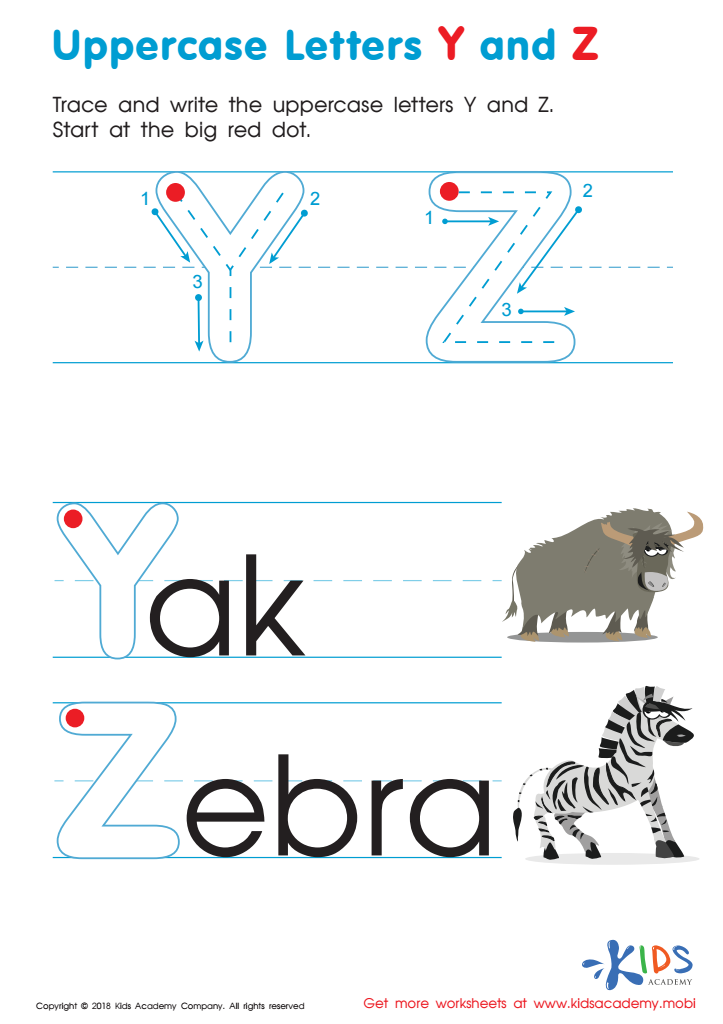
Uppercase Letters Y Z Worksheet
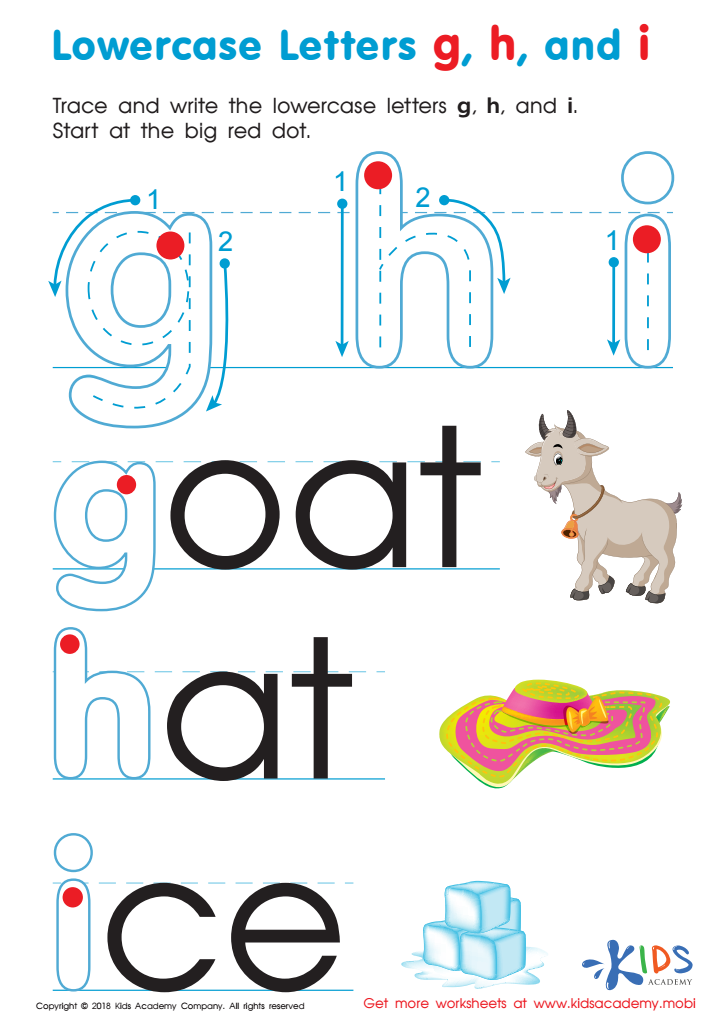
Lowercase Letters g h i Worksheet
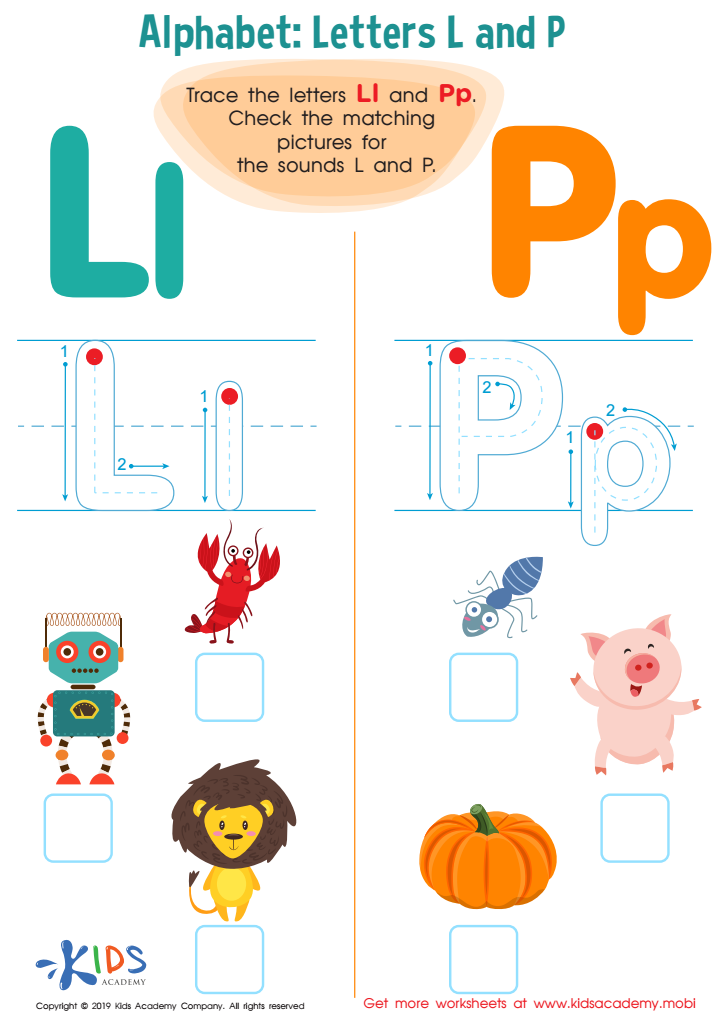
Letter L and P Tracing Worksheet
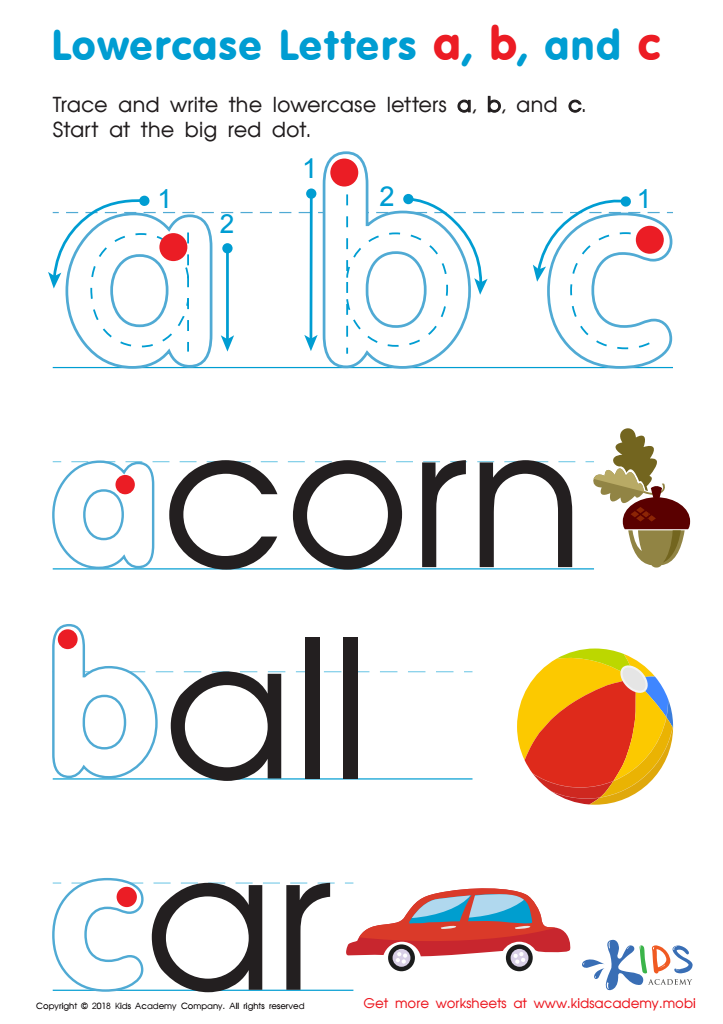
Lowercase Letters a b c Worksheet
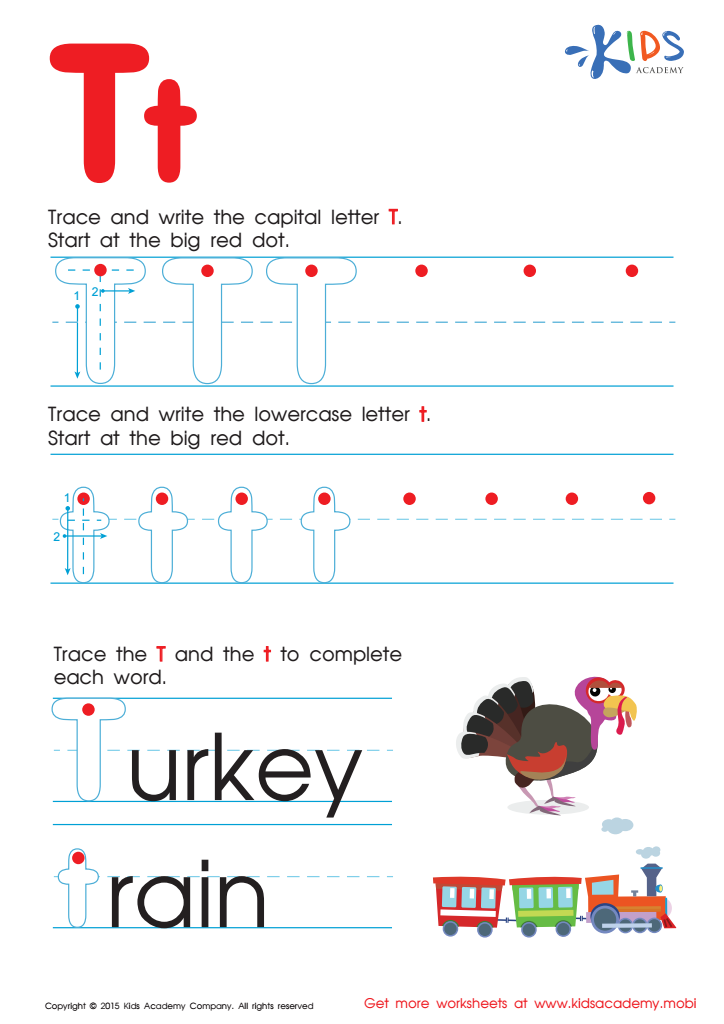
Letter T Tracing Page
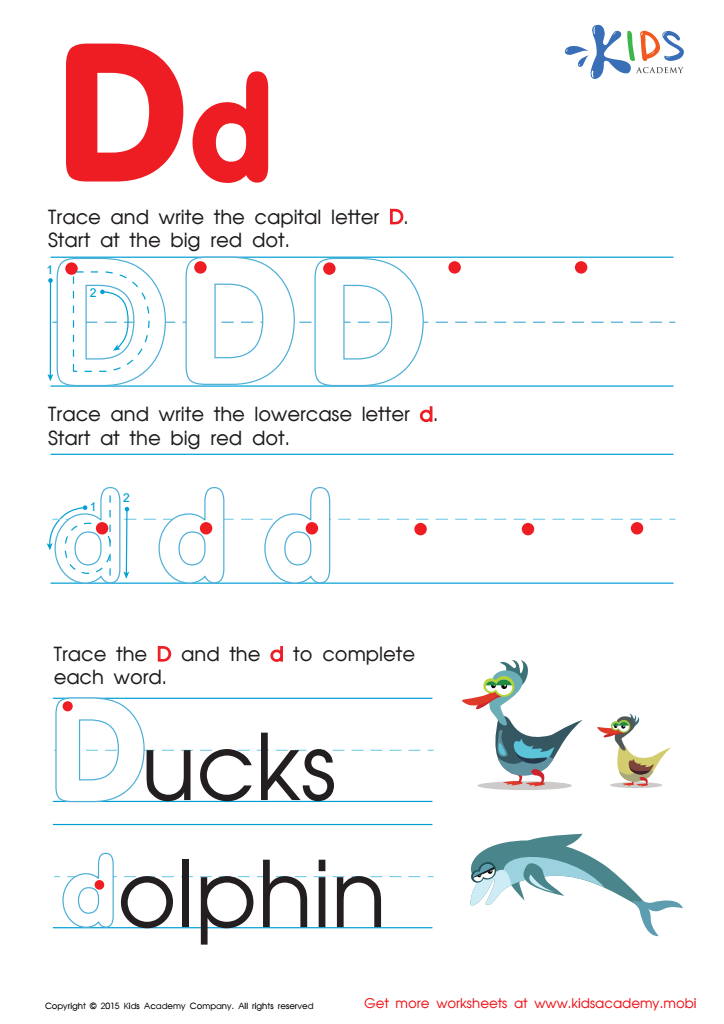
Letter D Tracing Page








Tracing letters is an essential developmental activity for children aged 5-9 as it lays the groundwork for their writing skills. First and foremost, tracing helps improve fine motor skills. As children maneuver writing tools to follow the shapes of letters, they develop the hand-eye coordination and dexterity necessary for later, more complex writing tasks. This physical ability is crucial for their overall academic success.
Moreover, tracing fosters letter recognition and understanding of letter formation. By practicing the movement and flow of each letter, children become more familiar with the alphabet, which is foundational for reading and writing. Tracing also enhances cognitive development; it encourages focus, concentration, and following directions.
In addition, this activity can reinforce phonemic awareness through the association of letters with sounds, promoting early literacy skills. Teachers and parents are instrumental in nurturing these abilities, providing a supportive environment for practice.
The benefits of tracing letters extend beyond the classroom; they create a rich foundation for lifelong learning. Given the increasing importance of writing in a digital age, encouraging children to master their writing skills through tracing will prepare them for future academic success and effective communication. Ultimately, investing time in tracing letters is an investment in a child's educational journey.








