Matching Worksheets for Ages 6-9 - Page 2
62 filtered results
-
From - To
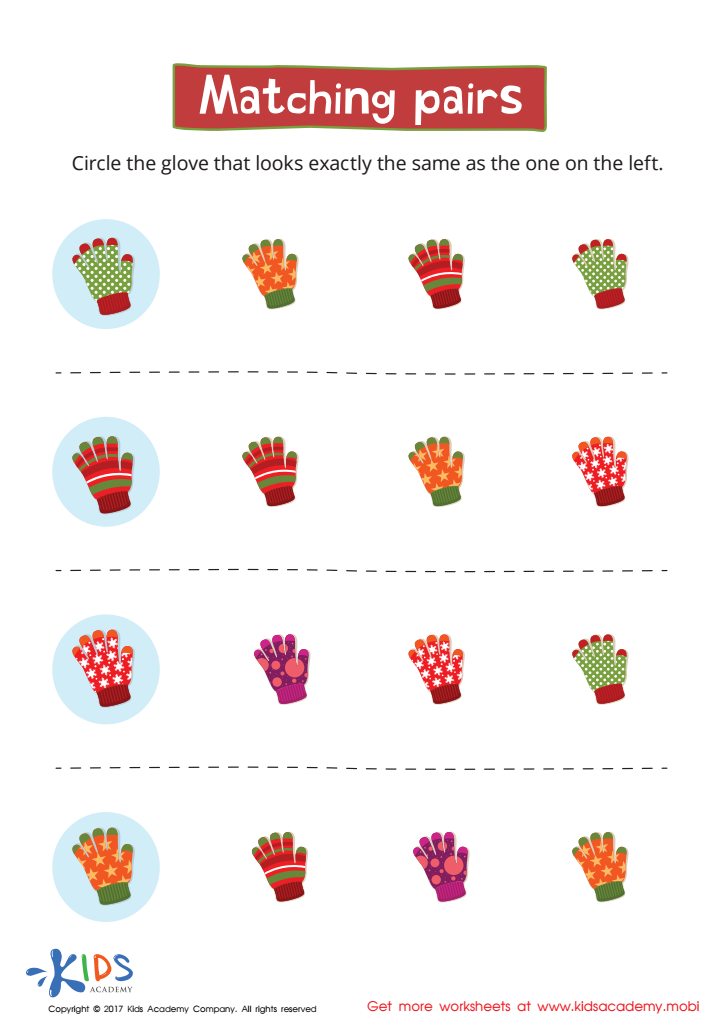
Matching: Matching Pairs Worksheet
 Assign to My Students
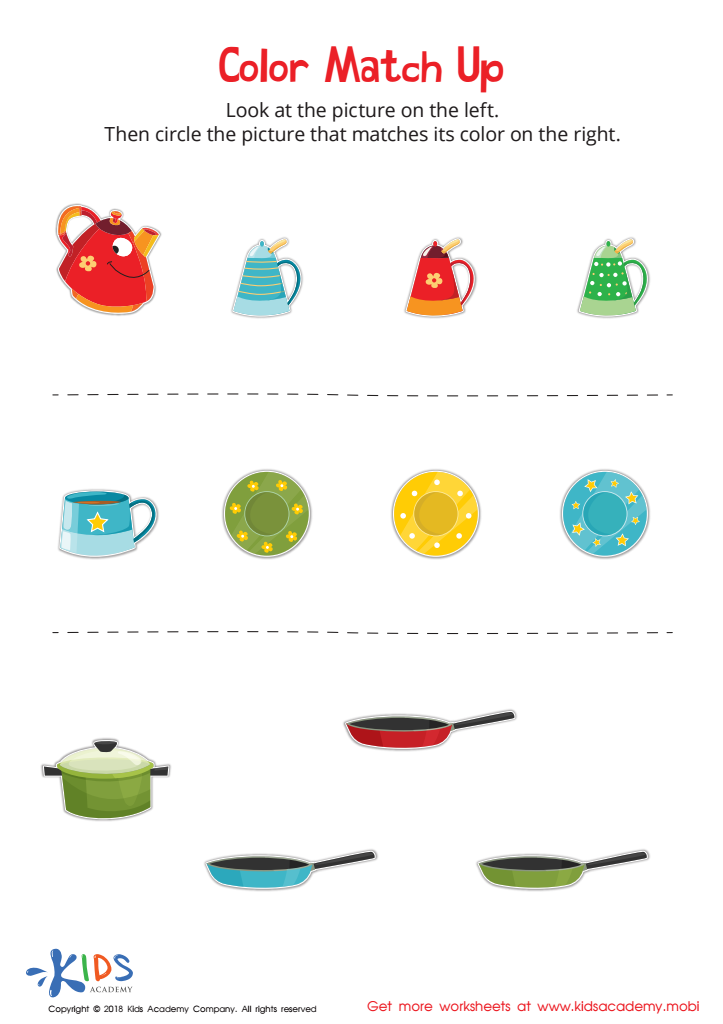
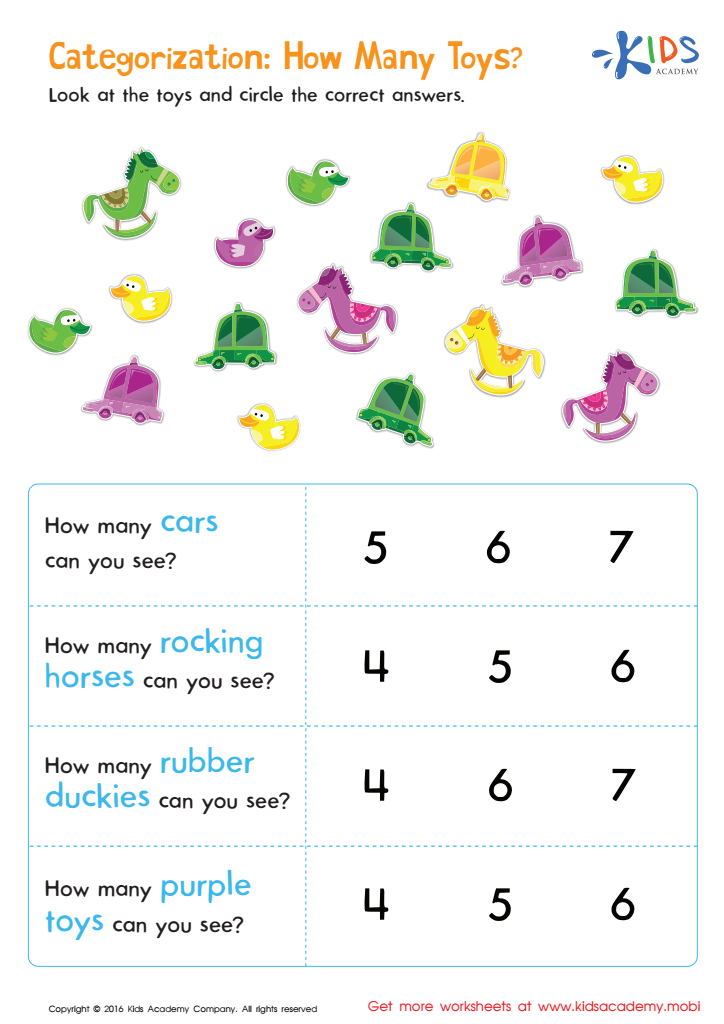
Classifying Toys by Type and Color Sorting Worksheet
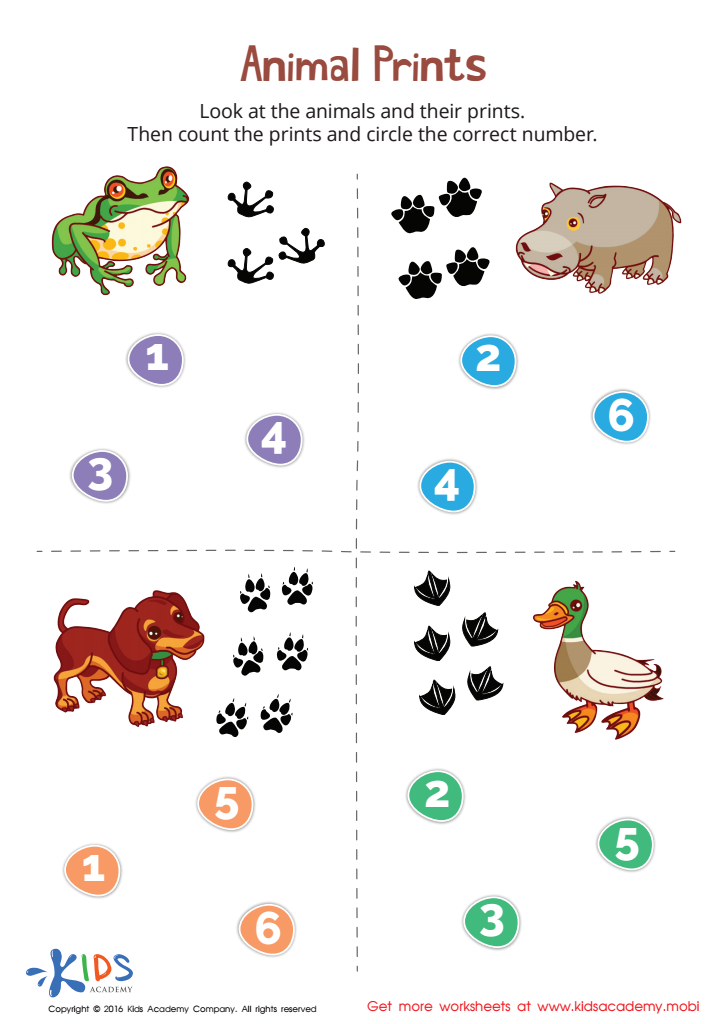
Animal Prints Match-Up Worksheet
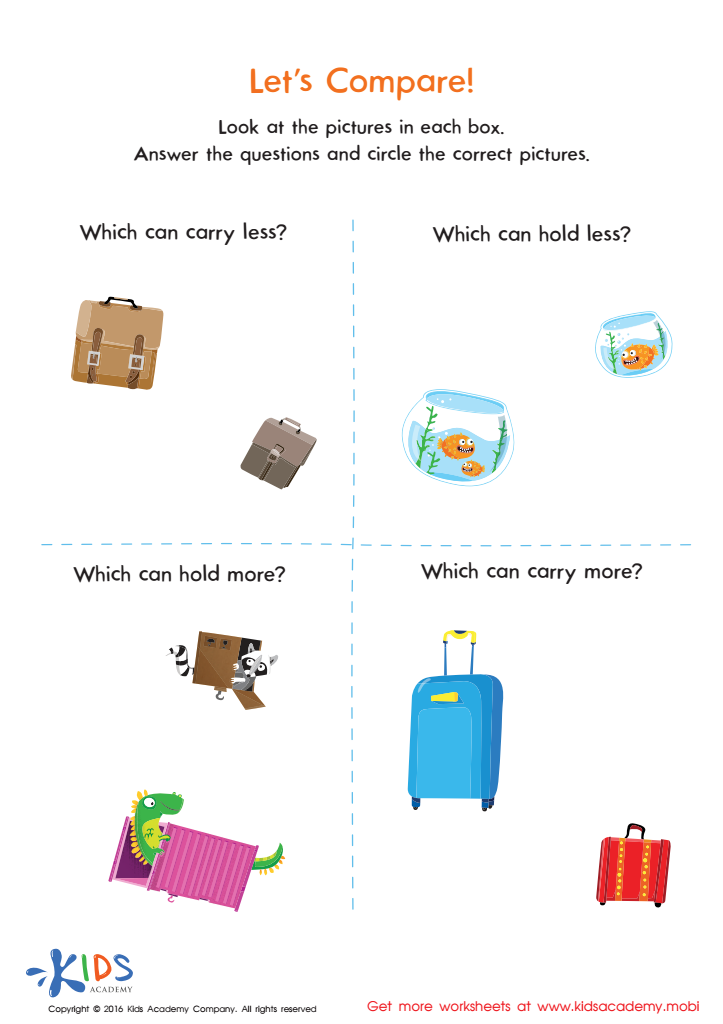
Let's Compare Worksheet: Big or Small
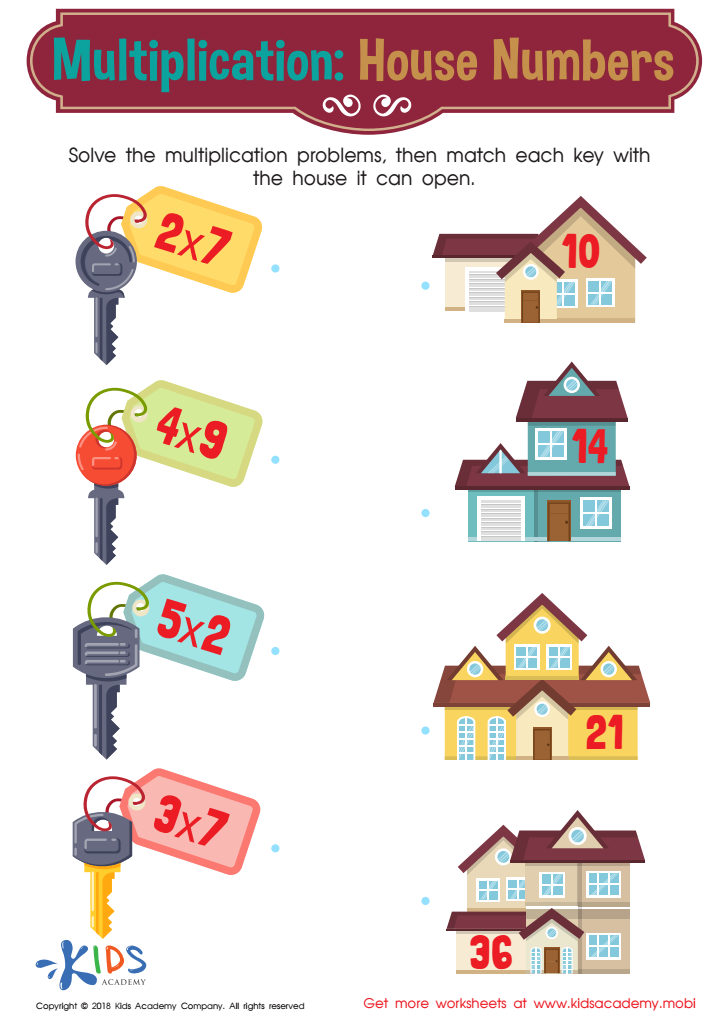
House Numbers Worksheet
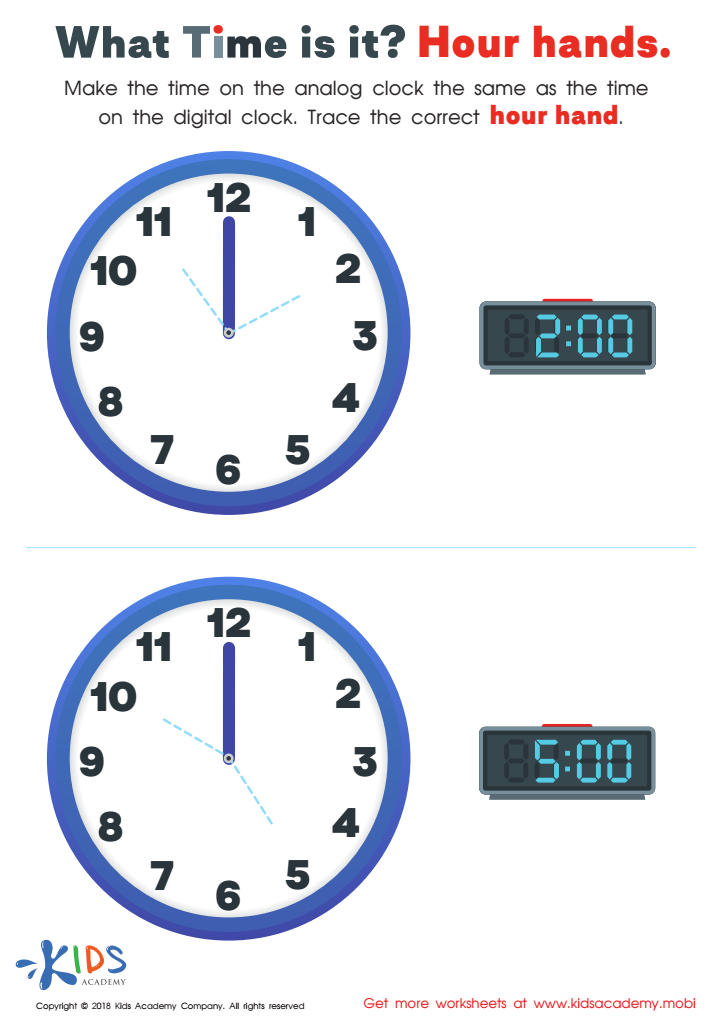
What Time Is it? Hour Hands Worksheet
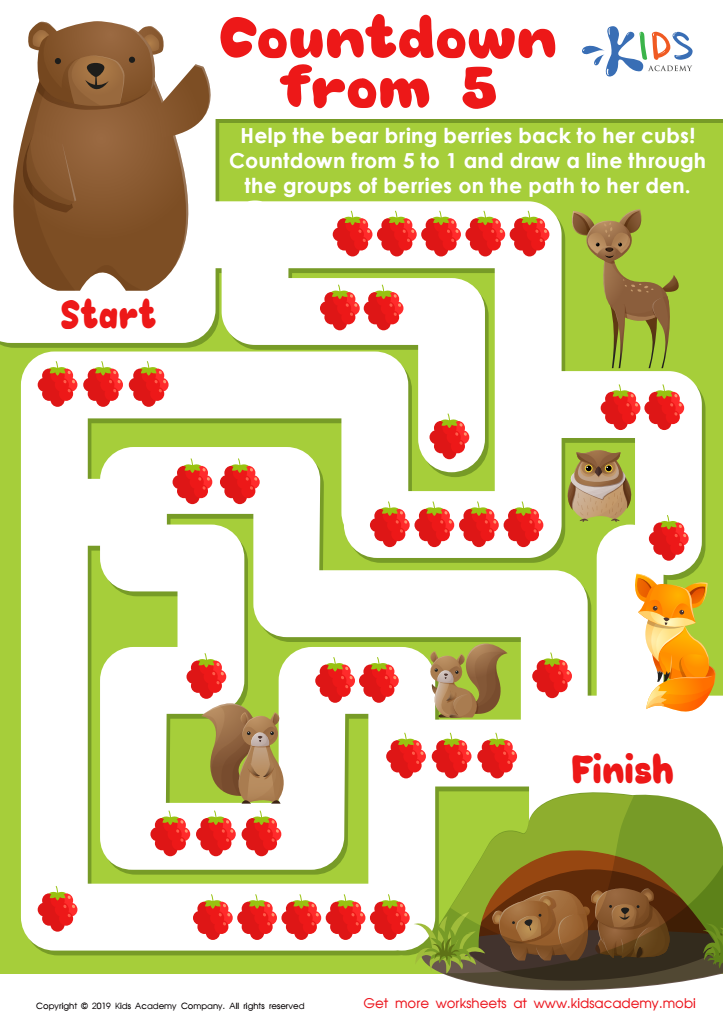
Countdown from 5 Worksheet
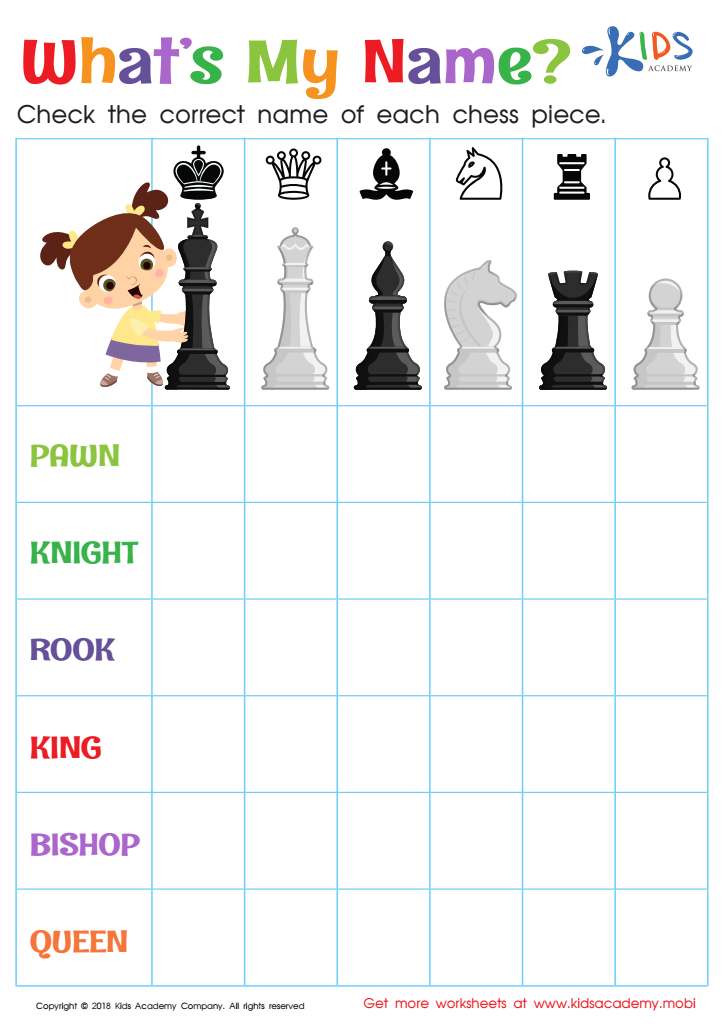
What's My Name? Worksheet
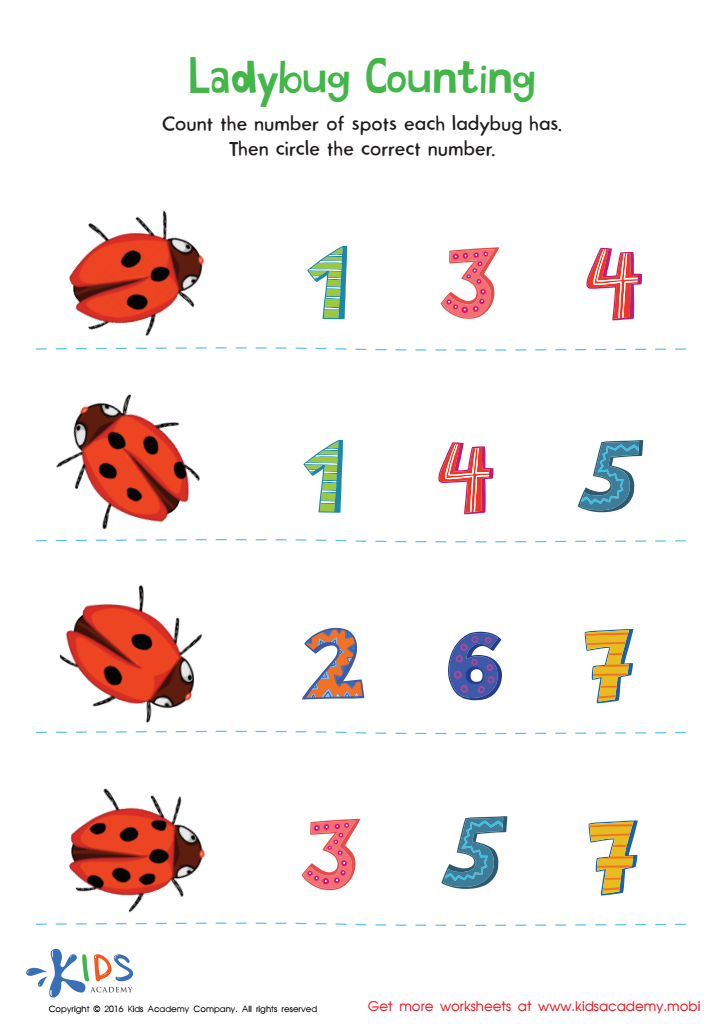
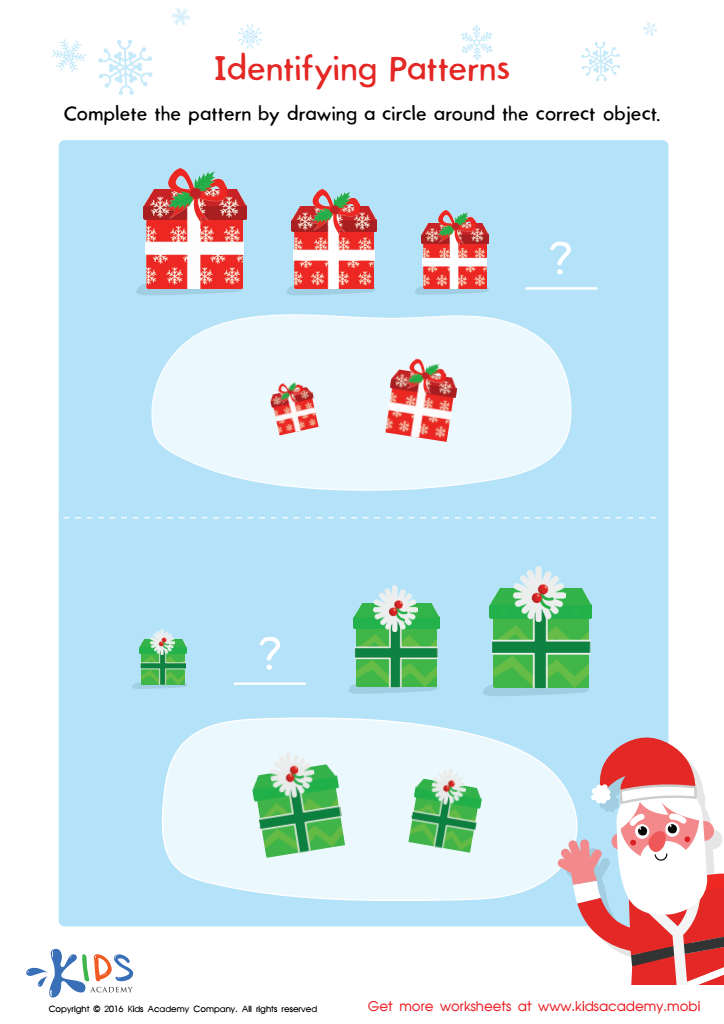
Identifying Patterns Worksheet
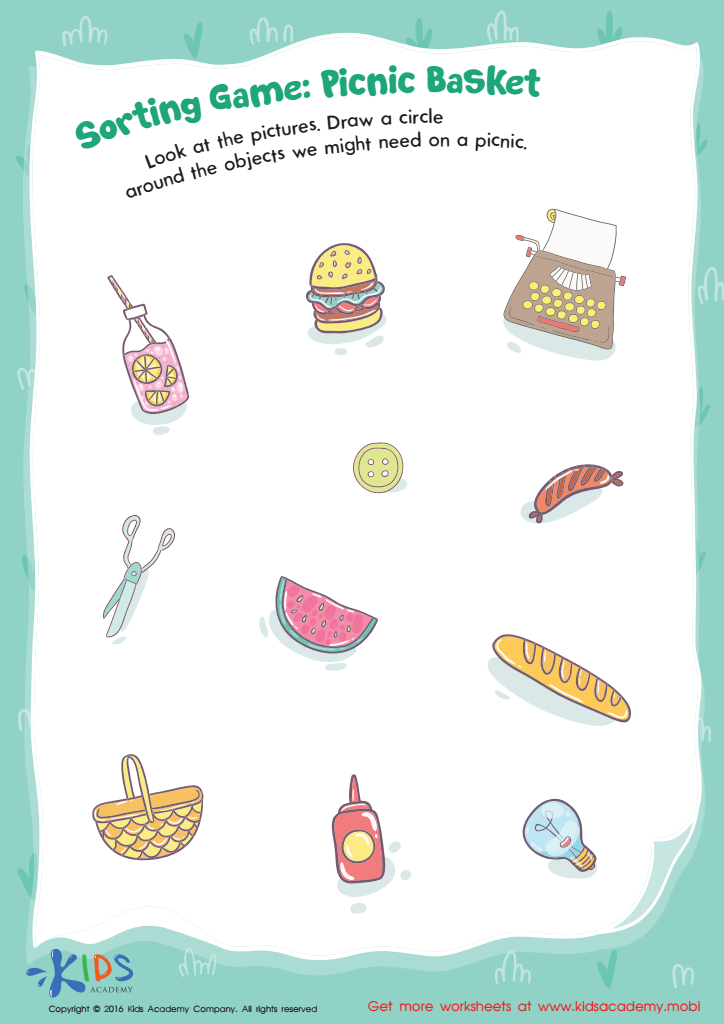
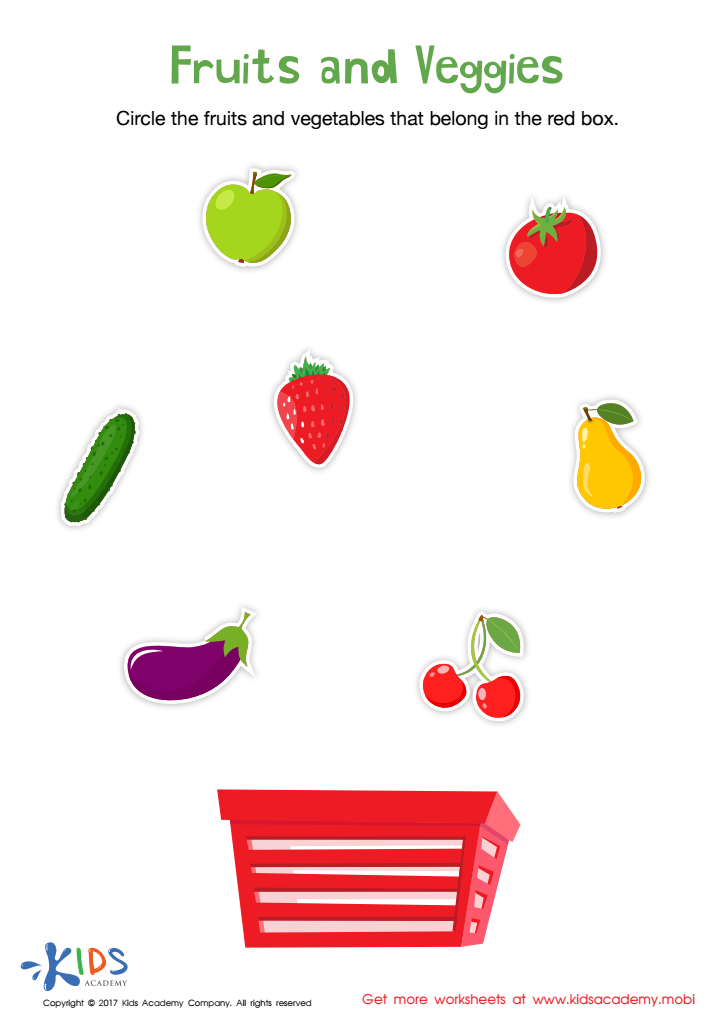
Picnic Basket Sorting Worksheet
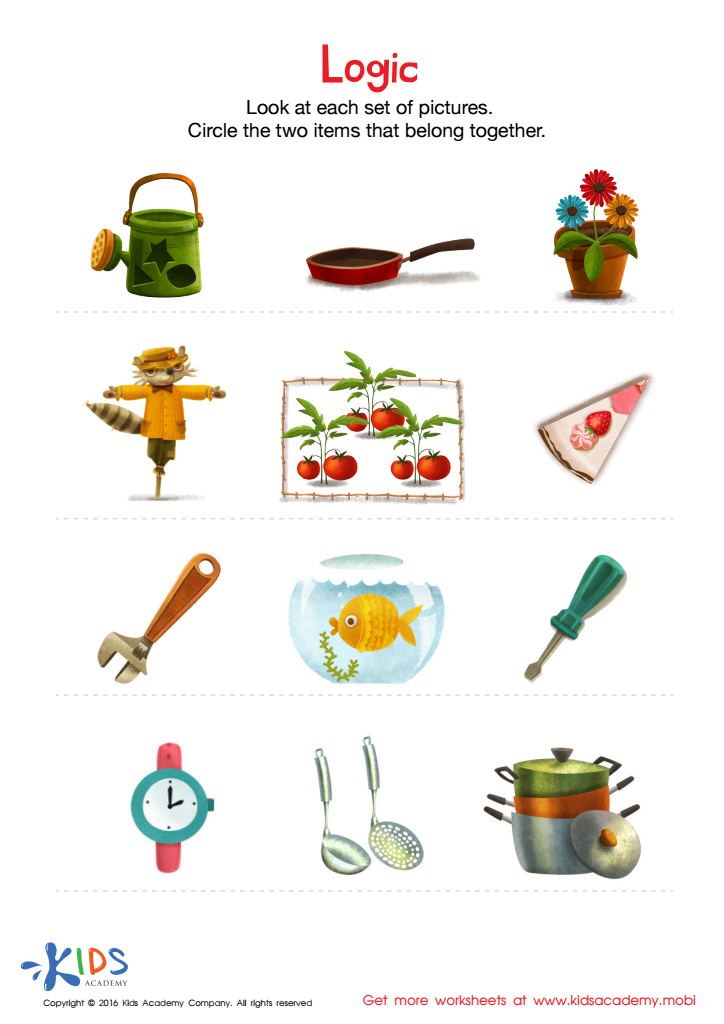
Logic Game Sorting Worksheet
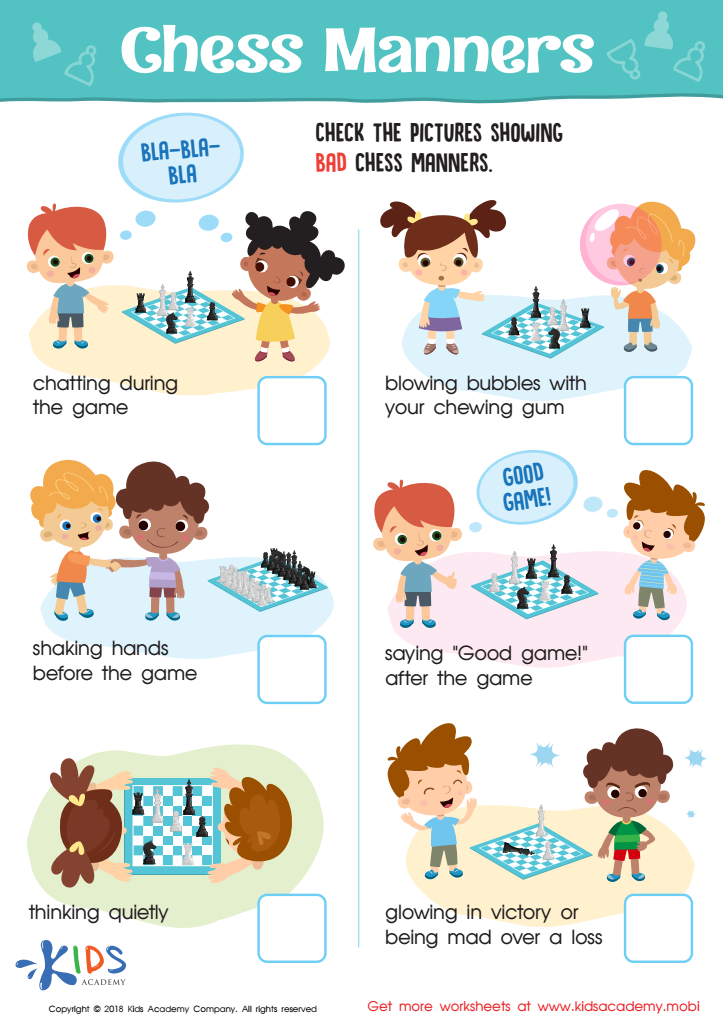
Chess Manners Worksheet
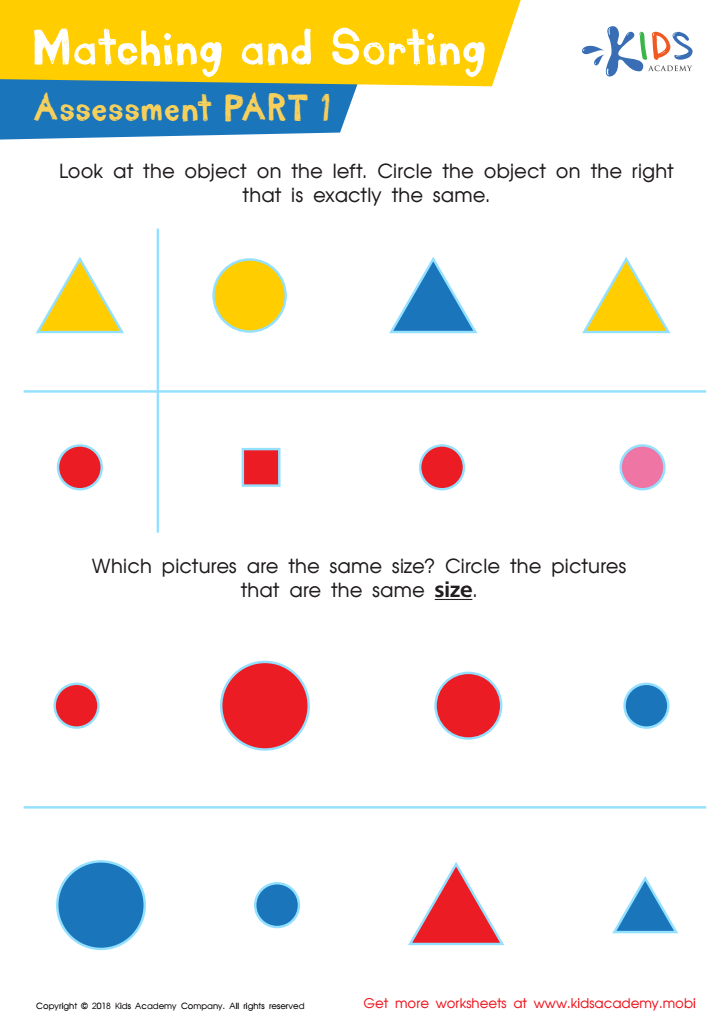
Matching and Sorting for Kindergarten: Assessment 1 Worksheet
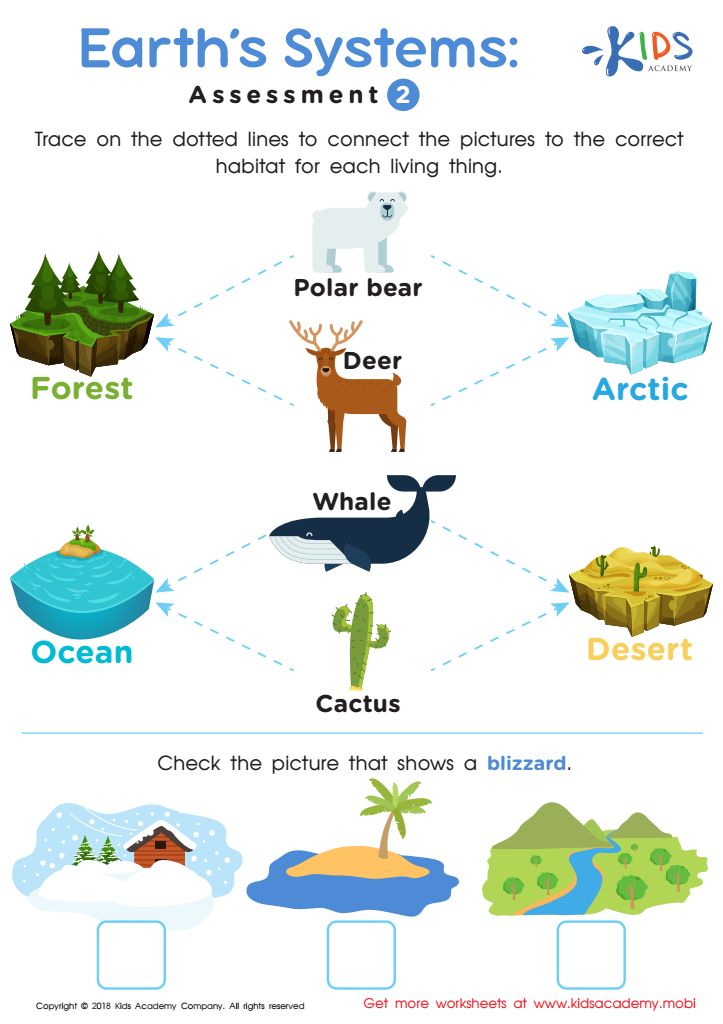
Earth's Systems: Assessment 2
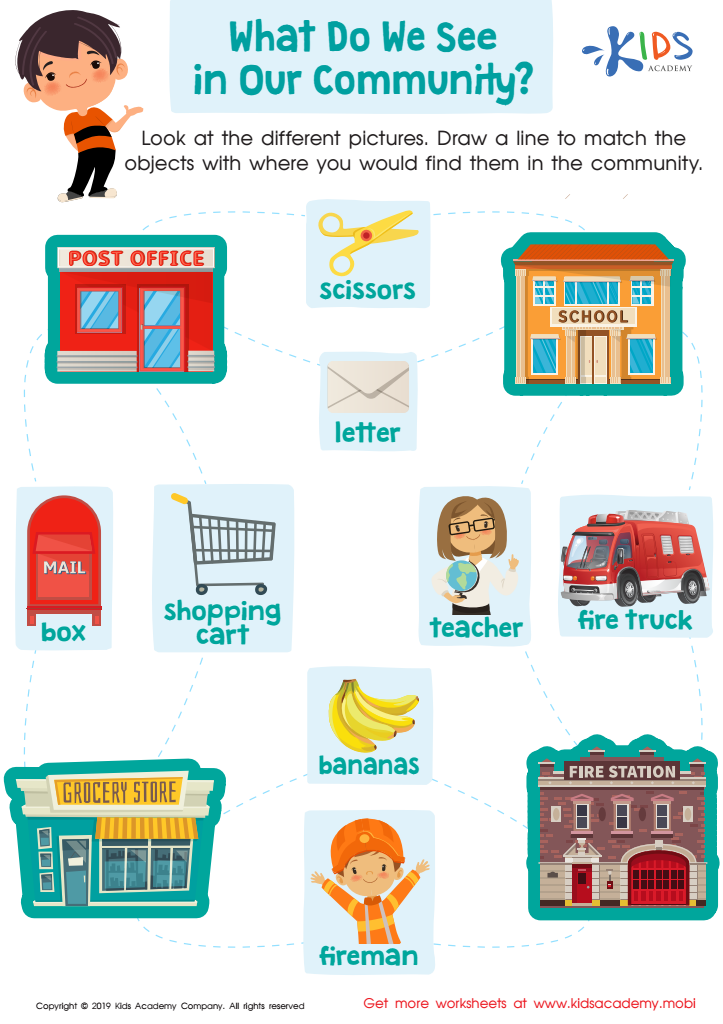
What Do We See in our Community? Worksheet
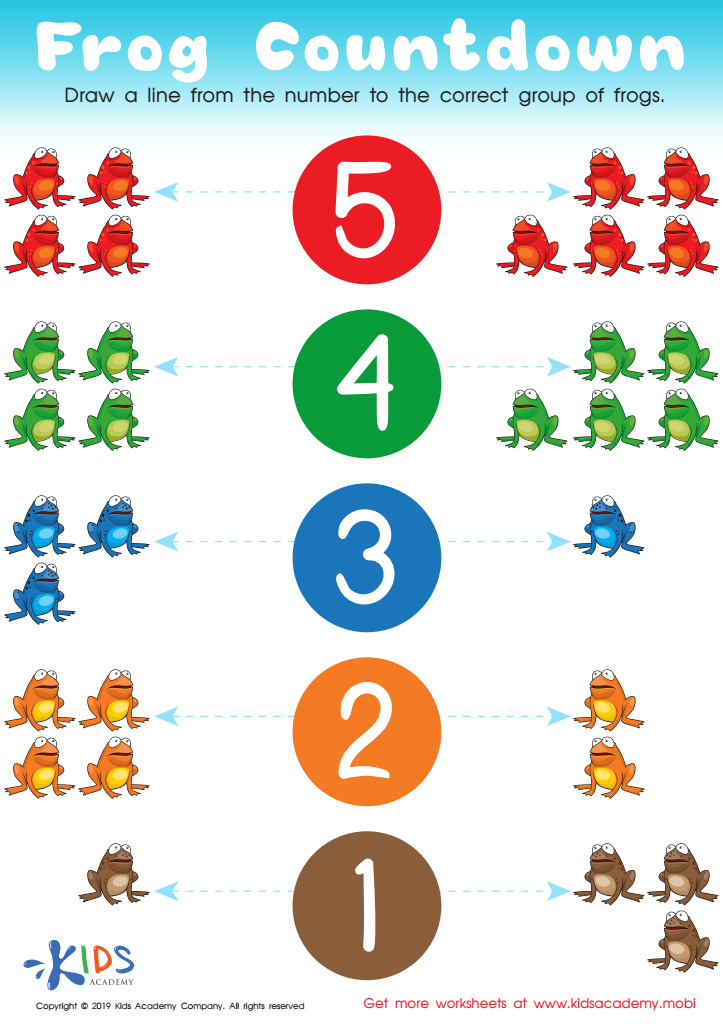
Frog Countdown Worksheet
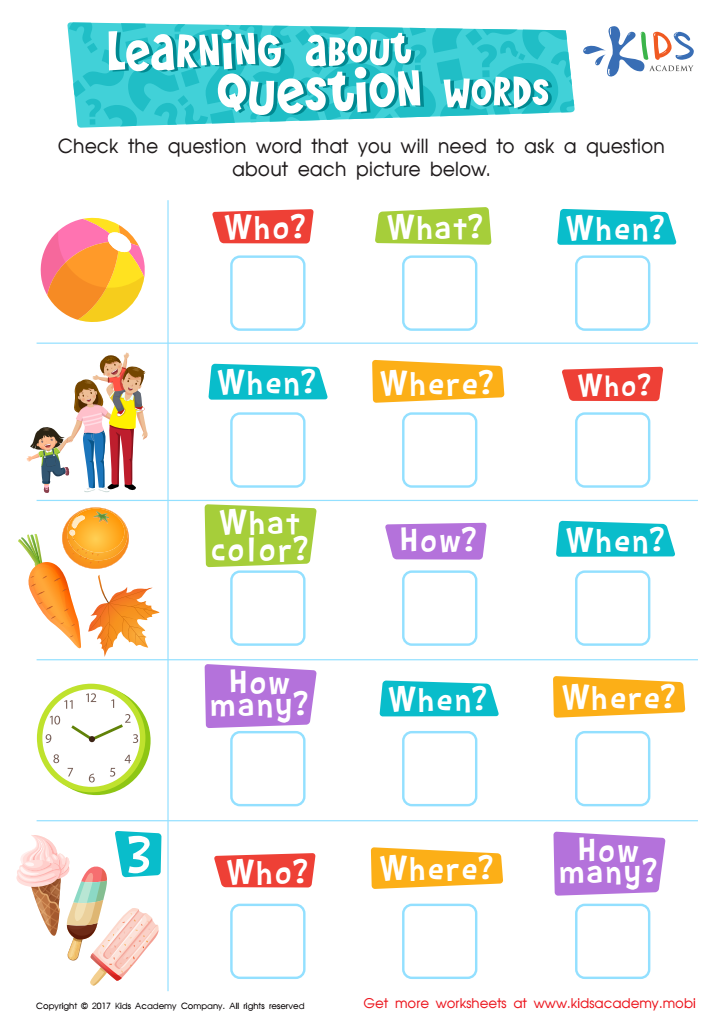
Learning about Question Words Worksheet
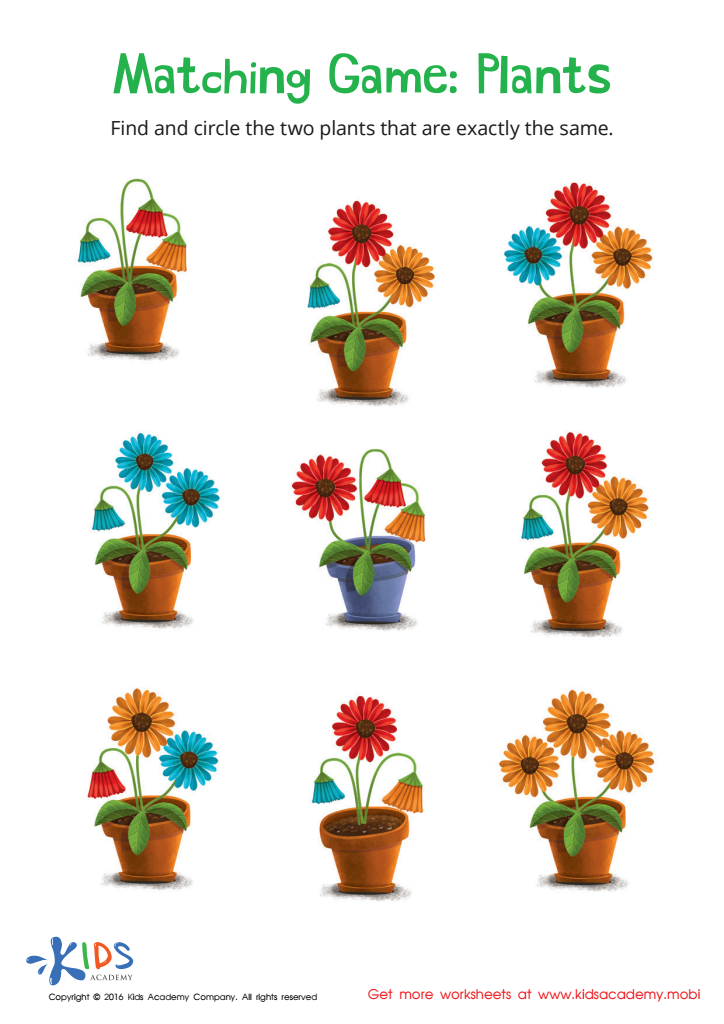
Matching: Plants Worksheet
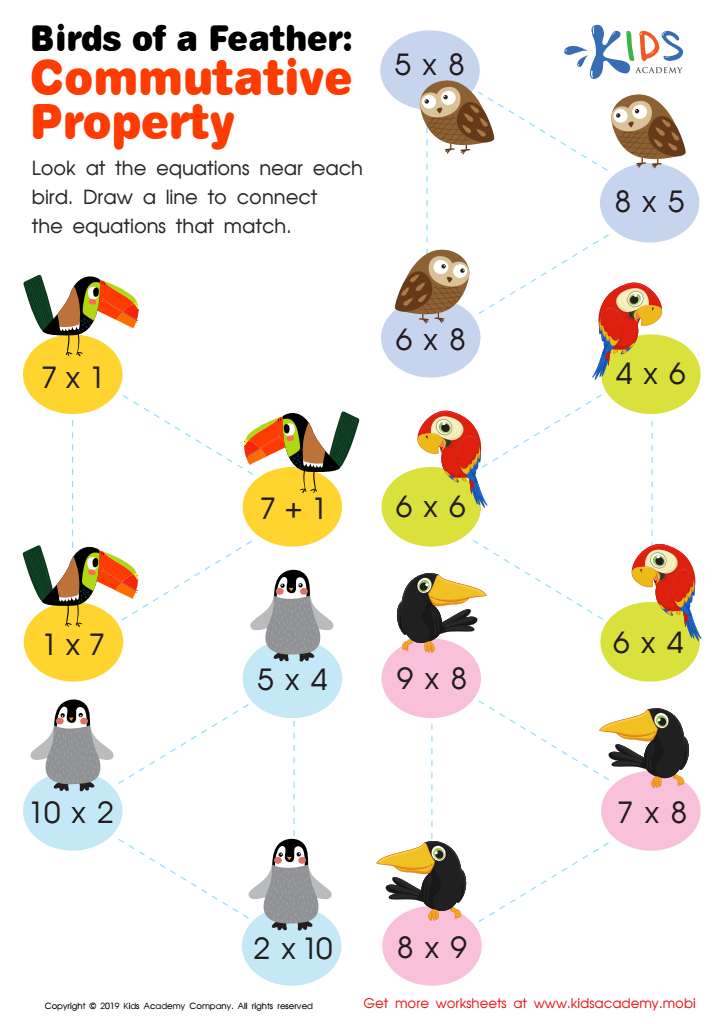
Birds of a Feather: Commutative Property Worksheet
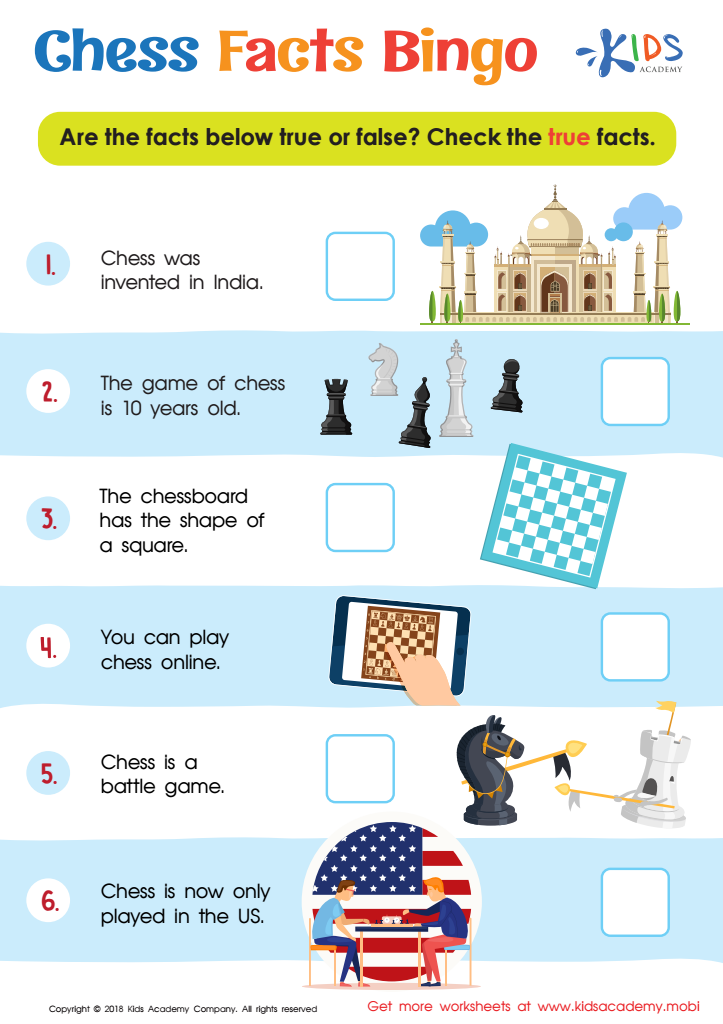
Chess Facts Bingo Worksheet

Counting Worksheet: Let's Practice Counting








Matching games for children ages 6-9 are essential tools for cognitive and social development. This age group is in a critical stage of honing their memory, attention, and reasoning skills. Matching activities, such as card games or puzzles, enhance these abilities, providing an engaging platform for learning.
In addition to cognitive benefits, matching games promote social interaction. When played in groups, these activities encourage communication, cooperation, and turn-taking, vital for building social skills. They help children develop patience, understand the value of teamwork, and enhance their ability to empathize with others.
Furthermore, matching games often incorporate educational content—be it vocabulary words, numbers, or shapes—allowing children to reinforce what they are learning in school in a fun way. This interplay of education and play can foster a love for learning.
Parents and teachers should care about incorporating matching games into educational settings because they not only support academic growth but also contribute to the holistic development of children. Ultimately, fostering a collaborative and enriching environment ensures that children not only grasp the foundational skills they need for future success but also enjoy the process of learning.








