Math Worksheets for Ages 7-9 - Page 2
866 filtered results
-
From - To
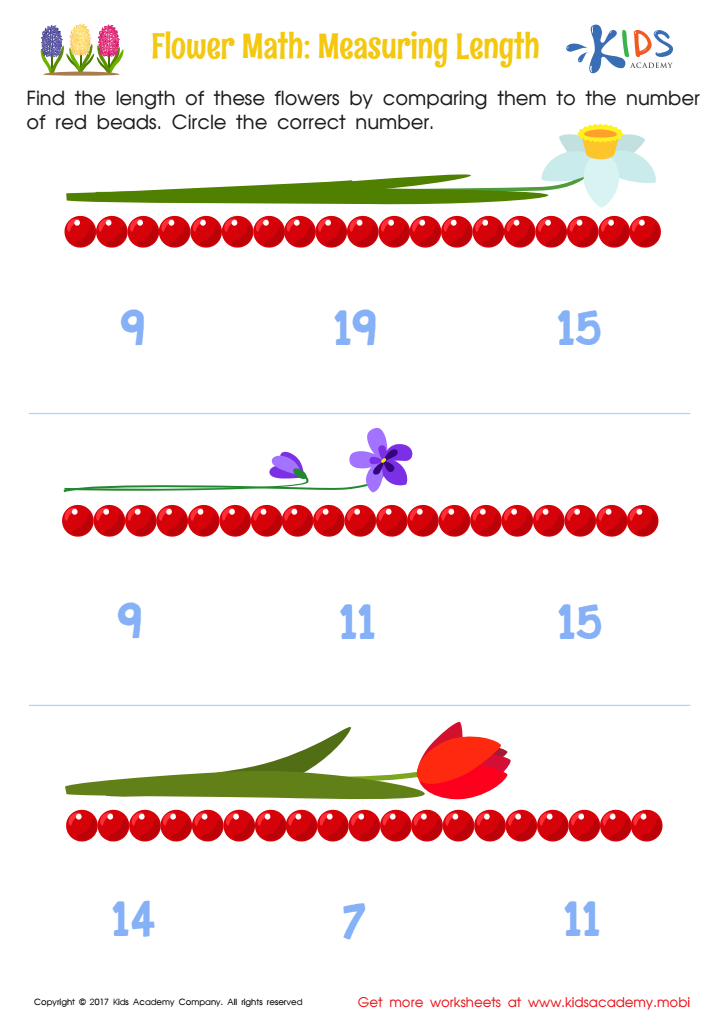
Flower Math: Measuring Height Worksheet
 Assign to My Students
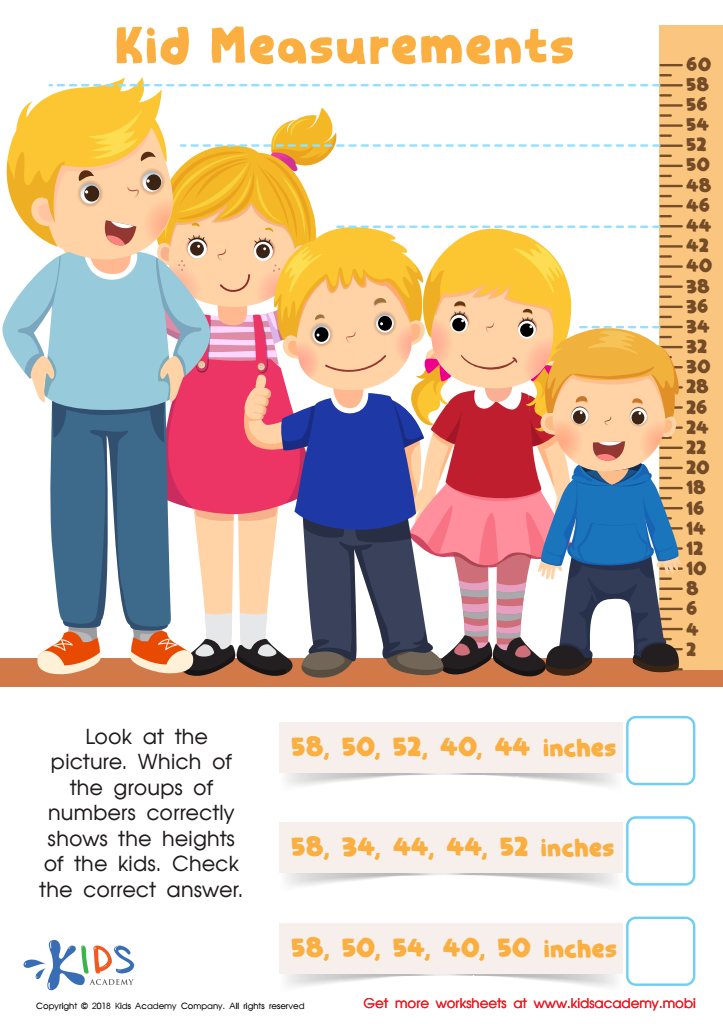
Kids Measurements Worksheet
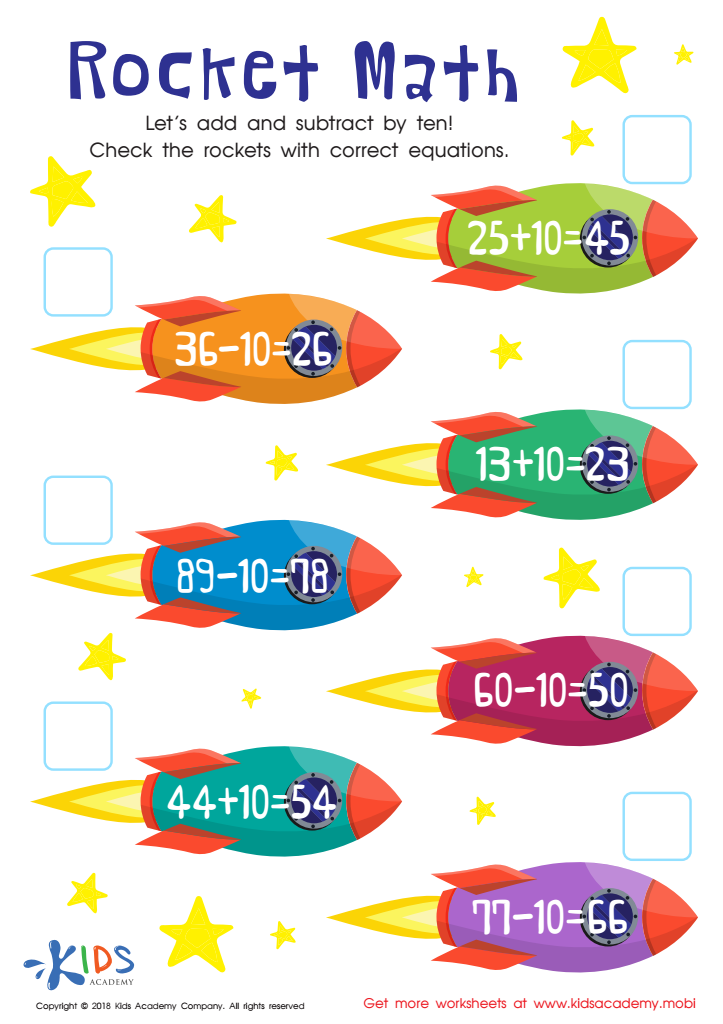
Rocket Math Worksheet
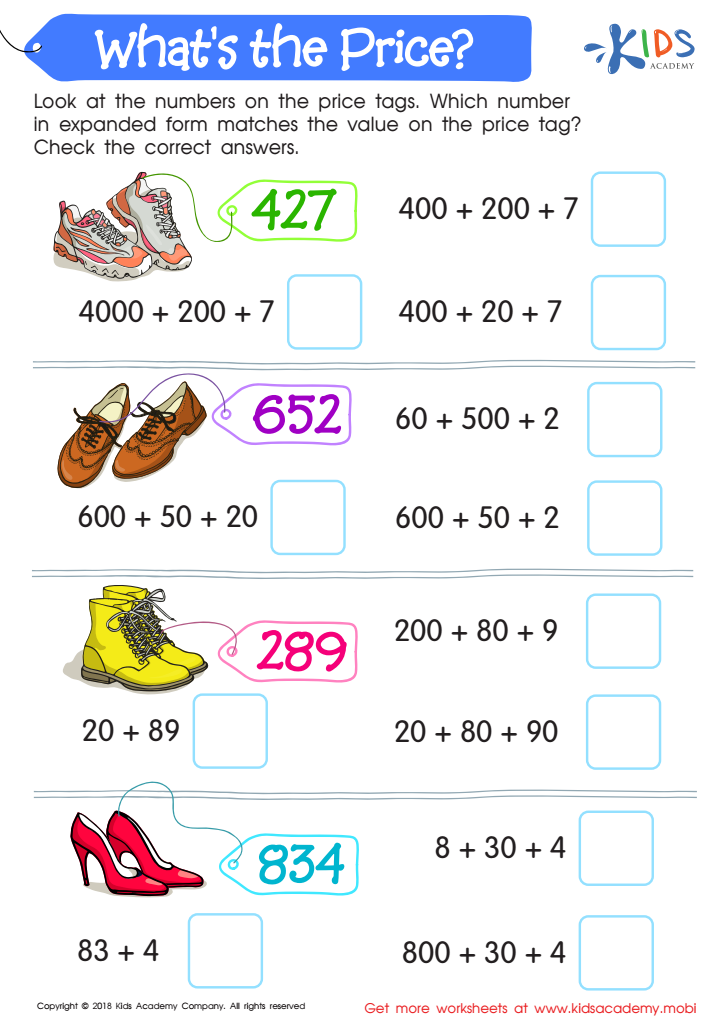
What's the Price? Worksheet
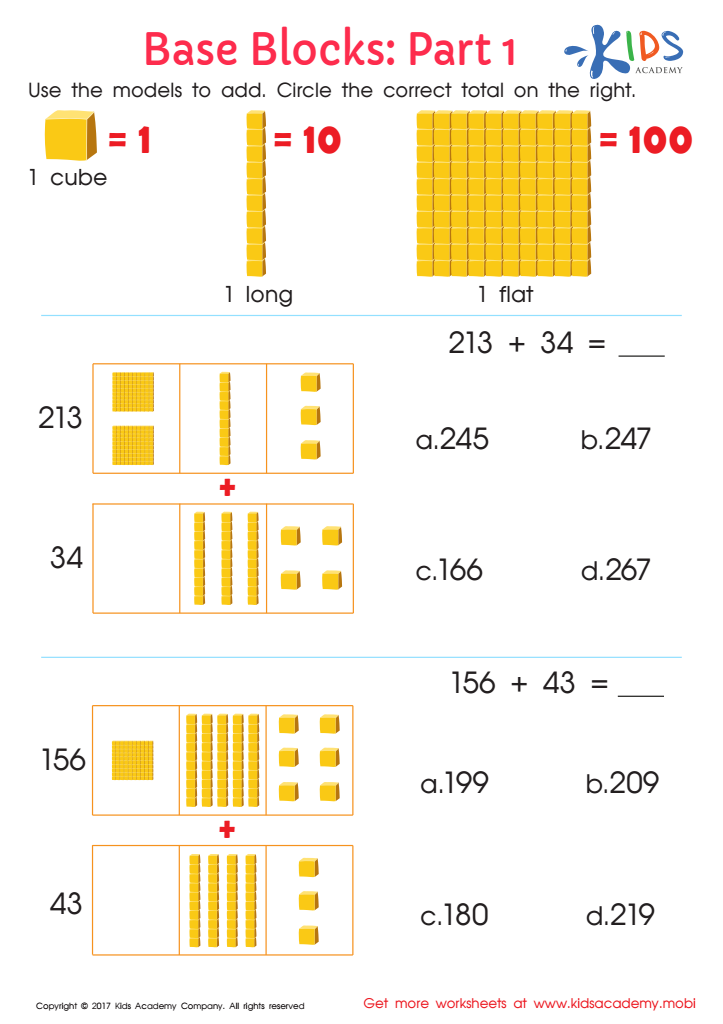
Base Ten Blocks Worksheet: Part 1
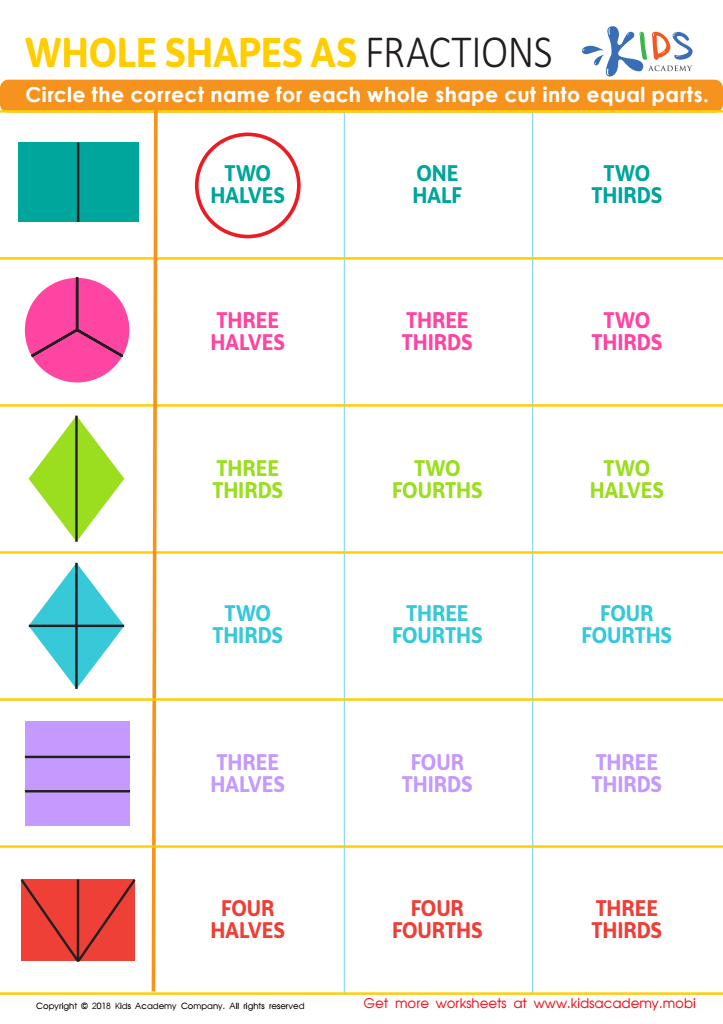
Whole Shapes as Fractions Worksheet
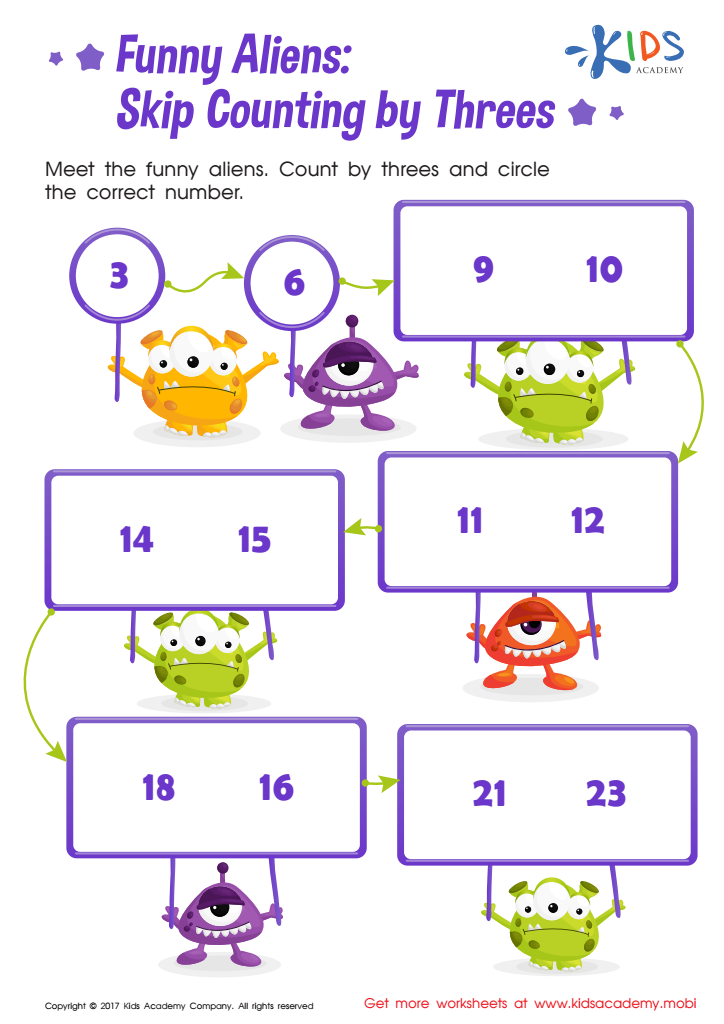
Skip Counting by 3s: Funny Aliens Printable
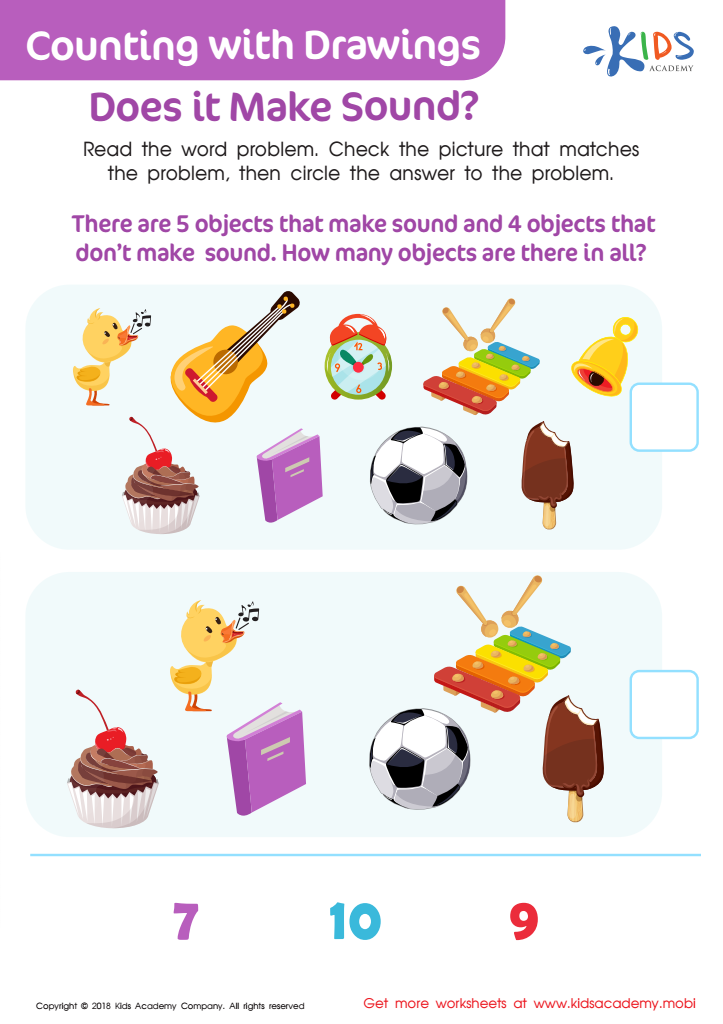
Counting With Drawings. Does It Make Sound? Worksheet
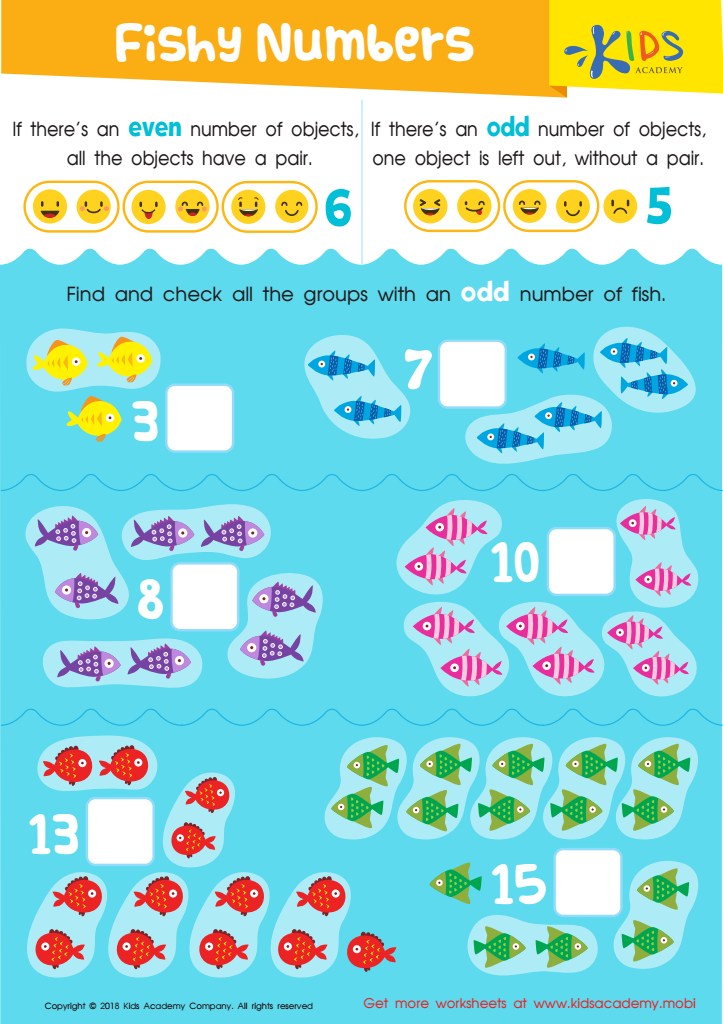
Fishy Numbers Worksheet
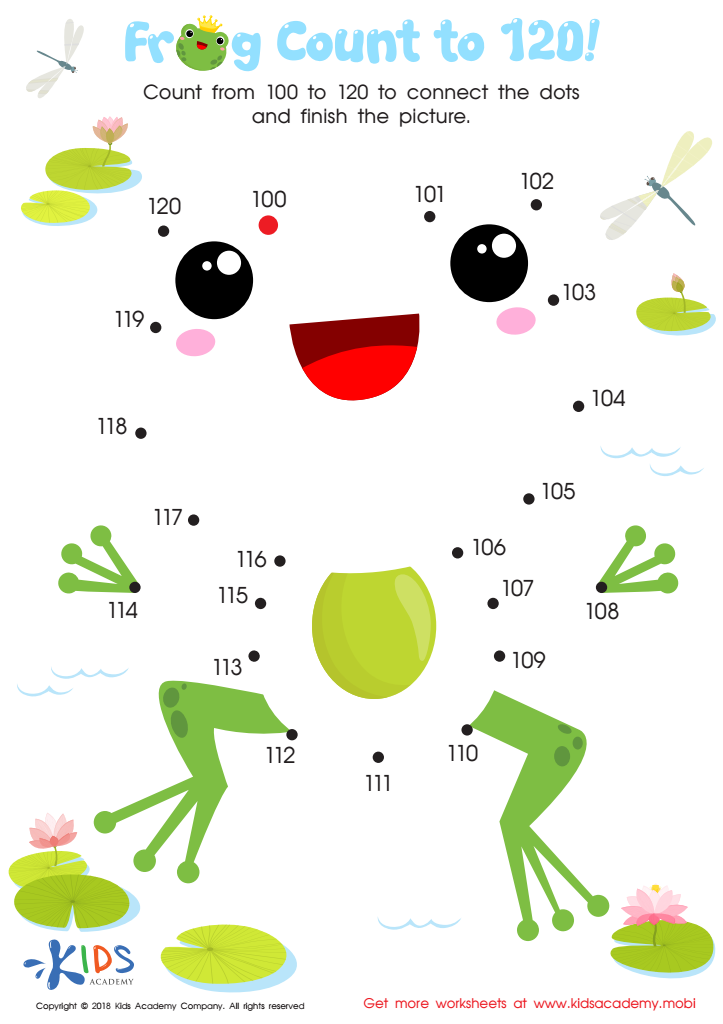
Frog Count to 120 Worksheet
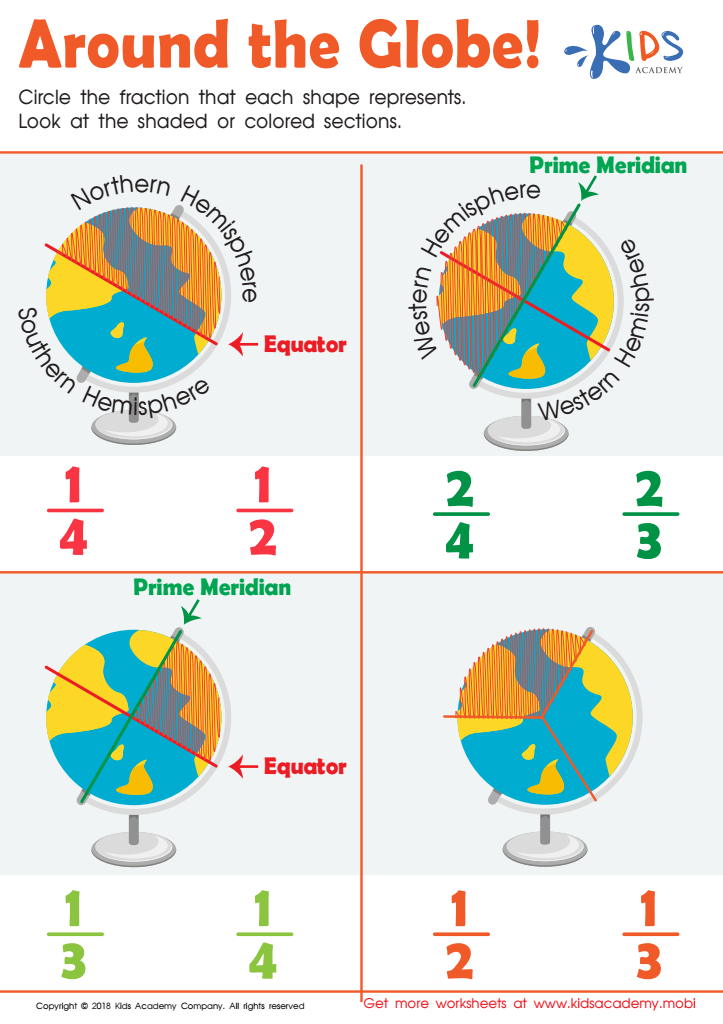
Around the Globe Worksheet
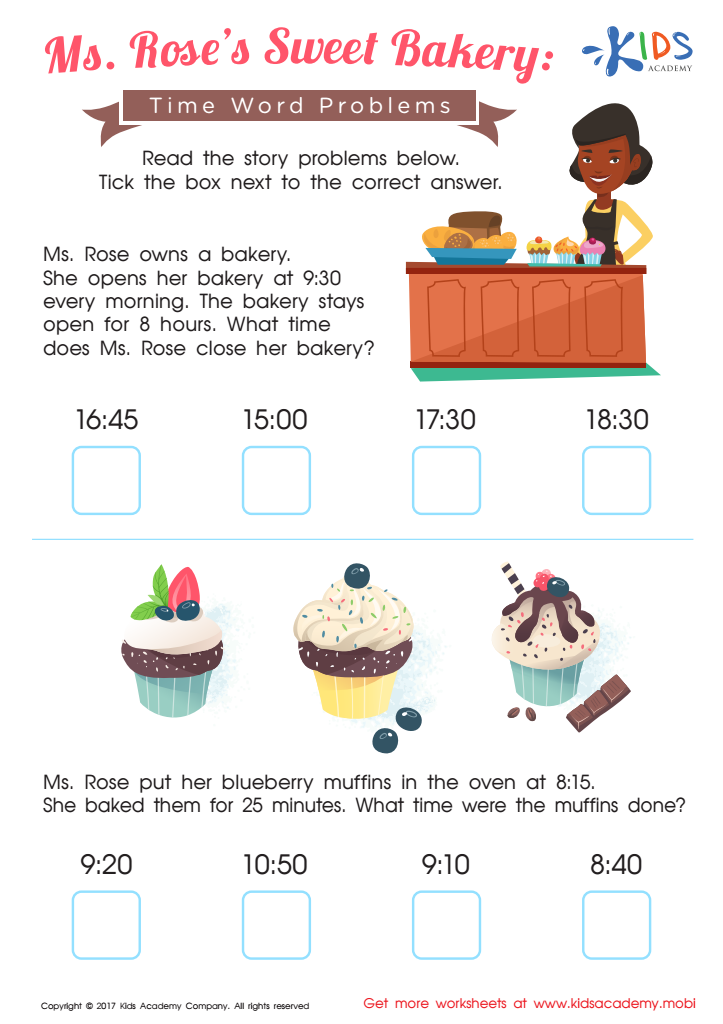
Ms. Roseв's Sweet Bakery Time Worksheet
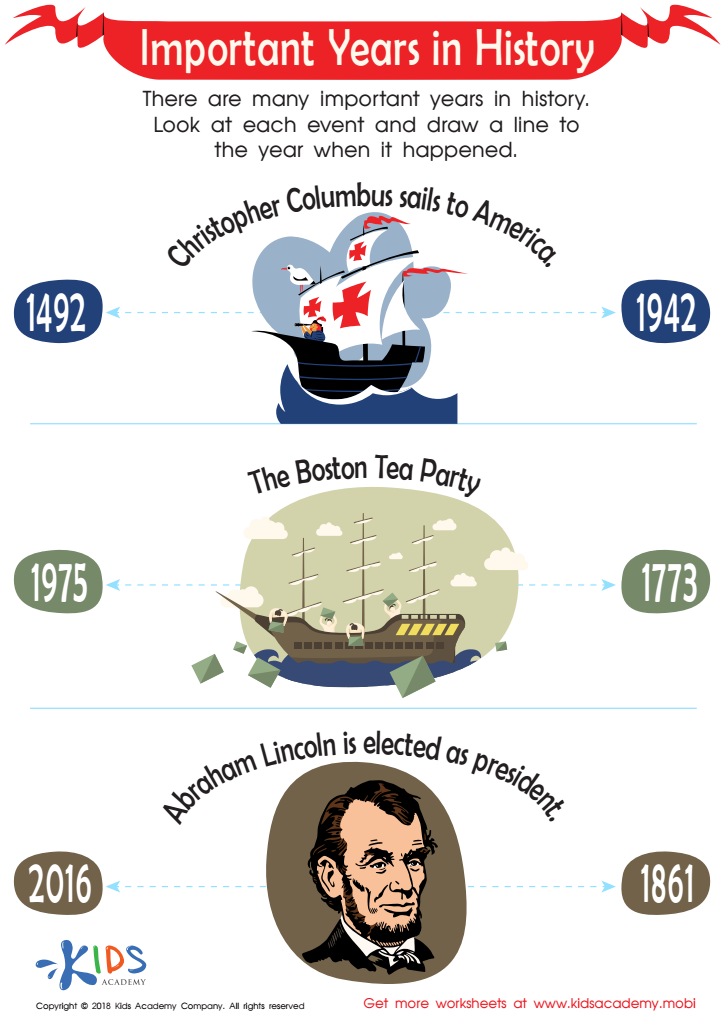
Important Years in History Worksheet
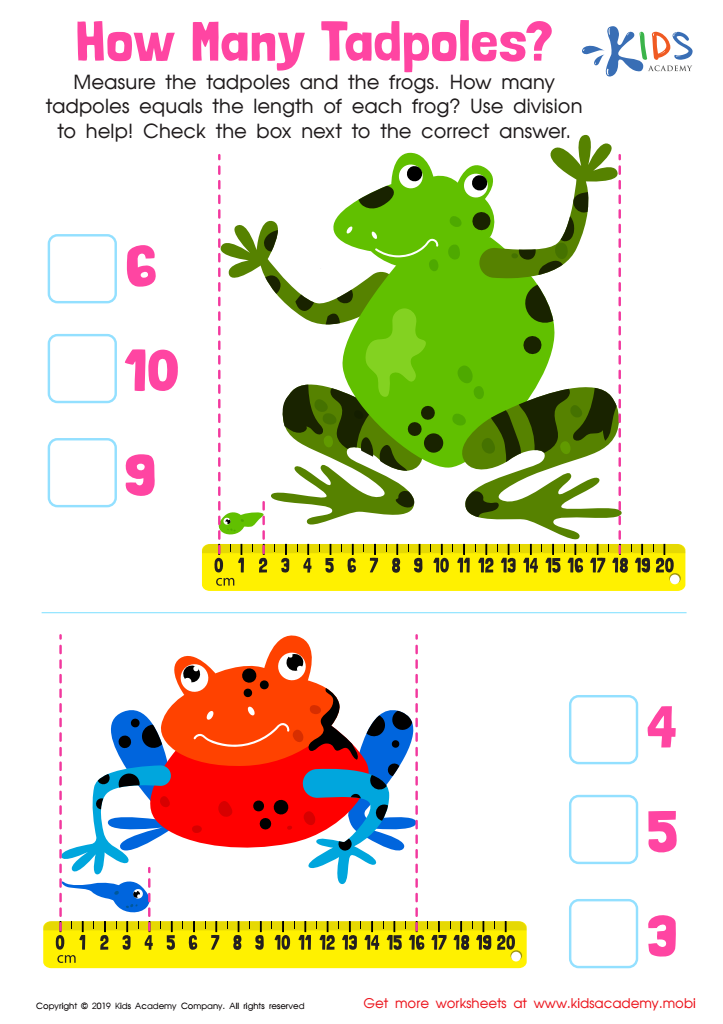
How Many Tadpoles Worksheet
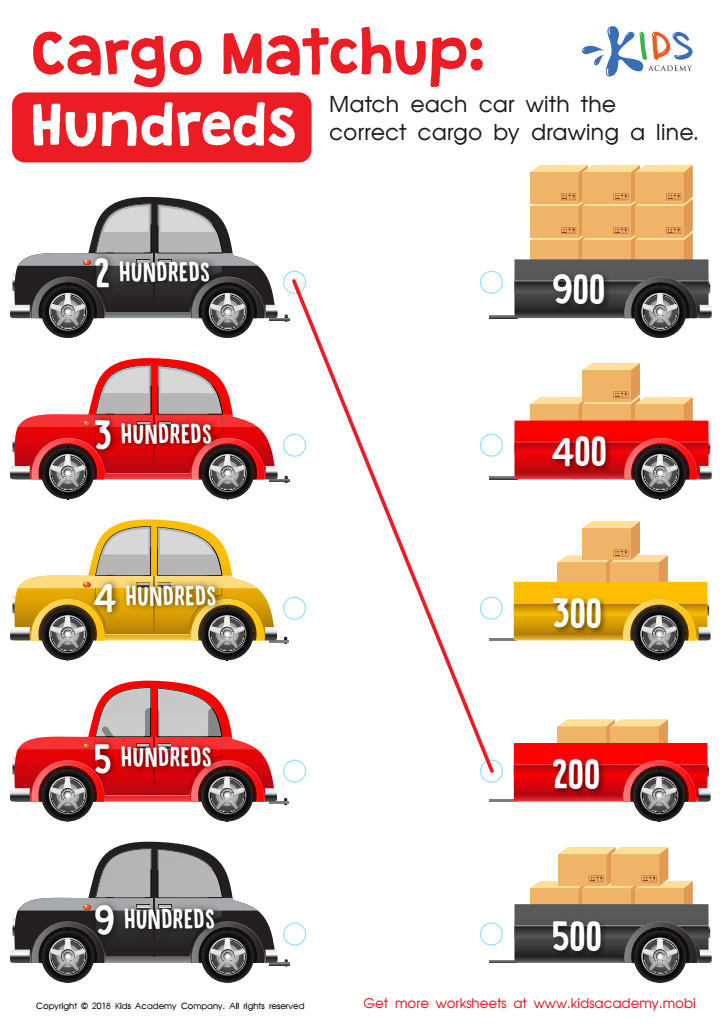
Cargo Matchup: Hundreds Worksheet
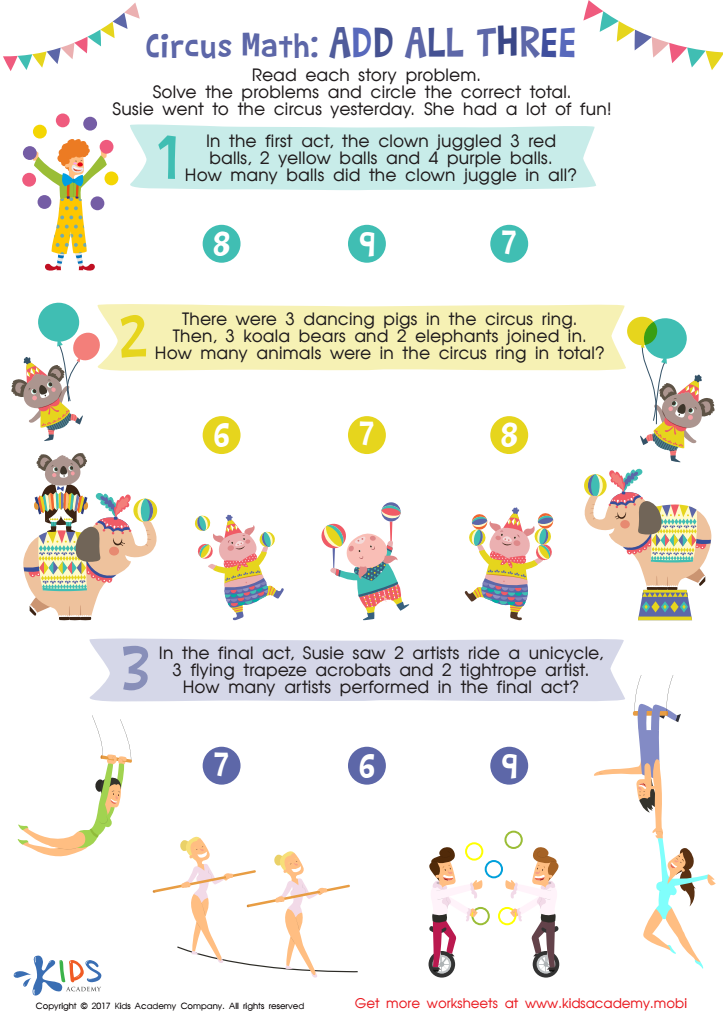
Circus Math Printable
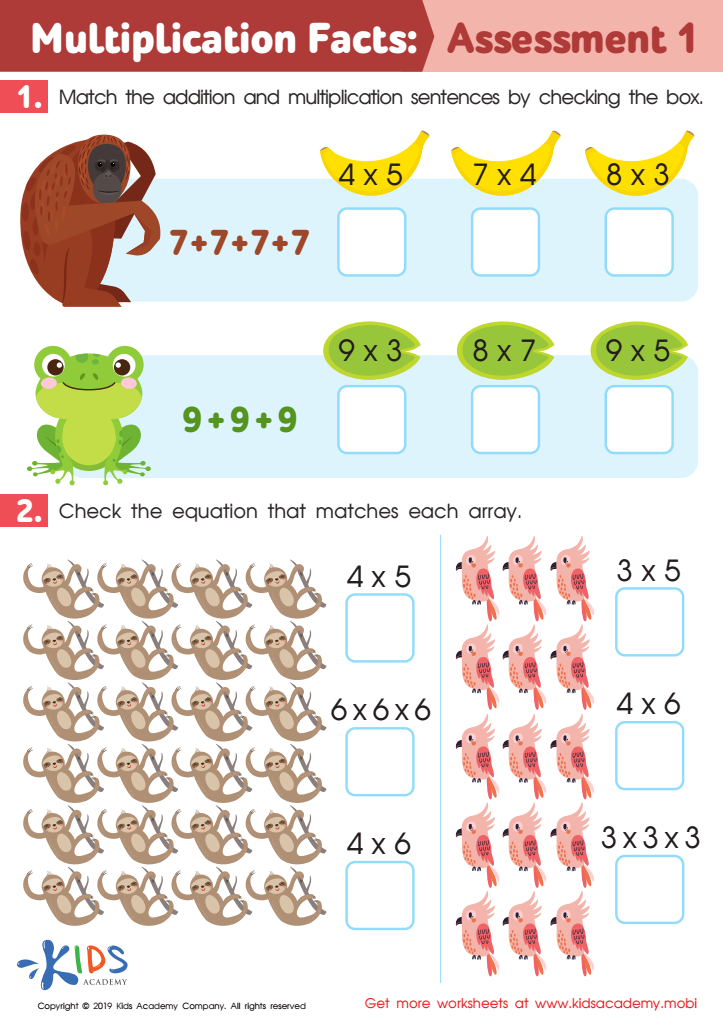
Multiplication Facts: Assessment 1 Worksheet
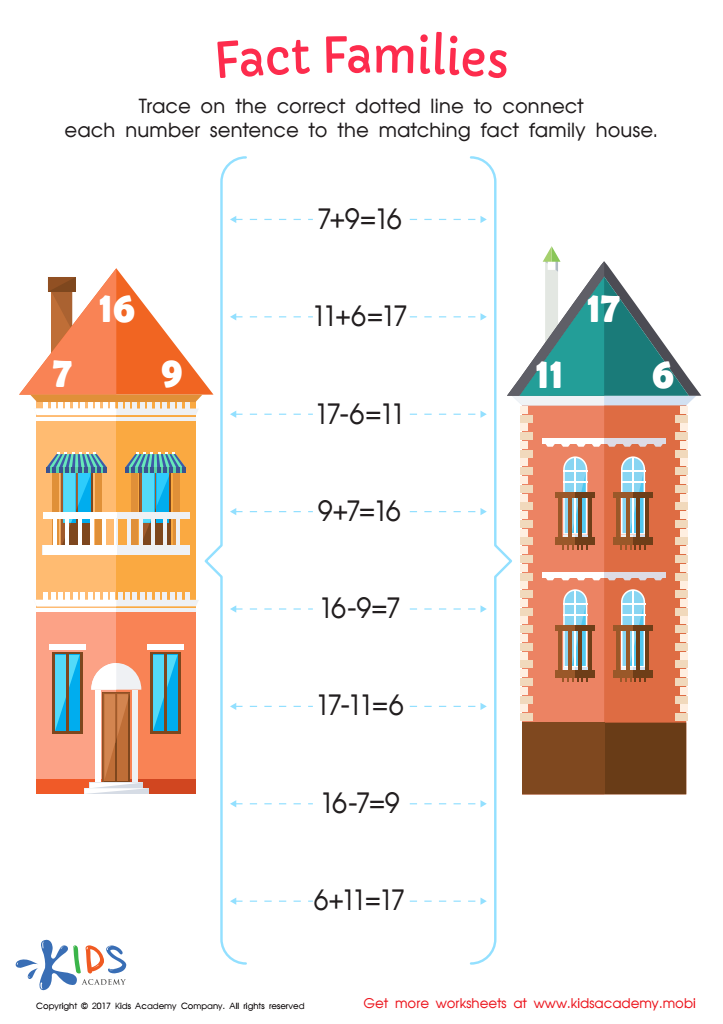
Fact Families — Add and Subtract Worksheet
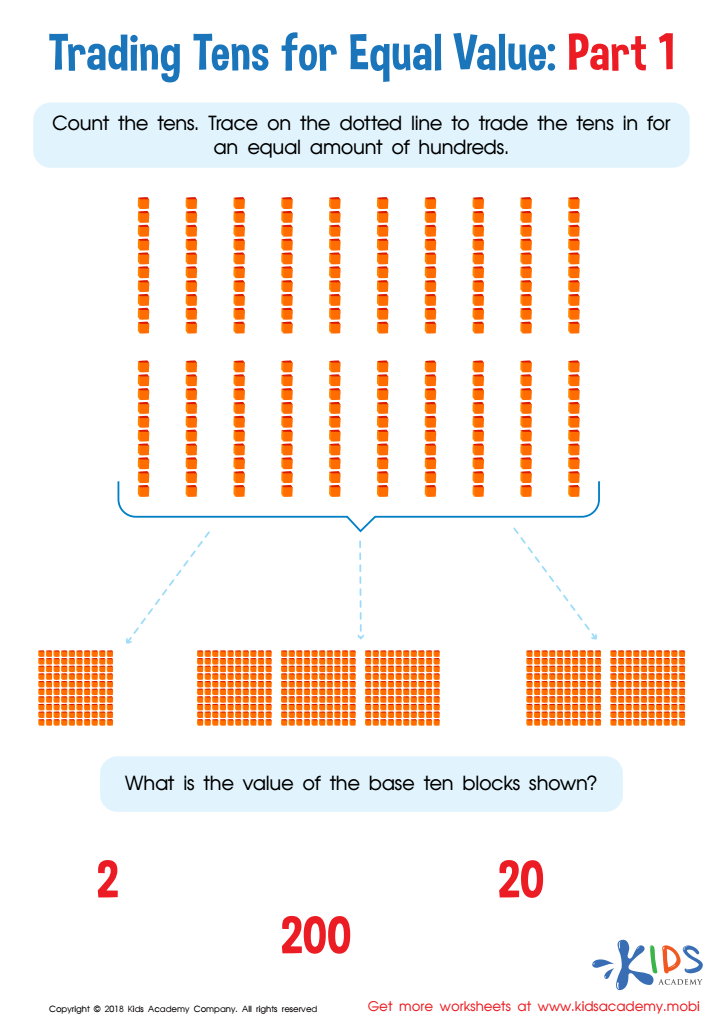
Trading Tens for Equal Value Worksheet: Part 1
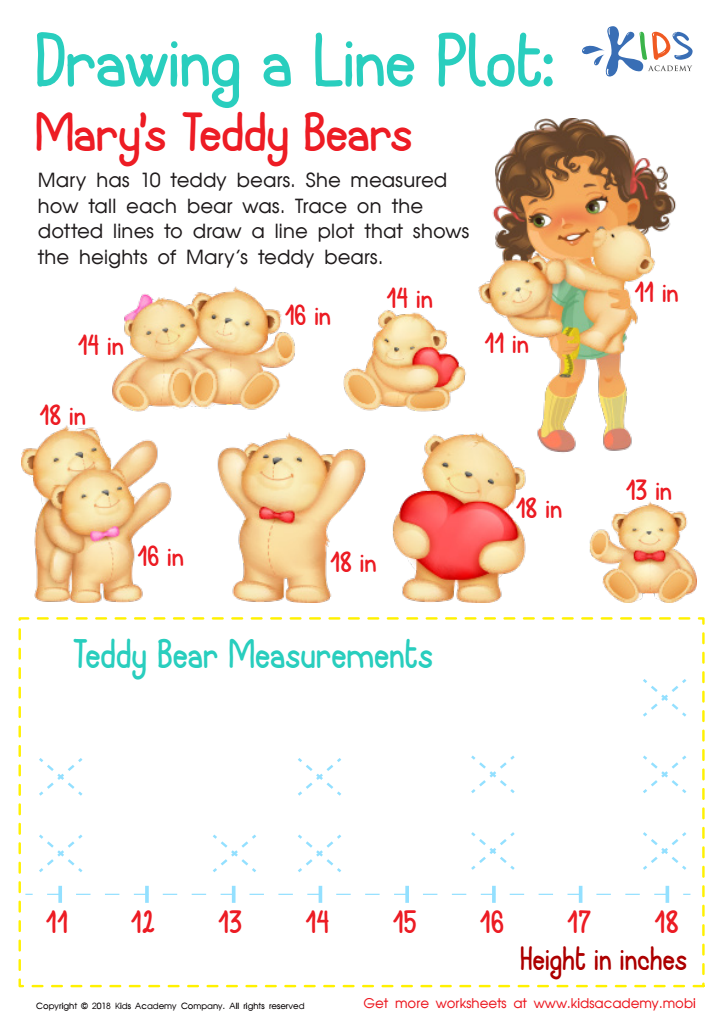
Drawing and Line Plot: Mary's Teddy Bears Worksheet
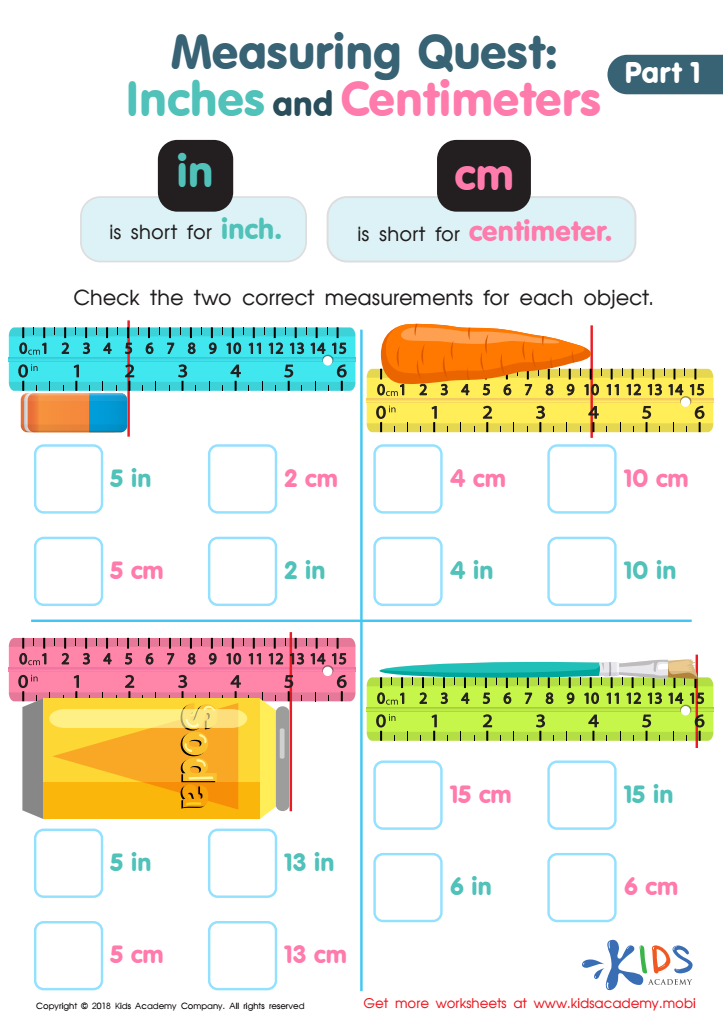
Measuring Quest: Inches and Centimeters Worksheet
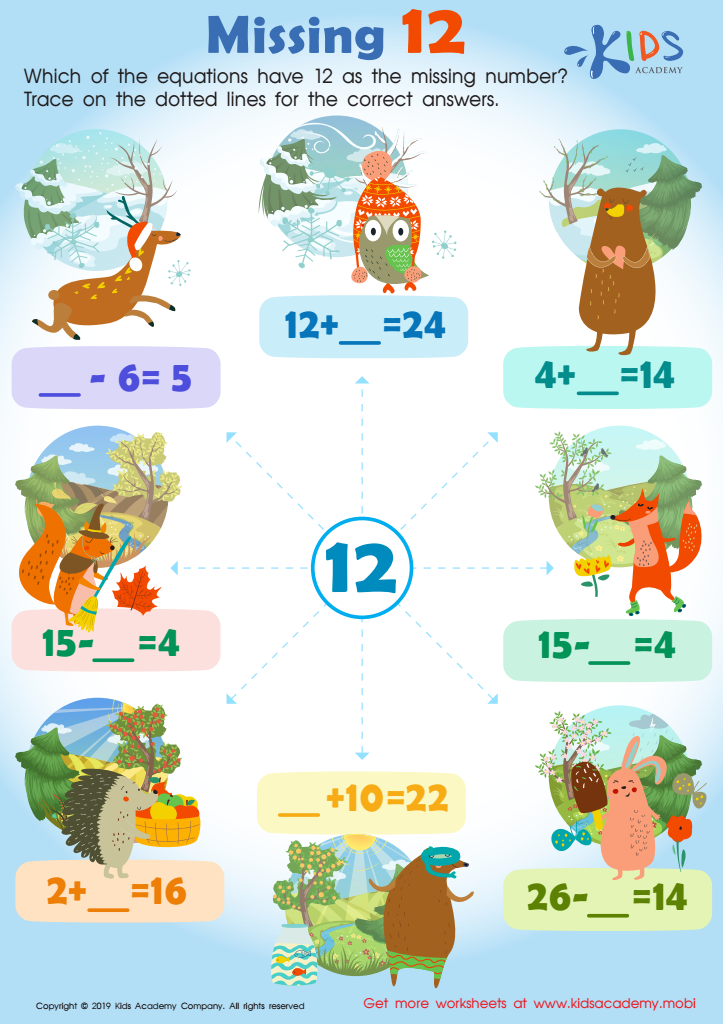
Missing 12 Worksheet

Shared Breakfast Worksheet
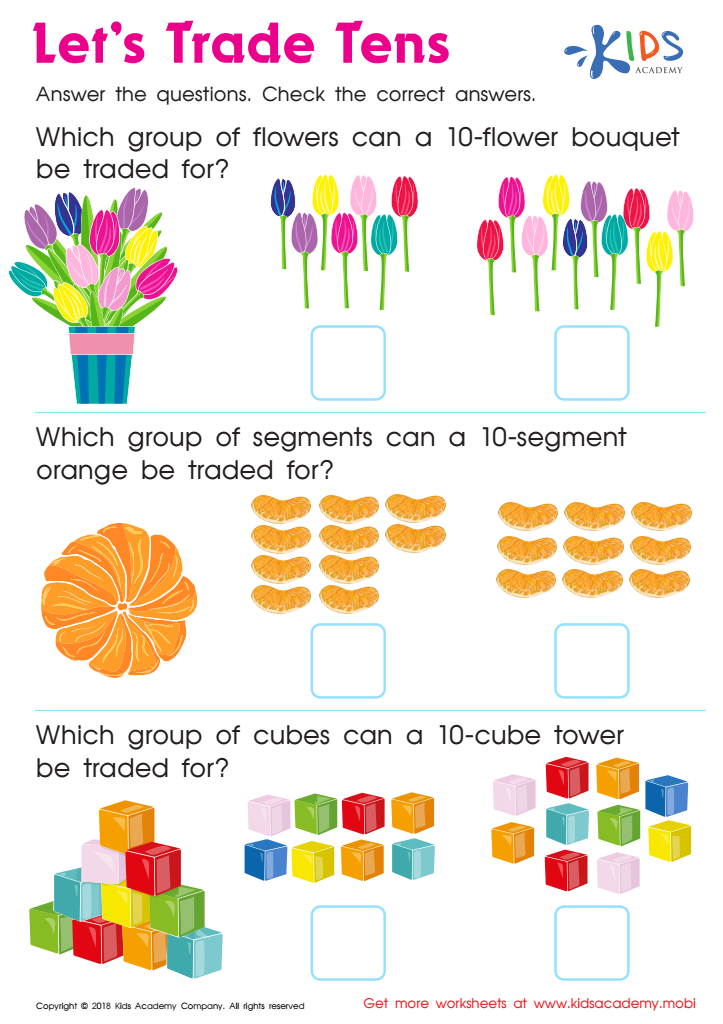
Lets Trade Tens Worksheet








Math for ages 7-9 is crucial for children's cognitive development and sets the foundation for future learning. During these formative years, children transition from understanding basic concepts to mastering more complex operations. This age group begins to encounter patterns, problem-solving, and critical thinking skills through math, essential components of their overall education.
Moreover, math proficiency analytics correlates positively with success in many school subjects. Parents and teachers should recognize that integrating math into everyday life encourages meaningful learning. Simple activities like cooking, shopping, or playing games can make math engaging and relatable, sparking children's interest and confidence.
Developing a strong mathematical foundation also helps reduce future math anxiety, enabling children to approach challenges with a positive mindset. By fostering a supportive environment where math is seen as fun and exciting, we can cultivate lifelong learners who appreciate the value of math in their daily lives and future careers. Ultimately, investing in math education at this stage promotes logical reasoning and problem-solving skills, preparing children not only for academic success but also for critical thinking in real-world scenarios. This holistic approach underscores the importance of collaborative efforts between parents and educators in nurturing young mathematicians.








