Geometry Worksheets for Ages 7-9 - Page 2
129 filtered results
-
From - To
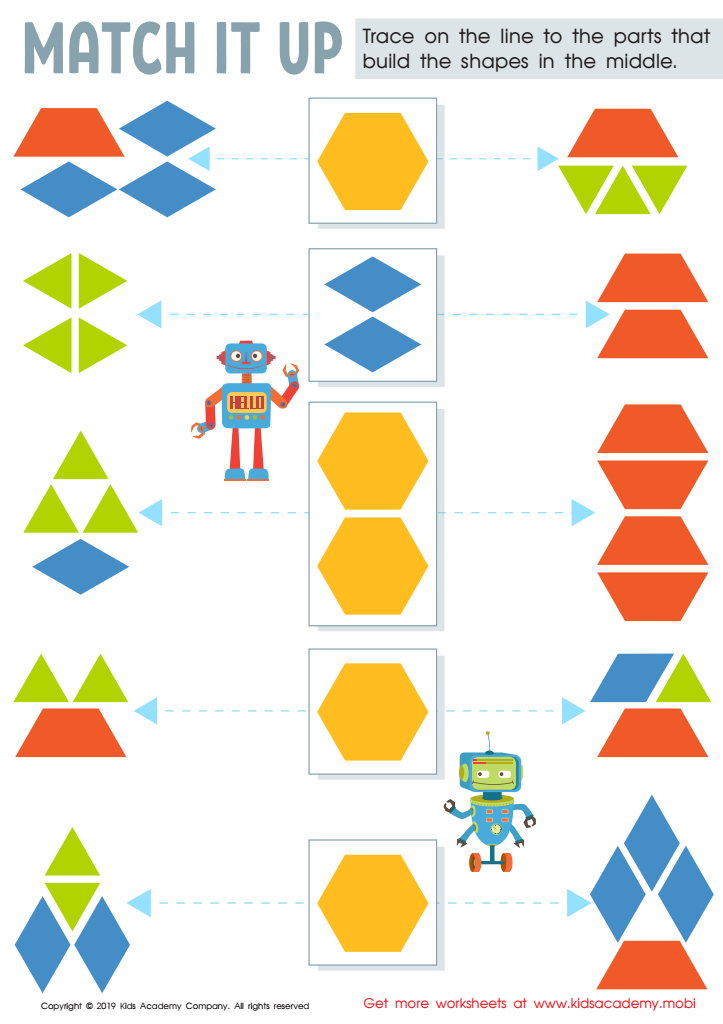
Match It up Worksheet
 Assign to My Students











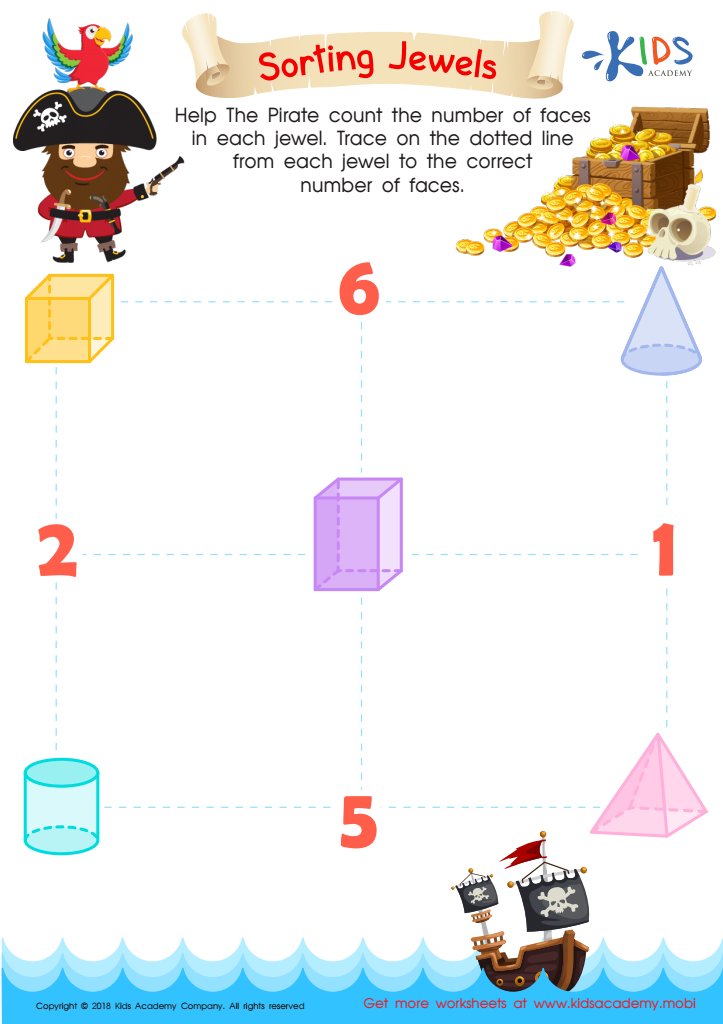
Sorting Jewels Worksheet
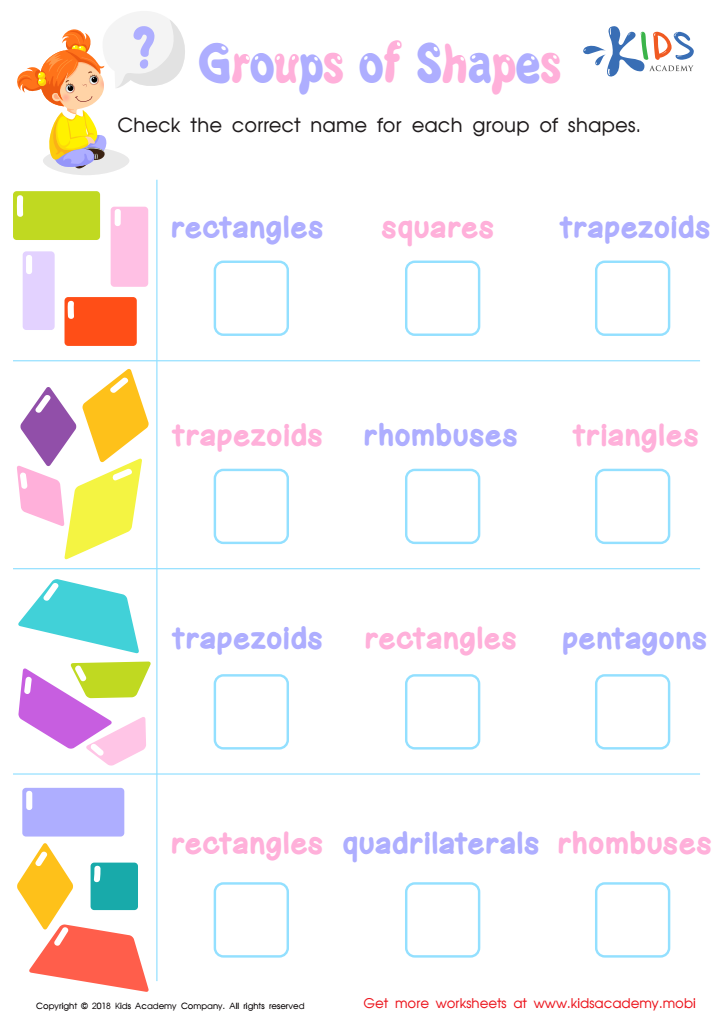
Groups of Shapes Worksheet
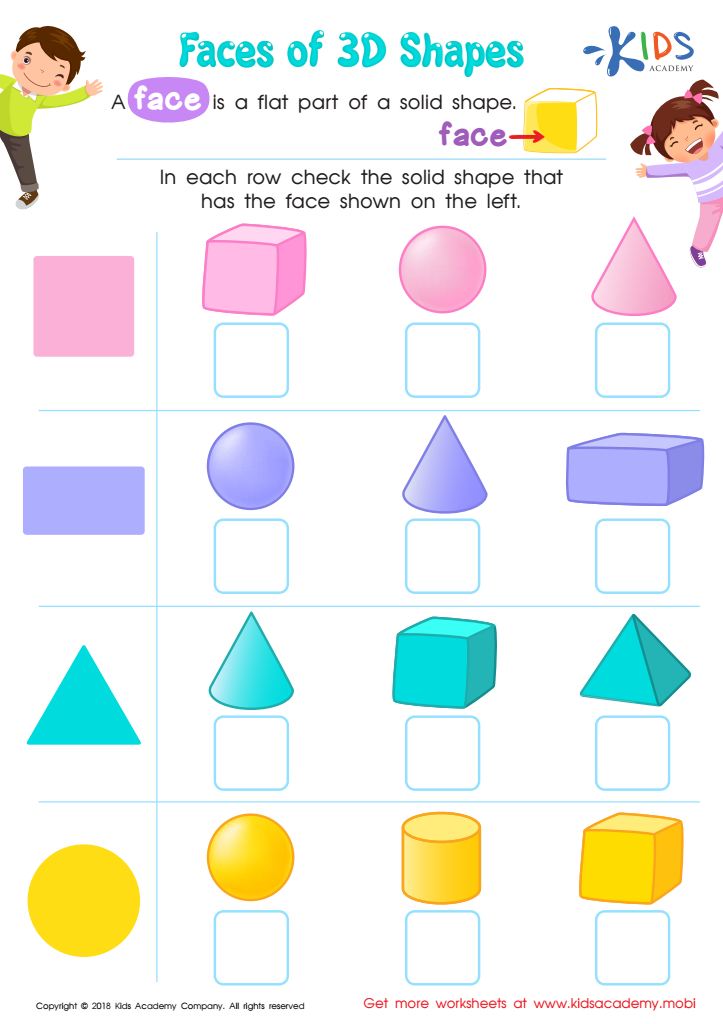
Faces of 3D Shapes Worksheet
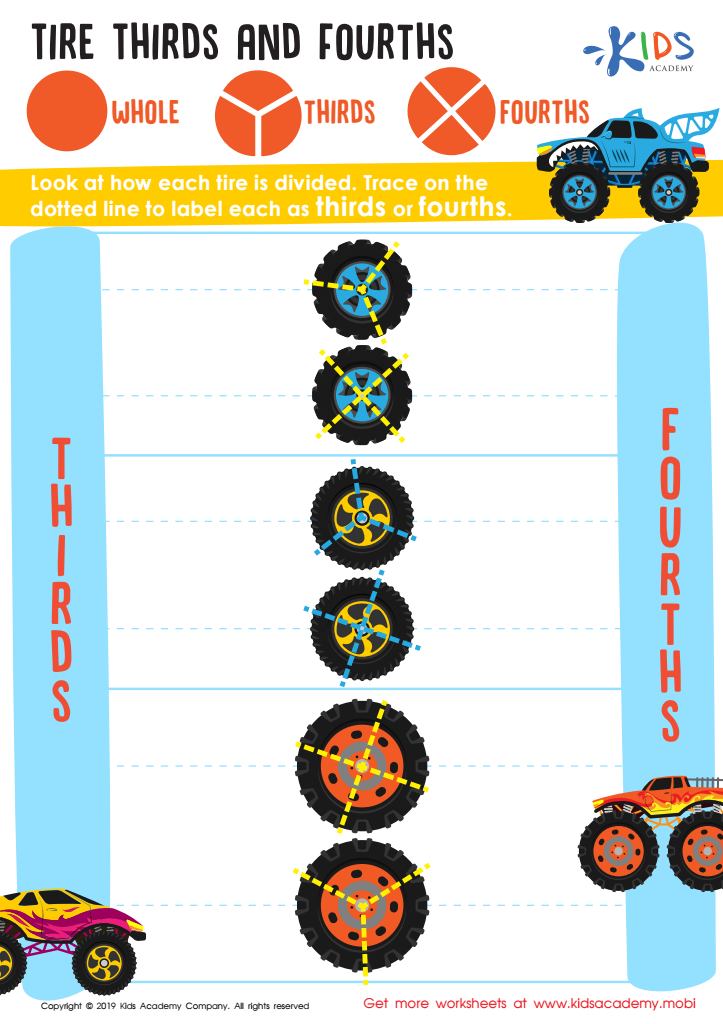
Tire Thirds and Fourths Worksheet
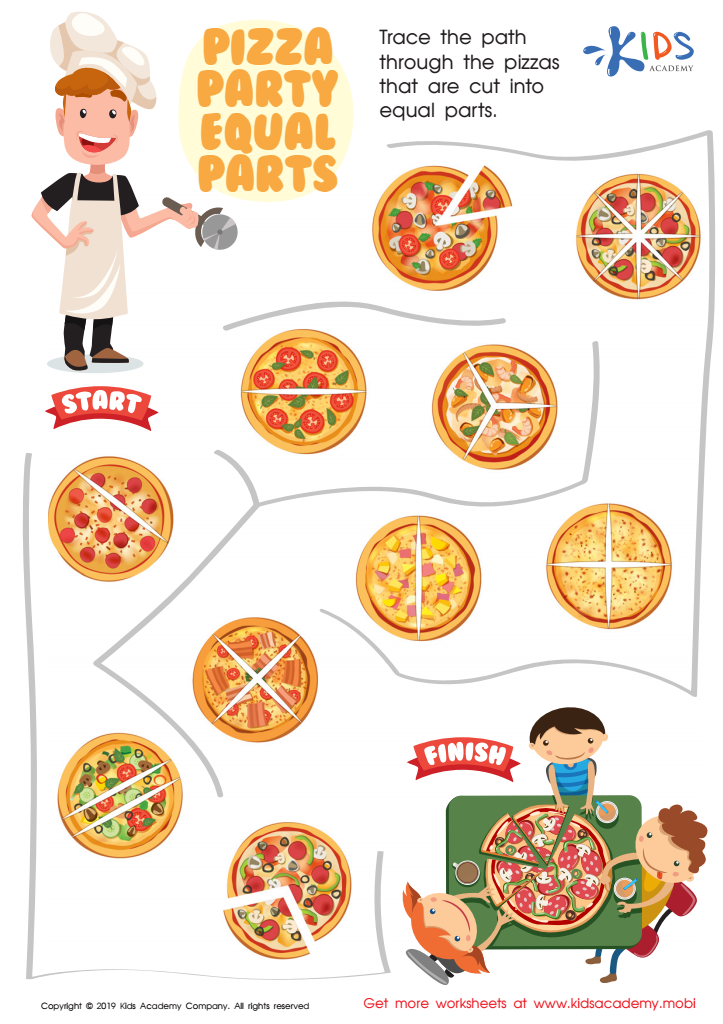
Pizza Party Equal Parts Worksheet
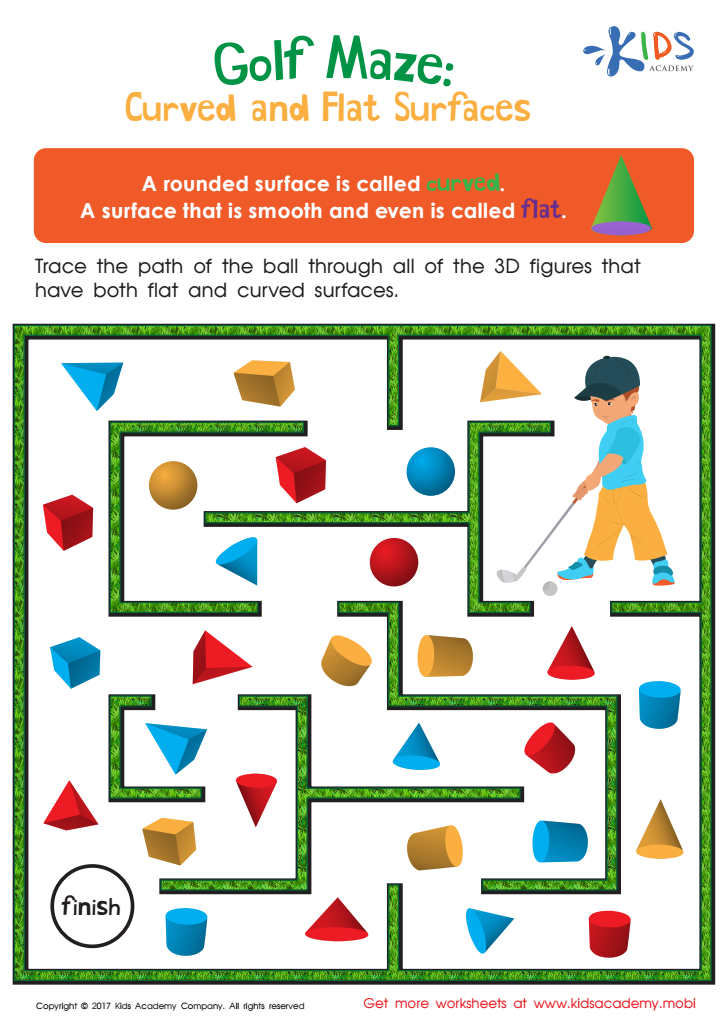
Golf Maze: Curved and Flat Surfaces Worksheet
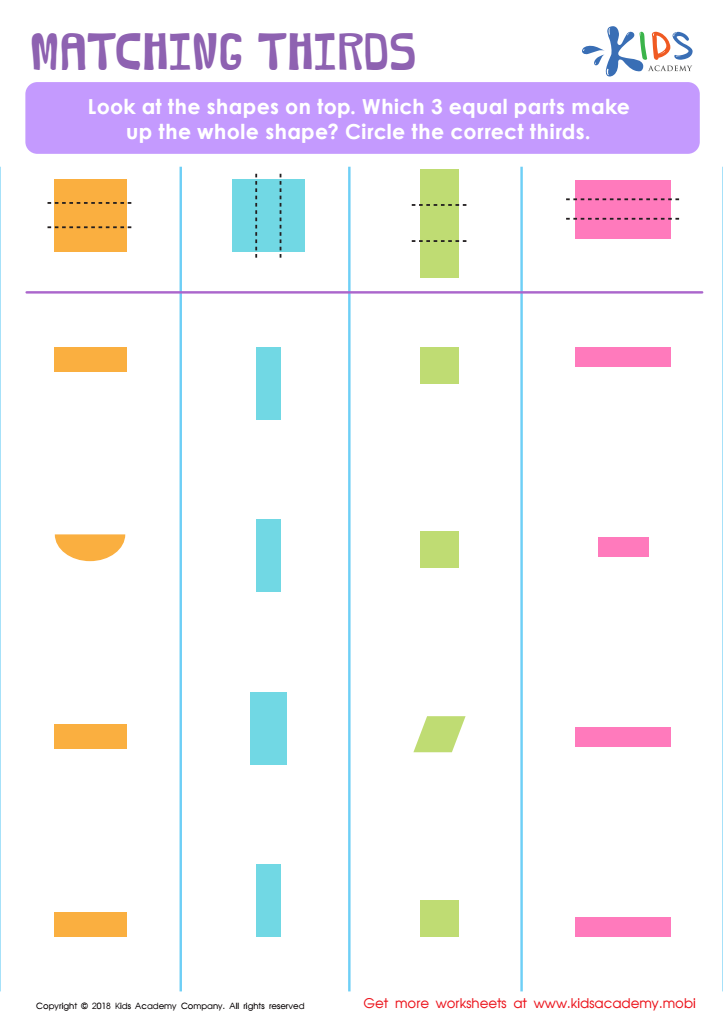
Matching Thirds Worksheet
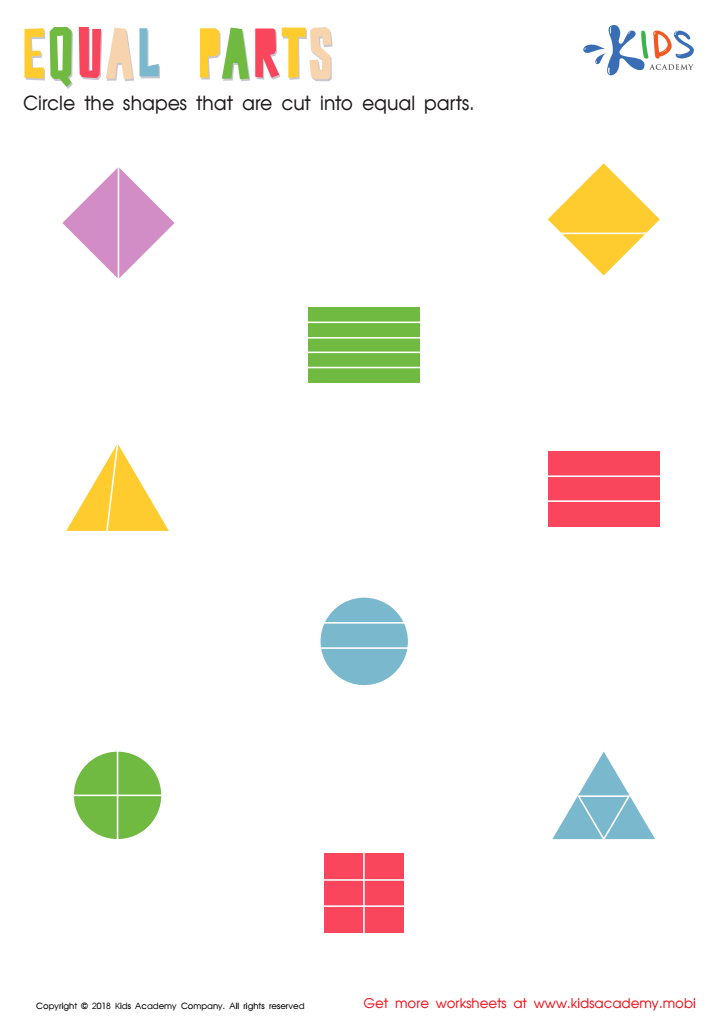
Equal Parts: Shapes Worksheet
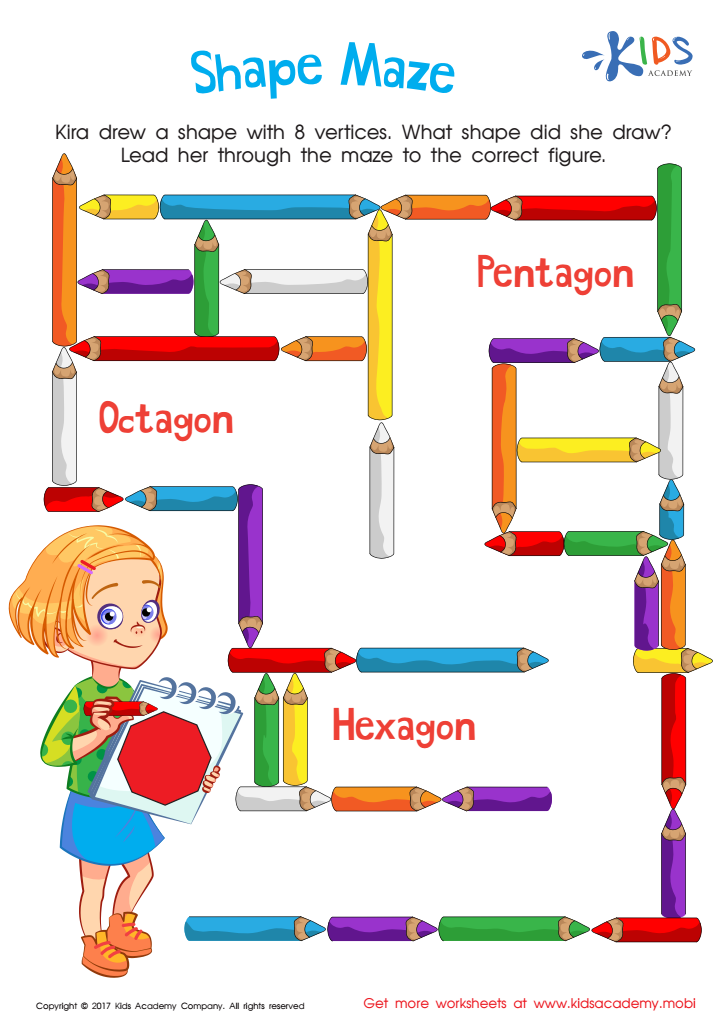
Shape Maze Worksheet
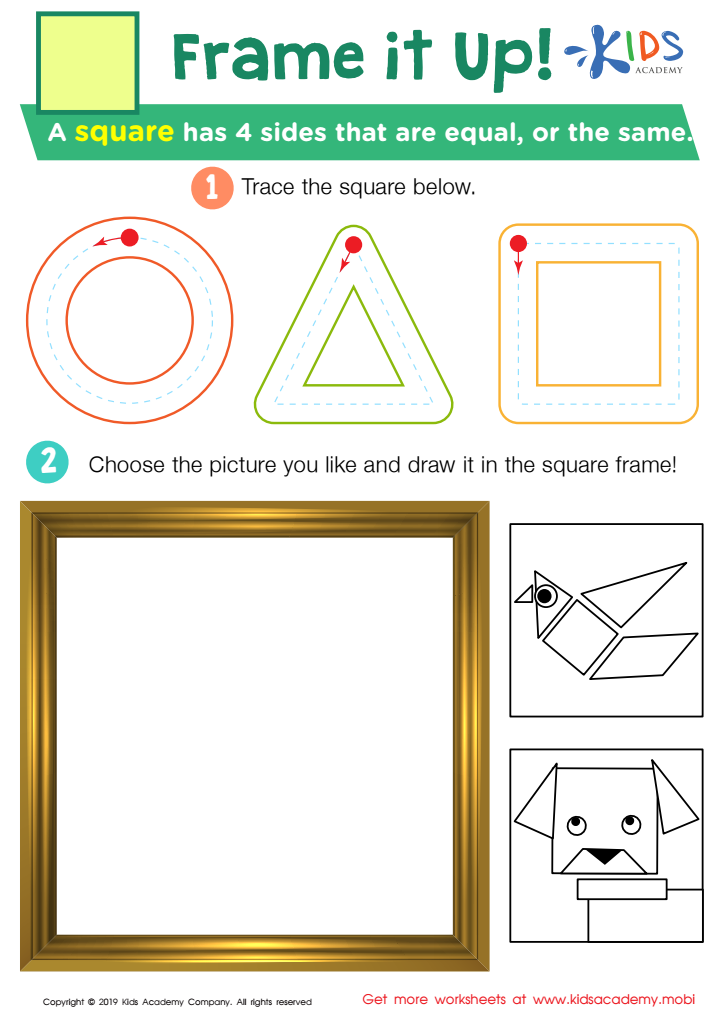
Frame it Up Worksheet
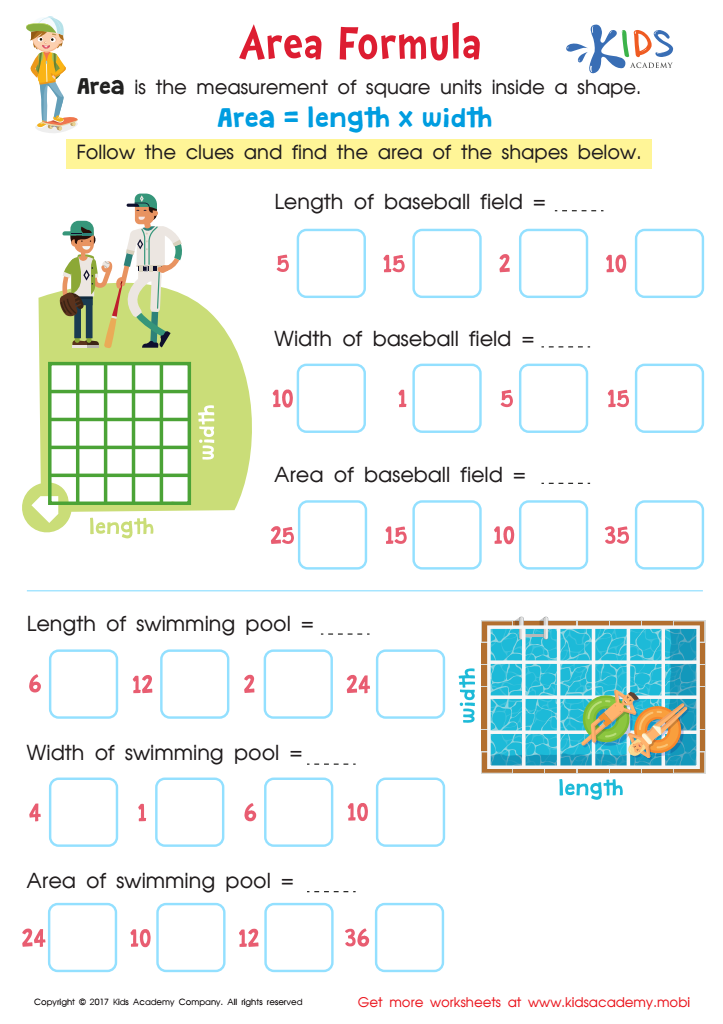
Area Formula Worksheet
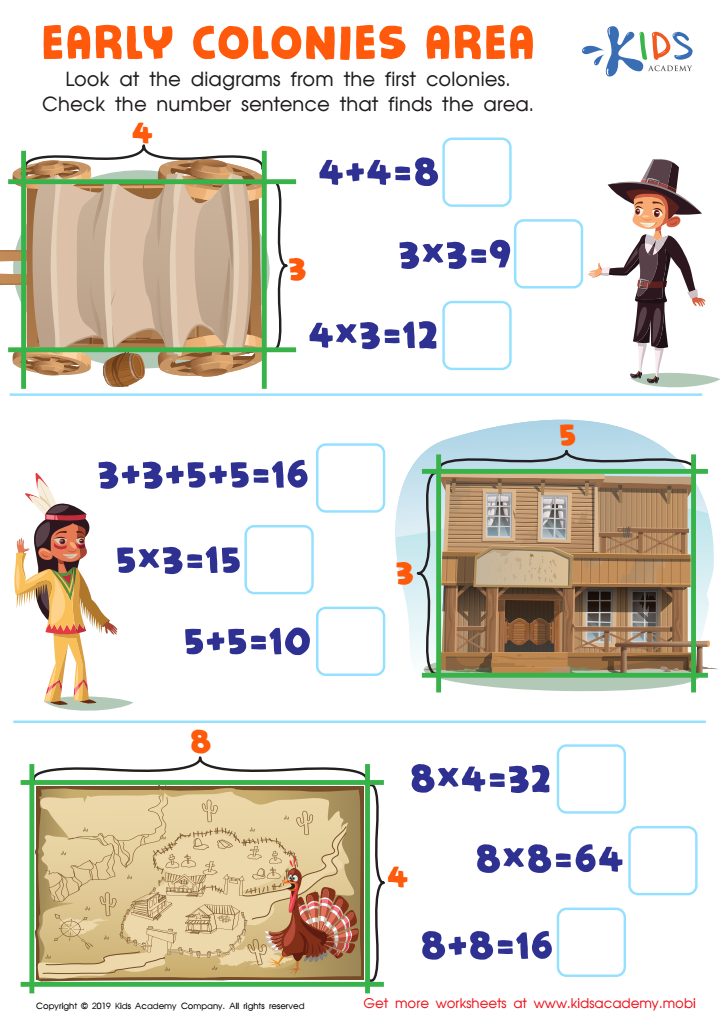
Early Colonies Area Worksheet
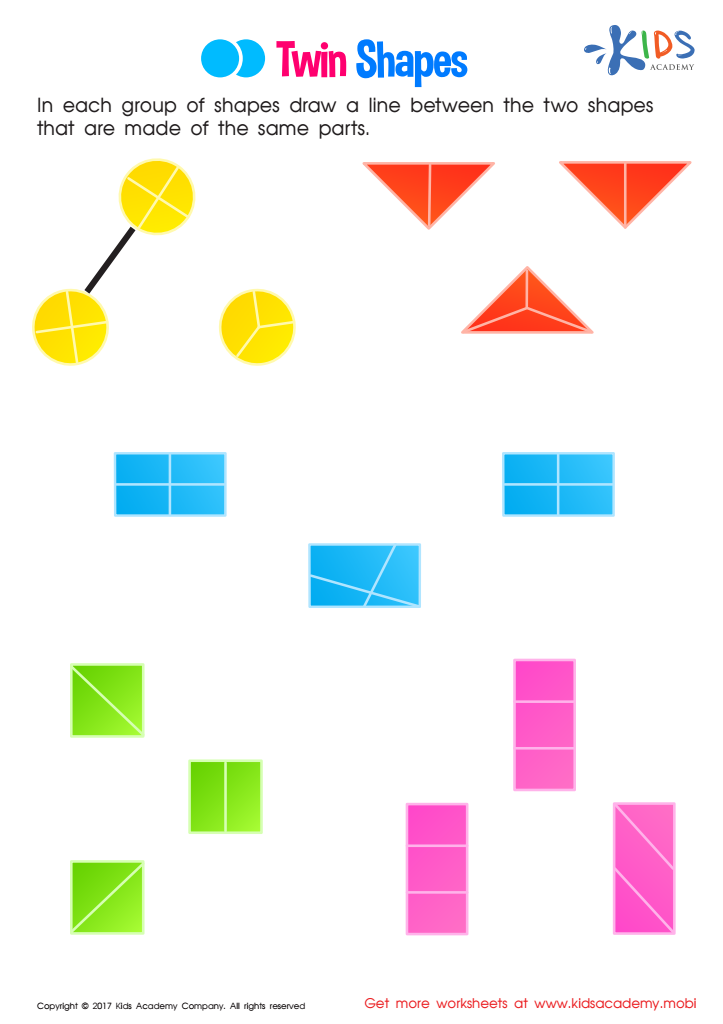
Twin Shapes Worksheet
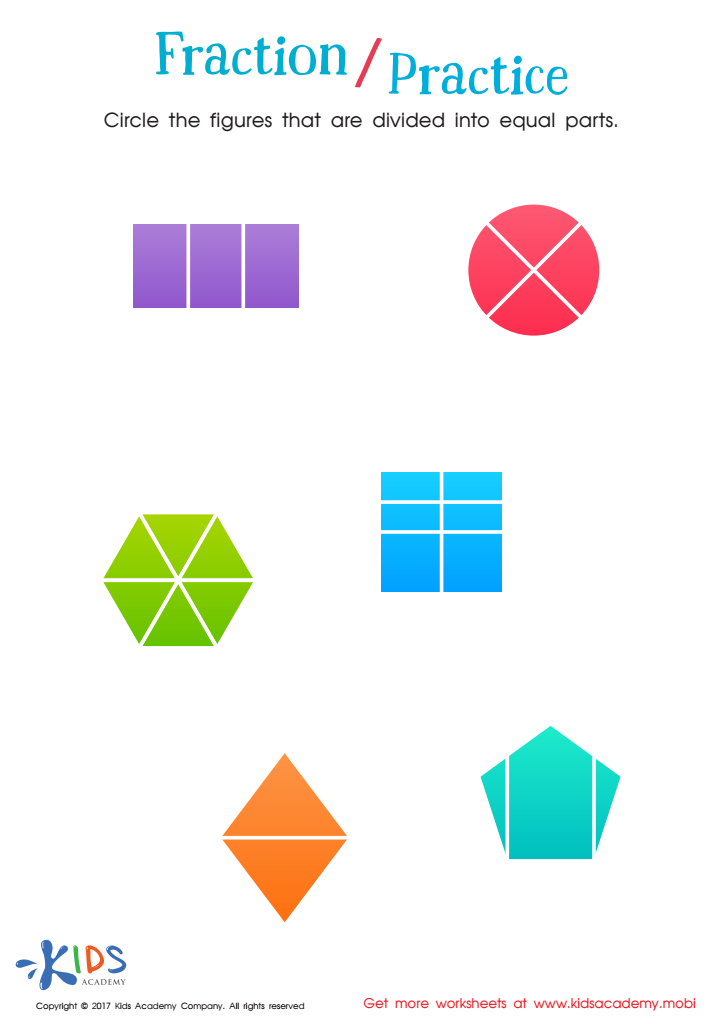
Fractions: Shapes Worksheet
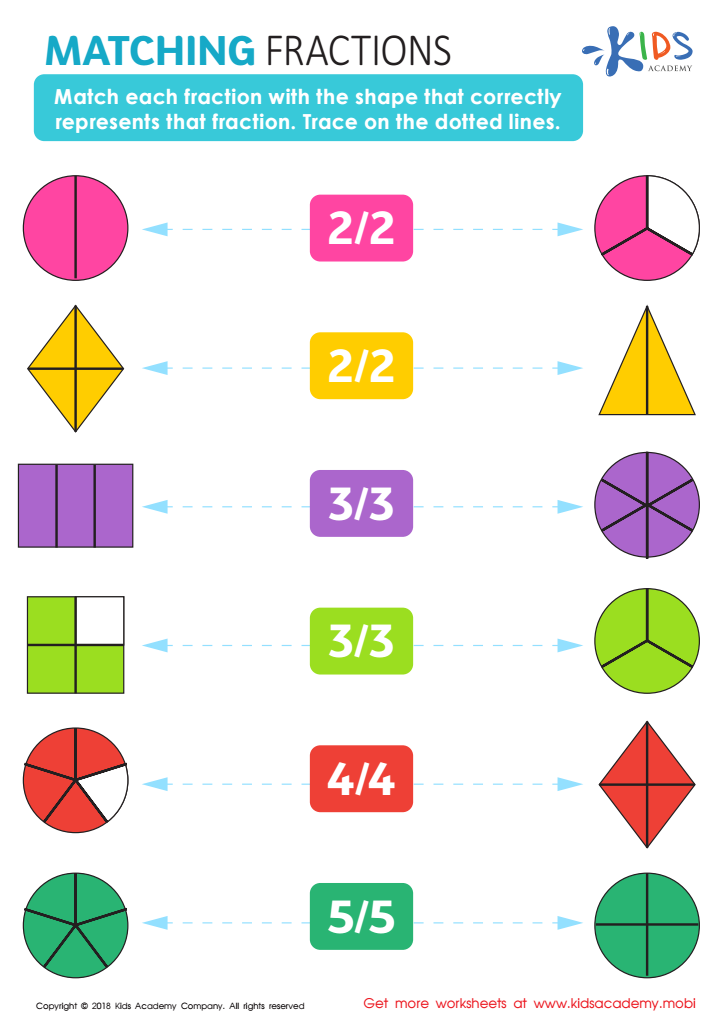
Matching Fractions Worksheet
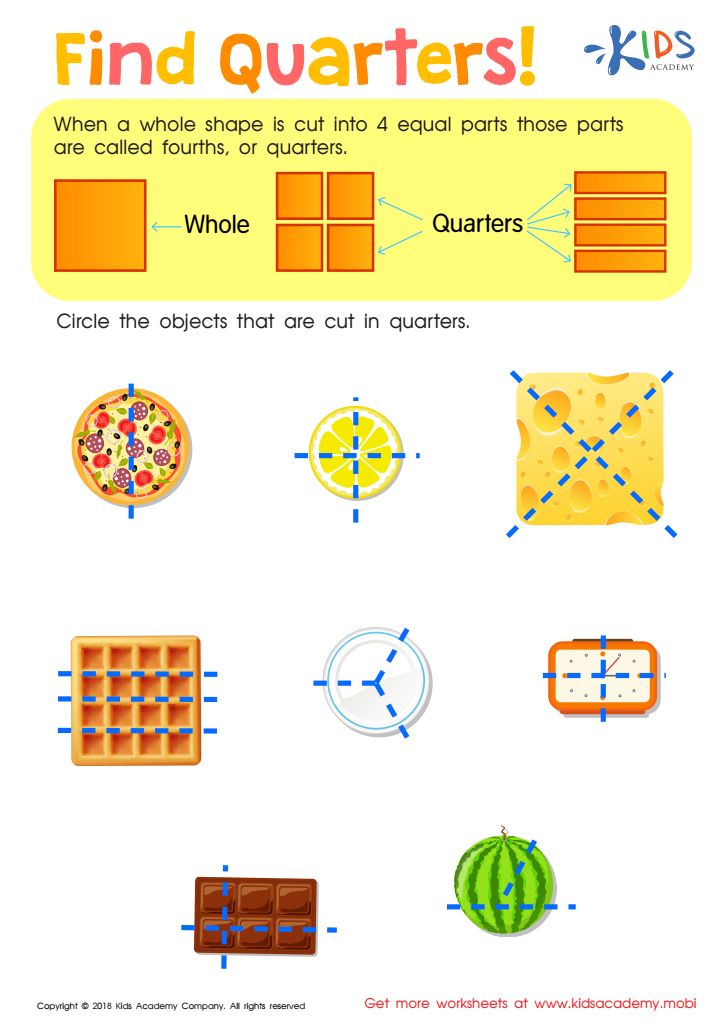
Find Quarters Worksheet
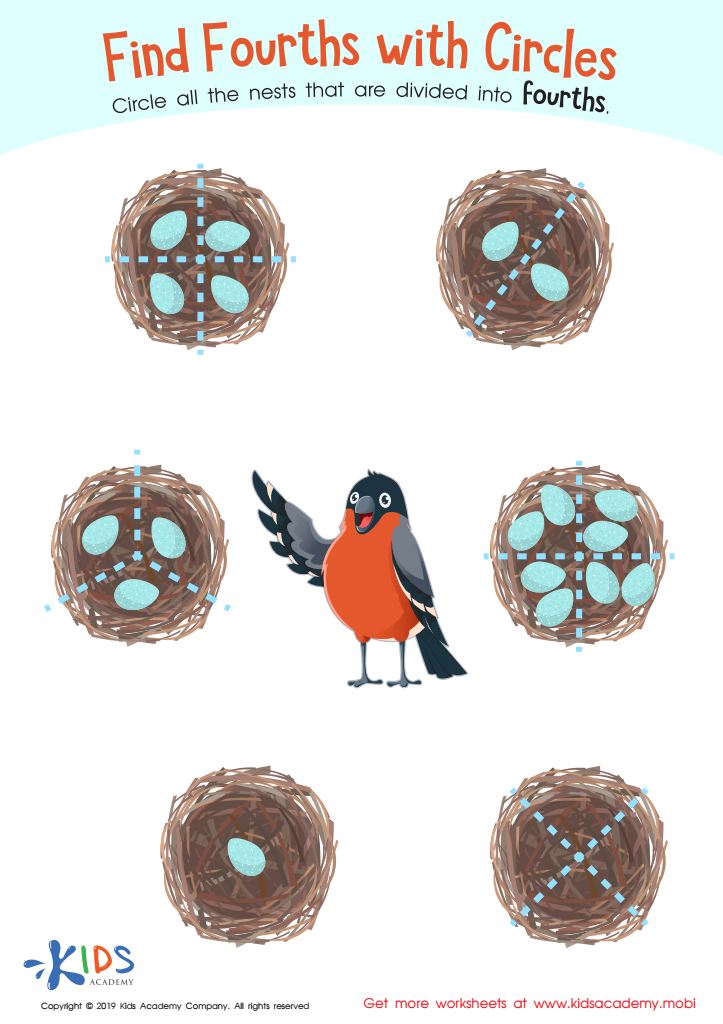
Find Fourths Circles Worksheet
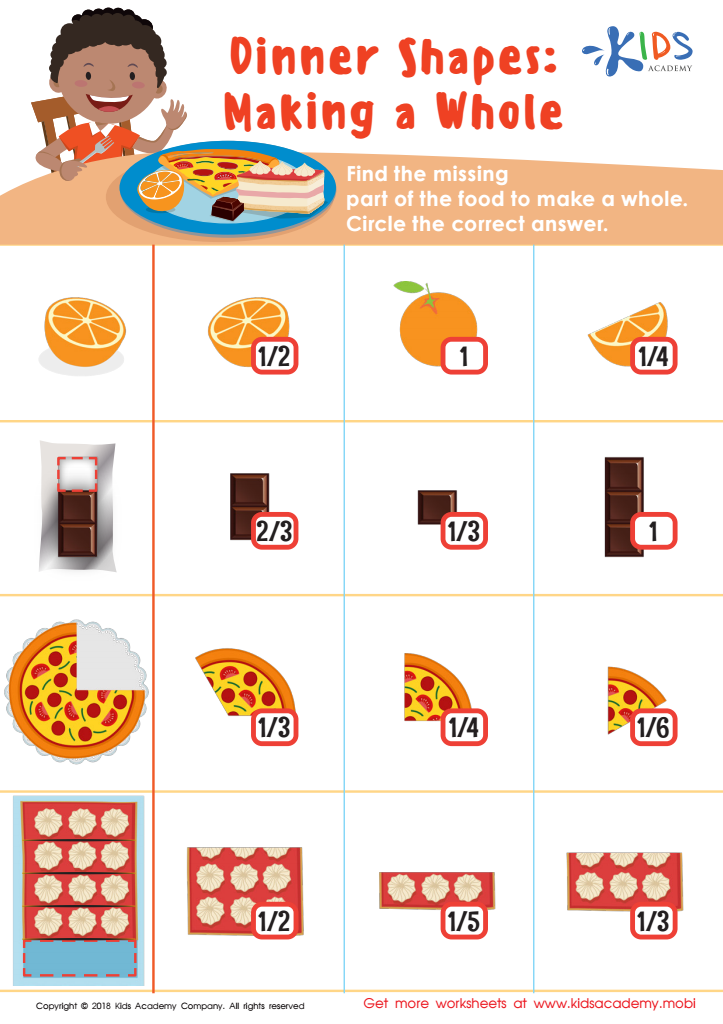
Dinner Shapes: Making a Whole Worksheet
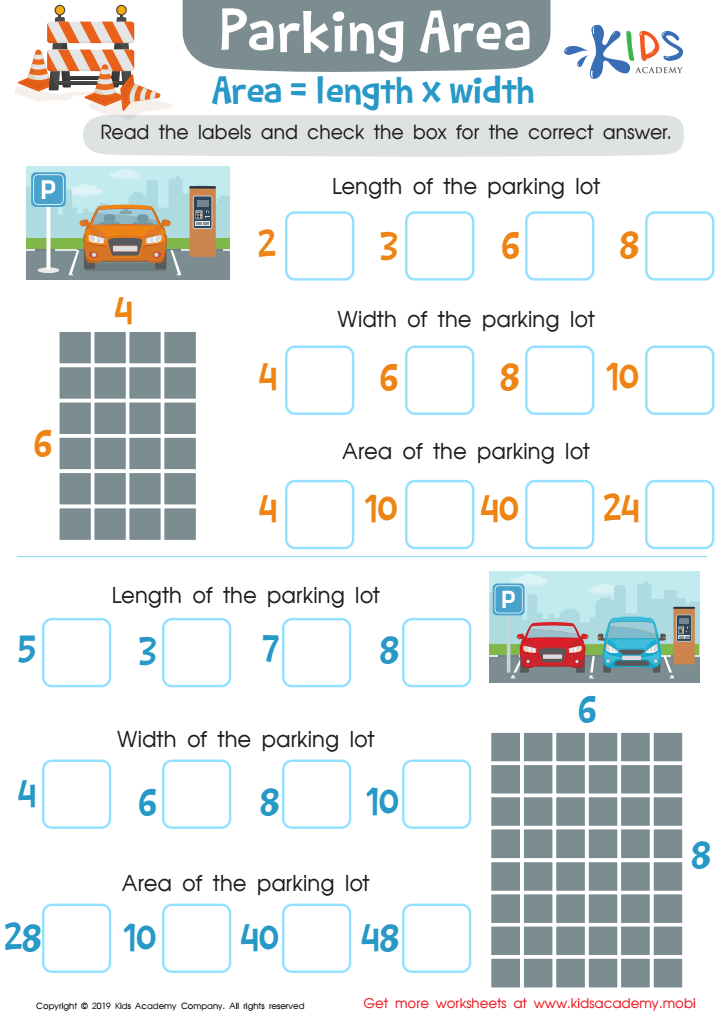
Parking Area Worksheet
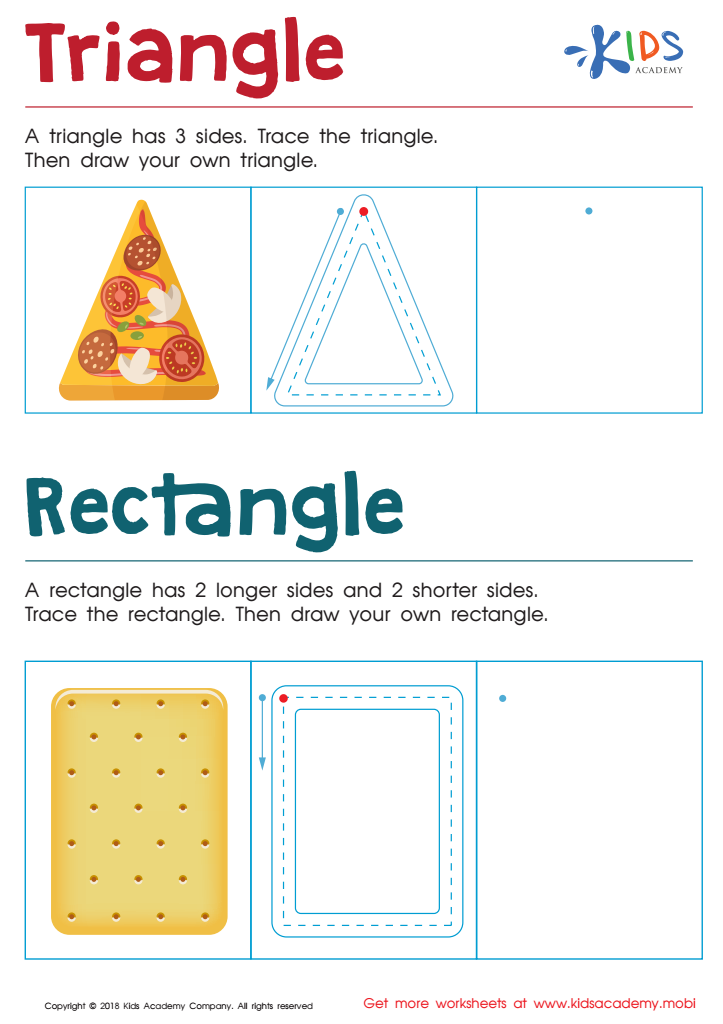
Triangle Rectangle Worksheet
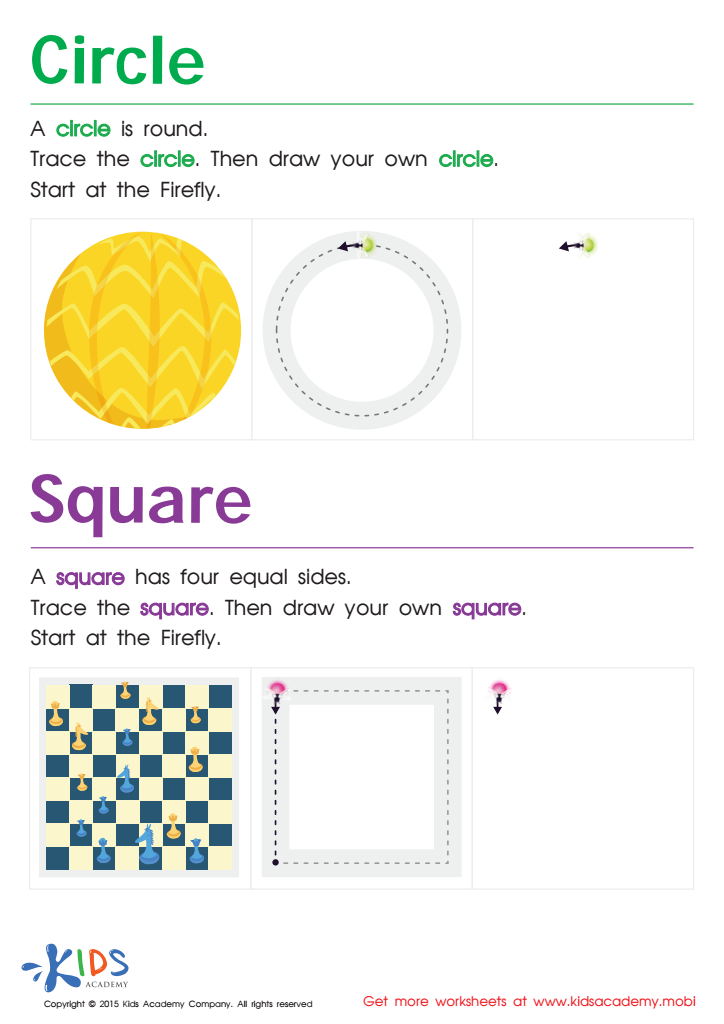
Trace And Draw a Circle And a Square Worksheet
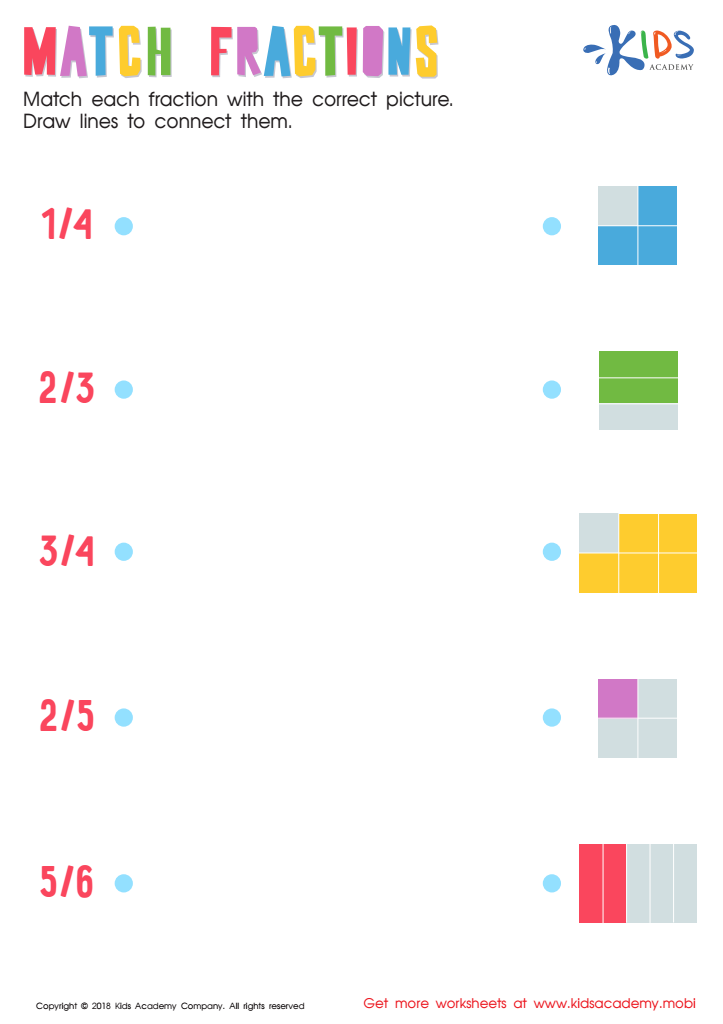
Match Fractions Worksheet
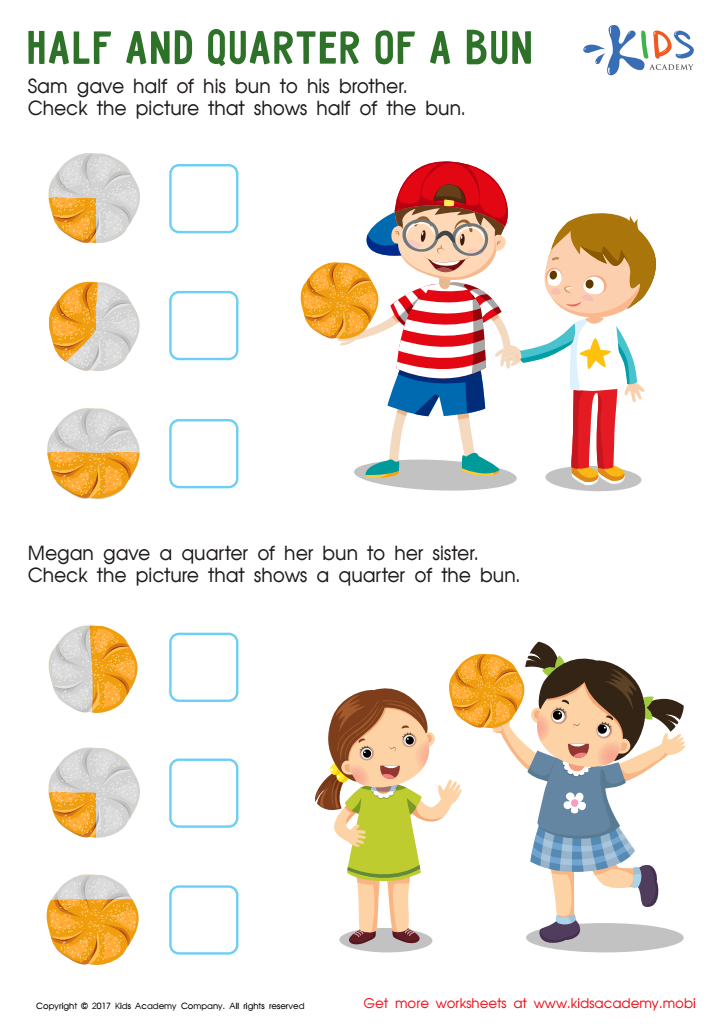
Half and Quarter of a Bun Worksheet








Geometry is a fundamental component of mathematics that significantly benefits children aged 7-9. During this formative stage, young learners develop crucial spatial awareness and problem-solving skills. Understanding geometry enhances their ability to visualize and analyze the world around them. Parents and teachers should care about this subject because it lays the groundwork for critical thinking and logical reasoning.
At this age, children start to explore geometric concepts such as shapes, angles, and symmetry. These ideas are not just abstract; they appear in everyday life, from assessing spaces to understanding patterns in nature. By engaging with geometry, children bolster their creativity and critical thinking skills, aiding their ability to connect with other subjects like science and art.
Moreover, encouraging geometric thinking boosts confidence in math, allowing students to tackle more complex concepts in the future. By integrating geometry playfully and practically—through games, construction, and art—parents and teachers can cultivate a love for learning and inquiry. Tackling geometry early not only supports academic growth but also equips children with essential skills for lifelong learning, paving the way for success in various fields as they grow. Being mindful of geometry's role is vital for holistic development in math literacy.








