Measurement Worksheets for Ages 7-9 - Page 3
81 filtered results
-
From - To
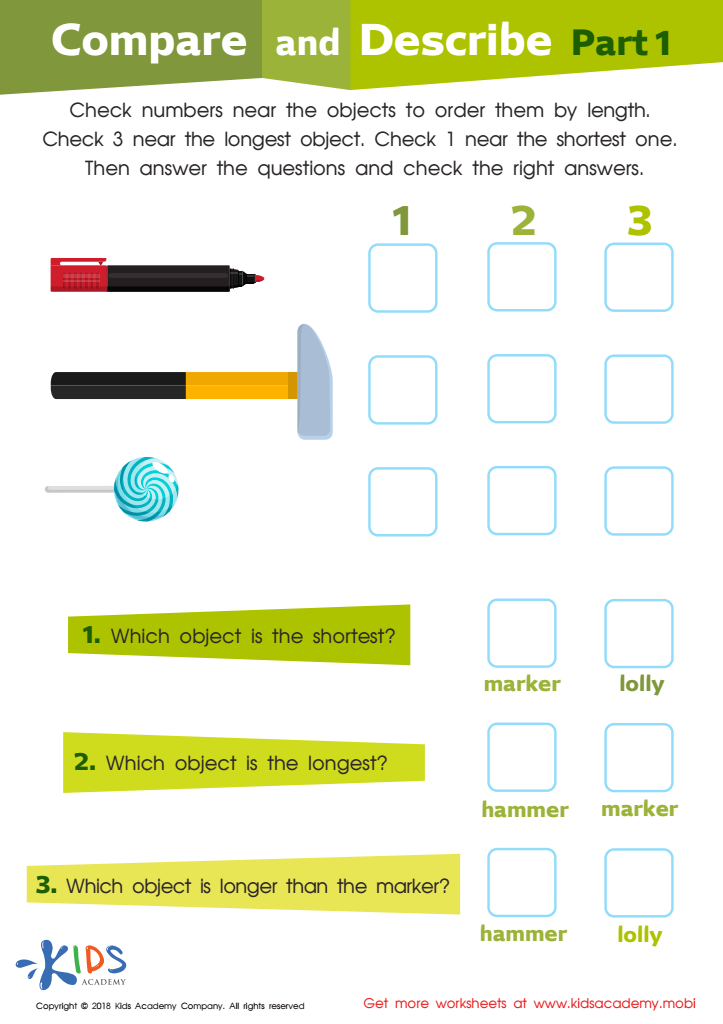
Compare and Describe: Part 1 Worksheet
 Assign to My Students
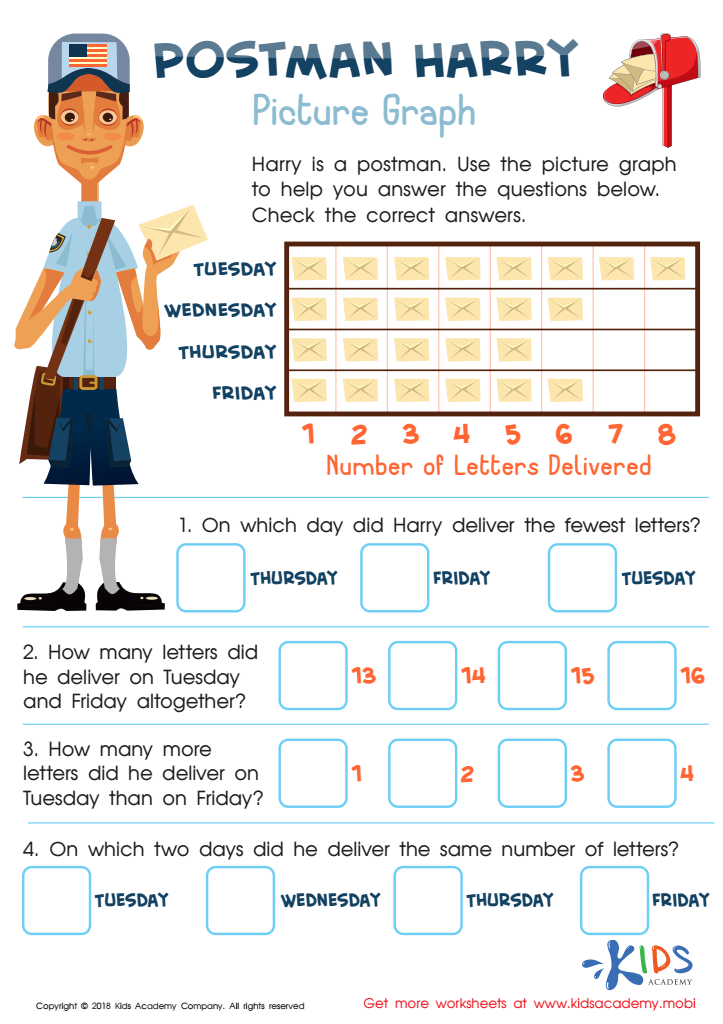
Postman Harry: Picture Graph Worksheet
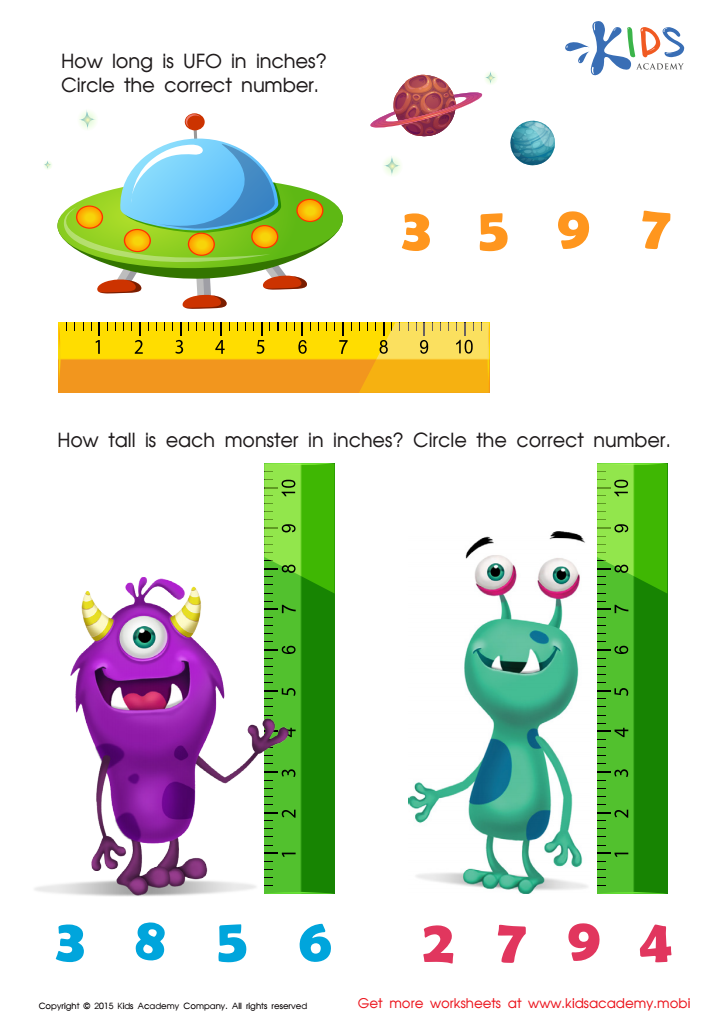
Measuring in Inches Worksheet
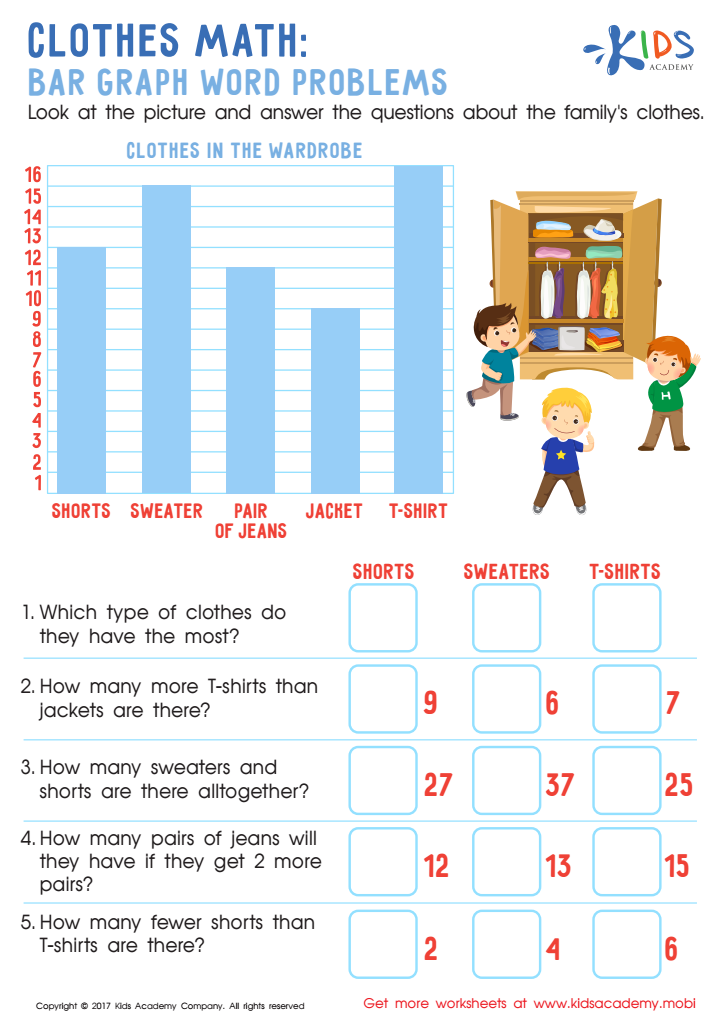
Clothes Math: Bar Graph Word Problems Worksheet
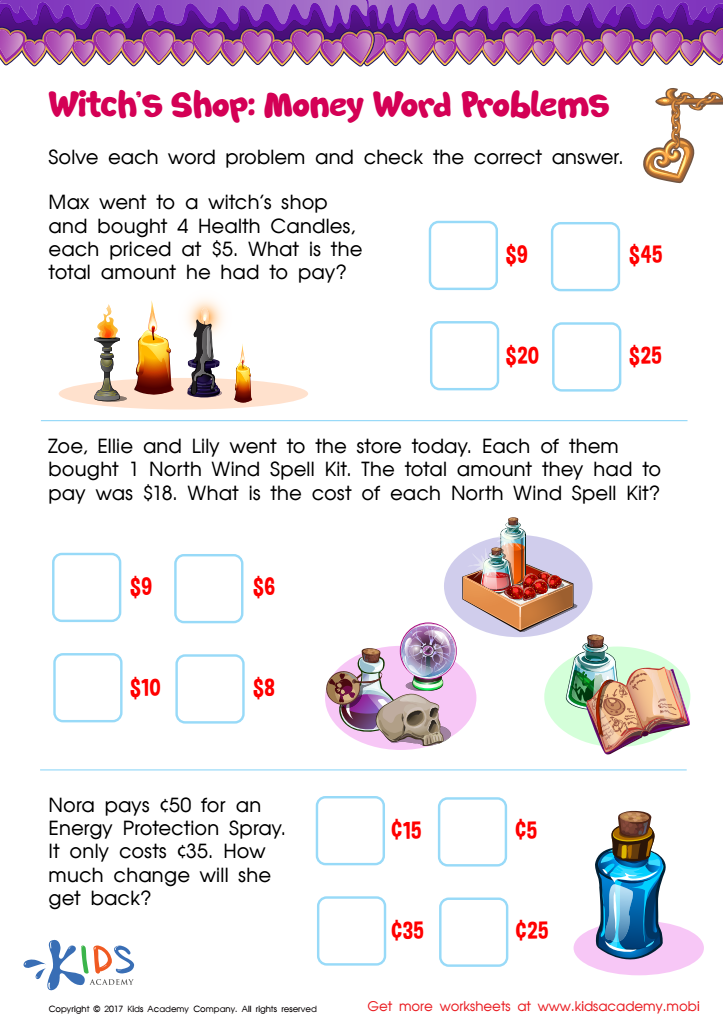
Money Word Problems Printable
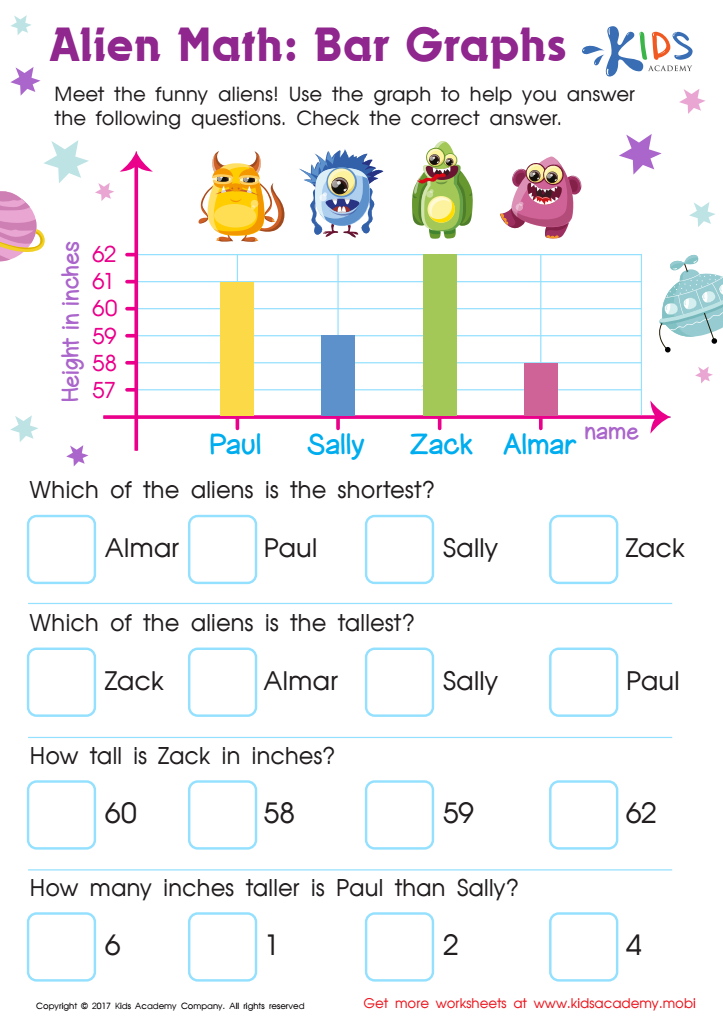
Bar Graphs Worksheet
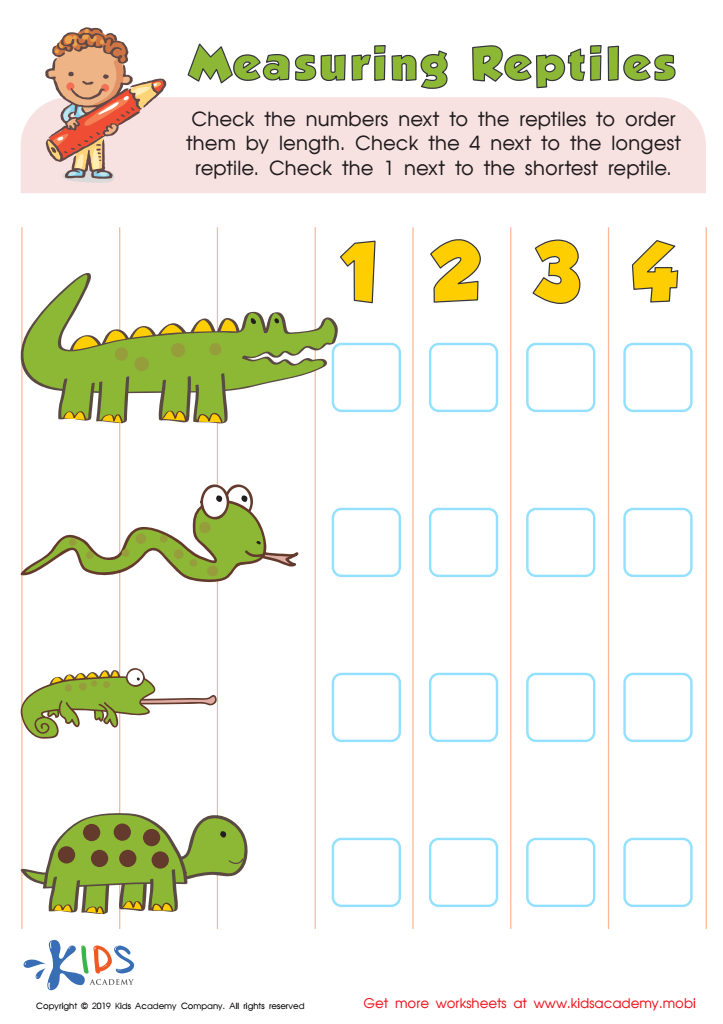
Measuring Reptiles Worksheet
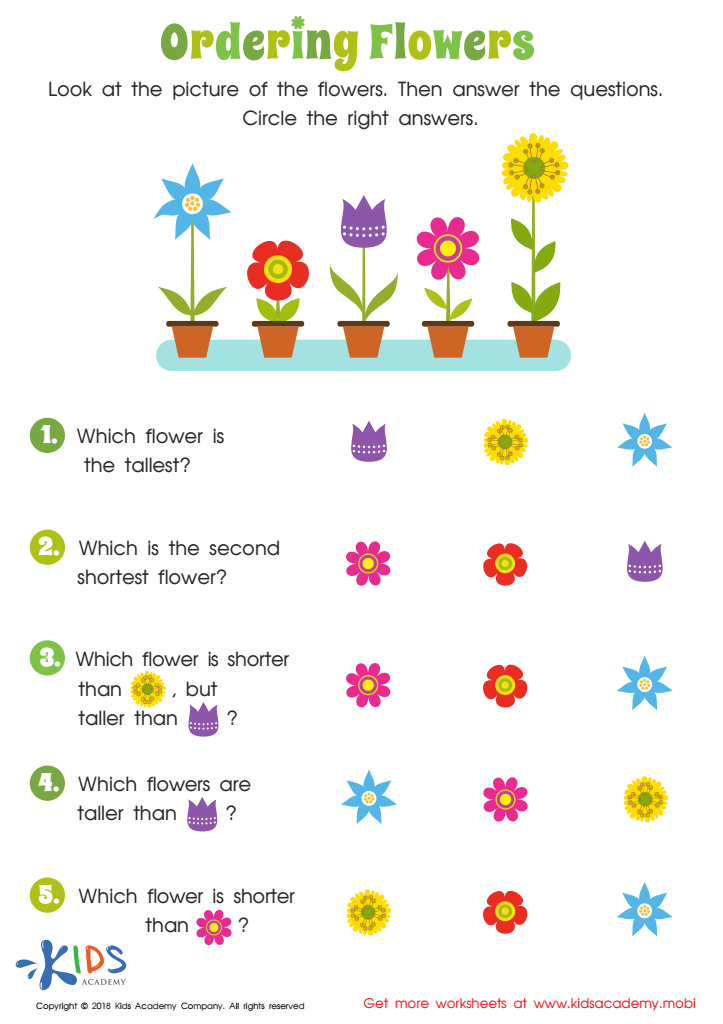
Ordering Flowers Worksheet
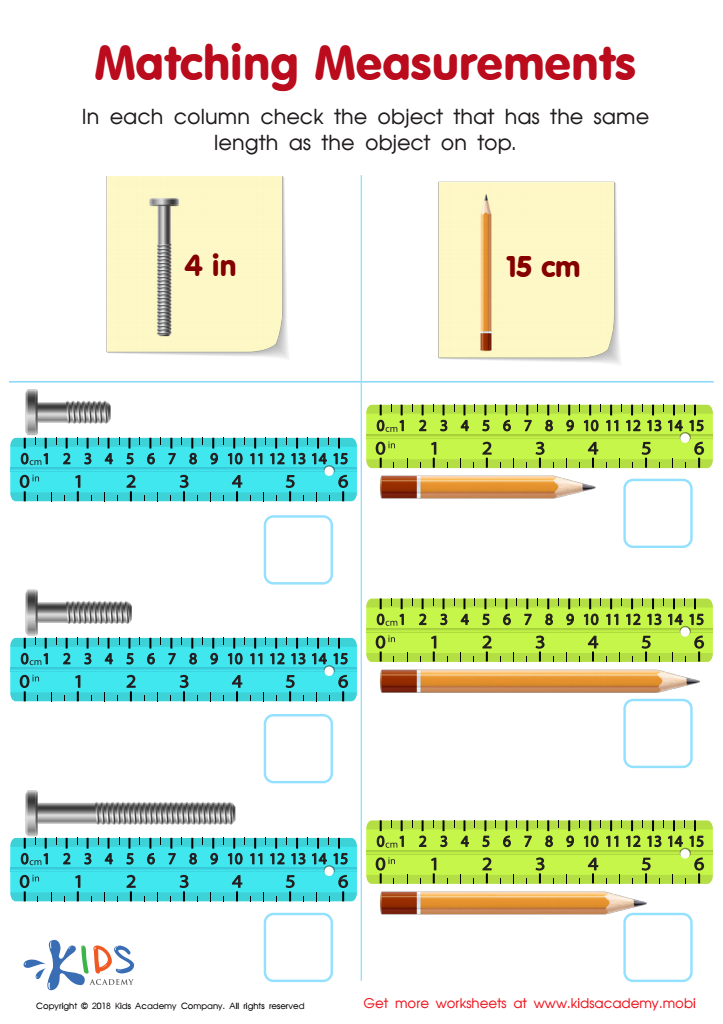
Matching Measurements Worksheet
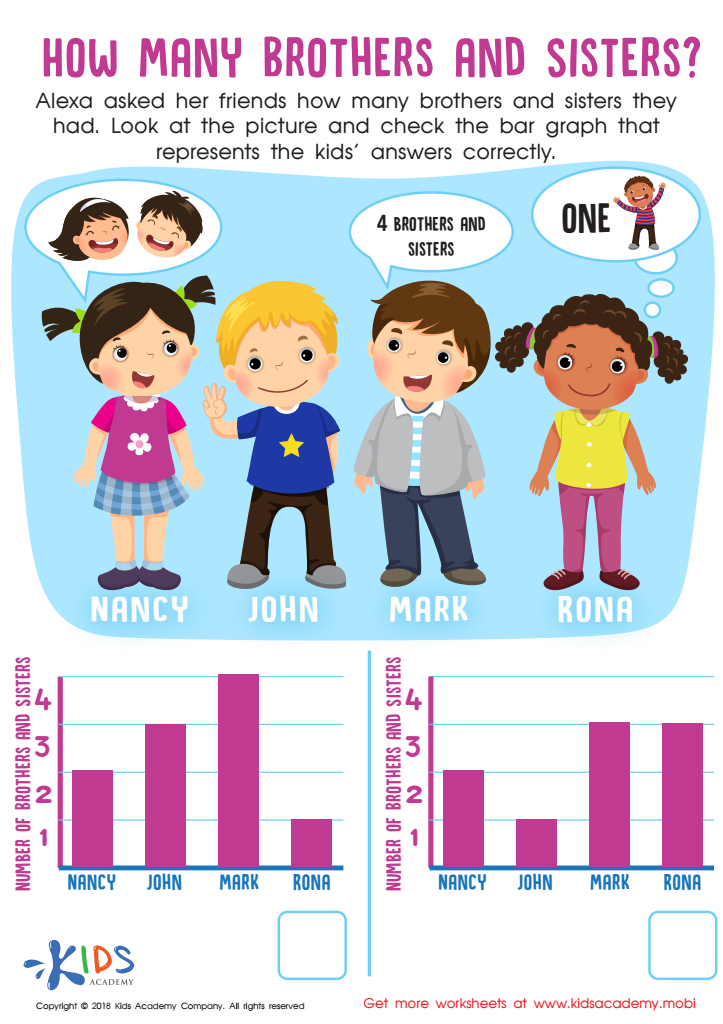
How Many Brothers and Sisters? Worksheet
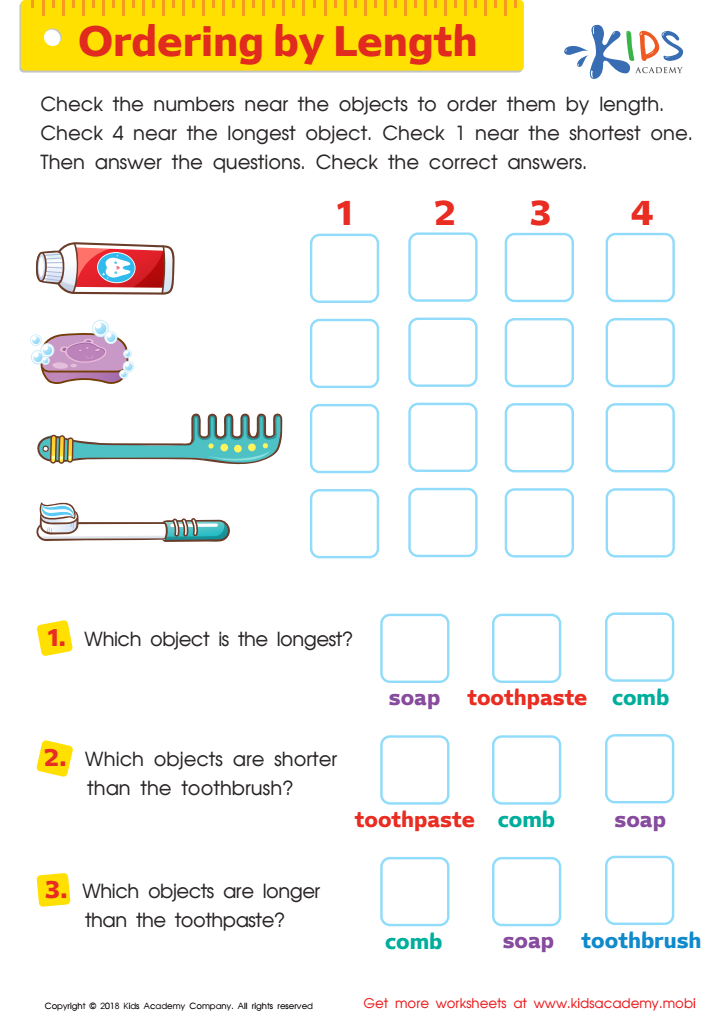
Ordering by Length Worksheet
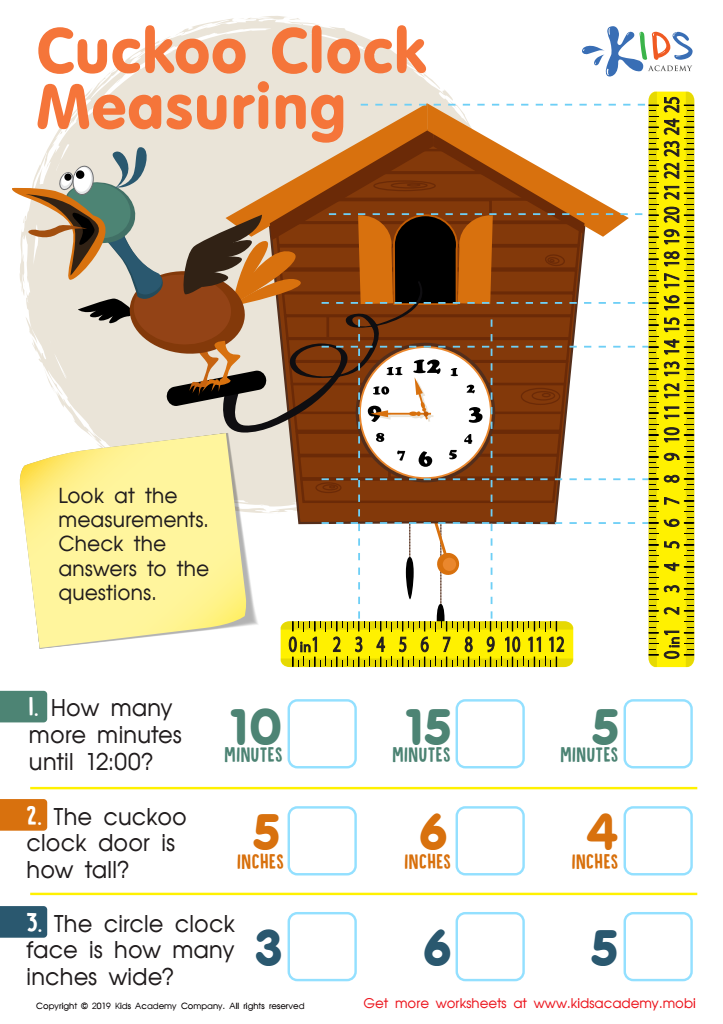
Cuckoo Clock Measuring Worksheet
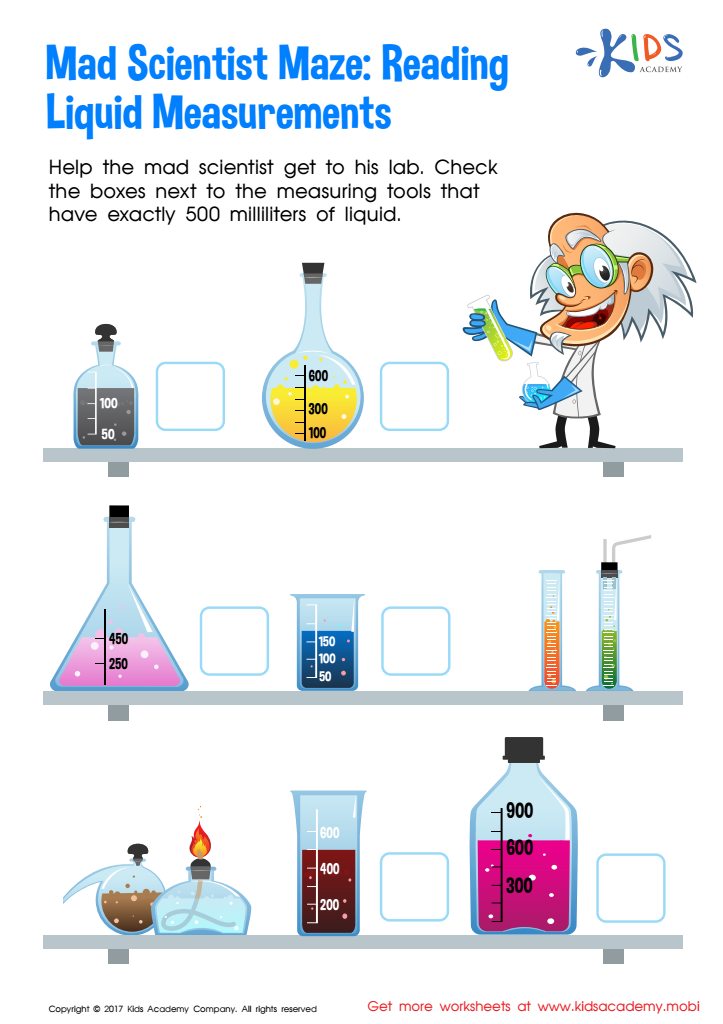
Reading Liquid Measurement Worksheet
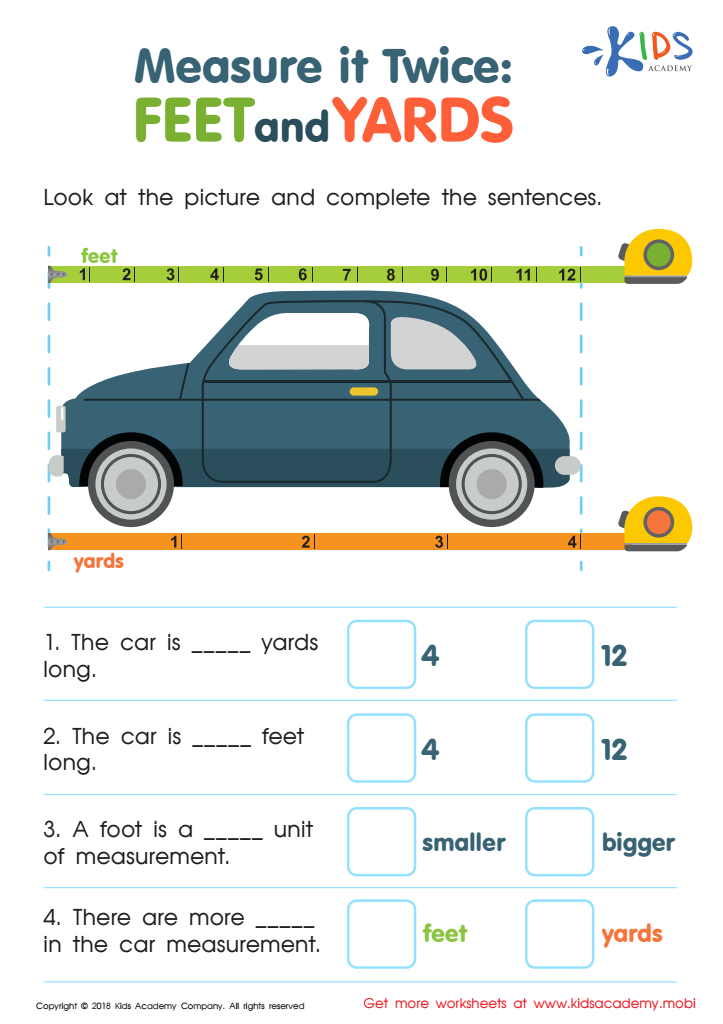
Measure It Twice: Feet and Yards Worksheet
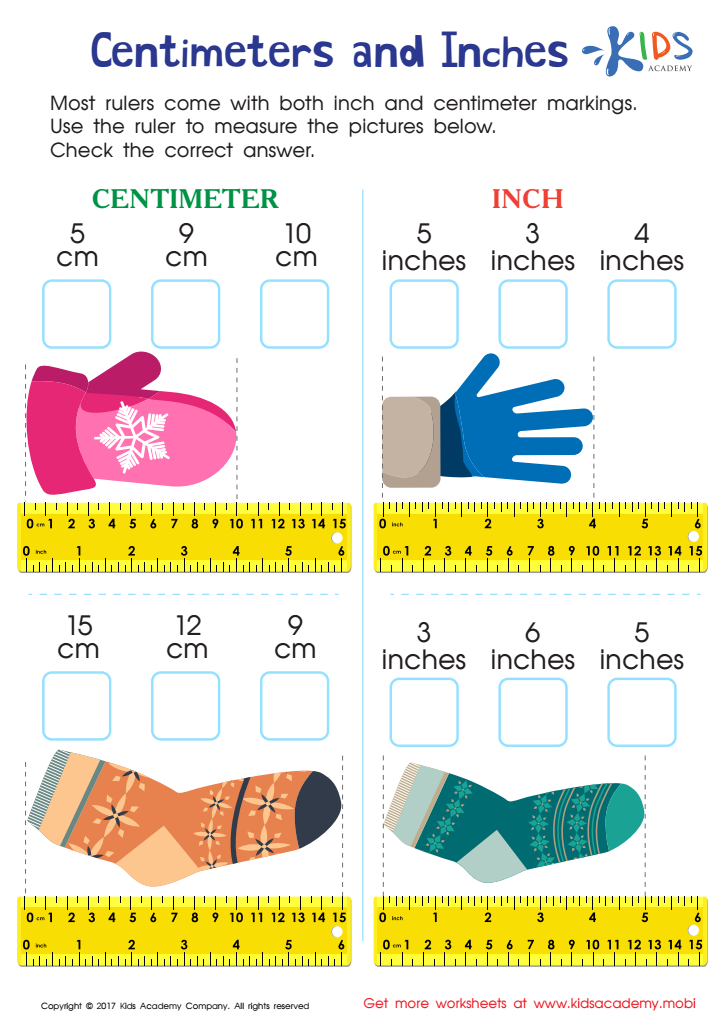
Centimeters and Inches Worksheet
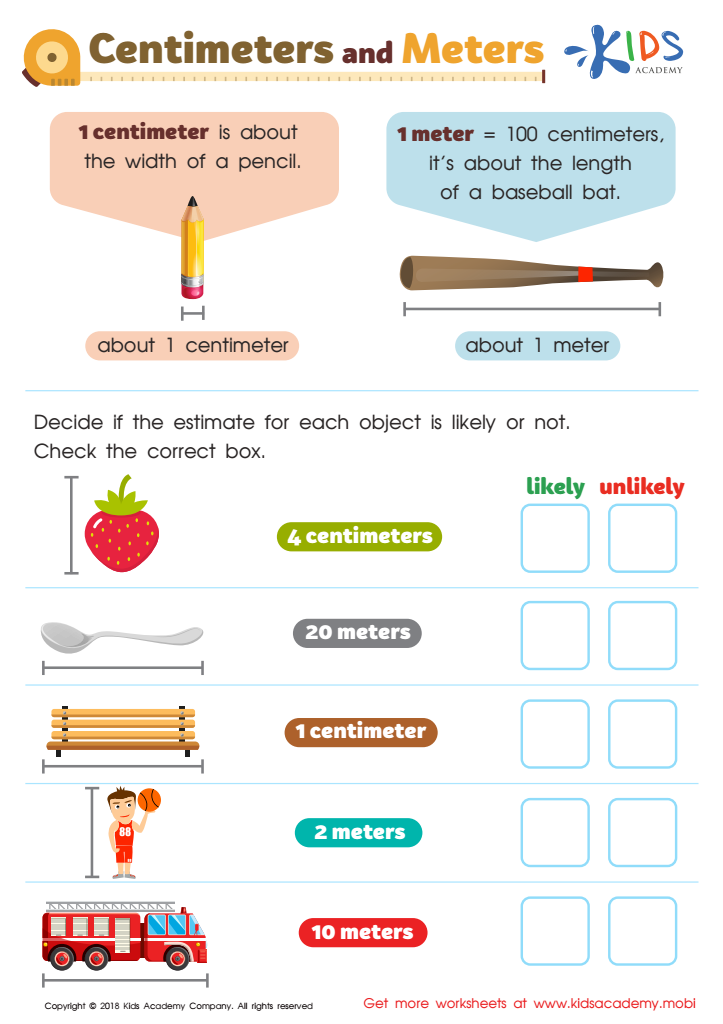
Centimeters and Meters Worksheet
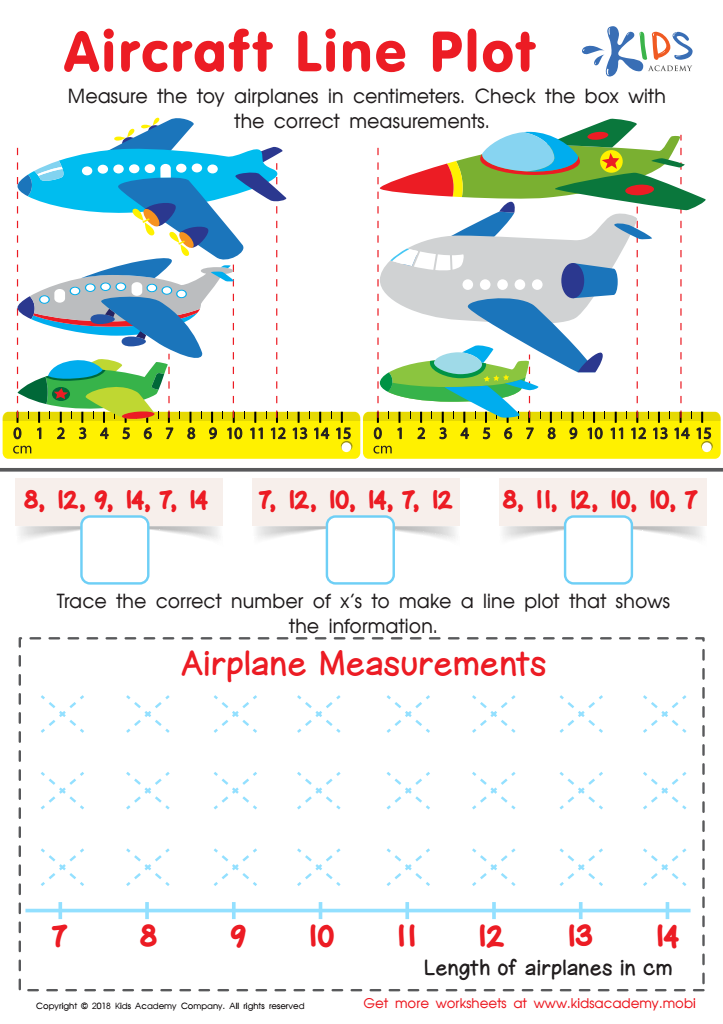
Aircraft Line Plot Worksheet
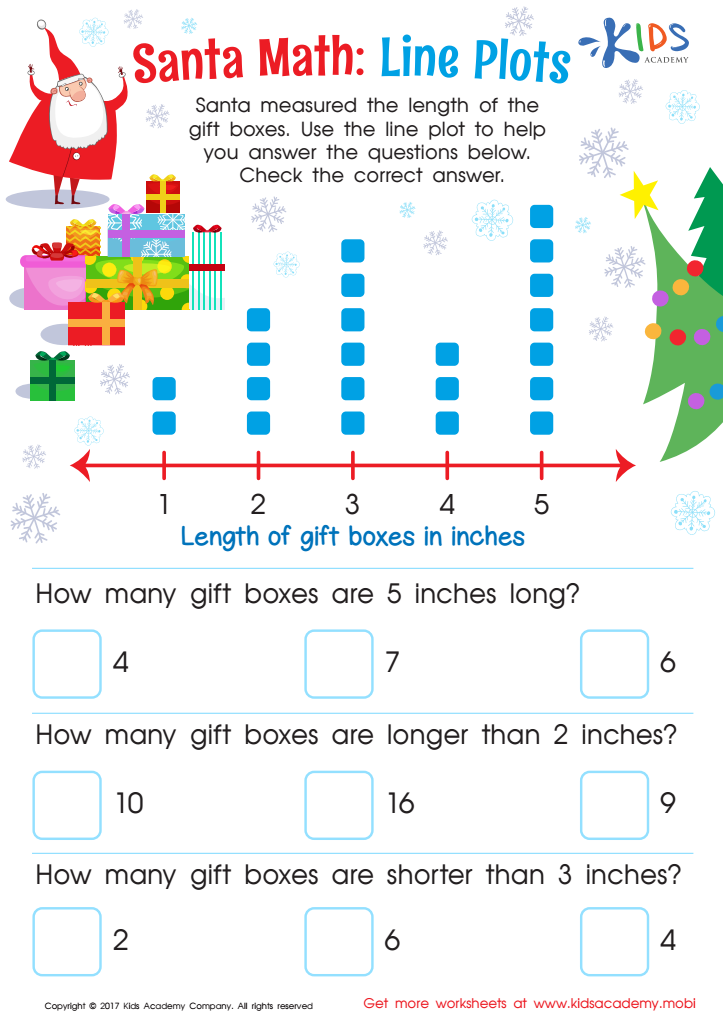
Line Plot Worksheet
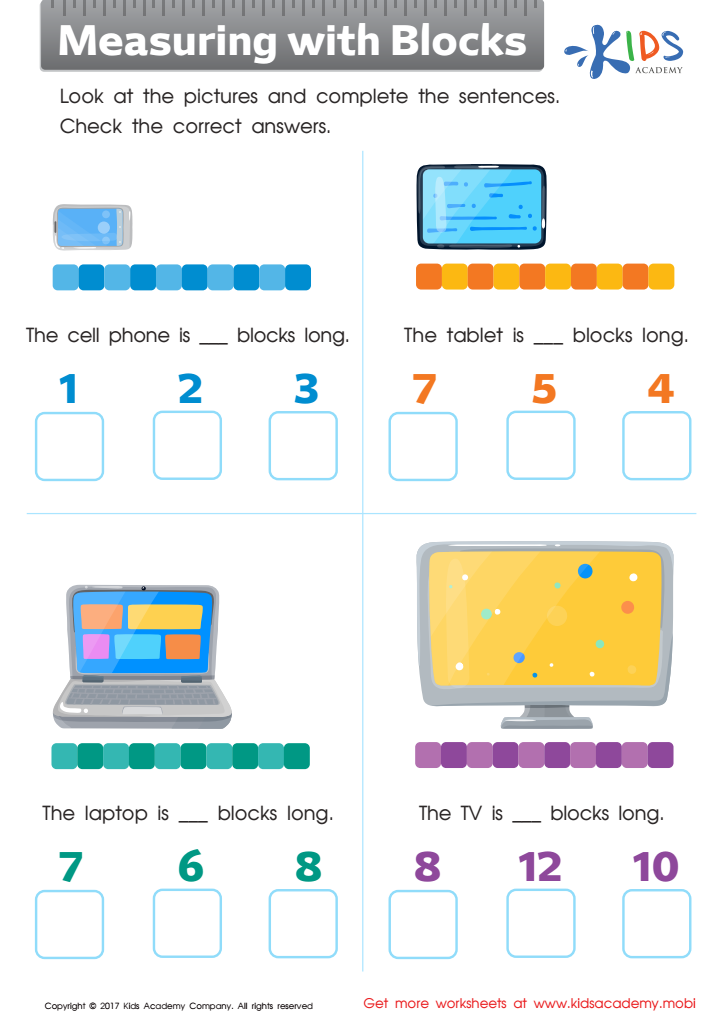
Measuring with Blocks Worksheet
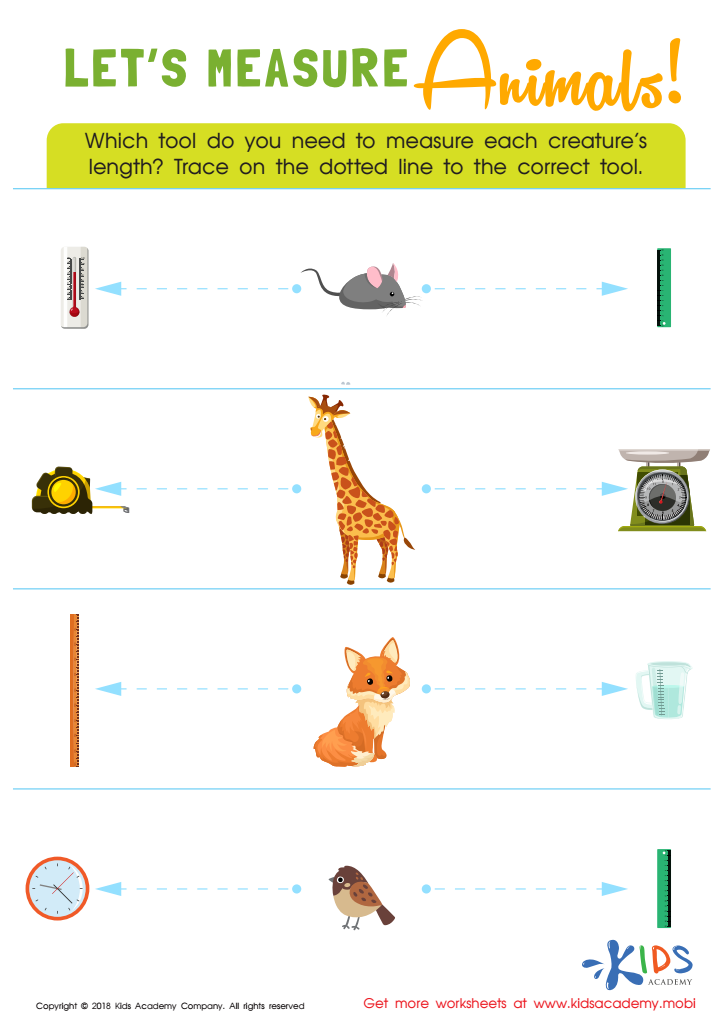
Let's Measure Animals! Worksheet
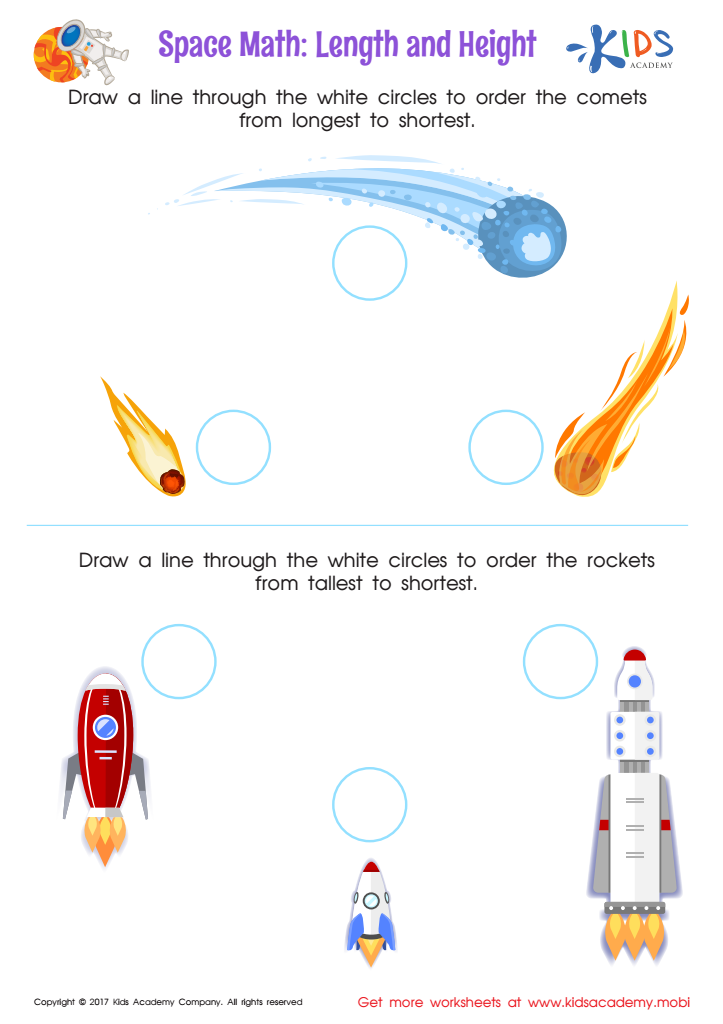
Space Math Worksheet
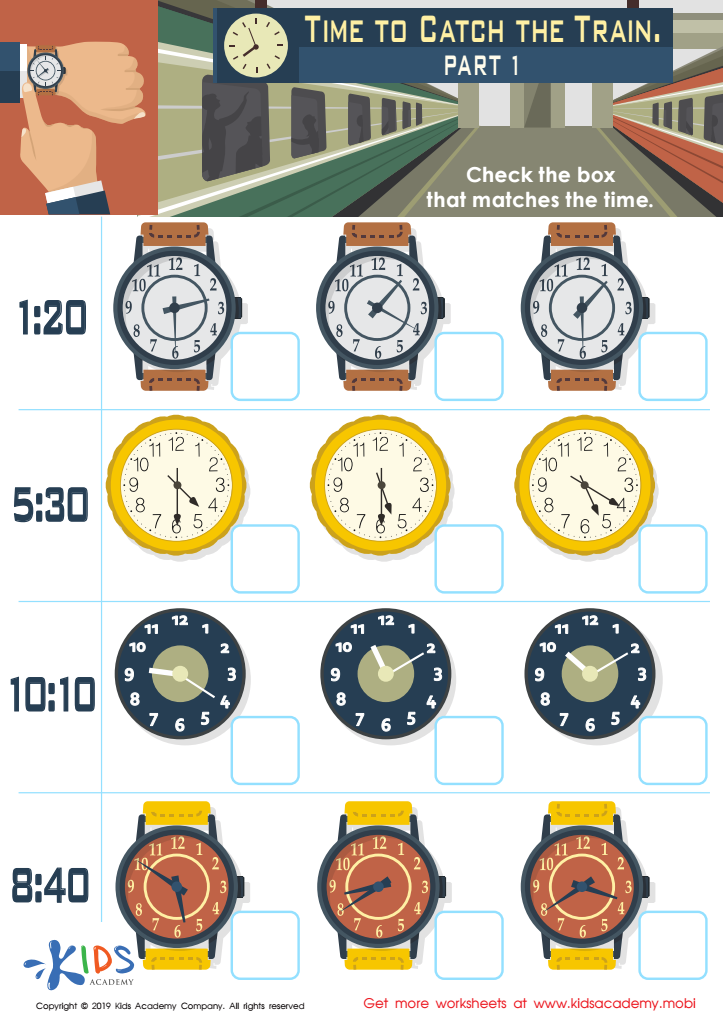
Time to Catch the Train Part 1 Worksheet
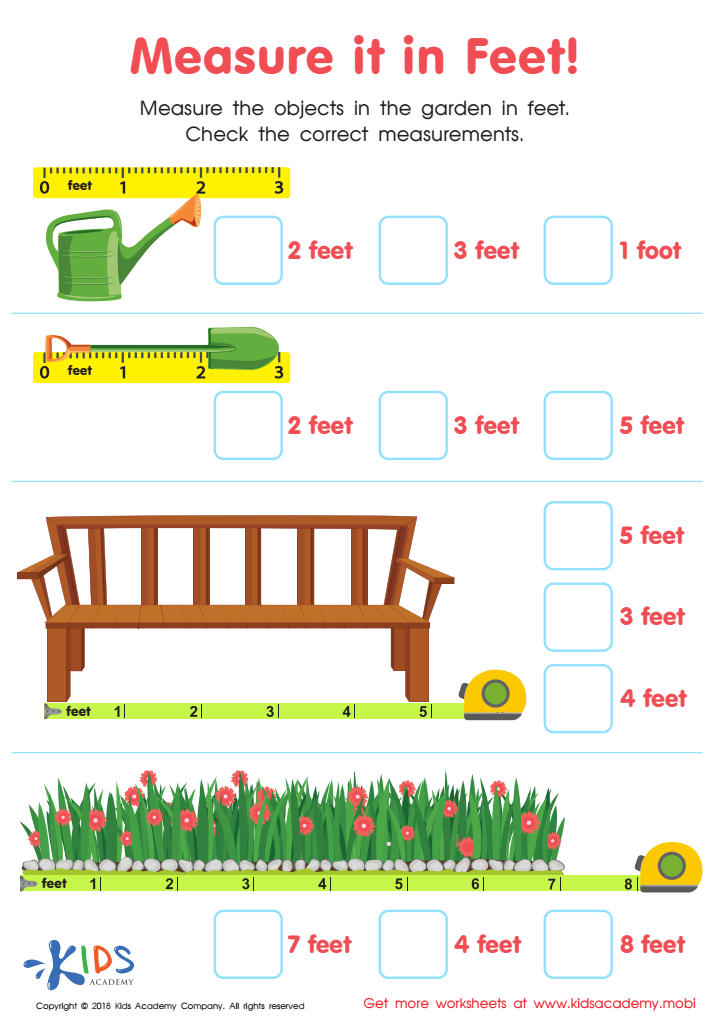
Measure it in Feet Worksheet
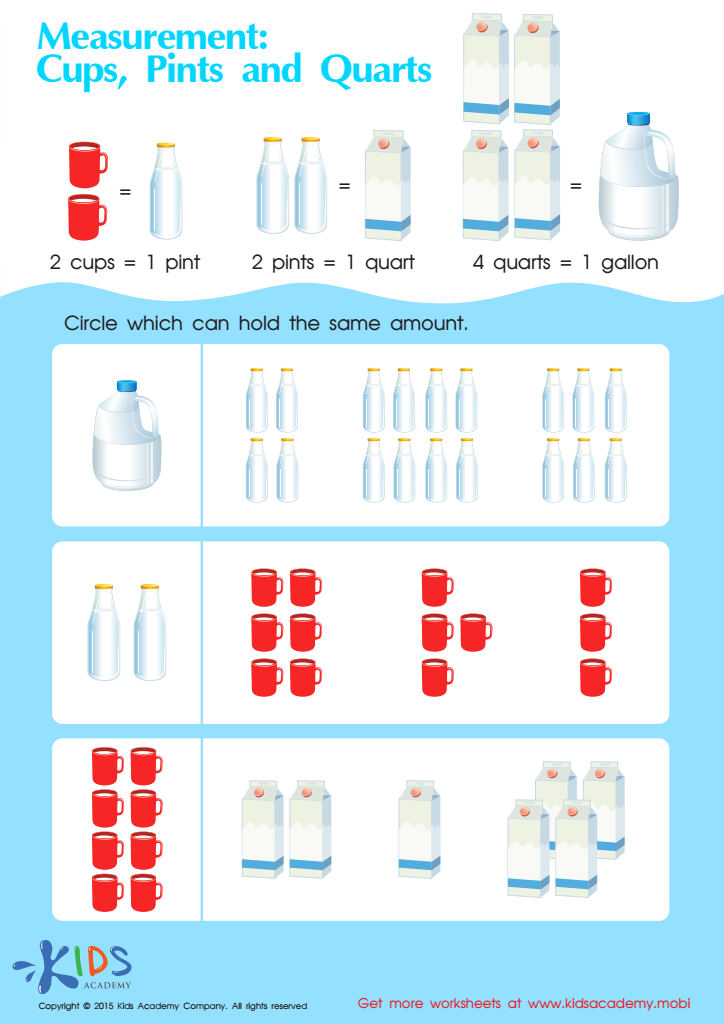
Cups, Pints and Quarts 2 Worksheet








Measurement is a fundamental concept that plays a critical role in the educational development of children ages 7-9. At this developmental stage, children begin to refine their understanding of mathematical concepts, and measurement introduces them to everyday applications of math. By learning about measurement, teachers and parents can help children grasp important skills, such as comparing objects, understanding volume, and grasping the nuances of time and space.
Caring about measurement education means providing children with the tools to solve real-life problems. For example, when children learn to measure ingredients for a recipe, they not only practice math skills but also develop critical thinking and reasoning abilities. Furthermore, measurement fosters a sense of curiosity and exploration, encouraging children to ask questions about their environment, whether it’s determining how tall a plant has grown or how long a piece of string is.
Additionally, strong measurement skills pave the way for more advanced math topics in later years. Investing time in measurement education helps children develop confidence in their math abilities, contributes to their overall academic success, and cultivates a lifelong appreciation for learning. Engaging in measurement activities can turn learning into an exciting adventure, fostering a positive attitude toward mathematics.








