Normal Reading Worksheets for Ages 3-6 - Page 3
178 filtered results
-
From - To
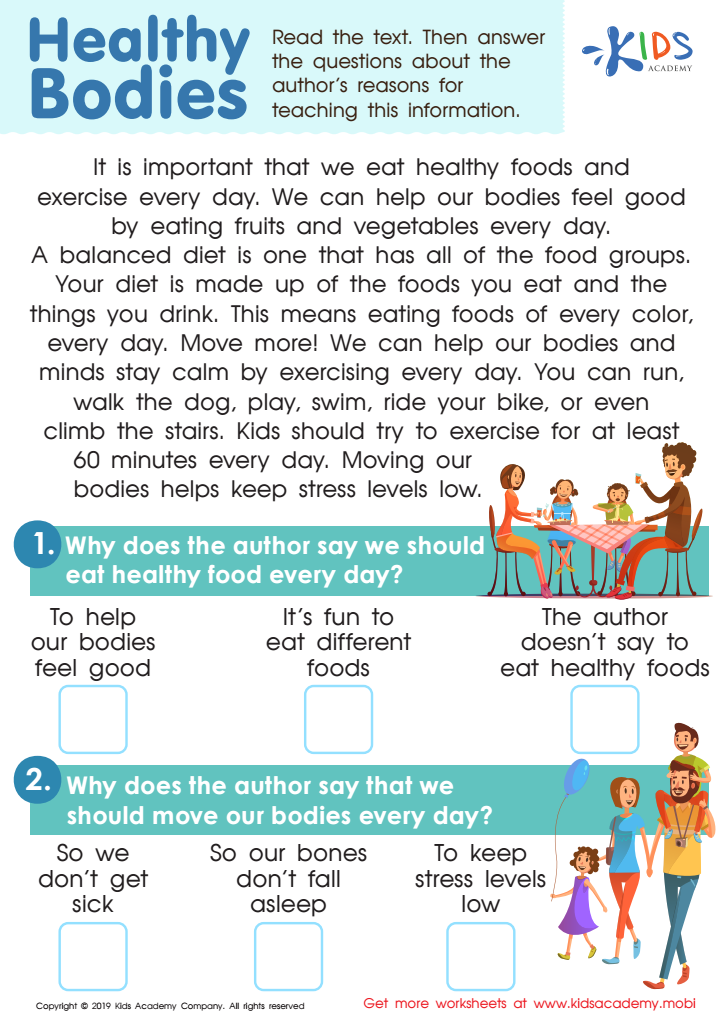
Healthy Bodies Worksheet
 Assign to My Students
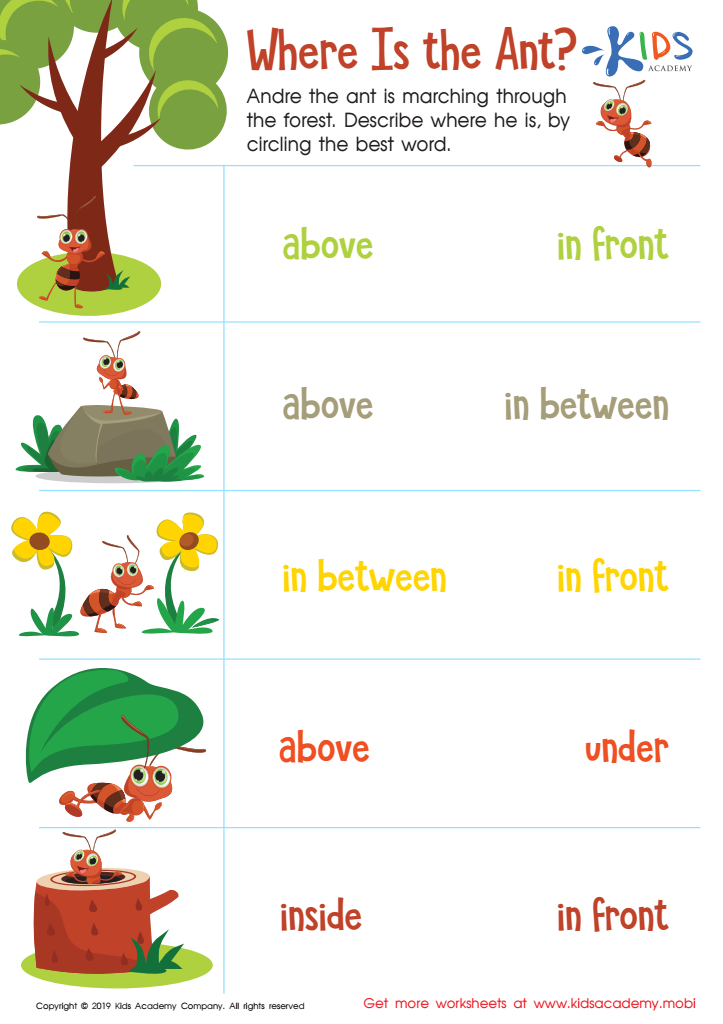
Where Is the Ant? Worksheet
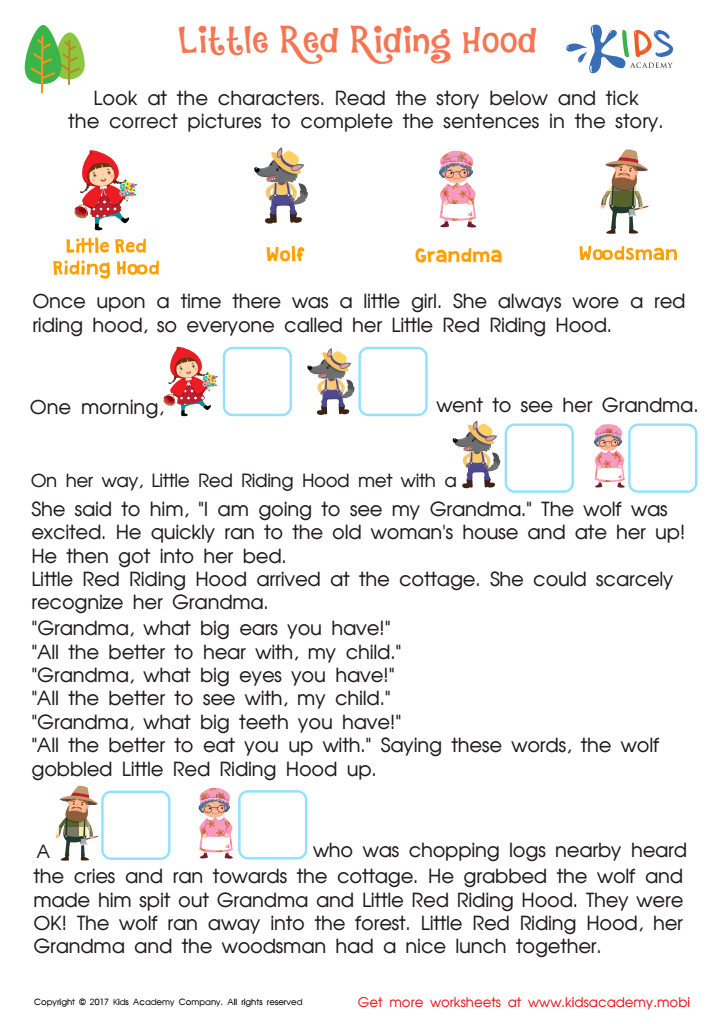
Little Red Riding Hood Printable
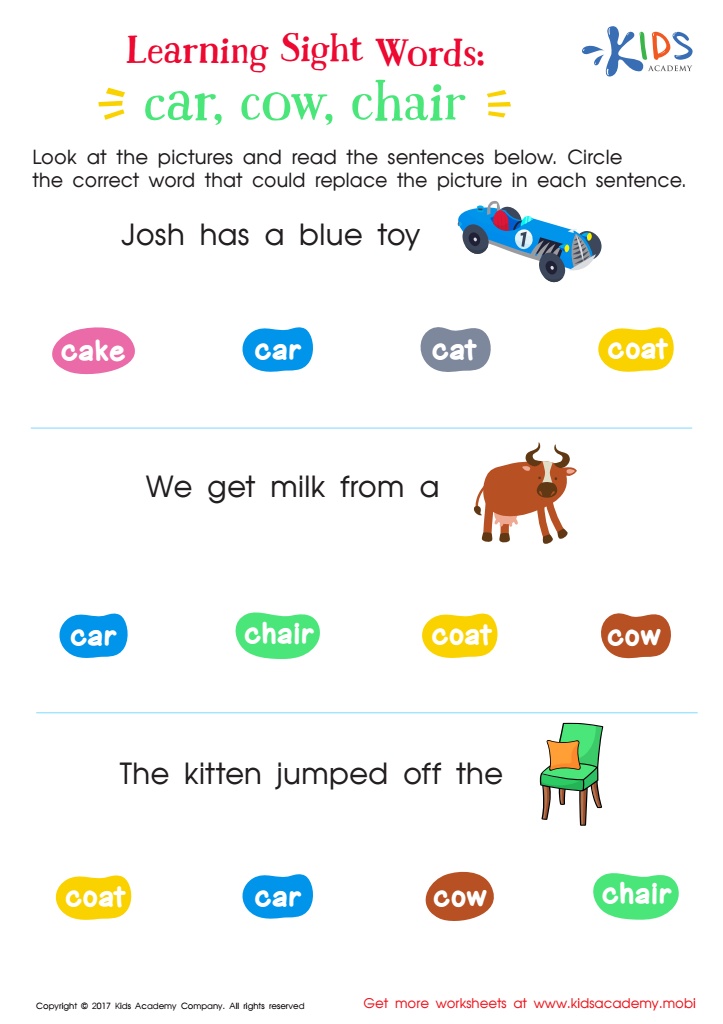
Car, Cow, Chair Worksheet Sight Words Worksheet
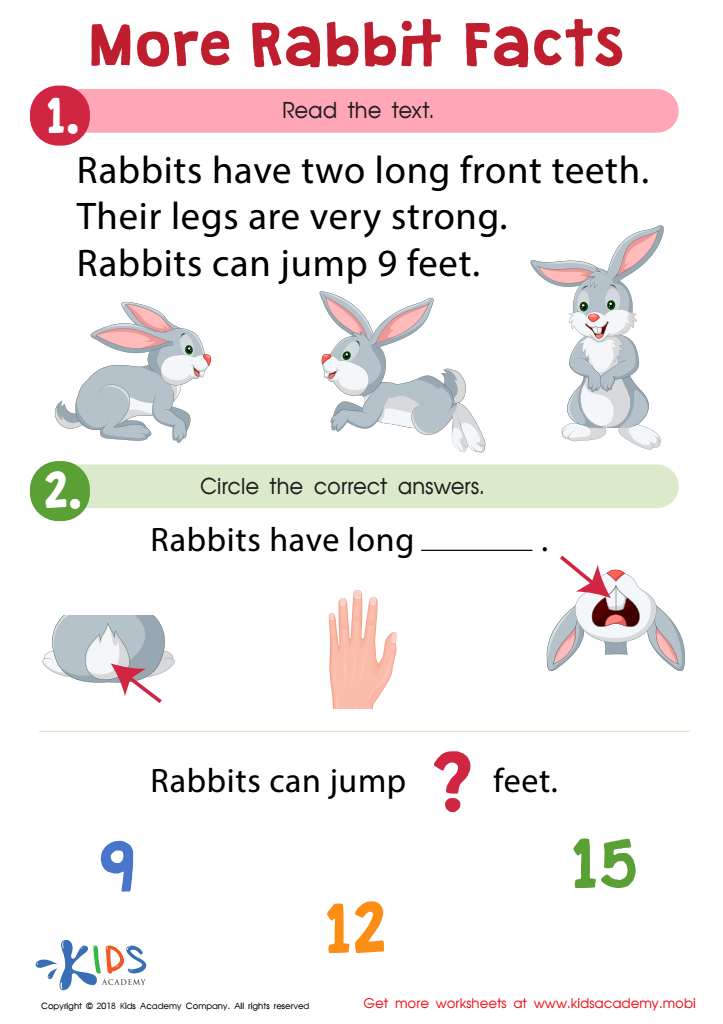
More Rabbit Facts Worksheet
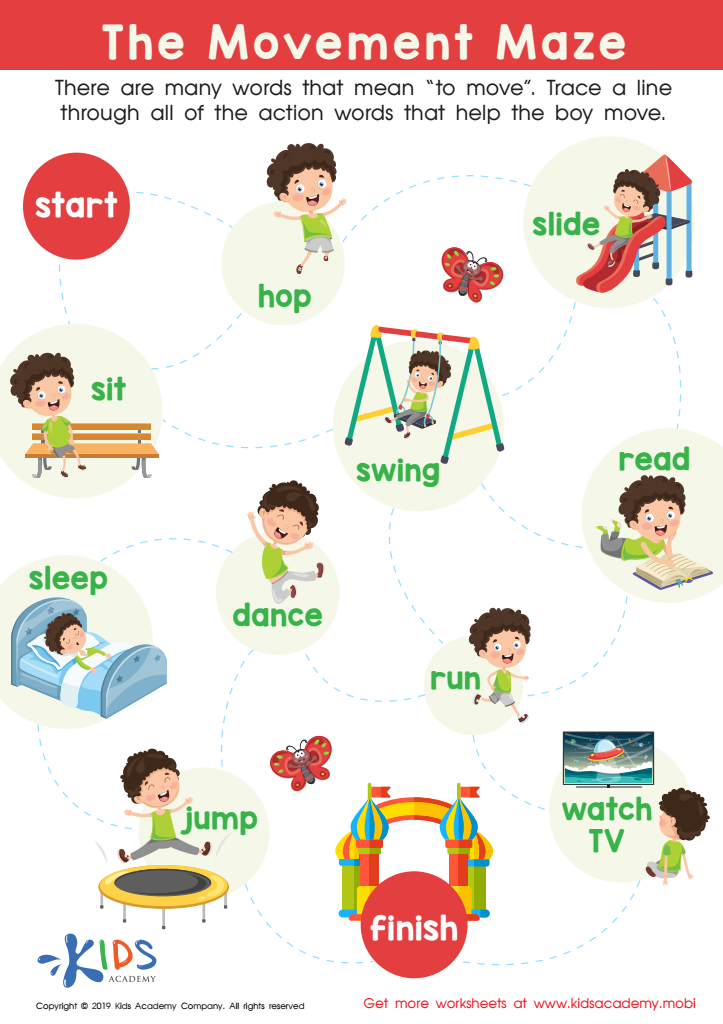
The Movement Maze Worksheet
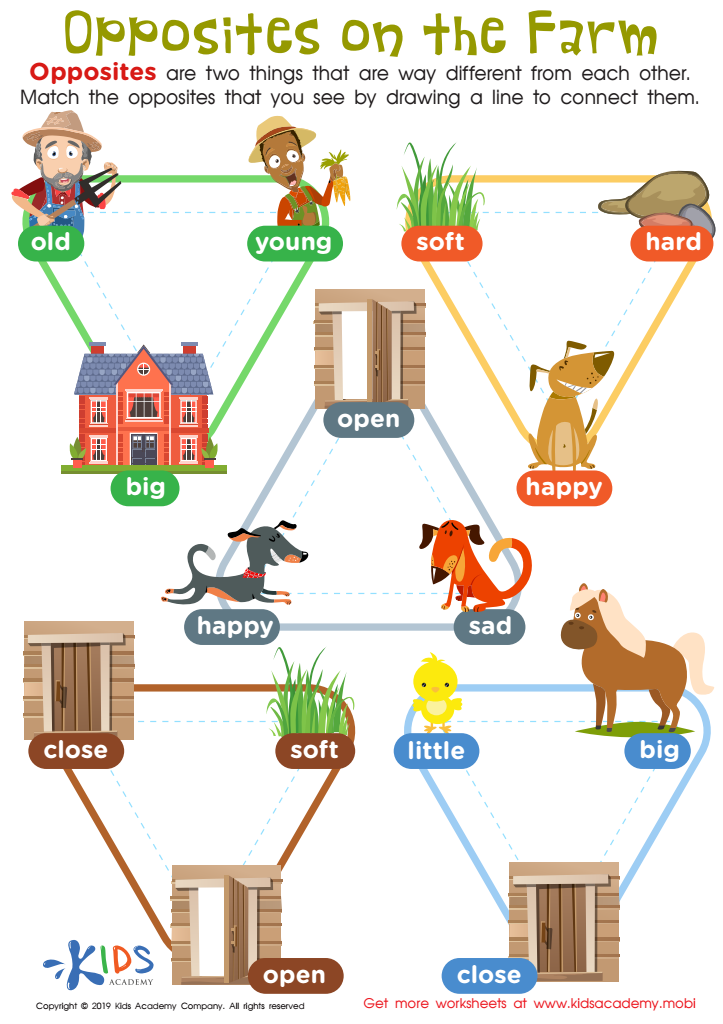
Opposites on the Farm Worksheet
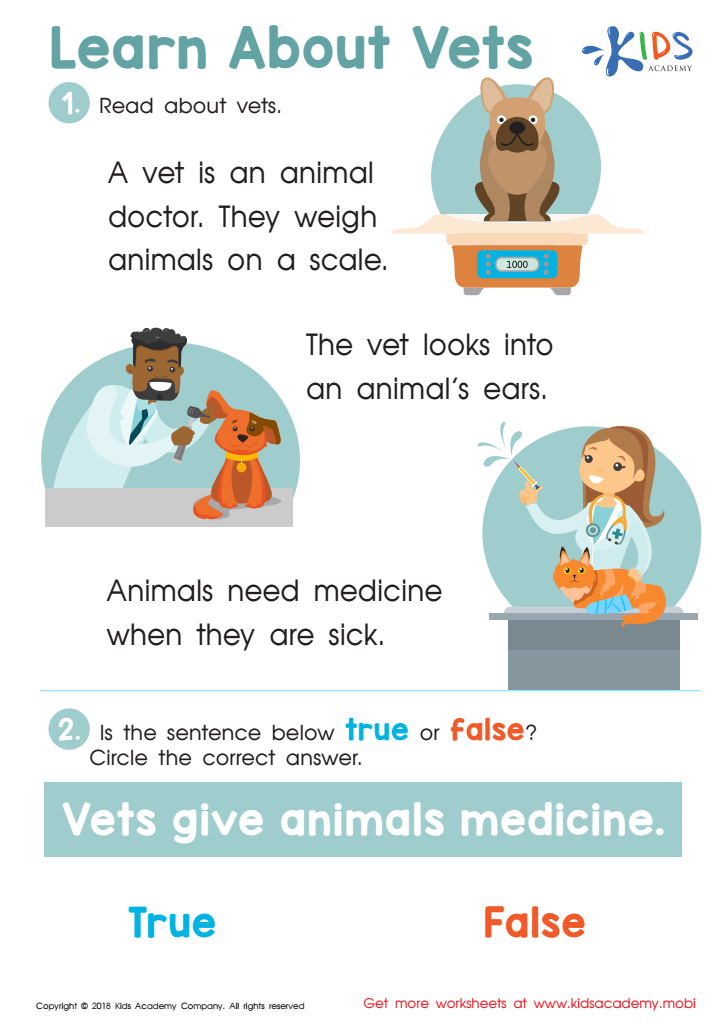
Learn About Vets Worksheet
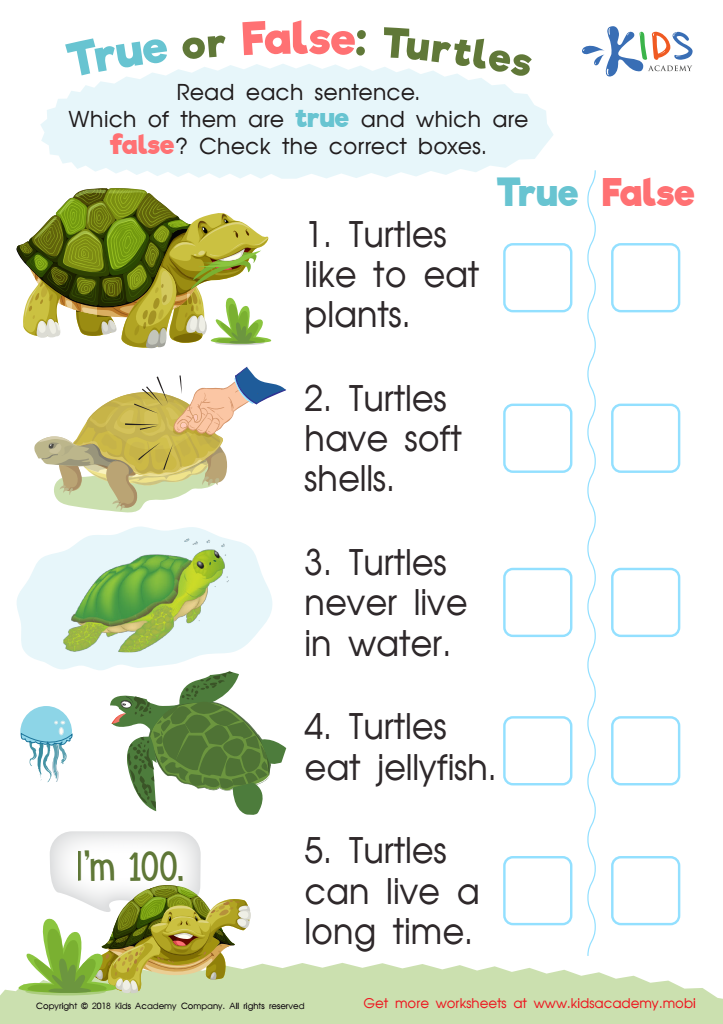
True or False: Turtles Worksheet
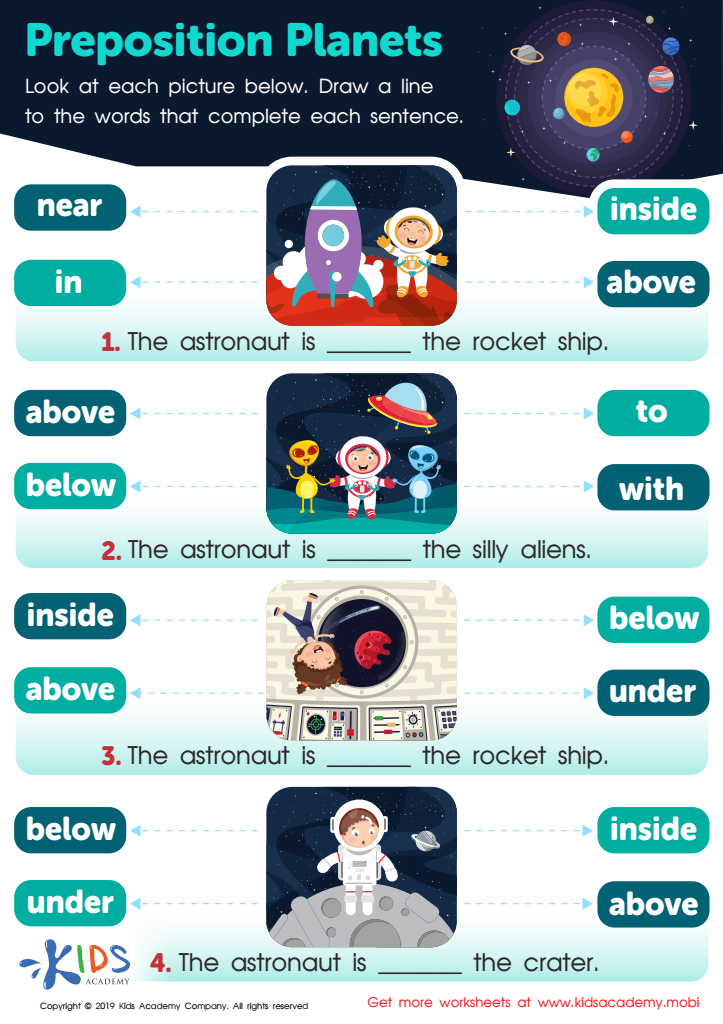
Preposition Planets Worksheet
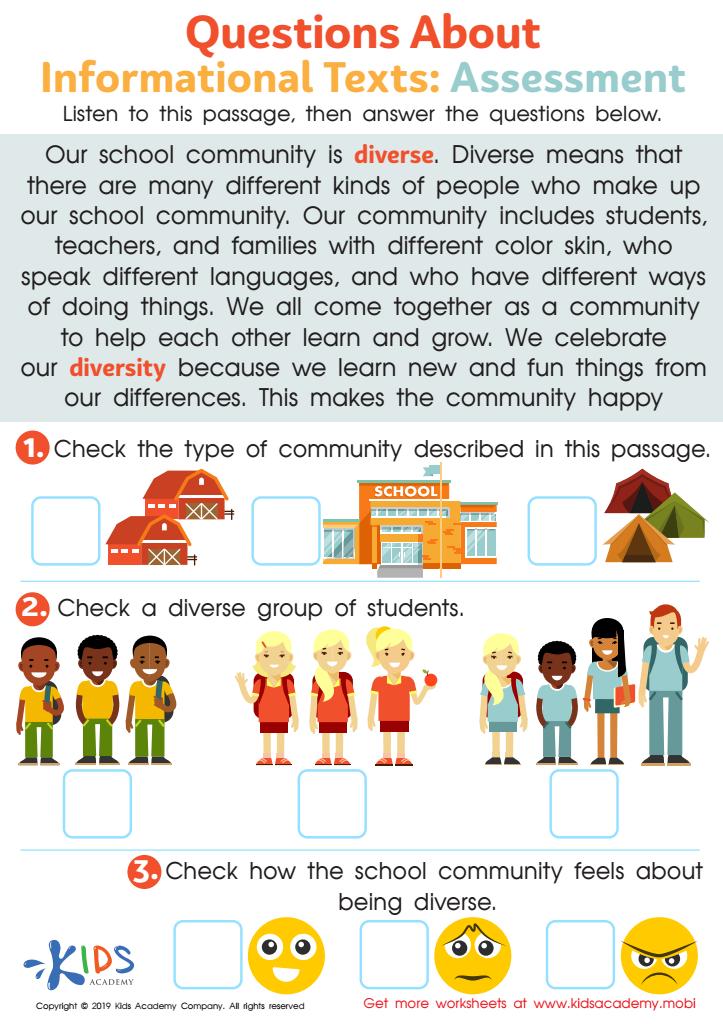
Questions About Informational Texts: Assessment 1 Worksheet
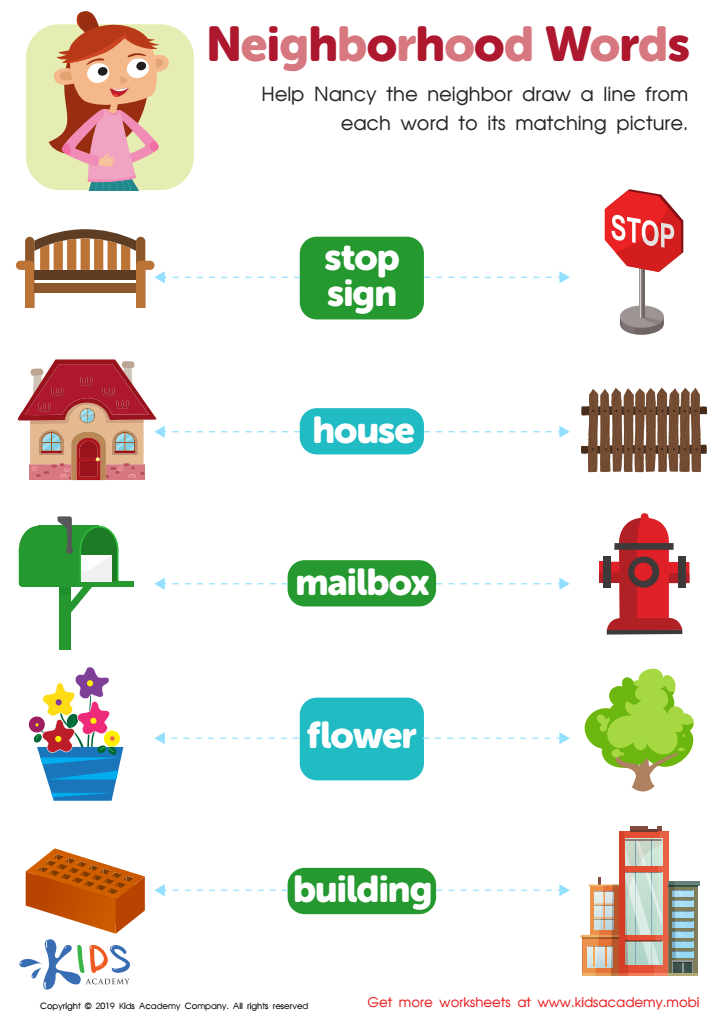
Neighborhood Words Worksheet
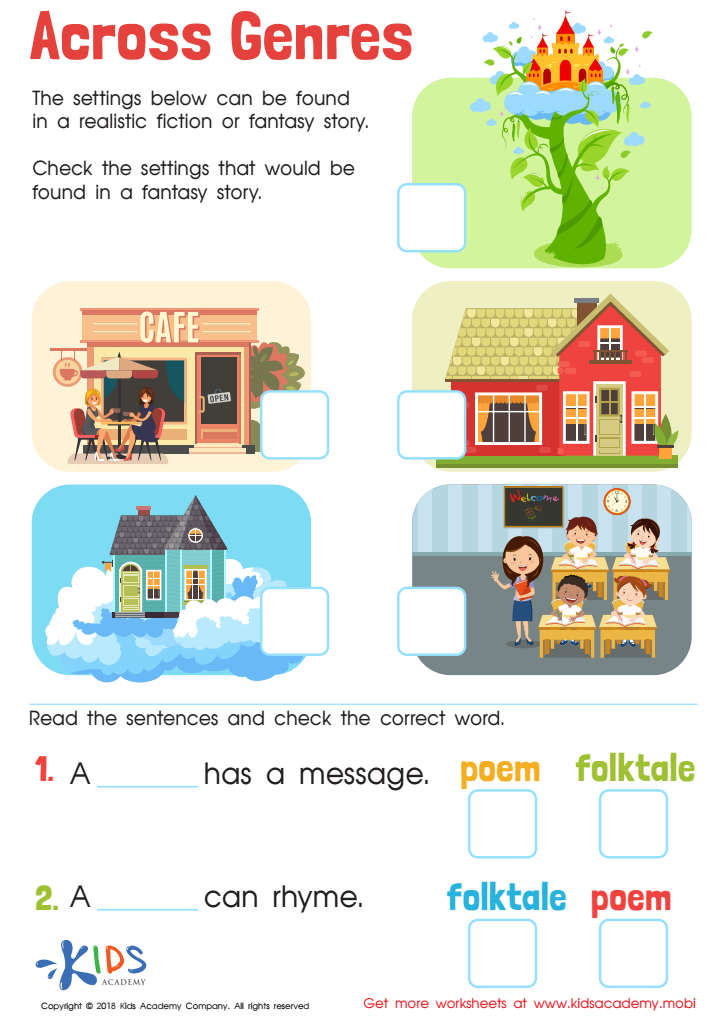
Across Genres Worksheet
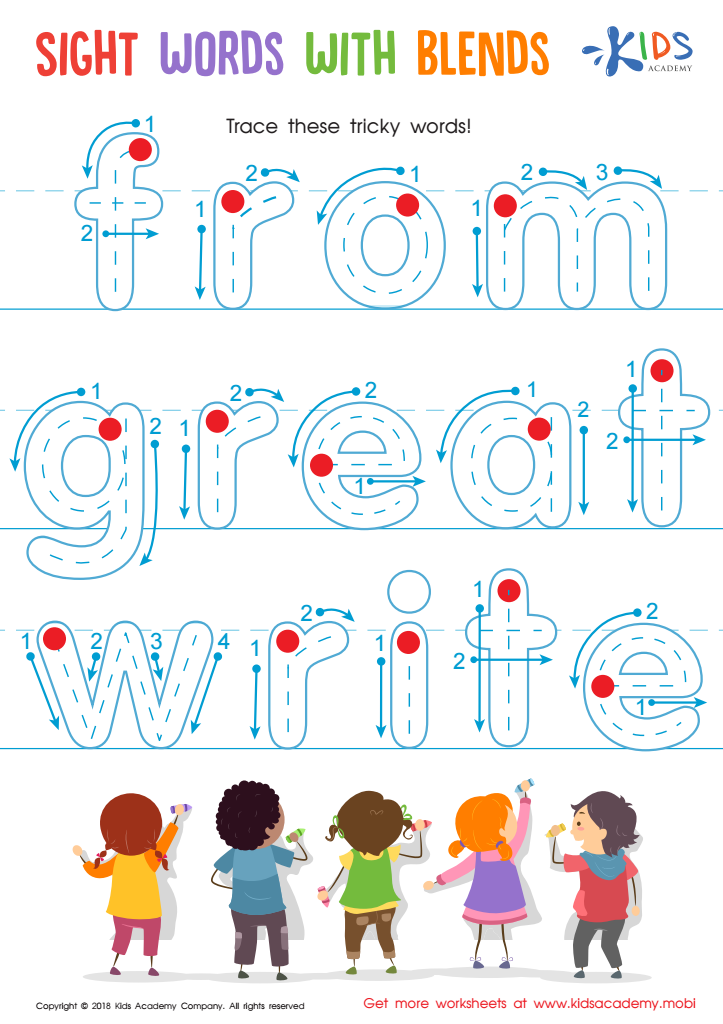
Sight Words with Blends Worksheet
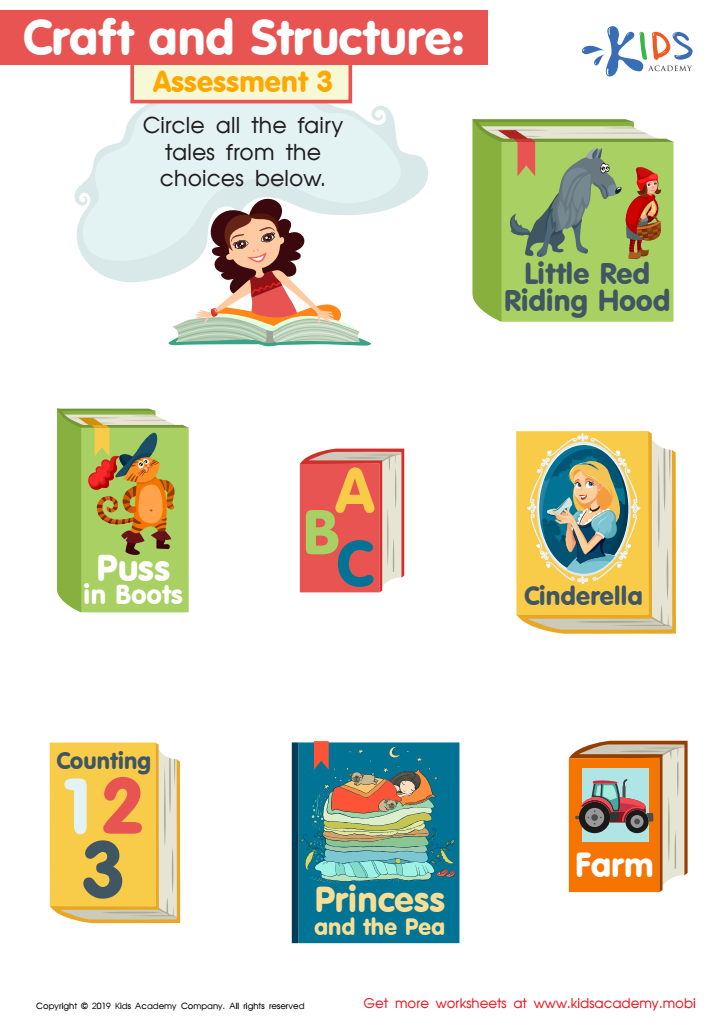
Craft and Structure: Assessment 3 Worksheet
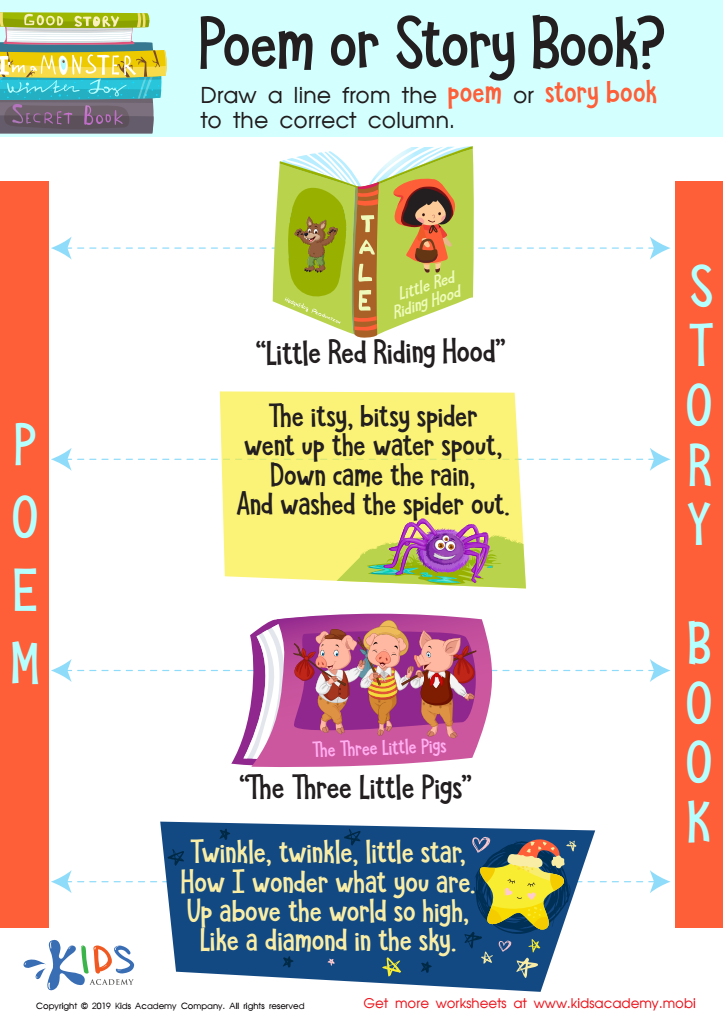
Poem or Story Book? Worksheet
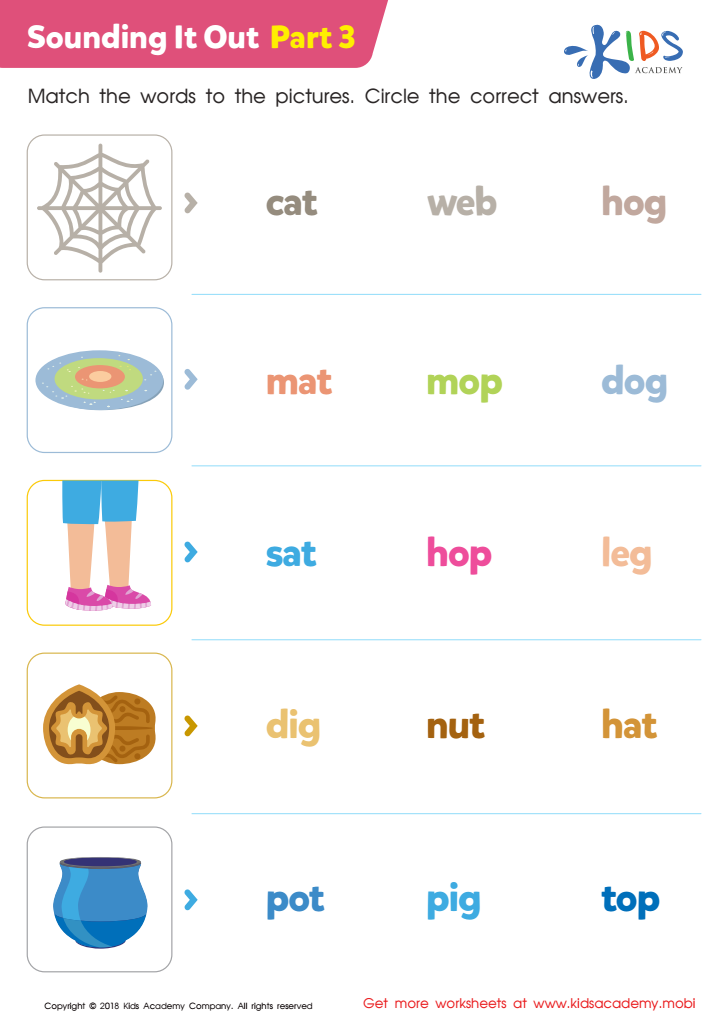
Sounding it Out: Part 3 Worksheet
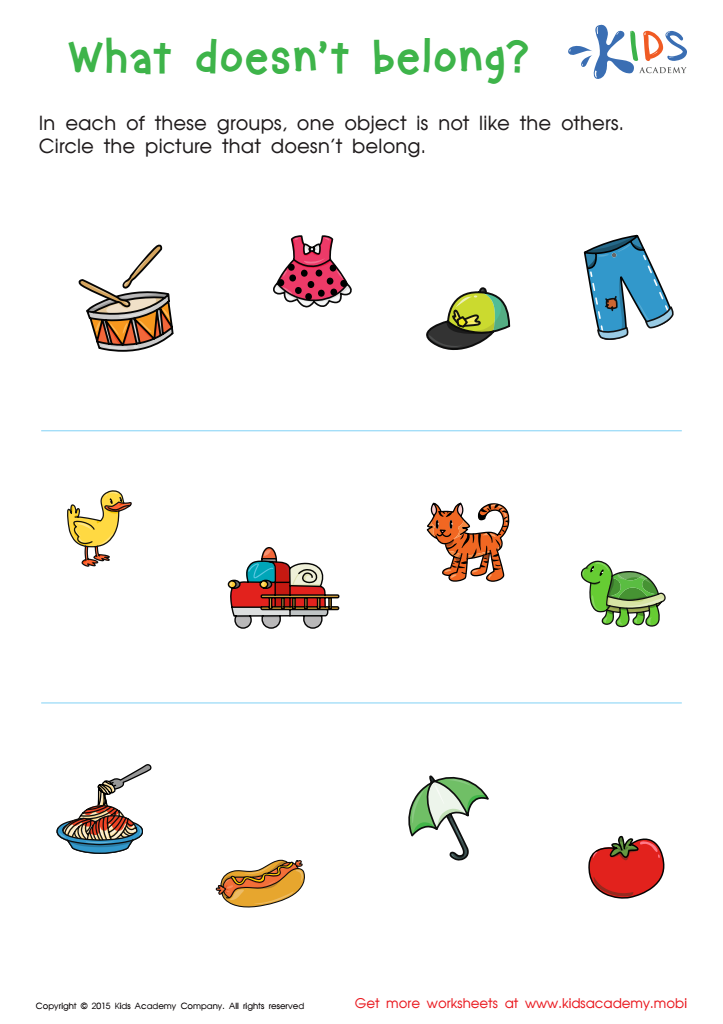
First Words: What Doesn't Belong Worksheet
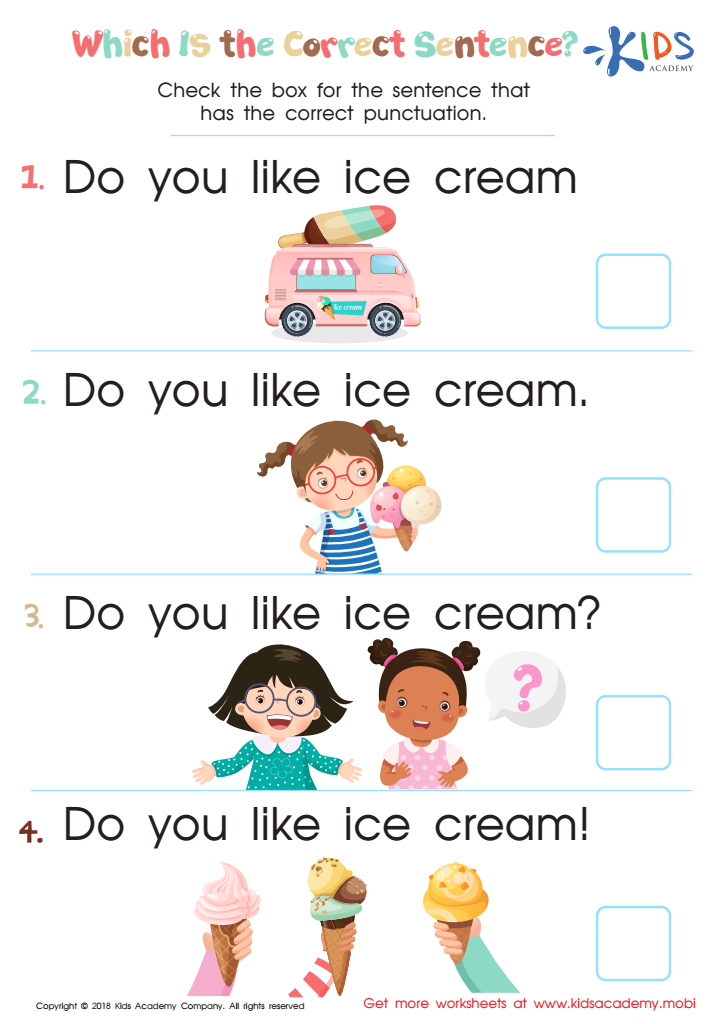
Which is the Correct Sentence? Worksheet
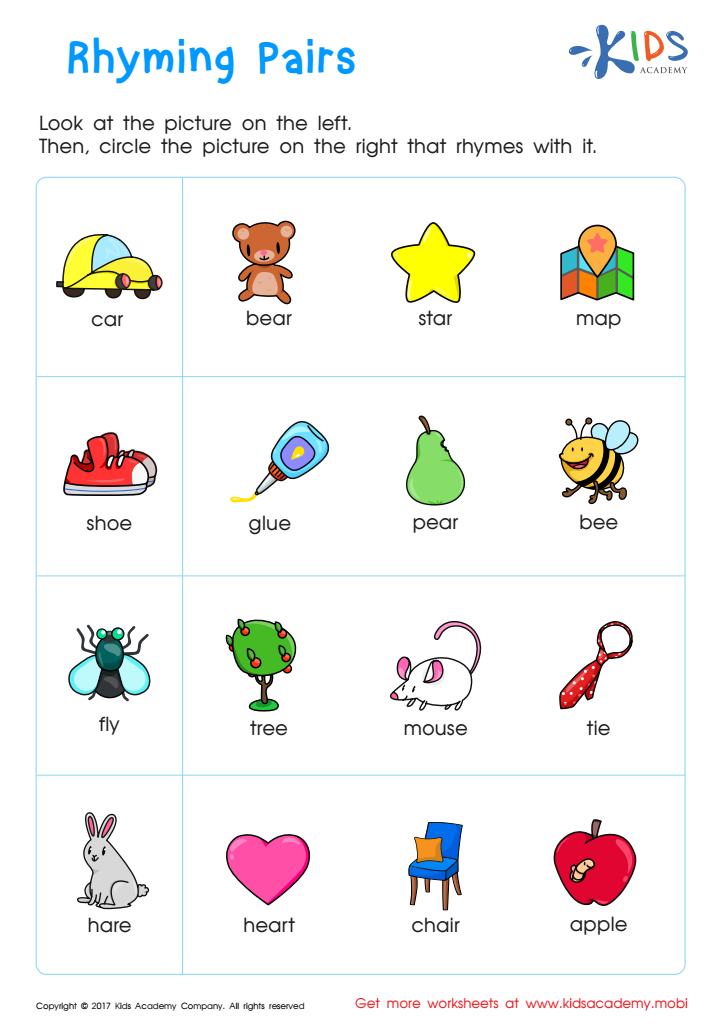
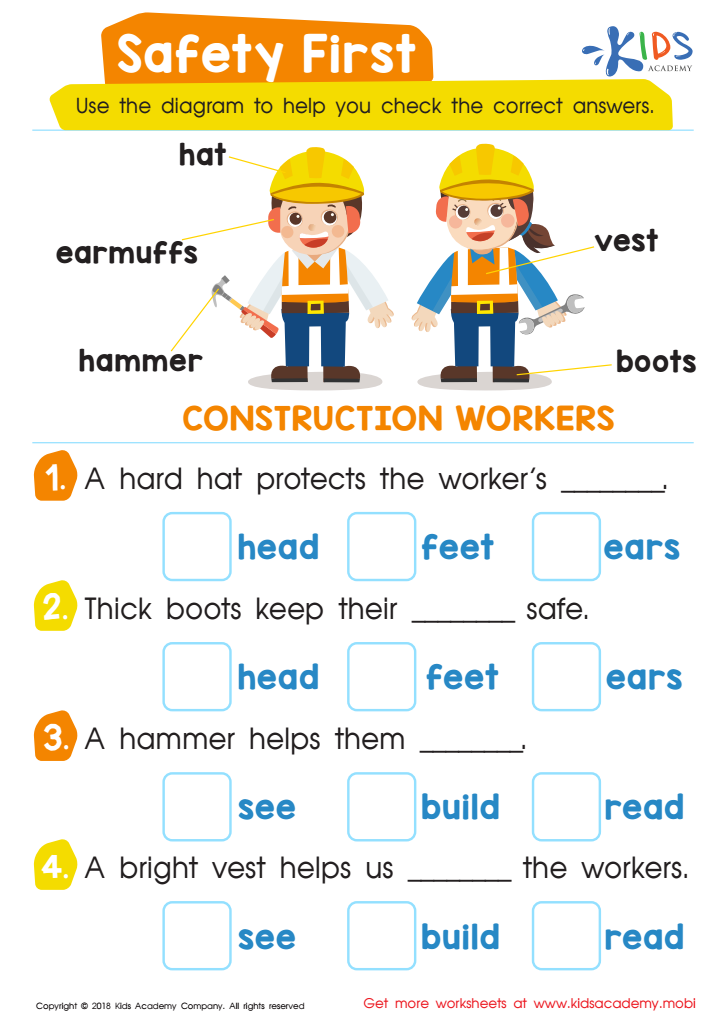
Safety First Worksheet
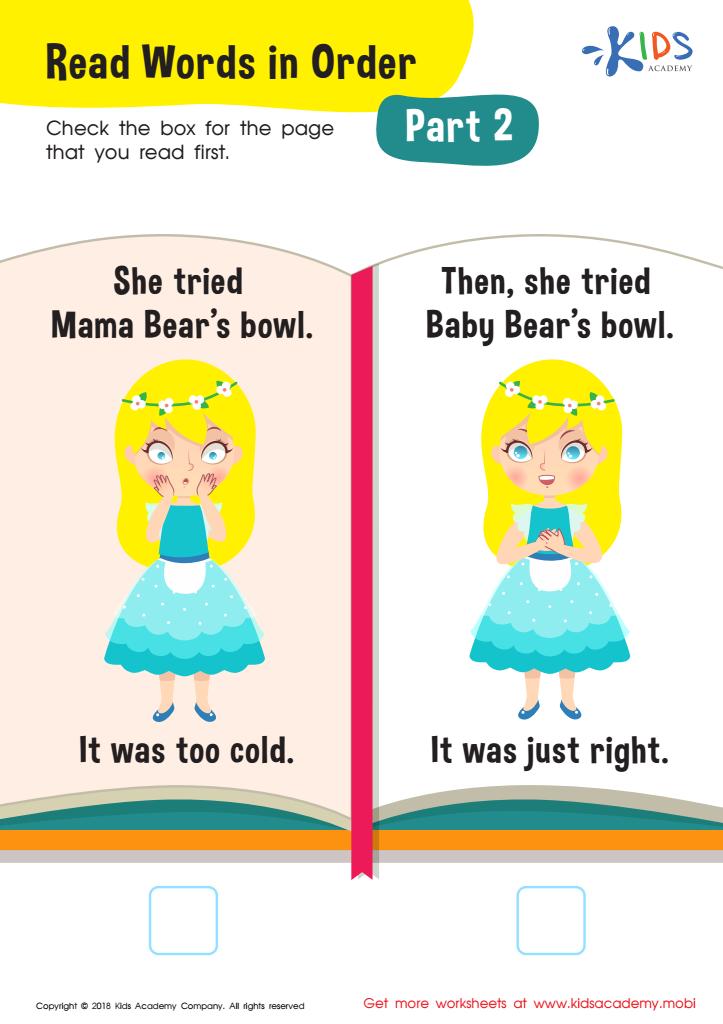
Read Words Order Part 2 Worksheet
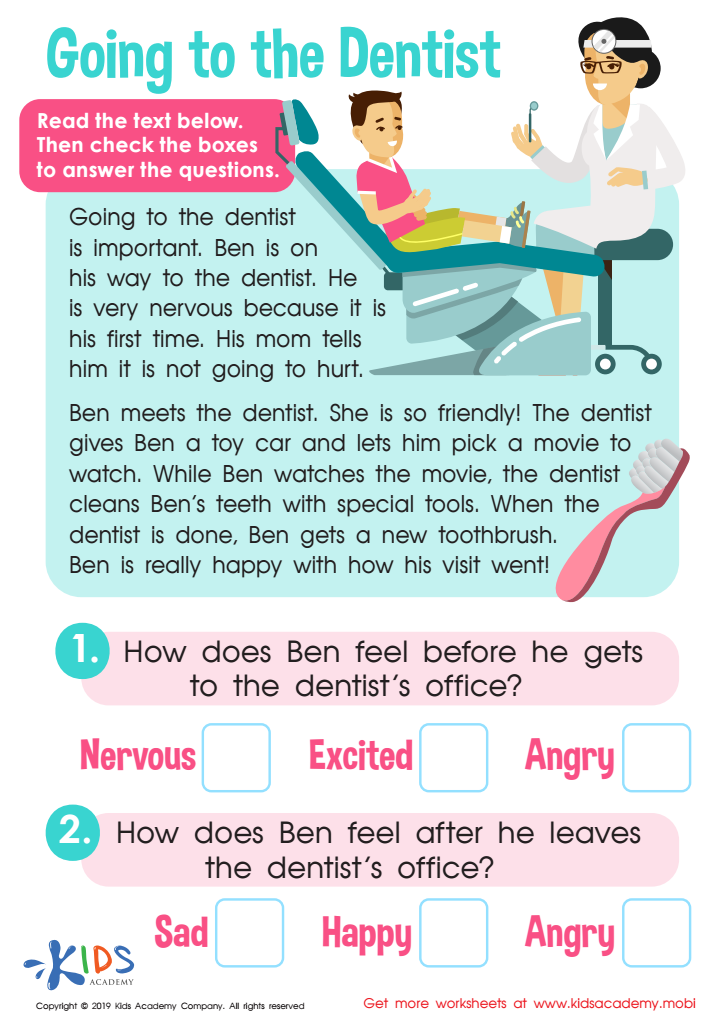
Going to the Dentist Worksheet
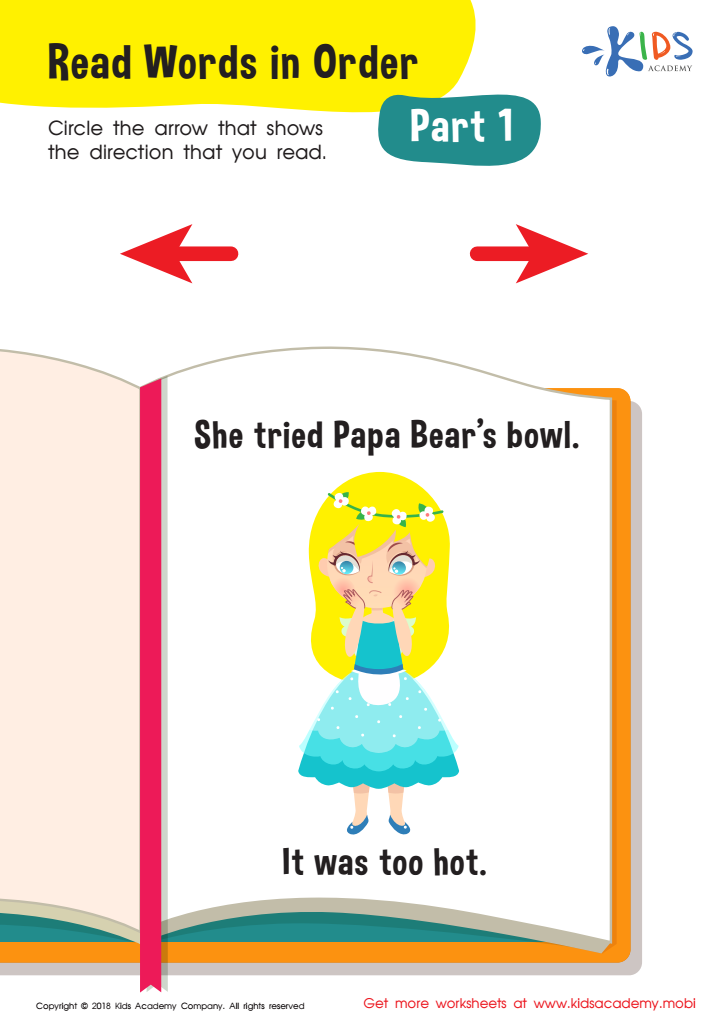
Read Words Order Part 1 Worksheet








Understanding normal reading development for ages 3-6 is crucial for parents and teachers as it lays the foundation for lifelong literacy skills. During these formative years, children undergo significant cognitive and linguistic growth, making early exposure to reading vital. Developmentally appropriate literacy experiences help foster language acquisition, vocabulary expansion, and comprehension skills, all of which are integral for academic success.
When parents and teachers are aware of normal reading milestones, they can tailor activities to meet children's needs, encouraging a love for reading through playful learning. Engaging with books, participating in storytelling, and introducing phonemic awareness—such as understanding sounds in language—are essential at this stage. Recognizing that each child develops at their own pace enables parents and teachers to provide support without unnecessary pressure, ensuring positive experiences and a healthy attitude toward reading.
Furthermore, early literacy skills correlated strongly with later academic performance. Children with solid foundational reading skills not only excel in school but also develop critical thinking abilities, socio-emotional skills, and a lifelong love for knowledge. Therefore, prioritizing early reading development is not merely beneficial but essential for helping children thrive in their educational journeys.








