Normal Matching Worksheets for Ages 4-7 - Page 2
42 filtered results
-
From - To
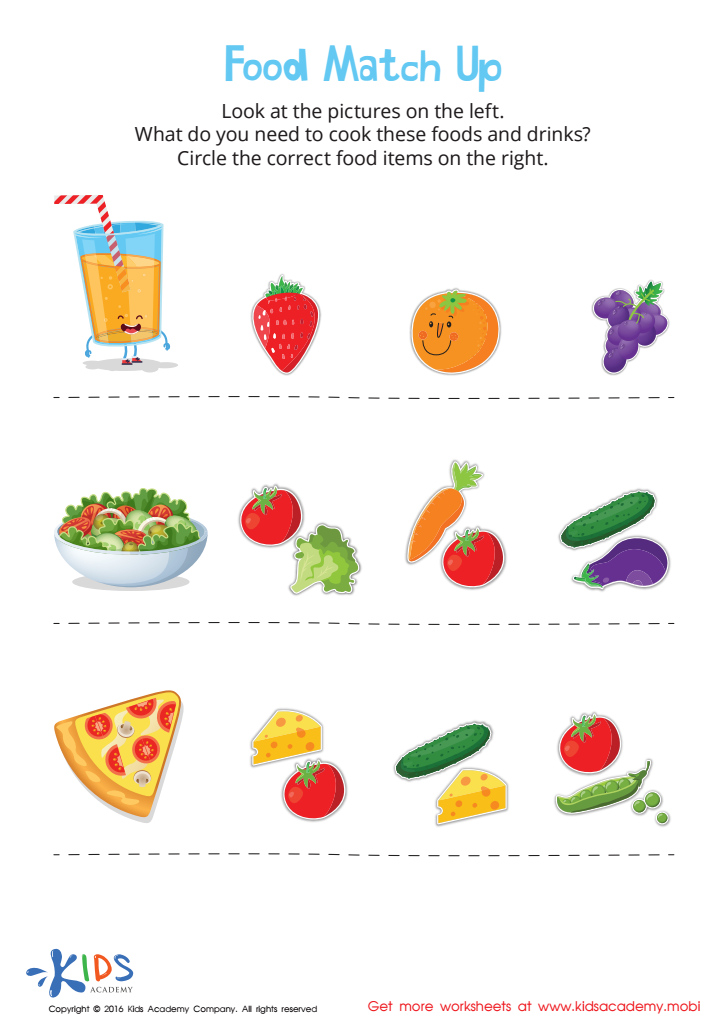
Food Match Up Worksheet
 Assign to My Students
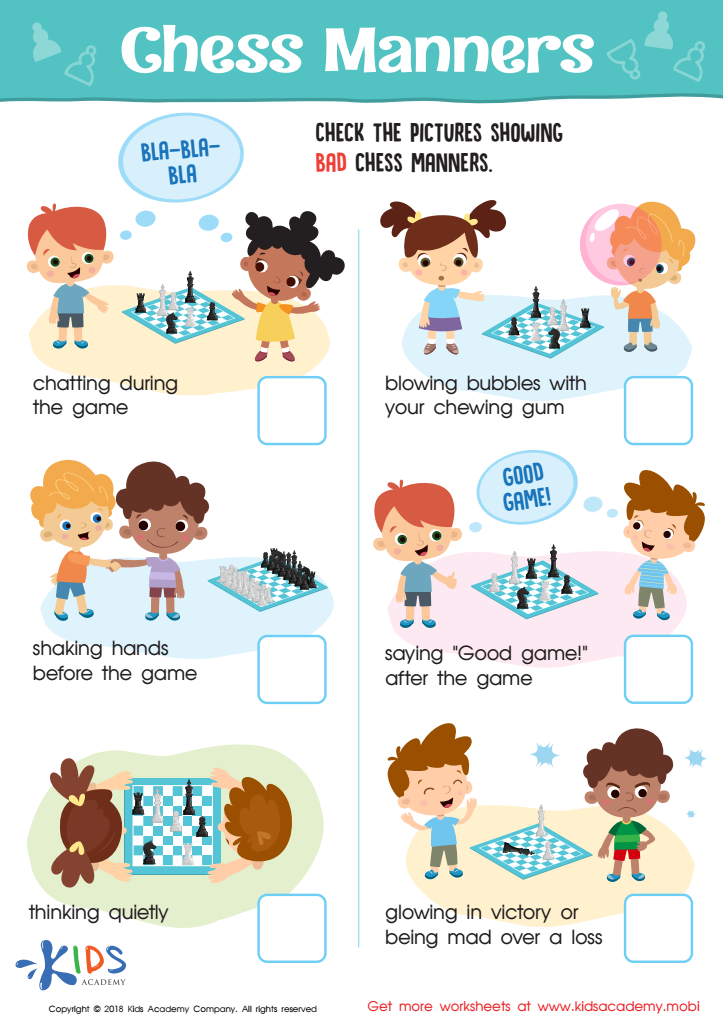
Chess Manners Worksheet
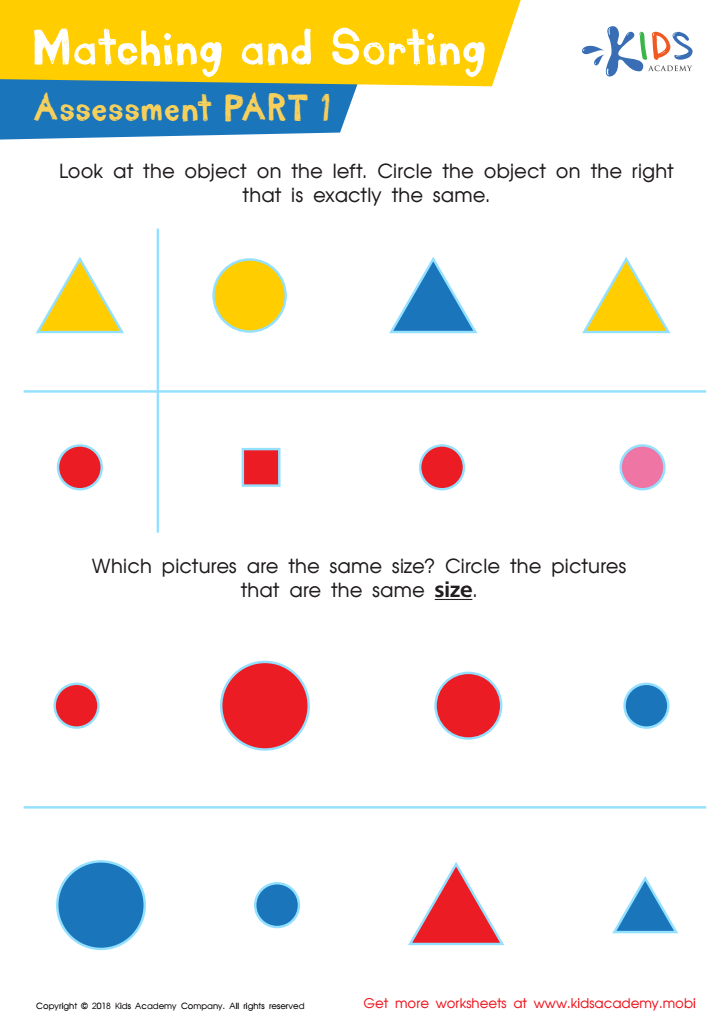
Matching and Sorting for Kindergarten: Assessment 1 Worksheet
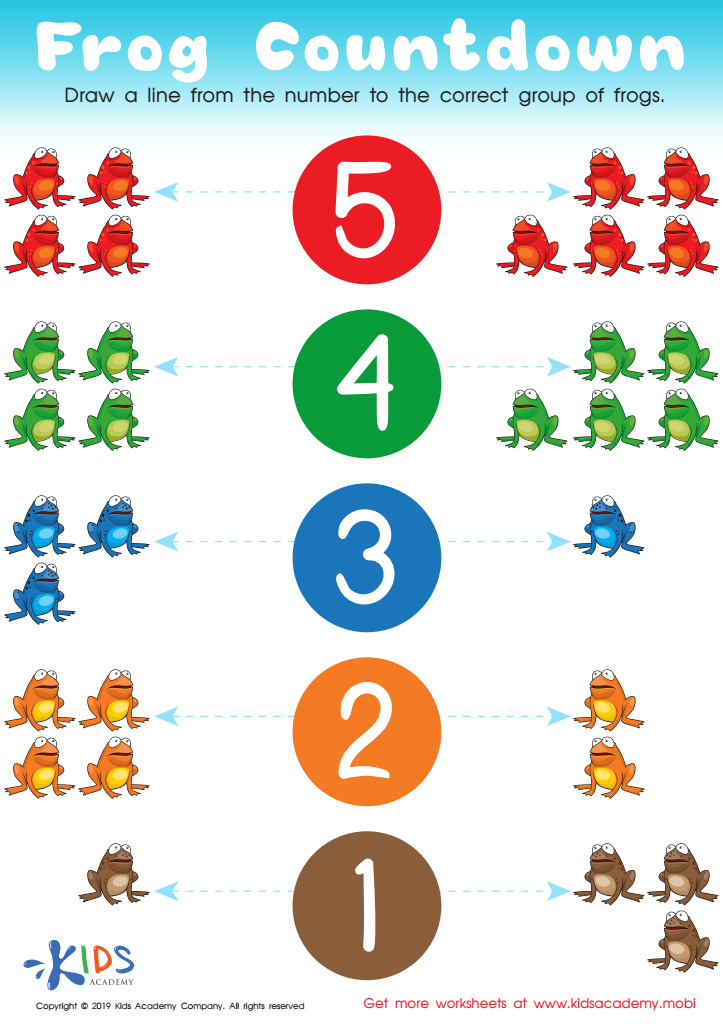
Frog Countdown Worksheet
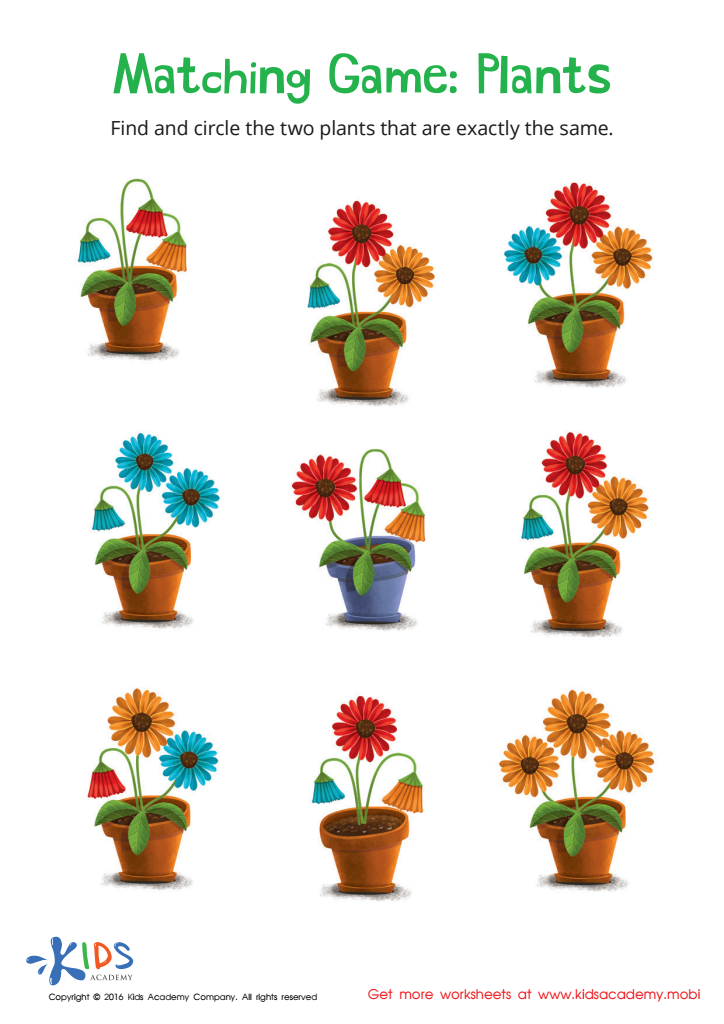
Matching: Plants Worksheet
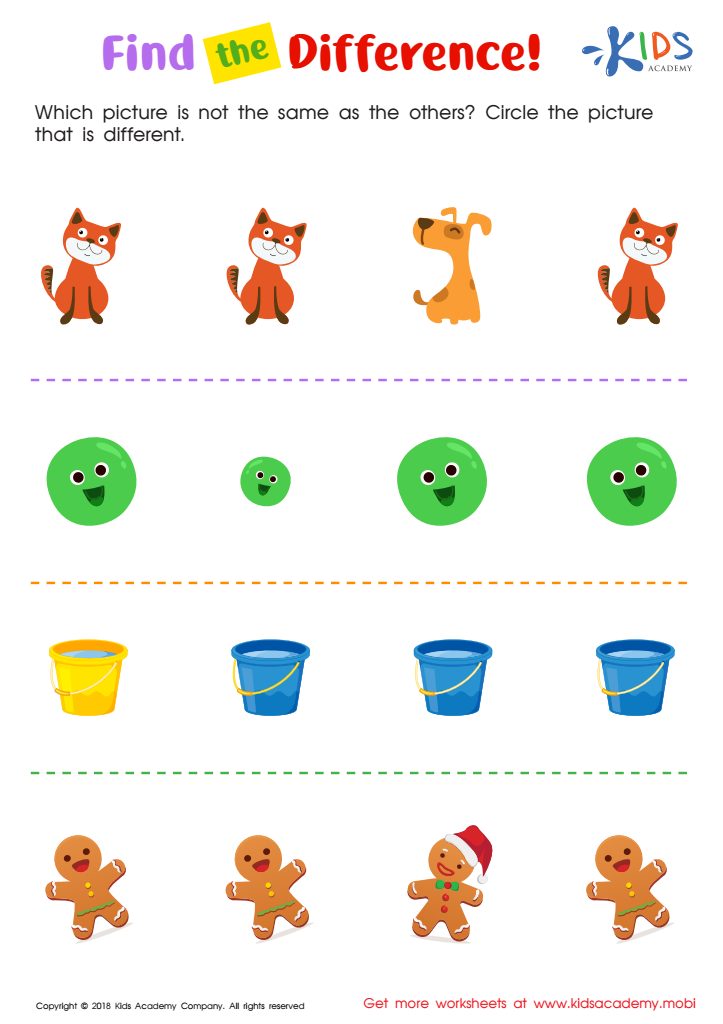
Find the Difference Worksheet
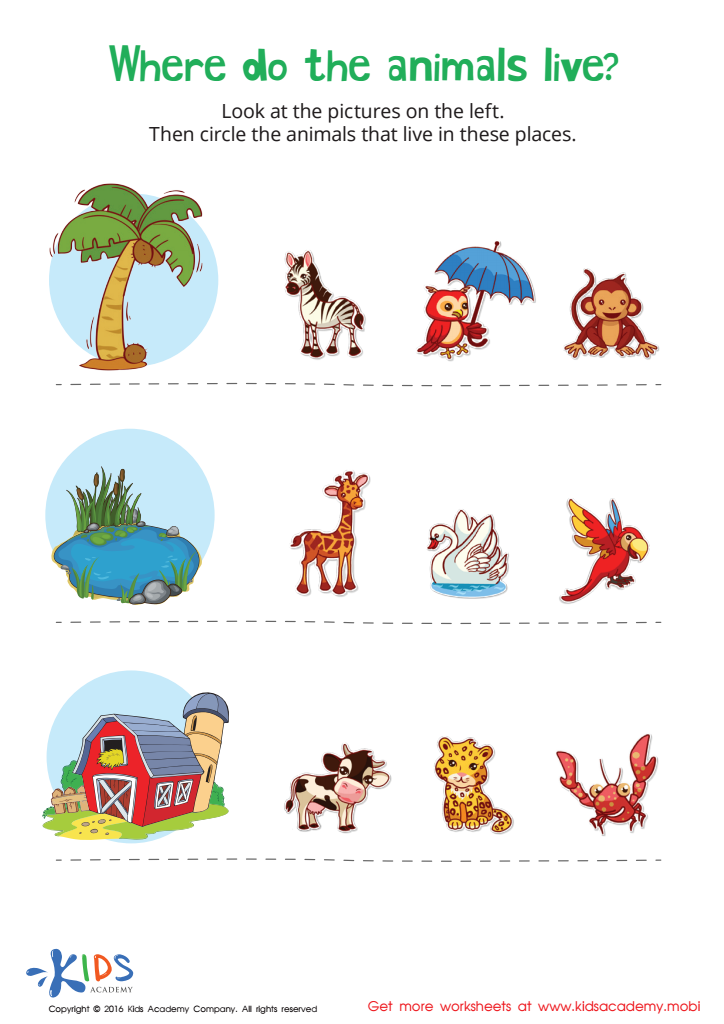
Where Animals Live Worksheet
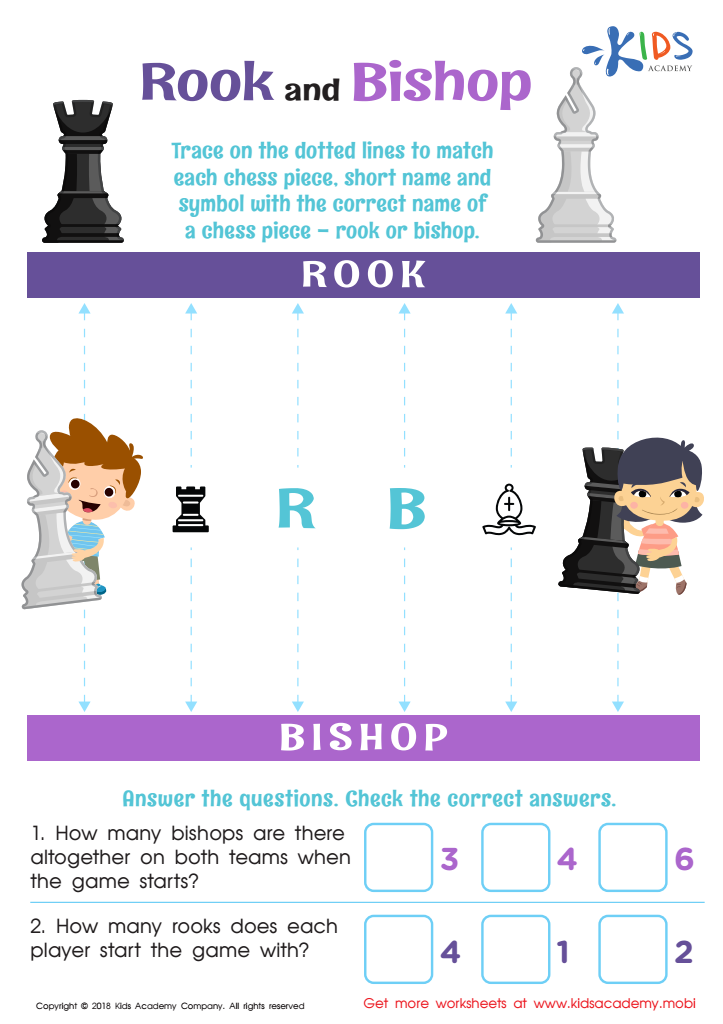
Rook and Bishop Worksheet
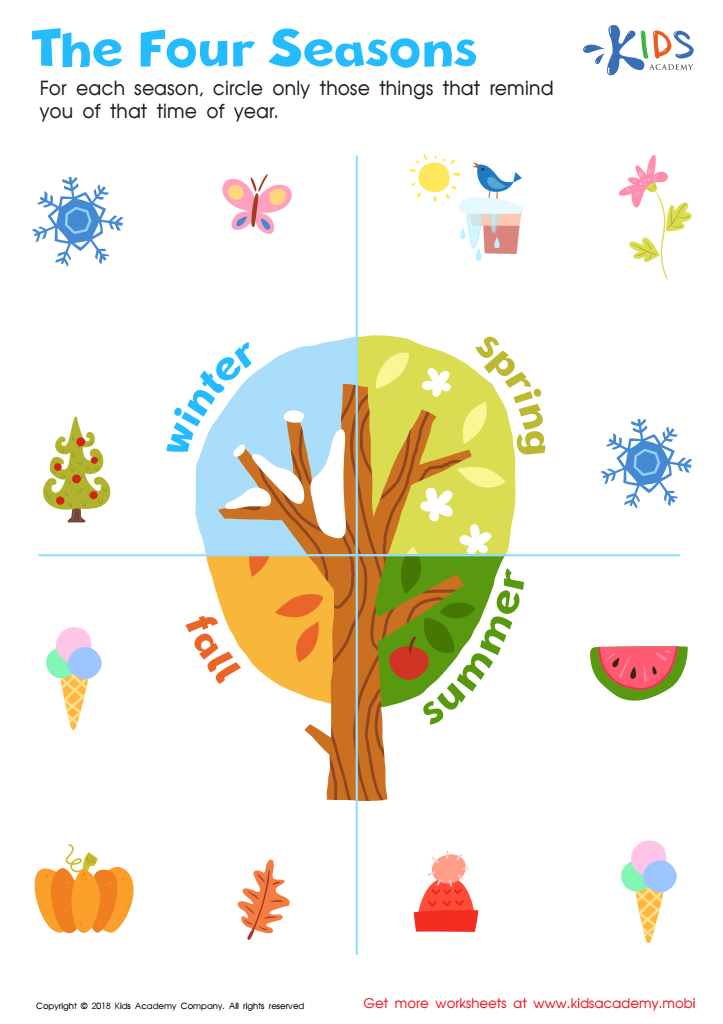
The Four Seasons Worksheet
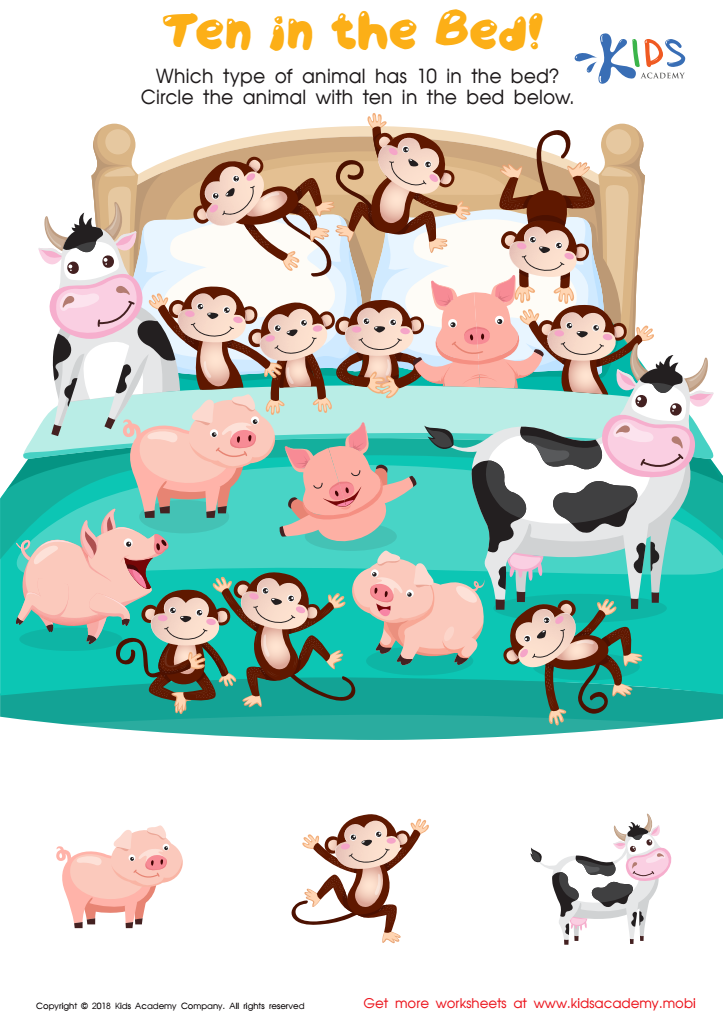
Ten in the Bed Worksheet
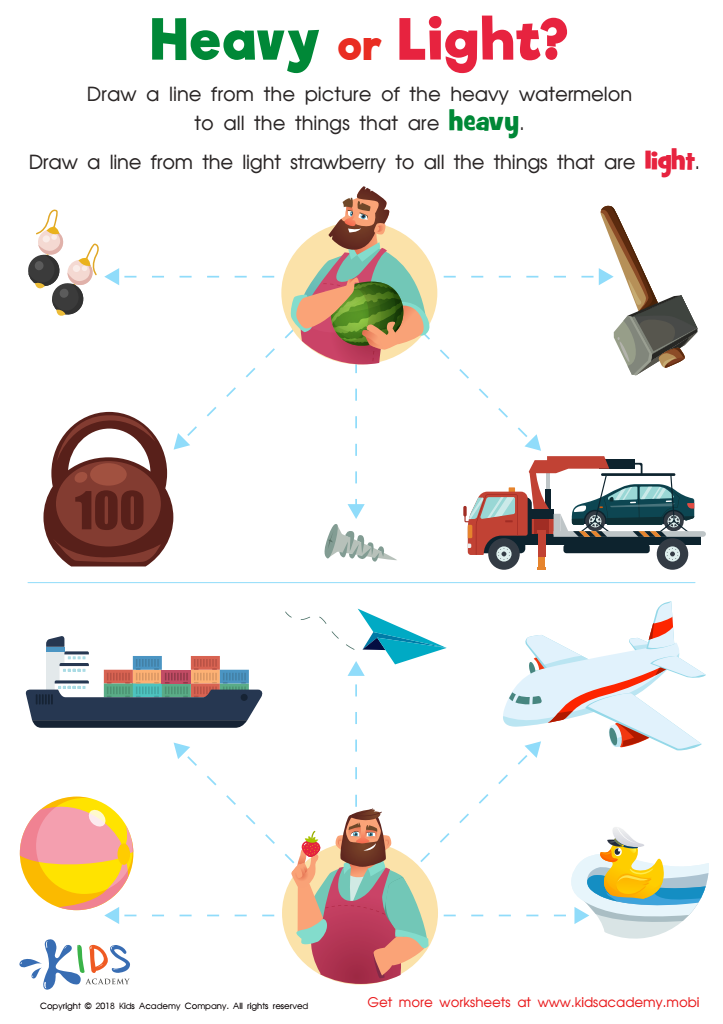
Heavy or Light? Worksheet
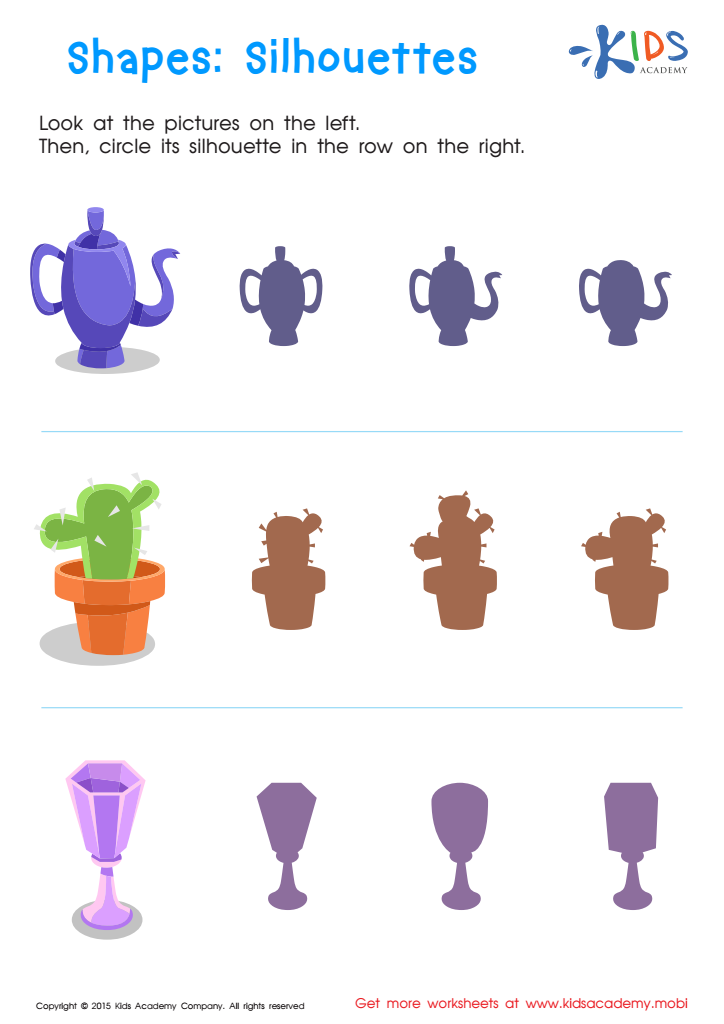
Silhouettes – Shapes Worksheet
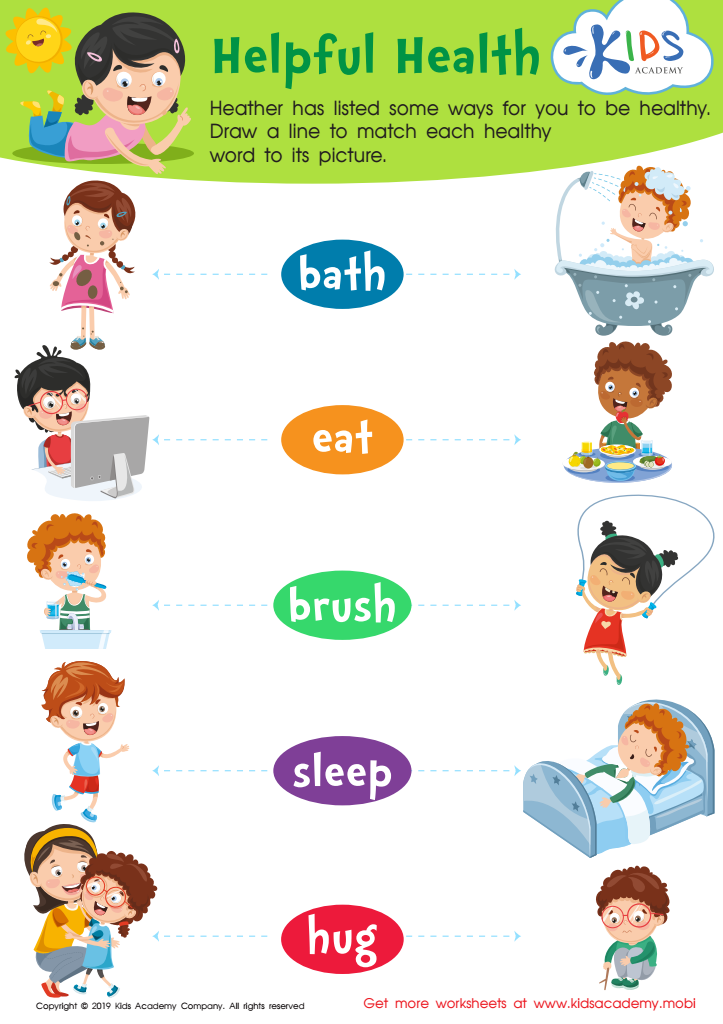
Helpful Health Worksheet
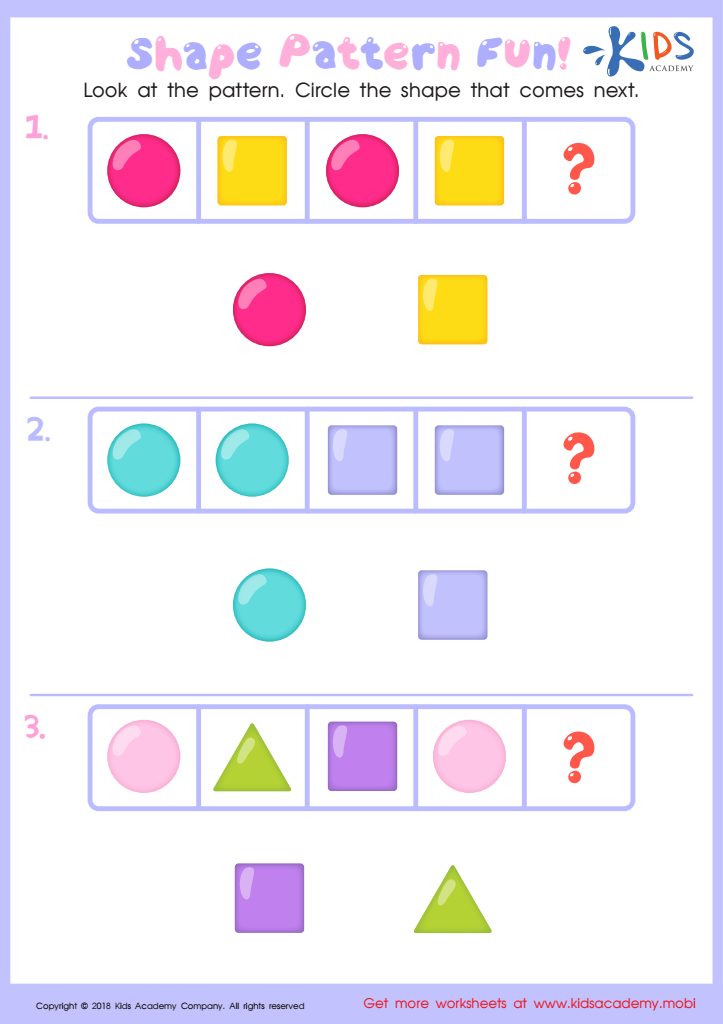
Shape Pattern Fun Worksheet
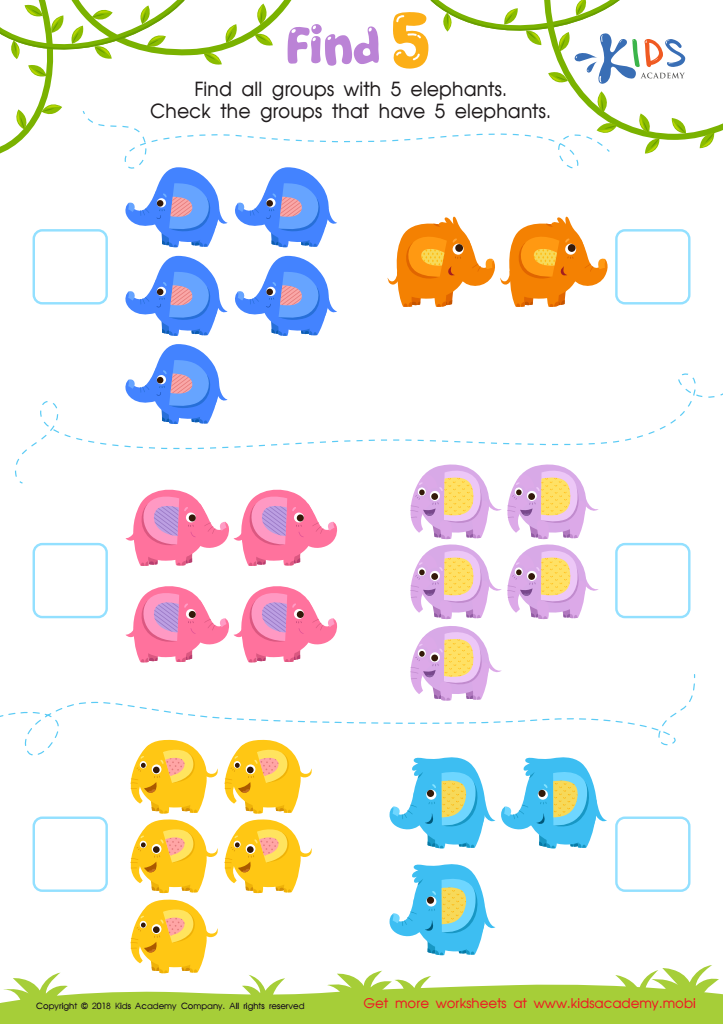
Find 5 Worksheet








Normal Matching for ages 4-7 is a crucial developmental activity that helps young children refine their cognitive and social skills. This concept encourages young learners to recognize relationships, patterns, and similarities between objects, fostering critical thinking and problem-solving abilities.
Parents and teachers should care about Normal Matching because it lays the foundation for future academic success. At this age, children are naturally curious and eager to explore. Engaging them in matching activities helps develop their cognitive processes, such as categorization and memory, which are essential for later learning in areas like math and reading.
Additionally, Normal Matching promotes social interaction. When children work together on matching tasks, they learn to communicate, collaborate, and consider different perspectives—skills that are vital for their emotional and social development. This nurtures self-esteem and confidence as children accomplish tasks and share success with peers.
Overall, integrating Normal Matching activities in early education fosters not only academic growth but also emotional and social well-being, leading to well-rounded individuals who are better prepared for their future experiences. For these reasons, it’s imperative that both parents and teachers prioritize Normal Matching as a vital component of early childhood education.