Normal Math Worksheets for Ages 4-8 - Page 3
545 filtered results
-
From - To
 Assign to My Students
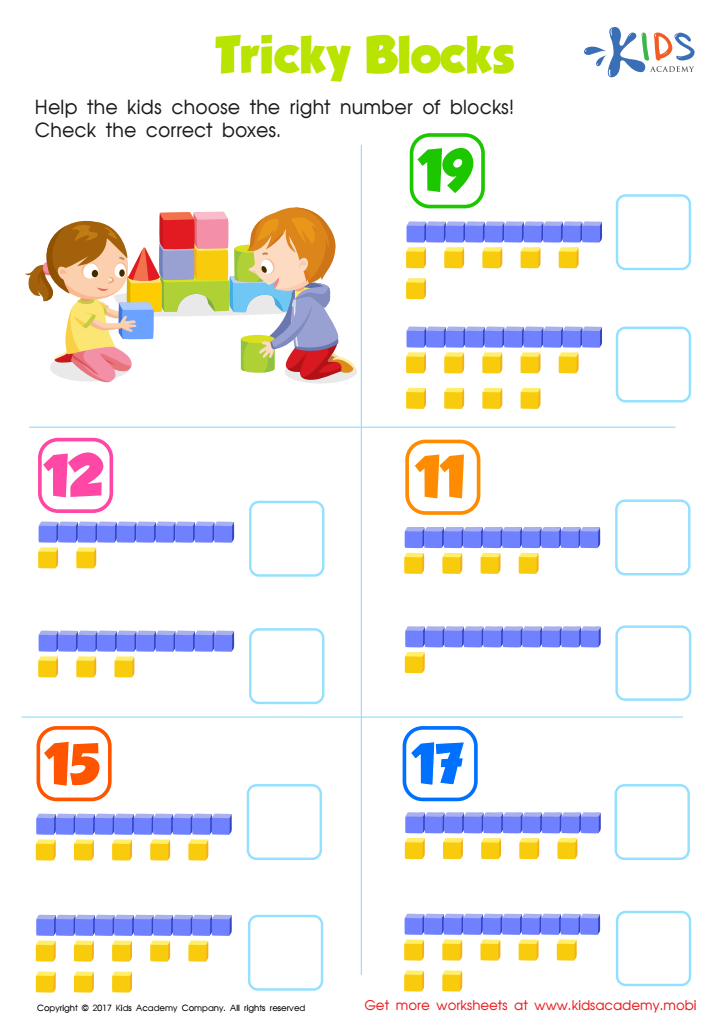
Tricky Blocks Worksheet
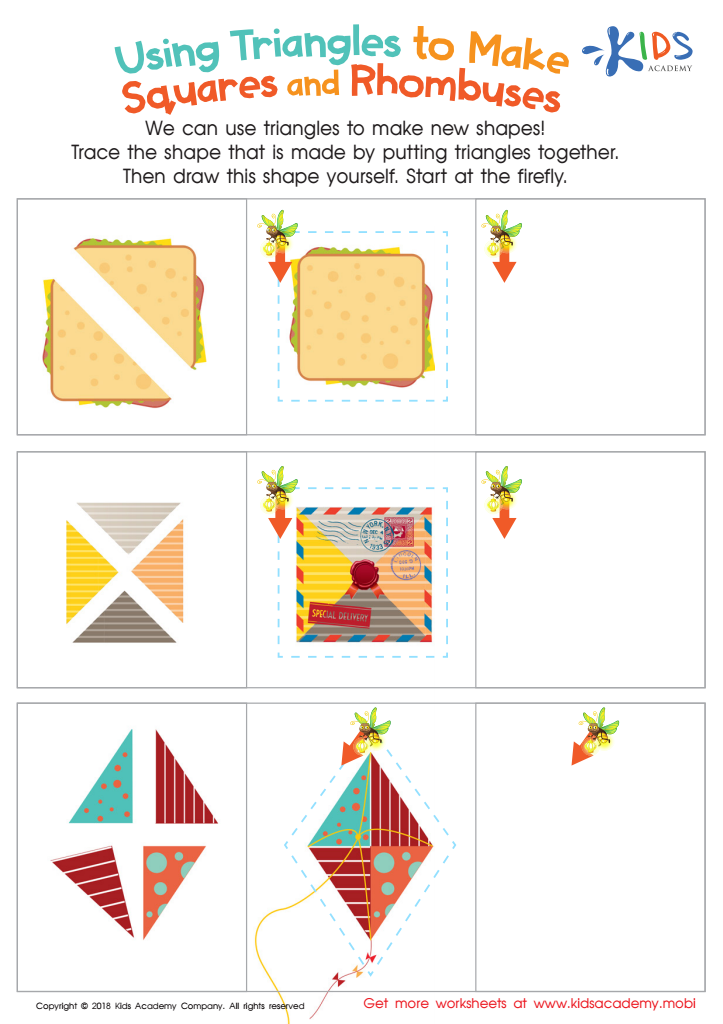
Using Triangles to Make Squares and Rhombuses Worksheet
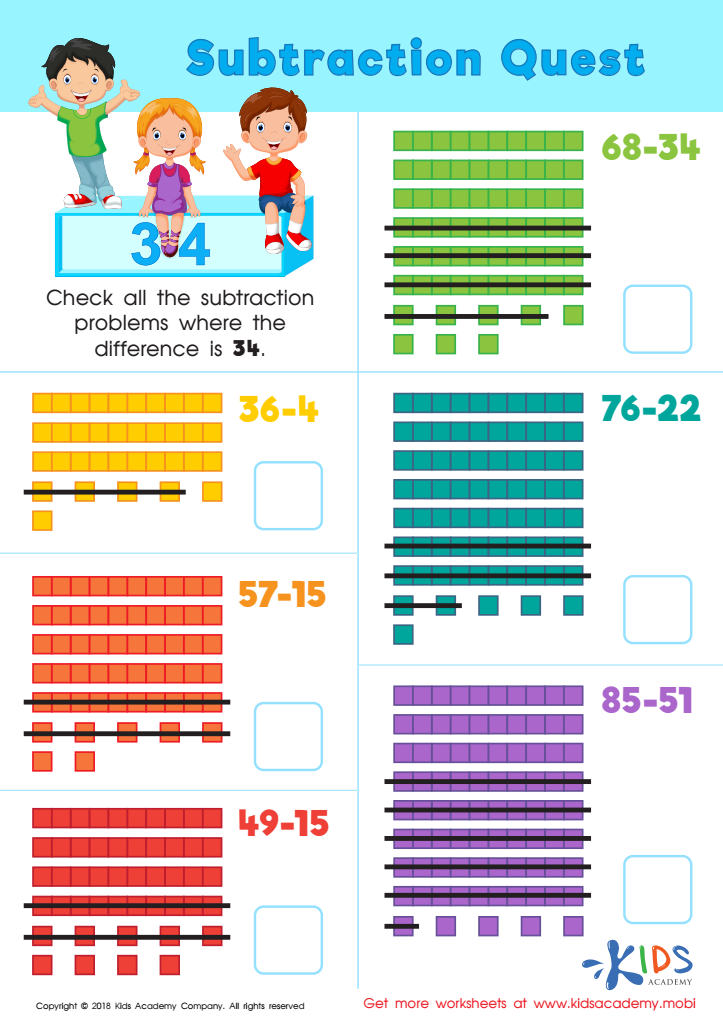
Subtraction Quest Worksheet
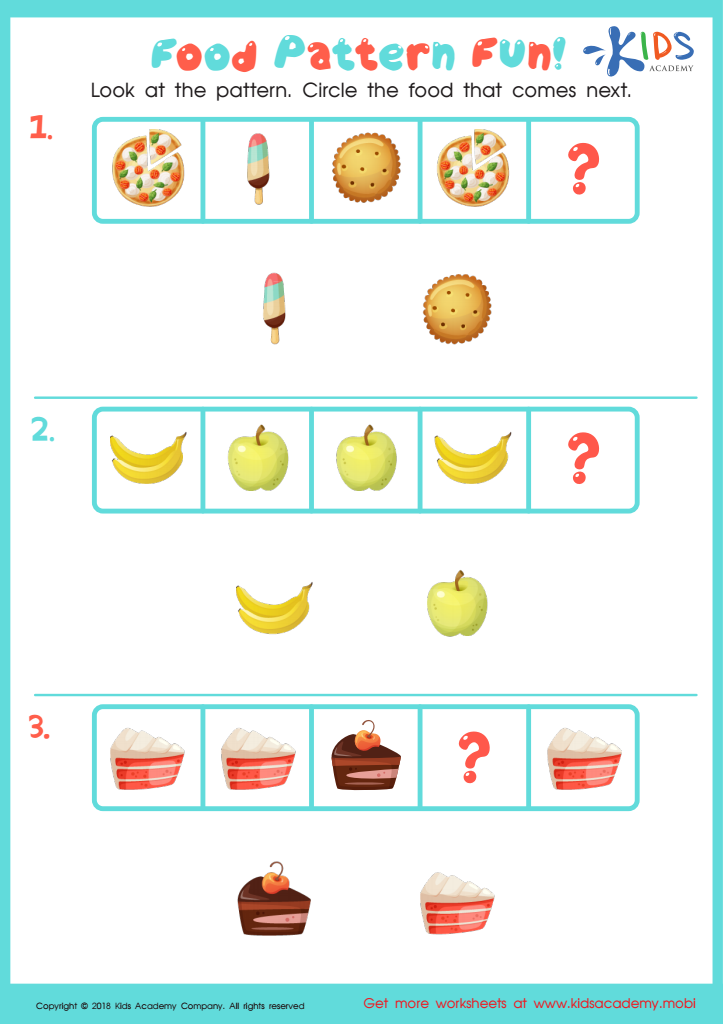
Food Pattern Fun Worksheet
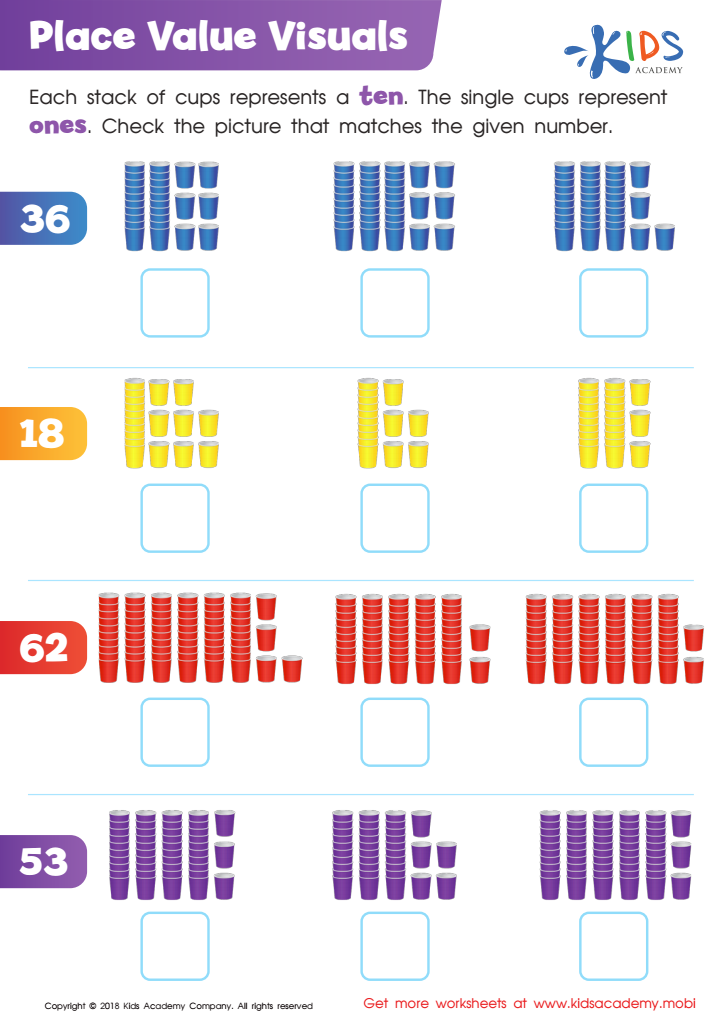
Place Value Visuals Worksheet
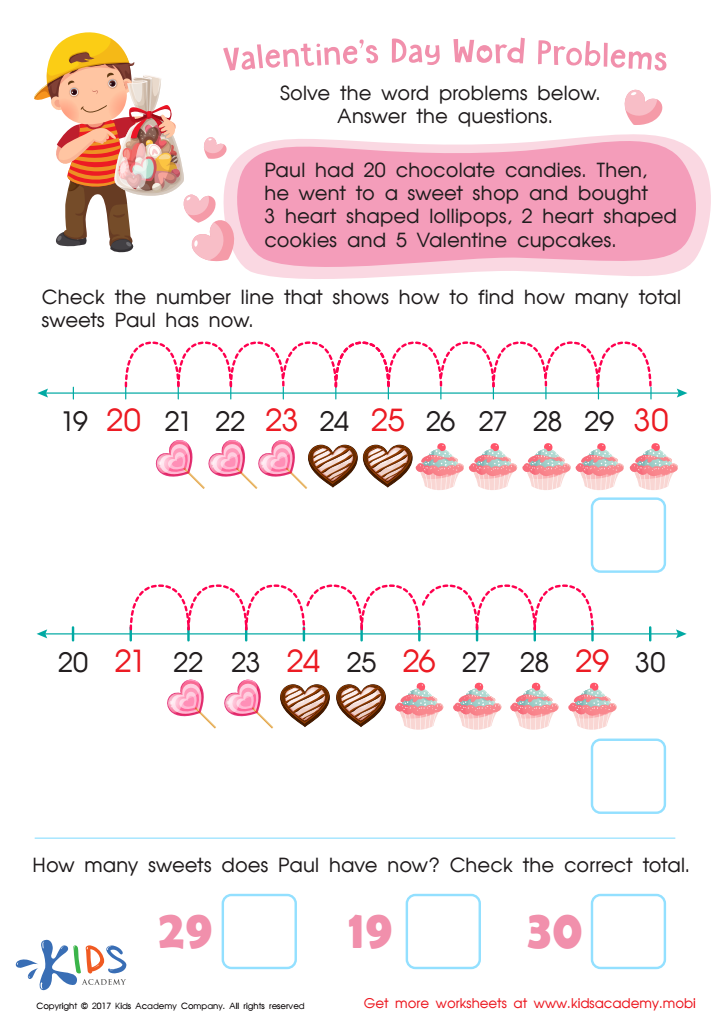
Valentines Day 2 Printable
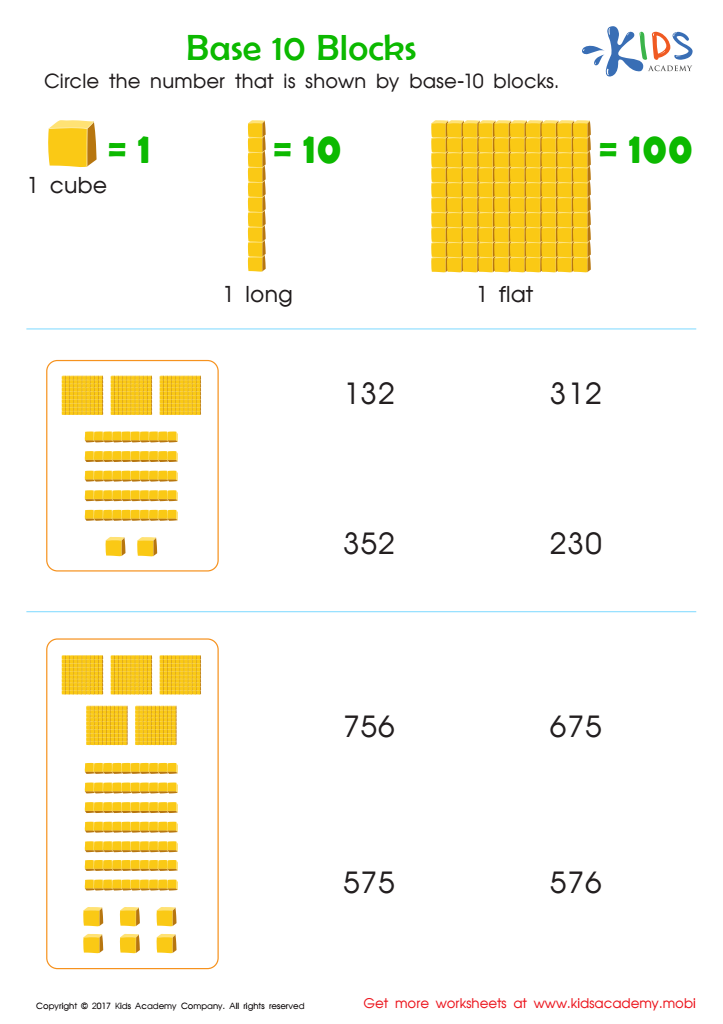
Base Ten Blocks Worksheet
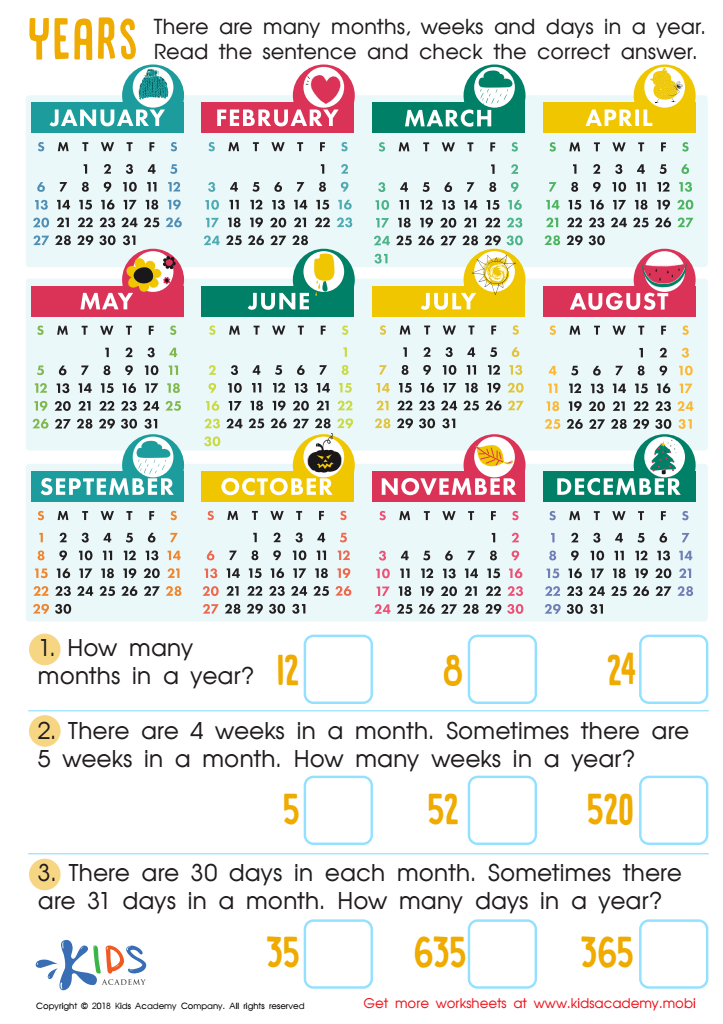
Years Worksheet
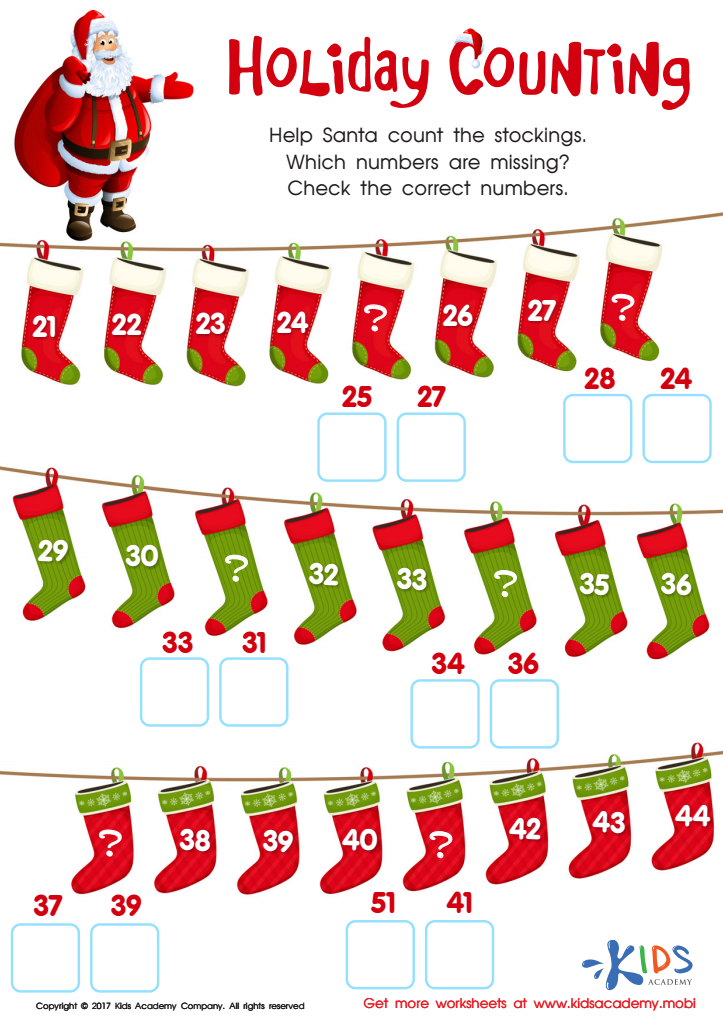
Holiday Counting Worksheet
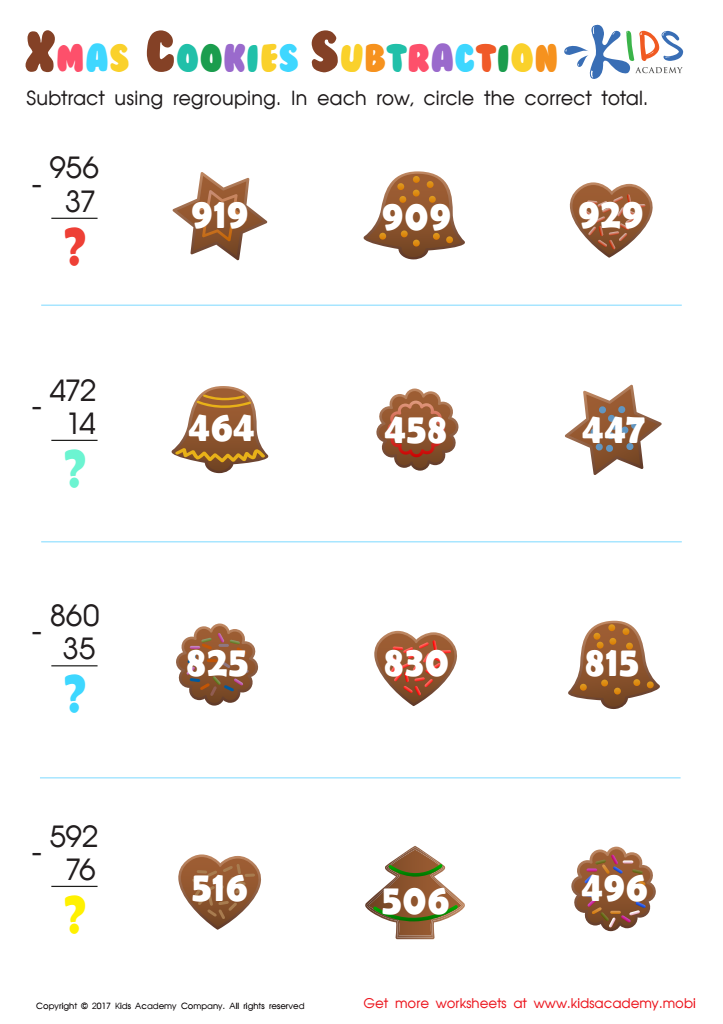
Three Digits Addition with Regrouping Worksheet
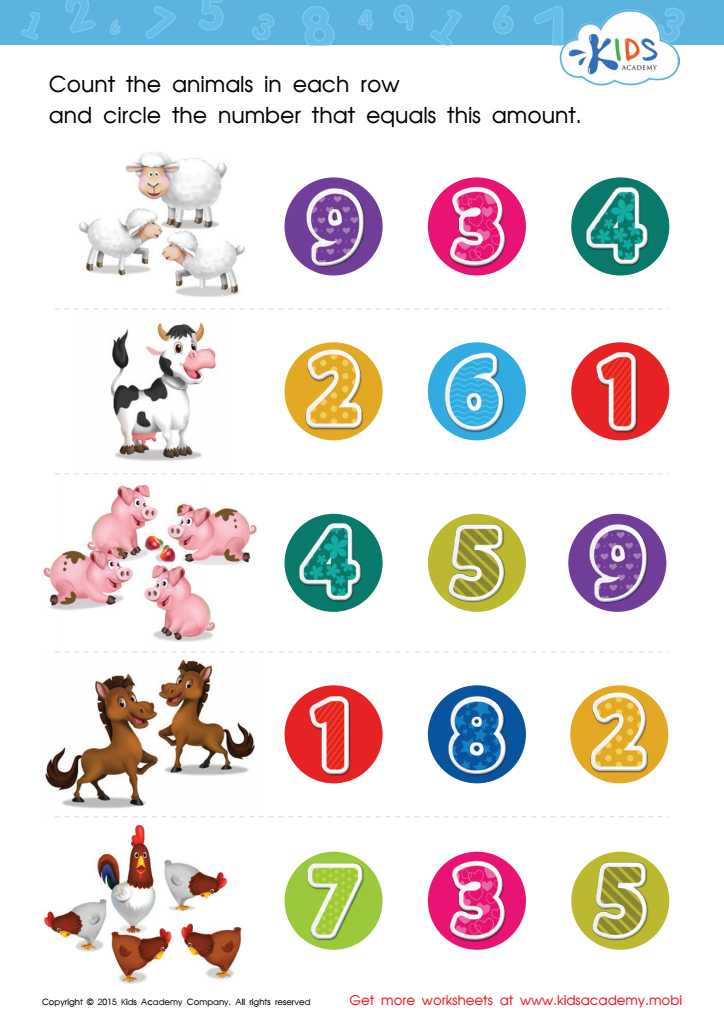
Count and Match 1 – 5 Math Worksheet
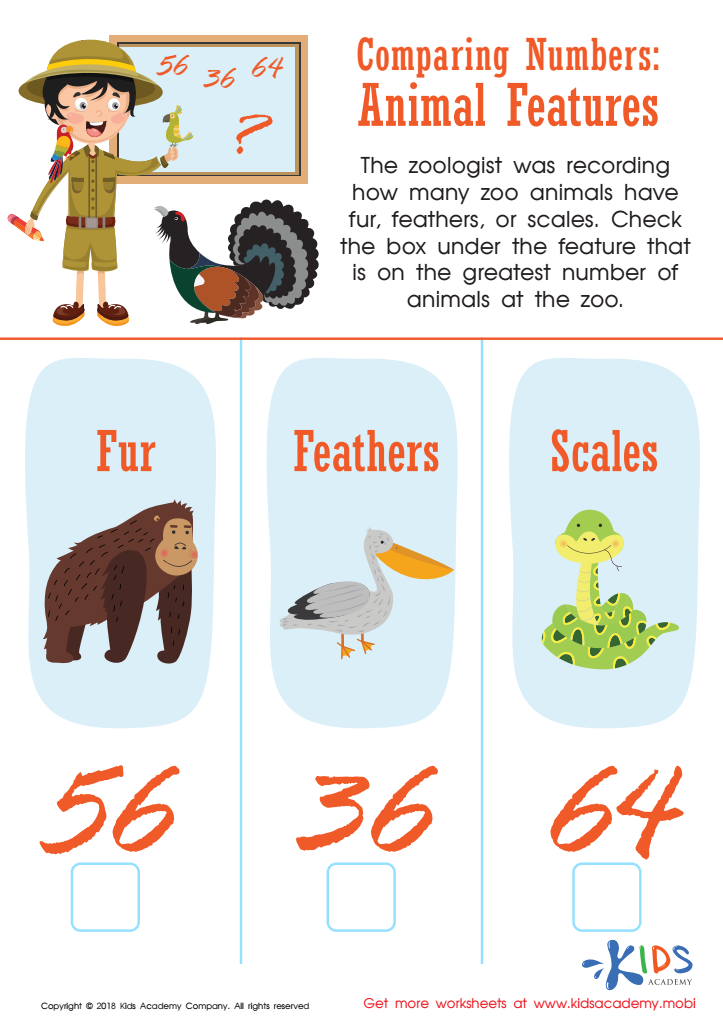
Animal Features Worksheet
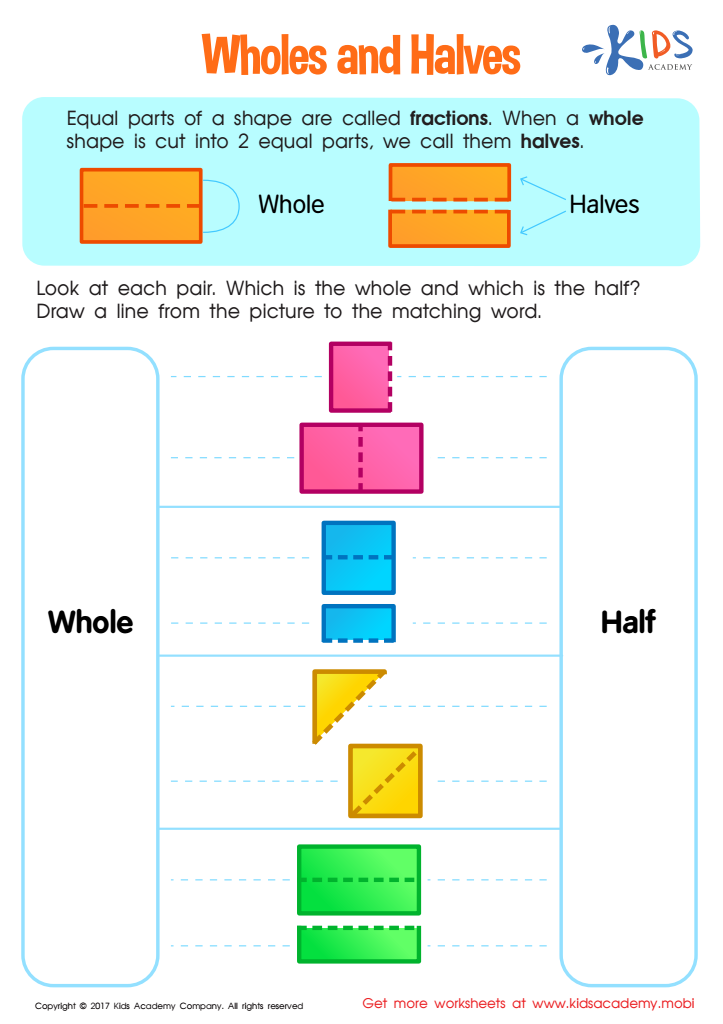
Wholes and Halves Worksheet
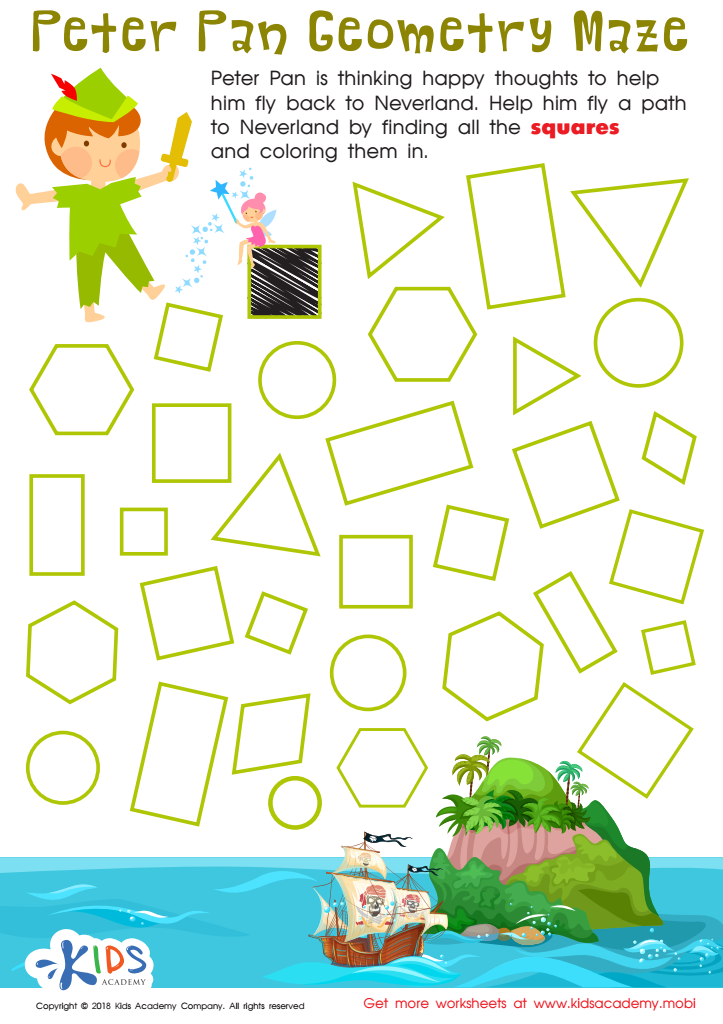
Peter Pan Worksheet
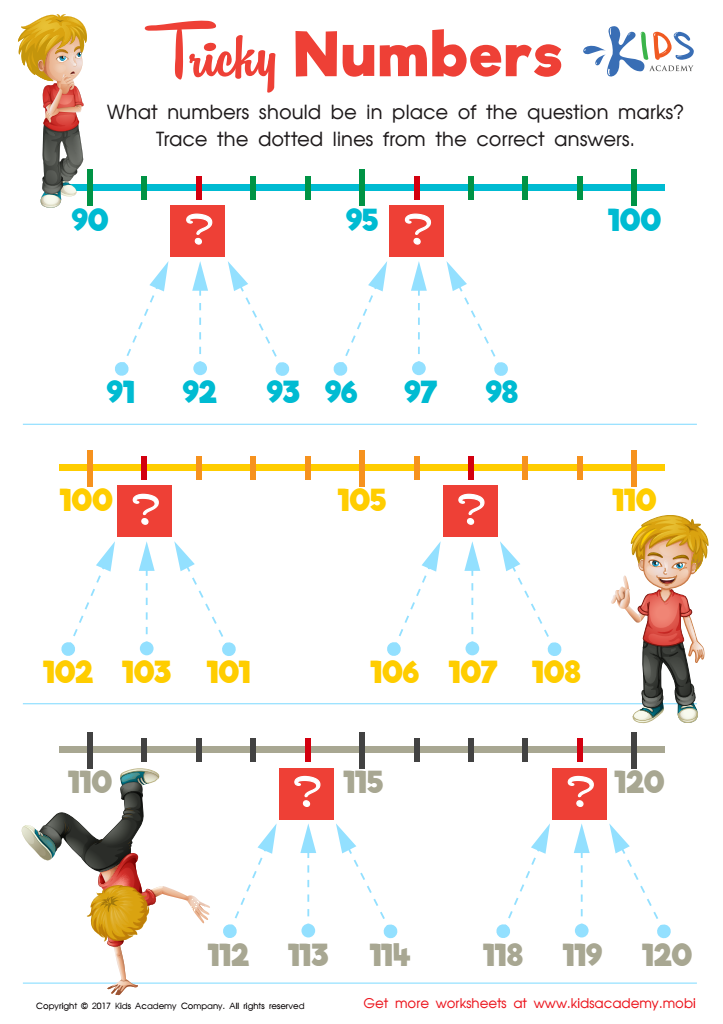
Tricky Numbers Worksheet
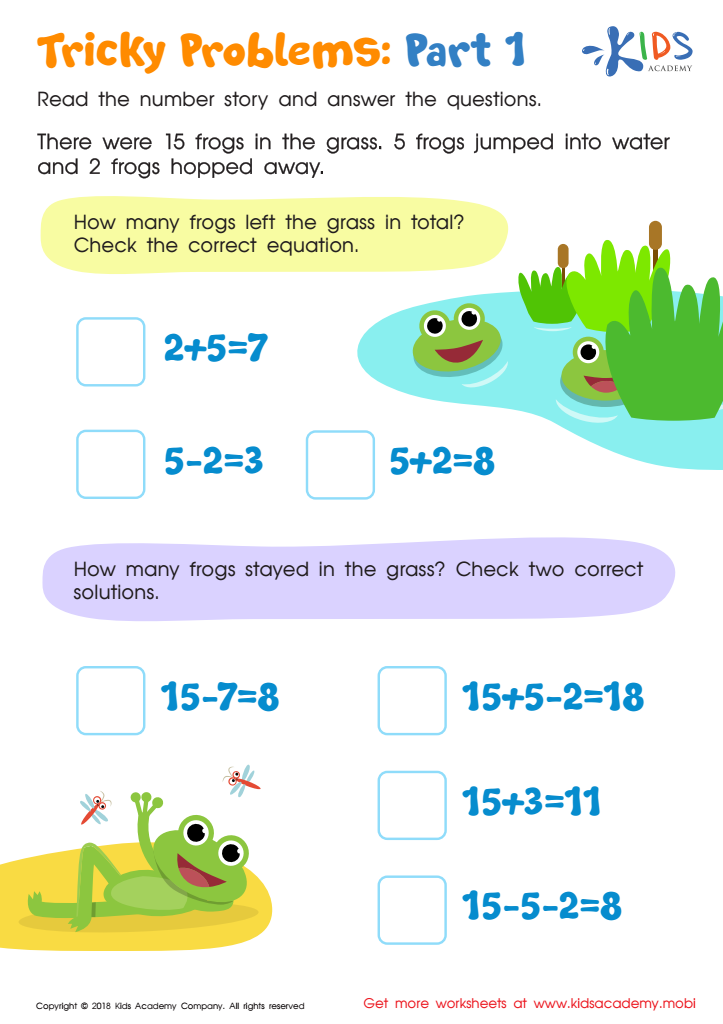
Tricky Problems Worksheet: Part 1
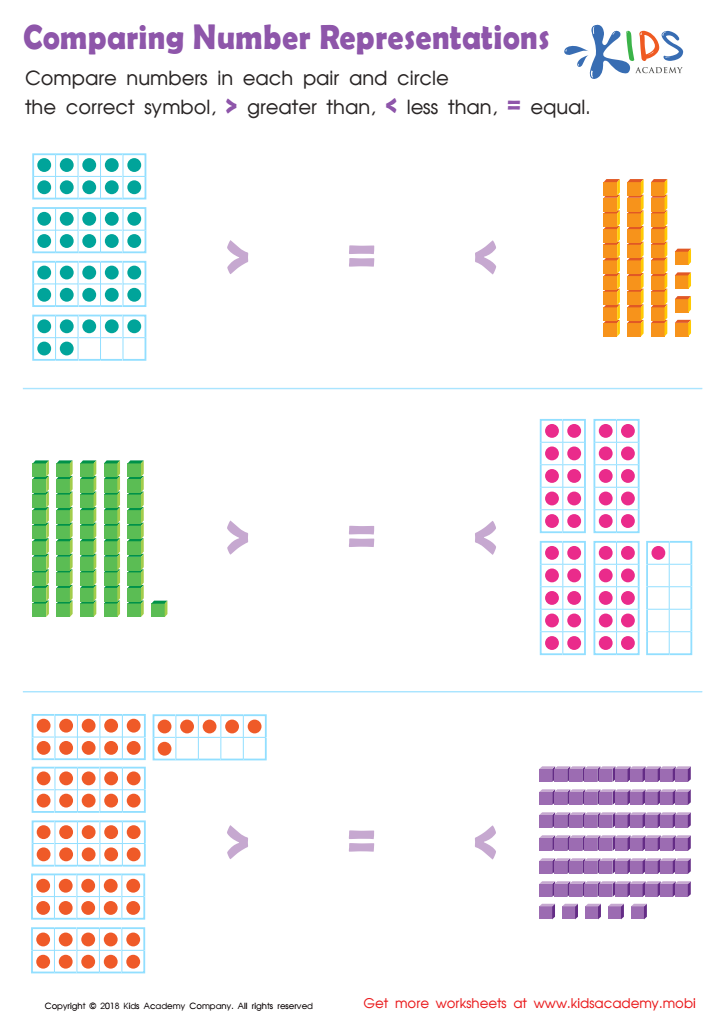
Comparing Number Representations Worksheet
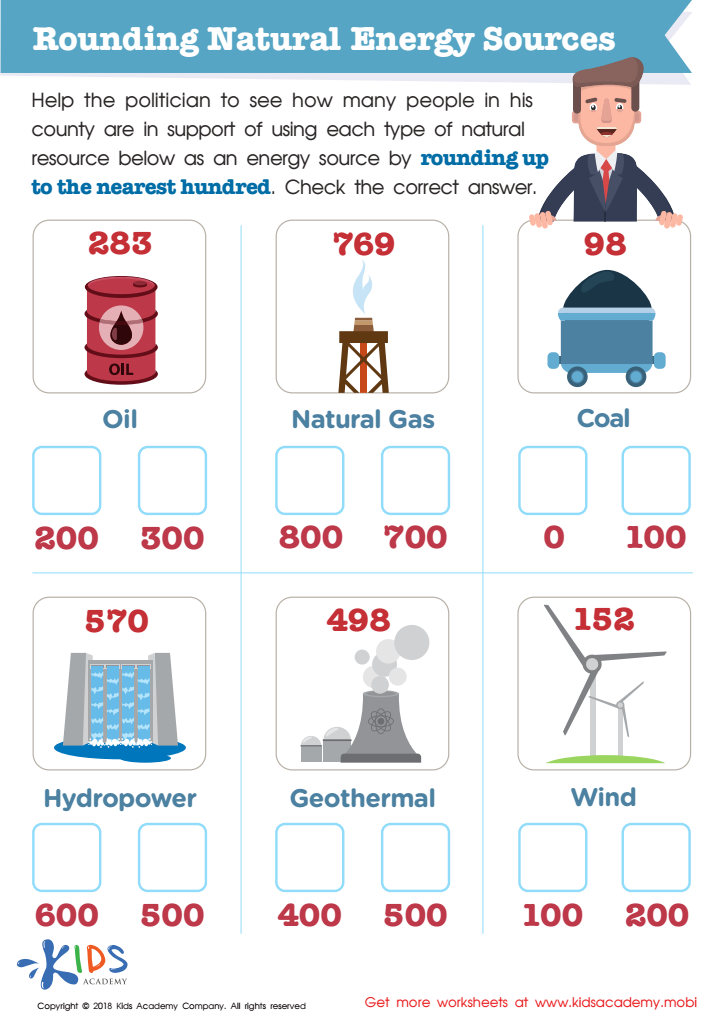
Rounding Natural Energy Sources Worksheet
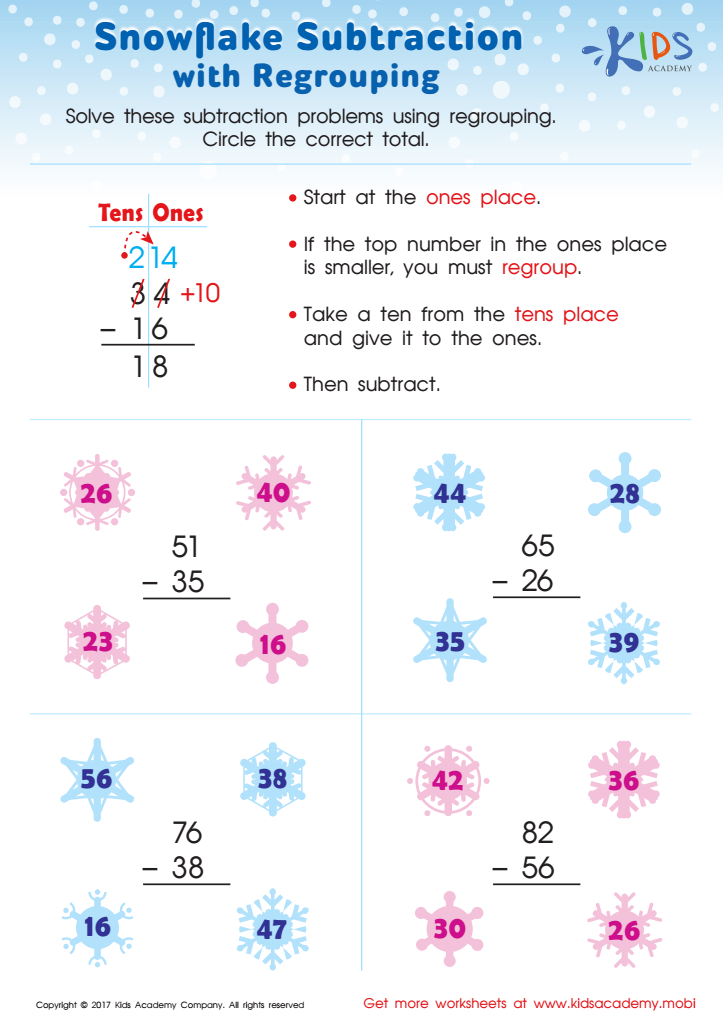
Subtraction With Regrouping Worksheet: Snowflake
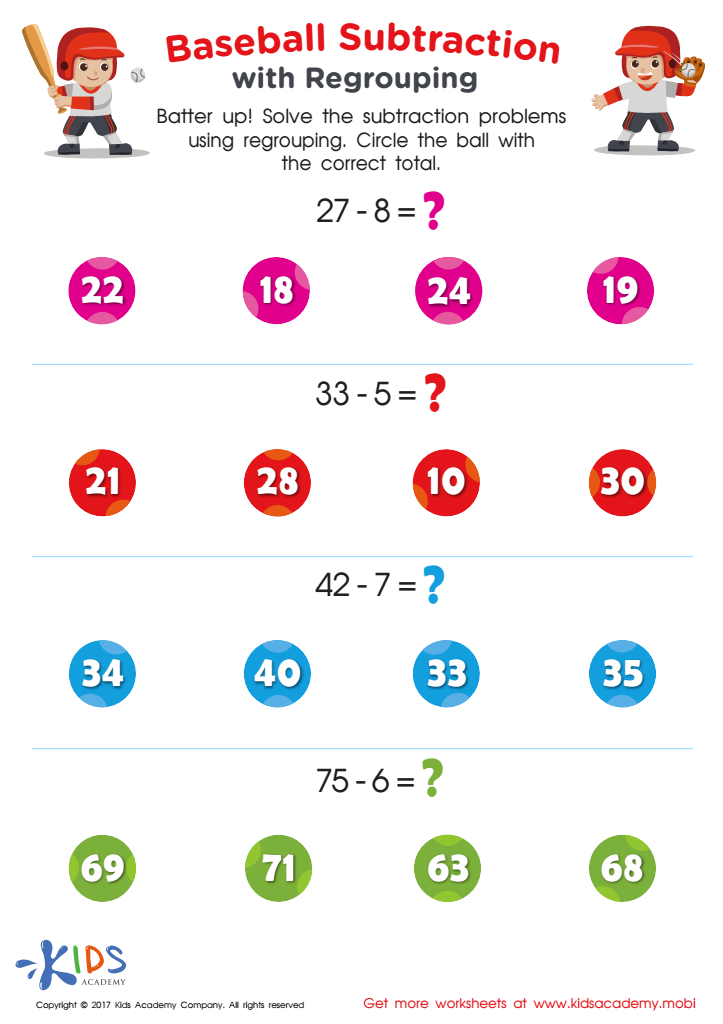
Subtraction With Regrouping for 2nd Grade Worksheet
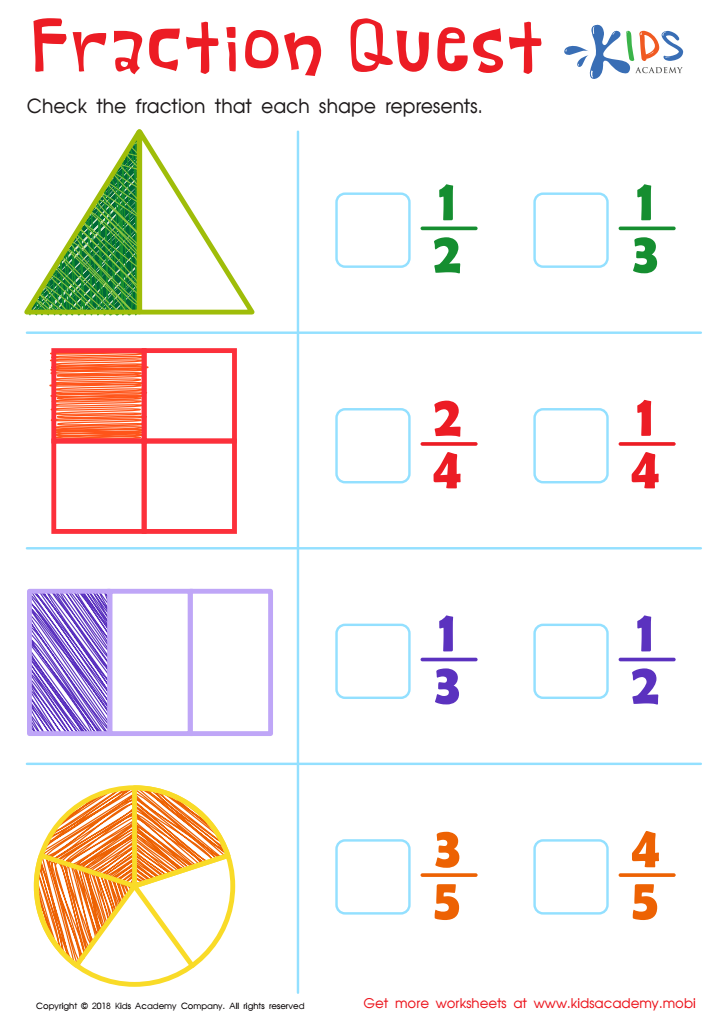
Fraction Quest Worksheet
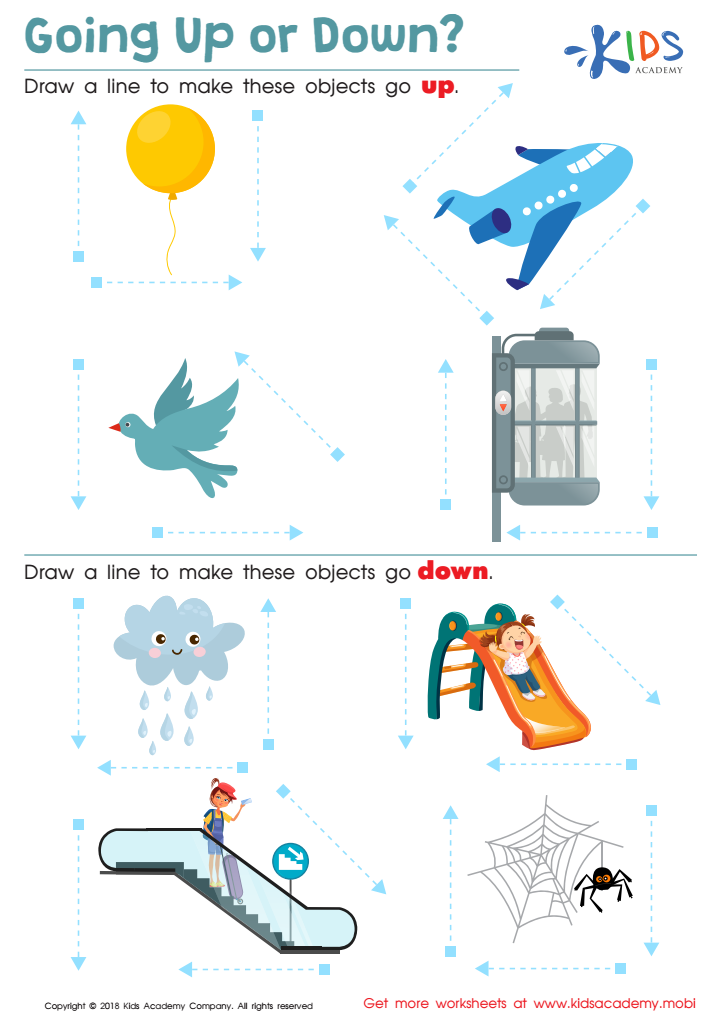
Going up or Down? Worksheet
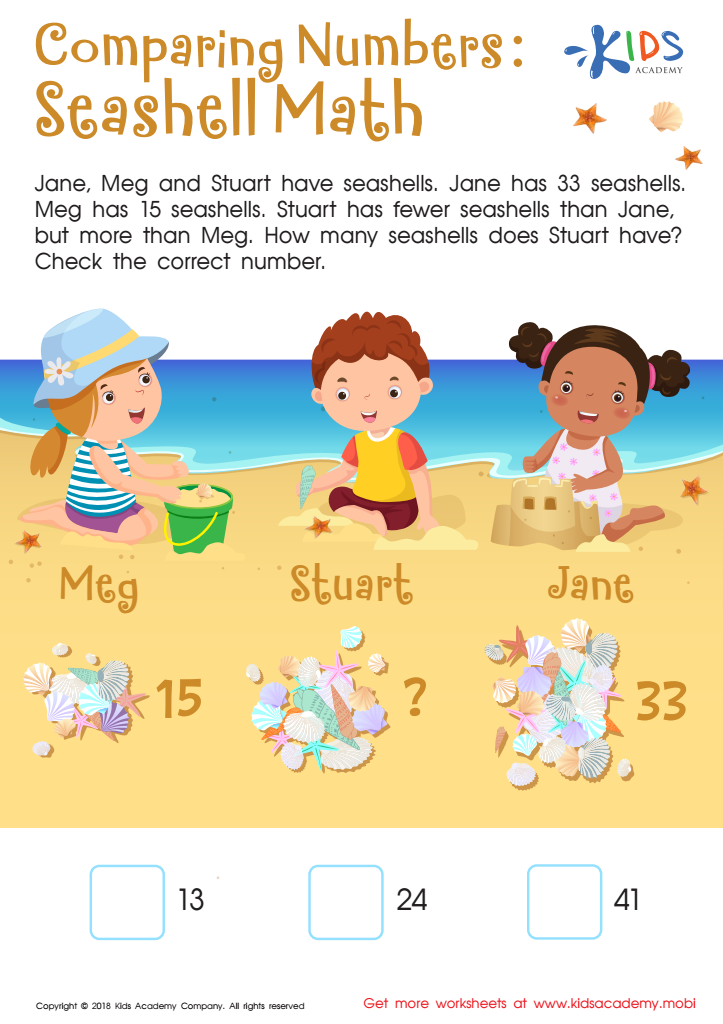
Seashell Collectors Worksheet





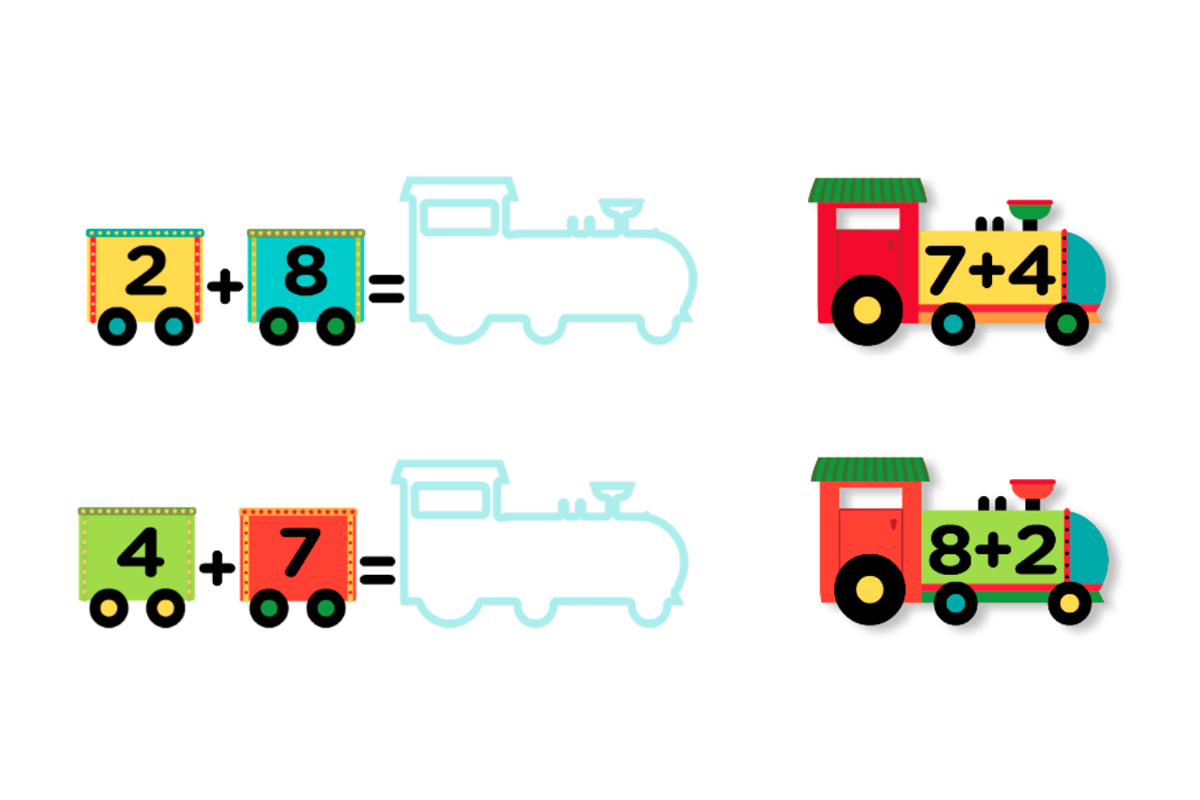


Parents and teachers should place a high level of importance on normal math education for children aged 4-8 because these foundational years are critical in shaping a child's future mathematical understanding and overall cognitive development. During this developmental stage, children are highly receptive to learning new concepts and skills. Introducing them to basic math principles not only enhances their number sense but also stimulates intellectual curiosity and problem-solving abilities.
Early math education employs engaging activities such as counting, recognizing patterns, and basic addition and subtraction. These activities encourage logical thinking and help young minds grasp everyday practical situations like sharing snacks or dividing playing time. Furthermore, math readiness in early childhood has been linked to long-term academic success. Studies show that children who acquire strong math skills early on are more likely to perform well in later grades, reducing the risk of future math anxiety and negative attitudes towards the subject.
Beyond academics, early math skills are also essential for life skills. Understanding concepts of time, space, and measurements can help children become more organized and better decision-makers as they grow. Consequently, nurturing early math competence can set children up for success, providing a strong foundation for all future learning endeavors.








