Normal History Worksheets for Ages 4-9 - Page 2
59 filtered results
-
From - To
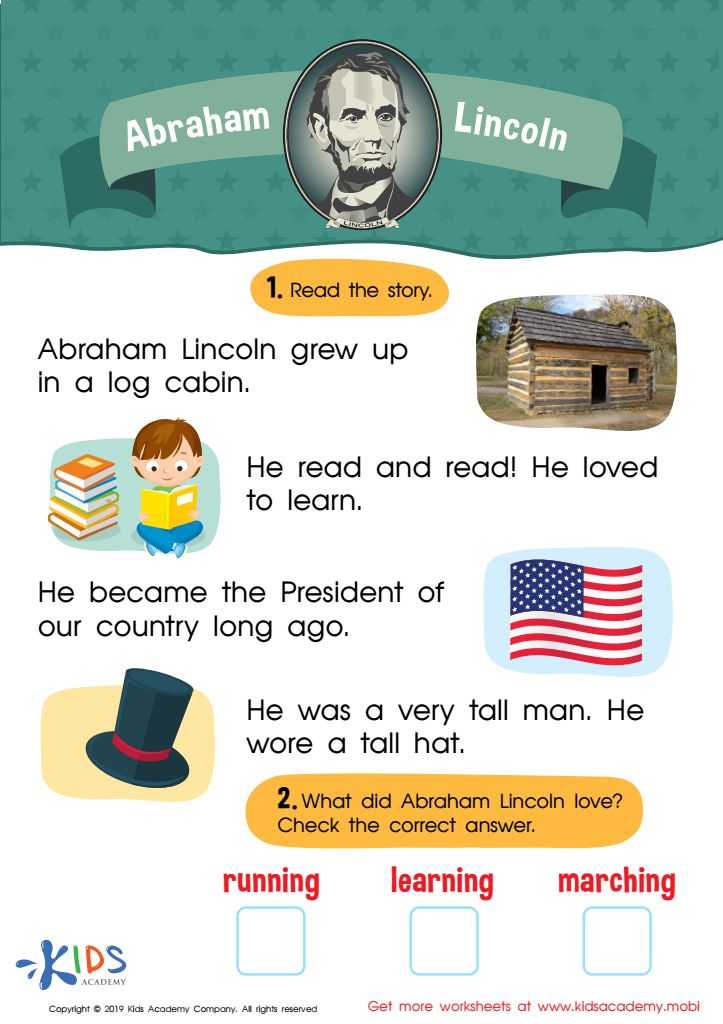
Abraham Lincoln Worksheet
 Assign to My Students
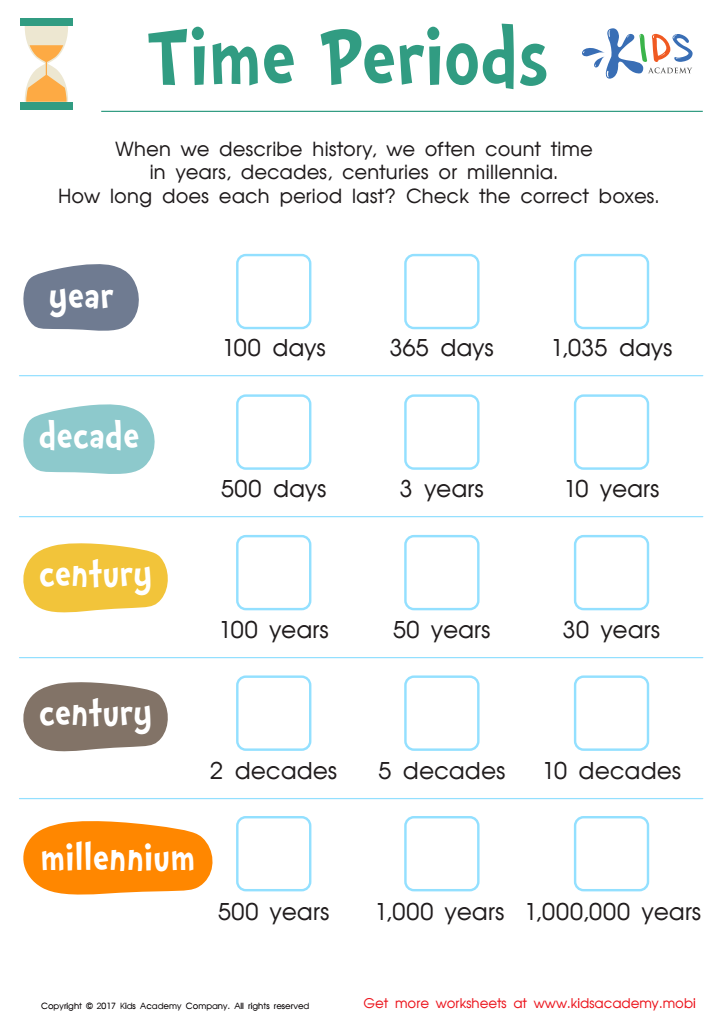
Time Periods Worksheet
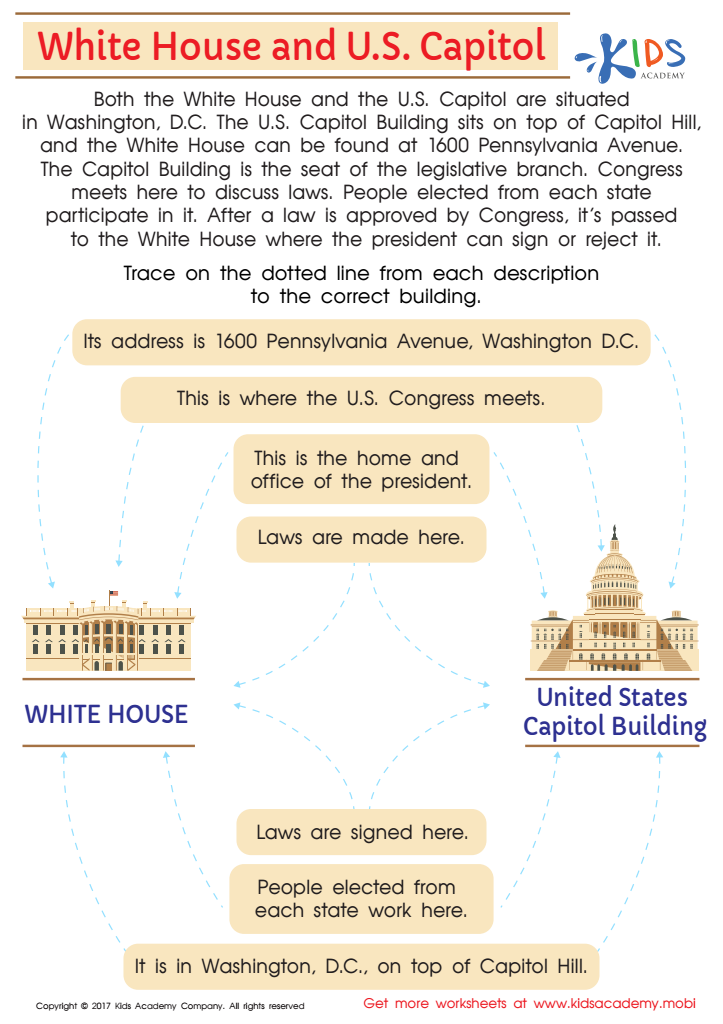
White House and US Capitol Worksheet
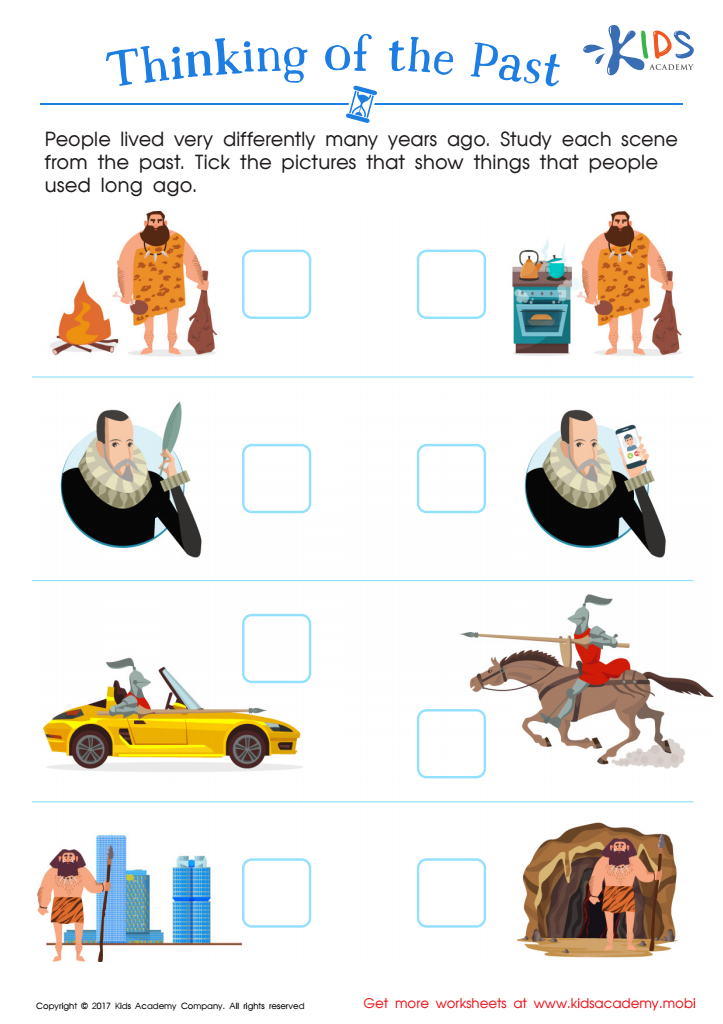
Thinking Past Printable

Thanksgiving Holiday Printable
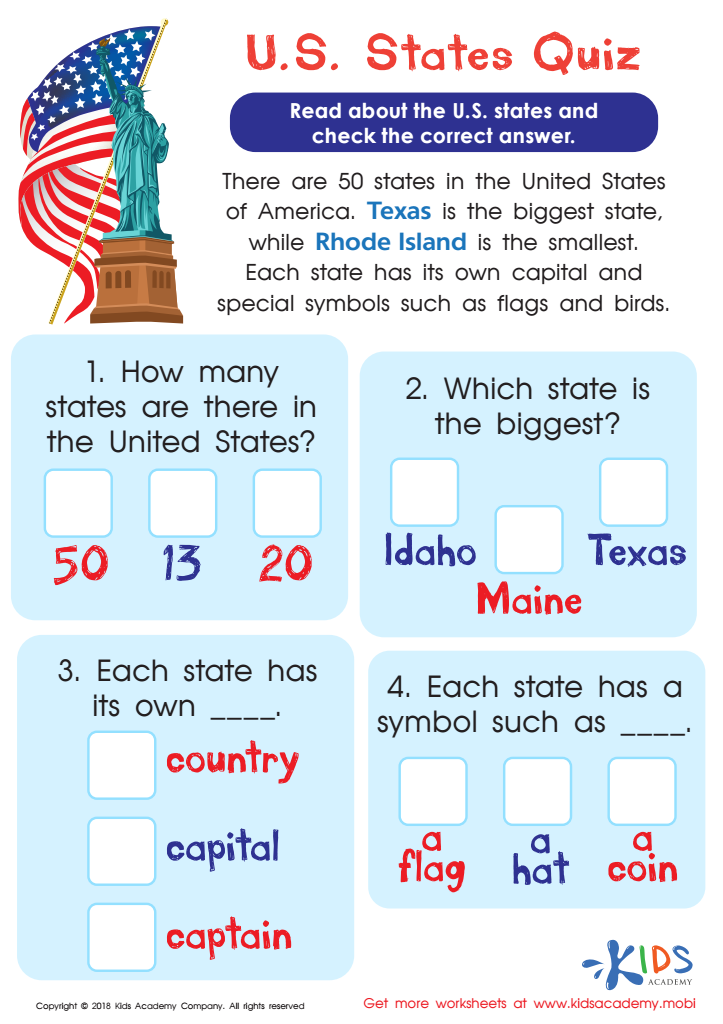
U.S. States Quiz Worksheet
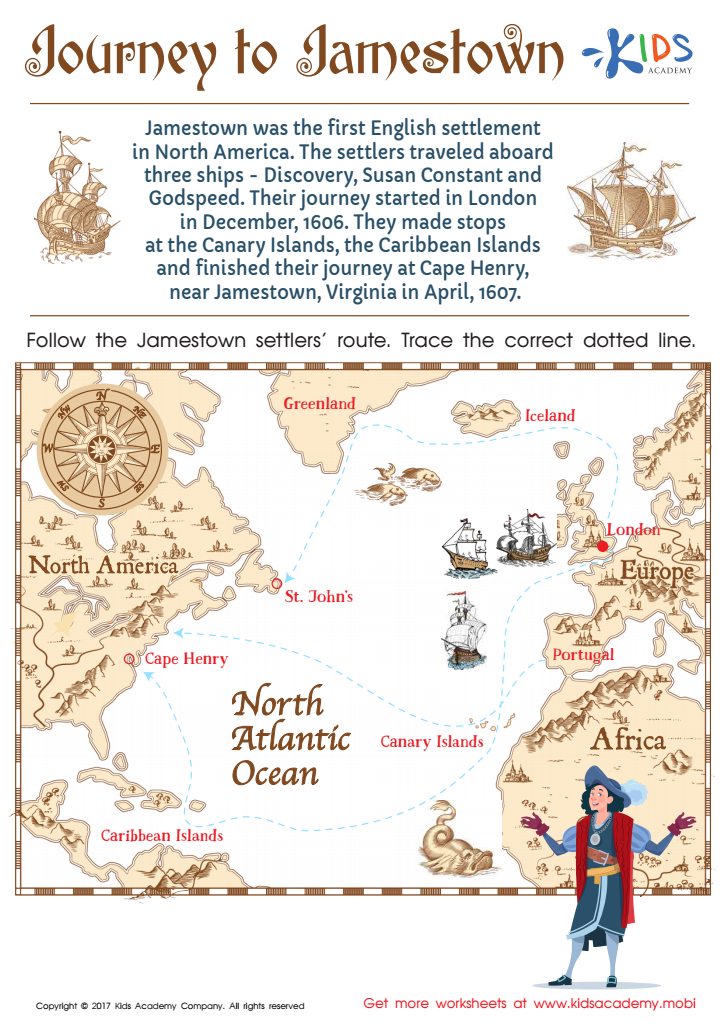
Journey to Jamestown Worksheet
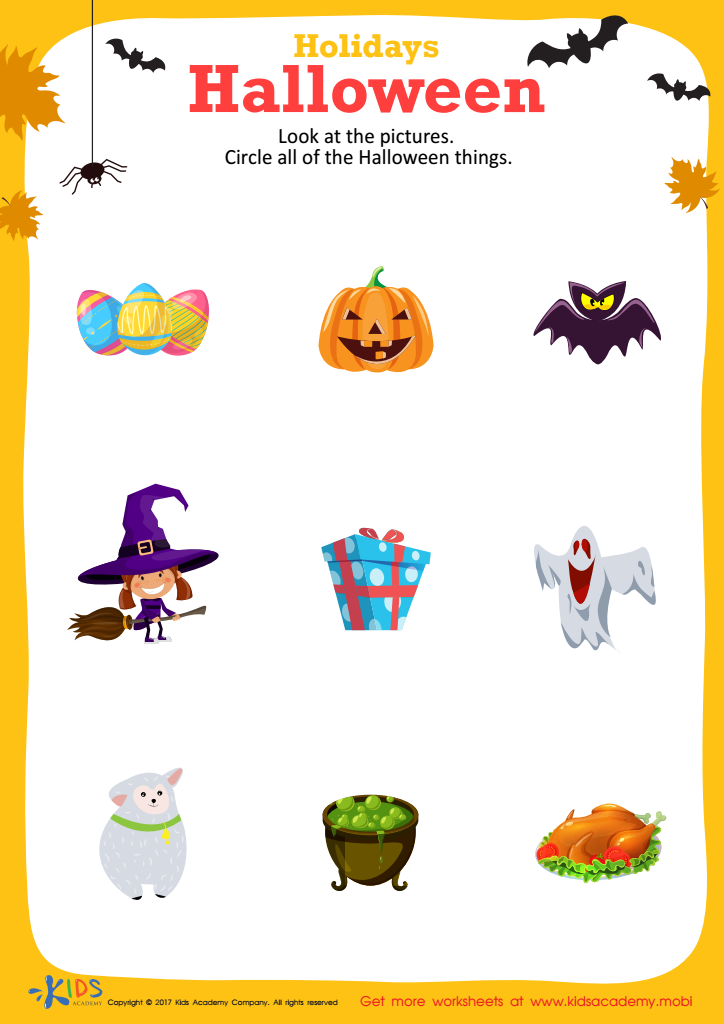
Halloween Holiday Worksheet
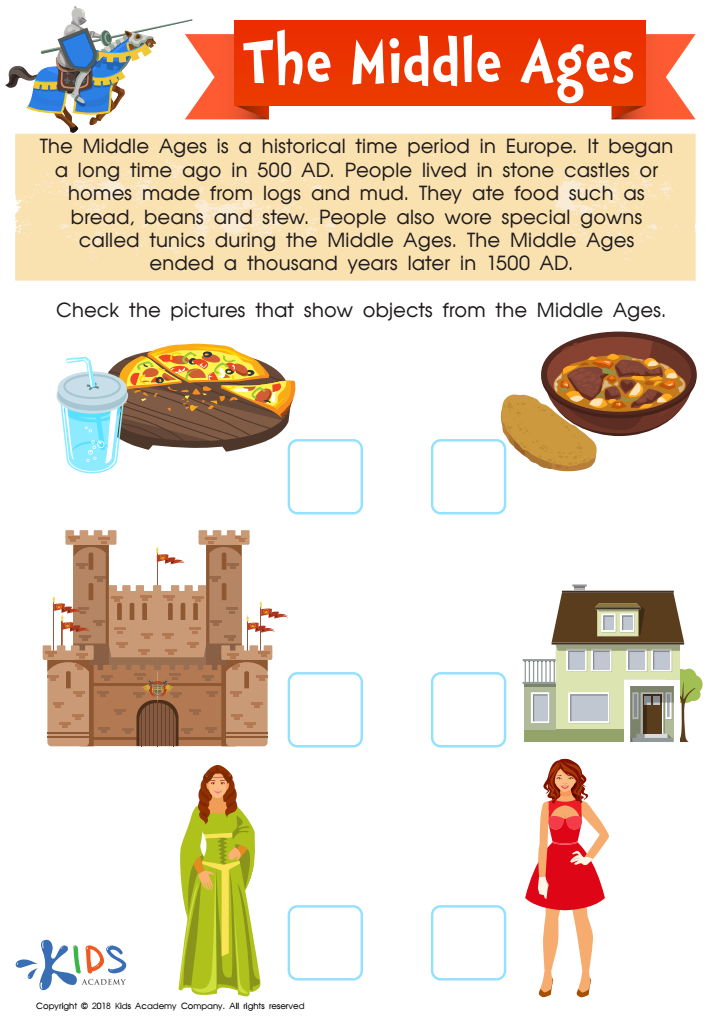
The Middle Ages Worksheet
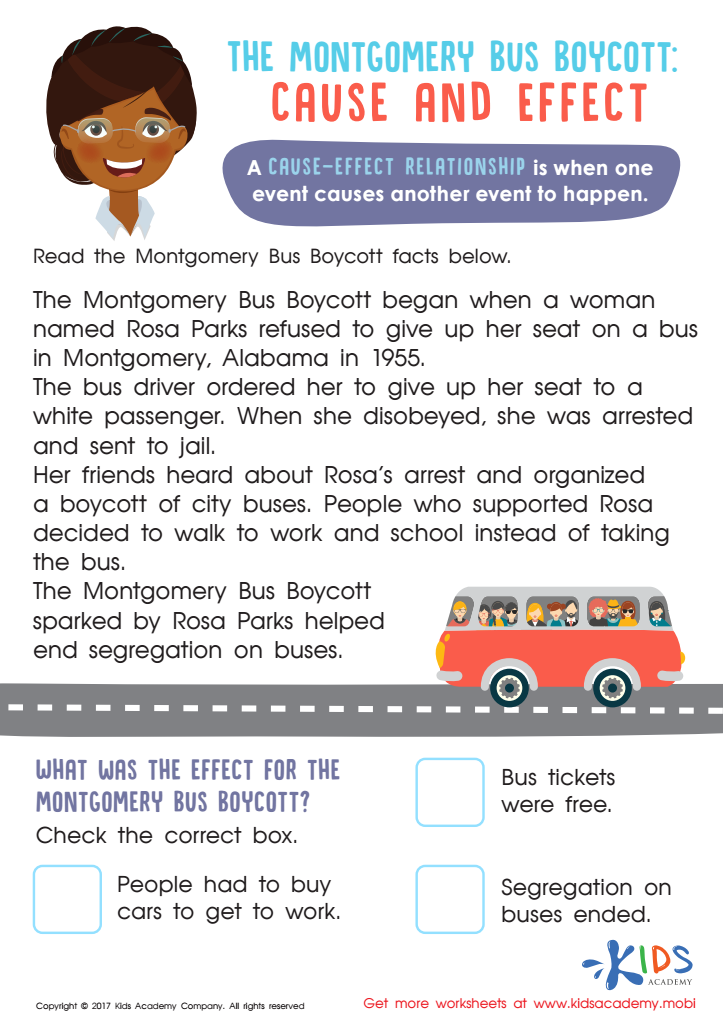
The Montgomery Bus Boycott Cause and Effect Worksheet
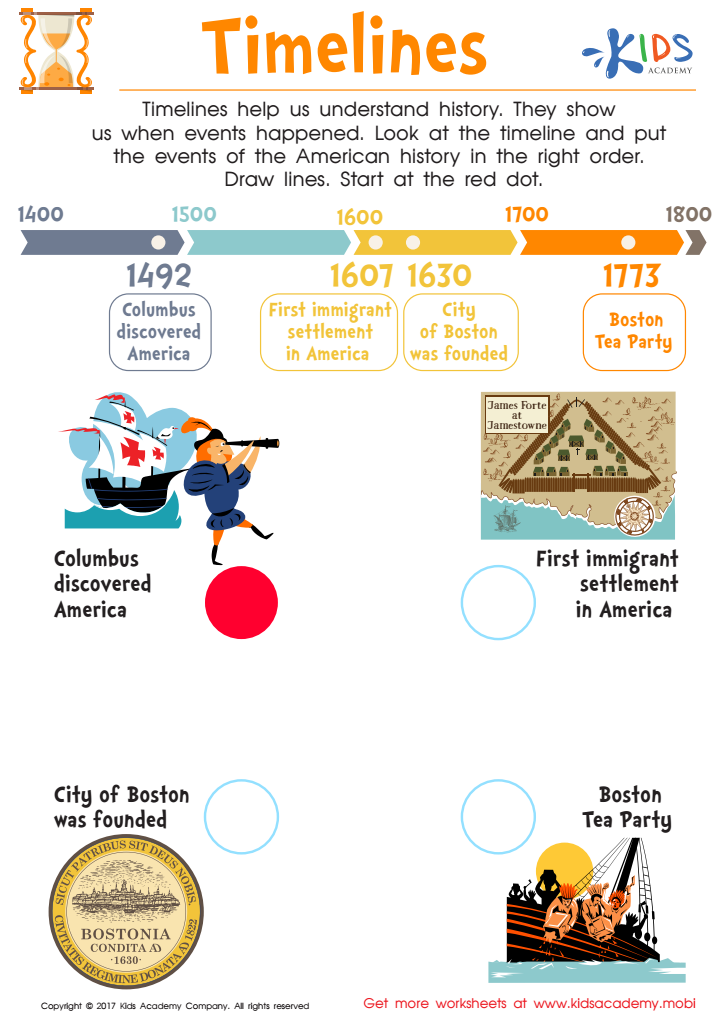
American History Timeline Worksheet
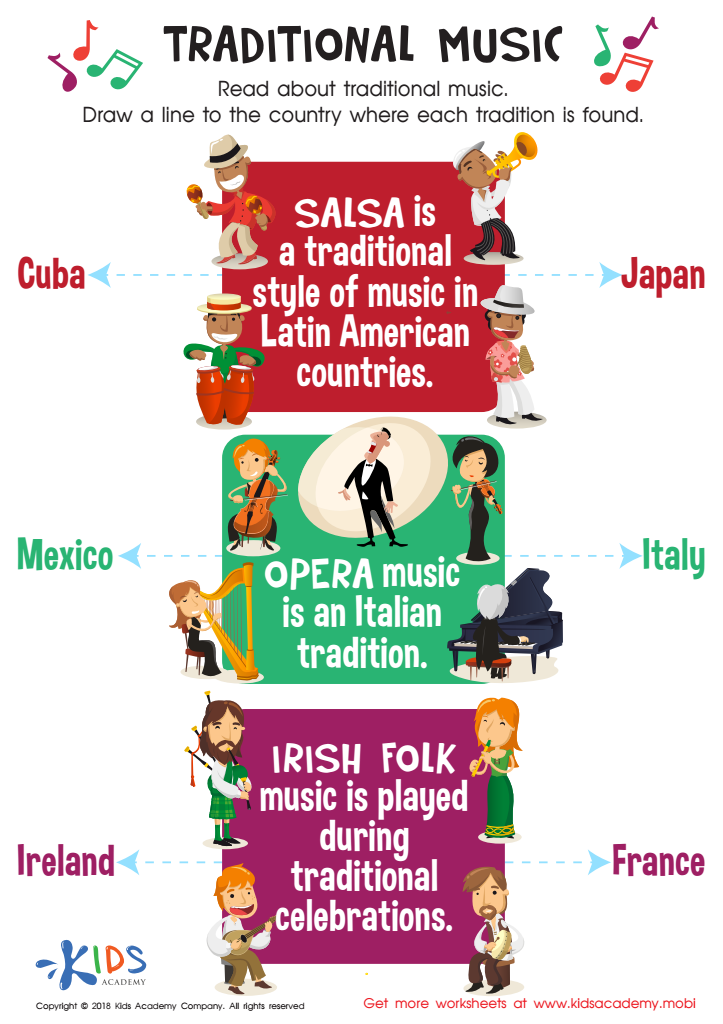
Traditional Music Worksheet

The Pledge of Allegiance Worksheet
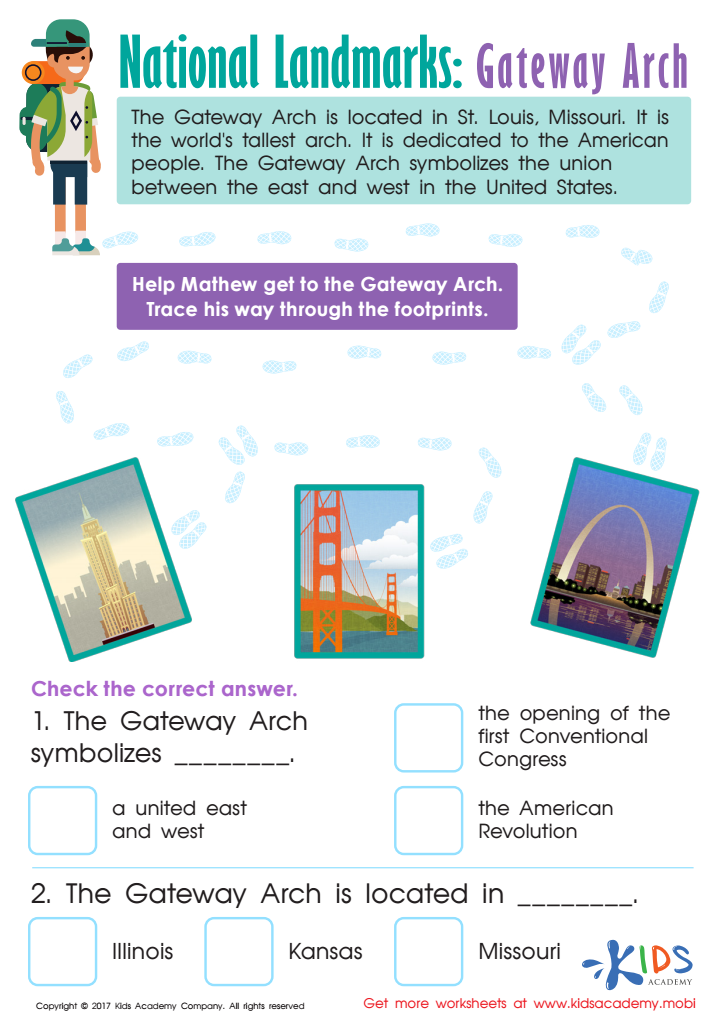
Gateway Arch Printable Worksheet
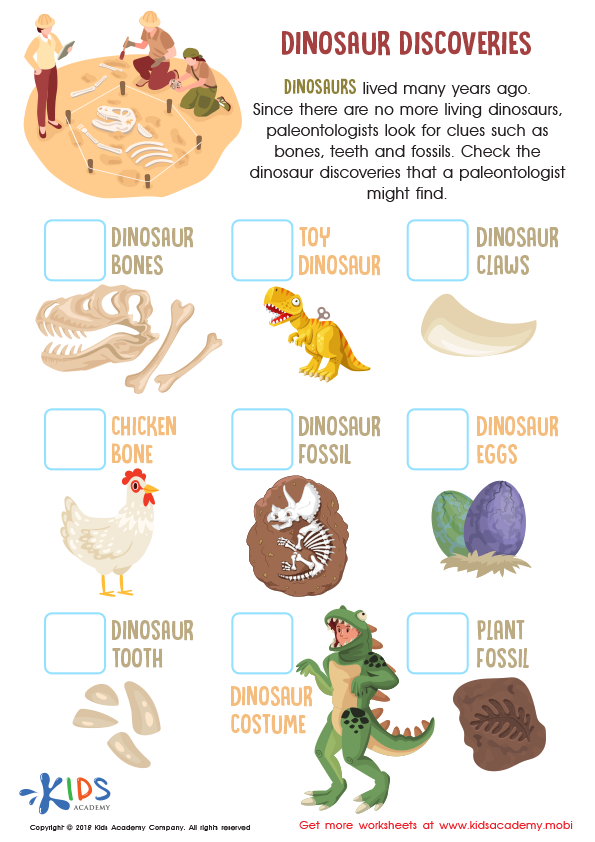
Dinosaur Discoveries Worksheet
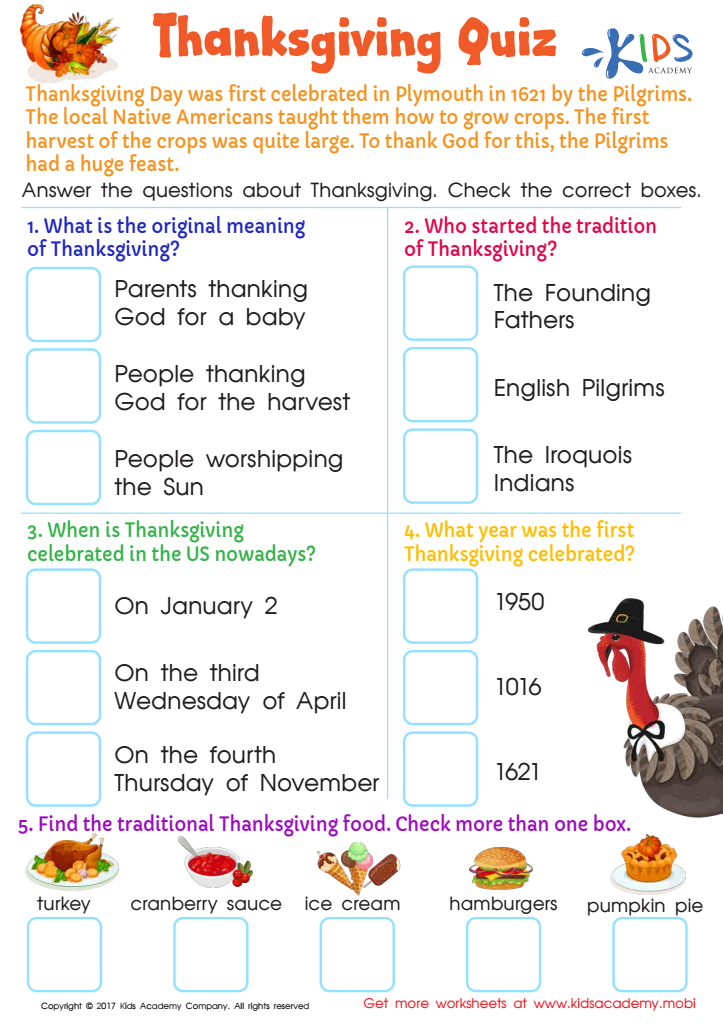
Thanksgiving Quiz Worksheet
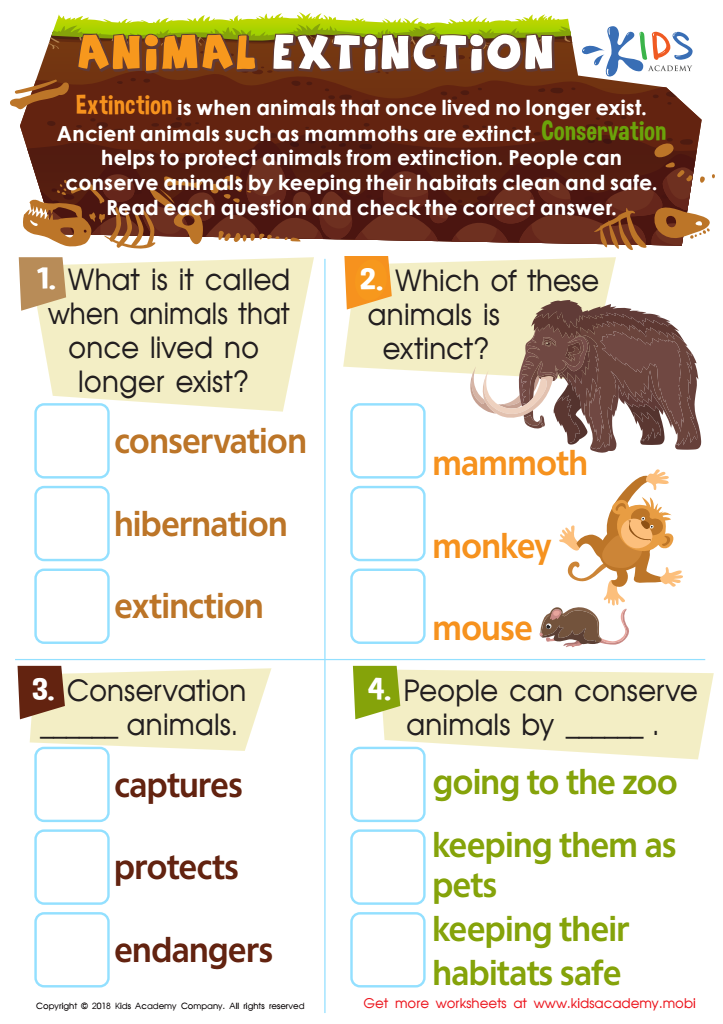
Animal Extinction Worksheet
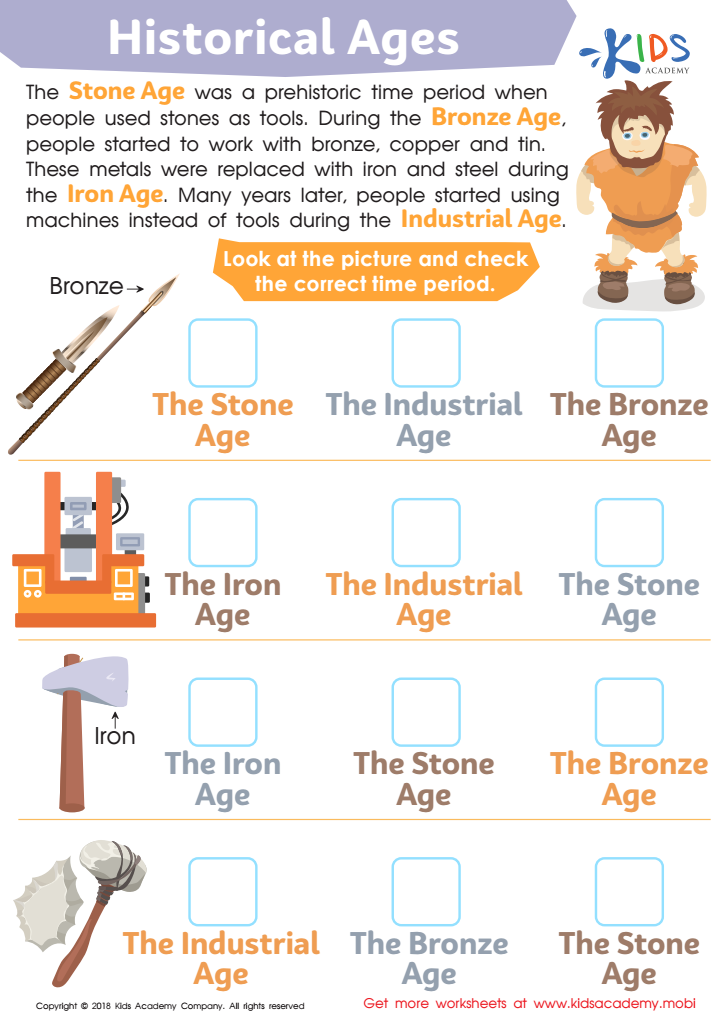
Historical Ages Worksheet
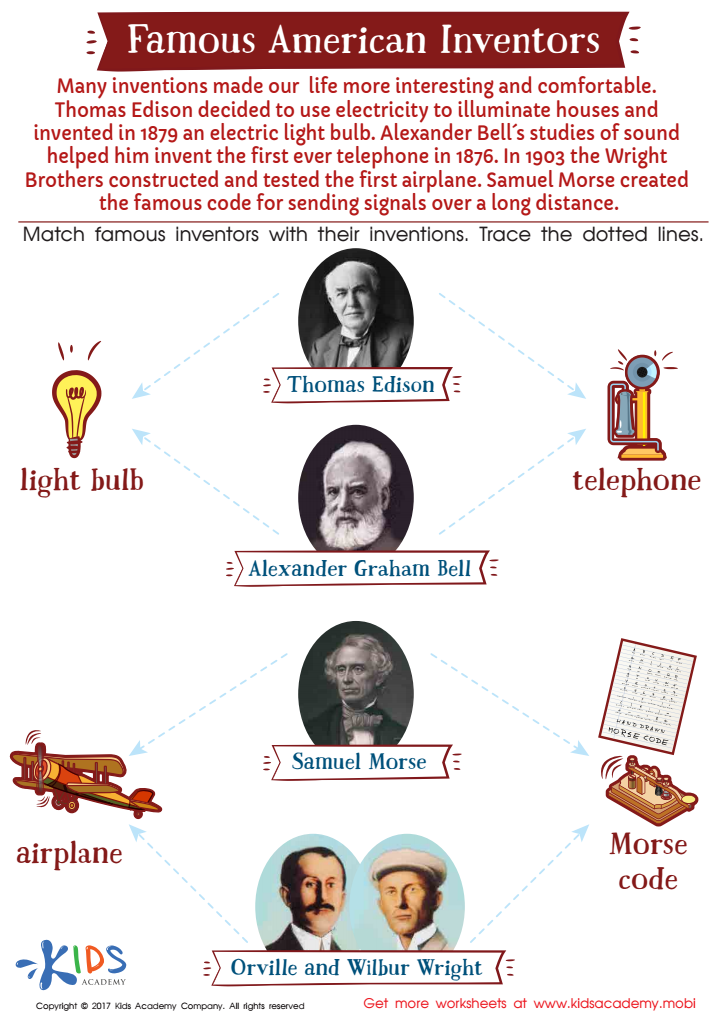
Famous American Inventors Worksheet

Christmas Holiday Worksheet
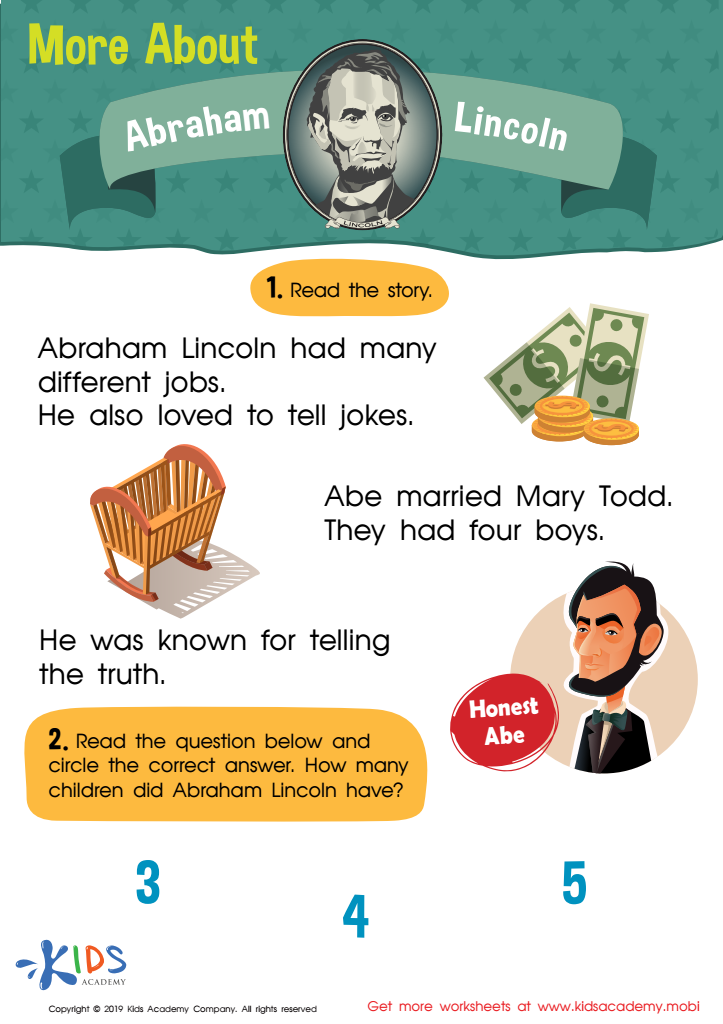
More About Abraham Lincoln Worksheet
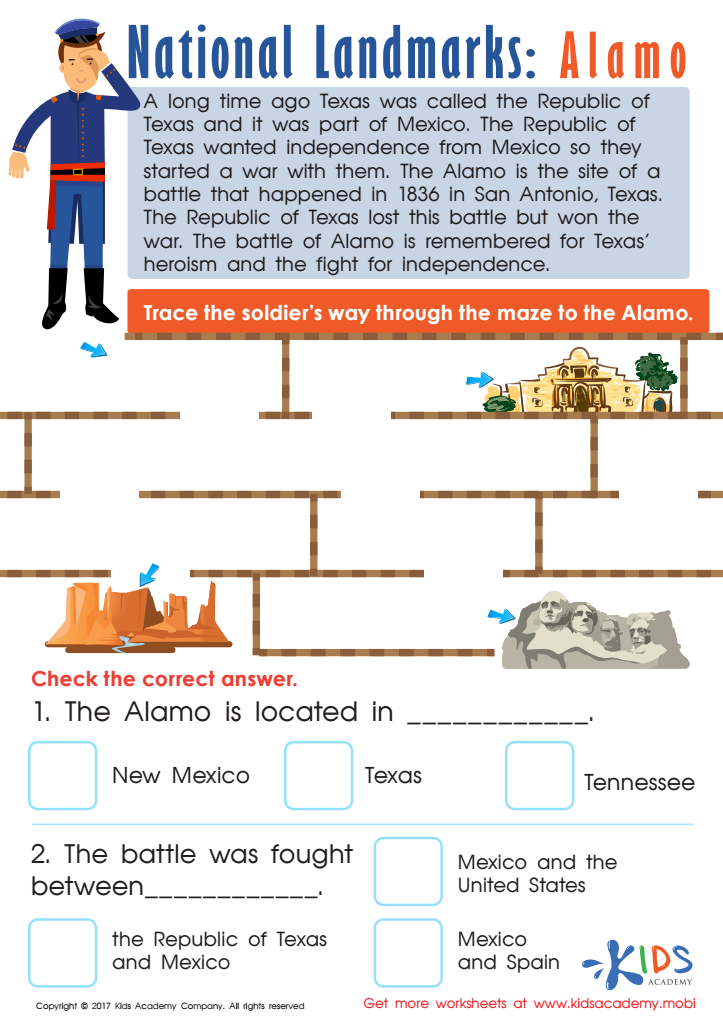
Alamo Printable Worksheet
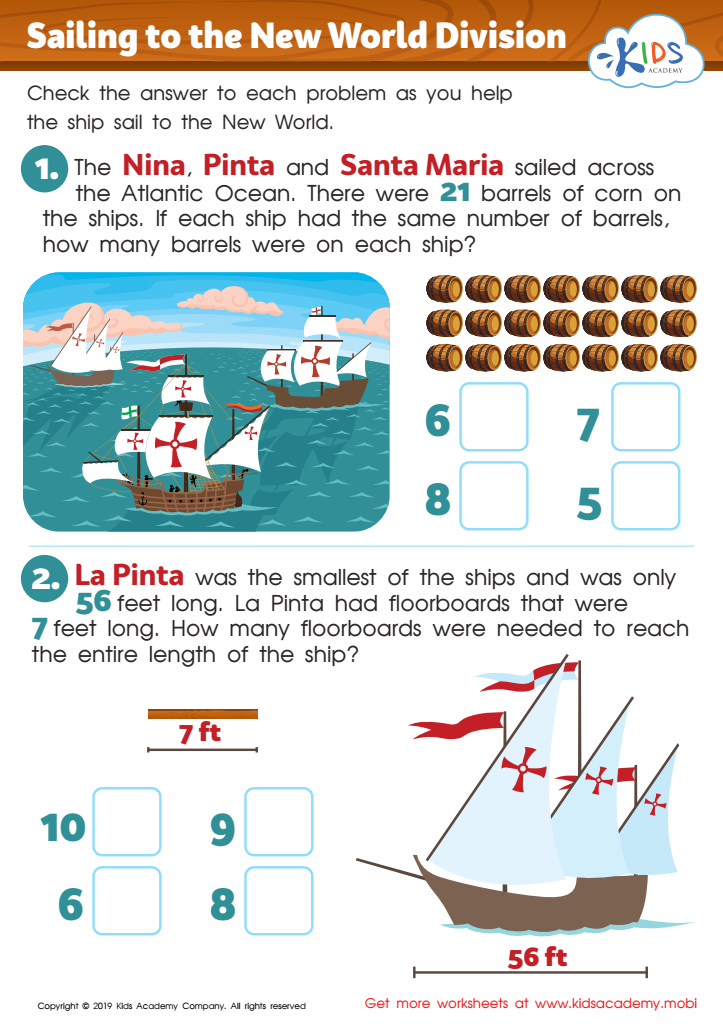
Sailing to the New World Division Worksheet
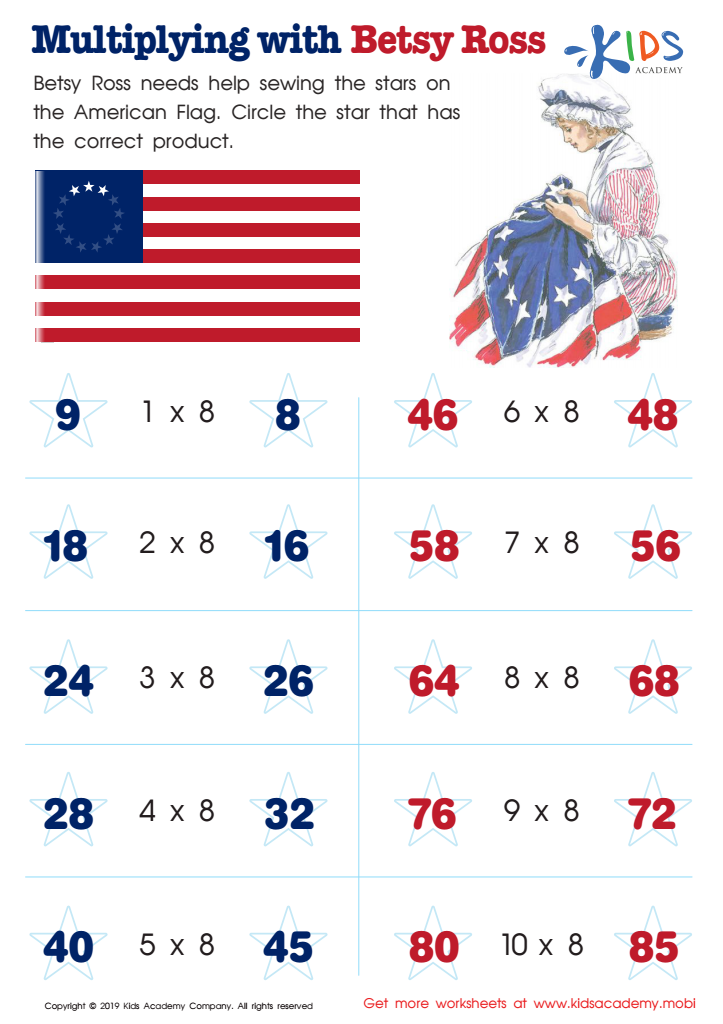
Multiplying with Betsy Ross Worksheet







Parents and teachers should care about “Normal History” for Ages 4-9 because it fosters a child's understanding of their identity and connection to the world. This curriculum presents historical events and figures in relatable, age-appropriate ways, making it engaging and meaningful. By exploring diverse narratives, children develop empathy and learn to appreciate differences while recognizing shared humanity.
Additionally, introducing history at a young age encourages critical thinking skills. Children are prompted to ask questions, make connections, and form their own opinions based on evidence. This helps them become informed and thoughtful citizens, which is crucial in today’s diverse society.
Moreover, early exposure to history lays a foundation for lifelong learning. It provides context for current events and enhances literacy and comprehension skills as children navigate various texts and media.
Emphasizing “normal” or everyday histories makes learning relevant. Kids often see history in the lives of ordinary people rather than just monumental events, making it more approachable.
In sum, integrating Normal History into early education empowers children to understand their world, think critically, and cultivate a broader perspective—equipping them with essential skills for their future.