Normal Community Worksheets for Ages 5-7 - Page 4
83 filtered results
-
From - To
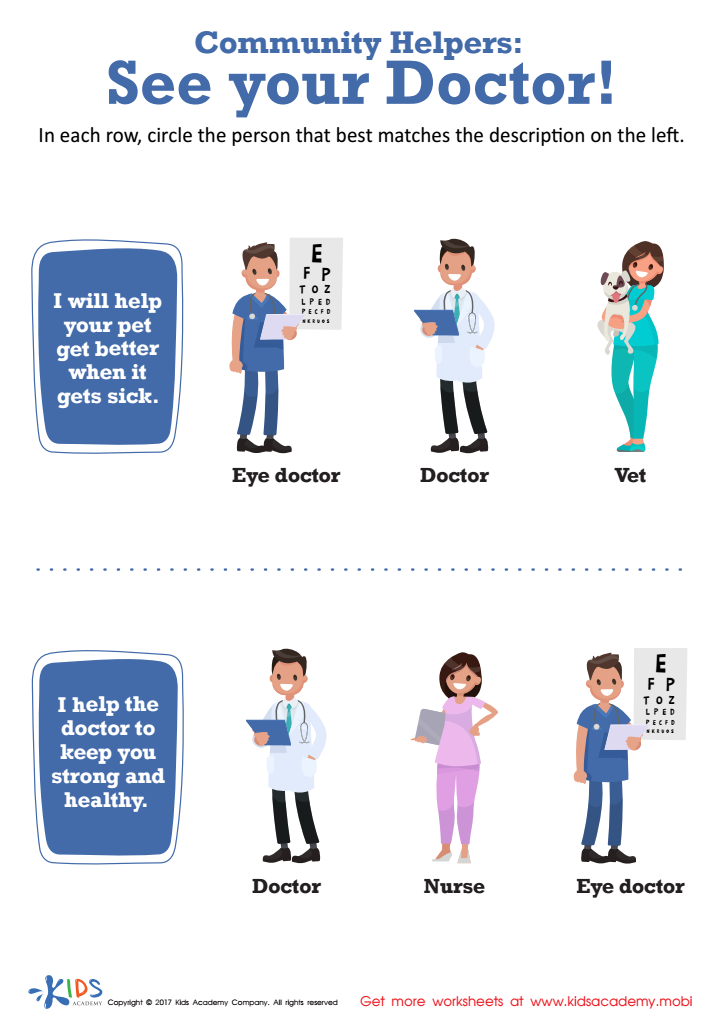
See Your Doctor (Part 2) Printable
 Assign to My Students
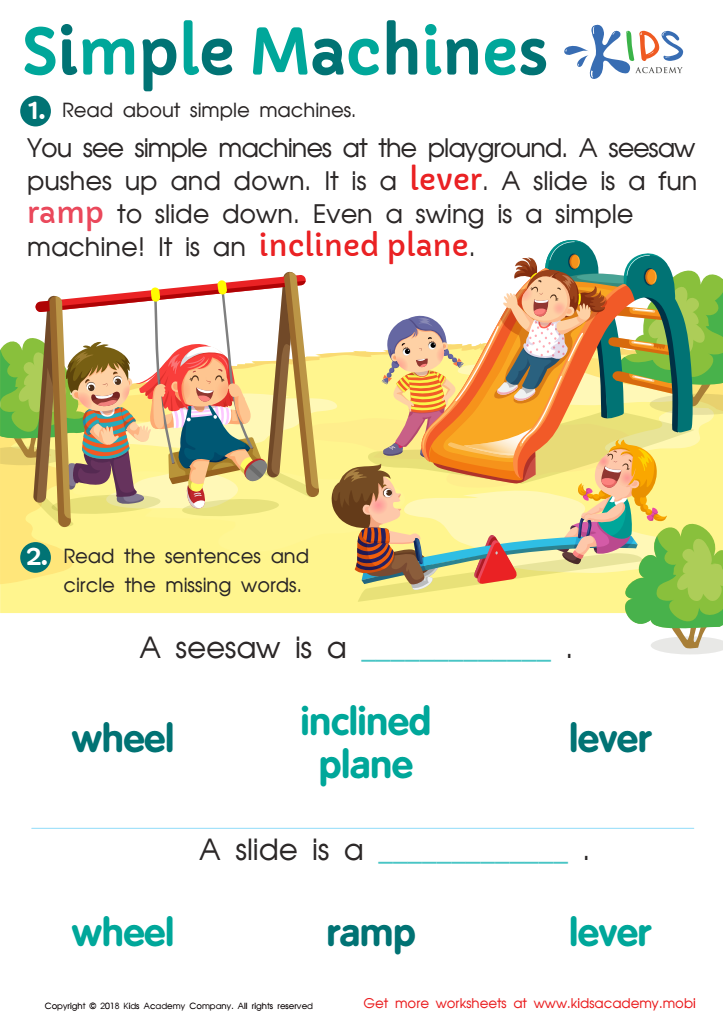
Simple Machines Worksheet
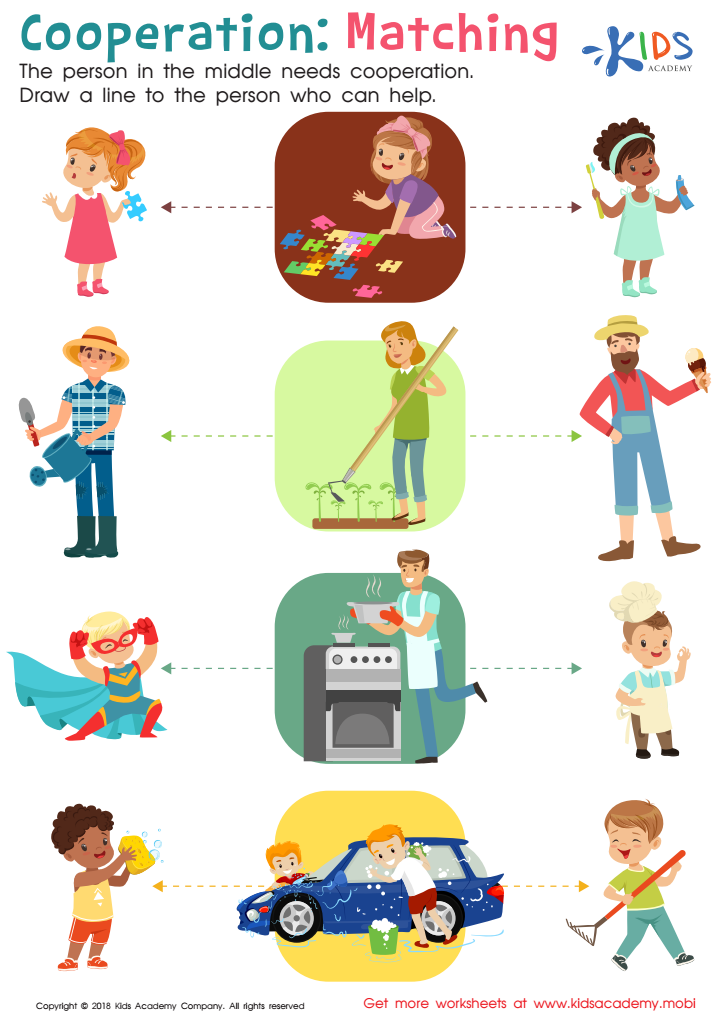
Cooperation: Matching Worksheet
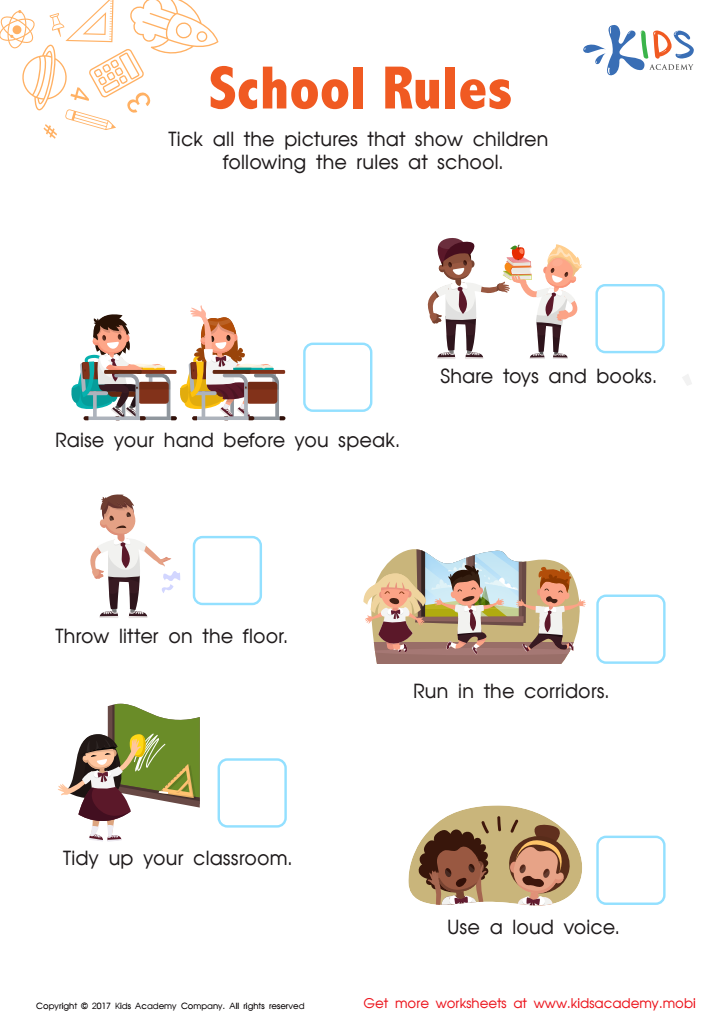
School Rules Worksheet
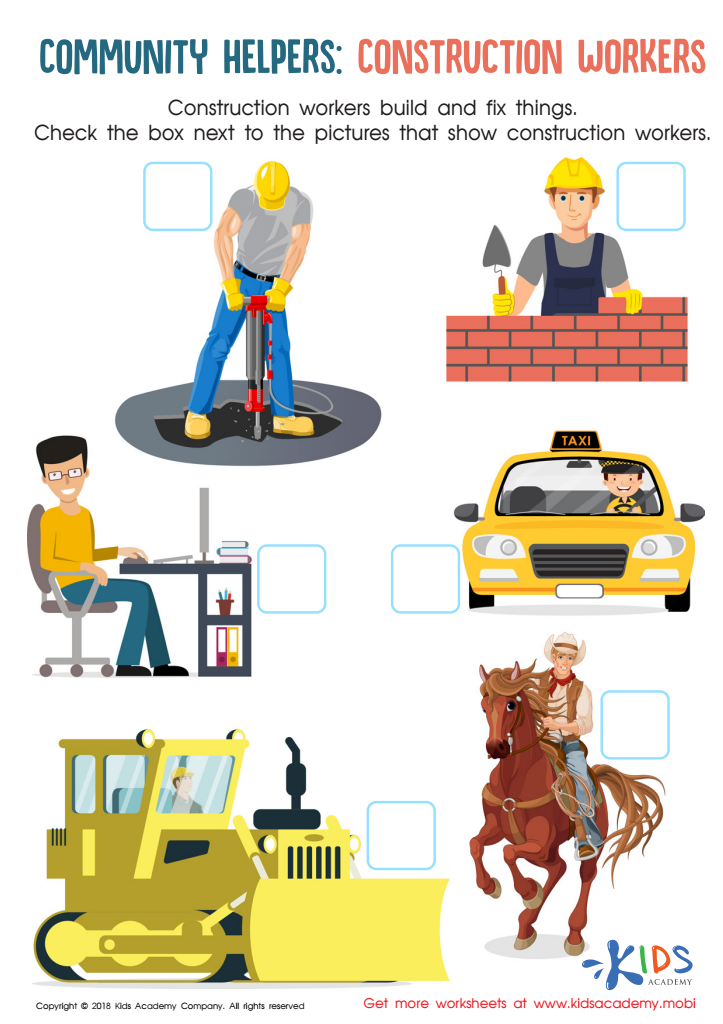
Construction Workers Community Helpers Worksheet
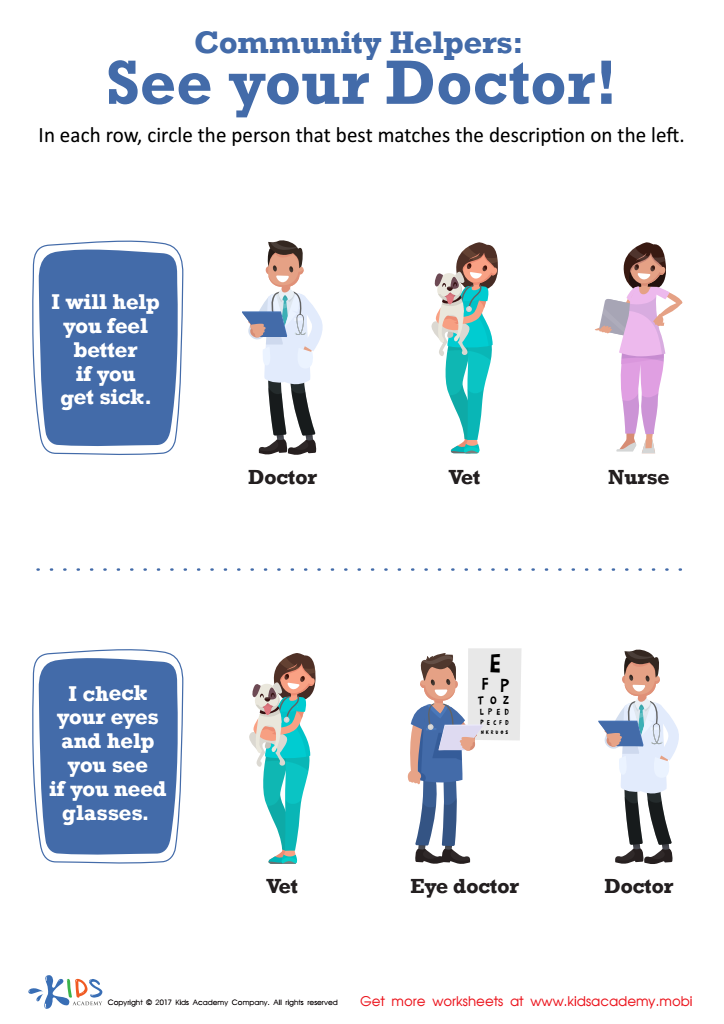
See Your Doctor (Part 1) Printable
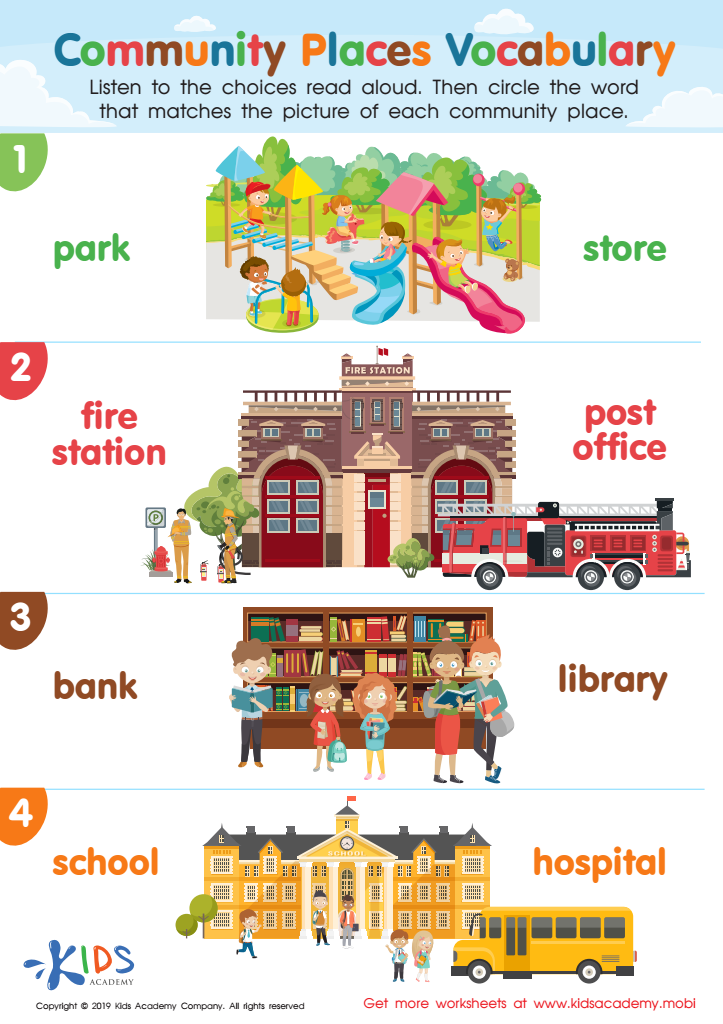
Community Places Vocabulary Worksheet
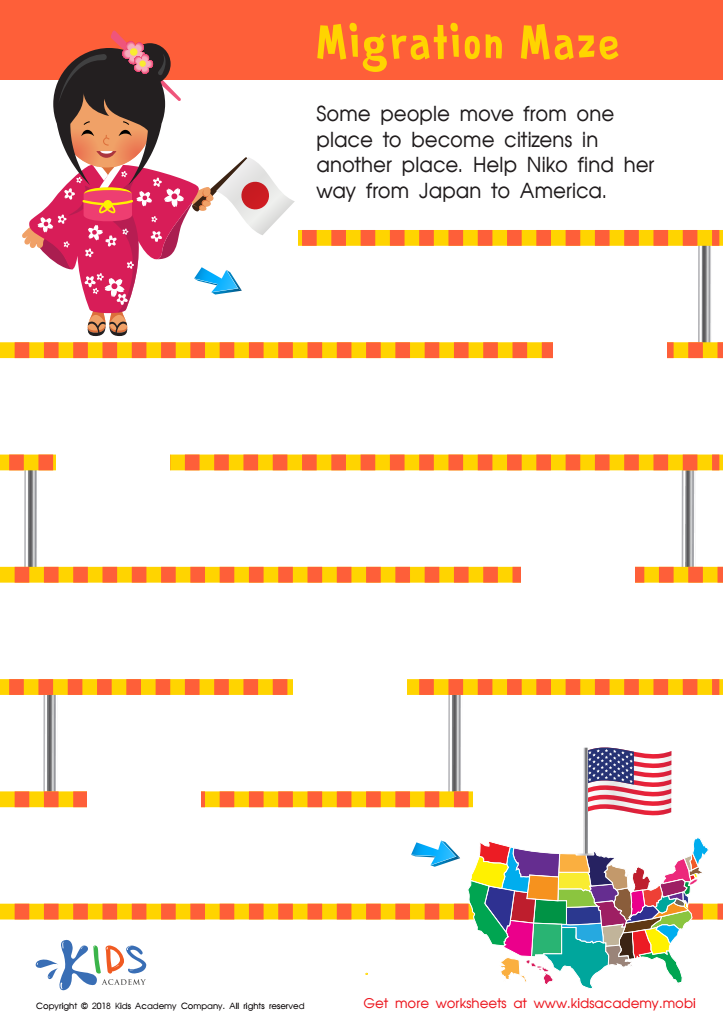
Migration Maze Worksheet
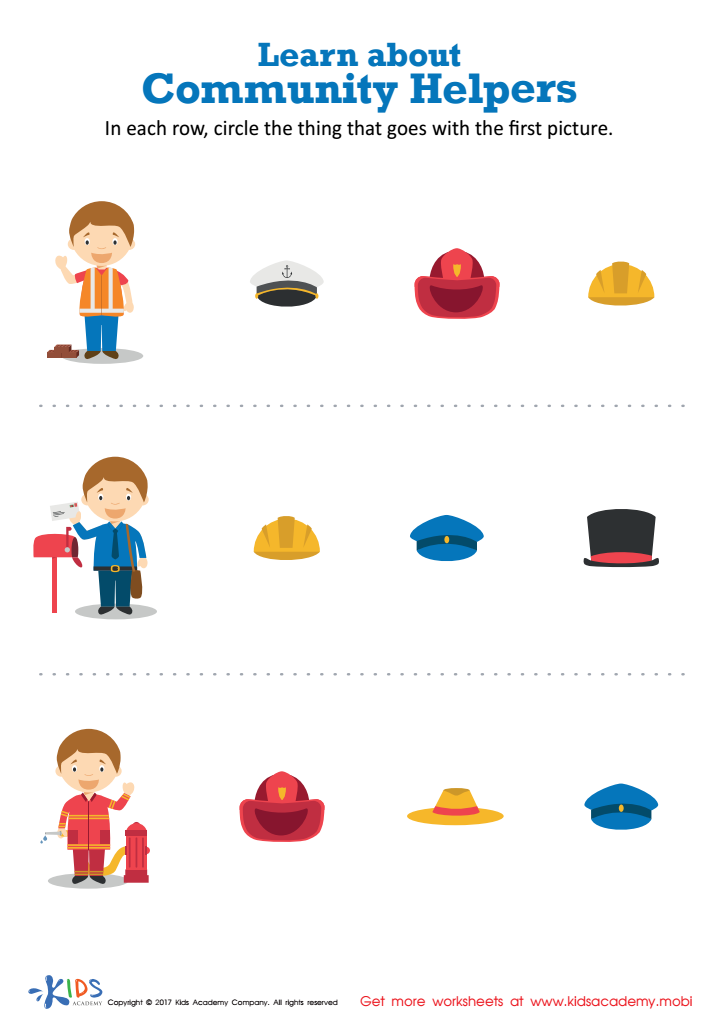
Learn about Community Helpers Printable
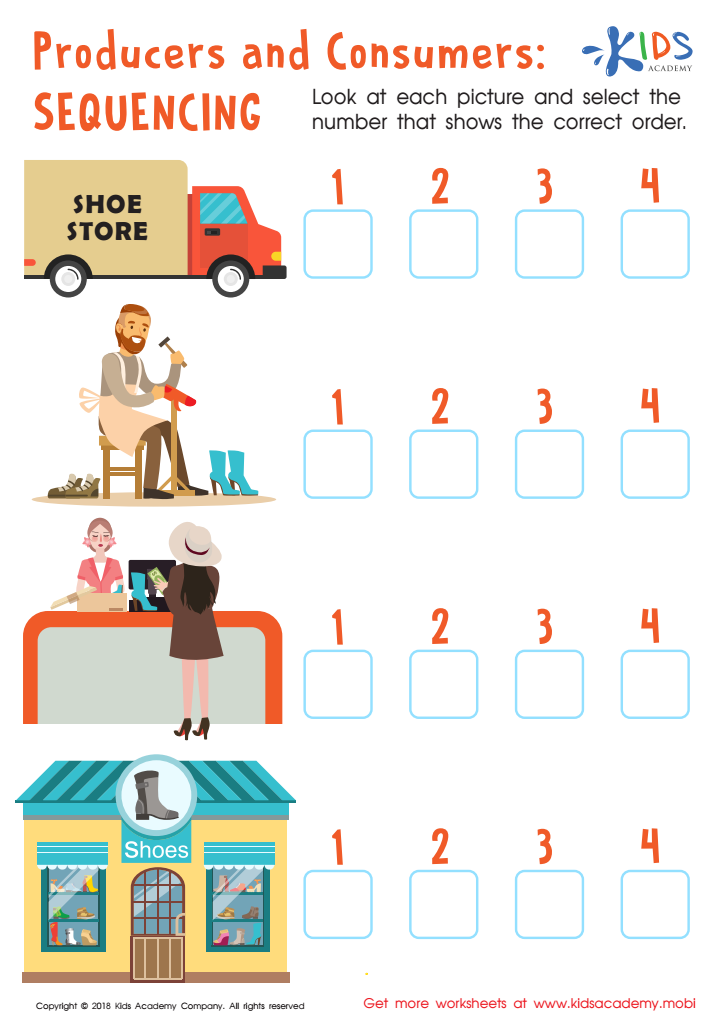
Producers and Consumers: Sequencing Worksheet
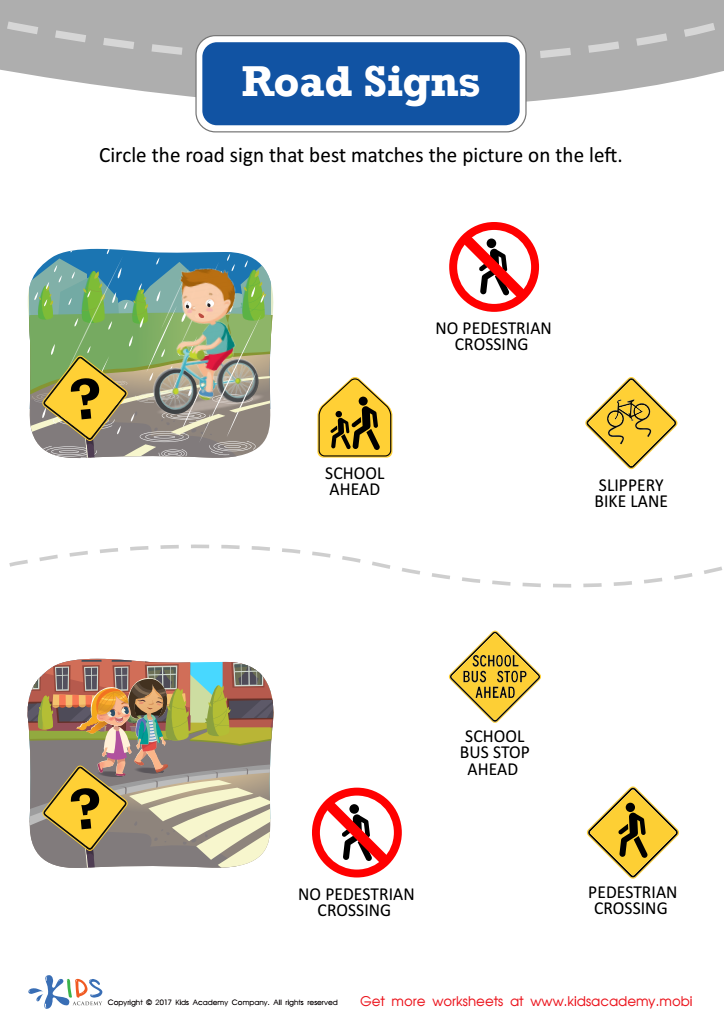
Road Signs (Part 2) Printable








Normal Community, in the context of early childhood education for ages 5-7, refers to environments that facilitate typical, healthy social and emotional development. It's crucial for both parents and teachers to foster a "normal community" for young children because this period is foundational for lifelong learning and well-being.
At ages 5-7, children begin formal schooling and significantly more social interaction. A nurturing, stable, and positive community helps children feel secure, boosting their emotional resilience. It aids in the development of critical social skills like sharing, cooperation, and conflict-resolution, which are vital for future interpersonal relationships.
For parents, investing in a positive community means seeking schools and extracurricular environments that prioritize emotional intelligence and a supportive atmosphere. Teachers play a pivotal role in modeling and reinforcing positive behaviors, creating inclusive classrooms where all children feel valued and understood.
Moreover, consistent and shared values between home and school encourage children to flourish academically and socially. When parents and teachers work together to create supportive environments, children are more likely to develop self-confidence, empathy, and a love for learning. This joint effort lays a strong foundation for a child's future academic success and well-rounded personal development. Therefore, establishing and maintaining a "normal community" is essential for raising balanced, capable, and happy children.








