Normal Letter Recognition Worksheets for Ages 5-8 - Page 3
67 filtered results
-
From - To
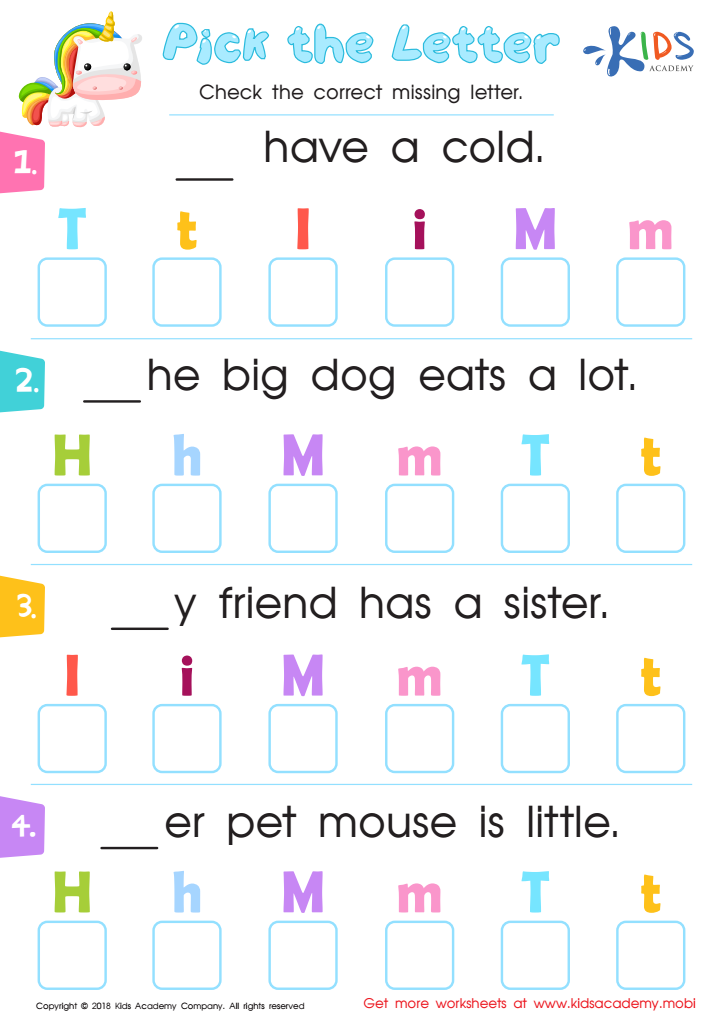
Pick the Letter Worksheet
 Assign to My Students
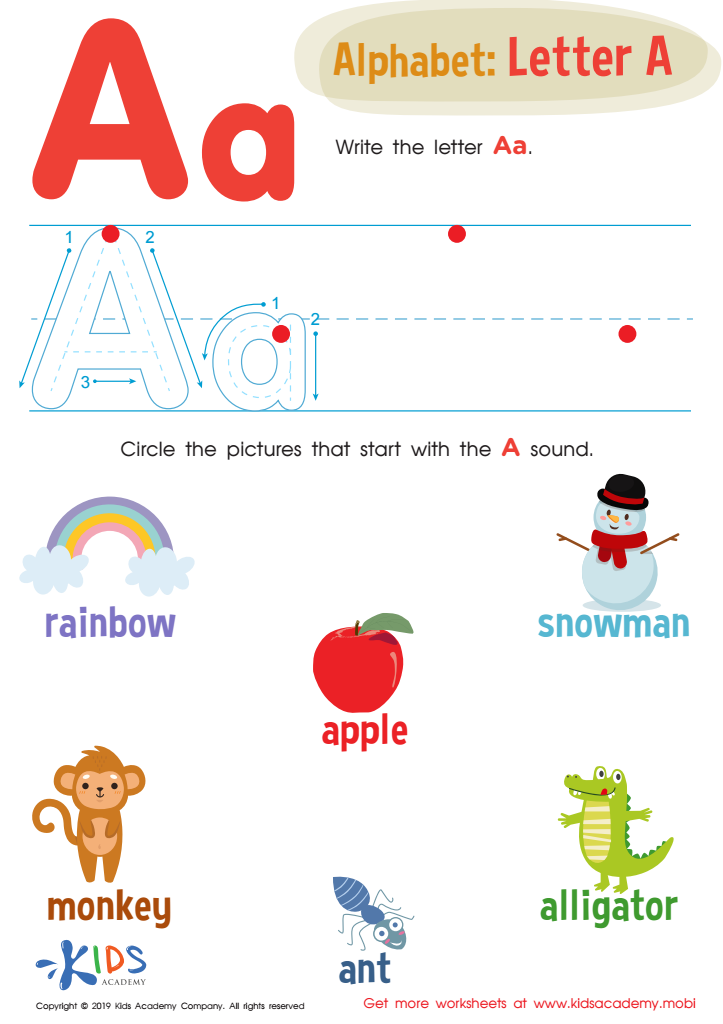
Letter A Tracing Worksheet
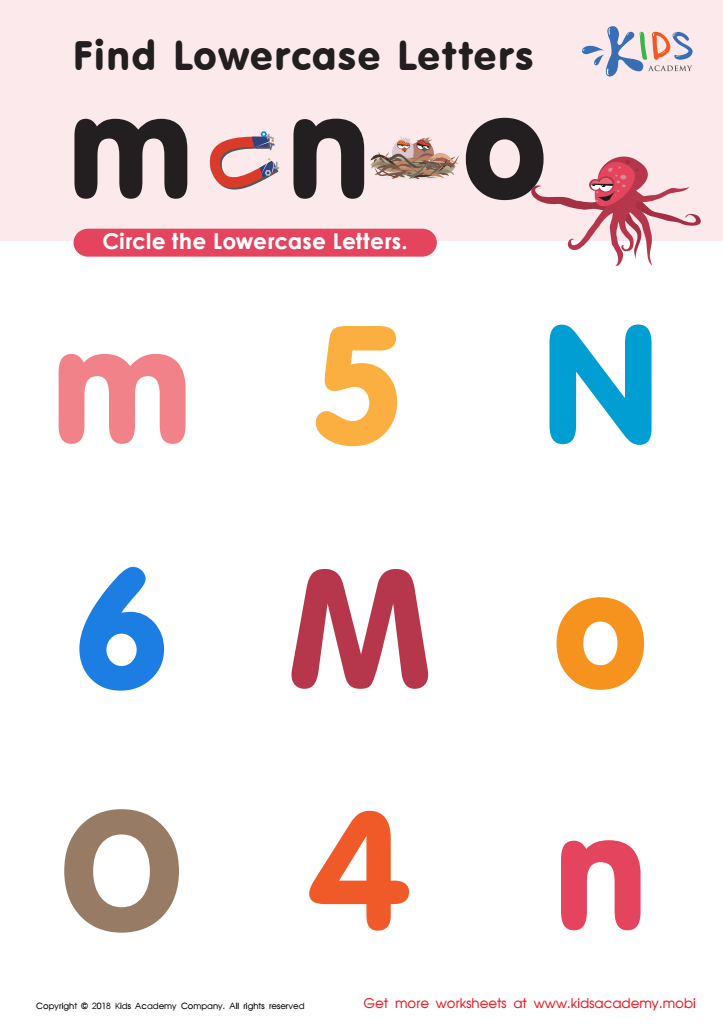
Find Lowercase Letters m n o Worksheet
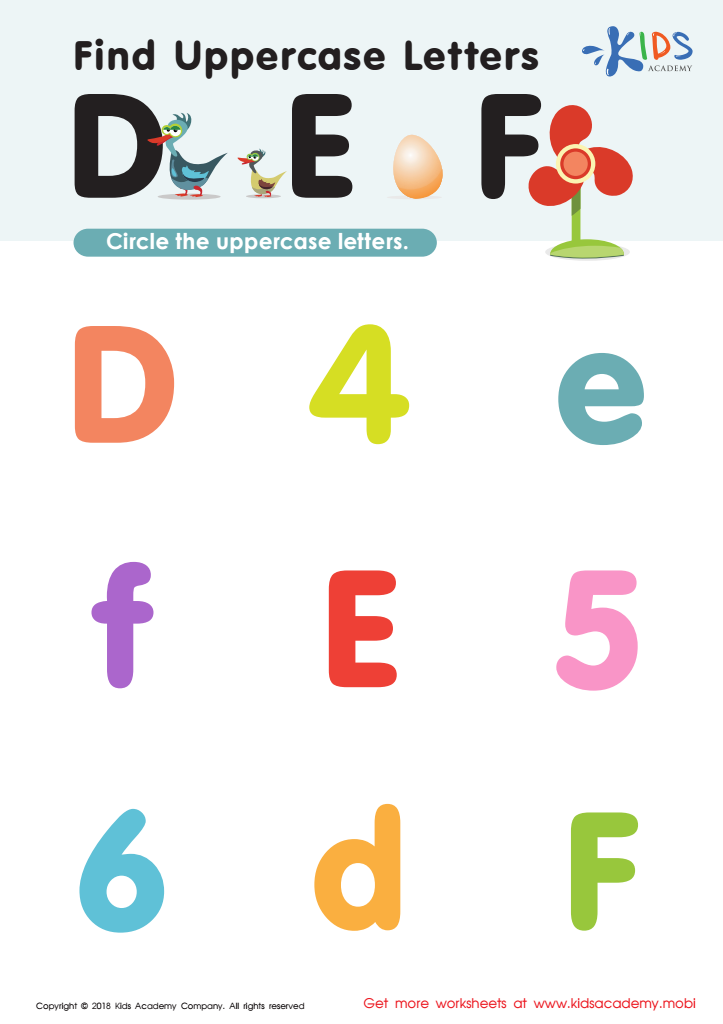
Find Uppercase Letters D, E, and F Worksheet
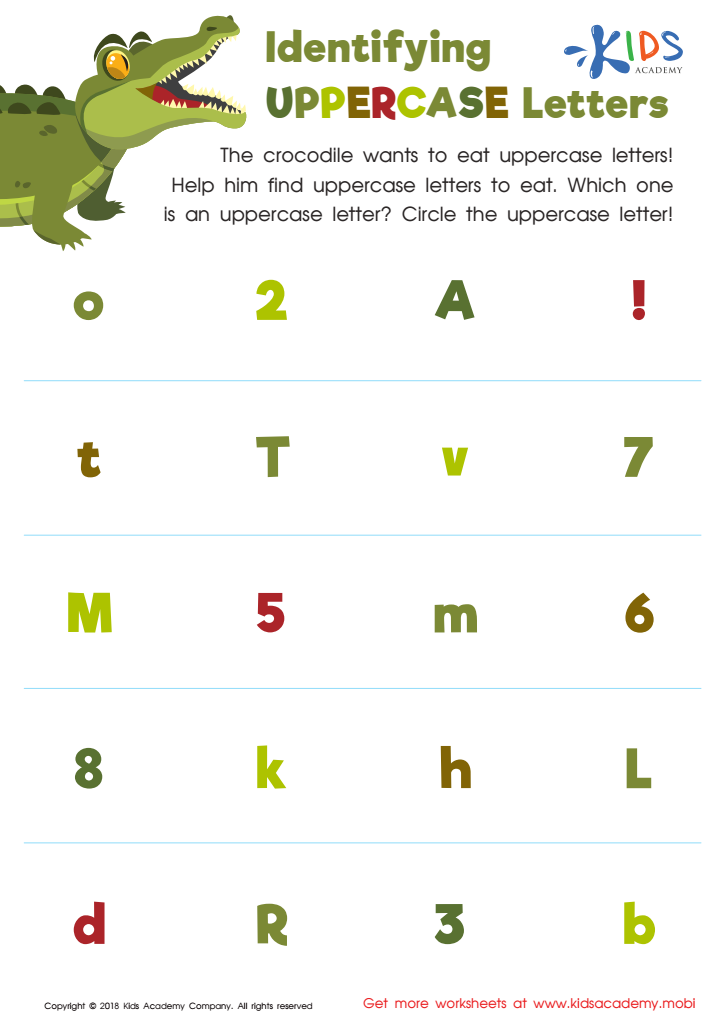
Identifying Uppercase Letters Worksheet
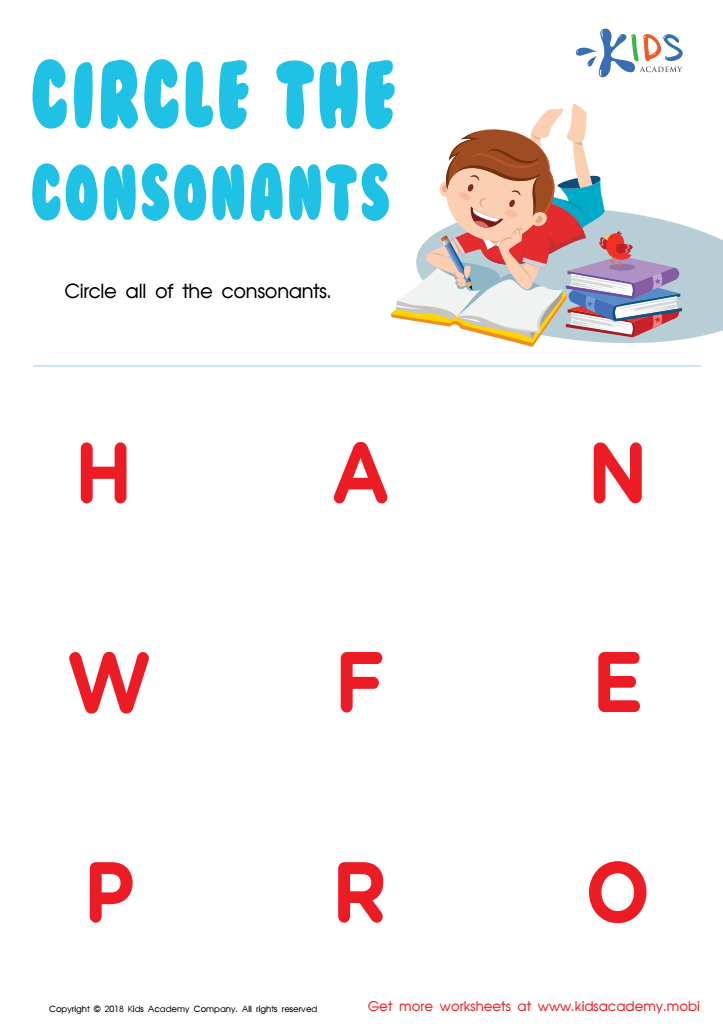
Circle the Consonants Worksheet

Find lowercase letters a b c Worksheet
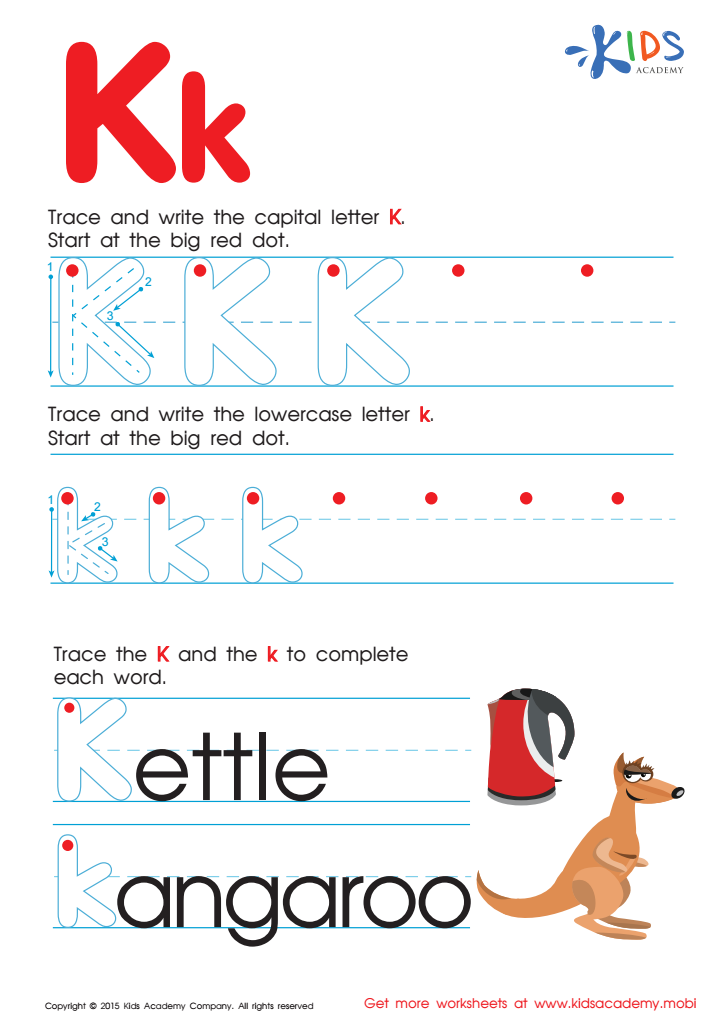
Letter K Tracing Page
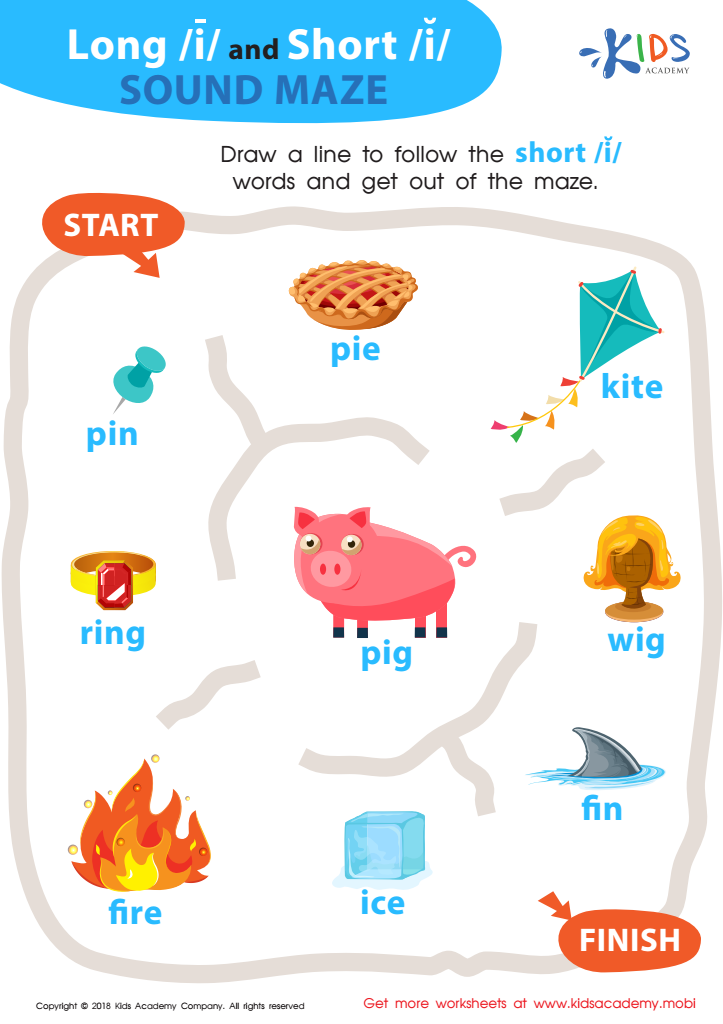
Reading: Long I and Short I Sound Maze Worksheet

Find Lowercase Letters v w x Worksheet
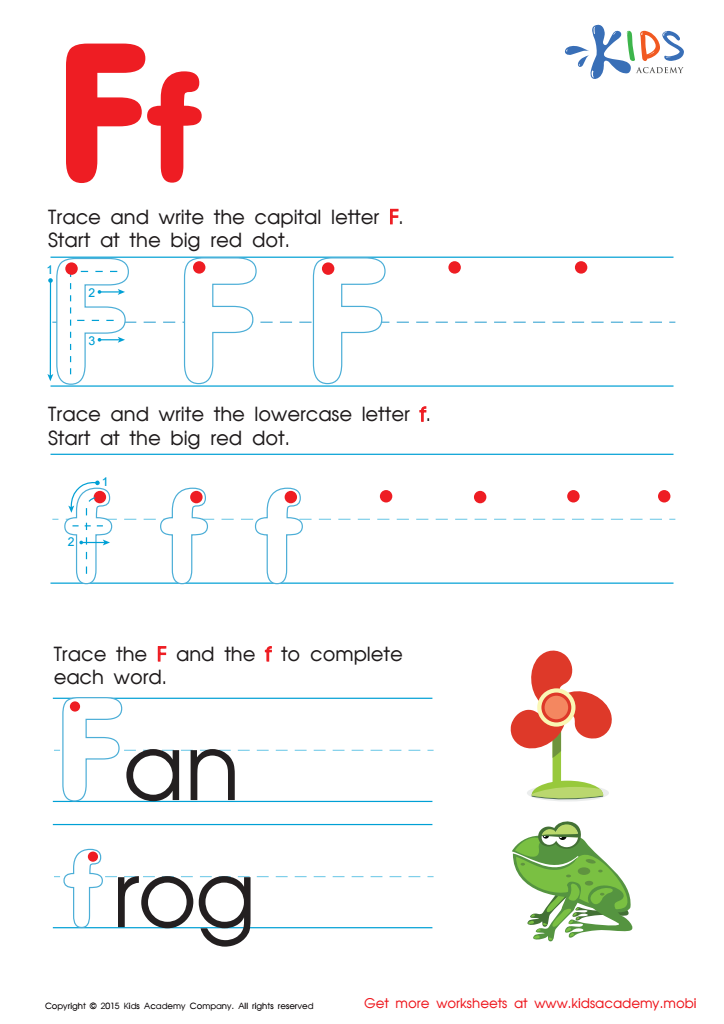
Letter F Tracing Page
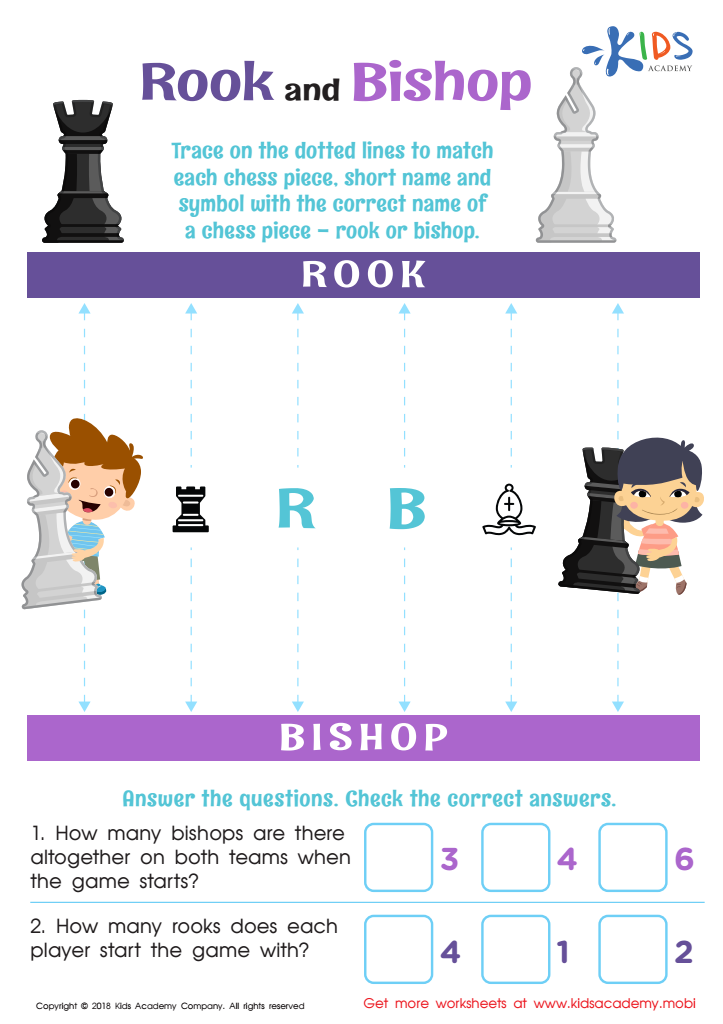
Rook and Bishop Worksheet
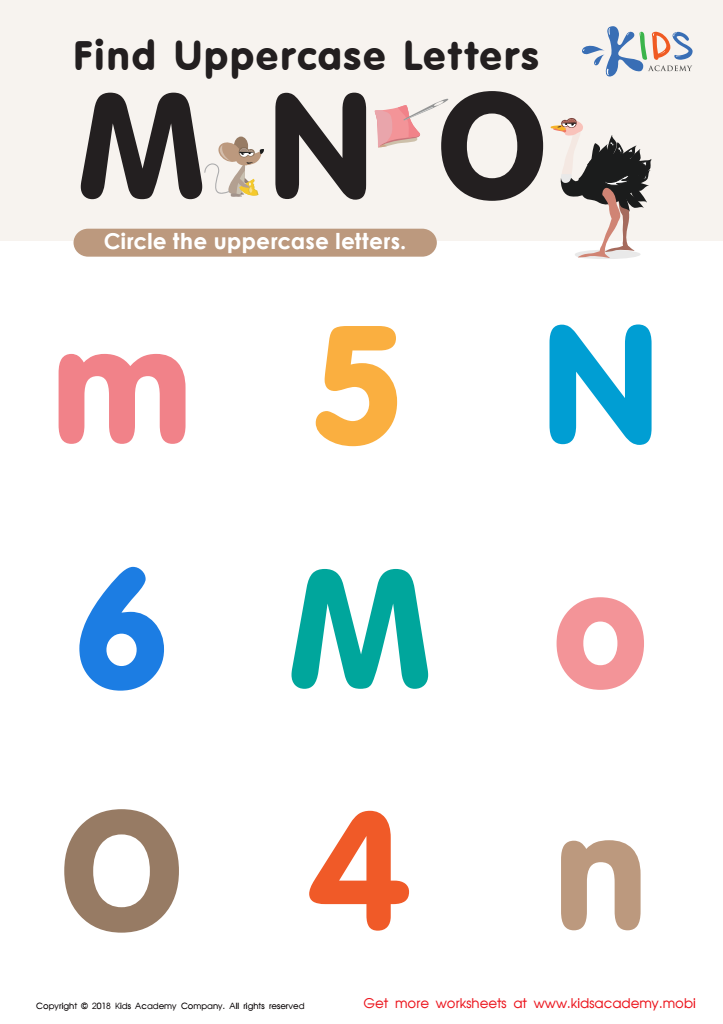
Find Uppercase Letters M, N, and O Worksheet
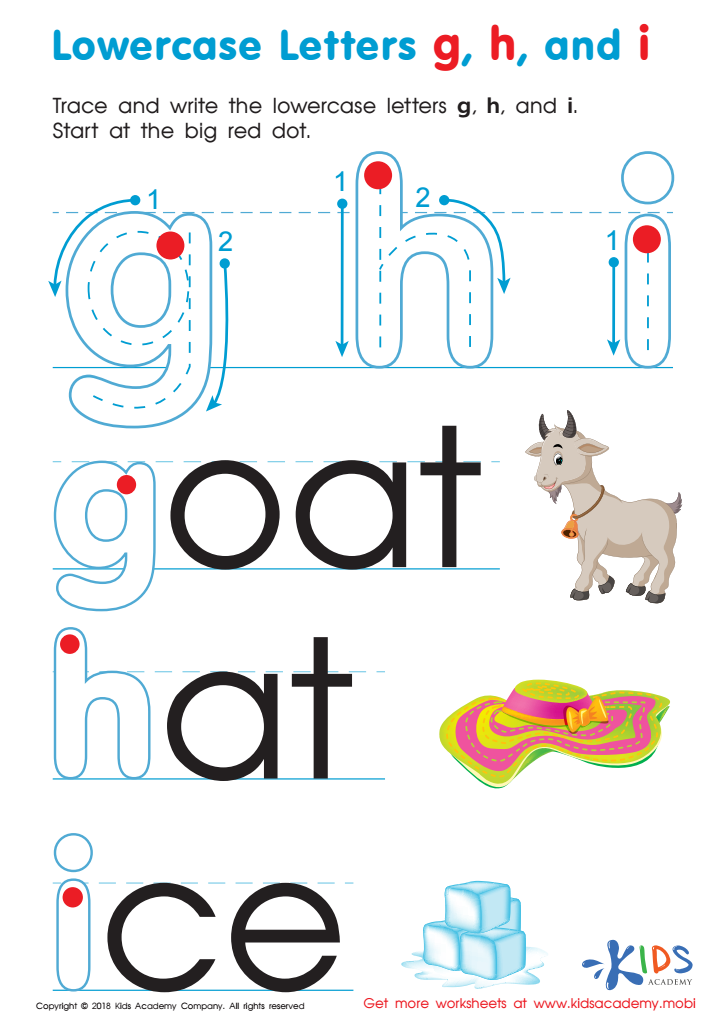
Lowercase Letters g h i Worksheet
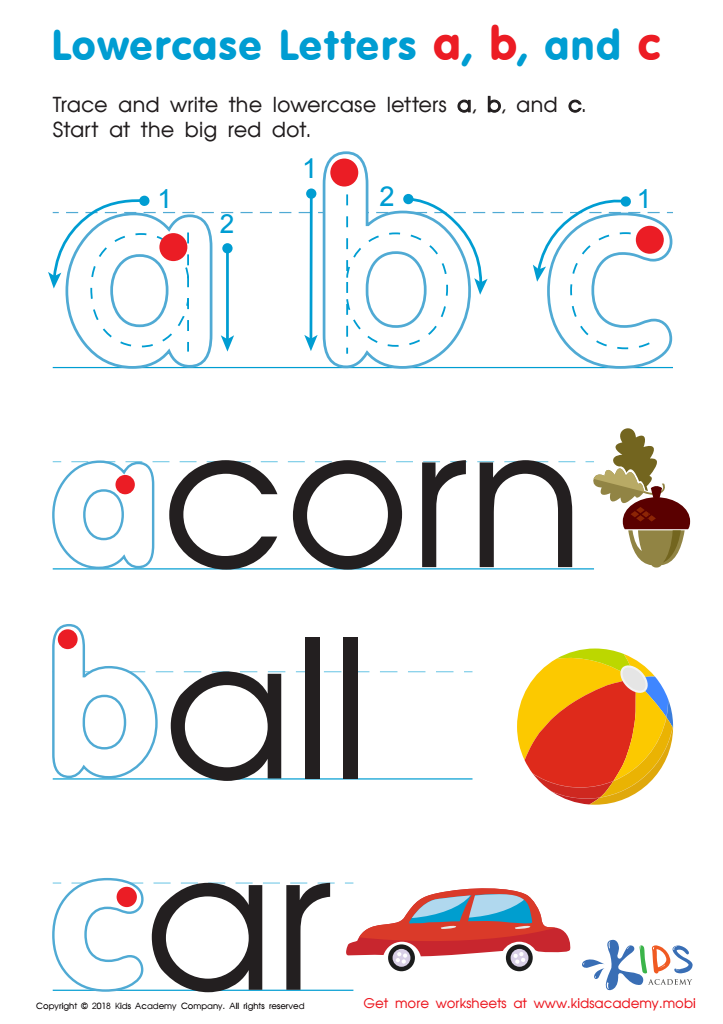
Lowercase Letters a b c Worksheet
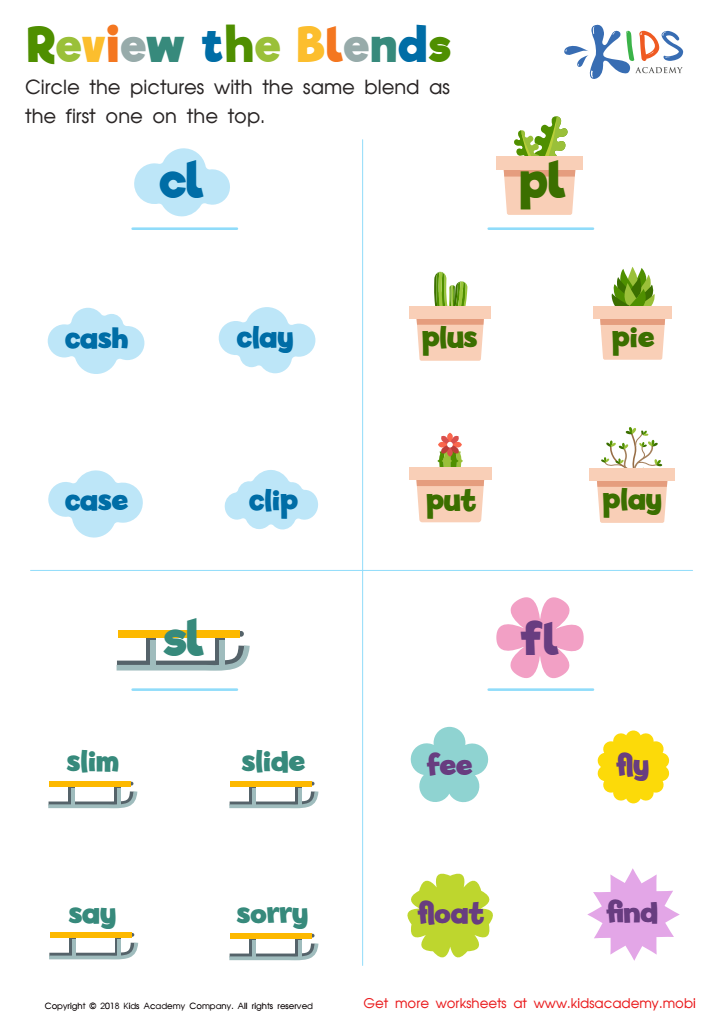
Review the Blends Worksheet

Letter D Tracing Page
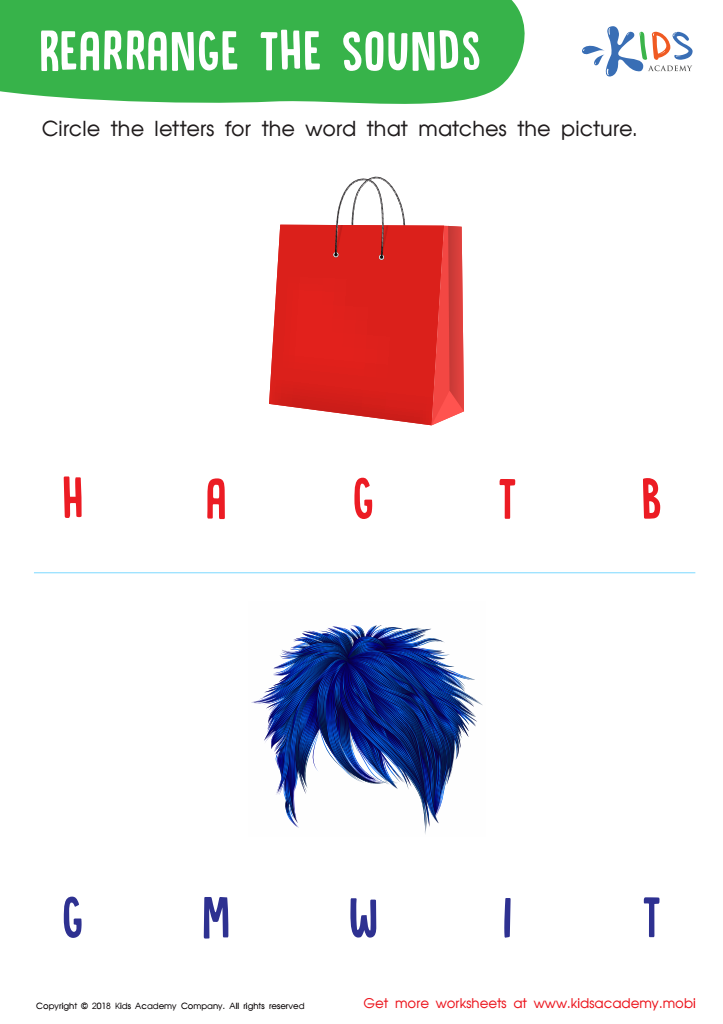
Rearrange the Sounds Worksheet
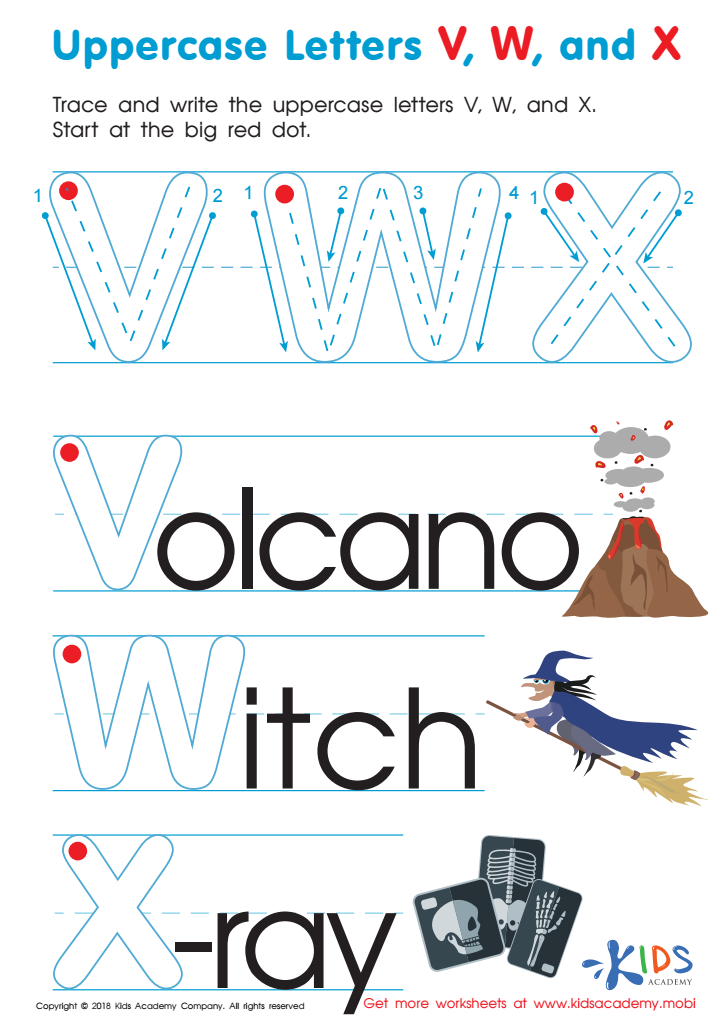
Uppercase Letters V, W, and X Worksheet








Normal letter recognition is a foundational skill crucial for young learners aged 5-8, serving as the building block for literacy development. At this stage, children transition from learning letter shapes to recognizing letters and their corresponding sounds, which is essential for reading and writing. When parents and teachers prioritize letter recognition, they equip children with the tools needed for backpack narratives, spelling, and comprehension, paving the way for future academic success.
Moreover, strong letter recognition correlates with increased confidence and motivation in young learners. Children who recognize letters can better decode words during reading activities, leading to an enhanced understanding of language. When children are supported in developing these skills early on, they are less likely to experience challenges in literacy later.
Parental and teacher involvement is crucial in this process. Engaging children in playful activities like alphabet songs or interactive games can enhance learning experiences while solidifying their understanding. By fostering an environment rich in letter recognition opportunities, adults play a pivotal role in nurturing a love for learning, promoting literacy, and supporting overall cognitive and linguistic development. Ultimately, a strong foundation in letter recognition lays the groundwork for effective communication skills and lifelong learning.








