Normal Matching Worksheets for Ages 5-8 - Page 2
43 filtered results
-
From - To
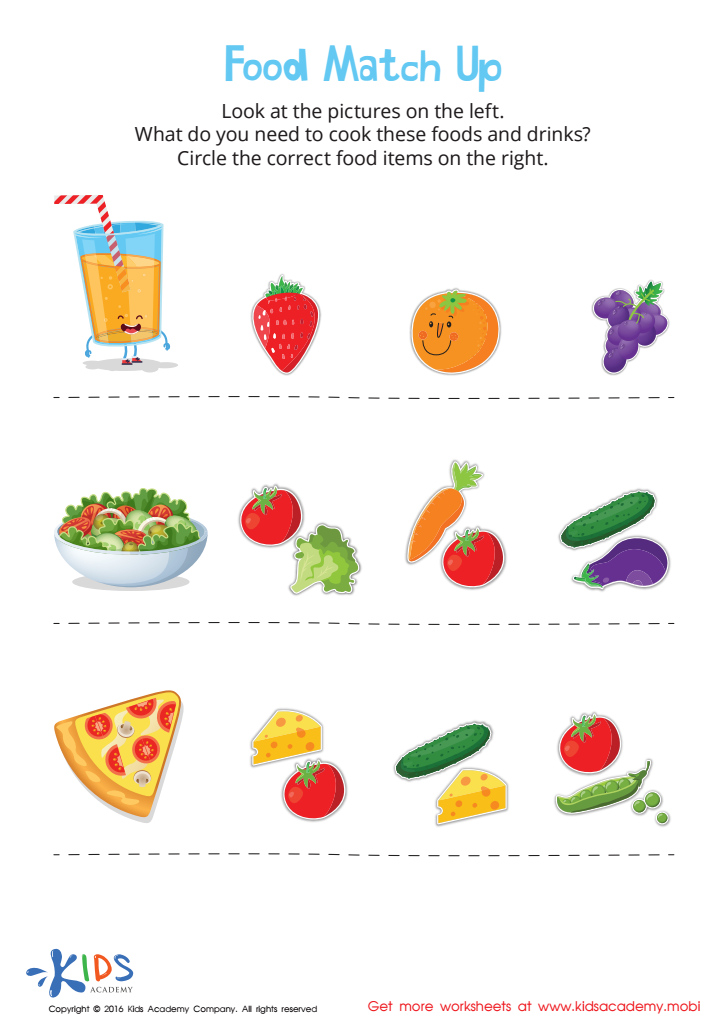
Food Match Up Worksheet
 Assign to My Students
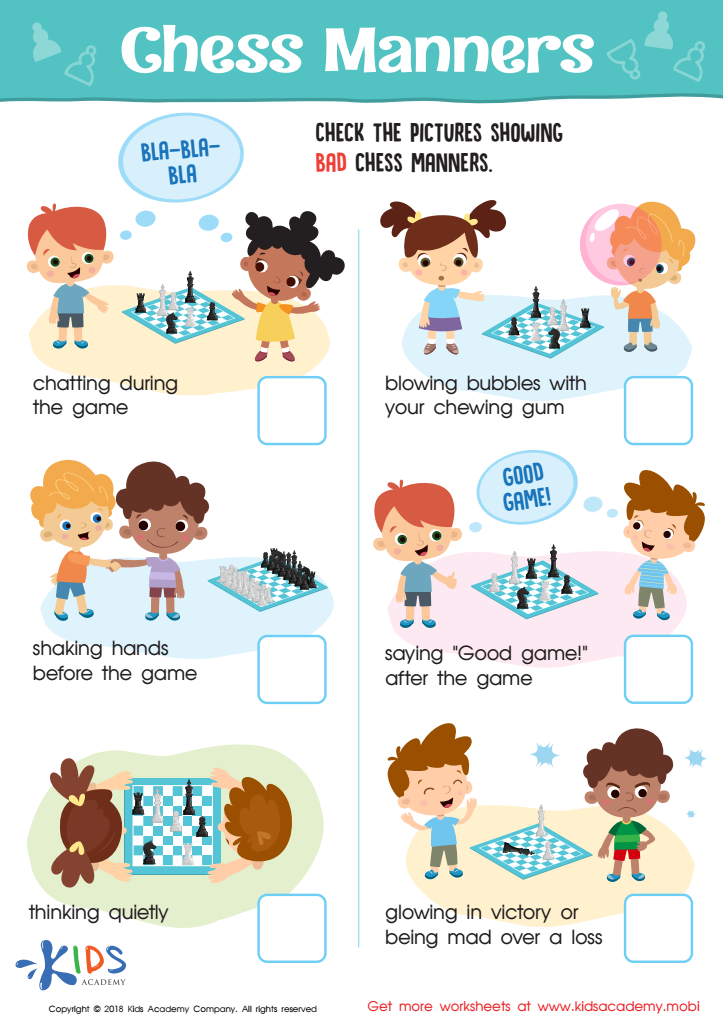
Chess Manners Worksheet
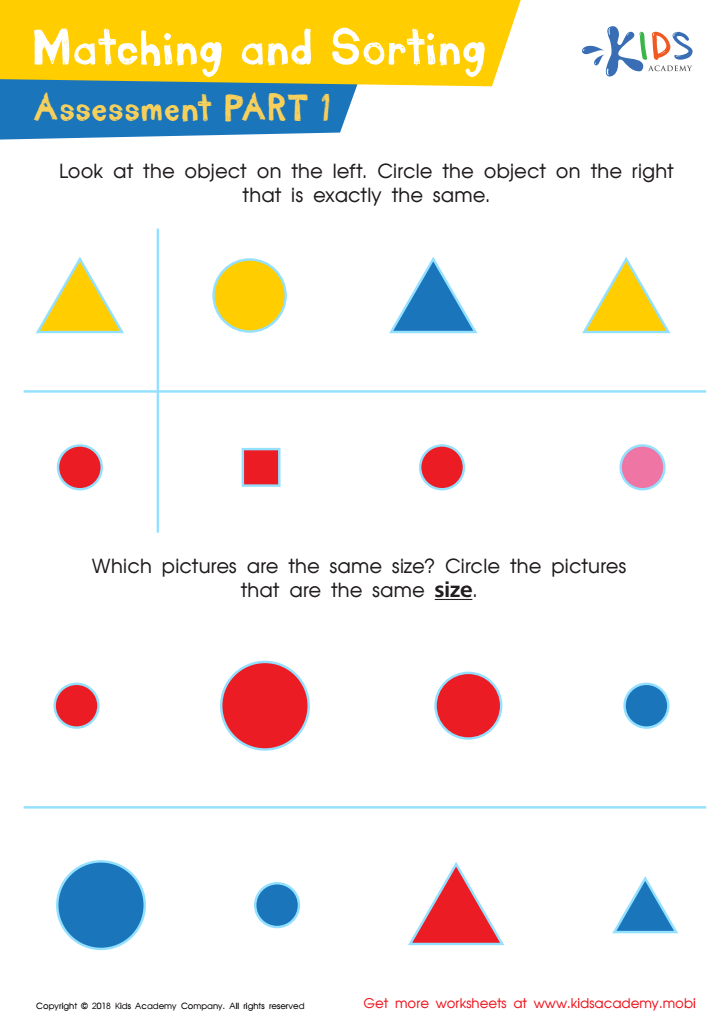
Matching and Sorting for Kindergarten: Assessment 1 Worksheet
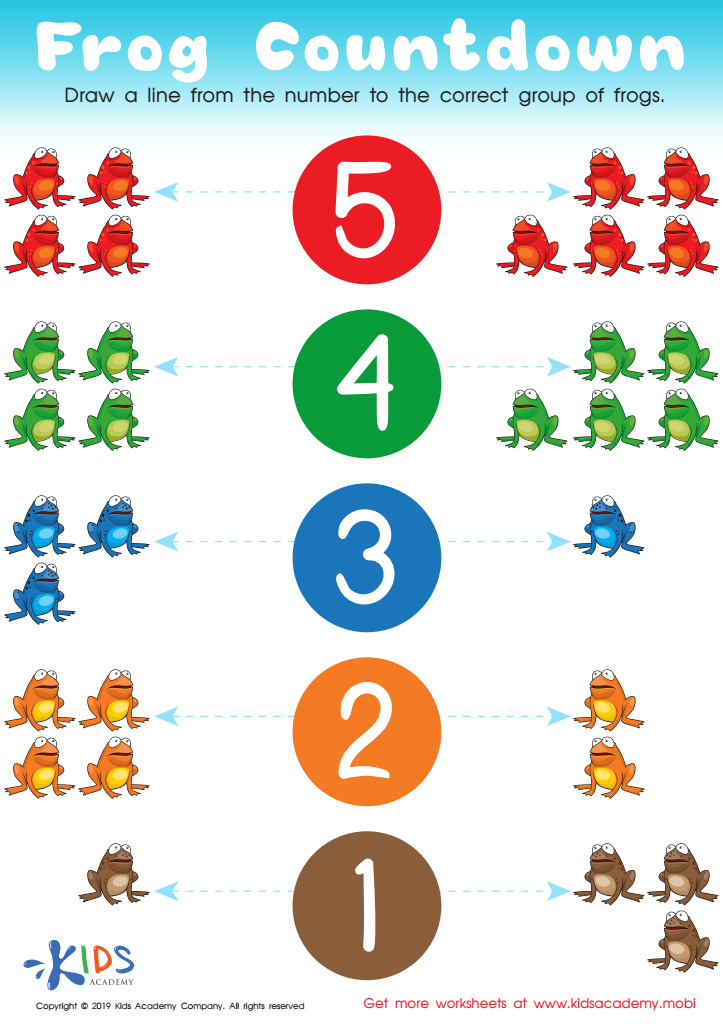
Frog Countdown Worksheet
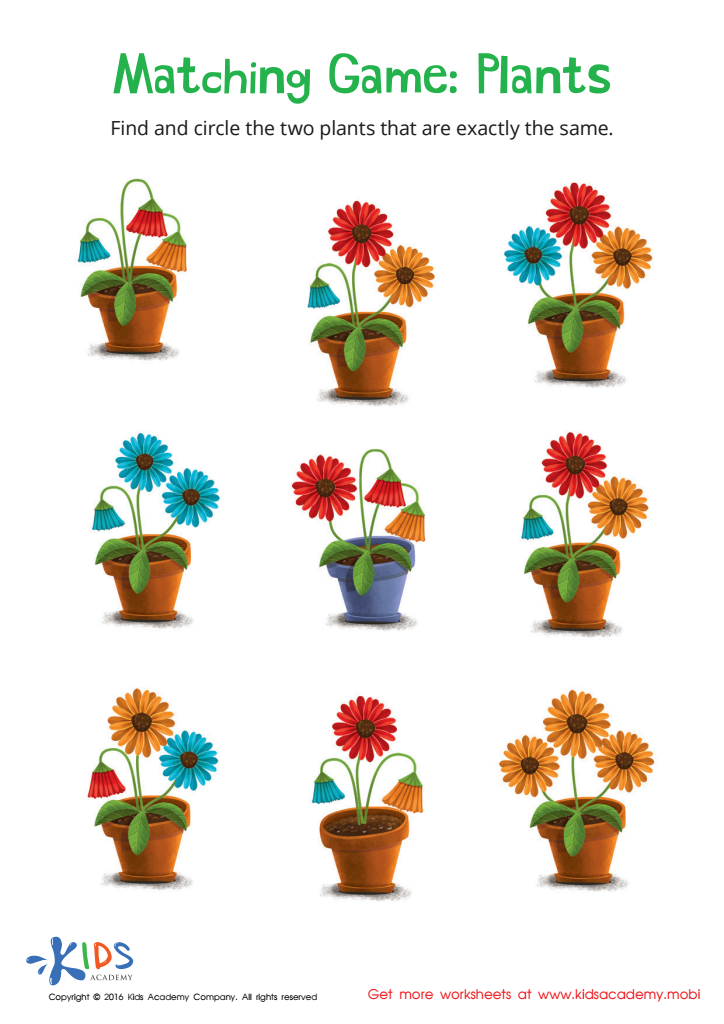
Matching: Plants Worksheet
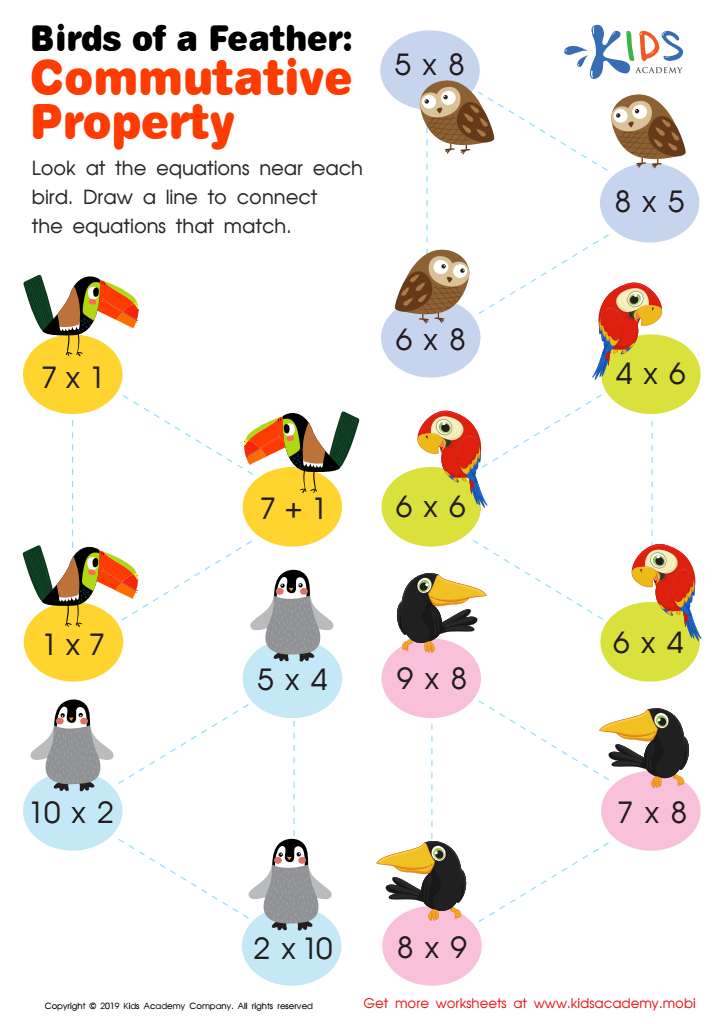
Birds of a Feather: Commutative Property Worksheet
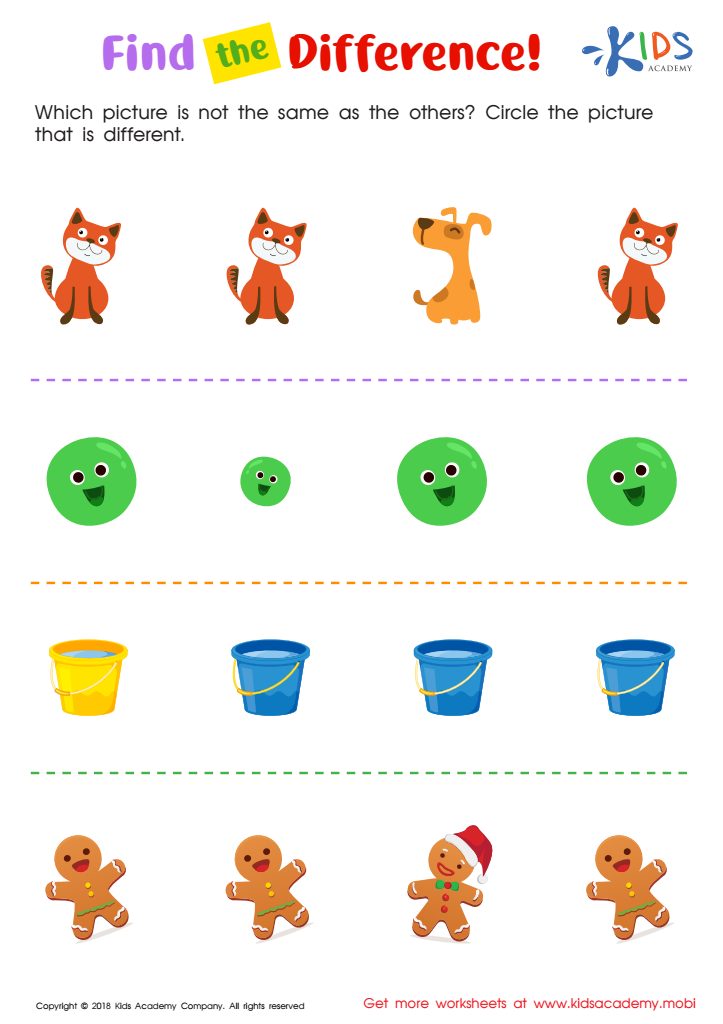
Find the Difference Worksheet
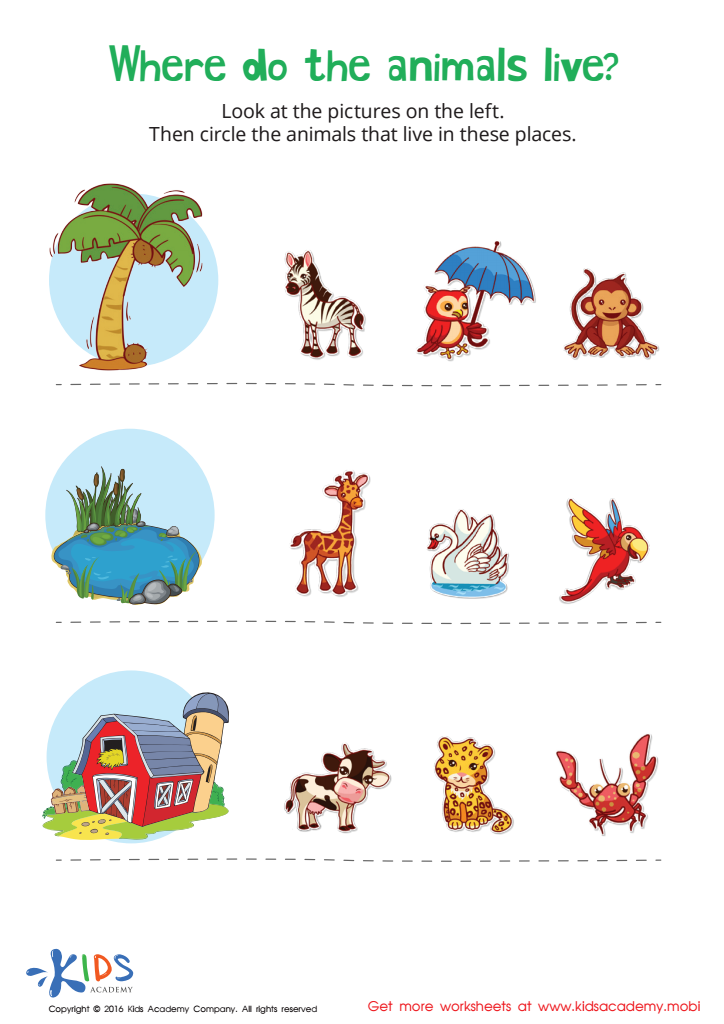
Where Animals Live Worksheet
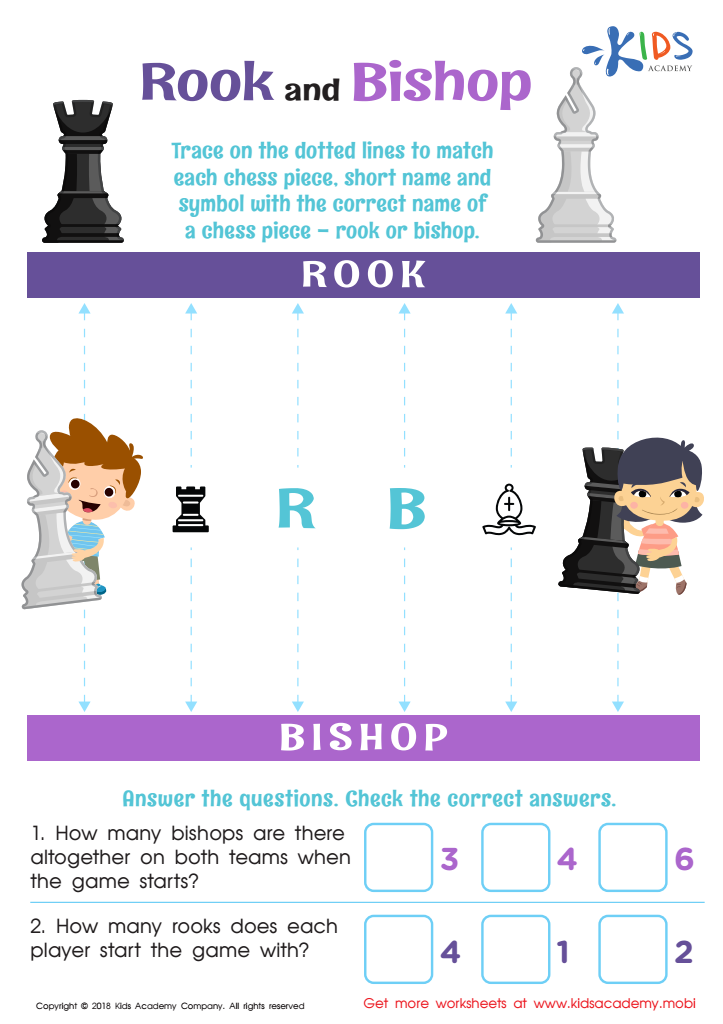
Rook and Bishop Worksheet
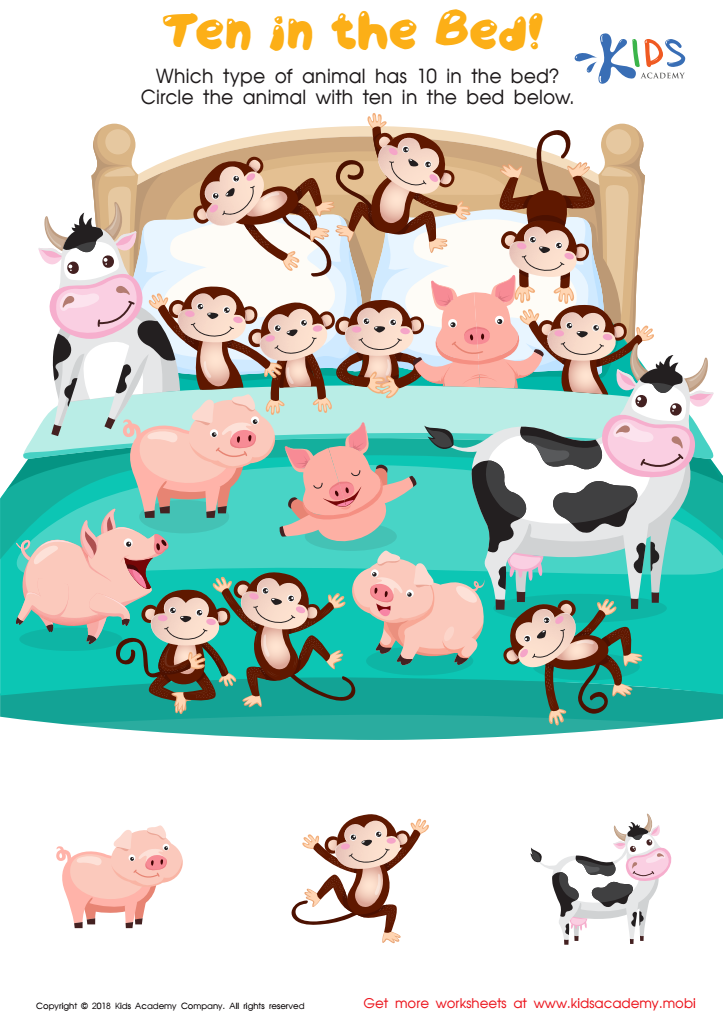
Ten in the Bed Worksheet
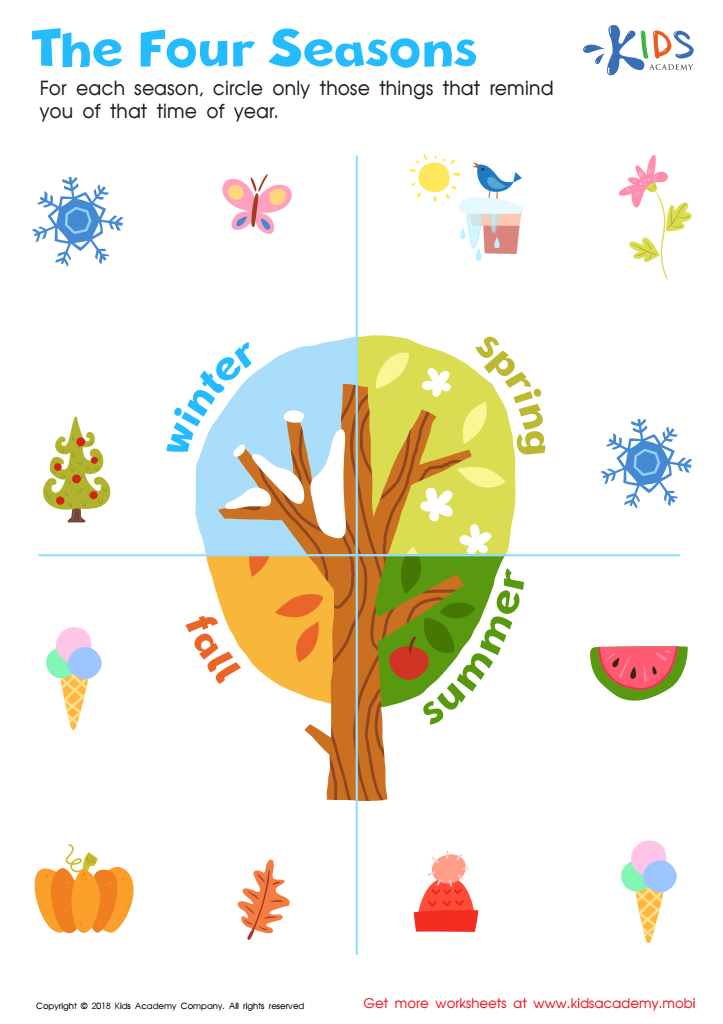
The Four Seasons Worksheet
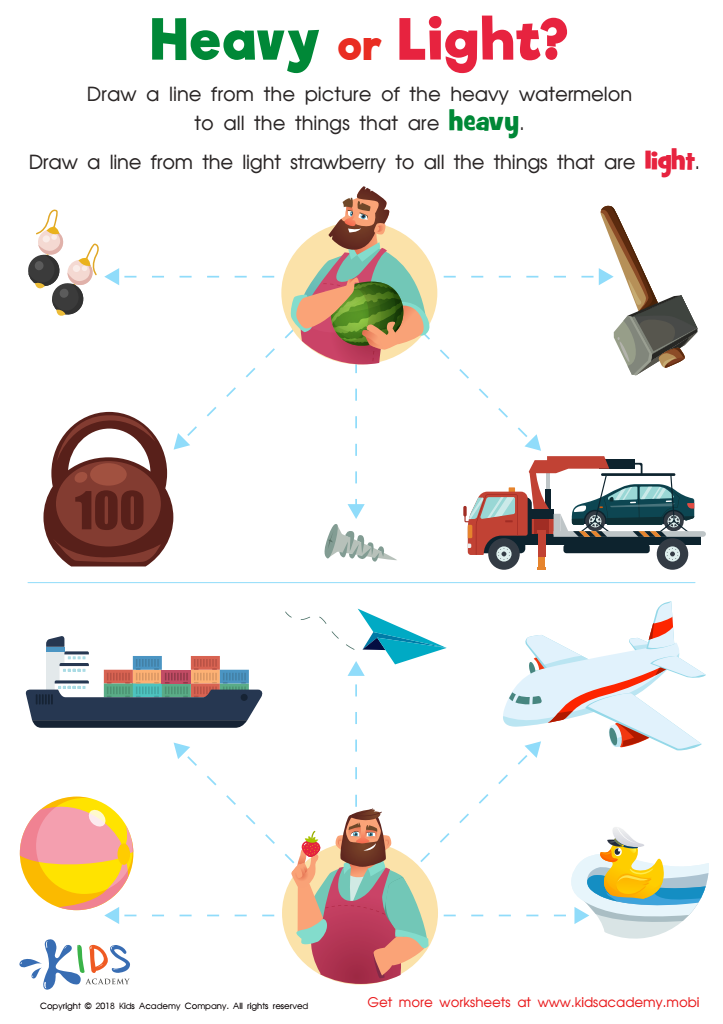
Heavy or Light? Worksheet
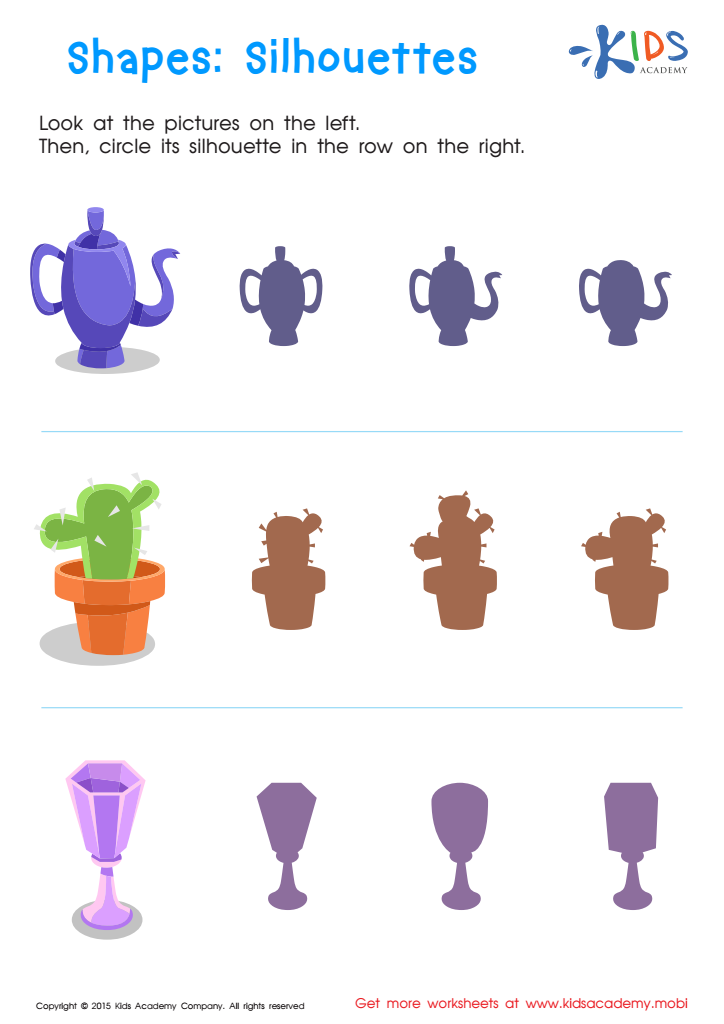
Silhouettes – Shapes Worksheet
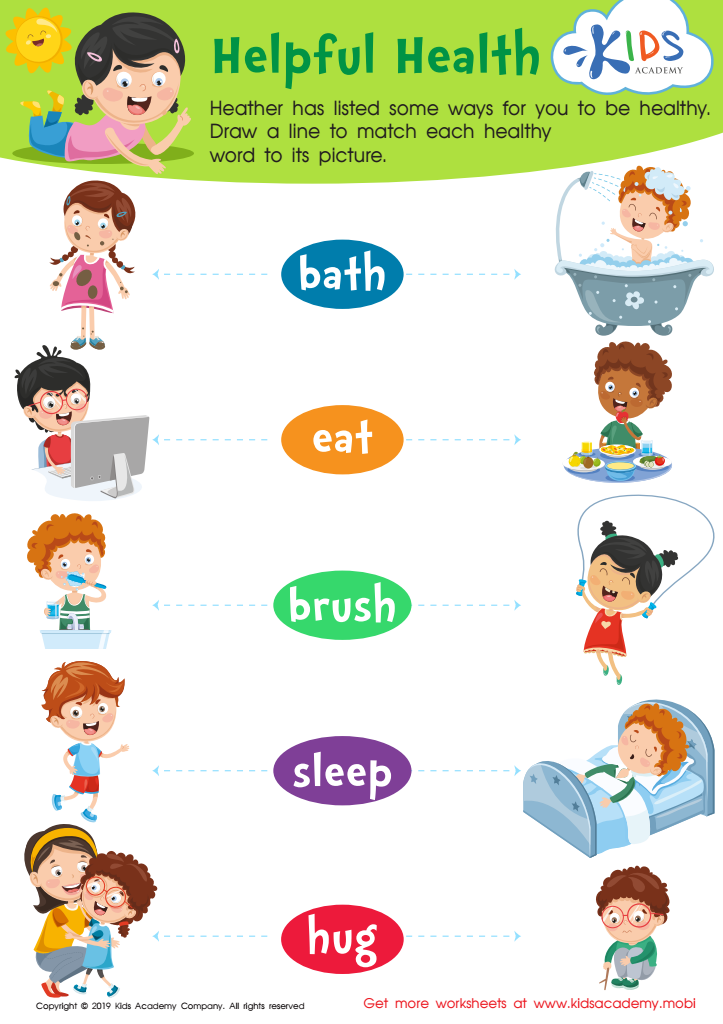
Helpful Health Worksheet
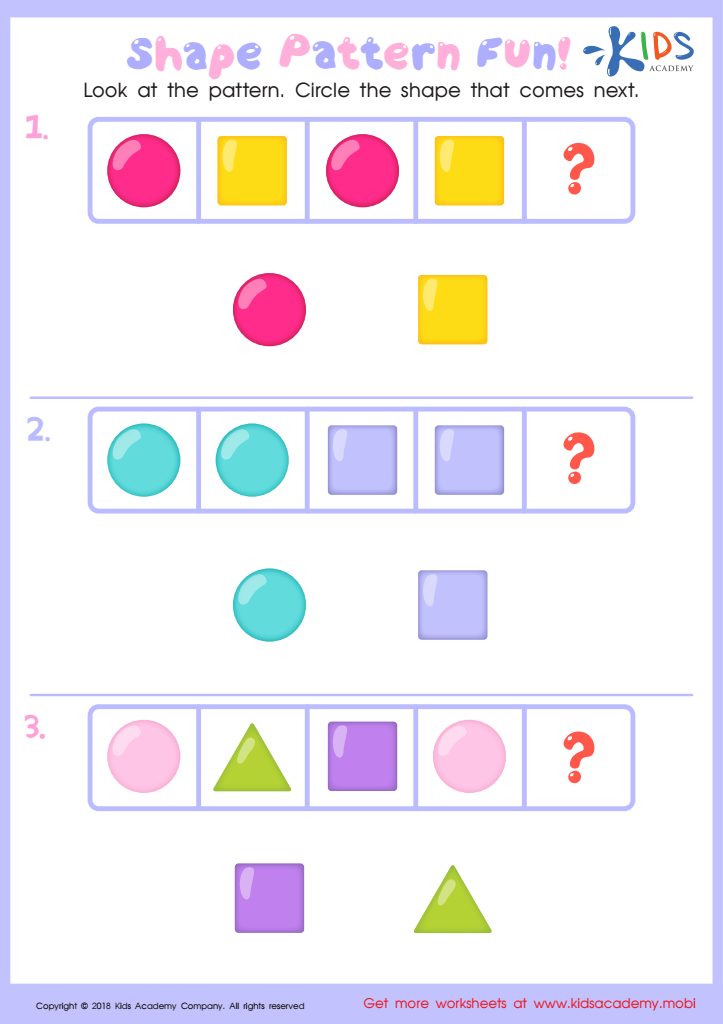
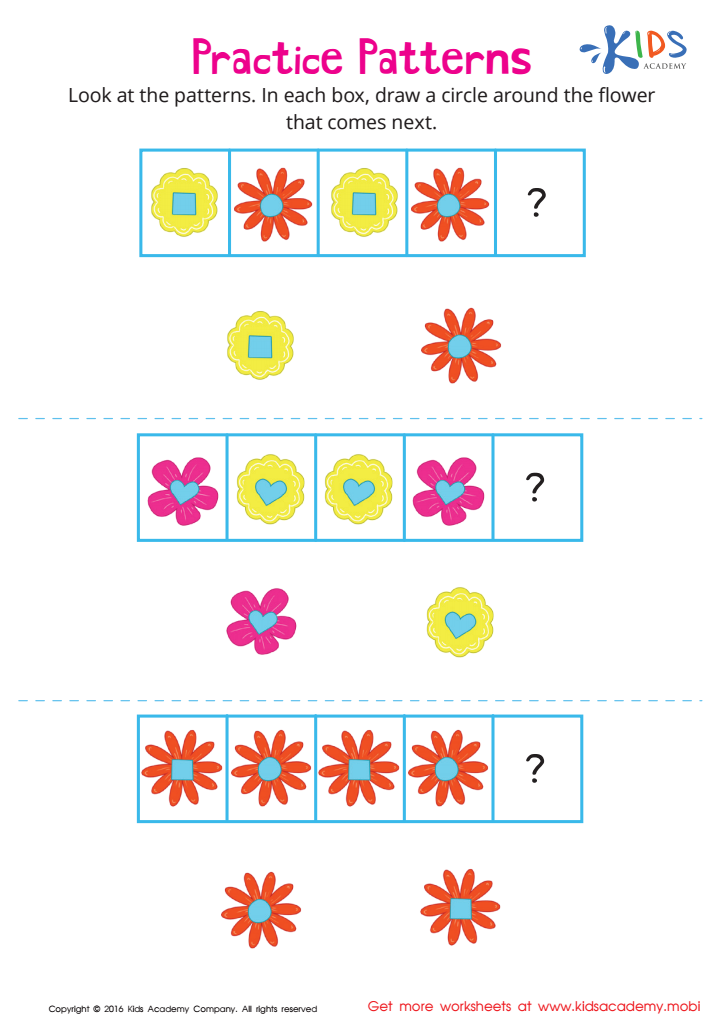
Shape Pattern Fun Worksheet
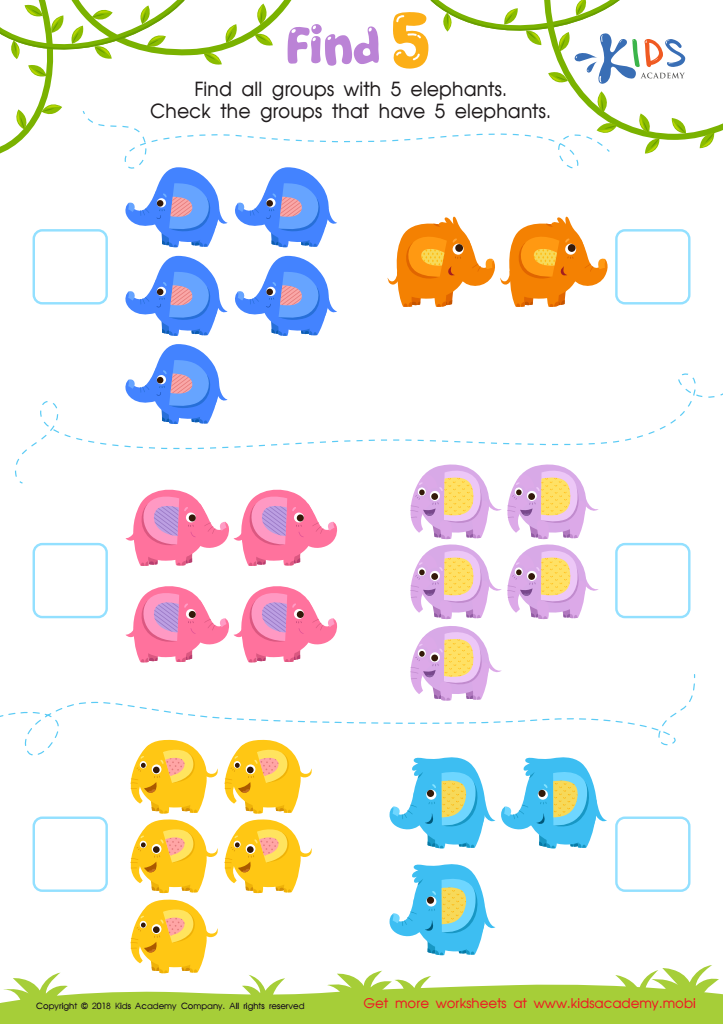
Find 5 Worksheet
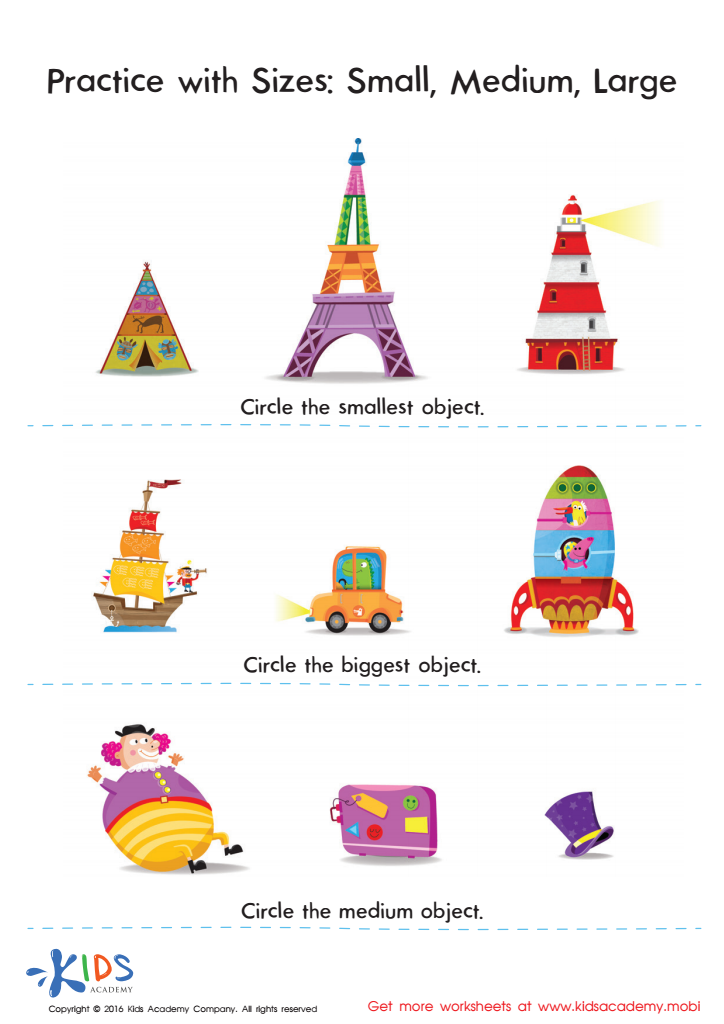







Normal Matching is a crucial educational tool for children aged 5 to 8, as it significantly enhances their cognitive and social development. At this age, children are keen observers, learning by making connections and distinctions between various concepts. Normal Matching activities engage students in recognizing relationships between items, which fosters critical thinking and problem-solving skills.
Teachers and parents should value Normal Matching because it supports the development of essential early literacy and numeracy skills. By categorizing and matching objects, children improve their vocabulary, enhance their understanding of shapes, colors, and patterns, and prepare for more complex cognitive tasks. This activity also nurtures social skills, as children often participate in matching games collaboratively, helping them learn teamwork, communication, and patience.
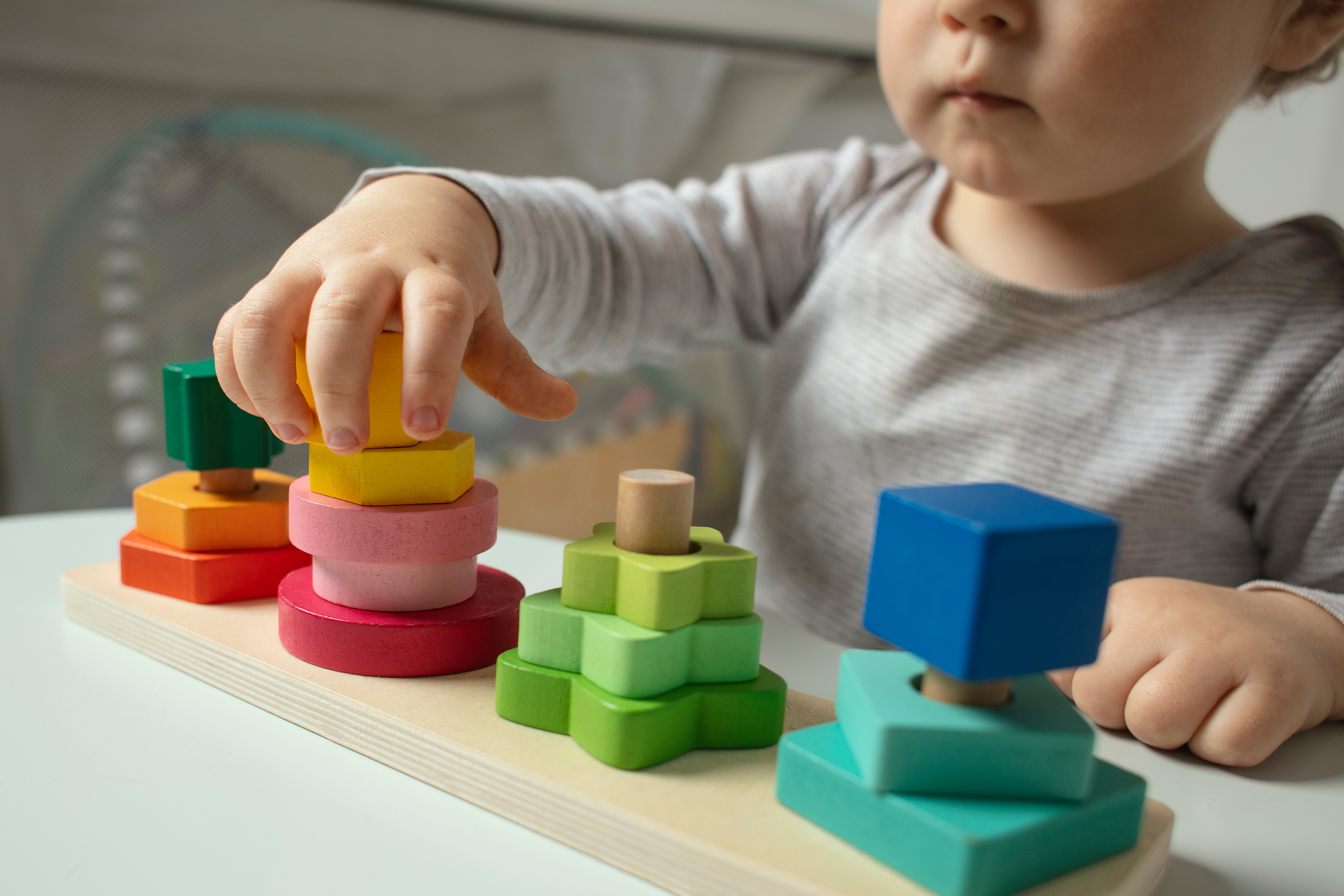
Additionally, Normal Matching aids in developing fine motor skills through handling cards or objects, allowing a multi-sensory learning experience. Engaging in these activities regularly creates a fun and interactive way for children to explore their world while reinforcing foundational skills necessary for future academic success. Consequently, incorporating Normal Matching into learning experiences is an essential investment in a child's educational journey that teachers and parents should fully support.








