Text Types and Purposes worksheets for Grade 3
13 filtered results
-
From - To
Enhance your Grade 3 students' writing skills with our engaging "Text Types and Purposes" worksheets! Aligned with Common Core State Standards, these resources empower young learners to explore various writing genres, including narrative, opinion, and informative texts. Our worksheets provide clear guidelines and fun exercises, enabling students to identify text structures and purposes effectively. By practicing formulating ideas, organizing thoughts, and refining their writing techniques, children will gain confidence in their abilities. Perfect for classroom use or at-home practice, our worksheets are designed to inspire creativity and improve writing proficiency. Explore our collection today and watch your students thrive!
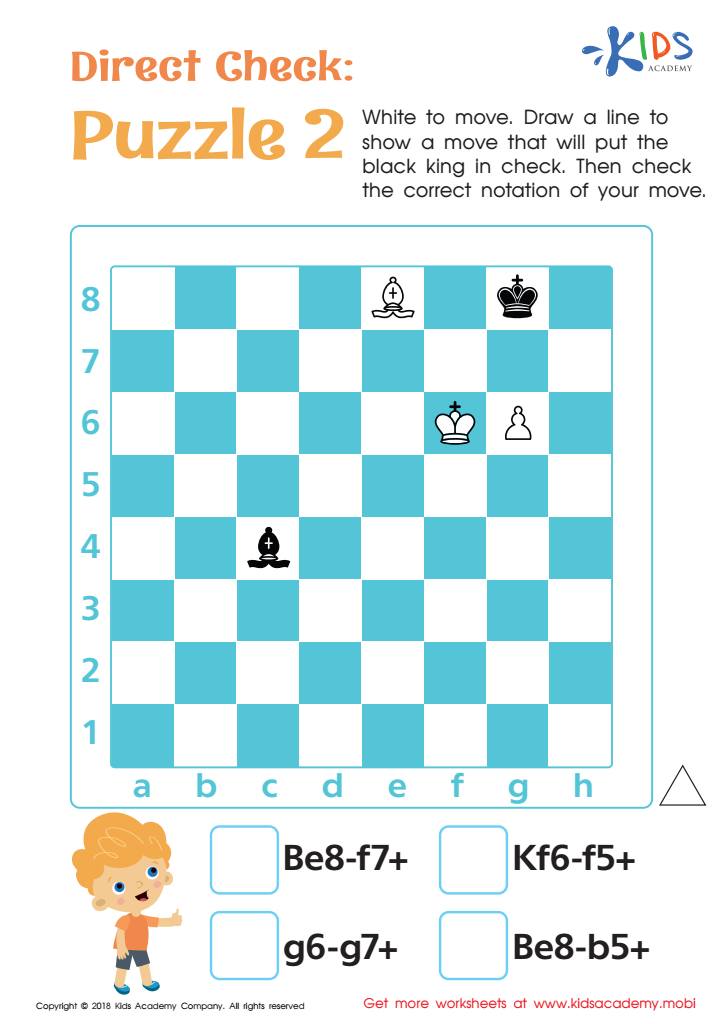
Direct Check: Puzzle 2 Worksheet
 Assign to My Students
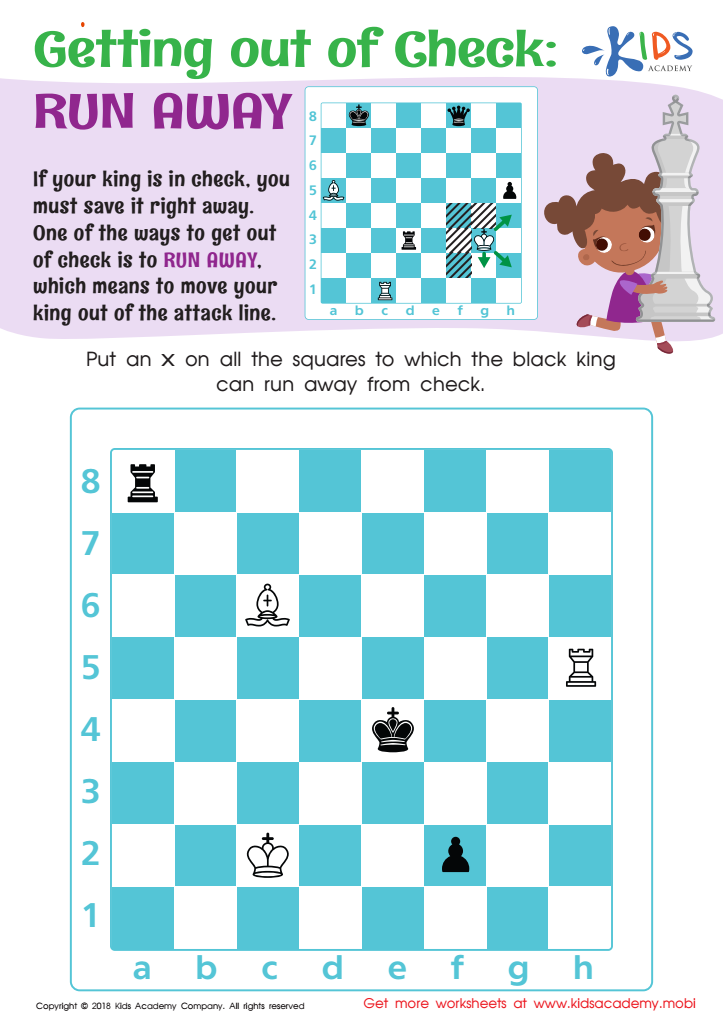
Getting out of Check: Run Away Worksheet
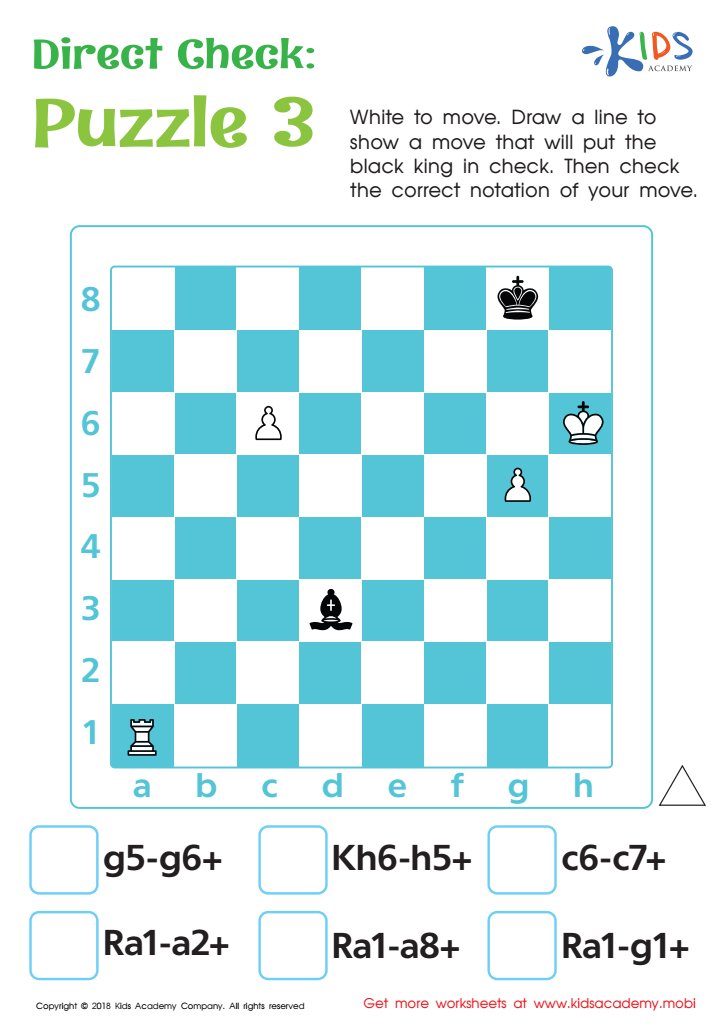
Direct Check: Puzzle 3 Worksheet
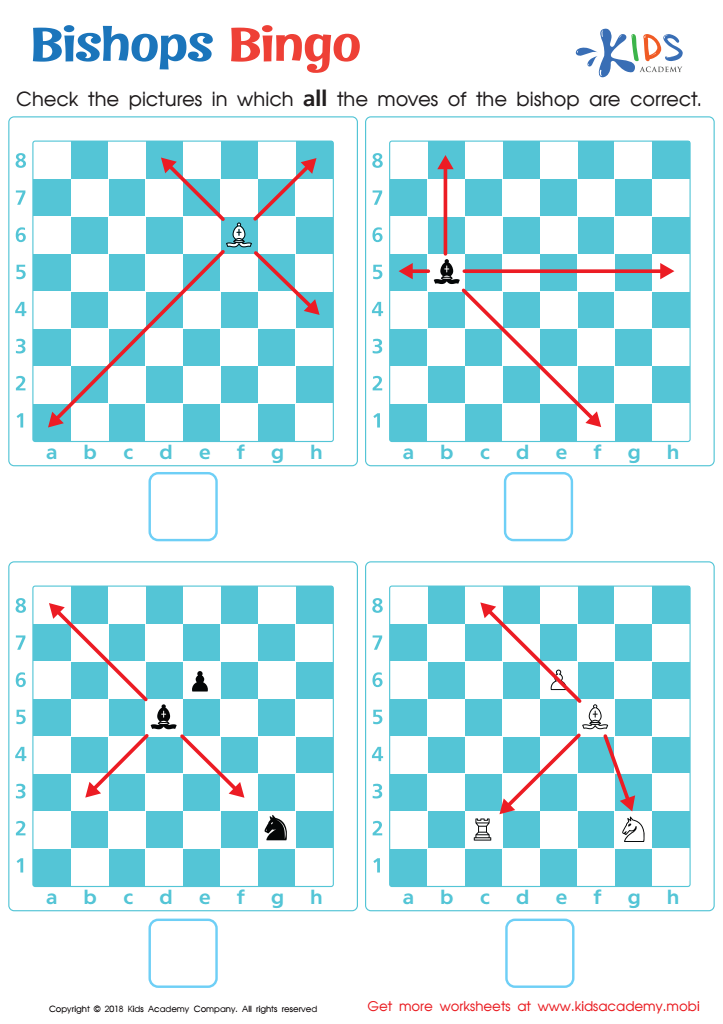
Bishops Bingo Worksheet
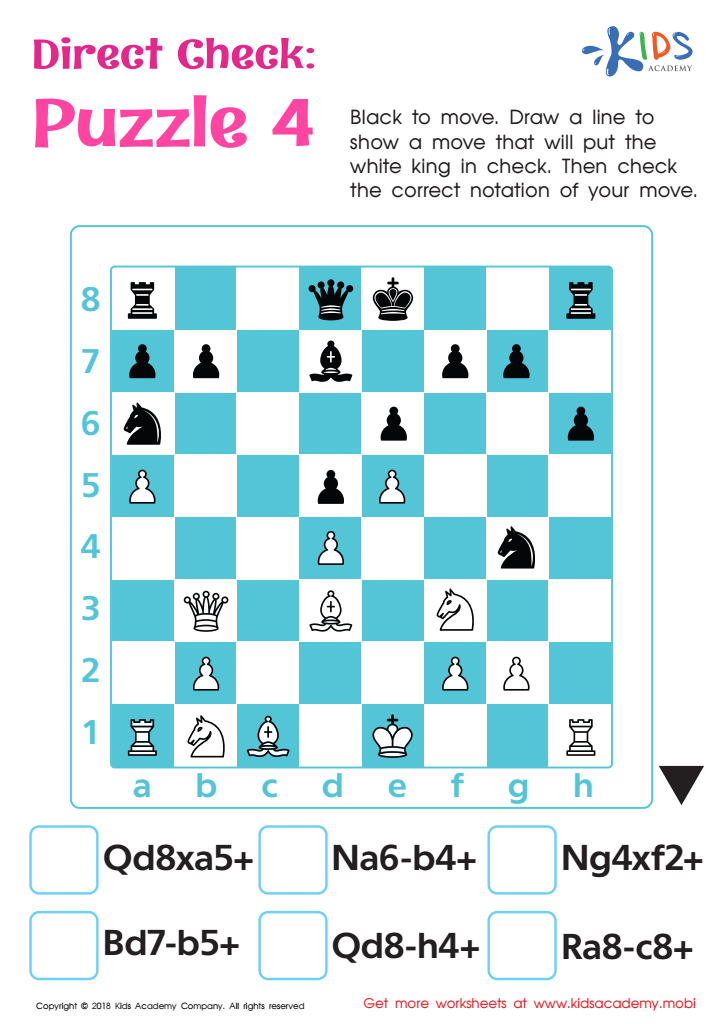
Direct Check: Puzzle 4 Worksheet
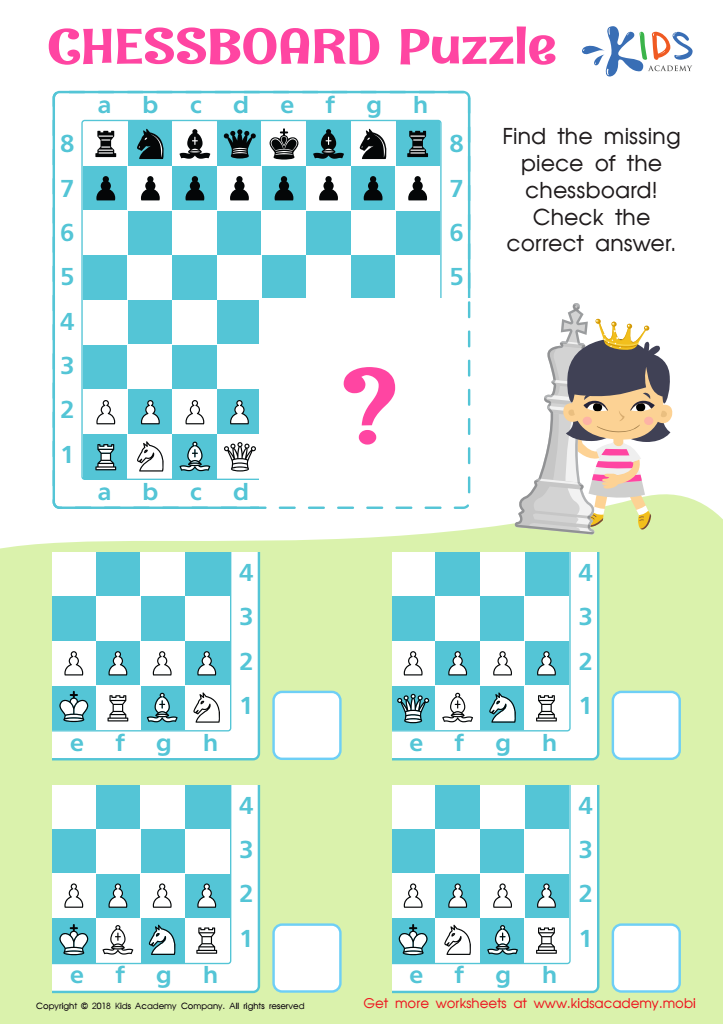
Chessboard Puzzle Worksheet
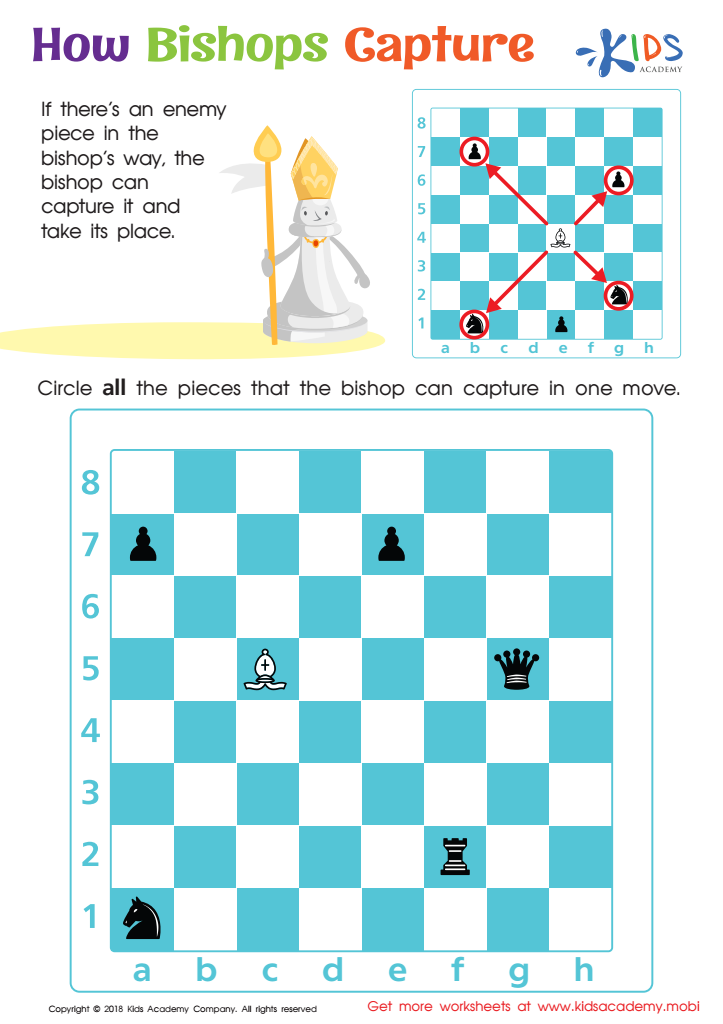
How Bishops Capture Worksheet
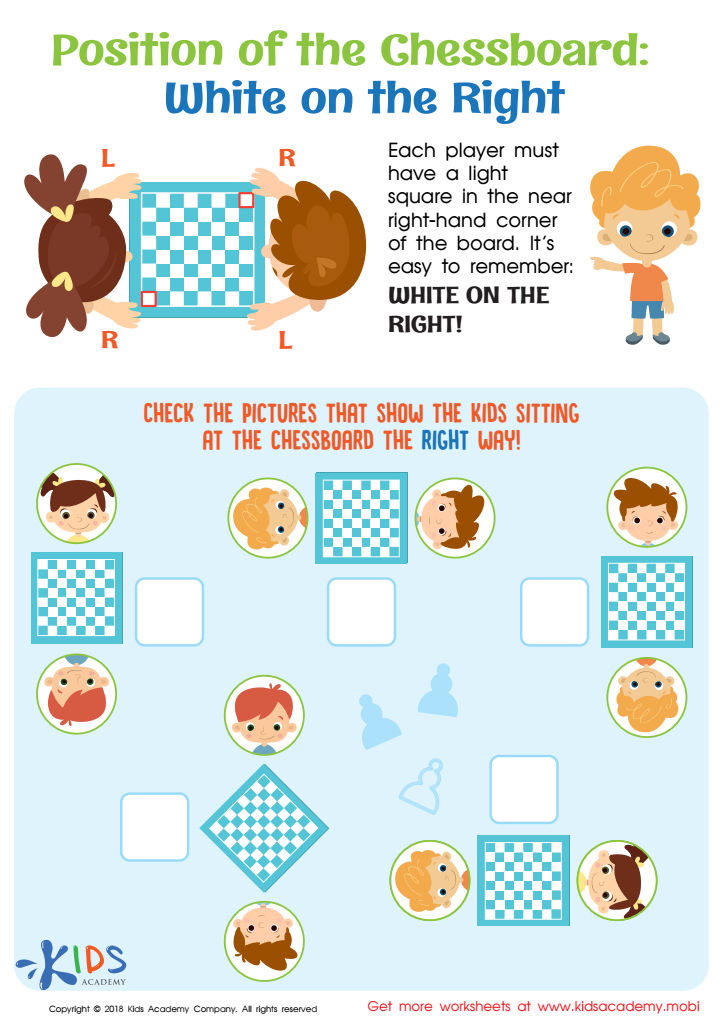
Position of the Chessboard: White on the Right Worksheet
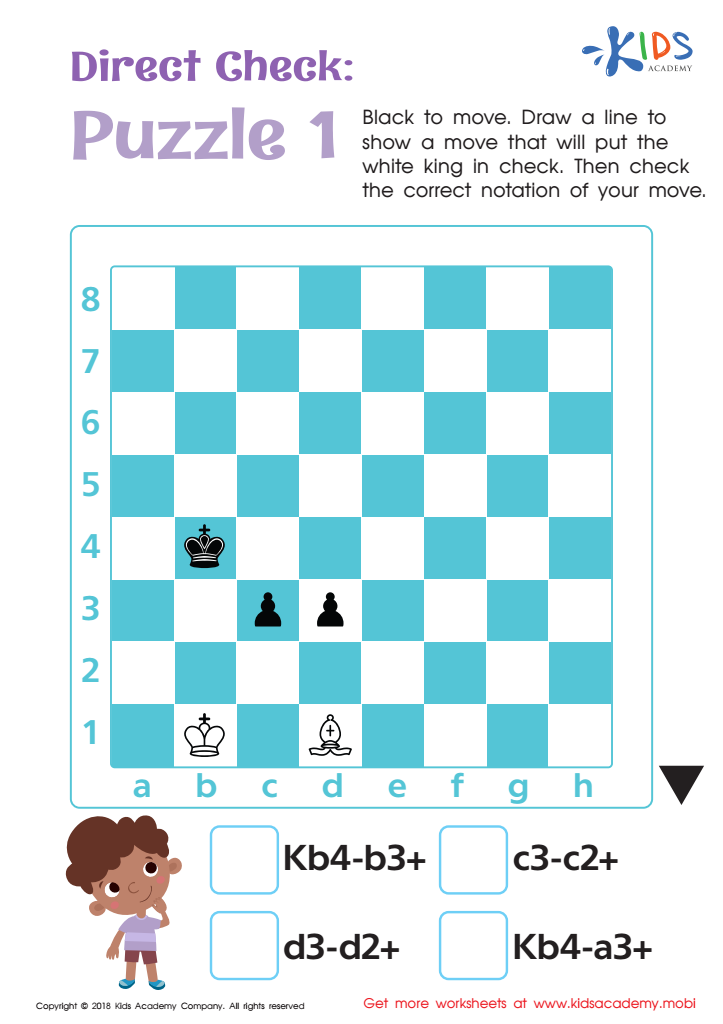
Direct Check: Puzzle 1 Worksheet
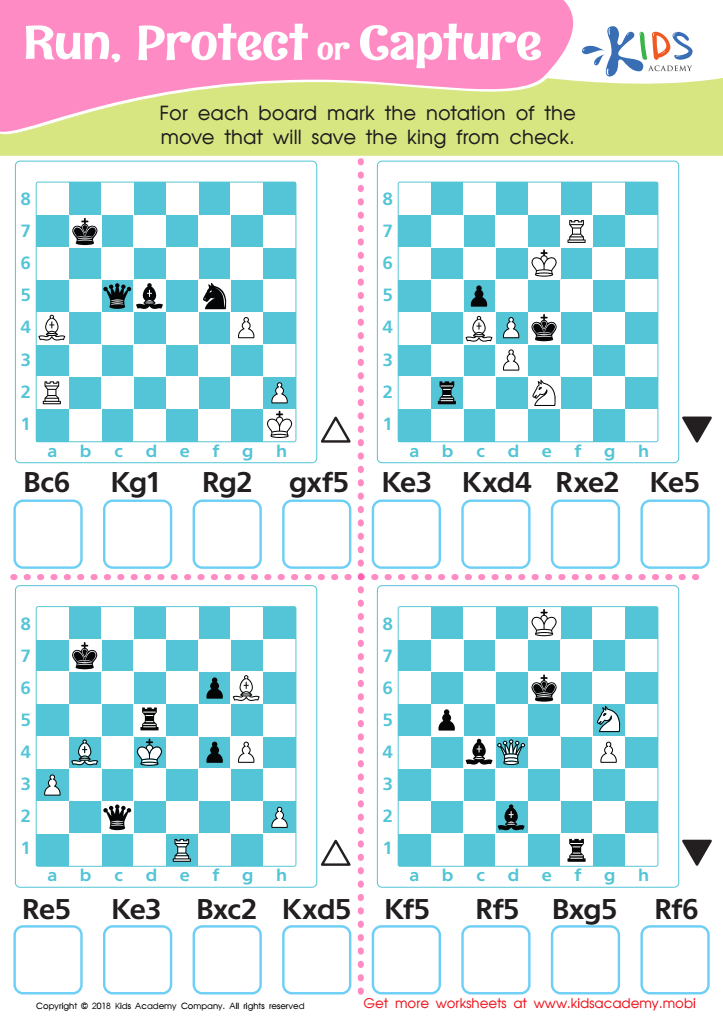
Run, Protect or Capture Worksheet
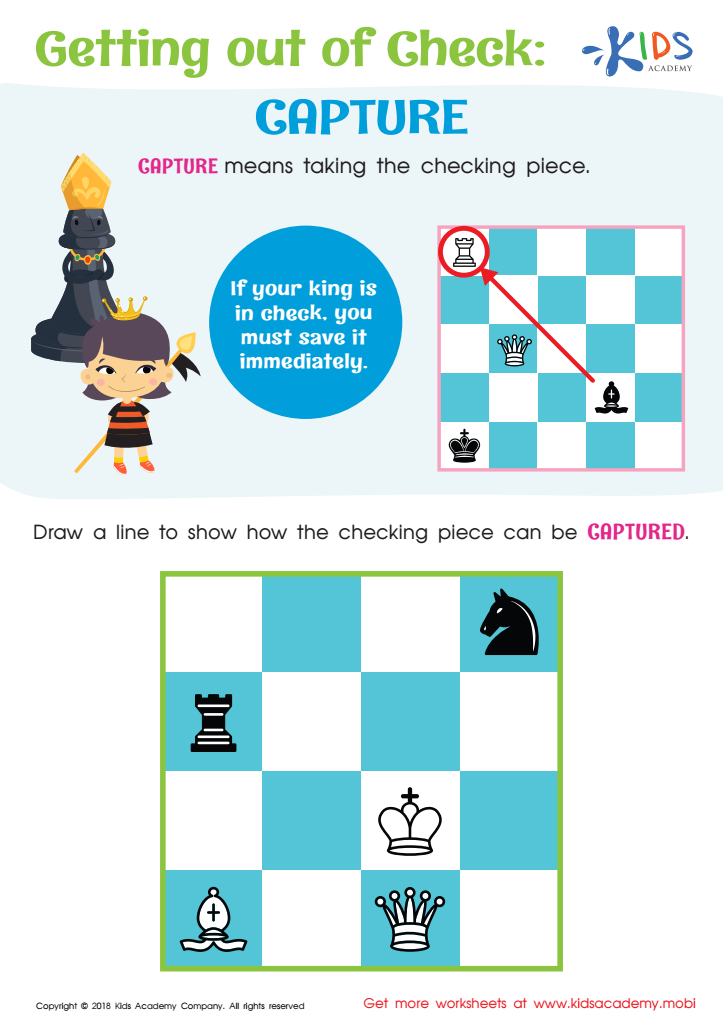
Getting out of Check: Capture
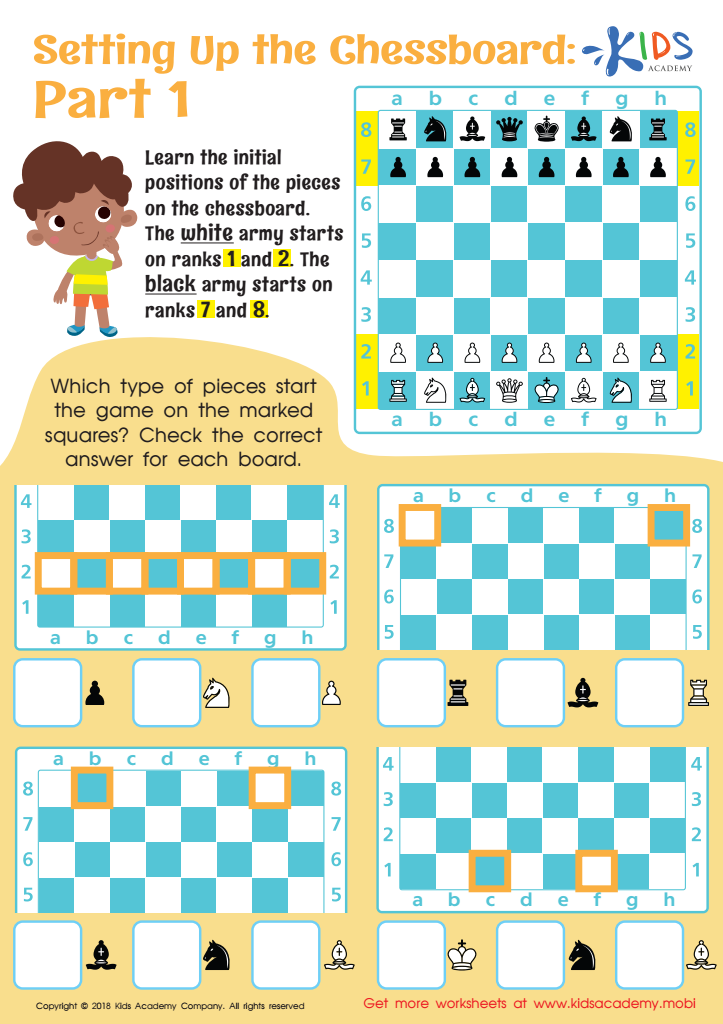
Setting up the Chessboard: Part 1 Worksheet
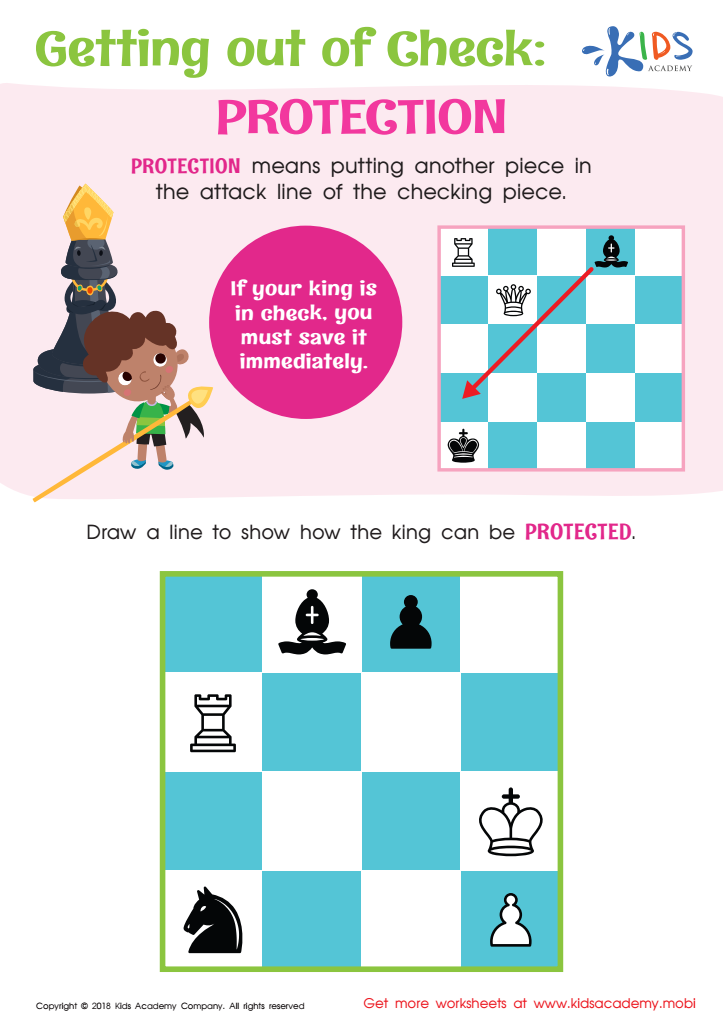
Getting out of Check: Protection







Understanding Text Types and Purposes is crucial for Grade 3 students as it lays the foundation for effective communication and comprehension skills. At this stage, children interact with various genres—narrative, informative, and opinion texts—each serving a specific purpose. By differentiating these text types, children learn to identify the author’s intent and the structure of the text, which enhances their reading comprehension.
For parents and teachers, facilitating this understanding is essential. Exposure to diverse texts widens students' perspectives, encourages critical thinking, and fosters creativity. When children grasp how different texts are used in real-life situations—such as telling a story, sharing facts, or expressing opinions—they become more engaged and motivated readers and writers.
Additionally, proficiency in Text Types and Purposes supports academic success across disciplines. For instance, compelling narratives boost storytelling ability, while clear, coherent informative texts prepare students for research and presentation. Finally, this knowledge cultivates essential skills in argumentation, benefiting their communication in both scholastic and social contexts. By emphasizing Text Types and Purposes, parents and teachers equip children with tools to express themselves effectively and navigate the world around them. Investing in these skills is an investment in their overall literacy development.