Problem-Solving Skills Easy Worksheets for Ages 3-5
31 filtered results
-
From - To
Nurture your child's critical thinking with our Problem-Solving Skills Easy Worksheets for Ages 3-5. Designed to engage young minds, these printable worksheets foster essential skills such as logic, reasoning, and creativity through fun and interactive activities. Ideal for preschool and kindergarten, they focus on age-appropriate challenges that help children understand and solve problems in a playful manner. With bright visuals and simple instructions, our worksheets make learning enjoyable, laying a strong foundation for future academic success. Empower your child today with these engaging tools that promote cognitive development and a love for learning. Access them easily and watch them thrive!
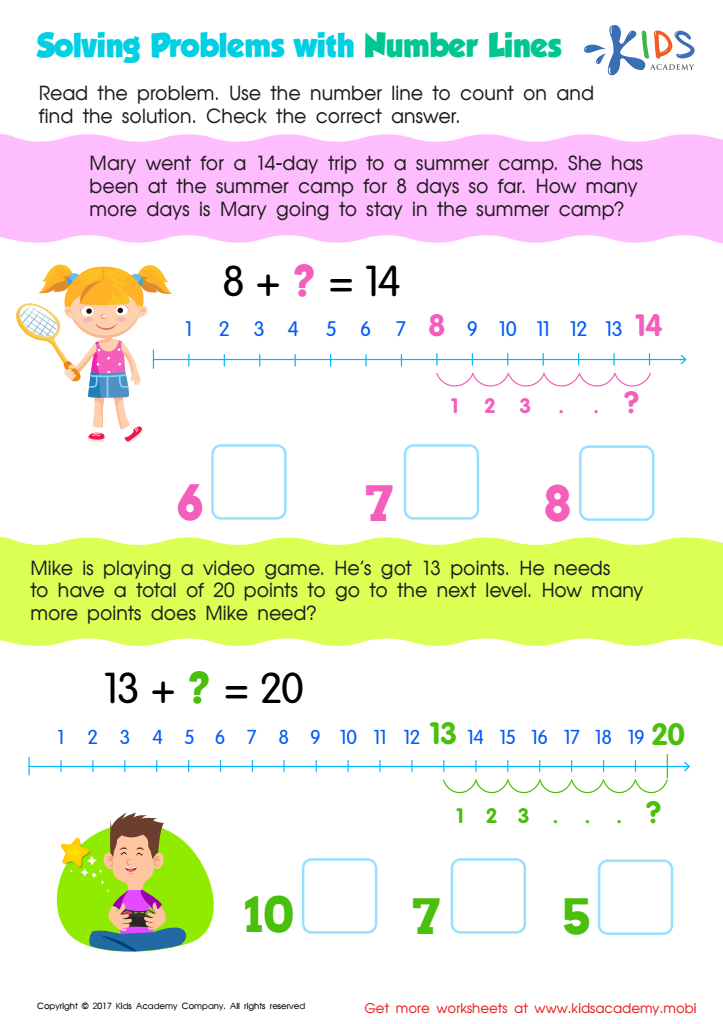
Solving Problems: Number Lines Worksheet
 Assign to My Students
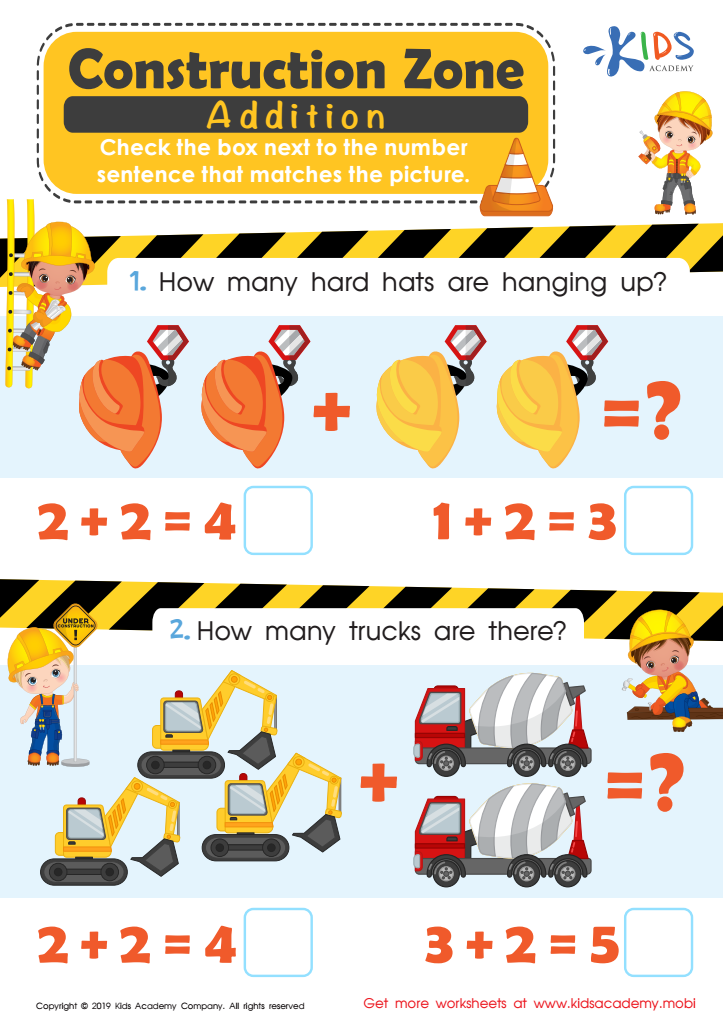
Construction Zone Addition Worksheet
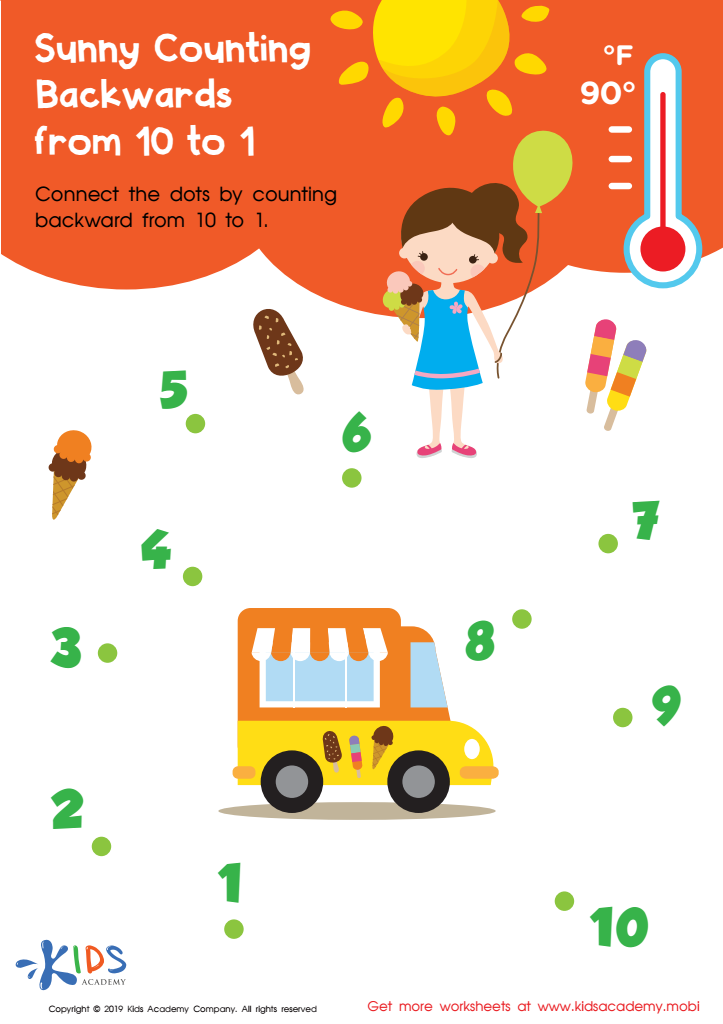
Sunny Counting Backwards from 10 to 1 Worksheet
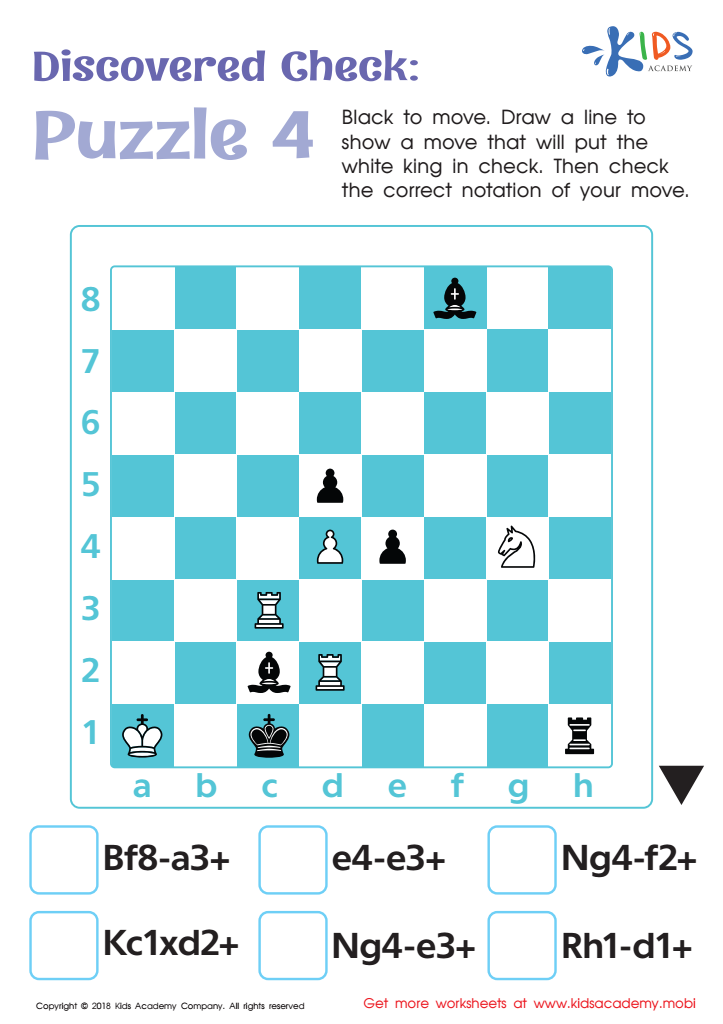
Discovered Check: Puzzle 4 Worksheet
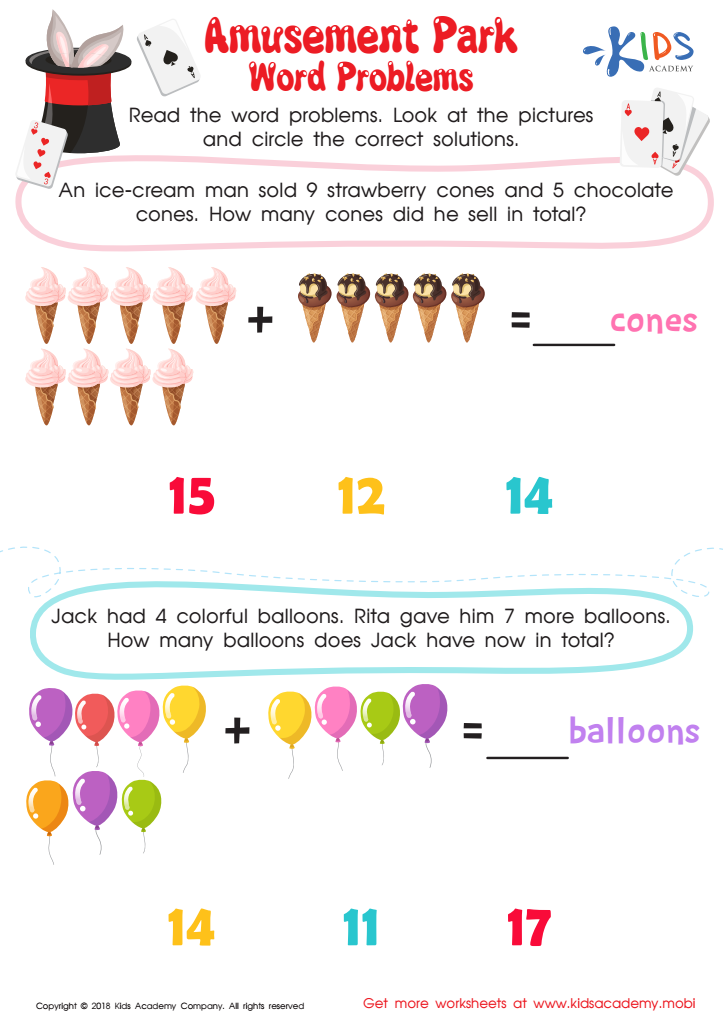
Amusement Park Word Problems Worksheet
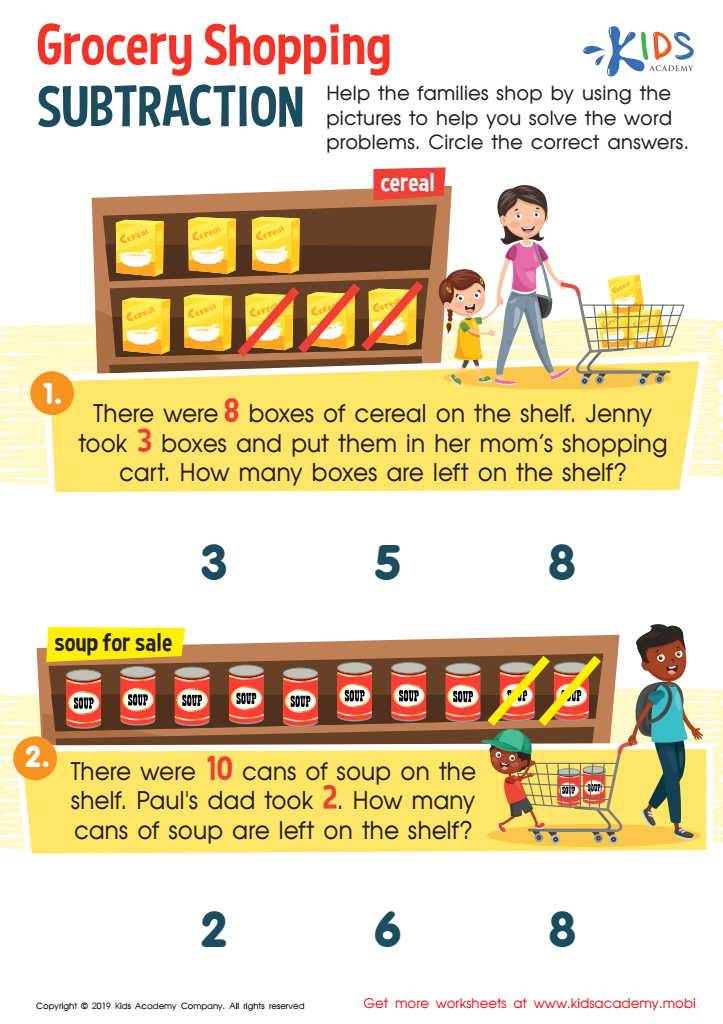
Grocery Shopping Subtraction Worksheet
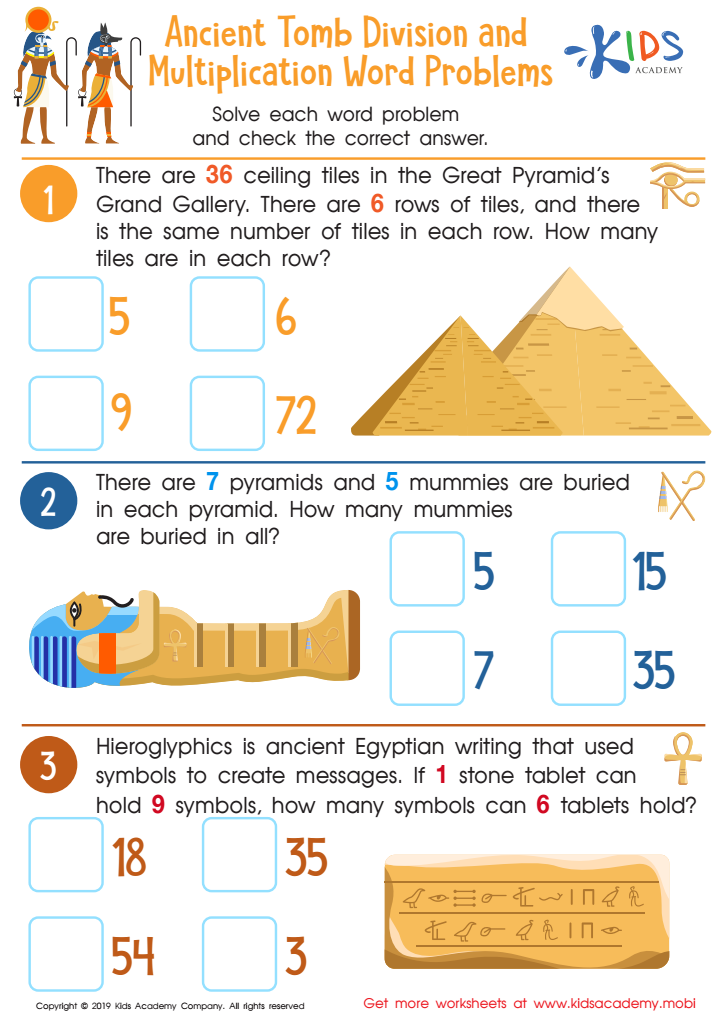
Ancient Tomb Division and Multiplication Word Problems Worksheet
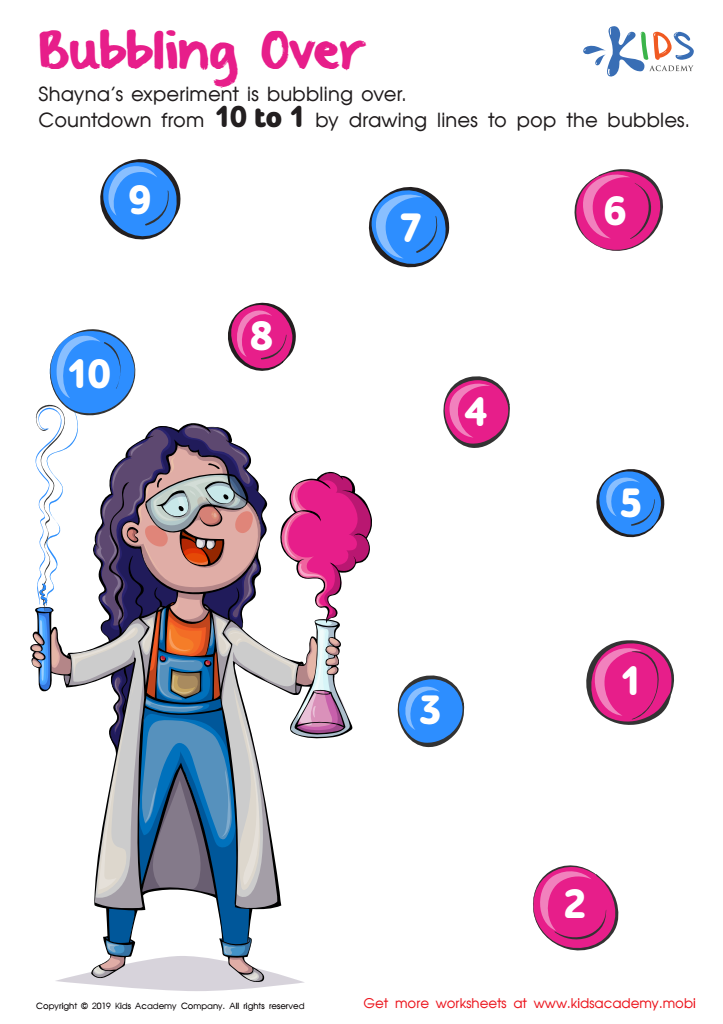
Bubbling Over Worksheet
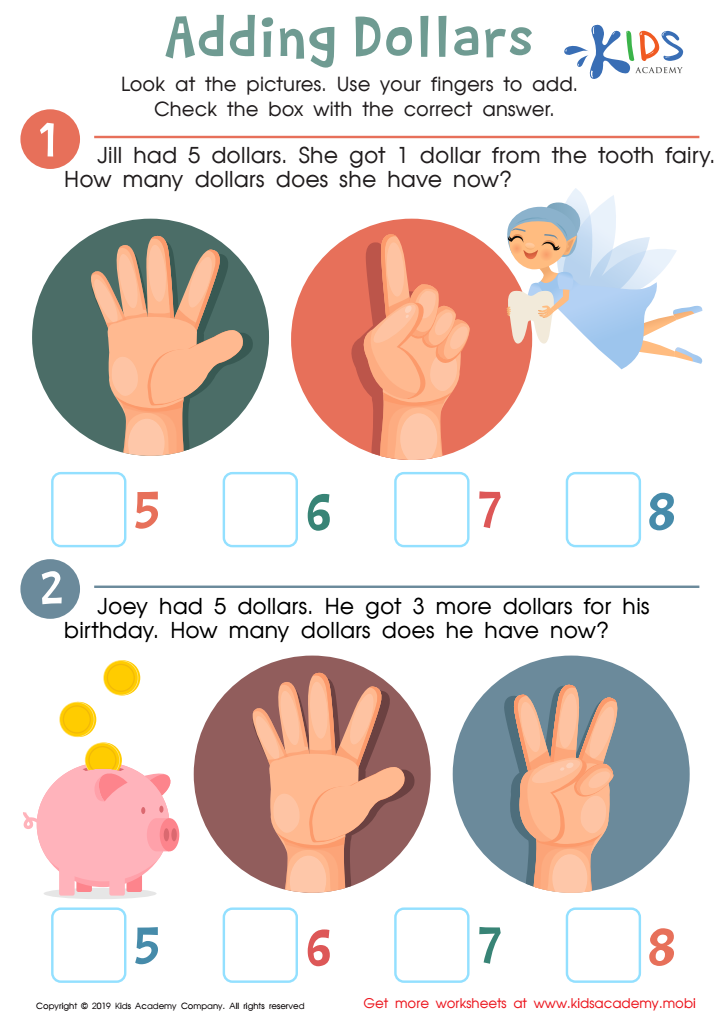
Tooth Fairy Addition Worksheet
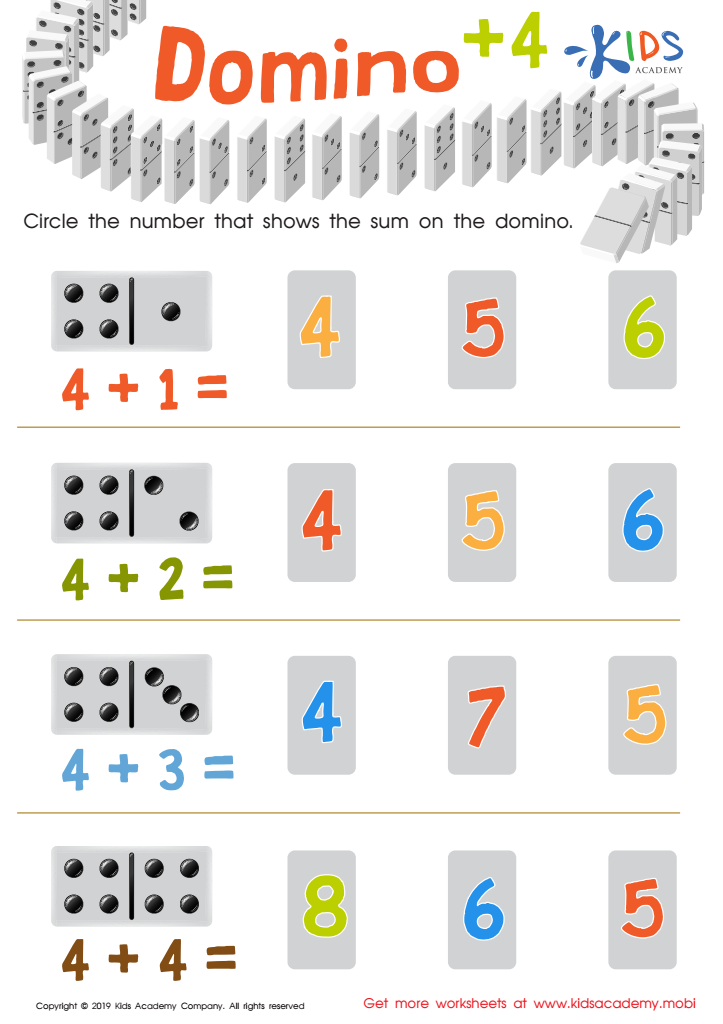
Domino +4 Worksheet

Discovered Check: Puzzle 2 Worksheet
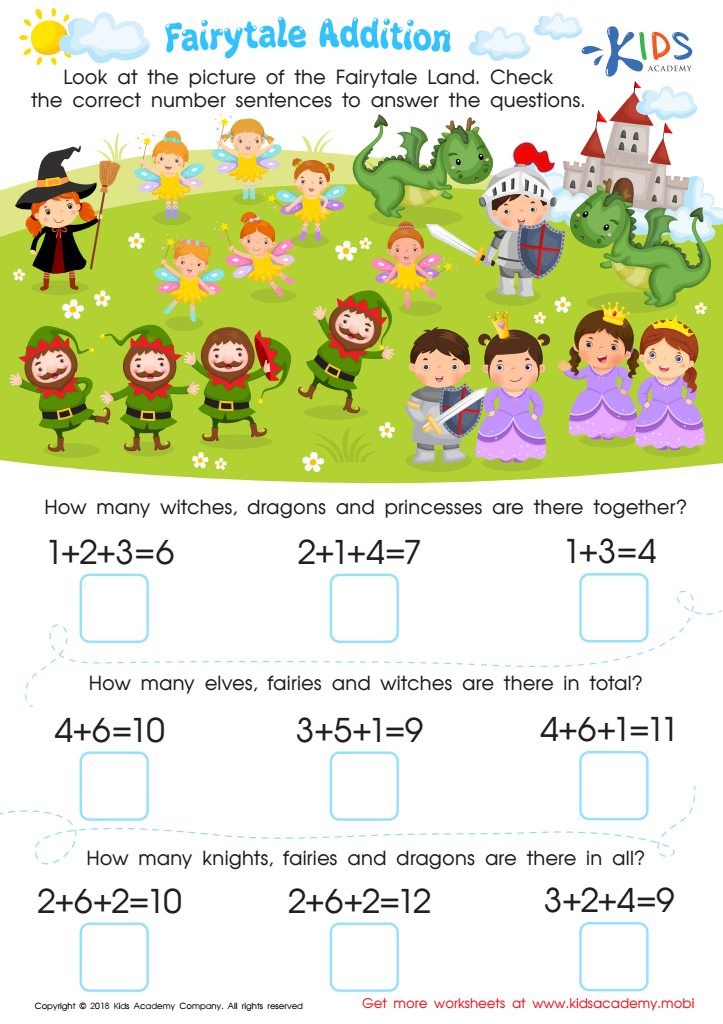
Fairytale Addition Worksheet
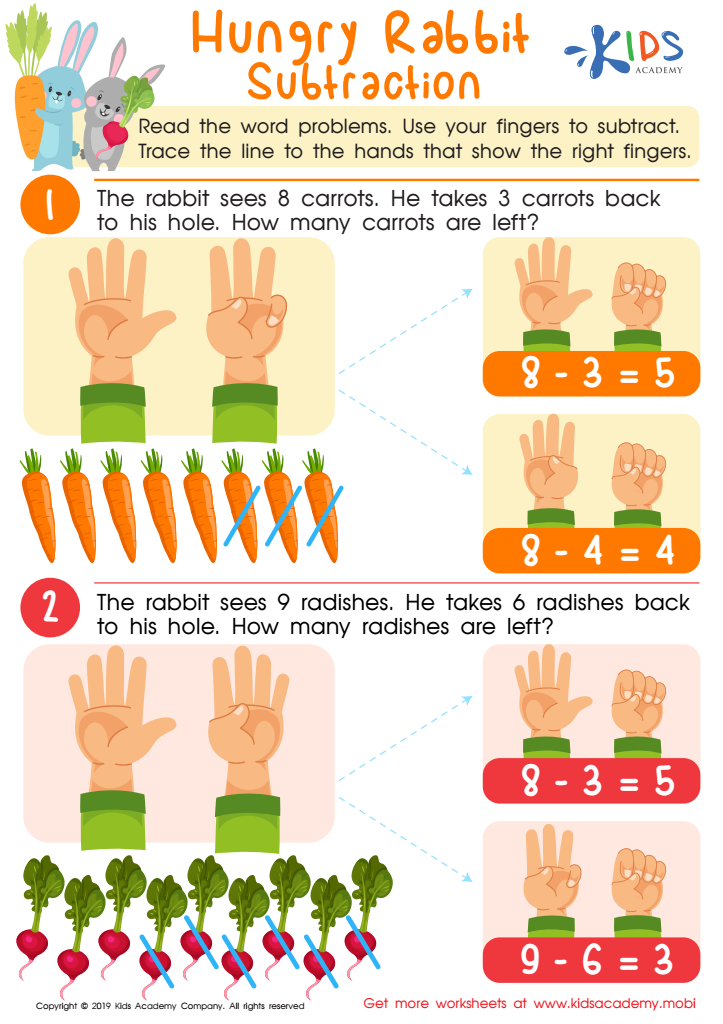
Hungry Rabbit Subtraction Worksheet
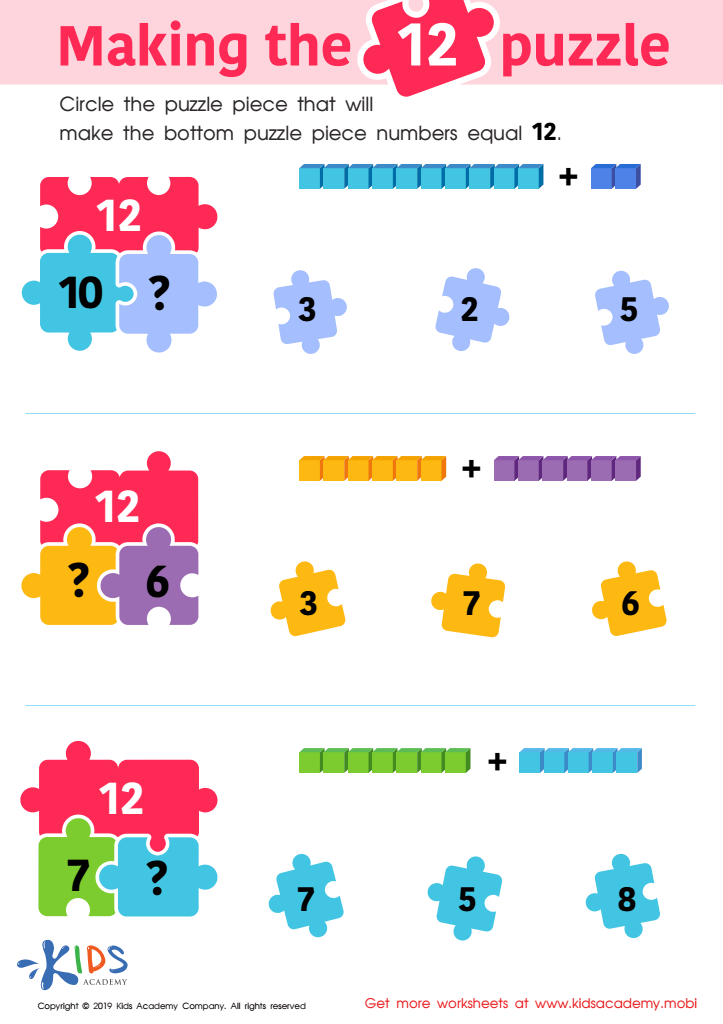
Making the 12 Puzzle Worksheet

Picking Carrots Worksheet
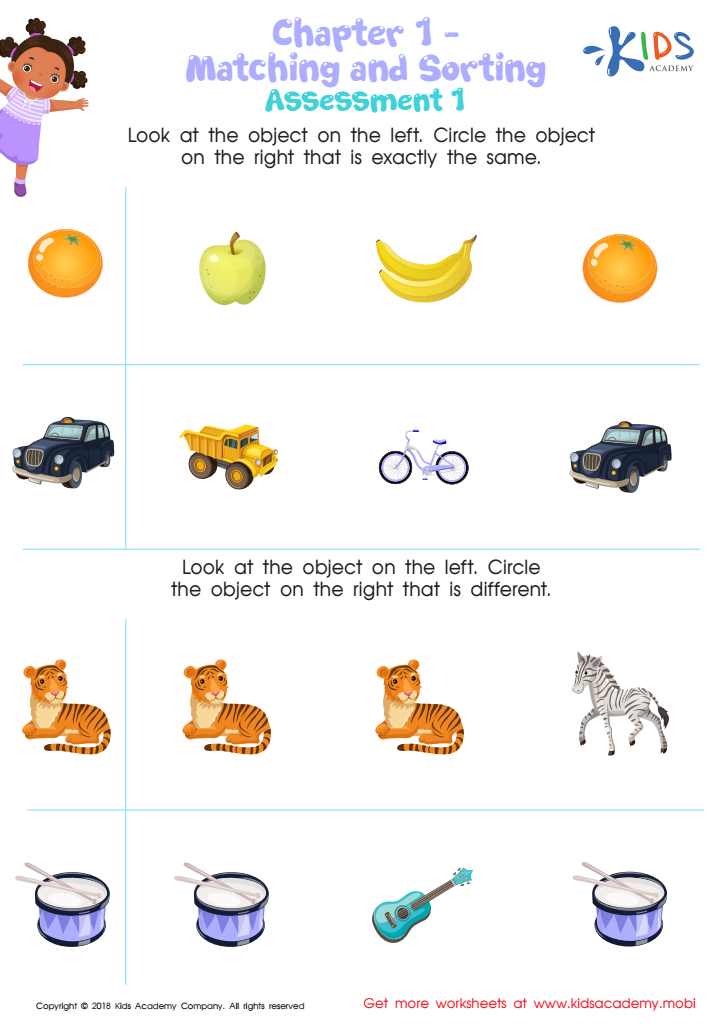
Matching and Sorting for Preschool: Assessment 1 Worksheet
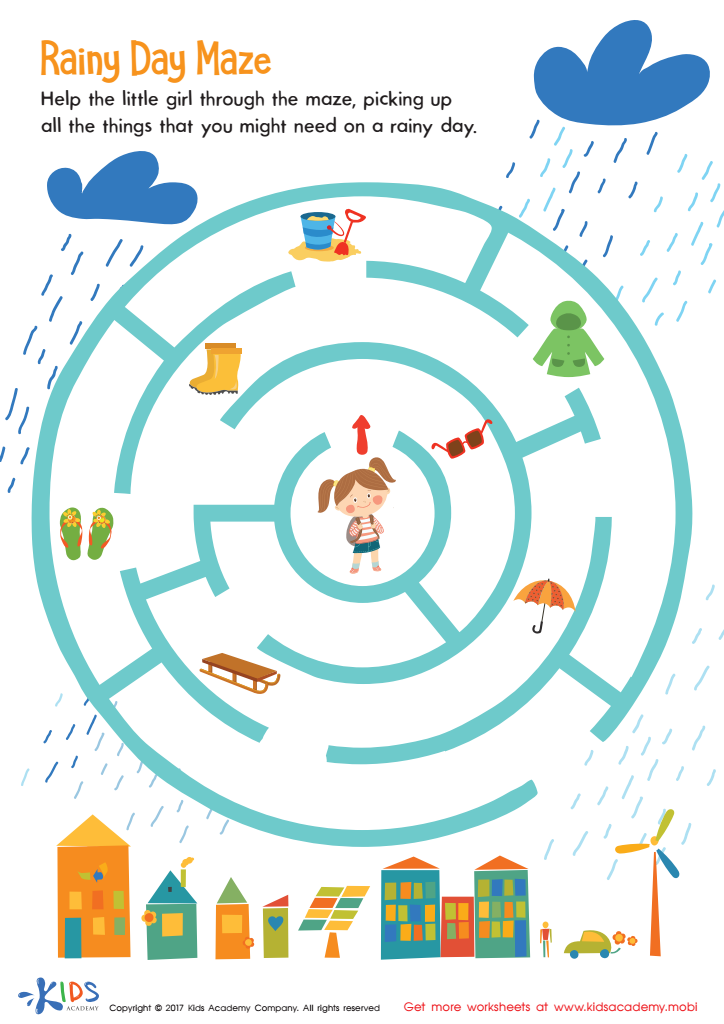
Rainy Day Maze Worksheet
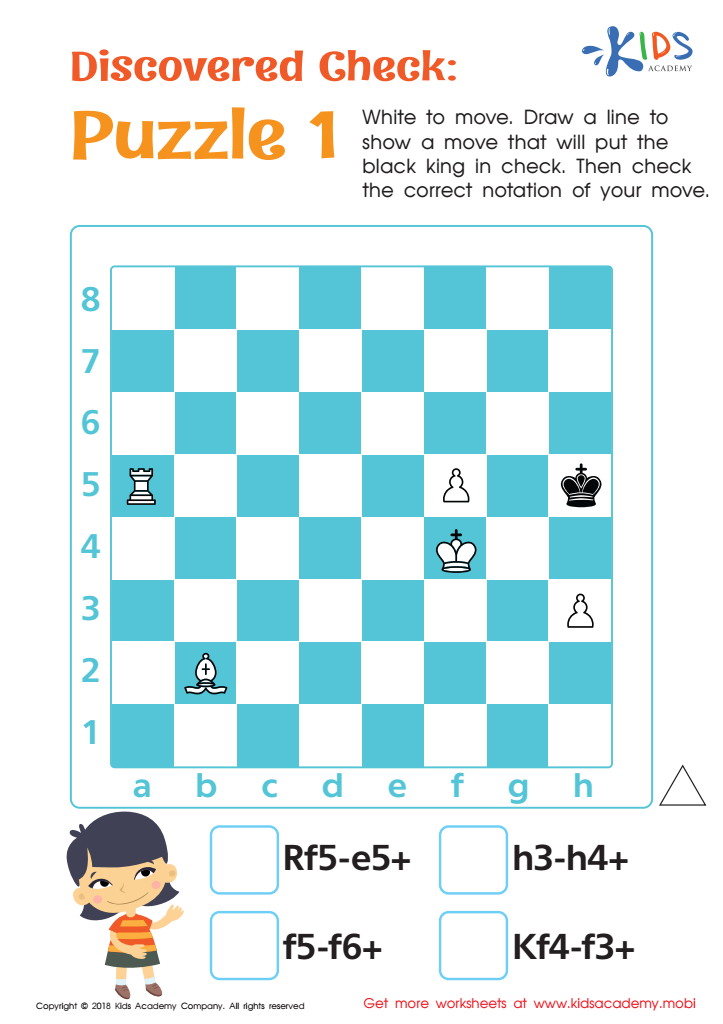
Discovered Check: Puzzle 1 Worksheet
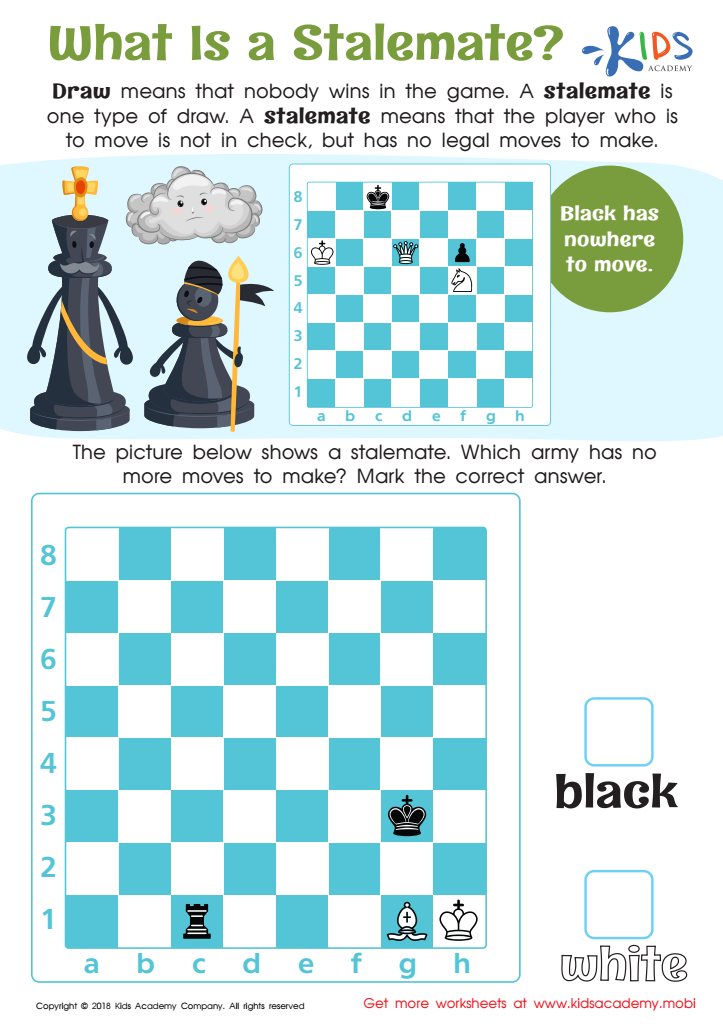
What Is a Stalemate? Worksheet
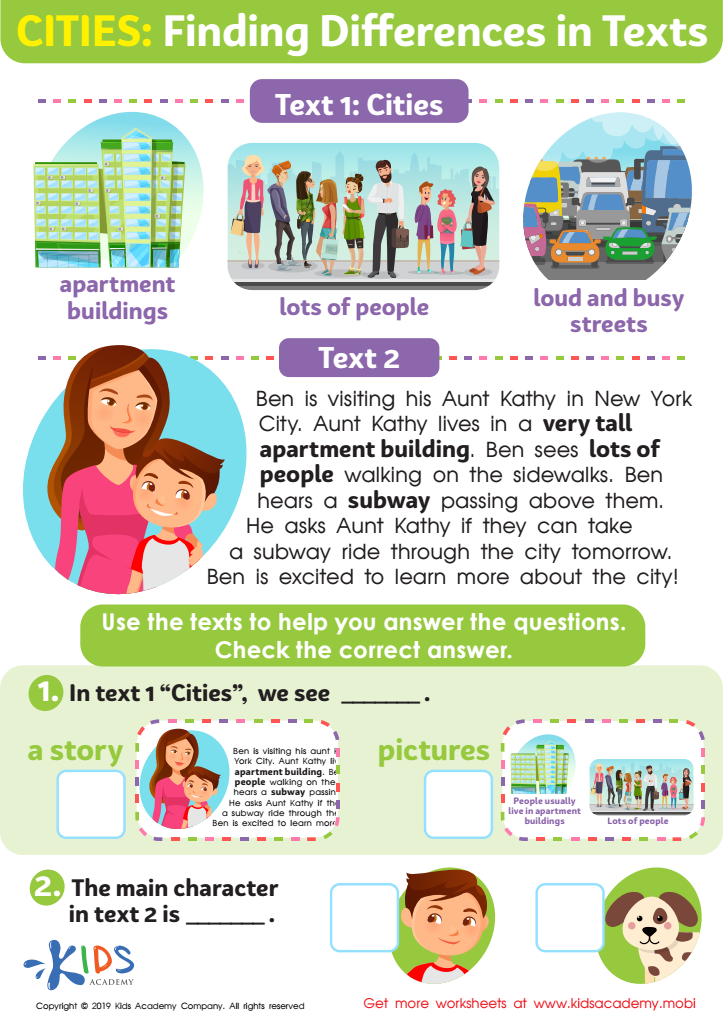
Cities: Finding Differences Worksheet
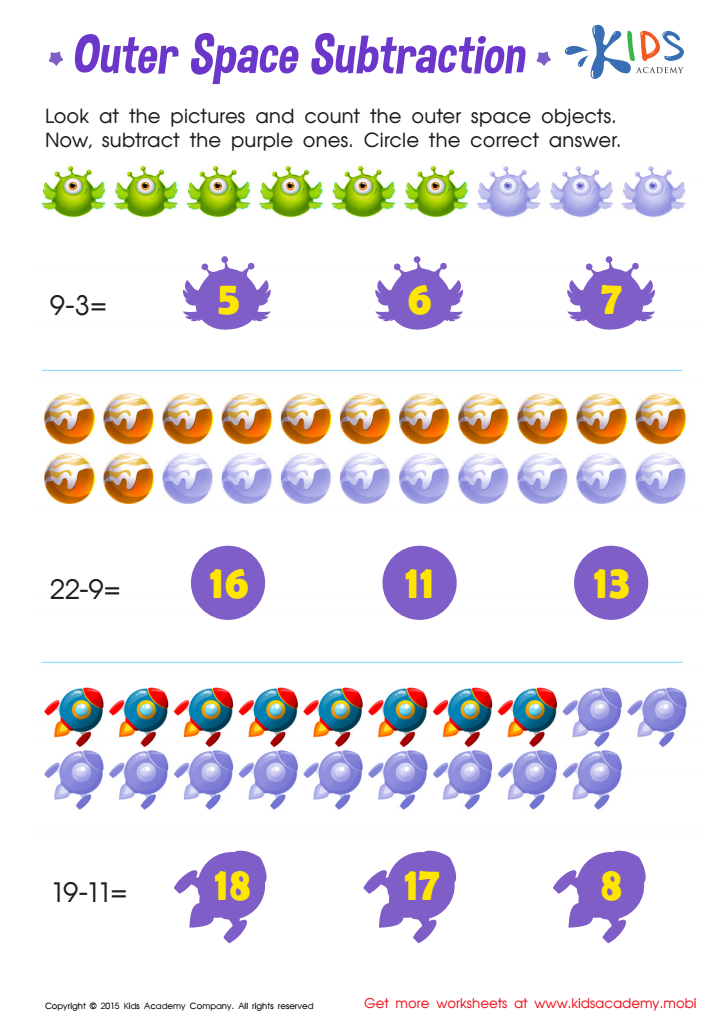
Outer Space Substraction Worksheet

Haystack Steps Worksheet
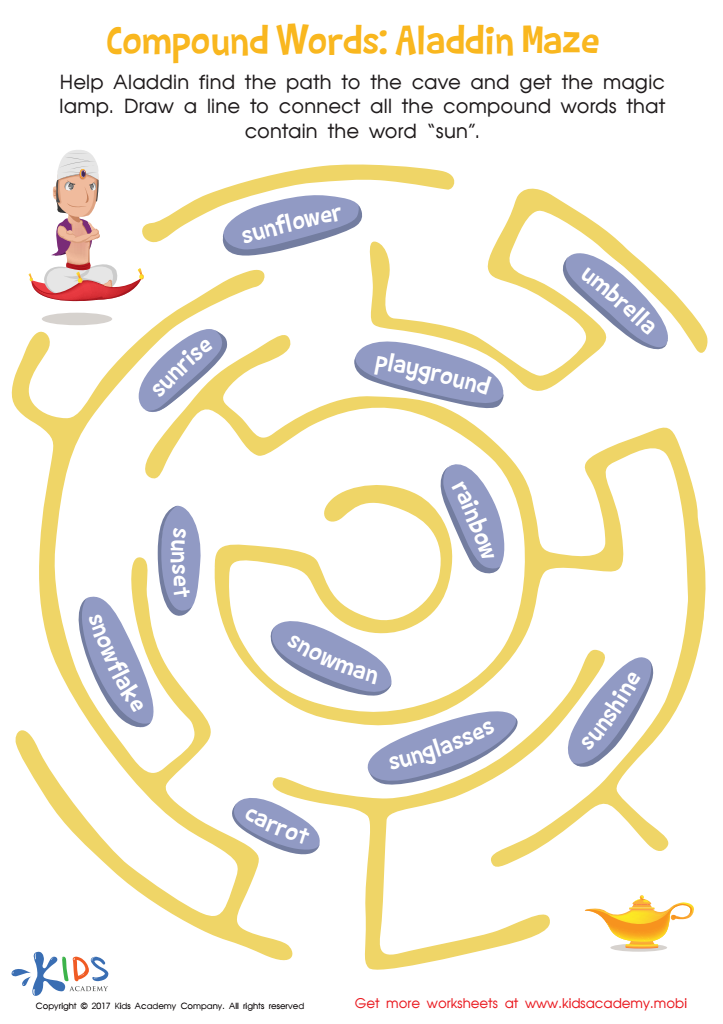
Compound Aladdin Maze Word Structure Worksheet








Problem-solving skills are crucial for young children ages 3-5 because they lay the foundation for critical thinking, independence, and resilience. At this formative stage, children encounter situations that require them to think creatively and make decisions, ranging from figuring out how to build a block tower to resolving conflicts with peers. By fostering problem-solving abilities, parents and teachers equip children with the tools to approach challenges confidently and think analytically.
Developing these skills early on promotes cognitive development by encouraging curiosity and experimentation. This helps children learn cause and effect, improve their memory, and enhance their attention spans. Additionally, problem-solving impacts social and emotional growth. When children navigate social interactions and emotional reactions, they build empathy, patience, and the ability to cope with frustration.
Furthermore, the confidence gained through successful problem-solving experiences fosters a positive self-concept. Children who believe in their ability to solve problems are more likely to take on new challenges, thereby continuously growing and learning. By valuing and nurturing problem-solving abilities in young children, parents and teachers set the stage for future academic success and a lifelong love of learning. This holistic development not only benefits individual children but also contributes to the welfare of the whole community.








