Problem-Solving Skills Easy Worksheets for Ages 5-8 - Page 3
61 filtered results
-
From - To
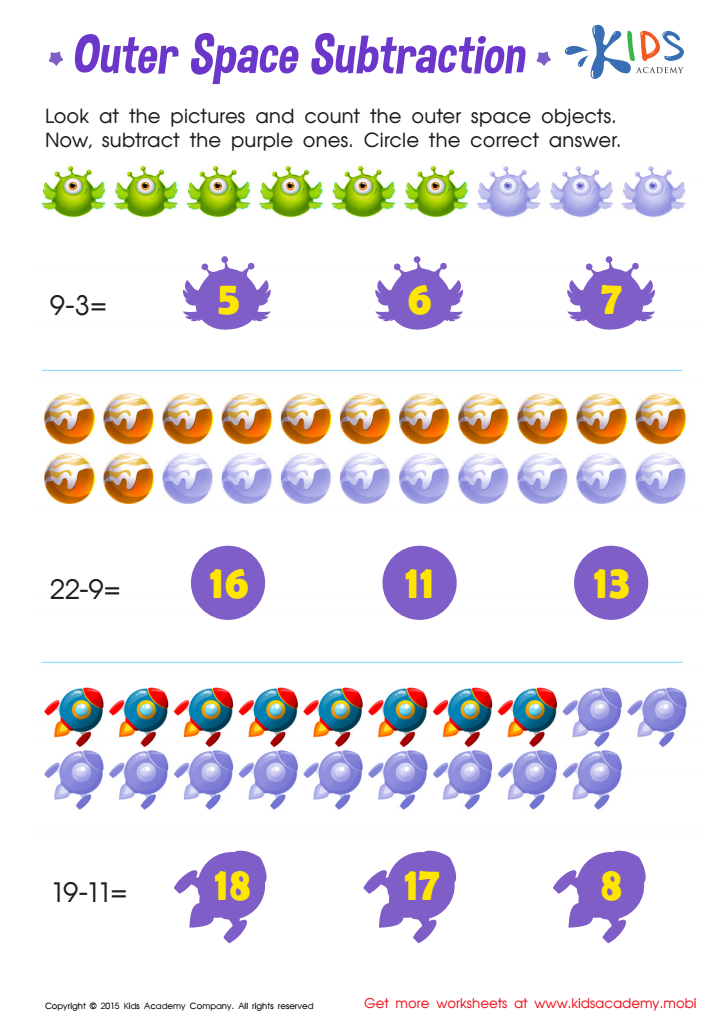
Outer Space Substraction Worksheet
 Assign to My Students
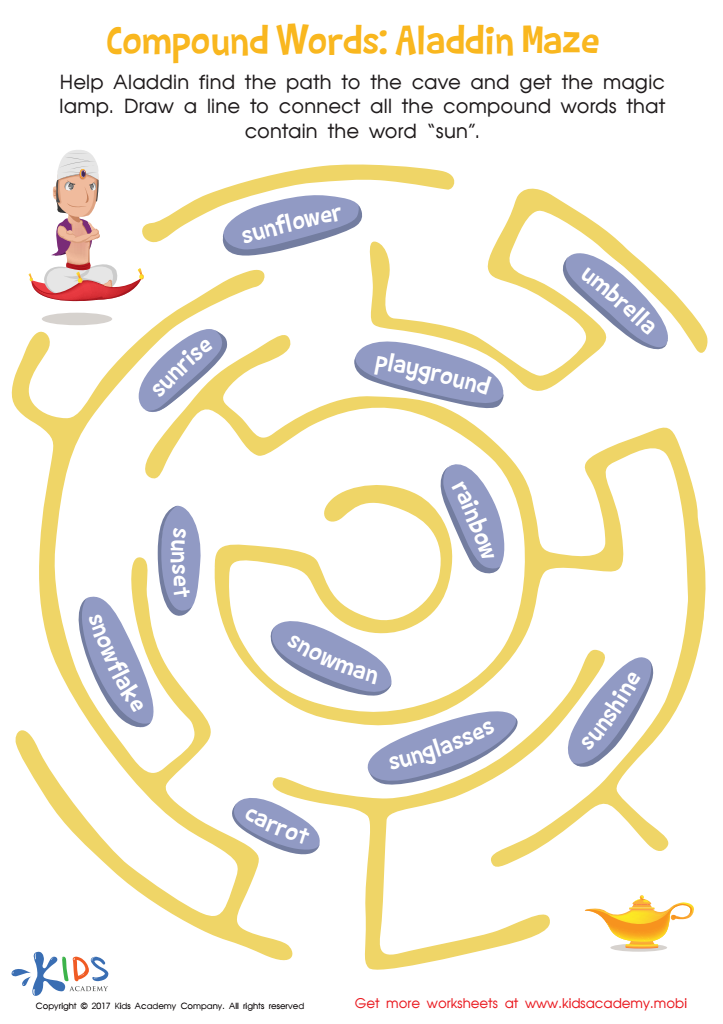
Compound Aladdin Maze Word Structure Worksheet

Haystack Steps Worksheet
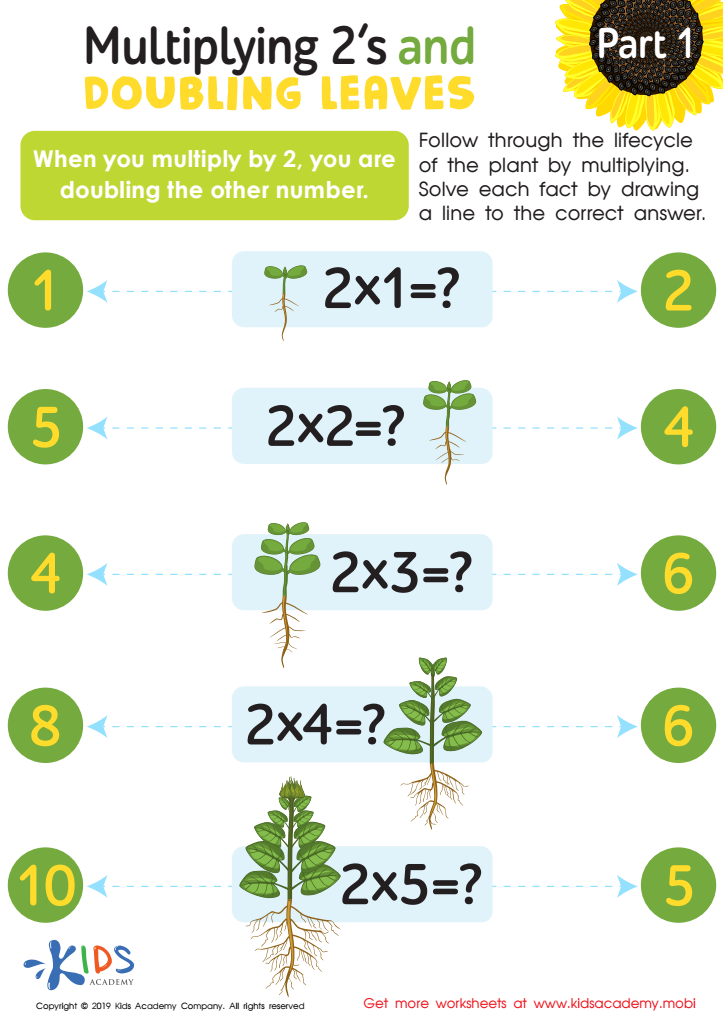
Multiplying 2’s and Doubling Leaves Part 1 Worksheet
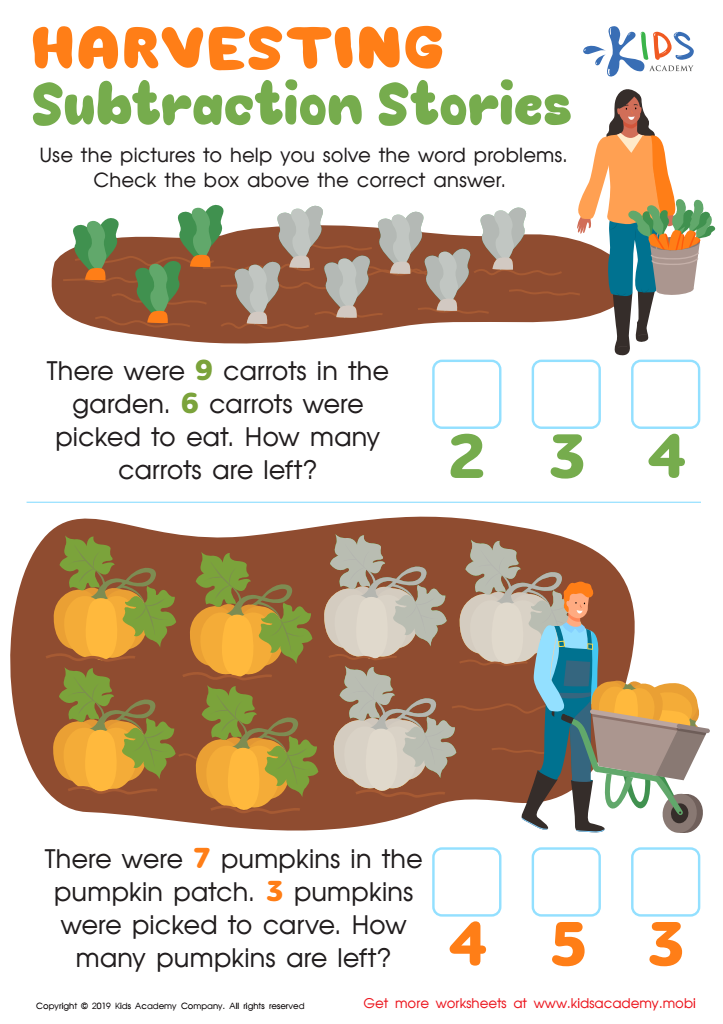
Harvesting Subtraction Stories Worksheet
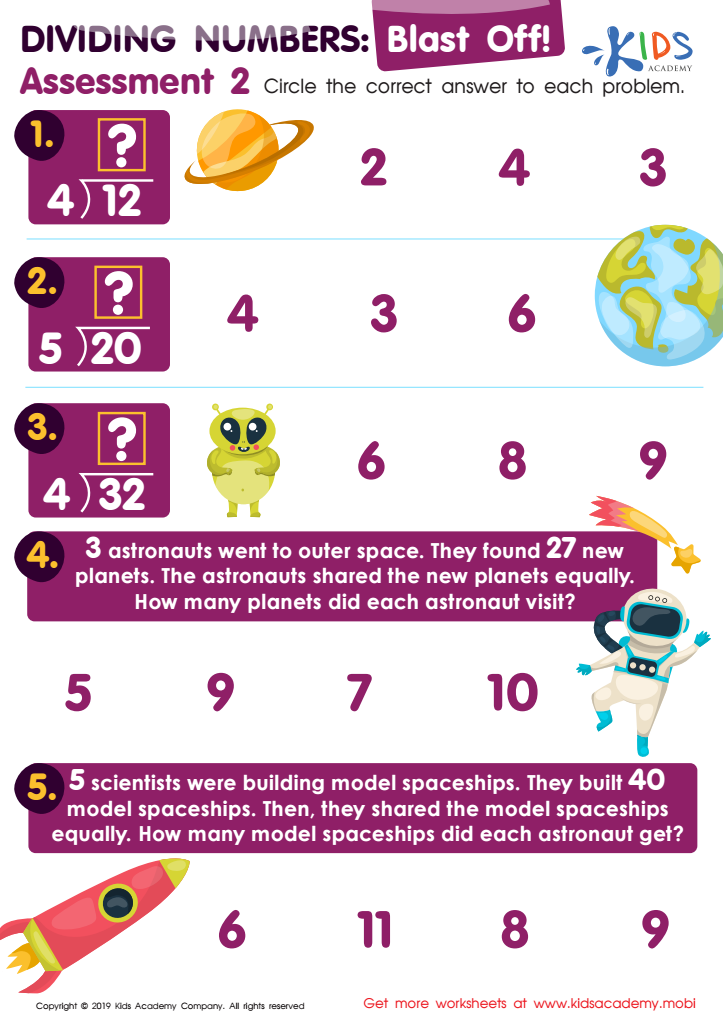
Dividing Numbers Assessment 2 Worksheet
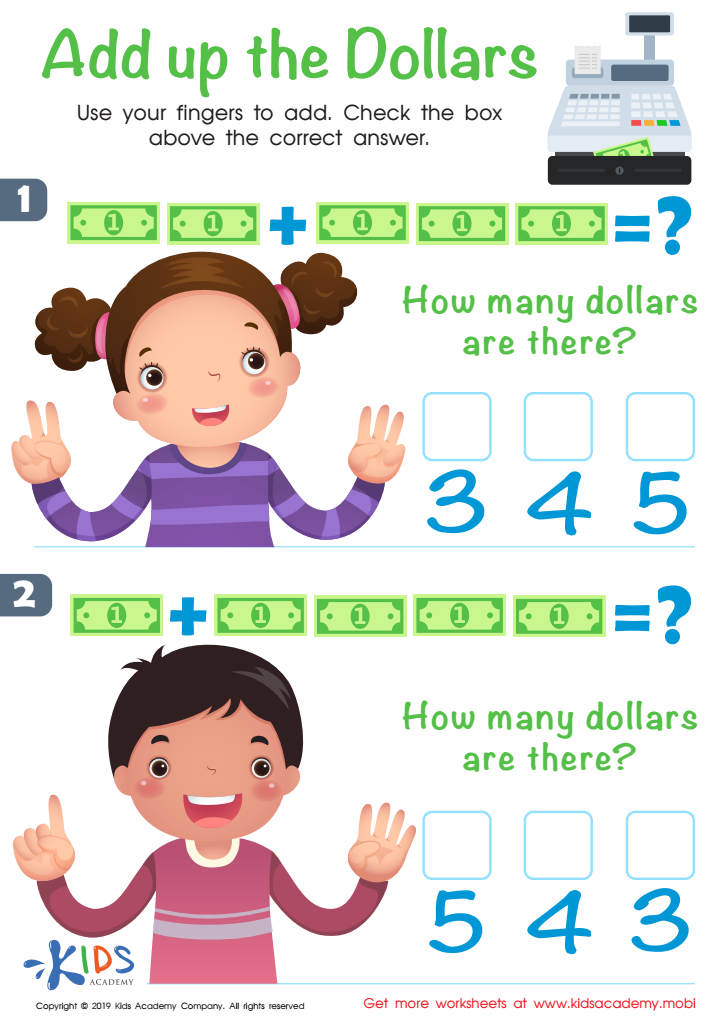
Add up the Dollars Worksheet
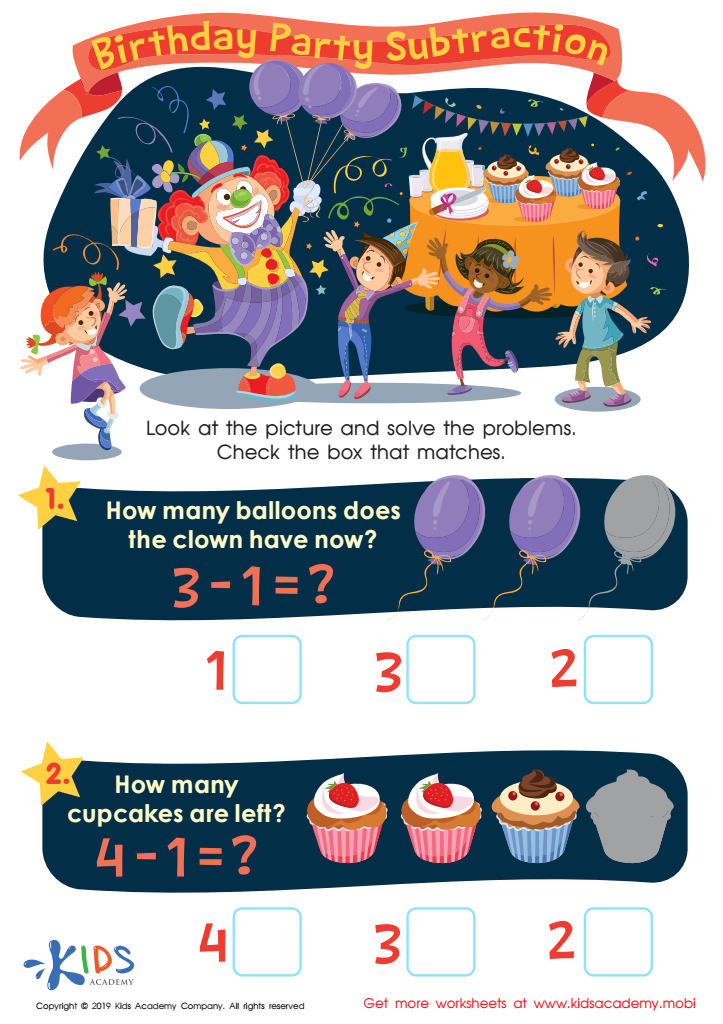
Birthday Party Subtraction Worksheet
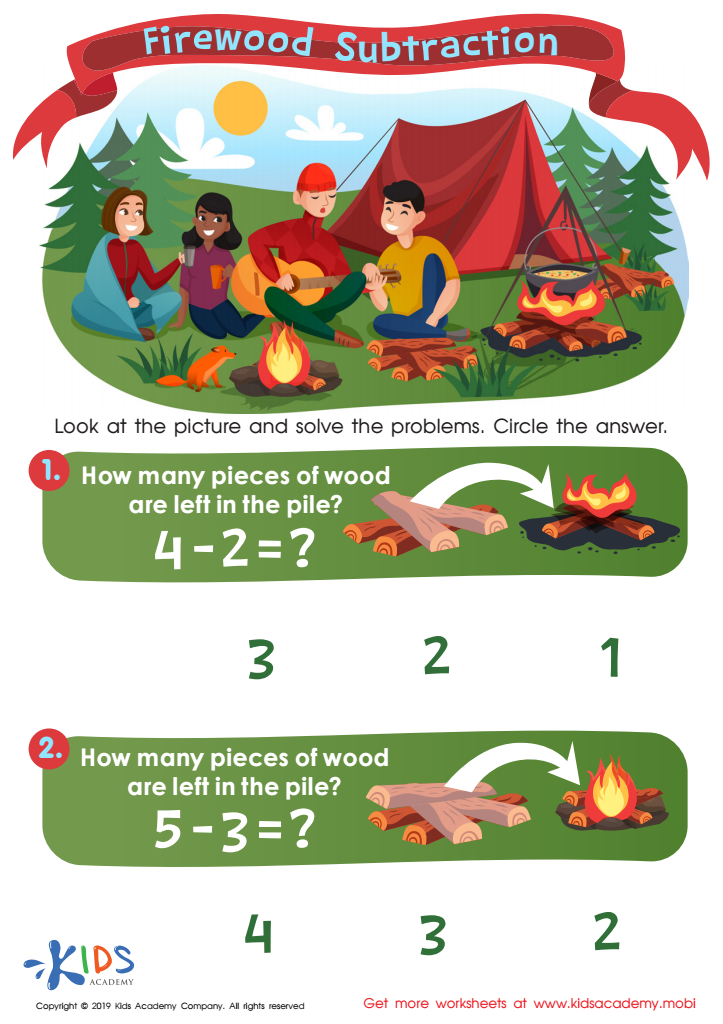
Firewood Subtraction Worksheet
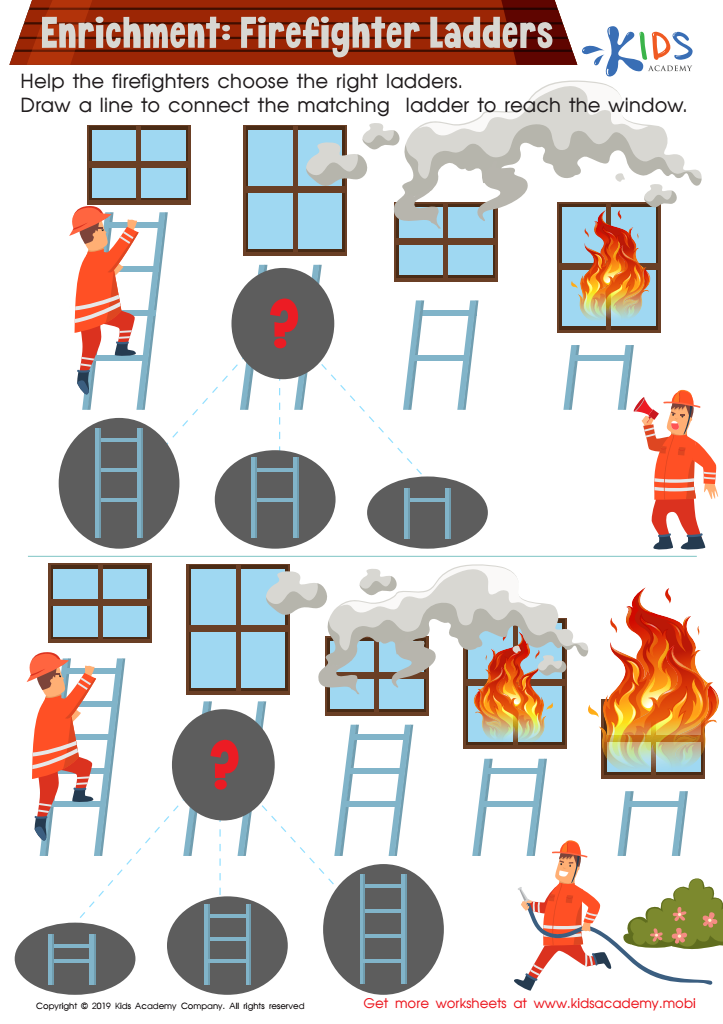
Enrichment: Firefighter Ladders Worksheet
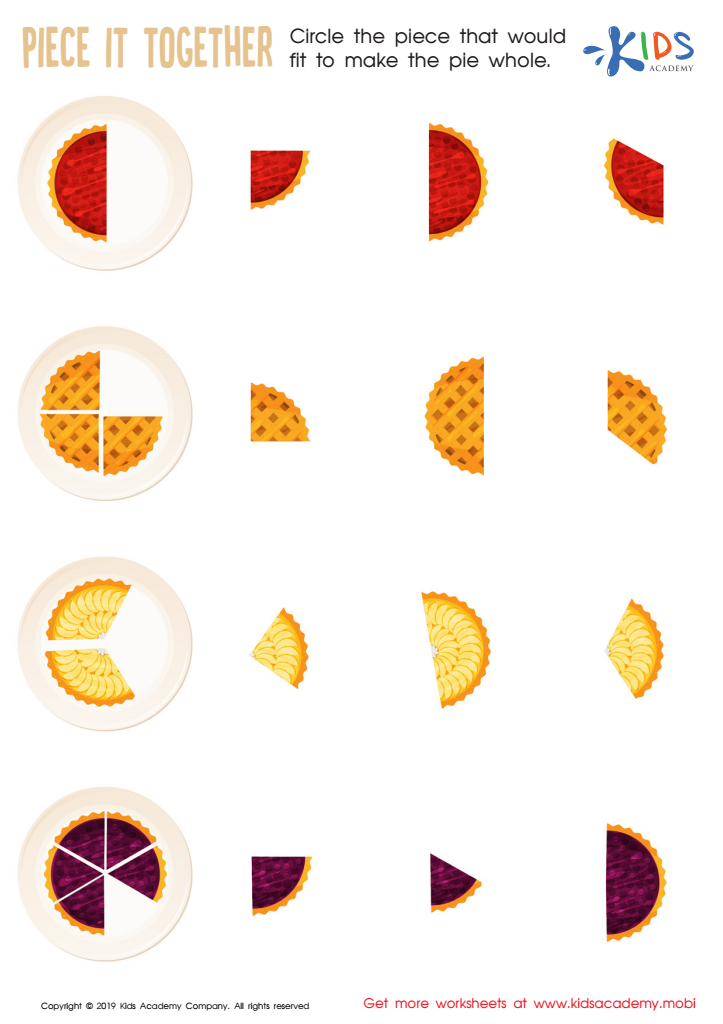
Piece it together Worksheet
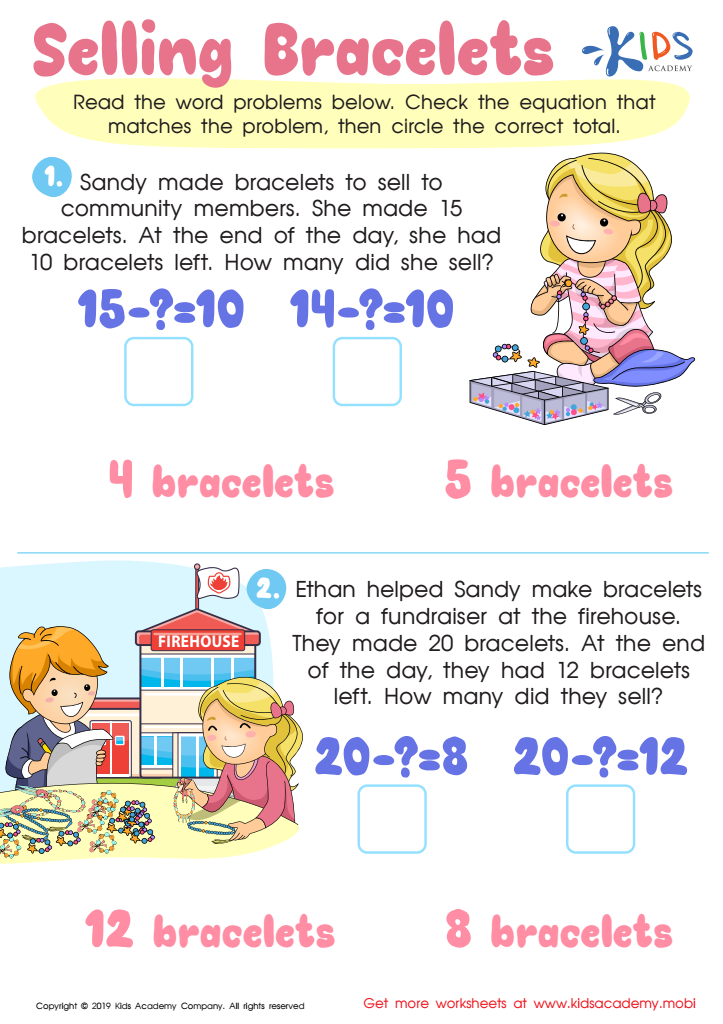
Selling the Bracelets Worksheet
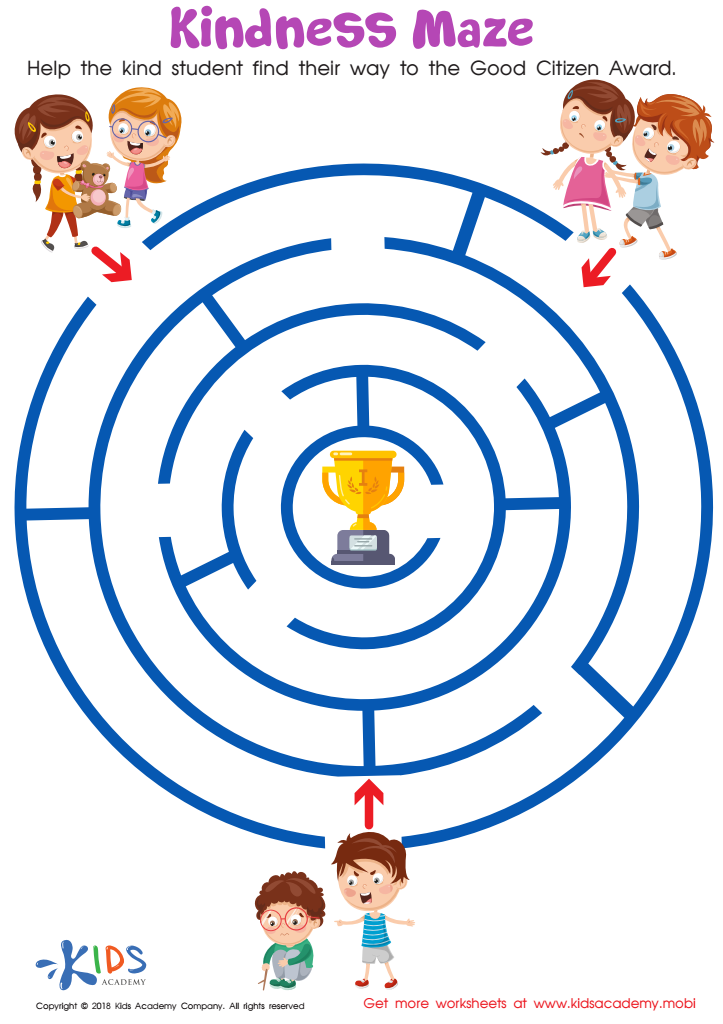
Kindness Maze Worksheet






.jpg)
Problem-solving skills are essential for children aged 5-8 as they lay the foundation for critical thinking, adaptability, and resilience in overcoming challenges. During this formative stage, children encounter various social, emotional, and academic hurdles. Developing these skills helps them learn how to approach issues systematically, evaluate options, and implement solutions.
Parents and teachers play a crucial role in nurturing problem-solving abilities. By encouraging children to identify problems and brainstorm solutions rather than immediately stepping in to fix things, they foster independence and confidence. Activities such as puzzles, team games, and collaborative tasks not only make learning enjoyable but also enhance children's logical reasoning and decision-making skills.
Furthermore, problem-solving skills contribute to better communication and interpersonal relationships. Children learn to articulate their needs, share ideas, and work collaboratively with peers, essential attributes in an increasingly interconnected world.
Promoting problem-solving skills prepares children for future challenges, both academically and in everyday life. The earlier these skills are ingrained, the better equipped children will be to navigate complex situations throughout their lives, making it indispensable for parents and teachers to prioritize this crucial aspect of development.








