Problem-Solving Skills Easy Worksheets for Ages 7-9 - Page 2
46 filtered results
-
From - To
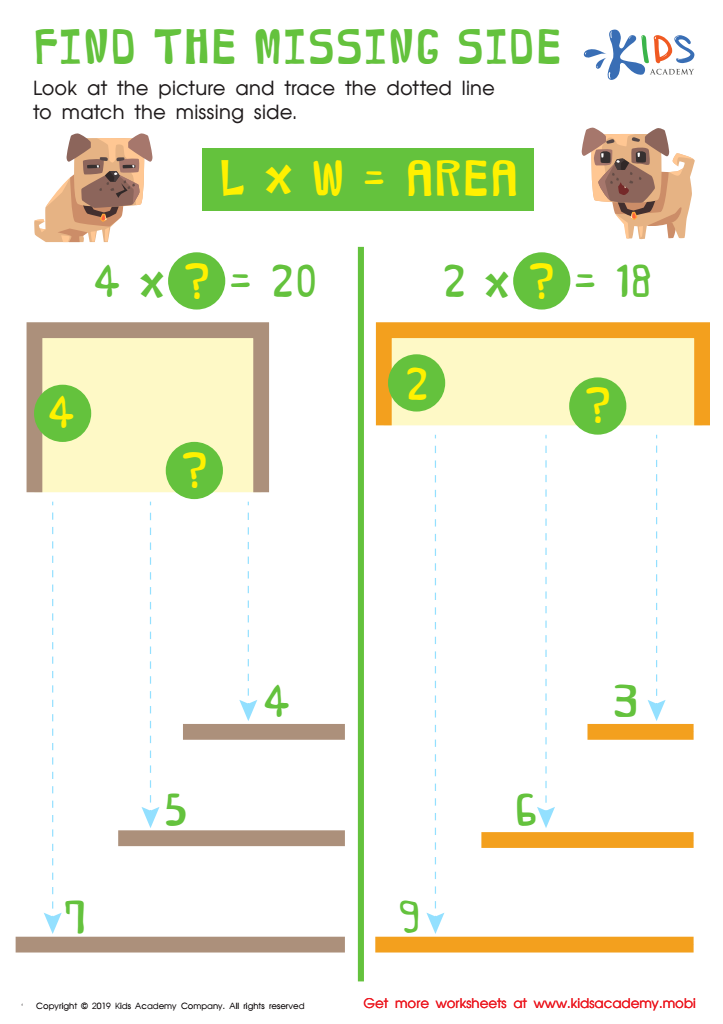
Find the Missing Side Worksheet
 Assign to My Students
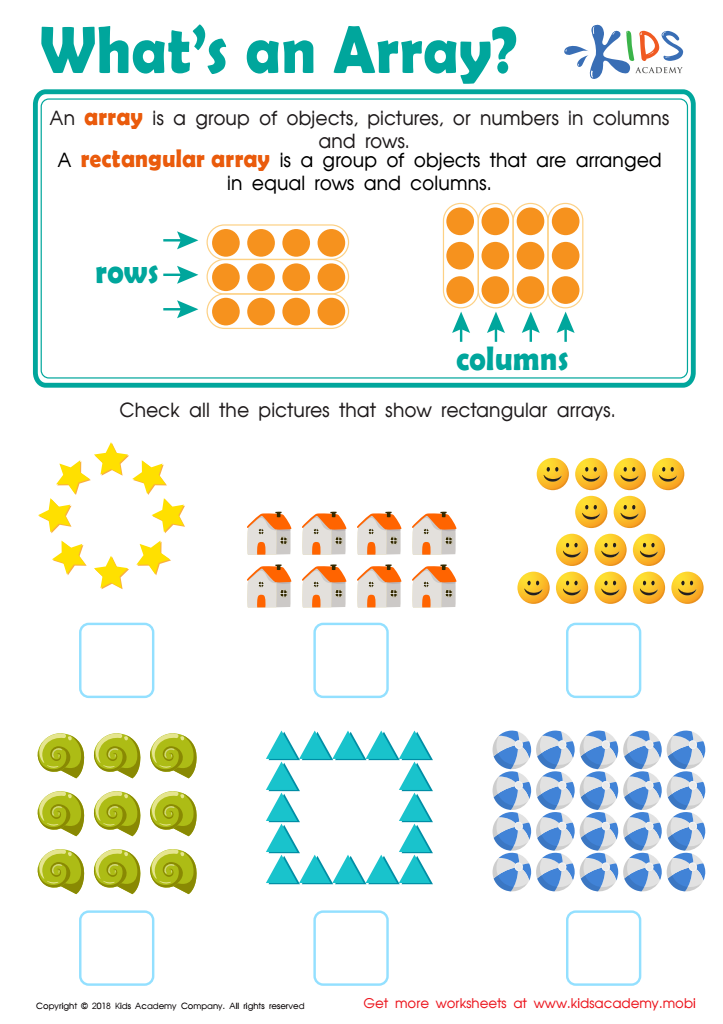
What's an Array? Worksheet
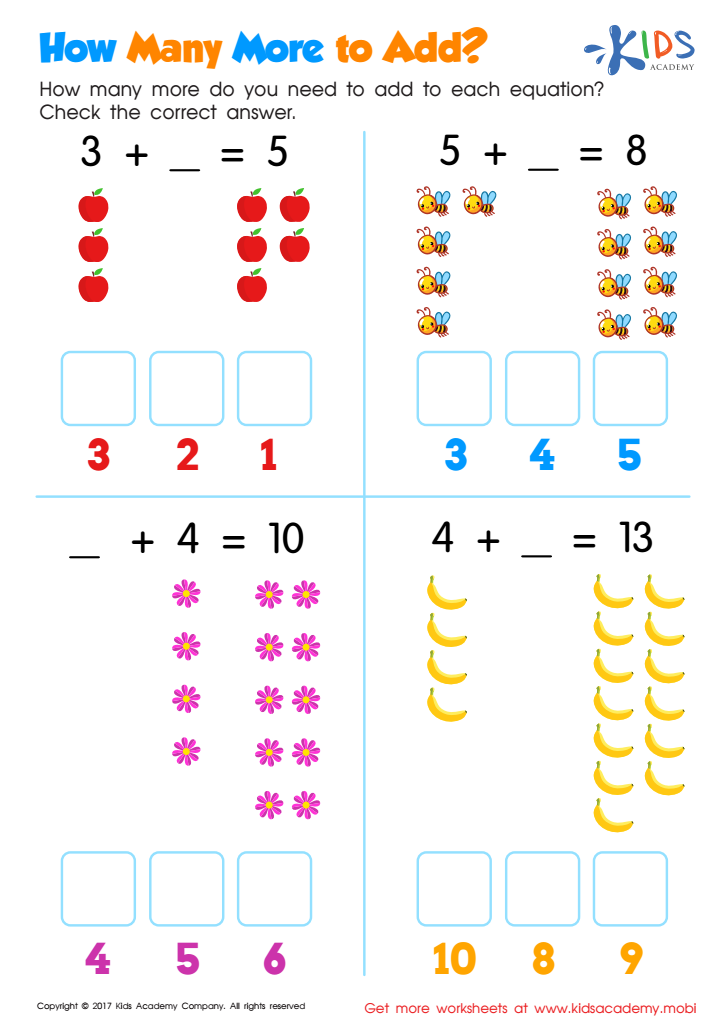
How Many More to Add Worksheet
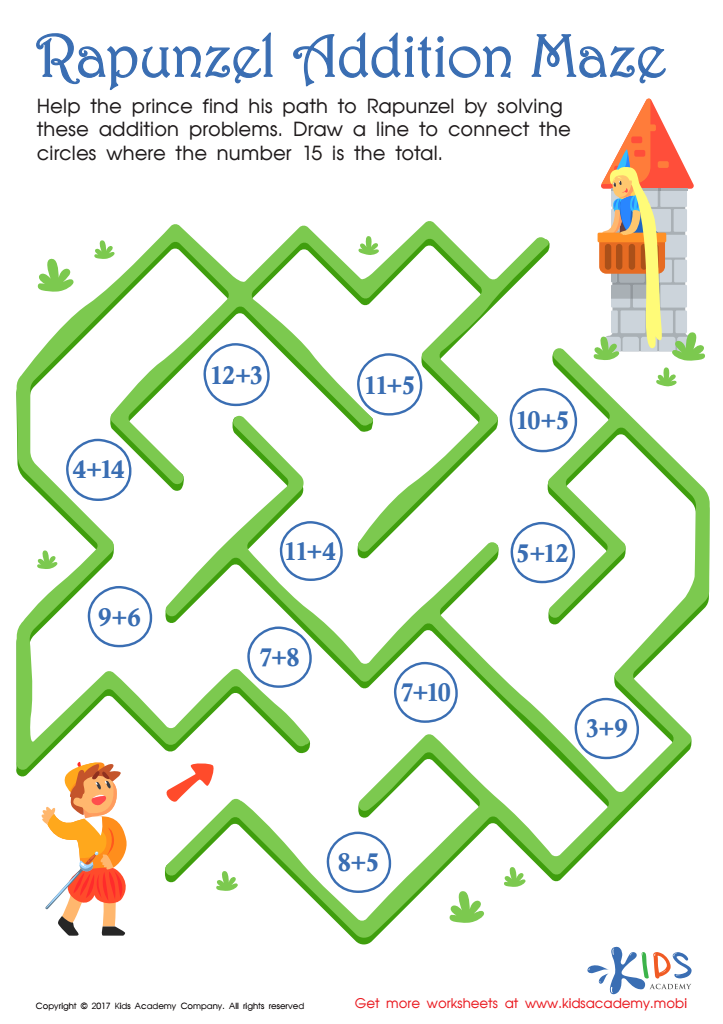
Rapunzel Addition Maze Worksheet
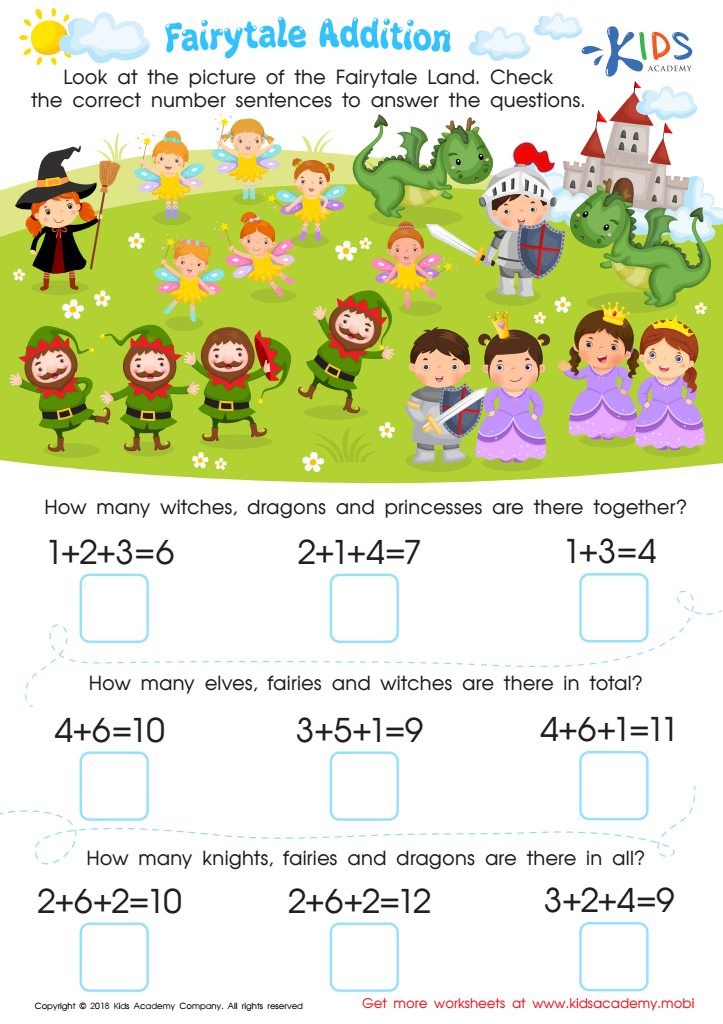
Fairytale Addition Worksheet
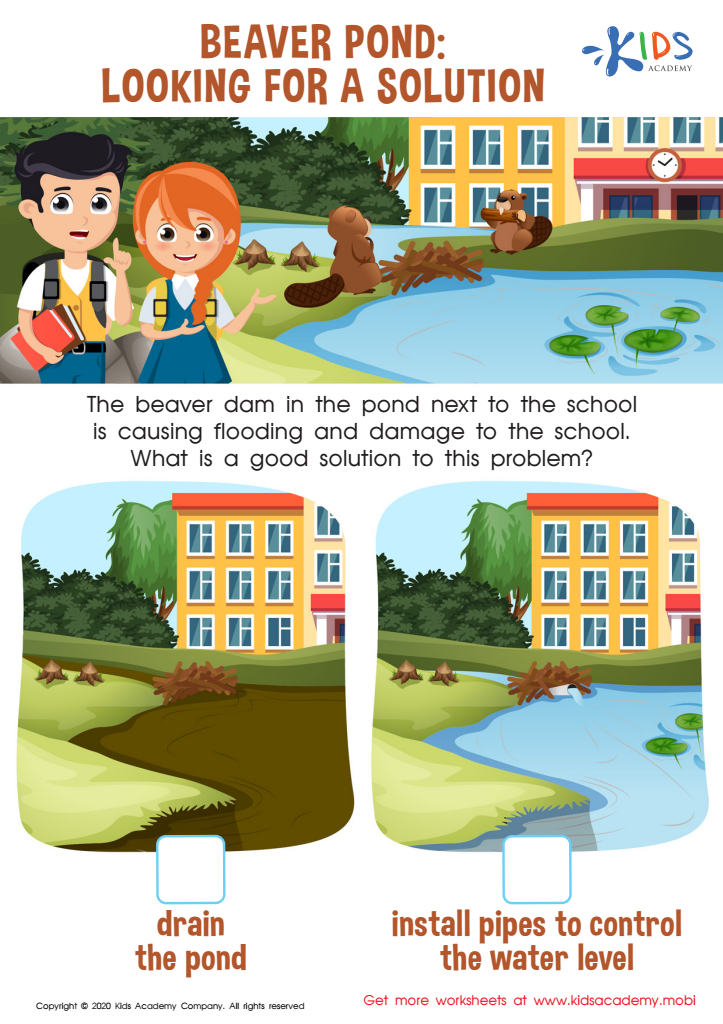
Beaver Pond: Looking for a Solution Worksheet
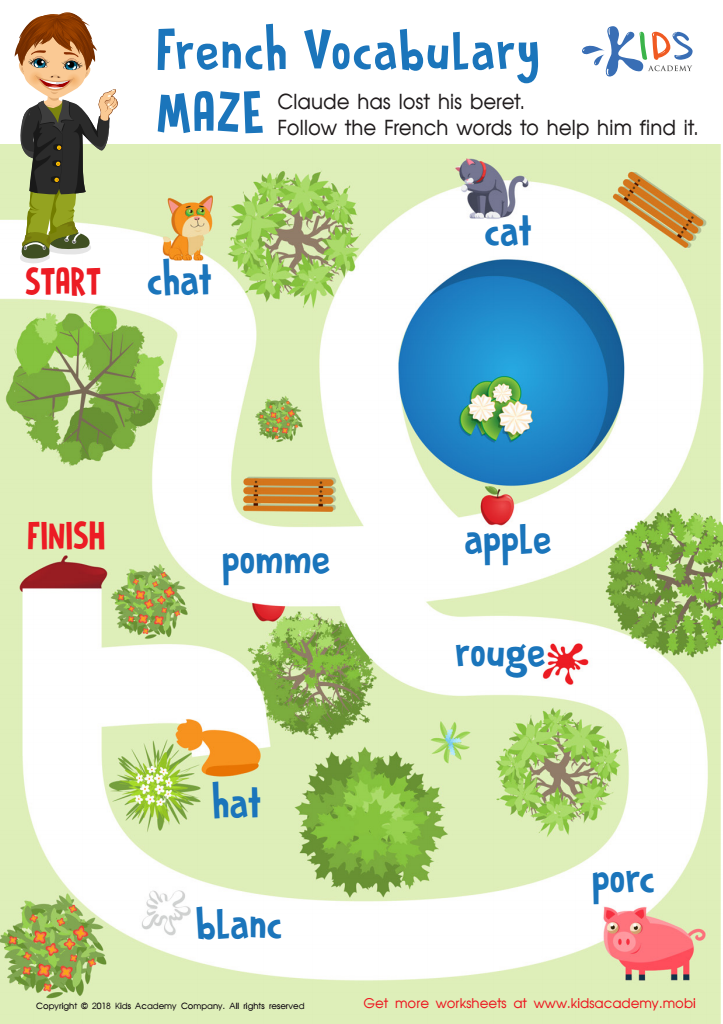
French Vocabulary Maze Worksheet
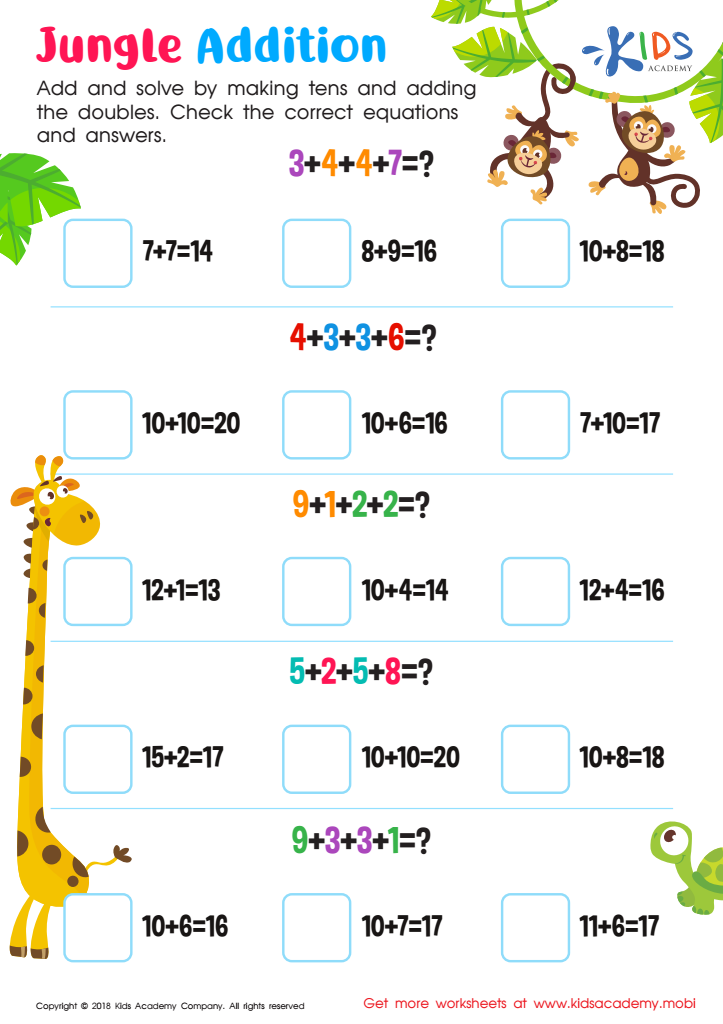
Jungle Addition Worksheet
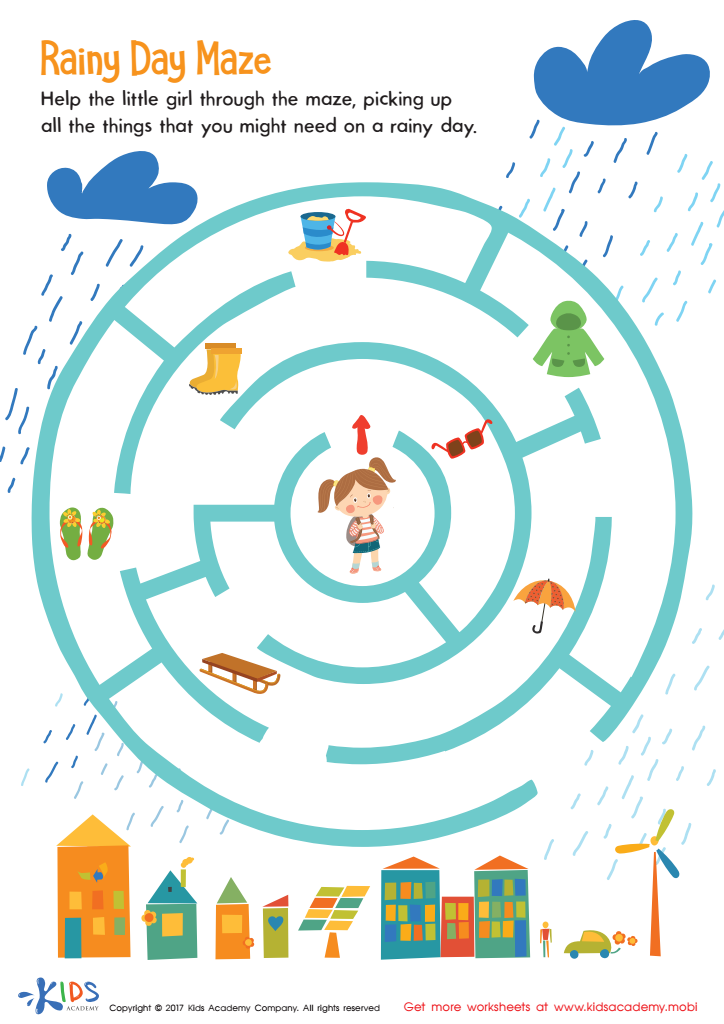
Rainy Day Maze Worksheet

Subtracting: Groceries with Georgio Worksheet
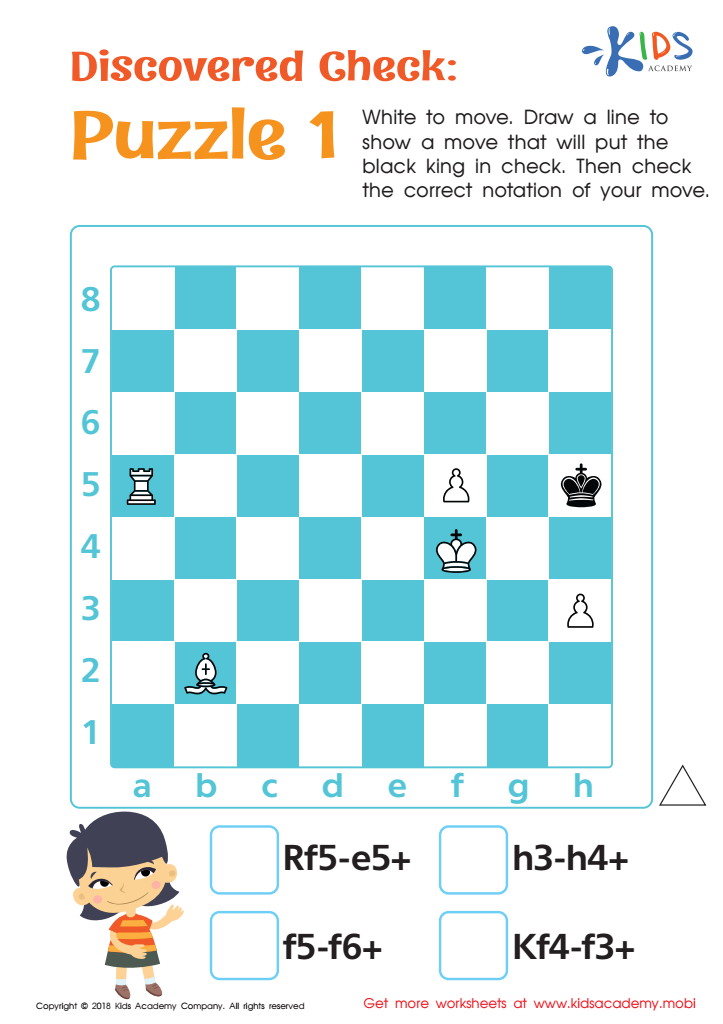
Discovered Check: Puzzle 1 Worksheet
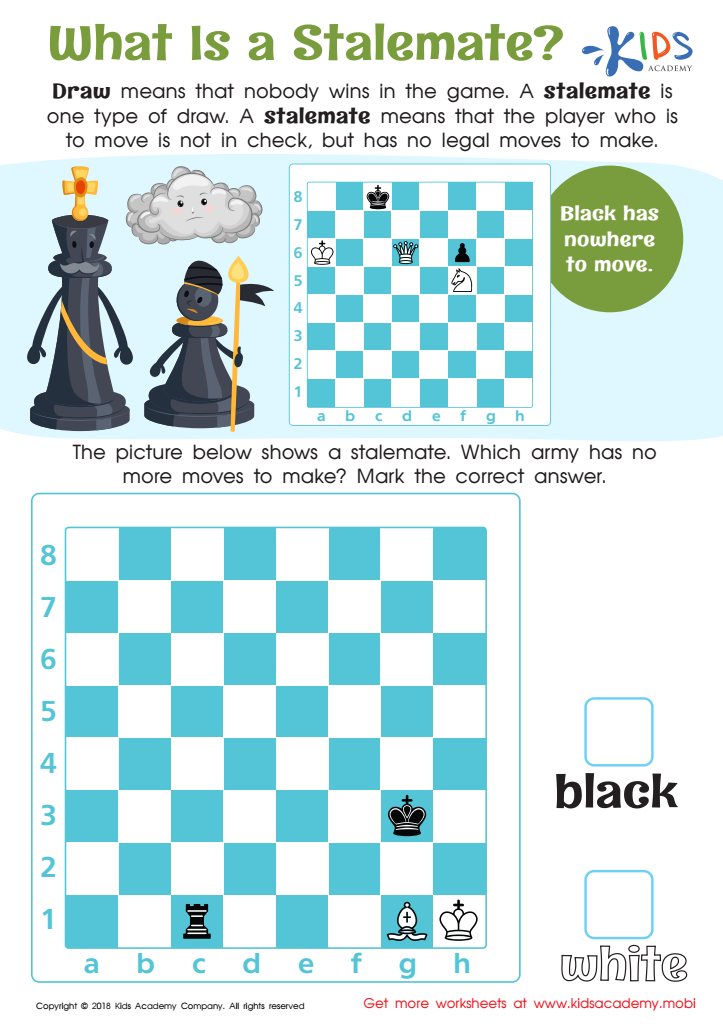
What Is a Stalemate? Worksheet
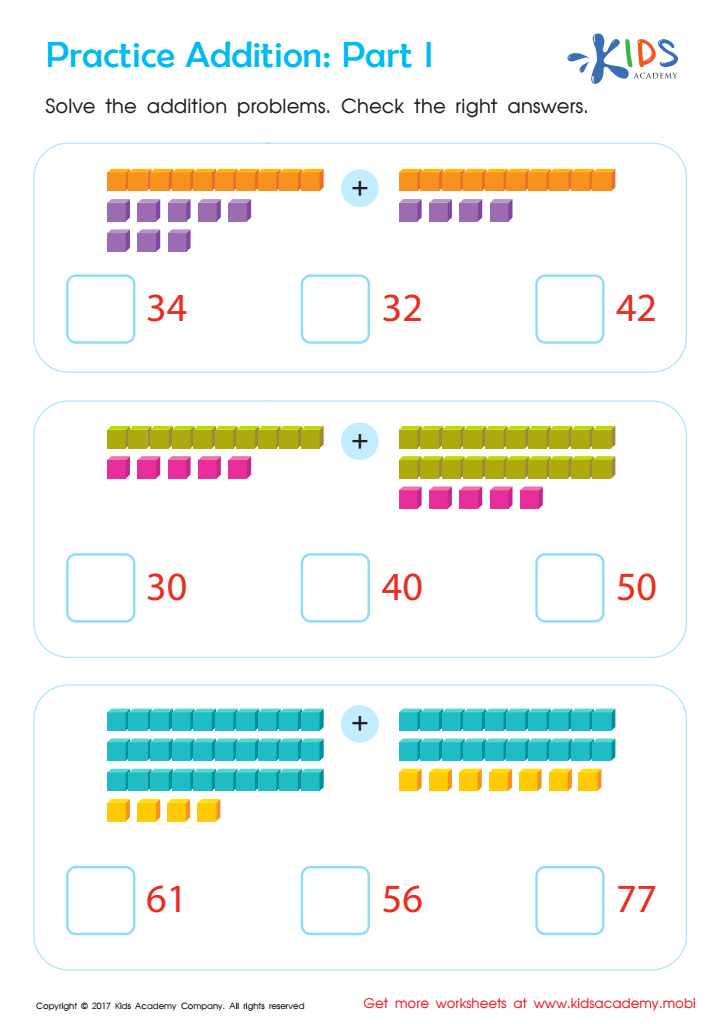
Practice Addition: Part 1 Worksheet
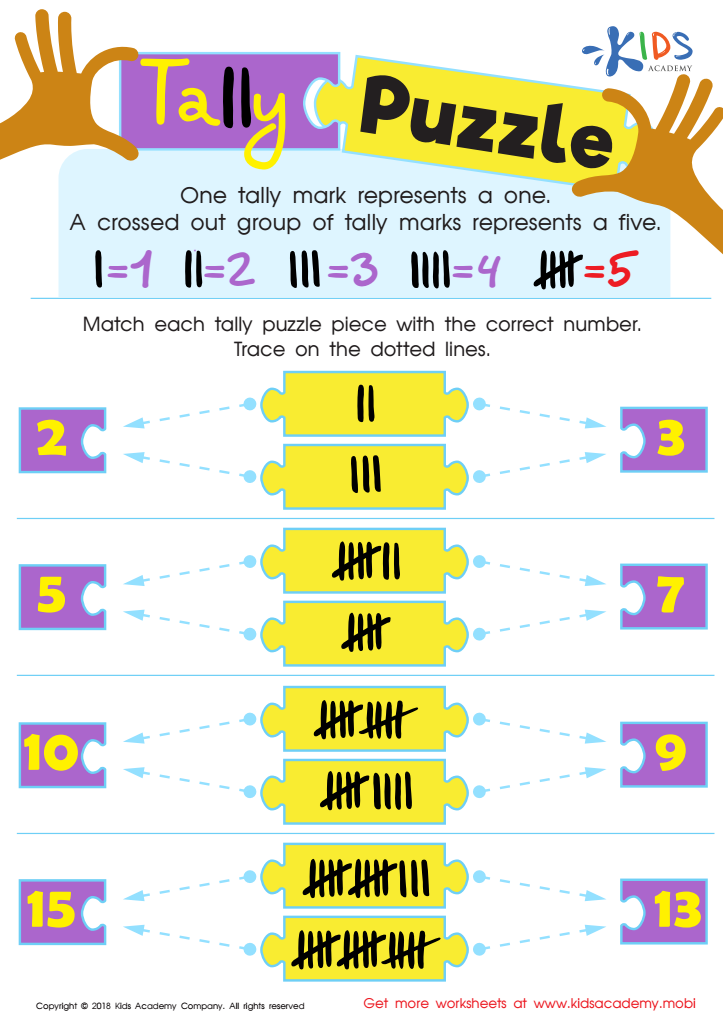
Tally Puzzle Worksheet
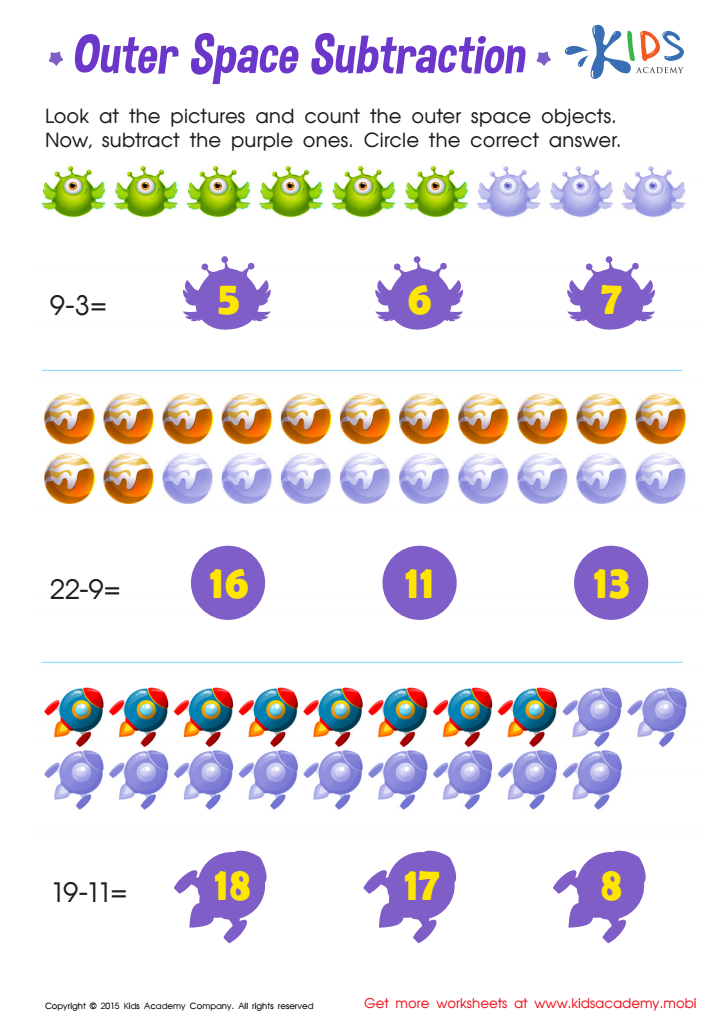
Outer Space Substraction Worksheet
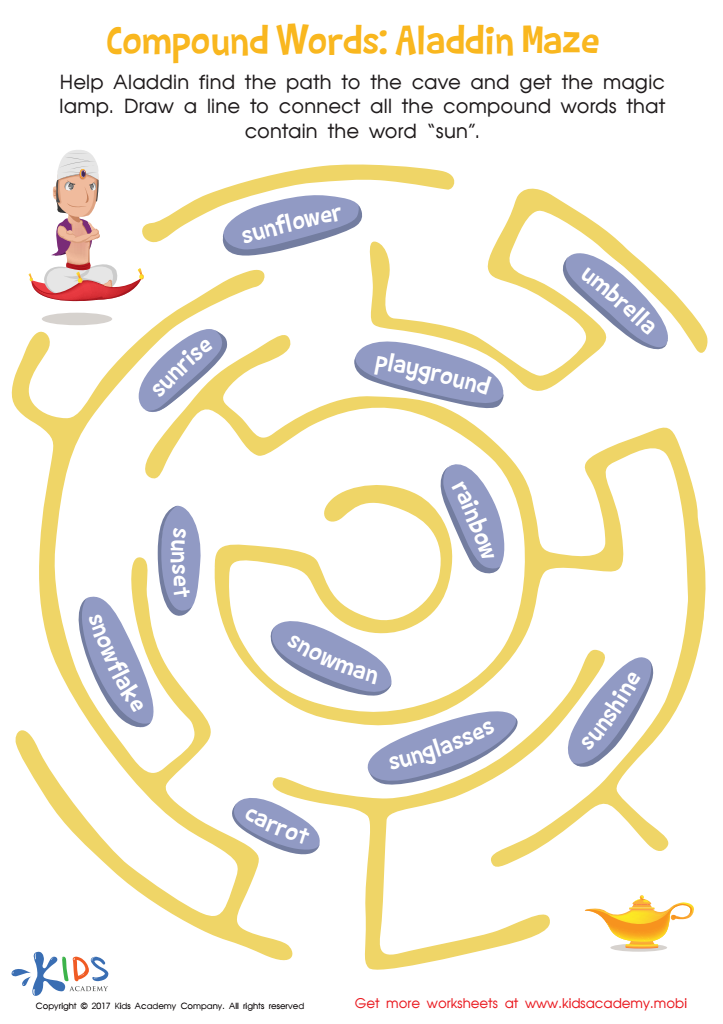
Compound Aladdin Maze Word Structure Worksheet
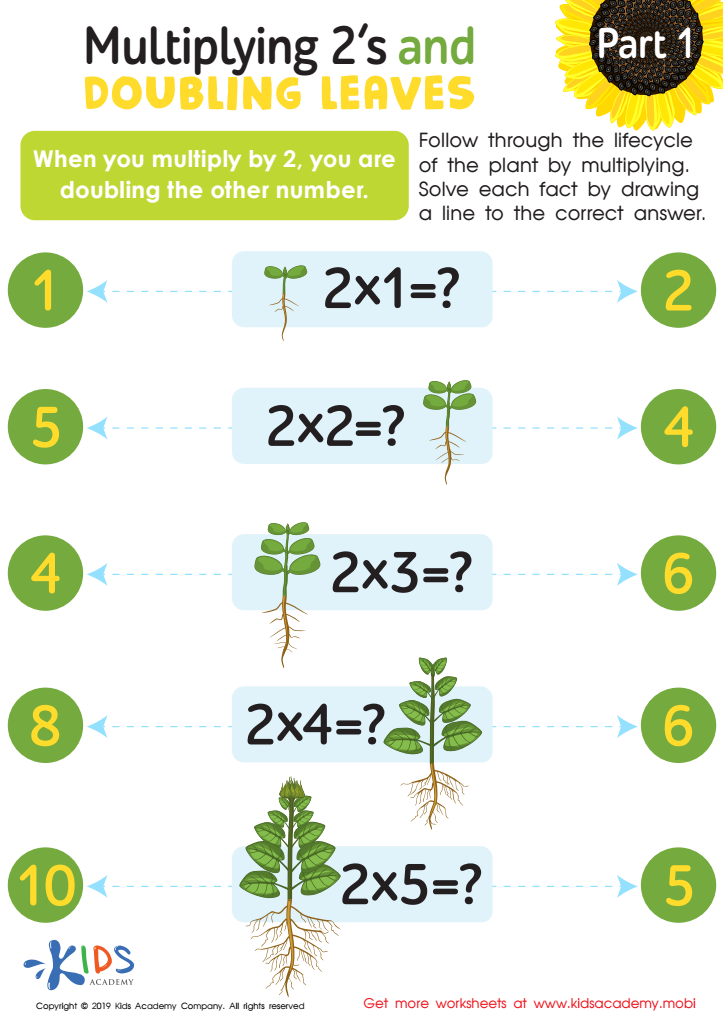
Multiplying 2’s and Doubling Leaves Part 1 Worksheet
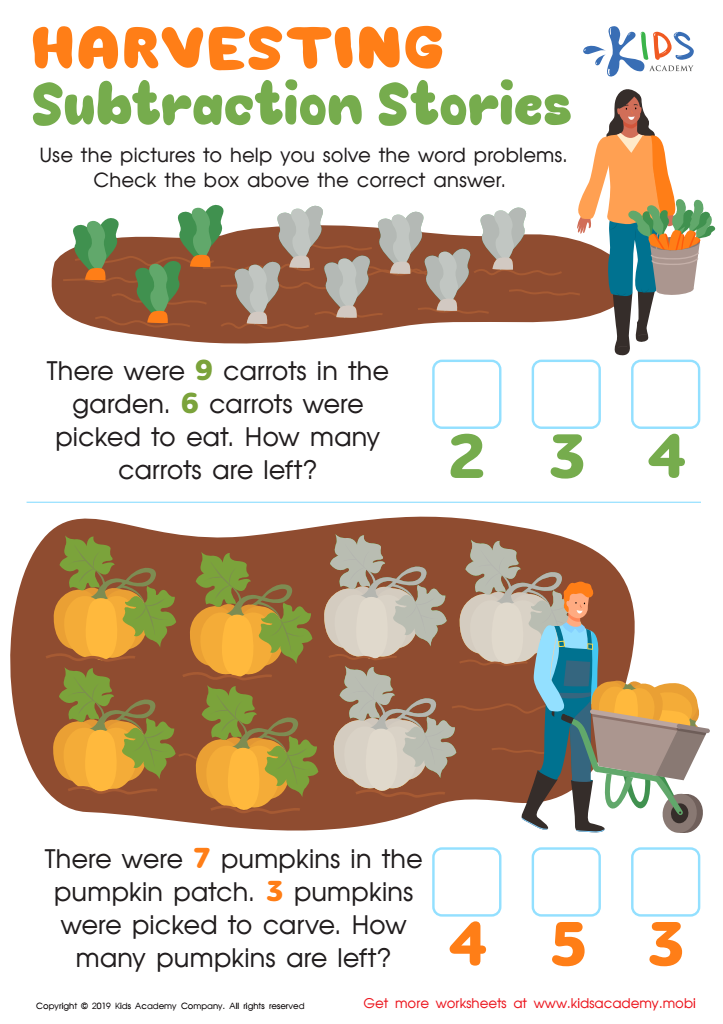
Harvesting Subtraction Stories Worksheet
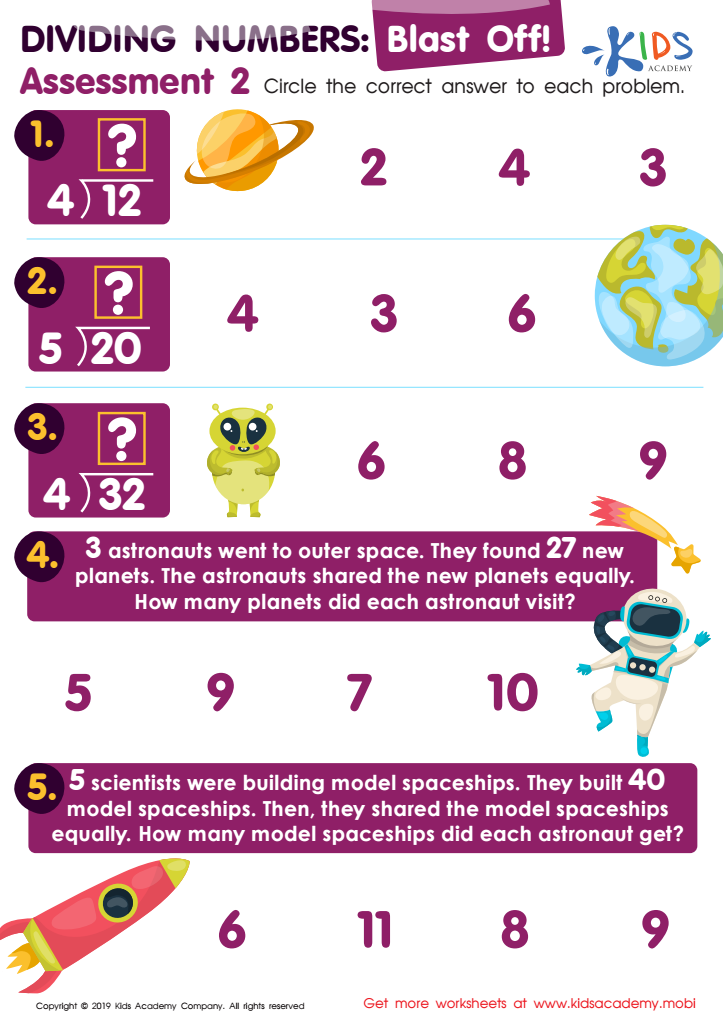
Dividing Numbers Assessment 2 Worksheet
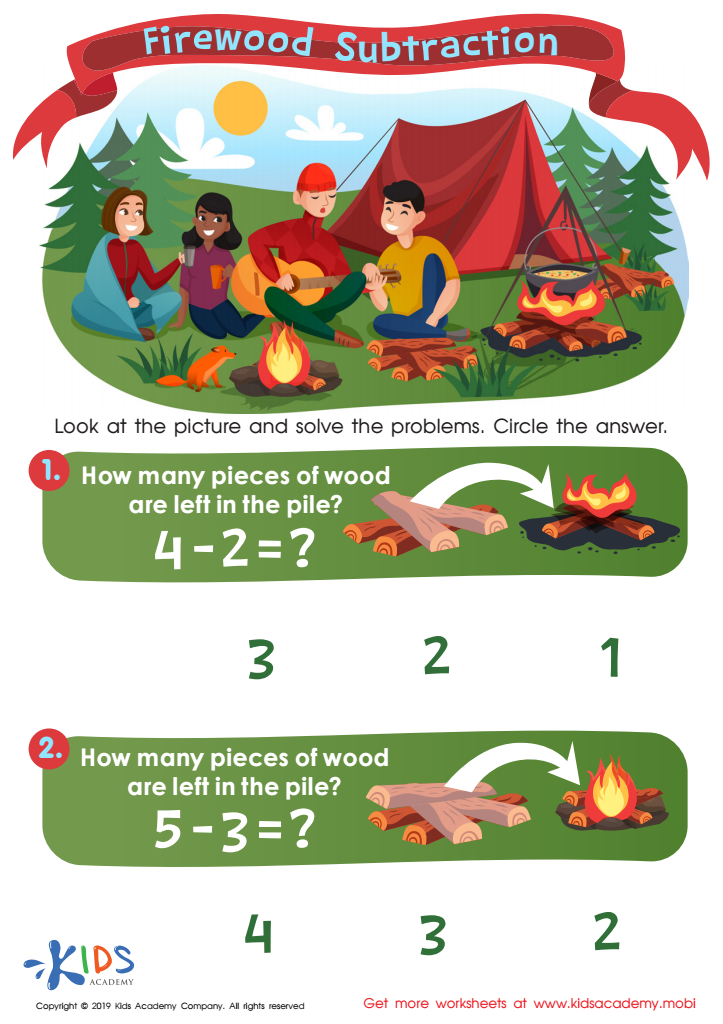
Firewood Subtraction Worksheet
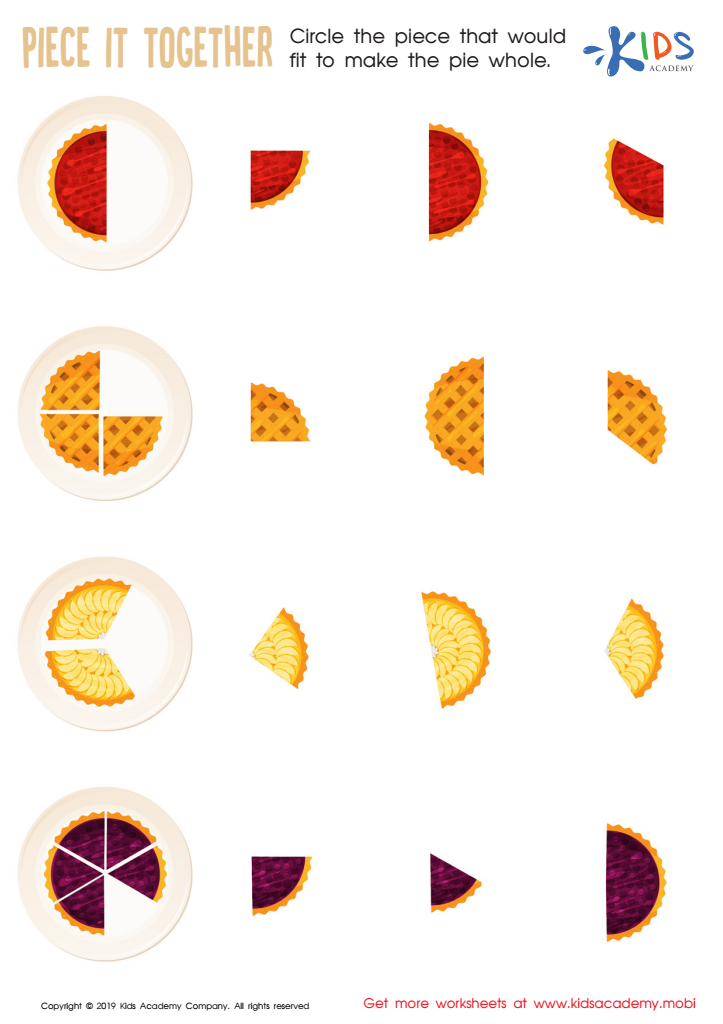
Piece it together Worksheet
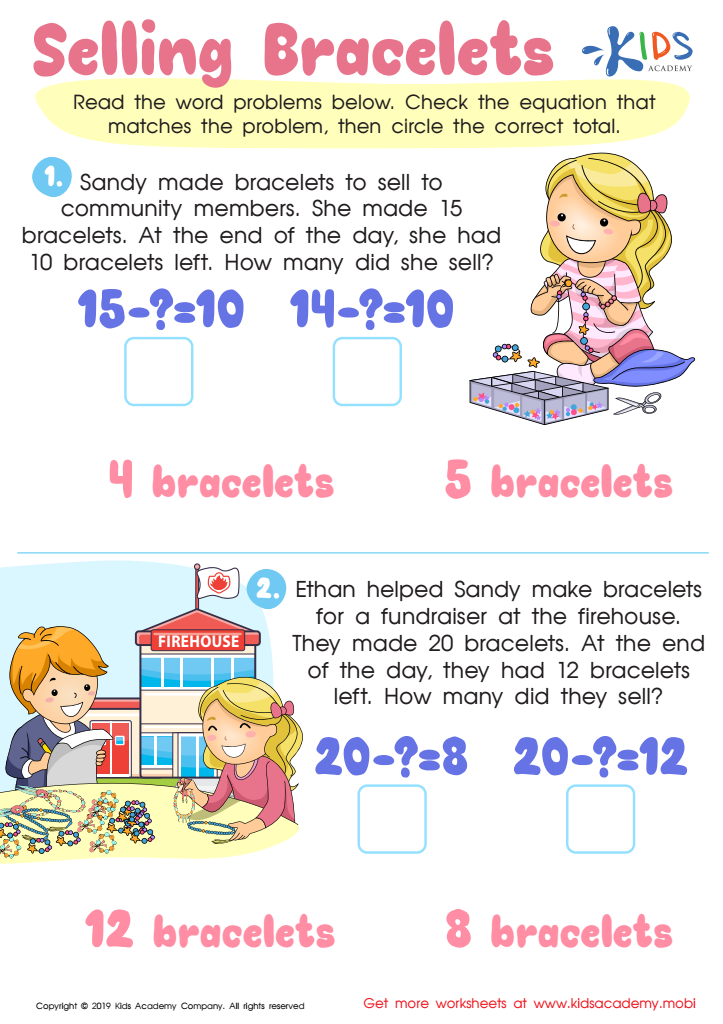
Selling the Bracelets Worksheet







Problem-solving skills are essential for children aged 7 to 9, as they lay the foundation for critical thinking and decision-making that will benefit them throughout their lives. During these formative years, children encounter various challenges, both academically and socially. By nurturing their problem-solving abilities, parents and teachers can help students develop resilience and self-confidence in their capabilities.
When children learn to approach problems methodically, they become equipped with strategies to analyze situations, generate potential solutions, and evaluate the outcomes. These skills not only enhance academic performance—such as in mathematics and science—but also prepare them for real-world situations they will face outside the classroom. For instance, navigating friendships, resolving conflicts, and balancing responsibilities all require effective problem-solving.
Moreover, fostering these skills encourages a growth mindset—the belief that abilities can improve through effort and practice. This mindset empowers students to tackle challenges without fear of failure, promoting a love for learning and exploration.
Parents and teachers should prioritize problem-solving skills as a crucial component of holistic education, enabling children to thrive academically, socially, and emotionally, while cultivating independent thinkers who can adapt to an ever-changing world.








