Extra Challenge Worksheets for Ages 7-9 - Page 13
339 filtered results
-
From - To
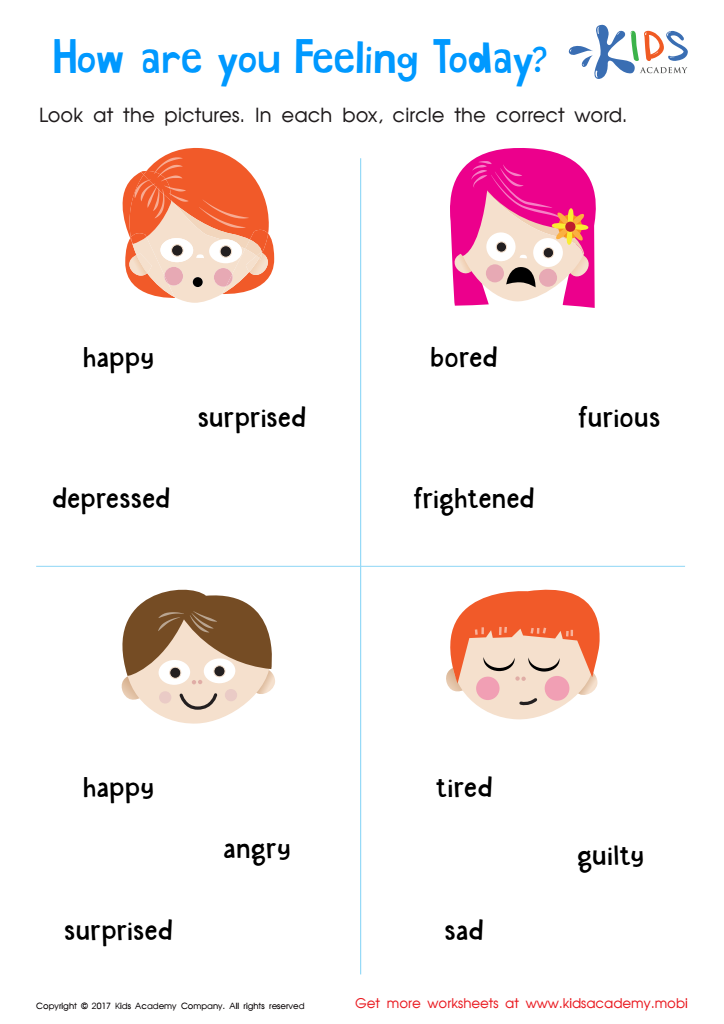
Understanding Feelings Worksheet
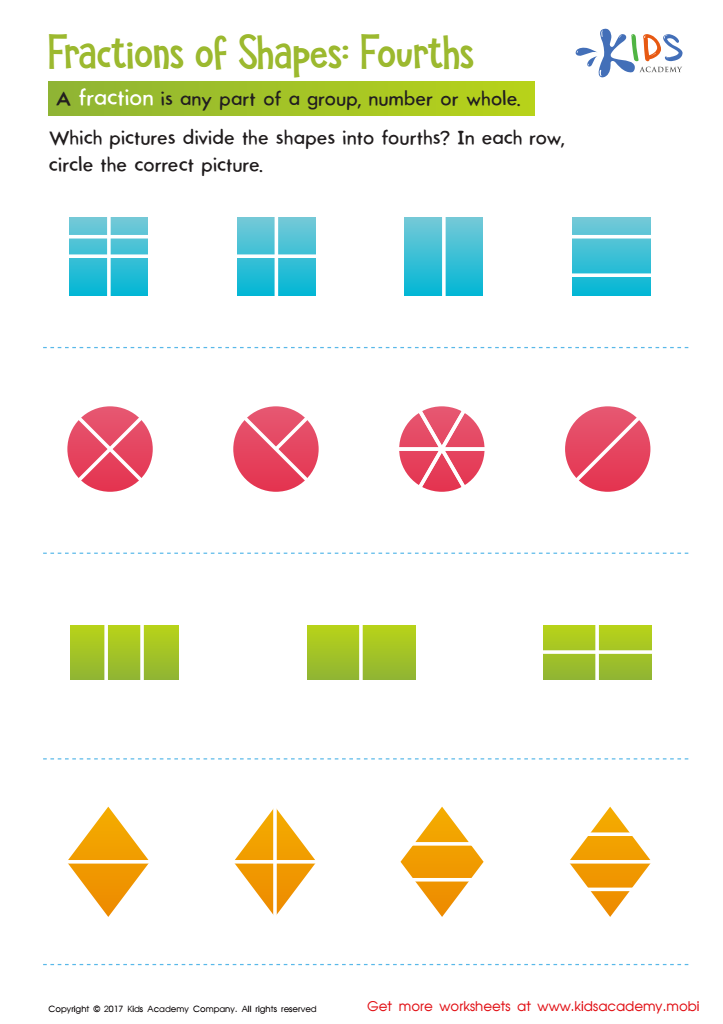
Fractions of Shapes Worksheet
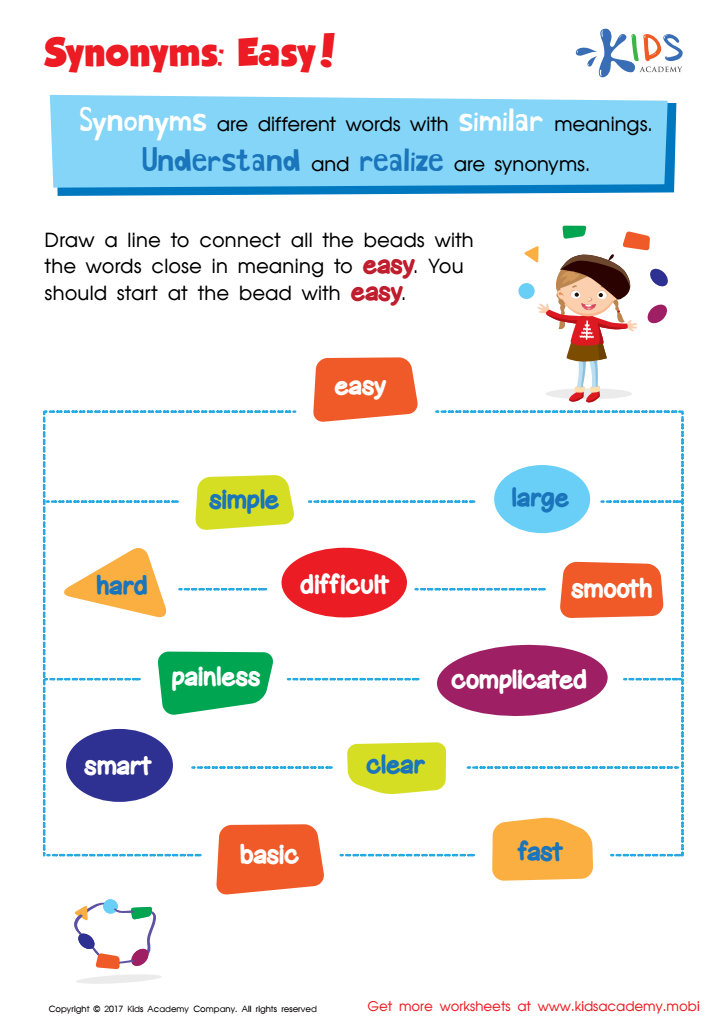
Free Synonym Worksheet
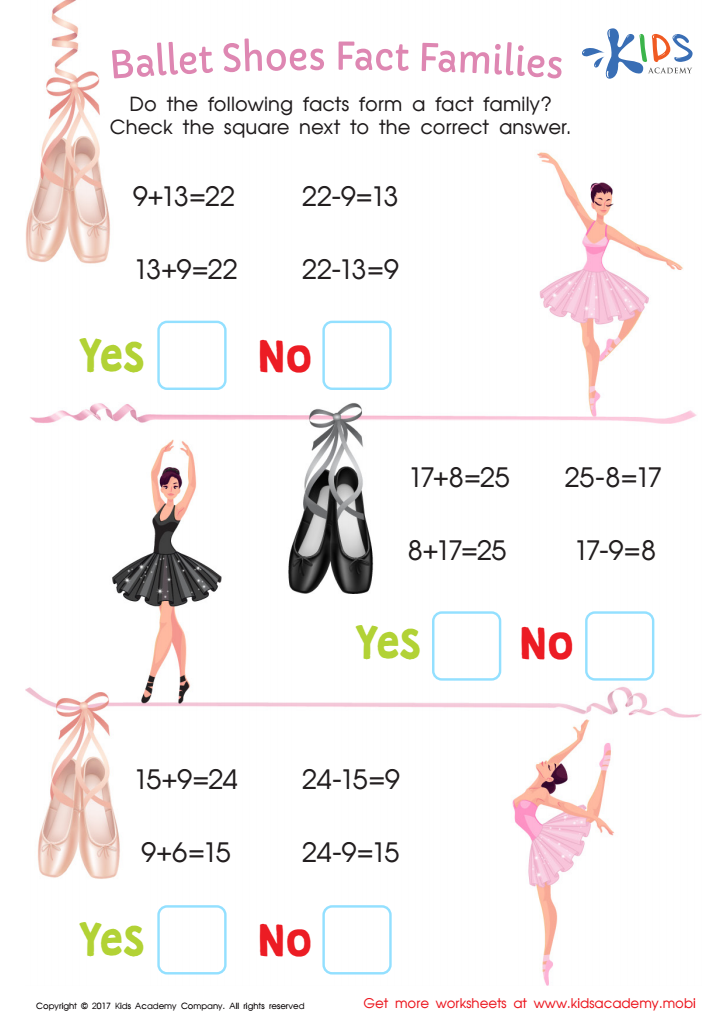
Ballet Shoes Fact Family Printable
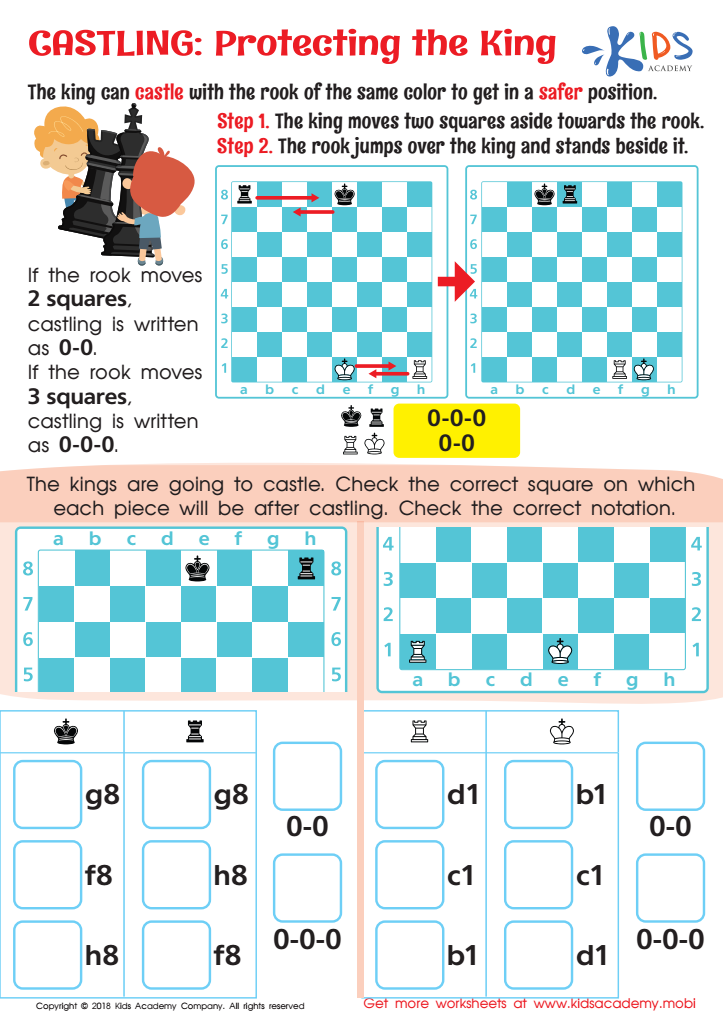
Castling: Protecting the King Worksheet
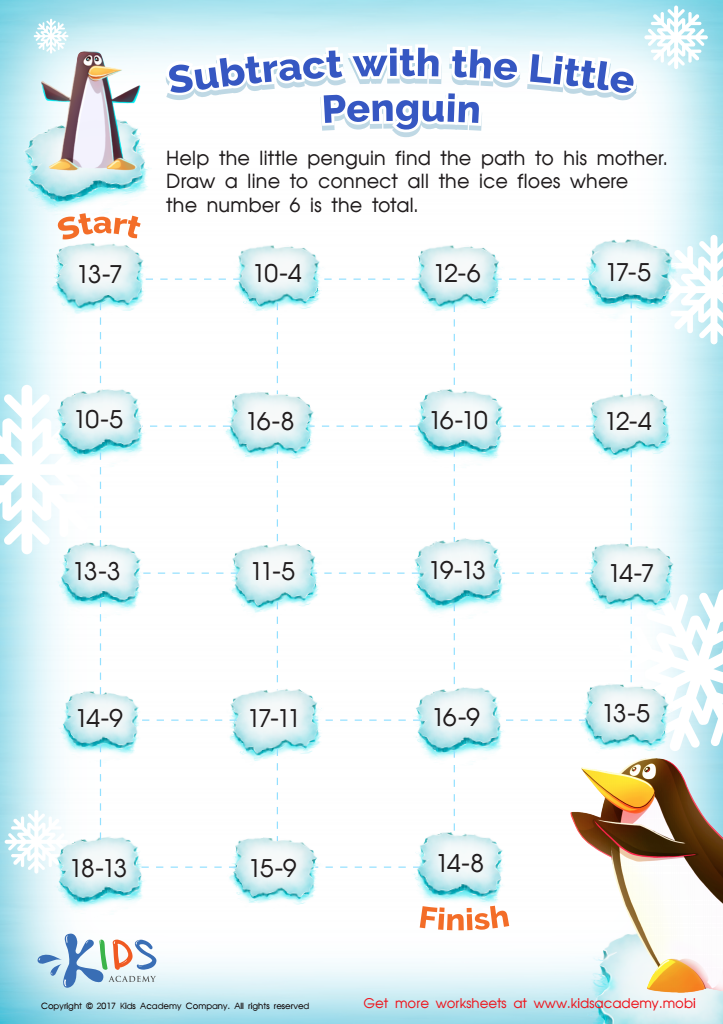
Subtract With The Little Penguin Substraction Worksheet
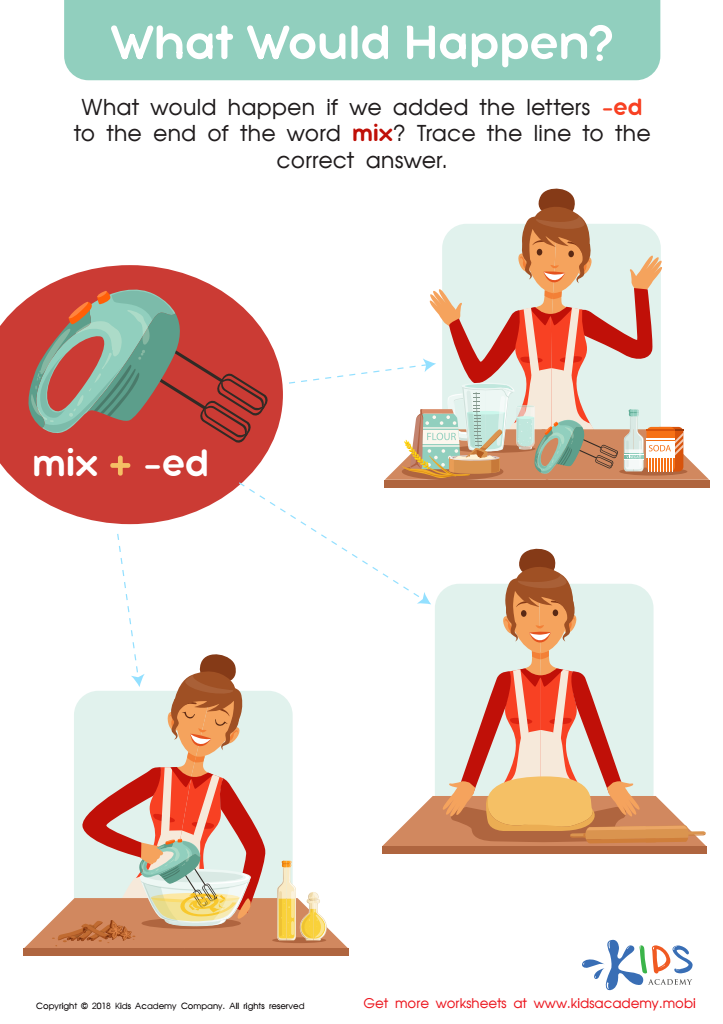
What Would Happen? Worksheet
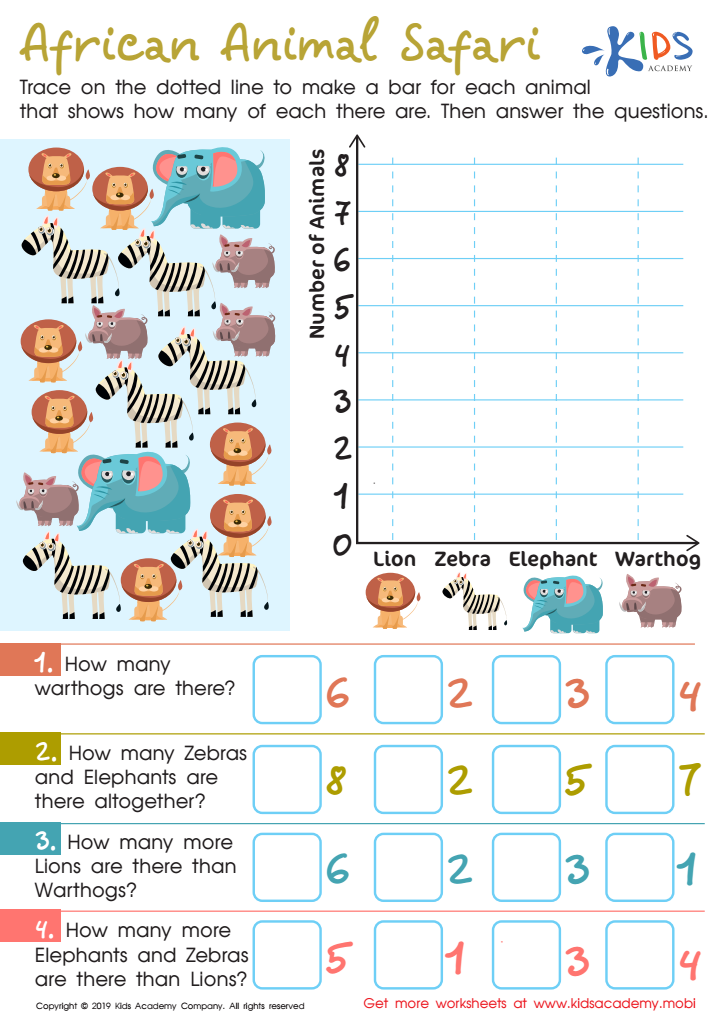
African Animal Safari Worksheet

Sweet Shop – Counting Coins Worksheet
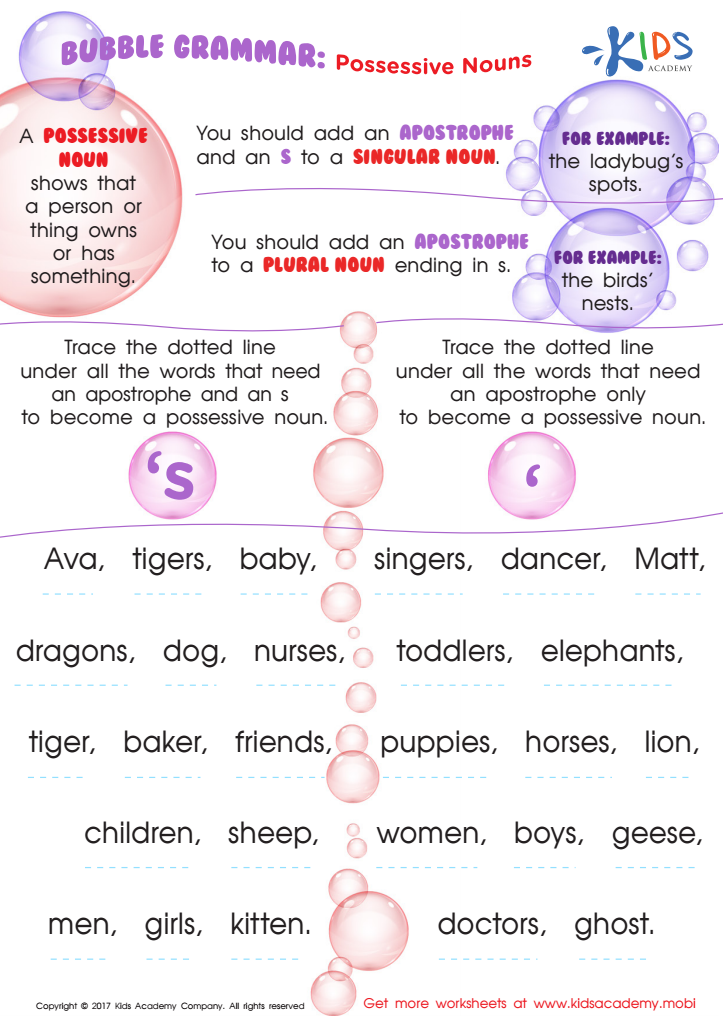
Possessive Nouns Worksheet for Grade 3 PDF
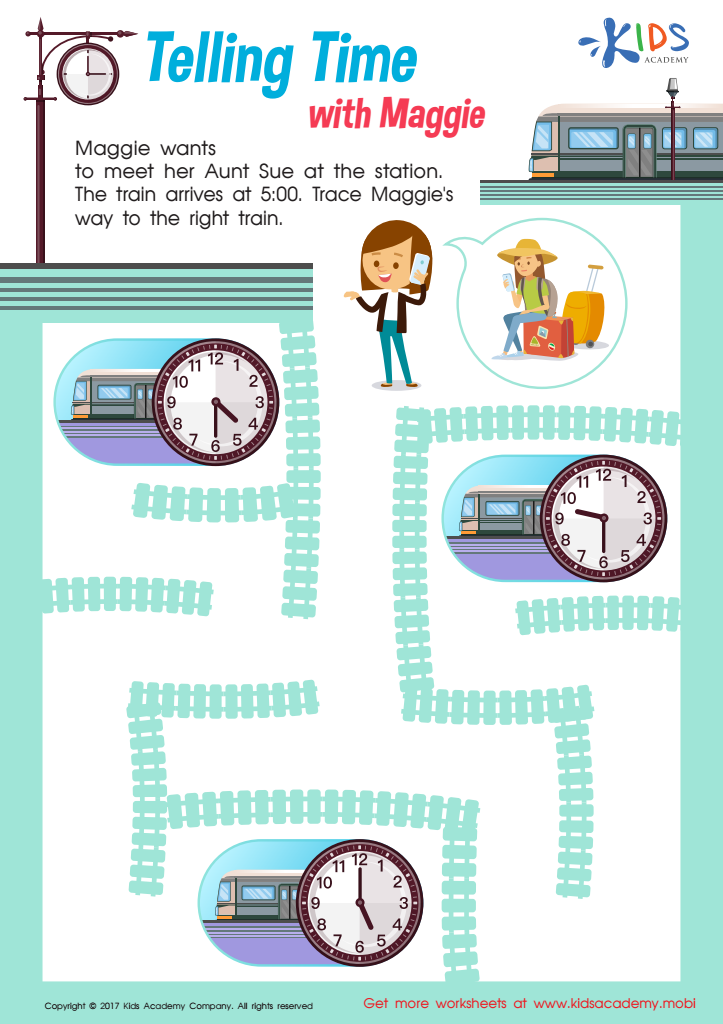
Telling Time With Maggie Time Worksheet
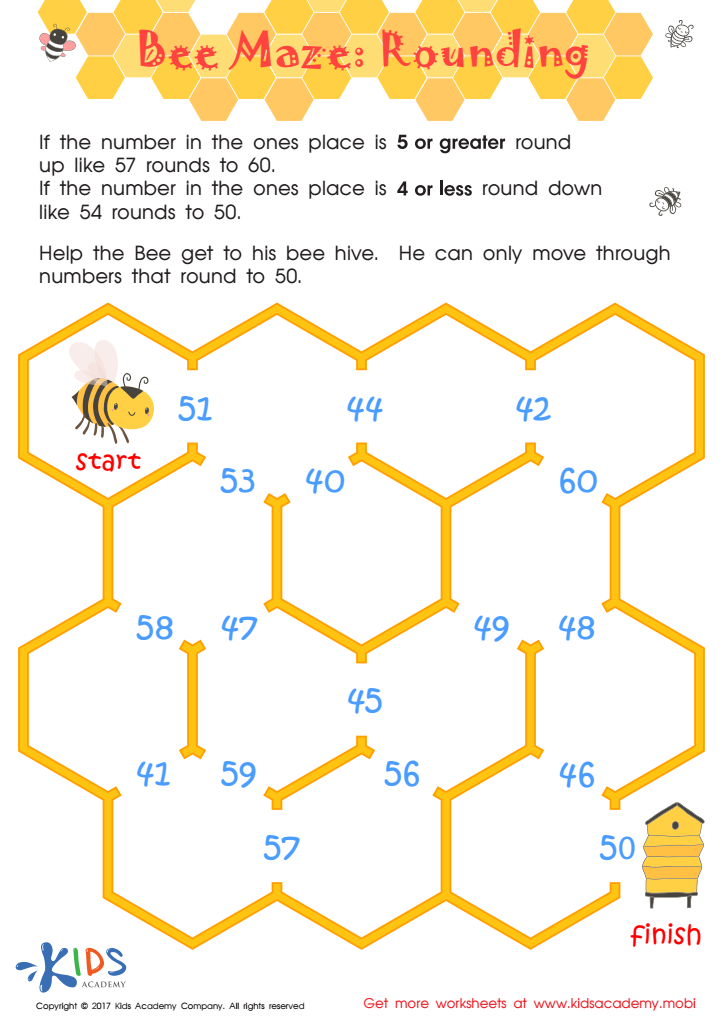
Bee Maze Worksheet
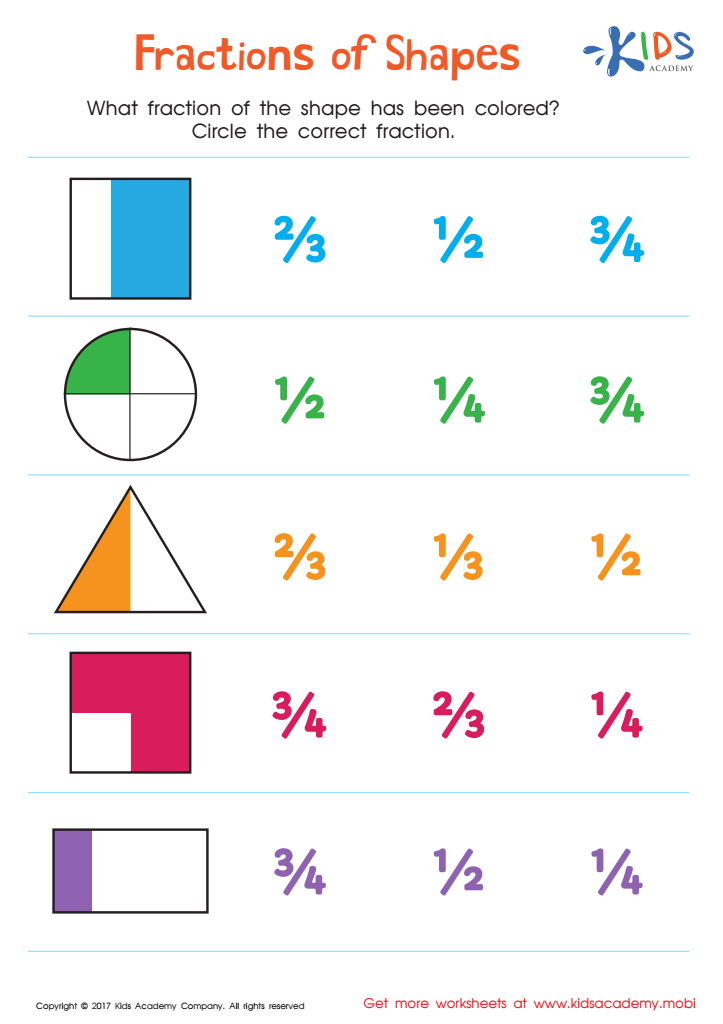
Fractions of Shapes: Math Concept Worksheet
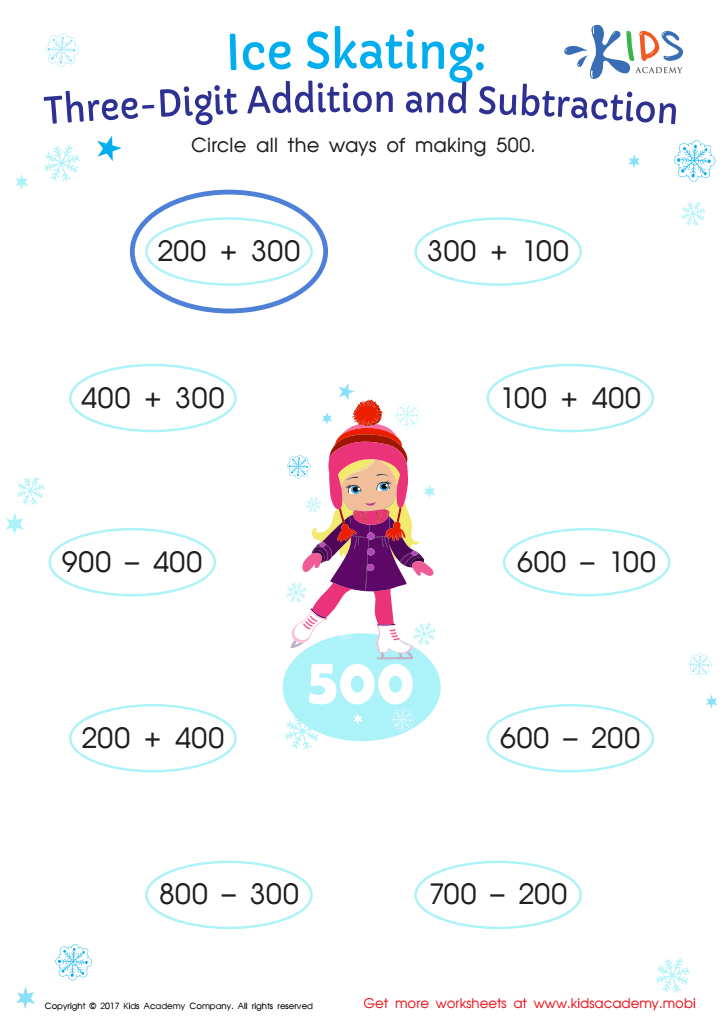
Three Digit Addition and Subtraction Worksheet
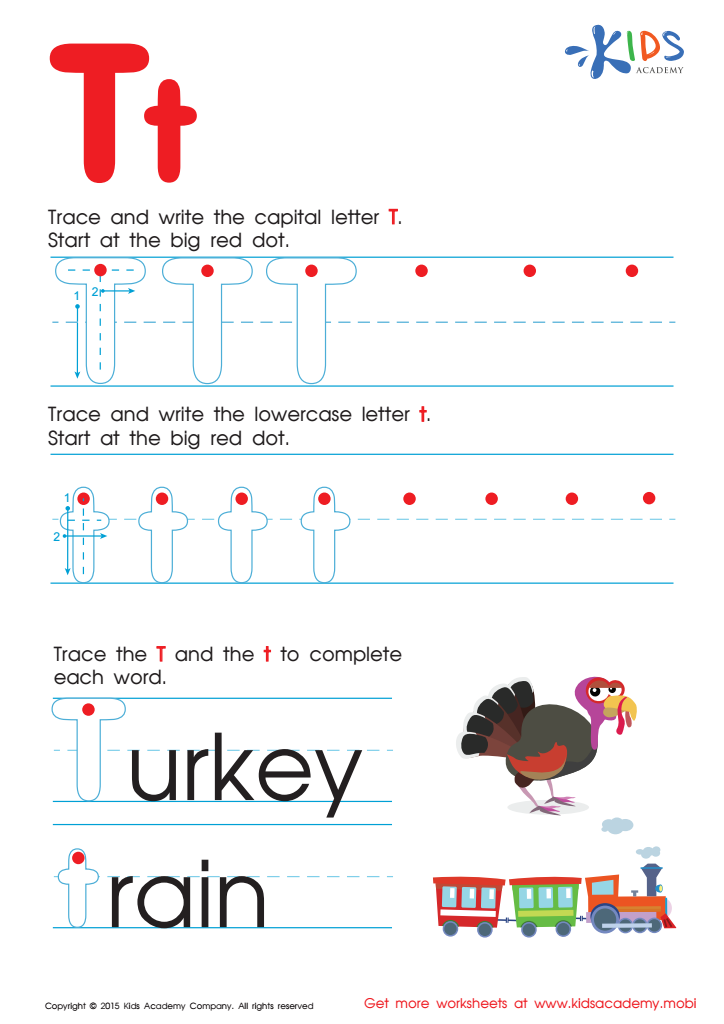
Letter T Tracing Page
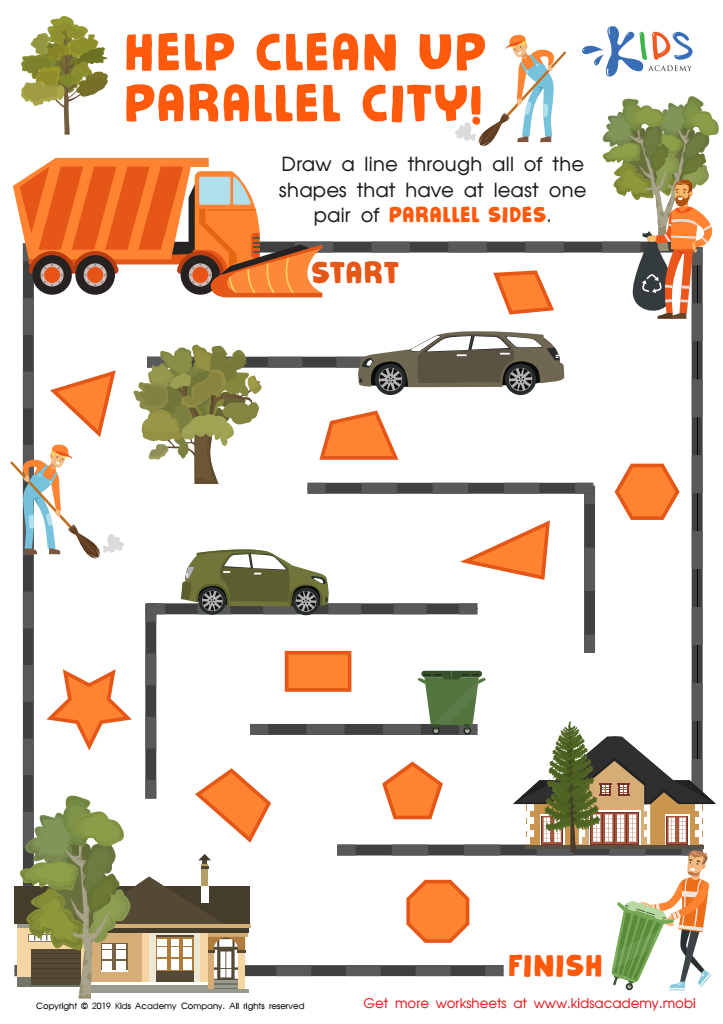
Help Clean Up Parallel City Worksheet

Learn Dozens: Skip Counting by Tens Printable
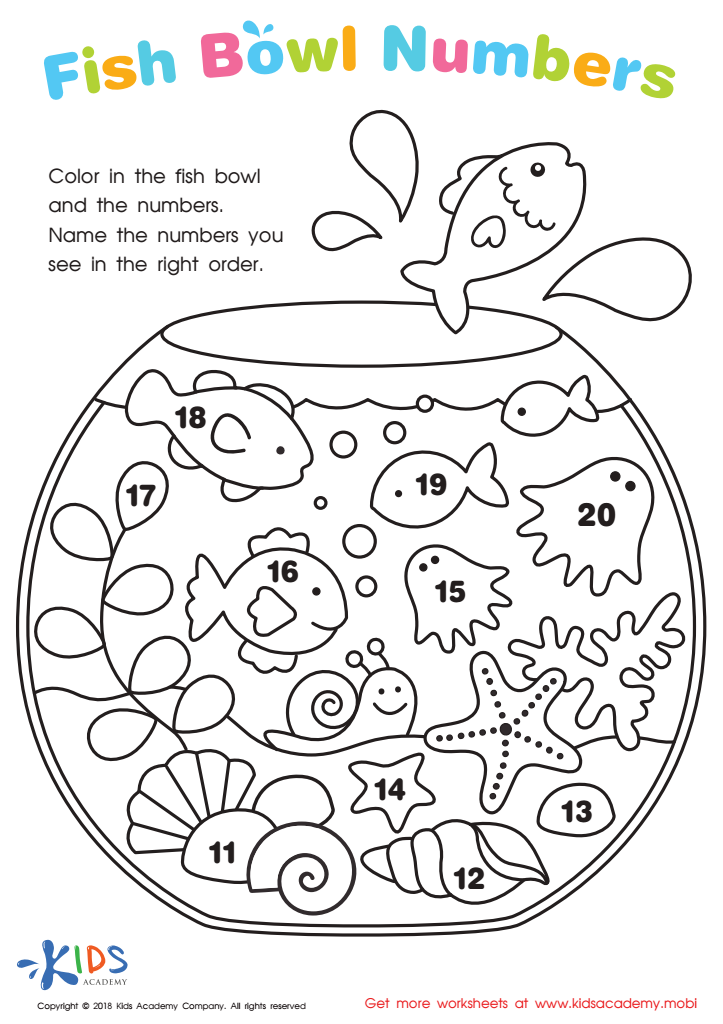
Fish Bowl Numbers Worksheet
 Assign to My Students

Big Bad Wolf Printable Coloring Page
Assign to My Students
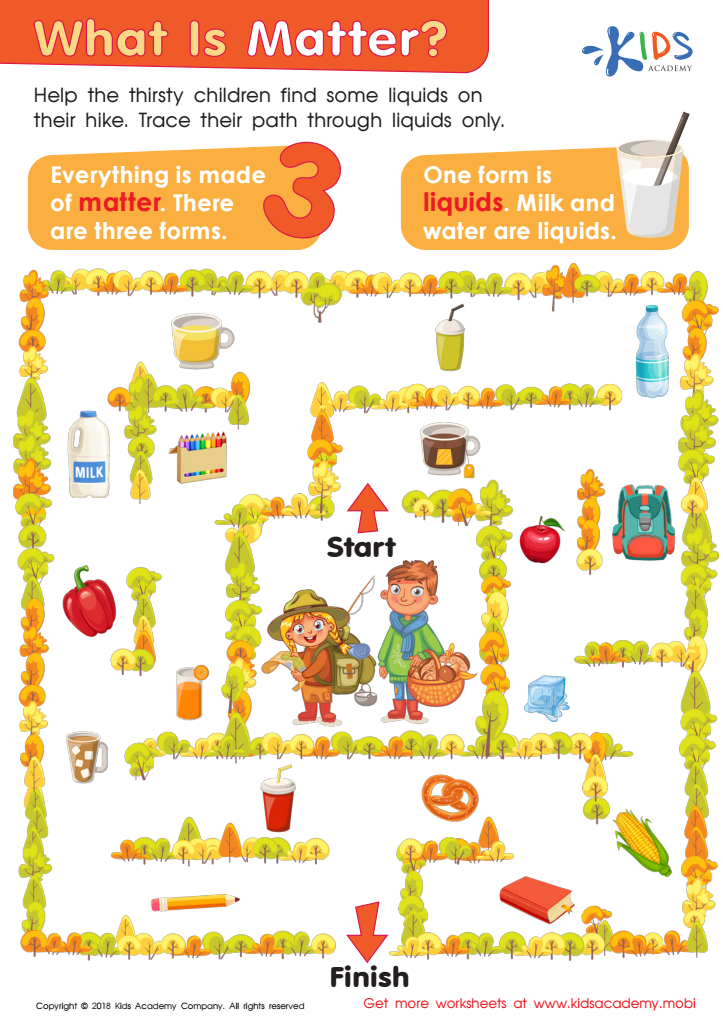
What Is Matter? Worksheet
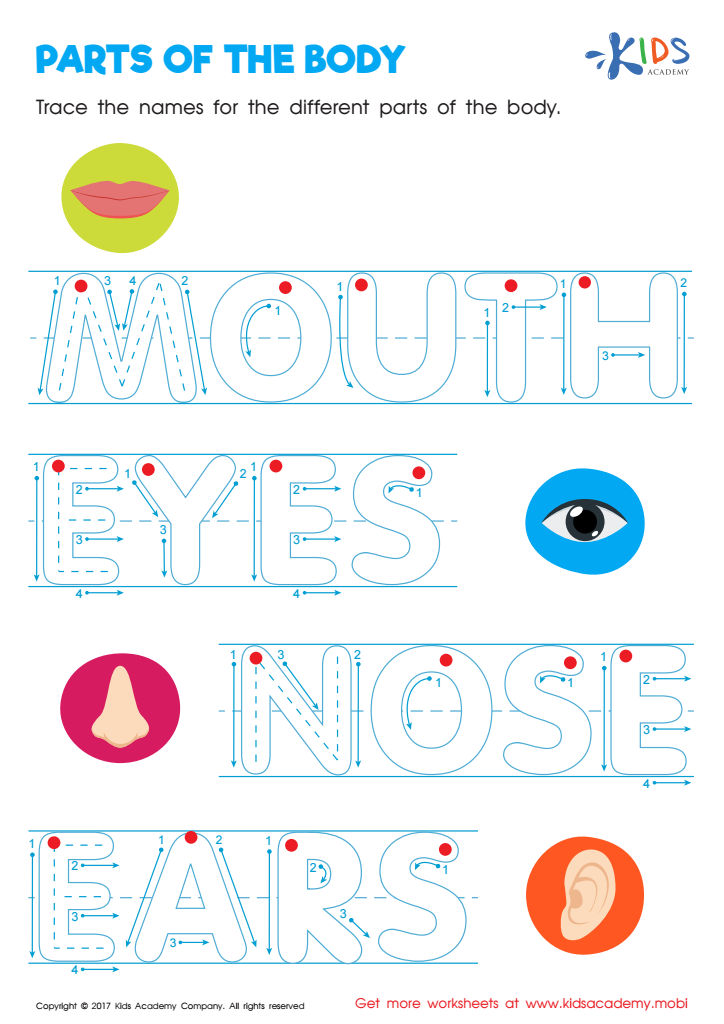
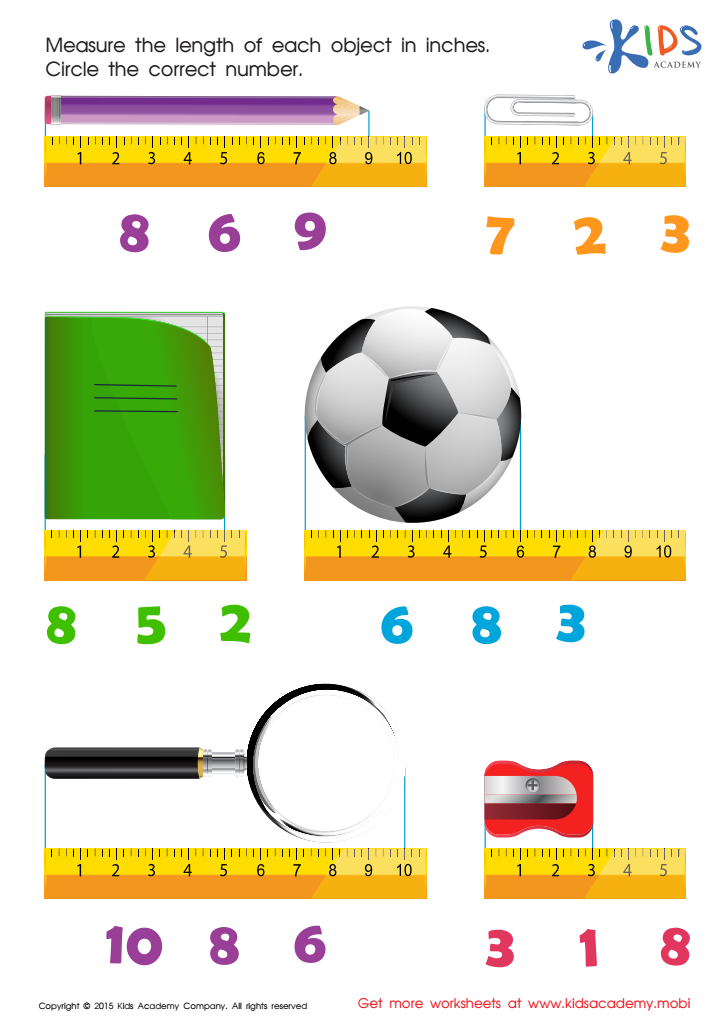
Learning measuring objects in inches Worksheet
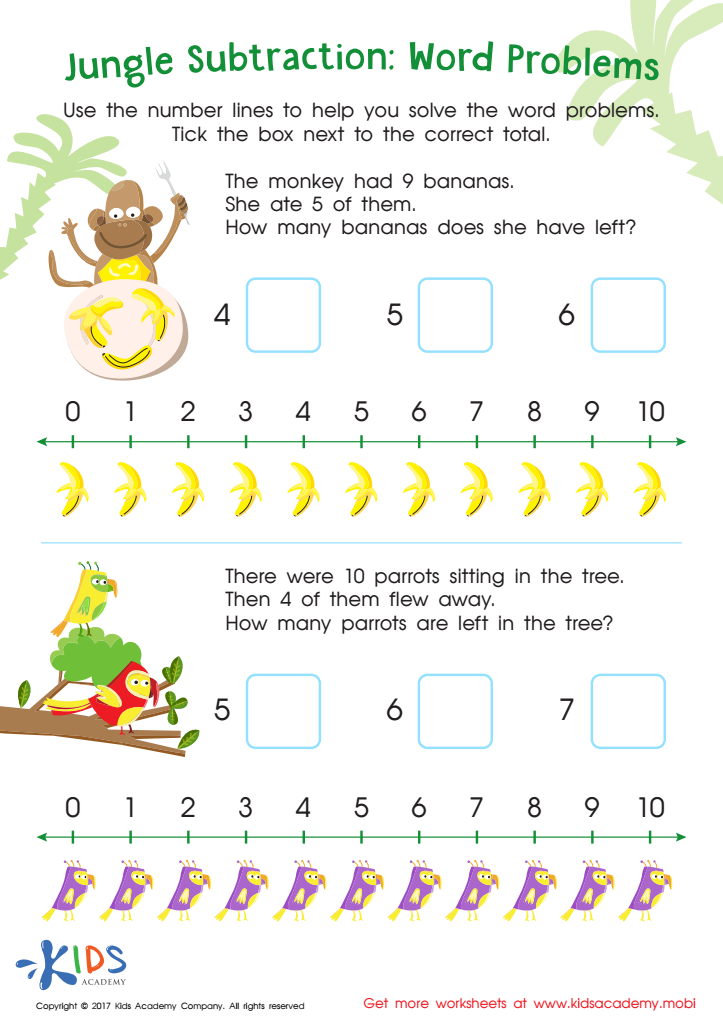
Jungle Subtraction Word Problems Substraction Worksheet
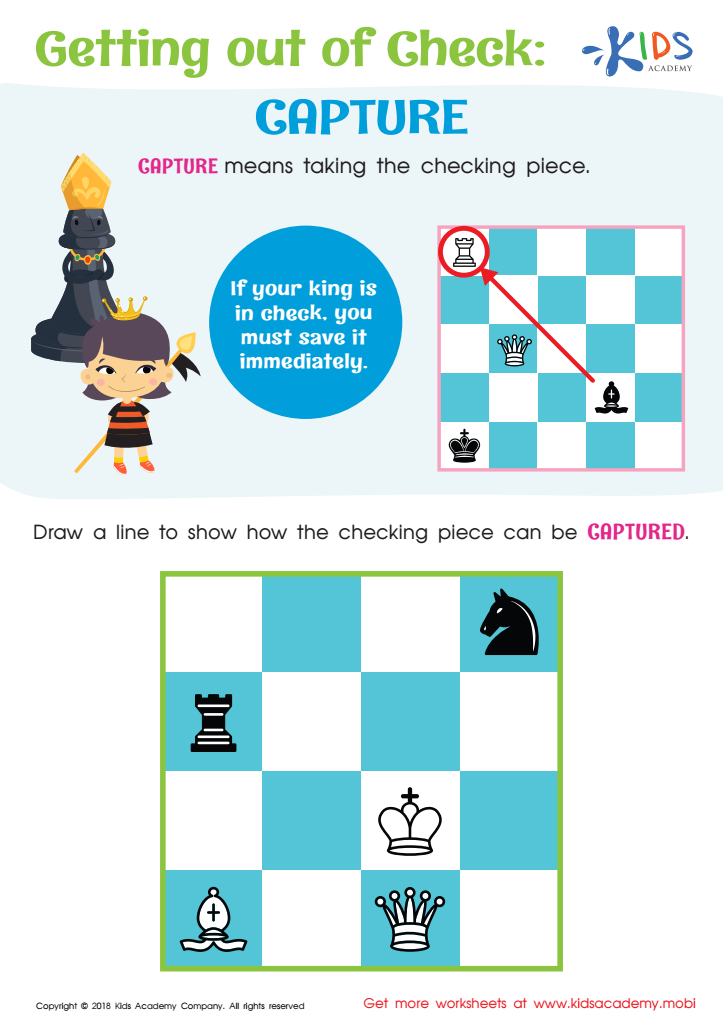
Getting out of Check: Capture








Parents and teachers should prioritize extra challenges for children aged 7-9, as this developmental stage is critical for cognitive and emotional growth. At this age, children are naturally curious and eager to learn, making it an ideal time to introduce enriching activities that stimulate their critical thinking and problem-solving abilities. Extra challenges—whether through advanced academic tasks, creative projects, or extracurricular activities—encourage students to explore subjects deeply, fostering a lifelong love for learning.
Moreover, these challenges help build resilience and perseverance. Children learn to navigate difficulties and setbacks, essential skills not only for academic success but also for real-life situations. By engaging with challenges, children develop self-confidence as they realize their capabilities and learn to celebrate their achievements, no matter how small.
Socially, these activities often promote collaboration and teamwork, encouraging children to work together towards common goals, which enhances interpersonal skills. Teachers and parents play a significant role in facilitating this growth; by recognizing and providing appropriate challenges, they help children discover their strengths and passions. Ultimately, extra challenges empower young learners to reach their full potential, preparing them for future academic endeavors and fostering well-rounded development.








