Problem-Solving Skills Normal Math Worksheets for Ages 3-4
29 filtered results
-
From - To
Enhance your child's cognitive development with our Problem-Solving Skills Math Worksheets designed specifically for ages 3-4. These engaging and interactive worksheets help young learners apply critical thinking to solve simple mathematical problems, laying a solid foundation for future math skills. Featuring colorful visuals and age-appropriate tasks, these worksheets encourage children to recognize patterns, think creatively, and develop logic. Ideal for preschool lasting learning, each activity promotes fun while fostering essential problem-solving abilities. Explore our collection today and support your child's educational journey in a playful, effective way! Perfect for home, classroom, or supplementary learning.
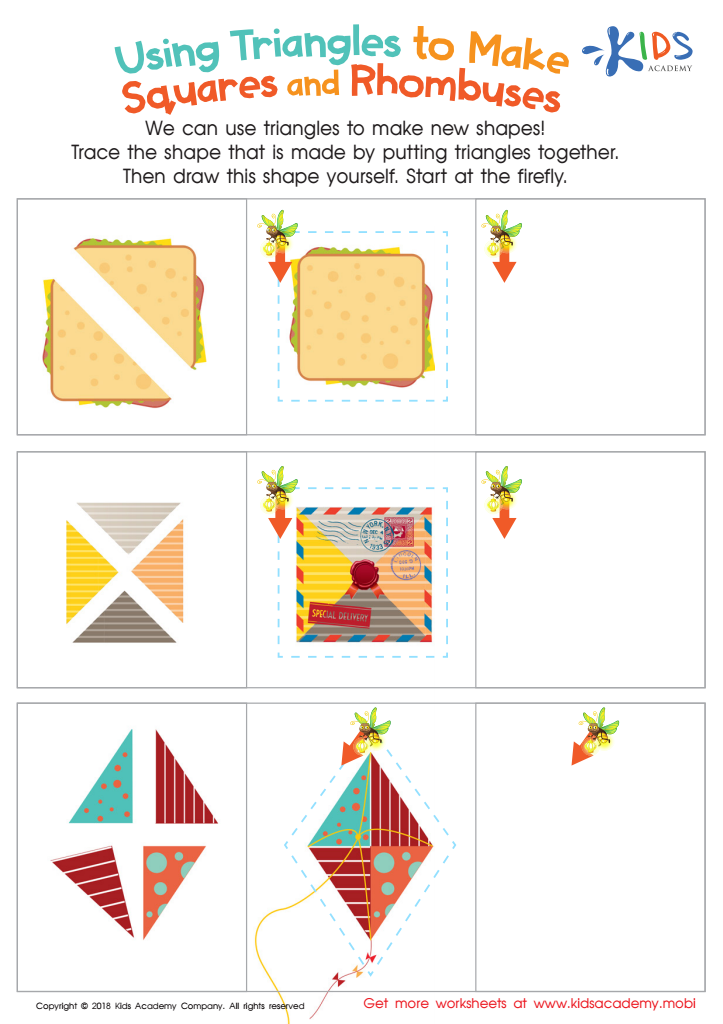
Using Triangles to Make Squares and Rhombuses Worksheet
 Assign to My Students
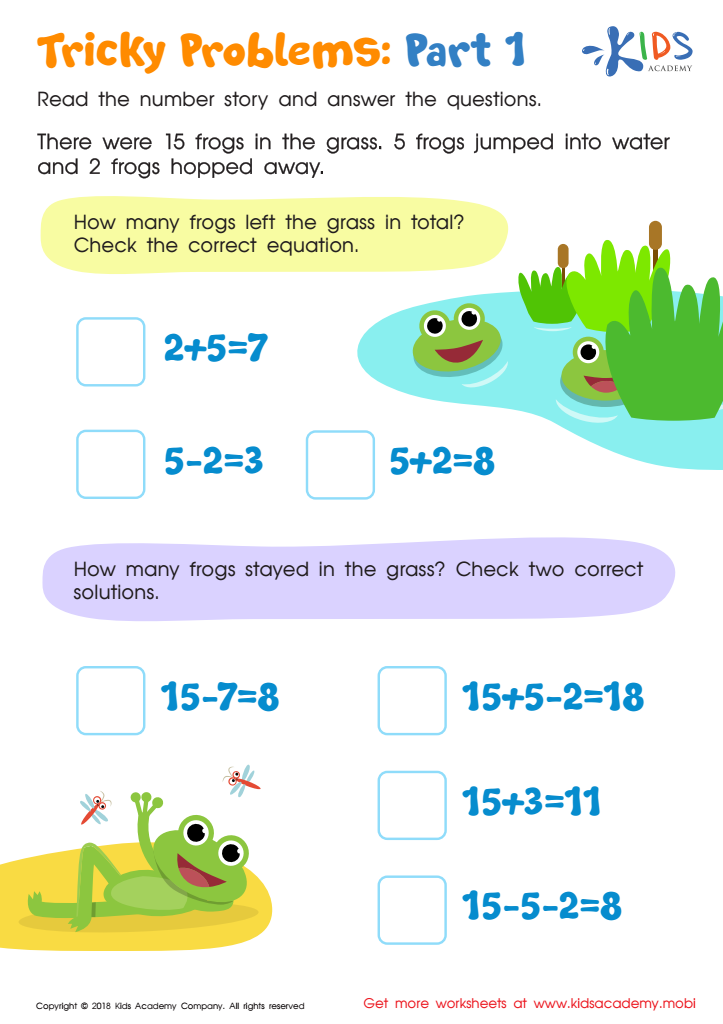
Tricky Problems Worksheet: Part 1
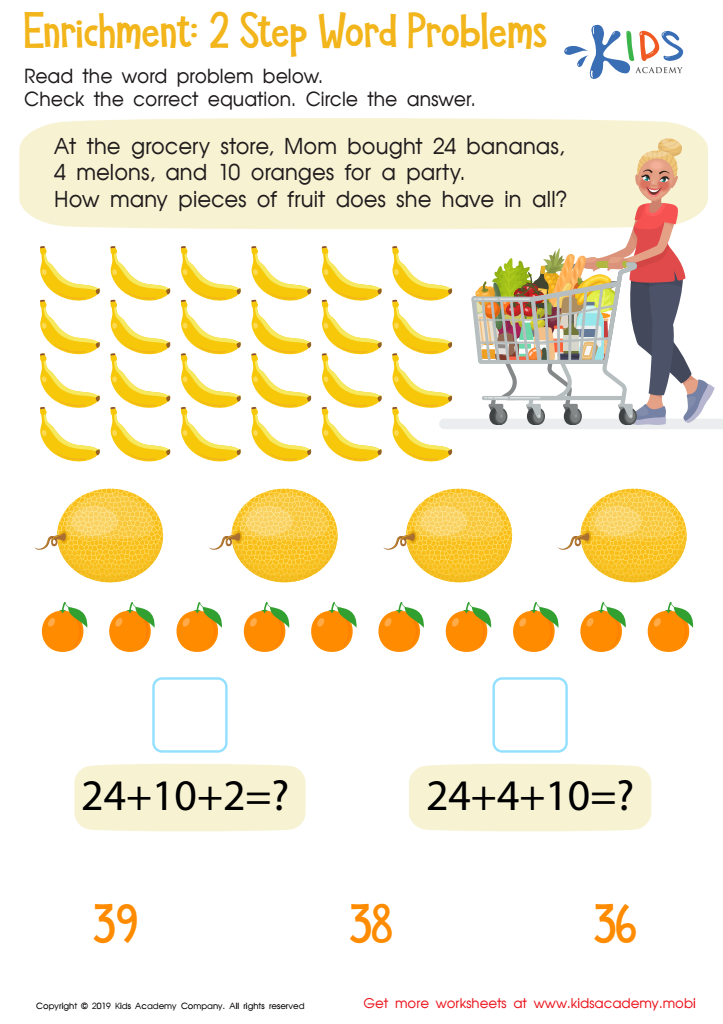
Enrichment -2 Step Word Problems Worksheet
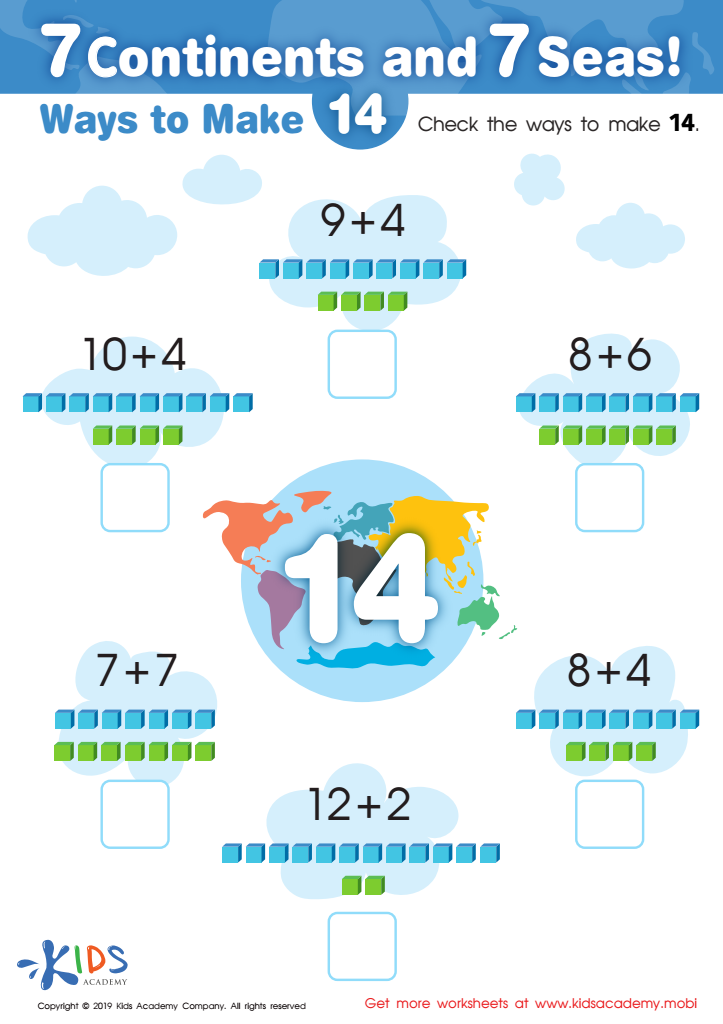
7 Continents and 7 Seas Worksheet
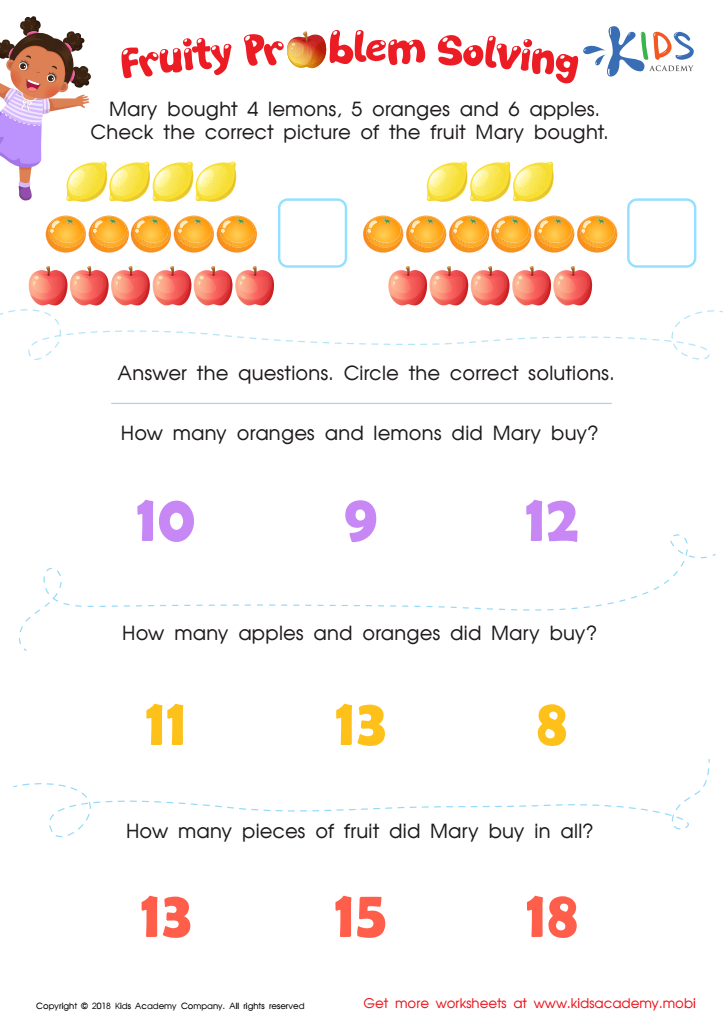
Fruity Problem Solving Worksheet
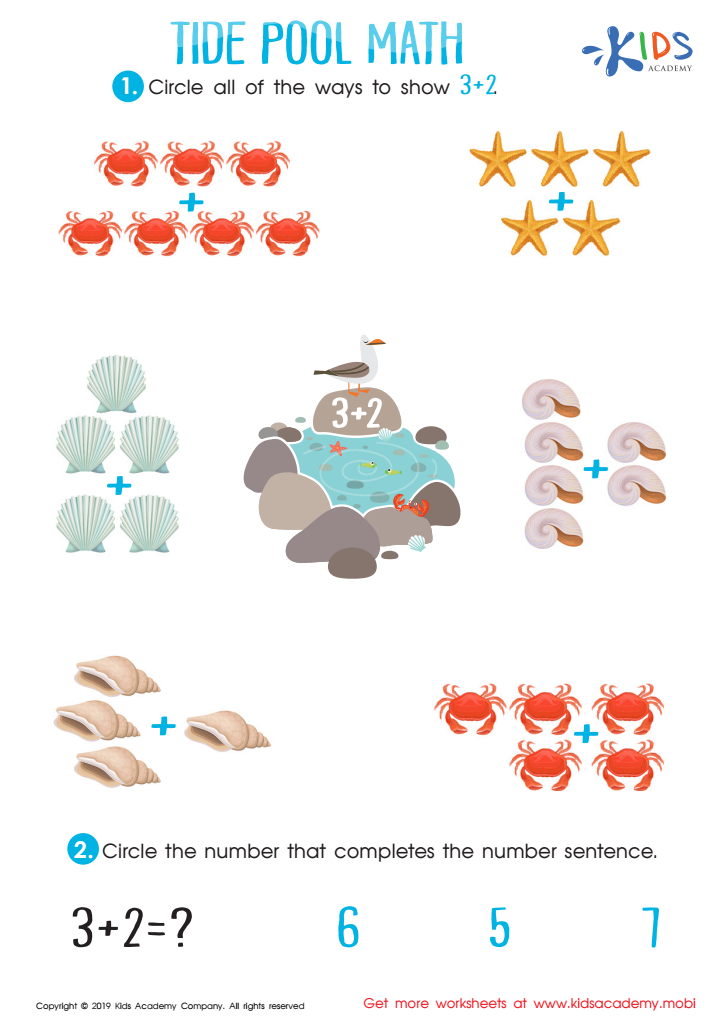
Tide Pool Math Worksheet
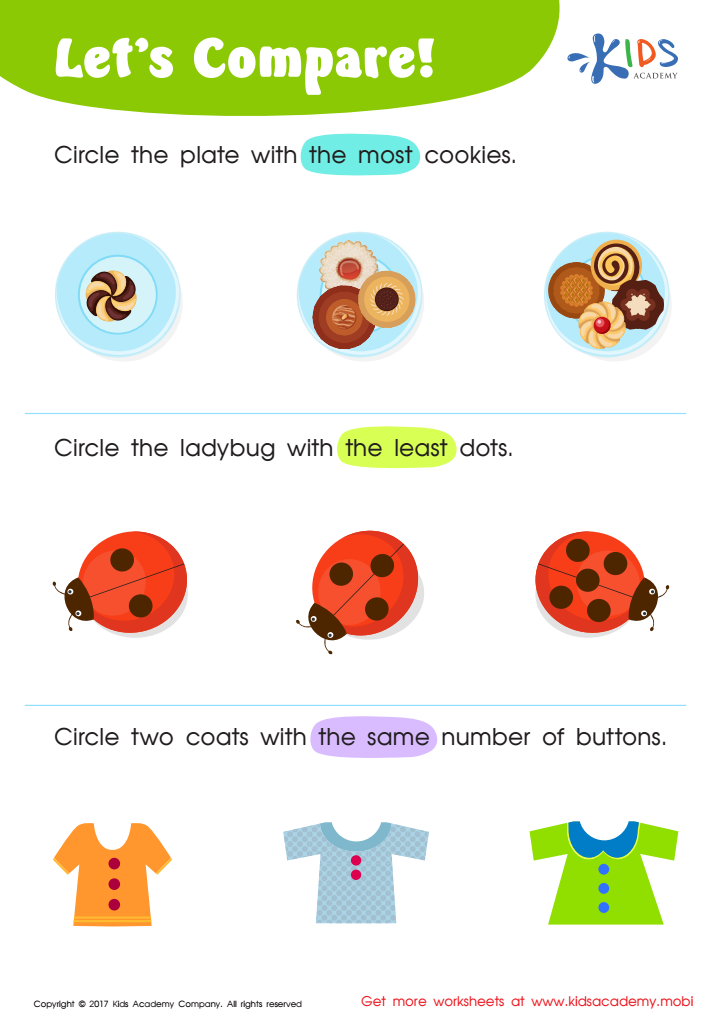
Matching: Classifying Toys by Size Worksheet
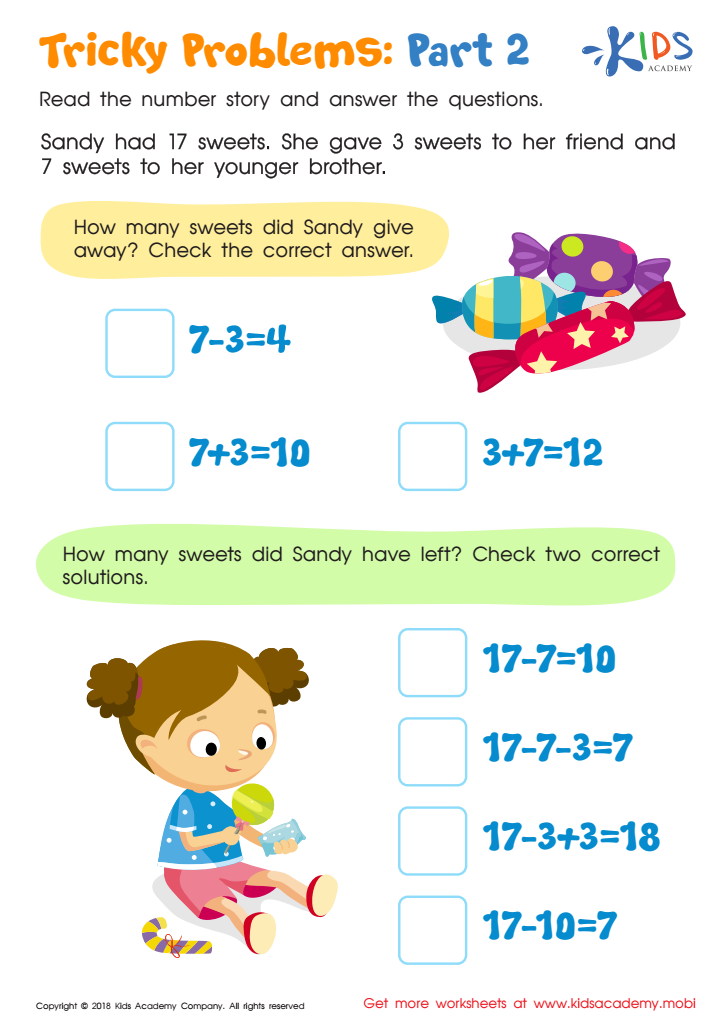
Tricky Problems Worksheet: Part 2
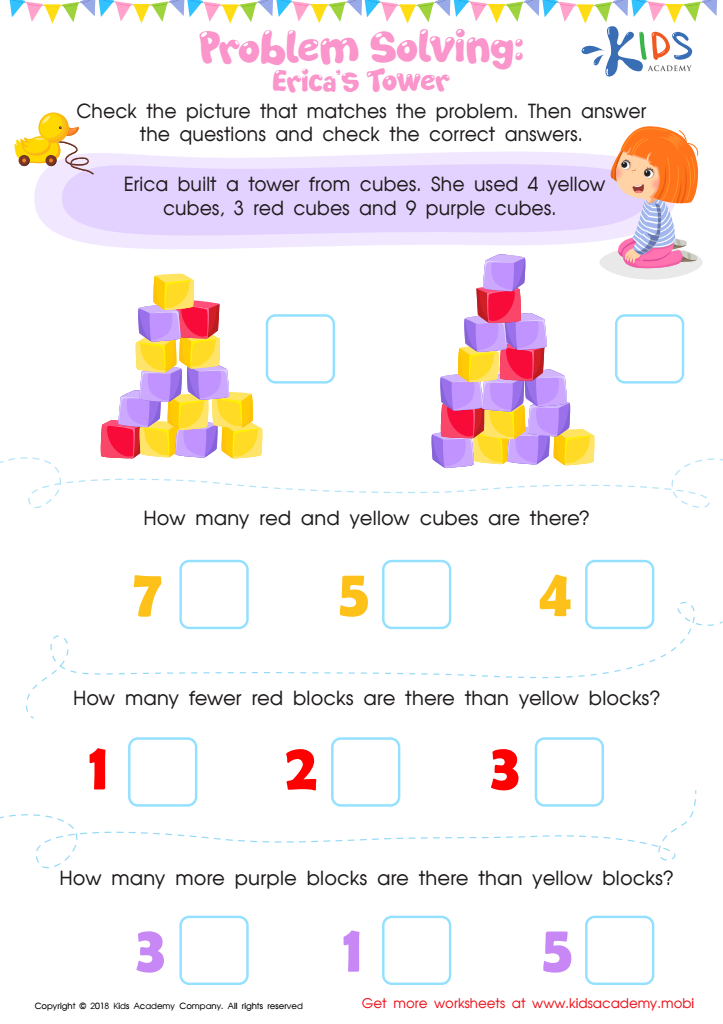
Problem Solving: Erica's Tower Worksheet
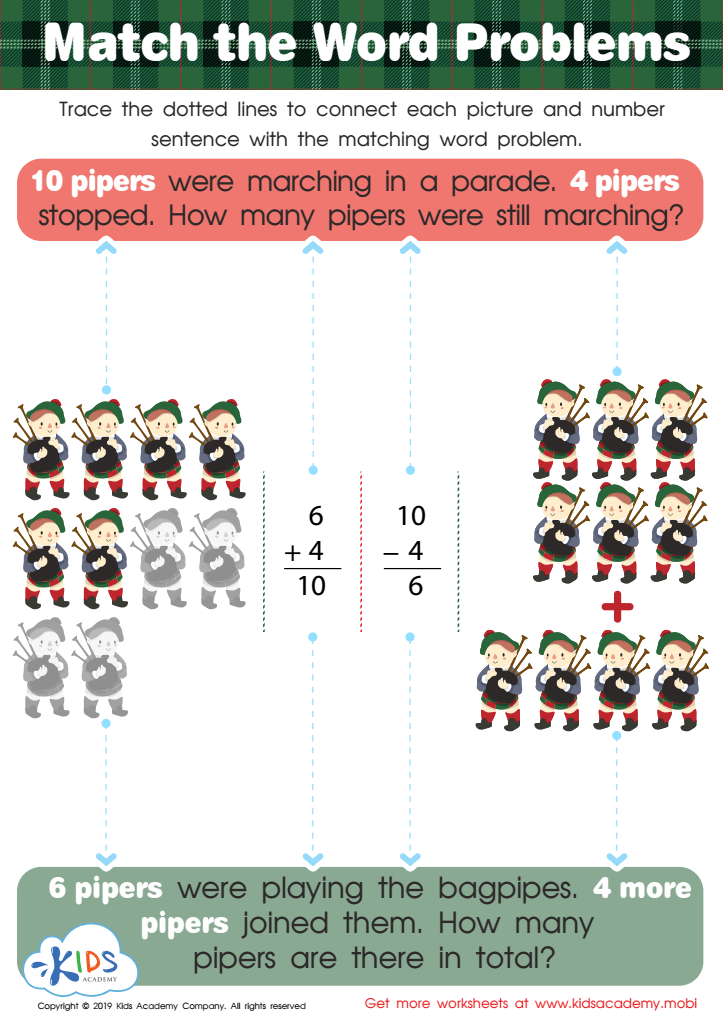
Match the Word Problems Worksheet
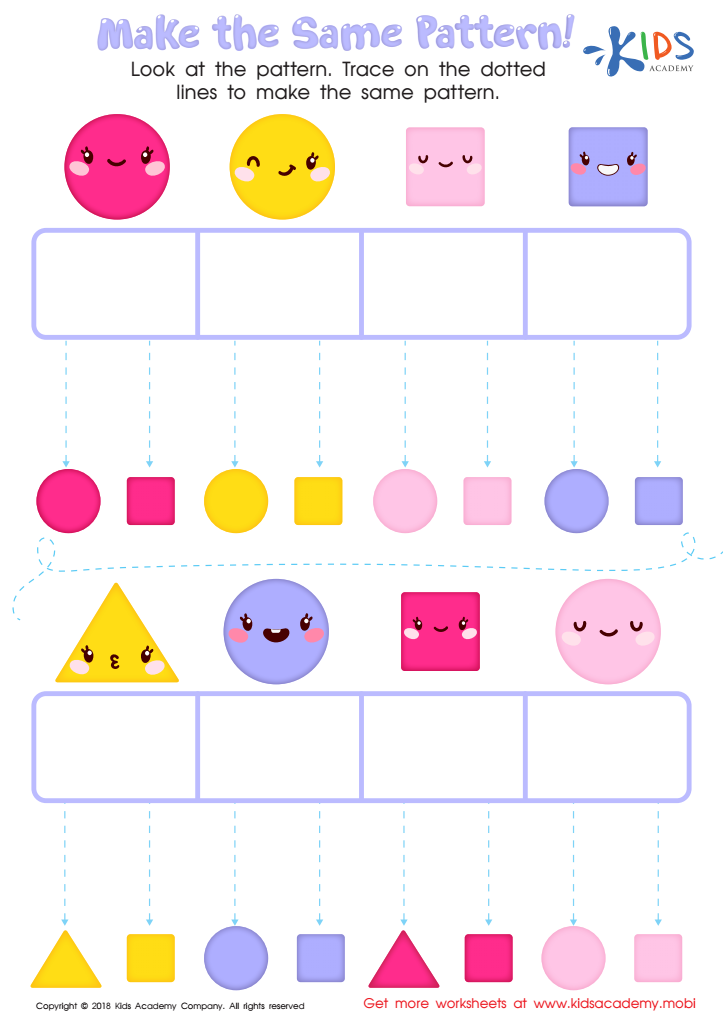
Make the Same Pattern Worksheet
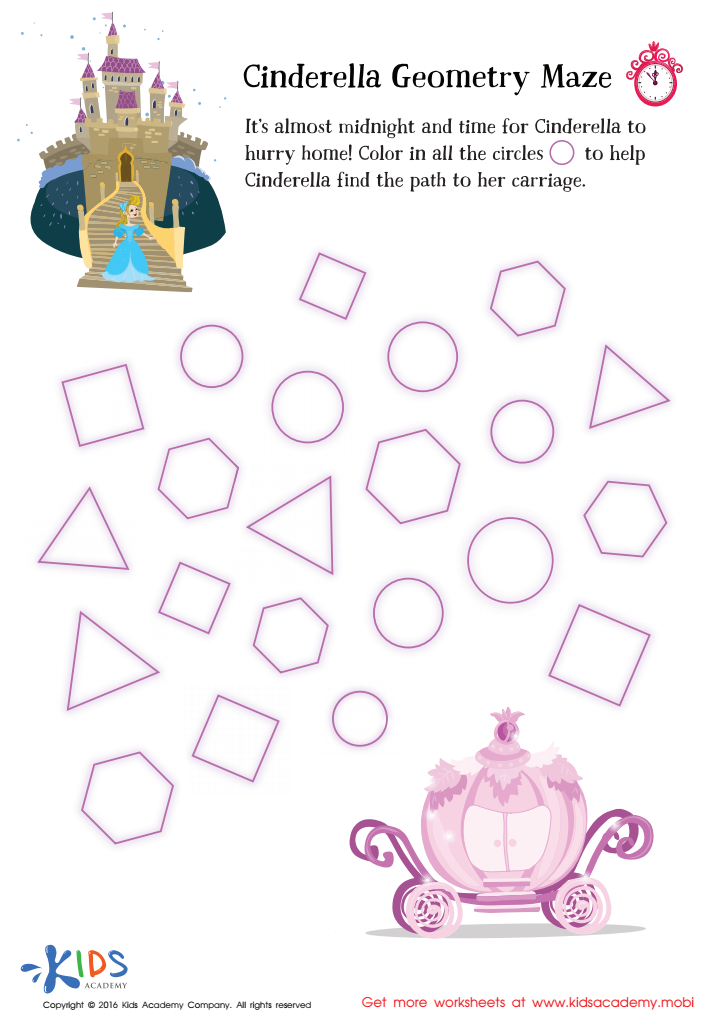
Cinderella Geometry Maze Worksheet
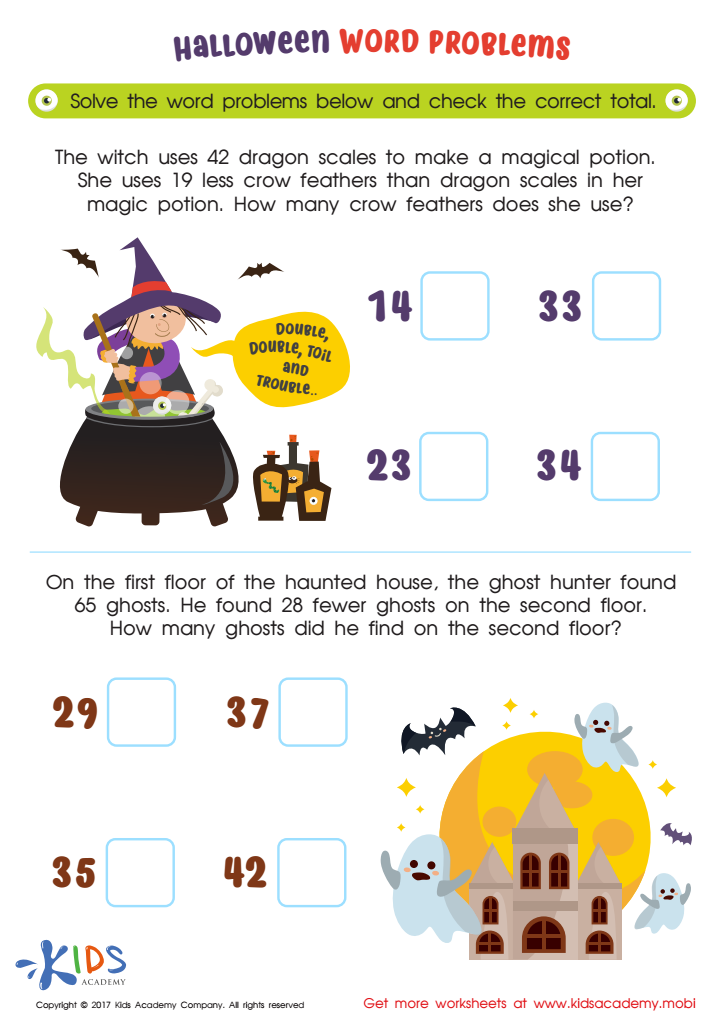
Halloween Word Problems Printable
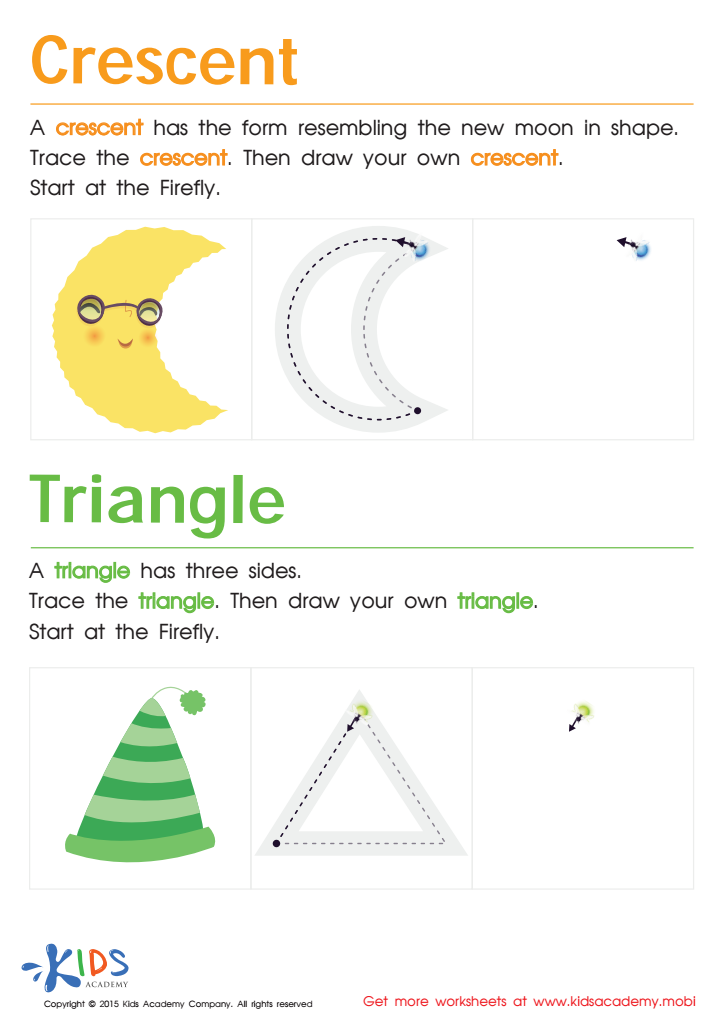
Learning to Draw Crescents And Triangles Worksheet
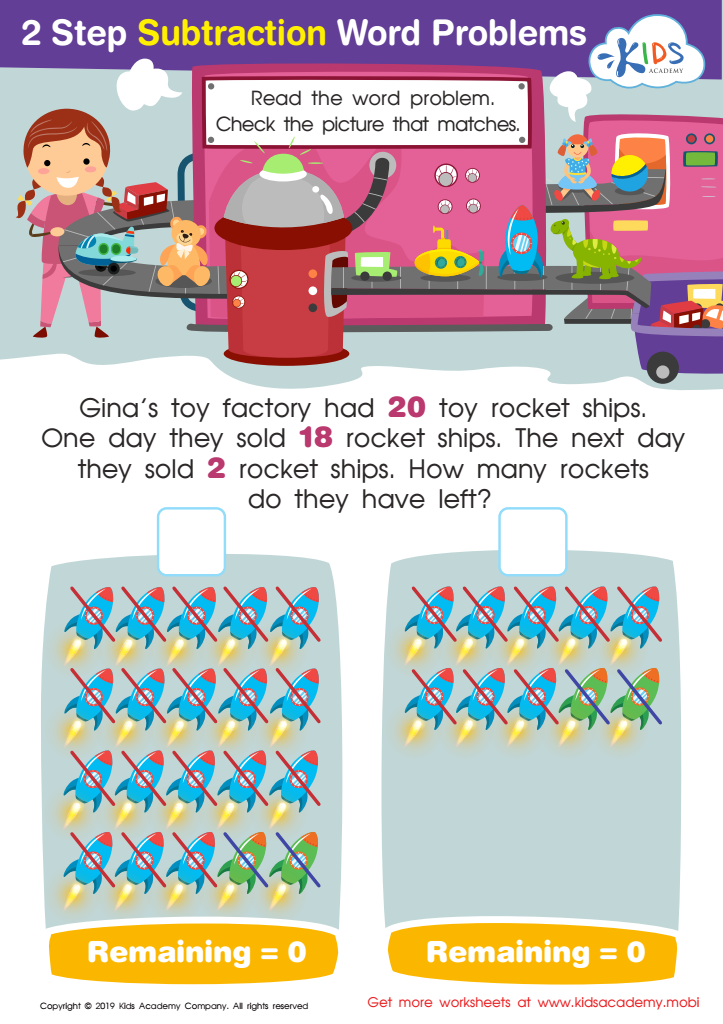
Step Subtraction Word Problems Worksheet
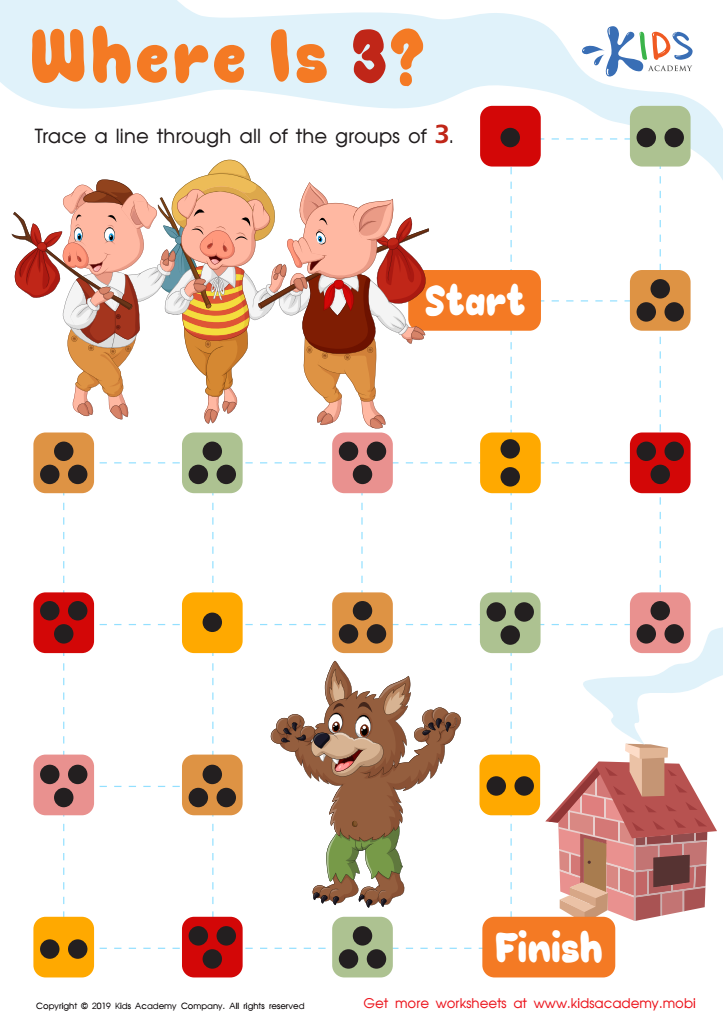
Where Is 3? Worksheet
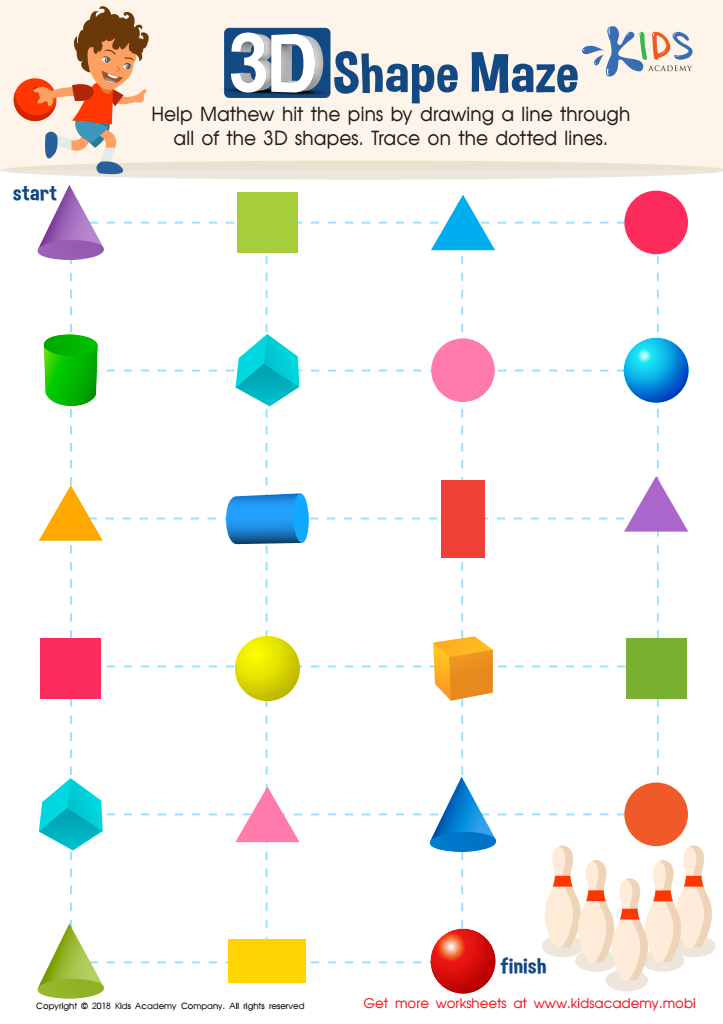
Shapes Maze Geometry Worksheet
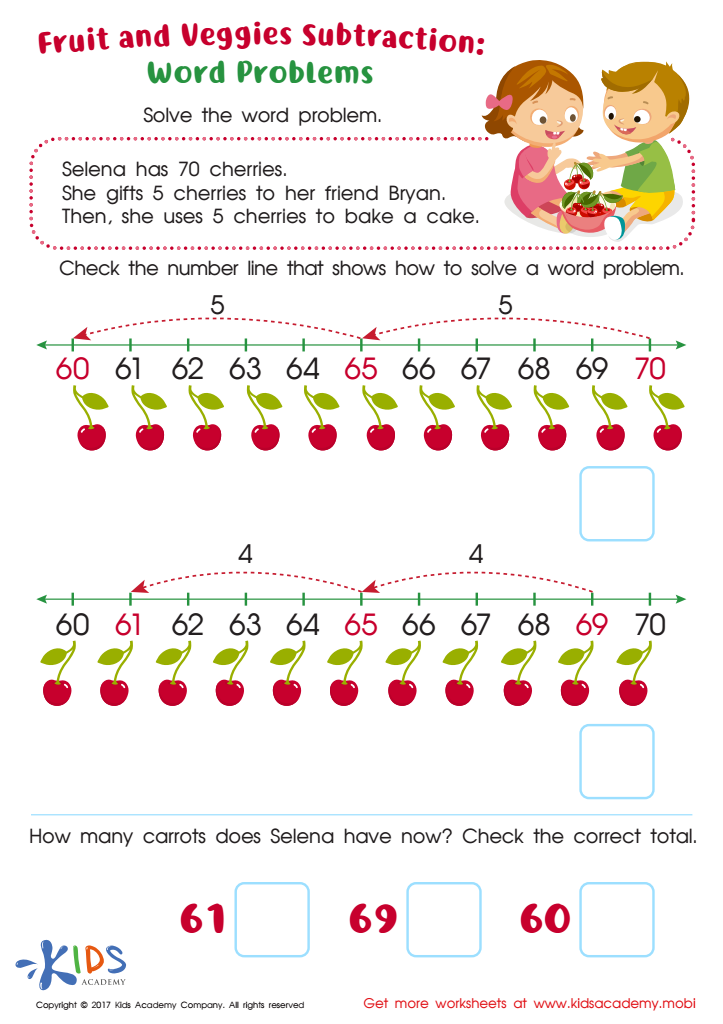
Subtraction Word Problems Free Printable
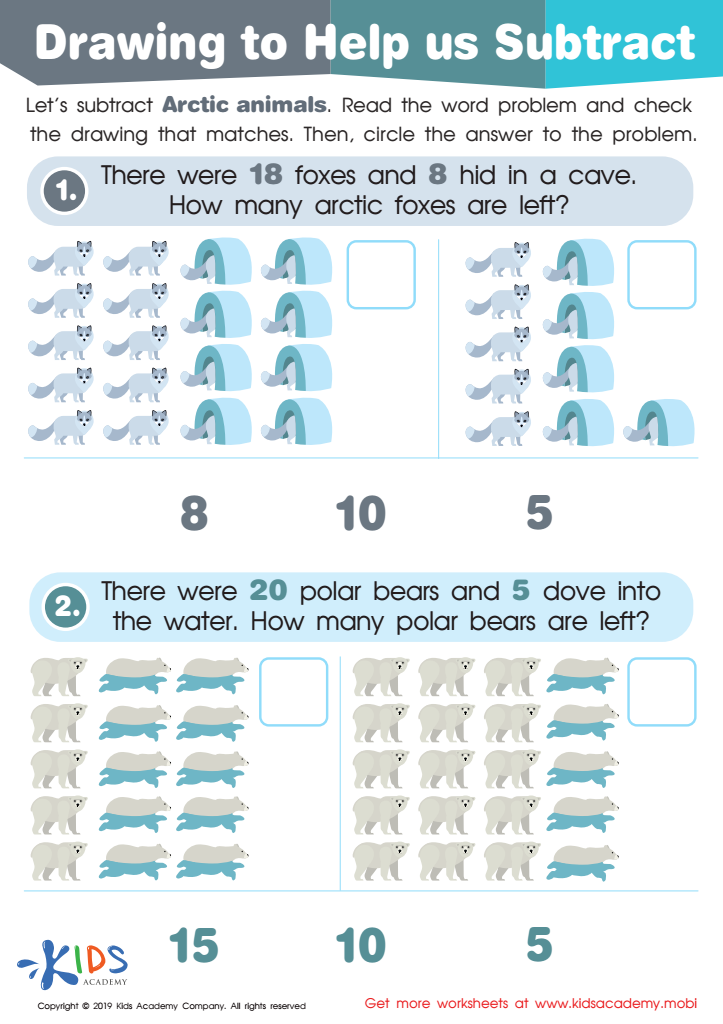
Drawing to Help Us Subtract Worksheet
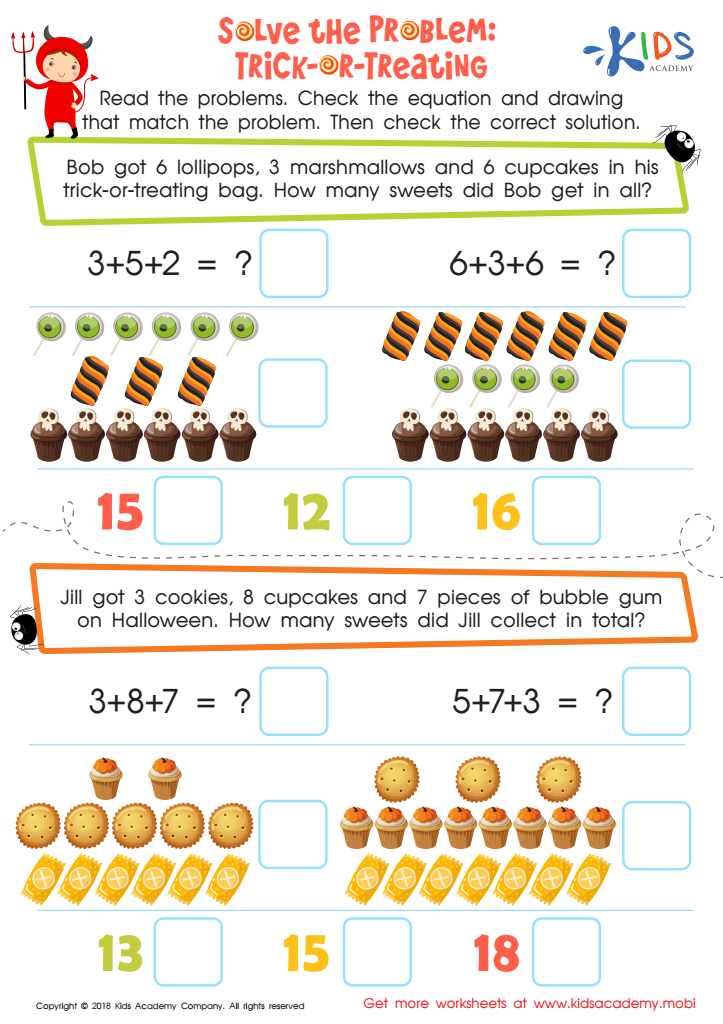
Solve the Problem: Trick–or–treating Worksheet
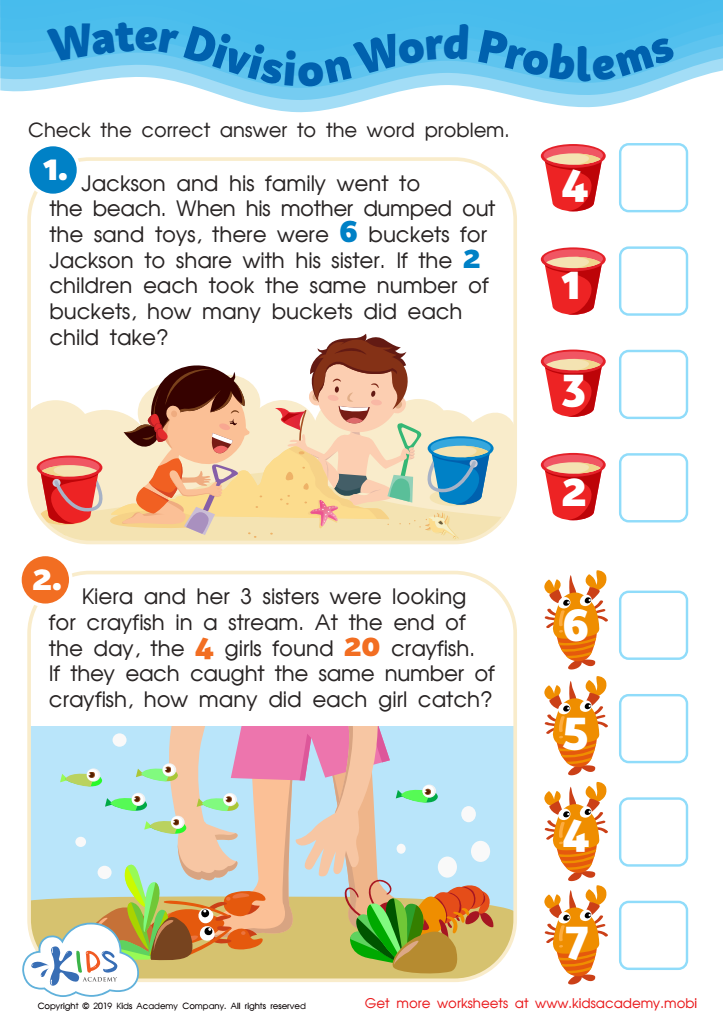
Water Division Word Problems Worksheet
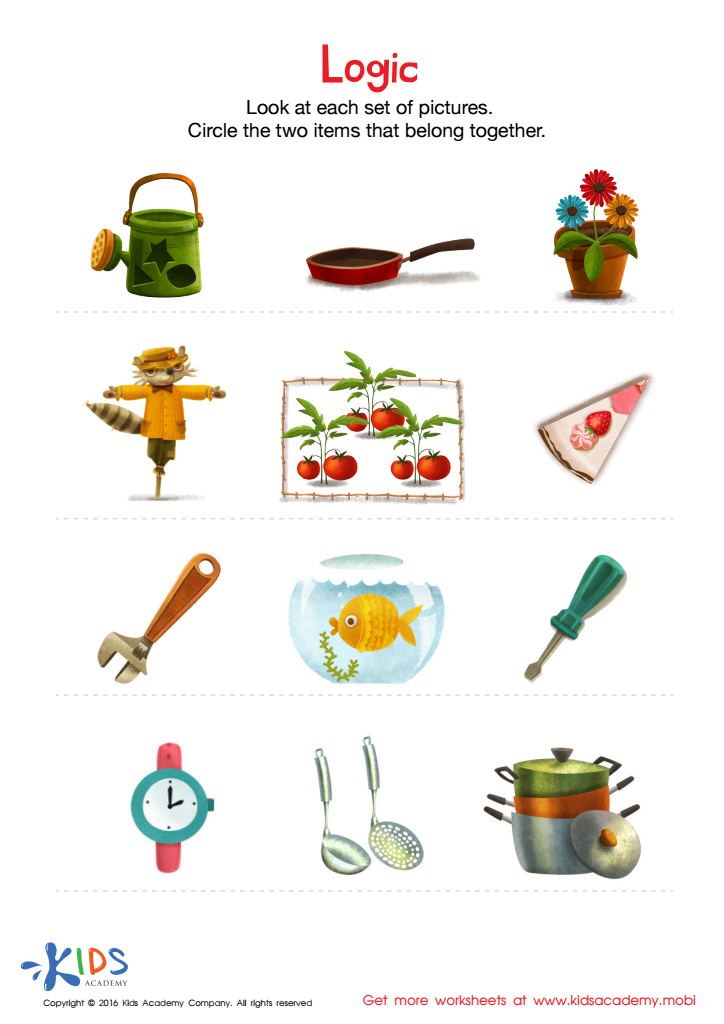
Logic Game Sorting Worksheet
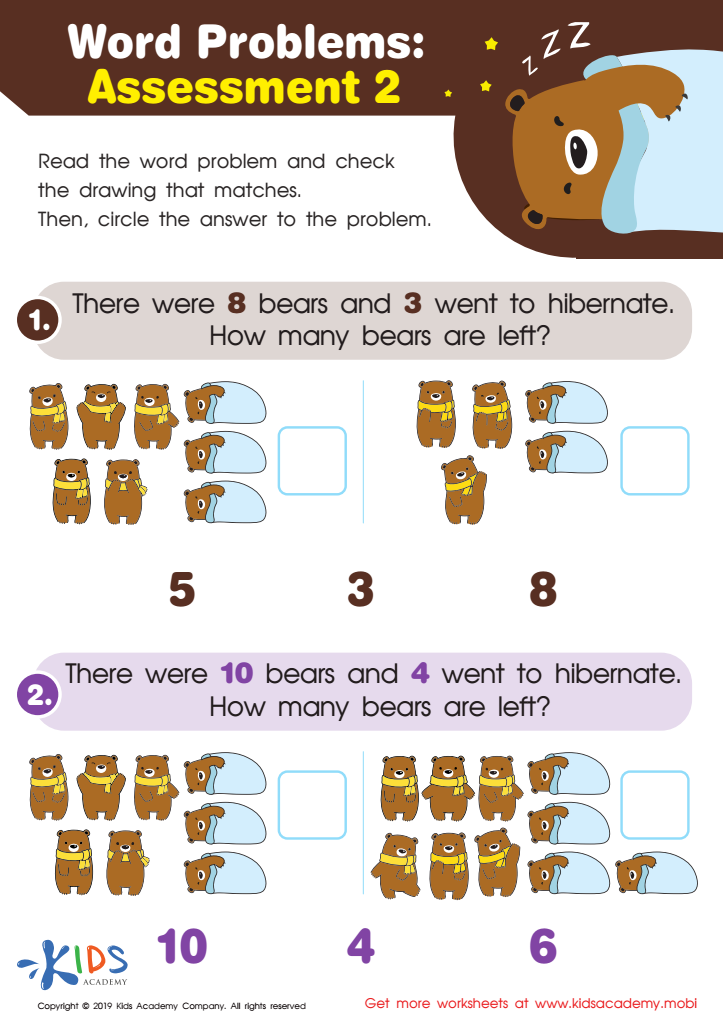
Word Problems: Assessment 2 Worksheet
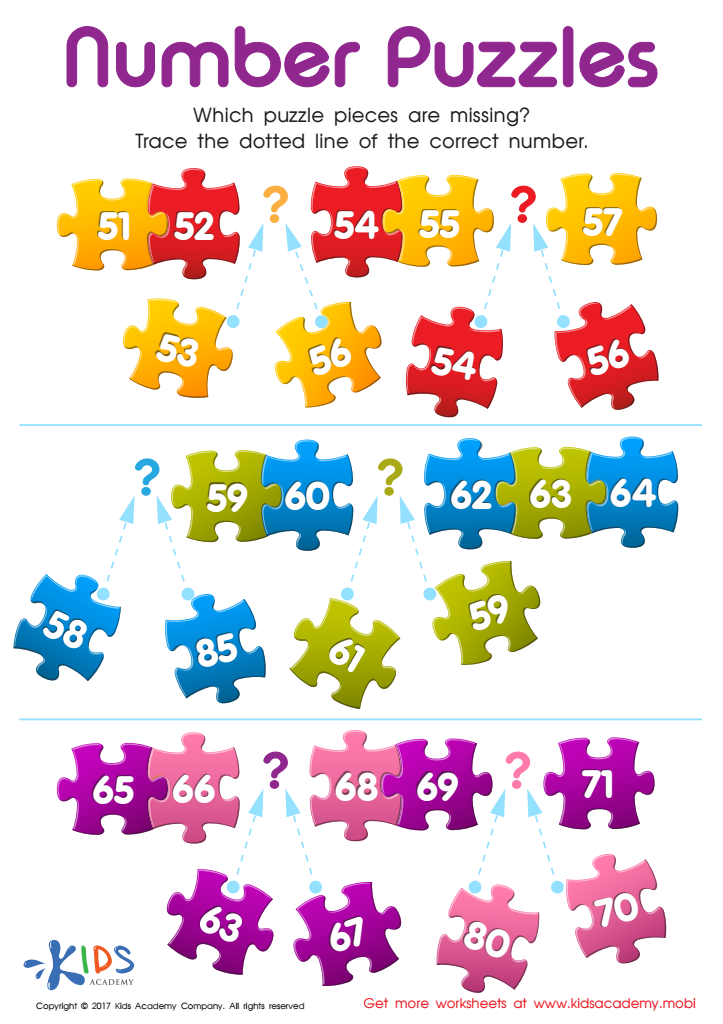
Number Puzzles Worksheet








Parents and teachers should prioritize developing problem-solving skills in children aged 3-4 as these early experiences lay the foundation for future learning and cognitive development. At this age, children are naturally curious and engaged in exploring their environment. By integrating normal math activities that encourage problem-solving, adults can foster critical thinking skills essential for academic success.
Problem-solving teaches children how to approach challenges and think logically, skills they will rely on throughout their lives. For instance, math-related games can introduce concepts such as counting, patterns, and categorization in a playful manner, making learning enjoyable and interactive. These activities also help in enhancing fine motor skills, vocabulary usage, and social interactions when performed in groups.
Moreover, nurturing problem-solving abilities at this stage can promote resilience. When children learn to tackle tasks, experiment with solutions, and handle mistakes, they become confident in their capacity to navigate challenges, both academically and personally. As adults support their exploration, they develop a growth mindset, understanding that effort and persistence lead to improvement. Thus, fostering problem-solving skills in young children is vital for their overall development and prepares them for future educational experiences.








