Phonics Skills Normal Worksheets for Ages 3-6 - Page 2
47 filtered results
-
From - To
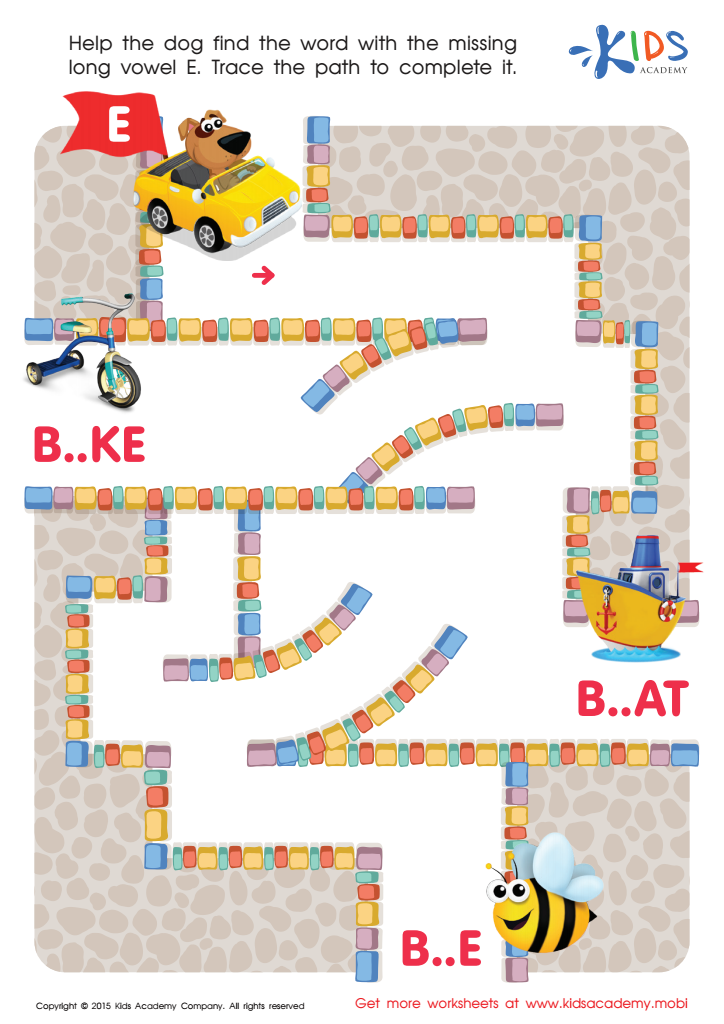
Long Vowel Sound E Worksheet
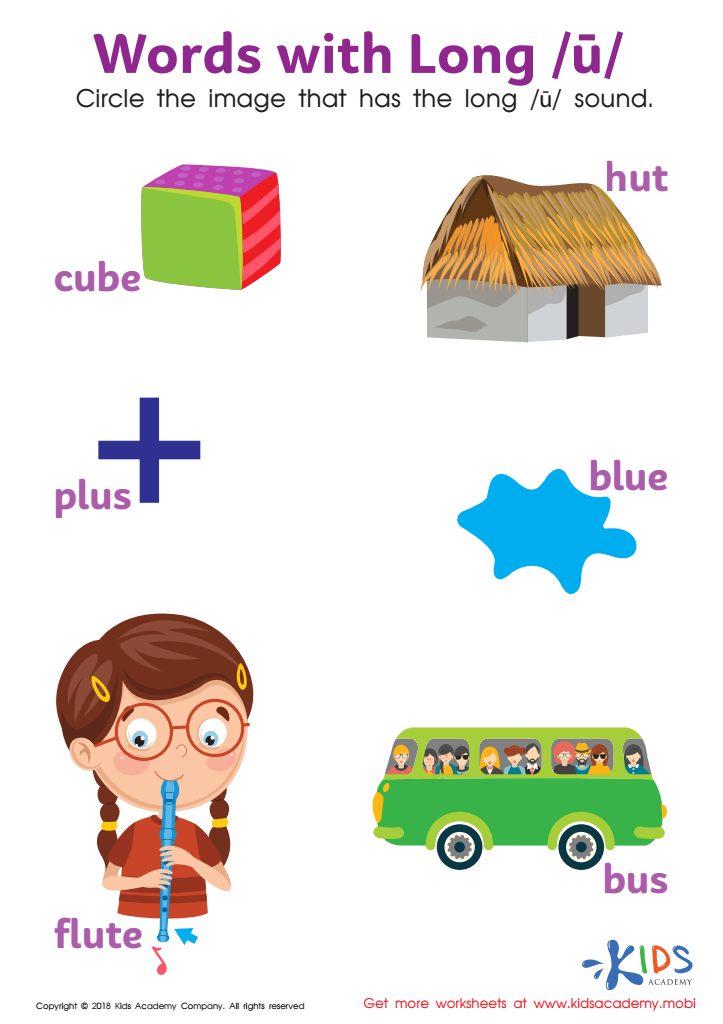
Words with Long U Reading Worksheet
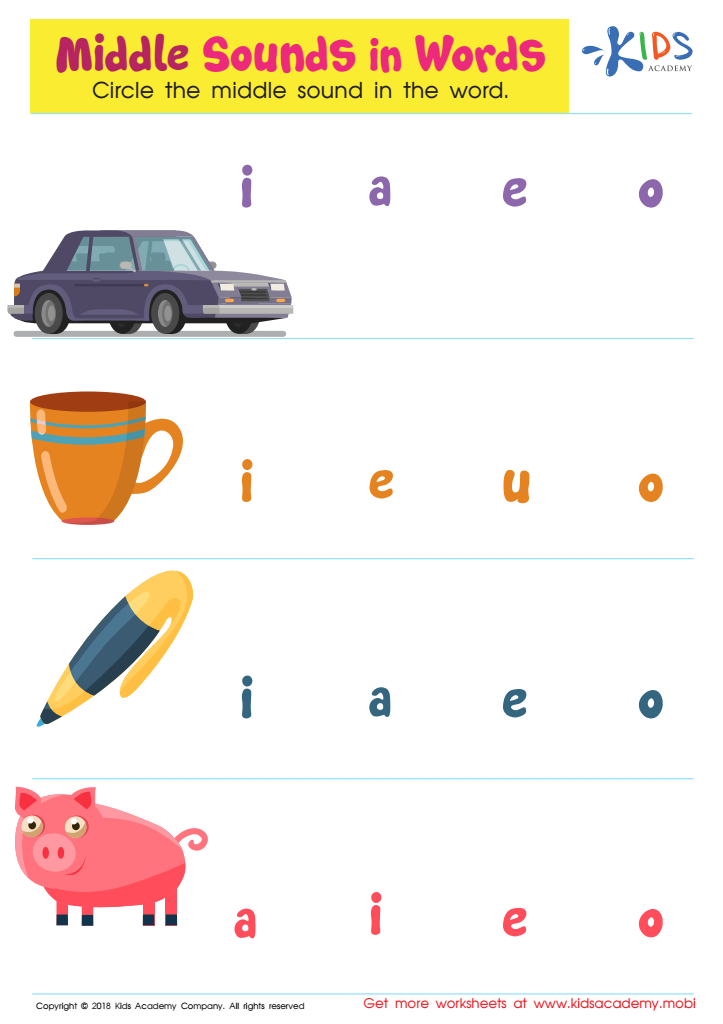
Middle Sounds in Words Worksheet
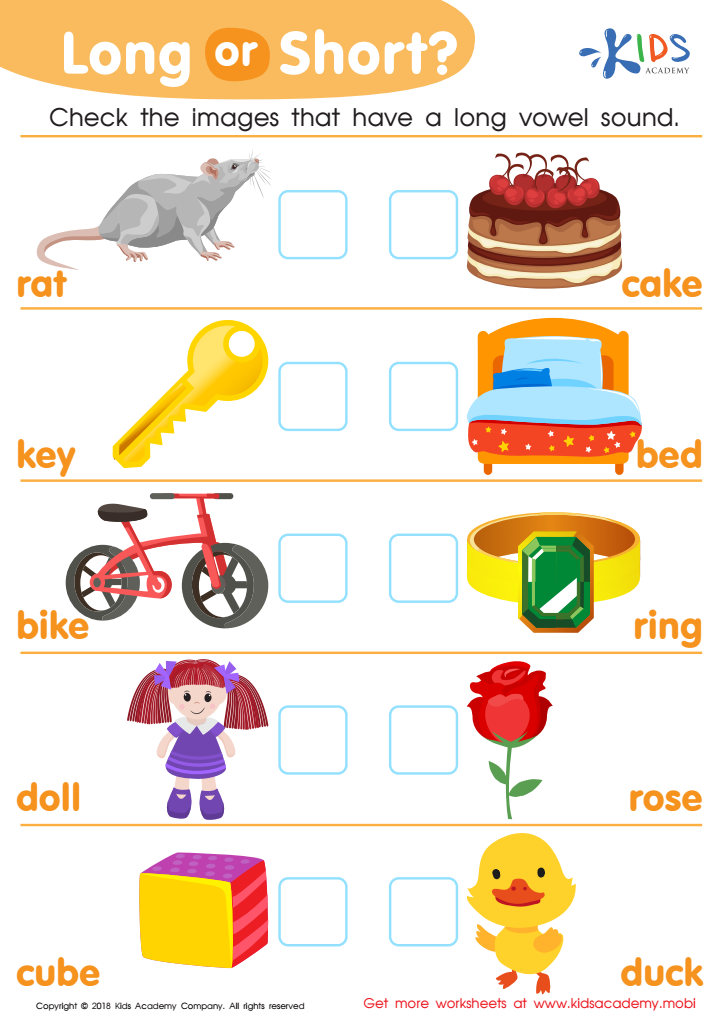
Long or Short Reading Worksheet
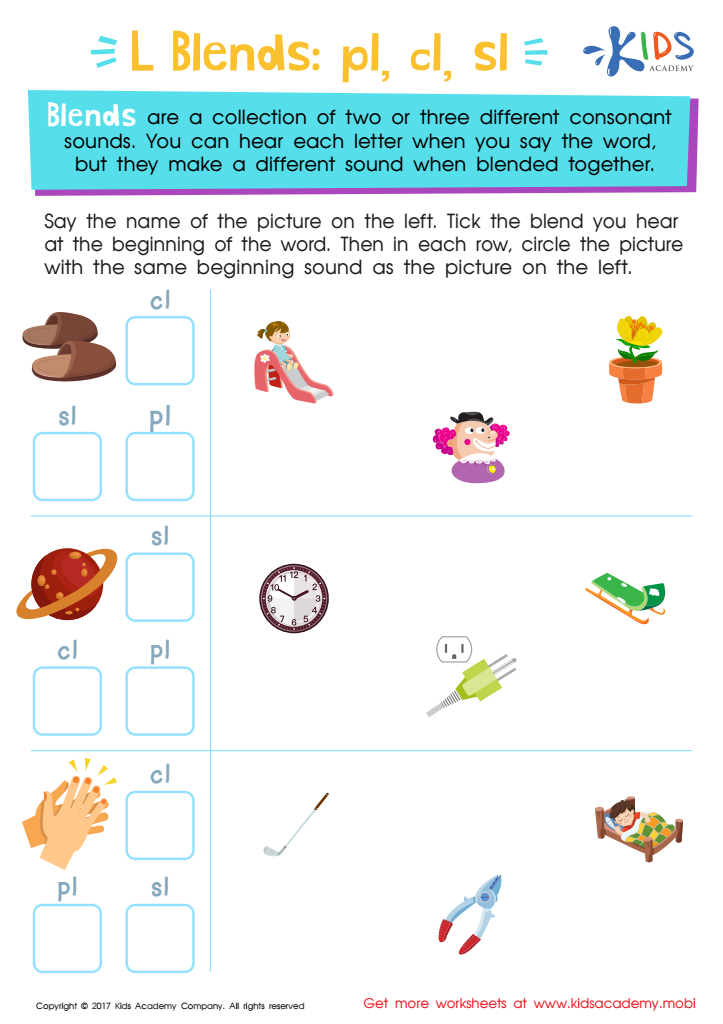
L Blends: "Pl", "Cl" and "Sl" Printable
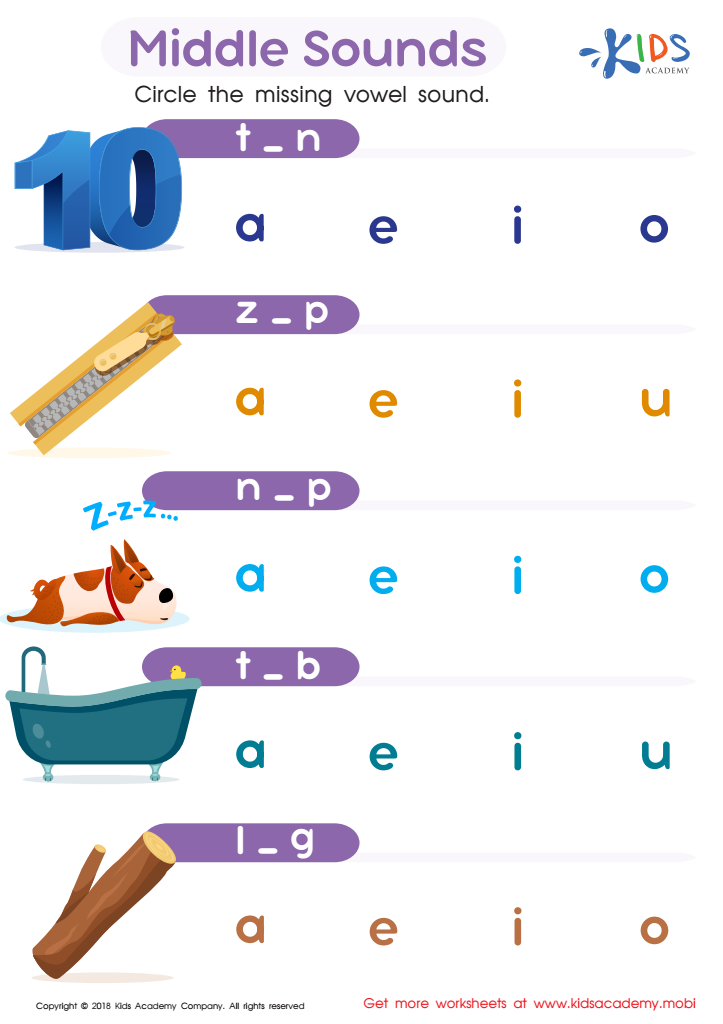
Middle Sounds Worksheet
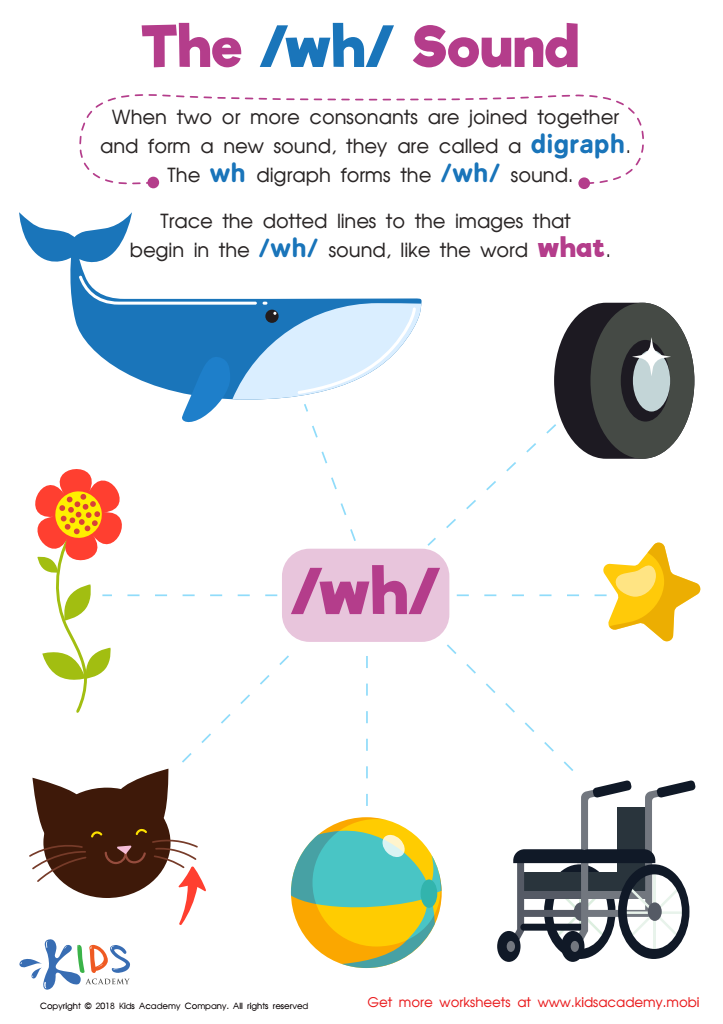
The /wh/ Sound Worksheet
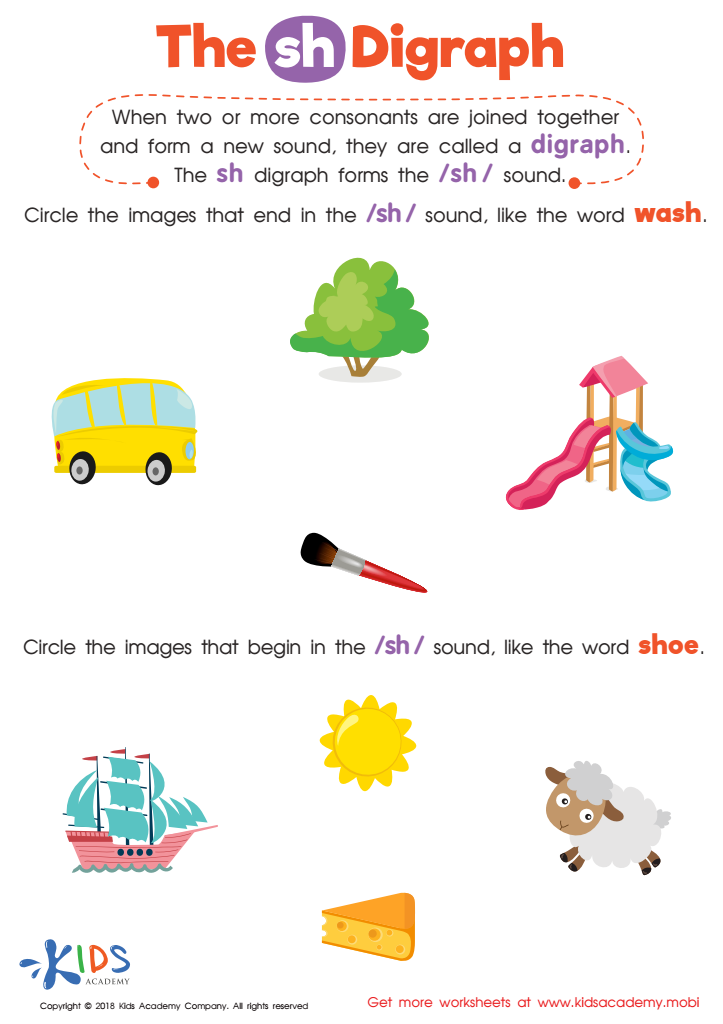
The SH Digraph Worksheet
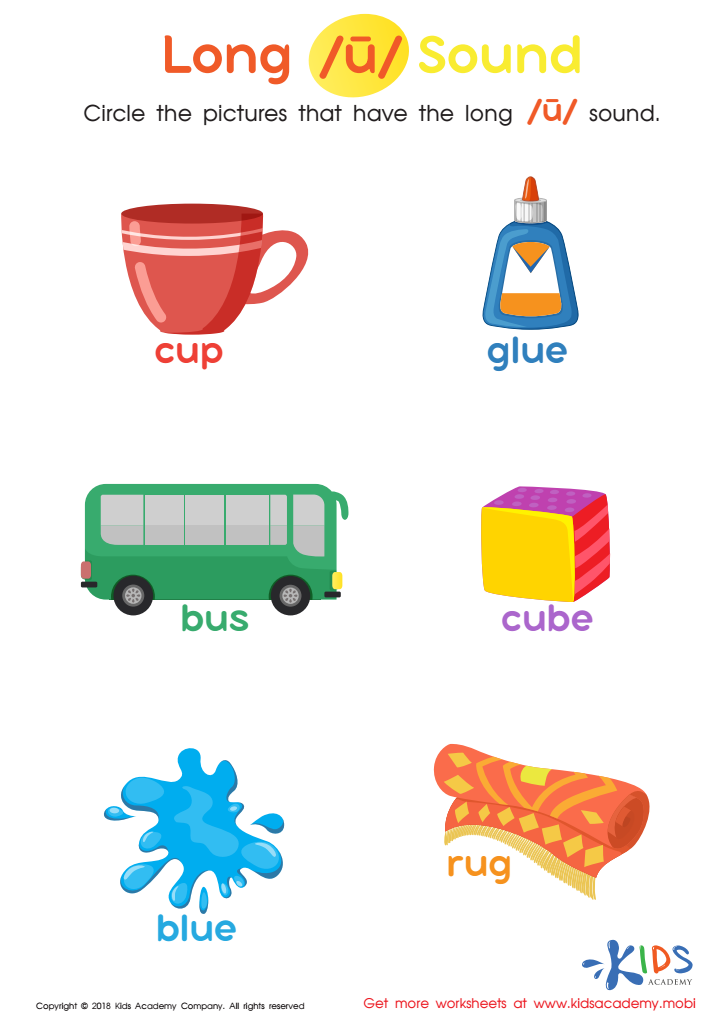
Long «u» Sound Worksheet
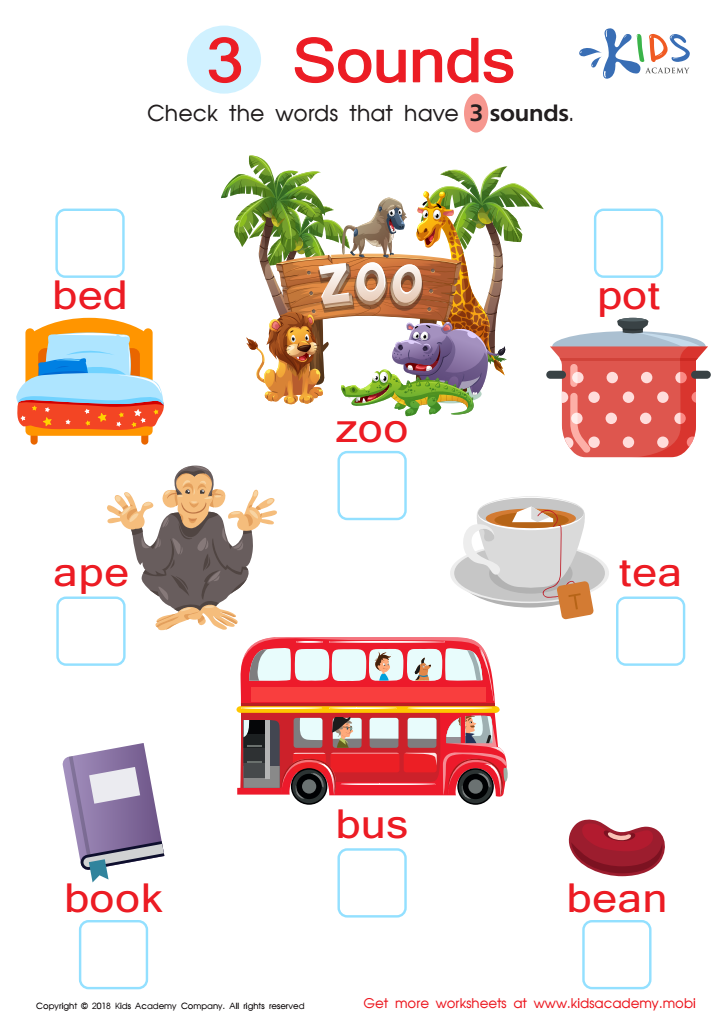
3 Sounds Worksheet
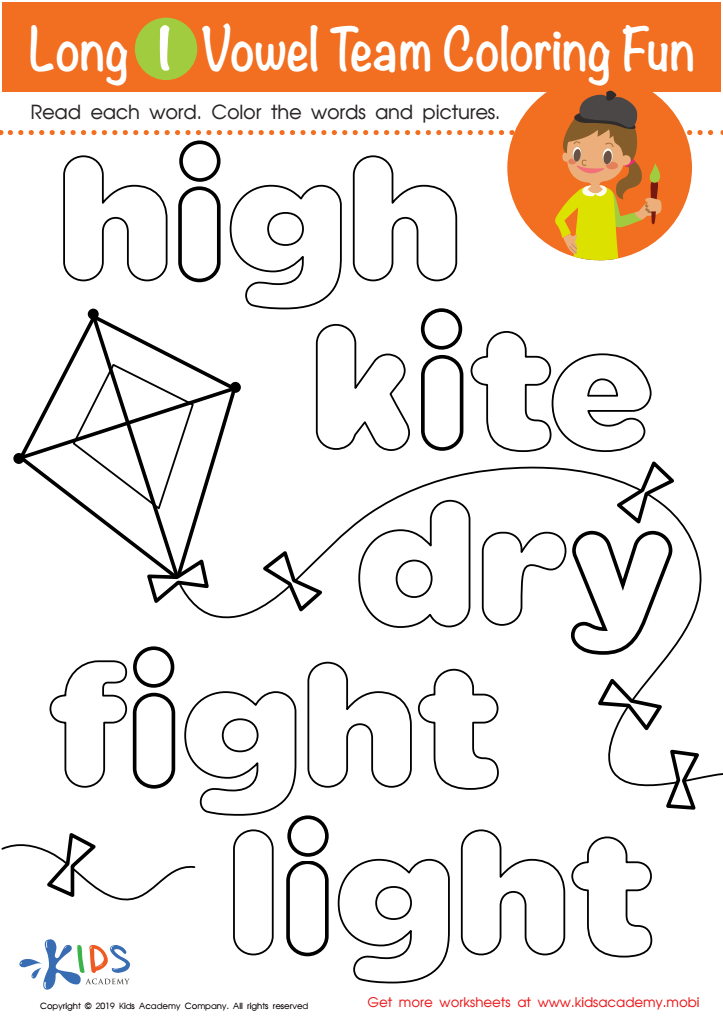
Long I Vowel Team Coloring Worksheet
 Assign to My Students
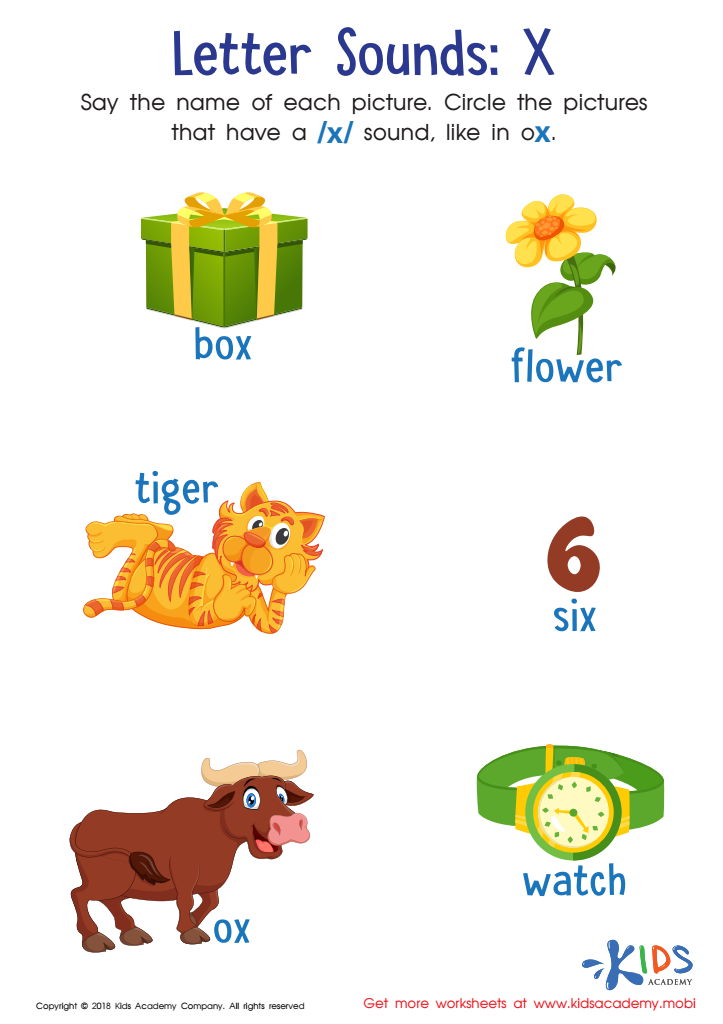
Letter X Sounds Worksheet
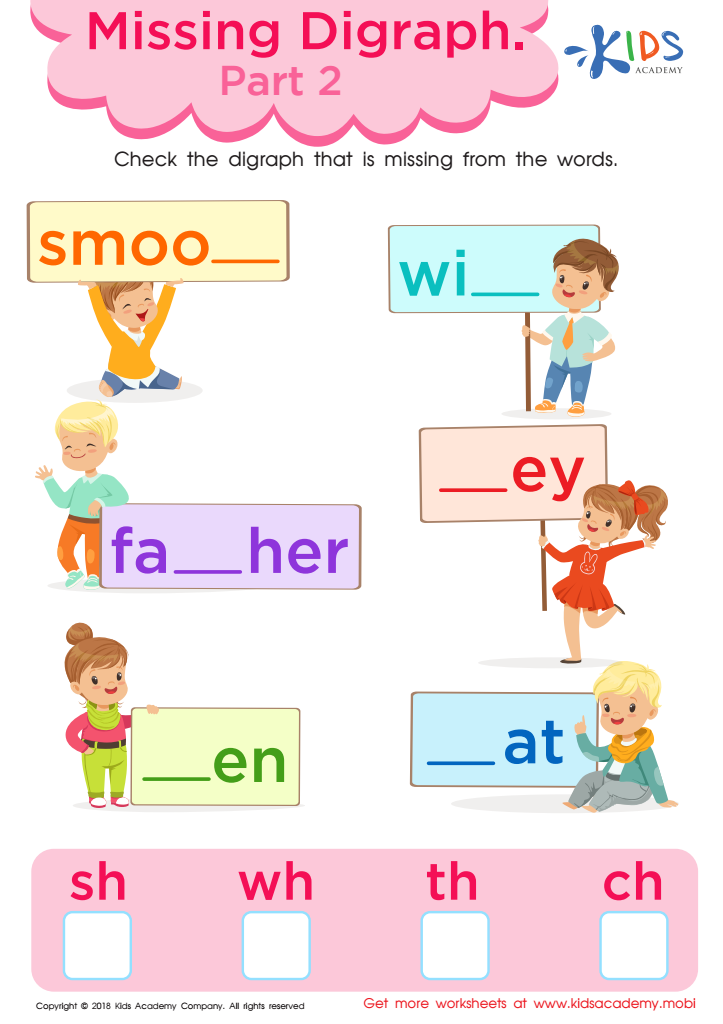
Missing Digraph: Part 2 Worksheet
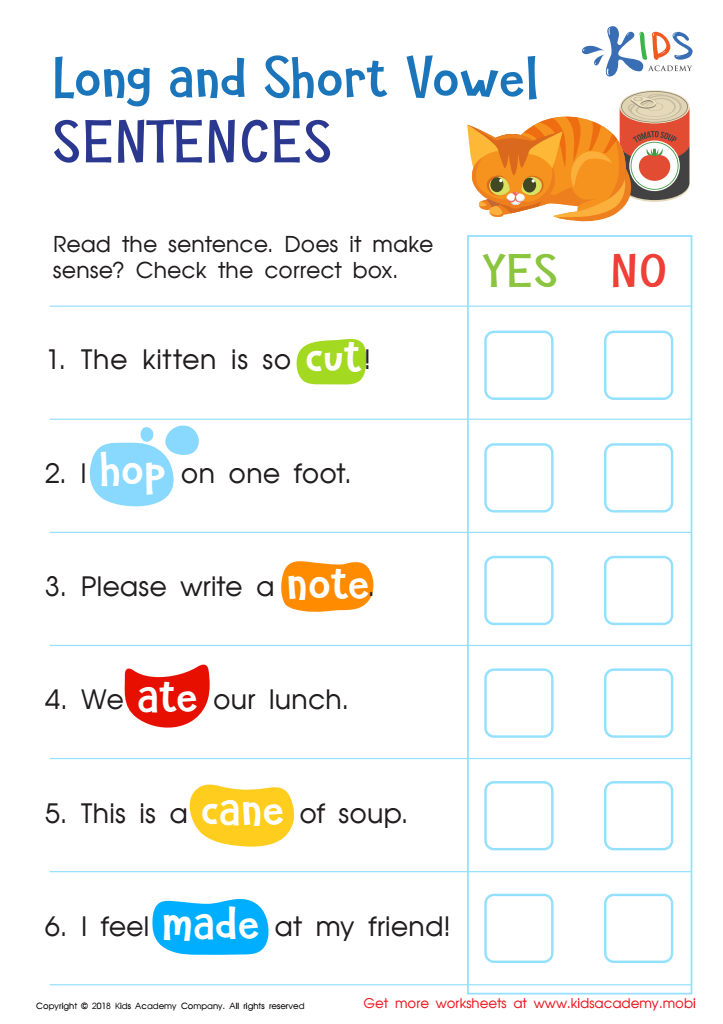
Long and Short Vowel Sentences: Assessment Worksheet
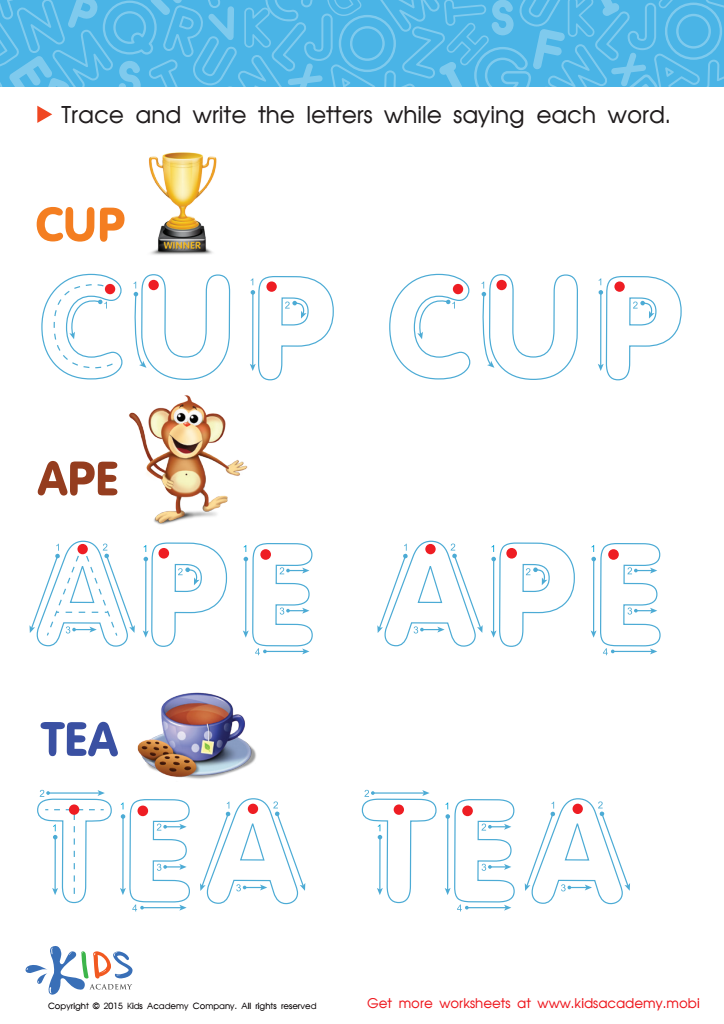
A Cup, an Ape and Tea Spelling Worksheet
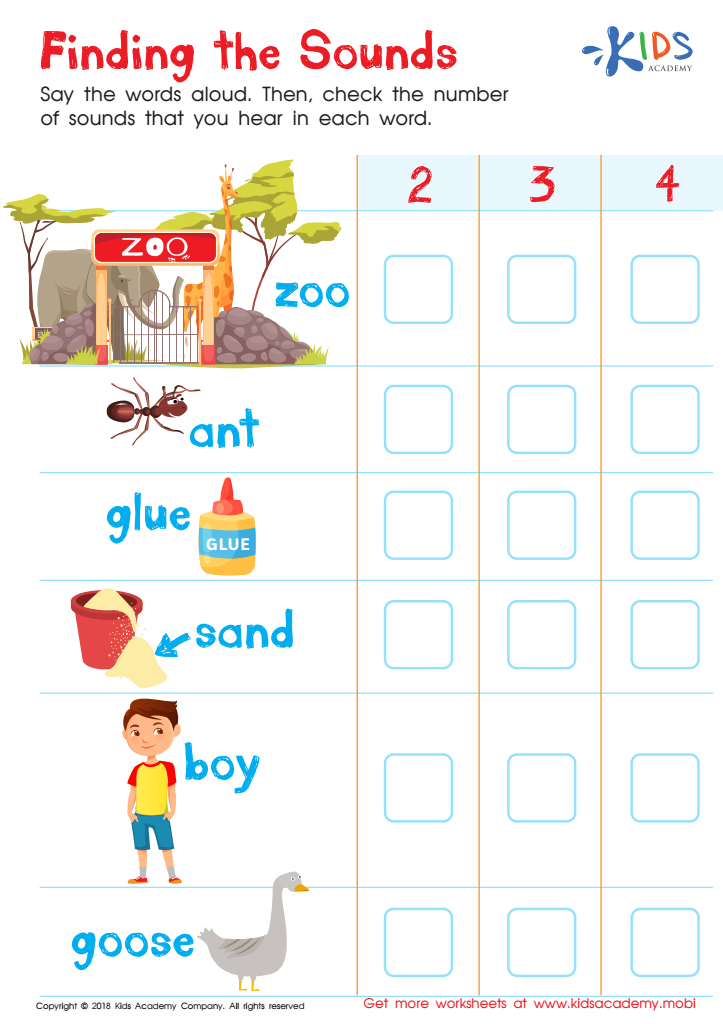
Finding the Sounds Worksheet
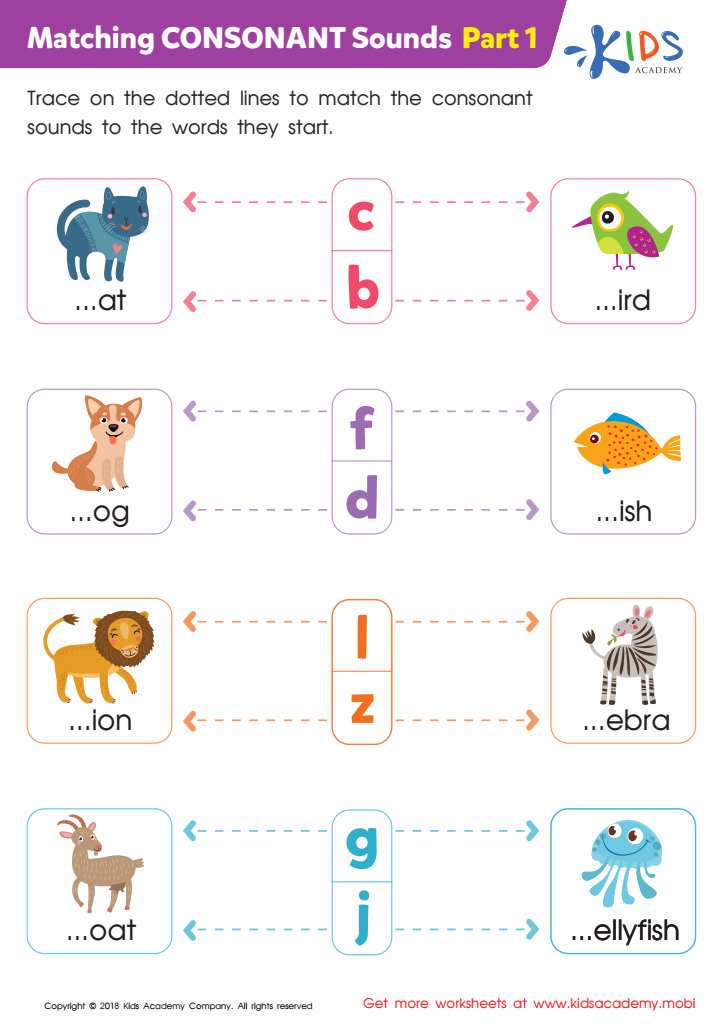
Matching Consonant Sounds: Part 1 Worksheet
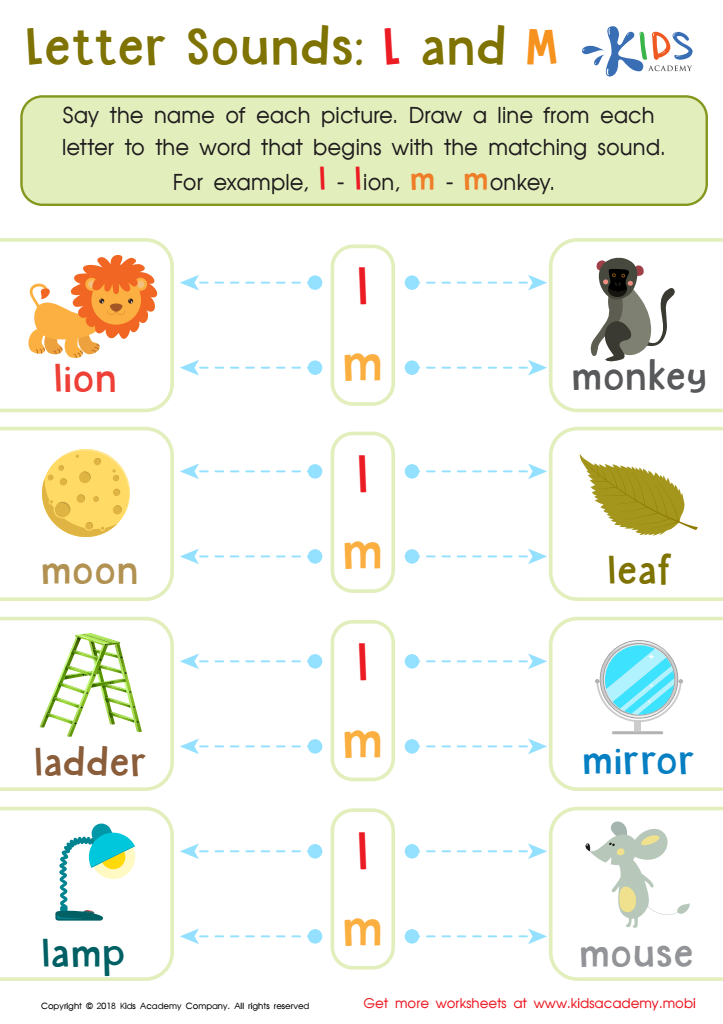
Letter l and M Sounds Worksheet
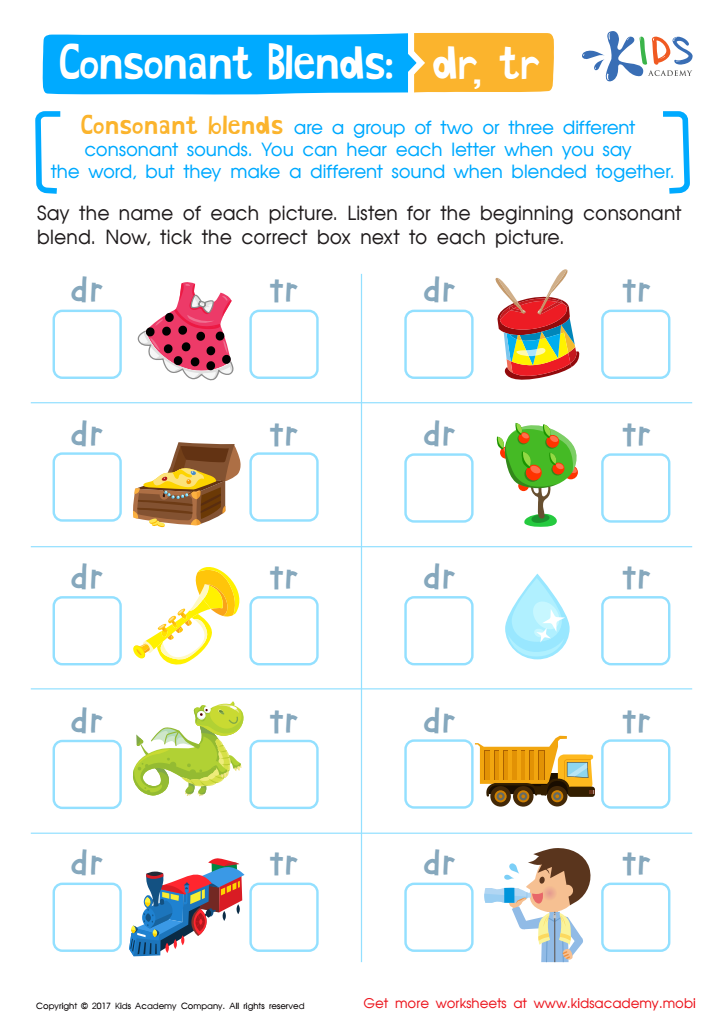
Consonant Blends: "Dr" and "Tr" Printable

Long and Short E Worksheet
Assign to My Students
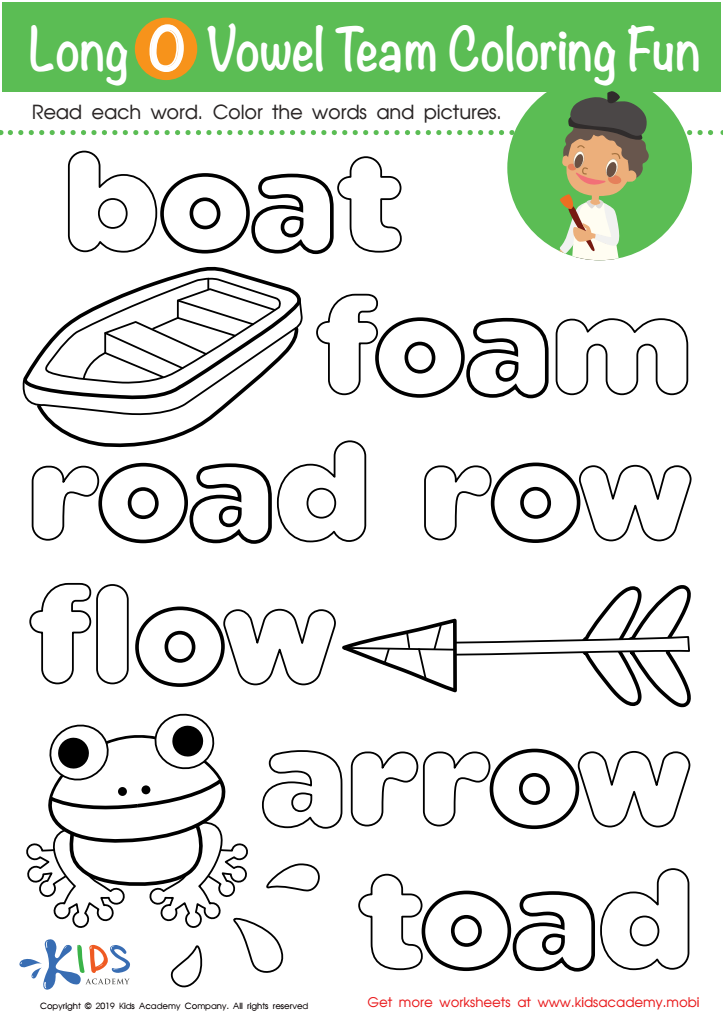
Long O Vowel Team Coloring Worksheet
Assign to My Students
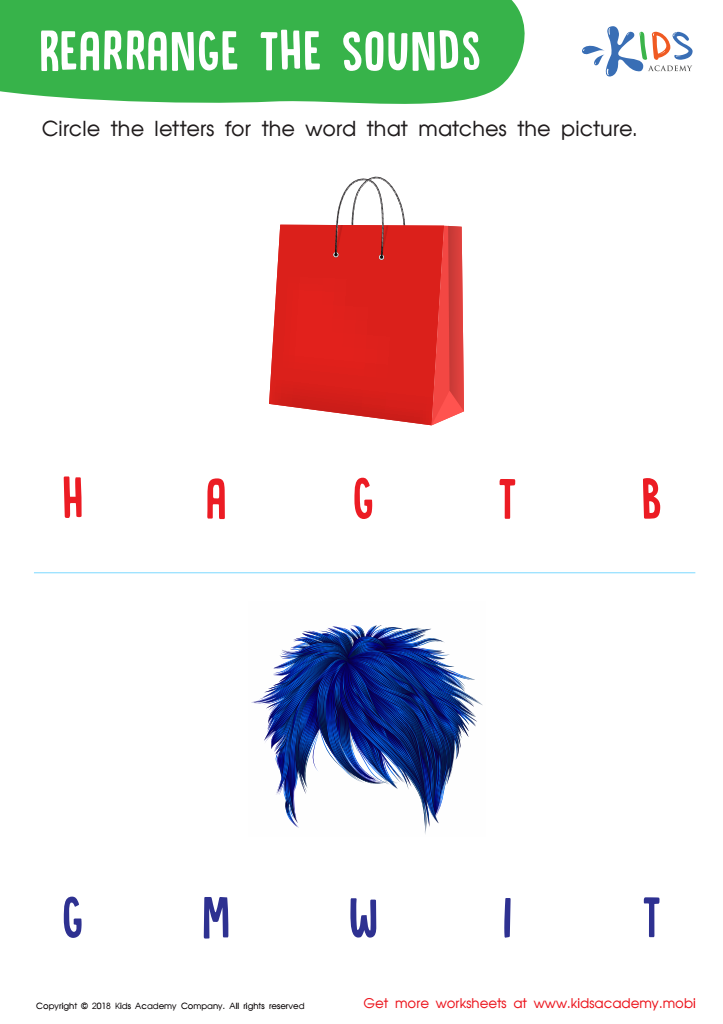
Rearrange the Sounds Worksheet
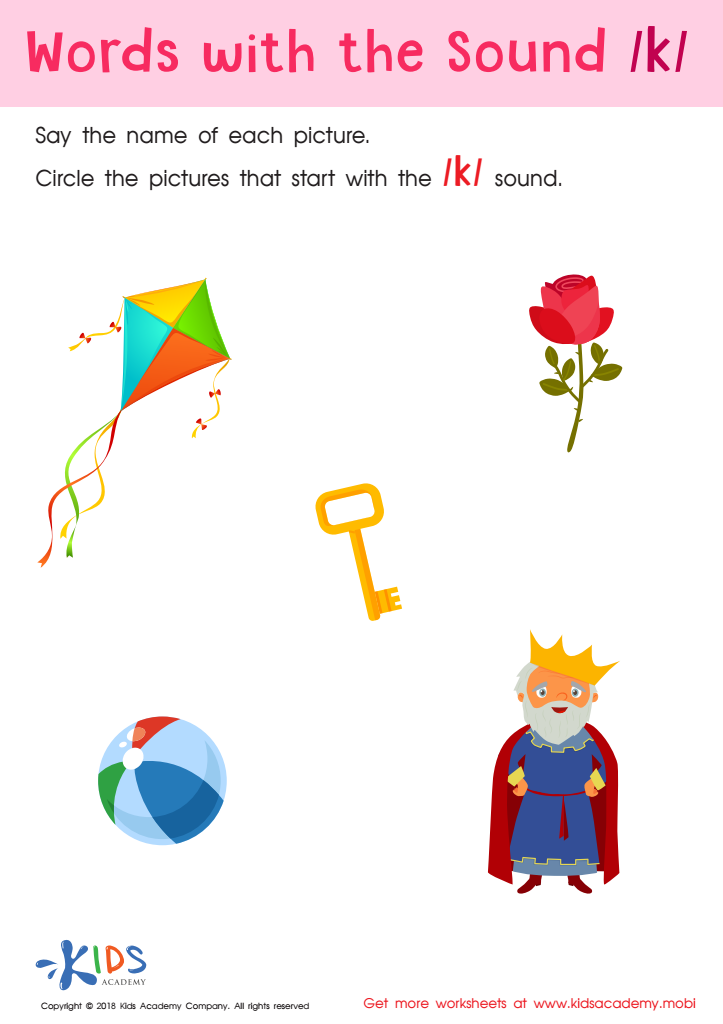
Words with sound k Reading Worksheet






Phonics skills are foundational for children aged 3-6, and both parents and teachers play pivotal roles in nurturing these skills. Phonics involves the relationship between sounds and their corresponding letters, enabling children to decode words effectively. During this critical developnental period, children's brains are particularly receptive to language learning. Mastery of phonics enriches their reading and spelling abilities, forming a cornerstone for academic achievement.
Firstly, phonics proficiency fosters strong literacy foundations. Children who effectively correlate sounds with letters experienced enhanced reading fluency, a critical prerequisite for later comprehension and increased love for learning.
Secondly, early phonics education improves linguistic skills, expanding vocabulary and boosting the ability to construct meaningful sentences. This, in turn, advances verbal communication, confidence, and the ability to express thoughts clearly.
Furthermore, reading proficiency in early childhood has long-term benefits, including improved academic performance across diverse subjects, strengthening problem-solving faculties, and fostering sustained attention.
Lastly, parental and teacher involvement not only accelerates phonics proficiency but also deepens connections with the child, adding an emotionally nourishing dimension to learning. In sum, investing in phonics skills during ages 3-6 paves the way for lifelong learning and success. Parents and teachers contributing to early phonics education essentially equip children with tools for future educational endeavors and personal growth.








