Normal World Around Us Worksheets for Ages 3-6 - Page 2
70 filtered results
-
From - To
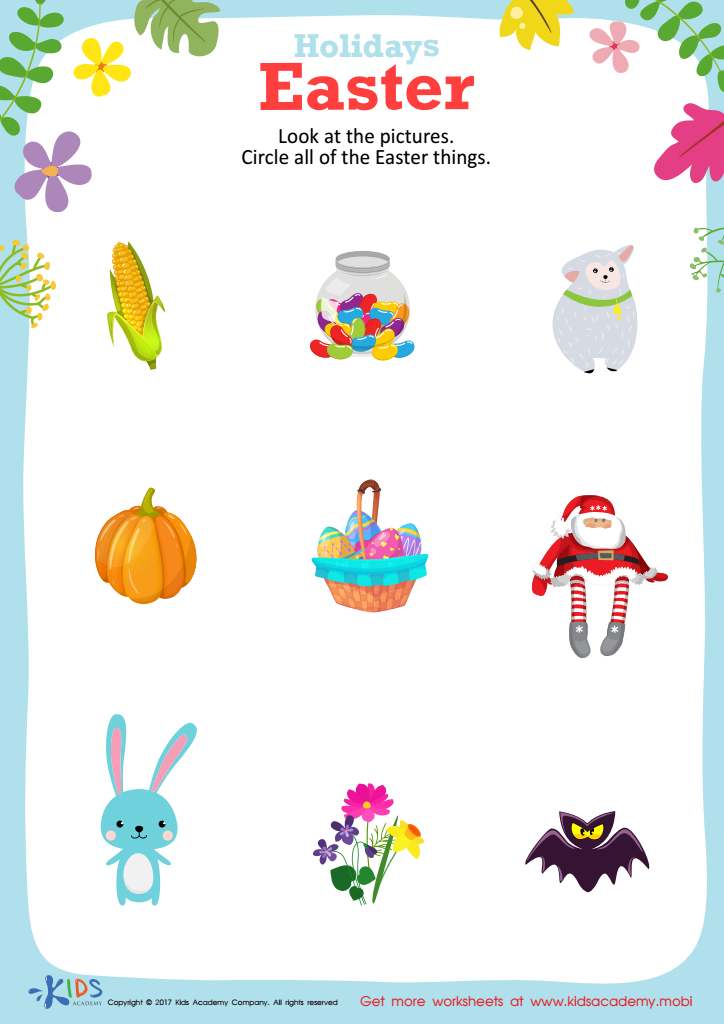
Easter Holiday Printable
 Assign to My Students
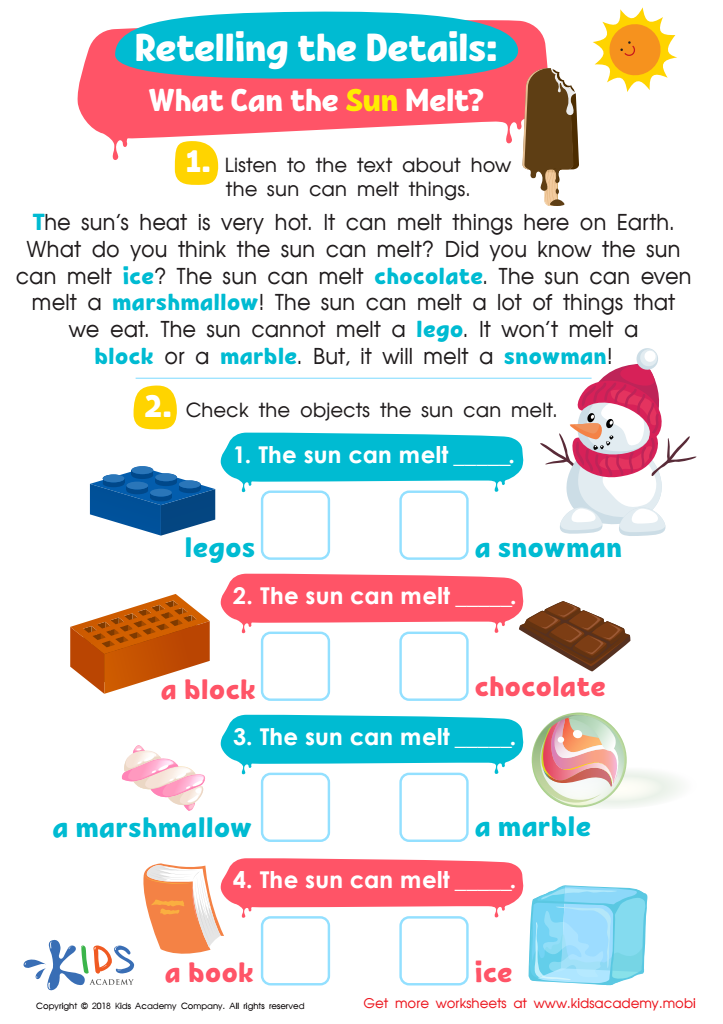
Retelling the Details: What Can the Sun Melt? Worksheet
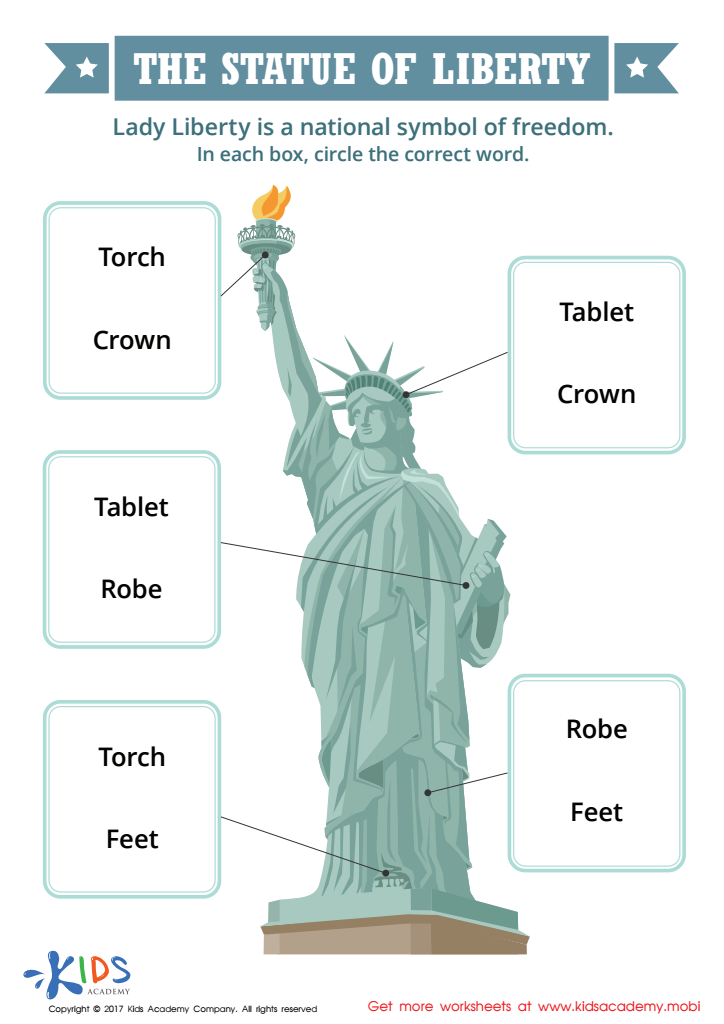
The Statue of Liberty Printable
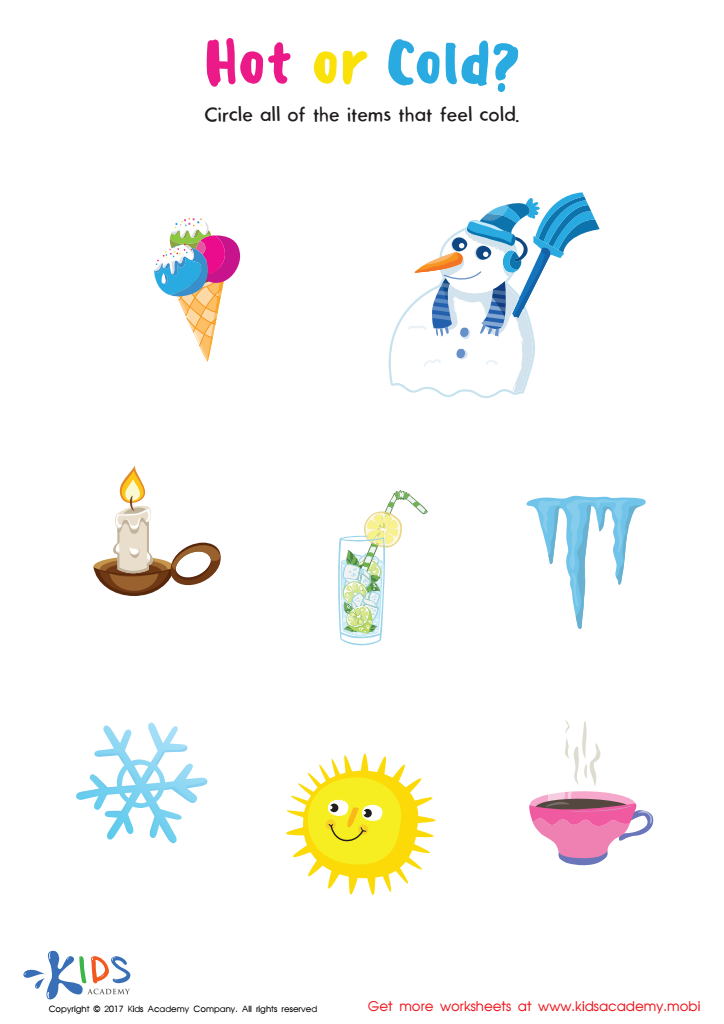
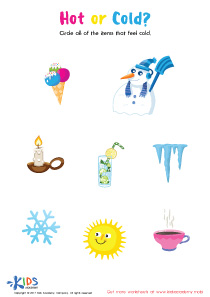
Hot or Cold Printable
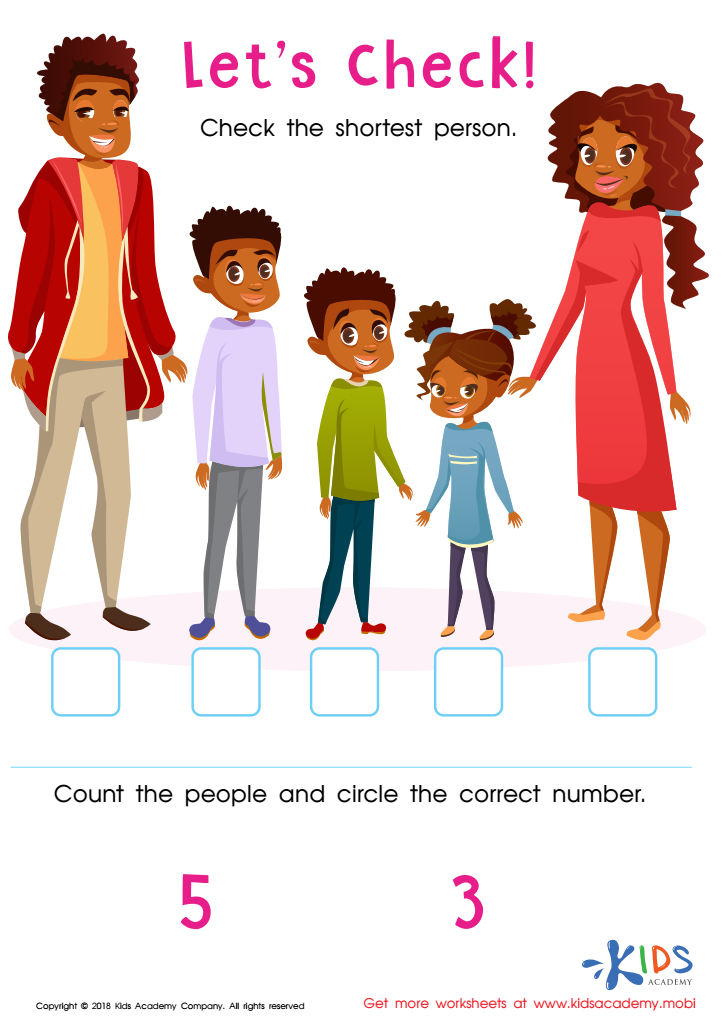
Let's Check! Assessment Worksheet
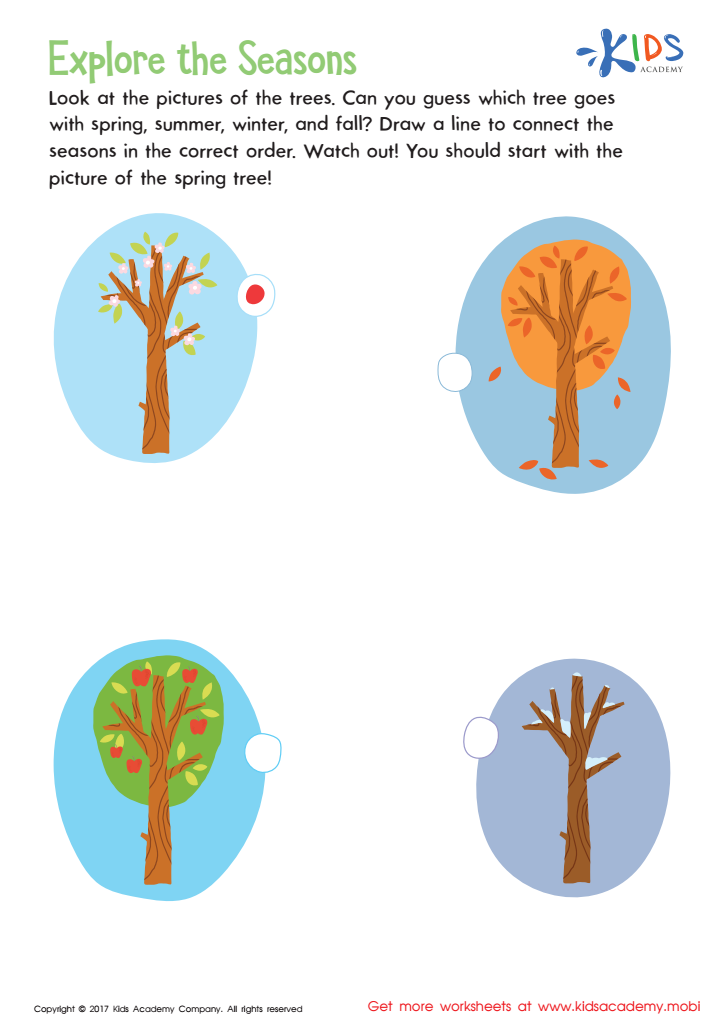
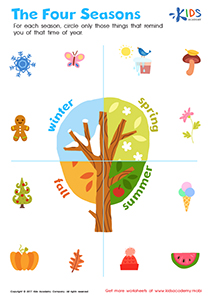
Explore the Seasons Worksheet
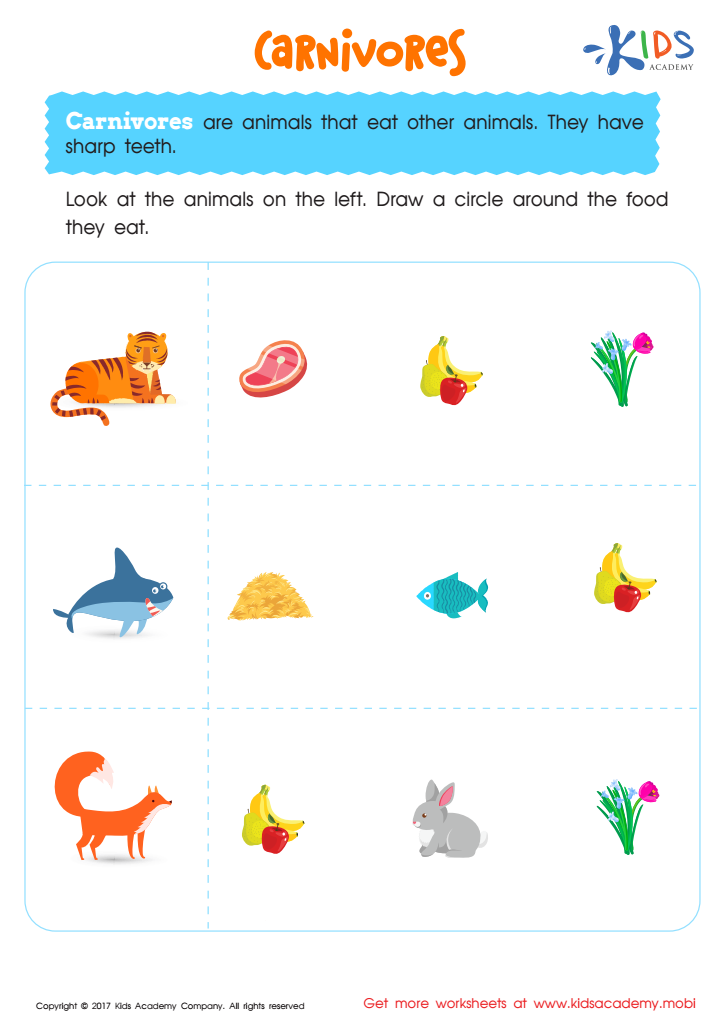
Carnivores Worksheet
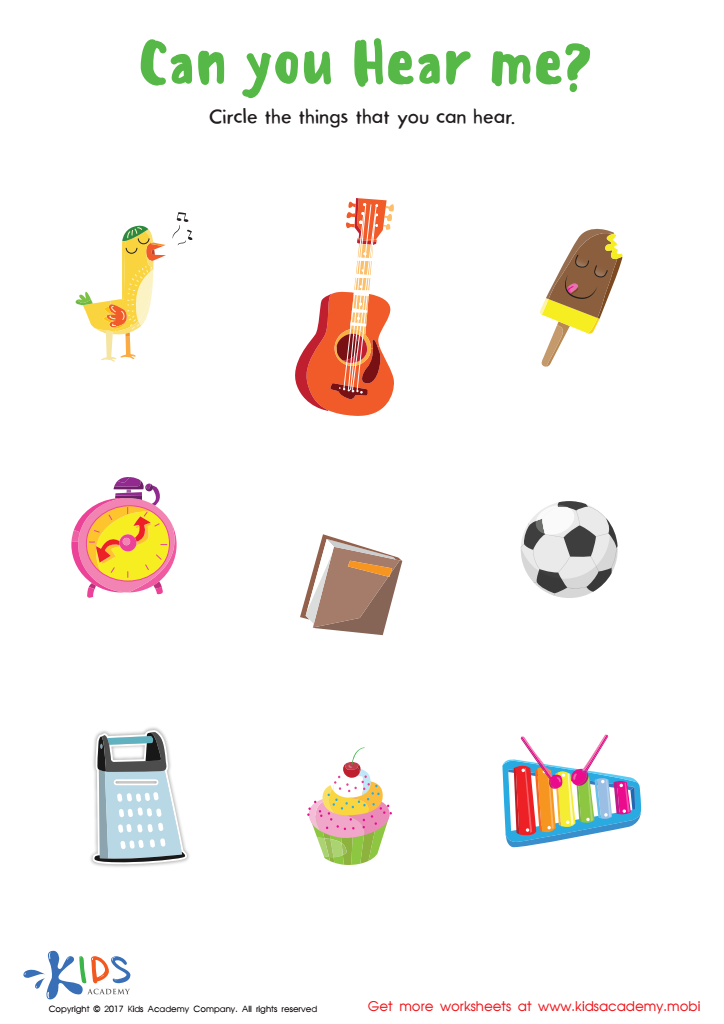
Can You Hear Me Worksheet
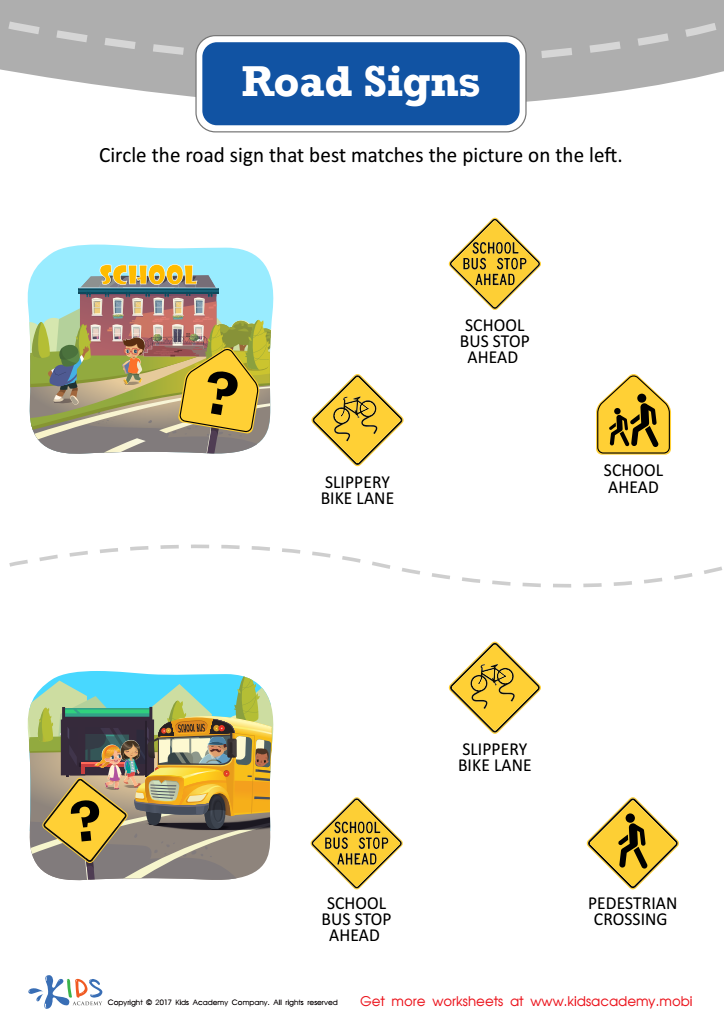
Road Signs (Part 1) Worksheet
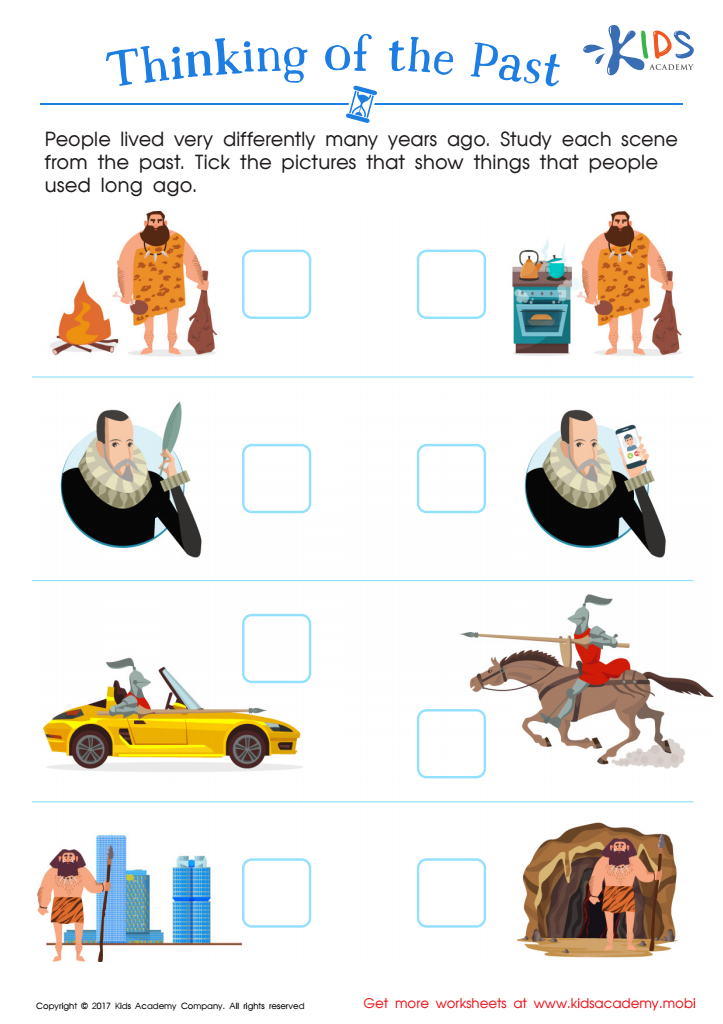
Thinking Past Printable
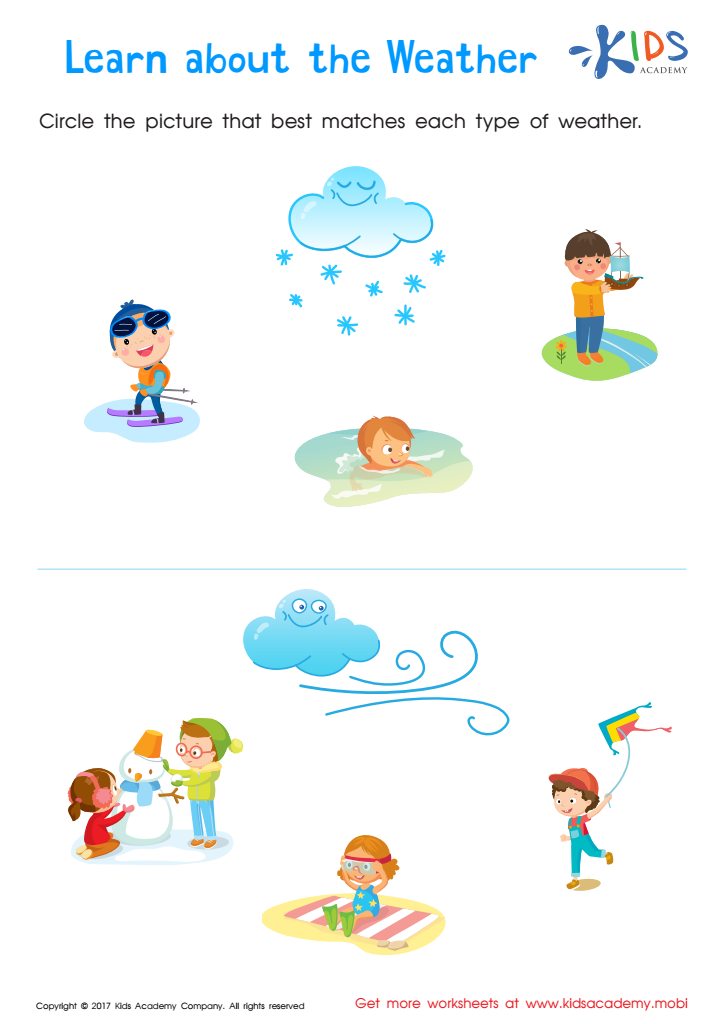
About the Weather Printable
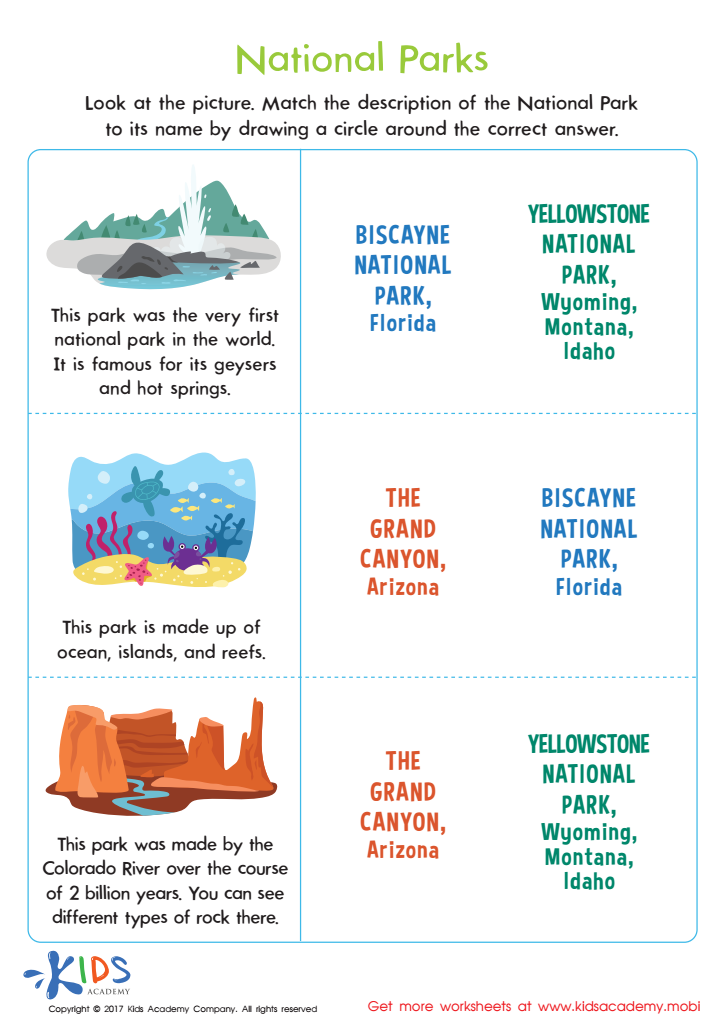
National Parks Printable
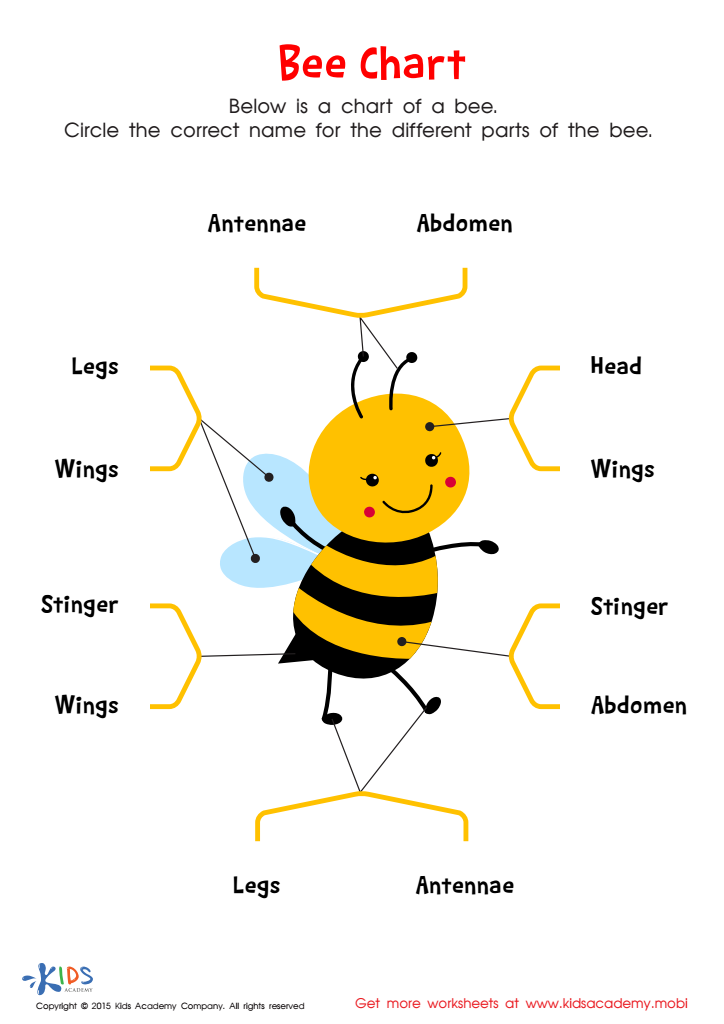
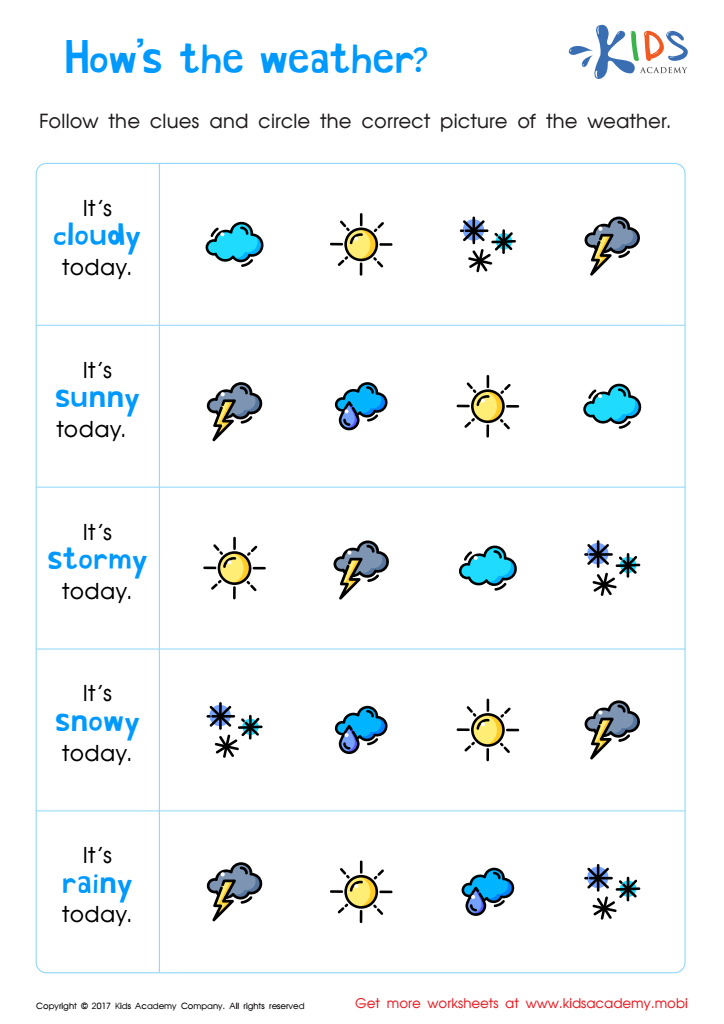
Hows the Weather Worksheet
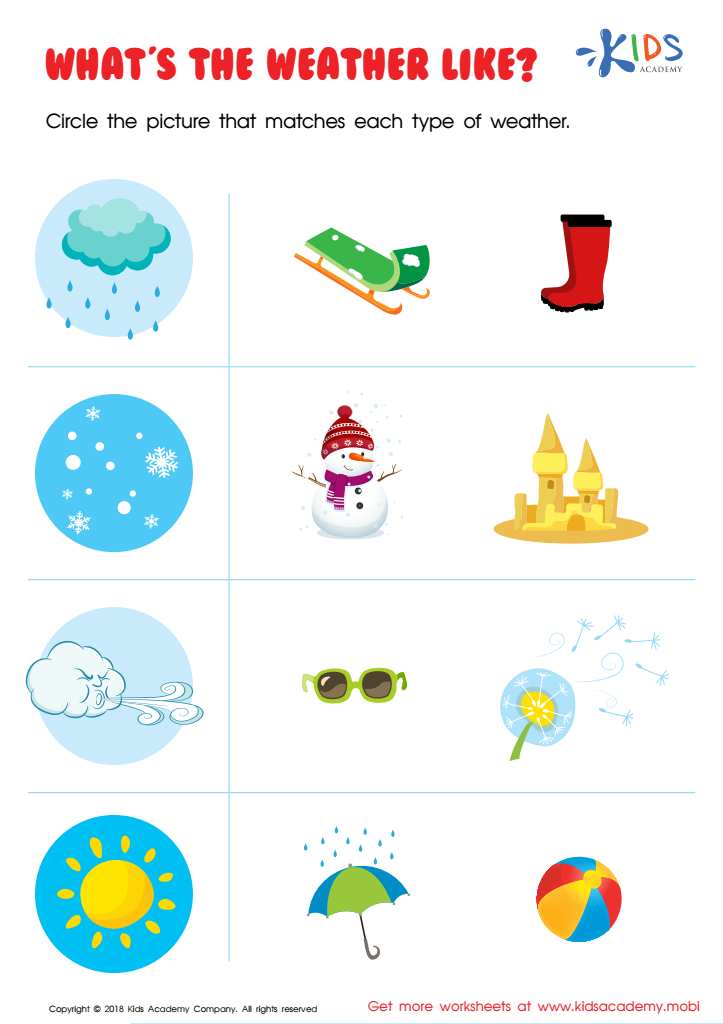
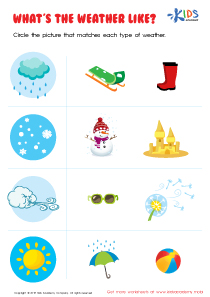
What's the Weather Like? Worksheet
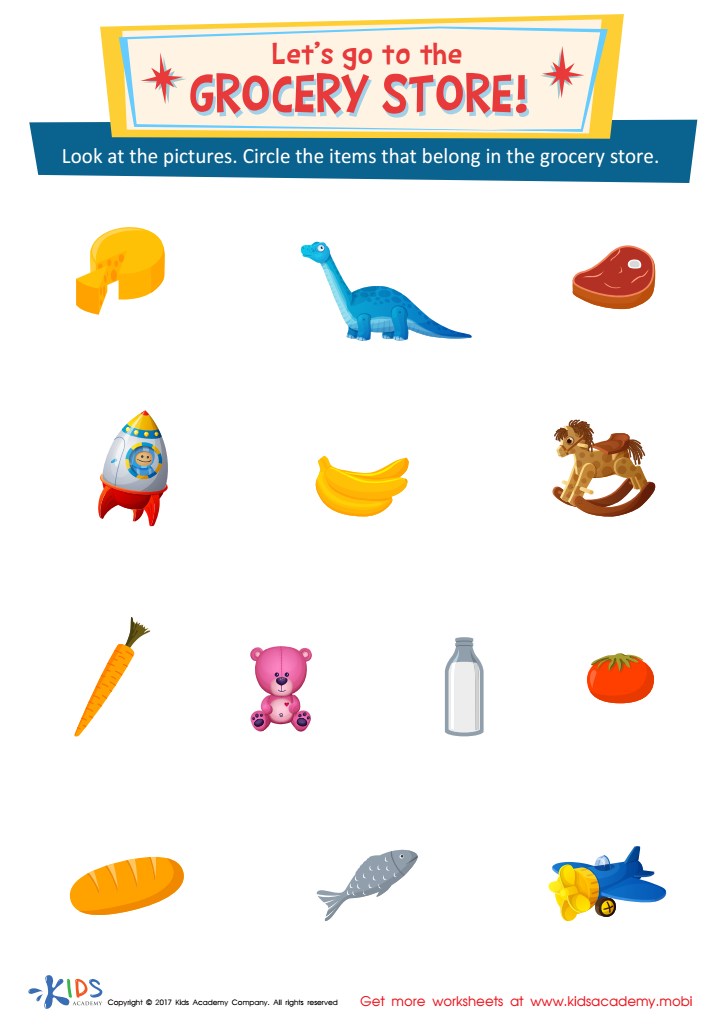
Grocery Store Worksheet
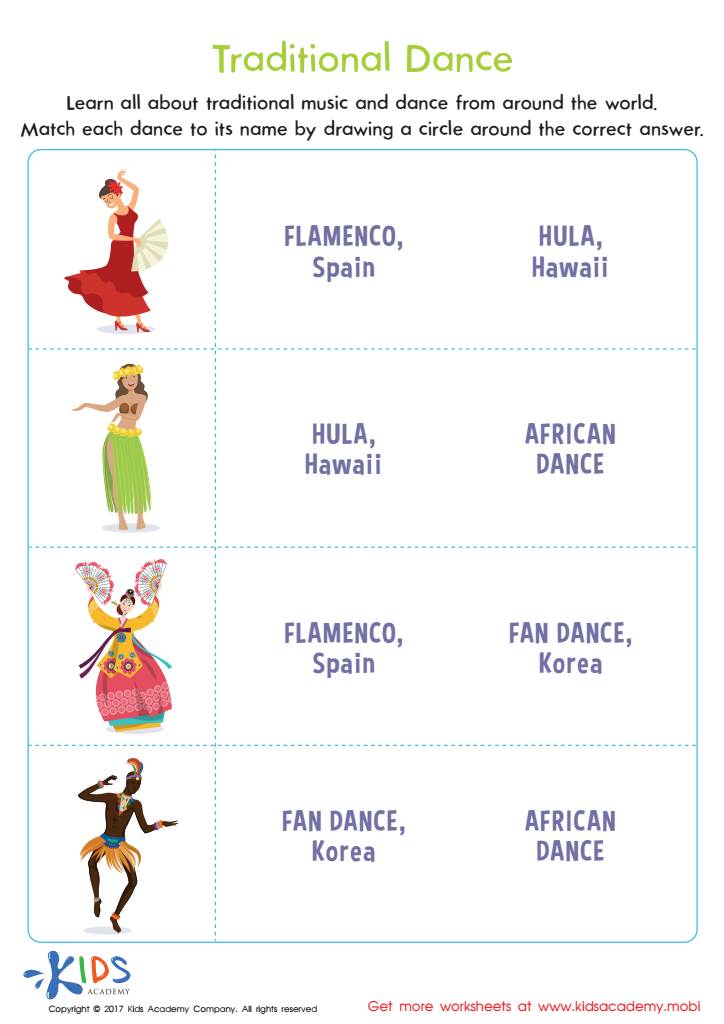
Traditional Dance Printable

The Pledge of Allegiance Worksheet
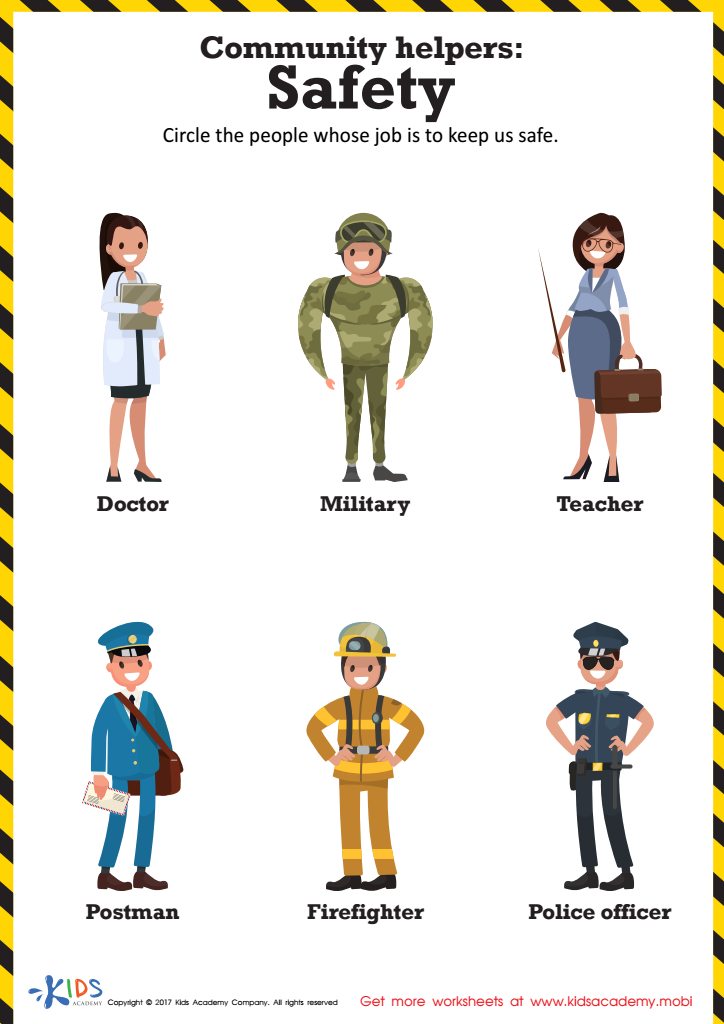
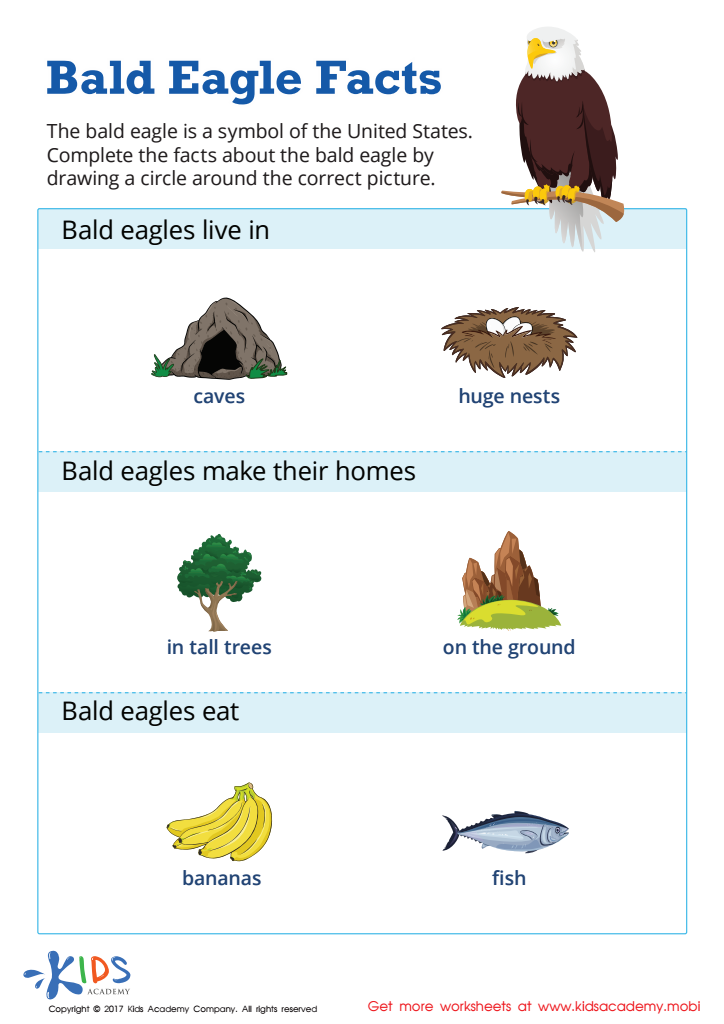
Bald Eagle Facts Worksheet
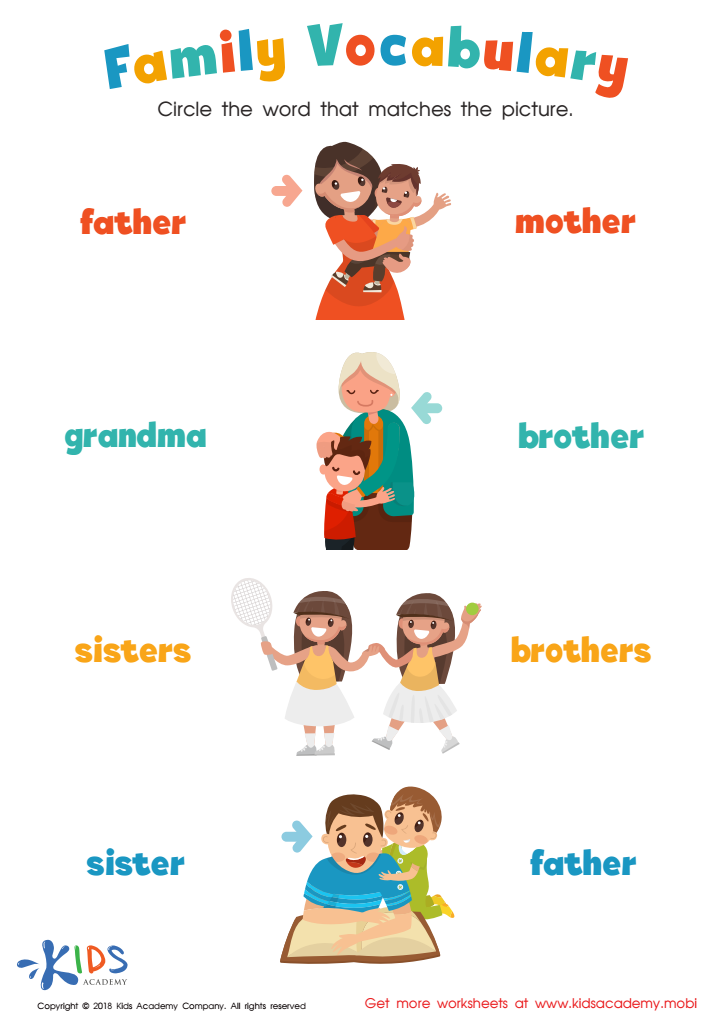
Family Vocabulary Worksheet
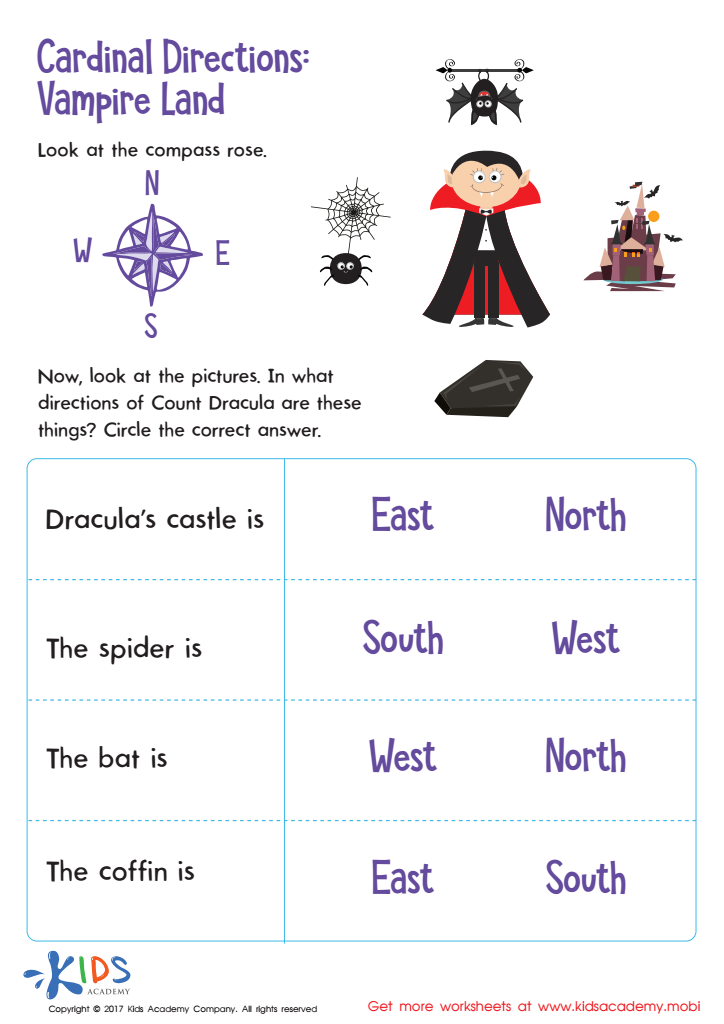
Cardinal Directions Printable
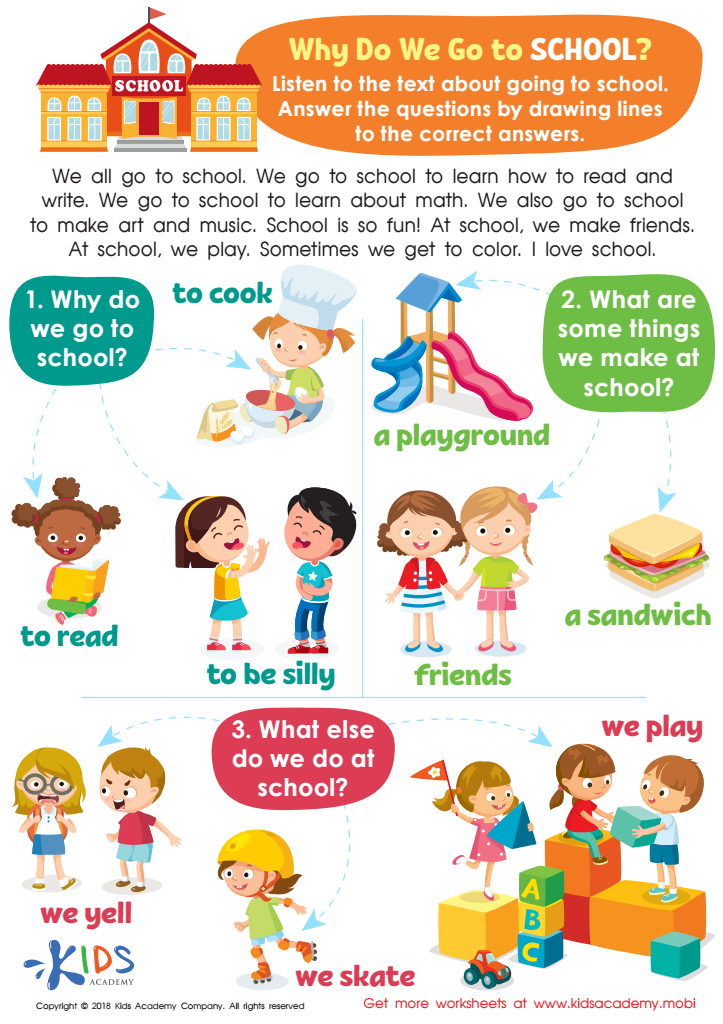
Why Do We Go To School? Worksheet
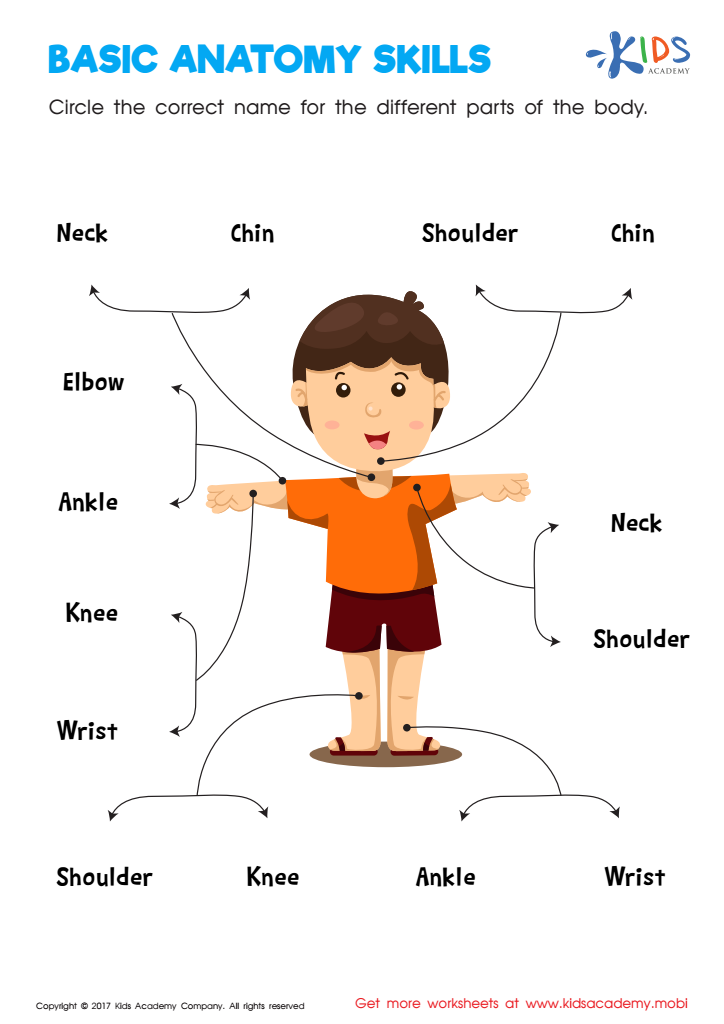
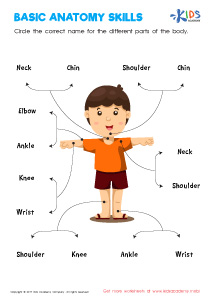
Basic Anatomy Skills Printable








Understanding the "Normal World Around Us" is essential for children ages 3-6 as it forms the foundation for their cognitive, social, and emotional development. During these early years, children are naturally curious and absorb information rapidly. Introducing them to the world around them helps to build language skills, as they learn the names and functions of objects, animals, and plants in their environment. It enriches their vocabulary and enhances their communication skills.
Moreover, it nurtures their inquisitiveness and encourages observational skills that are critical for problem-solving and critical thinking. When children interact with their environment, they understand basic concepts such as size, shape, color, and number, which aids in early mathematics and science learning.
Socially and emotionally, learning about the normal world fosters a sense of belonging and environmental stewardship. They begin to appreciate nature and understand community roles, which is crucial for developing empathy and social relationships. It helps children comprehend their place in the world, promoting a sense of security and confidence.
For parents and teachers, supporting this learning process by providing varied and rich experiences can lead to more well-rounded, intelligent, and empathetic individuals. Hence, prioritizing education about the normal world is vital for the holistic development of young children.