Normal Worksheets for Ages 3-7 - Page 56
1401 filtered results
-
From - To
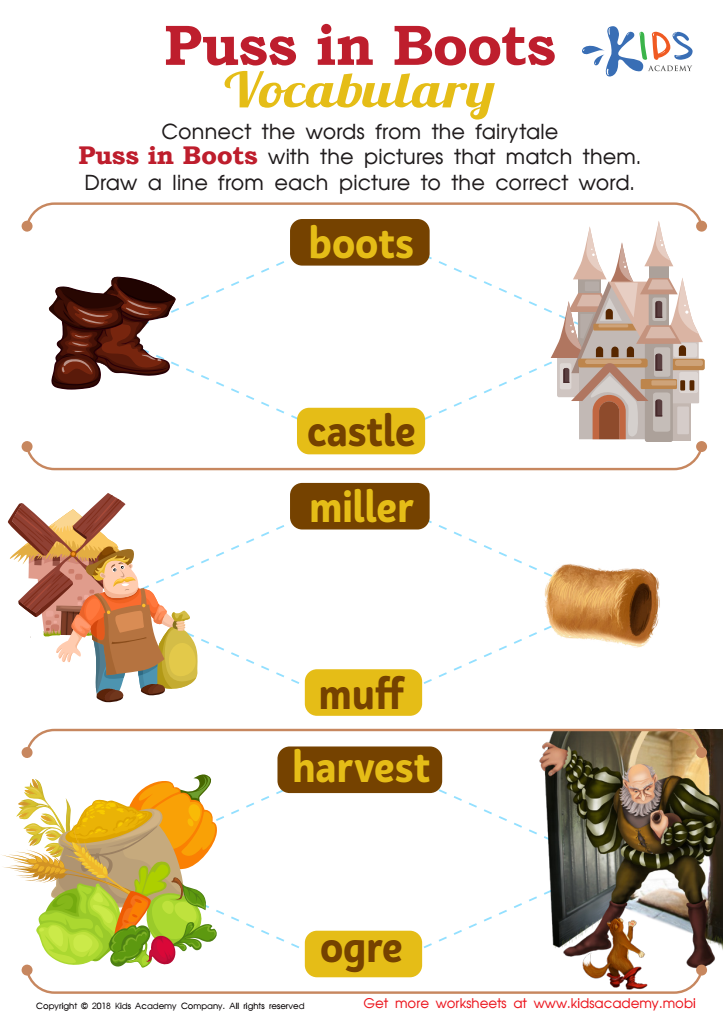
Puss in Boots Vocabulary Worksheet

Find 5 Worksheet
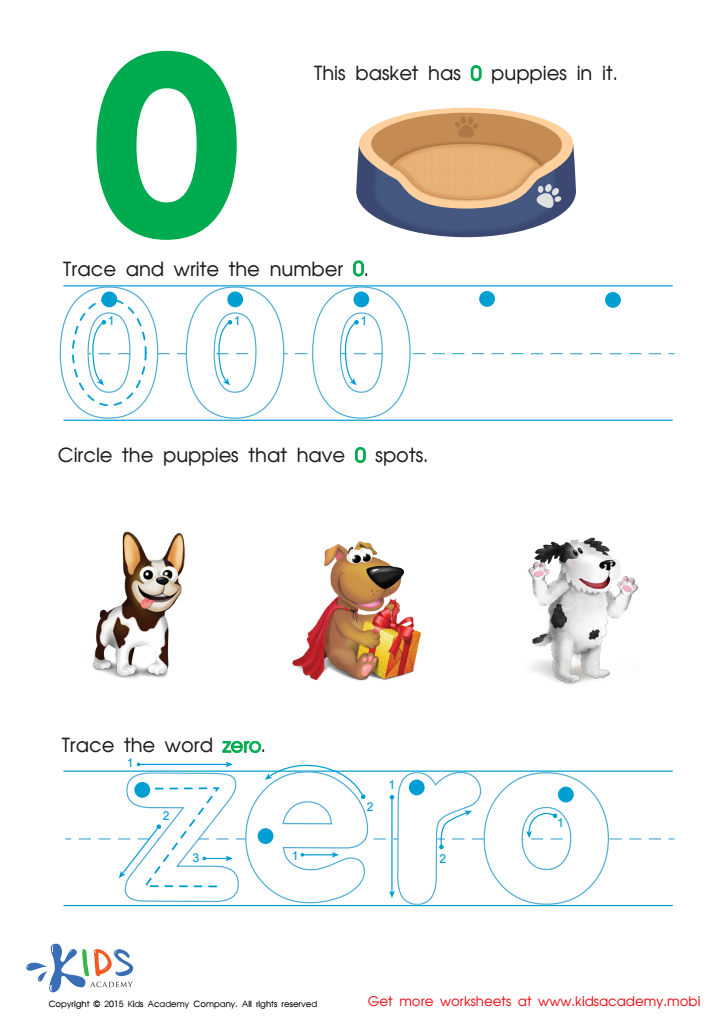
Trace And Write Number 0 Worksheet
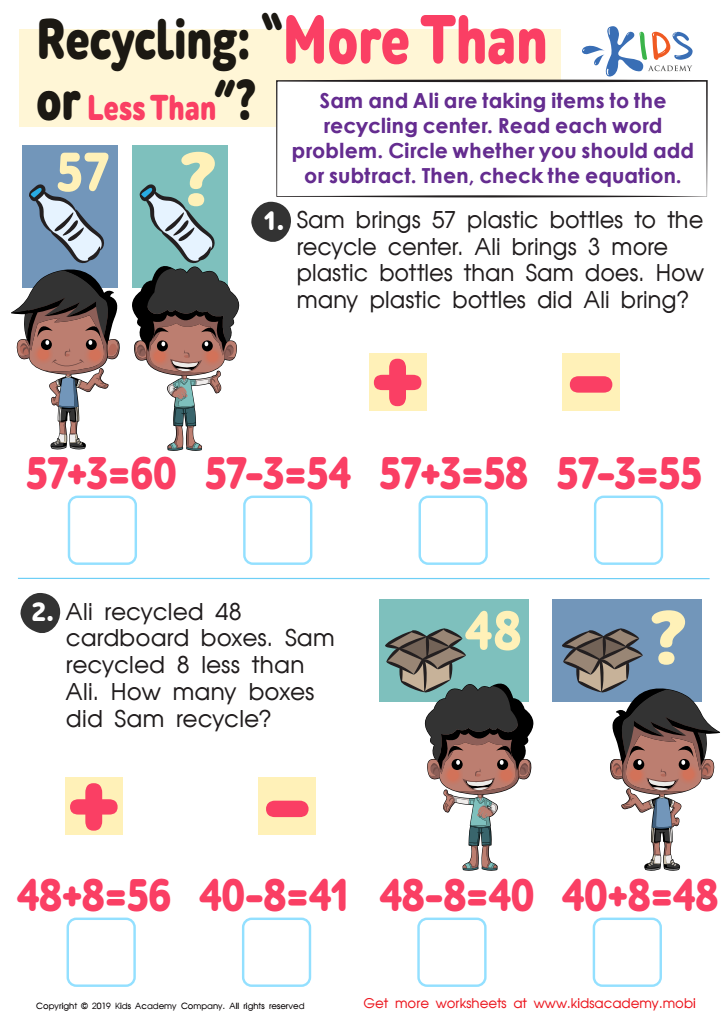
Recycling - More or Less Worksheet

Letter N Coloring Sheet
 Assign to My Students
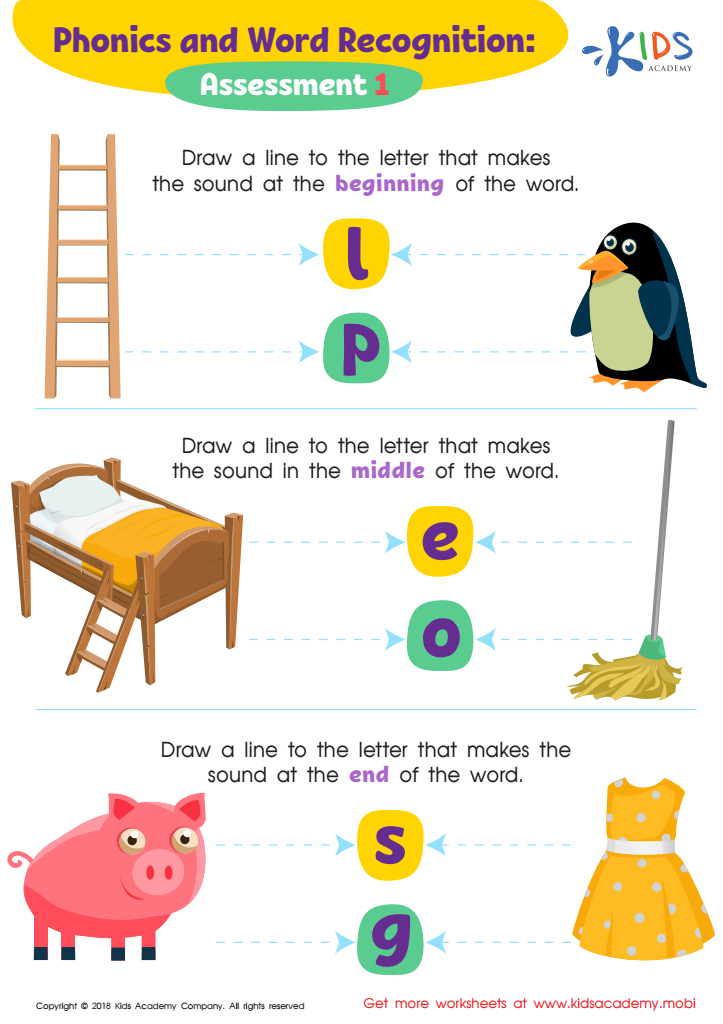
Phonics and Word Recognition: Assessment 1 ELA Worksheet
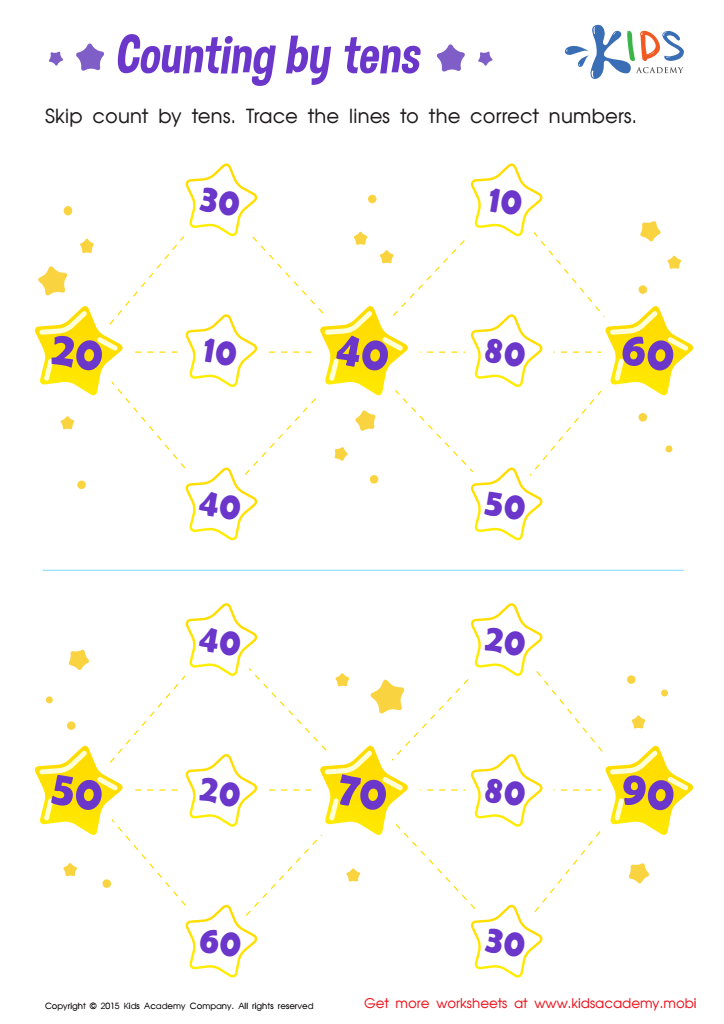
Learn Dozens: Counting by Tens Printable
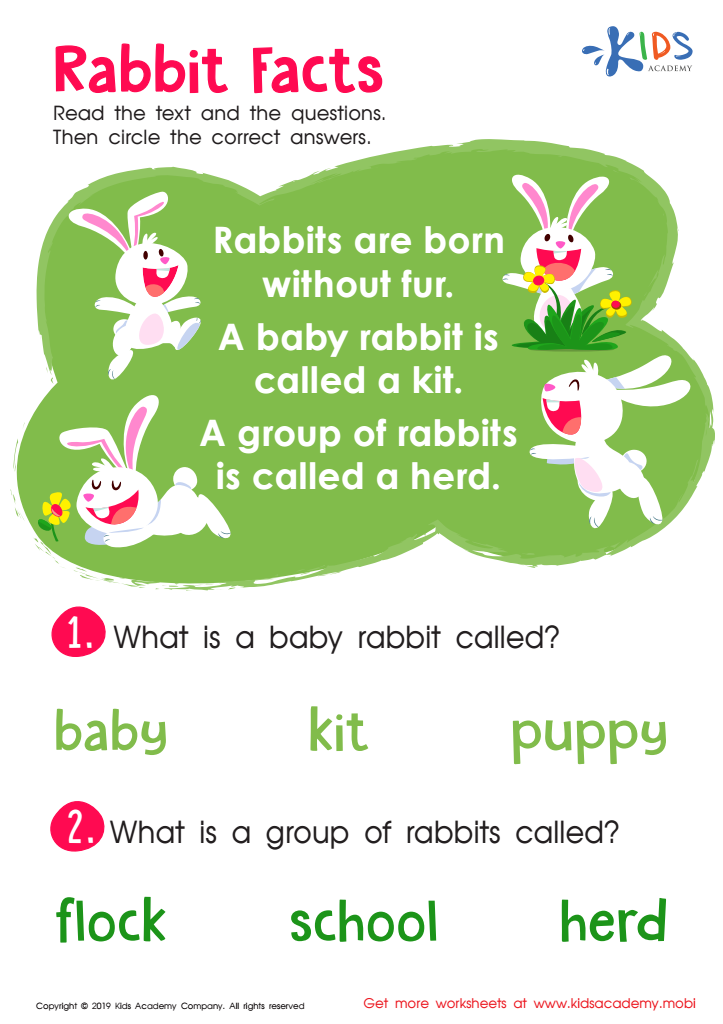
Rabbit Facts Worksheet
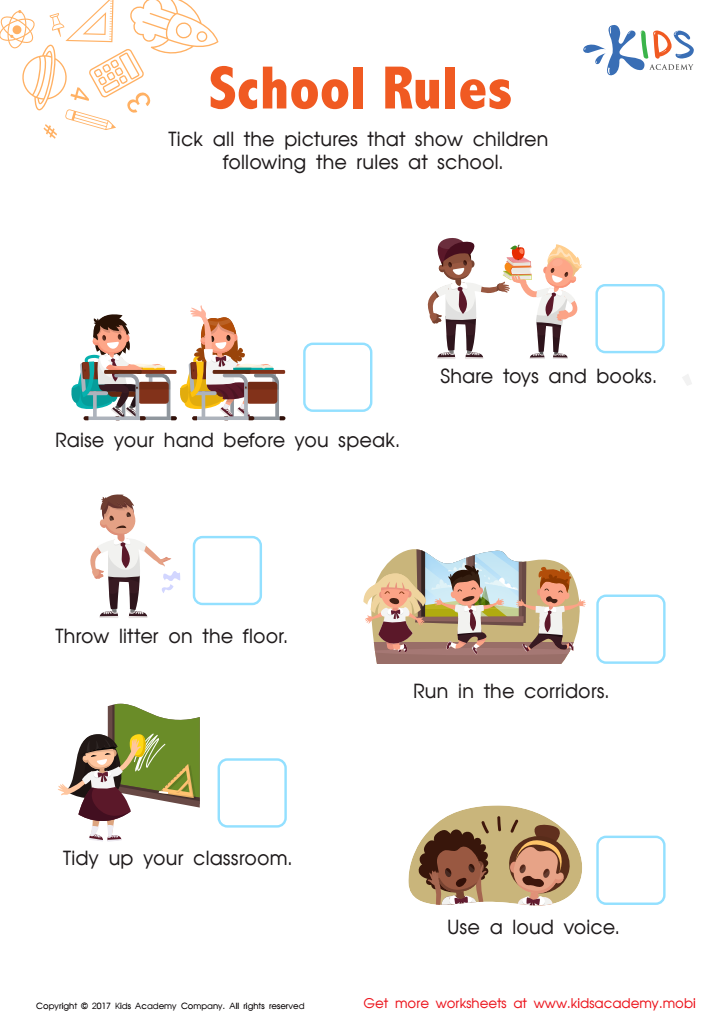
School Rules Worksheet
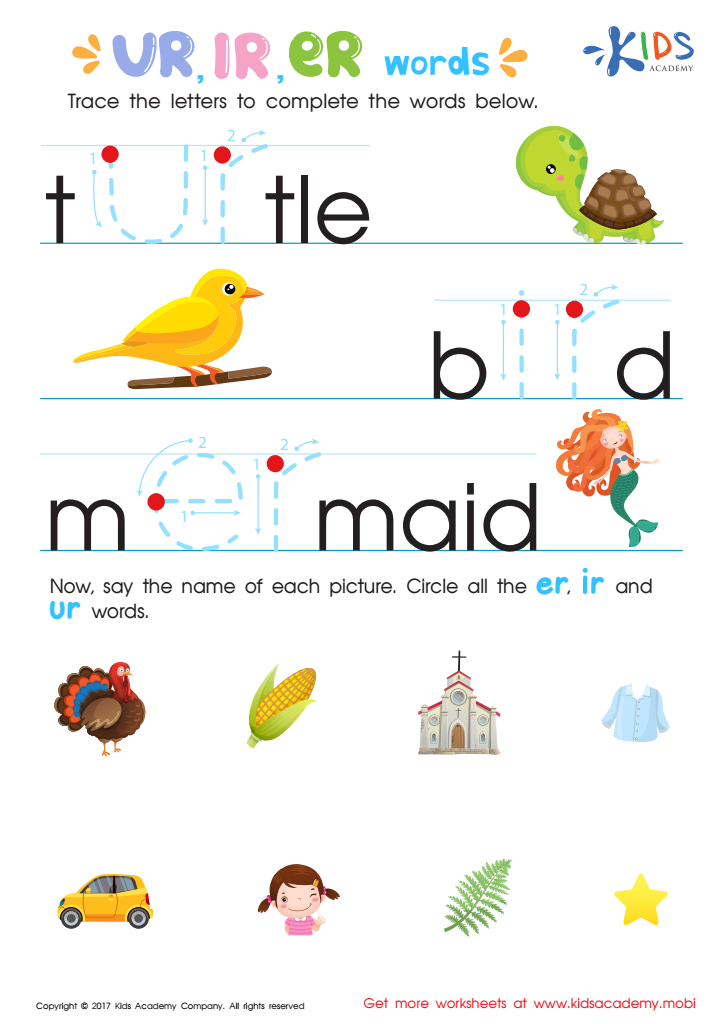
IR UR ER Words Worksheet
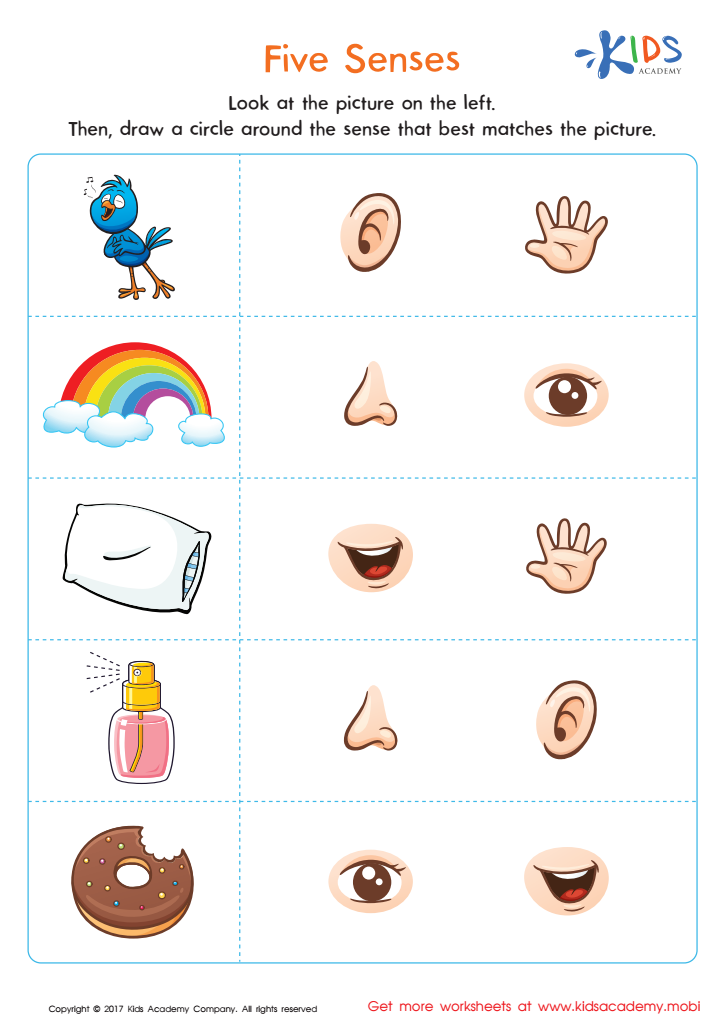
Five Senses Printable
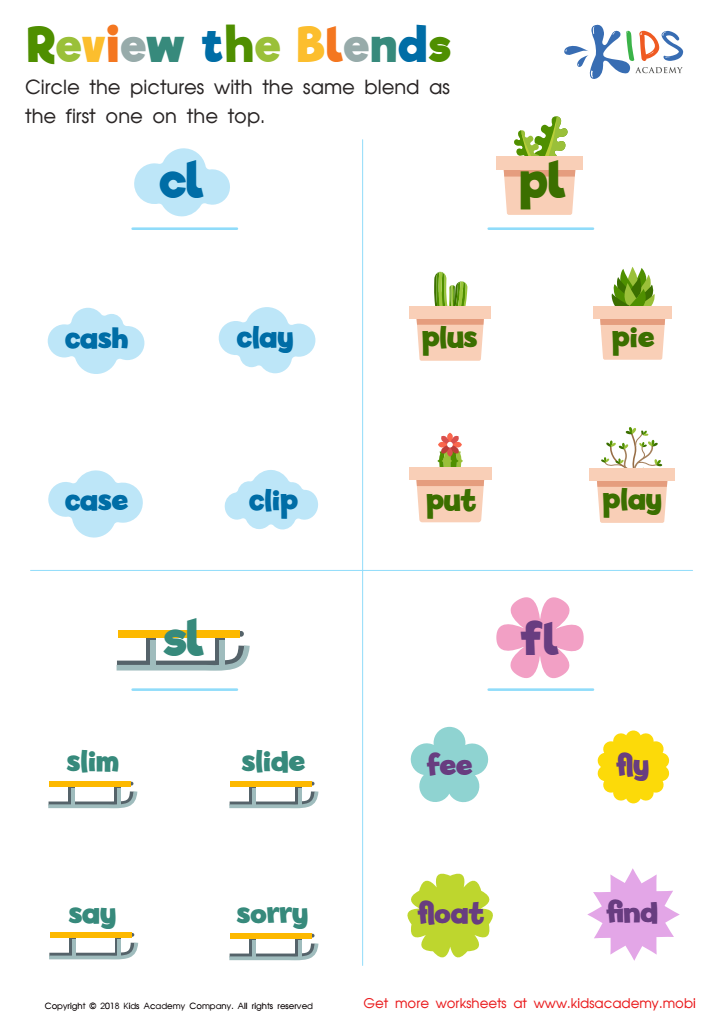
Review the Blends Worksheet
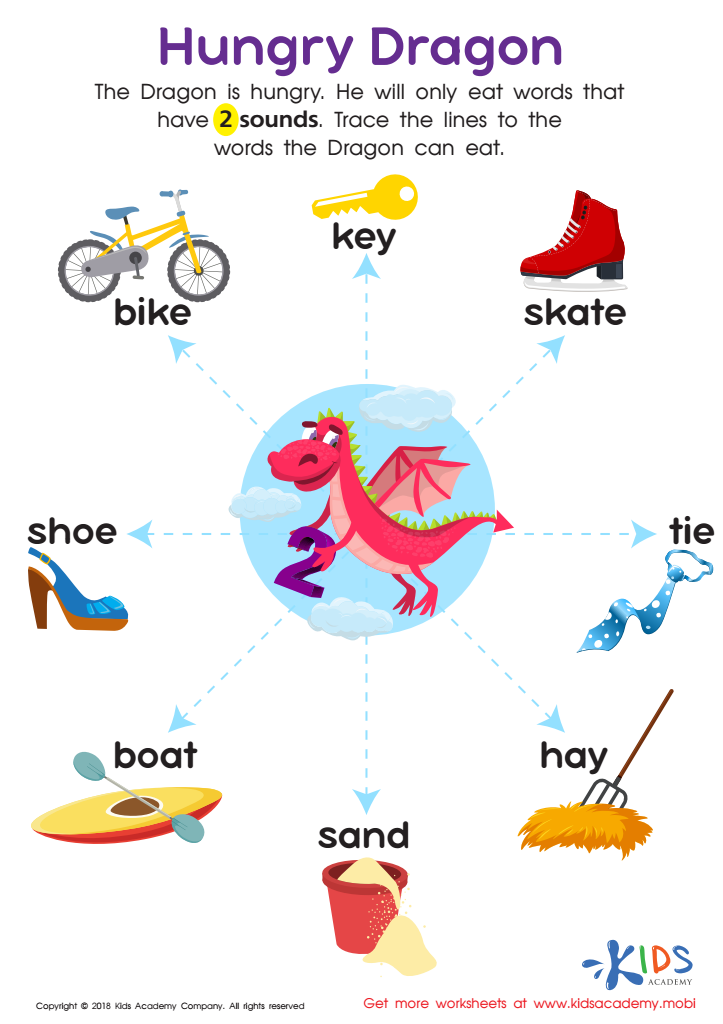
Hungry Dragon Worksheet
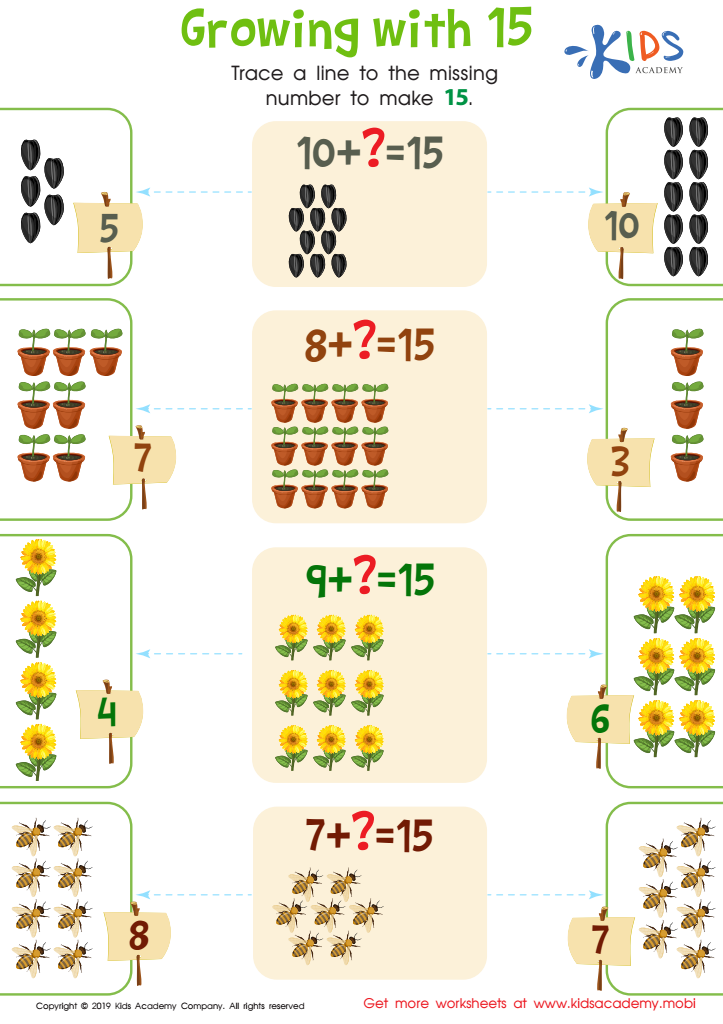
Growing with 15 Worksheet
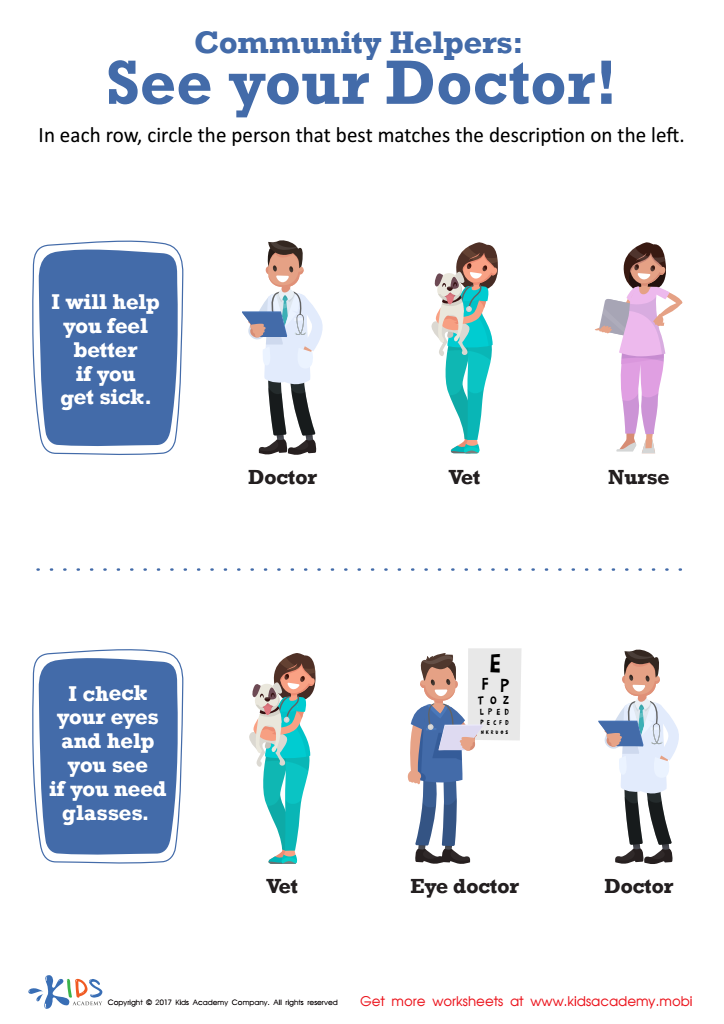
See Your Doctor (Part 1) Printable
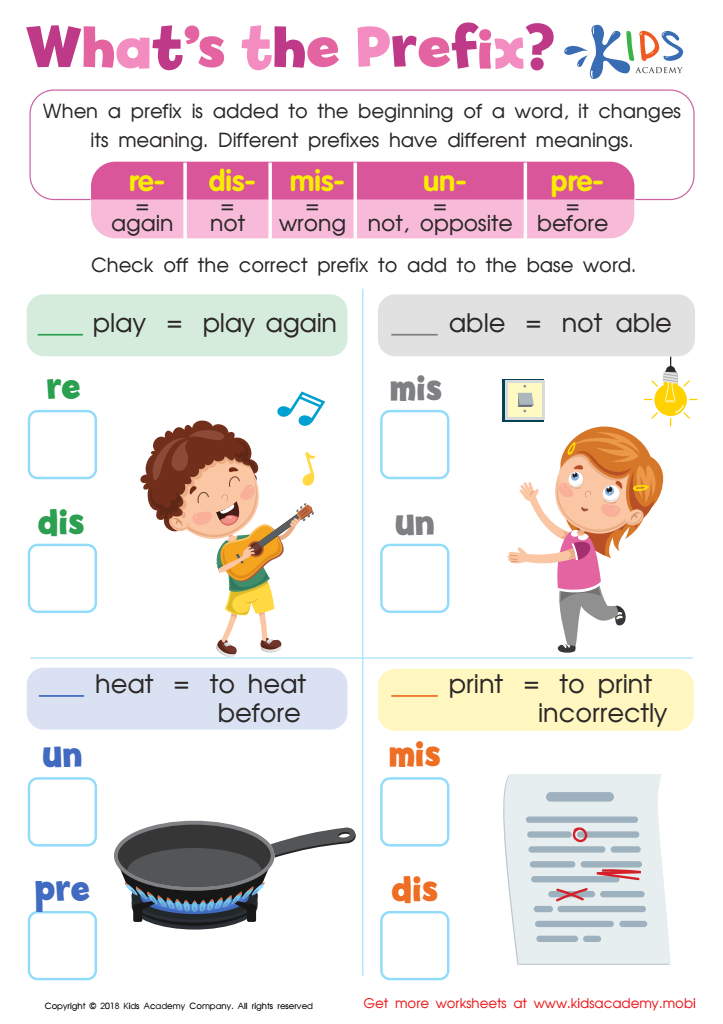
Reading: What Is the Prefix Worksheet
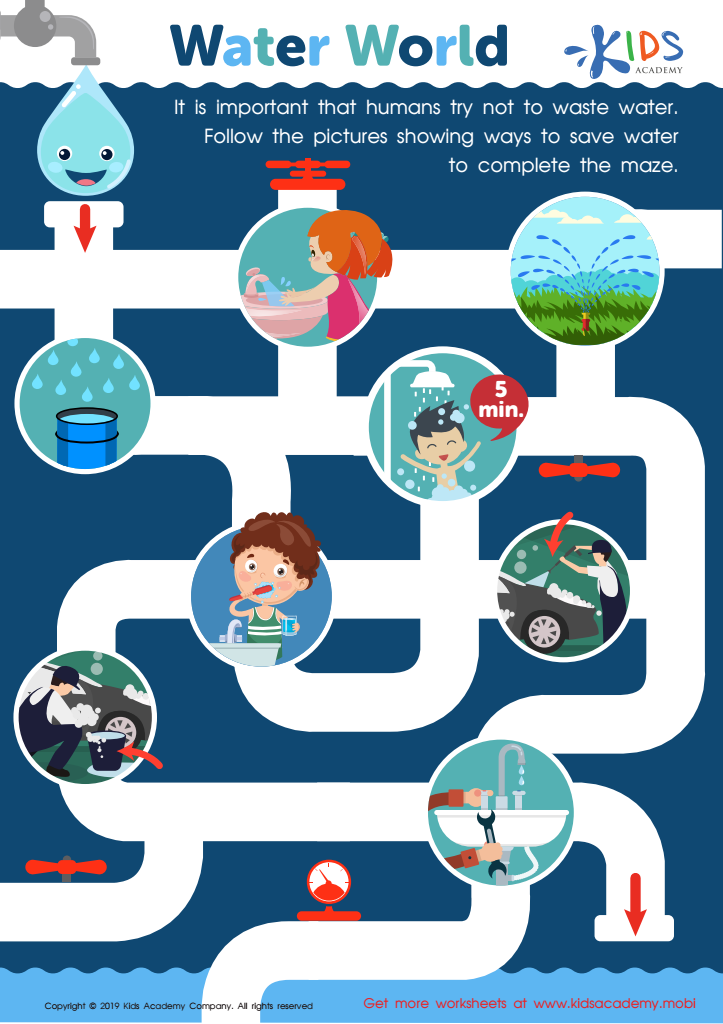
Water World Worksheet
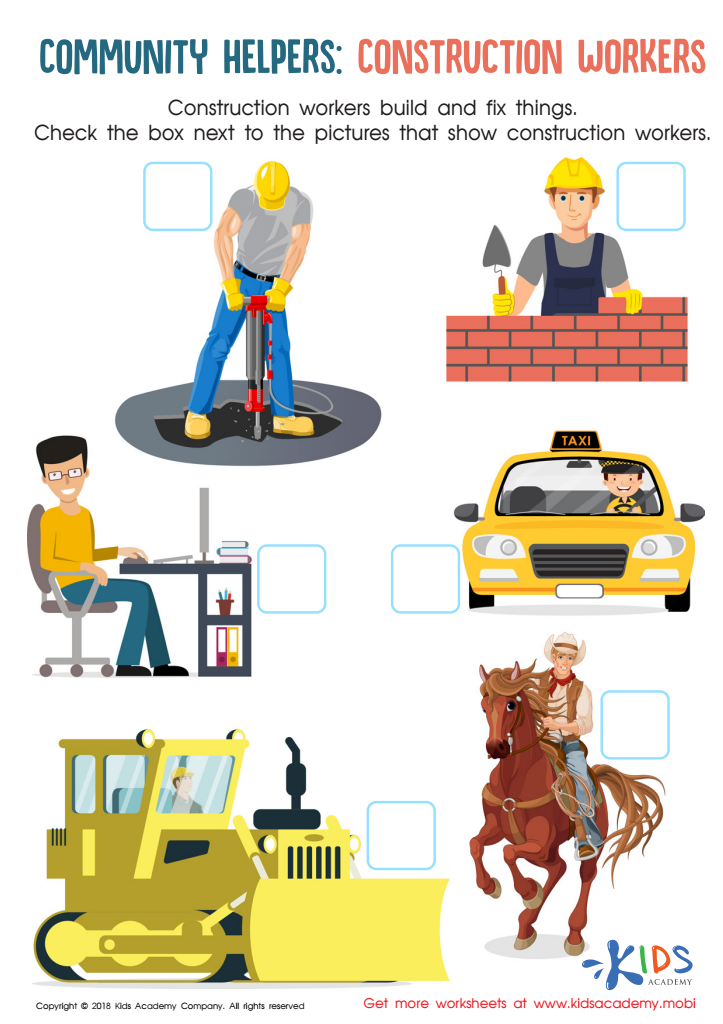
Construction Workers Community Helpers Worksheet
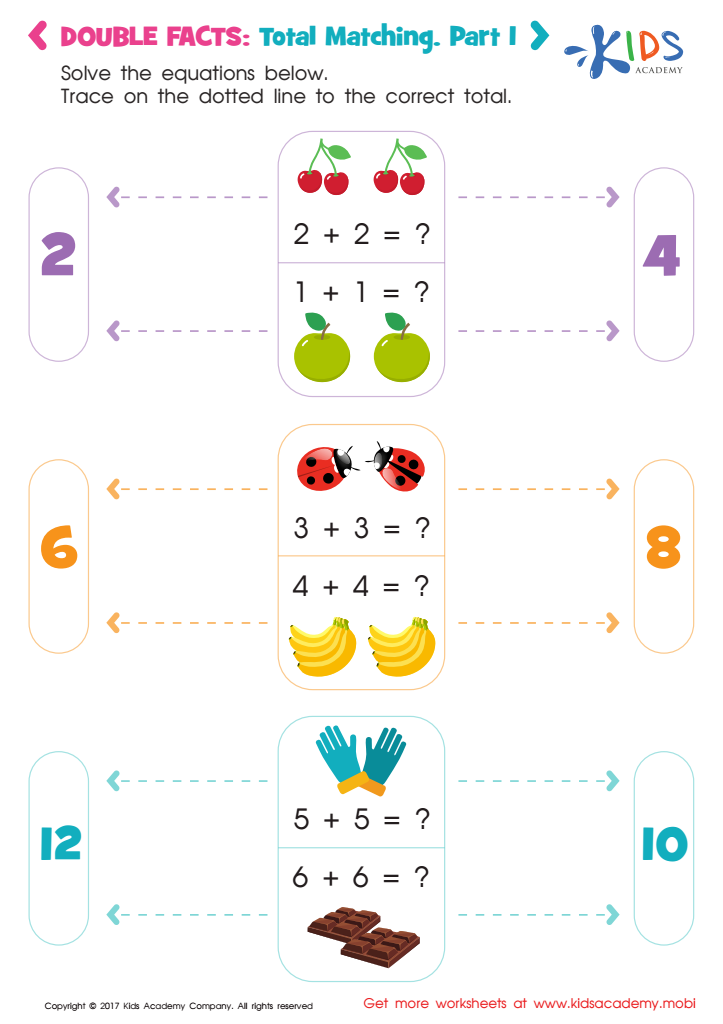
Double Facts: Total Matching Worksheet: Part 1


Astronaut Coloring Page
Assign to My Students

Story Elements Printable
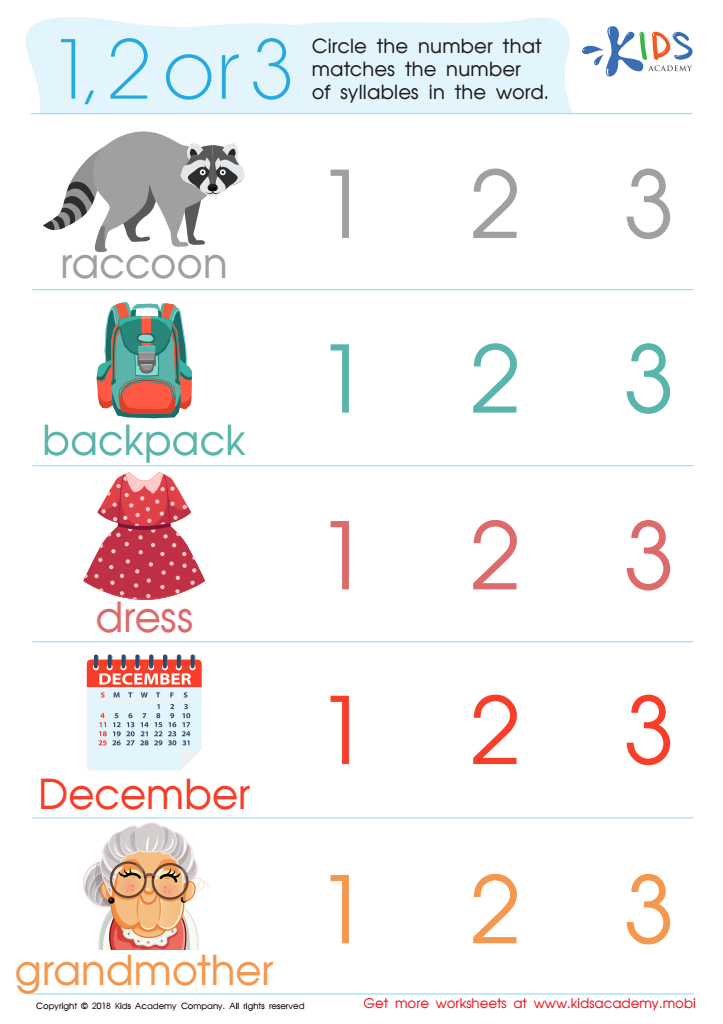
1, 2 or 3? Worksheet
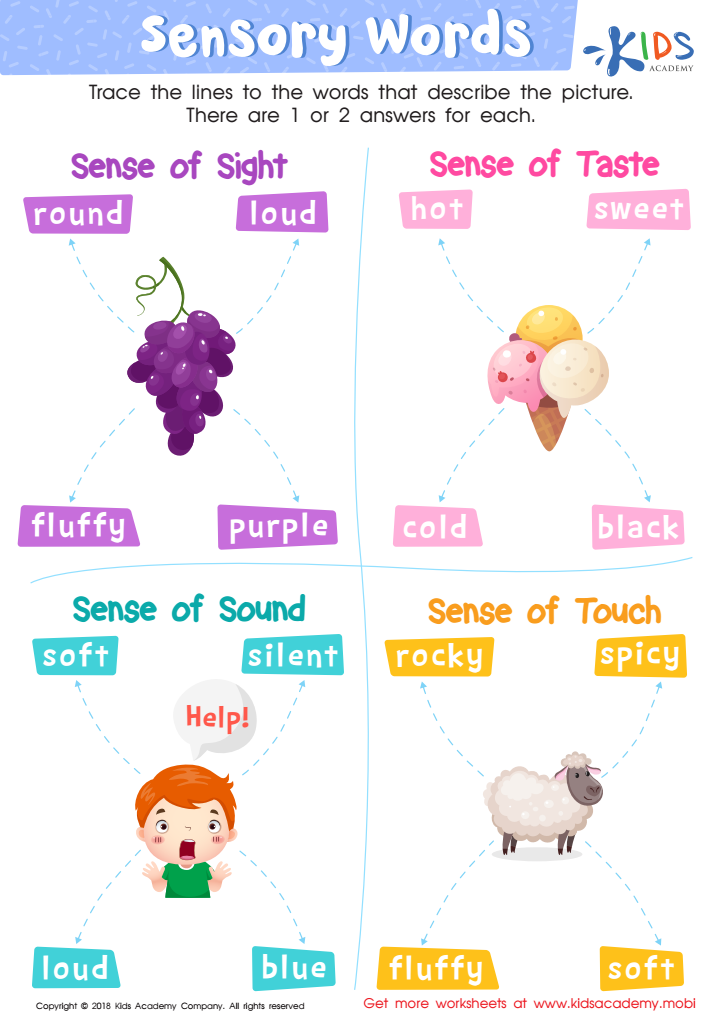
Sensory Words Worksheet








Normal child development is crucial for ages 3-7 because it lays the foundation for future learning, behavior, and health. During this period, children undergo significant physical, cognitive, social, and emotional changes. Understanding what constitutes normal development helps parents and educators spot any potential delays or issues early on, enabling timely intervention.
For parents, knowing what to expect developmentally can guide them in providing appropriate support and stimulation, such as reading with their child, encouraging play, and fostering social interactions. This preparation can help children develop key skills like language, fine and gross motor abilities, and emotional regulation.
Teachers play a pivotal role in observing children's development within a structured environment, where they can compare a child's progress to typical developmental milestones. By recognizing normal variations and potential red flags, teachers can adapt their instructional strategies to meet individual needs, ensuring that each child has the best chance to succeed academically and socially.
Moreover, promoting normal development in the early years builds a strong foundation for future educational pursuits and helps children develop a positive attitude toward learning. Therefore, understanding and nurturing development from ages 3-7 is essential for fostering well-rounded, confident, and capable individuals.








