Normal Alphabet Worksheets for Ages 3-7 - Page 2
262 filtered results
-
From - To
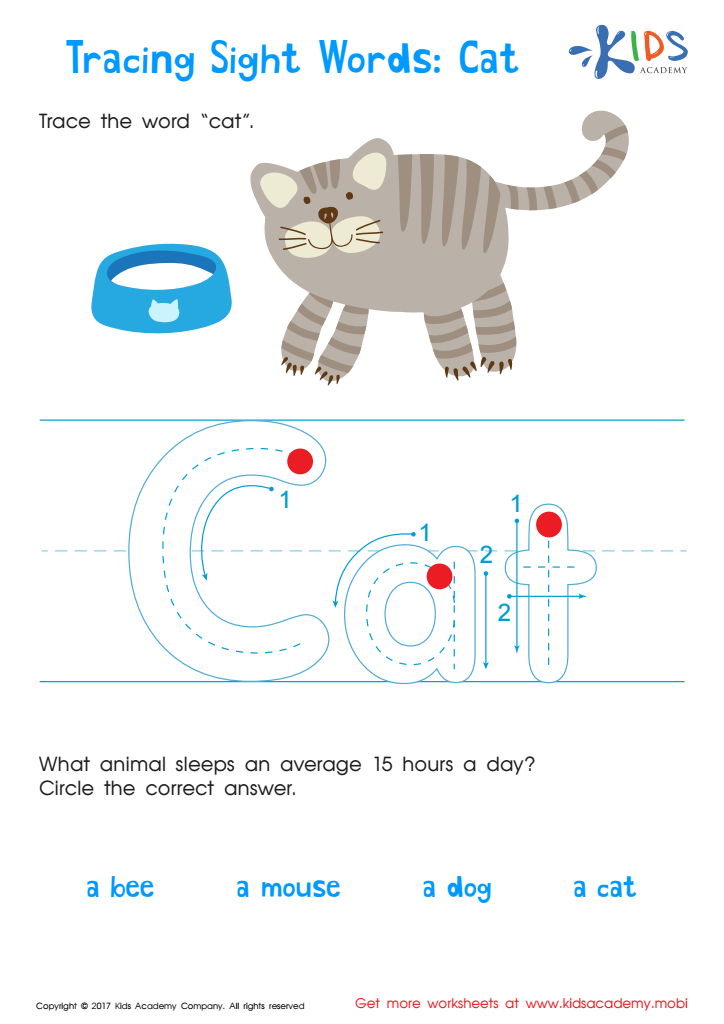
Cat Printable Sight Words Worksheet
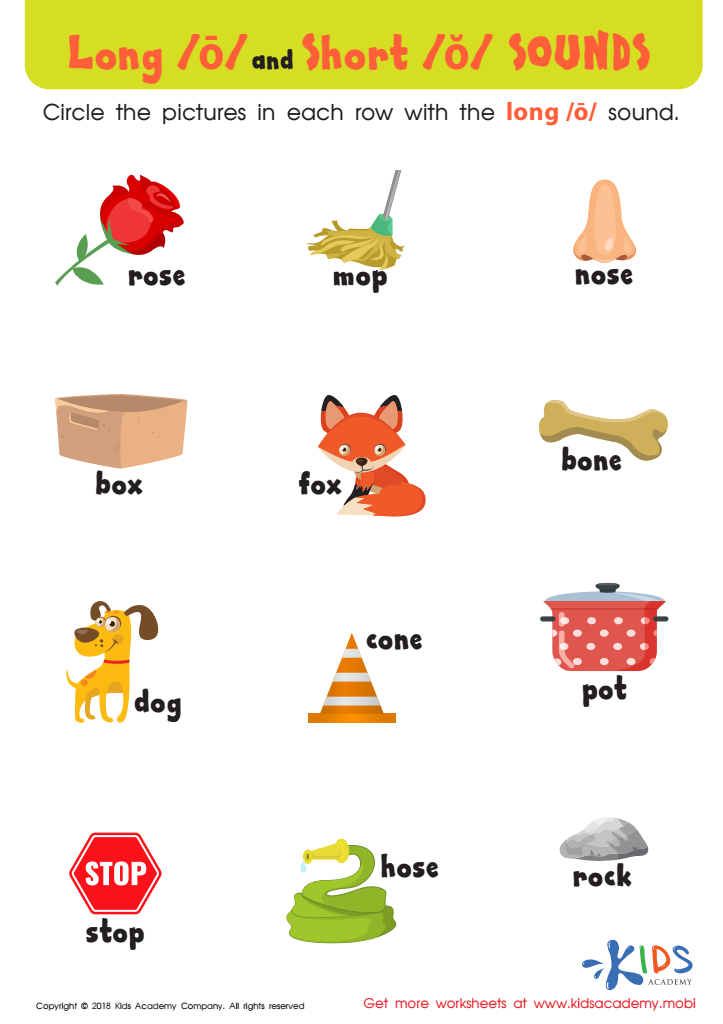
Reading: Long O and Short O Sounds Worksheet
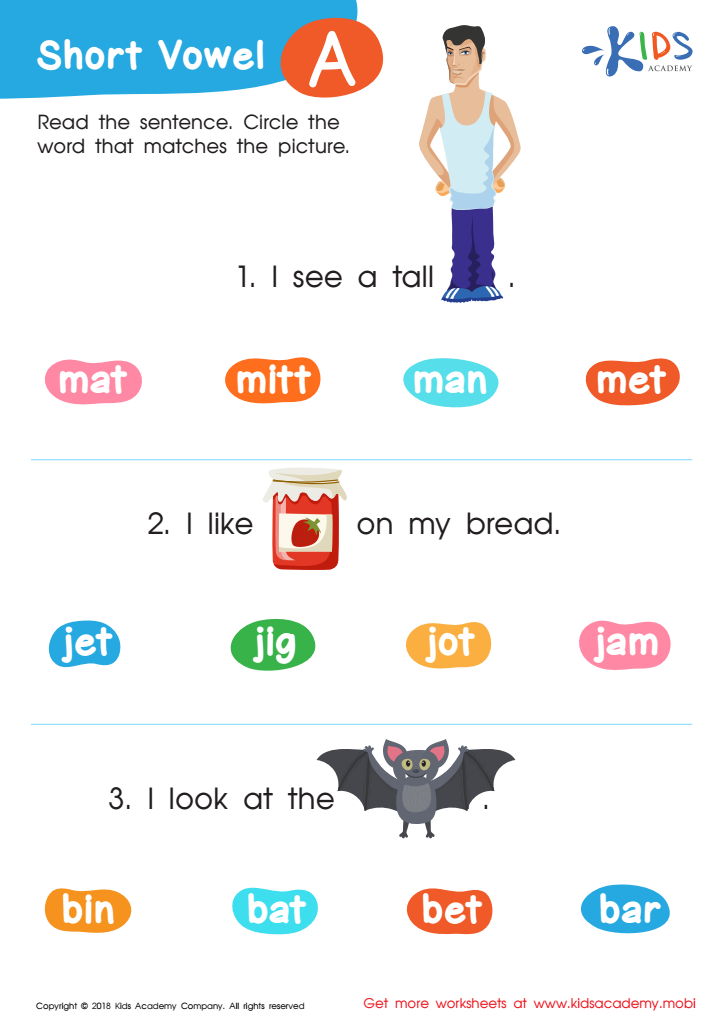
Short Vowel /a/ Worksheet
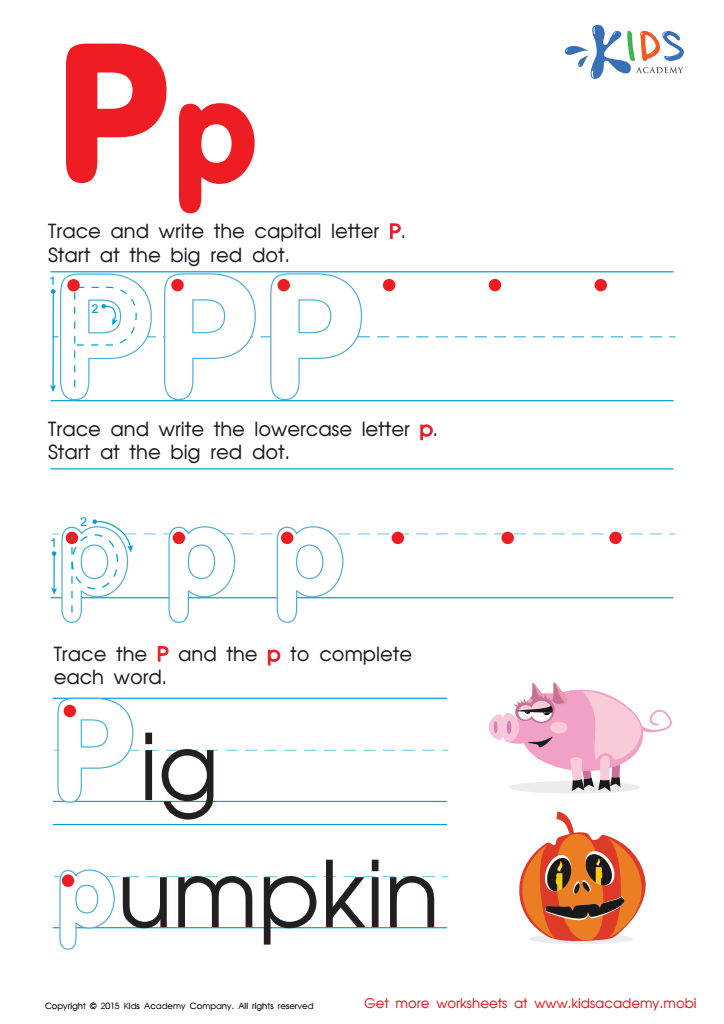
Letter P Tracing Page
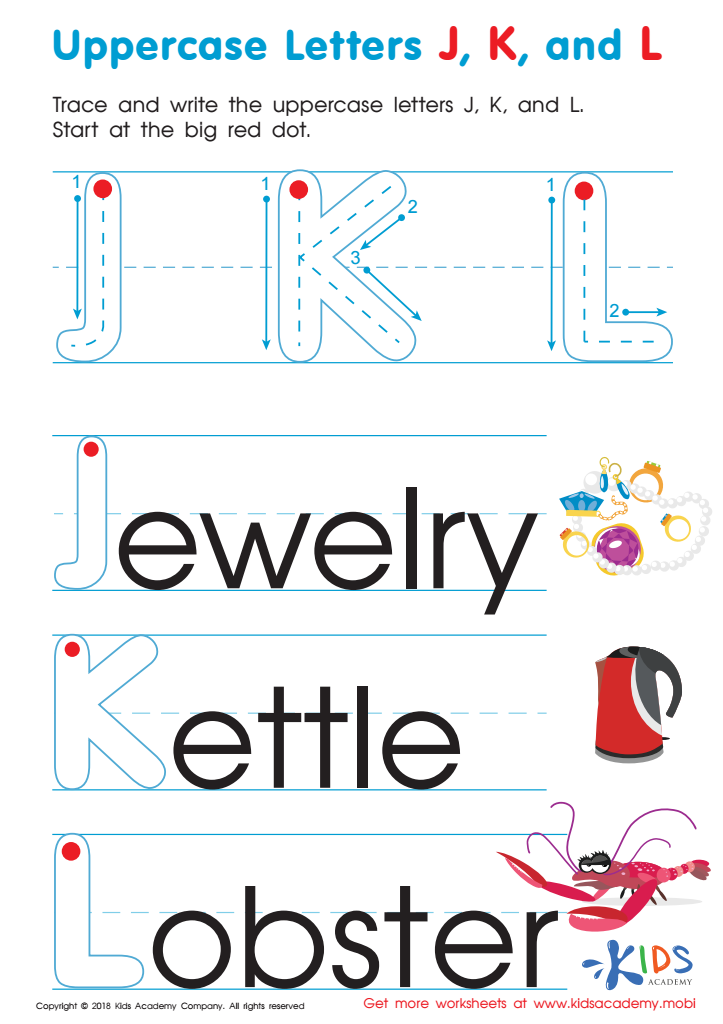
Uppercase Letters J, K, and L Worksheet
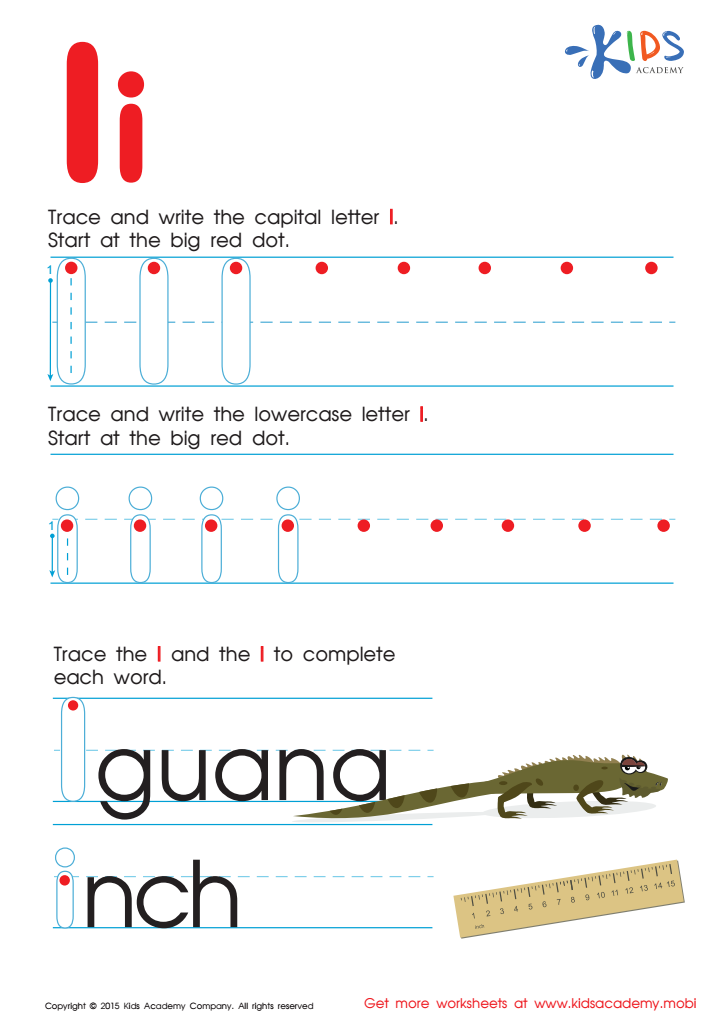
Letter I Tracing Page
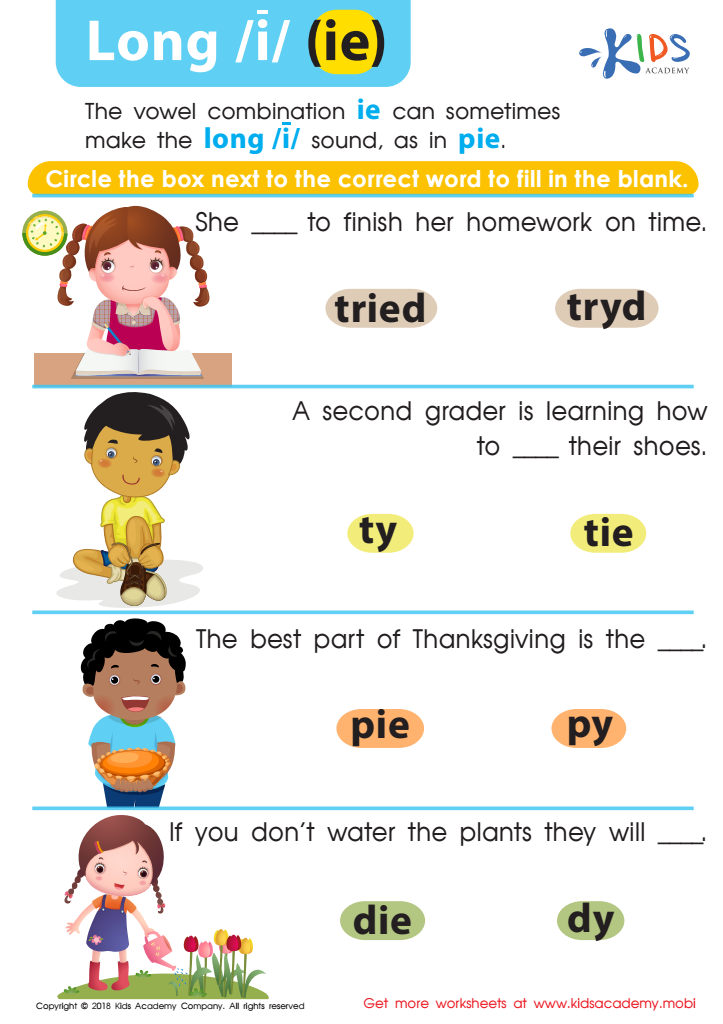
Reading: Long I and IE Worksheet
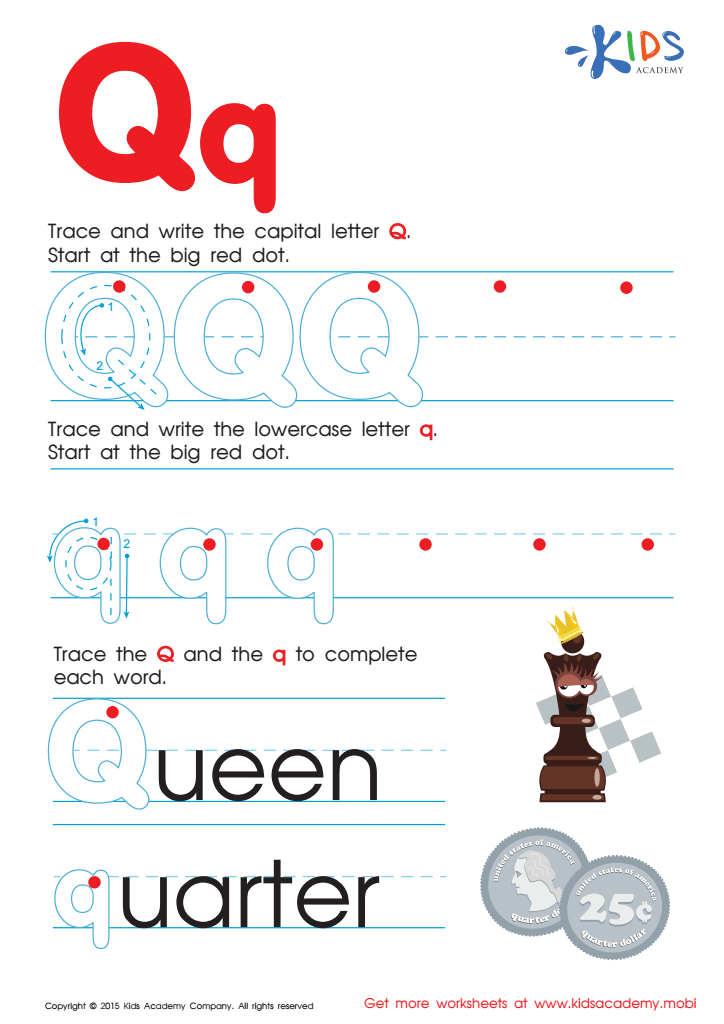
Letter Q Tracing Page
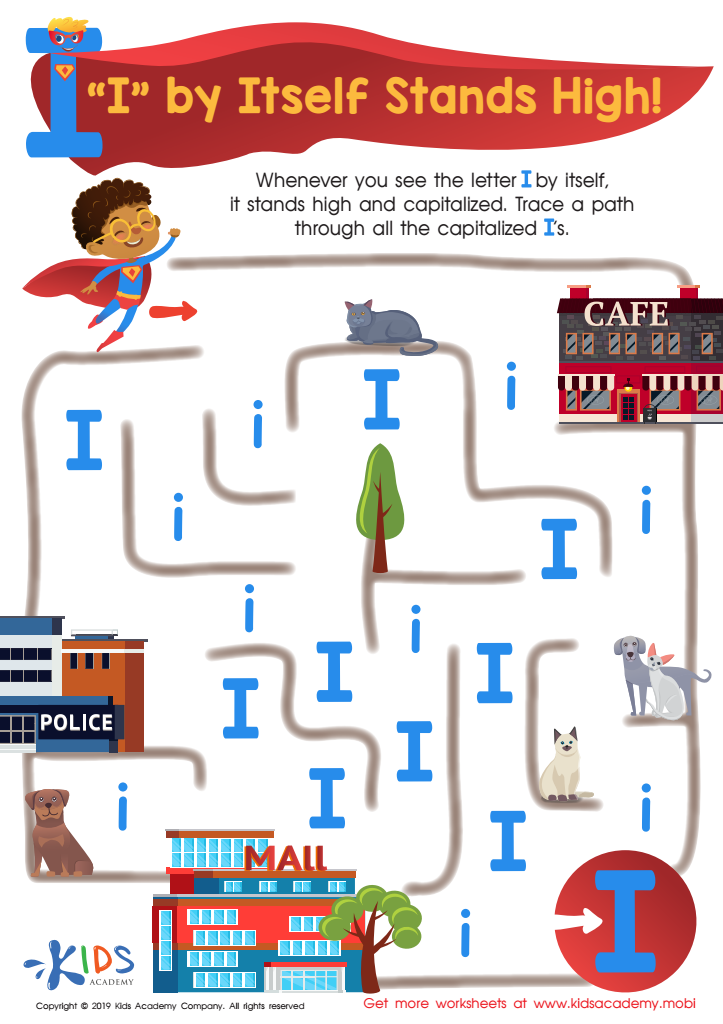
I Stands High Worksheet
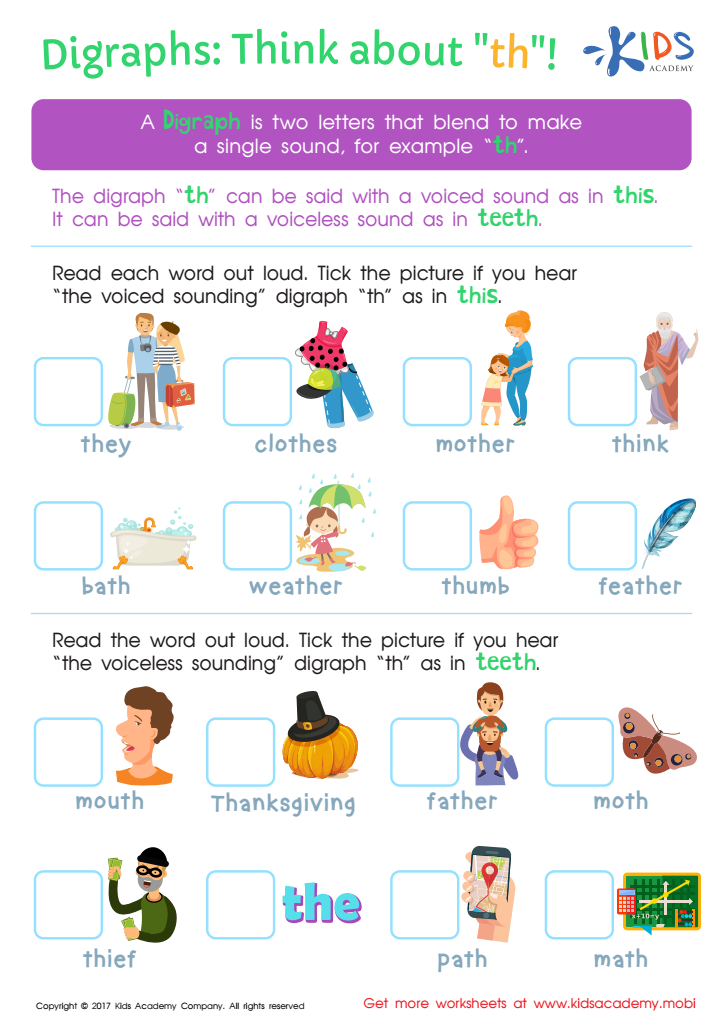
Digraphs: Think About "th" Worksheet
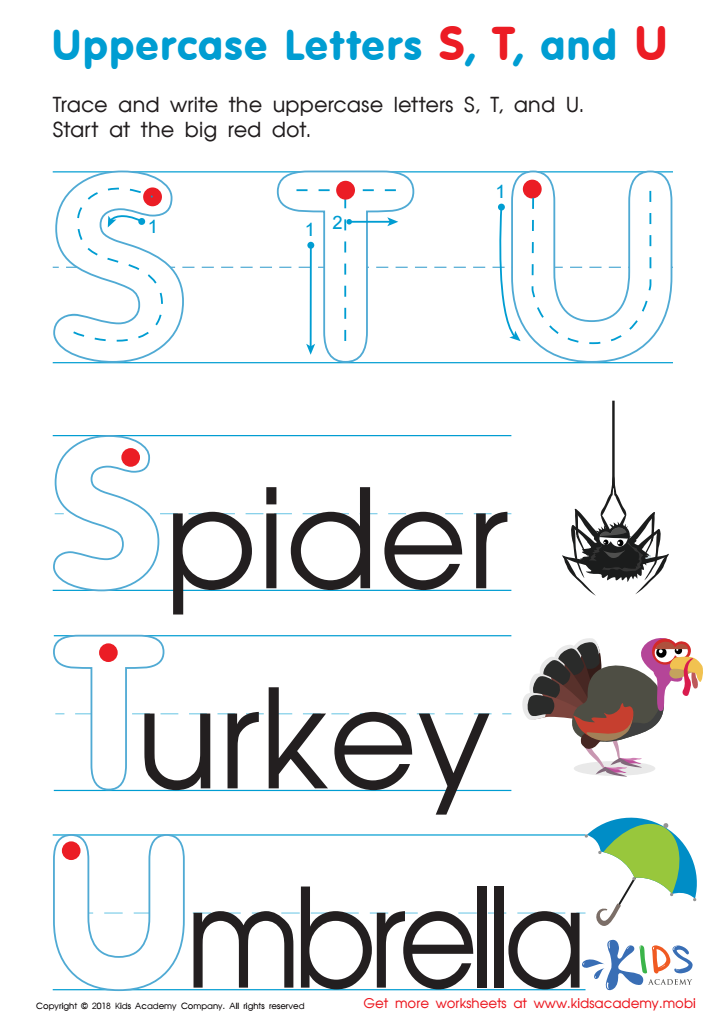
Uppercase Letters S, T, and U Worksheet
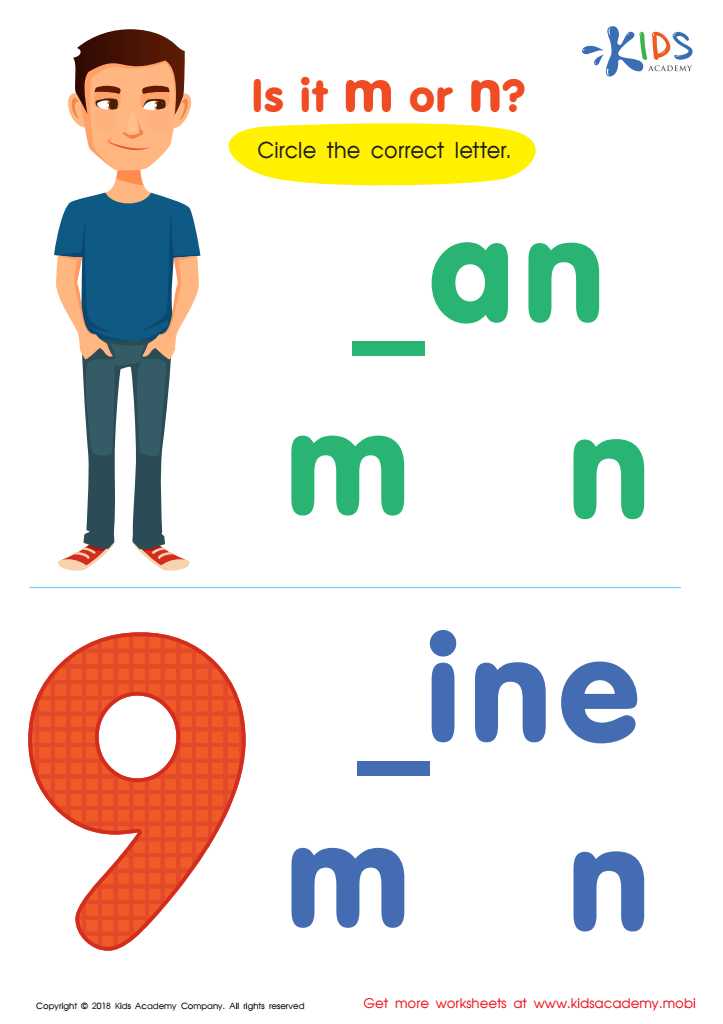
Is It m or n? Worksheet
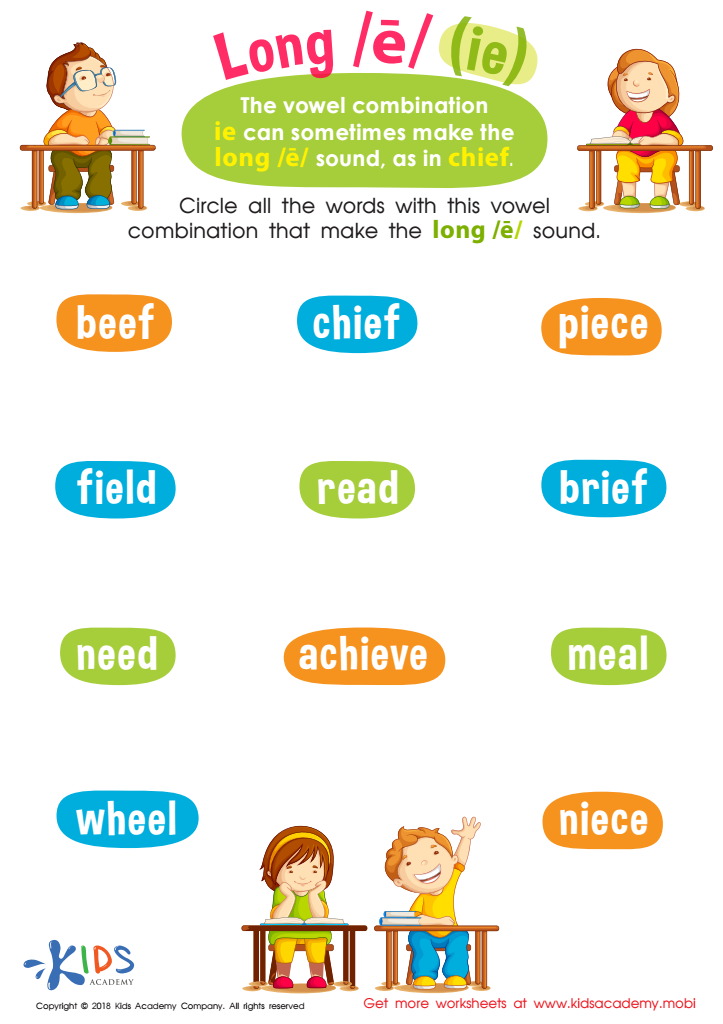
Reading: Long E and IE Worksheet
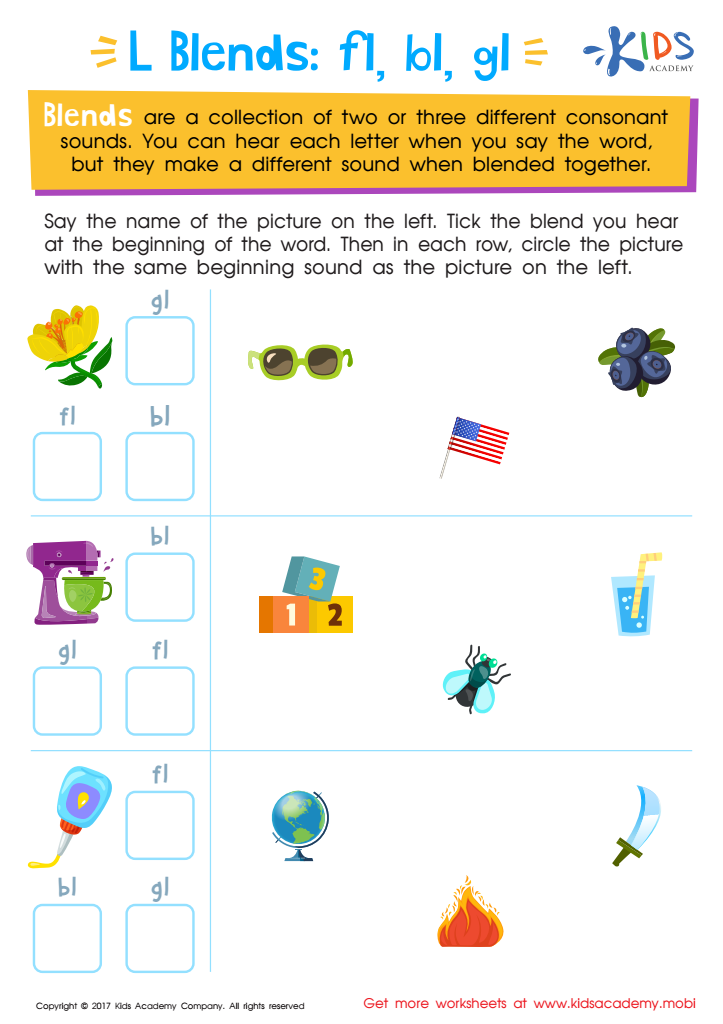
Blending Consonants: "Fl", "Bl" and "Gl" Printable
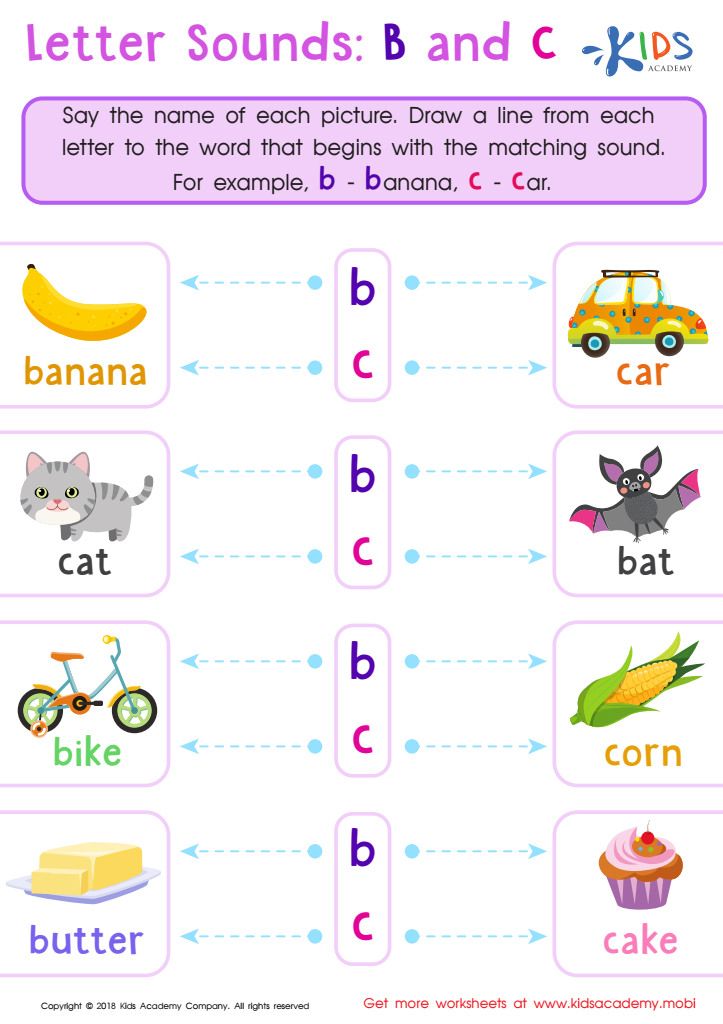
Letter B and C Sounds Worksheet
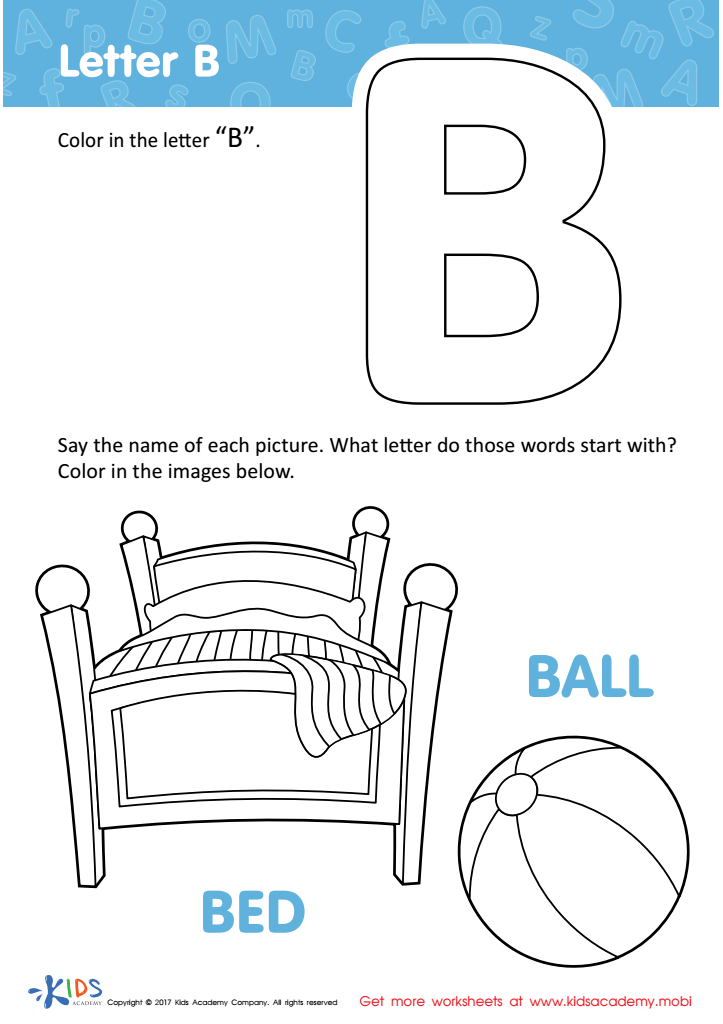
Letter B Coloring Sheet
 Assign to My Students
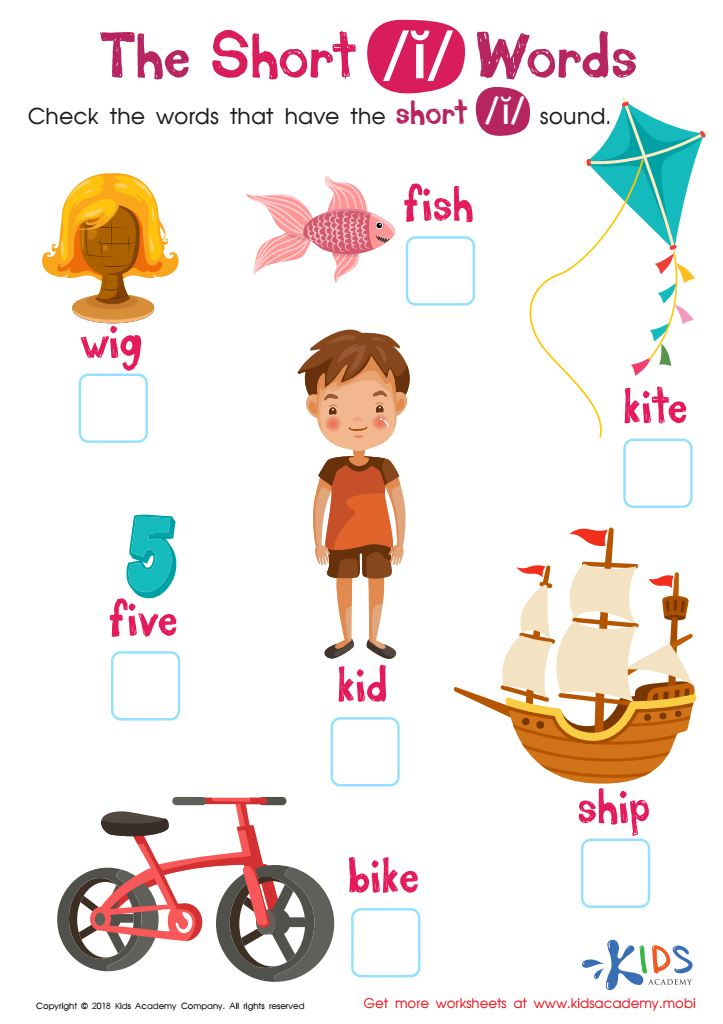
The Short I Words Reading Worksheet
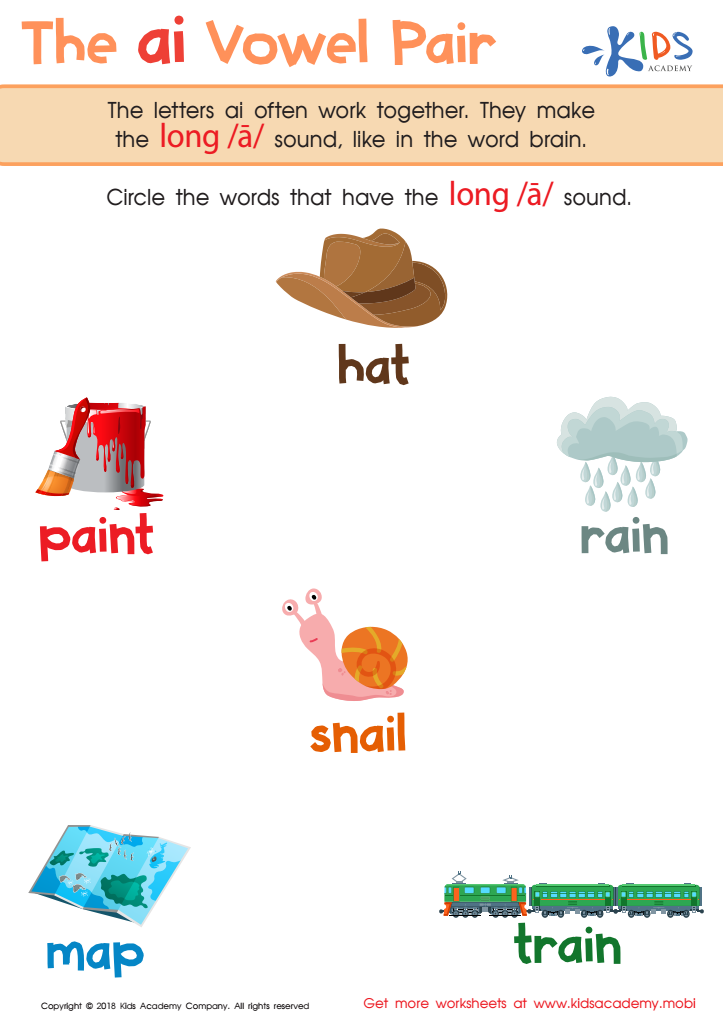
The AI Vowel Pair Worksheet
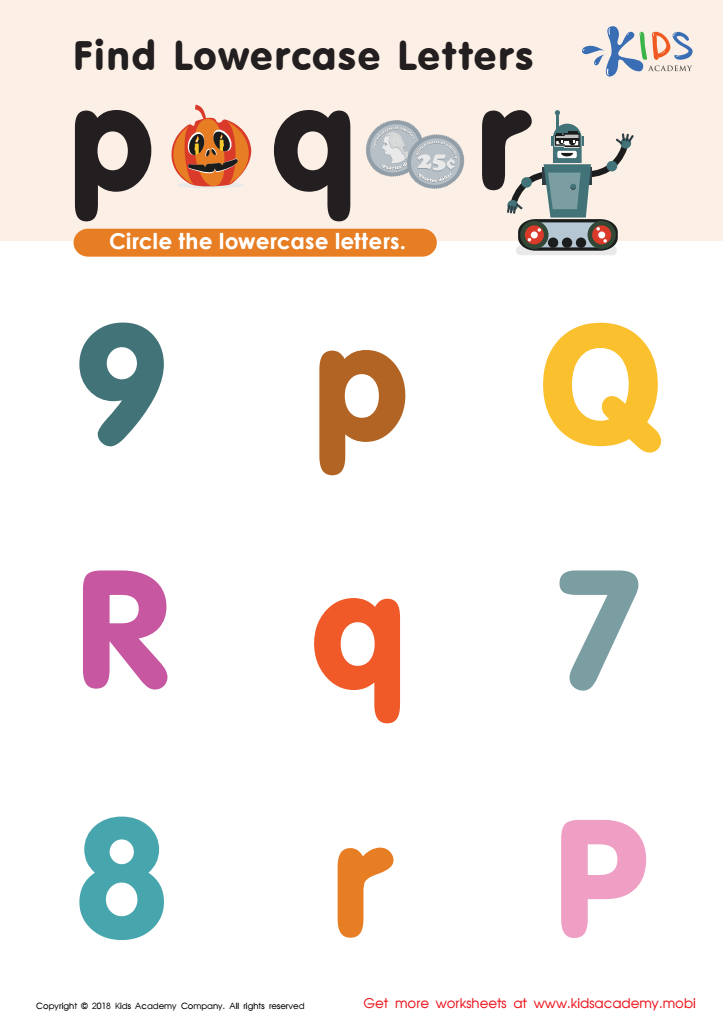
Find lowercase Letters p q r Worksheet
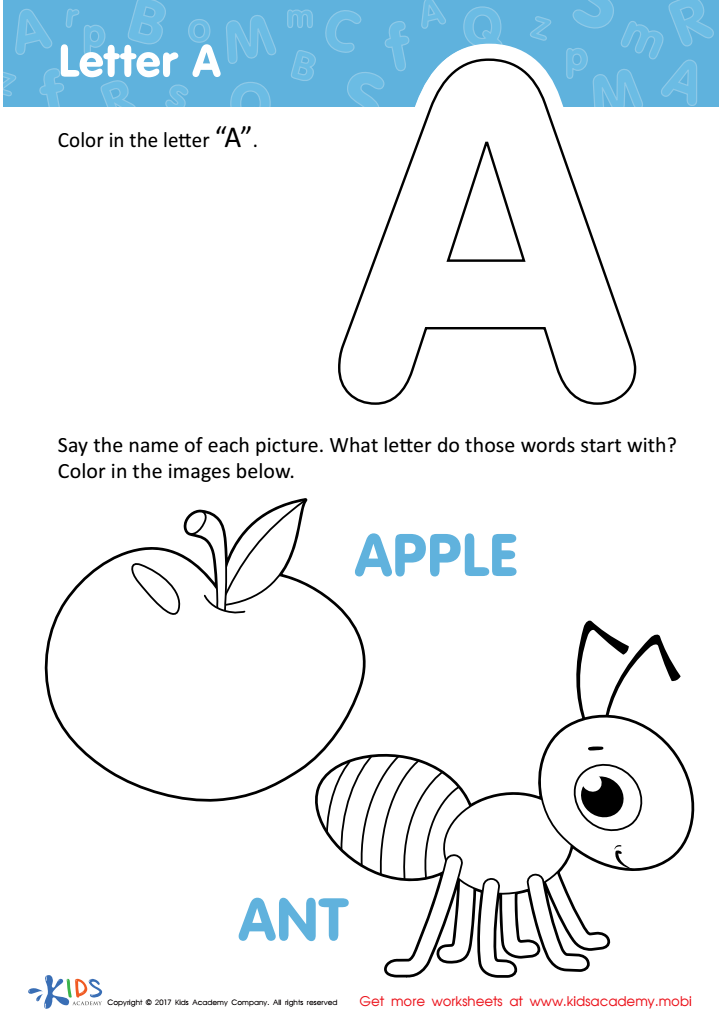
Letter A Coloring Sheet
Assign to My Students
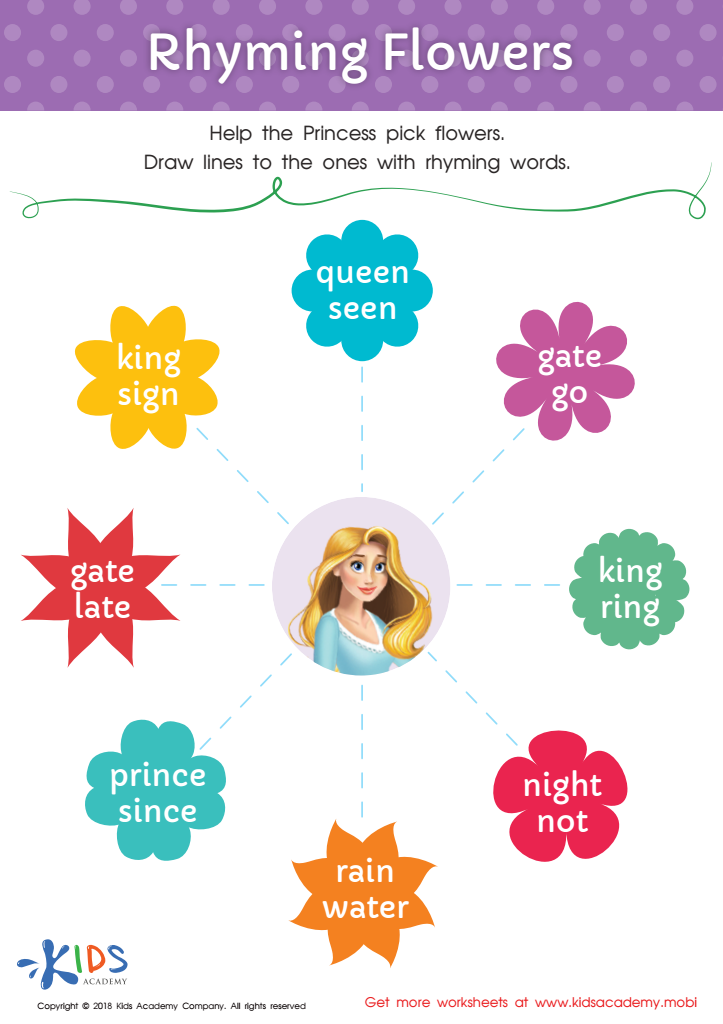
Rhyming Flowers Worksheet
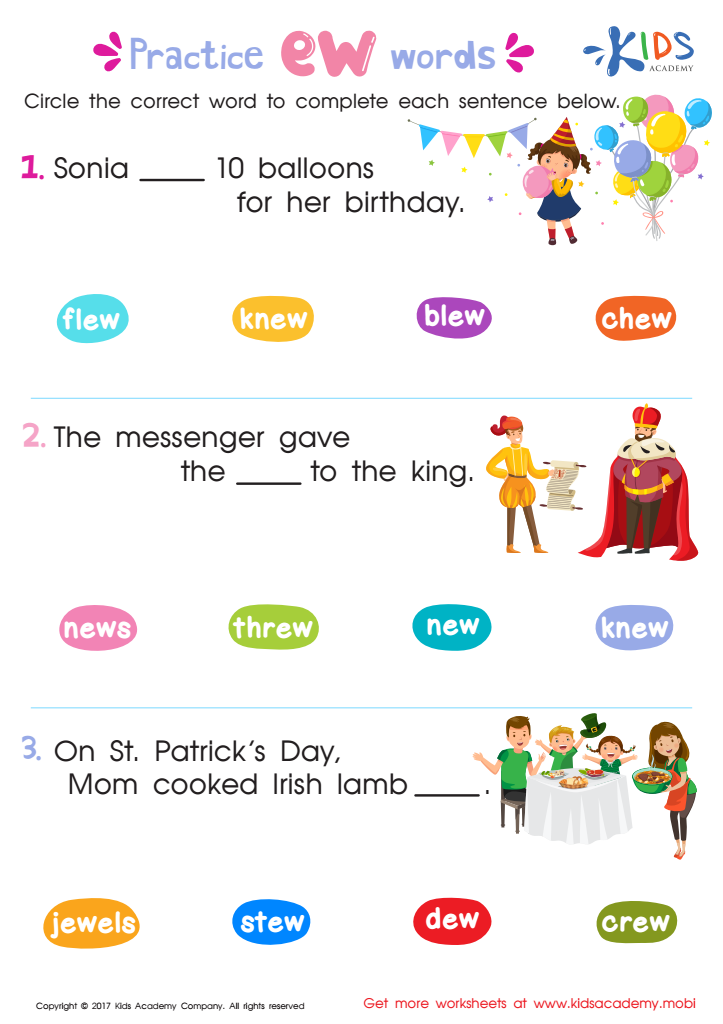
EW Words Worksheet
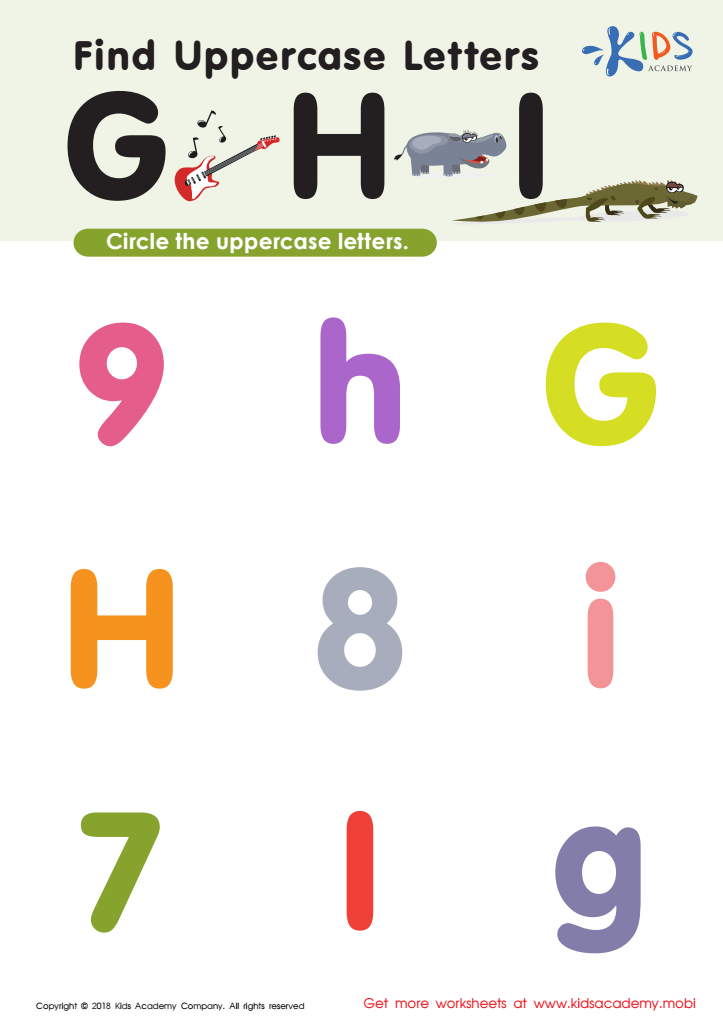
Find Uppercase Letters G, H, and I Worksheet
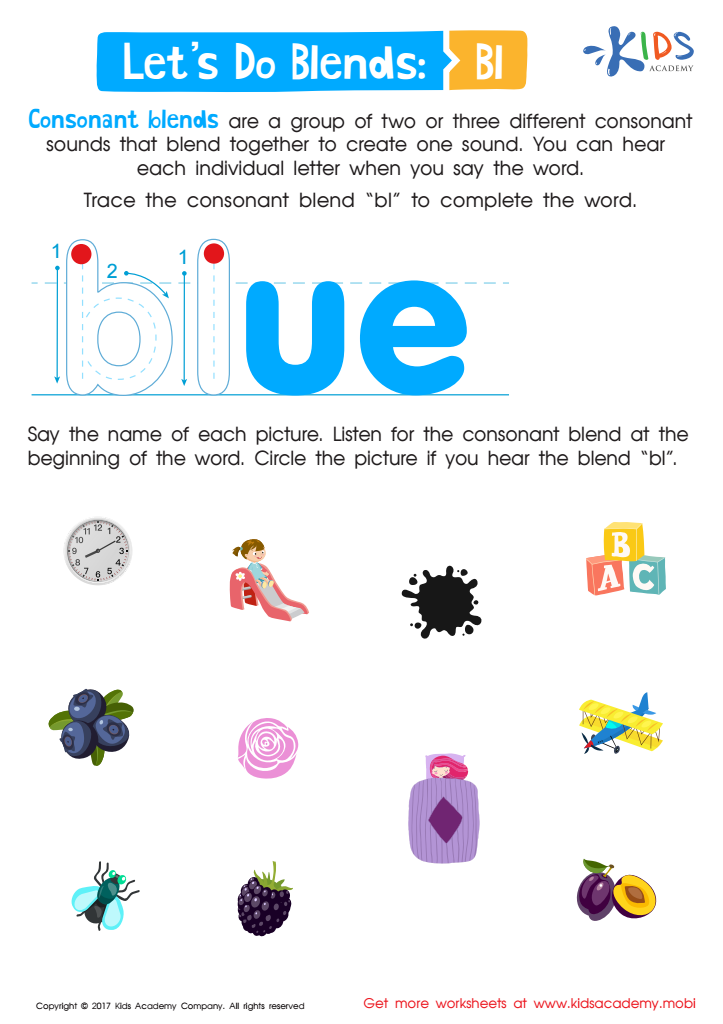
Beginning Blends: "Bl" Words Worksheet








Normal Alphabet activities for children aged 3-7 are critical in early childhood education. At this developmental stage, children's brains are highly receptive to language acquisition and literacy skills. By introducing them to the alphabet in an engaging and systematic manner, parents and teachers lay the groundwork for future reading and writing proficiency.
Learning the alphabet not only aids in phonetic recognition but also builds cognitive skills such as memory and attention. This age-appropriate introduction to letters can transform abstract concepts into tangible forms, making it easier for young minds to grasp. Familiarity with the alphabet paves the way for more complex literacy tasks, including word formation, reading comprehension, and vocabulary development.
Moreover, the process of learning the alphabet supports fine motor skills through writing and drawing activities. Tracing letters or practicing them in playful contexts helps children improve hand-eye coordination and manual dexterity.
Socially and emotionally, mastering the alphabet boosts confidence and encourages a love for learning. Children feel a sense of accomplishment as they recognize and recite letters, promoting a positive attitude toward schooling.
Parents and teachers should prioritize alphabet learning because it equips children with essential skills for academic success and lifelong learning, fostering an environment where curiosity and knowledge can flourish.







