Shape Recognition Normal Worksheets for Ages 3-7 - Page 2
46 filtered results
-
From - To
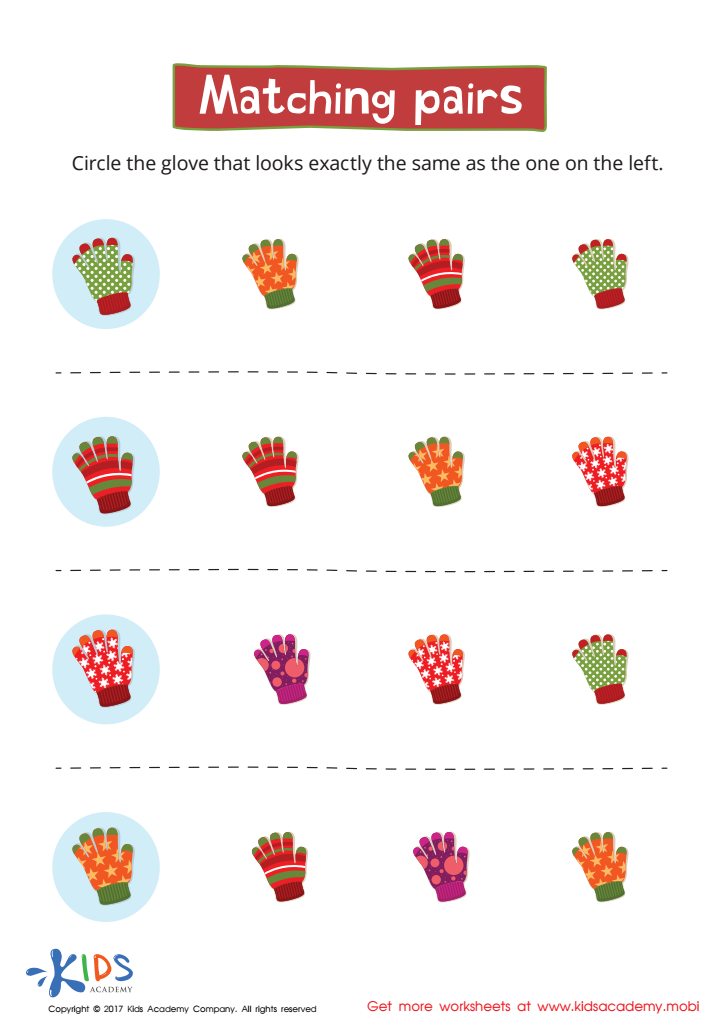
Matching: Matching Pairs Worksheet
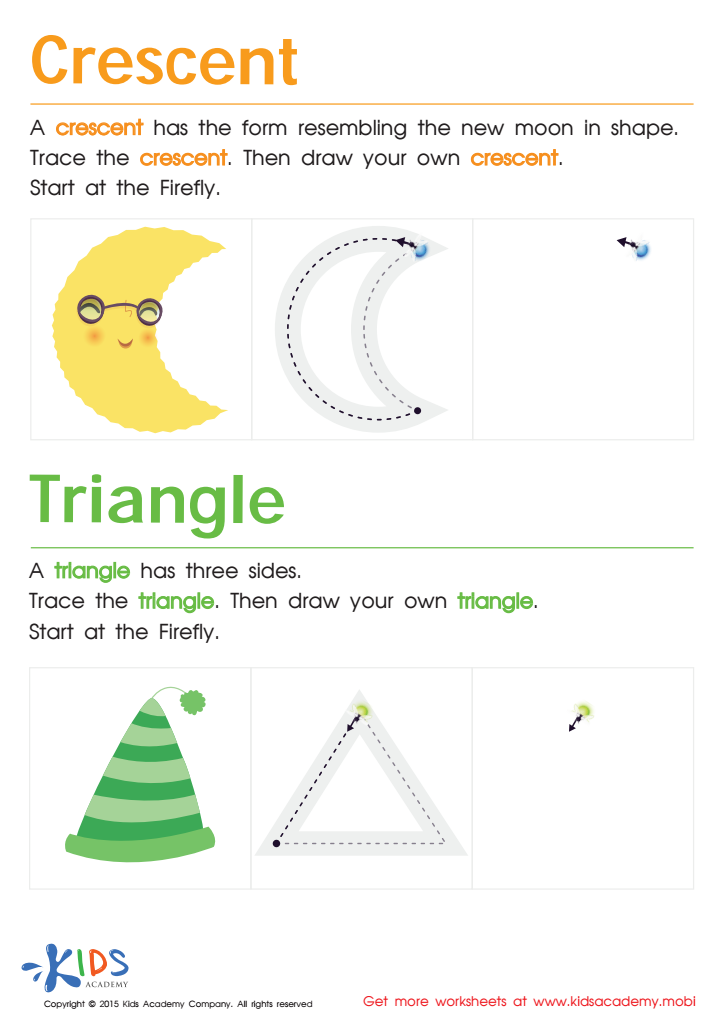
Learning to Draw Crescents And Triangles Worksheet
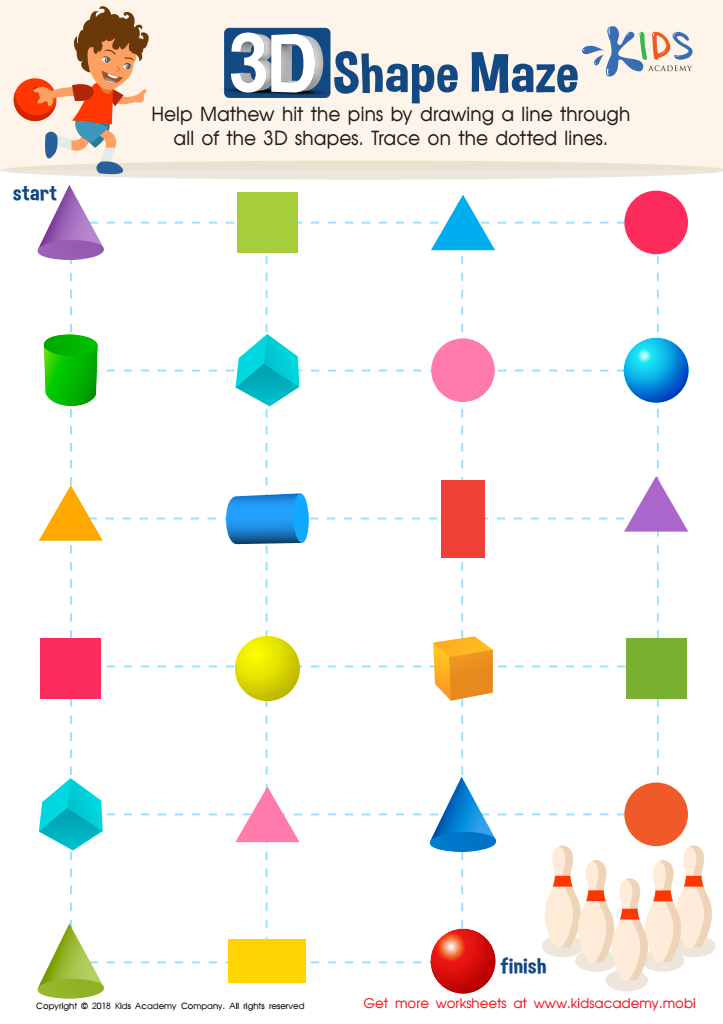
Shapes Maze Geometry Worksheet
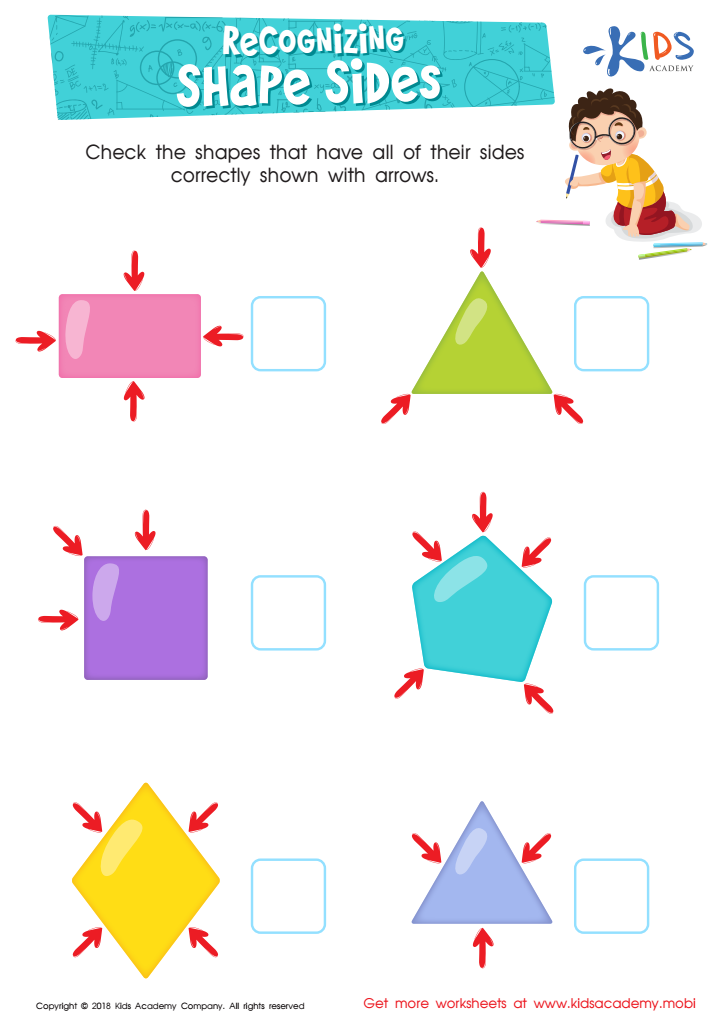
Recognizing Shape Sides Worksheet
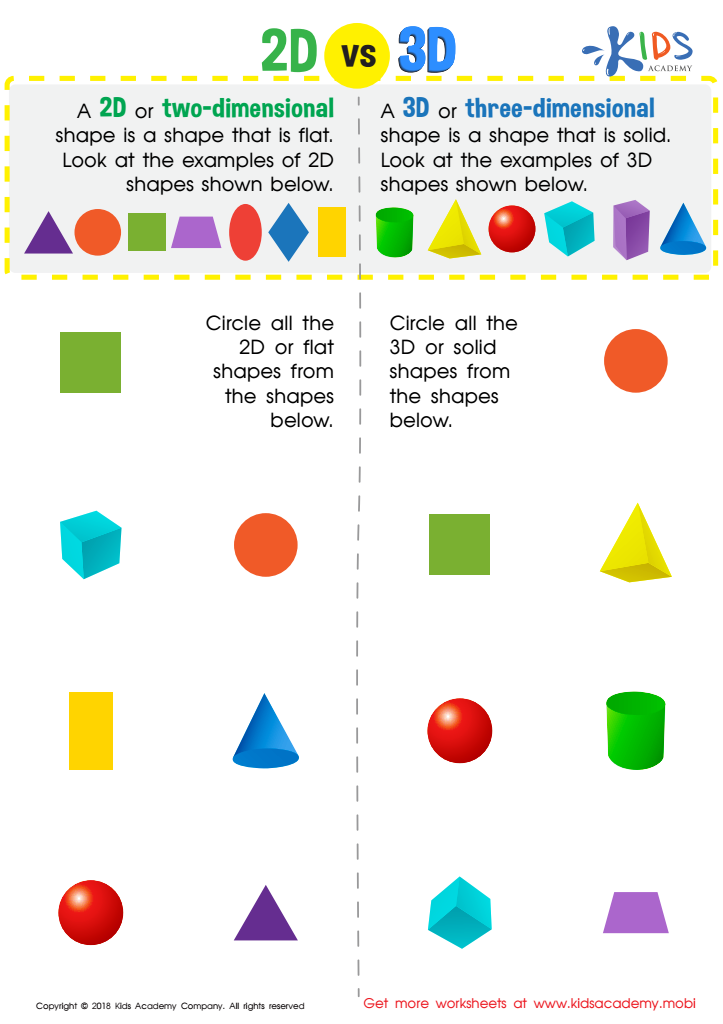
2D vs 3D Shapes Worksheet
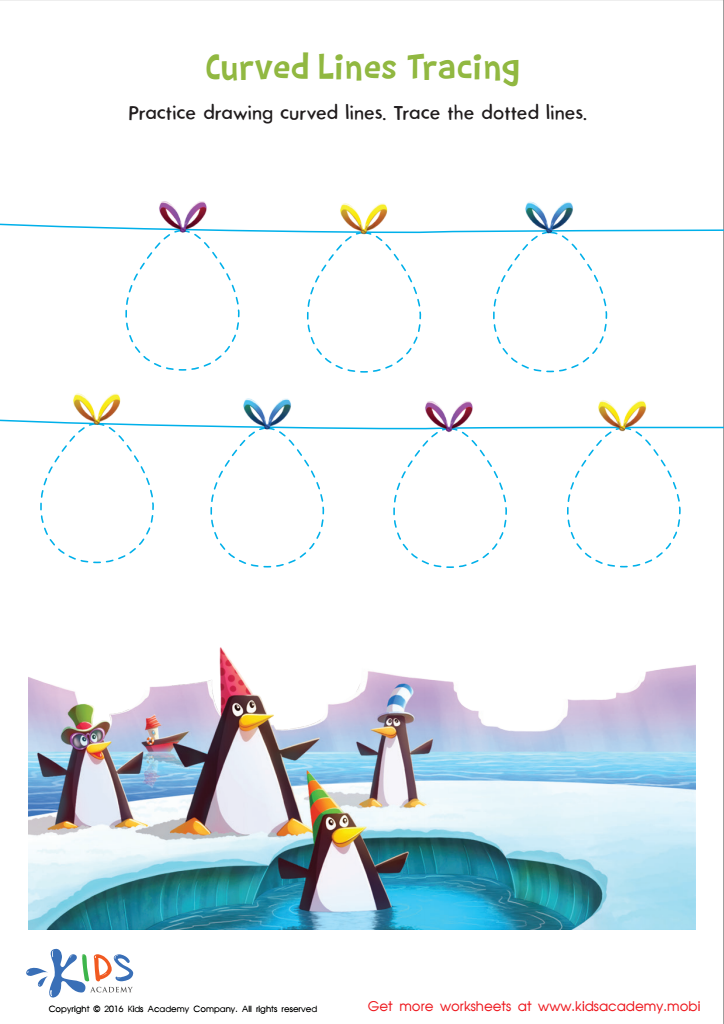
Curved Lines Tracing Worksheet
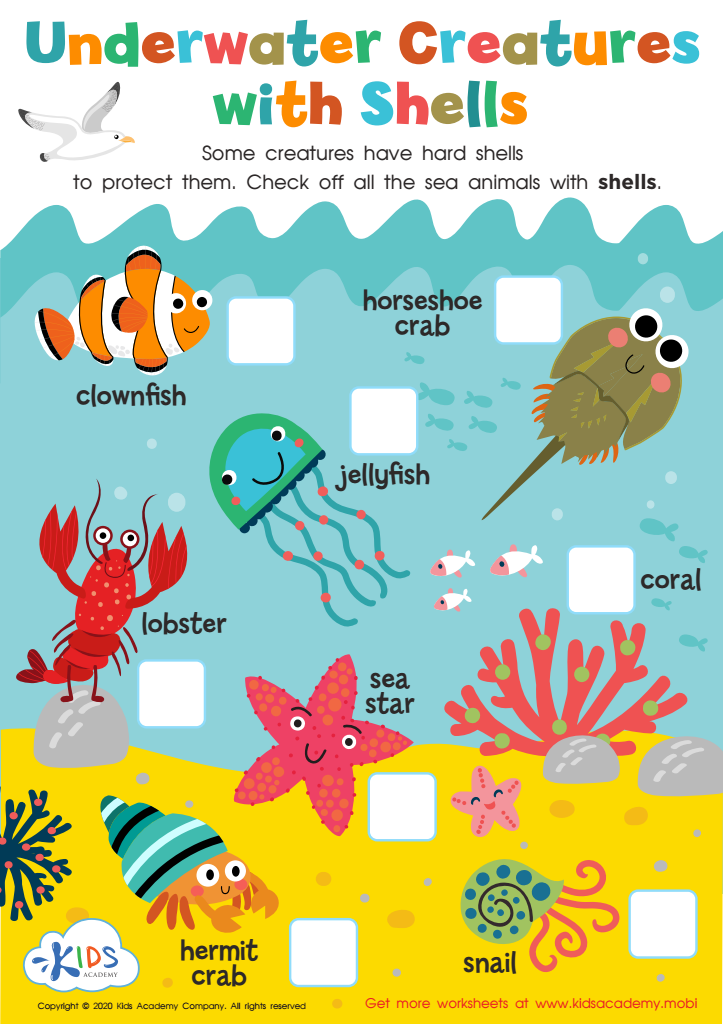
Underwater Creatures with Shells Worksheet
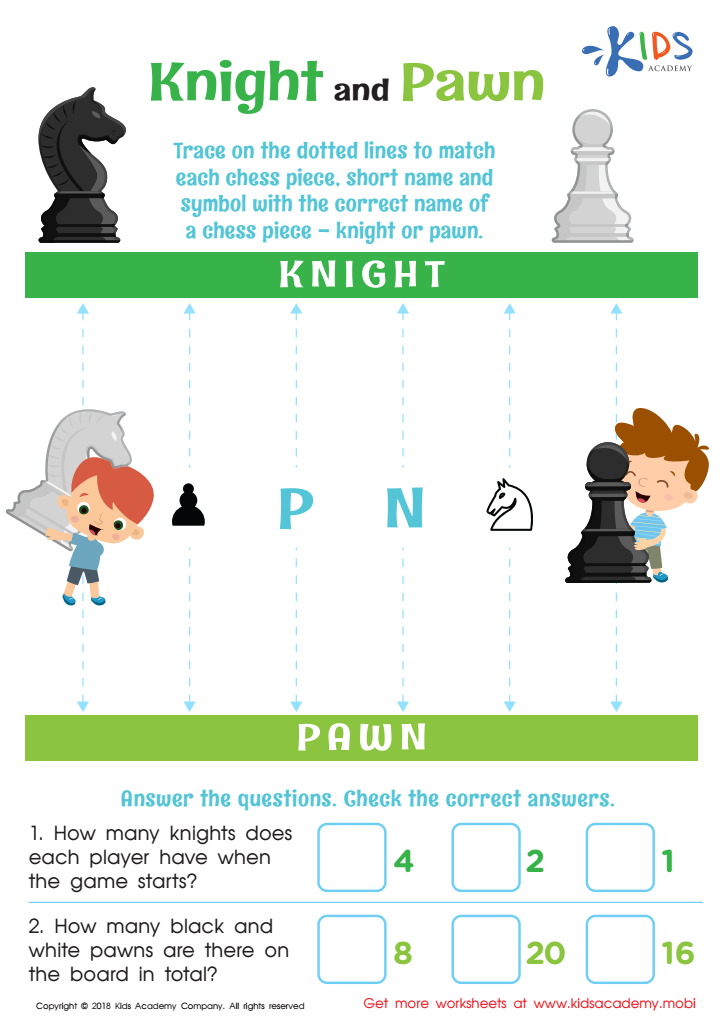
Knight and Pawn Worksheet
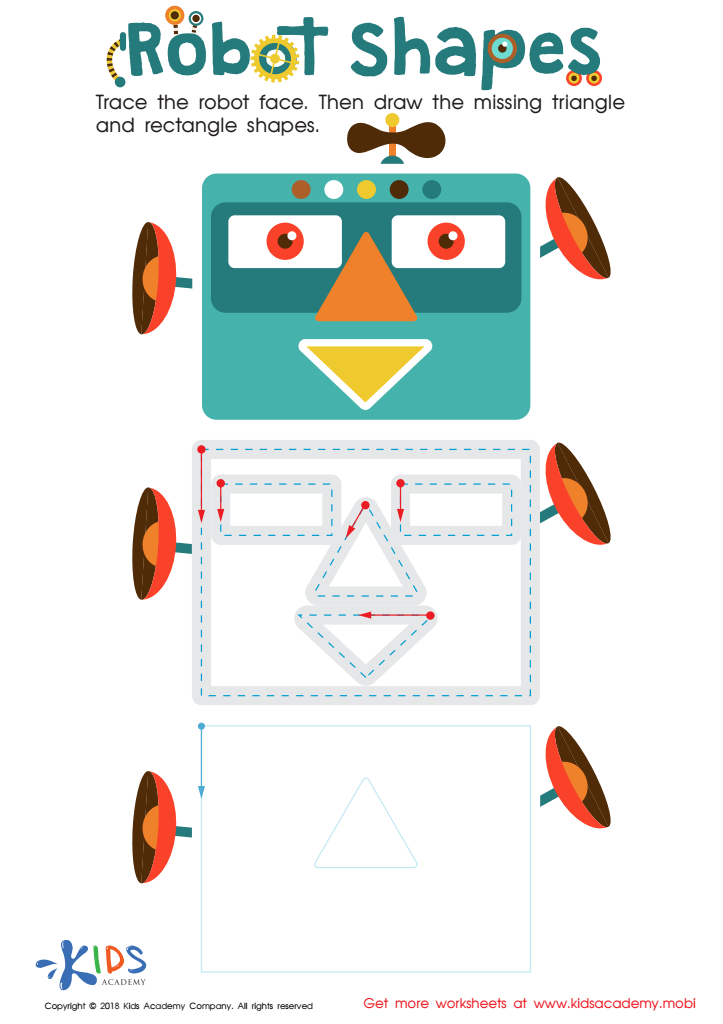
Robot Shapes Worksheet
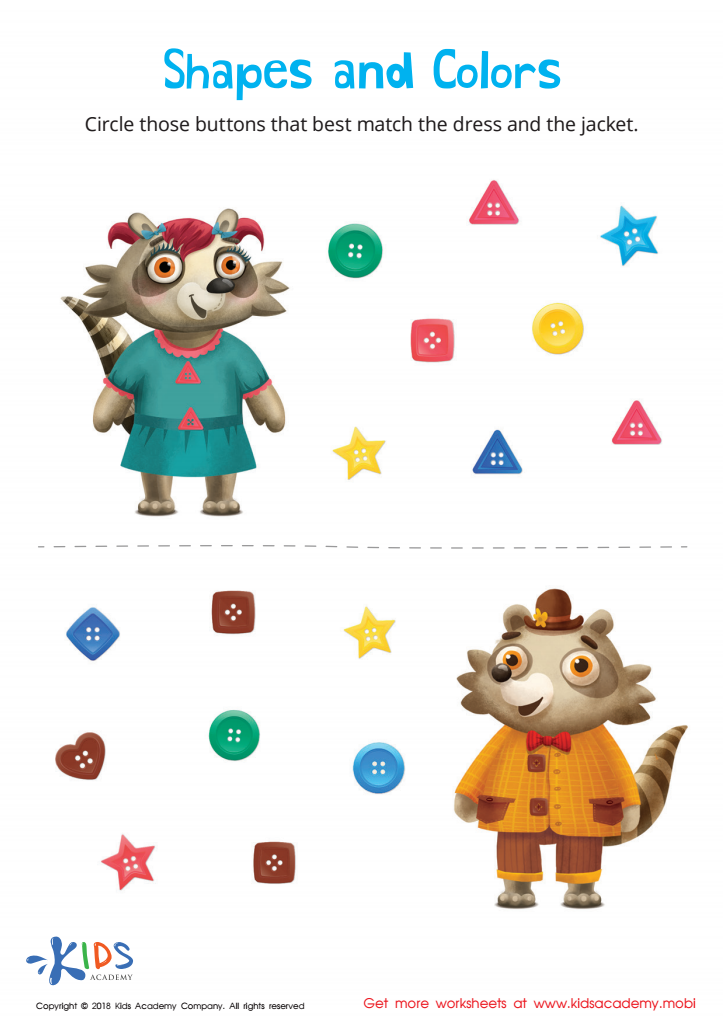
Shapes and Colors Worksheet
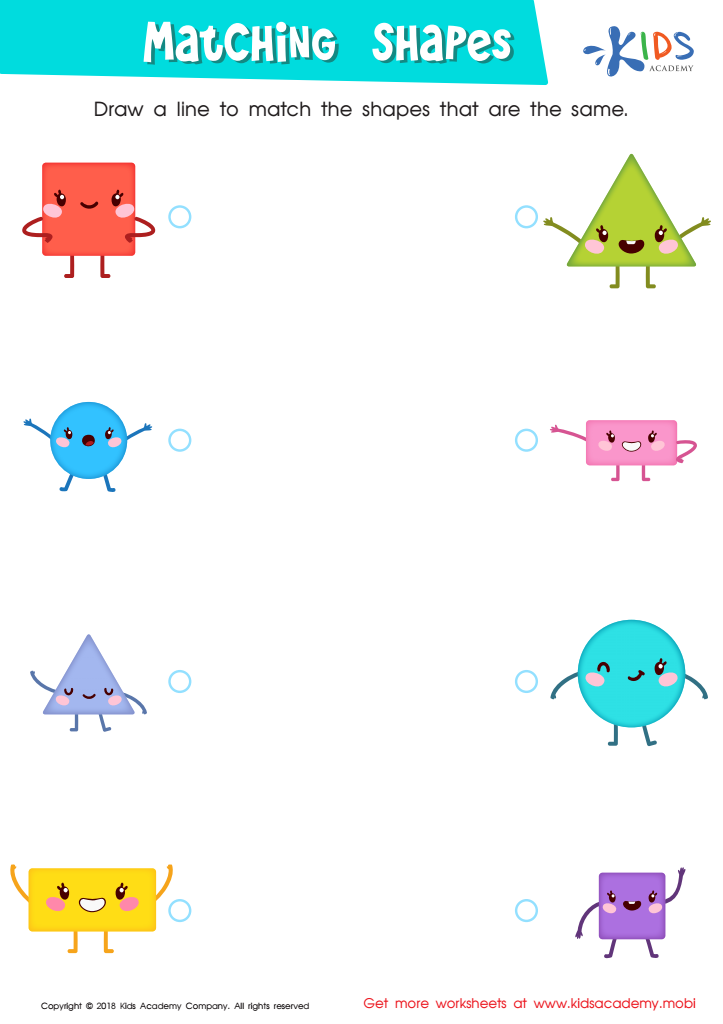
Matching Shapes Worksheet
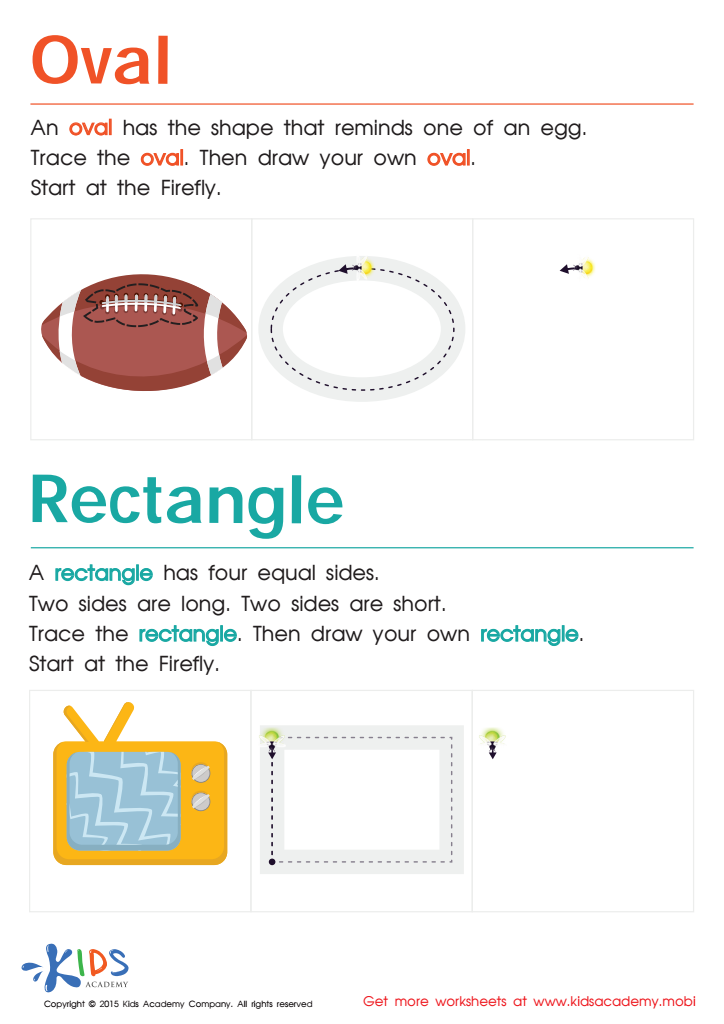
Easy Drawing of Ovals And Rectangles Worksheet
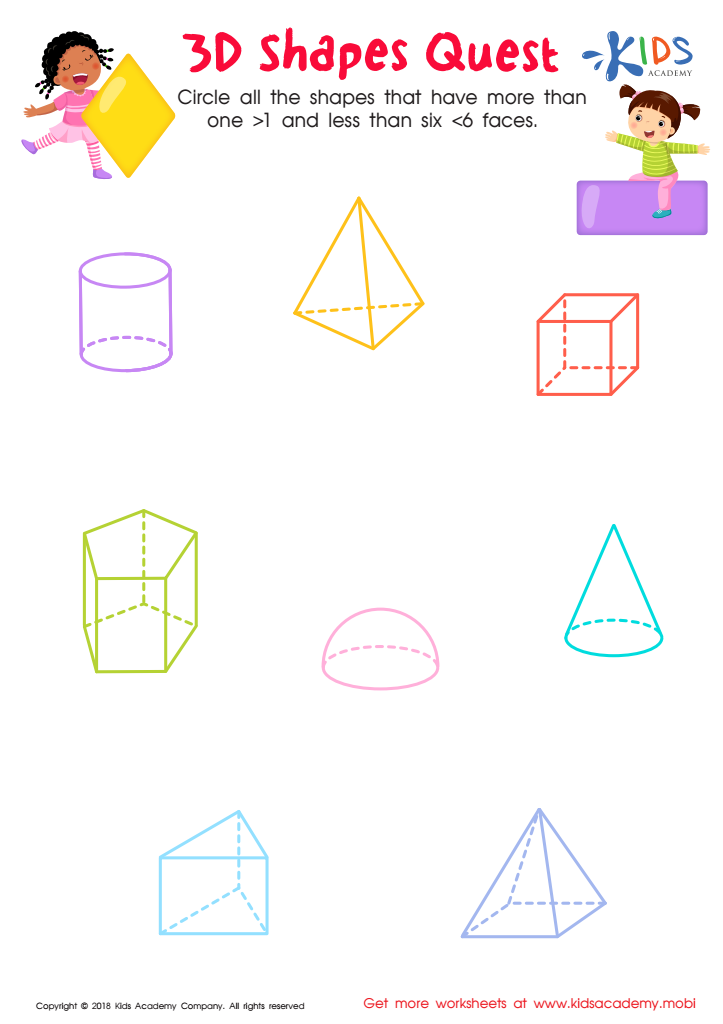
3D Shapes Quest Worksheet
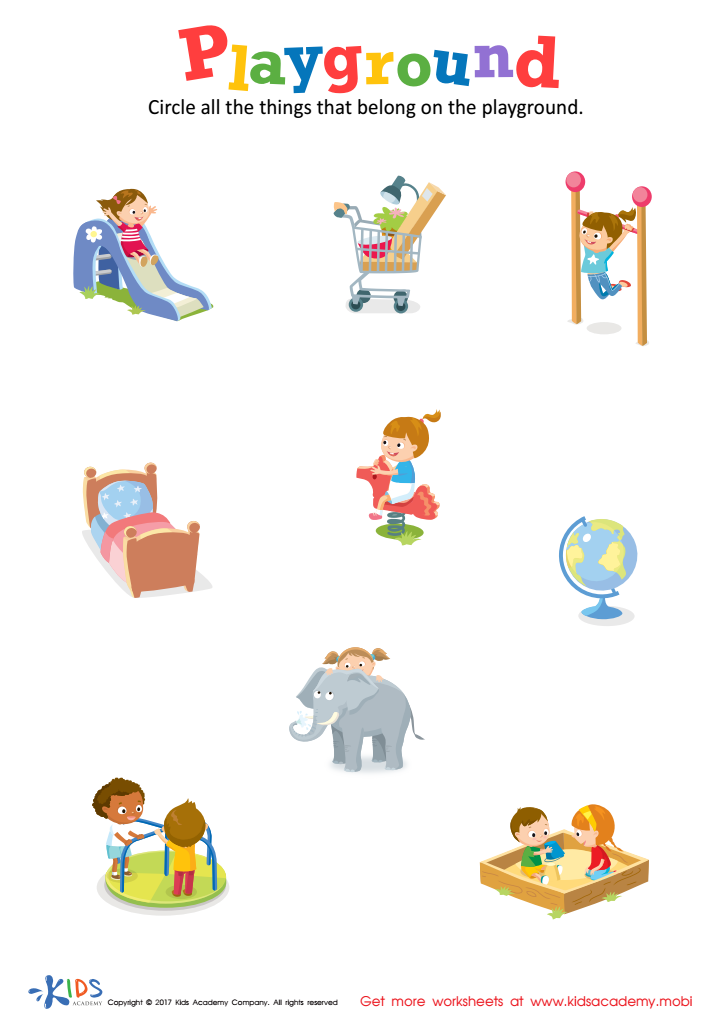
Playground Worksheet
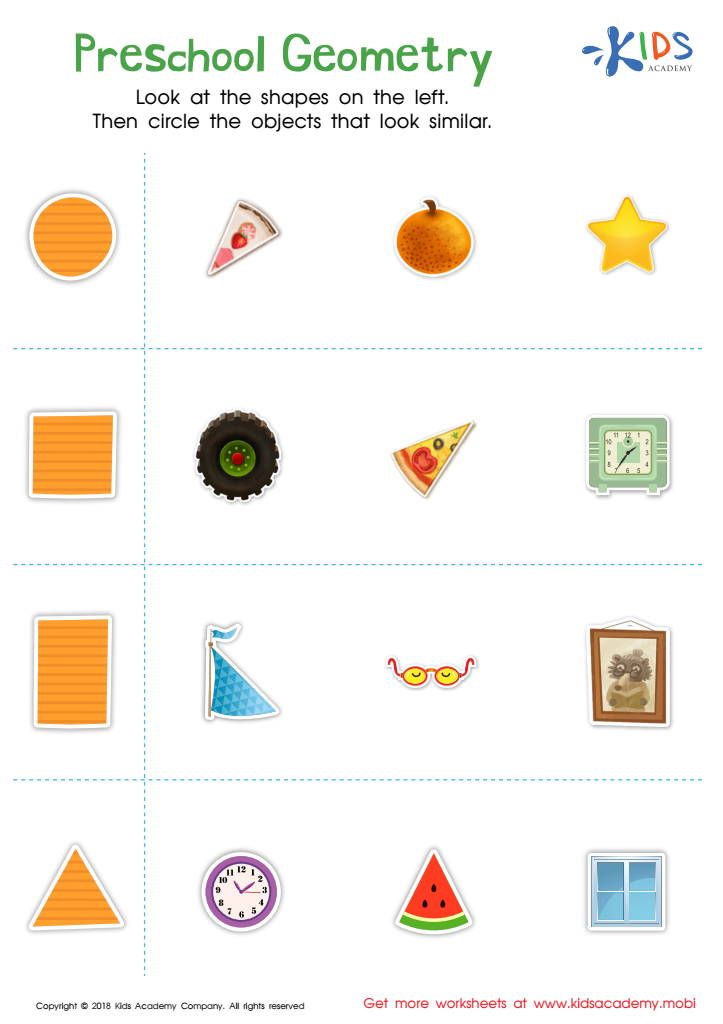
Preschool Geometry Worksheet

Turkey Thanksgiving Day Worksheet
 Assign to My Students
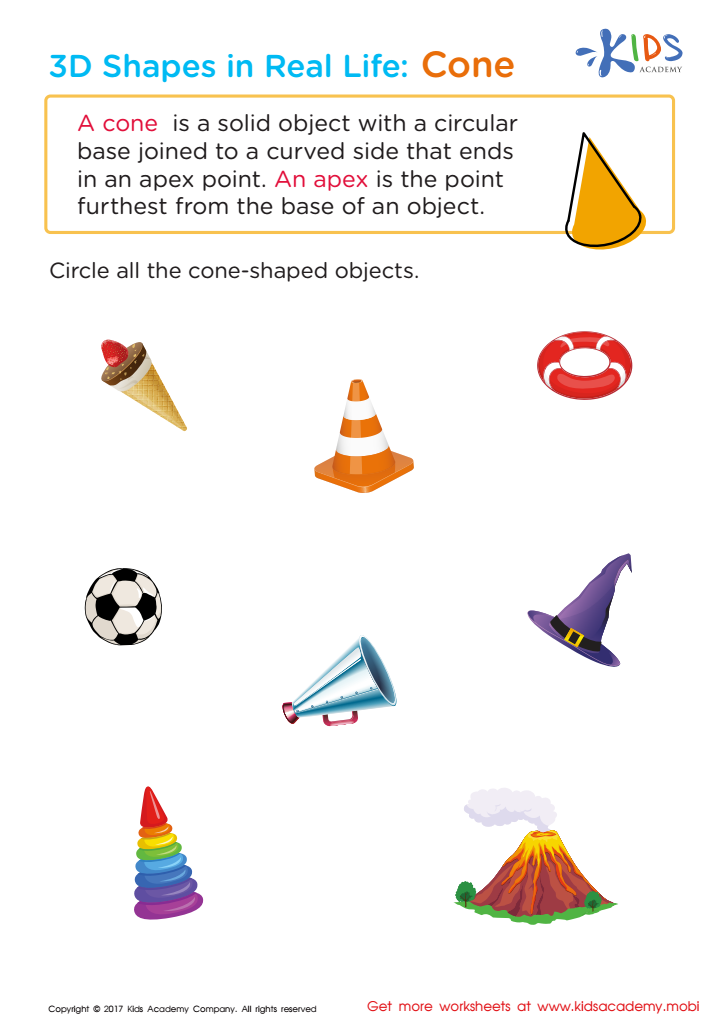
Shapes in Real Life: Cone Worksheet
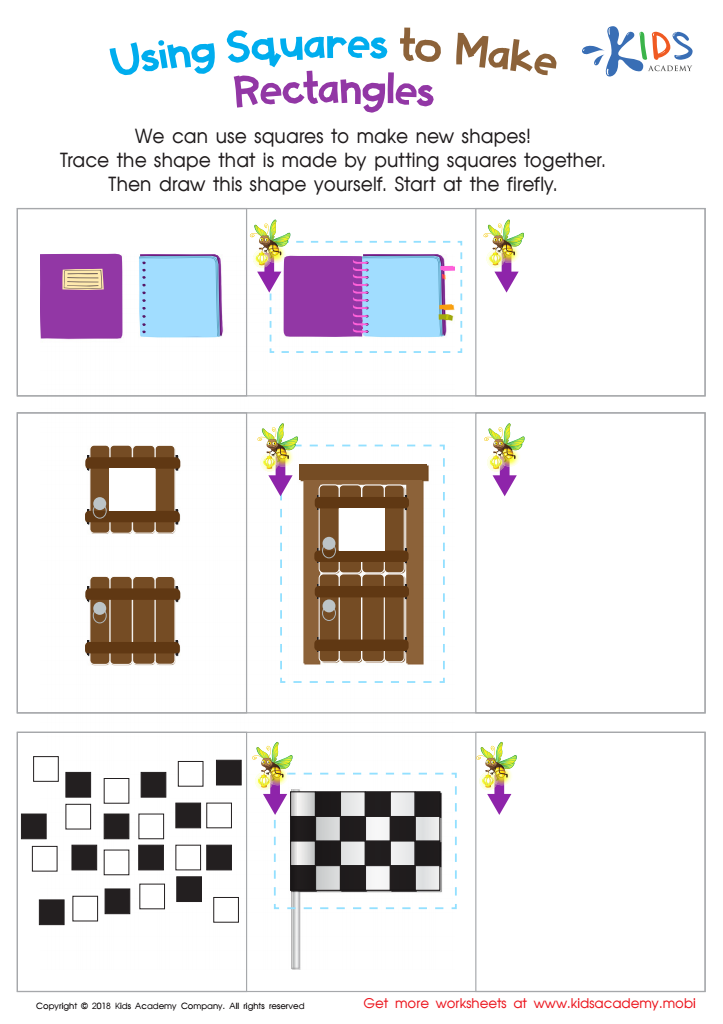
Using Squares to Make Rectangles Worksheet
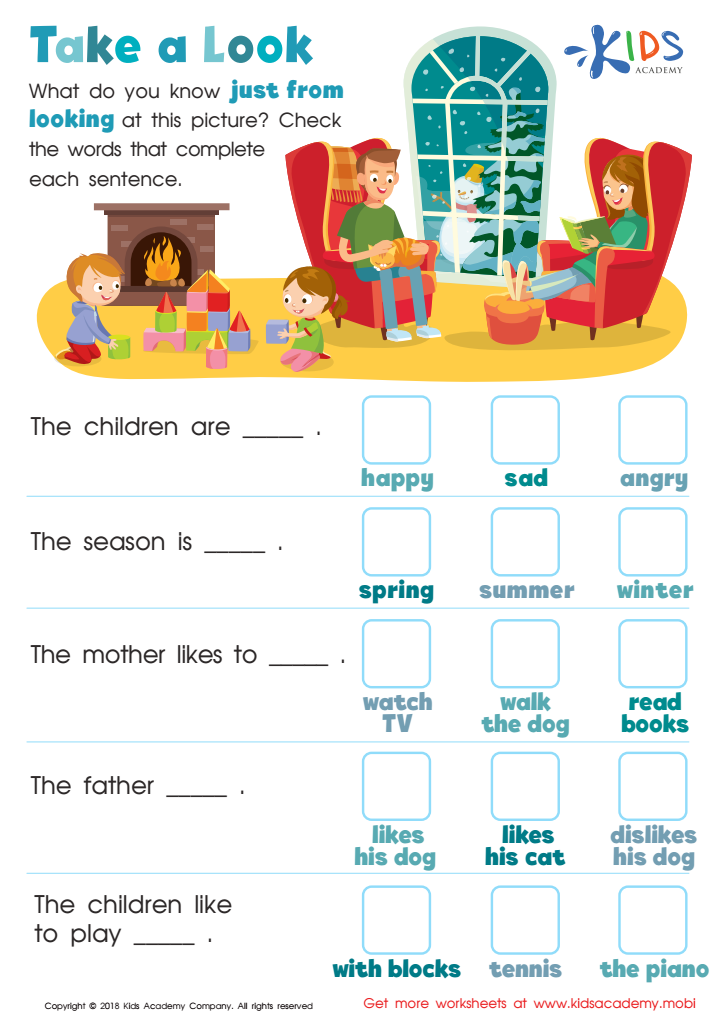
Take a Look - Part 1 Worksheet
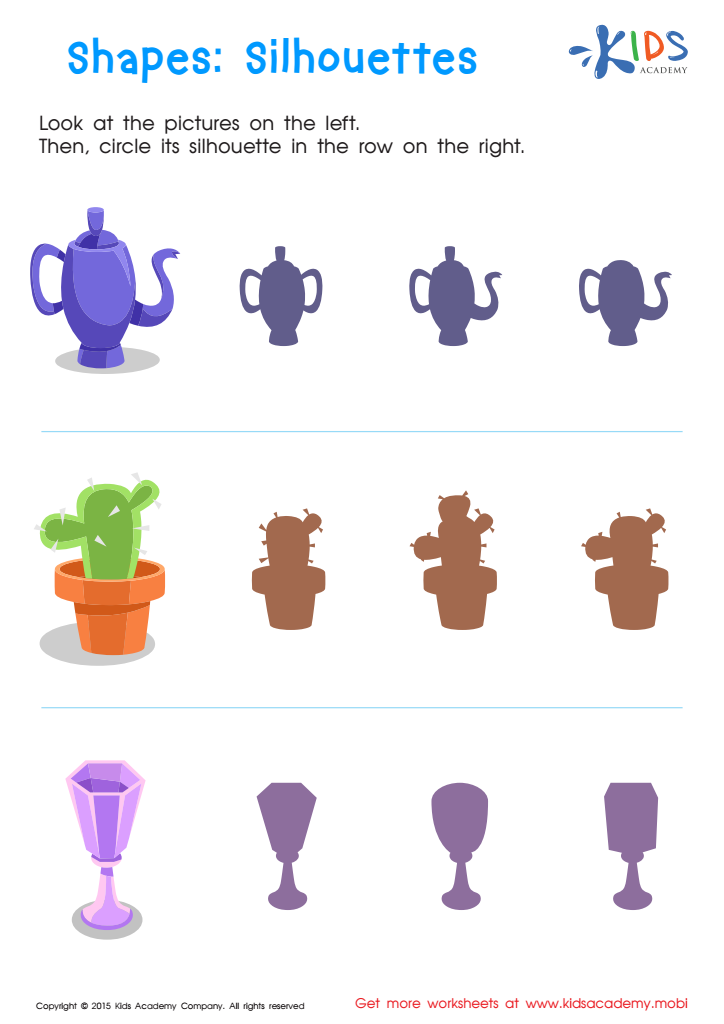
Silhouettes – Shapes Worksheet
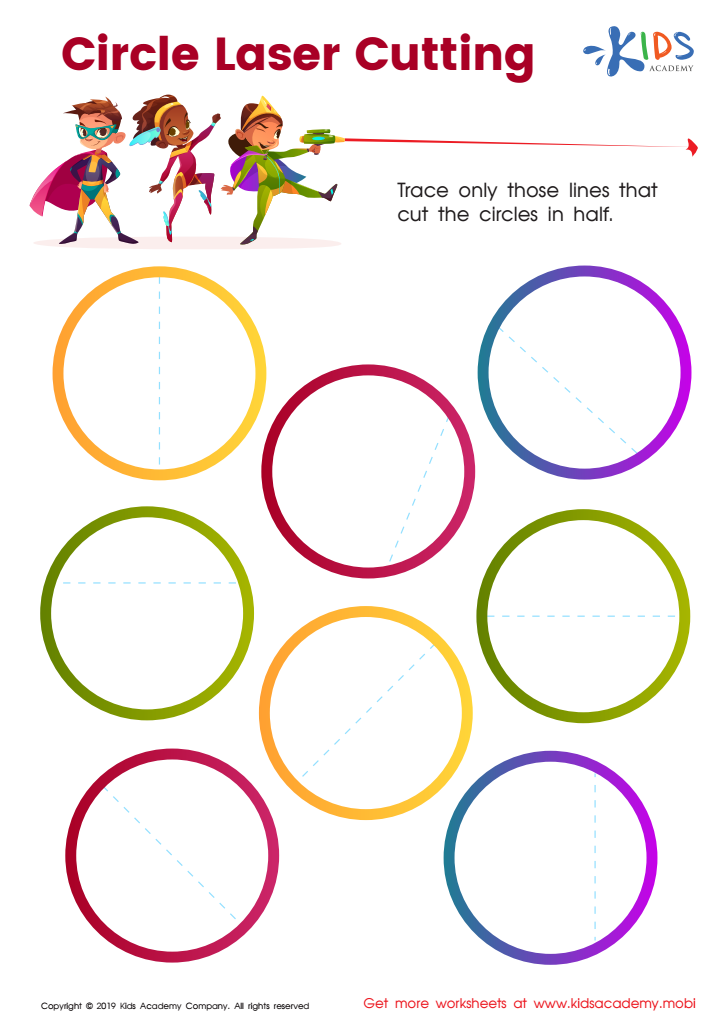
Circle Laser Cutting Worksheet
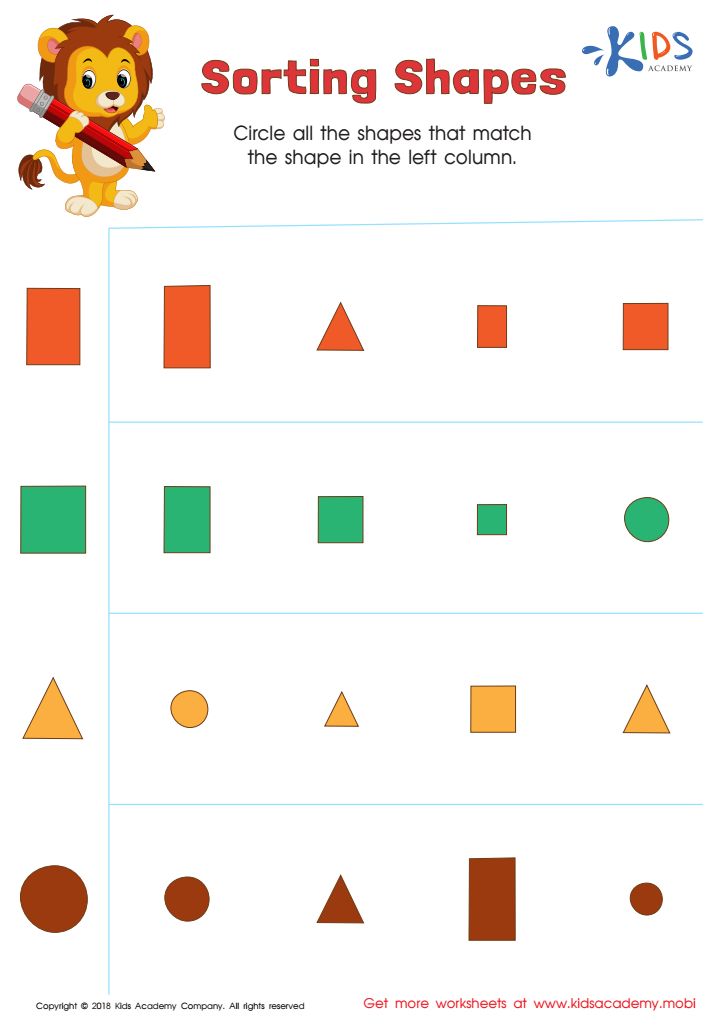
Sorting Shapes - Part 2 Worksheet








Shape recognition is a fundamental part of early childhood development, particularly for children aged 3 to 7. This skill serves as a building block for various cognitive and spatial abilities, influencing a child's understanding of the world around them. Understanding shapes enhances mathematical skills, as children learn to recognize geometric properties, patterns, and relationships, all of which are essential for future problem-solving tasks.
Moreover, engaging in shape recognition activities fosters critical thinking and encourages creativity. When children identify and categorize shapes, they develop essential reasoning skills which can be applied across multiple subjects. This form of learning promotes fine motor skills, as many shape recognition activities can involve drawing, cutting, or manipulating shapes, contributing to their overall physical development.
Emotional and social skills also flourish through these activities, as children often collaborate, share ideas, and communicate during shape identification games. Additionally, it provides parents and teachers an opportunity to engage with children in meaningful ways, reinforcing positive relationships through shared learning experiences.
Lastly, laying a solid foundation in shape recognition prepares children for more complex concepts in science, art, and math as they progress in their education. By valuing this aspect of learning, parents and teachers can significantly enhance a child's long-term academic success.








