Fine Motor Skills Normal Geometry Worksheets for Ages 3-7
11 filtered results
-
From - To
Enhance your child's fine motor skills while exploring the exciting world of geometry with our engaging worksheets designed for ages 3-7. These normal geometry worksheets seamlessly combine learning and playful activities, allowing young learners to identify shapes, patterns, and spatial relationships. Each worksheet is crafted to promote hand-eye coordination and dexterity through fun, hands-on tasks like tracing, cutting, and coloring. Perfect for preschool and early elementary students, our resources nurture essential skills while instilling a love for learning. Download our dynamic worksheets today and watch your child grow in confidence as they master geometric concepts while strengthening their fine motor abilities!
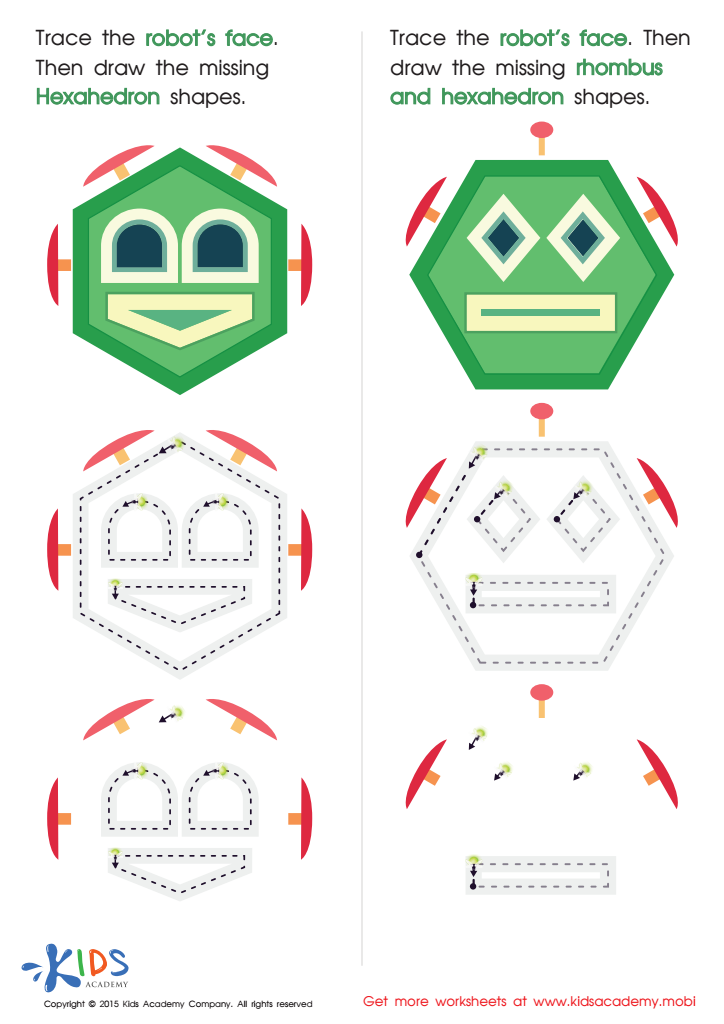
Practice Drawing Hexahedrons And a Rhombus Worksheet
 Assign to My Students











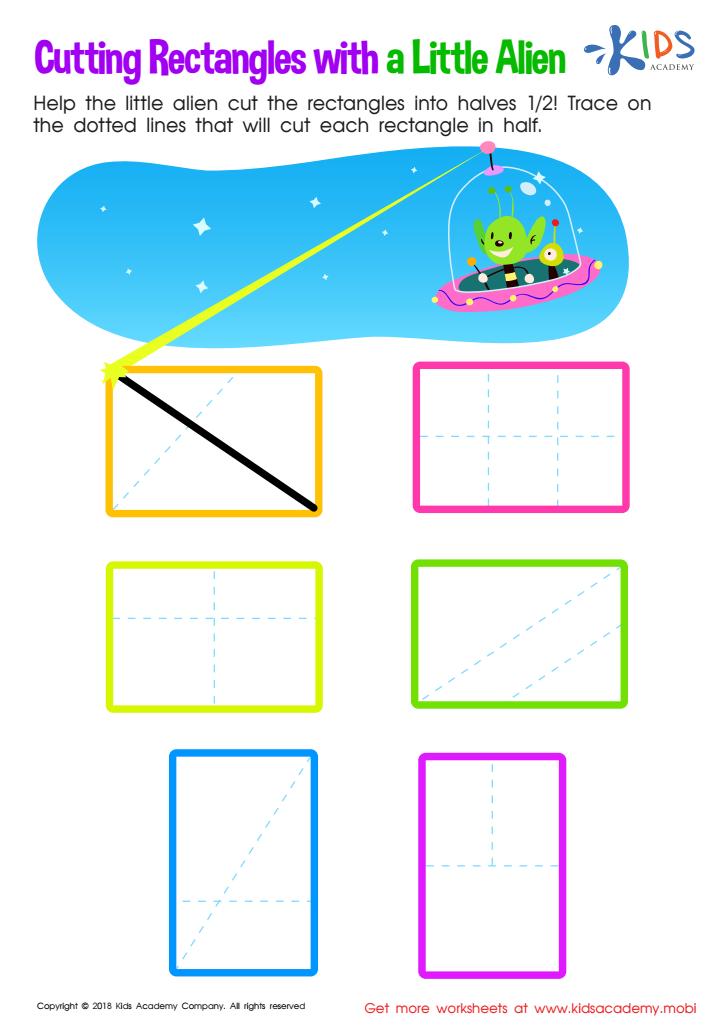
Cutting Rectangles with Alien Worksheet
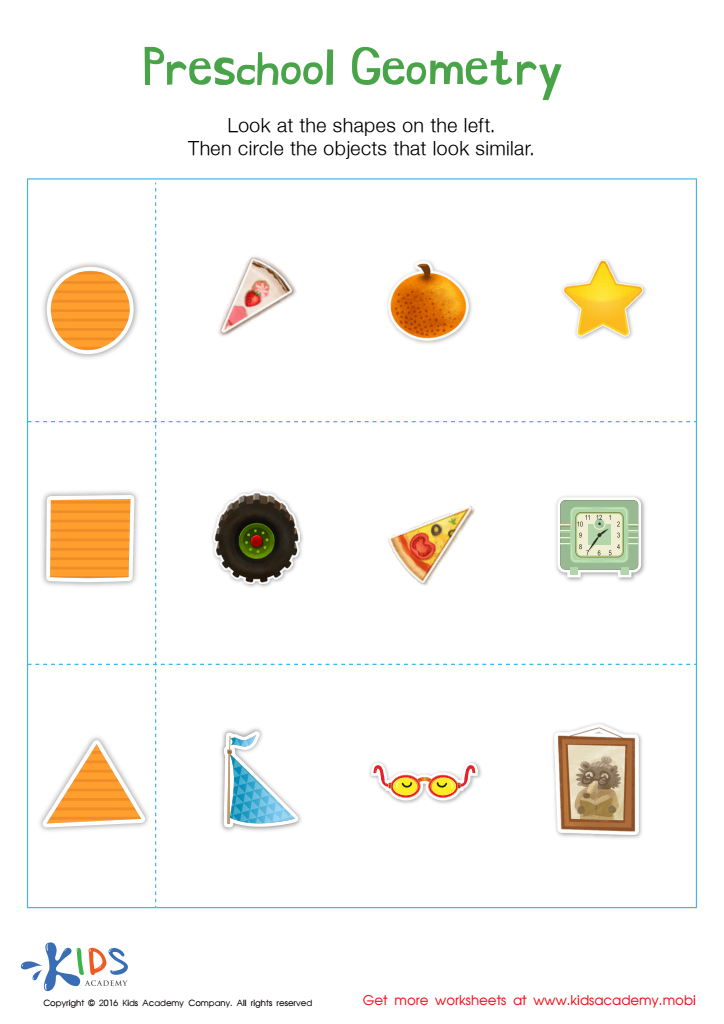
Preschool Geometry Match Up Worksheet
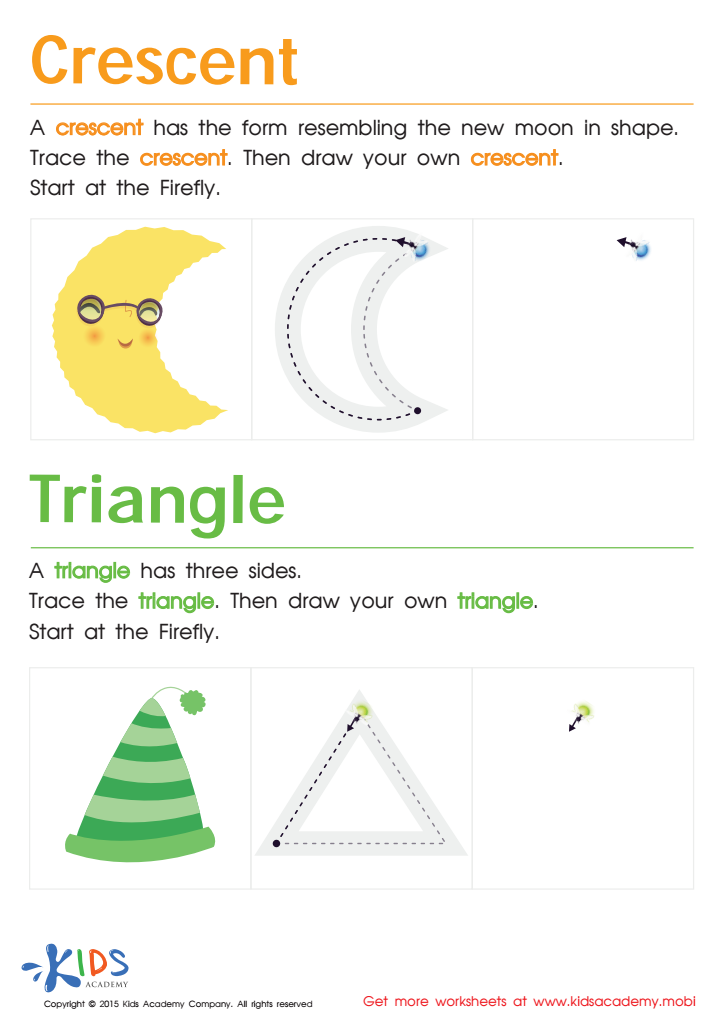
Learning to Draw Crescents And Triangles Worksheet
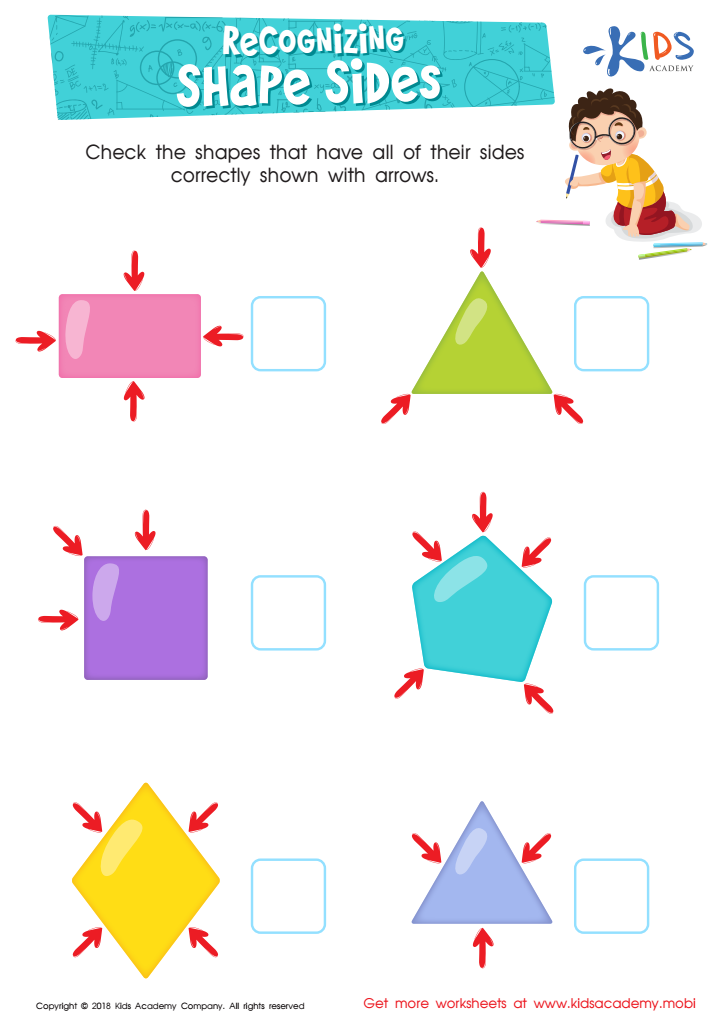
Recognizing Shape Sides Worksheet
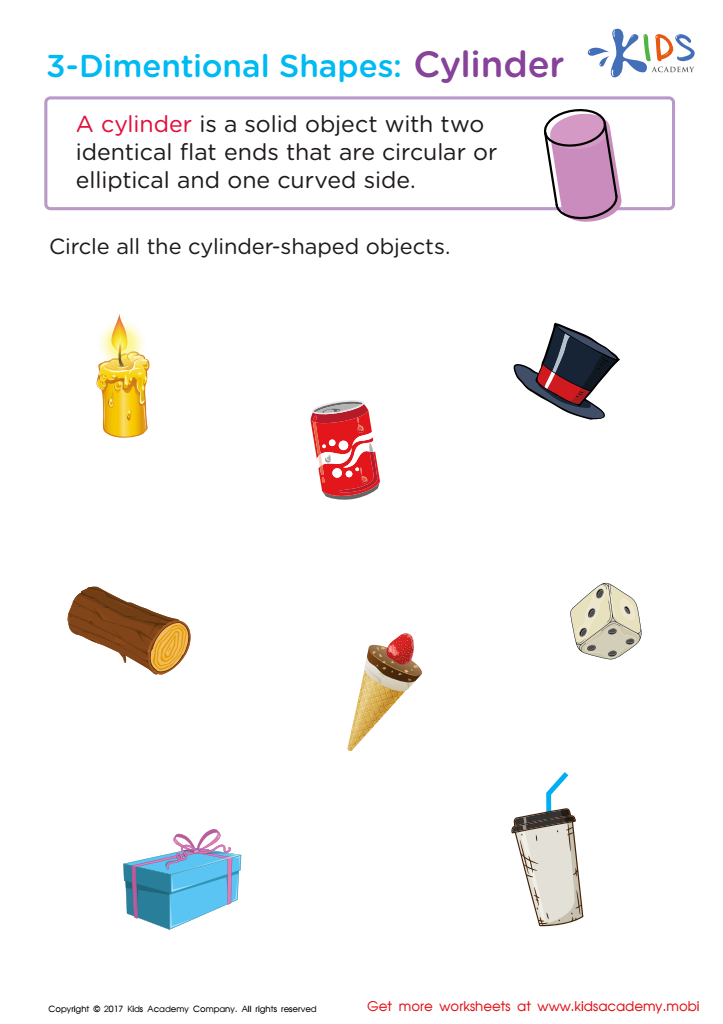
Three–Dimensional Shapes: Cylinder Worksheet
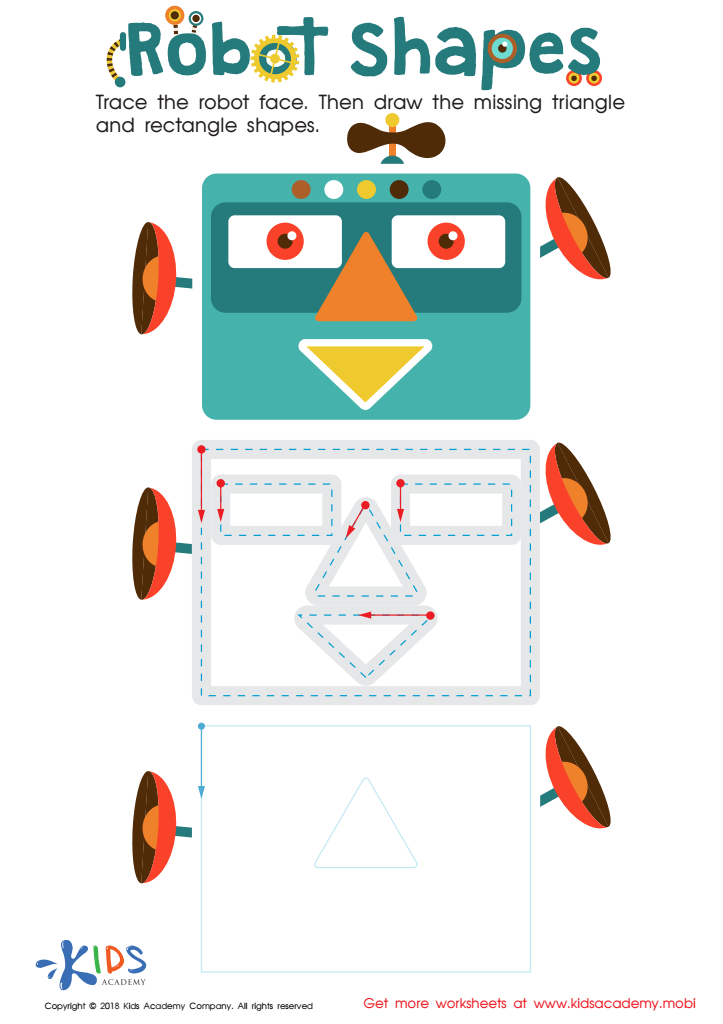
Robot Shapes Worksheet
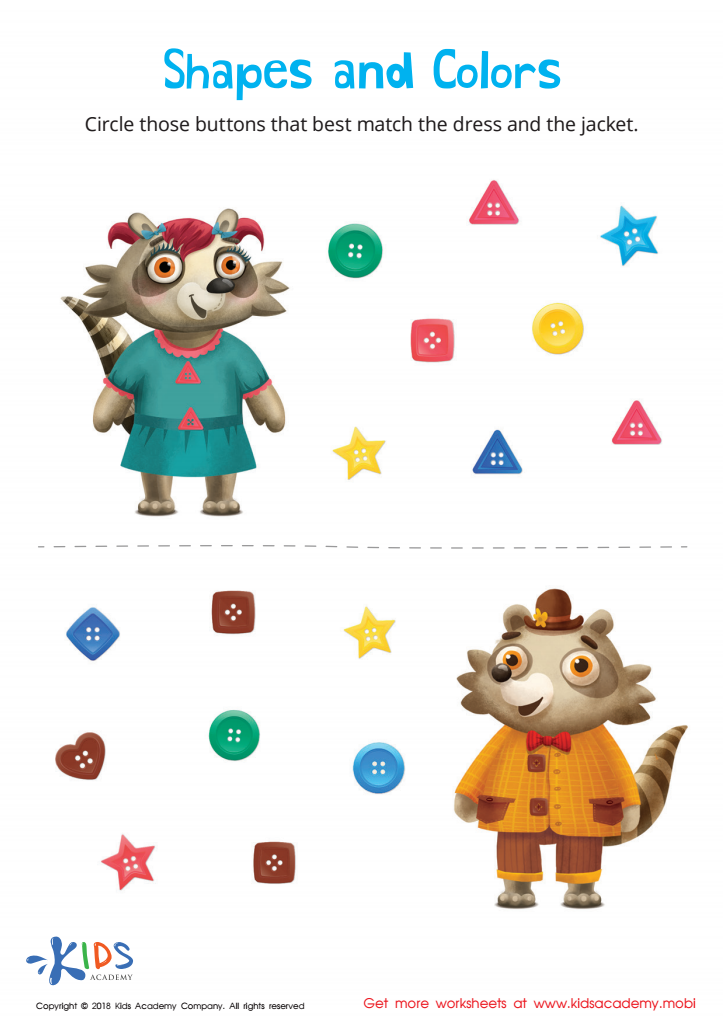
Shapes and Colors Worksheet
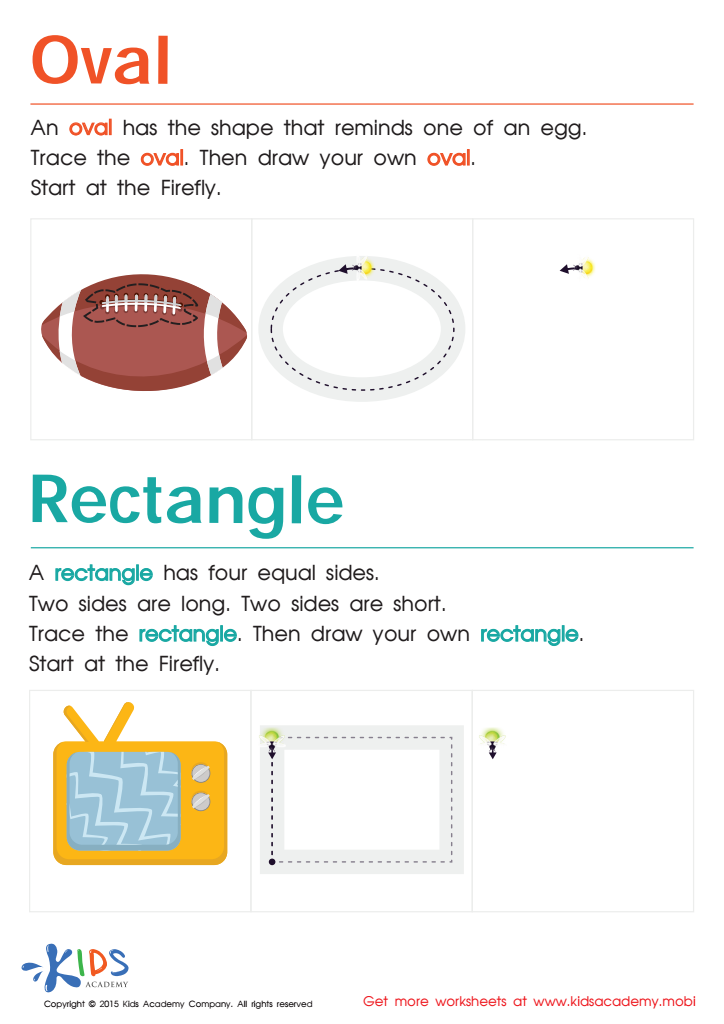
Easy Drawing of Ovals And Rectangles Worksheet
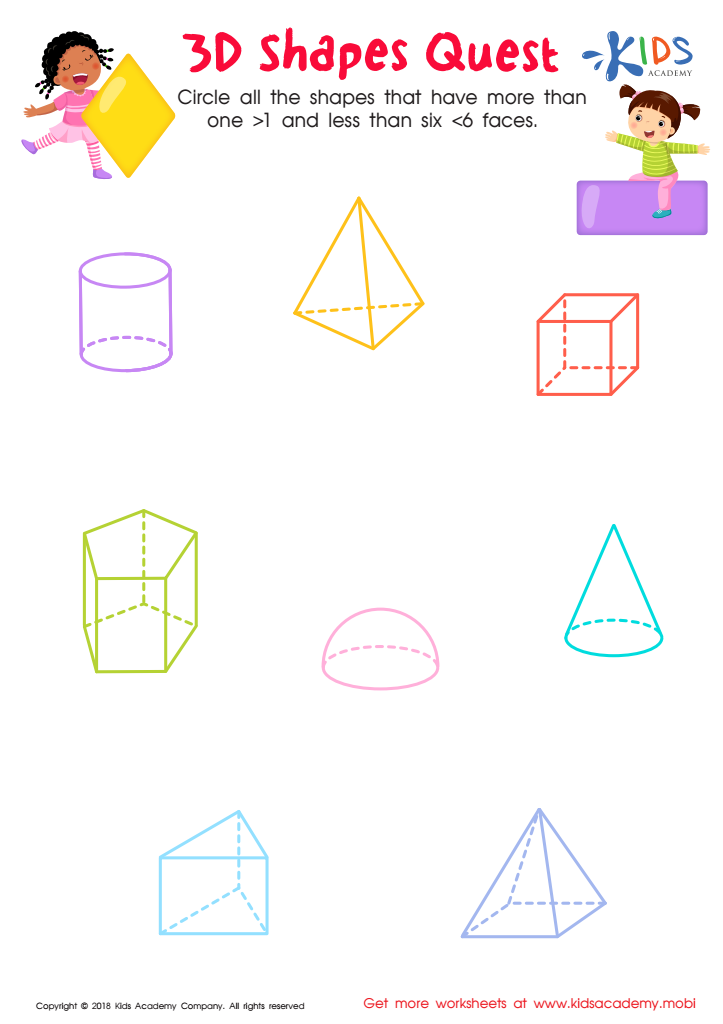
3D Shapes Quest Worksheet
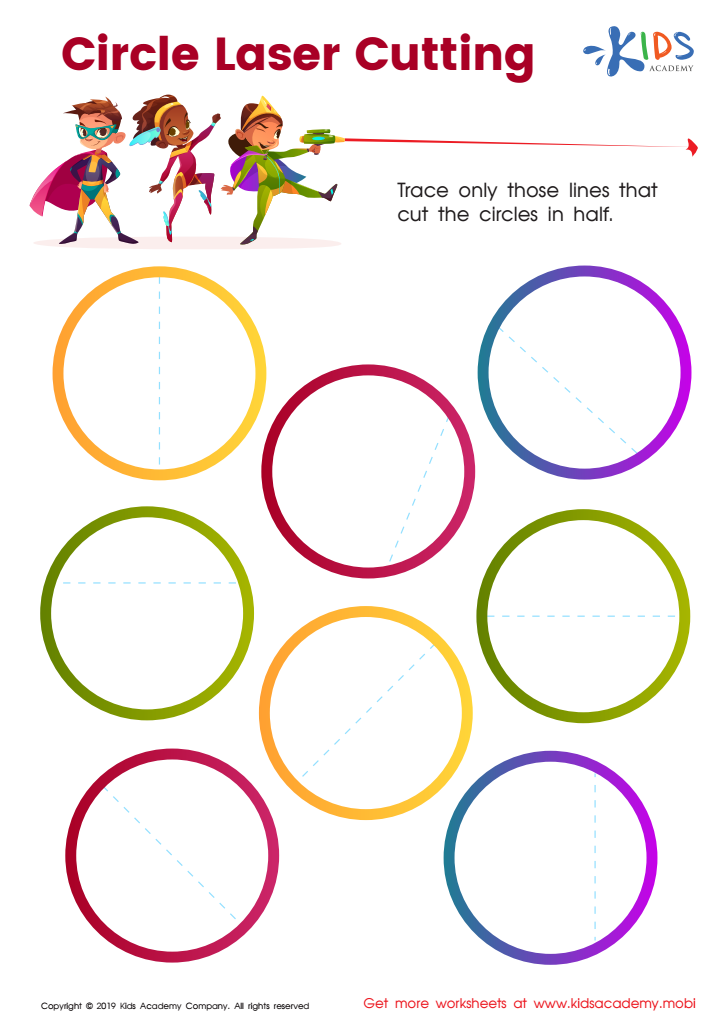
Circle Laser Cutting Worksheet








Fine motor skills and geometry are crucial developmental areas for children aged 3-7. Fine motor skills involve the small muscles in the hands and fingers, enabling children to perform tasks like grasping, drawing, and using scissors, which are vital for their daily activities and academic success. These skills lay the groundwork for future learning, allowing children to manipulate objects, hold writing instruments properly, and interact effectively with their environment.
Normal geometry, which encompasses understanding shapes and spatial relationships, plays a significant role in cognitive development. It helps children learn to recognize patterns, compare objects, and understand basic mathematical concepts. Engaging in activities that promote both fine motor skills and geometric understanding fosters critical thinking and problem-solving abilities.
Parents and teachers should care about these skills because they not only support academic success but also enhance a child's confidence and independence. Developmentally appropriate activities, such as building with blocks, drawing shapes, or engaging in arts and crafts, provide opportunities for children to practice these essential skills in a fun and interactive way. By prioritizing fine motor development and geometric understanding, caregivers can better prepare children for the challenges of advanced learning and equip them with tools for lifelong success.








