Normal Social Studies Worksheets for Ages 3-7 - Page 7
171 filtered results
-
From - To
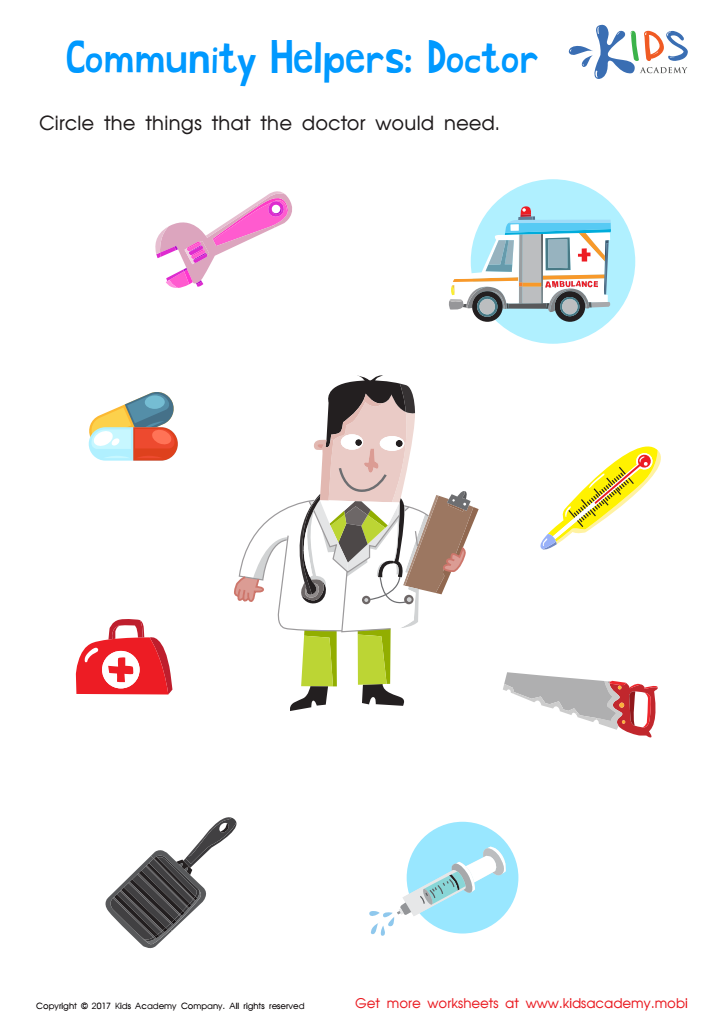
 Assign to My Students
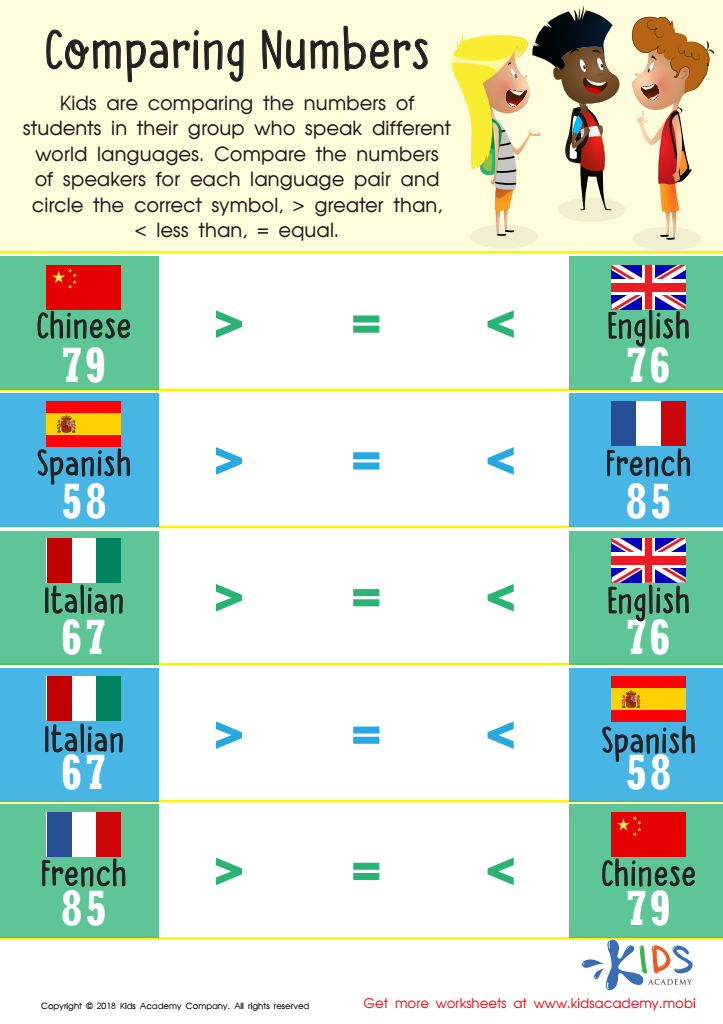
Comparing Numbers Worksheet for 1st Grade
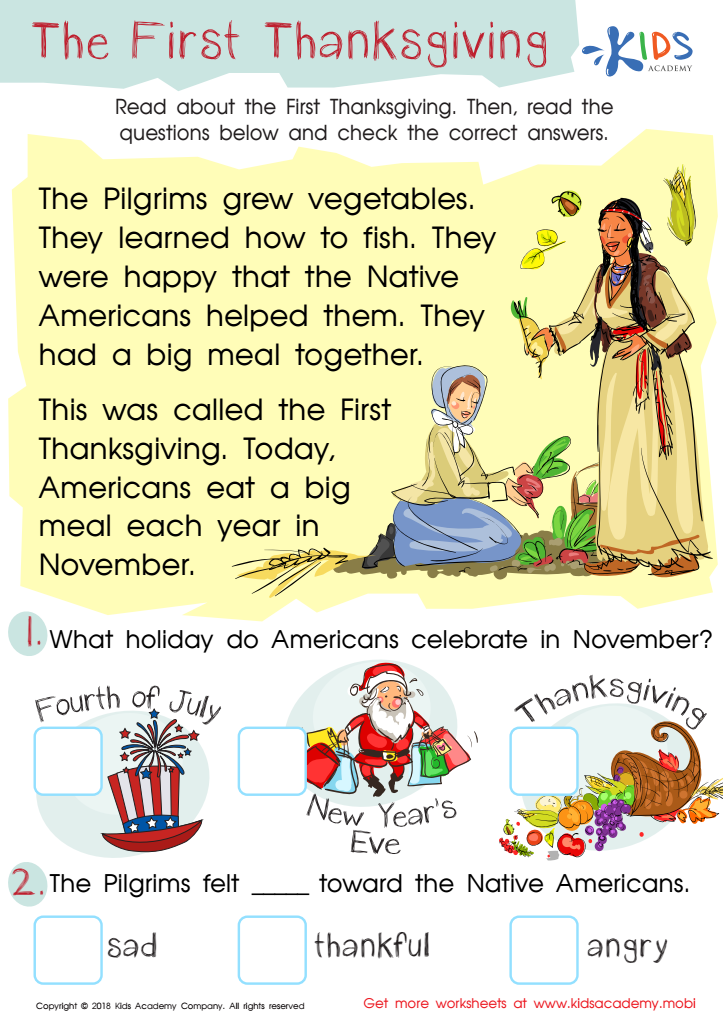
Assessment: First Thanksgiving Worksheet
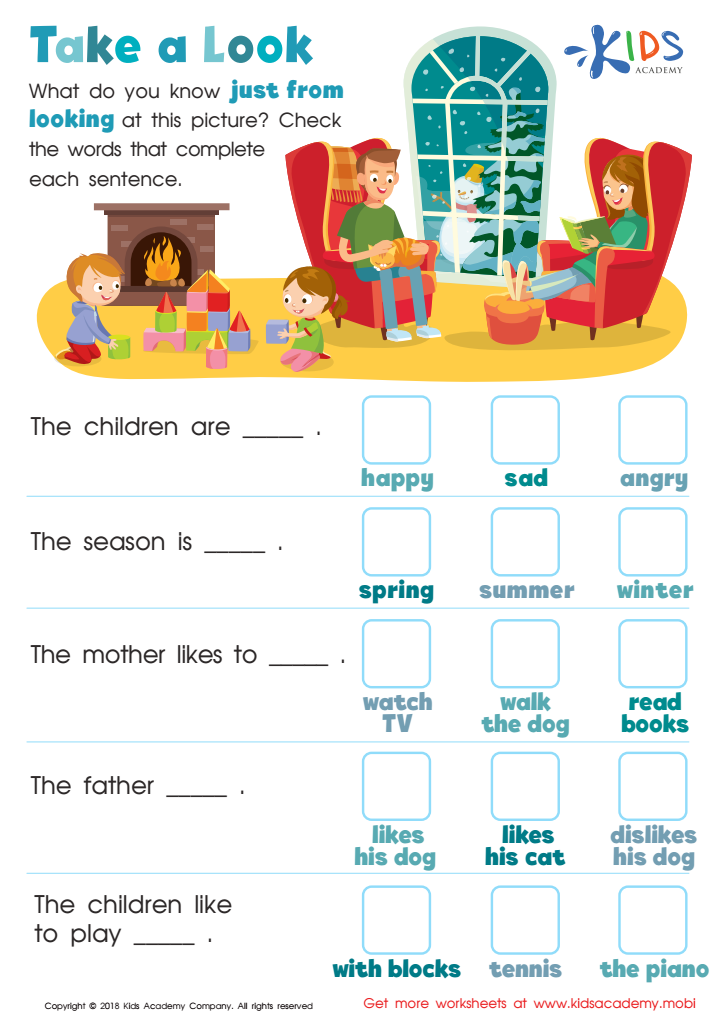
Take a Look - Part 1 Worksheet
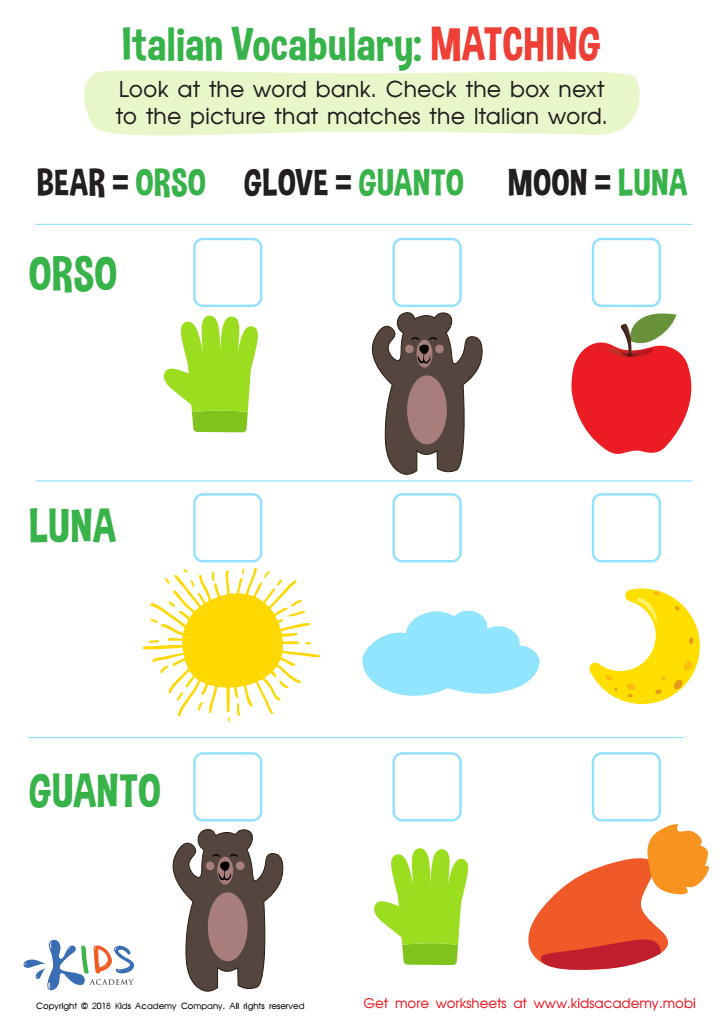
Italian Vocabulary Matching Worksheet
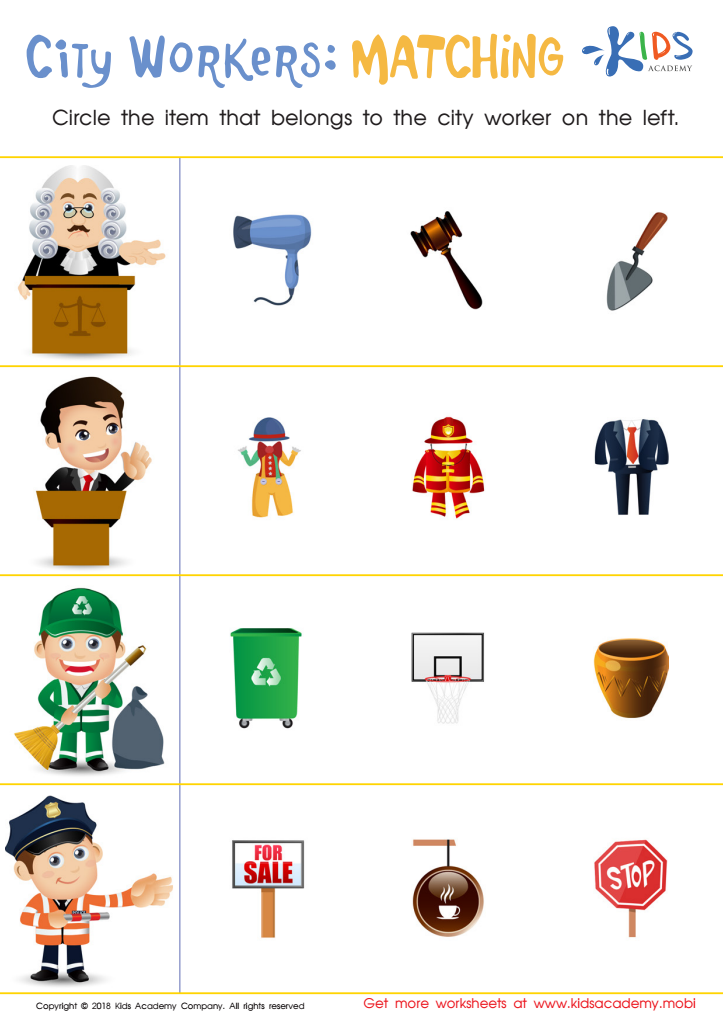
City Workers: Matching Worksheet
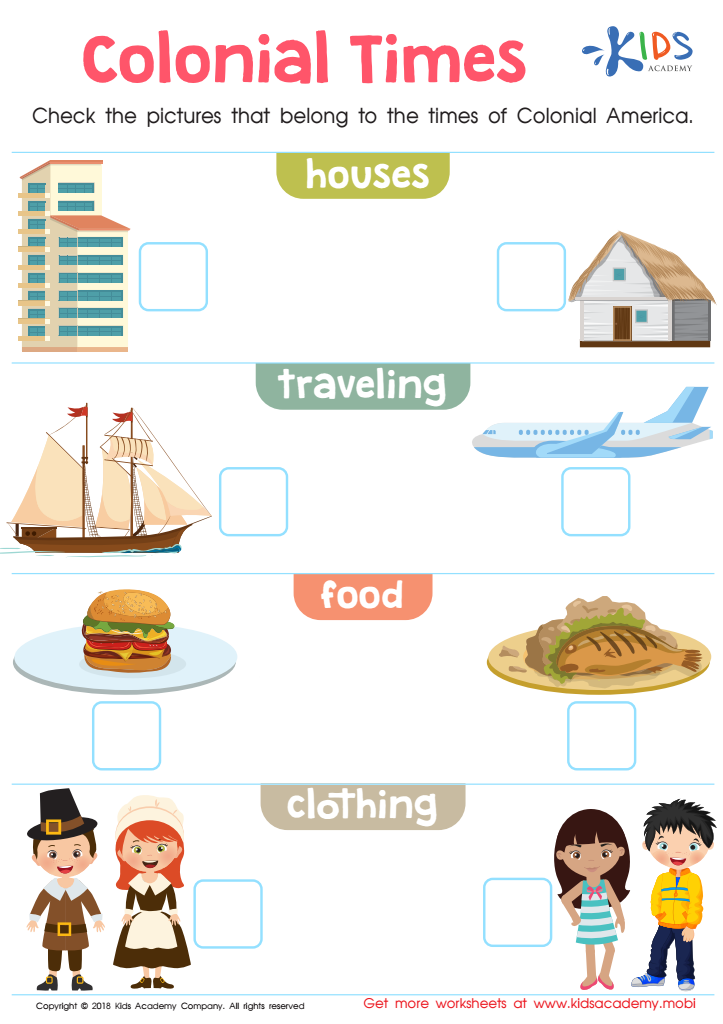
Colonial Times Worksheet
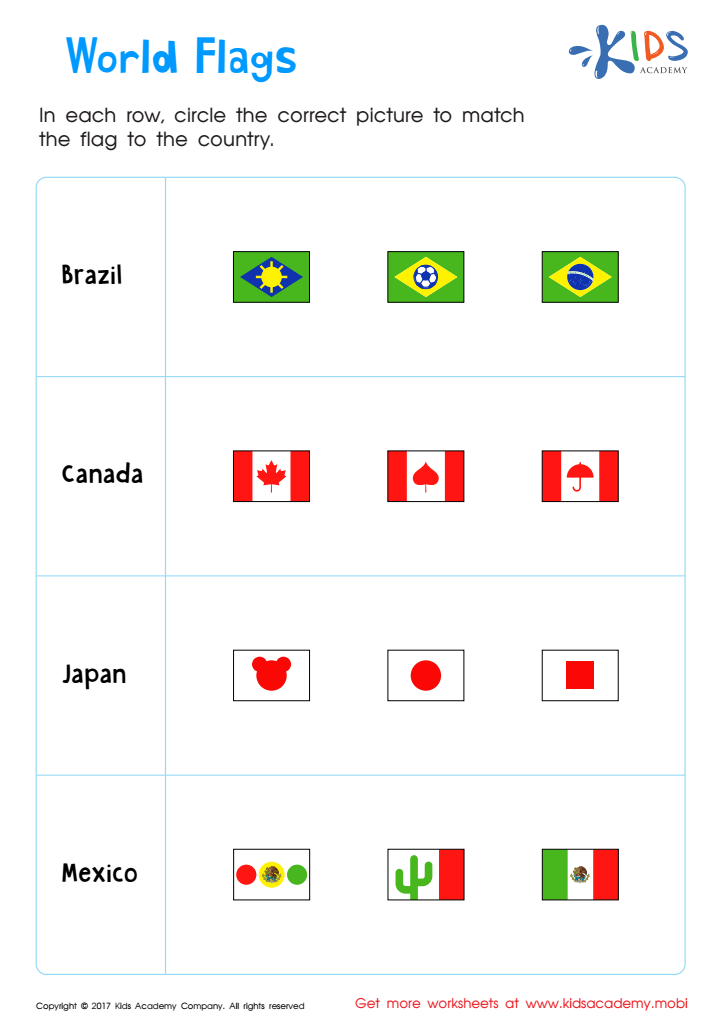
World Flags Printable
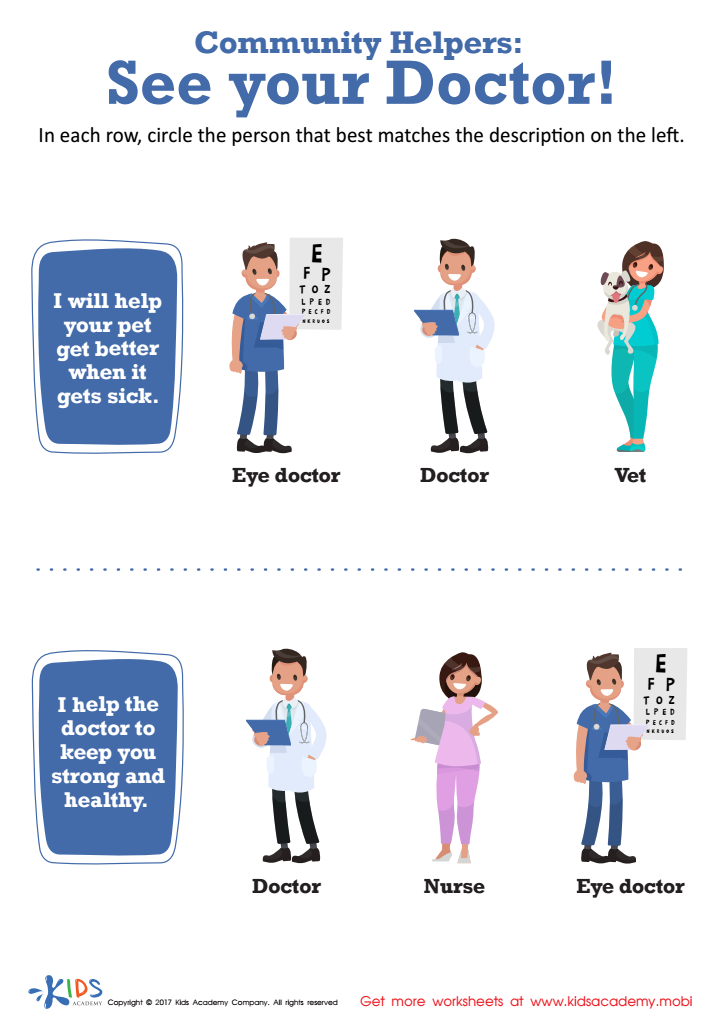
See Your Doctor (Part 2) Printable
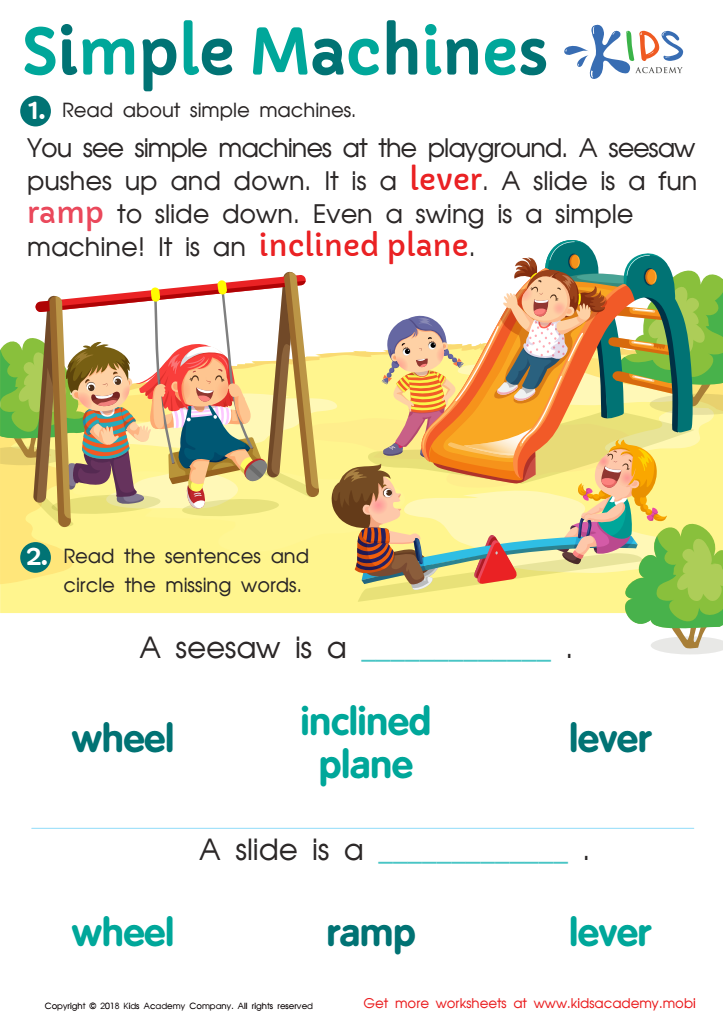
Simple Machines Worksheet
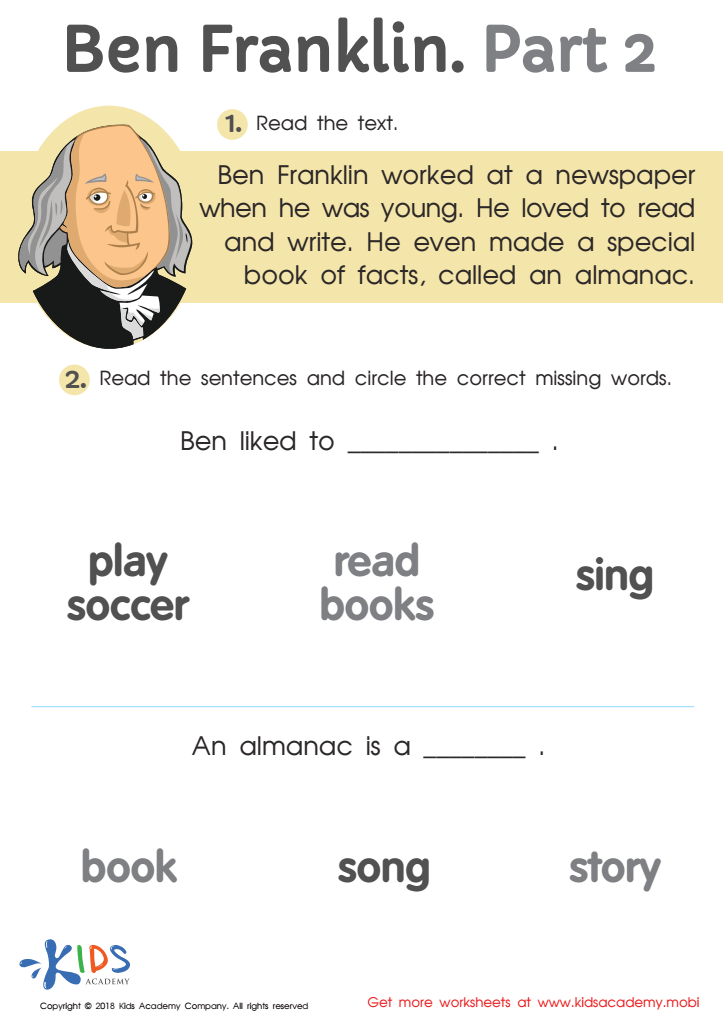
Ben Franklin Part 2 Worksheet
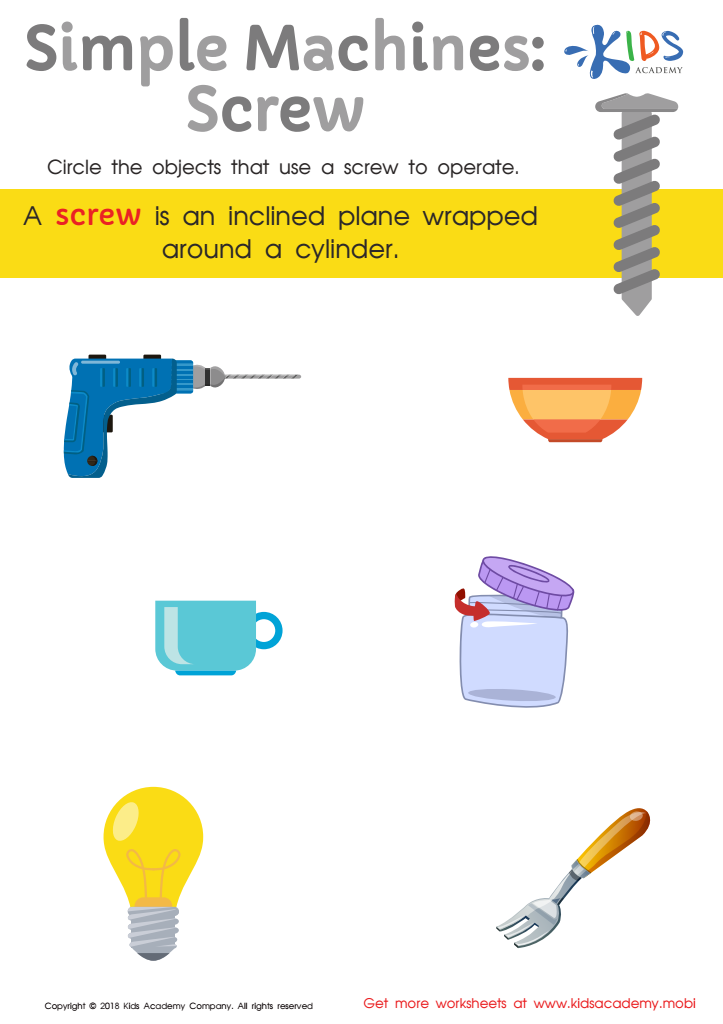
Simple Machines: Screw Worksheet
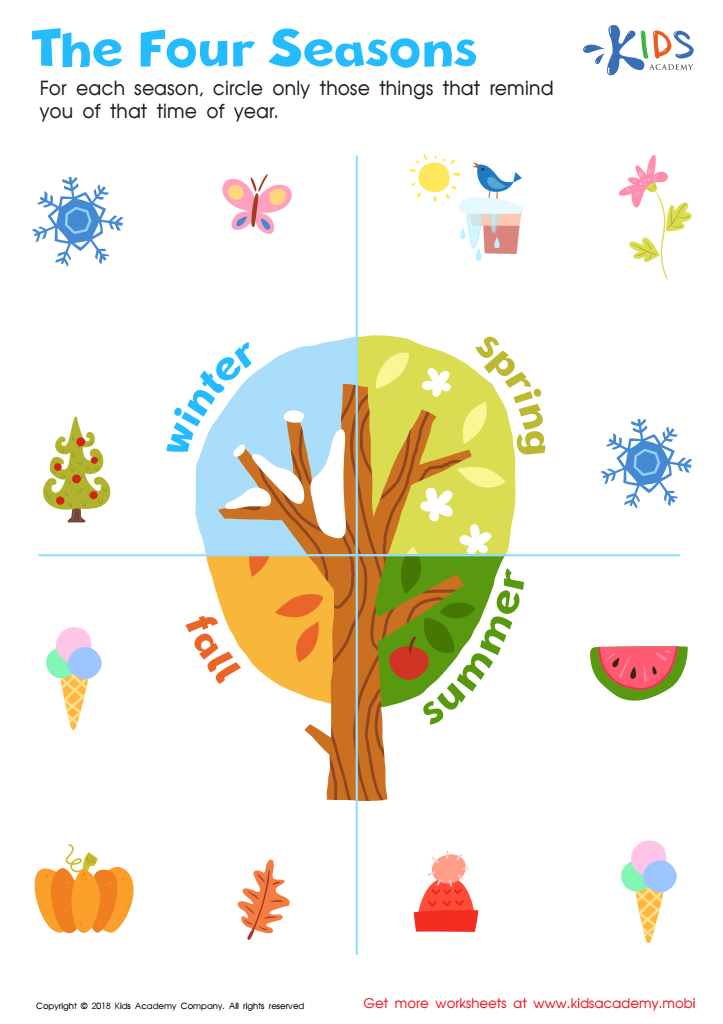
The Four Seasons Worksheet
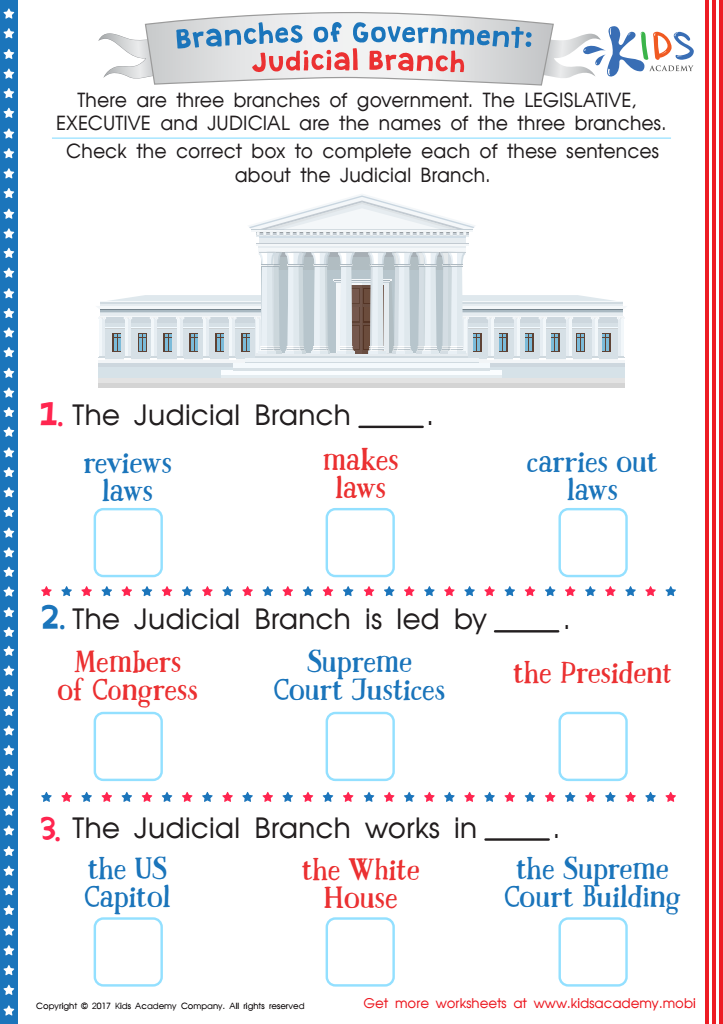
Braches of the Government: Judicial Branch Worksheet
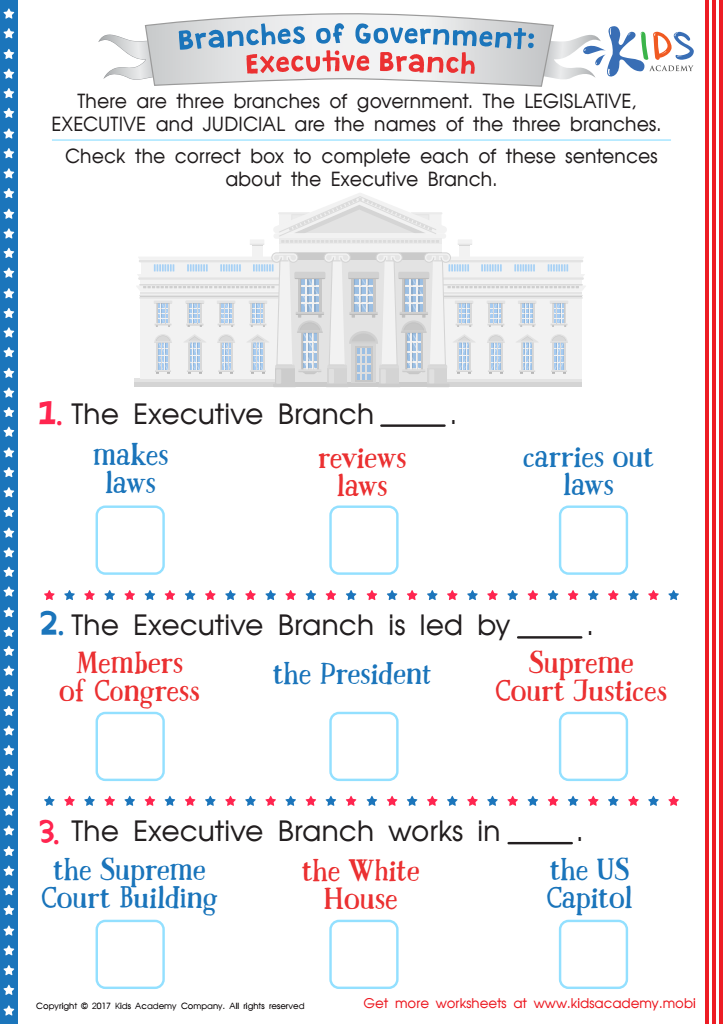
Branches of the Government: Executive Branch Printable
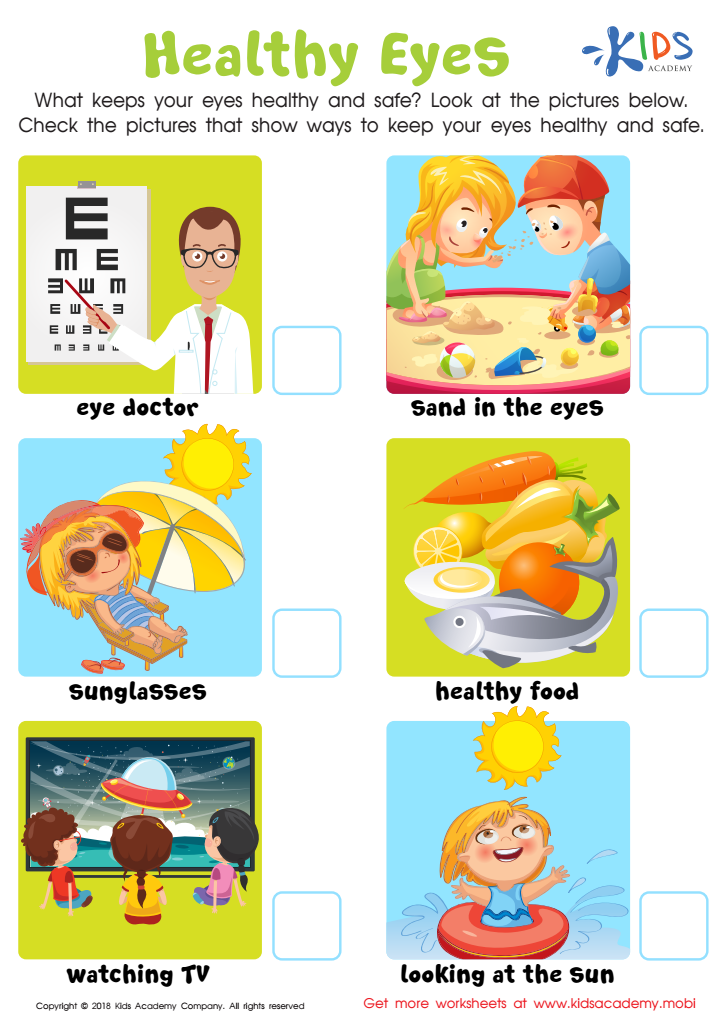
Healthy Eyes Worksheet
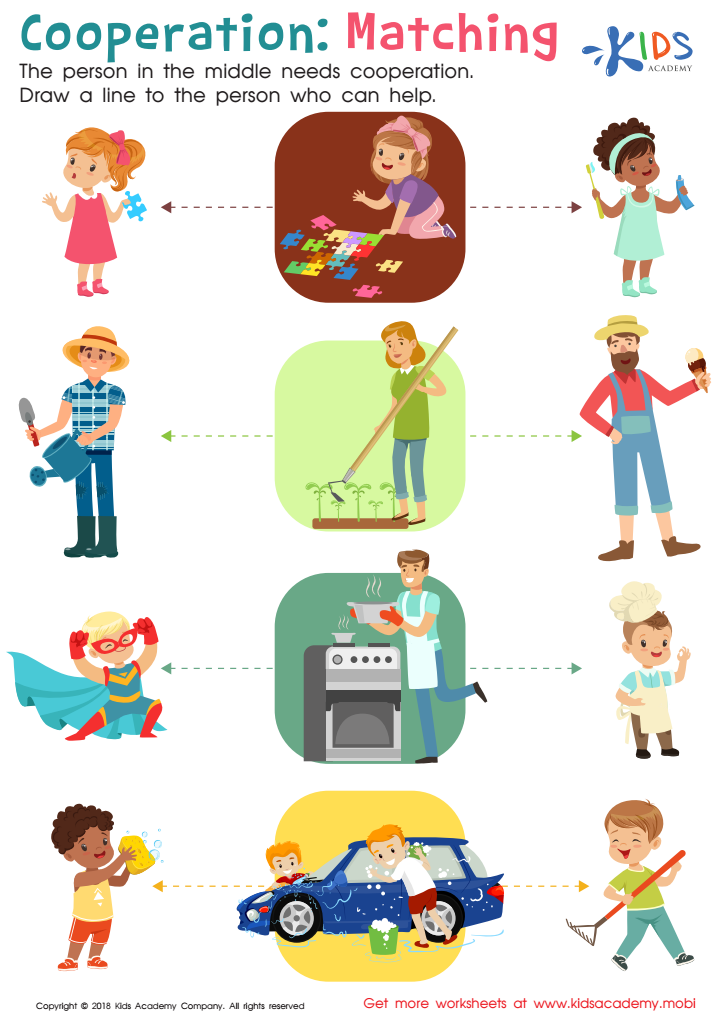
Cooperation: Matching Worksheet
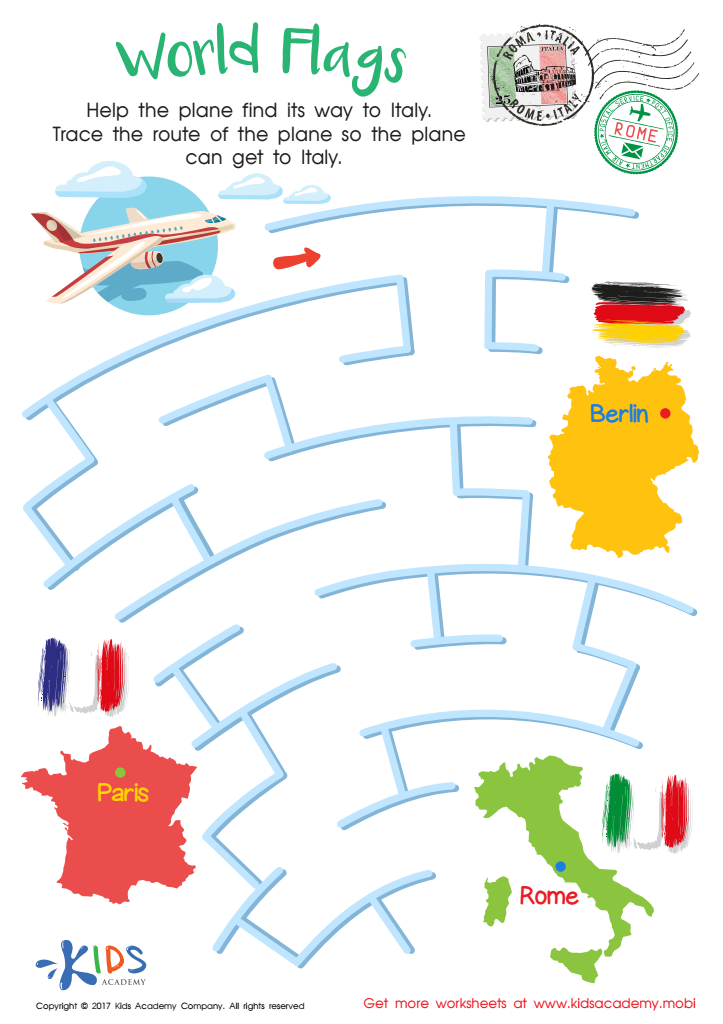
World Flags Maze Worksheet
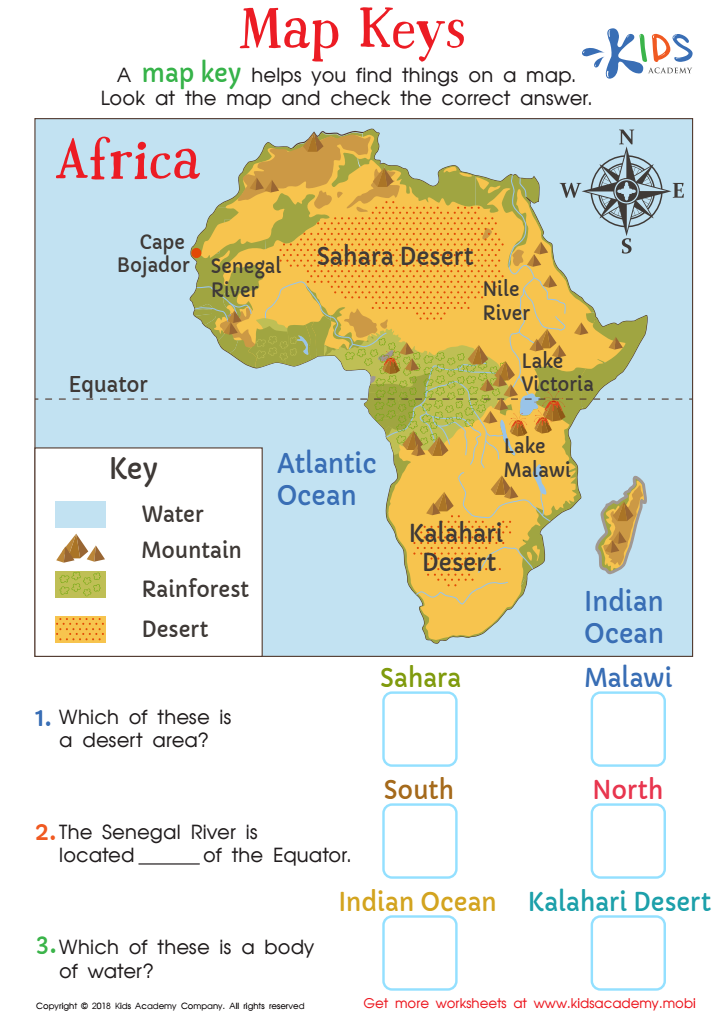
Map Keys Worksheet
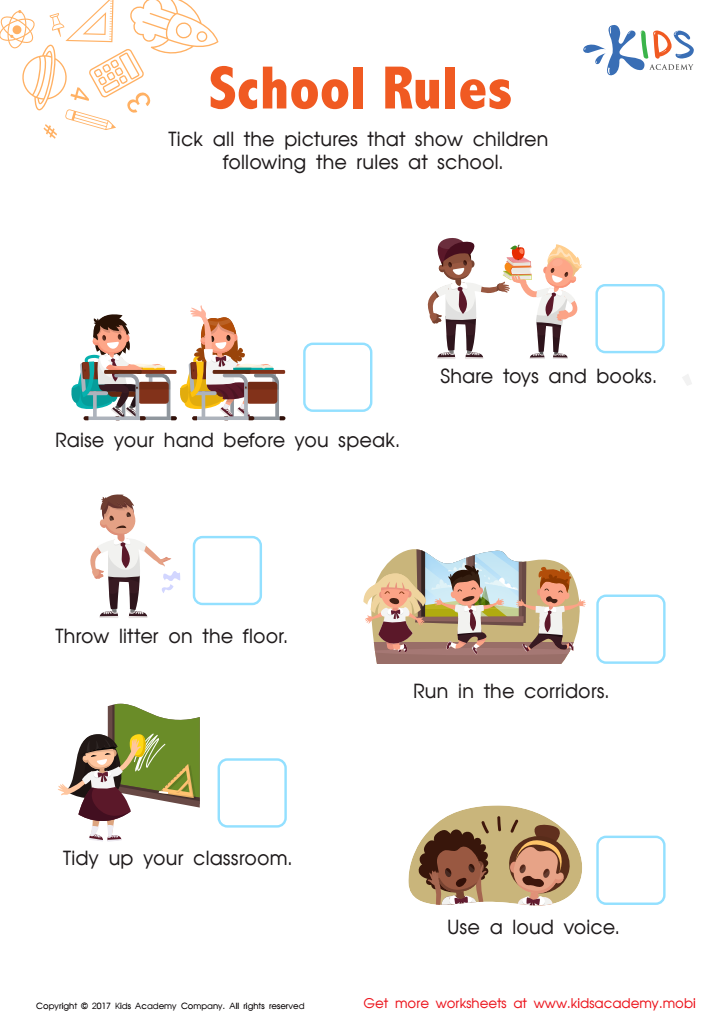
School Rules Worksheet
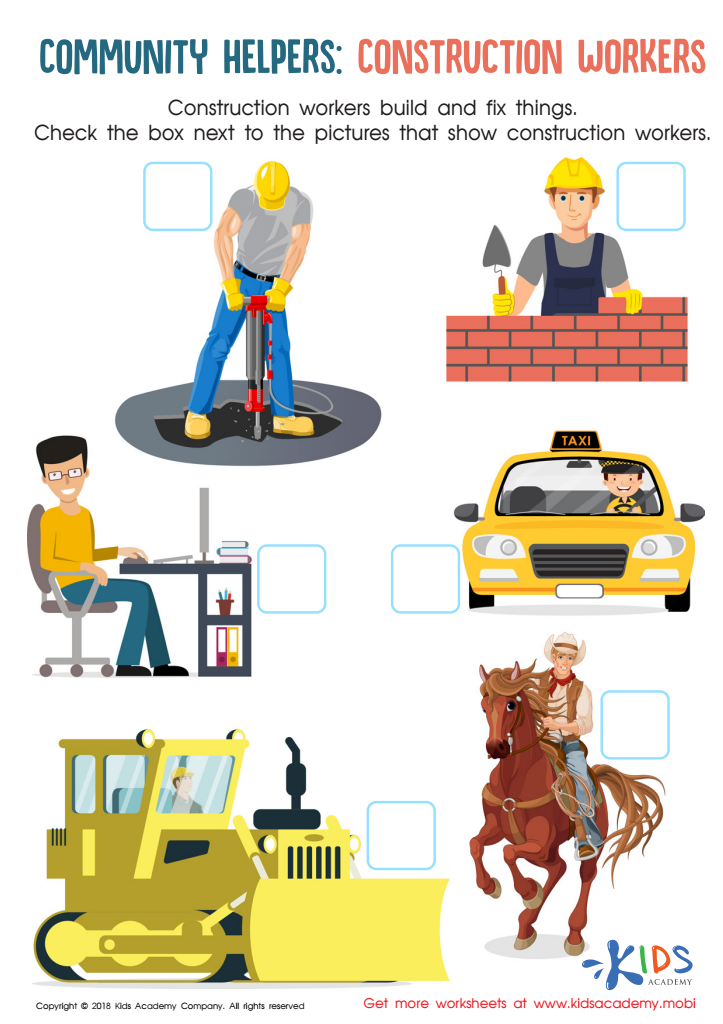
Construction Workers Community Helpers Worksheet
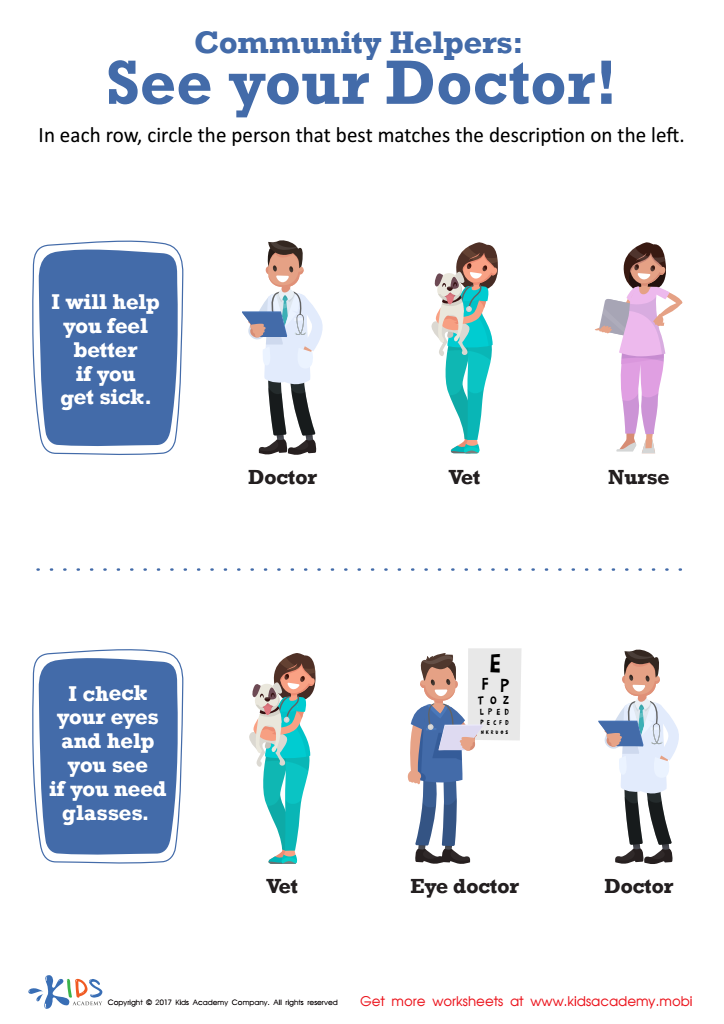
See Your Doctor (Part 1) Printable
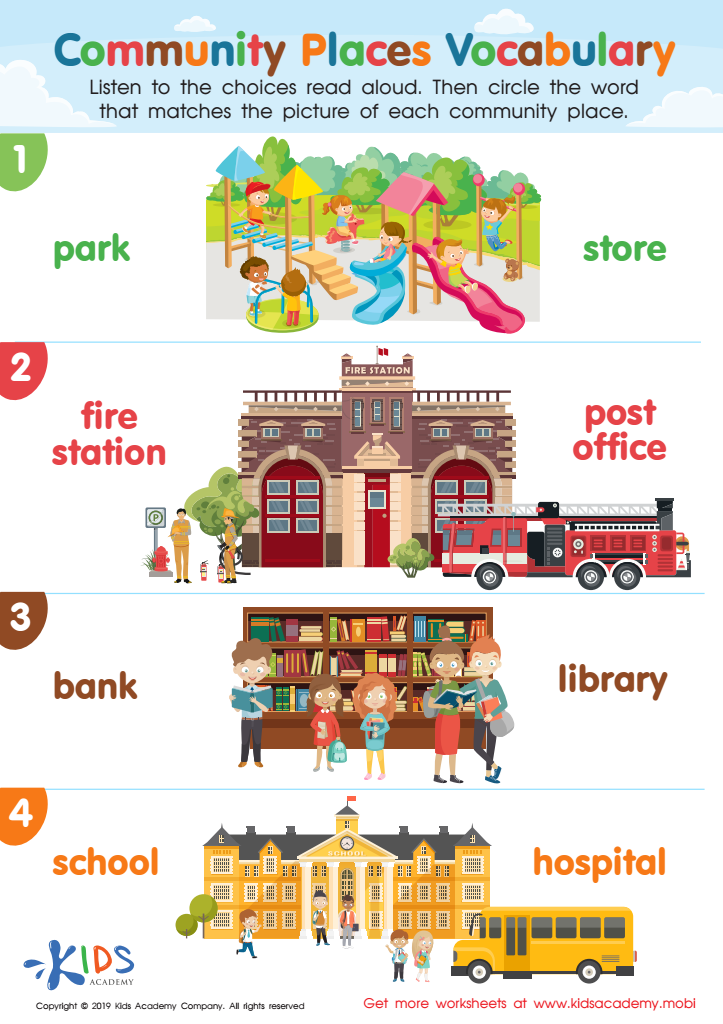
Community Places Vocabulary Worksheet
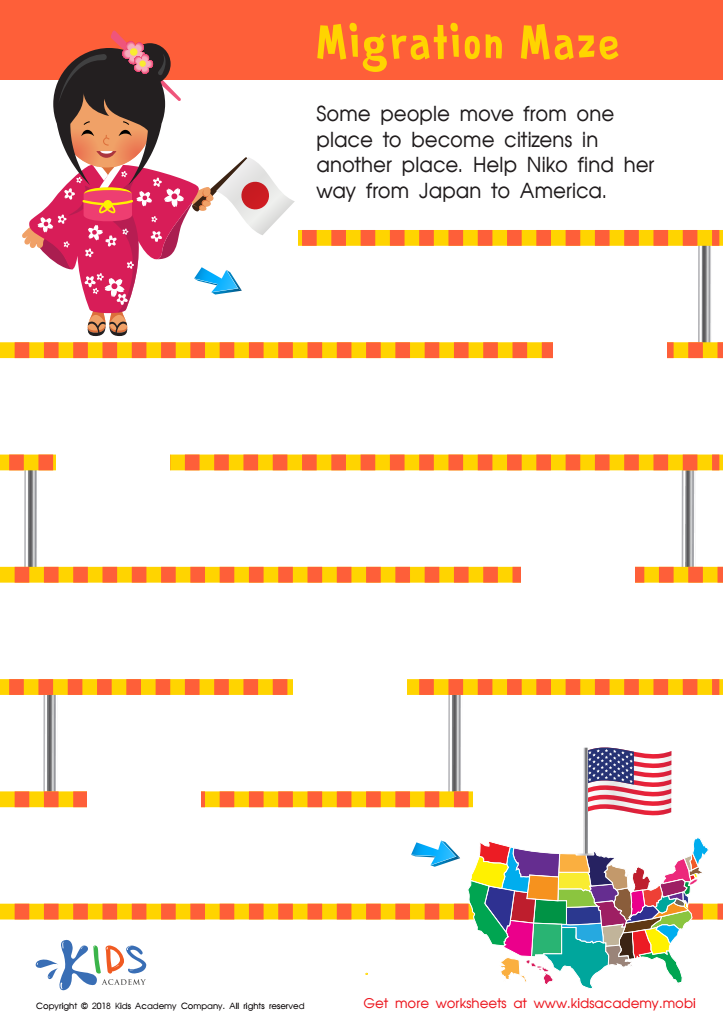
Migration Maze Worksheet






Normal Social Studies for ages 3-7 is crucial for early development as it lays the foundation for children's understanding of their world and their place within it. At this age, children are highly impressionable and naturally curious about their environment, including relationships with peers and authority figures, culture, and community. Introducing them to basic social concepts fosters empathy, respect, and cooperation, essential traits for their lifelong personal and social development.
By engaging with social studies content, children learn to recognize and appreciate diversity, including different families, cultures, and traditions. This broadens their perspectives and helps diminish biases, laying groundwork for an inclusive worldview. Additionally, early social studies education enhances critical thinking and communication skills as children practice sharing their ideas and experiences with others.
For parents and teachers, understanding social studies is essential not only for academic success but for helping children navigate social interactions healthily and positively. The lessons learned at this stage contribute significantly to emotional intelligence and social cohesion, promoting a more harmonious classroom and community. Investing time in these learning experiences equips children with the tools they need to explore, relate, and engage with others effectively throughout their lives.








