Problem-Solving Skills Normal Math Worksheets for Ages 3-8 - Page 3
71 filtered results
-
From - To
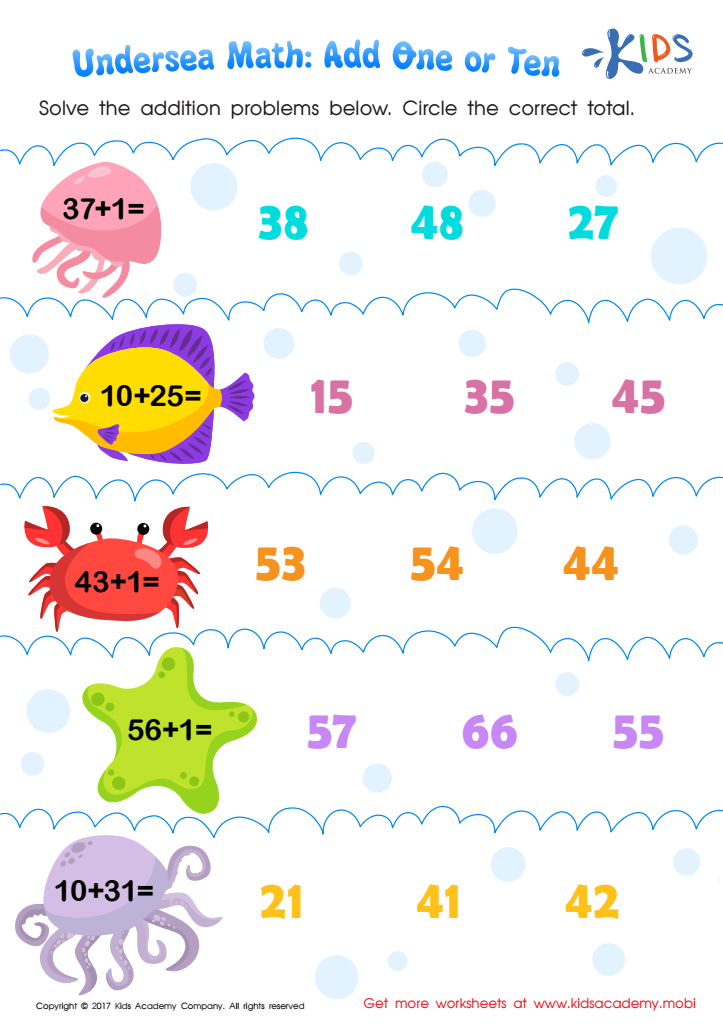
Undersea Math Worksheet
 Assign to My Students
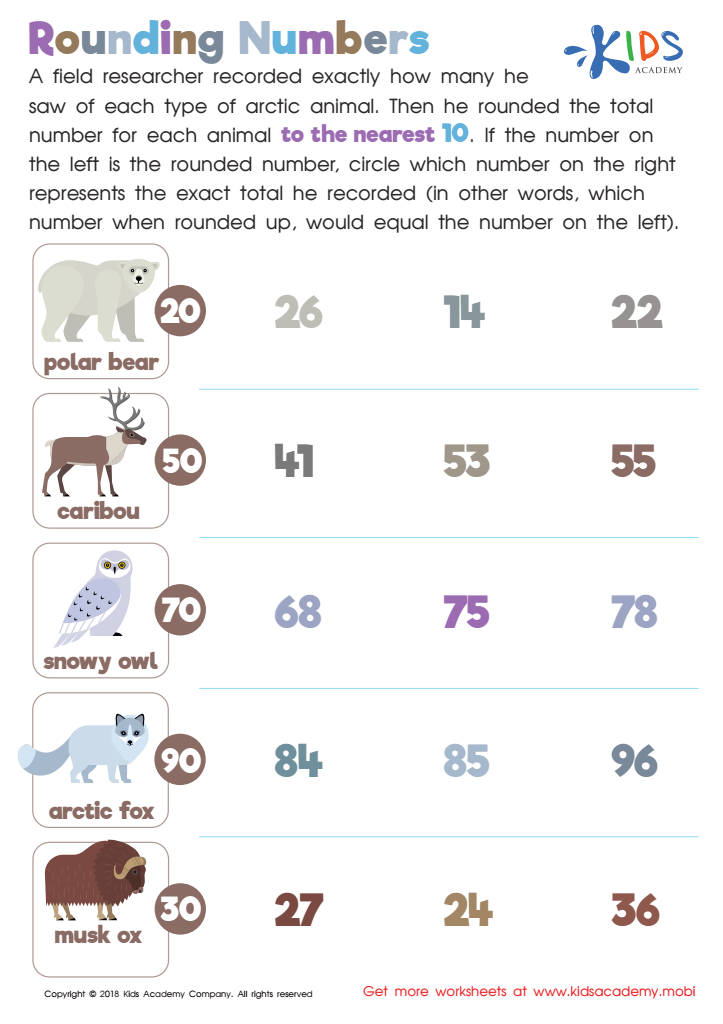
Rounding Numbers Worksheet
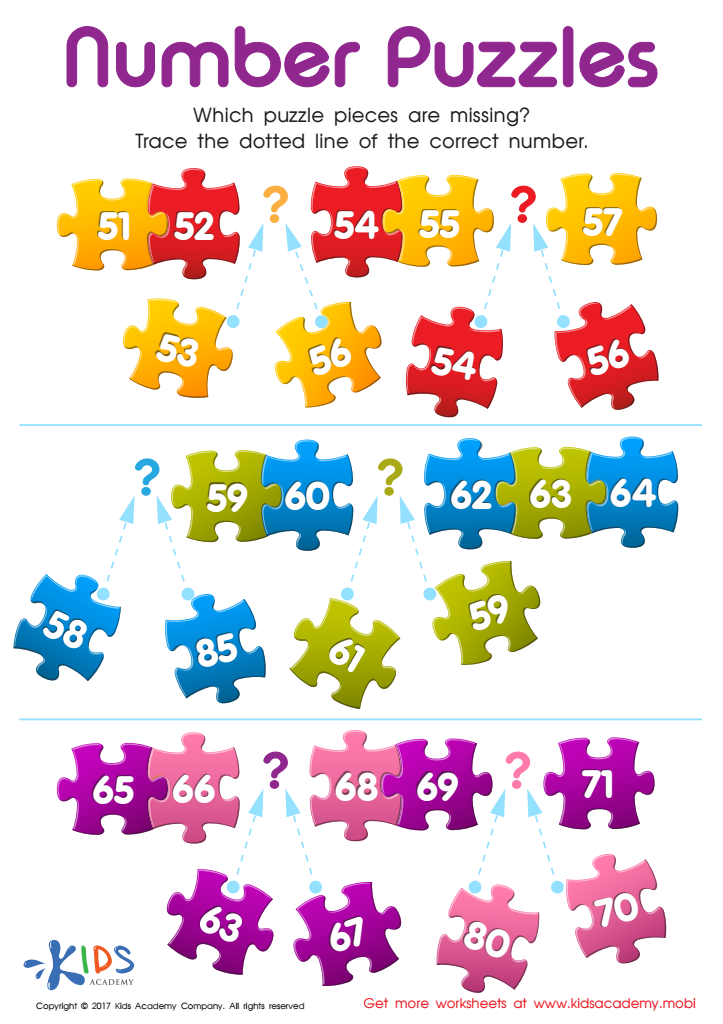
Number Puzzles Worksheet
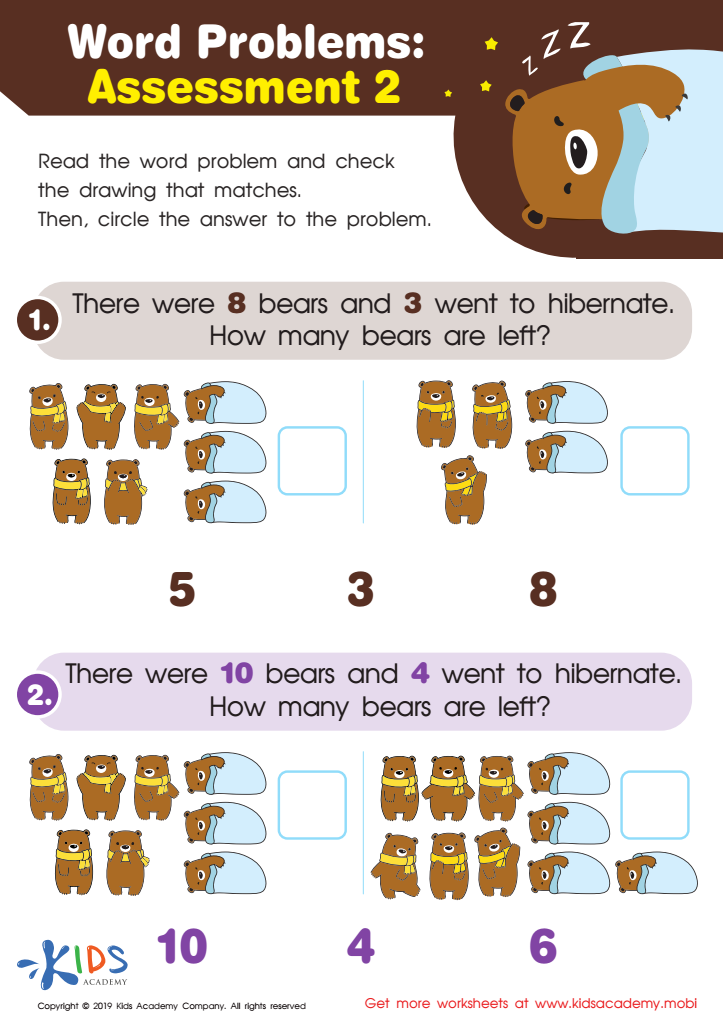
Word Problems: Assessment 2 Worksheet
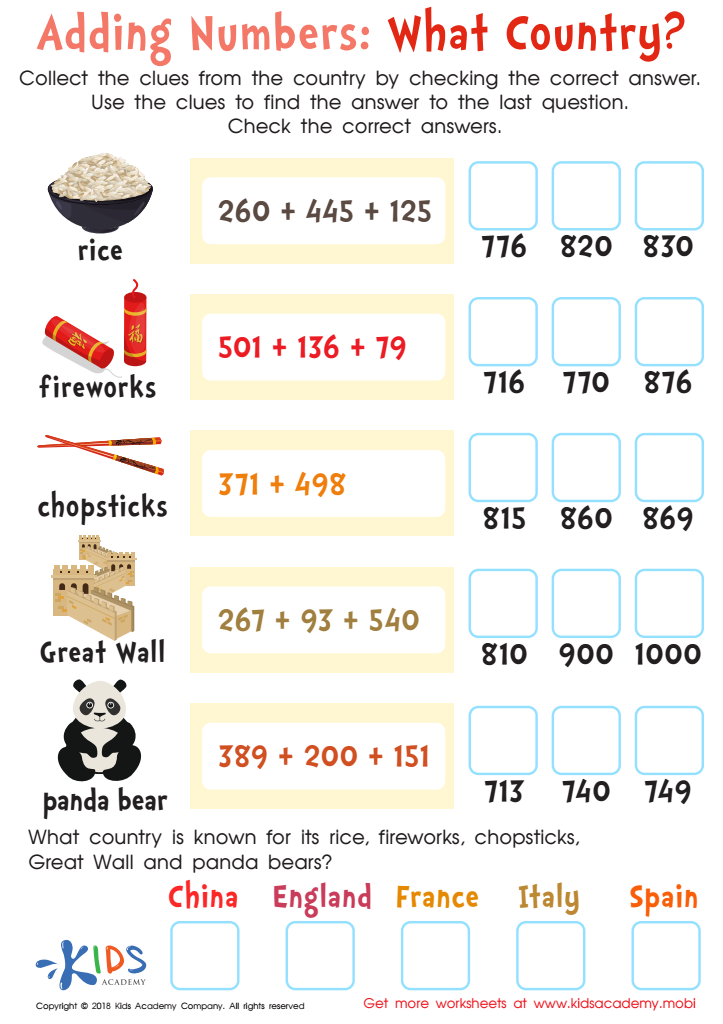
Adding Numbers: What Country Worksheet
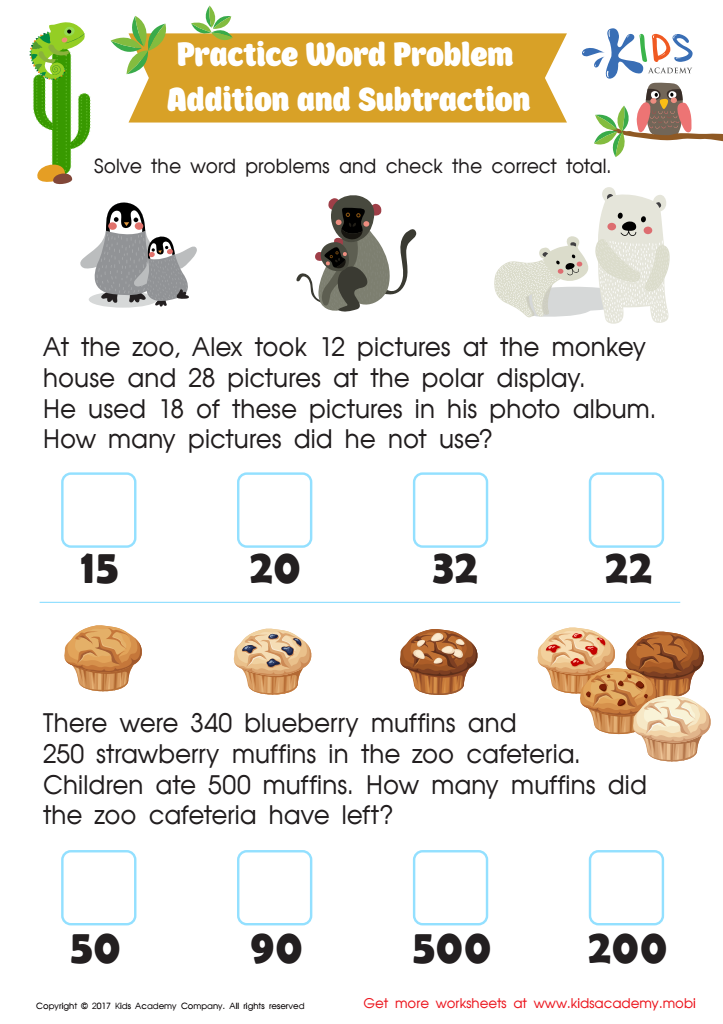
Addition and Subtraction: Word Problems Worksheet
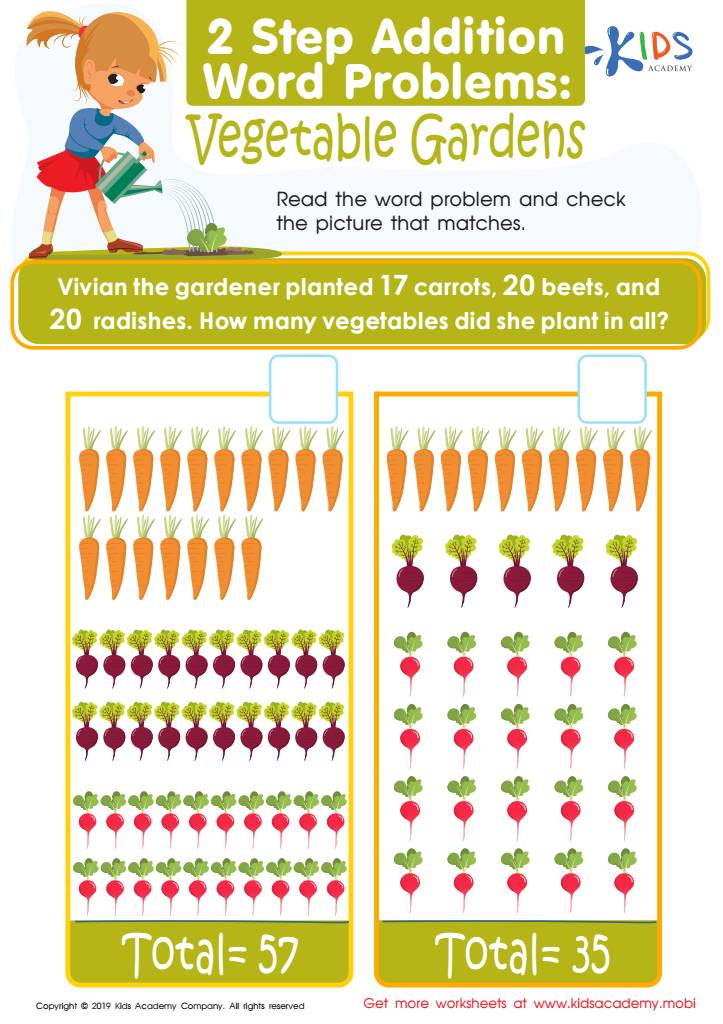
Vegetable Gardens Worksheet
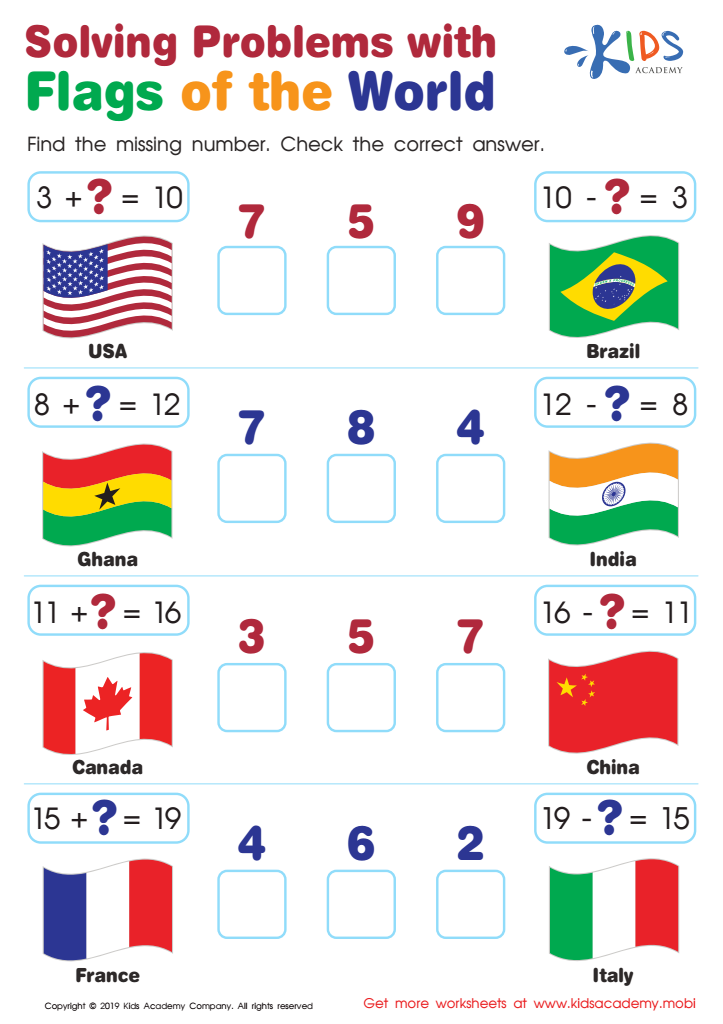
Solving Problems with Flags of the World Worksheet
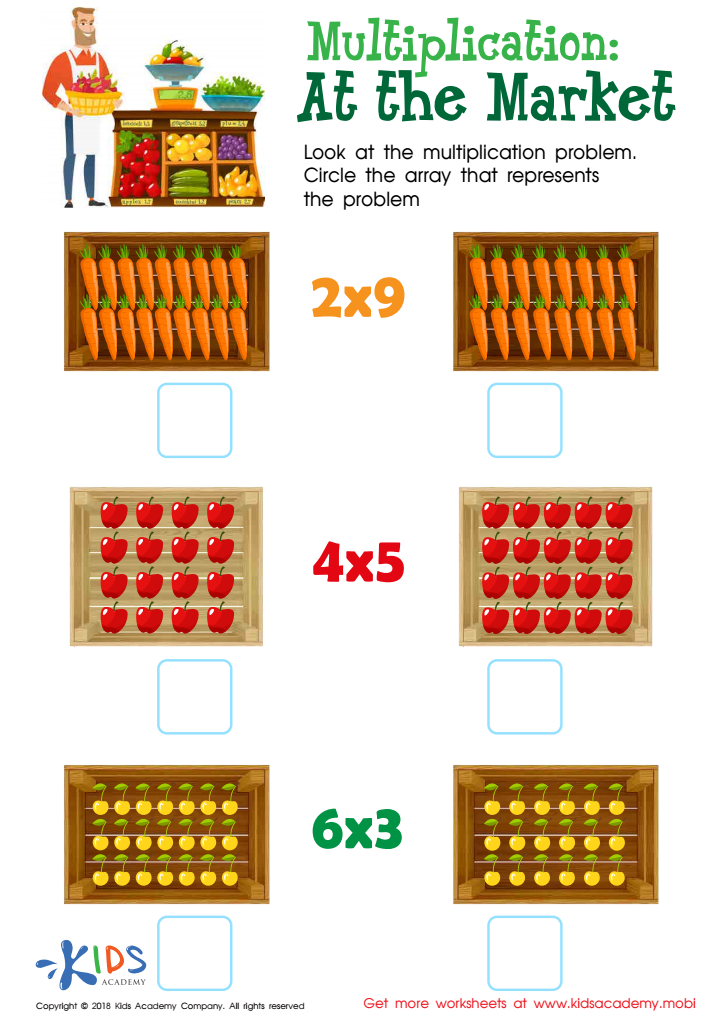
At the Market Worksheet
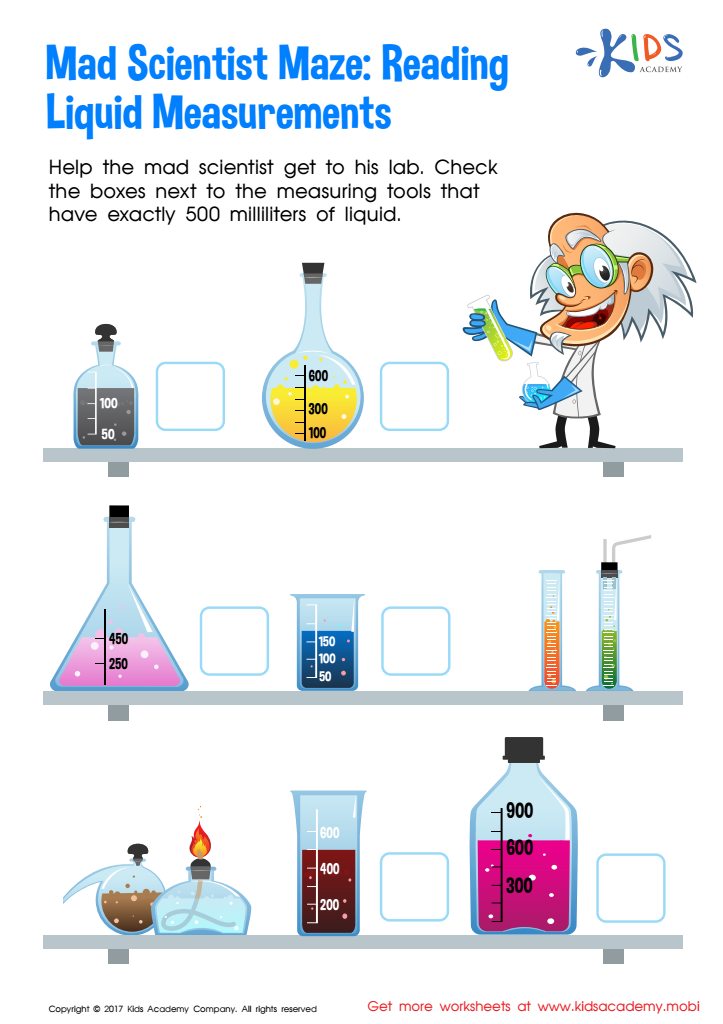
Reading Liquid Measurement Worksheet
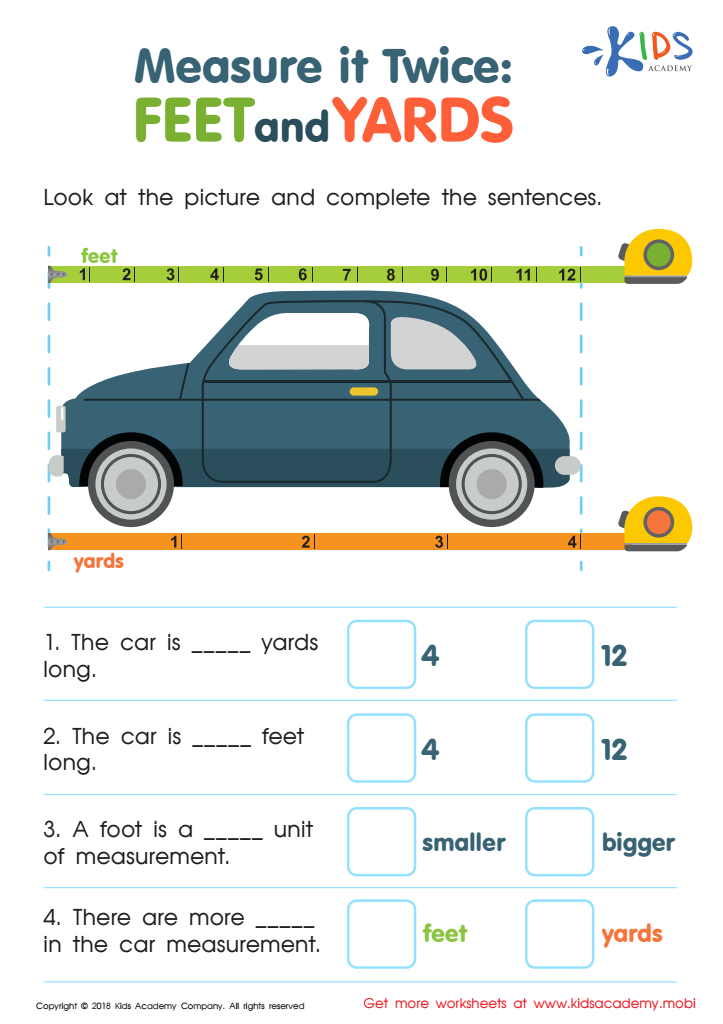
Measure It Twice: Feet and Yards Worksheet
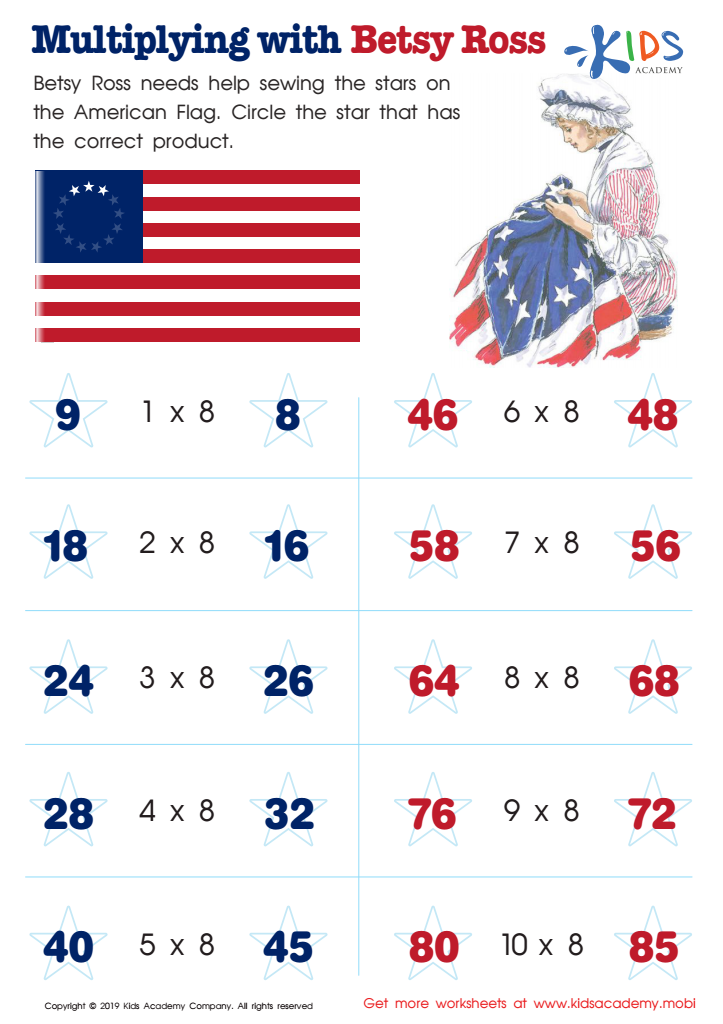
Multiplying with Betsy Ross Worksheet
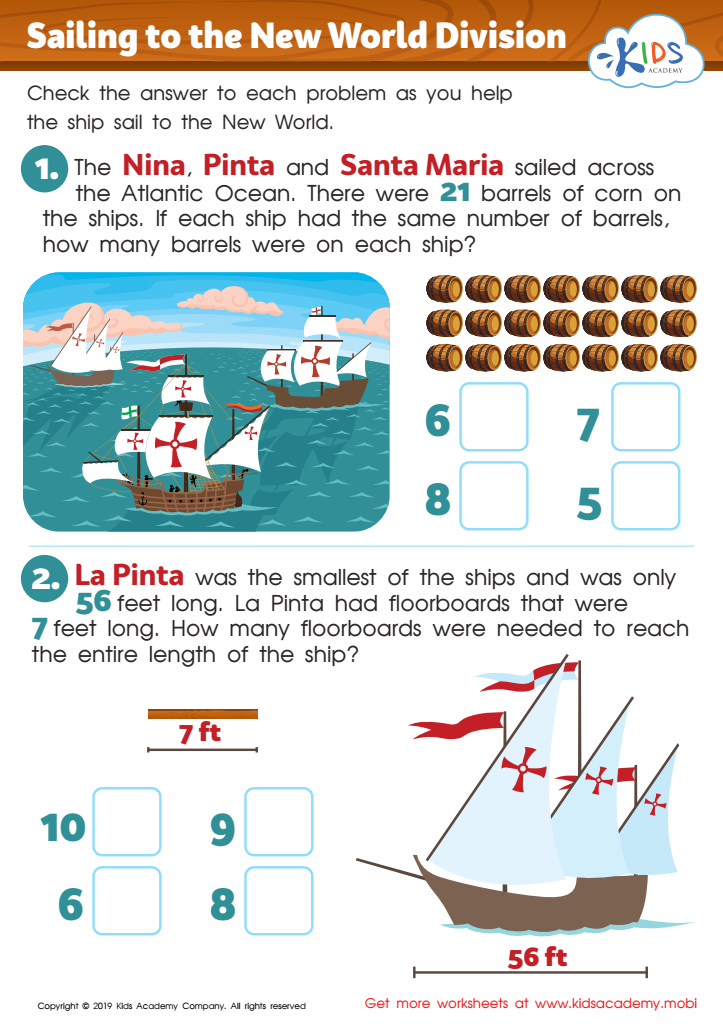
Sailing to the New World Division Worksheet
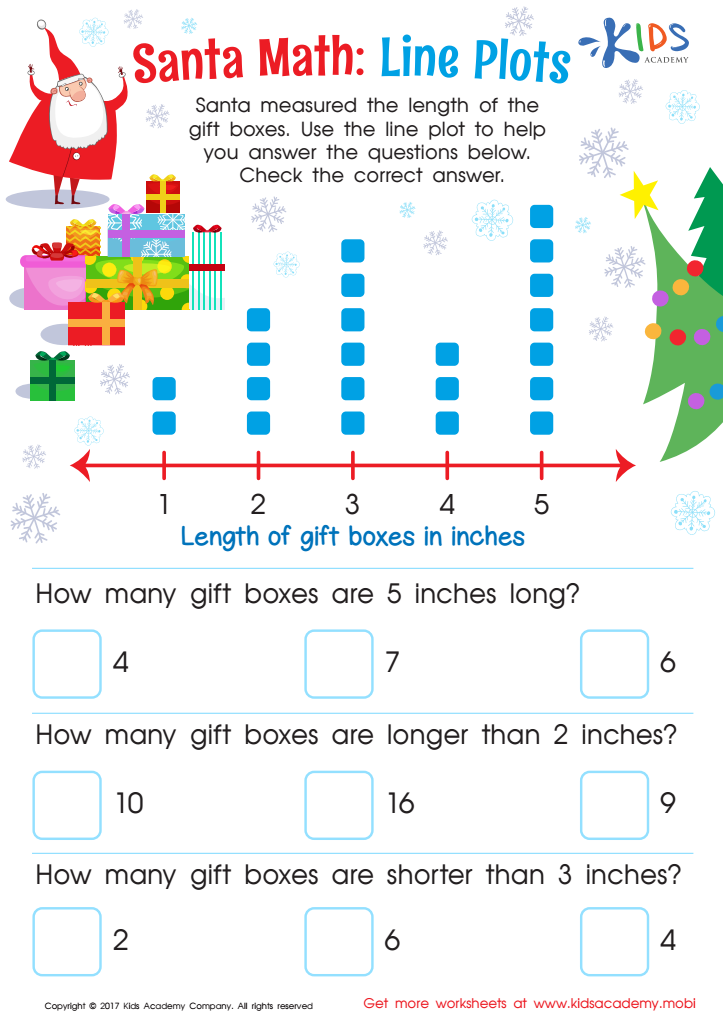
Line Plot Worksheet
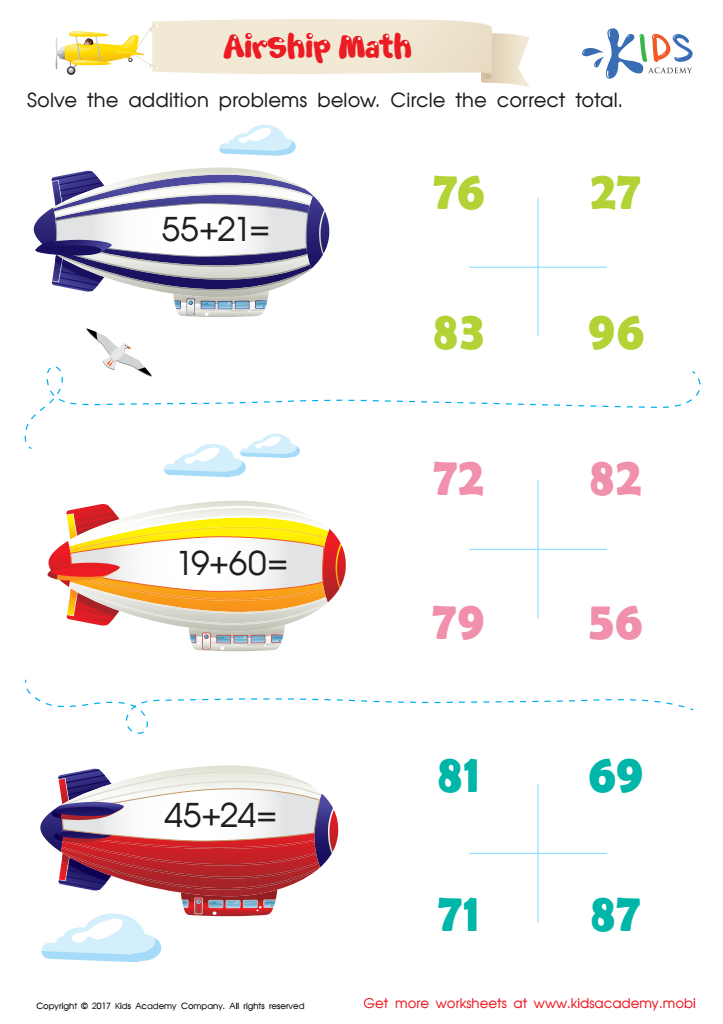
Airship Math Addition Printable
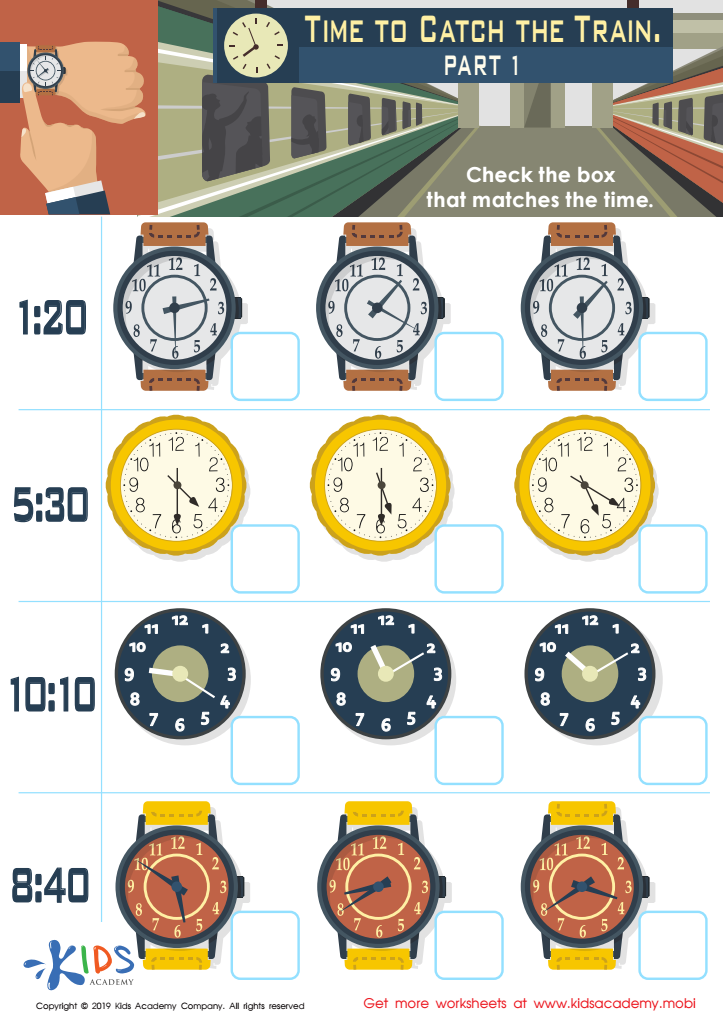
Time to Catch the Train Part 1 Worksheet
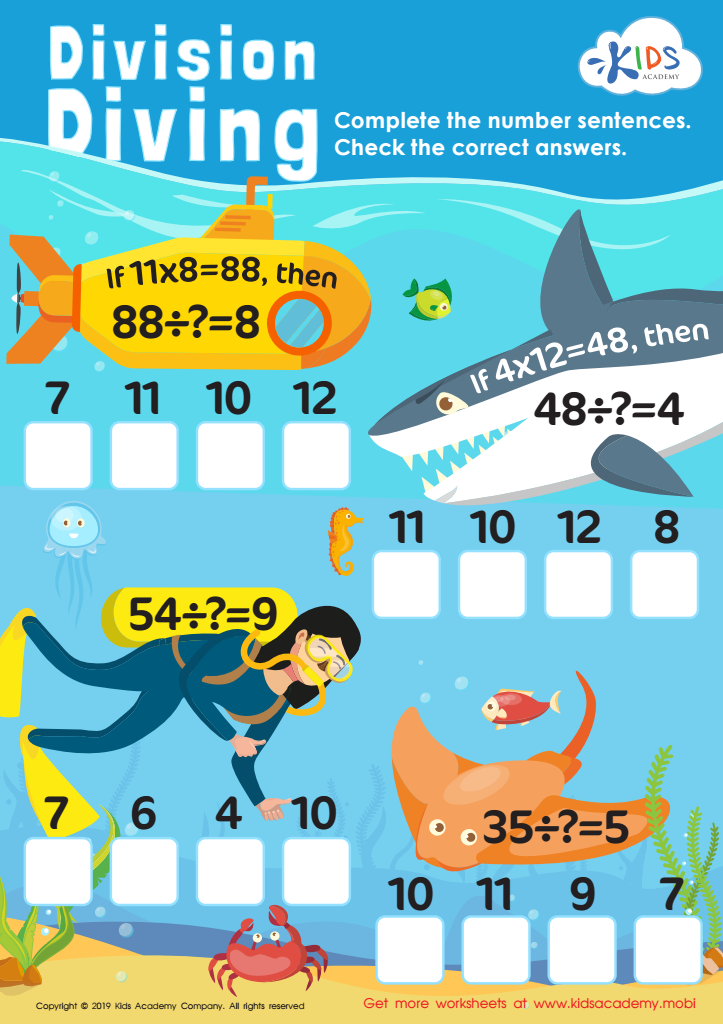
Division Diving Worksheet
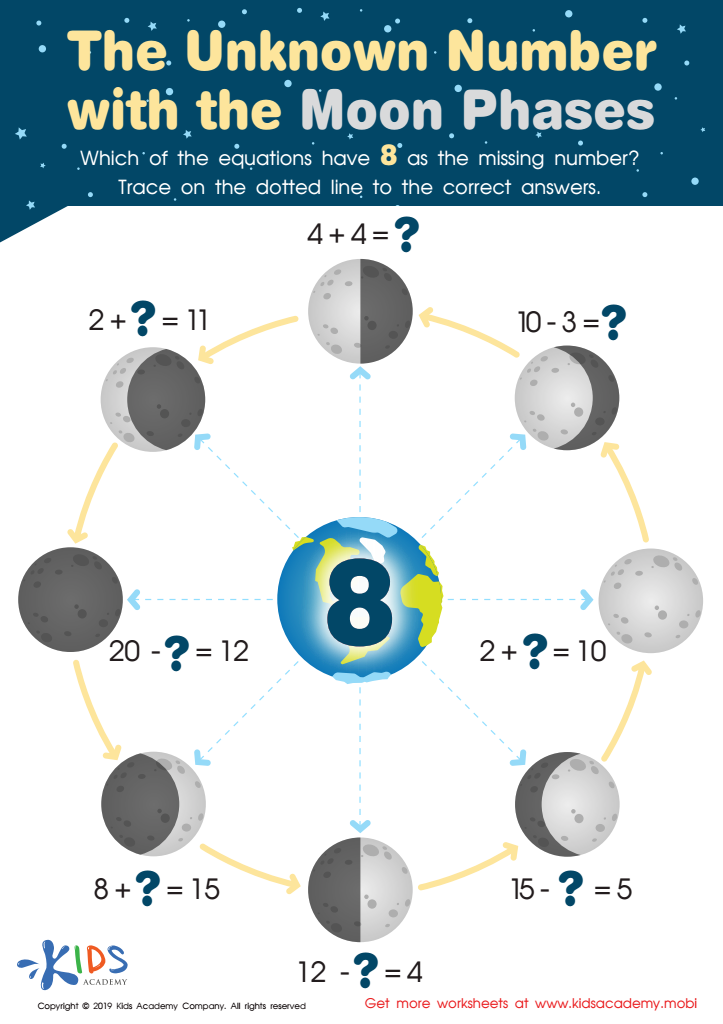
The Unknown Number with the Moon Phases Worksheet
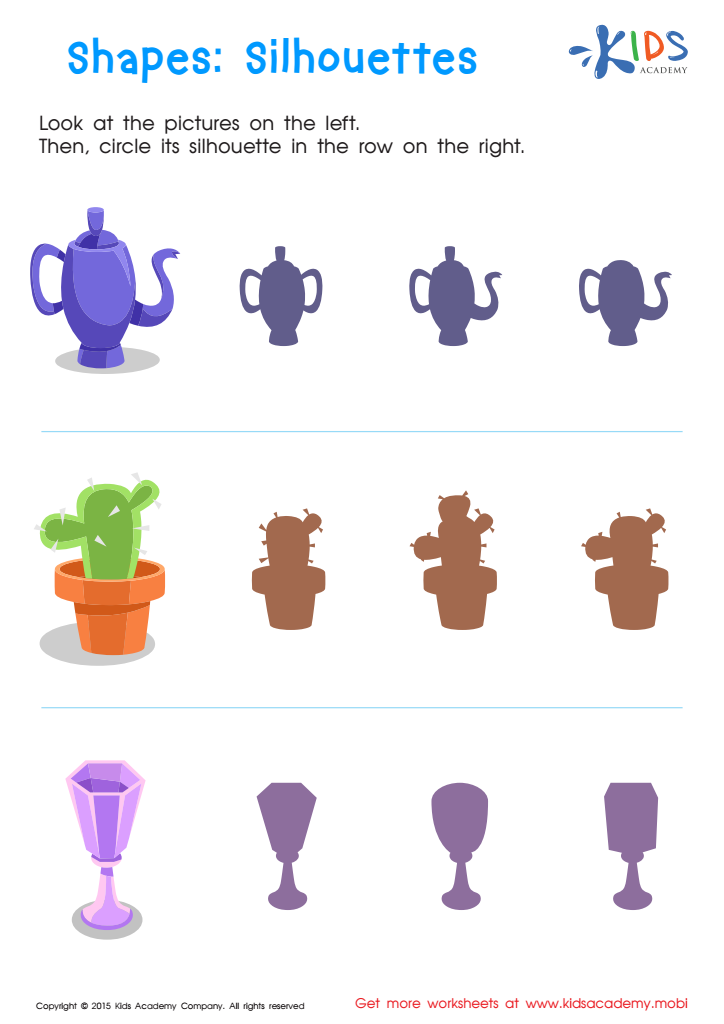
Silhouettes – Shapes Worksheet
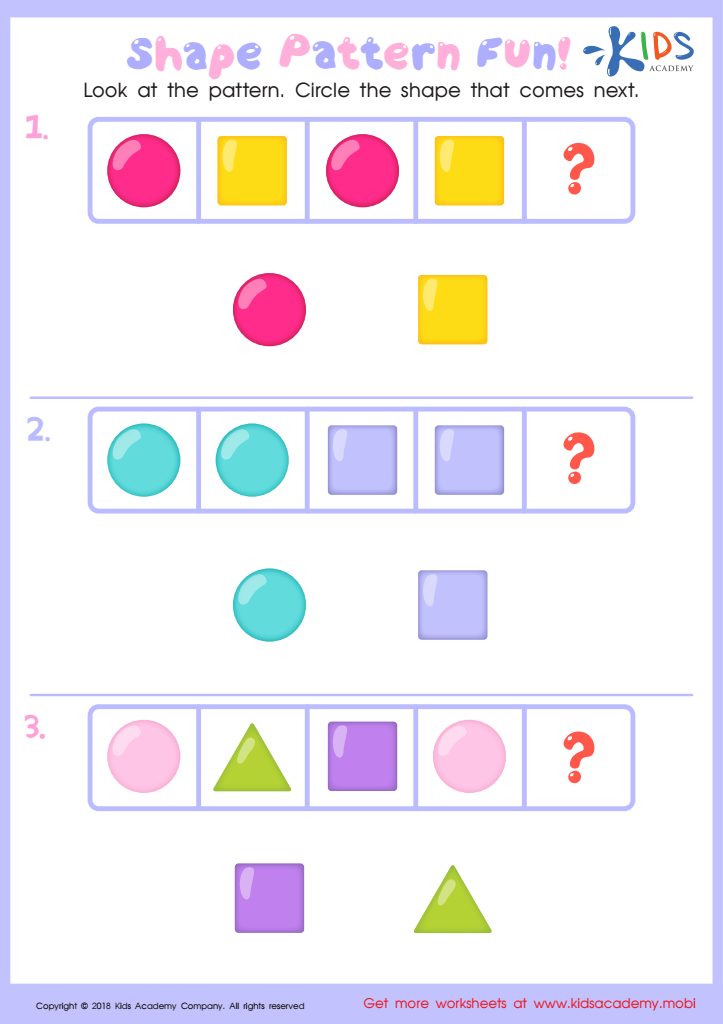
Shape Pattern Fun Worksheet
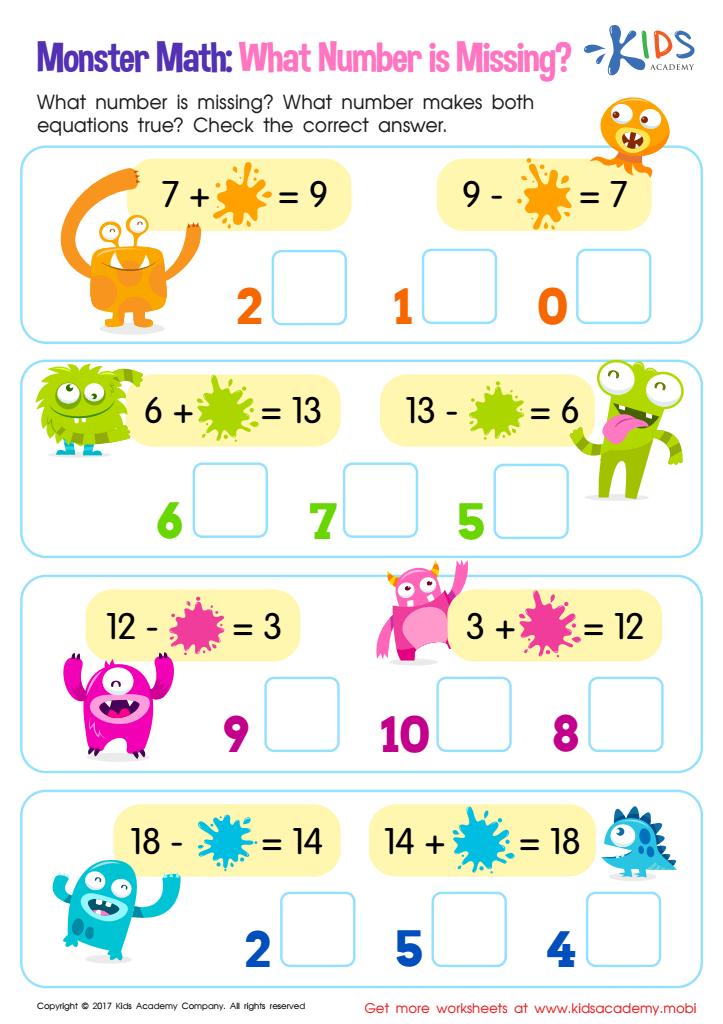
Missing Number: Monster Math Worksheet
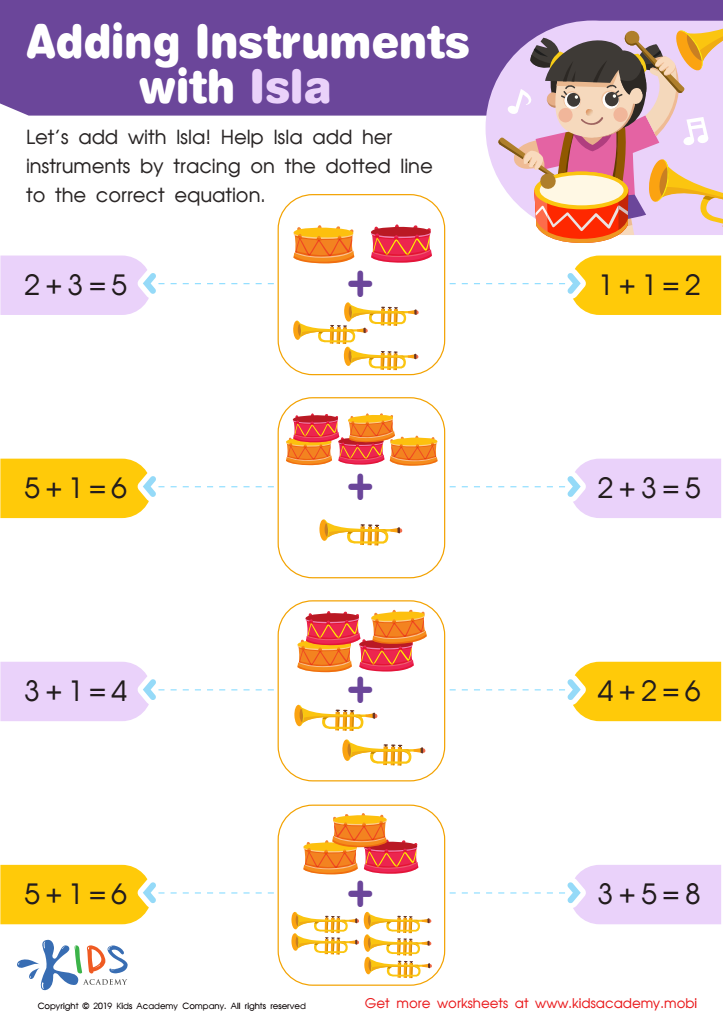
Adding Instruments with Isla Worksheet
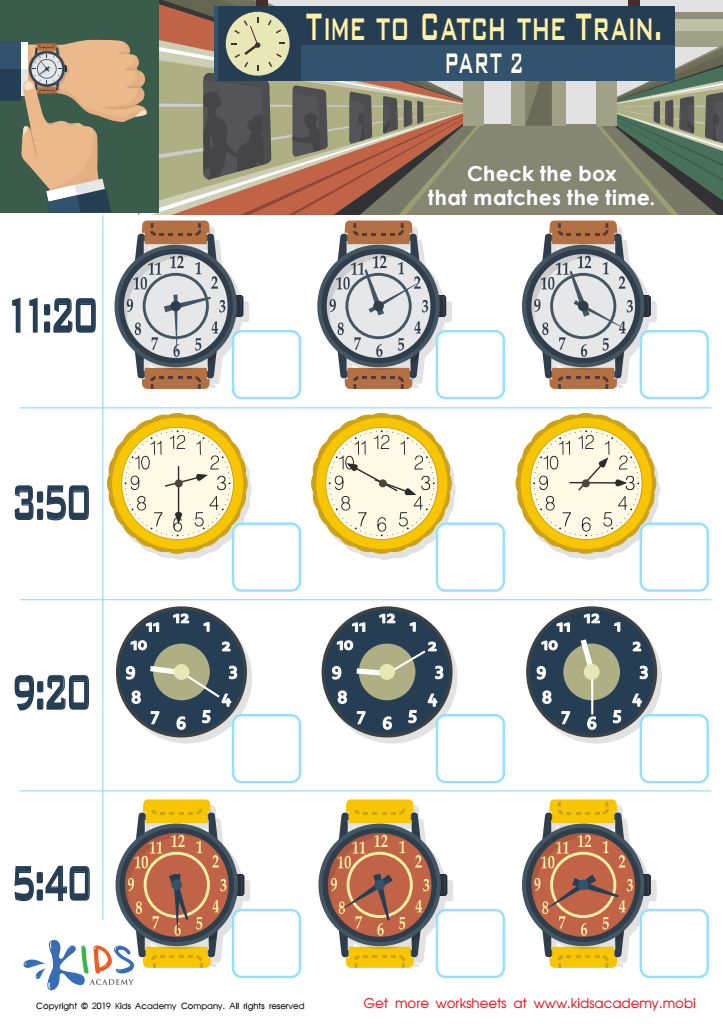
Time to Catch the Train Part 2 Worksheet






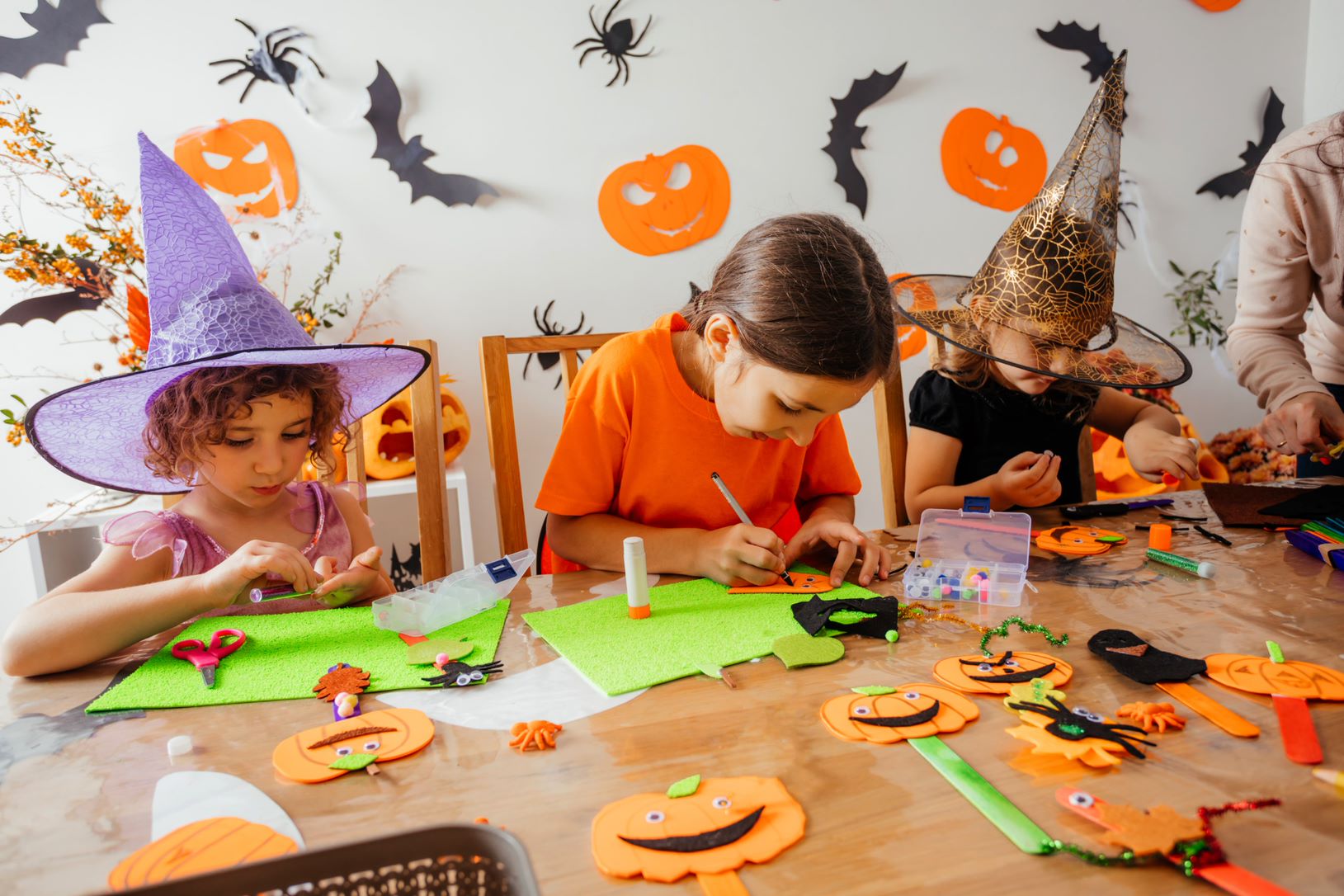
Problem-solving skills in math are crucial for children aged 3-8, and parents and teachers should prioritize their development for several reasons. Firstly, these skills establish a foundation for logical thinking and critical reasoning, which are essential not just in mathematics, but in all areas of learning and decision-making. When children learn to tackle age-appropriate math problems, they also practice perseverance, as they engage in trial and error and learn to formulate strategies.
Additionally, strong problem-solving skills foster a growth mindset. Children begin to understand that mistakes are part of the learning process, leading to resilience and improved self-esteem. Encouraging this mindset early on helps children become more confident learners.
Moreover, engaging in problem-solving activities promotes social skills. Group math games or collaborative challenges enable children to communicate their thought processes and consider different perspectives.
Finally, these skills are linked to later academic success. Research shows that students with robust problem-solving abilities outperform their peers in higher-level math and other subjects. By cultivating problem-solving skills in early education, parents and teachers contribute to building a strong academic and emotional foundation for children as they progress through their educational journeys.








