Shape Recognition Normal Math Worksheets for Ages 3-8
36 filtered results
-
From - To
Explore our engaging Shape Recognition Normal Math Worksheets designed specifically for children ages 3 to 8. These thoughtfully crafted worksheets help young learners identify, understand, and work with various shapes in a fun and interactive way. Perfect for enhancing foundational math skills, our resources include colorful illustrations and simple activities that encourage exploration and creativity. Children can practice recognizing shapes through tracing, matching, and sorting exercises that cater to different learning styles. With easy-to-follow instructions, our worksheets promote independent learning while making math enjoyable. Empower your child’s learning journey with our shape recognition materials today!
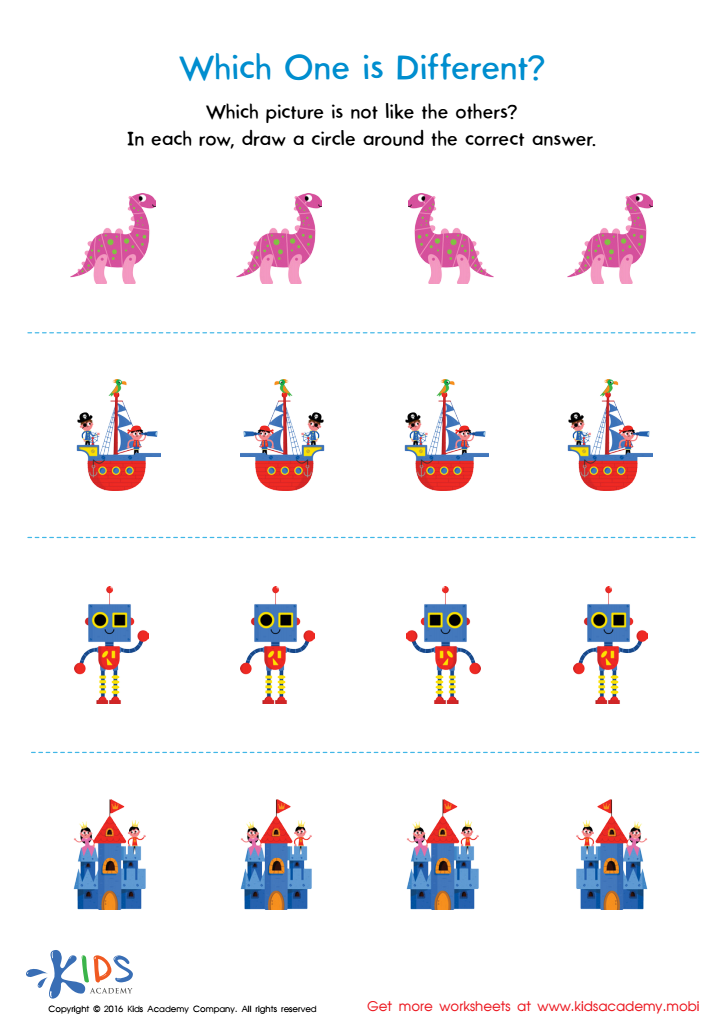
Which One Is Different Worksheet
 Assign to My Students
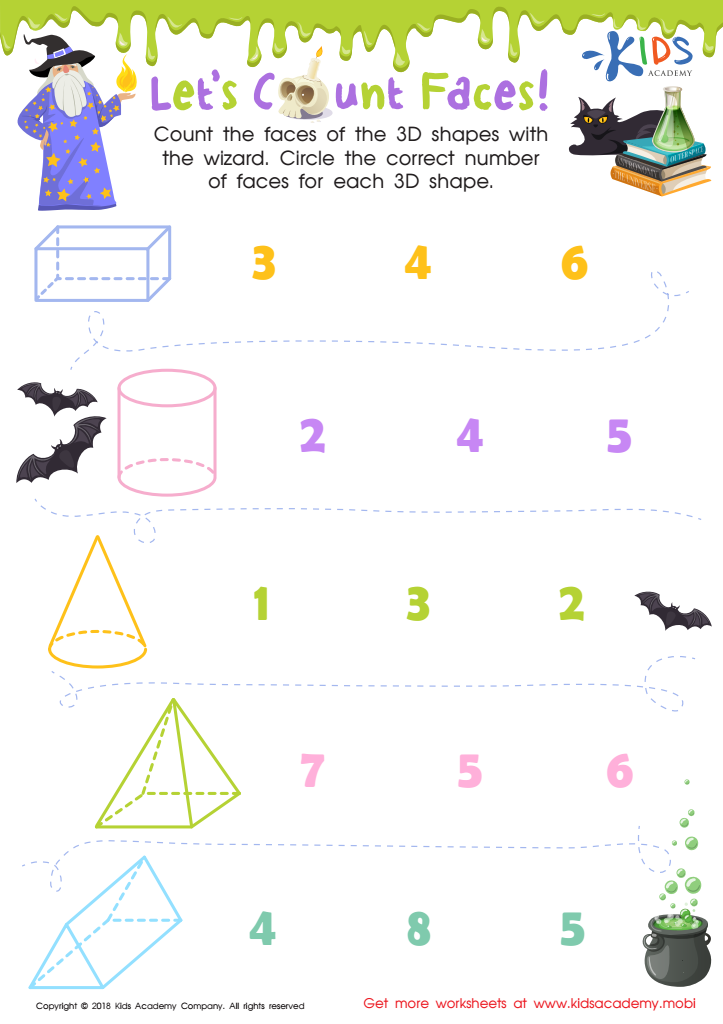
Let's Count Faces! Worksheet
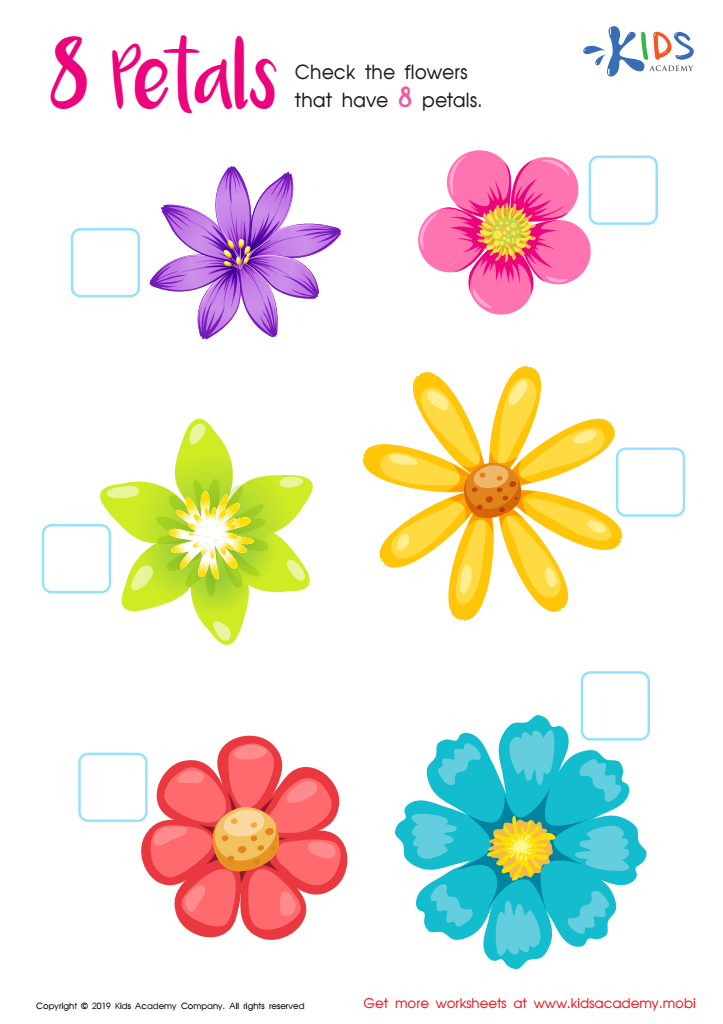
8 Petals Worksheet
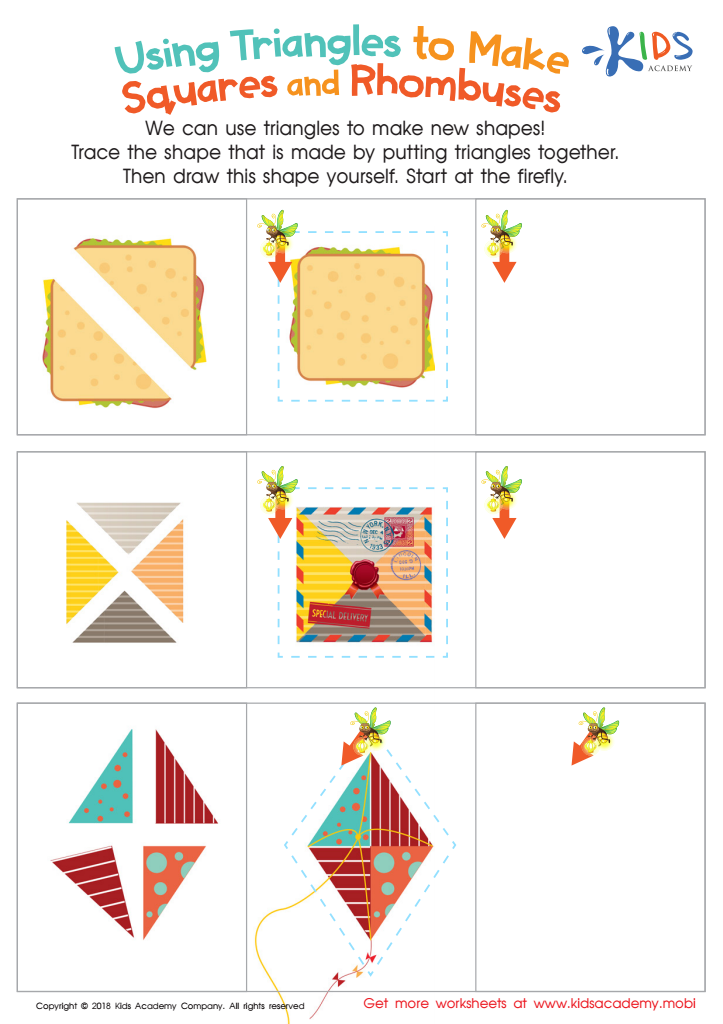
Using Triangles to Make Squares and Rhombuses Worksheet
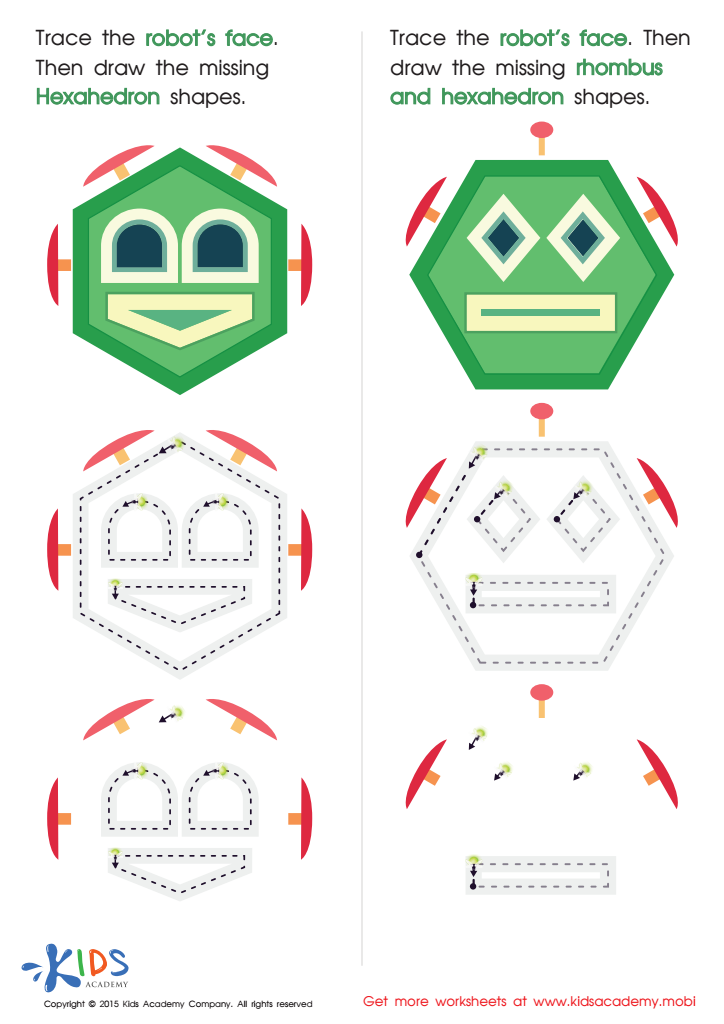
Practice Drawing Hexahedrons And a Rhombus Worksheet
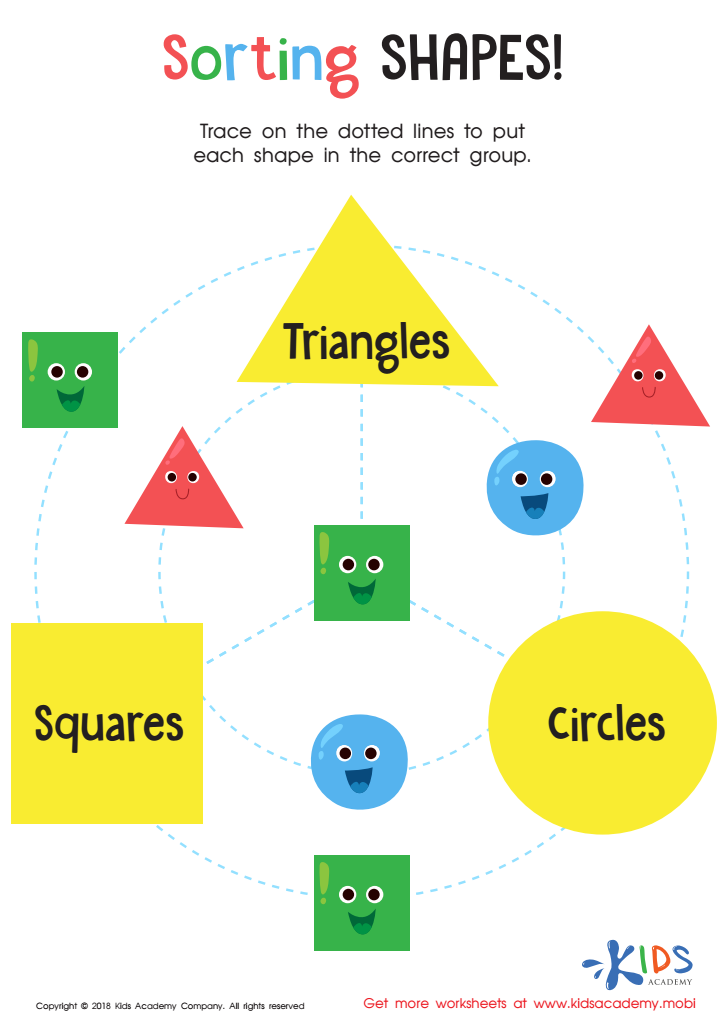
Sorting Shapes - Part 3 Worksheet
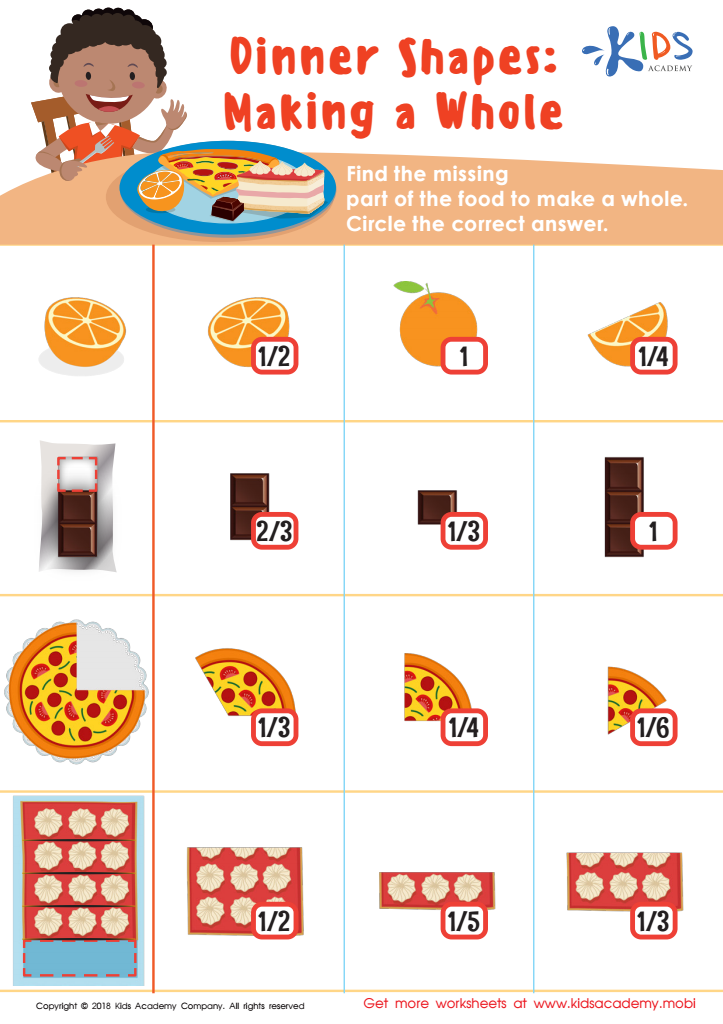
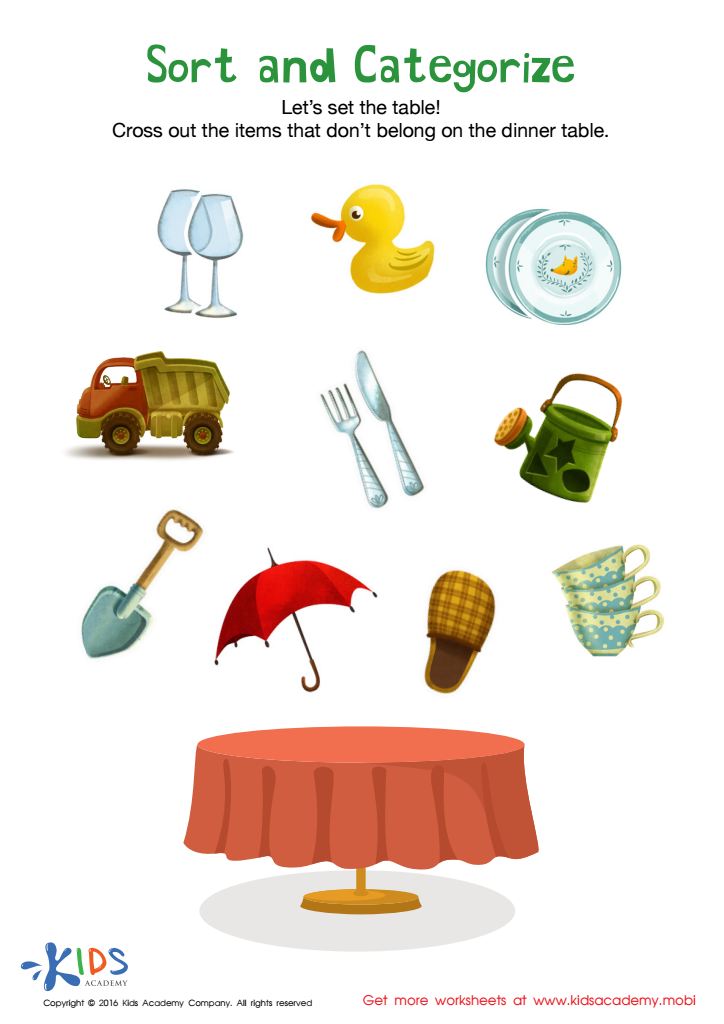
Dinner Shapes: Making a Whole Worksheet
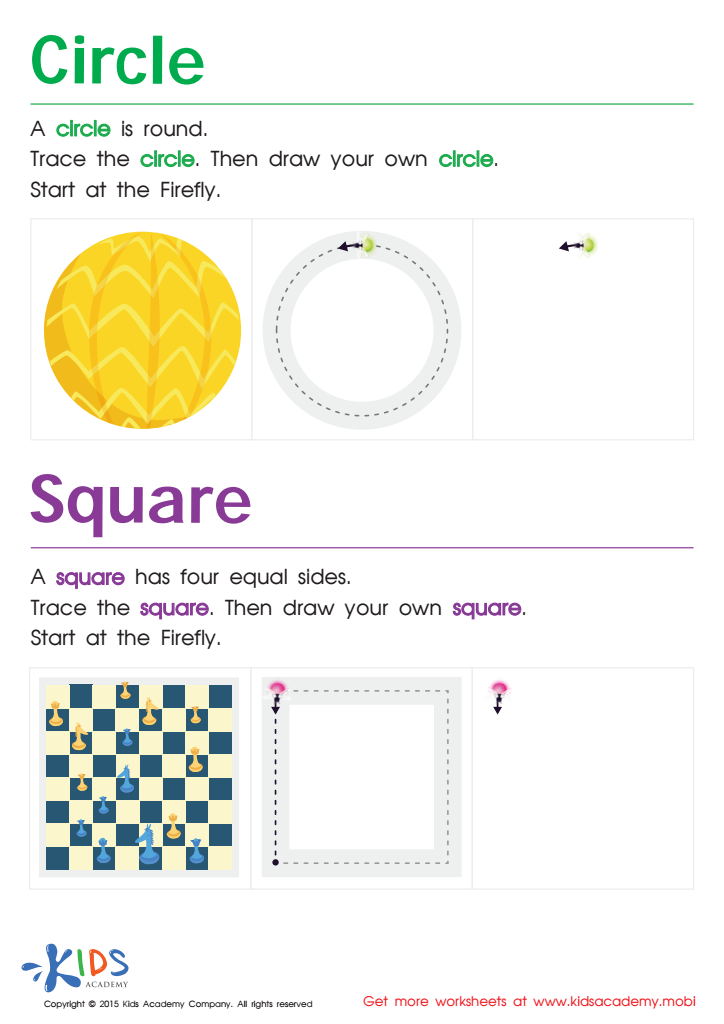
Trace And Draw a Circle And a Square Worksheet
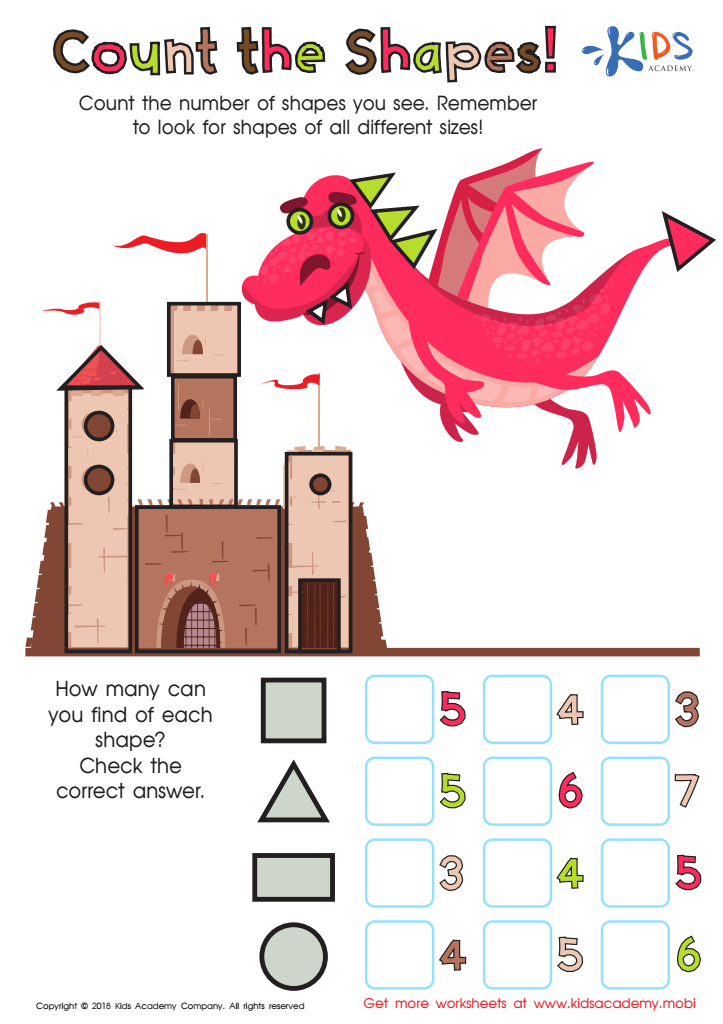
Count the Shapes Worksheet
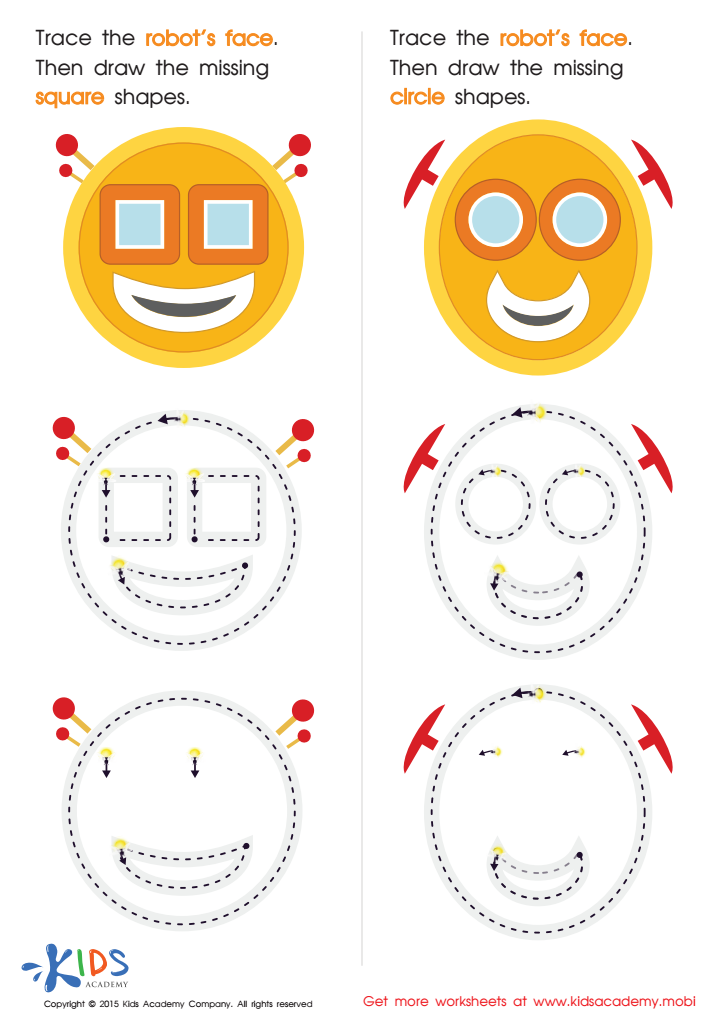
Practicing to Draw Circles And Squares Printable
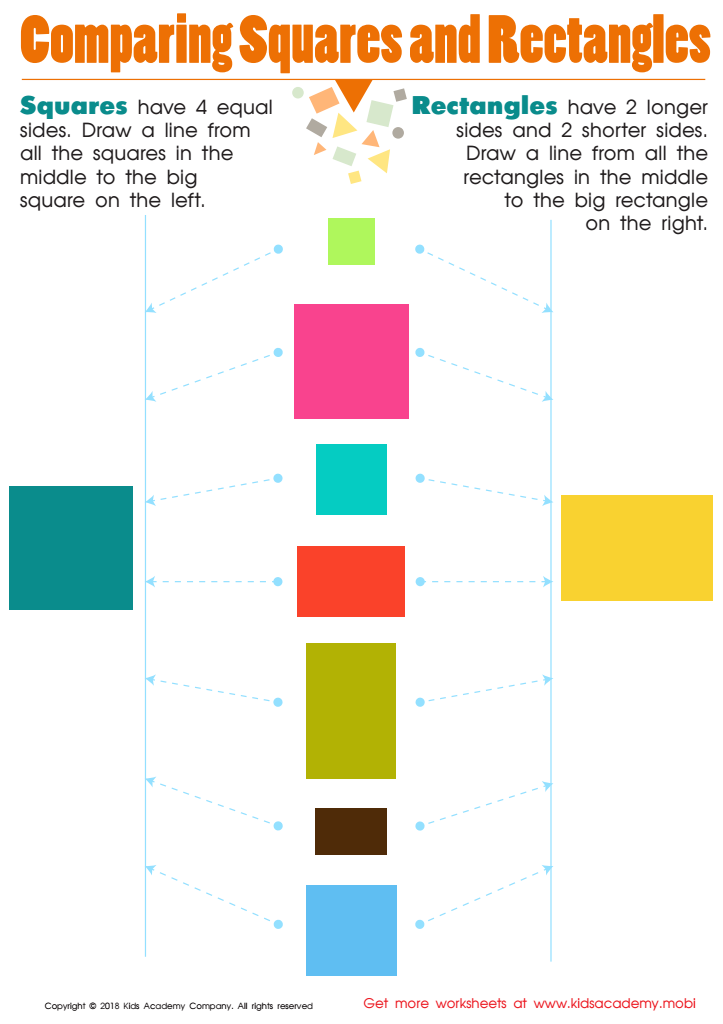
Comparing Squares Rectangles Worksheet
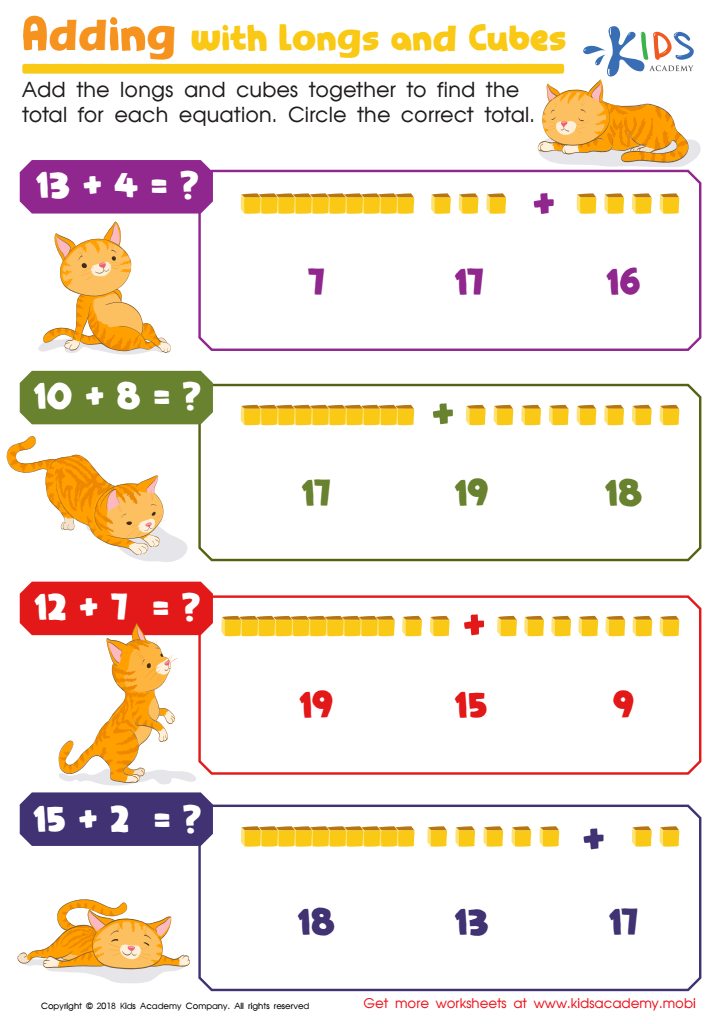
Adding With Longs and Cubes Worksheet
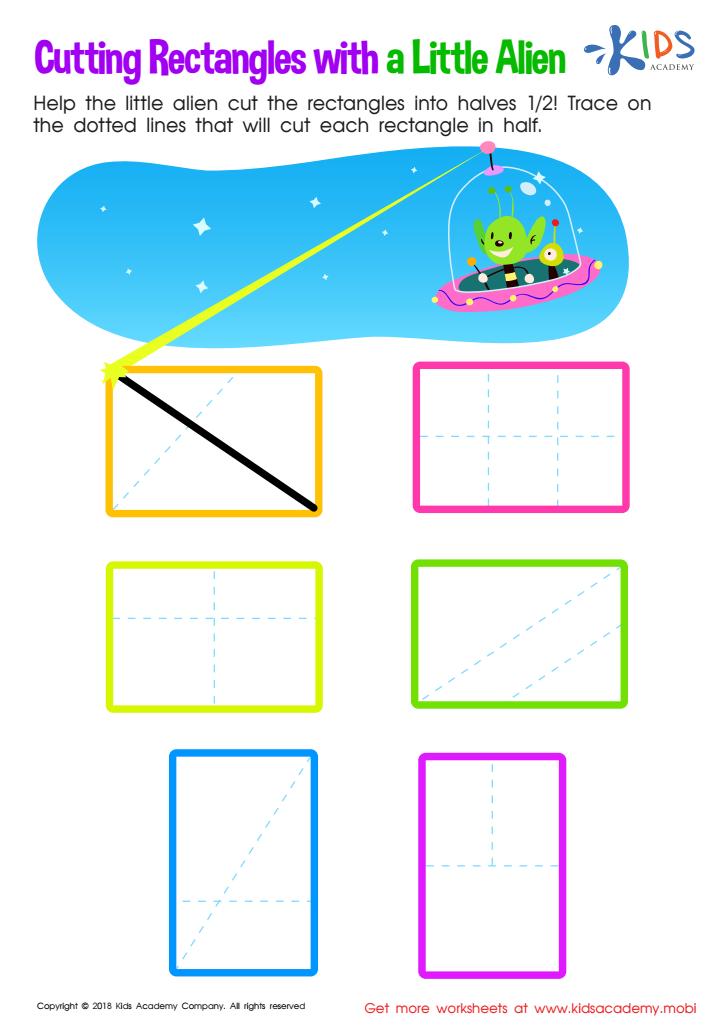
Cutting Rectangles with Alien Worksheet
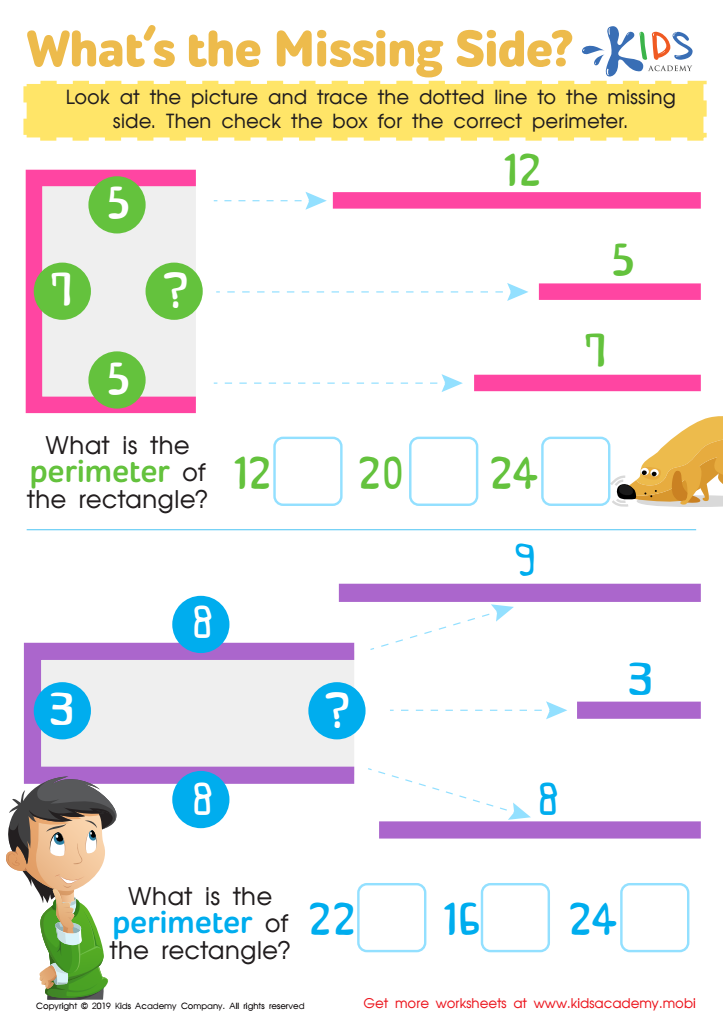
What's the Missing Side Worksheet
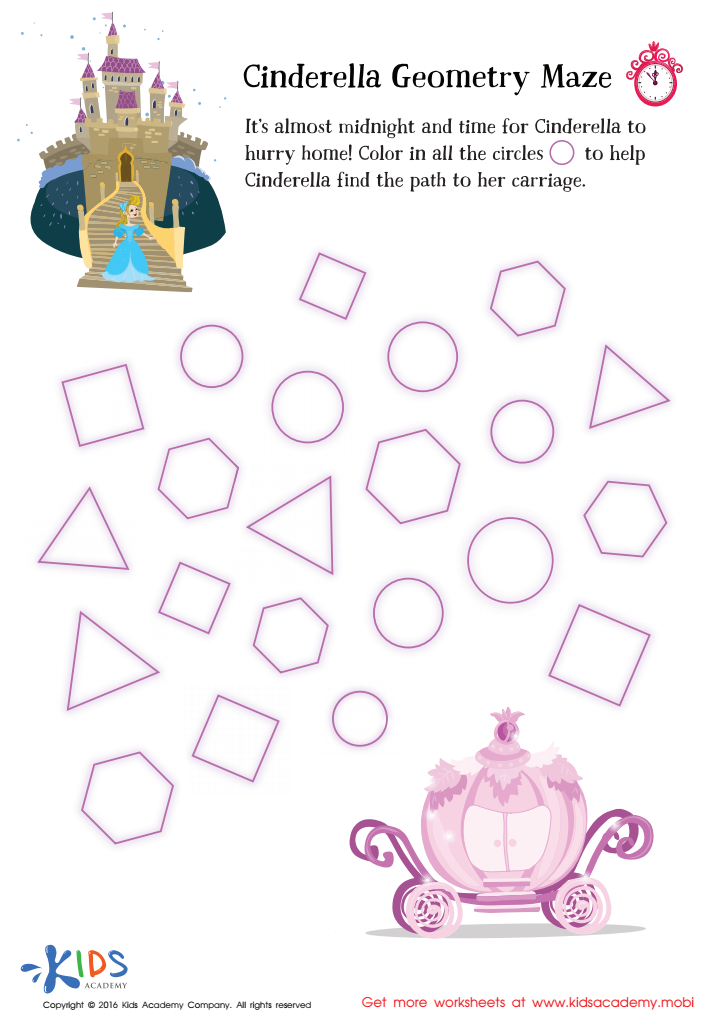
Cinderella Geometry Maze Worksheet
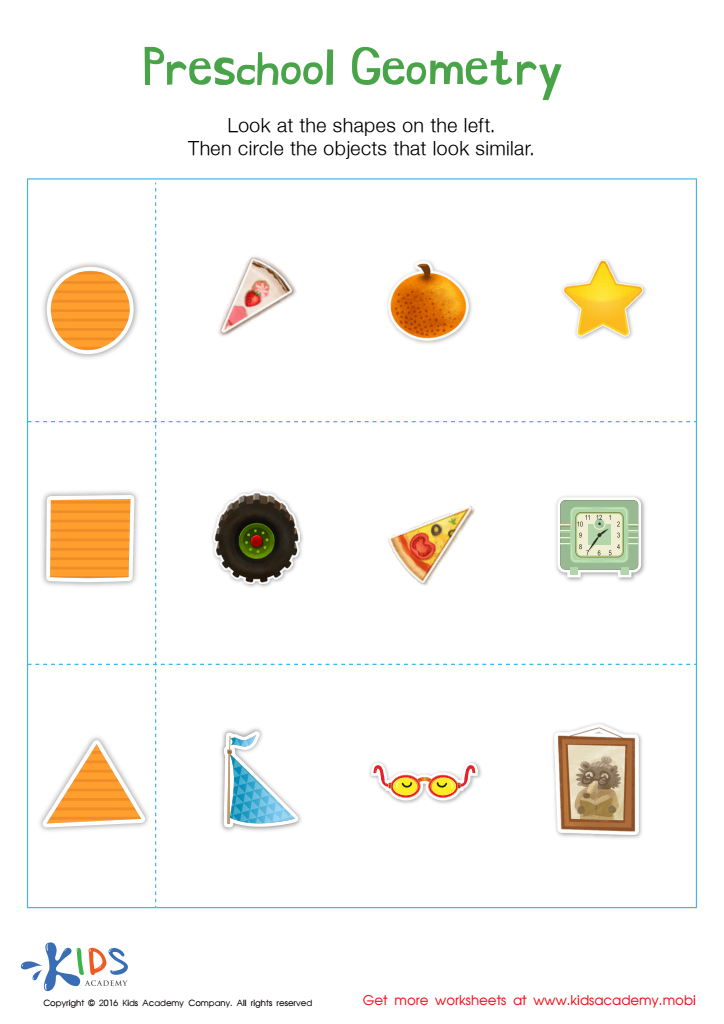
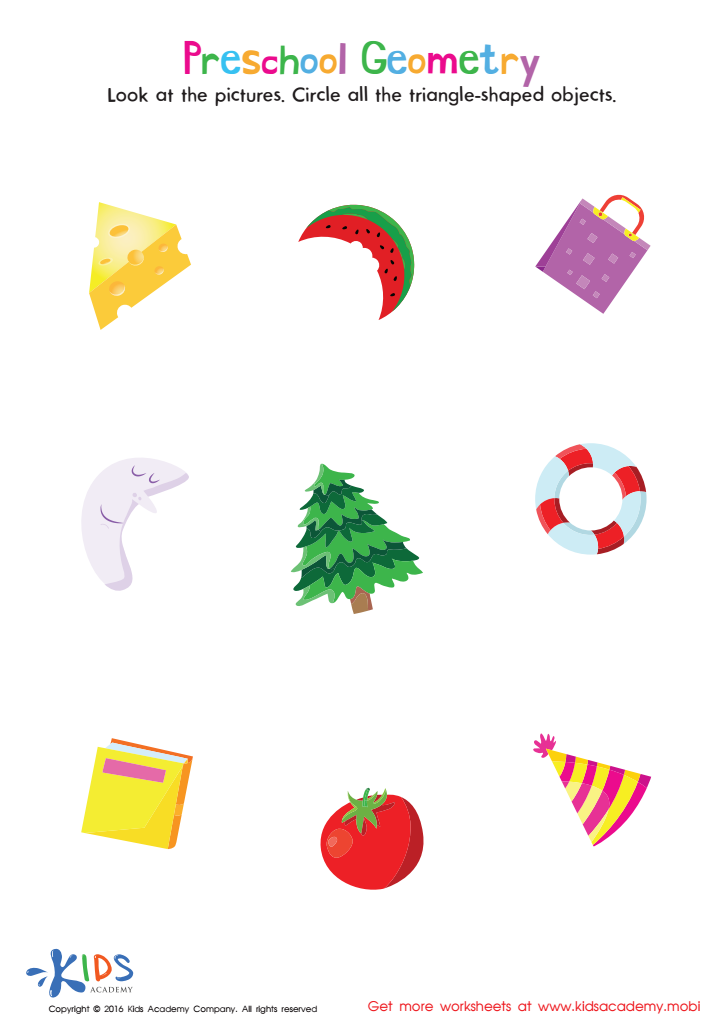
Preschool Geometry Match Up Worksheet
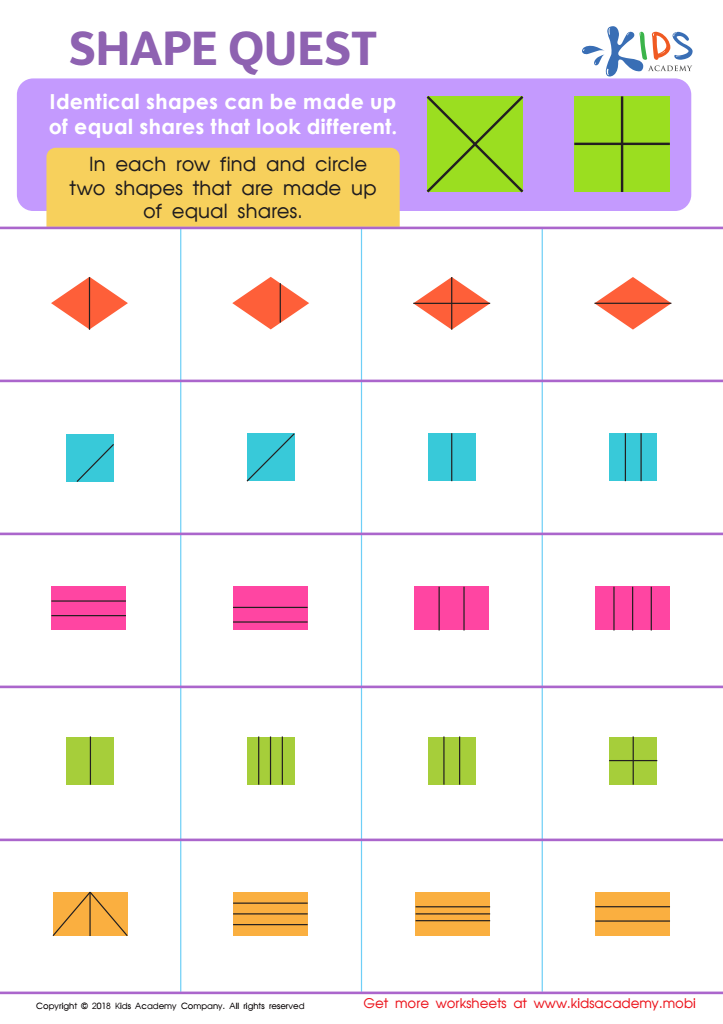
Shape Quest Worksheet
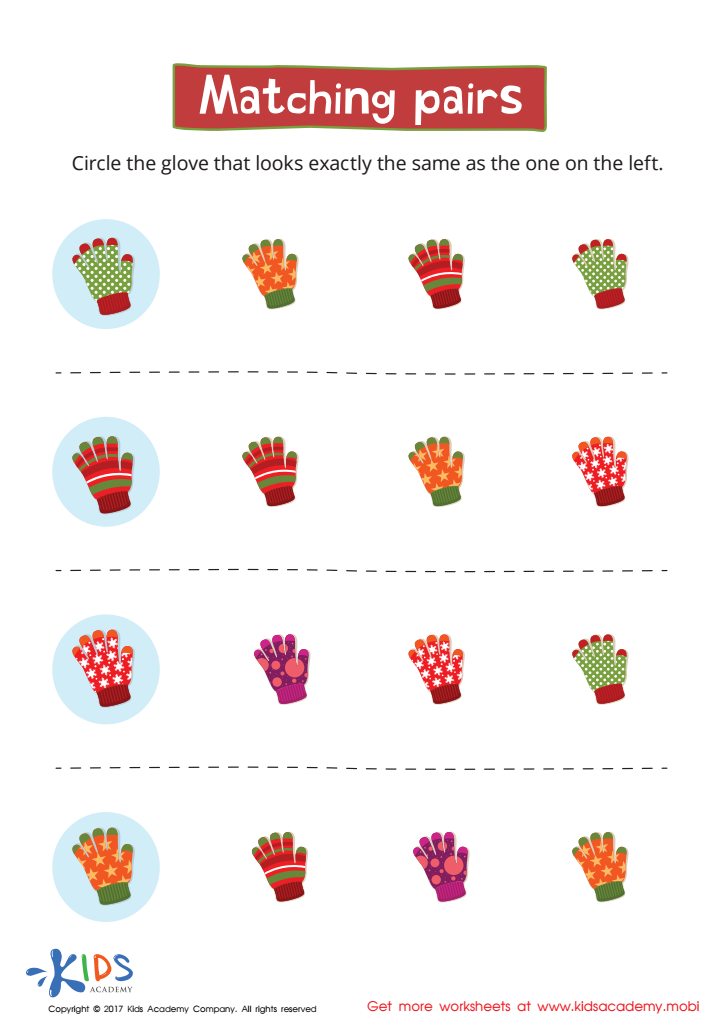
Matching: Matching Pairs Worksheet
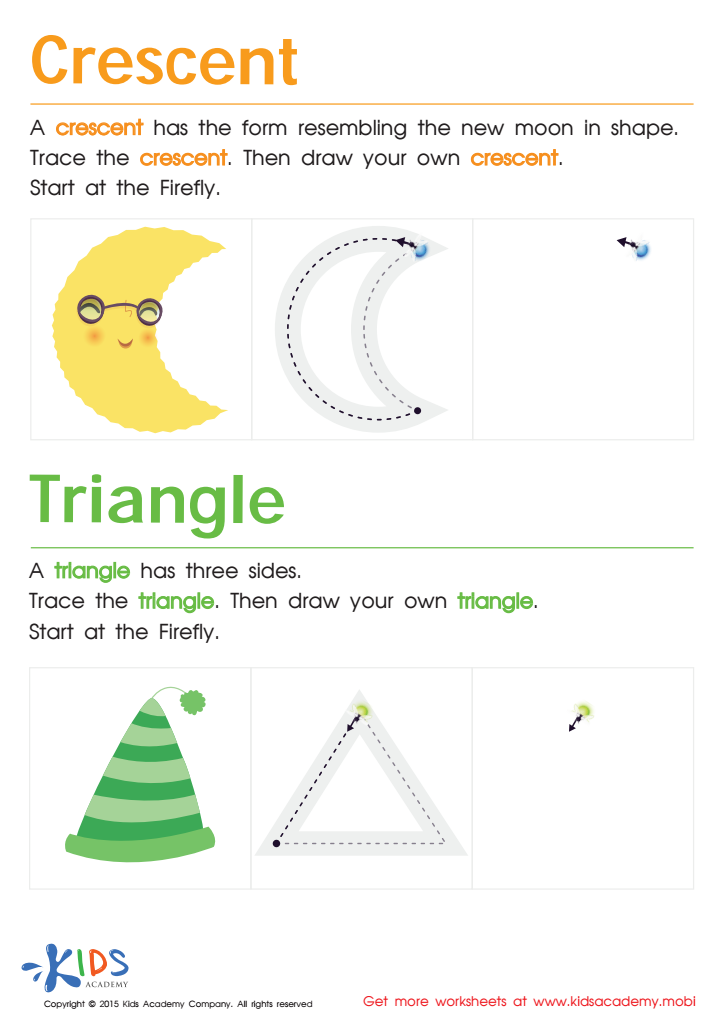
Learning to Draw Crescents And Triangles Worksheet
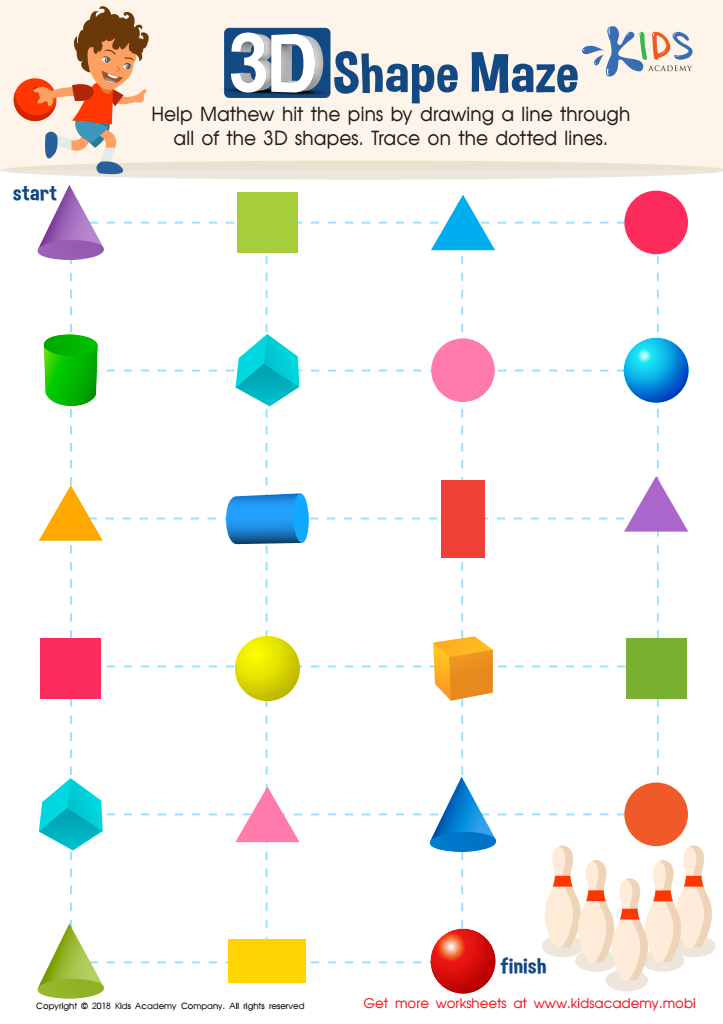
Shapes Maze Geometry Worksheet
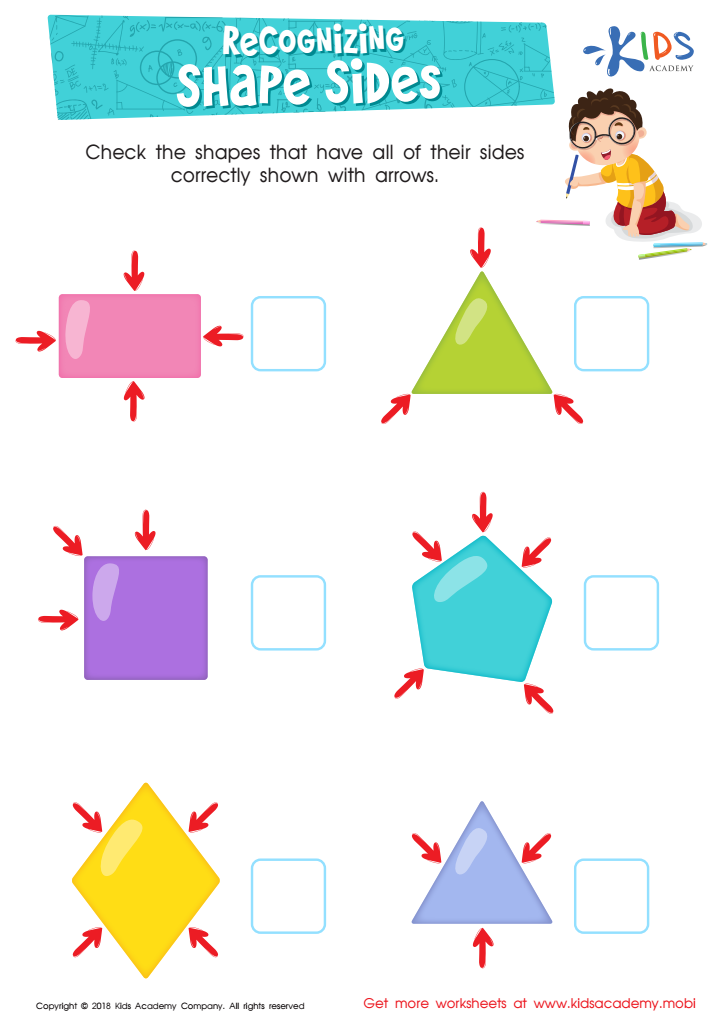
Recognizing Shape Sides Worksheet
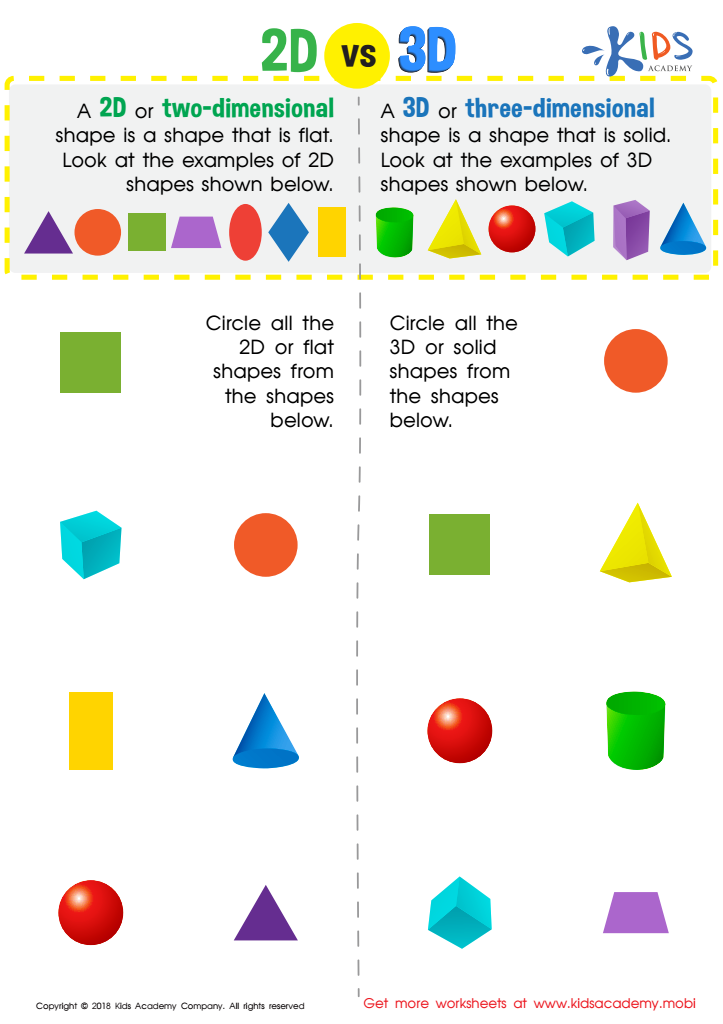
2D vs 3D Shapes Worksheet







Shape recognition is a fundamental aspect of early childhood education, especially in math learning for children ages 3-8. Understanding shapes lays the groundwork for various mathematical concepts, including spatial awareness, pattern recognition, and problem-solving skills. When children can identify and differentiate shapes, they develop a strong foundation for geometry, which they will encounter later in their academic journey.
Parents and teachers should prioritize shape recognition as it enhances cognitive development. Engaging with shapes aids in improving critical thinking and reasoning abilities, allowing children to make connections between different concepts. Additionally, shape-related activities promote fine motor skills through hands-on experiences like sorting, drawing, and building with blocks.
Moreover, these skills play a crucial role in language development. As children learn to describe shapes, they expand their vocabulary and communication skills. Incorporating shape recognition in playful contexts fosters a love for learning and keeps children engaged.
Beyond educational development, mastery of shapes boosts children's confidence as they succeed in recognizing and categorizing objects in their environment. This foundational skill not only prepares them for future academic challenges but also equips them with the necessary tools to navigate the world around them, making it essential for parents and teachers to prioritize shape recognition in early math education.








