Normal Vowels Worksheets for Ages 3-9 - Page 4
82 filtered results
-
From - To
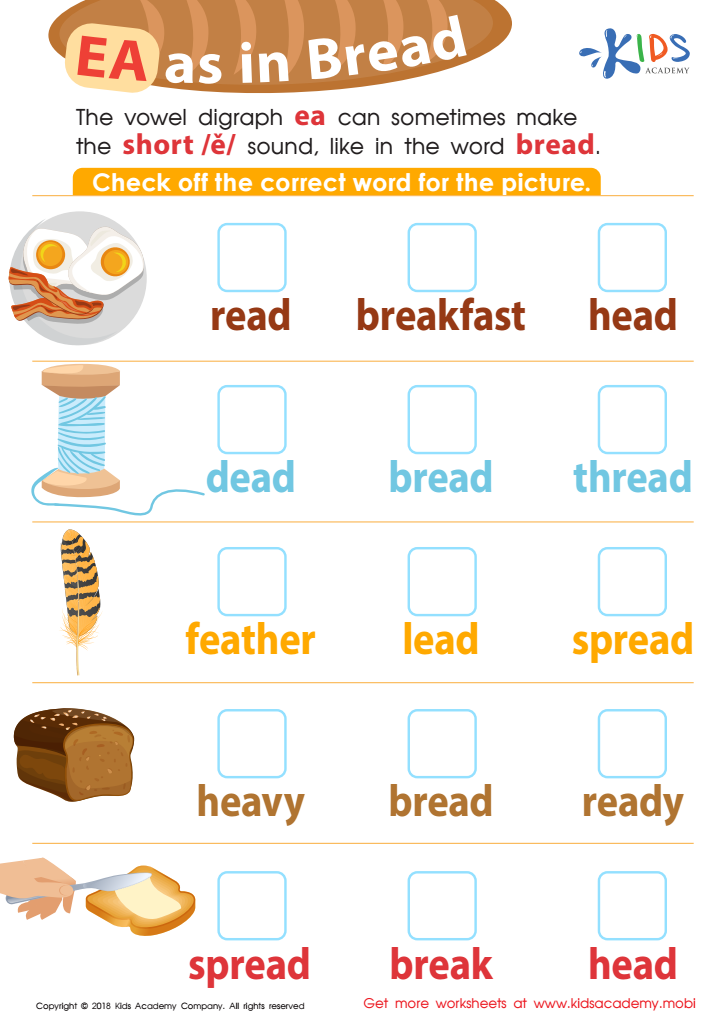
Reading: EA as in Bread Worksheet
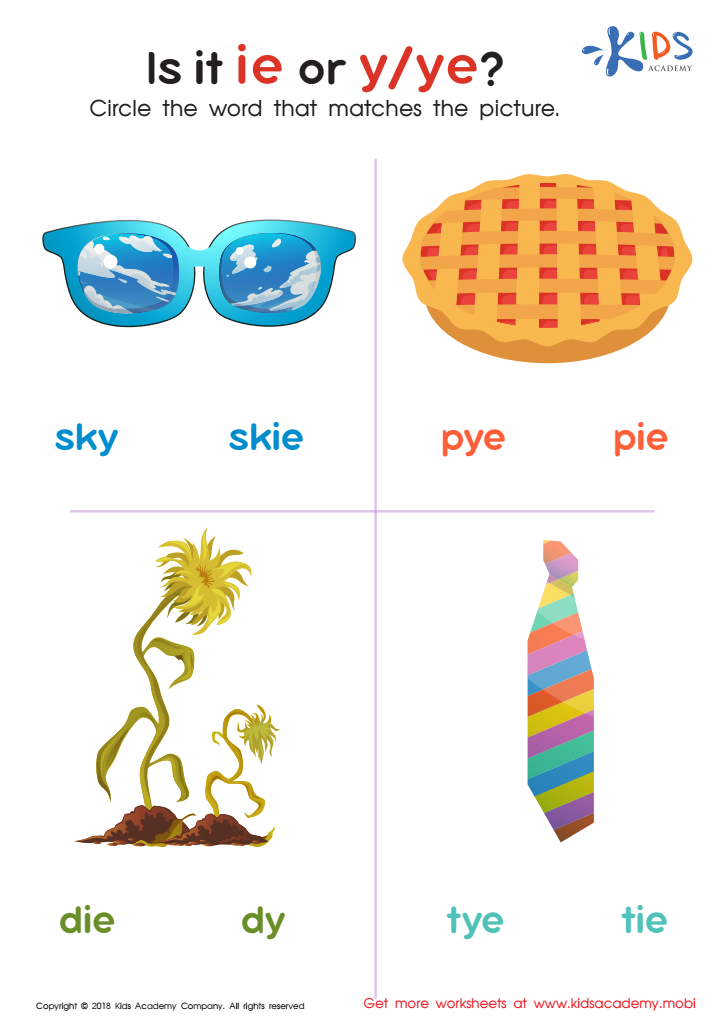
Is It IE or Y/Ye? Worksheet
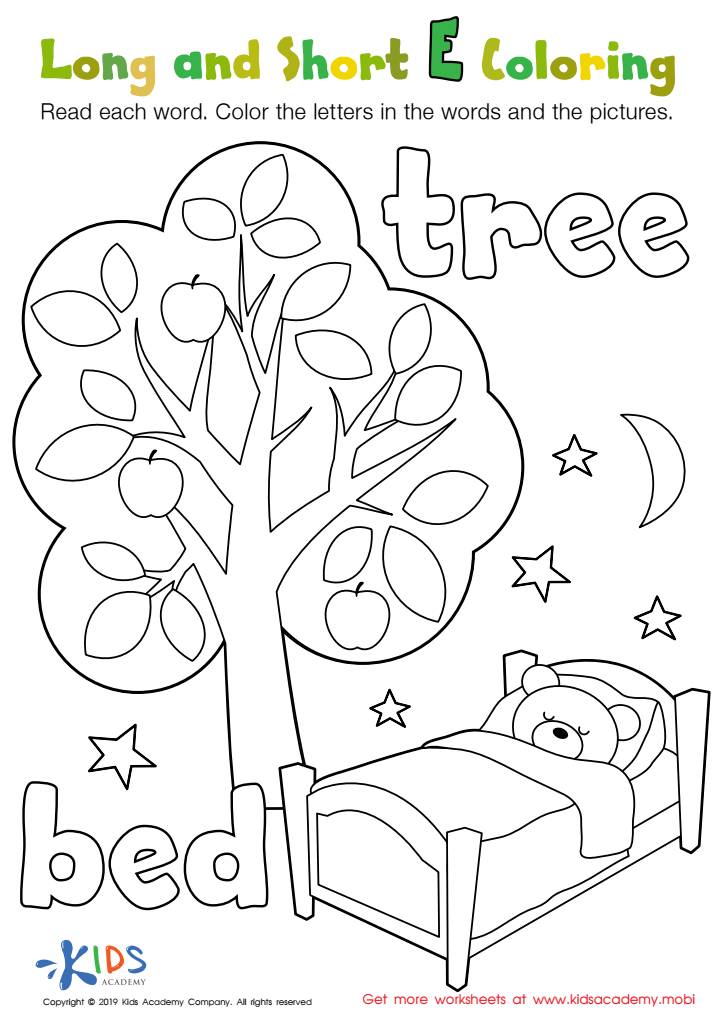
Long and Short E Worksheet
 Assign to My Students
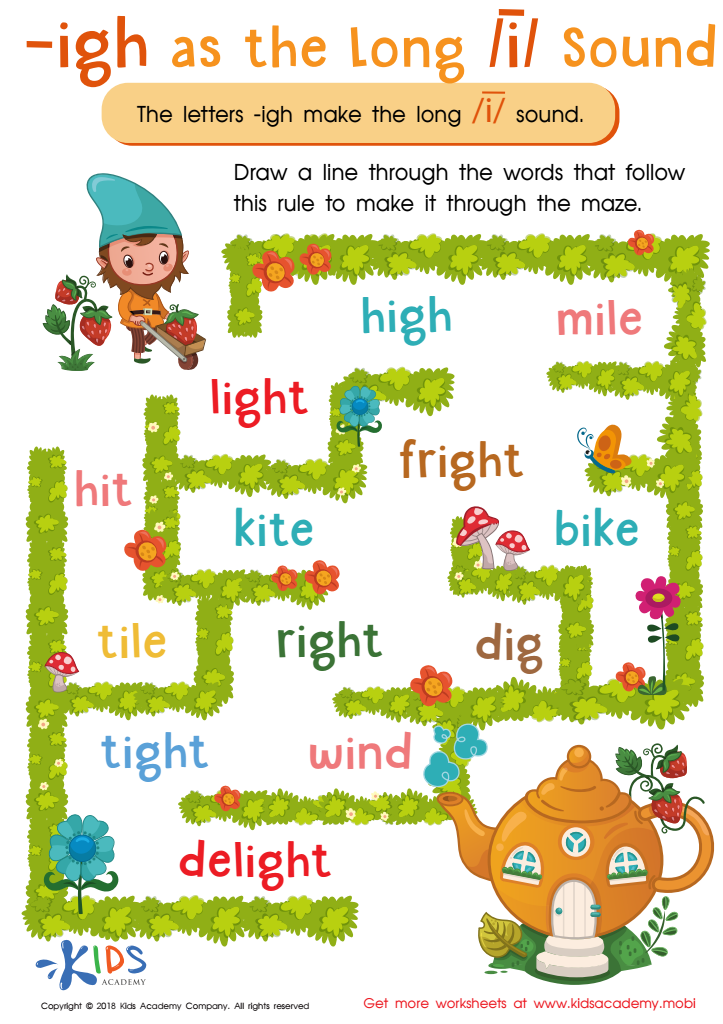
Reading: IGH as Long I Worksheet
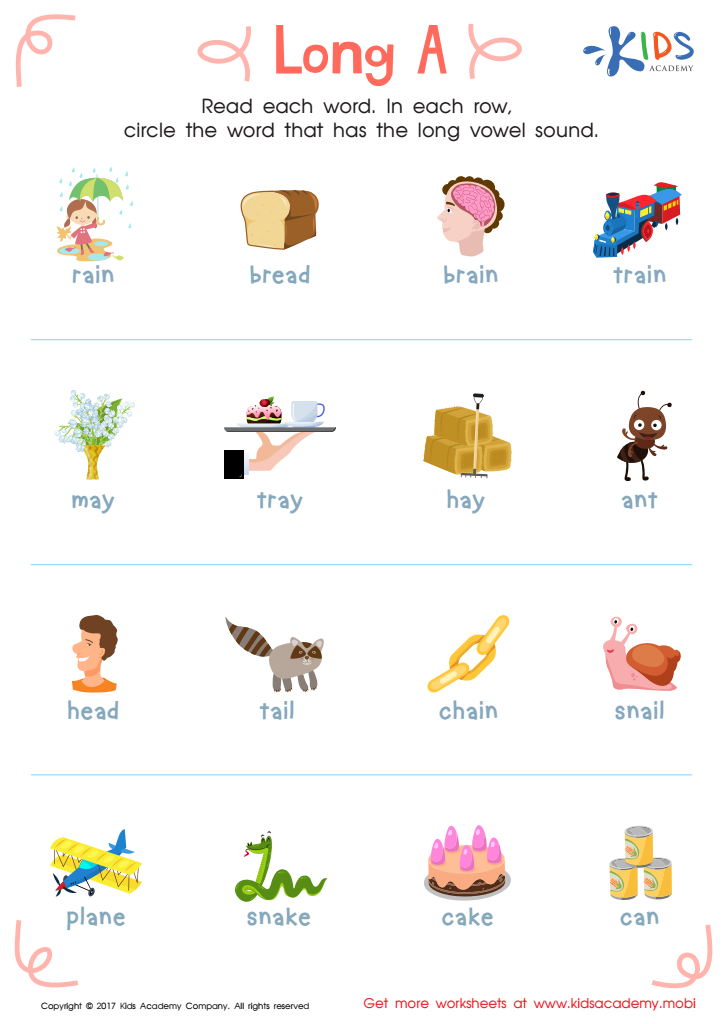
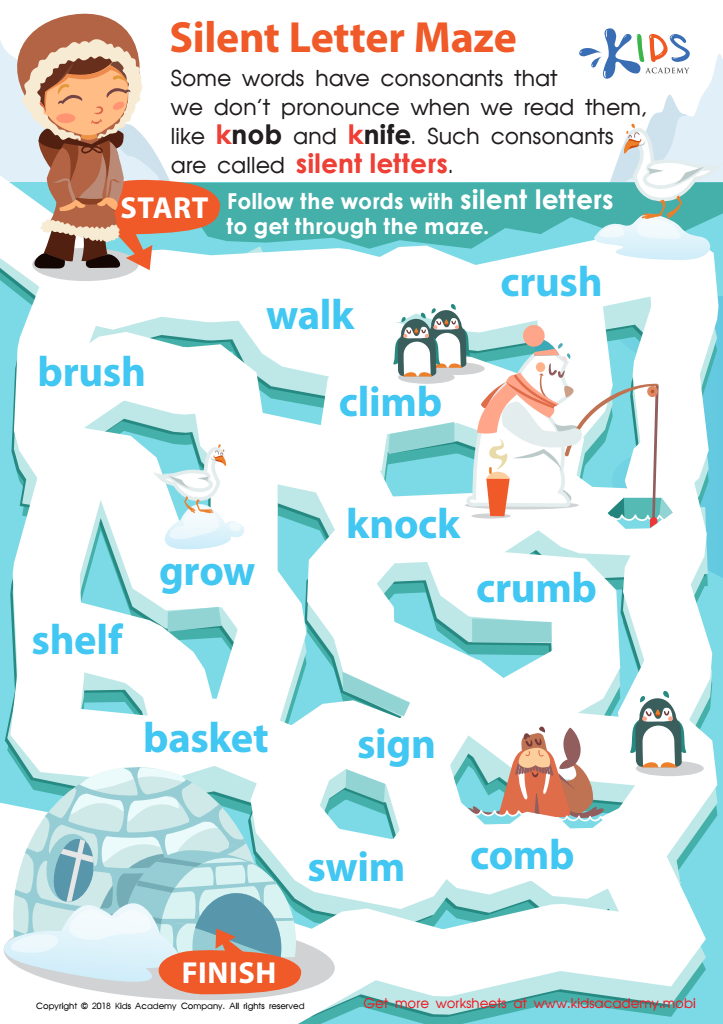
Silent Letter Maze Worksheet
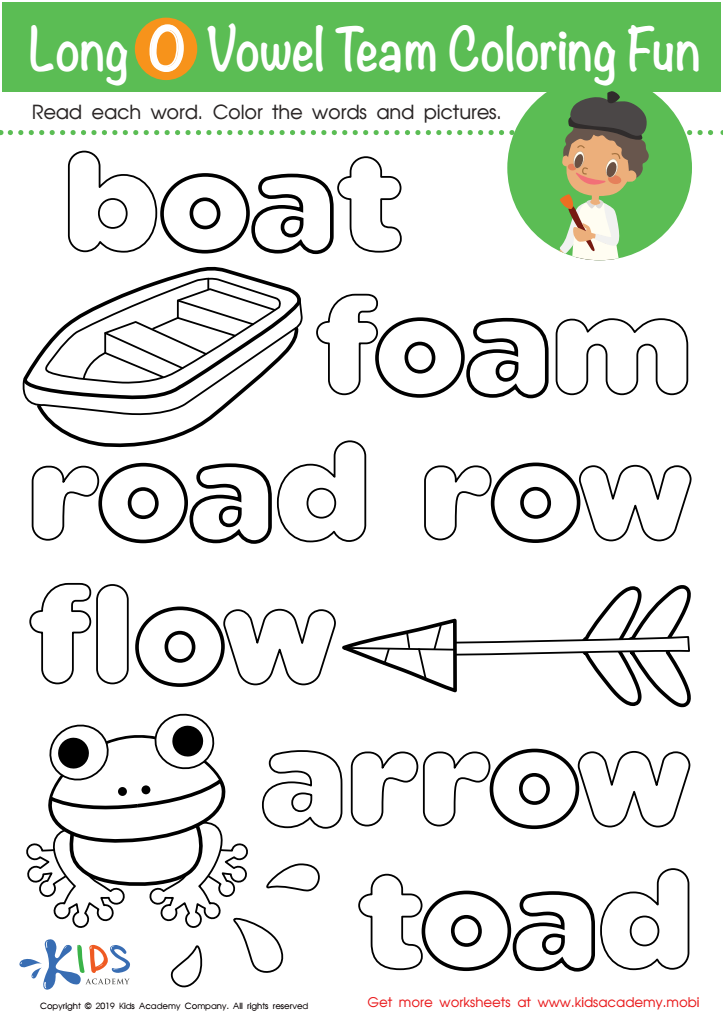
Long O Vowel Team Coloring Worksheet
Assign to My Students
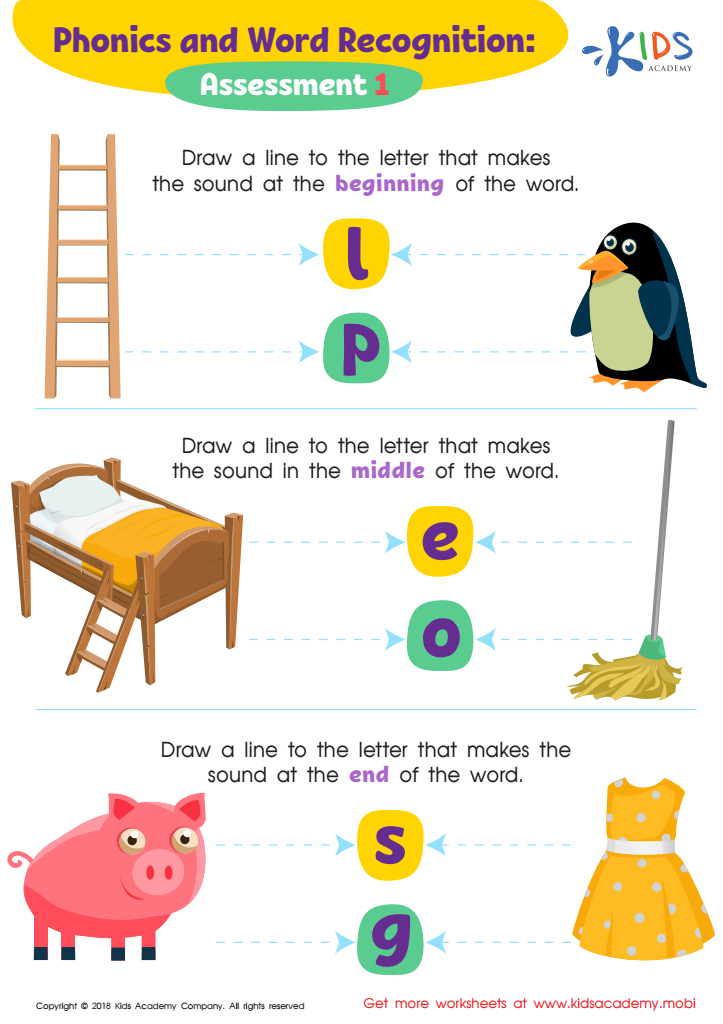
Phonics and Word Recognition: Assessment 1 ELA Worksheet
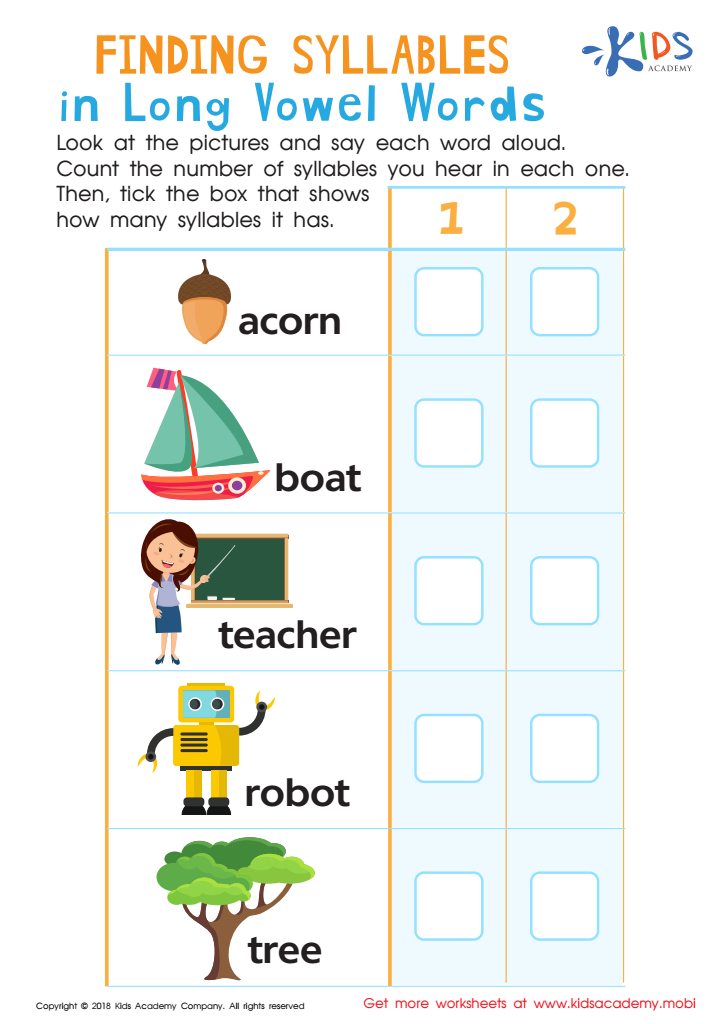
Finding Syllables in Long Vowel Words Worksheet
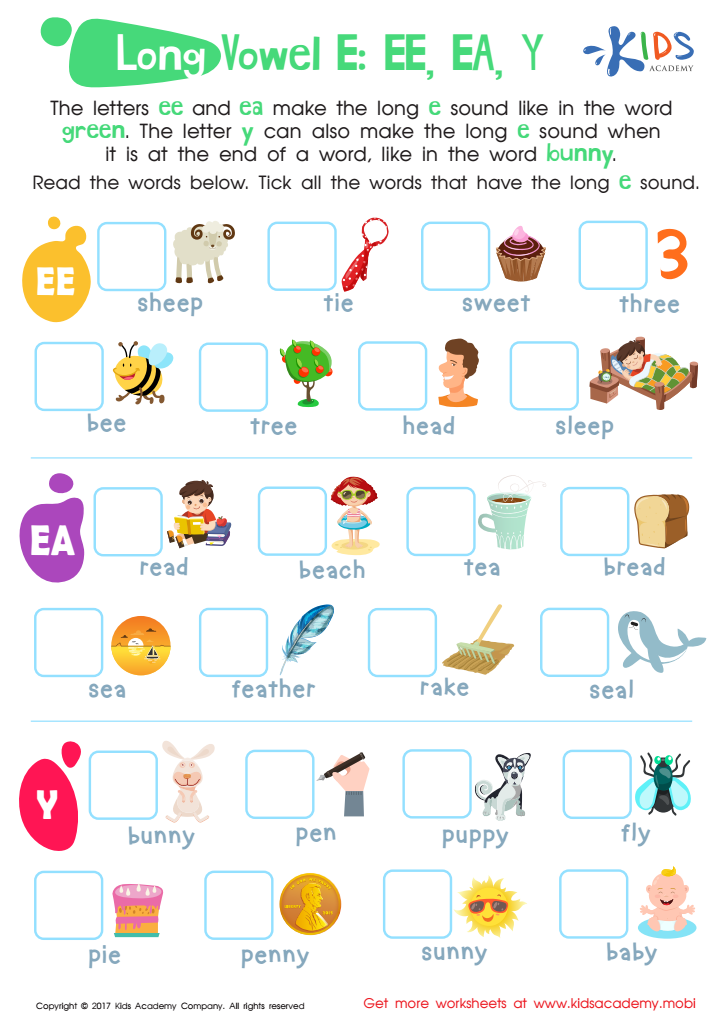
Long Vowel E Printable





Understanding normal vowels is crucial for children aged 3-9 as they form the foundation of reading, writing, and communication skills. Vowels—'a,' 'e,' 'i,' 'o,' and 'u'—are essential components of nearly every word, and their proper recognition and pronunciation can significantly aid a child's literacy development.
For parents and teachers, focusing on normal vowels allows them to equip young learners with the tools necessary for reading and phonetic understanding. Mastery of vowel sounds helps children decode words, making it easier for them to read independently and develop their vocabulary. It also influences their ability to write phonetically correct words, boosting their confidence and fostering a love for language.
Moreover, engaging with vowels through playful activities, songs, and games can enhance phonemic awareness, setting the stage for more advanced literacy skills in the future. This is especially important in the early grades, where language acquisition is at its peak.
By prioritizing vowel comprehension, parents and teachers support children's overall academic success, allowing them to confidently navigate and engage with a text-rich environment. This early investment in vowel understanding ultimately lays the groundwork for lifelong literacy and communication skills.






